

Sex differences in metabolic regulation and diabetes susceptibility
Open accessThe DOI matches its Crossref record; 65 of the 65 references it cites were found in a registry or an index.
Abstract
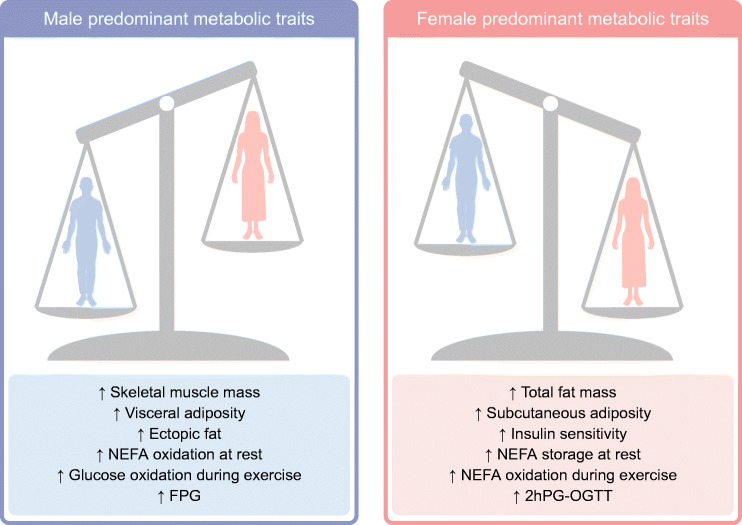
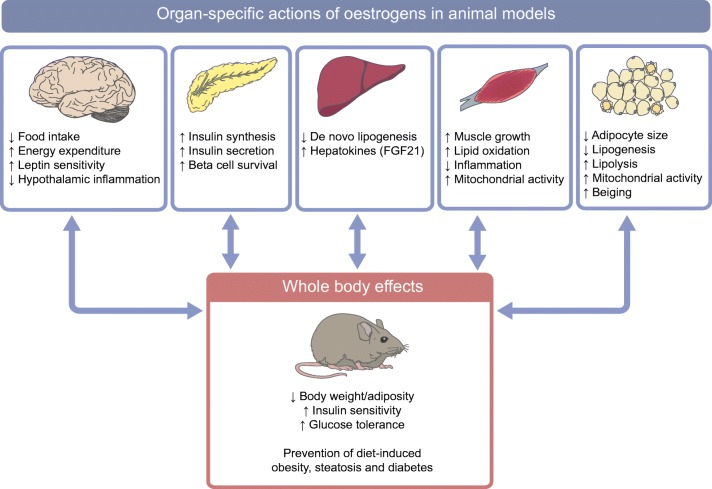
Gender and biological sex impact the pathogenesis of numerous diseases, including metabolic disorders such as diabetes. In most parts of the world, diabetes is more prevalent in men than in women, especially in middle-aged populations. In line with this, considering almost all animal models, males are more likely to develop obesity, insulin resistance and hyperglycaemia than females in response to nutritional challenges. As summarised in this review, it is now obvious that many aspects of energy balance and glucose metabolism are regulated differently in males and females and influence their predisposition to type 2 diabetes. During their reproductive life, women exhibit specificities in energy partitioning as compared with men, with carbohydrate and lipid utilisation as fuel sources that favour energy storage in subcutaneous adipose tissues and preserve them from visceral and ectopic fat accumulation. Insulin sensitivity is higher in women, who are also characterised by higher capacities for insulin secretion and incretin responses than men; although, these sex advantages all disappear when glucose tolerance deteriorates towards diabetes. Clinical and experimental observations evidence the protective actions of endogenous oestrogens, mainly through oestrogen receptor α activation in various tissues, including the brain, the liver, skeletal muscle, adipose tissue and pancreatic beta cells. However, beside sex steroids, underlying mechanisms need to be further investigated, especially the role of sex chromosomes, fetal/neonatal programming and epigenetic modifications. On the path to precision medicine, further deciphering sex-specific traits in energy balance and glucose homeostasis is indeed a priority topic to optimise individual approaches in type 2 diabetes prevention and treatment.
Overview
The claims and statistics of this paper haven’t been checked yet.
Free: it reads the open-access text and checks the first 5 claims that cite a source we can check. Create a free account to check every claim.
Integrity signals
Registry
Cites
Statistics
Figures
Verification
Claims the paper makes
The claims and statistics of this paper haven’t been checked yet.
Free: it reads the open-access text and checks the first 5 claims that cite a source we can check. Create a free account to check every claim.
Claims other papers make about this one
Each is checked against this paper’s own text: does it say what the citing paper says it does?
The source backs part of the claim, not all of it — or backs it for a different population, condition or comparison.
In the citing paper
“Moreover, T2D is more prevalent in men than women, with an estimated 13% of men and 11% of women between the ages of 20–79 classified as diabetic in 2016 (67, 73).”
From Metabolic impact of endogenously produced estrogens by adipose tissue in females and males across the lifespan (2025) · cites this paper as [73]
Experimental — accuracy not yet measured
Self-check
Percentages, sums and reported differences re-computed from the paper’s own numbers.
The self-check needs the paper’s full text.
Citations
Cites
IDF Diabetes Atlas: Global estimates of diabetes prevalence for 2017 and projections for 2045
Cho, N. H., Shaw, J. E., Karuranga, S., Huang, Y., da Rocha Fernandes, J. D., Ohlrogge, A. W., & Malanda, B. (2018) · Diabetes Research and Clinical Practice · doi:10.1016/j.diabres.2018.02.023 · Cited by 7,283
Identification and Importance of Brown Adipose Tissue in Adult Humans
Cypess, A. M., Lehman, S., Williams, G., Tal, I., Rodman, D., Goldfine, A. B., Kuo, F. C., Palmer, E. L., Tseng, Y.-H., Doria, A., et al. (2009) · New England Journal of Medicine · doi:10.1056/nejmoa0810780 · Cited by 4,399
Zhou, B., Lu, Y., Hajifathalian, K., Bentham, J., Di Cesare, M., Danaei, G., Bixby, H., Cowan, M., Ali, M., Taddei, C., et al. (2016) · The Lancet · doi:10.1016/s0140-6736(16)00618-8 · Cited by 4,311
Functional Brown Adipose Tissue in Healthy Adults
Virtanen, K. A., Lidell, M. E., Orava, J., Heglind, M., Westergren, R., Niemi, T., Taittonen, M., Laine, J., Savisto, N.-J., Enerbäck, S., et al. (2009) · New England Journal of Medicine · doi:10.1056/nejmoa0808949 · Cited by 3,058
Sex and Gender Differences in Risk, Pathophysiology and Complications of Type 2 Diabetes Mellitus
Kautzky-Willer, A., Harreiter, J., & Pacini, G. (2016) · Endocrine Reviews · doi:10.1210/er.2015-1137 · Cited by 2,043
The role of estrogens in control of energy balance and glucose homeostasis
Mauvais-Jarvis, F., Clegg, D. J., & Hevener, A. L. (2013) · Endocrine Reviews · doi:10.1210/er.2012-1055 · Cited by 1,329
Sex differences in human adipose tissues – the biology of pear shape
Karastergiou, K., Smith, S. R., Greenberg, A. S., & Fried, S. K. (2012) · Biology of Sex Differences · doi:10.1186/2042-6410-3-13 · Cited by 1,109
Lonardo, A., Nascimbeni, F., Ballestri, S., Fairweather, D., Win, S., Than, T. A., Abdelmalek, M. F., & Suzuki, A. (2019) · Hepatology · doi:10.1002/hep.30626 · Cited by 1,050
Aromatase-deficient (ArKO) mice have a phenotype of increased adiposity
Jones, M. E. E., Thorburn, A. W., Britt, K. L., Hewitt, K. N., Wreford, N. G., Proietto, J., Oz, O. K., Leury, B. J., Robertson, K. M., Yao, S., et al. (2000) · Proceedings of the National Academy of Sciences · doi:10.1073/pnas.97.23.12735 · Cited by 729
Kanaya, A. M., Herrington, D., Vittinghoff, E., Lin, F., Grady, D., Bittner, V., Cauley, J. A., & Barrett-Connor, E. (2003) · Annals of Internal Medicine · doi:10.7326/0003-4819-138-1-200301070-00005 · Cited by 633
Cited by
Items 301–400 of 1,000
Risk factors for cardiovascular disease: the known unknown
Arita, V. A., Beigrezaei, S., & Franco, O. H. (2023) · European Journal of Preventive Cardiology · doi:10.1093/eurjpc/zwad392 · Cited by 14
Escobar-Morreale, H. F., Martínez-García, M. Á., Insenser, M. R., Cañellas, N., Correig, X., & Luque‐Ramírez, M. (2023) · Biology of Sex Differences · doi:10.1186/s13293-023-00547-2 · Cited by 13
Chowdhury, N. N., Surowiec, R. K., Kohler, R. K., Reul, O. N., Segvich, D. M., & Wallace, J. M. (2024) · Calcified Tissue International · doi:10.1007/s00223-024-01216-1 · Cited by 13
“Sex-based differences are driven by differences in sex hormones, as these hormones play a role in regulating glucose homeostasis and insulin secretion [37].”
Novel secreted regulators of glucose and lipid metabolism in the development of metabolic diseases
Wat, L. W., & Svensson, K. J. (2024) · Diabetologia · doi:10.1007/s00125-024-06253-x · Cited by 13
“Given that women have a lower prevalence of type 2 diabetes and increased insulin sensitivity compared with men [55], the sex difference in serum NRG1 levels may be regulated by sex hormones such as oestrogen.”
Li, M., Liu, Y., Gao, L., Zheng, Y., Chen, L., Wang, Y., & Zhang, W. (2025) · Frontiers in Public Health · doi:10.3389/fpubh.2024.1475330 · Cited by 13
Deng, L., Lu, S., Zeng, J., & Liu, H. (2025) · Frontiers in Endocrinology · doi:10.3389/fendo.2025.1626225 · Cited by 6
Polydatin Alleviates Diabetes-Induced Hyposalivation through Anti-Glycation Activity in db/db Mouse
Kim, H. R., Jung, W. K., Park, S., Ryu, H. Y., Kim, Y. H., & Kim, J. (2021) · Pharmaceutics · doi:10.3390/pharmaceutics14010051 · Cited by 13
“These results are thought to have resulted from the combination of female and male insulin resistance difference [34,35], the difference in pathogenesis for type 1 and 2 diabetes mellitus [36], and the usage, which requires a more detailed study to find the causes.”
BackgroundShi, X., Liu, W., Zhang, L., Xiao, F., Huang, P., Yan, B., Zhang, Y., Su, W., Jiang, Q., Lin, M., et al. (2022) · Frontiers in Endocrinology · doi:10.3389/fendo.2022.913207 · Cited by 13
“Lean mass, body fat composition and distribution, hormone concentrations, and lifestyles showed a difference between males and females, which influenced muscle health and glucose metabolism (12).”
BackgroundSarnings, W., Aman, A. M., Rasyid, H., Bakri, S., Sanusi, H. D., Daud, N. A., & Zainuddin, A. A. (2022) · Journal of Endocrinology and Metabolism · doi:10.14740/jem823 · Cited by 13
“In addition, in women at premenopausal age under the influence of the hormone estrogen, it causes an increase in subcutaneous fat while in men an increase in visceral fat [21].”
BackgroundImplicit gender bias in the diagnosis and treatment of type 2 diabetes: A randomized online study
Skvortsova, A., Meeuwis, S. H., Vos, R. C., Vos, H. M. M., van Middendorp, H., Veldhuijzen, D. S., & Evers, A. W. M. (2023) · Diabetic Medicine · doi:10.1111/dme.15087 · Cited by 13
Yang, H., Kim, M.-J., Hur, H. J., Jang, D.-J., Lee, B.-K., Kim, M., & Park, S. (2023) · Nutrients · doi:10.3390/nu15071741 · Cited by 13
“However, the insulin secretion capacity is lower in Asians than Caucasians, and T2DM incidences are quickly rising in Asians with high insulin resistance [19,22].”
BackgroundChang, M., Shao, Z., Wei, W., Shen, P.-P., & Shen, G. (2023) · Frontiers in Endocrinology · doi:10.3389/fendo.2023.1241169 · Cited by 13
Sex Differences in Metabolic Disorders of Aging and Obesity in People with HIV
Alvarez, J. A., Yang, C.-A., Ojuri, V., Buckley, K., Bedi, B., Musonge-Effoe, J., Soibi-Harry, A. P., & Lahiri, C. D. (2024) · Current HIV/AIDS Reports · doi:10.1007/s11904-024-00711-2 · Cited by 13
“Distinct physiological and hormonal profiles between sexes portend sex differences in glucose metabolism and IR among people with and without HIV [28, 48].”
Muscogiuri, G., Caporusso, M., Caruso, P., Poggi, C. D., Vitale, M., Zurru, A., Colao, A., & the Italian Study Group on Gender Difference in Endocrine Diseases (2024) · Journal of Endocrinological Investigation · doi:10.1007/s40618-024-02491-3 · Cited by 14
“This condition appears to be more frequent in males, especially when defined by IFG and HbA1c values between 5.7% and 6.4%, whereas the female gender is more often associated with IGT [ 11, 12 ].”
InfluentialRoky, R., Aadil, N., Krami, A. M., Benaji, B., Errabih, I., Abdelrahim, D. N., & Faris, M. E. (2022) · Frontiers in Nutrition · doi:10.3389/fnut.2022.908674 · Cited by 13
“Regarding the sex factor in diabetes outcome, several large studies and systematics reviews showed that many aspects of energy balance and glucose metabolism are regulated differently in males and females and influence their predisposition to type 2 diabetes (74).”
BackgroundRoberti, S. L., Higa, R., Sato, H., Ribot, D. G., Capobianco, E., & Jawerbaum, A. (2020) · Reproductive Toxicology · doi:10.1016/j.reprotox.2020.05.002 · Cited by 13
Testosterone and Glucose Homeostasis in Adult Males: Current Insights and Future Prospects
Milionis, C., Koukkou, E. G., Venaki, E., & Ilias, Ι. (2024) · Discovery Medicine · doi:10.24976/discov.med.202436184.81 · Cited by 12
Visa, M., & Berggren, P. (2024) · Diabetologia · doi:10.1007/s00125-024-06173-w · Cited by 12
“Sex differences in the risk of developing type 2 diabetes are well known [36].”
BackgroundQiu, S., Li, C., Zhu, J., & Guo, Z. (2024) · Lipids in Health and Disease · doi:10.1186/s12944-024-02172-3 · Cited by 12
“The underlying mechanisms for this distinction are not fully understood and may stem from variances in hormonal pathways between the sexes [46, 47].”
BackgroundKaratzia, L., Cullen, F., Young, M., Lam, S. H., Morales, V., Bianchi, K., Henson, S. M., & Aksentijević, D. (2025) · Diabetes · doi:10.2337/db24-0385 · Cited by 12
“Overall, female diabetic mice had changes suggestive of diabetic nephropathy and myopathy, whereas males had signs of liver dysfunction, in line with previous findings (42).”
Wang, X., Zheng, K., Hu, X., & Pei, J. (2025) · Diabetes Research and Clinical Practice · doi:10.1016/j.diabres.2025.112163 · Cited by 12
Schell, L. D., Chadaideh, K. S., Allen‐Blevins, C. R., Venable, E. M., & Carmody, R. N. (2024) · American Journal of Clinical Nutrition · doi:10.1016/j.ajcnut.2025.04.010 · Cited by 13
Precision Medicine for Diabetic Retinopathy: Integrating Genetics, Biomarkers, Lifestyle, and AI
Kaurich, C., Mahajan, N. S., & Bhatwadekar, A. D. (2025) · Genes · doi:10.3390/genes16091096 · Cited by 12
“ASAB is a known risk factor for diabetes and its complications [33].”
Sodium nitrate protects against metabolic syndrome by sialin-mediated macrophage rebalance
Li, S., Wang, Y., Zhang, Z., Xu, H., Wu, S., Jin, H., Han, X., Liu, Y., Wen, X., Wu, Y., et al. (2025) · Signal Transduction and Targeted Therapy · doi:10.1038/s41392-025-02418-1 · Cited by 12
“39 – 43 Consequently, the inclusion of both male and female mice in subsequent research would provide a more complete assessment of NaNO 3 ’ s potential therapeutic bene fi ts.”
Umano, G. R., Galderisi, A., Aiello, F. B., Martino, M., Camponesco, O., Sessa, A. D., Marzuillo, P., Alfonso, P., & del Giudice, E. M. (2023) · International Journal of Obesity · doi:10.1038/s41366-023-01257-w · Cited by 12
Ectopic lipid metabolism in anterior pituitary dysfunction
Baumgartner, C., Krššák, M., Vila, G., Krebs, M., & Wolf, P. S. (2023) · Frontiers in Endocrinology · doi:10.3389/fendo.2023.1075776 · Cited by 12
“By exceeding the individual fat threshold (2), TG further accumulate at ectopic sites other than WAT, resulting in an unfavorable increase of visceral fat, as well as ectopic lipid accumulation in insulin dependent organs (3).”
BackgroundInfluentialAlfadul, H., Sabico, S., Ansari, M. G. A., Alnaami, A. M., Amer, O. E., Hussain, S. D., Wani, K., Khattak, M. N. K., Clerici, M., & Al‐Daghri, N. M. (2023) · Biomedicines · doi:10.3390/biomedicines11051315 · Cited by 12
“This observation on the lack of sexual dimorphism may be limited by the sample size and should be interpreted with caution, as genetic variations and epigenetic modifications following exposure to different conditions such as T2DM susceptibility are consistently sexually dimorphic [35].”
BackgroundYaegashi, A., Kimura, T., Hirata, T., Iso, H., & Tamakoshi, A. (2023) · Journal of Nutritional Science · doi:10.1017/jns.2022.122 · Cited by 12
“Second, this might be due to differences in sex hormones (23) .”
BackgroundInfluentialNegm, A., Stobbe, K., Fradj, S. B., Sanchez, C., Landra-Willm, A., Richter, M., Fleuriot, L., Debayle, D., Deval, E., Lingueglia, É., et al. (2023) · Pain · doi:10.1097/j.pain.0000000000003030 · Cited by 12
Ottomana, A. M., Presta, M., O’Leary, A., Sullivan, M., Pisa, E., Laviola, G., Glennon, J. C., Zoratto, F., Slattery, D. A., & Macrì, S. (2023) · Neuroscience & Biobehavioral Reviews · doi:10.1016/j.neubiorev.2023.105435 · Cited by 12
“Just as in humans men are more often affected than women, so also in rodents diabetes-like abnormalities appear more frequent in males than in females (Tramunt et al., 2020).”
BackgroundCuschieri, S., & Wilk, P. (2024) · Journal of Diabetes Research · doi:10.1155/2024/7459628 · Cited by 12
“It needs to be noted that although males tend to have a higher susceptibility to the development of diabetes, psychosocial stress and older age predispose females to the development of diabetes [33 – 35].”
BackgroundBlunted anticipation but not consummation of food rewards in depression
Schulz, C., Klaus, J., Peglow, F., Ellinger, S., Kühnel, A., Walter, M., & Kroemer, N. B. (2024) · Cell Reports Medicine · doi:10.1016/j.nsa.2024.103981 · Cited by 13
An explainable hybrid deep learning model for prediabetes prediction in men aged 30 and above
Nguyen, H. V., Choi, Y., & Byeon, H. (2024) · Journal of Men s Health · doi:10.22514/jomh.2024.166 · Cited by 12
Mito-Mendelian interactions alter in vivo glucose metabolism and insulin sensitivity in healthy mice
Sammy, M. J., Connelly, A. W., Brown, J. A., Holleman, C. L., Habegger, K. M., & Ballinger, S. W. (2021) · American Journal of Physiology-Endocrinology and Metabolism · doi:10.1152/ajpendo.00069.2021 · Cited by 12
Bertinato, J., & Griffin, P. (2023) · PLoS ONE · doi:10.1371/journal.pone.0281019 · Cited by 12
“Sex and species differences exist in the development of diet-induced obesity and metabolic complications [24, 25].”
Geschlechterspezifische Aspekte kardiovaskulärer Erkrankungen
Baessler, A., Bauer, P., Becker, M., Berrisch-Rahmel, S., Goldmann, B. U., Grünig, E., Hamm, C., Meder, B., Kindermann, I., Ong, P., et al. (2024) · Die Kardiologie · doi:10.1007/s12181-024-00694-9 · Cited by 11
Reproductive factors, genetic susceptibility and risk of type 2 diabetes: A prospective cohort study
Fan, G., Liu, Q., Bi, J., Qin, X., Fang, Q., Luo, F., Huang, X., Li, H., Wang, Y., & Song, L. (2024) · Diabetes & Metabolism · doi:10.1016/j.diabet.2024.101560 · Cited by 11
Cheng, Z., Hu, C., Zhang, Y., Zhou, J., Shi, J., Sun, L., & Chen, Z. (2024) · Diabetes Metabolic Syndrome and Obesity · doi:10.2147/dmso.s469859 · Cited by 11
Mäkinen, V., Kähönen, M. A. P., Lehtimäki, T. J., Hutri, N., Rönnemaa, T., Viikari, J., Pahkala, K., Rovio, S., Niinikoski, H., Mykkänen, J., et al. (2025) · Europe PMC (PubMed Central) · doi:10.1093/ije/dyaf026 · Cited by 11
“We speculate that the rewiring reflects the need to maintain the higher muscle-to-fat ratio in men and may contribute to sex differences in the epidemiology of insulin resistance [53].”
Schell, L. D., & Carmody, R. N. (2025) · Cell Host & Microbe · doi:10.1016/j.chom.2025.03.009 · Cited by 11
Lin, E., Yan, Y.-T., Chen, M., Yang, A. C., Kuo, P., & Tsai, S. (2025) · Nature Communications · doi:10.1038/s41467-025-58506-x · Cited by 11
The Global Burden of Disease: A Focus on Type II Diabetes
Forray, A. I., Gavrilaș, L., Craciun, A. E., & Borzan, C. M. (2025) · Springer eBooks · doi:10.1007/978-3-031-32047-7_68-1 · Cited by 11
The Gut Microbiota–Sex–Immunity Axis in Non-Communicable Diseases
Caldarelli, M., Rio, P., Franza, L., Cutrupi, S., Menegolo, M., Franceschi, F., Gasbarrini, A., Gambassi, G., & Cianci, R. (2025) · Life · doi:10.3390/life15101510 · Cited by 11
“Women tend to accumulate more subcutaneous adipose tissue, enjoying relative protection against cardiovascular risk, while male accumulation of visceral adiposity and related systemic inflammation produce greater metabolic and cardiovascular risk [101].”
Tian, Z., Xue, F., Chen, A., Huang, Y., & Su, X. (2026) · Cardiovascular Diabetology · doi:10.1186/s12933-025-03066-z · Cited by 11
“Women, particularly after menopause, experience estrogen decline and greater visceral adiposity, which exacerbate IR and adverse lipid metabolism, thereby heightening susceptibility to CVD [48, 49].”
Walker, C. P. R., Buse, J. B., & Frӧhlich, F. (2021) · Experimental Physiology · doi:10.1113/ep089211 · Cited by 11
Wang, H., Arias, E. B., Treebak, J. T., & Cartee, G. D. (2021) · Journal of Applied Physiology · doi:10.1152/japplphysiol.00533.2021 · Cited by 11
Xu, S., Liang, S., Pei, Y., Wang, R., Zhang, Y., Xu, Y., Huang, B., Li, H., Li, J., Tan, B., et al. (2023) · American Journal Of Pathology · doi:10.1016/j.ajpath.2023.01.005 · Cited by 11
González‐Domínguez, Á., Domínguez‐Riscart, J., Millán‐Martínez, M., Lechuga-Sancho, A. M., & González‐Domínguez, R. (2023) · BioFactors · doi:10.1002/biof.1948 · Cited by 11
“On the one hand, men tend to produce energy through free fatty acid oxidation at rest, whereas women are prone to incorporate them into triacylglycerols, thereby promoting fat storage.(3) As a result, obesity prevalence is higher among females, but male-sex is paradoxically more susceptible to develop obesityrelated c…”
BackgroundSpeidell, A. P., Walton, S., Campbell, L. A., Tomassoni‐Ardori, F., Tessarollo, L., Corbo, C., Taraballi, F., & Mocchetti, I. (2023) · Journal of Neurochemistry · doi:10.1111/jnc.15818 · Cited by 11
Vogtmann, R., Bao, M., Dewan, M. V., Riedel, A., Kimmig, R., Felderhoff‐Müser, U., Bendix, I., Plösch, T., & Gellhaus, A. (2023) · International Journal of Molecular Sciences · doi:10.3390/ijms24086885 · Cited by 12
“It is known that males are more likely to develop obesity, Insulin resistance and hyperglycemia than females [48].”
BackgroundSex-Gender-Based Differences in Metabolic Diseases
Campesi, I., Ruoppolo, M., Franconi, F., Caterino, M., & Costanzo, M. (2023) · Handbook of experimental pharmacology · doi:10.1007/164_2023_683 · Cited by 11
Benedet, P. O., Safikhan, N., Pereira, M. J., Lum, B. M., Botezelli, J. D., Kuo, C., Wu, H., Craddock, B. P., Miller, W. T., Eriksson, J. W., et al. (2023) · EBioMedicine · doi:10.1016/j.ebiom.2023.104906 · Cited by 11
“However, such differences have long been recognized, and many groups are actively attempting to gain new insights (reviewed 77,78 ).”
BackgroundRodrigues, M. E. D. S., Bolen, M. L., Blackmer‐Raynolds, L., Schwartz, N., Chang, J., Tansey, M. G., & Sampson, T. R. (2024) · Neurobiology of Disease · doi:10.1016/j.nbd.2024.106511 · Cited by 11
“Obesity and dementia have established sex-dependent outcomes in disease risk and progression in both conditions (Cooper et al., 2021; Ferretti et al., 2018; Martinez-Drudis et al., 2022; Nebel et al., 2018; Tramunt et al., 2020).”
Monica, B., Bianco, E., Centofanti, L., Russo, A. G., Dei, M., Zermiani, P., Morano, C., Samartin, F., Bertolini, E., Bifari, F., et al. (2024) · American Journal of Physiology-Endocrinology and Metabolism · doi:10.1152/ajpendo.00181.2024 · Cited by 11
Pérez-Sousa, M. Á., del Pozo-Cruz, J., Cano, C. A., Ferrebuz, A., Sandoval-Cuéllar, C., Izquierdo, M., Hernández-Quiñónez, P. A., & Ramírez‐Vélez, R. (2020) · Journal of Clinical Medicine · doi:10.3390/jcm9082323 · Cited by 11
Chen, M., Yang, R., Wang, Y., Jia, Y., Liu, J., & Wang, G. (2021) · Endokrynologia Polska · doi:10.5603/ep.a2021.0073 · Cited by 11
Insulin receptor cleavage induced by estrogen impairs insulin signaling
Yuasa, T., Takata, Y., Aki, N., Kunimi, K., Satoh, M., Nii, M., Izumi, Y., Otoda, T., Hashida, S., Osawa, H., et al. (2021) · BMJ Open Diabetes Research & Care · doi:10.1136/bmjdrc-2021-002467 · Cited by 11
Fasting and Postload Nonesterified Fatty Acids and Glucose Dysregulation in Older Adults
Shitole, S. G., Biggs, M. L., Ix, J. H., Fretts, A. M., Tracy, R. P., Siscovick, D. S., Djoussé, L., Mukamal, K. J., & Kizer, J. R. (2022) · American Journal of Epidemiology · doi:10.1093/aje/kwac044 · Cited by 11
“Regarding the observed NEFA-by-sex interactions, sex differences in the biology of glucose homeostasis have been described (44).”
BackgroundSK3 in POMC neurons plays a sexually dimorphic role in energy and glucose homeostasis
Yu, M., Bean, J. C., Liu, H., He, Y., Yang, Y., Cai, X., Yu, K., Pei, Z., Liu, H., Tu, L., et al. (2022) · Cell & Bioscience · doi:10.1186/s13578-022-00907-2 · Cited by 11
Escobar-Morreale, H. F., Martínez-García, M. Á., Insenser, M. R., Cañellas, N., Correig, X., & Luque‐Ramírez, M. (2023) · Biology of Sex Differences · doi:10.1186/s13293-023-00507-w · Cited by 11
Time- and Gender-Dependent Alterations in Mice during the Aging Process
Jin, J., Yang, X., Gong, H., & Li, X. (2023) · International Journal of Molecular Sciences · doi:10.3390/ijms241612790 · Cited by 11
Analisis Kepatuhan Minum Obat Pasien Diabetes Melitus Type 2
Agustina, E., Harokan, A., & Gustina, E. (2023) · Cendekia Medika Jurnal Stikes Al-Ma`arif Baturaja · doi:10.52235/cendekiamedika.v8i2.245 · Cited by 10
Mendes, M. M., Araújo, M. M., Botelho, P. B., & de Carvalho, K. M. B. (2024) · PLoS ONE · doi:10.1371/journal.pone.0298862 · Cited by 10
Shafer, B. M., Kogan, S. A., Rice, S. P. M., Shea, S. A., Olson, R., & McHill, A. W. (2024) · The Journal of Clinical Endocrinology & Metabolism · doi:10.1210/clinem/dgae580 · Cited by 10
Testosterone treatment impacts the intestinal microbiome of transgender individuals
Harris, R. M., de Pace, F., Kuntz, T. M., Morgan, X. C., Hyland, P., Summers, K., McDermott, E., Blumen, K., & Watnick, P. I. (2024) · mSphere · doi:10.1128/msphere.00557-24 · Cited by 10
Metabolic Syndrome, Hepatic Steatosis and Testosterone: A Matter of Sex
Gangitano, E., Scannapieco, F., Lubrano, C., & Gnessi, L. (2024) · Livers · doi:10.3390/livers4040038 · Cited by 11
“In particular, during prolonged physical exercise, women oxidize more lipids than men, who instead preferentially use carbohydrates as the predominant source of fuel; during the rest period, however, women oxidize less fatty acids, which are destinated to be stored [46–48].”
Sluková, D., Deischinger, C., Just, I., Kaufmann, U., Trattnig, S., Krššák, M., Kosi‐Trebotic, L., Harreiter, J., & Kautzky‐Willer, A. (2024) · Journal of Clinical & Translational Endocrinology · doi:10.1016/j.jcte.2024.100379 · Cited by 10
Classification and identification of risk factors for type 2 diabetes
Tang, S., Zhao, X., An, X., Sun, W., Kang, X., Sun, Y., Jiang, L., Gao, Q., Li, Z., Ji, H., et al. (2025) · World Journal of Diabetes · doi:10.4239/wjd.v16.i2.100371 · Cited by 10
Tosoratto, J., López, P. J. T., López‐González, Á. A., Busquets-Cortés, C., de Hevia, J. O., & Ramírez‐Manent, J. I. (2025) · Journal of Clinical Medicine · doi:10.3390/jcm14134604 · Cited by 11
Park, S. H., Pan, J., Zhang, X., Lin, T.-A., Tang, S., Li, X., Cheloufi, S., Chen, Q., Zhou, T., & Zhou, C. (2025) · Journal of the Endocrine Society · doi:10.1210/jendso/bvaf214 · Cited by 10
Hadaegh, F., Abdi, A., Kohansal, K., Hadaegh, P., Azizi, F., & Tohidi, M. (2023) · Frontiers in Endocrinology · doi:10.3389/fendo.2023.1164771 · Cited by 10
“Disparities witnessed in our study might be, in some extent, due to the already explored gender-specific differences in cardiometabolic health (48, 49), including sex hormones (50), body composition (51), lipid metabolism (48), adipose tissue distribution (51), and energy expenditure (52).”
BackgroundGao, L., Huang, Y., Cheng, H., Wang, X., Dong, H.-B., Xiao, P., Yan, Y., Shan, X., Zhao, X., & Mi, J. (2023) · World Journal of Pediatrics · doi:10.1007/s12519-023-00740-8 · Cited by 10
Hammer, A., Hofer, F., Kazem, N., Koller, L., Steinacher, E., Baumer, U., Wollmann, F., Kautzky‐Willer, A., Beitl, K., Remer, F., et al. (2023) · Journal of Women s Health · doi:10.1089/jwh.2023.0059 · Cited by 10
“19 Women feature greater levels of adiposity and overall a greater risk factor burden at diagnosis of T2DM in comparison to men with T2DM.”
Hong, T., Sun, F., Wang, Q., Chen, X., & Han, K. (2023) · Diabetes Obesity and Metabolism · doi:10.1111/dom.15290 · Cited by 10
“Sex differences are also seen in energy and metabolic homeostasis and in the occurrence and development of complications of DM. 29 As SDI increases, the burden of DM attributable to dietary factors first increases and then decreases.”
BackgroundTian, C., Ye, Z., McCoy, R. G., Pan, Y., Bi, C., Gao, S., Ma, Y., Mo, C., Yu, J., Lu, T., et al. (2024) · Frontiers in Neuroscience · doi:10.3389/fnins.2023.1335500 · Cited by 10
“This may be due to the sex differences in energy balance and sex steroids at the molecular, cellular, and tissue levels (Tramunt et al., 2020).”
BackgroundSoflaei, S. S., Nazar, E., Sahranavard, T., Fayedeh, F., Ghalibaf, A. M., Ebrahimi, M., Alimi, H., Shahri, B., Izadi‐Moud, A., Ferns, G. A., et al. (2024) · BMC Cardiovascular Disorders · doi:10.1186/s12872-023-03649-2 · Cited by 10
“Our results indicated no significant relationship between gender and T2DM, whereas some studies show a significant contribution of sex and T2DM [52].”
ResultGutiérrez-Esparza, G. O., Martínez-García, M., Ramírez-delReal, T. A., Groves-Miralrio, L. E., Márquez, M. F., Pulido, T., Amezcua-Guerra, L. M., & Lemus, E. H. (2024) · Nutrients · doi:10.3390/nu16050612 · Cited by 10
“Hence, PCA highlights relevant differences in the presentation and risk factors of MetS between men and women [88,89], which is an issue that is progressively gaining relevance in the biomedical literature [90].”
BackgroundEndocrine Pancreas and Glucose Metabolism
Al-Suhaimi, E. A., Aljfary, M. A., & Khan, F. A. (2022) · Springer eBooks · doi:10.1007/978-981-16-9016-7_8 · Cited by 10
Rate of Nutrition-Related Chronic Diseases Among a Multi-Ethnic Group of Uninsured Adults
Ajabshir, S., Stumbar, S. E., Lachica, I., Gates, K., Qureshi, Z. I., & Huffman, F. G. (2022) · Cureus · doi:10.7759/cureus.28802 · Cited by 10
“This is consistent with other studies [55-57].”
BackgroundSzalanczy, A., Goff, E. B., Seshie, O., Deal, A. W., Grzybowski, M. N., Klotz, J., Key, C.-C. C., Geurts, A. M., & Woods, L. C. S. (2022) · Frontiers in Genetics · doi:10.3389/fgene.2022.942574 · Cited by 10
“Sex steroid hormones are known to play a role in food intake, fat deposition, and even diabetes susceptibility (Palmer and Clegg, 2015; Link and Reue, 2017; Tramunt et al., 2020).”
BackgroundChen, Y., Yao, L., Zhao, S., Xu, M., Ren, S., Xie, L., Liu, L., & Wang, Y. (2023) · Frontiers in Endocrinology · doi:10.3389/fendo.2023.1196293 · Cited by 10
Guzzi, P. H., Cortese, F., Mannino, G. C., Pedace, E., Succurro, E., Andreozzi, F., & Veltri, P. (2023) · Applied Network Science · doi:10.1007/s41109-023-00563-6 · Cited by 10
“In recent years, it has been shown that complex diseases, such as cancer, diabetes, neurodegenerative diseases, and, more recently, COVID-19, exhibit some sex related differences [8, 9, 10, 11, 12, 13, 14, 15].”
BackgroundCarew, A. S., Mekary, R. A., Kirkland, S., Theou, O., Siddiqi, F. S., Urquhart, R., Blanchard, C. M., Parkash, R., Bennett, M., Ivey, K. L., et al. (2020) · Canadian Journal of Diabetes · doi:10.1016/j.jcjd.2020.09.009 · Cited by 10
Narisada, A., Shibata, E., Hasegawa, T., Masamura, N., Taneda, C., & Suzuki, K. (2021) · Journal of Diabetes Investigation · doi:10.1111/jdi.13496 · Cited by 10
GP73 blockade alleviates abnormal glucose homeostasis in diabetic mice
Yang, X., Fan, X., Feng, J., Fan, T., Li, J., Huang, L., Wan, L., Yang, H., Li, H., Gong, J., et al. (2022) · Journal of Molecular Endocrinology · doi:10.1530/jme-22-0103 · Cited by 10
Chan, J. S. K., Lee, S., Kong, D., Lakhani, I., Ng, K., Dee, E. C., Tang, P., Lee, Y. H. A., Satti, D. I., Wong, W. T., et al. (2023) · Cancer Medicine · doi:10.1002/cam4.5616 · Cited by 10
Ivatt, L., Paul, M. A., Miguelez-Crespo, A., Hadoke, P. W. F., Bailey, M. A., Morgan, R., & Nixon, M. (2025) · Cardiovascular Diabetology · doi:10.1186/s12933-025-02596-w · Cited by 9
Gao, H., Ma, X., Wang, Z., Zhu, D., Guo, Y., Zhao, L., & Xiao, W. (2025) · Cells · doi:10.3390/cells14131026 · Cited by 9
Cui, R., Zheng, M., Hong, J.-B., Wang, Z., Cun, Y.-F., Gao, S.-J., Zhu, Y.-L., Yang, Z.-B., & Liu, M. (2026) · International Journal of Molecular Medicine · doi:10.3892/ijmm.2026.5738 · Cited by 10
Feng, Y., Li, X., Mao, Z., Huo, W., Hou, J., Wang, C., Li, W., & Yu, S. (2021) · Frontiers in Public Health · doi:10.3389/fpubh.2021.690889 · Cited by 10
“The endocrine regulation mechanisms of women can reduce the risk of T2DMwhen experiencing complex metabolic changes (25, 26).”
BackgroundYu, H., Ho, M. M., Chau, P. H., & Fong, D. (2023) · Diabetes Obesity and Metabolism · doi:10.1111/dom.15173 · Cited by 9
“Although the underlying mechanisms related to the weight/sex-related differences in glucose metabolism were unclear, the sex difference in endogenous oestrogen levels might be one of the potential reasons.(31,33) In addition, our study and previous findings also consistently found patients with diabetes without obesit…”
ResultBerlivet, J., Gamet‐Payrastre, L., Rebouillat, P., Fougerat, A., Touvier, M., Herçberg, S., Lairon, D., Pointereau, P., Guillou, H., Vidal, R., et al. (2024) · Environment International · doi:10.1016/j.envint.2024.108485 · Cited by 9
Identifying diabetes risks among Indonesians: A cross-sectional study in a community setting
Tarigan, M., setiawan, S. S., Tarigan, R., Imelda, F., & Jongudomkarn, D. (2024) · Belitung Nursing Journal · doi:10.33546/bnj.3112 · Cited by 9
“Globally, diabetes is more prevalent in men than in women, particularly middle-aged individuals (Tramunt et al., 2020).”
BackgroundShen, N., Liu, J., Wang, Y., Qiu, Y., Li, D., Wang, Q., Chai, L., Chen, Y., Hu, H., & Li, M. (2024) · Heliyon · doi:10.1016/j.heliyon.2024.e27065 · Cited by 10
The GHSR1a antagonist LEAP2 regulates islet hormone release in a sex-specific manner
Hewawasam, N. V., Sakar, D., Bolton, O., Delishaj, B., Almutairi, M., King, A., Dereli, A. S., Despontin, C., Gilon, P., Reeves, S., et al. (2024) · Journal of Endocrinology · doi:10.1530/joe-24-0135 · Cited by 9
Palmer, R., Neiberg, R. H., Beavers, K. M., Kahn, S. E., Houston, D. K., Wagenknecht, L. E., Johnson, K., Pownall, H. J., Espeland, M. A., & For the Action for Health in Diabetes (Look AHEAD) Aging Study Group (2025) · Obesity · doi:10.1002/oby.24242 · Cited by 9
Zhang, Y., Meng, Y., Ji, L., Jianjun, W., & Fan, Y. (2025) · Frontiers in Nutrition · doi:10.3389/fnut.2025.1576983 · Cited by 9
Breznik, J. A., Foley, K. P., Maddiboina, D., Schertzer, J. D., Sloboda, D. M., & Bowdish, D. M. E. (2021) · ImmunoHorizons · doi:10.4049/immunohorizons.2100038 · Cited by 9
Maternal diabetes negatively impacts fetal health
Corona, C. G., & Parchem, R. J. (2022) · Open Biology · doi:10.1098/rsob.220135 · Cited by 9
Wang, W., Huo, Y., Zhang, J., Xu, D., Bai, F., & Gui, Y. (2022) · Nutrients · doi:10.3390/nu14204237 · Cited by 9
“The influence of maternal intrauterine exposure to adverse factors on the offspring health of different sexes has always been an important topic in fetal-derived diseases [6,24,25,38,39].”
Background
Metadata
- Authors
- Tramunt, B., Smati, S., Grandgeorge, N., Lenfant, F., Arnal, J.-F., Montagner, A., & Gourdy, P.
- Affiliations
- Université Toulouse III - Paul Sabatier (FR)
- Centre Hospitalier Universitaire de Toulouse (FR)
- Corresponding author
- Gourdy, Pierre
- ORCID
- Venue
- Diabetologia
- Published
- 2019-11-21
- Volume
- 63
- Issue
- 3
- Pages
- 453-461
- ISSN
- 0012-186X (ISSN-L)
- 1432-0428
- PMC
- PMC6997275
- OpenAlex
- W2991033511
- Cited by
- 923
- References
- 65
- Citations by year
- 2026: 138 · 2025: 174 · 2024: 181 · 2023: 162 · 2022: 129 · 2021: 98 · 2020: 38 · 2019: 1
- FWCI
- 11.15
- Type
- journal article
- Language
- en
- Open access
- hybrid
- doi.org
- Licence
- cc-by
- creativecommons.org/licenses/by/4.0 (tdm)
- creativecommons.org/licenses/by/4.0 (vor)
- Locations
- Diabetologia (publishedVersion, cc-by)
- Europe PMC (PubMed Central) (publishedVersion, cc-by)
- PubMed Central (publishedVersion, cc-by)
- PubMed (publishedVersion)
- HAL (submittedVersion)
- Funders
- Agence Nationale de la Recherche (ANR-18-CE14-0002)
- Topics
- Health Sciences › Medicine › Public Health, Environmental and Occupational Health › Sex and Gender in Healthcare
- Life Sciences › Biochemistry, Genetics and Molecular Biology › Endocrinology › Estrogen and related hormone effects
- Health Sciences › Medicine › Endocrinology, Diabetes and Metabolism › Diabetes, Cardiovascular Risks, and Lipoproteins
- Keywords
- sex differences, type 2 diabetes, insulin resistance, glucose metabolism, energy balance, estrogen, estrogen receptor alpha, insulin secretion, incretin response, sex chromosomes, fetal programming, epigenetic modifications, adipose tissue, visceral fat, glucose tolerance
- MeSH terms
- Animals, Diabetes Mellitus, Type 2, Disease Susceptibility, Energy Metabolism, Female, Humans, Infant, Newborn, Male, Middle Aged, Pregnancy, Risk Factors, Sex Characteristics, Embryonic Development
About these checks
Registry, retraction, Cites and statistics results are computed, not judged, with one exception: a printed reference that no index lists is read once by a model before it counts as a citation error. Claims are extracted by a model and kept only when their quote appears verbatim in the text; each cited source is then checked, with a model’s help, for whether it says what the claim relies on. Those verdicts can be wrong — read the claim’s quote and the cited source before relying on one.
Statistics and arithmetic are recomputed, not judged.
Confidence bands are shown only for fields calibrated on our annotated test set. None is calibrated yet, so no band is shown.
What counts as a claim ›How we measure confidence ›How we check this ›
Are you an author, or do you see a problem with this page? Request a review
Data sources
Bibliographic data: Semantic Scholar, OpenAlex, Crossref.
Contains information from the Semantic Scholar Academic Graph Datasets, made available under the ODC Attribution License (ODC-BY 1.0).
Semantic Scholar’s data is described in: Kinney, R., et al. (2023). The Semantic Scholar Open Data Platform. arXiv:2301.10140.
