

Sex differences in metabolic regulation and diabetes susceptibility
Open accessThe DOI matches its Crossref record; 65 of the 65 references it cites were found in a registry or an index.
Abstract
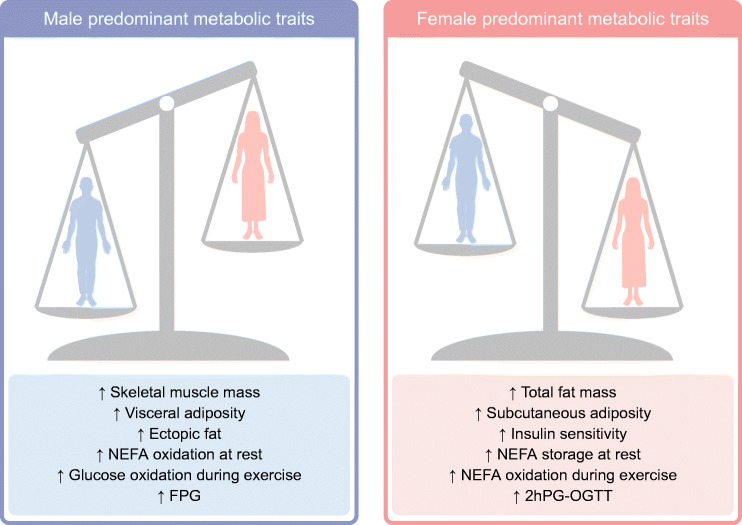
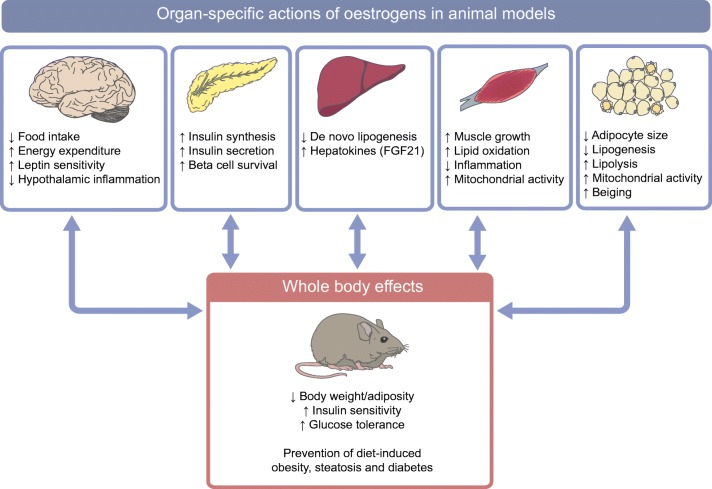
Gender and biological sex impact the pathogenesis of numerous diseases, including metabolic disorders such as diabetes. In most parts of the world, diabetes is more prevalent in men than in women, especially in middle-aged populations. In line with this, considering almost all animal models, males are more likely to develop obesity, insulin resistance and hyperglycaemia than females in response to nutritional challenges. As summarised in this review, it is now obvious that many aspects of energy balance and glucose metabolism are regulated differently in males and females and influence their predisposition to type 2 diabetes. During their reproductive life, women exhibit specificities in energy partitioning as compared with men, with carbohydrate and lipid utilisation as fuel sources that favour energy storage in subcutaneous adipose tissues and preserve them from visceral and ectopic fat accumulation. Insulin sensitivity is higher in women, who are also characterised by higher capacities for insulin secretion and incretin responses than men; although, these sex advantages all disappear when glucose tolerance deteriorates towards diabetes. Clinical and experimental observations evidence the protective actions of endogenous oestrogens, mainly through oestrogen receptor α activation in various tissues, including the brain, the liver, skeletal muscle, adipose tissue and pancreatic beta cells. However, beside sex steroids, underlying mechanisms need to be further investigated, especially the role of sex chromosomes, fetal/neonatal programming and epigenetic modifications. On the path to precision medicine, further deciphering sex-specific traits in energy balance and glucose homeostasis is indeed a priority topic to optimise individual approaches in type 2 diabetes prevention and treatment.
Overview
The claims and statistics of this paper haven’t been checked yet.
Free: it reads the open-access text and checks the first 5 claims that cite a source we can check. Create a free account to check every claim.
Integrity signals
Registry
Cites
Statistics
Figures
Verification
Claims the paper makes
The claims and statistics of this paper haven’t been checked yet.
Free: it reads the open-access text and checks the first 5 claims that cite a source we can check. Create a free account to check every claim.
Claims other papers make about this one
Each is checked against this paper’s own text: does it say what the citing paper says it does?
The source backs part of the claim, not all of it — or backs it for a different population, condition or comparison.
In the citing paper
“Moreover, T2D is more prevalent in men than women, with an estimated 13% of men and 11% of women between the ages of 20–79 classified as diabetic in 2016 (67, 73).”
From Metabolic impact of endogenously produced estrogens by adipose tissue in females and males across the lifespan (2025) · cites this paper as [73]
Experimental — accuracy not yet measured
Self-check
Percentages, sums and reported differences re-computed from the paper’s own numbers.
The self-check needs the paper’s full text.
Citations
Cites
IDF Diabetes Atlas: Global estimates of diabetes prevalence for 2017 and projections for 2045
Cho, N. H., Shaw, J. E., Karuranga, S., Huang, Y., da Rocha Fernandes, J. D., Ohlrogge, A. W., & Malanda, B. (2018) · Diabetes Research and Clinical Practice · doi:10.1016/j.diabres.2018.02.023 · Cited by 7,283
Identification and Importance of Brown Adipose Tissue in Adult Humans
Cypess, A. M., Lehman, S., Williams, G., Tal, I., Rodman, D., Goldfine, A. B., Kuo, F. C., Palmer, E. L., Tseng, Y.-H., Doria, A., et al. (2009) · New England Journal of Medicine · doi:10.1056/nejmoa0810780 · Cited by 4,399
Zhou, B., Lu, Y., Hajifathalian, K., Bentham, J., Di Cesare, M., Danaei, G., Bixby, H., Cowan, M., Ali, M., Taddei, C., et al. (2016) · The Lancet · doi:10.1016/s0140-6736(16)00618-8 · Cited by 4,311
Functional Brown Adipose Tissue in Healthy Adults
Virtanen, K. A., Lidell, M. E., Orava, J., Heglind, M., Westergren, R., Niemi, T., Taittonen, M., Laine, J., Savisto, N.-J., Enerbäck, S., et al. (2009) · New England Journal of Medicine · doi:10.1056/nejmoa0808949 · Cited by 3,058
Sex and Gender Differences in Risk, Pathophysiology and Complications of Type 2 Diabetes Mellitus
Kautzky-Willer, A., Harreiter, J., & Pacini, G. (2016) · Endocrine Reviews · doi:10.1210/er.2015-1137 · Cited by 2,043
The role of estrogens in control of energy balance and glucose homeostasis
Mauvais-Jarvis, F., Clegg, D. J., & Hevener, A. L. (2013) · Endocrine Reviews · doi:10.1210/er.2012-1055 · Cited by 1,329
Sex differences in human adipose tissues – the biology of pear shape
Karastergiou, K., Smith, S. R., Greenberg, A. S., & Fried, S. K. (2012) · Biology of Sex Differences · doi:10.1186/2042-6410-3-13 · Cited by 1,109
Lonardo, A., Nascimbeni, F., Ballestri, S., Fairweather, D., Win, S., Than, T. A., Abdelmalek, M. F., & Suzuki, A. (2019) · Hepatology · doi:10.1002/hep.30626 · Cited by 1,050
Aromatase-deficient (ArKO) mice have a phenotype of increased adiposity
Jones, M. E. E., Thorburn, A. W., Britt, K. L., Hewitt, K. N., Wreford, N. G., Proietto, J., Oz, O. K., Leury, B. J., Robertson, K. M., Yao, S., et al. (2000) · Proceedings of the National Academy of Sciences · doi:10.1073/pnas.97.23.12735 · Cited by 729
Kanaya, A. M., Herrington, D., Vittinghoff, E., Lin, F., Grady, D., Bittner, V., Cauley, J. A., & Barrett-Connor, E. (2003) · Annals of Internal Medicine · doi:10.7326/0003-4819-138-1-200301070-00005 · Cited by 633
Cited by
Items 501–600 of 1,000
Jetton, T. L., Galbraith, O. T., Peshavaria, M., Bonney, E. A., Holmén, B. A., & Fukagawa, N. K. (2023) · Chemosphere · doi:10.1016/j.chemosphere.2023.140480 · Cited by 5
Guo, R., Tong, J., Wang, R., Ma, S., Wei, L., & Zhao, W. (2024) · International Journal of Diabetes in Developing Countries · doi:10.1007/s13410-024-01369-7 · Cited by 5
Gong, J., Liu, F., Yu, P., Wang, P., Si, C., Wang, X., Zhou, H., Gu, J., Qin, A., & Song, F. (2024) · BMC Medicine · doi:10.1186/s12916-024-03592-9 · Cited by 5
“We herein constructed "metabolic-body shape phenotypes" using metabolic status and body shape defined by ABSI and HI. Notably, the deposition of adipose tissue varies by sex [23–26].”
MethodBauzá-Thorbrügge, M., Amengual-Cladera, E., Galmés-Pascual, B. M., Morán-Costoya, A., Gianotti, M., Valle, A., Proenza, A. M., & Lladó, I. (2024) · Nutrients · doi:10.3390/nu16183063 · Cited by 5
“In fact, sexual differences have been observed both in humans [8] and rodents [9], revealing that diabetes is usually more prevalent in males.”
BackgroundSchleh, M. W., Ryan, B. J., Ahn, C., Ludzki, A. C., Pelt, D. W. V., Pitchford, L. M., Chugh, O. K., Luker, A. T., Luker, K. E., Samovski, D., et al. (2024) · Acta Physiologica · doi:10.1111/apha.14249 · Cited by 5
Establishing a Female Animal Model of Prediabetes Using a High-Carbohydrate, High-Fat Diet
Nkosi, A., Pather, R., Mshengu, B., Khathi, A., & Ngubane, P. S. (2024) · Current Issues in Molecular Biology · doi:10.3390/cimb46110736 · Cited by 5
Martín, P. B. P., Martín-Rincón, M., Morales‐Álamo, D., Pérez-Suárez, I., Perez‐Valera, M., Galván-Álvarez, V., Curtelín, D., de Pablos-Velasco, P. L., & Calbet, J. A. L. (2021) · Journal of Clinical Hypertension · doi:10.1111/jch.14392 · Cited by 5
Bichkaeva, F. A., Vlasova, O. S., Shengof, B. А., Bichkaev, A., Васильевна, Н. Е., & Volkova, N. I. (2022) · Экология человека · doi:10.17816/humeco100841 · Cited by 5
Díaz-Carías, J. P., Morilla, R., & Cano, M. (2022) · International Journal of Diabetes in Developing Countries · doi:10.1007/s13410-022-01113-z · Cited by 6
“However, it is described that healthy women present higher sensitivity to insulin than men [32, 33].”
BackgroundBeaudry, M., Bissonnette, S., Lamantia, V., Devaux, M., & Faraj, M. (2023) · International Journal of Molecular Sciences · doi:10.3390/ijms24076130 · Cited by 5
“However, there are well-documented sex-specific differences in IS and ISec in the regulation of glucose and insulin homeostasis in humans [11].”
BackgroundLiwin, L. K., & Payne, C. (2023) · BMJ Public Health · doi:10.1136/bmjph-2023-000020 · Cited by 5
“⇒ This study highlights the need for consistent monitoring of BMI over adulthood, and sex-based prevention and screening programmes to tackle the global increase of diabetes.”
Romaní‐Pérez, M., Bullich‐Vilarrubias, C., López‐Almela, I., & Sanz, Y. (2023) · Molecular Nutrition & Food Research · doi:10.1002/mnfr.202300474 · Cited by 5
Yousif, D., ElTantawi, N., Badr, A. A., Nurulhaque, Z., Al-Jabri, A., Haithm, Y., Meraikhi, N. A., Chivese, T., & Babu, G. R. (2024) · Diabetes Metabolic Syndrome and Obesity · doi:10.2147/dmso.s432331 · Cited by 5
“12 Further, evidence suggests that gender significantly influences diabetes risk factors, progression, and outcomes, necessitating tailored, gender-specific approaches in both clinical interventions and research.”
BackgroundDiscriminating insulin resistance in middle-aged nondiabetic women using machine learning approaches
Xing, Z., Chen, H., & Alman, A. C. (2024) · AIMS Public Health · doi:10.3934/publichealth.2024034 · Cited by 5
“Middle-aged women are generally at a higher risk of developing IR due to age-related changes in metabolism and hormonal fluctuations [15].”
BackgroundSex-Dependent T Cell Dysregulation in Mice with Diet-Induced Obesity
Brummer, C., Singer, K., Brand, A., Bruß, C., Renner, K., Herr, W., Pukrop, T., Dorn, C., Hellerbrand, C., Matos, C., et al. (2024) · International Journal of Molecular Sciences · doi:10.3390/ijms25158234 · Cited by 5
“Vice versa, women have been found to gain more weight than men when first diagnosed with T2DM [17,18].”
BackgroundJiang, D., Lang, X., Wang, D., & Zhang, X. (2024) · Frontiers in Psychiatry · doi:10.3389/fpsyt.2024.1424103 · Cited by 5
Glial fibrillary acidic protein vs. S100B to identify astrocytes impacted by sex and high fat diet
Lee, B. G., Schultz, C., Zhao, A., Menon, P., Bugescu, R., & Leinninger, G. M. (2025) · Physiology & Behavior · doi:10.1016/j.physbeh.2025.115004 · Cited by 5
“In addition, males are known to be more susceptible to insulin resistance and glucose intolerance in response to HFD-induced obesity compared to females [38].”
Kayseri ilinde aile sağlığı birimi çalışanlarında memnuniyet ve tükenmişlik düzeyi
Güden, E., Sarıkahya, S. D., Benli, A. R., Ceylan, A., & Elçin, B. S. (2020) · Turkish Journal of Family Practice · doi:10.15511/tahd.20.00295 · Cited by 5
Sex differences in islet stress responses support female beta cell resiliencePreprint
Brownrigg, G. P., Xia, Y. H., Chu, C. M. J., Wang, S., Chao, C. F., Zhang, J. A., Skovsø, S., Panzhinskiy, E., Hu, X., Johnson, J. D., et al. (2022) · bioRxiv (Cold Spring Harbor Laboratory) · doi:10.1101/2022.05.10.491428 · Cited by 5
Shea, S., Lionis, C., Kite, C., Atkinson, L., Chaggar, S. S., Randeva, H. S., & Kyrou, I. (2021) · Biomedicines · doi:10.3390/biomedicines9111697 · Cited by 4
“Finally, potential differences between men and women in relevant health behaviors and in the regulation of glucose and energy homeostasis have also been reported [79,80].”
BackgroundFebriani, D. H. (2025) · Jurnal Ilmiah Keperawatan Imelda · doi:10.52943/jikeperawatan.v11i2.1851 · Cited by 4
“Hal ini sesuai dengan hasil penelitian (Simanjuntak & Simamora, 2020) yang menyatakan bahwa terdapat hubungan antara lama menderita diabetes melitus berkaitan dengan munculnya komplikasi neuropathy .”
InfluentialJia, X., Cao, X., Wang, Y., Yang, S., & Ji, L. (2025) · Nutrients · doi:10.3390/nu17132128 · Cited by 4
Cifuentes‐Mendiola, S. E., García‐Hernández, A. L., Cruz-Mendoza, N., Pérez-Martínez, I. O., & Cruz-García, I. (2025) · Odontology · doi:10.1007/s10266-025-01158-6 · Cited by 4
Álvarez, S. A., Rocha‐Guzmán, N. E., Moreno‐Jiménez, M. R., Macías-Salas, A., Romo‐Vaquero, M., Herrera-Rocha, K. M., Mendiola, J. A., Gallegos‐Infante, J. A., & González‐Laredo, R. F. (2025) · Food Research International · doi:10.1016/j.foodres.2025.117253 · Cited by 4
Wang, N., Zhang, J., Fei, C., Ye, D., Yang, L., & Duan, P. (2025) · Frontiers in Endocrinology · doi:10.3389/fendo.2025.1687745 · Cited by 4
PLIN3: a multifaceted regulator of lipid droplet dynamics and disease pathogenesis
Ma, J., Feng, Y., Dong, Y., Yue, D., & Wang, Y. (2025) · Medical Oncology · doi:10.1007/s12032-025-03184-4 · Cited by 4
“Beyond storage, LDs are integral to cellular signaling: for example, they modulate the protein kinase A (PKA) pathway—Perilipin 1 (PLIN1) binds CGI-58, which store more subcutaneous LDs, though postmenopause shifts fat to visceral areas [9 ].”
Investigating gender differences in Alzheimer's disease
Fouad, G. I., Ando, H., & Ichihara, G. (2026) · Journal of Alzheimer s Disease · doi:10.1177/13872877251410204 · Cited by 4
“196 Post-menopausal women exhibit higher rate of metabolic disorders, including higher IR incidence, than men and pre-menopausal women.”
Dziendzikowska, K., Czerwińska, M., Grodzicki, W., Oczkowski, M., Królikowski, T., Gromadzka-Ostrowska, J., Męczyńska‐Wielgosz, S., Sikorska, K., Kamola, D., Sapierzyński, R. A., et al. (2026) · Scientific Reports · doi:10.1038/s41598-026-35219-9 · Cited by 4
“The observed elevation in plasma cholesterol levels in females may reflect sex-specific regulation of lipid metabolism, which is strongly influenced by estrogens and differs from males in terms of lipid storage, distribution, and enzymatic control 66 .”
Korn, A., Nadeem, C., Bos, E. N., Niessen, H. W. M., Şimşek, S., & Krijnen, P. A. J. (2023) · Pathobiology · doi:10.1159/000531542 · Cited by 4
Bramwell, L. R., Frankum, R., & Harries, L. W. (2024) · Cells · doi:10.3390/cells13060517 · Cited by 4
Ma, L., Li, Y., Li, G., Sun, J., Zhang, X., Shi, Z., Yan, Y., Duan, Y., Wang, J., Li, Z., et al. (2024) · Diabetes Obesity and Metabolism · doi:10.1111/dom.15610 · Cited by 4
“39,40 Diversities in biology, culture, lifestyle, environment and socioeconomic status contribute to this predisposition in males.”
Backgroundde Paula, D., Feter, N., dos Reis, R. C. P., Griep, R. H., Duncan, B. B., & Schmidt, M. I. (2024) · Journal of Activity Sedentary and Sleep Behaviors · doi:10.1186/s44167-024-00055-7 · Cited by 4
“Finally, physiological variability related to age and sex, such as body fat distribution and hormonal differences [52], may also alter the movement behaviors associations with SLD.”
BackgroundDai, J. M., Nianogo, R. A., Wong, N. D., Moin, T., McClain, A. C., Alver, S., Cordero, C., Daviglus, M. L., Qi, Q., Sotres‐Alvarez, D., et al. (2024) · Diabetes Care · doi:10.2337/dc24-0564 · Cited by 4
Dose-response relationship between the fatty liver index and asthma risk: NHANES 2001~2018
Sun, T., Fan, K., Han, Z., & Qiao, H. (2024) · Endocrine Journal · doi:10.1507/endocrj.ej24-0248 · Cited by 4
“Additionally, estrogen can influence the distribution of fat in females, reducing visceral fat content, and enhancing insulin sensitivity [41, 42].”
Thangaraj, S. V., Bellingham, M., Lea, R. G., Evans, N. P., Sinclair, K. D., & Padmanabhan, V. (2025) · Environmental Pollution · doi:10.1016/j.envpol.2025.125630 · Cited by 4
Lai, K. Z. H., Harris, S. B., Retnakaran, R. R., Hanley, A. J., & Schwarz, U. I. (2025) · The Journal of Clinical Endocrinology & Metabolism · doi:10.1210/clinem/dgaf031 · Cited by 4
Rafiei, H., & Little, J. P. (2025) · Applied Physiology, Nutrition, and Metabolism · doi:10.1139/apnm-2024-0532 · Cited by 4
Denton, J. J., & Cedillo, Y. E. (2023) · Acta Diabetologica · doi:10.1007/s00592-023-02030-1 · Cited by 4
Clinical Pharmacological Considerations in Transgender Medicine
Coig, R., Grieve, V. L. B., & Cirrincione, L. R. (2023) · Handbook of experimental pharmacology · doi:10.1007/164_2023_665 · Cited by 4
Lee, M. H., Febriana, E., Lim, M., Baig, S., Halter, J. B., Magkos, F., & Toh, S.-A. E. S. (2023) · Obesity · doi:10.1002/oby.23833 · Cited by 4
“Energy balance, lipid metabolism, and glucose homeostasis are regulated differently in males and females [12–15], and these sex differences in metabolic regulation can modify the impact of obesity on T2DM risk [16].”
BackgroundBarlow, K., Fahey, P. P., & Atlantis, E. E. (2023) · Family Medicine and Community Health · doi:10.1136/fmch-2023-002271 · Cited by 4
“35 36 The reasons for this difference are not fully understood, but may include differences in metabolic regulation and diabetes susceptibility, 37 obesity rates 38 and access to general practitioners.”
BackgroundPuryanti, C., Subiyanto, P., & Amigo, T. A. E. (2023) · Jurnal Kebidanan dan Keperawatan Aisyiyah · doi:10.31101/jkk.3041 · Cited by 5
“Type 2 DM in males is more prevalent at a younger age, especially before puberty, with a lower BMI (Ciarambino et al., 2022; Kautzky-Willer et al., 2016; Tramunt et al., 2020), while the prevalence of type 2 DM in women is more common in old age and after menopause (Ciarambino et al., 2022).”
Beaudry, K. M., Surdi, J. C., Pancevski, K., Tremblay, C., & Devries, M. C. (2024) · Applied Physiology, Nutrition, and Metabolism · doi:10.1139/apnm-2023-0353 · Cited by 4
Klobučar, I., Habisch, H., Klobučar, L., Trbušić, M., Pregartner, G., Berghold, A., Kostner, G. M., Scharnagl, H., Madl, T., Frank, S., et al. (2024) · Biomedicines · doi:10.3390/biomedicines12091972 · Cited by 4
“…healthy and pathophysiological conditions, thus high-lighting the importance of performing pre-clinical and clinical research in both sexes to elucidate disparities in (patho)physiology, disease susceptibility and progression, clinical signs and symptoms, and response to treatment [31,37,46,62].”
BackgroundAmouzegar, A., Honarvar, M., Masoumi, S., Agahi, S., Azizi, F., & Mehran, L. (2024) · BMJ Open · doi:10.1136/bmjopen-2023-078701 · Cited by 4
Feng, B., Tang, P., He, S., Peng, Z., Mo, Y., Zhu, L., & Wei, Q. (2024) · Frontiers in Public Health · doi:10.3389/fpubh.2024.1439034 · Cited by 4
The Influence of X Chromosome Parent-of-Origin on Glycemia in Individuals with Turner Syndrome
Pinnaro, C. T., Zimmerman, B. I., Ryckman, K. K., Darbro, B. W., & Norris, A. W. (2024) · Hormone Research in Paediatrics · doi:10.1159/000542677 · Cited by 4
“Both estrogen and Xchr dosage contribute to the favorable metabolic pro fi le in karyotypically normal women [10, 11].”
Ghimire, N., Welch, M., Secunda, C., Fink, A., & Lawan, A. (2025) · Cells · doi:10.3390/cells14040261 · Cited by 4
The Effect of Sex and Obesity on the Gene Expression of Lipid Flippases in Adipose Tissue
Rad, H. M., Subiri-Verdugo, A., Soler, R., Ocaña, L., Alcaide, J., Rodríguez‐Capitán, J., Buil, V., el Azzouzi, H., Ortega‐Gómez, A., Bernal-López, M. R., et al. (2022) · Journal of Clinical Medicine · doi:10.3390/jcm11133878 · Cited by 4
“Adipose tissue plays a central role in modulating lipid metabolism, insulin sensitivity, and glucose homeostasis, and differences between males and females have been described in these actions [31], influencing their predisposition to diabetes and associated metabolic disorders [35].”
BackgroundInteraction of Metals, Menopause and COVID-19—A Review of the Literature
Męcik-Kronenberg, T., Kuć, A. J., Kubik-Machura, D., Kościelecka, K. E., & Radko, L. (2023) · Biology · doi:10.3390/biology12030350 · Cited by 5
Self-Management and Quality of Life in Diabetic Type II Patients at Mataram University Hospital
Paramita, L. K. D. L., Priyambodo, S., & Cholidah, R. (2023) · Mutiara Medika: Jurnal Kedokteran dan Kesehatan · doi:10.18196/mmjkk.v23i1.16320 · Cited by 4
Ansari, S., & Saeed, S. (2023) · Journal of Diabetes & Metabolic Disorders · doi:10.1007/s40200-023-01211-7 · Cited by 4
Sex-specific effects of CD248 on metabolism and the adipose tissue lipidome
Patrick, K., Tian, X., Cartwright, D., Heising, S., Glover, M. S., Northall, E., Cazares, L. H., Hess, S. Y., Baker, D., Church, C., et al. (2023) · PLoS ONE · doi:10.1371/journal.pone.0284012 · Cited by 4
“In humans, females are predisposed to accumulate fat in the lower body whilst males tend to accumulate fat in the abdomen, and this is linked to metabolic disease where the relatively greater levels of visceral fat observed in males are linked to a greater risk of developing type 2 diabetes [4].”
BackgroundKhalil, S. S., Mohammed, G. T., Mokhtar, I. M., & Abu-Elmatty, M. (2020) · Egyptian Journal of Health Care · doi:10.21608/ejhc.2020.119016 · Cited by 4
Lee, Y.-H., Yeo, M., Yoon, S., Hyun, H. B., Ham, Y., Jung, Y., Jang, H., & Chang, K.-S. (2022) · Preventive Nutrition and Food Science · doi:10.3746/pnf.2022.27.1.70 · Cited by 4
“In addition, the most prominent differences between sexes occur as the result of metabolic responses to sex hormone secretion (Tramunt et al., 2020).”
BackgroundThuany, M., Vieira, D., Santos, A. S., Malchrowicz-Mośko, E., & Gomes, T. N. (2022) · Aging and Disease · doi:10.14336/ad.2022.0131 · Cited by 4
“On the other hand, men have more chances to present diabetes, and this result is in accordance with previous study [29].”
Resultda Costa, K. D. A., de Oliveira, F. S., Andrade, Í. B., de Oliveira, C. S., Teixeira, C. S. S., & da Silva, G. L. (2022) · Revista Eletrônica Acervo Saúde · doi:10.25248/reas.e11237.2022 · Cited by 4
Al-Rumaidh, S. Z., abdulhasn, A. S., Al-Muswie, R. T., & Ali, B. R. (2022) · University of Thi-Qar Journal of Science · doi:10.32792/utq/utjsci/v9i2.904 · Cited by 4
Balog, M., Ivić, V., Scitovski, R., Labak, I., Szűcs, K. F., Gáspár, R., Vari, S. G., & Heffer, M. (2020) · Croatian Medical Journal · doi:10.3325/cmj.2020.61.107 · Cited by 4
Optical Metabolic Imaging Uncovers Sex- and Diet-dependent Lipid Changes in Aging Drosophila BrainPreprint
Li, Y., Chang, P., Sankaran, S., Jang, H., Nie, Y., Zeng, A., Hussain, S., Wu, J. Y., Chen, X., & Shi, L. (2022) · bioRxiv (Cold Spring Harbor Laboratory) · doi:10.1101/2022.10.01.510416 · Cited by 4
Peter, A., Schleicher, E. D., Kliemank, E., Szendroedi, J., Königsrainer, A., Häring, H., Nawroth, P. P., & Fleming, T. H. (2024) · Metabolites · doi:10.3390/metabo14040209 · Cited by 3
“…disorders and liver disease due to factors such as reduced expression of nuclear receptors like PPAR α , increased activation of glucocorticoid receptors, and increased expression of xenobiotic receptors allowing for enhanced detoxification of xenobiotic compounds compared to males [50,51].”
BackgroundKhakbaz, M., Poursalehi, D., Mirzaei, S., Asadi, A., Akhlaghi, M., & Saneei, P. (2024) · British Journal Of Nutrition · doi:10.1017/s0007114524002381 · Cited by 3
“Besides sex hormones, other factors like the fetal/neonatal programming, sex chromosomes and epigenetic changes have been suggested to have an important role in this field (43) .”
BackgroundZhang, R., Xiao, C., Yong, T., Huang, L., Hu, H., Xie, Y., & Wu, Q. (2025) · Foods · doi:10.3390/foods14060955 · Cited by 3
“…(DC) vs. normal control (NC); Table S3: Characteristic metabolism pathways in the comparison of DC vs. NC; Table S4: Different expressed metabolites (DEMs) in the comparison of F2 group at a high dose (F2-H) vs. DC; Table S5: Characteristic metabolism pathways in the comparison of F2-H vs. DC.”
Asgari, S., Masrouri, S., Khalili, D., Lotfaliany, M., & Hadaegh, F. (2025) · Endocrinology Diabetes & Metabolism · doi:10.1002/edm2.70040 · Cited by 3
Huang, H., Wang, Q., Zhang, R., Liu, F., Niu, Y., Luo, Y., Li, S., Li, T., Tang, Z., Wang, X., et al. (2025) · Frontiers in Nutrition · doi:10.3389/fnut.2025.1581009 · Cited by 3
Sleep and Circadian Effects on the Incretin System
Yuan, R. K., & Zitting, K. (2025) · Current Sleep Medicine Reports · doi:10.1007/s40675-025-00337-9 · Cited by 3
Byford, A. R., Walsh, K., Wang, D., Baird-Rayner, C., Pensabene, V., SCOTT, E. M., & Forbes, K. A. (2025) · Placenta · doi:10.1016/j.placenta.2025.06.006 · Cited by 3
The risk of hyperuricemia assessed by estimated glucose disposal rate
Wang, Z., Liu, R., Tang, F., & Shen, Y. (2025) · Frontiers in Endocrinology · doi:10.3389/fendo.2025.1567789 · Cited by 3
Tripathi, P., Tiwari, D., KADAM, N. S., VYAWAHARE, A. R., Sharma, B., Kathrikolly, T., GANLA, M. H., & Saboo, B. (2025) · Journal of Diabetes Research · doi:10.1155/jdr/6172692 · Cited by 3
Kochumon, S., Benobaid, N., Madhoun, A. S. A., Albeloushi, S., Almansour, N., Al‐Rashed, F., Sindhu, S. T. A. K., Al‐Mulla, F., & Ahmad, R. (2025) · International Journal of Molecular Sciences · doi:10.3390/ijms26178229 · Cited by 3
“While women generally have a higher percentage of body fat, men are more susceptible to visceral fat accumulation and its associated metabolic risks [5–10].”
Ghazy, R. M., Allam, M. M., Alshaikhi, S. A., Elrewany, E. M. A., Othman, L. M. A. B., Hussein, S., Assiri, H. A. H., El‐Zawawy, H. T., Alhamd, F. H., Alharbi, A. M. F., et al. (2025) · Journal of Men s Health · doi:10.22514/jomh.2025.103 · Cited by 3
“However, this advantage may diminish with age, especially post-menopause, or as insulin resistance and T2D progress [4, 5].”
Comprehensive approaches to diabetes in the elderly: adapting to evolving trends
Lee, J., Kim, K. J., Park, Y. S., Lee, Y., Park, K. H., Jung, H., Soo, B., Kim, H., & Kim, C. O. (2025) · The Korean Journal of Internal Medicine · doi:10.3904/kjim.2024.390 · Cited by 3
“Hypertension control was defined as the percentage of individuals with SBP and DBP below 140 and 90 mmHg, respectively, among those with diabetes [24,25].”
Hou, D., Liang, B., Zhao, K., Zhang, Y., Lang, M., Xu, Z., Yun, H., Yang, W., Yu, L., & Liu, C. (2025) · Journal of Cachexia Sarcopenia and Muscle · doi:10.1002/jcsm.70123 · Cited by 3
“…physiological sex-based variations in PEF, the uniform association between PEF and the risk of frailty across sexes implies that shared pathways, such as systemic inflammation, sarcopenia-related muscle depletion or oxidative stress, may mediate this association independently of sex [26, 27].”
Sun, G., Wen, Y., Han, X., Wang, Q., Wang, Y., Ma, H., Sun, X., Zhai, Y. Z., Wen, Y., & Han, X. (2025) · Medicine · doi:10.1097/md.0000000000046261 · Cited by 3
“[15] These findings align with prior GBD studies.”
Nameni, F., & Kasiri, A. (2025) · Scientific Reports · doi:10.1038/s41598-025-31956-5 · Cited by 3
Sjöholm, K., Svensson, P., Andersson‐Assarsson, J. C., Jacobson, P., Ahlin, S., Karlsson, C., Carlsson, B., Kristensson, F. M., Karlsson, P., Peltonen, M., et al. (2026) · PLoS Medicine · doi:10.1371/journal.pmed.1004876 · Cited by 4
Fabriciova, V., Bohuslavová, R., Lebrón‐Mora, L., Slaninová, V., Abaffy, P., Berková, Z., Saudek, F., Kaestner, K. H., & Pavlínková, G. (2026) · Diabetes · doi:10.2337/db25-0673 · Cited by 3
The Role of Female Sex and Gender in Personalised Diabetes Management: An Overlooked Perspective
Mauricio, D., Gratacòs, M., Peralta, F. G., & Franch‐Nadal, J. (2026) · Diabetes/Metabolism Research and Reviews · doi:10.1002/dmrr.70155 · Cited by 3
“These differences distinctly influence glucose metabolism and body fat distribution [17], with oestrogens largely contributing to sexual dimorphisms in energy balance and metabolic homeostasis [18].”
InfluentialAdamidis, N., Margariti, T., Georgakopoulou, V., Adamidi, S., Desalermos, A. P., Kyventidou, M., Koutrakos, T., Bouros, D. E., Papadopoulou, N., & Adamidis, S. (2026) · Cureus · doi:10.7759/cureus.107081 · Cited by 3
“These findings are consistent with known sex differences in fat distribution and insulin sensitivity, where women tend to exhibit greater subcutaneous fat loss and men greater visceral and metabolic improvement [16].”
Moriyama, K., Inoue, N., Imai, J., Masuda, Y., Yamada, C., Kishimoto, N., Takashimizu, S., Akira, K. U. B. O., & Nishizaki, Y. (2023) · Metabolic Syndrome and Related Disorders · doi:10.1089/met.2023.0116 · Cited by 3
“25,26 Clinical and experimental observations revealed that endogenous estrogens may protect against IR primarily through estrogen receptor-a activation in multiple tissues.”
Morales-Rodríguez, D. P., González‐Cantú, A., Garza‐Silva, A., Rivera-Cavazos, A., Fernández‐Chau, I. F., Cepeda-Medina, A. B., Sanz‐Sánchez, M. Á., Rio-Parra, G. F. D., Torres-Fuentes, M. A., Rodriguez-Puente, M. A., et al. (2024) · Diabetology & Metabolic Syndrome · doi:10.1186/s13098-024-01318-8 · Cited by 3
“…the curve of the mean of metabolic parameters during 5 years of follow‑up 1 AUC = area under the curve, 2 BMI = Body Mass Index, 3 the diagnosis of diabetes occurring earlier in men than in women, especially between the ages of 35 and 69, consistent with our study’s average age of 60 years [14].”
BackgroundResultInfluentialZnPP‐laden nanoparticles improve glucose homeostasis and chronic inflammation during obesity
Yang, W., Arora, M., Han, H. W., Jiang, W., Kim, D. M., Ai, W., Pan, Q., Kumar, M. N. V. R., Brashear, W. A., Sun, Y., et al. (2024) · British Journal of Pharmacology · doi:10.1111/bph.16356 · Cited by 3
“Sex dimorphism exits in diabetes and its associated complications between young men and women, which is largely attributed to sex hormone oestrogen (Tramunt et al., 2020; Yan et al., 2019, 2022; Yang et al., 2024).”
BackgroundLee, Y.-S., Noh, H., & Lee, S.-Y. (2024) · European Journal of Nutrition · doi:10.1007/s00394-024-03463-2 · Cited by 3
“Compelling evidence [45–47] shows a higher prevalence of metabolic disorders like obesity, T2D, and CVD in men compared to women (especially pre-menopausal) due to sex-specific genetic and hormonal dif - ferences.”
Byambadoo, L.-E., Davaakhuu, N., Surenjav, U., Норов, Б., Enkhjargal, T., Inthaphatha, S., Nishino, K., & Yamamoto, E. (2024) · PLoS ONE · doi:10.1371/journal.pone.0311320 · Cited by 3
Abdullah, N., Goh, Y., Khuzaimi, A. N., Arifin, A. S. K., Yusuf, N. A. M., Jalal, N. A., Ismail, N., Husin, N. F., Kamaruddin, M. A., & Jamal, R. A. (2025) · Journal of Diabetes · doi:10.1111/1753-0407.70039 · Cited by 3
“However, the risk of developing diabetes among men is still higher [34].”
Labelo, N. I. D., Wahyu, S., Iskandar, D., Wiriansya, E. P., & Karim, A. M. A. A. (2025) · Ranah Research Journal of Multidisciplinary Research and Development · doi:10.38035/rrj.v7i4.1573 · Cited by 3
Talevi, V., Lee, H., Liu, D., Beyer, M., Salomoni, P., Breteler, M. M. B., & Aziz, N. A. (2025) · Aging Cell · doi:10.1111/acel.70092 · Cited by 3
“…process, with sex differences in both lifespan and the occurrence of many diseases (Hägg and Jylhävä 2021), including inflammatory (Klein and Flanagan 2016), cardiovascular (Leening et al. 2014), metabolic (Tramunt et al. 2020) and neurodegenerative diseases (Beam et al. 2018; Moisan et al. 2016).”
Onishi, Y., Ichihashi, R., & Kasuga, M. (2025) · Internal Medicine · doi:10.2169/internalmedicine.5712-25 · Cited by 3
“Previous studies have suggested that estrogen levels in women may be associated with improved glucose metabolism and reduced insulin resistance (22).”
Zahoor, S., Constantinou, A. C., Curtis, T. M., & Hasanuzzaman, M. (2025) · Knowledge-Based Systems · doi:10.1016/j.knosys.2025.114382 · Cited by 3
Alves-Wagner, A. B., Jahan, F., Kusuyama, J., Nigro, P., Hirshman, M. F., & Goodyear, L. J. (2025) · Journal of sport and health science/Journal of Sport and Health Science · doi:10.1016/j.jshs.2025.101096 · Cited by 3
“37,38 Indeed, we observed better glucose tolerance, plasma insulin concentrations, and liver triglyceride content in all F2 females compared to males.”
Sex Comparison of White-Blood-Cell Responses to Acute Vigorous-Intensity Aerobic Exercise
Koivula, T., Neuvonen, J., Sucksdorff, M., Kapanen, J., Heinonen, O. J., Rissanen, E., & HEINONEN, I. H. A. (2025) · International Journal of Sports Physiology and Performance · doi:10.1123/ijspp.2024-0154 · Cited by 3
Semisupervised estimation of survival rate with doubly-censored survival data
Wang, Y., Zhou, Q., Cai, T., & Wang, X. (2026) · The Annals of Applied Statistics · doi:10.1214/26-aoas2212 · Cited by 3
Gutiérrez‐García, A. G., & Contreras, C. M. (2021) · Neuropsychobiology · doi:10.1159/000515141 · Cited by 3
Use of Data Mining in the prediction of risk factors of Type 2 diabetes mellitus in Gulf countries
Boutayeb, W., Badaoui, M., Ali, H., Boutayeb, A., & Lamlili, M. E. N. (2021) · Mathematical Modeling and Computing · doi:10.23939/mmc2021.04.638 · Cited by 3
Yu, E. A., Alemán, J. O., Hoover, D. R., Shi, Q., Verano, M., Anastos, K., Tien, P. C., Sharma, A., Kardashian, A. A., Cohen, M. H., et al. (2022) · PLoS ONE · doi:10.1371/journal.pone.0271207 · Cited by 3
Pavanello, A., Martins, I. P., Tófolo, L. P., Previate, C., Matiusso, C. C. I., Francisco, F. A., Prates, K. V., Alves, V. S., Almeida, D. L., Ribeiro, T. A., et al. (2022) · Archives of Medical Research · doi:10.1016/j.arcmed.2022.06.007 · Cited by 3
Birth weight is associated with obesity and T2DM in adulthood among Chinese women
Song, P., Hui, H., Yang, M., Lai, P., Ye, Y., Liu, Y., & Liu, X. (2022) · BMC Endocrine Disorders · doi:10.1186/s12902-022-01194-1 · Cited by 3
“[14] found compared with male, female have higher insulin sensitivity, insulin secretion and incretin responses.”
BackgroundTzeng, N., Yang, Y.-Y., Lin, C.-C., Hsieh, P., & Liu, Y. (2023) · Journal of Integrative Neuroscience · doi:10.31083/j.jin2201012 · Cited by 3
Komiya, Y., Sugiyama, M., Koyama, C., Kameshima, S., Ochiai, M., Adachi, Y., Yokoyama, I., Fukasawa, H., Yoshioka, K., & Arihara, K. (2023) · Nutrition Research · doi:10.1016/j.nutres.2023.02.001 · Cited by 3
Moazzeni, S. S., Toudeshki, K. K., Ghorbanpouryami, F., Hasheminia, M., Azizi, F., Pishgahi, M., & Hadaegh, F. (2023) · BMC Public Health · doi:10.1186/s12889-023-17022-7 · Cited by 3
“Firstly, sex steroid hormones play an important role in protecting women against T2DM development through enhancing insulin sensitivity by activating estrogen receptor α in insulin sensitive tissues such as skeletal muscles, adipose tissue, and hepatocytes [33, 34].”
Background
Metadata
- Authors
- Tramunt, B., Smati, S., Grandgeorge, N., Lenfant, F., Arnal, J.-F., Montagner, A., & Gourdy, P.
- Affiliations
- Université Toulouse III - Paul Sabatier (FR)
- Centre Hospitalier Universitaire de Toulouse (FR)
- Corresponding author
- Gourdy, Pierre
- ORCID
- Venue
- Diabetologia
- Published
- 2019-11-21
- Volume
- 63
- Issue
- 3
- Pages
- 453-461
- ISSN
- 0012-186X (ISSN-L)
- 1432-0428
- PMC
- PMC6997275
- OpenAlex
- W2991033511
- Cited by
- 923
- References
- 65
- Citations by year
- 2026: 138 · 2025: 174 · 2024: 181 · 2023: 162 · 2022: 129 · 2021: 98 · 2020: 38 · 2019: 1
- FWCI
- 11.15
- Type
- journal article
- Language
- en
- Open access
- hybrid
- doi.org
- Licence
- cc-by
- creativecommons.org/licenses/by/4.0 (tdm)
- creativecommons.org/licenses/by/4.0 (vor)
- Locations
- Diabetologia (publishedVersion, cc-by)
- Europe PMC (PubMed Central) (publishedVersion, cc-by)
- PubMed Central (publishedVersion, cc-by)
- PubMed (publishedVersion)
- HAL (submittedVersion)
- Funders
- Agence Nationale de la Recherche (ANR-18-CE14-0002)
- Topics
- Health Sciences › Medicine › Public Health, Environmental and Occupational Health › Sex and Gender in Healthcare
- Life Sciences › Biochemistry, Genetics and Molecular Biology › Endocrinology › Estrogen and related hormone effects
- Health Sciences › Medicine › Endocrinology, Diabetes and Metabolism › Diabetes, Cardiovascular Risks, and Lipoproteins
- Keywords
- sex differences, type 2 diabetes, insulin resistance, glucose metabolism, energy balance, estrogen, estrogen receptor alpha, insulin secretion, incretin response, sex chromosomes, fetal programming, epigenetic modifications, adipose tissue, visceral fat, glucose tolerance
- MeSH terms
- Animals, Diabetes Mellitus, Type 2, Disease Susceptibility, Energy Metabolism, Female, Humans, Infant, Newborn, Male, Middle Aged, Pregnancy, Risk Factors, Sex Characteristics, Embryonic Development
About these checks
Registry, retraction, Cites and statistics results are computed, not judged, with one exception: a printed reference that no index lists is read once by a model before it counts as a citation error. Claims are extracted by a model and kept only when their quote appears verbatim in the text; each cited source is then checked, with a model’s help, for whether it says what the claim relies on. Those verdicts can be wrong — read the claim’s quote and the cited source before relying on one.
Statistics and arithmetic are recomputed, not judged.
Confidence bands are shown only for fields calibrated on our annotated test set. None is calibrated yet, so no band is shown.
What counts as a claim ›How we measure confidence ›How we check this ›
Are you an author, or do you see a problem with this page? Request a review
Data sources
Bibliographic data: Semantic Scholar, OpenAlex, Crossref.
Contains information from the Semantic Scholar Academic Graph Datasets, made available under the ODC Attribution License (ODC-BY 1.0).
Semantic Scholar’s data is described in: Kinney, R., et al. (2023). The Semantic Scholar Open Data Platform. arXiv:2301.10140.
