

Sex differences in metabolic regulation and diabetes susceptibility
Open accessThe DOI matches its Crossref record; 65 of the 65 references it cites were found in a registry or an index.
Abstract
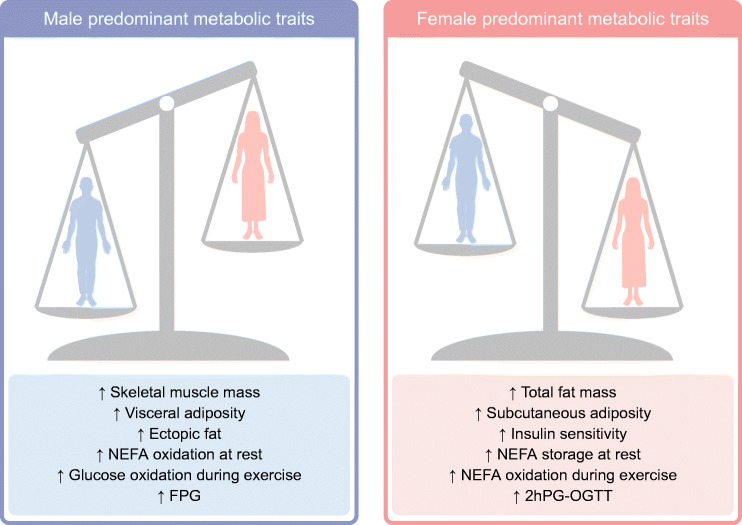
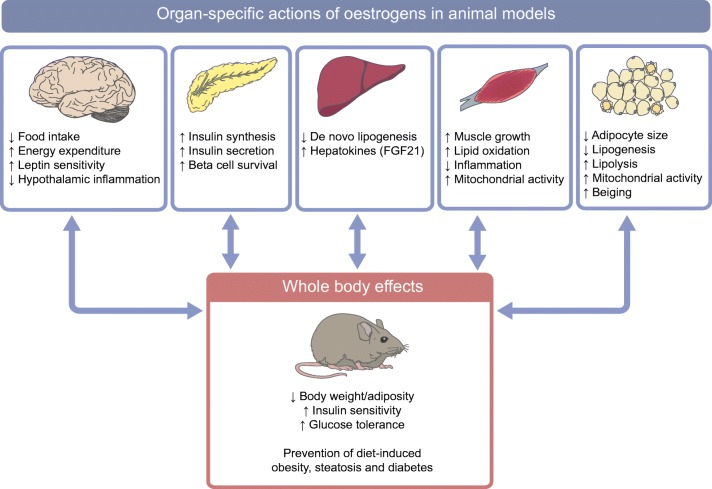
Gender and biological sex impact the pathogenesis of numerous diseases, including metabolic disorders such as diabetes. In most parts of the world, diabetes is more prevalent in men than in women, especially in middle-aged populations. In line with this, considering almost all animal models, males are more likely to develop obesity, insulin resistance and hyperglycaemia than females in response to nutritional challenges. As summarised in this review, it is now obvious that many aspects of energy balance and glucose metabolism are regulated differently in males and females and influence their predisposition to type 2 diabetes. During their reproductive life, women exhibit specificities in energy partitioning as compared with men, with carbohydrate and lipid utilisation as fuel sources that favour energy storage in subcutaneous adipose tissues and preserve them from visceral and ectopic fat accumulation. Insulin sensitivity is higher in women, who are also characterised by higher capacities for insulin secretion and incretin responses than men; although, these sex advantages all disappear when glucose tolerance deteriorates towards diabetes. Clinical and experimental observations evidence the protective actions of endogenous oestrogens, mainly through oestrogen receptor α activation in various tissues, including the brain, the liver, skeletal muscle, adipose tissue and pancreatic beta cells. However, beside sex steroids, underlying mechanisms need to be further investigated, especially the role of sex chromosomes, fetal/neonatal programming and epigenetic modifications. On the path to precision medicine, further deciphering sex-specific traits in energy balance and glucose homeostasis is indeed a priority topic to optimise individual approaches in type 2 diabetes prevention and treatment.
Overview
The claims and statistics of this paper haven’t been checked yet.
Free: it reads the open-access text and checks the first 5 claims that cite a source we can check. Create a free account to check every claim.
Integrity signals
Registry
Cites
Statistics
Figures
Verification
Claims the paper makes
The claims and statistics of this paper haven’t been checked yet.
Free: it reads the open-access text and checks the first 5 claims that cite a source we can check. Create a free account to check every claim.
Claims other papers make about this one
Each is checked against this paper’s own text: does it say what the citing paper says it does?
The source backs part of the claim, not all of it — or backs it for a different population, condition or comparison.
In the citing paper
“Moreover, T2D is more prevalent in men than women, with an estimated 13% of men and 11% of women between the ages of 20–79 classified as diabetic in 2016 (67, 73).”
From Metabolic impact of endogenously produced estrogens by adipose tissue in females and males across the lifespan (2025) · cites this paper as [73]
Experimental — accuracy not yet measured
Self-check
Percentages, sums and reported differences re-computed from the paper’s own numbers.
The self-check needs the paper’s full text.
Citations
Cites
IDF Diabetes Atlas: Global estimates of diabetes prevalence for 2017 and projections for 2045
Cho, N. H., Shaw, J. E., Karuranga, S., Huang, Y., da Rocha Fernandes, J. D., Ohlrogge, A. W., & Malanda, B. (2018) · Diabetes Research and Clinical Practice · doi:10.1016/j.diabres.2018.02.023 · Cited by 7,283
Identification and Importance of Brown Adipose Tissue in Adult Humans
Cypess, A. M., Lehman, S., Williams, G., Tal, I., Rodman, D., Goldfine, A. B., Kuo, F. C., Palmer, E. L., Tseng, Y.-H., Doria, A., et al. (2009) · New England Journal of Medicine · doi:10.1056/nejmoa0810780 · Cited by 4,399
Zhou, B., Lu, Y., Hajifathalian, K., Bentham, J., Di Cesare, M., Danaei, G., Bixby, H., Cowan, M., Ali, M., Taddei, C., et al. (2016) · The Lancet · doi:10.1016/s0140-6736(16)00618-8 · Cited by 4,311
Functional Brown Adipose Tissue in Healthy Adults
Virtanen, K. A., Lidell, M. E., Orava, J., Heglind, M., Westergren, R., Niemi, T., Taittonen, M., Laine, J., Savisto, N.-J., Enerbäck, S., et al. (2009) · New England Journal of Medicine · doi:10.1056/nejmoa0808949 · Cited by 3,058
Sex and Gender Differences in Risk, Pathophysiology and Complications of Type 2 Diabetes Mellitus
Kautzky-Willer, A., Harreiter, J., & Pacini, G. (2016) · Endocrine Reviews · doi:10.1210/er.2015-1137 · Cited by 2,043
The role of estrogens in control of energy balance and glucose homeostasis
Mauvais-Jarvis, F., Clegg, D. J., & Hevener, A. L. (2013) · Endocrine Reviews · doi:10.1210/er.2012-1055 · Cited by 1,329
Sex differences in human adipose tissues – the biology of pear shape
Karastergiou, K., Smith, S. R., Greenberg, A. S., & Fried, S. K. (2012) · Biology of Sex Differences · doi:10.1186/2042-6410-3-13 · Cited by 1,109
Lonardo, A., Nascimbeni, F., Ballestri, S., Fairweather, D., Win, S., Than, T. A., Abdelmalek, M. F., & Suzuki, A. (2019) · Hepatology · doi:10.1002/hep.30626 · Cited by 1,050
Aromatase-deficient (ArKO) mice have a phenotype of increased adiposity
Jones, M. E. E., Thorburn, A. W., Britt, K. L., Hewitt, K. N., Wreford, N. G., Proietto, J., Oz, O. K., Leury, B. J., Robertson, K. M., Yao, S., et al. (2000) · Proceedings of the National Academy of Sciences · doi:10.1073/pnas.97.23.12735 · Cited by 729
Kanaya, A. M., Herrington, D., Vittinghoff, E., Lin, F., Grady, D., Bittner, V., Cauley, J. A., & Barrett-Connor, E. (2003) · Annals of Internal Medicine · doi:10.7326/0003-4819-138-1-200301070-00005 · Cited by 633
Cited by
Items 201–300 of 1,000
Higashiura, Y., Tanaka, M., Furuhashi, M., Koyama, M., Ohnishi, H., Numata, K., Hisasue, T., Hanawa, N., Moniwa, N., & Miura, T. (2020) · Journal of Diabetes Investigation · doi:10.1111/jdi.13284 · Cited by 21
Mills, H., Acquah, R., Tang, N., Cheung, L., Klenk, S., Glassen, R., Pirson, M. A., Albert, A., Hoang, D. T., & Van, T. (2022) · Evidence-based Complementary and Alternative Medicine · doi:10.1155/2022/1708769 · Cited by 21
“[1], diabetes is more prevalent in men, especially in the middle-aged individuals, than in women.”
BackgroundInfluentialRetractedBody composition of the upper limb associated with hypertension, hypercholesterolemia, and diabetes
Qi, Q., Sun, K., Rong, Y., Li, Z., Wu, Y., Zhang, D., Song, S., Wang, H., & Feng, L. (2022) · Frontiers in Endocrinology · doi:10.3389/fendo.2022.985031 · Cited by 21
“Furthermore, the relationship between BMI and MD may vary by race (18–20) and gender (21, 22).”
BackgroundJin, Z., Thackray, A. E., King, J. A., Deighton, K., Davies, M. J., & Stensel, D. J. (2023) · Sensors · doi:10.3390/s23177417 · Cited by 22
“There are known physiological differences between the sexes in glucose homeostasis, with women tending to have higher levels of insulin sensitivity compared to men [34,35].”
BackgroundTemporal relationship between inflammation and metabolic disorders and their impact on cancer risk
Liu, C., Liu, T., Zhang, Q., Song, M., Zhang, Q., Shi, J., Deng, L., Chen, Y., Zheng, X. M., Lin, S., et al. (2024) · Journal of Global Health · doi:10.7189/jogh.14.04041 · Cited by 21
“Previous research suggests that women may be more susceptible to autoimmune diseases and that there are significant metabolic differences between men and women; our subgroup and sensitivity analyses likewise have limitations in addressing these factors [37,38].”
BackgroundThe association between sex and neonatal respiratory distress syndrome
Fang, K., Yue, S., Wang, S., Wang, M., Yu, X., Ding, Y., Lv, M., Liu, Y., Cao, C., & Liao, Z. (2024) · BMC Pediatrics · doi:10.1186/s12887-024-04596-3 · Cited by 21
“According to Tramunt et al. [21], new diabetes treatment protocols should be examined for the metabolic features of various sexes, and the impact of patient sex on therapy should be taken into account in the individualized management of diabetes; Rafikov et al. [22] discovered that female patients…”
Lahlou, R. A., Carvalho, F., Pereira, M. J. V. D. C. R., Lopes, J. A., & Silva, L. R. (2024) · Pharmaceutics · doi:10.3390/pharmaceutics16040454 · Cited by 21
Palmu, S., Kuneinen, S. M., Kautiainen, H., Eriksson, J. G., & Korhonen, P. E. (2021) · Nutrition Metabolism and Cardiovascular Diseases · doi:10.1016/j.numecd.2021.05.018 · Cited by 21
Leutner, M., Matzhold, C., Bellach, L., Wohlschläger‐Krenn, E., Winker, R., Nistler, S., Endler, G., Thurner, S., Klimek, P., & Kautzky‐Willer, A. (2021) · Wiener klinische Wochenschrift · doi:10.1007/s00508-021-01903-1 · Cited by 21
Appetite-regulating hormones in bipolar disorder: A systematic review and meta-analysis
Misiak, B., Kowalski, K. E., Stańczykiewicz, B., Bartoli, F., Carrà, G., Samochowiec, J., Samochowiec, A., & Frydecka, D. (2022) · Frontiers in Neuroendocrinology · doi:10.1016/j.yfrne.2022.101013 · Cited by 23
“17 present higher insulin and incretin responses as well as greater capacities for insulin secretion compared to men, likely due to protective effects of estrogens (Tramunt et al., 2020).”
BackgroundDana, P., Roodbari, N. H., Yaghmaei, P., & Hajebrahimi, Z. (2022) · Frontiers in Endocrinology · doi:10.3389/fendo.2022.1059942 · Cited by 20
“Evidence suggests that the amount of beta cells in the islets of Langerhans is 6% higher in females than males (9, 14).”
BackgroundNaringenin protects pancreatic β cells in diabetic rat through activation of estrogen receptor β
Lin, P., Zhang, X., Zhu, B., Gao, J., Yin, D., Zeng, J., & Kang, Z. (2023) · European Journal of Pharmacology · doi:10.1016/j.ejphar.2023.176115 · Cited by 20
Thomas, P., Gallagher, M. T., & Xavier, G. D. S. (2023) · Frontiers in Endocrinology · doi:10.3389/fendo.2023.1275835 · Cited by 20
“Women tend to store FFA to a greater extent compared to men, as at rest and post-meal-consumption women are more likely to store FFA as TAG whereas men are more prone to oxidize the FFA [as discussed by (44)].”
BackgroundMcKenzie, B. L., Pinho‐Gomes, A., & Woodward, M. (2024) · Proceedings of The Nutrition Society · doi:10.1017/s0029665124000120 · Cited by 20
Qin, Y., Qiao, Y., Yan, G., Wang, D., & Tang, C. (2024) · Endocrine · doi:10.1007/s12020-024-03830-3 · Cited by 20
“Previous studies clari fi ed women were more vulnerable to high TG levels, the protective impact of estrogen is attenuated under dysregulated lipid concentrations [28].”
Recent Glycemia Is a Major Determinant of β-Cell Function in Type 2 Diabetes Mellitus
Kim, J. Y., Lee, J. Y., Kim, S. G., & Kim, N. H. (2024) · Diabetes & Metabolism Journal · doi:10.4093/dmj.2023.0359 · Cited by 20
“Previous studies have suggested sex differences regarding insulin secretion in individuals with NGT due to protective effects of endogenous estrogens on islets [39,40].”
BackgroundQuan, L., Liu, J., Wang, Y., Yang, F., Yang, Z., Ju, J., Shuai, Y., Wei, T., Yue, J., Wang, X., et al. (2024) · Human Vaccines & Immunotherapeutics · doi:10.1080/21645515.2024.2410557 · Cited by 20
“58 Therefore, our results revealed male patients were more likely to develop T1DM after receiving ICIs.”
ResultTian, J., Cao, Y.-T., Zhang, W., Wang, A., Yang, X., Dong, Y., & Zhou, X. (2024) · BMC Endocrine Disorders · doi:10.1186/s12902-024-01794-z · Cited by 20
“In contrast, endogenous estrogen has a protective role by reducing the accumulation of visceral fat and maintaining insulin sensitivity [25].”
From sex hormone decrease to hormonal treatment: impacts on cardiovascular risk with ageing
Fontaine, C., Gosset, A., Davezac, M., Buscato, M., Grouthier, V., Renault, M., Henrion, D., Trémollières, F., Schumacher, M., Lenfant, F., et al. (2025) · Cardiovascular Research · doi:10.1093/cvr/cvaf086 · Cited by 20
Self-citationThe Lipid Handling Capacity of Subcutaneous Fat Is Programmed by mTORC2 during Development
Hsiao, W., Jung, S. M., Tang, Y., Haley, J. D., Li, R., Li, H., Calejman, C. M., Sánchez-Gurmaches, J., Hung, C., Luciano, A. K., et al. (2020) · Cell Reports · doi:10.1016/j.celrep.2020.108223 · Cited by 21
“An individual’s body fat set point and ability to grow adipose tissue during development and upon over-nutrition are also variable in the population and between sexes (Fitzgerald et al., 2018; Tchoukalova et al., 2010; Tramunt et al., 2020).”
BackgroundAbbate, M., Fresneda, S., Yáñez, A. M., Ricci‐Cabello, I., Galmes-Panades, A. M., Aguilo, A., Bennasar‐Veny, M., & the PREDIPHONE trial group (2021) · Journal of Advanced Nursing · doi:10.1111/jan.14842 · Cited by 20
Xu, C., Li, M., LiZhao, Chen, W.-G., & Wang, J. (2021) · Aging · doi:10.18632/aging.203607 · Cited by 21
Alfhili, M. A., Alsughayyir, J., Basudan, A., Alsubki, R. A., Alqahtani, S. A., Awan, Z. A., Algethami, M. R., & Al‐Sheikh, Y. A. (2022) · Healthcare · doi:10.3390/healthcare10112289 · Cited by 20
The protective effects of lipoxin A4 on type 2 diabetes mellitus: A Chinese prospective cohort study
Wang, S., Qian, X., Shen, C., Sun, Q., Jing, Y., Liu, B., Zhang, K., Li, M., Wang, J., Zhou, H., et al. (2023) · Frontiers in Endocrinology · doi:10.3389/fendo.2023.1109747 · Cited by 20
Dreher, S. I., Goj, T., von Toerne, C., Hoene, M., Irmler, M., Ouni, M., Jähnert, M., Beckers, J., de Angelis, M. H., Peter, A., et al. (2025) · Molecular Metabolism · doi:10.1016/j.molmet.2025.102185 · Cited by 19
“…signi fi cant changes, since it has been recognized that the biological sex has a clear impact on the regulation of peripheral metabolism and insulin sensitivity [2], with implications for the pathophysiology and clinical manifestation of metabolic diseases and response to treatment [3,4].”
Jamalinia, M., Saeian, S., Nikkhoo, N., Nazerian, A., & Lankarani, K. B. (2025) · Metabolism and Target Organ Damage · doi:10.20517/mtod.2025.131 · Cited by 20
Zheng, X., Li, Z., Sen, J. B., Samarah, L., Deacon, C. S., Bernardo, J., & Machin, D. R. (2023) · Frontiers in Nutrition · doi:10.3389/fnut.2022.1090023 · Cited by 19
“It has been previously reported that female mice have greater insulin sensitivity in dietinduced obesity models (13, 43), and this has also been shown in women (44, 45).”
BackgroundMnatzaganian, G., Lee, C., Cowen, G., Boyd, J., Varhol, R., Randall, S. M., & Robinson, S. (2024) · BMC Medicine · doi:10.1186/s12916-024-03698-0 · Cited by 20
“Compared to women, men are often diagnosed with type 2 diabetes at a younger age and with a lower body mass index (BMI) [7, 8].”
BackgroundKim, H., Park, S., Park, J., Son, Y., Kim, S., Yim, Y., Jo, H., Lee, K., Jeong, Y. D., Oh, J., et al. (2024) · Scientific Reports · doi:10.1038/s41598-024-75002-2 · Cited by 19
“For instance, research has consistently shown that males exhibit higher rates of abdominal obesity and associated insulin resistance compared to females 26,27 .”
Sex Differences in Obesity and Its Treatment
Ghanta, A., Wilson, E., & Chao, A. M. (2025) · Current Psychiatry Reports · doi:10.1007/s11920-025-01601-z · Cited by 20
“In most parts of the world, diabetes was more common in males than females, particularly among individuals who were young and middle-aged [ 10 , 11 ].”
Sun, M., Wang, X., Lu, Z., Yang, Y., Lv, S., Miao, M., Chen, W., Wu, S., & Zhang, J. (2025) · BMJ Open Diabetes Research & Care · doi:10.1136/bmjdrc-2025-004902 · Cited by 22
Nakayama, Y., Yamaguchi, S., Shinzato, Y., Okamoto, S., Millman, J. F., Yamashiro, K., Takemoto, N., Uema, T., Arakaki, K.-I., Higa, M., et al. (2021) · Endocrine Journal · doi:10.1507/endocrj.ej20-0630 · Cited by 19
Contreras-Zentella, M. L., & Hernández-Muñoz, R. E. (2021) · Antioxidants · doi:10.3390/antiox10111729 · Cited by 20
Estrogen Impairs Adipose Tissue Expansion and Cardiometabolic Profile in Obese-Diabetic Female Rats
Martínez-Cignoni, M. R., González-Vicens, A., Morán-Costoya, A., Proenza, A. M., Gianotti, M., Valle, A., & Lladó, I. (2021) · International Journal of Molecular Sciences · doi:10.3390/ijms222413573 · Cited by 19
Skeletal Manifestations in a Streptozotocin-Induced Murine Model of Diabetes
Hatch, J. M., Segvich, D. M., Kohler, R. K., & Wallace, J. M. (2022) · Bone Reports · doi:10.1016/j.bonr.2022.101609 · Cited by 19
Abdi, A. D., Olvera-Hernández, S., Reyes‐Castro, L. A., Mezo‐González, C. E., Croyal, M., García‐Santillán, J. A., Ouguerram, K., Zambrano, E., & Bolaños, F. J. (2021) · Nutrients · doi:10.3390/nu13093075 · Cited by 18
“However, females are more insulin sensitive and glucose tolerant than males [72,73].”
BackgroundRobinson, E. J. S., Taddeo, M. C., Chu, X., Shi, W., Wood, C., Still, C. D., Rovnyak, V. G., & Rovnyak, D. (2021) · Metabolites · doi:10.3390/metabo11110737 · Cited by 18
Lin, N., Cui, W., Li, X., Chang, J., & Xue, X. (2023) · Cardiovascular Diabetology · doi:10.1186/s12933-023-02050-9 · Cited by 18
“Different sex hormones further affect the myocardial structure and function by acting on lipid and glucose metabolism [75].”
BackgroundUhrbom, M., Muhl, L., Genové, G., Liu, J., Palmgren, H., Alexandersson, I., Karlsson, F., Zhou, A., Lunnerdal, S., Gustafsson, S., et al. (2024) · Nature Communications · doi:10.1038/s41467-024-51867-9 · Cited by 19
Estimated Glucose Disposal Rate Associated With Risk of Frailty and Likelihood of Reversion
Hou, D., Liu, S., Sun, Y., Liu, C., Shang, X., Pei, L., & Chen, G. (2025) · Journal of Cachexia Sarcopenia and Muscle · doi:10.1002/jcsm.13814 · Cited by 18
The Hidden Burden of Diabetes Mellitus in an Urban Community of Southwest Ethiopia
Yunka, T. T., Mogas, S. B., Zawdie, B., Tamiru, D., Tesfaye, Y., Kebede, A., Tadesse, M., Gudina, E. K., & Dadi, L. S. (2020) · Diabetes Metabolic Syndrome and Obesity · doi:10.2147/dmso.s269386 · Cited by 18
Song, M., Yuan, F., Li, X., Ma, X., Yin, X., Rouchka, E. C., Zhang, X., Deng, Z., Prough, R. A., & McClain, C. J. (2021) · Biology of Sex Differences · doi:10.1186/s13293-020-00346-z · Cited by 18
“In agreement with this finding, sex differences also exist in the risk factors, such as obesity and type 2 diabetes [8, 9].”
BackgroundLau, L. H. Y., Nano, J., Cecil, A., Schederecker, F., Rathmann, W., Prehn, C. P., Zeller, T., Lechner, A., Adamski, J., Peters, A., et al. (2021) · BMJ Open Diabetes Research & Care · doi:10.1136/bmjdrc-2020-001951 · Cited by 18
Broussard, J. L., Perreault, L., Macias, E., Newsom, S. A., Harrison, K. A., Bui, H. H., Milligan, P. L., Roth, K. D. W., Nemkov, T. G., D’Alessandro, A., et al. (2021) · Obesity · doi:10.1002/oby.23106 · Cited by 18
“However, results from more recent work indicate men have both lower insulin sensitivity (6-8) as well as lower concentrations of IMTG in muscle (9,10), effectively uncoupling this association.”
ResultYang, G., & Schooling, C. M. (2023) · Cardiovascular Diabetology · doi:10.1186/s12933-022-01714-2 · Cited by 18
“However, this observation is possibly due to higher insulin sensitivity in women [21], and thus they may experience a greater burden of metabolic risk factors than men before diabetes becomes evident.”
BackgroundGlucose Homeostasis, Diabetes Mellitus, and Gender-Affirming Treatment
Milionis, C., Ilias, Ι., Venaki, E., & Koukkou, E. G. (2023) · Biomedicines · doi:10.3390/biomedicines11030670 · Cited by 19
“Secondly, females exhibit both a greater capacity of insulin secretion and a stronger incretin effect in contrast to male counterparts [27].”
Sex differences feed into nuclear receptor signaling along the digestive tract
Dean, A. E., Reichardt, F., & Anakk, S. (2021) · Biochimica et Biophysica Acta (BBA) - Molecular Basis of Disease · doi:10.1016/j.bbadis.2021.166211 · Cited by 17
Impact of sex and diet-induced weight loss on vascular insulin sensitivity in type 2 diabetes
Manrique‐Acevedo, C., Soares, R. N., Smith, J. A. H., Park, L. K., Burr, K., Ramirez‐Perez, F. I., McMillan, N. J., Ferreira‐Santos, L., Sharma, N., Olver, T. D., et al. (2023) · American Journal of Physiology-Regulatory, Integrative and Comparative Physiology · doi:10.1152/ajpregu.00249.2022 · Cited by 17
Jain, L., Jardim, C. A., Yulo, P. R. J., Bolam, S. M., Monk, A. P., Munro, J. T., PITTO, R. P., Tamatea, J. A. U., Dalbeth, N., & Poulsen, R. C. (2023) · Osteoarthritis and Cartilage · doi:10.1016/j.joca.2023.09.013 · Cited by 17
Obesity in perimenopause — current treatment options based on pathogenetic factors
Porada, D., Gołacki, J., & Matyjaszek‐Matuszek, B. (2023) · Endokrynologia Polska · doi:10.5603/ep.96679 · Cited by 17
JOINTLY: interpretable joint clustering of single-cell transcriptomes
Møller, A. F., & Madsen, J. G. S. (2023) · Nature Communications · doi:10.1038/s41467-023-44279-8 · Cited by 18
“Stra-tifying adipocytes and FAPs by sex revealed that factor 10 scores high speci fi callyin females indicating that females mayhave higher adipose tissue insulin sensitivity than men consistent with existing literature 26 (Fig.”
Huang, X., He, Y., Xu, H., Shen, Y., Pan, X., Wu, J., & Chen, K. (2024) · Frontiers in Public Health · doi:10.3389/fpubh.2023.1297203 · Cited by 19
“In addition, males are more inclined to misperceive their weight control and healthy nutrition, resulting in low physical activities, consuming more red meat, processed meat, or sugar-sweetened beverages and less fruits, whole grains, or vegetables (30, 31).”
Sanctis, J. B. D., Noria, G. B., & García, A. H. (2025) · International Journal of Molecular Sciences · doi:10.3390/ijms26020862 · Cited by 17
Liu, Y., Mei, H., Li, X., Cheng, C., Wu, Y., Zou, C., Yu, Y., Gao, L., Zhang, H., Gao, X., et al. (2025) · Cell Metabolism · doi:10.1016/j.cmet.2025.01.015 · Cited by 17
Fornes, D. D., Heinecke, F., Roberti, S. L., White, V., Capobianco, E., & Jawerbaum, A. (2020) · Molecular and Cellular Endocrinology · doi:10.1016/j.mce.2020.110824 · Cited by 17
Tatulashvili, S., Gusto, G., Cosson, E., Balkau, B., Gourdy, P., Bonnet, F., Bihan, H., & Fagherazzi, G. (2020) · Journal of Diabetes · doi:10.1111/1753-0407.13129 · Cited by 17
“In many populations, the incidence of type 2 diabetes is higher in men than in women, and this may be explained by exposure to female gonadal hormones.(8) For women, the association between exposure to gonadal hormones and the risk of type 2 diabetes is widely discussed.”
BackgroundSelf-citationLiu, J., Liao, M., Huang, R., You, Y., Lin, X., Yang, H., Fan, L., Zhong, Y., Li, X., Li, J., et al. (2022) · Frontiers in Cell and Developmental Biology · doi:10.3389/fcell.2022.834346 · Cited by 17
“These sex differences could be attributed to differences in energy metabolism and the actions of sex hormones (Xiao et al., 2008; Tramunt et al., 2020).”
BackgroundTang, J., Ma, S., Gao, Y., Zeng, F., Feng, Y., Guo, C., Hu, L., Yang, L., Chen, Y., Zhang, Q., et al. (2022) · Frontiers in Endocrinology · doi:10.3389/fendo.2022.927763 · Cited by 17
“Previous studies have shown that ANGPTL8, which is expressed in liver and adipose tissue, is required to redirect dietary TG from oxidative to storage tissues following food intake (30).”
BackgroundLamri, A., Paoli, M. D., de Souza, R. J., Werstuck, G. H., Anand, S. S., & Pigeyre, M. (2022) · Frontiers in Cardiovascular Medicine · doi:10.3389/fcvm.2022.964743 · Cited by 19
“Premenopausal women store fat primarily in gluteofemoral depots, which are considered benign or metabolically beneficial, whereas men tend to store fat in abdominal depots (6).”
BackgroundInfluentialLiu, T., Yi, X., Ge, J., Zhang, J., Tan, F., Song, K., Liu, H., & Tang, M. L. K. (2022) · Frontiers in Nutrition · doi:10.3389/fnut.2022.884586 · Cited by 16
“Women exhibit higher global fat mass and reduced skeletal muscle mass (51).”
BackgroundProtocol for in vivo and ex vivo assessment of hyperglycemia and islet function in diabetic mice
Chen, H., Liu, J., Shi, G., & Zhang, X. (2023) · STAR Protocols · doi:10.1016/j.xpro.2023.102133 · Cited by 16
“Institutional permissions Diabetes is more prevalent in male than in female, and male are more susceptible to the development of diabetes.(5) Thus, male C57BL/6J mice were used in this protocol and housed under a 12-h light/dark cycle at 22 C–25 C, and the animal procedures conformed to the Guide for the Care and Use…”
MethodKrzemińska, S., Bąk, E., Polanská, A., Hašová, K., Laurinc, M., Zrubcová, D., & Młynarska, A. (2023) · Annals of Agricultural and Environmental Medicine · doi:10.26444/aaem/161584 · Cited by 16
“[28] and in a work by Lewko and Krajewska-Kułak [29], as well as by Glasgow [30], gender also differentiated participants in terms of satisfaction with the quality of life.”
BackgroundLiu, Y., Jiang, H., Luo, L., & Gao, Z. (2024) · BMC Endocrine Disorders · doi:10.1186/s12902-024-01718-x · Cited by 16
Brandt, G., Pahlenkemper, M., Reque, C. B., Sabel, L., Zaiser, C., Laskowski, N. M., & Paslakis, G. (2025) · Frontiers in Nutrition · doi:10.3389/fnut.2024.1501646 · Cited by 16
Drosophila melanogaster as a model organism to investigate sex specific differences
Dähn, S., & Wagner, A. E. (2025) · Scientific Reports · doi:10.1038/s41598-025-04497-0 · Cited by 16
“Estrogen is hypothesized to play a role, but genetics may also be a key factor 10 .”
Extensive differential gene expression and regulation by sex in human skeletal muscle
Hanks, S. C., Mauger, A. S., Varshney, A., Ciotlos, D. L., Manickam, N., Narisu, N., Shumway, A. J., Orchard, P., Erdos, M. R., Sweeney, M. D., et al. (2025) · Cell Genomics · doi:10.1016/j.xgen.2025.100915 · Cited by 16
Decompression of Multimorbidity Along the Disease Trajectories of Diabetes Mellitus Patients
Haug, N., Sorger, J., Gisinger, T., Gyimesi, M., Kautzky‐Willer, A., Thurner, S., & Klimek, P. (2021) · Frontiers in Physiology · doi:10.3389/fphys.2020.612604 · Cited by 16
“Females with DM had a higher mortality rate for cardiovascular diseases, coronary heart disease and stroke compared to male DM patients (Wang et al., 2019), even though studies claim that estrogen has a protective effect against DM (Tramunt et al., 2020).”
BackgroundRolling out physical exercise and energy homeostasis: Focus on hypothalamic circuitries
Cavalcanti‐de‐Albuquerque, J. P., & Donato, J. (2021) · Frontiers in Neuroendocrinology · doi:10.1016/j.yfrne.2021.100944 · Cited by 17
Alfhili, M. A., Alsughayyir, J., Basudan, A., Ghneim, H. K., Aboul‐Soud, M. A. M., Marie, M. A. M., Dera, A. A., Alfaifi, M. A., Alkhathami, A. G., Awan, Z. A., et al. (2022) · Medicina · doi:10.3390/medicina58081040 · Cited by 16
“Gender disparity in DM is well established in the literature [35], and, contrary to the majority of the world’s populations, DM is more prevalent in Middle Eastern females than in males [35].”
BackgroundSex differences in hepatic ischemia‒reperfusion injury: a cross-sectional study
Li, Z., Lu, S., Qian, B., Meng, Z., Zhou, Y., Chen, D., Chen, B., Yang, G., & Ma, Y. (2023) · Scientific Reports · doi:10.1038/s41598-023-32837-5 · Cited by 16
Kessel, J. C., Weiskirchen, R., & Schröder, S. K. (2023) · International Journal of Molecular Sciences · doi:10.3390/ijms24119280 · Cited by 17
“Sex-specific differences occur in all human organ systems and are majorly caused directly or indirectly by altered sex hormone levels [4,5].”
BackgroundRauzier, C., Chartrand, D. J., Alméras, N., Lemieux, I., Larose, É., Mathieu, P., Pîbarot, P., Lamarche, B., Rhéaume, C., Poirier, P., et al. (2023) · American Journal of Physiology-Endocrinology and Metabolism · doi:10.1152/ajpendo.00108.2023 · Cited by 16
Umbayev, B. A., Saliev, T. M., Safarova, Y., Yermekova, A., Olzhayev, F., Bulanin, D. S., Tsoy, A., & Askarova, S. (2023) · Nutrients · doi:10.3390/nu15234964 · Cited by 16
Estrada-Meza, J., Videlo, J., Bron, C., Saint-Béat, C., Silva, M., Duboeuf, F., Peyruchaud, O., Rajas, F., Mithieux, G., & Gautier‐Stein, A. (2021) · Endocrinology · doi:10.1210/endocr/bqab098 · Cited by 16
Shao, R., Su, L., Li, L., Wu, J., He, X., Mao, D., Cheng, Y., Liu, J., Chen, C., Jin, Y., et al. (2022) · SSRN Electronic Journal · doi:10.2139/ssrn.4049557 · Cited by 16
Chegeni, M., Hayes, A. M. R., Gonzalez, T. D., Manderfeld, M. M., Lim, J., Menon, R. S., Holschuh, N. M., Hedges, M. E., & Hamaker, B. R. (2022) · European Journal of Nutrition · doi:10.1007/s00394-021-02770-2 · Cited by 15
“However, diabetes prevalence is greater among males than females, notably when diagnosis of diabetes is based on fasting plasma glucose and/or hemoglobin A1C measurements but, interestingly, not when based on 2 h plasma glucose after an oral glucose tolerance test [37, 38].”
BackgroundResultO’Neill, C. C., Locke, E. J., Sipf, D. A., Thompson, J. H., Drebushenko, E. K., Berger, N. S., Segich, B., & Kolwicz, S. C. (2022) · Metabolites · doi:10.3390/metabo12100948 · Cited by 15
“Since sex hormones have been associated with alterations in lipid and glucose metabolism [31,32], we measured serum 17β estradiol levels in a cohort of mice and found no statistical difference between the groups (Figure 4E).”
BackgroundNkinda, L., Buberwa, E., Memiah, P. T. N., Ntagalinda, A., George, M., Msafiri, F., Joachim, A., Majigo, M. V., Ramaiya, K. L., & Sunguya, B. F. (2022) · Frontiers in Endocrinology · doi:10.3389/fendo.2022.1045628 · Cited by 15
“Similar findings have been reported elsewhere for the general population and PLHIV infection (5, 34).”
BackgroundResultYu, H., Armstrong, N. D., Pavela, G., & Kaiser, K. A. (2023) · JAMA Network Open · doi:10.1001/jamanetworkopen.2023.47171 · Cited by 15
Model, J. F. A., Lima, M. V., Ohlweiler, R., Sarapio, E., Vogt, É. L., Rocha, D. S., de Souza, S. K., & Vinagre, A. S. (2021) · Life Sciences · doi:10.1016/j.lfs.2021.119586 · Cited by 15
Impact of menopause on women with systemic lupus erythematosus
Karvonen-Gutierrez, C. A., & Leis, A. M. (2021) · Maturitas · doi:10.1016/j.maturitas.2021.09.004 · Cited by 15
Rahmati, M., Naz, M. S. G., Azizi, F., & Tehrani, F. R. (2022) · Journal of Translational Medicine · doi:10.1186/s12967-022-03578-2 · Cited by 15
“A recent review shows that due to biological sex differences, men are more likely to develop DM in middle age groups [55].”
BackgroundLiver Enzymes in a Cohort of Community-Dwelling Older Persons: Focus on Sex Contribution
Ferri, E., Rossi, P. D., Scichilone, M., Lucchi, T. A., & Arosio, B. (2022) · Nutrients · doi:10.3390/nu14234973 · Cited by 15
Hyperglycemia in Turner syndrome: Impact, mechanisms, and areas for future research
Mitsch, C., Alexandrou, E., Norris, A. W., & Pinnaro, C. T. (2023) · Frontiers in Endocrinology · doi:10.3389/fendo.2023.1116889 · Cited by 16
“1 X chromosome genetics and risk of hyperglycemia in TS In addition to estrogen, X chromosome (Xchr) dosage has been shown to contribute to the favorable metabolic profile in 46, XX women (55, 56).”
BackgroundCarvalho, L. P. D. C., Oliveira, L. D. S., Farinha, J. B., de Souza, S. S. N., & Gomes, J. L. D. B. (2021) · Journal of Bodywork and Movement Therapies · doi:10.1016/j.jbmt.2021.07.028 · Cited by 15
Smith, M. E., Cisbani, G., Metherel, A. H., & Bazinet, R. P. (2021) · Journal of Neurochemistry · doi:10.1111/jnc.15539 · Cited by 15
Song, Z.-H., Liu, J., Wang, X.-F., Simó, R., Zhang, C., & Zhou, J.-B. (2023) · Frontiers in Neuroendocrinology · doi:10.1016/j.yfrne.2023.101082 · Cited by 14
Association between Reproductive Factors and Type 2 Diabetes: A Cross-Sectional Study
Yu, Y., Li, J., Jiang, Y., Zaid, M., Zhao, Q., Wang, N., Liu, X., Qiu, Y., Zhu, J., Tong, X., et al. (2022) · International Journal of Environmental Research and Public Health · doi:10.3390/ijerph19021019 · Cited by 14
“The protective effect of endogenous estrogens has been shown to be mainly through estrogen receptor α activation in various tissues, including the brain, the liver, skeletal muscle, adipose tissue, and pancreatic beta cells [23].”
BackgroundAnti-obesity and anti-diabetic effects of L-citrulline are sex-dependent
Bagheripour, F., Jeddi, S., Kashfi, K., & Ghasemi, A. (2024) · Life Sciences · doi:10.1016/j.lfs.2024.122432 · Cited by 14
Molecular and functional mapping of the neuroendocrine hypothalamus: a new era begins
Lee, T. H., Nicolas, J.-C., & Quarta, C. (2024) · Journal of Endocrinological Investigation · doi:10.1007/s40618-024-02411-5 · Cited by 14
“Females are more protected by hypercaloric diet-induced metabolic disorder [103, 104], but the protection is abolished when female sex hormones are depleted in menopause [105, 106] or prematurely by ovariectomy in rodent models [107, 108].”
Sun, H., Yang, J., Ma, L., & Wu, Y. (2025) · BMC Endocrine Disorders · doi:10.1186/s12902-025-02004-0 · Cited by 14
“For example, hormonal differences between men and women may influence systemic inflammation and lipid metabolism [38, 39], thereby affecting how the hs-CRP/HDL-C ratio reflects metabolic dysregulation.”
Sobhani, S., Aryan, R., AkbariRad, M., Miandehi, E. E., Alinezhad‐Namaghi, M., Sobhani, S. R., & Raji, S. (2021) · BioMed Research International · doi:10.1155/2021/2365399 · Cited by 14
“The fact that the liver is known as the vital organ in metabolic regulation is not a secret [7].”
BackgroundOvariectomy Interferes with Proteomes of Brown Adipose Tissue in Rats
Chou, T.-J., Lu, C., Liao, C., Chiang, C., Huang, C., & Huang, K. (2022) · International Journal of Medical Sciences · doi:10.7150/ijms.66996 · Cited by 14
“Previous studies have shown that estrogen plays a crucial role in regulating energy balance, insulin signaling, and inflammation [4, 5].”
BackgroundBreznik, J. A., Jury, J., Verdu, E. F., Sloboda, D. M., & Bowdish, D. M. E. (2023) · American Journal of Physiology-Gastrointestinal and Liver Physiology · doi:10.1152/ajpgi.00231.2022 · Cited by 14
Kim, C. J., Singh, C., Lee, C., DiMagno, K., O'Donnell, M., Kaczmarek, M., Ahmed, A., Salvo‐Schaich, J., Perez, A. M., Letsou, W., et al. (2023) · Physiological Reports · doi:10.14814/phy2.15674 · Cited by 14
Wang, S., Guo, J., Liu, X., Tian, W., Zhang, Y., Wang, Y., Liu, Y., Mingyan, E., & Fang, S. (2023) · Diabetology & Metabolic Syndrome · doi:10.1186/s13098-023-01090-1 · Cited by 14
“In response to overnutrition, males are more likely to have obesity, insulin resistance, and type 2 diabetes than females [1].”
BackgroundResultInfluentialEffect and Mechanism of Sodium Butyrate on Neuronal Recovery and Prognosis in Diabetic Stroke
Li, T., Zhao, D.-M., Wei, Y., Li, J.-B., Li, X., Wan, Q., Zhang, X., Liu, X.-N., Yang, W., & Li, W. (2023) · Journal of Neuroimmune Pharmacology · doi:10.1007/s11481-023-10071-0 · Cited by 14
“Epidemiological studies have shown that the risk of stroke and the incidence of poor prognosis are significantly higher in men than in women (Wang et al. 2017), and the risk of DM is higher in middle-aged males than in females (Gale and Gillespie 2001; Tramunt et al. 2020).”
BackgroundSun, J., Yao, J., Olén, O., Halfvarsson, J., Bergman, D., Ebrahimi, F., Carlsson, S., Ludvigsson, J., & Ludvigsson, J. F. (2024) · The Lancet Regional Health - Europe · doi:10.1016/j.lanepe.2024.101056 · Cited by 14
“12 In addition, the bidirectional association was more pronounced among males, potentially suggesting that the male predominance of T1D observed in the general population 41 might be reinforced among patients with IBD.”
BackgroundDichtel, L. E., Kimball, A., Bollinger, B., Scarff, G., Gerweck, A. V., Bredella, M. A., & Haines, M. S. (2024) · Physiological Reports · doi:10.14814/phy2.16169 · Cited by 14
“…serum myostatin levels and insulin sensitivity independent of body composition and other risk factors for insulin resistance, namely higher BMI (Miao et al., 2020), higher VAT (Liu et al., 2010), and male sex (Tramunt et al., 2020), has not been reported using a validated myostatin LC–MS/MS assay.”
Older Australians and the Internet
Haukka, S. (2011) · QUT ePrints (Queensland University of Technology) · Cited by 14
Metadata
- Authors
- Tramunt, B., Smati, S., Grandgeorge, N., Lenfant, F., Arnal, J.-F., Montagner, A., & Gourdy, P.
- Affiliations
- Université Toulouse III - Paul Sabatier (FR)
- Centre Hospitalier Universitaire de Toulouse (FR)
- Corresponding author
- Gourdy, Pierre
- ORCID
- Venue
- Diabetologia
- Published
- 2019-11-21
- Volume
- 63
- Issue
- 3
- Pages
- 453-461
- ISSN
- 0012-186X (ISSN-L)
- 1432-0428
- PMC
- PMC6997275
- OpenAlex
- W2991033511
- Cited by
- 923
- References
- 65
- Citations by year
- 2026: 138 · 2025: 174 · 2024: 181 · 2023: 162 · 2022: 129 · 2021: 98 · 2020: 38 · 2019: 1
- FWCI
- 11.15
- Type
- journal article
- Language
- en
- Open access
- hybrid
- doi.org
- Licence
- cc-by
- creativecommons.org/licenses/by/4.0 (tdm)
- creativecommons.org/licenses/by/4.0 (vor)
- Locations
- Diabetologia (publishedVersion, cc-by)
- Europe PMC (PubMed Central) (publishedVersion, cc-by)
- PubMed Central (publishedVersion, cc-by)
- PubMed (publishedVersion)
- HAL (submittedVersion)
- Funders
- Agence Nationale de la Recherche (ANR-18-CE14-0002)
- Topics
- Health Sciences › Medicine › Public Health, Environmental and Occupational Health › Sex and Gender in Healthcare
- Life Sciences › Biochemistry, Genetics and Molecular Biology › Endocrinology › Estrogen and related hormone effects
- Health Sciences › Medicine › Endocrinology, Diabetes and Metabolism › Diabetes, Cardiovascular Risks, and Lipoproteins
- Keywords
- sex differences, type 2 diabetes, insulin resistance, glucose metabolism, energy balance, estrogen, estrogen receptor alpha, insulin secretion, incretin response, sex chromosomes, fetal programming, epigenetic modifications, adipose tissue, visceral fat, glucose tolerance
- MeSH terms
- Animals, Diabetes Mellitus, Type 2, Disease Susceptibility, Energy Metabolism, Female, Humans, Infant, Newborn, Male, Middle Aged, Pregnancy, Risk Factors, Sex Characteristics, Embryonic Development
About these checks
Registry, retraction, Cites and statistics results are computed, not judged, with one exception: a printed reference that no index lists is read once by a model before it counts as a citation error. Claims are extracted by a model and kept only when their quote appears verbatim in the text; each cited source is then checked, with a model’s help, for whether it says what the claim relies on. Those verdicts can be wrong — read the claim’s quote and the cited source before relying on one.
Statistics and arithmetic are recomputed, not judged.
Confidence bands are shown only for fields calibrated on our annotated test set. None is calibrated yet, so no band is shown.
What counts as a claim ›How we measure confidence ›How we check this ›
Are you an author, or do you see a problem with this page? Request a review
Data sources
Bibliographic data: Semantic Scholar, OpenAlex, Crossref.
Contains information from the Semantic Scholar Academic Graph Datasets, made available under the ODC Attribution License (ODC-BY 1.0).
Semantic Scholar’s data is described in: Kinney, R., et al. (2023). The Semantic Scholar Open Data Platform. arXiv:2301.10140.
