

Sex differences in metabolic regulation and diabetes susceptibility
Open accessThe DOI matches its Crossref record; 65 of the 65 references it cites were found in a registry or an index.
Abstract
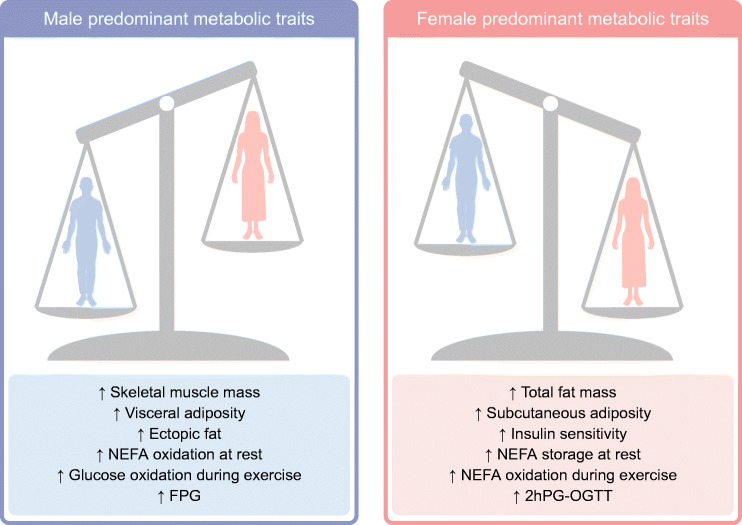
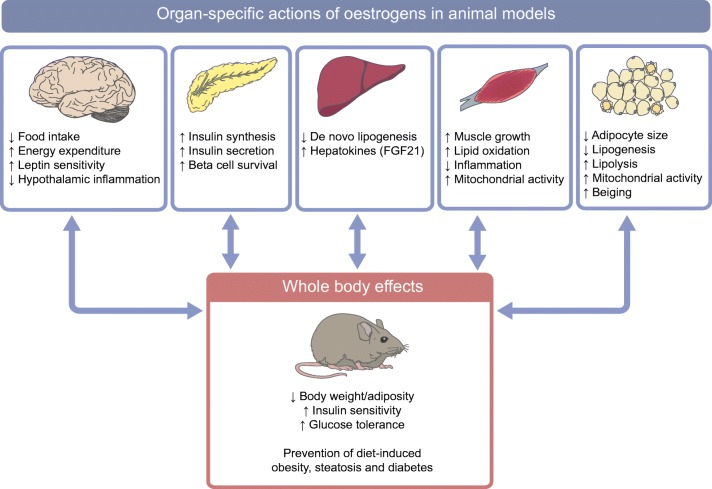
Gender and biological sex impact the pathogenesis of numerous diseases, including metabolic disorders such as diabetes. In most parts of the world, diabetes is more prevalent in men than in women, especially in middle-aged populations. In line with this, considering almost all animal models, males are more likely to develop obesity, insulin resistance and hyperglycaemia than females in response to nutritional challenges. As summarised in this review, it is now obvious that many aspects of energy balance and glucose metabolism are regulated differently in males and females and influence their predisposition to type 2 diabetes. During their reproductive life, women exhibit specificities in energy partitioning as compared with men, with carbohydrate and lipid utilisation as fuel sources that favour energy storage in subcutaneous adipose tissues and preserve them from visceral and ectopic fat accumulation. Insulin sensitivity is higher in women, who are also characterised by higher capacities for insulin secretion and incretin responses than men; although, these sex advantages all disappear when glucose tolerance deteriorates towards diabetes. Clinical and experimental observations evidence the protective actions of endogenous oestrogens, mainly through oestrogen receptor α activation in various tissues, including the brain, the liver, skeletal muscle, adipose tissue and pancreatic beta cells. However, beside sex steroids, underlying mechanisms need to be further investigated, especially the role of sex chromosomes, fetal/neonatal programming and epigenetic modifications. On the path to precision medicine, further deciphering sex-specific traits in energy balance and glucose homeostasis is indeed a priority topic to optimise individual approaches in type 2 diabetes prevention and treatment.
Overview
The claims and statistics of this paper haven’t been checked yet.
Free: it reads the open-access text and checks the first 5 claims that cite a source we can check. Create a free account to check every claim.
Integrity signals
Registry
Cites
Statistics
Figures
Verification
Claims the paper makes
The claims and statistics of this paper haven’t been checked yet.
Free: it reads the open-access text and checks the first 5 claims that cite a source we can check. Create a free account to check every claim.
Claims other papers make about this one
Each is checked against this paper’s own text: does it say what the citing paper says it does?
The source backs part of the claim, not all of it — or backs it for a different population, condition or comparison.
In the citing paper
“Moreover, T2D is more prevalent in men than women, with an estimated 13% of men and 11% of women between the ages of 20–79 classified as diabetic in 2016 (67, 73).”
From Metabolic impact of endogenously produced estrogens by adipose tissue in females and males across the lifespan (2025) · cites this paper as [73]
Experimental — accuracy not yet measured
Self-check
Percentages, sums and reported differences re-computed from the paper’s own numbers.
The self-check needs the paper’s full text.
Citations
Cites
IDF Diabetes Atlas: Global estimates of diabetes prevalence for 2017 and projections for 2045
Cho, N. H., Shaw, J. E., Karuranga, S., Huang, Y., da Rocha Fernandes, J. D., Ohlrogge, A. W., & Malanda, B. (2018) · Diabetes Research and Clinical Practice · doi:10.1016/j.diabres.2018.02.023 · Cited by 7,283
Identification and Importance of Brown Adipose Tissue in Adult Humans
Cypess, A. M., Lehman, S., Williams, G., Tal, I., Rodman, D., Goldfine, A. B., Kuo, F. C., Palmer, E. L., Tseng, Y.-H., Doria, A., et al. (2009) · New England Journal of Medicine · doi:10.1056/nejmoa0810780 · Cited by 4,399
Zhou, B., Lu, Y., Hajifathalian, K., Bentham, J., Di Cesare, M., Danaei, G., Bixby, H., Cowan, M., Ali, M., Taddei, C., et al. (2016) · The Lancet · doi:10.1016/s0140-6736(16)00618-8 · Cited by 4,311
Functional Brown Adipose Tissue in Healthy Adults
Virtanen, K. A., Lidell, M. E., Orava, J., Heglind, M., Westergren, R., Niemi, T., Taittonen, M., Laine, J., Savisto, N.-J., Enerbäck, S., et al. (2009) · New England Journal of Medicine · doi:10.1056/nejmoa0808949 · Cited by 3,058
Sex and Gender Differences in Risk, Pathophysiology and Complications of Type 2 Diabetes Mellitus
Kautzky-Willer, A., Harreiter, J., & Pacini, G. (2016) · Endocrine Reviews · doi:10.1210/er.2015-1137 · Cited by 2,043
The role of estrogens in control of energy balance and glucose homeostasis
Mauvais-Jarvis, F., Clegg, D. J., & Hevener, A. L. (2013) · Endocrine Reviews · doi:10.1210/er.2012-1055 · Cited by 1,329
Sex differences in human adipose tissues – the biology of pear shape
Karastergiou, K., Smith, S. R., Greenberg, A. S., & Fried, S. K. (2012) · Biology of Sex Differences · doi:10.1186/2042-6410-3-13 · Cited by 1,109
Lonardo, A., Nascimbeni, F., Ballestri, S., Fairweather, D., Win, S., Than, T. A., Abdelmalek, M. F., & Suzuki, A. (2019) · Hepatology · doi:10.1002/hep.30626 · Cited by 1,050
Aromatase-deficient (ArKO) mice have a phenotype of increased adiposity
Jones, M. E. E., Thorburn, A. W., Britt, K. L., Hewitt, K. N., Wreford, N. G., Proietto, J., Oz, O. K., Leury, B. J., Robertson, K. M., Yao, S., et al. (2000) · Proceedings of the National Academy of Sciences · doi:10.1073/pnas.97.23.12735 · Cited by 729
Kanaya, A. M., Herrington, D., Vittinghoff, E., Lin, F., Grady, D., Bittner, V., Cauley, J. A., & Barrett-Connor, E. (2003) · Annals of Internal Medicine · doi:10.7326/0003-4819-138-1-200301070-00005 · Cited by 633
Cited by
Items 701–800 of 1,000
Nguyen, A. P.-U., Ke, W., Mei, S., & Nguyen, T. H. (2025) · Journal of Transcultural Nursing · doi:10.1177/10436596251353035 · Cited by 1
“Men tend to exhibit higher levels of certain risk factors, such as abdominal obesity and lower levels of physical activity, which contribute to an increased risk for diabetes (Huebschmann et al., 2019; Tramunt et al., 2020).”
Xia, Y., He, L., Pang, L., Zhu, W., Zhang, N., Gao, Y., Duo, L., Wang, Z., Yang, W., Tang, M., et al. (2025) · Frontiers in Cardiovascular Medicine · doi:10.3389/fcvm.2025.1656537 · Cited by 1
“Previous studies have indicated that compared to men, women have an increased risk of impaired glucose tolerance and exhibit greater insulin sensitivity (46).”
Wu, X., Zhang, R., Gan, S., Zhou, H., Yu, F. F., & Luo, J. (2025) · Scientific Reports · doi:10.1038/s41598-025-30646-6 · Cited by 1
“Women showed a distinct risk inflection point at CUN-BAE 31.2, while men exhibited a more linear dose-response relationship.”
InfluentialLi, Q.-H., Qin, J., Lamberg, S., Brakenridge, C. J., Pesola, A. J., & Gao, Y. (2025) · International Journal of Behavioral Medicine · doi:10.1007/s12529-025-10414-6 · Cited by 1
“This difference may be related to factors like higher circulating free fatty acids [5] and hormonal influences such as progesterone [6], both of which can reduce insulin sensitivity and blunt glucose uptake.”
Nassar, M. O. (2025) · Journal of Intelligent & Fuzzy Systems · doi:10.1177/18758967251395614 · Cited by 1
“…diversification: Expanding validation to broader populations, including men, pediatric groups, and under-represented minorities, will enhance fairness, mitigate sex-based disparities (Tramunt et al., 2020; Zhang et al., 2024), and ensure equitable model performance in low-resource global settings.”
Bao, W., Liu, C., Huang, W. H., Lai, Y., Chen, F., Yao, Y., Lin, H.-C., Ye, Z., Qian, J., Ping, F., et al. (2026) · Nutrition Journal · doi:10.1186/s12937-025-01268-5 · Cited by 1
“This sex difference may partially stem from the heightened sensitivity of the female vasculature to metabolic stress [48].”
Li, B., Li, F., Xie, X., Wang, Y., Li, S., & Liu, X. (2026) · Microchemical Journal · doi:10.1016/j.microc.2026.117352 · Cited by 1
Xu, M.-R., Li, M.-H., Wang, J.-W., Zhang, Y.-W., Lu, J.-X., Ke, J.-F., & Li, L. (2026) · World Journal of Diabetes · doi:10.4239/wjd.v17.i3.115465 · Cited by 1
Pıhtılı, A., Çelik, Y., Thunström, E. Ö., & Peker, Y. (2026) · Sleep Medicine · doi:10.1016/j.sleep.2026.108976 · Cited by 1
Wei, L., Ni, J., Meng, J., Chen, D. J., Wu, X., Zhong, S., Zhou, M., Zeng, Y., Luo, Y., & Ye, H. (2026) · BMC Medical Informatics and Decision Making · doi:10.1186/s12911-026-03512-2 · Cited by 1
Yue, Q., Zhang, L., Wang, R., Cui, L., Pei, J., Zhang, M., Wang, C., Li, C., Sun, H., Zhang, W. X., et al. (2026) · Diabetes Obesity and Metabolism · doi:10.1111/dom.70809 · Cited by 1
Sonza, A., Faquin, A., Grugni, G., Bondesan, A., Caroli, D., Abbruzzese, L., & Sartorio, A. (2026) · Journal of Clinical Medicine · doi:10.3390/jcm15093248 · Cited by 1
“Because muscle insulin sensitivity per unit tissue is higher in women, a given oral glucose load can often be managed with less insulin at the same glycemic level, especially before menopause [32,33].”
Choi, Y.-J., Bea, S., Chung, S. W., Seo, H.-T., Rhee, T., Park, C. S., Lee, H., Han, K. D., Kim, Y. J., Kim, H. K., et al. (2026) · European Journal of Preventive Cardiology · doi:10.1093/eurjpc/zwag254 · Cited by 2
The role of mitochondrial dynamics in metabolic dysfunction–associated steatotic liver disease
Yang, N., & Hao, Y. (2026) · Frontiers in Medicine · doi:10.3389/fmed.2026.1804561 · Cited by 1
“…non-parenchymal cells, such as Kupffer cells and hepatic stellate cells, in response to metabolic stress; (2) sex-specific differences, where estrogen receptor signaling may enhance mitochondrial fusion in female hepatocytes, potentially contributing to sex differences in MASLD progression (72).”
Fan, Y., Hu, H., & Cheng, J. (2026) · International Journal of Molecular Medicine · doi:10.3892/ijmm.2026.5873 · Cited by 1
Abdominal adiposity and Alzheimer's disease imaging markers across sex and race at midlife
Dolatshahi, M., Commean, P. K., Naghashzadeh, M., Kasani, S. H., Rahmani, F., Xu, Y., Liu, J., Mohammadi, S., Lloyd, L., Nguyen, C., et al. (2026) · Journal of Alzheimer s Disease · doi:10.1177/13872877261455657 · Cited by 1
“59,60 HDL, however, showed a stronger association with amyloid burden in males, probably because middle-aged males have lower HDL levels, compared to females.”
Exploring sex differences in frailty and hospitalization among older adults with diabetes in Vietnam
Nguyen, T. T., Truong, D. N., Wong, W. J., Woodward, M., & Nguyen, T. N. (2026) · The Journal of Frailty & Aging · doi:10.1016/j.tjfa.2026.100168 · Cited by 1
“Women with diabetes often face worse outcomes than men, due to socioeconomic factors, healthcare access, and biological differences [17 – 19].”
Elbira, A., Punithalayal, P., Hernández‐Álvarez, A. J., & Boesch, C. (2026) · European Journal of Nutrition · doi:10.1007/s00394-026-03971-3 · Cited by 1
“Existing evidence suggests that in healthy adults under normal physiological conditions, these influences are relatively modest, and both sexes may show similar postprandial glucose and insulin responses when matched for age, BMI, and energy intake [54 ].”
Sierra-Castillo, S., Aristizabal-Colorado, D., Arteaga-Arellano, A., Miranda-Brazales, D., Aquino, Y., Muñoz-Ordoñez, J. A., Sierra-Castillo, D., Peláez-Ortiz, J. C., Trujillo, D. A. V., Izquierdo‐Condoy, J. S., et al. (2026) · Frontiers in Endocrinology · doi:10.3389/fendo.2026.1877298 · Cited by 1
PENGETAHUAN DAN PERILAKU PASIEN DIABETES MELLITUS YANG MENJALANKAN PUASA RAMADAN
Nugroho, F. A., Wilujeng, C. S., Handayani, D., Kusumastuty, I., & Yusof, B. N. M. (2022) · majalah kesehatan · doi:10.21776/majalahkesehatan.2022.009.03.5 · Cited by 1
El-Sherif, M. A., Nabil, G., Ibrahim, R., Mohamed, N., Mohamed, M., & Jaheen, A. H. (2023) · Research in Veterinary Science · doi:10.1016/j.rvsc.2023.01.001 · Cited by 1
Sex Modulates Response to Renal-Tubule-Targeted Insulin Receptor Deletion in Mice
Sohail, S., Akkawi, G., Rechter, T., Fluitt, M. B., & ECELBARGER, C. A. (2023) · International Journal of Molecular Sciences · doi:10.3390/ijms24098056 · Cited by 1
“At the whole-body level, most studies show that males (humans and animals) are more susceptible to the development of insulin resistance, despite females having a greater total fat mass [11].”
BackgroundNovel mechanisms for gene regulation: Chemical tags on RNA molecules
Patel, Z. H., & Anreiter, I. (2023) · Elsevier eBooks · doi:10.1016/b978-0-12-823937-7.00011-0 · Cited by 1
Sandra, C., Wahila, R., & Makukula, M. (2024) · EAS Journal of Nursing and Midwifery · doi:10.36349/easjnm.2024.v06i02.003 · Cited by 1
Dissecting genetic regulation of metabolic coordination
Hector, E. C., Zhang, D., Tian, L., Feng, J., Yin, X., Xu, T., Laakso, M., Bai, Y., Xiao, J., Kang, J., et al. (2025) · Briefings in Bioinformatics · doi:10.1093/bib/bbaf095 · Cited by 1
Alqutub, S. T., & Aljehani, F. (2025) · Digital Health · doi:10.1177/20552076251325987 · Cited by 1
“32,33 Moreover, self-care behaviors, quality of life, and treatment adherence were identi fi ed as in fl uencing factors.”
FEATURES OF ENDOMETRIAL DISEASES IN DIABETES MELLITUS
Melnyk, V. L., Adamchuk, N. V., Охабська, І. І., Корнієнко, В. Г., Мялюк, О. П., & Марущак, М. І. (2025) · Науковий вісник Ужгородського університету Серія Медицина · doi:10.32782/2415-8127.2025.71.11 · Cited by 1
Ogawa, K., Ogino, J., Oh, R., Sakuma, Y., Takemura, K., Suzuki, Y., Ito, Y., Endo, Y., Shimura, H., Kiuchi, K., et al. (2025) · Endocrine Journal · doi:10.1507/endocrj.ej25-0007 · Cited by 1
Lifestyle-associated metabolite signatures and the risk of late-onset asthma
Chang, Q., Chen, L., Zhu, Y., Liu, L., Zhou, X., Liang, H., Lin, F., Li, D., Zhu, Z., Pan, Z., et al. (2025) · Journal of Allergy and Clinical Immunology · doi:10.1016/j.jaci.2025.09.020 · Cited by 1
Zhu, Y., He, J. Y., Li, X., Xu, Y., Yu, Z., & Chi, K. (2025) · Medicine · doi:10.1097/md.0000000000045118 · Cited by 1
Assessing the Predictive Accuracy of the Body Roundness Index for Prediabetes in Indonesian Adults
Pramono, A., Nursari, E. N., Dieny, F. F., Kurniawati, D. M., & Rahadiyanti, A. (2025) · Amerta Nutrition · doi:10.20473/amnt.v9i4.2025.689-697 · Cited by 1
Ali, D., Salim, H., Khan, T. M., Siddiqui, H., Srour, H. J. M., Collins, P., Ahmed, R., & Waqas, S. A. (2025) · Nutrition Metabolism and Cardiovascular Diseases · doi:10.1016/j.numecd.2025.104482 · Cited by 1
Ren, Y., He, F., Qi, M., Fu, B., Yang, W., Yan, K., Feng, Y., & Huang, T. (2025) · Microchemical Journal · doi:10.1016/j.microc.2025.116528 · Cited by 1
Zhu, S., Tang, Z., Yu, J., Ji, Y., Ren, Y., Wu, R., & Yao, L. (2025) · Medicine · doi:10.1097/md.0000000000046588 · Cited by 1
“29–32] The association between WWI and NAFLD reveals nuanced distinctions when comparing non-diabetic individuals to the broader population.”
Ahmad, F., Abubakar, S., Alwi, S. S. S., Ng, O. C., & Saidi, H. I. (2026) · Journal of Racial and Ethnic Health Disparities · doi:10.1007/s40615-025-02803-0 · Cited by 1
Lin, L., Pan, G., Liu, L., & Huang, J. (2026) · Frontiers in Public Health · doi:10.3389/fpubh.2025.1569324 · Cited by 1
“Additionally, men have a higher prevalence of metabolic syndrome, leading to elevated blood glucose and TG levels compared to women (73, 74).”
Chaudhry, B. A., Morrell, J. S., Cook, S. B., Goodwin, N. J., & Brian, M. S. (2026) · Journal of Exercise Science & Fitness · doi:10.1016/j.jesf.2026.200452 · Cited by 1
Вячеславовна, Г. А., Cespuglio, R., Schmitt-Böhrer, A. G., Deykin, A. V., Kalueff, A. V., Lebedeva, K., Nedorubov, A. A., Shulte, G. O., Svirin, E. P., Lyundup, A. V., et al. (2026) · Metabolites · doi:10.3390/metabo16020117 · Cited by 1
“Previous studies have demonstrated that aged female rodents display increased susceptibility to WD-induced adiposity, glucose intolerance, and inflammatory responses [34,35].”
Hasanian-Langroudi, F., Hedayati, M., Ghasemi, A., Siadat, S. D., & Tohidi, M. (2025) · Intern J Endocrinol Metab · doi:10.5812/ijem-168629 · Cited by 1
“2025; 23(4): e168629 hyperglycemia in most animal models, which has led to their predominant use in diabetes research (4).”
Liang, J., Fu, X., Wu, Y., Chen, T., Su, Y., Li, Y., Gu, M., Wen, L., Zhao, Y., Li, K., et al. (2026) · Nutrients · doi:10.3390/nu18050738 · Cited by 1
“First, sex steroid hormones, particularly estrogen, exert anti-inflammatory effects and may help protect against insulin resistance [12,13].”
Correlation of HbA1c with Lipid Profile in Type 2 Diabetes
Febryanto, M. D. H., Dian, D. P., Hendra, H. P., Eko, E. K., Husni, H., & Afriani, N. (2026) · Frontiers on Healthcare Research · doi:10.63918/fhr.v3.n1.p72-78.2026 · Cited by 1
Trujillo, M. D. L. C. M., Sanz, A. G. C., & Cortés, J. B. (2026) · Diabetology · doi:10.3390/diabetology7030045 · Cited by 1
“Likewise, the lower likelihood of T2DM observed among women is concordant with prior evidence from clinically complex populations, in which men tend to exhibit a higher cardiometabolic burden and a greater prevalence of diagnosed diabetes [21].”
Korn, A., Şimşek, S., Fiet, M. D., Waas, I. S. E., Kooiman, K., Niessen, H. W. M., & Krijnen, P. A. J. (2026) · Ultrasound in Medicine & Biology · doi:10.1016/j.ultrasmedbio.2026.02.023 · Cited by 1
Abu-Moch, M., Azab, A. N., Yousef, M., & Agam, G. (2026) · Biomedicine & Pharmacotherapy · doi:10.1016/j.biopha.2026.119356 · Cited by 1
Vassilieva, A., Olsen, M. H., Granerud, I. L., Skjøth‐Rasmussen, J., Sølling, C., Møller, K., Sørensen, M. K., & CONICA (2026) · Journal of Neurosurgical Anesthesiology · doi:10.1097/ana.0000000000001090 · Cited by 1
Anton, I. C., Solcan, C., Mititelu-Tarțău, L., Amălinei, C., Poroch, M., Poroch, V., Bucă, B. R., Tartau, C. G., Pelin, A.-M., & Botnariu, G. E. (2026) · Life · doi:10.3390/life16050793 · Cited by 1
“…included in the study because sex is known to significantly influence diabetes development in experimental models; specifically, male pancreatic β -cells are more susceptible to STZ-induced cytotoxic effects than those of females, due to the protective effects of estrogens on β -cell function [30].”
Muscle metaboreflex dysfunction in cardiovascular disease
de Araújo, C. C., de Andrade, R. D., Goulart, C. D. L., Alves, I. M., de Oliveira, L. V. F., & Cipriano, G. (2026) · American Journal of Physiology-Heart and Circulatory Physiology · doi:10.1152/ajpheart.00086.2026 · Cited by 1
Herrero, M. T. V., López, P. J. T., Busquets-Cortés, C., Cañellas, L. R., López‐González, Á. A., & Ramírez‐Manent, J. I. (2026) · Metabolites · doi:10.3390/metabo16060422 · Cited by 1
Pszczolkowski, V. L., Youn, Y.-J., Her, T. K., & Alejandro, E. U. (2026) · Journal of Animal Science · doi:10.1093/jas/skag212 · Cited by 1
“…pregnancy, estradiol and related estrogens are considered protective in the context of cardiometabolic diseases, including in pancreatic beta-cells (Tramunt et al. 2020), where activation of estrogen receptor α (ER α ) promotes insulin synthesis and secretion, lipid homeostasis, and cell survival…”
兰志敏, Guan, X., Xiu, M., & Pan, A. (2026) · European Archives of Psychiatry and Clinical Neuroscience · doi:10.1007/s00406-026-02290-2 · Cited by 1
HUBUNGAN KADAR GULA DARAH SEWAKTU DENGAN NEUROPATI DIABETIK PADA PASIEN DIABETES MELITUS TIPE 2
Lisa, M., Lipinwati, L., Istarini, A., Syauqy, A., & Shafira, N. N. A. (2025) · Majalah Kedokteran Neurosains Perhimpunan Dokter Spesialis Saraf Indonesia · Cited by 1
The association between urine pH and abnormal glucose tolerance in adults
Sözel, H., & Yılmaz, F. (2021) · Journal of Health Sciences and Medicine · doi:10.32322/jhsm.941655 · Cited by 1
Li, S., Wang, Y., He, J., Wu, H., 廖二元, Liu, Y., 詹俊鲲, & Wang, Y. (2022) · Aging Medicine · doi:10.1002/agm2.12207 · Cited by 1
Alfhili, M. A., Alsughayyir, J., Basudan, A., Alfaifi, M. A., Awan, Z. A., Algethami, M. R., & Al‐Sheikh, Y. A. (2023) · Journal of King Saud University - Science · doi:10.1016/j.jksus.2023.102699 · Cited by 1
Hossain, M. S., Rupa, S. I., Sarkar, M. S., Amin, M. A., Khatun, M. T., Shamim, M., & Islam, M. Z. (2023) · Informatics in Medicine Unlocked · doi:10.1016/j.imu.2023.101302 · Cited by 1
Reng, R. S., Lawal, Y., Odiase, S., Shuaibu, R., Odumodu, K., & Anumah, F. (2023) · Annals of Health Research (The Journal of the Medical and Dental Consultants Association of Nigeria OOUTH Sagamu Nigeria) · doi:10.30442/ahr.0903-09-211 · Cited by 1
Fleischman, J. Y., Casey, J. L., Meijer, J. L., Treutelaar, M. K., Rajendiran, T. M., Soni, T., Evans, C. R., & Burant, C. (2024) · Biochimica et Biophysica Acta (BBA) - Molecular and Cell Biology of Lipids · doi:10.1016/j.bbalip.2024.159451 · Cited by 1
Sevillano, J. H., Babagoli, M. A., Chen, Y., Liu, S. H., Mellacheruvu, P., Johnson, J. H., Ibáñez, B., Lorenzo, Ó., & Mechanick, J. I. (2024) · International Journal of Cardiology Cardiovascular Risk and Prevention · doi:10.1016/j.ijcrp.2024.200322 · Cited by 1
Yokomichi, H., Mochizuki, M., Suzuki, S., Ito, Y., Hotsubo, T., & Matsuura, N. (2024) · Journal of Diabetes and its Complications · doi:10.1016/j.jdiacomp.2024.108922 · Cited by 1
Huang, C., Zhang, Y., Yang, X., Li, G., & Gao, Z. (2025) · Frontiers in Endocrinology · doi:10.3389/fendo.2025.1502861 · Cited by 1
“Estrogen can signi fi cantly promote insulin secretion, protect the function of pancreatic b -cells, delay their failure, and maintain the stability of insulin secretion (48).”
Wu, F., Yang, Z., & Ren, X. (2025) · Diabetes Metabolic Syndrome and Obesity · doi:10.2147/dmso.s571753 · Cited by 1
Lepcha, S. M., Khokhar, A., & Sharma, P. (2022) · International Journal of Research in Medical Sciences · doi:10.18203/2320-6012.ijrms20221184 · Cited by 1
Precision Exercise and Physical Activity for Diabetes
Boulé, N. G., & Yardley, J. E. (2022) · Springer eBooks · doi:10.1007/978-3-030-98927-9_13 · Cited by 1
Sex Analysis of Lipid Profile in Diabetes Patients with and without Over Weight in Tikrit City/Iraq
Mohammed, A. S., Salih, M. H., & Al‐Doori, M. A. M. (2022) · Journal for Research in Applied Sciences and Biotechnology · doi:10.55544/jrasb.1.3.16 · Cited by 1
Precision medicine in diabetes - current trends and future directions. Is the future now?
Szczerbiński, Ł., & Florez, J. C. (2023) · Elsevier eBooks · doi:10.1016/b978-0-12-824010-6.00021-6 · Cited by 1
Hadi, N. K., Aamir, M. S., Ghaffar, T., Khan, S., Islam, S. U., Khan, S., ., N., & Ali, M. (2023) · Pakistan Journal of Health Sciences · doi:10.54393/pjhs.v4i01.486 · Cited by 1
Larasati, A. P., Prajitno, J. H., & Purwanto, B. (2023) · Current Internal Medicine Research and Practice Surabaya Journal · doi:10.20473/cimrj.v4i2.49154 · Cited by 1
Investigation of the Association of Oral Infections with Diabetes Mellitus
Aljubouri, E. A., & Alaubydi, M. A. (2023) · Iraqi Journal of Science · doi:10.24996/ijs.2023.64.9.12 · Cited by 1
“pH has an impact on the environmental factors that are important for microbial growth and survival [22].”
BackgroundCardiovascular Diseases Related to Diabetes and Obesity, volume III
Cai, L., Xin, Y., Young, J. L., & Rajesh, M. (2024) · Frontiers research topics · doi:10.3389/978-2-8325-4511-9 · Cited by 1
Bruceine E reduced blood glucose in high-fat diet rats
Man, F., Devi, J. A., Kiran, S. R., & Choo, C.-Y. (2024) · Medicinal Plants - International Journal of Phytomedicines and Related Industries · doi:10.5958/0975-6892.2024.00028.6 · Cited by 1
Evolutionary View of Liver Pathology
Dezső, K., Paku, S., Juhász, M., Kob́ori, L., & Nagy, P. (2024) · Evolutionary Applications · doi:10.1111/eva.70059 · Cited by 1
“This can be explained by a better glycemic control, increased peripheral and hepatic insulin sensitivity compared to men (Tramunt et al. 2020), which is the consequence of a sex dimorphic glucose homeostasis regulation (Mauvais-Jarvis 2018).”
Abbas, S. H., Zaidi, S. S., Sandeelo, N., Zameer, S., Nazar, S., & Rizvi, S. H. A. (2025) · The Professional Medical Journal · doi:10.29309/tpmj/2025.32.01.8596 · Cited by 1
“14 Additionally, Men also show a higher prevalence of comorbidities that can affect the development of ulcer.”
Syah, F. Z. N., & Adawıyah, R. (2025) · SITAWA Jurnal Farmasi Sains dan Obat Tradisional · doi:10.62018/sitawa.v4i1.111 · Cited by 1
Edible Mushroom Bioactive Compounds and Diabetes Management and Prevention
Adeyemo, R. O., Binuyo, M. O., Abolarinwa, T. O., Olubiyi, M. V., Lebeloane, M. M., Akinboye, A. O., Bale, M. I., Feyitimi, A.-R. A., Adebayo, I. A., & Akinola, S. A. (2025) · Reference series in phytochemistry · doi:10.1007/978-3-031-52642-8_27-1 · Cited by 1
Analysis of multimorbidity patterns in perimenopausal women based on medical examination data
Luo, W., Mao, J., Su, S., Jia, M., Xian, S., An, J., Qi, X., & Mu, L. (2025) · Climacteric · doi:10.1080/13697137.2025.2470449 · Cited by 1
“…focused on males, not only skewing medical research and healthcare toward male-centric approaches but also impeding the accurate assessment of the safety and efficacy of treatments for women, thereby limiting the development of personalized healthcare services tailored to female patients [16,17].”
Significant interplay of BMI and Anthropometric Profile on Gender-Specific Health Indicators
Sadiqa, A., Nadeem, A., & Rehman, A. (2025) · Pakistan Journal of Medical Sciences · doi:10.12669/pjms.41.5.11780 · Cited by 1
“15 Gender differences, with females exhibiting higher HRs in the normal range, are consistent with established physiological norms.”
García, B. O., Hernández, F. V., Aguirre, E. V., Martínez, M. G. S., Cortes, L. R. G., Calderón, J. A. T., Franco, E. L. G., Ramírez, E. A. M., & Morales, R. D. S. (2025) · Open Journal of Epidemiology · doi:10.4236/ojepi.2025.153047 · Cited by 1
Shao, X., Liang, L., Shen, X., Lang, X., Wang, Y., Lin, W., Wang, R., & Weng, C. (2025) · Diabetology & Metabolic Syndrome · doi:10.1186/s13098-025-01985-1 · Cited by 1
“In addition, previous studies have proven that differences in sex hormones, sex chromosomes, and epigenetic modifications result in a higher degree of insulin sensitivity and a greater capacity for insulin secretion in women compared to men [66].”
Cardiovascular risk and disease management in diabetes: differences between women and men.
de Jong, M. (2021) · Utrecht University Repository (Utrecht University) · doi:10.33540/590 · Cited by 1
Schleh, M. W. (2022) · Deep Blue (University of Michigan) · doi:10.7302/5906 · Cited by 1
Li, Y., Chang, P., Sankaran, S., Jang, H., Nie, Y., Zeng, A., Hussain, S., Wu, J. Y., Chen, X., & Shi, L. (2022) · Research Square · doi:10.21203/rs.3.rs-2349329/v1 · Cited by 1
Hoyeck, M. P. (2023) · Carleton University's Institutional Repository (MacOdrum Library, Carleton University) · doi:10.22215/etd/2023-15835 · Cited by 1
Yücel, H. E., Ulcay, T., Görgülü, Ö., & Öncü, R. (2024) · Research Square · doi:10.21203/rs.3.rs-5057249/v1 · Cited by 1
Shan, P., Hu, H., Wang, J., Yu, X., Wang, L., Shen, F., Zheng, J., Chen, X., Zhang, P., & Wang, Y. (2024) · Research Square · doi:10.21203/rs.3.rs-5181852/v1 · Cited by 1
Zhou, B., Yao, Y., Wang, Y., Yue, W., Zhang, J., He, Y., Zhang, Q., Wang, Y., & Hu, K. (2025) · Nature and Science of Sleep · doi:10.2147/nss.s541375 · Cited by 1
Zheng, H., Nguyen, H., Nguyen, K., Pan, S., Zhou, T., Nguyen, T., & Feng, Y. (2025) · bioRxiv (Cold Spring Harbor Laboratory) · doi:10.1101/2025.08.14.669892 · Cited by 1
“Given known sex differences in cardiovascular and metabolic regulation 79,80 as well as neuroendocrine function, these results may not fully represent the transcriptomic landscape or RAS gene dynamics in females.”
The consequences of the loss of Glyoxalase 1 on cellular metabolism
Campos, M. (2024) · heiDOK (Heidelberg University) · doi:10.11588/heidok.00033956 · Cited by 1
Falana, E. P. (2024) · Memorial University Research Repository (Memorial University) · doi:10.48336/tgxr-5v90 · Cited by 1
Mechanisms of cellular senescence and the use of repurposed drugs as senotherapeutic compounds
Bramwell, L. (2023) · Open Research Exeter (University of Exeter) · Cited by 1
Fosse‐Edorh, S. (2022) · theses.fr (ABES) · doi:10.70675/bc30f236ze8bez4498z9a3cza853e3734009 · Cited by 1
Role of the biological sex in physiology and pathology
Clot, C. (2024) · theses.fr (ABES) · doi:10.70675/a52b3d5czdabez42fdz9b4fz81b173824c24 · Cited by 1
The Lipid Handling Capacity of Subcutaneous Fat Requires mTORC2 during Development
Hsiao, W. (2020) · The Journal of the American Medical Association (JAMA) Network (American Medical Association) · doi:10.13028/a4qc-ky89
Characterization of Metabolic Alterations in Mouse Models of Neurodevelopmental Disorders
Menzies, C. (2021) · uO Research (University of Ottawa) · doi:10.20381/ruor-26478
Sex-biased regulation of body size by nutrient-responsive signaling pathways in Drosophila
Millington, J. W. (2021) · cIRcle (University of British Columbia) · doi:10.14288/1.0401369
Li, N. (2021) · Biomedical Journal of Scientific & Technical Research · doi:10.26717/bjstr.2021.38.006105
Young, J. L. (2020) · ThinkIR: The University of Louisville's Institutional Repository (University of Louisville) · doi:10.18297/etd/3561
Li, N., Miller, A., Hinton, A., Chen, W., & Mumtaz, K. (2021) · Journal of Digestive Diseases and Hepatology · doi:10.29011/2574-3511.100171
“In addition, differences may exist between genders regarding laboratory values and NASH related comorbidities such as diabetes and obesity [17,18].”
BackgroundBellentani, S., & Rosso, N. (2020) · Faculty Opinions – Post-Publication Peer Review of the Biomedical Literature · doi:10.3410/f.737860439.793575991
Zheng, J., Zhang, L., & Jiang, M. H. (2021) · Research Square · doi:10.21203/rs.3.rs-203394/v1
“The mechanism may be due to the chromosomes and sociocultural differences; males have relative more substantial muscle mass [32], higher in ammatory level [33] and lower insulin sensitivity [34] than females.”
Background
Metadata
- Authors
- Tramunt, B., Smati, S., Grandgeorge, N., Lenfant, F., Arnal, J.-F., Montagner, A., & Gourdy, P.
- Affiliations
- Université Toulouse III - Paul Sabatier (FR)
- Centre Hospitalier Universitaire de Toulouse (FR)
- Corresponding author
- Gourdy, Pierre
- ORCID
- Venue
- Diabetologia
- Published
- 2019-11-21
- Volume
- 63
- Issue
- 3
- Pages
- 453-461
- ISSN
- 0012-186X (ISSN-L)
- 1432-0428
- PMC
- PMC6997275
- OpenAlex
- W2991033511
- Cited by
- 923
- References
- 65
- Citations by year
- 2026: 138 · 2025: 174 · 2024: 181 · 2023: 162 · 2022: 129 · 2021: 98 · 2020: 38 · 2019: 1
- FWCI
- 11.15
- Type
- journal article
- Language
- en
- Open access
- hybrid
- doi.org
- Licence
- cc-by
- creativecommons.org/licenses/by/4.0 (tdm)
- creativecommons.org/licenses/by/4.0 (vor)
- Locations
- Diabetologia (publishedVersion, cc-by)
- Europe PMC (PubMed Central) (publishedVersion, cc-by)
- PubMed Central (publishedVersion, cc-by)
- PubMed (publishedVersion)
- HAL (submittedVersion)
- Funders
- Agence Nationale de la Recherche (ANR-18-CE14-0002)
- Topics
- Health Sciences › Medicine › Public Health, Environmental and Occupational Health › Sex and Gender in Healthcare
- Life Sciences › Biochemistry, Genetics and Molecular Biology › Endocrinology › Estrogen and related hormone effects
- Health Sciences › Medicine › Endocrinology, Diabetes and Metabolism › Diabetes, Cardiovascular Risks, and Lipoproteins
- Keywords
- sex differences, type 2 diabetes, insulin resistance, glucose metabolism, energy balance, estrogen, estrogen receptor alpha, insulin secretion, incretin response, sex chromosomes, fetal programming, epigenetic modifications, adipose tissue, visceral fat, glucose tolerance
- MeSH terms
- Animals, Diabetes Mellitus, Type 2, Disease Susceptibility, Energy Metabolism, Female, Humans, Infant, Newborn, Male, Middle Aged, Pregnancy, Risk Factors, Sex Characteristics, Embryonic Development
About these checks
Registry, retraction, Cites and statistics results are computed, not judged, with one exception: a printed reference that no index lists is read once by a model before it counts as a citation error. Claims are extracted by a model and kept only when their quote appears verbatim in the text; each cited source is then checked, with a model’s help, for whether it says what the claim relies on. Those verdicts can be wrong — read the claim’s quote and the cited source before relying on one.
Statistics and arithmetic are recomputed, not judged.
Confidence bands are shown only for fields calibrated on our annotated test set. None is calibrated yet, so no band is shown.
What counts as a claim ›How we measure confidence ›How we check this ›
Are you an author, or do you see a problem with this page? Request a review
Data sources
Bibliographic data: Semantic Scholar, OpenAlex, Crossref.
Contains information from the Semantic Scholar Academic Graph Datasets, made available under the ODC Attribution License (ODC-BY 1.0).
Semantic Scholar’s data is described in: Kinney, R., et al. (2023). The Semantic Scholar Open Data Platform. arXiv:2301.10140.
