

Sex differences in metabolic regulation and diabetes susceptibility
Open accessThe DOI matches its Crossref record; 65 of the 65 references it cites were found in a registry or an index.
Abstract
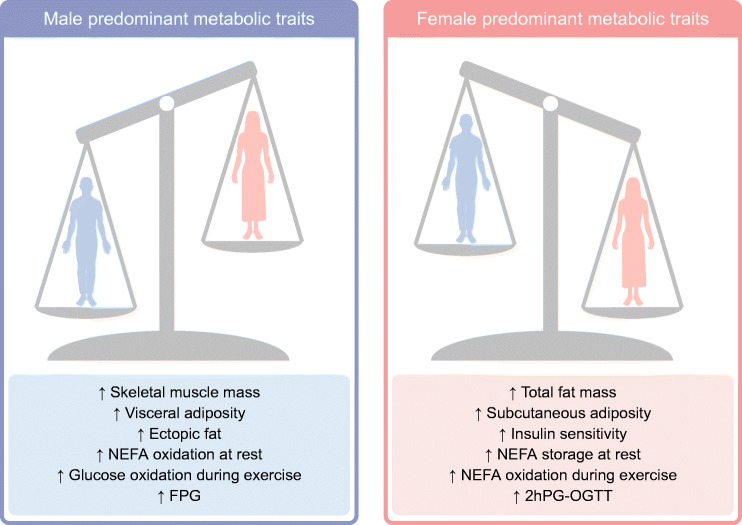
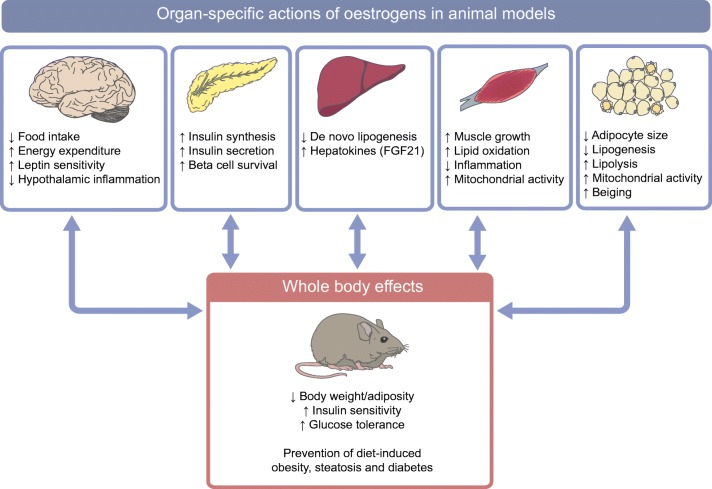
Gender and biological sex impact the pathogenesis of numerous diseases, including metabolic disorders such as diabetes. In most parts of the world, diabetes is more prevalent in men than in women, especially in middle-aged populations. In line with this, considering almost all animal models, males are more likely to develop obesity, insulin resistance and hyperglycaemia than females in response to nutritional challenges. As summarised in this review, it is now obvious that many aspects of energy balance and glucose metabolism are regulated differently in males and females and influence their predisposition to type 2 diabetes. During their reproductive life, women exhibit specificities in energy partitioning as compared with men, with carbohydrate and lipid utilisation as fuel sources that favour energy storage in subcutaneous adipose tissues and preserve them from visceral and ectopic fat accumulation. Insulin sensitivity is higher in women, who are also characterised by higher capacities for insulin secretion and incretin responses than men; although, these sex advantages all disappear when glucose tolerance deteriorates towards diabetes. Clinical and experimental observations evidence the protective actions of endogenous oestrogens, mainly through oestrogen receptor α activation in various tissues, including the brain, the liver, skeletal muscle, adipose tissue and pancreatic beta cells. However, beside sex steroids, underlying mechanisms need to be further investigated, especially the role of sex chromosomes, fetal/neonatal programming and epigenetic modifications. On the path to precision medicine, further deciphering sex-specific traits in energy balance and glucose homeostasis is indeed a priority topic to optimise individual approaches in type 2 diabetes prevention and treatment.
Overview
The claims and statistics of this paper haven’t been checked yet.
Free: it reads the open-access text and checks the first 5 claims that cite a source we can check. Create a free account to check every claim.
Integrity signals
Registry
Cites
Statistics
Figures
Verification
Claims the paper makes
The claims and statistics of this paper haven’t been checked yet.
Free: it reads the open-access text and checks the first 5 claims that cite a source we can check. Create a free account to check every claim.
Claims other papers make about this one
Each is checked against this paper’s own text: does it say what the citing paper says it does?
The source backs part of the claim, not all of it — or backs it for a different population, condition or comparison.
In the citing paper
“Moreover, T2D is more prevalent in men than women, with an estimated 13% of men and 11% of women between the ages of 20–79 classified as diabetic in 2016 (67, 73).”
From Metabolic impact of endogenously produced estrogens by adipose tissue in females and males across the lifespan (2025) · cites this paper as [73]
Experimental — accuracy not yet measured
Self-check
Percentages, sums and reported differences re-computed from the paper’s own numbers.
The self-check needs the paper’s full text.
Citations
Cites
IDF Diabetes Atlas: Global estimates of diabetes prevalence for 2017 and projections for 2045
Cho, N. H., Shaw, J. E., Karuranga, S., Huang, Y., da Rocha Fernandes, J. D., Ohlrogge, A. W., & Malanda, B. (2018) · Diabetes Research and Clinical Practice · doi:10.1016/j.diabres.2018.02.023 · Cited by 7,283
Identification and Importance of Brown Adipose Tissue in Adult Humans
Cypess, A. M., Lehman, S., Williams, G., Tal, I., Rodman, D., Goldfine, A. B., Kuo, F. C., Palmer, E. L., Tseng, Y.-H., Doria, A., et al. (2009) · New England Journal of Medicine · doi:10.1056/nejmoa0810780 · Cited by 4,399
Zhou, B., Lu, Y., Hajifathalian, K., Bentham, J., Di Cesare, M., Danaei, G., Bixby, H., Cowan, M., Ali, M., Taddei, C., et al. (2016) · The Lancet · doi:10.1016/s0140-6736(16)00618-8 · Cited by 4,311
Functional Brown Adipose Tissue in Healthy Adults
Virtanen, K. A., Lidell, M. E., Orava, J., Heglind, M., Westergren, R., Niemi, T., Taittonen, M., Laine, J., Savisto, N.-J., Enerbäck, S., et al. (2009) · New England Journal of Medicine · doi:10.1056/nejmoa0808949 · Cited by 3,058
Sex and Gender Differences in Risk, Pathophysiology and Complications of Type 2 Diabetes Mellitus
Kautzky-Willer, A., Harreiter, J., & Pacini, G. (2016) · Endocrine Reviews · doi:10.1210/er.2015-1137 · Cited by 2,043
The role of estrogens in control of energy balance and glucose homeostasis
Mauvais-Jarvis, F., Clegg, D. J., & Hevener, A. L. (2013) · Endocrine Reviews · doi:10.1210/er.2012-1055 · Cited by 1,329
Sex differences in human adipose tissues – the biology of pear shape
Karastergiou, K., Smith, S. R., Greenberg, A. S., & Fried, S. K. (2012) · Biology of Sex Differences · doi:10.1186/2042-6410-3-13 · Cited by 1,109
Lonardo, A., Nascimbeni, F., Ballestri, S., Fairweather, D., Win, S., Than, T. A., Abdelmalek, M. F., & Suzuki, A. (2019) · Hepatology · doi:10.1002/hep.30626 · Cited by 1,050
Aromatase-deficient (ArKO) mice have a phenotype of increased adiposity
Jones, M. E. E., Thorburn, A. W., Britt, K. L., Hewitt, K. N., Wreford, N. G., Proietto, J., Oz, O. K., Leury, B. J., Robertson, K. M., Yao, S., et al. (2000) · Proceedings of the National Academy of Sciences · doi:10.1073/pnas.97.23.12735 · Cited by 729
Kanaya, A. M., Herrington, D., Vittinghoff, E., Lin, F., Grady, D., Bittner, V., Cauley, J. A., & Barrett-Connor, E. (2003) · Annals of Internal Medicine · doi:10.7326/0003-4819-138-1-200301070-00005 · Cited by 633
Cited by
Items 101–200 of 1,000
Al-Mrabeh, A. H. (2021) · Biomedicines · doi:10.3390/biomedicines9020226 · Cited by 46
“Women have a lower risk of T2DM and CVD than men [13,14].”
BackgroundLei, Z., Wu, H., Yang, Y., Hu, Q. C., Lei, Y., Liu, W., Nie, Y., Yang, L., Zhang, X., Yang, C., et al. (2021) · Frontiers in Endocrinology · doi:10.3389/fendo.2021.708838 · Cited by 46
Bitsi, S., Eid, L. E., Manchanda, Y., Oqua, A. I., Mohamed, N., Hansen, B., Suba, K., Rutter, G. A., Salem, V., Jones, B. J., et al. (2023) · Science Advances · doi:10.1126/sciadv.adf7737 · Cited by 46
Jayaraman, S., Eswaran, A., Rajagopal, P., Palanisamy, C. P., Veerakumar, P., Veeraraghavan, V. P., & Sirasanagandla, S. R. (2026) · Biogerontology · doi:10.1007/s10522-026-10402-7 · Cited by 44
“…decline, particularly estrogen and testosterone, disrupts hypo-thalamic–pituitary–gonadal axis homeostasis, accelerating immunosenescence, neurodegeneration, and metabolic dysfunction through loss of ER-mediated anti-inflammatory and epigenetic regulation (Villa et al. 2016; Tramunt et al. 2020).”
Sex-specific regulation of development, growth and metabolism
Shingleton, A. W., & Vea, I. M. (2022) · Seminars in Cell and Developmental Biology · doi:10.1016/j.semcdb.2022.04.017 · Cited by 44
Shuping, Y., Shi, X., Liu, W., Wang, Z., Li, R., Xu, X., Wang, C., Li, L., Wang, R., & Xu, T. (2023) · Frontiers in Endocrinology · doi:10.3389/fendo.2023.1294909 · Cited by 45
Sex/gender and socioeconomic differences in modifiable risk factors for dementia
Geraets, A. F. J., & Leist, A. K. (2023) · Scientific Reports · doi:10.1038/s41598-022-27368-4 · Cited by 43
Astre, G., Atlan, T., Goshtchevsky, U., Oron-Gottesman, A., Smirnov, M., Shapira, K., Velan, A., Deelen, J., Levy, T., Levanon, E. Y., et al. (2023) · Developmental Cell · doi:10.1016/j.devcel.2023.05.015 · Cited by 43
Sun, J., Lu, H., Liang, W., Zhao, G., Ren, L., Hu, D., Chang, Z., Liu, Y., Garcia-Barrio, M. T., Zhang, J., et al. (2020) · Arteriosclerosis Thrombosis and Vascular Biology · doi:10.1161/atvbaha.120.315310 · Cited by 43
Long-term metabolic consequences of acute dioxin exposure differ between male and female mice
Hoyeck, M. P., Blair, H. L., Ibrahim, M., Solanki, S., Elsawy, M., Prakash, A., Rick, K. R. C., Matteo, G., O’Dwyer, S. M., & Bruin, J. E. (2020) · Scientific Reports · doi:10.1038/s41598-020-57973-0 · Cited by 42
Blaak, E. E. (2020) · Proceedings of The Nutrition Society · doi:10.1017/s0029665120000117 · Cited by 42
“In general, healthy premenopausal women have a higher capacity for fat storage without inducing hazardous cardiometabolic health risks((29)), also indicated as female advantage.”
BackgroundKim, H., Chijiki, H., Nanba, T., Ozaki, M., Sasaki, H., Takahashi, M., & Shibata, S. (2020) · Nutrients · doi:10.3390/nu12103035 · Cited by 41
“These differences between men and women are thought to be due to the different glycemic responses to diet [43].”
BackgroundGlobal risk factors, epidemiology, and disease burden of type 2 diabetes
Chen, K., Zhang, H., Wu, N., Li, B., Li, S., & Mu, Y. (2025) · Science China Life Sciences · doi:10.1007/s11427-024-3036-4 · Cited by 42
“In general, men are diagnosed with type 2 diabetes at a younger age and have a lower body mass index (BMI) (Kautzky-Willer et al., 2016; Tramunt et al., 2020) (Figure 5), while women often exhibit a higher burden of risk factors than men, including higher blood pressure and more significant weight…”
T cells in obesity‐associated inflammation: The devil is in the details
Valentine, Y. A., & Nikolajczyk, B. S. (2024) · Immunological Reviews · doi:10.1111/imr.13354 · Cited by 41
“Metabolic phenotypes in male and female mice are overwhelm-ingly different, 30,31 yet until very recently almost all murine studies exclusively used males.”
Dai, H., Xiang, J., Hou, Y., Xuan, L., Wang, T., Li, M., Zhao, Z., Xu, Y., Lu, J., Chen, Y., et al. (2021) · Nutrition & Metabolism · doi:10.1186/s12986-021-00551-6 · Cited by 40
“Women predispose to store fat in the subcutaneous adipose tissue, whereas men tend to store fat in the visceral adipose tissue [39].”
BackgroundAre sex hormones promising candidates to explain sex disparities in the COVID-19 pandemic?
Brandi, M. L. (2021) · Reviews in Endocrine and Metabolic Disorders · doi:10.1007/s11154-021-09692-8 · Cited by 40
“Endogenous estrogen exert also a protective action towards type 2 diabetes mellitus through the ERα activation in various tissues, including the pancreatic beta cells, but also the role of sex chromosomes, fetal/neonatal programming, and epigenetic modifications need to be further investigated in the control of diabet…”
BackgroundThe prediabetes conundrum: striking the balance between risk and resources
Blond, M. B., Færch, K., Herder, C., Ziegler, D., & Stehouwer, C. D. A. (2023) · Diabetologia · doi:10.1007/s00125-023-05890-y · Cited by 40
“The same dose of glucose is used for all individuals, and women generally have higher 2 h plasma glucose levels than men, at least in part due to differences in body size and distribution volume [13].”
BackgroundMarked weight loss on liraglutide 3.0 mg: Real‐life experience of a Swiss cohort with obesity
Santini, S., Vionnet, N., Pasquier, J., Gonzalez‐Rodriguez, E., Fraga, M., Pitteloud, N., & Favre, L. (2023) · Obesity · doi:10.1002/oby.23596 · Cited by 39
“However, men displayed higher insulin resistance and transaminase levels compared with women, as previously shown [44, 45].”
ResultBoettcher, C., Tittel, S. R., Meißner, T., Gohlke, B. C., Stachow, R., Dost, A., Wunderlich, S., Lowack, I., & Lanzinger, S. (2021) · BMJ Open Diabetes Research & Care · doi:10.1136/bmjdrc-2021-002494 · Cited by 40
Zhao, W., Tong, J., Li, J., & Cao, Y. (2021) · International Journal of Endocrinology · doi:10.1155/2021/4535983 · Cited by 39
“Many sex-based differences have been reported in the development of T2DM [30].”
BackgroundMASLD: Prevalence, Mechanisms, and Sex-Based Therapies in Postmenopausal Women
Milani, I., Chinucci, M., Leonetti, F., & Capoccia, D. (2025) · Biomedicines · doi:10.3390/biomedicines13040855 · Cited by 38
“While women of reproductive age tend to be more insulin sensitive, less prone to store fat in visceral and ectopic compartments, and have a greater capacity to secrete insulin and incretins [30,90], postmenopausal women are at higher risk for central obesity, hypertriglyceridemia, and prediabetes.”
Sex differences in chronic liver disease and benign liver lesions
Cooper, K. M., Delk, M., Devuni, D., & Sarkar, M. (2023) · JHEP Reports · doi:10.1016/j.jhepr.2023.100870 · Cited by 38
“more lipid export out of the liver than men, suggesting a more favourable adaptive response to these dietary insults.(18,35)”
Metabolic stress and age drive inflammation and cognitive decline in mice and humans
Elzinga, S. E., Guo, K., Turfah, A., Henn, R. E., Webber‐Davis, I. F., Hayes, J. M., Pacut, C. M., Teener, S. J., Carter, A., Rigan, D. M., et al. (2025) · Alzheimer s & Dementia · doi:10.1002/alz.70060 · Cited by 39
“It is widely recognized that there are differences due to sex in metabolic and inflammatory phenotypes and responses in both mice 74–76 and humans 74,77 and CI is more prevalent in females versus males.”
Marassi, M., Cignarella, A., Russo, G. T., Nollino, L., Strazzabosco, M., Marzullo, P., Leonetti, F., Avogaro, A., Consoli, A., & Fadini, G. P. (2025) · Pharmacological Research · doi:10.1016/j.phrs.2025.107866 · Cited by 38
Yanguas‐Casás, N., Torres‐Fuentes, C., Crespo‐Castrillo, A., Díaz-Pacheco, S., Healy, K., Stanton, C., Chowen, J. A., García‐Segura, L. M., Arévalo, M., Cryan, J. F., et al. (2021) · Neurobiology of Disease · doi:10.1016/j.nbd.2021.105495 · Cited by 40
Hu, M., Fang, Z., Zhang, T., & Chen, Y. (2022) · Diabetology & Metabolic Syndrome · doi:10.1186/s13098-022-00804-1 · Cited by 39
de Jong, M., Oskam, M. J., Sep, S. J. S., Özcan, B., Rutters, F., Sijbrands, E. J. G., Elders, P. J. M., Siegelaar, S. E., DeVries, J. H., Tack, C. J., et al. (2020) · BMJ Open Diabetes Research & Care · doi:10.1136/bmjdrc-2020-001365 · Cited by 38
Wang, A. C., Geng, J., Wang, C., Wu, D., & Chen, S. (2022) · Frontiers in Public Health · doi:10.3389/fpubh.2022.1068078 · Cited by 37
Hoffmann, C., Schneeweiß, P., Randrianarisoa, E., Schnauder, G., Kappler, L., Machann, J., Schick, F., Fritsche, A., Heni, M., Birkenfeld, A. L., et al. (2020) · The Journal of Clinical Endocrinology & Metabolism · doi:10.1210/clinem/dgaa571 · Cited by 36
The Autophagy Inducer Spermidine Protects Against Metabolic Dysfunction During Overnutrition
Liao, C., Kummert, O. M. P., Bair, A. M., Alavi, N., Alavi, J., Miller, D. M., Bagga, I., Schempf, A. M., Hsu, Y.-M., Woods, B. D., et al. (2021) · The Journals of Gerontology Series A · doi:10.1093/gerona/glab145 · Cited by 36
Molecular Insulin Actions Are Sexually Dimorphic in Lipid Metabolism
Ortiz-Huidobro, R. I., Velasco, M., Larqué, C., Escalona, R., & Hiriart, M. (2021) · Frontiers in Endocrinology · doi:10.3389/fendo.2021.690484 · Cited by 36
“On the other hand, sexual dimorphism relies on morphological and biological disparities that influence physiological or pathophysiological processes in males and females (1).”
BackgroundYu, Y., Wang, J., Ding, L., Huang, H., Cheng, S., Deng, Y., Gu, M., Cai, C., Ning, X., Chen, X., et al. (2023) · Diabetology & Metabolic Syndrome · doi:10.1186/s13098-023-01117-7 · Cited by 36
“Therefore, the hormonal differences between males and females could explain why males are more vulnerable to the adverse effects of TyG on survival [27].”
BackgroundSex differences in type 2 diabetes: an opportunity for personalized medicine
Johnson, M. L., Preston, J. D., Rashid, C. S., Pearson, K. J., & Ham, J. N. (2023) · Biology of Sex Differences · doi:10.1186/s13293-023-00571-2 · Cited by 36
“In a recent review, Tramunt et al. [1] outline these differences at length, not the least of which are the predisposition for men to develop type 2 diabetes (T2D), the protective role of sex hormones in metabolic health, and the distinct differences in glucose and lipid handling between males and…”
BackgroundChuruangsuk, C., Lean, M. E. J., & Combet, E. (2020) · Proceedings of The Nutrition Society · doi:10.1017/s0029665120000105 · Cited by 37
“Pre-menopausal women are less susceptible to T2D than men, partly explained by the difference in sex steroid hormones((153)).”
BackgroundResultInfluentialHu, J., Zhu, X., Yuan, D., Ji, D., Guo, H., Li, Y., He, Z., Bai, H., Zhu, Q., Shen, C., et al. (2022) · Endokrynologia Polska · doi:10.5603/ep.a2022.0058 · Cited by 38
Costa, D. N., Santosa, S., & Jensen, M. D. (2025) · Physiological Reviews · doi:10.1152/physrev.00008.2024 · Cited by 34
Bazmandegan, G., Dehghani, M., Karimifard, M., Kahnooji, M., Balaee, P., Zakeri, M. A., & Kamiab, Z. (2023) · Nutrition Metabolism and Cardiovascular Diseases · doi:10.1016/j.numecd.2023.12.022 · Cited by 34
Smoking and Diabetes: Sex and Gender Aspects and Their Effect on Vascular Diseases
Tramunt, B., Rouland, A., Durlach, V., Vergès, B. L., Thomas, D., Berlin, I., & Clair, C. (2023) · Canadian Journal of Cardiology · doi:10.1016/j.cjca.2023.01.018 · Cited by 34
Self-citationQueathem, E. D., Welly, R. J., Clart, L., Rowles, C. C., Timmons, H., Fitzgerald, M., Eichen, P. A., Lubahn, D. B., & Vieira‐Potter, V. J. (2021) · Cells · doi:10.3390/cells10123453 · Cited by 33
Alaofè, H., Hounkpatin, W. A., Djrolo, F., Ehiri, J. E., & Rosales, C. (2022) · International Journal of Environmental Research and Public Health · doi:10.3390/ijerph19042360 · Cited by 33
“Diabetes has also more impact on women than men, emphasizing the need for sex-specific approaches in diabetes management [48].”
BackgroundDiabetic cardiomyopathy: the need for adjusting experimental models to meet clinical reality
Lezoualc’h, F., Badimón, L., Baker, H. E., Bernard, M., Czibik, G., de Boer, R. A., d’Humières, T., Kergoat, M., Kowala, M. C., Rieusset, J., et al. (2022) · Cardiovascular Research · doi:10.1093/cvr/cvac152 · Cited by 33
Lee, A. A., & Den Hartigh, L. J. (2025) · Frontiers in Endocrinology · doi:10.3389/fendo.2025.1682231 · Cited by 32
Preclinical models for Type 1 Diabetes Mellitus - A practical approach for research
Peng, X., Rao, G., Li, X., Tong, N., Tian, Y., & Fu, X. (2023) · International Journal of Medical Sciences · doi:10.7150/ijms.86566 · Cited by 32
“Sex differences also play a role, as male rodents are typically more susceptible to STZ-induced diabetes than females, which might partially result from the regulation of estrogen on glucose metabolism [105].”
BackgroundEffects of Intermittent Hypoxia on Cytokine Expression Involved in Insulin Resistance
Uchiyama, T., Ota, H., Ohbayashi, C., & Takasawa, S. (2021) · International Journal of Molecular Sciences · doi:10.3390/ijms222312898 · Cited by 32
DeForest, N., Wang, Y., Zhu, Z., Dron, J. S., Koesterer, R., Natarajan, P., Flannick, J. A., Amariuta, T., Peloso, G. M., & Majithia, A. R. (2024) · Nature Communications · doi:10.1038/s41467-024-52105-y · Cited by 31
“62 of the 251 loci were prioritised and fine-mapping was conducted to prioritise putative causal variants at 57 of these loci.”
Jesuthasan, A., Zhyzhneuskaya, S., Peters, C., Barnes, A. C., Hollingsworth, K. G., Sattar, N., Lean, M. E. J., Taylor, R., & Al-Mrabeh, A. H. (2022) · Diabetologia · doi:10.1007/s00125-021-05583-4 · Cited by 30
Liu, G., Li, Y., Zhang, T., Li, M., Li, S., He, Q., Liu, S., Xu, M., Xiao, T., Shao, Z., et al. (2021) · Genomics, Proteomics & Bioinformatics · doi:10.1016/j.gpb.2021.07.004 · Cited by 30
“Endogenous estrogens are protective against T2D in females, and T2D risk increases following menopause, which is associated with decreased estrogen [48,49].”
BackgroundYang, M., Liu, Y., Duan, R., Liu, B., Lin, Z., Ma, Y., Jiang, L., Qin, Z., & Li, T. (2025) · Journal of Diabetes · doi:10.1111/1753-0407.70121 · Cited by 31
“Despite the higher prevalence of DM in males than in females, the ASPR and ASYR of DR-related vision impairment were greater for females than for males, and this sex-related disparity continued to widen during the study period [11, 25].”
Kim, Y., Chang, Y., Ryu, S., Wild, S. H., & Byrne, C. D. (2022) · Hepatology · doi:10.1002/hep.32560 · Cited by 29
Severity of abdominal obesity and cardiometabolic diseases in US adults
Wang, S., Shi, S., Huang, Y., Huang, H., & Zhong, V. W. (2024) · Public Health · doi:10.1016/j.puhe.2023.12.010 · Cited by 30
Kristensen, F. P. B., Sanchez-Lastra, M. A., Dalene, K. E., del Pozo Cruz, B., Ried-Larsen, M., Thomsen, R. W., Ding, D., Ekelund, U., & Tarp, J. (2023) · Diabetes Care · doi:10.2337/dc23-0937 · Cited by 29
Davoodian, N., Lotfaliany, M., Huxley, R., Lee, C., Pasco, J. A., Adams, R., Azizi, F., Bertoni, A. G., Björkelund, C., Colagiuri, S., et al. (2025) · The Lancet Global Health · doi:10.1016/s2214-109x(25)00237-2 · Cited by 30
Li, X., Liu, J., Zhou, B., Li, Y., Wu, Z., Meng, H., & Wang, G. (2021) · The Journal of Clinical Endocrinology & Metabolism · doi:10.1210/clinem/dgab325 · Cited by 29
RISING STARS: Sex differences in toxicant-associated fatty liver disease
Wahlang, B. (2023) · Journal of Endocrinology · doi:10.1530/joe-22-0247 · Cited by 29
Honarvar, M., Masoumi, S., Mehran, L., Khalili, D., Amouzegar, A., & Azizi, F. (2023) · Scientific Reports · doi:10.1038/s41598-023-33294-w · Cited by 29
Ginkgolide B increases healthspan and lifespan of female mice
Lee, C., Wang, B. Y., Wong, S. H., Chen, Y., Cao, Q., Hsiao, A. W., Fung, S.-H., Chen, Y.-F., Wu, H.-H., Cheng, P.-Y., et al. (2025) · Nature Aging · doi:10.1038/s43587-024-00802-0 · Cited by 29
“3k), suggesting that the aged group, although exhibiting a compensatory increase in insulin production postprandially, retained an insulin sensitivity similar to that of the young group, which might be attributed to high sensitivity to insulin in females 51,52 .”
González-Vila, A., Luengo-Mateos, M., Silveira-Loureiro, M., Garrido‐Gil, P., Ohinska, N. V., González-Domínguez, M., Labandeira-García, J. L., García‐Cáceres, C., López, M., & Barca‐Mayo, O. (2023) · Nature Communications · doi:10.1038/s41467-023-44039-8 · Cited by 28
“This suggest that circadian loco-motor activity is unrelated to the higher INS sensitivity of females 93 .”
Schieren, A., Koch, S., Pecht, T., & Simon, M. (2024) · Experimental and Clinical Endocrinology & Diabetes · doi:10.1055/a-2273-5602 · Cited by 28
“Epidemiological studies showing a higher prevalence of diabe - tes in men than in women have sparked interest in investigating the role of sex hormones in diabetes susceptibility and the under - lying metabolic changes [30].”
BackgroundHe, Q., Wu, W., Chen, J., Zhou, H., Ding, G., Lai, S., Kuo, A., Wan, H., Lin, B., Wu, H., et al. (2025) · Diabetes & Metabolism · doi:10.1016/j.diabet.2025.101660 · Cited by 28
Intestinal Gpr17 deficiency improves glucose metabolism by promoting GLP-1 secretion
Yan, S., Conley, J. M., Reilly, A. M., Stull, N. D., Abhyankar, S. D., Ericsson, A. C., Kono, T., Molosh, A. I., Kubal, C. A., Evans‐Molina, C., et al. (2022) · Cell Reports · doi:10.1016/j.celrep.2021.110179 · Cited by 28
“Sex differences in metabolic regulation have been well documented in animal and human studies (Gannon et al., 2018; Tramunt et al., 2020), such as the landmark paper revealing the essential role of incretin hormones in the double incretin Yan et al.”
ResultÖRKÜ, Ş. E., Süyen, G. G., & Baş, M. (2022) · Nutrition · doi:10.1016/j.nut.2022.111885 · Cited by 28
Sex in cardiovascular disease: Why this biological variable should be considered in in vitro models
McClain, A. K., Monteleone, P. P., & Zoldan, J. (2024) · Science Advances · doi:10.1126/sciadv.adn3510 · Cited by 28
Clavero‐Jimeno, A., Dote‐Montero, M., Migueles, J. H., Camacho-Cardeñosa, A., Osés, M., Medina, J. E., Alcántara, J. M. A., Muñoz‐Torres, M., Labayen, I., & Ruiz, J. R. (2024) · Obesity · doi:10.1002/oby.24063 · Cited by 28
“This underscores the significance of considering sex-specific differences in glucose levels and emphasizes the necessity to conduct separate analyses for men and women [ 20].”
Effects of high-amylose maize starch on the glycemic index of Chinese steamed buns (CSB)
Haini, N., Lee, J., Rosli, R. G. M., & Mamat, H. (2022) · Heliyon · doi:10.1016/j.heliyon.2022.e09375 · Cited by 28
Jin, Q., Liu, S., Zhang, Y., Ji, Y., Wu, J., Duan, H., Liu, X., Li, J., Zhang, Y., Lyu, Z., et al. (2025) · Scientific Reports · doi:10.1038/s41598-025-85519-9 · Cited by 27
“However, these sex-related advantages diminish as glucose tolerance declines, particularly as IR progress towards diabetes 56 .”
Xie, C., Huang, W., Sun, Y., Xiang, C., Trahair, L. G., Jones, K. L., Horowitz, M., Rayner, C. K., & Wu, T. (2023) · The Journal of Clinical Endocrinology & Metabolism · doi:10.1210/clinem/dgad176 · Cited by 27
Li, Y., Chang, P., Sankaran, S., Jang, H., Nie, Y., Zeng, A., Hussain, S., Wu, J. Y., Chen, X., & Shi, L. (2023) · GEN Biotechnology · doi:10.1089/genbio.2023.0017 · Cited by 28
“35,75,76 It suggests the IIS sensitivity in brain is different between females and males.”
Pépin, A.-S., Jazwiec, P. A., Dumeaux, V., Sloboda, D. M., & Kimmins, S. (2024) · eLife · doi:10.7554/elife.83288 · Cited by 26
“There is strong evidence demonstrating sex disparity in metabolic phenotypes and cardiometabolic disease risks (reviewed in Tramunt et al., 2020 ).”
Luo, J., Kumbara, A., Shomali, M. E., Han, R., Iyer, A., Aleppo, G., Agarwal, R., & Gao, G. G. (2025) · npj Health Systems · doi:10.1038/s44401-025-00039-y · Cited by 26
“The fi rst question is whether the model, despite using a categorical tokenization scheme, can recover the inherent continuity and ordering of numerical glucose values.”
Pauw, R. D., Claessens, M., Gorasso, V., Drieskens, S., Faes, C., & Devleesschauwer, B. (2022) · BMC Public Health · doi:10.1186/s12889-022-13685-w · Cited by 26
“Temporal trends in rates for overweight in men showed a steady state to a slight decrease from 54,764 [54,764; 55,125] per 100,000 in 2018 towards a projected 53,616 [36,291; 70,866] cases per 100,000 in 2025, and 52,273 [21,216; 83,249] cases per 100,000 in 2030.”
BackgroundInsulin blood-brain barrier transport and interactions are greater following exercise in mice
Brown, C., Pemberton, S., Babin, A., Abdulhameed, N., Noonan, C., Brown, M. B., Banks, W. A., & Rhea, E. M. (2022) · Journal of Applied Physiology · doi:10.1152/japplphysiol.00866.2021 · Cited by 27
Paternal hypercholesterolemia elicits sex-specific exacerbation of atherosclerosis in offspring
Hernandez, R., Li, X., Shi, J., Dave, T. R., Zhou, T., Chen, Q., & Zhou, C. (2024) · JCI Insight · doi:10.1172/jci.insight.179291 · Cited by 25
“Several potential mechanisms related to sex hormones (30, 78, 80, 81), sex chromosomes (82, 83), mitochondrial function (84, 85), or developmental epigenetic reprogramming (78) have been suggested.”
BackgroundTałałaj, M., Bogołowska-Stieblich, A., Wąsowski, M., Binda, A., Jaworski, P., Wrzosek, M., & Tarnowski, W. (2020) · Obesity Surgery · doi:10.1007/s11695-020-04766-z · Cited by 25
Association between sarcoidosis and diabetes mellitus: a systematic review and meta-analysis
Benmelouka, A. Y., Abdelaal, A., Mohamed, A. S. E., Shamseldin, L. S., Zaki, M. M., Elsaeidy, K. S., Mahmoud, M. A., El‐Qushayri, A. E., Ghozy, S. A., & Islam, S. M. S. (2021) · Expert Review of Respiratory Medicine · doi:10.1080/17476348.2021.1932471 · Cited by 25
“gender of participants in included studies could play a role in the resulting heterogeneity, as it has been reported that DM is more frequent in middle-aged males [46].”
BackgroundCleland, N. R. W., & Bruce, K. D. (2022) · Biochimie · doi:10.1016/j.biochi.2022.08.012 · Cited by 25
Li, H., Shi, Z., Chen, X., Wang, J., Ding, J., Geng, S., Sheng, X., & Shi, S. (2023) · BMC Geriatrics · doi:10.1186/s12877-023-04510-z · Cited by 26
“In addition, many aspects of energy balance and glucose metabolism are differentially regulated in males and females, and males are more likely to develop IR than females [30, 31], which greatly increases the risk of HDC.”
BackgroundSex Differences in Risk of Adverse Liver Events in Patients With Cirrhosis
Shi, Y., Zhang, X., Wong, T., Yan, T., Henry, L. L., Cheung, R. C., & Nguyen, M. H. (2025) · JAMA Network Open · doi:10.1001/jamanetworkopen.2025.23674 · Cited by 24
Bellissimo, M. P., Fleischer, C. C., Reiter, D. A., Goss, A. M., Zhou, L., Smith, M. R., Kohlmeier, J. E., Tirouvanziam, R. M., Tran, P. H., Hao, L., et al. (2022) · Nutrition & Metabolism · doi:10.1186/s12986-022-00670-8 · Cited by 24
“Estrogen may help protect from VAT and ectopic fat deposition, instead promoting subcutaneous fat storage [46] while protecting skeletal muscle from damage by reducing inflammation and oxidant production [47].”
BackgroundDaskalaki, M., Axarlis, K., Tsoureki, A., Michailidou, S., Efraimoglou, C., Lapi, I., Kolliniati, O., Dermitzaki, E., Venihaki, M., Kousoulaki, K., et al. (2023) · Marine Drugs · doi:10.3390/md21060343 · Cited by 24
“Moreover, it is worth noting that both sexes were present in this study, as it is known that sex-related differences concerning insulin sensitivity may occur [22].”
BackgroundGuo, R., Wei, L., Cao, Y., & Zhao, W. (2024) · Frontiers in Endocrinology · doi:10.3389/fendo.2024.1330650 · Cited by 24
Association between triglyceride glucose index and cognitive decline: A meta-analysis
Liu, Y., Yang, X., Gao, J., Xie, C., Tian, C., & Gao, T. (2024) · Journal of Affective Disorders · doi:10.1016/j.jad.2024.05.049 · Cited by 25
Obesity in urban Indonesia: evidence from the 2007 and 2018 Basic Health Research
Ferdina, A. R., Arfines, P. P., & Aryastami, N. K. (2024) · Medical Journal of Indonesia · doi:10.13181/mji.oa.247183 · Cited by 24
“34 In terms of obesity assessment, this study highlights the relevance of WC as an accurate indicator of metabolic risk.”
BackgroundLiraglutide improves lipid and carbohydrate metabolism of ovariectomized rats
Model, J. F. A., Lima, M. V., Ohlweiler, R., Vogt, É. L., Rocha, D. S., de Souza, S. K., Türck, P., Araújo, A. S. D. R., & Vinagre, A. S. (2021) · Molecular and Cellular Endocrinology · doi:10.1016/j.mce.2021.111158 · Cited by 24
Yi, W., Kim, K.-Y., Im, M., Ryang, S., Kim, E. H., Kim, M., Jeon, Y. K., Kim, S. S., Kim, B. H., Pak, K., et al. (2022) · Scientific Reports · doi:10.1038/s41598-021-04402-5 · Cited by 24
Biswas, P., Bako, J., Liston, J. B., Yu, H., Wat, L. W., Miller, C. J., Gordon, M. D., Huan, T., Stanley, M., & Rideout, E. J. (2025) · Cell Reports · doi:10.1016/j.celrep.2025.115915 · Cited by 23
Zheng, J., Zhang, L., & Jiang, M. (2021) · Journal of Diabetes Investigation · doi:10.1111/jdi.13626 · Cited by 23
Kaare, M., Mikheim, K., Lilleväli, K., Kilk, K., Jagomäe, T., Leidmaa, E., Piirsalu, M., Porosk, R., Singh, K., Reimets, R., et al. (2021) · Biomedicines · doi:10.3390/biomedicines9091148 · Cited by 23
“Although males are more likely to develop insulin resistance and hyperglycemia in response to nutritional challenges [37], impaired glucose tolerance is more prevalent in women [38].”
BackgroundCai, Q., Xing, C. Y., Zhu, J., Wang, Y., Lu, F., & Peng, J. (2022) · Frontiers in Cardiovascular Medicine · doi:10.3389/fcvm.2022.901180 · Cited by 23
“The cause of the gender disparity could be attributed to some gender-specific differences in glycolipid metabolism, adipose distribution, IR, and the effect of estrogen (36, 37).”
BackgroundStress-induced brain responses are associated with BMI in women
Kühnel, A., Hagenberg, J., Arloth, J., Ködel, M., Czisch, M., Sämann, P. G., BeCOME working group, Brückl, T. M., Spoormaker, V. I., Erhardt, A., et al. (2023) · Communications Biology · doi:10.1038/s42003-023-05396-8 · Cited by 24
“Notably, sex-dependent associations of stress reactivity and obesity are an important mechanism to better understand sex differences in the prevalence of obesity 18,19 and its relation to mental 20 as well as metabolic disorders 21,22 .”
The aryl hydrocarbon receptor in β-cells mediates the effects of TCDD on glucose homeostasis in mice
Hoyeck, M. P., Ching, M. E. A., Basu, L., Allen, K. V., Palaniyandi, J., Perera, I., Poleo-Giordani, E., Hanson, A. A., Ghorbani, P., Fullerton, M. D., et al. (2024) · Molecular Metabolism · doi:10.1016/j.molmet.2024.101893 · Cited by 23
Wang, S., Shen, J., Koh, W., Yuan, J., Gao, X., Peng, Y., Xu, Y., Shi, S., Huang, Y., Dong, Y., et al. (2024) · Obesity · doi:10.1002/oby.24129 · Cited by 23
“Although body fat percentage of women is higher than that of men, women respond to estrogen and tend to store fat in the sub-cutaneous tissue and lower extremities, which is less metabolically risky than visceral fat [37].”
Analytical Performance of the FreeStyle Libre 2 Glucose Sensor in Healthy Male Adults
Fellinger, E., Brandt, T., Creutzburg, J., Rommerskirchen, T., & Schmidt, A. (2024) · Sensors · doi:10.3390/s24175769 · Cited by 22
Mo, Q., Deng, X., Zhou, Z., & Yin, L. (2025) · International Journal of Molecular Sciences · doi:10.3390/ijms26104777 · Cited by 23
“In contrast, “gen-der differences” encompass sociocultural constructs shaped by psychosocial roles, behavioral norms, and identity expressions within specific cultural contexts [20].”
Influentialde Soysa, A. K. H., Langaas, M., Jakic, A., Shojaee‐Moradie, F., Umpleby, A. M., Grill, V., & Mostad, I. L. (2021) · PLoS ONE · doi:10.1371/journal.pone.0248247 · Cited by 22
“In view of previous studies (reviewed in Diabetologia) [44], such a sex difference was perhaps PLOS ONE | https://doi.org/10.1371/journal.pone.0248247 March 8, 2021 13 / 19 to be expected (although another review points to discrepancies between studies) [47].”
BackgroundMethodResultInfluentialZwol, W. H.-V., Rimbert, A., Wolters, J. C., Smit, M., Bloks, V. W., Kloosterhuis, N., Huijkman, N., Koster, M. H., Tharehalli, U., Neck, S. D., et al. (2022) · Hepatology · doi:10.1002/hep.32709 · Cited by 22
“To address whether loss of hepatic SMLR1 causes metabolic disturbances, we studied male mice, as they are more prone to develop diet−induced diabetes and insulin resistance compared with females.[35] Information on body weight, food intake, and liver weight can be found in Figure S11A–D.”
Boyer, W. R., Toth, L. P., Brenton, M., Augé, R. M., Churilla, J. R., & Fitzhugh, E. C. (2023) · Obesity Research & Clinical Practice · doi:10.1016/j.orcp.2023.06.002 · Cited by 23
Fabre, A., Tramunt, B., Montagner, A., Mouly, C., Riant, É., Calmy, M.-L., Adlanmérini, M., Fontaine, C., Burcelin, R., Lenfant, F., et al. (2023) · Frontiers in Endocrinology · doi:10.3389/fendo.2023.1215947 · Cited by 22
Self-citationIn vivo techniques for assessment of insulin sensitivity and glucose metabolism
Hahn, M., Giacca, A., & Pereira, S. (2024) · Journal of Endocrinology · doi:10.1530/joe-23-0308 · Cited by 22
“Similarly, women are more insulin sensitive than men (Tramunt et al. 2020).”
BackgroundInfluentialInteractions between glucagon like peptide 1 (GLP-1) and estrogens regulates lipid metabolism
Model, J. F. A., Normann, R. S., Vogt, É. L., Dentz, M. C. V., de Amaral, M., Xu, R., Bachvaroff, T. R., Spritzer, P. M., Chung, J. S., & Vinagre, A. S. (2024) · Biochemical Pharmacology · doi:10.1016/j.bcp.2024.116623 · Cited by 22
Yao, J., Brügger, V., Edney, S. M., Tai, E. S., Sim, X., Müller‐Riemenschneider, F., & van Dam, R. M. (2024) · International Journal of Behavioral Nutrition and Physical Activity · doi:10.1186/s12966-024-01693-5 · Cited by 22
“Because of known differences in metabolic regulation between sexes and individuals with different glycemic statuses, we conducted sensitivity analyses to check whether our main results were consistent in these sub-groups [19].”
Metadata
- Authors
- Tramunt, B., Smati, S., Grandgeorge, N., Lenfant, F., Arnal, J.-F., Montagner, A., & Gourdy, P.
- Affiliations
- Université Toulouse III - Paul Sabatier (FR)
- Centre Hospitalier Universitaire de Toulouse (FR)
- Corresponding author
- Gourdy, Pierre
- ORCID
- Venue
- Diabetologia
- Published
- 2019-11-21
- Volume
- 63
- Issue
- 3
- Pages
- 453-461
- ISSN
- 0012-186X (ISSN-L)
- 1432-0428
- PMC
- PMC6997275
- OpenAlex
- W2991033511
- Cited by
- 923
- References
- 65
- Citations by year
- 2026: 138 · 2025: 174 · 2024: 181 · 2023: 162 · 2022: 129 · 2021: 98 · 2020: 38 · 2019: 1
- FWCI
- 11.15
- Type
- journal article
- Language
- en
- Open access
- hybrid
- doi.org
- Licence
- cc-by
- creativecommons.org/licenses/by/4.0 (tdm)
- creativecommons.org/licenses/by/4.0 (vor)
- Locations
- Diabetologia (publishedVersion, cc-by)
- Europe PMC (PubMed Central) (publishedVersion, cc-by)
- PubMed Central (publishedVersion, cc-by)
- PubMed (publishedVersion)
- HAL (submittedVersion)
- Funders
- Agence Nationale de la Recherche (ANR-18-CE14-0002)
- Topics
- Health Sciences › Medicine › Public Health, Environmental and Occupational Health › Sex and Gender in Healthcare
- Life Sciences › Biochemistry, Genetics and Molecular Biology › Endocrinology › Estrogen and related hormone effects
- Health Sciences › Medicine › Endocrinology, Diabetes and Metabolism › Diabetes, Cardiovascular Risks, and Lipoproteins
- Keywords
- sex differences, type 2 diabetes, insulin resistance, glucose metabolism, energy balance, estrogen, estrogen receptor alpha, insulin secretion, incretin response, sex chromosomes, fetal programming, epigenetic modifications, adipose tissue, visceral fat, glucose tolerance
- MeSH terms
- Animals, Diabetes Mellitus, Type 2, Disease Susceptibility, Energy Metabolism, Female, Humans, Infant, Newborn, Male, Middle Aged, Pregnancy, Risk Factors, Sex Characteristics, Embryonic Development
About these checks
Registry, retraction, Cites and statistics results are computed, not judged, with one exception: a printed reference that no index lists is read once by a model before it counts as a citation error. Claims are extracted by a model and kept only when their quote appears verbatim in the text; each cited source is then checked, with a model’s help, for whether it says what the claim relies on. Those verdicts can be wrong — read the claim’s quote and the cited source before relying on one.
Statistics and arithmetic are recomputed, not judged.
Confidence bands are shown only for fields calibrated on our annotated test set. None is calibrated yet, so no band is shown.
What counts as a claim ›How we measure confidence ›How we check this ›
Are you an author, or do you see a problem with this page? Request a review
Data sources
Bibliographic data: Semantic Scholar, OpenAlex, Crossref.
Contains information from the Semantic Scholar Academic Graph Datasets, made available under the ODC Attribution License (ODC-BY 1.0).
Semantic Scholar’s data is described in: Kinney, R., et al. (2023). The Semantic Scholar Open Data Platform. arXiv:2301.10140.
