

Sex differences in metabolic regulation and diabetes susceptibility
Open accessThe DOI matches its Crossref record; 65 of the 65 references it cites were found in a registry or an index.
Abstract
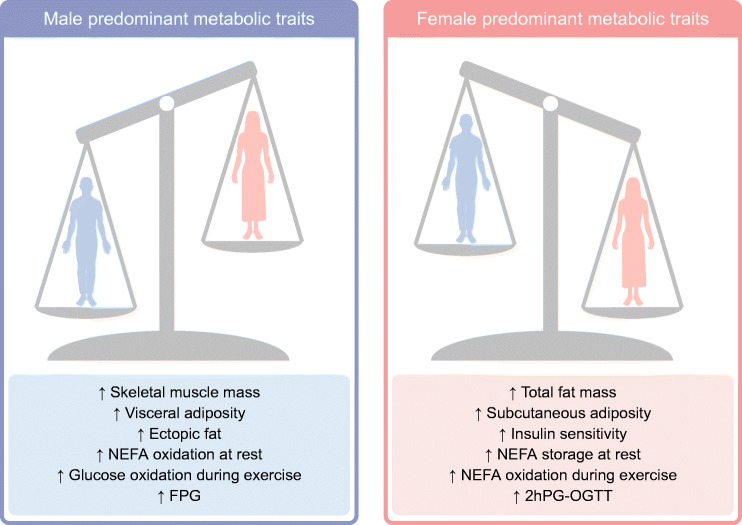
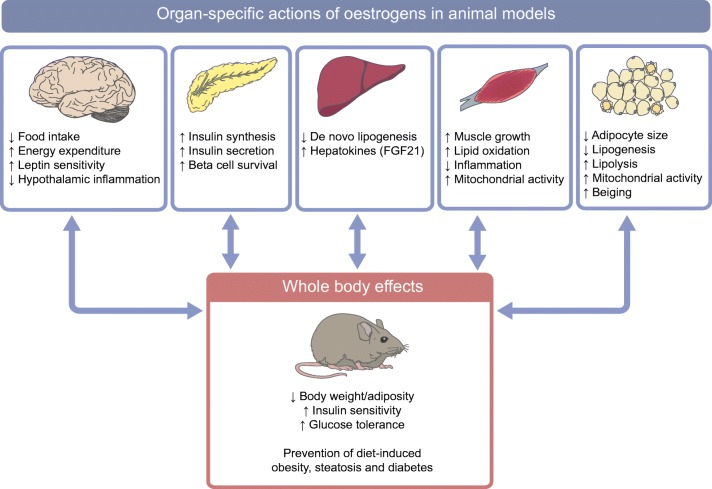
Gender and biological sex impact the pathogenesis of numerous diseases, including metabolic disorders such as diabetes. In most parts of the world, diabetes is more prevalent in men than in women, especially in middle-aged populations. In line with this, considering almost all animal models, males are more likely to develop obesity, insulin resistance and hyperglycaemia than females in response to nutritional challenges. As summarised in this review, it is now obvious that many aspects of energy balance and glucose metabolism are regulated differently in males and females and influence their predisposition to type 2 diabetes. During their reproductive life, women exhibit specificities in energy partitioning as compared with men, with carbohydrate and lipid utilisation as fuel sources that favour energy storage in subcutaneous adipose tissues and preserve them from visceral and ectopic fat accumulation. Insulin sensitivity is higher in women, who are also characterised by higher capacities for insulin secretion and incretin responses than men; although, these sex advantages all disappear when glucose tolerance deteriorates towards diabetes. Clinical and experimental observations evidence the protective actions of endogenous oestrogens, mainly through oestrogen receptor α activation in various tissues, including the brain, the liver, skeletal muscle, adipose tissue and pancreatic beta cells. However, beside sex steroids, underlying mechanisms need to be further investigated, especially the role of sex chromosomes, fetal/neonatal programming and epigenetic modifications. On the path to precision medicine, further deciphering sex-specific traits in energy balance and glucose homeostasis is indeed a priority topic to optimise individual approaches in type 2 diabetes prevention and treatment.
Overview
The claims and statistics of this paper haven’t been checked yet.
Free: it reads the open-access text and checks the first 5 claims that cite a source we can check. Create a free account to check every claim.
Integrity signals
Registry
Cites
Statistics
Figures
Verification
Claims the paper makes
The claims and statistics of this paper haven’t been checked yet.
Free: it reads the open-access text and checks the first 5 claims that cite a source we can check. Create a free account to check every claim.
Claims other papers make about this one
Each is checked against this paper’s own text: does it say what the citing paper says it does?
The source backs part of the claim, not all of it — or backs it for a different population, condition or comparison.
In the citing paper
“Moreover, T2D is more prevalent in men than women, with an estimated 13% of men and 11% of women between the ages of 20–79 classified as diabetic in 2016 (67, 73).”
From Metabolic impact of endogenously produced estrogens by adipose tissue in females and males across the lifespan (2025) · cites this paper as [73]
Experimental — accuracy not yet measured
Self-check
Percentages, sums and reported differences re-computed from the paper’s own numbers.
The self-check needs the paper’s full text.
Citations
Cites
IDF Diabetes Atlas: Global estimates of diabetes prevalence for 2017 and projections for 2045
Cho, N. H., Shaw, J. E., Karuranga, S., Huang, Y., da Rocha Fernandes, J. D., Ohlrogge, A. W., & Malanda, B. (2018) · Diabetes Research and Clinical Practice · doi:10.1016/j.diabres.2018.02.023 · Cited by 7,283
Identification and Importance of Brown Adipose Tissue in Adult Humans
Cypess, A. M., Lehman, S., Williams, G., Tal, I., Rodman, D., Goldfine, A. B., Kuo, F. C., Palmer, E. L., Tseng, Y.-H., Doria, A., et al. (2009) · New England Journal of Medicine · doi:10.1056/nejmoa0810780 · Cited by 4,399
Zhou, B., Lu, Y., Hajifathalian, K., Bentham, J., Di Cesare, M., Danaei, G., Bixby, H., Cowan, M., Ali, M., Taddei, C., et al. (2016) · The Lancet · doi:10.1016/s0140-6736(16)00618-8 · Cited by 4,311
Functional Brown Adipose Tissue in Healthy Adults
Virtanen, K. A., Lidell, M. E., Orava, J., Heglind, M., Westergren, R., Niemi, T., Taittonen, M., Laine, J., Savisto, N.-J., Enerbäck, S., et al. (2009) · New England Journal of Medicine · doi:10.1056/nejmoa0808949 · Cited by 3,058
Sex and Gender Differences in Risk, Pathophysiology and Complications of Type 2 Diabetes Mellitus
Kautzky-Willer, A., Harreiter, J., & Pacini, G. (2016) · Endocrine Reviews · doi:10.1210/er.2015-1137 · Cited by 2,043
The role of estrogens in control of energy balance and glucose homeostasis
Mauvais-Jarvis, F., Clegg, D. J., & Hevener, A. L. (2013) · Endocrine Reviews · doi:10.1210/er.2012-1055 · Cited by 1,329
Sex differences in human adipose tissues – the biology of pear shape
Karastergiou, K., Smith, S. R., Greenberg, A. S., & Fried, S. K. (2012) · Biology of Sex Differences · doi:10.1186/2042-6410-3-13 · Cited by 1,109
Lonardo, A., Nascimbeni, F., Ballestri, S., Fairweather, D., Win, S., Than, T. A., Abdelmalek, M. F., & Suzuki, A. (2019) · Hepatology · doi:10.1002/hep.30626 · Cited by 1,050
Aromatase-deficient (ArKO) mice have a phenotype of increased adiposity
Jones, M. E. E., Thorburn, A. W., Britt, K. L., Hewitt, K. N., Wreford, N. G., Proietto, J., Oz, O. K., Leury, B. J., Robertson, K. M., Yao, S., et al. (2000) · Proceedings of the National Academy of Sciences · doi:10.1073/pnas.97.23.12735 · Cited by 729
Kanaya, A. M., Herrington, D., Vittinghoff, E., Lin, F., Grady, D., Bittner, V., Cauley, J. A., & Barrett-Connor, E. (2003) · Annals of Internal Medicine · doi:10.7326/0003-4819-138-1-200301070-00005 · Cited by 633
Cited by
Trends in insulin resistance: insights into mechanisms and therapeutic strategy
Li, M., Chi, X., Wang, Y., Setrerrahmane, S., Xie, W., & Xu, H. (2022) · Signal Transduction and Targeted Therapy · doi:10.1038/s41392-022-01073-0 · Cited by 939
“Different investigations have indicated that premenopausal women exhibit many less metabolic disorders than men, including lower incidence of IR, although this effect diminishes severely when women reach the postmenopausal situation.(67,68) Specifically, female sex hormones including estradiol (e.”
BackgroundSex differences in type 2 diabetes
Kautzky-Willer, A., Leutner, M., & Harreiter, J. (2023) · Diabetologia · doi:10.1007/s00125-023-05891-x · Cited by 624
“Waist circumference indicates visceral adipose tissue (VAT) more accurately than BMI in women and thus represents a more reliable cardiometabolic risk predictor.”
BackgroundInfluentialSex/gender differences in obesity prevalence, comorbidities, and treatment
Cooper, A. J., Gupta, S. R., Moustafa, A. F., & Chao, A. M. (2021) · Current Obesity Reports · doi:10.1007/s13679-021-00453-x · Cited by 483
“Some aspects of glucose homeostasis and energy balance are differentially regulated in men and women [37].”
BackgroundSexual dimorphism in cardiometabolic health: the role of adipose tissue, muscle and liver
Goossens, G. H., Jocken, J. W. E., & Blaak, E. E. (2021) · Nature Reviews Endocrinology · doi:10.1038/s41574-020-00431-8 · Cited by 334
The Role of Estrogen in Insulin Resistance
De Paoli, M., Zakharia, A., & Werstuck, G. H. (2021) · The American Journal of Pathology · doi:10.1016/j.ajpath.2021.05.011 · Cited by 290
“Specifically, the accumulation of visceral abdominal fat is considered a risk factor for metabolic syndrome and cardiovascular diseases (CVDs), and surgical reduction of visceral abdominal fat can significantly improve insulin sensitivity.(18,21) Compromised insulin action and/or insulin secretion contributes to the d…”
BackgroundSen, P., Qadri, S., Luukkonen, P. K., Ragnarsdottir, O., McGlinchey, A., Jäntti, S., Juuti, A., Arola, J., Schlezinger, J. J., Webster, T. F., et al. (2022) · Journal of Hepatology · doi:10.1016/j.jhep.2021.09.039 · Cited by 290
Koceva, A., Herman, R., Janež, A., Rakuša, M., & Jensterle, M. (2024) · International Journal of Molecular Sciences · doi:10.3390/ijms25137342 · Cited by 217
“High androgen levels in females, like in polycystic ovary syndrome (PCOS), promote insulin resistance and alterations in glucose tolerance [62].”
BackgroundXue, Y., Xu, J., Li, M., & Gao, Y. (2022) · Frontiers in Endocrinology · doi:10.3389/fendo.2022.951689 · Cited by 210
“, subjects diagnosed with diabetes or impaired fasting glucose at baseline were excluded (14), whereas females have higher insulin sensitivity and are less likely to develop obesity, IR, and diabetes (46).”
BackgroundAnagnostis, P., Christou, K., Artzouchaltzi, A.-M., Gkekas, N. K., Kosmidou, N., Siolos, P., Paschou, S. A., Potoupnis, M., Kenanidis, E., Tsiridis, E., et al. (2019) · European Journal of Endocrinology · doi:10.1530/eje-18-0602 · Cited by 201
Obesity and Dyslipidemia: A Review of Current Evidence
Vekić, J., Stefanović, A., & Zeljković, A. (2023) · Current Obesity Reports · doi:10.1007/s13679-023-00518-z · Cited by 196
Influence of Gender in Diabetes Mellitus and Its Complication
Ciarambino, T., Crispino, P., Leto, G., Mastrolorenzo, E., Para, O., & Giordano, M. (2022) · International Journal of Molecular Sciences · doi:10.3390/ijms23168850 · Cited by 188
“In women, aging and the transition from fertile life to menopause, with the loss of estrogen production, is associated with changes in body shape and a preferential increase in abdominal fat and perivisceral adiposity [22].”
BackgroundInsights and implications of sexual dimorphism in osteoporosis
Zhang, Y., Xie, N., Sun, X., Nice, E. C., Liou, Y., Huang, C., Zhu, H., & Shen, Z. (2024) · Bone Research · doi:10.1038/s41413-023-00306-4 · Cited by 184
“304 However, female T2DM patients exhibited a higher relative risk of cardiovascular diseases and mortality than males, suggesting that hyperglycemia may neutralize the bene fi cial effects of estrogen.”
BackgroundSexual Dimorphism in Colon Cancer
Abancens, M., Bustos, V., Harvey, H., McBryan, J., & Harvey, B. J. (2020) · Frontiers in Oncology · doi:10.3389/fonc.2020.607909 · Cited by 176
“Metabolism and the Warburg Effect There exists a wide body of literature on sex differences in metabolism in normal physiology and in metabolic diseases such as diabetes and obesity (114, 115), and in cancer (116).”
BackgroundLi, X., Chan, J. S. K., Guan, B., Peng, S., Wu, X., Lu, X., Zhou, J., Hui, J. M. H., Lee, Y. H. A., Satti, D. I., et al. (2022) · Cardiovascular Diabetology · doi:10.1186/s12933-022-01658-7 · Cited by 169
Neurons require glucose uptake and glycolysis in vivo
Li, H., Guglielmetti, C., Sei, Y. J., Zilberter, M. Y., Page, L. M. L., Shields, L. Y., Yang, J. L., Nguyen, K., Tiret, B., Gao, X. Z., et al. (2023) · Cell Reports · doi:10.1016/j.celrep.2023.112335 · Cited by 173
Muscogiuri, G., Verde, L., Vetrani, C., Barrea, L., Savastano, S., & Colao, A. (2023) · Journal of Endocrinological Investigation · doi:10.1007/s40618-023-02196-z · Cited by 164
“It seems that female sex has a favorable effect on insulin sensitivity, despite women having higher adiposity relative to men [5].”
BackgroundYassin, A., Haider, A., Haider, K. S., Caliber, M., Doros, G., Saad, F., & Garvey, W. T. (2019) · Diabetes Care · doi:10.2337/dc18-2388 · Cited by 164
Sex-dimorphic genetic effects and novel loci for fasting glucose and insulin variability
Lagou, V., Mägi, R., Hottenga, J. J., Grallert, H., Perry, J. R. B., Bouatia-Naji, N., Marullo, L., Rybin, D., Jansen, R., Min, J. L., et al. (2021) · Nature Communications · doi:10.1038/s41467-020-19366-9 · Cited by 162
Calvo, S. S.-C., Bharath, L. P., Pugh, G. H., SantaCruz-Calvo, L., Lenin, R. R., Lutshumba, J., Liu, R., Bachstetter, A. D., Zhu, B., & Nikolajczyk, B. S. (2021) · Nature Reviews Endocrinology · doi:10.1038/s41574-021-00575-1 · Cited by 162
Epigenetics of type 2 diabetes mellitus and weight change — a tool for precision medicine?
Ling, C., Bacos, K., & Rönn, T. (2022) · Nature Reviews Endocrinology · doi:10.1038/s41574-022-00671-w · Cited by 161
Espino-González, E., Dalbram, E., Mounier, R., Gondin, J., Farup, J., Jessen, N., & Treebak, J. T. (2024) · Cell Metabolism · doi:10.1016/j.cmet.2024.02.014 · Cited by 154
Lu, Y., Chang, C. C., Chou, R., Tsai, Y., Liu, L.-K., Chen, L., Huang, P., & Lin, S. (2021) · Cardiovascular Diabetology · doi:10.1186/s12933-021-01391-7 · Cited by 144
Torre, S. D. (2020) · Frontiers in Endocrinology · doi:10.3389/fendo.2020.572490 · Cited by 143
Hepatic sexual dimorphism — implications for non-alcoholic fatty liver disease
Lefèbvre, P., & Staels, B. (2021) · Nature Reviews Endocrinology · doi:10.1038/s41574-021-00538-6 · Cited by 144
Sex-based differences in insulin resistance
Gado, M., Tsaousidou, E., Bornstein, S. R., & Perakakis, N. (2024) · Journal of Endocrinology · doi:10.1530/joe-23-0245 · Cited by 139
Kumar, D. P., Caffrey, R., Marioneaux, J., Santhekadur, P. K., Bhat, M., Alonso, C., Koduru, S. V., Philip, B., Jain, M. R., Giri, S. R., et al. (2020) · Scientific Reports · doi:10.1038/s41598-020-66458-z · Cited by 110
Lonardo, A., & Suzuki, A. (2020) · Journal of Clinical Medicine · doi:10.3390/jcm9051278 · Cited by 129
“This will account for women’s predisposition to store fat in the subcutaneous adipose tissue (a site which is particularly suited for large and long-term storage), whereas men (who tend to store fat in the visceral adipose tissue) are deemed to be more inclined to mobilize their fat stores to sustain physical activity…”
BackgroundGender Differences in Insulin Resistance: New Knowledge and Perspectives
Ciarambino, T., Crispino, P., Guarisco, G., & Giordano, M. (2023) · Current Issues in Molecular Biology · doi:10.3390/cimb45100496 · Cited by 129
“Specifically, visceral adipose tissue (VAT) located in the main organs involved in glucose homeostasis, such as the liver or pancreas, may represent the trigger for IR onset and an important risk factor for T2DM and cardiovascular diseases (CVDs) [7,8].”
BackgroundResident and migratory adipose immune cells control systemic metabolism and thermogenesis
Man, K., Kallies, A., & Vasanthakumar, A. (2021) · Cellular and Molecular Immunology · doi:10.1038/s41423-021-00804-7 · Cited by 128
“Given the pronounced differences in susceptibility to metabolic diseases [36, 144] and in VAT Treg cell phenotype and function between males and females [36], revisiting the TH1/TH2 model in adipose tissue health and disease is urgently needed.”
BackgroundPalma, R., Pronio, A., Romeo, M., Scognamiglio, F., Ventriglia, L., Ormando, V. M., Lamazza, A., Pontone, S., Federico, A., & Dallio, M. (2022) · Journal of Clinical Medicine · doi:10.3390/jcm11133649 · Cited by 125
Sex-different changes of body composition in aging: a systemic review
Kim, S. Y., & Won, C. W. (2022) · Archives of Gerontology and Geriatrics · doi:10.1016/j.archger.2022.104711 · Cited by 126
Gender Differences and Cardiometabolic Risk: The Importance of the Risk Factors
Meloni, A., Dessalvi, C. C., Cugusi, L., Donataccio, M. P., Deidda, M., Sciomer, S., Gallina, S., Vassalle, C., Moscucci, F., Mercuro, G., et al. (2023) · International Journal of Molecular Sciences · doi:10.3390/ijms24021588 · Cited by 124
“Moreover, predisposition, development, and clinical presentation of diabetes are affected by genetic effects, epigenetic mechanisms, health behavior, nutritional factors, sedentary lifestyle, and stress in different ways in males and females [57,58].”
BackgroundThe hypothalamus for whole-body physiology: from metabolism to aging
Liu, T., Xu, Y., Yi, C.-X., Tong, Q., & Cai, D. (2022) · Protein & Cell · doi:10.1007/s13238-021-00834-x · Cited by 102
Ji, H., Sabanayagam, C., Matsushita, K., Cheng, C.-Y., Rim, T. H., Sheng, B., Li, H., Tham, Y. C., Cheng, S. C., & Wong, T. Y. (2024) · Arteriosclerosis Thrombosis and Vascular Biology · doi:10.1161/atvbaha.124.321629 · Cited by 105
Beyond the X Factor: Relevance of Sex Hormones in NAFLD Pathophysiology
Torre, S. D. (2021) · Cells · doi:10.3390/cells10092502 · Cited by 101
“In both, males and females, estrogen signaling improves glucose tolerance and insulin sensitivity, and may partly account for the sex-specific regulation of glucose homeostasis, as well as for the sex dimorphic prevalence of T2D [25,26,125–127].”
BackgroundInfluentialde Jong, M., Woodward, M., & Peters, S. A. E. (2020) · Diabetes Care · doi:10.2337/dc19-2363 · Cited by 87
“Biological sex is known to affect the pathogenesis of metabolic disorders such as diabetes (7).”
BackgroundDelineating mouse β-cell identity during lifetime and in diabetes with a single cell atlas
Hrovatin, K., Bastidas-Ponce, A., Bakhti, M., Zappia, L., Büttner, M., Salinno, C., Sterr, M., Böttcher, A., Migliorini, A., Lickert, H., et al. (2023) · Nature Metabolism · doi:10.1038/s42255-023-00876-x · Cited by 86
PPAR-Targeted Therapies in the Treatment of Non-Alcoholic Fatty Liver Disease in Diabetic Patients
Lange, N. F., Graf, V., Caussy, C., & Dufour, J. (2022) · International Journal of Molecular Sciences · doi:10.3390/ijms23084305 · Cited by 96
Triglyceride-glucose index and obstructive sleep apnea: a systematic review and meta-analysis
Behnoush, A. H., Khalaji, A., Ghondaghsaz, E., Masrour, M., Varniab, Z. S., Khalaji, S., & Cannavò, A. (2024) · Lipids in Health and Disease · doi:10.1186/s12944-024-02005-3 · Cited by 92
“Finally, the role of genetics and epigenetic factors has high importance when interpreting the association of TyG and diseases such as OSA [55].”
BackgroundGlial cells as integrators of peripheral and central signals in the regulation of energy homeostasis
Nampoothiri, S., Nogueiras, R., Schwaninger, M., & Prevot, V. (2022) · Nature Metabolism · doi:10.1038/s42255-022-00610-z · Cited by 73
Metabolic hormones are integral regulators of female reproductive health and function
Athar, F., Karmani, M., & Templeman, N. M. (2024) · Bioscience Reports · doi:10.1042/bsr20231916 · Cited by 94
“For example, FSH was recently shown to regulate insulin secretion via FSH receptors expressed in pancreatic islets [605], and gonadal steroid hormones contribute towards sexual dimorphism in energy partitioning and metabolic homeostasis [8–10, 606 ].”
BackgroundZeng, Z. Y., Liu, S. X., Xu, H. F., Xu, X., Liu, X., & Zhao, X. (2020) · Journal of Clinical Hypertension · doi:10.1111/jch.13878 · Cited by 90
Sirdah, M. M., & Reading, N. S. (2020) · Clinical Genetics · doi:10.1111/cge.13772 · Cited by 89
Nanda, M., Sharma, R., Mubarik, S., Aashima, A., & Zhang, K. (2022) · Endocrine · doi:10.1007/s12020-022-03125-5 · Cited by 93
“Several fundamental aspects of energy and metabolic homeostasis are also differently regulated in males and females [20, 21].”
BackgroundLiu, J., Shi, J., Hernandez, R., Li, X., Konchadi, P., Miyake, Y., Chen, Q., Zhou, T., & Zhou, C. (2023) · Environment International · doi:10.1016/j.envint.2023.107769 · Cited by 87
“…on sex chromosomes (Pembrey et al., 2006), sex differences related to mitochondiral DNA and sncRNAs (Godschalk et al., 2017; Wang et al., 2022a; Wang et al., 2022b), and sex hormone-induced differential gene expression (Carone et al., 2010; Tramunt et al., 2020; Waxman and O’Connor, 2006).”
Merabet, N., Lucassen, P. J., Crielaard, L., Stronks, K., Quax, R., Sloot, P. M. A., la Fleur, S. E., & Nicolaou, M. (2021) · Frontiers in Neuroendocrinology · doi:10.1016/j.yfrne.2021.100972 · Cited by 87
“These differences could contribute to explaining the higher susceptibility for men to develop T2D at lower BMI and younger age, although with age and post-menopause, women are more likely to accumulate VAT (Kautzky-Willer et al., 2016; Tramunt et al., 2020).”
InfluentialDiscovering signaling mechanisms governing metabolism and metabolic diseases with Drosophila
Kim, S. K., Tsao, D. D., Suh, G. S. B., & Miguel‐Aliaga, I. (2021) · Cell Metabolism · doi:10.1016/j.cmet.2021.05.018 · Cited by 84
“There is a growing realization that many aspects of (patho)physiology differ between the sexes (Mauvais-Jarvis et al., 2017; Ober et al., 2008; Tannenbaum et al., 2019; Tramunt et al., 2020).”
BackgroundLiu, X., Abudukeremu, A., Jiang, Y., Cao, Z., Wu, M., Ma, J., Sun, R., He, W., Chen, Z., Chen, Y., et al. (2023) · Cardiovascular Diabetology · doi:10.1186/s12933-023-01777-9 · Cited by 83
“The protective effect of estrogen is lost when women are exposed to risk factors such as hypertension and hyperlipidemia [92, 93], which may cause a sex difference.”
BackgroundThe Causal Role of Ectopic Fat Deposition in the Pathogenesis of Metabolic Syndrome
Janssen, J. A. M. J. L. (2024) · International Journal of Molecular Sciences · doi:10.3390/ijms252413238 · Cited by 84
Obesity-associated cardiovascular risk in women: hypertension and heart failure
Faulkner, J. (2021) · Clinical Science · doi:10.1042/cs20210384 · Cited by 81
Zuraikat, F. M., Laferrère, B., Cheng, B., Scaccia, S. E., Cui, Z., Aggarwal, B., Jelić, S., & St‐Onge, M. (2023) · Diabetes Care · doi:10.2337/dc23-1156 · Cited by 257
Gomber, A., Ward, Z. J., Ross, C., Owais, M., Mita, C., Yeh, J. M., Reddy, C. L., & Atun, R. A. (2022) · PLOS Global Public Health · doi:10.1371/journal.pgph.0001099 · Cited by 81
Understanding Dietary Intervention-Mediated Epigenetic Modifications in Metabolic Diseases
Asif, S., Morrow, N. M., Mulvihill, E. E., & Kim, K.-H. (2020) · Frontiers in Genetics · doi:10.3389/fgene.2020.590369 · Cited by 78
Li, H., Zhang, Y., Luo, H., & Lin, R. (2022) · Frontiers in Endocrinology · doi:10.3389/fendo.2022.977625 · Cited by 79
“In addition, insulin sensitivity is higher in women, which may result in a lower prevalence of metabolic diseases in women (47).”
BackgroundJanssen, J. A. M. J. L. (2024) · International Journal of Molecular Sciences · doi:10.3390/ijms25105488 · Cited by 254
“The ability to expand subcutaneous fat stores during development and upon overnutrition differs significantly between individuals and is gender-specific [110,111].”
BackgroundAn evolutionary trade-off between host immunity and metabolism drives fatty liver in male mice
Nikkanen, J., Leong, Y. A., Krause, W. C., Dermadi, D., Maschek, J. A., Van Ry, T., Cox, J. E., Weiss, E. J., Gokcumen, O., Chawla, A., et al. (2022) · Science · doi:10.1126/science.abn9886 · Cited by 77
Gerges, S. H., & El‐Kadi, A. O. S. (2022) · Drug Metabolism and Disposition · doi:10.1124/dmd.122.000915 · Cited by 76
“To date, a large body of evidence points out to significant differences between males and females in the pathogenesis and outcomes of different diseases, as well as in drug metabolism and responses (Dahan et al., 2008; Waxman and Holloway, 2009; Ngo et al., 2014; Regitz-Zagrosek and Kararigas, 2017; Holingue et al., 2…”
BackgroundSex differences in the intergenerational inheritance of metabolic traits
Sandovici, I., Fernandez‐Twinn, D. S., Hufnagel, A., Constância, M., & Ozanne, S. E. (2022) · Nature Metabolism · doi:10.1038/s42255-022-00570-4 · Cited by 75
Millington, J. W., Chao, C., Sun, Z., Basner-Collins, P. J., Brownrigg, G. P., Wat, L. W., Hudry, B., Miguel‐Aliaga, I., & Rideout, E. J. (2021) · eLife · doi:10.7554/elife.58341 · Cited by 74
Epidemiology of liver diseases: global disease burden and forecasted research trends
Xiao, J., Wang, F., Yuan, Y., Gao, J., Lu, X., Chao, Y., Guo, F., Zhong, J., Che, Z., Li, W., et al. (2024) · Science China Life Sciences · doi:10.1007/s11427-024-2722-2 · Cited by 74
“Men are more prone to visceral adiposity and insulin resistance, increasing their risk of MASLD (Tramunt et al., 2020).”
Global burden and risk factors of type 2 diabetes mellitus from 1990 to 2021, with forecasts to 2050
Huang, Q., Li, Y., Yu, M., Lv, Z.-D., Lu, F., Xu, N., Zhang, Q., Shen, J., Zhu, J., & Jiang, H. (2025) · Frontiers in Endocrinology · doi:10.3389/fendo.2025.1538143 · Cited by 74
“This may be attributed to the earlier diagnosis and lower body fat mass observed in male patients (30).”
Krishnakumar, A., Verma, R., Chawla, R., Sosale, A., Saboo, B., Joshi, S., Shaikh, M., Shah, A., Kolwankar, S., & Mattoo, V. (2021) · Journal of Medical Internet Research · doi:10.2196/17908 · Cited by 72
“There could be several reasons for this, including differences in metabolism or hormonal balance between the 2 groups [30,31].”
Hormonal regulation of metabolism—recent lessons learned from insulin and estrogen
Tao, Z., & Cheng, Z. (2023) · Clinical Science · doi:10.1042/cs20210519 · Cited by 75
Erichsen, J. M., Fadel, J. R., & Reagan, L. P. (2021) · Neuropharmacology · doi:10.1016/j.neuropharm.2021.108877 · Cited by 73
Lloyd, E. M., Pinniger, G. J., Murphy, R. M., & Grounds, M. D. (2023) · Acta Physiologica · doi:10.1111/apha.14012 · Cited by 72
Zhu, Y., Lin, Q., Zhang, Y., Deng, H., Hu, X., Yang, X., & Yao, B. (2020) · PLoS ONE · doi:10.1371/journal.pone.0231308 · Cited by 70
“The differences of Tg, Uric acid, and HDL cholesterol also attributed to the decline of estrogen after menopause for the protective role of estrogen for metabolic diseases [38].”
BackgroundUpdate on Management of Cardiovascular Diseases in Women
Lucà, F., Abrignani, M. G., Parrini, I., Fusco, S. A. D., Giubilato, S., Rao, C. M., Piccioni, L., Cipolletta, L., Passaretti, B., Giallauria, F., et al. (2022) · Journal of Clinical Medicine · doi:10.3390/jcm11051176 · Cited by 70
“Moreover, insulin sensitivity is more frequently observed in women [53].”
BackgroundSex differences in islet stress responses support female β cell resilience
Brownrigg, G. P., Xia, Y. H., Chu, C. M. J., Wang, S., Chao, C. F., Zhang, J. A., Skovsø, S., Panzhinskiy, E., Hu, X., Johnson, J. D., et al. (2023) · Molecular Metabolism · doi:10.1016/j.molmet.2023.101678 · Cited by 70
Kroll, D. S., Feldman, D. E., Biesecker, C. L., McPherson, K. L., Manza, P., Joseph, P. V., Volkow, N. D., & Wang, G. (2020) · Nutrients · doi:10.3390/nu12071942 · Cited by 70
Li, Z., He, Y., Wang, S., Li, L., Yang, R., Liu, Y., Cheng, Q., Yu, L., Zheng, Y., Zheng, H., et al. (2022) · Cardiovascular Diabetology · doi:10.1186/s12933-022-01470-3 · Cited by 67
“Moreover, the number of CVD events and deaths was higher in female than that in male [41].”
BackgroundStrack, C., Behrens, G., Sag, S. J. M., Mohr, M., Zeller, J., Lahmann, C., Hubauer, U., Loew, T. H., Maier, L. S., Fischer, M., et al. (2022) · Biology of Sex Differences · doi:10.1186/s13293-022-00416-4 · Cited by 69
“This is because sex differences in adipose tissue distribution with a predominance of subcutaneous fat depots in women and visceral fat in men result in different gene expression signatures and physiologic responses, such as adipokine production, adipogenic potential, the ability to store and mobilize lipids, and the…”
BackgroundInfluentialVuong, A. M., Zhang, C., & Chen, A. (2021) · Chemosphere · doi:10.1016/j.chemosphere.2021.131642 · Cited by 65
Li, Y., Zheng, R., Li, J., Feng, S., Wang, L., & Huang, Z. (2020) · Lipids in Health and Disease · doi:10.1186/s12944-020-01409-1 · Cited by 64
“How gender affects the relationship between TyG-BMI and NAFLD is unclear, but it may be related to the effect of gender on glucose, lipid metabolism and IR [39, 40].”
BackgroundCalbet, J. A. L., Martín-Rodríguez, S., Martín-Rincón, M., & Morales‐Álamo, D. (2020) · Redox Biology · doi:10.1016/j.redox.2020.101478 · Cited by 63
Gatward, L. F. D., Kennard, M. R., Smith, L. I. F., & King, A. (2021) · Diabetic Medicine · doi:10.1111/dme.14711 · Cited by 64
Sex Differences in Tryptophan Metabolism: A Systematic Review Focused on Neuropsychiatric Disorders
Pais, M., Martins, J., Castelo-Branco, M. S., & Gonçalves, J. (2023) · International Journal of Molecular Sciences · doi:10.3390/ijms24066010 · Cited by 63
Hepatic Molecular Signatures Highlight the Sexual Dimorphism of Nonalcoholic Steatohepatitis (NASH)
Vandel, J., Dubois‐Chevalier, J., Gheeraert, C., Derudas, B., Raverdy, V., Thuillier, D., Gaal, L., Francque, S., Pattou, F., Staels, B., et al. (2021) · Hepatology · doi:10.1002/hep.31312 · Cited by 61
“(22) However, despite obvious sex dimorphic traits in metabolic regulations,(23) sex was not considered as a factor neither in the design nor upon interpretation of the above-mentioned studies.”
BackgroundWu, M., Zhu, Z., Wan, R., & Xu, J. (2024) · Environmental Pollution · doi:10.1016/j.envpol.2024.123615 · Cited by 61
Age-related metabolic and neurodegenerative changes in SAMP8 mice
Pačesová, A., Holubová, M., Hrubá, L., Strnadová, V., Neprašová, B., Pelantová, H., Kuzma, M., Železná, B., Kuneš, J., & Maletínská, L. (2022) · Aging · doi:10.18632/aging.204284 · Cited by 59
“In our study, male mice were chosen because of their common susceptibility to development of insulin resistance [77, 78].”
BackgroundObesity- and lipid-related indices as a predictor of type 2 diabetes in a national cohort study
Wang, Y., Zhang, X., Li, Y., Gui, J., Mei, Y., Yang, X., Liu, H., Guo, L., Li, J., Lei, Y., et al. (2024) · Frontiers in Endocrinology · doi:10.3389/fendo.2023.1331739 · Cited by 58
Bernstein, S. R., Kelleher, C., & Khalil, R. A. (2023) · Biochemical Pharmacology · doi:10.1016/j.bcp.2023.115737 · Cited by 58
Sex and Gender Bias as a Mechanistic Determinant of Cardiovascular Disease Outcomes
Kim, I., Field, T. S., Wan, D., Humphries, K. H., & Sedlak, T. (2022) · Canadian Journal of Cardiology · doi:10.1016/j.cjca.2022.09.009 · Cited by 57
Chen, N., Fong, D., & Wong, J. Y. H. (2022) · JAMA Network Open · doi:10.1001/jamanetworkopen.2021.44198 · Cited by 57
Fresneda, S., Abbate, M., Busquets-Cortés, C., López‐González, Á. A., Fuster-Parra, P., Bennasar‐Veny, M., & Yáñez, A. M. (2022) · Biology of Sex Differences · doi:10.1186/s13293-022-00475-7 · Cited by 57
“The presence of MetS was defined as meeting at least three of the five criteria established in the International Diabetes Federation (IDF) consensus: (1) central obesity expressed as waist circumference: ≥ 94 cm for males and ≥ 80 cm for females (when BMI is > 30 kg/ m2, central obesity can be assumed, and waist circu…”
BackgroundInfluentialPaublini, H., López‐González, Á. A., Busquets-Cortés, C., Tomás-Gil, P., Sbert, P. R., & Ramírez‐Manent, J. I. (2023) · Nutrients · doi:10.3390/nu15092105 · Cited by 56
Delaney, K. Z., & Santosa, S. (2022) · Obesity Reviews · doi:10.1111/obr.13393 · Cited by 57
Zhang, X., Guo, Y., Yao, N., Wang, L., Sun, M., Xu, X., Yang, H., Sun, Y., & Li, B. (2022) · Frontiers in Nutrition · doi:10.3389/fnut.2022.991907 · Cited by 56
“Therefore, males are more prone to various metabolic diseases than females (35, 36).”
BackgroundSex differences in brain tumor glutamine metabolism reveal sex-specific vulnerabilities to treatment
Sponagel, J., Jones, J. K., Frankfater, C., Zhang, S., Tung, O., Cho, K., Tinkum, K. L., Gass, H., Núñez, E., Spitz, D. R., et al. (2022) · Med · doi:10.1016/j.medj.2022.08.005 · Cited by 55
Henquin, J. (2021) · Molecular Metabolism · doi:10.1016/j.molmet.2021.101212 · Cited by 55
Sofer, T., Kurniansyah, N., Murray, M., Ho, Y.-L. A., Abner, E., Esko, T., Metspalu, A., Milani, L. A., Esko, T., Mägi, R., et al. (2023) · EBioMedicine · doi:10.1016/j.ebiom.2023.104536 · Cited by 54
Jiang, S., Yu, T., Di, D., Wang, Y., & Li, W. (2023) · Diabetes/Metabolism Research and Reviews · doi:10.1002/dmrr.3745 · Cited by 53
“33,34 Overall, although women were more likely to be obese, they were less prone to developing diabetes.”
BackgroundVisceral Obesity, Metabolic Syndrome, and Esophageal Adenocarcinoma
Elliott, J. A., & Reynolds, J. V. (2021) · Frontiers in Oncology · doi:10.3389/fonc.2021.627270 · Cited by 51
“In males, adipose deposition occurs preferentially in visceral compartment, while females exhibit greater subcutaneous adipose tissue stores (114), however we now know that the VAT in males also exhibits a markedly different immunological landscape as compared with females.”
BackgroundRecent Update on the Molecular Mechanisms of Gonadal Steroids Action in Adipose Tissue
Wawrzkiewicz–Jałowiecka, A., Lalik, A., & Soveral, G. (2021) · International Journal of Molecular Sciences · doi:10.3390/ijms22105226 · Cited by 52
Abe, M., Fujii, H., Funakoshi, S., Satoh, A., Kawazoe, M., Maeda, T., Tada, K., Yokota, S., Yamanokuchi, T., Yoshimura, C., et al. (2021) · Diabetes Therapy · doi:10.1007/s13300-021-01138-3 · Cited by 50
“Generally, in women, more subcutaneous fat is distributed than visceral fat, and menopause, in turn accelerates visceral fat accumulation [33].”
BackgroundYong, H. J., Toledo, M. P., Nowakowski, R. S., & Wang, Y. J. (2022) · Endocrinology · doi:10.1210/endocr/bqac156 · Cited by 49
Sex Differences in Pancreatic β-Cell Physiology and Glucose Homeostasis in C57BL/6J Mice
Jo, S., Beetch, M., Gustafson, E. C., Wong, A., Oribamise, E. I., Chung, G., Vadrevu, S., Satin, L. S., Bernal‐Mizrachi, E., & Alejandro, E. U. (2023) · Journal of the Endocrine Society · doi:10.1210/jendso/bvad099 · Cited by 48
“In terms of circulating insulin levels, there are reports in human studies that show females have higher circulating insulin levels [11, 13, 28].”
BackgroundNeuroprotective effects of Canagliflozin: Lessons from aged genetically diverse UM‐HET3 mice
Jayarathne, H. S. M., Debarba, L. K., Jaboro, J. J., Ginsburg, B. C., Miller, R. A., & Sadagurski, M. (2022) · Aging Cell · doi:10.1111/acel.13653 · Cited by 48
Revisited guidelines for metabolic tolerance tests in mice
Moro, C., & Magnan, C. (2024) · Lab Animal · doi:10.1038/s41684-024-01473-5 · Cited by 49
Harreiter, J., Fadl, H., Kautzky‐Willer, A., & Simmons, D. S. (2020) · Current Diabetes Reports · doi:10.1007/s11892-020-01348-2 · Cited by 47
Triglyceride-Glucose Index in Non-Diabetic, Non-Obese Patients with Obstructive Sleep Apnoea
Bikov, A., Frent, S., Mészáros, M., Kunos, L., Mathioudakis, A. G., Negru, A. G., Gaiţă, L., & Mihaicuta, S. D. (2021) · Journal of Clinical Medicine · doi:10.3390/jcm10091932 · Cited by 47
“The intergender differences in metabolism, including insulin resistance are well known and are attributed to genetic, epigenetic, and hormonal factors [36].”
Background
Metadata
- Authors
- Tramunt, B., Smati, S., Grandgeorge, N., Lenfant, F., Arnal, J.-F., Montagner, A., & Gourdy, P.
- Affiliations
- Université Toulouse III - Paul Sabatier (FR)
- Centre Hospitalier Universitaire de Toulouse (FR)
- Corresponding author
- Gourdy, Pierre
- ORCID
- Venue
- Diabetologia
- Published
- 2019-11-21
- Volume
- 63
- Issue
- 3
- Pages
- 453-461
- ISSN
- 0012-186X (ISSN-L)
- 1432-0428
- PMC
- PMC6997275
- OpenAlex
- W2991033511
- Cited by
- 923
- References
- 65
- Citations by year
- 2026: 138 · 2025: 174 · 2024: 181 · 2023: 162 · 2022: 129 · 2021: 98 · 2020: 38 · 2019: 1
- FWCI
- 11.15
- Type
- journal article
- Language
- en
- Open access
- hybrid
- doi.org
- Licence
- cc-by
- creativecommons.org/licenses/by/4.0 (tdm)
- creativecommons.org/licenses/by/4.0 (vor)
- Locations
- Diabetologia (publishedVersion, cc-by)
- Europe PMC (PubMed Central) (publishedVersion, cc-by)
- PubMed Central (publishedVersion, cc-by)
- PubMed (publishedVersion)
- HAL (submittedVersion)
- Funders
- Agence Nationale de la Recherche (ANR-18-CE14-0002)
- Topics
- Health Sciences › Medicine › Public Health, Environmental and Occupational Health › Sex and Gender in Healthcare
- Life Sciences › Biochemistry, Genetics and Molecular Biology › Endocrinology › Estrogen and related hormone effects
- Health Sciences › Medicine › Endocrinology, Diabetes and Metabolism › Diabetes, Cardiovascular Risks, and Lipoproteins
- Keywords
- sex differences, type 2 diabetes, insulin resistance, glucose metabolism, energy balance, estrogen, estrogen receptor alpha, insulin secretion, incretin response, sex chromosomes, fetal programming, epigenetic modifications, adipose tissue, visceral fat, glucose tolerance
- MeSH terms
- Animals, Diabetes Mellitus, Type 2, Disease Susceptibility, Energy Metabolism, Female, Humans, Infant, Newborn, Male, Middle Aged, Pregnancy, Risk Factors, Sex Characteristics, Embryonic Development
About these checks
Registry, retraction, Cites and statistics results are computed, not judged, with one exception: a printed reference that no index lists is read once by a model before it counts as a citation error. Claims are extracted by a model and kept only when their quote appears verbatim in the text; each cited source is then checked, with a model’s help, for whether it says what the claim relies on. Those verdicts can be wrong — read the claim’s quote and the cited source before relying on one.
Statistics and arithmetic are recomputed, not judged.
Confidence bands are shown only for fields calibrated on our annotated test set. None is calibrated yet, so no band is shown.
What counts as a claim ›How we measure confidence ›How we check this ›
Are you an author, or do you see a problem with this page? Request a review
Data sources
Bibliographic data: Semantic Scholar, OpenAlex, Crossref.
Contains information from the Semantic Scholar Academic Graph Datasets, made available under the ODC Attribution License (ODC-BY 1.0).
Semantic Scholar’s data is described in: Kinney, R., et al. (2023). The Semantic Scholar Open Data Platform. arXiv:2301.10140.
