

Sex differences in metabolic regulation and diabetes susceptibility
Open accessThe DOI matches its Crossref record; 65 of the 65 references it cites were found in a registry or an index.
Abstract
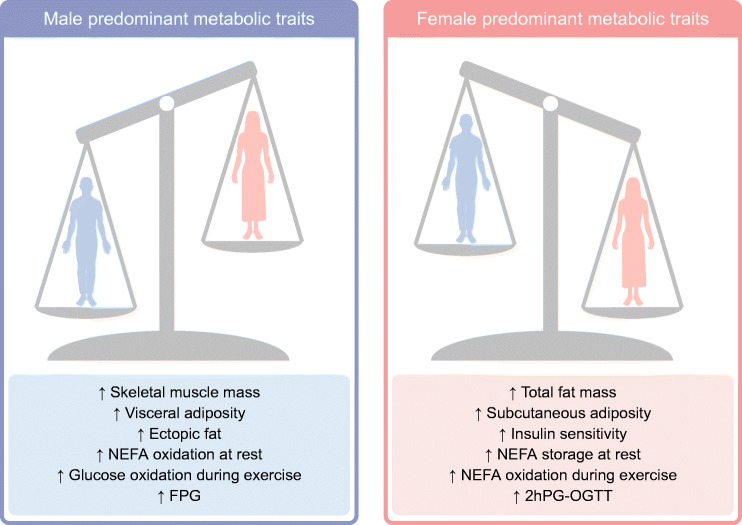
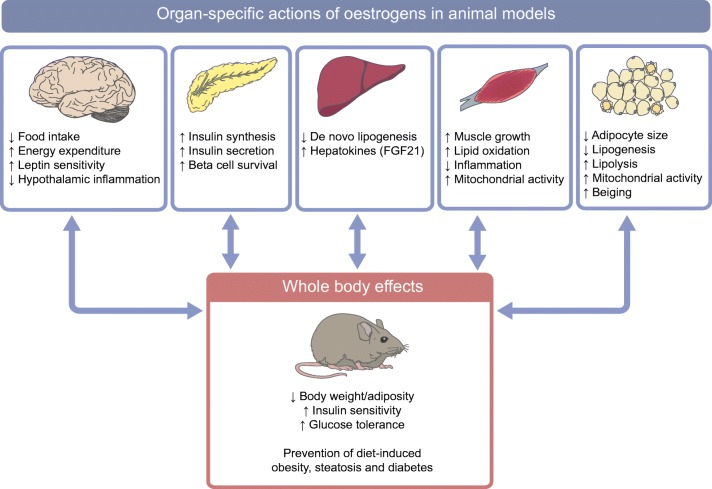
Gender and biological sex impact the pathogenesis of numerous diseases, including metabolic disorders such as diabetes. In most parts of the world, diabetes is more prevalent in men than in women, especially in middle-aged populations. In line with this, considering almost all animal models, males are more likely to develop obesity, insulin resistance and hyperglycaemia than females in response to nutritional challenges. As summarised in this review, it is now obvious that many aspects of energy balance and glucose metabolism are regulated differently in males and females and influence their predisposition to type 2 diabetes. During their reproductive life, women exhibit specificities in energy partitioning as compared with men, with carbohydrate and lipid utilisation as fuel sources that favour energy storage in subcutaneous adipose tissues and preserve them from visceral and ectopic fat accumulation. Insulin sensitivity is higher in women, who are also characterised by higher capacities for insulin secretion and incretin responses than men; although, these sex advantages all disappear when glucose tolerance deteriorates towards diabetes. Clinical and experimental observations evidence the protective actions of endogenous oestrogens, mainly through oestrogen receptor α activation in various tissues, including the brain, the liver, skeletal muscle, adipose tissue and pancreatic beta cells. However, beside sex steroids, underlying mechanisms need to be further investigated, especially the role of sex chromosomes, fetal/neonatal programming and epigenetic modifications. On the path to precision medicine, further deciphering sex-specific traits in energy balance and glucose homeostasis is indeed a priority topic to optimise individual approaches in type 2 diabetes prevention and treatment.
Overview
The claims and statistics of this paper haven’t been checked yet.
Free: it reads the open-access text and checks the first 5 claims that cite a source we can check. Create a free account to check every claim.
Integrity signals
Registry
Cites
Statistics
Figures
Verification
Claims the paper makes
The claims and statistics of this paper haven’t been checked yet.
Free: it reads the open-access text and checks the first 5 claims that cite a source we can check. Create a free account to check every claim.
Claims other papers make about this one
Each is checked against this paper’s own text: does it say what the citing paper says it does?
The source backs part of the claim, not all of it — or backs it for a different population, condition or comparison.
In the citing paper
“Moreover, T2D is more prevalent in men than women, with an estimated 13% of men and 11% of women between the ages of 20–79 classified as diabetic in 2016 (67, 73).”
From Metabolic impact of endogenously produced estrogens by adipose tissue in females and males across the lifespan (2025) · cites this paper as [73]
Experimental — accuracy not yet measured
Self-check
Percentages, sums and reported differences re-computed from the paper’s own numbers.
The self-check needs the paper’s full text.
Citations
Cites
IDF Diabetes Atlas: Global estimates of diabetes prevalence for 2017 and projections for 2045
Cho, N. H., Shaw, J. E., Karuranga, S., Huang, Y., da Rocha Fernandes, J. D., Ohlrogge, A. W., & Malanda, B. (2018) · Diabetes Research and Clinical Practice · doi:10.1016/j.diabres.2018.02.023 · Cited by 7,283
Identification and Importance of Brown Adipose Tissue in Adult Humans
Cypess, A. M., Lehman, S., Williams, G., Tal, I., Rodman, D., Goldfine, A. B., Kuo, F. C., Palmer, E. L., Tseng, Y.-H., Doria, A., et al. (2009) · New England Journal of Medicine · doi:10.1056/nejmoa0810780 · Cited by 4,399
Zhou, B., Lu, Y., Hajifathalian, K., Bentham, J., Di Cesare, M., Danaei, G., Bixby, H., Cowan, M., Ali, M., Taddei, C., et al. (2016) · The Lancet · doi:10.1016/s0140-6736(16)00618-8 · Cited by 4,311
Functional Brown Adipose Tissue in Healthy Adults
Virtanen, K. A., Lidell, M. E., Orava, J., Heglind, M., Westergren, R., Niemi, T., Taittonen, M., Laine, J., Savisto, N.-J., Enerbäck, S., et al. (2009) · New England Journal of Medicine · doi:10.1056/nejmoa0808949 · Cited by 3,058
Sex and Gender Differences in Risk, Pathophysiology and Complications of Type 2 Diabetes Mellitus
Kautzky-Willer, A., Harreiter, J., & Pacini, G. (2016) · Endocrine Reviews · doi:10.1210/er.2015-1137 · Cited by 2,043
The role of estrogens in control of energy balance and glucose homeostasis
Mauvais-Jarvis, F., Clegg, D. J., & Hevener, A. L. (2013) · Endocrine Reviews · doi:10.1210/er.2012-1055 · Cited by 1,329
Sex differences in human adipose tissues – the biology of pear shape
Karastergiou, K., Smith, S. R., Greenberg, A. S., & Fried, S. K. (2012) · Biology of Sex Differences · doi:10.1186/2042-6410-3-13 · Cited by 1,109
Lonardo, A., Nascimbeni, F., Ballestri, S., Fairweather, D., Win, S., Than, T. A., Abdelmalek, M. F., & Suzuki, A. (2019) · Hepatology · doi:10.1002/hep.30626 · Cited by 1,050
Aromatase-deficient (ArKO) mice have a phenotype of increased adiposity
Jones, M. E. E., Thorburn, A. W., Britt, K. L., Hewitt, K. N., Wreford, N. G., Proietto, J., Oz, O. K., Leury, B. J., Robertson, K. M., Yao, S., et al. (2000) · Proceedings of the National Academy of Sciences · doi:10.1073/pnas.97.23.12735 · Cited by 729
Kanaya, A. M., Herrington, D., Vittinghoff, E., Lin, F., Grady, D., Bittner, V., Cauley, J. A., & Barrett-Connor, E. (2003) · Annals of Internal Medicine · doi:10.7326/0003-4819-138-1-200301070-00005 · Cited by 633
Cited by
Items 601–700 of 1,000
Association between Polymorphisms of Heat Shock Protein HSPA5 and Risk of Type 2 Diabetes Mellitus
Klyosova, E. Y., Azarova, I. E., Ilyina, E. A., Goryainova, N. V., & Polonikov, A. (2024) · Bulletin of Experimental Biology and Medicine · doi:10.1007/s10517-024-06075-2 · Cited by 3
“Many aspects of energy balance and glucose metabolism are regulated differently in males and females [14] and are associated with the influence of both environmental and genetic factors.”
Hormonal regulation in diabetes: Special emphasis on sex hormones and metabolic traits
Ravi, H., Das, S., Rajeswari, V. D., Venkatraman, G., Choudhury, A. A., Chakraborty, S., & Ramanathan, G. (2024) · Advances in protein chemistry and structural biology · doi:10.1016/bs.apcsb.2023.12.015 · Cited by 3
Weiner, S. P., & Carr, K. D. (2024) · Physiology & Behavior · doi:10.1016/j.physbeh.2024.114647 · Cited by 3
Sex-specific association between carbohydrate antigen 19–9 and incident type 2 diabetes
Shin, S. H., Chang, Y., & Ryu, S. (2024) · Scientific Reports · doi:10.1038/s41598-024-73404-w · Cited by 3
“Increasing evidence implies that CA19-9 and T2D manifest distinctive features that vary between sexes 8–10 .”
BackgroundTuo, Y., He, J., & Guo, T. (2024) · Medicine · doi:10.1097/md.0000000000040808 · Cited by 3
Liu, X., Liu, X., Zhang, Y., Liu, Y., Lv, L.-W., Wang, M., Ren, Q., Liu, Y., Wu, M.-Z., Shi, Y., et al. (2025) · Free Radical Biology and Medicine · doi:10.1016/j.freeradbiomed.2025.06.046 · Cited by 3
Fu, J., van Unen, N., Sarlea, A., Nguyen, N., Jaeger, M., Botey-Bataller, J., Koeken, V. A. C. M., de Bree, L. C. J., Mourits, V. P., Moorlag, S. J. C. F. M., et al. (2025) · Molecular Systems Biology · doi:10.1038/s44320-025-00146-w · Cited by 3
“Since sex impacts both cytokine production (Aulock et al, 2006) and metabolic regulation (Tramunt et al, 2020), we investigated its impact on the relationship between metabolome and S. aureus - induced cytokine responses (IL-1 β , IL-6, TNF, and IFN-γ ).”
Vieira, L. D. P., Cabral, C. W. L. F., da Silva, B. A. K., & Filgueiras, M. D. C. (2022) · Research Society and Development · doi:10.33448/rsd-v11i8.29621 · Cited by 3
Yun, E. K., Seo, I., Lee, H. S., Seol, S., & Lee, Y. (2023) · Diabetes/Metabolism Research and Reviews · doi:10.1002/dmrr.3641 · Cited by 3
“In this regard, sex differences characterised by different sex hormones and distribution of adipose tissue may contribute to the physiology and activity of platelets between male and female adults.(18) Therefore, we prospectively examined the relationship between platelet count and incident type 2 diabetes risk using…”
BackgroundMethodJamali, A., Ram, N., Karim, S., Sattar, S., Rashid, M. S., & Islam, N. (2023) · International Journal of Community Medicine and Public Health · doi:10.18203/2394-6040.ijcmph20233433 · Cited by 3
Sisk-Hackworth, L., Akhavan, S. R., Krutkin, D. D., Kelley, S. T., & Thackray, V. G. (2024) · bioRxiv (Cold Spring Harbor Laboratory) · doi:10.1101/2024.07.01.601610 · Cited by 3
Moazzeni, S. S., Dehghani, S., Hasheminia, M., Arani, R. H., Azizi, F., & Hadaegh, F. (2022) · Journal of Human Hypertension · doi:10.1038/s41371-022-00788-5 · Cited by 2
“This cardiometabolic advantage in women disappears after the menopause or when DM develops [30, 31].”
BackgroundCastel-Feced, S., Malo, S., Aguilar‐Palacio, I., Maldonado, L., Rabanaque, M. J., & Sebastiån, M. S. (2024) · European Journal of Public Health · doi:10.1093/eurpub/ckad227 · Cited by 2
“Similar to findings in other studies, 23,32 diabetes had a higher prevalence in men.”
Pre-eclamptic foetal programming predisposes offspring to hepatic steatosis via DNA methylation
Chen, H., Luo, S., Deng, X., Li, S., Mao, Y., Yan, J., Cheng, Y., Liu, X., Pan, J., & Huang, H. (2024) · Biochimica et Biophysica Acta (BBA) - Molecular Basis of Disease · doi:10.1016/j.bbadis.2024.167189 · Cited by 3
Establishment and characterization of a mouse model for studying kidney repair in diabetes
Shu, S., Wang, H., Cai, J., Chen, A., & Dong, Z. (2024) · American Journal of Physiology-Renal Physiology · doi:10.1152/ajprenal.00143.2024 · Cited by 2
Health-related Quality of Life among Patients with Type II Diabetes Mellitus
Malik, A. B. (2024) · Clinical Research and Clinical Trials · doi:10.31579/2693-4779/225 · Cited by 2
Zhang, Y., Liu, X., Yang, S., Yang, X., Shang, M., Zhang, Y., & Tian, L. (2024) · Acta Diabetologica · doi:10.1007/s00592-024-02427-6 · Cited by 2
“Physiologi - cal differences and sex hormones may be possible explana - tions for this difference [ 36, 37].”
García‐Hernández, A. L., Nancy, C.-M., Rueda-Cortez, G. A., & Cifuentes‐Mendiola, S. E. (2025) · Journal of Oral Biosciences · doi:10.1016/j.job.2025.100646 · Cited by 2
Lazăr, S., Potre, O., Ioniță, I., Reurean‐Pintilei, D., Timar, R. Z., Herascu, A., Avram, V. F., & Timar, B. (2025) · Biosensors · doi:10.3390/bios15030190 · Cited by 2
A New Score for Metabolic Age in Type 2 Diabetes Mellitus: Physical Rating Score
Yücel, H. E., Ulcay, T., Görgülü, Ö., Öncü, R., Uğuz, E., & Dulkadiroğlu, E. (2025) · Journal of Clinical Medicine · doi:10.3390/jcm14092868 · Cited by 2
“In terms of sex, although T2DM was diagnosed at an earlier age in male patients, they were reported to have a lower BMI than female patients [16,17].”
Wang, C., Ren, H., Wang, Z., Min, R., Chen, X., Ma, Y., & Zhang, X. (2025) · Neurogastroenterology & Motility · doi:10.1111/nmo.70065 · Cited by 2
“The research has found that men had a notably higher risk of T2DM compared to women, and the results were consistent in almost all animal models, which is why we used male mice for our experimental study [26, 27].”
Connolly, E. L., Liu, A. H., Woodman, R. J., Shafaei, A., Wood, L. G., Mithen, R. F., James, A. P., Schultz, C. J., Gan, S. K., Bondonno, C. P., et al. (2025) · Diabetes Obesity and Metabolism · doi:10.1111/dom.16467 · Cited by 2
“37 Participants also had significant weight loss during both interventions.”
Donado-Pestana, C. M., Rodrigues, L. M., Rundle, M., Thomas, E. L., Wopereis, S., Gundersen, T. E., Trezzi, J., Bunzel, D., Kiselova-Kaneva, Y. D., Sonntag, D., et al. (2025) · Mechanisms of Ageing and Development · doi:10.1016/j.mad.2025.112081 · Cited by 2
Investigating the Sexual Dimorphism of Waist-to-Hip Ratio and Its Associations with Complex Traits
Li, H., Hui, S., Cai, X., He, R., Yu, M., Li, Y., Yu, R., & Huang, P. (2025) · Genes · doi:10.3390/genes16060711 · Cited by 2
“This likely reflects sex differences in adipose tissue expandability [45], ectopic fat deposition patterns [46], and hormonal regulation of insulin sensitivity [47].”
Lin, Y., Zou, J., Hong, M., Huang, X., & Wu, J. (2025) · Frontiers in Endocrinology · doi:10.3389/fendo.2025.1580036 · Cited by 3
“For instance, hypertension, hyperlipidemia, and smoking are risk factors that may be more closely linked to diabetes in women (34, 35, 38 – 40).”
Lv, D., Wang, Z., Li, Y., Chen, S., & Li, L. (2025) · Scientific Reports · doi:10.1038/s41598-025-07172-6 · Cited by 2
Na, J., Yang, C., Na, M., Na, X., Tan, Y., Shi, X., Li, Z., Ji, J. S., & Zhao, A. (2025) · Nutrition Journal · doi:10.1186/s12937-025-01172-y · Cited by 2
“Instead, diabetes, more prevalent in males [44], emerged as a partial mediator in the relationship between SMD and dementia, potentially accounting for this observed sex disparity.”
Hadaegh, P., Abdi, A., Hasheminia, M., Hadaegh, F., Azizi, F., & Tohidi, M. (2025) · Journal of Clinical Laboratory Analysis · doi:10.1002/jcla.70075 · Cited by 2
“Although the explanation for the differences in the impact of serum ALP activity on MetS components between men and women is unknown, sex differences in total body adipose tissue distribution and sex hormones could be explanatory [30, 31].”
Blue Light Effect on Metabolic Changes in Induced Precocious Puberty in Rats
Gherman, L.-M., Jianu, M. E., Roşian, Ş. H., Onofrei, M. M., Mocan, L. P., Chedea, V. S., Bocșan, I. C., Apostu, D., Todea, A. R., Dulf, E. H., et al. (2025) · Biology · doi:10.3390/biology14080951 · Cited by 2
“These sex-specific effects may be attributed to differences in hormonal regulation and circadian rhythm dynamics between males and females [59,60].”
Higher plasma dicarbonyl levels are associated with liver fibrosis in obese individuals
Akinrimisi, O. I., Koning, M., Scheijen, J. L. J. M., Meijnikman, A. S., Sindhunata, D. P., Bruin, S. C., van de Laar, A. W. J. M., Franken, R. J., Acherman, Y. I. Z., Gerdes, V. E. A., et al. (2025) · Diabetes Obesity and Metabolism · doi:10.1111/dom.16643 · Cited by 2
“46 This is also seen with MASLD, with females having a lower risk than males.”
Page, J., Stephens, C., Richard, M. A., Lyons, E., Baumler, E. R., Verklan, M. T., & Lorenzo, E. (2025) · Innovation in Aging · doi:10.1093/geroni/igaf091 · Cited by 2
Zhang, J., Chen, B., Chen, T., Lai, R., Ye, Z., Liao, Z., Xu, Y., Zhu, S., Yang, A., & Hong, H. (2025) · Nature and Science of Sleep · doi:10.2147/nss.s522084 · Cited by 2
Chatterjee, A., & Prabhakar, S. S. (2025) · Life · doi:10.3390/life15101627 · Cited by 2
“Sex plays an important role in the development and progression of hyperglycemia, with men generally being more susceptible [33,34].”
Feng, T., Ou, Q., Shan, G., Hu, Y., & He, H. (2025) · Frontiers in Nutrition · doi:10.3389/fnut.2025.1667055 · Cited by 2
Ziyab, A. H., Saadallah, A., Almousa, Z., Almari, M., & Alessa, T. (2025) · Obesity Science & Practice · doi:10.1002/osp4.70096 · Cited by 2
“women, with this sex‐related difference in T2DM risk narrowing between men and age‐matched postmenopausal women [11, 12].”
Predictors of Post‐Bariatric Surgery Hypoglycemia: A Multicenter Retrospective Cohort Study
Bahardoust, M., Ranjbarpazuki, A., Shamohammadi, M., Mousavi, A., Yarahmadi, D., Haghmoradi, M., Goodarzy, B., Garavand, A. A., & Tizmaghz, A. (2025) · Endocrinology Diabetes & Metabolism · doi:10.1002/edm2.70123 · Cited by 2
“In premenopausal women, cyclical fluctuations in oestrogen and progesterone are associated with enhanced insulin sensitivity and heightened incretin-mediated β-cell responsiveness [39, 40].”
Beyond Calories: Redox Interactions in Adipose Tissue That Lead to Metabolic Pathologies
Miranda-Martínez, A., Rodríguez-Martínez, E., Barragán-Reséndiz, P., & Rivas-Arancibia, S. (2025) · Physiologia · doi:10.3390/physiologia5040050 · Cited by 2
“Sexual dimorphism of adipose tissue significantly influences susceptibility to obesity, type 2 diabetes, and metabolic diseases as well as in longevity [24,30].”
Position Statement on Cardiometabolic Health Across the Woman's Life Course – 2025
de Oliveira, G. M. M., de Almeida, M. C. C., Valério, C. M., Giuffrida, F. M. A., Espíndola, L. N., Izar, M. C. D. O., Marques-Santos, C., Freire, C. M. V., Albuquerque, C. J. D. M., Chagas, A. C. P., et al. (2025) · Arquivos Brasileiros de Cardiologia · doi:10.36660/abc.20250615i · Cited by 2
Position Statement on Cardiometabolic Health Across the Woman's Life Course – 2025
de Oliveira, G. M. M., de Almeida, M. C. C., Valério, C. M., Giuffrida, F. M. A., Espíndola, L. N., Izar, M. C. D. O., Marques-Santos, C., Freire, C. M. V., Albuquerque, C. J. D. M., Chagas, A. C. P., et al. (2025) · Revista Brasileira Ginecologia e Obstetrícia · doi:10.61622/rbgo/2025rbgo200 · Cited by 2
Qin, L., Ma, W., Cui, S., Du, Y., Lian, L., & Jin, M. (2025) · Diabetes Research and Clinical Practice · doi:10.1016/j.diabres.2025.113022 · Cited by 2
Sex differences in metabolic syndrome among U.S. adolescents, NHANES 1999–2020
Zhang, D., Huang, X., Chen, Z., & Liu, Y. (2025) · Diabetology & Metabolic Syndrome · doi:10.1186/s13098-025-02052-5 · Cited by 2
“This developmental window features sex-specific biological changes: differences in pubertal sex hormones are suggested to significantly contribute to sexual dimorphism in insulin sensitivity and adiposity distribution [5, 6].”
Nr4a1 β-cell specific deletion impairs glucose tolerance in female mice
Herring, J. A., Wynn, A. G., Aitken, T. J., Walker, N. D., Whalen, K. E., & Tessem, J. S. (2025) · American Journal of Physiology-Endocrinology and Metabolism · doi:10.1152/ajpendo.00207.2024 · Cited by 2
Zhang, Q., Zhou, Y., Fu, L., Xing, Z., Deng, X., Yi, S., & Tai, S. (2025) · Diabetes Obesity and Metabolism · doi:10.1111/dom.70374 · Cited by 2
“At this stage of life, women commonly experience oestrogen deficiency due to menopause, which can exacerbate insulin resistance and dyslipidemia, 58 thereby amplifying the detrimental impact of elevated CMI on renal function.”
Sex differences in nutritional psychiatry: Are omega-3 fatty acids more effective in women with MDD?
Smolensky, I. V., Inta, D., Su, K. P., & Marx, W. (2025) · Nutritional Psychiatry · doi:10.1016/j.nupsyc.2025.100003 · Cited by 2
Müller-Limberger, E., Frederick, B., Hansen, S., Wohlfarth, M., Kasper, P., Janoschek, R., Mahabir, E., Fischer, P., Mesaros, A., Purrio, M., et al. (2025) · Endocrinology · doi:10.1210/endocr/bqaf188 · Cited by 2
Fischer, J. S., Hepprich, M., Cattaneo, M., Seeger, L., Dobler, S., & Donath, M. Y. (2026) · American Journal of Physiology-Endocrinology and Metabolism · doi:10.1152/ajpendo.00527.2025 · Cited by 2
Shi, F., Liu, C., Liu, W., Cai, H., Zhao, Q., Zhang, C., Liu, Q., Wu, N., & Guo, Y. (2026) · Frontiers in Cardiovascular Medicine · doi:10.3389/fcvm.2026.1707899 · Cited by 2
“Although numerous studies have demonstrated intrinsic sex-based differences in metabolic regulation (26), the complex metabolic syndrome prevalent in cancer patients (27), may attenuate the protective effects of sex hormones, particularly estrogen, on the cardiovascular system.”
Hsieh, Y., Schnabl, B., Huang, Y., Hou, M., Lin, H.-C., & Lee, K.-C. (2026) · The Journal of Nutritional Biochemistry · doi:10.1016/j.jnutbio.2026.110357 · Cited by 2
In vivo visualization of lipophagy dynamics using the tfLiveDrop reporter mice
Gong, S., Zhang, Q., Wu, H., Chen, X., Liu, L., Chen, Y., Feng, Z., Li, S., Su, H., Qi, J., et al. (2026) · Journal of Lipid Research · doi:10.1016/j.jlr.2026.101033 · Cited by 2
Sex-specific aspects in the development of tissue metabolic damage in a non-obese prediabetic model
Hüttl, M., Marková, I., Zapletalová, I., & Malínská, H. (2026) · Frontiers in Endocrinology · doi:10.3389/fendo.2026.1786893 · Cited by 2
“Furthermore, the improved insulin sensitivity observed in women only occurs when glucose levels are normal and gradually disappearing in cases of hyperglycaemia and type 2 diabetes (5), as well as after menopause (6).”
Bustamante, C. E. R., Sharp, R., Saha, P. K., Anaya, E. S., Lieu, E. L., de Groot, E. L., Patel, P. V., Heo, M. J., Cox, A. R., Kim, K. H., et al. (2026) · FEBS Letters · doi:10.1002/1873-3468.70439 · Cited by 2
Sex differences in the gut microbiome and related metabolites: role in cardiometabolic disease
Wang, Y., Cheng, E., & Peters, B. A. (2026) · Gut Microbes · doi:10.1080/19490976.2026.2721752 · Cited by 2
“178,179 Estrogens protect women from T2D during the reproductive period, while low androgen levels contribute to the devel opment of T2D in men; conversely, androgens predispose women to insulin resistance and T2D.”
Self-care pada pasien Lansia Diabetes Mellitus tipe-2
kusuma, F., Prihatiningsih, D., & Widaryati, W. (2025) · Prosiding Seminar Nasional Penelitian dan Pengabdian Kepada Masyarakat LPPM Universitas 'Aisyiyah Yogyakarta · Cited by 2
Effets métaboliques des oestrogènes : de la physiologie à l’hormonothérapie
Gourdy, P. (2020) · Annales d Endocrinologie · doi:10.1016/j.ando.2020.07.028 · Cited by 2
Self-citationFilippatos, T. D., Papadakis, J. A., Ioannou, P., Vrentzos, G. E., Theodorakopoulou, V., & Papanikolaou, K. (2022) · Current Hypertension Reviews · doi:10.2174/1573402118666220321121421 · Cited by 2
Yao, J., Li, W., Liu, Y., Wu, T., Wang, D., Arežina, R., Sun, Z., & Qiu, S. (2022) · Photodiagnosis and Photodynamic Therapy · doi:10.1016/j.pdpdt.2022.102888 · Cited by 2
Glucose Metabolism Derangements and Thyroid Nodules: Does Sex Matter?
Gobbo, A., Gagliardi, I., Gobbo, A., Rossi, R., Franceschetti, P., Lupo, S., Rossi, M., Bondanelli, M., Ambrosio, M. R., & Zatelli, M. C. (2022) · Journal of Personalized Medicine · doi:10.3390/jpm12060903 · Cited by 2
“This finding is in contrast with previous studies reporting that the male sex is associated with IFG and IR [1,3,6,35].”
BackgroundResultLi, W., Gao, R., Ding, Y., Chen, X., Liu, X., He, J., Li, F., Long, J., Lu, S., Yang, C., et al. (2022) · Frontiers in Physiology · doi:10.3389/fphys.2022.1042449 · Cited by 2
“Sex plays an important role in the pathogenesis of metabolic diseases (Tramunt et al., 2020).”
BackgroundWu, W., Meng, Q., Mi, Y., Wang, F., Zhang, R., Li, W., Liang, D., Qin, X., & Hou, Y. (2023) · Food and Bioprocess Technology · doi:10.1007/s11947-023-03137-7 · Cited by 2
“Energy metabolism disorders have been found in research on all these diseases (Yoon et al., 2021; Fu et al., 2022b; Tramunt et al., 2020; Ventura-Clapier et al., 2020).”
Sugiyanta, S., Rayyan, M. I. R., & Santosa, A. (2023) · Journal of Health Sciences · doi:10.33086/jhs.v16i03.4004 · Cited by 2
“Estrogen also has antioxidant properties that protect pancreatic β-cells from apoptosis and prevent insulin deficiency (Lionardi et al., 2020; Tramunt et al., 2020).”
BackgroundFEATURES OF CLINICAL COURSE OF DIABETES MELLITUS IN PATIENTS DEPENDING ON GENDER
Malyugin, D. A., Volkova, S. A., Pastukhova, L. A., & Negulyaev, A. V. (2024) · Современные проблемы науки и образования · doi:10.17513/spno.33336 · Cited by 2
Poursalehi, D., Lotfi, K., Shahdadian, F., Hajhashemy, Z., Rouhani, P., & Saneei, P. (2024) · Clinical Nutrition · doi:10.1016/j.clnu.2024.04.031 · Cited by 2
Hani, N. S., Vajravelu, M. E., Meijer, J. L., McCaffery, H., Sturza, J. S., Dhadphale, E., & Lee, J. M. (2024) · Pediatric Diabetes · doi:10.1155/2024/2136173 · Cited by 2
(2024) · International Journal of Agriculture and Biosciences · doi:10.47278/journal.ijab/2024.159 · Cited by 2
Bonfante, I. L. P., Segantim, H. D. S., Mendonça, K. N. S., de Oliveira, M. A. B., Monfort‐Pires, M., Duft, R. G., Mateus, K. C. D. S., Chacon‐Mikahil, M. P. T., Ramos, C. D., Velloso, L. A., et al. (2024) · Endocrine · doi:10.1007/s12020-024-04122-6 · Cited by 3
“…values, alongside a higher BMP7 in HSUV (Tables 1 – 3) are not usually associated with sexual differences, especially considering the age range and characteristics of the present study sample (already diagnosed with diabetes, with average age of 50 years and almost all women are in menopause) [24].”
VPS41 deletion triggers progressive loss of insulin stores and downregulation of β-cell identity
Yau, B., An, Y., Germanos, M., Schwarzkopf, P., van der Kraan, A. G. J., Larance, M., Webster, H., Burns, C. S., Asensio, C. S., & Kebede, M. A. (2024) · American Journal of Physiology-Endocrinology and Metabolism · doi:10.1152/ajpendo.00389.2024 · Cited by 2
Korytko, Z., Maistruk, M., Pavlyuk, Y., Pavlyuk, O., Rudnichenko, M., Chopyk, T., Haiduk, O., Andriichuk, O., Shevchuk, T., & Korobko, L. (2025) · Journal of Physical Education and Sport · doi:10.7752/jpes.2025.02034 · Cited by 2
Imaging-based lean mass distribution and diabetic nephropathy in the US population
Zhang, X., Han, B., Yuan, W., & Li, C. (2025) · Diabetes Research and Clinical Practice · doi:10.1016/j.diabres.2025.112303 · Cited by 2
Interrupting prolonged sitting reduces postprandial GIP but not GLP ‐1 responses in type 2 diabetes
Logan, B. K., Larsen, R. N., Sacre, J. W., Cohen, N. D., Lambert, G. W., Wheeler, M. J., Owen, N. G., Kingwell, B. A., Dunstan, D. W., & Dempsey, P. C. (2025) · Diabetes Obesity and Metabolism · doi:10.1111/dom.70046 · Cited by 2
Alshadfan, H., Mirghani, H. O., Alrasheed, T., & Abdullah, M. N. H. (2025) · Journal of Taibah University Medical Sciences · doi:10.1016/j.jtumed.2025.11.005 · Cited by 2
“26 BMI analysis yielded counterintuitive results, where overweight individuals exhibited the highest insulin levels and insulin resistance, while obese patients showed better glycemic indices.”
Oxidative Stress and Inflammatory Response to Indoor VOC Exposure: Biomarker Analysis in Iraqi Women
Mohammed, B. K. (2025) · CENTRAL ASIAN JOURNAL OF MEDICAL AND NATURAL SCIENCES · doi:10.51699/cajmns.v7i1.3024 · Cited by 2
“Housewives in areas like Iraq are more vulnerable to cumulative VOC exposure due to women's time-activity patterns, which include spending up to 22 hours indoors and frequently doing cleaning tasks[26].”
Lin, N., Cui, W., Li, X., Chang, J. K., & Xue, X. (2023) · Frontiers in Cardiovascular Medicine · doi:10.3389/fcvm.2023.1193971 · Cited by 2
Imaging Correlates between Headache and Breast Cancer: An [18F]FDG PET Study
Antunovic, L., Artesani, A., Viganò, A., Chiti, A., Santoro, A., Sollini, M., Morbelli, S. D., & Sanctis, R. D. (2023) · Cancers · doi:10.3390/cancers15164147 · Cited by 2
Yulistiani, Y., Utomo, F. N., Nugroho, C. W., & Rahayu, M. W. (2023) · Pharmacy Practice · doi:10.18549/pharmpract.2023.3.2829 · Cited by 2
Elliott, J. A., & Reynolds, J. V. (2023) · Elsevier eBooks · doi:10.1016/b978-0-323-91707-0.00013-9 · Cited by 2
Presta, M., Zoratto, F., Mulder, D., Ottomana, A. M., Pisa, E., Vásquez, A. A., Slattery, D. A., Glennon, J. C., & Macrì, S. (2024) · Psychoneuroendocrinology · doi:10.1016/j.psyneuen.2024.107102 · Cited by 2
“Sex differences in diabetes have also been observed in humans (Kautzky-Willer et al., 2016; Tramunt et al., 2020).”
BackgroundNascimento, T., Espírito‐Santo, M., Gonçalves, A., Pinto, E. A. M., Sousa‐Coelho, A. L. D., & Estêvão, M. D. (2024) · Diabetology · doi:10.3390/diabetology5030024 · Cited by 2
“As previously reported [5,6], the predisposition to T2DM and the prevalence, progression, and pathophysiology of micro-and macrovascular diseases are different between males and females.”
BackgroundTonolo, G., Montella, A., Puci, M. V., Sotgiu, G., Muresu, N., Cherchi, S., Palermo, M., Seghieri, G., Franconi, F., & Campesi, I. (2024) · Diabetology · doi:10.3390/diabetology5070050 · Cited by 2
Al-Salman, R. S., AlAhmad, M. M., & Alameri, H. (2025) · Current Diabetes Reviews · doi:10.2174/0115733998336940241219182916 · Cited by 2
Gambaran Glukosa Darah Sewaktu Dan Puasa Pada Pasien di RSUD Abdul Wahab Sjahranie Samarinda
Aminuddin, M. F., Marsudi, L. O., & Amaliah, N. I. (2024) · Jurnal Teknologi Laboratorium Medik Borneo · doi:10.35728/jutelmo.v4i1.1522 · Cited by 2
Han, Y., Lou, H., Zhao, P., Li, H., Zhang, C., & Sun, H. (2025) · Diabetes & Metabolic Syndrome Clinical Research & Reviews · doi:10.1016/j.dsx.2025.103324 · Cited by 2
Yameen Bocha, K. I., Ismail, K., Ismail, M. O., Kumar, S., Ali, A., & Raees, F. (2022) · Medical Forum Monthly · Cited by 2
Sex dependent differences in oxidative stress in the heart of rats with type 2 diabetes
Горбенко, Н. И., Borikov, O. Y., Ivanova, O., Kiprych, T., Таран, Е. В., Gopciy, T. I., & Litvinova, Т. S. (2021) · The Ukrainian Biochemical Journal · doi:10.15407/ubj93.03.075 · Cited by 2
“05 pacities for insulin secretion and incretin responses than men [22].”
BackgroundEllahham, S. H., Napoli, C., & Benincasa, G. (2021) · Current Diabetes Reviews · doi:10.2174/1573399818666211222164400 · Cited by 2
Yoshida, Y., Chen, Z., Baudier, R. L., Krousel-Wood, M. A., Anderson, A. H., Fonseca, V. A., & Mauvais‐Jarvis, F. (2023) · Journal of Diabetes · doi:10.1111/1753-0407.13358 · Cited by 2
“But it may be related to sex differences in pancreatic endocrine function (eg, women have a greater insulin secretion capacity in the postprandial state)(6) and sex steroid hormones and hormone-associated cardiometabolic effects.(6) Our study has several limitations.”
BackgroundRoberts, A. M., Moulana, N. Z., Jagadapillai, R., Cai, L., & Gozal, E. (2021) · Journal of Applied Physiology · doi:10.1152/japplphysiol.00395.2021 · Cited by 2
Malhão, T. A., Baltar, V. T., Cabral, C. D. S., Griep, R. H., Pinheiro, R. S., Chor, D., & Coeli, C. M. (2023) · Cadernos de Saúde Pública · doi:10.1590/0102-311xen150322 · Cited by 2
Ong, Y. Q., Harith, S., Shahril, M. R., Shahidan, N., & Hapidin, H. (2023) · Malaysian Journal of Medicine and Health Sciences · doi:10.47836/mjmhs.19.2.14 · Cited by 3
Another Brick in the Wall … no More! Breaking the Sex Bias
Paoli, M. D., Gardner, H., & Treweek, S. P. (2022) · Clinical Oncology · doi:10.1016/j.clon.2022.09.052 · Cited by 2
The Kk/Ay Mouse is a Model of Obese Type 2 Diabetes with Compromised Skeletal PropertiesPreprint
Chowdhury, N. N., Surowiec, R. K., Kohler, R. K., Reul, O. N., Segvich, D. M., & Wallace, J. M. (2023) · SSRN Electronic Journal · doi:10.2139/ssrn.4628677 · Cited by 2
Dreher, S. I., Goj, T., von Toerne, C., Hoene, M., Irmler, M., Ouni, M., Jähnert, M., Beckers, J., de Angelis, M. H., Peter, A., et al. (2024) · bioRxiv (Cold Spring Harbor Laboratory) · doi:10.1101/2024.12.12.627717 · Cited by 2
Frank, C. J. (2023) · Scholars Archive - University at Albany (University at Albany, State University of New York) · doi:10.54014/q4tv-1kt9 · Cited by 2
The differential effect of fructose on metabolic risk factors
Walsh, K. M. (2024) · Memorial University Research Repository (Memorial University) · doi:10.48336/e6h8-3r15 · Cited by 3
Investigating the white adipose tissue phenotype in the male and female Phb1-C69A knock-in mice
Bernier, K. (2024) · Mspace (University of Manitoba) · Cited by 2
Malatiali, S. A., Kilarkaje, N., & Al‐Bader, M. (2023) · Endocrinology Diabetes & Metabolism · doi:10.1002/edm2.450 · Cited by 1
“19 A recent review 20 con - cluded that females have higher insulin sensitivity and less suscepti - bility to diabetes than males.”
BackgroundDistribution of microRNA Counts Across Human Chromosomes
Wang, H. (2024) · Current Medicinal Chemistry · doi:10.2174/0109298673341375241009105556 · Cited by 1
Rattley, C. A., Ansdell, P., Burgess, L. C., Felton, M., Dewhurst, S., & Neal, R. A. (2024) · Physiologia · doi:10.3390/physiologia4040033 · Cited by 1
Yan, X., Li, L., Gao, J., Wang, L., Ai, K., Lei, X., Tang, M., Zhang, X., & Zhang, D. (2025) · Frontiers in Endocrinology · doi:10.3389/fendo.2024.1417240 · Cited by 1
Lrtm1 - A Novel Sensor of Insulin Signaling and Regulator of Metabolism and Activity
Yu, Y., Wang, G., Chen, W., Liu, X., Muñoz, V. R., Cai, W., Gomes, A. S., & Kahn, C. R. (2025) · Diabetes · doi:10.2337/db24-1031 · Cited by 1
Božičević, S., Bulum, T., Duvnjak, L. S., & Lovrenčić, M. V. (2025) · Diagnostics · doi:10.3390/diagnostics15040423 · Cited by 1
“…of oestrogens, mainly through oestrogen receptor α activation in various tissues, including kidney and pancreatic beta cells, as well as the effects of sex chromosomes, fetal/neonatal programming, and epigenetic modifications are all implicated in the sex-related variability in diabetes [37].”
Metadata
- Authors
- Tramunt, B., Smati, S., Grandgeorge, N., Lenfant, F., Arnal, J.-F., Montagner, A., & Gourdy, P.
- Affiliations
- Université Toulouse III - Paul Sabatier (FR)
- Centre Hospitalier Universitaire de Toulouse (FR)
- Corresponding author
- Gourdy, Pierre
- ORCID
- Venue
- Diabetologia
- Published
- 2019-11-21
- Volume
- 63
- Issue
- 3
- Pages
- 453-461
- ISSN
- 0012-186X (ISSN-L)
- 1432-0428
- PMC
- PMC6997275
- OpenAlex
- W2991033511
- Cited by
- 923
- References
- 65
- Citations by year
- 2026: 138 · 2025: 174 · 2024: 181 · 2023: 162 · 2022: 129 · 2021: 98 · 2020: 38 · 2019: 1
- FWCI
- 11.15
- Type
- journal article
- Language
- en
- Open access
- hybrid
- doi.org
- Licence
- cc-by
- creativecommons.org/licenses/by/4.0 (tdm)
- creativecommons.org/licenses/by/4.0 (vor)
- Locations
- Diabetologia (publishedVersion, cc-by)
- Europe PMC (PubMed Central) (publishedVersion, cc-by)
- PubMed Central (publishedVersion, cc-by)
- PubMed (publishedVersion)
- HAL (submittedVersion)
- Funders
- Agence Nationale de la Recherche (ANR-18-CE14-0002)
- Topics
- Health Sciences › Medicine › Public Health, Environmental and Occupational Health › Sex and Gender in Healthcare
- Life Sciences › Biochemistry, Genetics and Molecular Biology › Endocrinology › Estrogen and related hormone effects
- Health Sciences › Medicine › Endocrinology, Diabetes and Metabolism › Diabetes, Cardiovascular Risks, and Lipoproteins
- Keywords
- sex differences, type 2 diabetes, insulin resistance, glucose metabolism, energy balance, estrogen, estrogen receptor alpha, insulin secretion, incretin response, sex chromosomes, fetal programming, epigenetic modifications, adipose tissue, visceral fat, glucose tolerance
- MeSH terms
- Animals, Diabetes Mellitus, Type 2, Disease Susceptibility, Energy Metabolism, Female, Humans, Infant, Newborn, Male, Middle Aged, Pregnancy, Risk Factors, Sex Characteristics, Embryonic Development
About these checks
Registry, retraction, Cites and statistics results are computed, not judged, with one exception: a printed reference that no index lists is read once by a model before it counts as a citation error. Claims are extracted by a model and kept only when their quote appears verbatim in the text; each cited source is then checked, with a model’s help, for whether it says what the claim relies on. Those verdicts can be wrong — read the claim’s quote and the cited source before relying on one.
Statistics and arithmetic are recomputed, not judged.
Confidence bands are shown only for fields calibrated on our annotated test set. None is calibrated yet, so no band is shown.
What counts as a claim ›How we measure confidence ›How we check this ›
Are you an author, or do you see a problem with this page? Request a review
Data sources
Bibliographic data: Semantic Scholar, OpenAlex, Crossref.
Contains information from the Semantic Scholar Academic Graph Datasets, made available under the ODC Attribution License (ODC-BY 1.0).
Semantic Scholar’s data is described in: Kinney, R., et al. (2023). The Semantic Scholar Open Data Platform. arXiv:2301.10140.
