

Sex differences in metabolic regulation and diabetes susceptibility
Open accessThe DOI matches its Crossref record; 65 of the 65 references it cites were found in a registry or an index.
Abstract
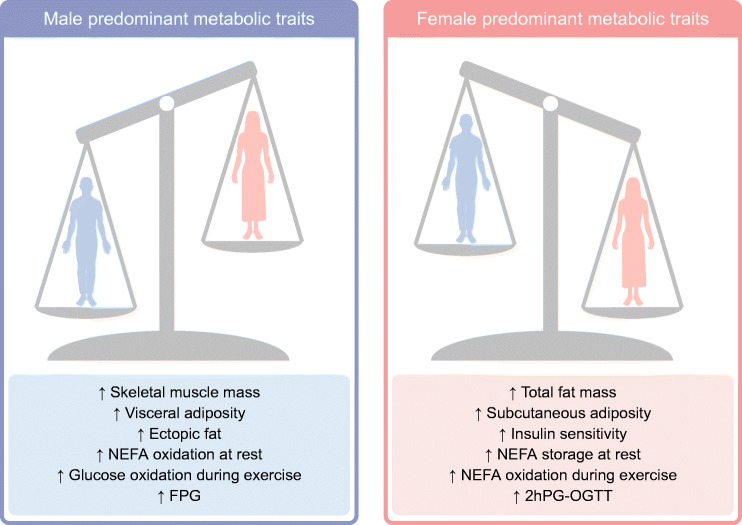
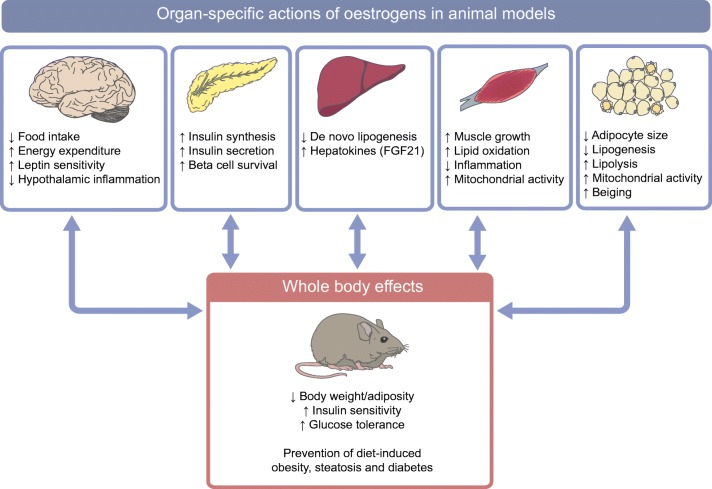
Gender and biological sex impact the pathogenesis of numerous diseases, including metabolic disorders such as diabetes. In most parts of the world, diabetes is more prevalent in men than in women, especially in middle-aged populations. In line with this, considering almost all animal models, males are more likely to develop obesity, insulin resistance and hyperglycaemia than females in response to nutritional challenges. As summarised in this review, it is now obvious that many aspects of energy balance and glucose metabolism are regulated differently in males and females and influence their predisposition to type 2 diabetes. During their reproductive life, women exhibit specificities in energy partitioning as compared with men, with carbohydrate and lipid utilisation as fuel sources that favour energy storage in subcutaneous adipose tissues and preserve them from visceral and ectopic fat accumulation. Insulin sensitivity is higher in women, who are also characterised by higher capacities for insulin secretion and incretin responses than men; although, these sex advantages all disappear when glucose tolerance deteriorates towards diabetes. Clinical and experimental observations evidence the protective actions of endogenous oestrogens, mainly through oestrogen receptor α activation in various tissues, including the brain, the liver, skeletal muscle, adipose tissue and pancreatic beta cells. However, beside sex steroids, underlying mechanisms need to be further investigated, especially the role of sex chromosomes, fetal/neonatal programming and epigenetic modifications. On the path to precision medicine, further deciphering sex-specific traits in energy balance and glucose homeostasis is indeed a priority topic to optimise individual approaches in type 2 diabetes prevention and treatment.
Overview
The claims and statistics of this paper haven’t been checked yet.
Free: it reads the open-access text and checks the first 5 claims that cite a source we can check. Create a free account to check every claim.
Integrity signals
Registry
Cites
Statistics
Figures
Verification
Claims the paper makes
The claims and statistics of this paper haven’t been checked yet.
Free: it reads the open-access text and checks the first 5 claims that cite a source we can check. Create a free account to check every claim.
Claims other papers make about this one
Each is checked against this paper’s own text: does it say what the citing paper says it does?
The source backs part of the claim, not all of it — or backs it for a different population, condition or comparison.
In the citing paper
“Moreover, T2D is more prevalent in men than women, with an estimated 13% of men and 11% of women between the ages of 20–79 classified as diabetic in 2016 (67, 73).”
From Metabolic impact of endogenously produced estrogens by adipose tissue in females and males across the lifespan (2025) · cites this paper as [73]
Experimental — accuracy not yet measured
Self-check
Percentages, sums and reported differences re-computed from the paper’s own numbers.
The self-check needs the paper’s full text.
Citations
Cites
IDF Diabetes Atlas: Global estimates of diabetes prevalence for 2017 and projections for 2045
Cho, N. H., Shaw, J. E., Karuranga, S., Huang, Y., da Rocha Fernandes, J. D., Ohlrogge, A. W., & Malanda, B. (2018) · Diabetes Research and Clinical Practice · doi:10.1016/j.diabres.2018.02.023 · Cited by 7,283
Identification and Importance of Brown Adipose Tissue in Adult Humans
Cypess, A. M., Lehman, S., Williams, G., Tal, I., Rodman, D., Goldfine, A. B., Kuo, F. C., Palmer, E. L., Tseng, Y.-H., Doria, A., et al. (2009) · New England Journal of Medicine · doi:10.1056/nejmoa0810780 · Cited by 4,399
Zhou, B., Lu, Y., Hajifathalian, K., Bentham, J., Di Cesare, M., Danaei, G., Bixby, H., Cowan, M., Ali, M., Taddei, C., et al. (2016) · The Lancet · doi:10.1016/s0140-6736(16)00618-8 · Cited by 4,311
Functional Brown Adipose Tissue in Healthy Adults
Virtanen, K. A., Lidell, M. E., Orava, J., Heglind, M., Westergren, R., Niemi, T., Taittonen, M., Laine, J., Savisto, N.-J., Enerbäck, S., et al. (2009) · New England Journal of Medicine · doi:10.1056/nejmoa0808949 · Cited by 3,058
Sex and Gender Differences in Risk, Pathophysiology and Complications of Type 2 Diabetes Mellitus
Kautzky-Willer, A., Harreiter, J., & Pacini, G. (2016) · Endocrine Reviews · doi:10.1210/er.2015-1137 · Cited by 2,043
The role of estrogens in control of energy balance and glucose homeostasis
Mauvais-Jarvis, F., Clegg, D. J., & Hevener, A. L. (2013) · Endocrine Reviews · doi:10.1210/er.2012-1055 · Cited by 1,329
Sex differences in human adipose tissues – the biology of pear shape
Karastergiou, K., Smith, S. R., Greenberg, A. S., & Fried, S. K. (2012) · Biology of Sex Differences · doi:10.1186/2042-6410-3-13 · Cited by 1,109
Lonardo, A., Nascimbeni, F., Ballestri, S., Fairweather, D., Win, S., Than, T. A., Abdelmalek, M. F., & Suzuki, A. (2019) · Hepatology · doi:10.1002/hep.30626 · Cited by 1,050
Aromatase-deficient (ArKO) mice have a phenotype of increased adiposity
Jones, M. E. E., Thorburn, A. W., Britt, K. L., Hewitt, K. N., Wreford, N. G., Proietto, J., Oz, O. K., Leury, B. J., Robertson, K. M., Yao, S., et al. (2000) · Proceedings of the National Academy of Sciences · doi:10.1073/pnas.97.23.12735 · Cited by 729
Kanaya, A. M., Herrington, D., Vittinghoff, E., Lin, F., Grady, D., Bittner, V., Cauley, J. A., & Barrett-Connor, E. (2003) · Annals of Internal Medicine · doi:10.7326/0003-4819-138-1-200301070-00005 · Cited by 633
Cited by
Items 401–500 of 1,000
Sex-Based Differences in Bronchial Asthma: What Are the Mechanisms behind Them?
Mokrá, D., Barošová, R., & Mokrý, J. (2023) · Applied Sciences · doi:10.3390/app13042694 · Cited by 9
Cheng, F. W., Rodríguez‐Ramírez, S., Shamah‐Levy, T., Pérez-Tepayo, S., & Ford, N. A. (2024) · Journal of the Academy of Nutrition and Dietetics · doi:10.1016/j.jand.2024.04.012 · Cited by 9
AL-Thuwaini, T. M. (2021) · Journal of Diabetes & Metabolic Disorders · doi:10.1007/s40200-021-00835-x · Cited by 9
Mice lacking the proton channel Hv1 exhibit sex-specific differences in glucose homeostasis
Pang, H., Li, J., Wang, Y., Su, L., Gao, Y., & Li, S. J. (2021) · Journal of Biological Chemistry · doi:10.1016/j.jbc.2021.101212 · Cited by 9
“Testosterone is the most important biologically relevant form of androgens in humans (10).”
BackgroundInfluentialGabra5 plays a sexually dimorphic role in POMC neuron activity and glucose balance
Zhou, P., He, Y., Bean, J. C., Yang, Y., Liu, H., Yu, M., Yu, K., Hyseni, I., Cai, X., Liu, H., et al. (2022) · Frontiers in Endocrinology · doi:10.3389/fendo.2022.889122 · Cited by 9
Fu, L., Zhou, Y., Sun, J., Zhu, Z., & Tai, S. (2022) · Cardiovascular Therapeutics · doi:10.1155/2022/2950055 · Cited by 9
Blunted anticipation but not consummation of food rewards in depressionPreprint
Schulz, C., Klaus, J., Peglow, F., Ellinger, S., Kühnel, A., Walter, M., & Kroemer, N. B. (2024) · medRxiv · doi:10.1101/2024.03.26.24304849 · Cited by 9
Cree, J. M. E., Brennan, N. M., Poppitt, S. D., & Miles-Chan, J. L. (2024) · Nutrients · doi:10.3390/nu16203490 · Cited by 9
“Due to the large number of young women using the OCP worldwide, and the known influence of sex hormones (endogenous) on glucose metabolism [22,23], considerable need exists to investigate the extent to which exogenous sex hormones can contribute to the development of metabolic dysregulation.”
BackgroundTolu, S., Hamzé, R., Moreau, M., Bertrand, R., Janel, N., & Movassat, J. (2025) · Diabetes Obesity and Metabolism · doi:10.1111/dom.16155 · Cited by 8
“14 Studies investigating the sex difference in DS-associated metabolic disorders are scarce.”
Li, X., Shiraki, N., Watanabe, T., Fukui, R., Furukawa, K., Kato, Y. S., Nakahara, Y., Kume, S., Taguchi, A., Wada, Y., et al. (2025) · EBioMedicine · doi:10.1016/j.ebiom.2025.105817 · Cited by 8
Independent and Combined Impacts of Obesity and Aging on Chronic Kidney Disease
Ma, Y., Xu, C., Shen, Y., Cheng, Y., & Zhao, W. (2025) · Obesity Reviews · doi:10.1111/obr.70023 · Cited by 8
Yu, S., Zhang, H., Jian-ling, D., & Sun, G. (2025) · Scientific Reports · doi:10.1038/s41598-025-23439-4 · Cited by 8
Intestinal TGR5-targeted carrier-drug conjugate improves glycemic control in mice and pigs
Zhang, Y., Huang, H., Wang, Y., Li, X., Hou, P., Yu, M., Zhang, Z., Guo, S., Liu, C., Zhang, Z., et al. (2025) · Science Translational Medicine · doi:10.1126/scitranslmed.ado5177 · Cited by 8
Farhana, F., Sultana, M. A., Hia, R. A., & Hegde, V. K. (2025) · Neuroscience & Biobehavioral Reviews · doi:10.1016/j.neubiorev.2025.106501 · Cited by 10
Hubungan Konsumsi Minuman Manis dengan Kejadian Diabetes Melitus pada Remaja Perempuan
Christy, A. A., Tjomiadi, C. E. F., Asmadiannor, A., & Syahlani, A. (2025) · RIGGS Journal of Artificial Intelligence and Digital Business · doi:10.31004/riggs.v4i4.3803 · Cited by 8
Sex steroids, SHBG and type 2 diabetes in women: what do we really know?
Verhoog, N. J. D., Africander, D., & Storbeck, K. (2026) · Diabetologia · doi:10.1007/s00125-025-06647-5 · Cited by 8
“Hyperandrogenism in women disrupts metabolic function and contributes to the development of hyperglycaemia, insulin resistance and type 2 diabetes [1, 69–74].”
Nutrient and non-nutrient regulators of insulin secretion
Kolic, J., Assaf, N., & Johnson, J. D. (2026) · Nature Reviews Endocrinology · doi:10.1038/s41574-026-01281-6 · Cited by 183
“Furthermore, women exhibit higher insulin secretory capacity than men in early insulin-resistant states 192 .”
Ling, Y., Chen, X., Zhou, M. R., Zhang, M., Luo, D., Wang, W., Chen, B., & Jiang, J. (2023) · Journal of Diabetes · doi:10.1111/1753-0407.13444 · Cited by 8
“25 Diabetes, as one of the risk factors, may promote the transition from latent to active TB. Susceptibility to TB in DM is associated not only with hyperglycemia and insulin resistance but also with macrophage and lymphocyte function.”
BackgroundA Method for Real-Time Assessment of Mitochondrial Respiration Using Murine Corneal Biopsy
Liang, W., Huang, L., Yuan, T., Cheng, R., Takahashi, Y., Moiseyev, G. P., Karamichos, D., & Ma, J. (2023) · Investigative Ophthalmology & Visual Science · doi:10.1167/iovs.64.11.33 · Cited by 8
Both sexes develop DKD in the CD1 uninephrectomized streptozotocin mouse model
Trink, J., Nmecha, I. K., Zhang, D., MacDonald, M. E., Gao, B., & Krepinsky, J. C. (2023) · Scientific Reports · doi:10.1038/s41598-023-42670-5 · Cited by 8
“Interestingly, insulin resistance also developed only in males, with estrogen having been found to additionally confer insulin sensitivity 24–26 .”
BackgroundZhao, C., Dai, T., Qian, J., & Ge, Z. (2024) · Journal of College of Physicians And Surgeons Pakistan · doi:10.29271/jcpsp.2024.04.413 · Cited by 8
Paula, D. P., Camacho, M., de Aguiar, O. B., Marques, L. F., Griep, R. H., Fonseca, M. J. M., Barreto, S. M., & Lekadir, K. (2024) · BMC Public Health · doi:10.1186/s12889-024-19395-9 · Cited by 8
“Previous studies based on UK population data are consistent with this trend, and align with our findings [32, 36].”
BackgroundResultAssociation Between Metabolic and Obesity Phenotypes and Diabetes Risk in Children and Adolescents
Hao, H., Su, Y., & Feng, M. (2024) · Diabetes Metabolic Syndrome and Obesity · doi:10.2147/dmso.s484639 · Cited by 8
“28 However, our data showed that girls in the MUNW or MUO groups had a higher risk of diabetes development than boys, suggesting that girls who are metabolically unhealthy require close monitoring of diabetes development.”
Li, Y., Shen, H., Li, Y., Bi, M., Bi, Y., Che, X., Tian, S., & Liu, Y. (2021) · Frontiers in Nutrition · doi:10.3389/fnut.2021.739850 · Cited by 8
“The mechanisms by which n-6 PUFAs reduce the chance of having T2DM in men but not in women are not fully understood, but several have been suggested, including sex differences in n-6 PUFA distribution (33), exogenous dietary intake (34), and sex hormone-mediated adipose tissue distribution (35, 36).”
BackgroundGaamouch, F. E., Lin, H., Wang, Q., Zhao, W., Pan, J., Liu, K., Wong, J., Wu, C., Yuan, C., Cheng, H. M., et al. (2022) · Scientific Reports · doi:10.1038/s41598-022-07252-x · Cited by 8
Neuromechanical Dimorphism of Hypoglycemic Effect of Electroacupuncture
Liu, Y., Xu, T., Wang, X., Lu, M., Wang, Y., Song, X., Yuan, M., Gong, M., Li, Q., Yu, Z., et al. (2023) · Neuroendocrinology · doi:10.1159/000529019 · Cited by 8
He, Y., Li, Z., Yu, L., Liu, Y., Li, L., Yang, R., Wang, X., Gao, S., & Yu, C. (2023) · Endocrine · doi:10.1007/s12020-023-03389-5 · Cited by 8
“Studies have shown that the numbers of cardiovascular disease incidents and deaths in women are higher than those in men [44].”
BackgroundSex Differences in Glucose Homeostasis
Arioglu‐Inan, E., & Kayki‐Mutlu, G. (2023) · Handbook of experimental pharmacology · doi:10.1007/164_2023_664 · Cited by 9
Zhang, S., Zuo, X., Luan, J., Bai, H., Fu, Z., Sun, M., Zhao, X. J., & Feng, X. (2023) · Journal of Environmental Sciences · doi:10.1016/j.jes.2023.09.014 · Cited by 8
Iakunchykova, O. P., Averina, M., Wilsgaard, T., Malyutina, S. K., Kudryavtsev, A. V., Cook, S., Wild, S. H., Eggen, A. E., Hopstock, L. A., & Leon, D. A. (2021) · BMJ Open Diabetes Research & Care · doi:10.1136/bmjdrc-2020-002021 · Cited by 8
Liu, H., Song, B., Jin, J., Liu, Y., Wen, X., Cheng, S., Nicholas, S., Maitland, E., Wu, X., Zhu, D., et al. (2021) · Frontiers in Nutrition · doi:10.3389/fnut.2021.758657 · Cited by 8
“We also found evidence for a differing NRS 2002 scores of ≥ 5-LoS association between men and women, perhaps due to the sex differences in metabolic regulation among the older population, and biological sex impact on the pathogenesis of numerous diseases, such as the metabolic disorders, which is a nutritional challen…”
BackgroundFetal and neonatal dioxin exposure causes sex-specific metabolic alterations in mice
Hoyeck, M. P., Merhi, R. C., Tulloch, C., McCormick, K., Hossain, S. M. A., Hanson, A. A., & Bruin, J. E. (2023) · Toxicological Sciences · doi:10.1093/toxsci/kfad042 · Cited by 8
“Estrogen plays an important role in maintaining normal body composition and glucose homeostasis (Tramunt et al., 2020).”
BackgroundBelenchia, A. M., Boukhalfa, A., DeMarco, V. G., Mehm, A., Mahmood, A., Liu, P., Tang, Y., Gavini, M. P., Mooney, B., Chen, H. H., et al. (2023) · Cells · doi:10.3390/cells12101373 · Cited by 8
“In this context, ZDF-F rats are similar to obese women who are also more resistant to hyperglycemia than age-matched obese men [25,26].”
BackgroundToward Sex-Specific Biomaterials Innovation: A Perspective
Koons, G. L. (2025) · ACS Biomaterials Science & Engineering · doi:10.1021/acsbiomaterials.5c00342 · Cited by 7
Zhang, H., Huang, T., Jin, X., Liu, S., Yang, Y., Liu, L., Jiang, X., Zhang, R., Ye, H., Qi, X., et al. (2025) · Life Metabolism · doi:10.1093/lifemeta/loaf011 · Cited by 7
Goedecke, J. H., Danquah, I., Abidha, C. A., Agyemang, C. O., Albers, H. M., Amoah, S., Brunius, C. F., Chorell, E., Hoosen, F., Smidt, M. F.-D., et al. (2025) · BMJ Open · doi:10.1136/bmjopen-2025-099108 · Cited by 7
Age-Related Sex Differences in Glucose Tolerance by 75 g Oral Glucose Tolerance Test in Japanese
Yoshida, A., Kimura, T., Tsunekawa, K., Shoho, Y., Yanagawa, Y., Araki, O., Aoki, T., Ogiwara, T., & Murakami, M. (2022) · Nutrients · doi:10.3390/nu14224868 · Cited by 7
“Diabetes is more prevalent in males than in females, especially in middle-aged populations [15].”
BackgroundPaoli, M. D., Shah, D. N., Zakharia, A., Patel, Z., Patel, Z., Pakhi, P., & Werstuck, G. H. (2024) · International Journal of Molecular Sciences · doi:10.3390/ijms25031816 · Cited by 7
“Accumulating data suggest that estrogens, particularly 17-beta estradiol which is the predominant and biologically active estrogen in premenopausal women [5], exert a protective effect in pancreatic beta cell health and function [6–10].”
BackgroundTan, J. T. M., Cheney, C. V., Bamhare, N. E. S., Hossin, T., Bilu, C., Sandeman, L., Nankivell, V. A., Solly, E. L., Kronfeld‐Schor, N., & Bursill, C. A. (2024) · International Journal of Molecular Sciences · doi:10.3390/ijms25137265 · Cited by 7
Kositanurit, W., Siritaweechai, N., Varachotisate, P., Burana, C., Sukswai, N., Surintrspanont, J., Siriviriyakul, P., Kaikaew, K., & Werawatganon, D. (2024) · Frontiers in Endocrinology · doi:10.3389/fendo.2024.1392866 · Cited by 7
“This sex difference can be mainly attributed to the effects of gonadal hormones, as endogenous estrogens exert crucial protective effects through estrogen receptors (ERs) in various tissues (7, 8).”
BackgroundLi, S., Liu, N., Qi, D., Niu, L., Li, Y., Lu, C., Dong, Y., Zhang, X., Li, J., & Zhang, X. (2024) · Brain Research · doi:10.1016/j.brainres.2024.149282 · Cited by 7
Muhammed Favas, K. T., Niveditha, M., Yoosuf, B. T., Bhukya, M., Gupta, P. C., Dutta, P. R., & Bansal, D. (2024) · Indian Journal of Ophthalmology · doi:10.4103/ijo.ijo_818_24 · Cited by 7
Research progress on risk prediction models for the diabetic foot
Qi, H., Zhang, T., Hou, L., Li, Q., Huang, R., & Ma, L. (2025) · Acta Diabetologica · doi:10.1007/s00592-025-02505-3 · Cited by 7
“In general, the incidence of diabetes is greater in men than in women, especially among middle-aged men [ 22].”
Oh, D. J., Jeong, C., Kim, J., Kim, E. S., Oh, K., Shin, Y. C., Shin, D.-W., Jeon, S. W., & Cho, S. J. (2025) · The Lancet Regional Health - Western Pacific · doi:10.1016/j.lanwpc.2025.101672 · Cited by 7
“18 Additionally, previous studies have tended to overlook the potential moderating effect of the glycemic status.”
Evidence of an Association of Obstructive Sleep Apnea with Diabetes and Diabetic Complications
Matsumoto, T., Hirai, T., & Chin, K. (2021) · Current Sleep Medicine Reports · doi:10.1007/s40675-021-00217-y · Cited by 7
Loy, S. L., Lin, J., Cheung, Y. B., Sreedharan, A. V., Chin, X., Godfrey, K. M., Tan, K. H., Shek, L. P., Chong, Y. S., Leow, M. K., et al. (2021) · Scientific Reports · doi:10.1038/s41598-021-00445-w · Cited by 7
Salimi, M., Eskandari, F., Binayi, F., Eliassi, A., Ghanbarian, H., Hedayati, M., Fahanik‐Babaei, J., Eftekhary, M., Keyhanmanesh, ., & Zardooz, H. (2022) · Scientific Reports · doi:10.1038/s41598-022-16621-5 · Cited by 7
Ma, J., Zhang, H., Liang, F., Li, G., Pang, X., Zhao, R., Wang, J., Chang, X., Guo, J., & Zhang, W. (2024) · Orphanet Journal of Rare Diseases · doi:10.1186/s13023-024-03072-6 · Cited by 7
Oppermann, K., & Spritzer, P. M. (2024) · Menopause The Journal of The North American Menopause Society · doi:10.1097/gme.0000000000002320 · Cited by 7
Xhonneux, I., Marei, W. F. A., Meulders, B., Andries, S., & Leroy, J. (2024) · Frontiers in Physiology · doi:10.3389/fphys.2024.1354327 · Cited by 7
Biofactors' impact on diabetes prognosis
Muneam, S. A., Muneam, N. A., & Muayed, A. (2024) · Journal of Bioscience and Applied Research/Journal of Bioscience and Applied Research · doi:10.21608/jbaar.2024.393006 · Cited by 9
Arias-Fernández, M., Huguet-Torres, A., Abbate, M., Fresneda, S., Torres-Carballo, M., Carvalho-Azevedo, A., Yáñez, A. M., & Bennasar‐Veny, M. (2025) · International Journal of Nursing Studies · doi:10.1016/j.ijnurstu.2025.105034 · Cited by 7
Lee, Y.-H., Yeo, M., Yoon, S., Hyun, H. B., Ham, Y., Jung, Y., & Chang, K.-S. (2021) · Preventive Nutrition and Food Science · doi:10.3746/pnf.2021.26.3.307 · Cited by 7
Gourdy, P., Bonadonna, R. C., Freemantle, N., Mauricio, D., Müller‐Wieland, D., Bigot, G., Mauquoi, C., Ciocca, A., & Bonnemaire, M. (2021) · Diabetes Therapy · doi:10.1007/s13300-021-01179-8 · Cited by 7
Self-citationScreening the incidence of diabetogensis with urinary phthalate in Saudi subjects
Al-Bazi, M. M., Kumosani, T., Al‐Malki, A. L., Kannan, K., & Moselhy, S. S. (2022) · Environmental Science and Pollution Research · doi:10.1007/s11356-021-18361-x · Cited by 7
Prepubertal androgen signaling is required to establish male fat distribution
Sebo, Z. L., & Rodeheffer, M. S. (2022) · Stem Cell Reports · doi:10.1016/j.stemcr.2022.04.001 · Cited by 7
“Indeed, a specific role for fat distribution in the metabolic phenotypes of ARdY mice is difficult to ascertain, as sex-specific differences unrelated to fat distribution are known to influence metabolic disease severity (Mauvais-Jarvis, 2015; Tramunt et al., 2020).”
BackgroundSasaki, N., Maeda, R., Ozono, R., Nakano, Y., & Higashi, Y. (2021) · Diabetes Research and Clinical Practice · doi:10.1016/j.diabres.2021.108780 · Cited by 7
Yoshimoto, M., Sakuma, Y., Ogino, J., Iwai, R., Watanabe, S., Inoue, T., Takahashi, H., Suzuki, Y., Kinoshita, D., Takemura, K., et al. (2022) · Journal of Diabetes Investigation · doi:10.1111/jdi.13918 · Cited by 7
Pan, Y., & Bi, J. (2026) · Diabetes Obesity and Metabolism · doi:10.1111/dom.70519 · Cited by 6
“16 From a practical standpoint, these findings help identify high-risk subgroups — particularly older men and those with existing conditions — for whom maintaining weight stability should be a priority intervention.”
Perales-Torres, A. L., Pérez-Navarro, L. M., García-Oropesa, E. M., Díaz-Badillo, Á., Martínez-López, Y. E., Rosas‐Díaz, M., Castillo, O., Ramírez-Quintanilla, L. Y., Cervantes, J., Sciutto, E., et al. (2024) · PLOS Global Public Health · doi:10.1371/journal.pgph.0002686 · Cited by 6
Cheng, W., Geng, S., Li, Y., Chen, R., & Du, Z. (2024) · The Journal of Clinical Endocrinology & Metabolism · doi:10.1210/clinem/dgae557 · Cited by 6
Récepteurs des œstrogènes et vieillissement artériel
Marjollet, J., Buscato, M., Davezac, M., Vessières, E., Gosset, A., Adlanmérini, M., Henrion, D., Lenfant, F., Arnal, J., & Fontaine, C. (2024) · médecine/sciences · doi:10.1051/medsci/2024115 · Cited by 6
Self-citation(2025) · Pakistan Veterinary Journal · doi:10.29261/pakvetj/2025.004 · Cited by 6
“Female rats were used in this study because gender differences may affect the therapeutic effects of diabetes (Tramunt et al., 2020).”
MetS ‐Z: A gender‐ and age‐specific scoring system for predicting type 2 diabetes
Hsu, P. W., Chen, Y., & Sheu, W. H. (2025) · Journal of Diabetes Investigation · doi:10.1111/jdi.70004 · Cited by 6
“For example, women typically demonstrate higher insulin sensitivity than men, though this advantage diminishes with age and menopause 15 .”
Growth Hormone Promotes Hepatic Triglyceride Export in Humans
Baumgartner, C., Metz, M., Beghini, M., Pfleger, L., Tosin, A., Koldyka, O., Beiglböck, H., Fellinger, P., Vila, G., Luger, A., et al. (2025) · The Journal of Clinical Endocrinology & Metabolism · doi:10.1210/clinem/dgaf155 · Cited by 7
Lin, T., Jin, S., Shen, X., Huang, S., & Mao, H. (2025) · Frontiers in Endocrinology · doi:10.3389/fendo.2025.1525573 · Cited by 7
“The stronger association in women may be attributable to differences in body fat distribution and hormonal regulation (37, 38).”
Alexandre, M., Poínhos, R., CRI-O Group, Oliveira, B. M. P. M., & Correia, F. (2025) · Nutrients · doi:10.3390/nu17111858 · Cited by 7
“The protective role of endogenous estrogens in women is evidenced by the deleterious impact of the menopause on body composition and glucose homeostasis, with females presenting higher insulin sensitivity and enhanced insulin secretion by pancreatic cells than males [51].”
Diet-induced obesity disrupts sexually dimorphic gene expression in mice
Ribas, V., Morón‐Ros, S., Marí, H., Gracia-Batllori, A., Brugnara, L., Herrero-Gómez, A., Eyre, E., Claret, M., Marco‐Rius, I., Novials, A., et al. (2025) · American Journal of Physiology-Cell Physiology · doi:10.1152/ajpcell.00098.2025 · Cited by 6
Population attributable fractions of a wide range of peripheral diseases for the burden of dementia
Deng, Z., Yang, Y., Lin, Q., Xiao, S., Zuo, Y., Wang, J., Xu, Y., Li, H., Xie, D., Dai, Q., et al. (2026) · Nature Human Behaviour · doi:10.1038/s41562-025-02392-2 · Cited by 6
Sex-Specific Cardiometabolic Profiles and Severity of Liver Fibrosis
Albhaisi, S. A. M., Kim, S. S., Terrault, N. A., & Dodge, J. L. (2026) · JAMA Network Open · doi:10.1001/jamanetworkopen.2026.0863 · Cited by 6
Beaudry, K. M., Surdi, J. C., Wilkinson, J. A., & Devries, M. C. (2023) · American Journal of Physiology-Regulatory, Integrative and Comparative Physiology · doi:10.1152/ajpregu.00281.2021 · Cited by 6
Zinman, J., Kapoor, A., Si, K., Sujanthan, S., Southwell, A., Cayley, M. L., Sicard, M. N., Lien, K. R., Murray, B. J., Lanctôt, K. L., et al. (2023) · Journal of Alzheimer s Disease · doi:10.3233/jad-230021 · Cited by 6
Sex Differences in the Preventive Effect of Cardiovascular and Metabolic Therapeutics on Dementia
Choi, S. A., Jee, H. J., Bormate, K. J., Kim, Y., & Jung, Y.-S. (2023) · Biomolecules & Therapeutics · doi:10.4062/biomolther.2023.115 · Cited by 6
“However, a higher dose of 80 mg/day can potentially increase the risk of AD in patients with T2D, while 40 mg/day showed a protective effect in preventing AD (Chang et al ., 2016).”
BackgroundInfluentialCantacorps, L., Zhu, J., Yagoub, S., Coull, B. M., Falck, J. E., Chesters, R., Ritter, K., Serrano-Lope, M. A., Tscherepentschuk, K., Kasch, L.-S., et al. (2023) · Molecular Metabolism · doi:10.1016/j.molmet.2023.101860 · Cited by 6
“Previous studies have also shown how early-life environment affects the offspring sexes differently, male offspring being more vulnerable to the obesogenic effects of maternal hyperglycaemia exposure than females [111,112], which might be protected due to the role of ovarian hormones [113].”
ResultSalle, S. P., & Bourdeau, I. (2024) · Journal of the Endocrine Society · doi:10.1210/jendso/bvae005 · Cited by 6
“In general, diabetes is more prevalent in male [34] than female patients, due in part to the protective role of estrogen on energy expenditure, insulin sensitivity, and adipose tissue distribution [35].”
BackgroundAlessi, D., McCreery, C. V., & Zomorrodi, A. R. (2025) · Frontiers in Physiology · doi:10.3389/fphys.2025.1586750 · Cited by 6
CAR Protects Females from Diet-Induced Steatosis and Associated Metabolic Disorders
Oliviero, F., Klément, W., Mary, L., Dauwe, Y., Lippi, Y., Naylies, C., Gayrard, V., Marchi, N., & Mselli-Lakhal, L. (2023) · Cells · doi:10.3390/cells12182218 · Cited by 6
Moon, S., Alsarkhi, L., Lin, T., Inoue, R., Tahiri, A., Colson, C., Cai, W., Shirakawa, J., Qian, W., Zhao, Y.-T., et al. (2023) · The FASEB Journal · doi:10.1096/fj.202300941r · Cited by 6
Sammut, M. J., McBey, D. P., Sayal, A. P., & Melling, C. W. J. (2024) · Journal of Diabetes Research · doi:10.1155/2024/5549762 · Cited by 6
Park, D. Y., Rho, J., Kim, E., & Kim, Y. S. (2024) · Metabolic Syndrome and Related Disorders · doi:10.1089/met.2024.0006 · Cited by 7
“37 The higher levels of body fat in women compared with men may increase AGS, 38 but it reduces RGS, which is closely associated with DM due to the decrease in muscle quality.”
Karkhaneh, L., Hosseinkhani, S., Aazami, H., Karamlou, Y., Sheidaei, A., Nasli‐Esfahani, E., Razi, F., & Ebrahim‐Habibi, A. (2024) · Diabetes & Metabolic Syndrome Clinical Research & Reviews · doi:10.1016/j.dsx.2024.103083 · Cited by 6
Matsumoto, S., Ochi, M., Akechi, Y., Takei, S., Senzaki, K., Okada, Y., Miura, S., Ochi, H., Igase, M., & Ohyagi, Y. (2022) · Archives of Gerontology and Geriatrics · doi:10.1016/j.archger.2022.104704 · Cited by 6
Gender difference in development of steatohepatitis in p62/Sqstm1 and Nrf2 double-knockout mice
Watahiki, T., Okada, K., Warabi, E., Nagaoka, T., Suzuki, H., Ishige, K., Yanagawa, T., Takahashi, S., Mizokami, Y., Tokushige, K., et al. (2020) · EXPERIMENTAL ANIMALS · doi:10.1538/expanim.20-0028 · Cited by 6
“it is likely that a protective role of endogenous estrogen is important for glucose homeostasis and insulin resistance [25].”
Background(2024) · doi:10.1186/s12933-024-02246-7 · Cited by 5
Song, A., Huang, Z., Chen, J., Gong, H., Yang, C., Zhang, Y., Jiang, X., & Zhu, Z. (2025) · European Journal of Radiology · doi:10.1016/j.ejrad.2025.111935 · Cited by 5
Zhang, D., Tian, J., Lu, G., Zhou, Z., & Wang, D. (2025) · Urolithiasis · doi:10.1007/s00240-025-01712-5 · Cited by 5
“These combined factors likely contribute to the higher global incidence rates and DALYs associated with urolithiasis in males compared to females [ 22 , 23 ].”
Sexual dimorphisms in endocrinopathies: Their impact on the evolution of metabolic diseases
Kataki, C. (2025) · Molecular and Cellular Endocrinology · doi:10.1016/j.mce.2025.112521 · Cited by 5
Anh, N. V., Gil, H., Park, S., & Ryu, S. (2025) · Endocrinology and Metabolism · doi:10.3803/enm.2025.2297 · Cited by 5
“Clinical studies indicate that women present with a higher burden of risk factors at the time of type 2 diabetes diagnosis, including excess weight gain and hypertension [5,6].”
Sex- and depot-specific differences in cellular insulin responsiveness during adipose expansion
Neuhaus, M., & Stenkula, K. G. (2025) · Life Sciences · doi:10.1016/j.lfs.2025.123743 · Cited by 5
Bacci, M. R., Angelotto, F. R., Rosa, T. D. S., Araujo, T. B., Corrêa, H. D. L., Deus, L. A., Neves, R. V. P., Reis, A. L., dos Santos, R. L., Barbosa, J. M. D. S., et al. (2025) · Healthcare · doi:10.3390/healthcare13131621 · Cited by 5
“…have been shown to downregulate the expression and activity of the renin–angiotensin system, upregulate the activity of Ang (1–7) and angiotensin-converting enzyme 2 (ACE2), and exert protective effects on preserving beta cell function and preventing apoptosis induced by metabolic injuries [19,20].”
Gil, H., Lim, S., Kwon, M., Ham, S., Lee, J. H., & Song, J. (2025) · BMC Pulmonary Medicine · doi:10.1186/s12890-025-03869-6 · Cited by 5
Xiao, Y., Yang, M., Cai, M., Zhang, H., Hu, K., & Duan, Y. (2025) · Nutrients · doi:10.3390/nu17162595 · Cited by 6
“In the present study, we selected exclusively male rats as experimental subjects based on well-established sex-related differences in metabolic physiology [65].”
Yang, X., Dai, K., & Wang, S. (2025) · Nutrients · doi:10.3390/nu17172811 · Cited by 5
Posicionamento sobre a Saúde Cardiometabólica ao Longo do Ciclo de Vida da Mulher – 2025
de Oliveira, G. M. M., de Almeida, M. C. C., Valério, C. M., Giuffrida, F. M. A., Espíndola, L. N., Izar, M. C. D. O., Marques-Santos, C., Freire, C. M. V., Albuquerque, C. J. D. M., Chagas, A. C. P., et al. (2025) · Arquivos Brasileiros de Cardiologia · doi:10.36660/abc.20250615 · Cited by 5
Mohan, V., Rani, C. S. S., Sankari, G. U., Pradeepa, R., Ranjit Unnikrishnan, I., Rahulashankiruthiyayan, T., Venisha, K. G., Geetha, L., Venkatesan, U., & Anjana, R. M. (2026) · The Indian Journal of Medical Research · doi:10.25259/ijmr_346_2025 · Cited by 5
“Literature shows that gender-specific differences in diabetes complications may be attributed to hormonal and metabolic variations, which may be the case in our study population as well 21 .”
Local problems need global solutions: The metabolic needs of regenerating organisms
Kübler, I. C., Kretzschmar, J., Brankatschk, M., & Sandoval‐Guzmán, T. (2022) · Wound Repair and Regeneration · doi:10.1111/wrr.13029 · Cited by 5
Matsumoto, T., Murase, K., Tabara, Y., Minami, T., Kanai, O., Takeyama, H., Sunadome, H., Nagasaki, T., Takahashi, N., Nakatsuka, Y., et al. (2022) · Journal of Sleep Research · doi:10.1111/jsr.13795 · Cited by 5
Rai, V., & Agrawal, D. K. (2022) · Molecular and Cellular Biochemistry · doi:10.1007/s11010-022-04642-7 · Cited by 5
“Understanding these aspects is important because of the presence of sexual dimorphism in metabolic regulation and diabetes susceptibility in humans [65] and to get statistically significant and translational results from cutaneous wound healing research.”
BackgroundHyperphagia of female UCP1-deficient mice blunts anti-obesity effects of FGF21
Hazebroek, M. K., Laterveer, R., Kutschke, M., Marčeta, V. R., Barthem, C. S., & Keipert, S. (2023) · Scientific Reports · doi:10.1038/s41598-023-37264-0 · Cited by 5
“Further, it is unknown whether the protective effect of FGF21 is present in female UCP1 KO mice as well, as young females are generally better protected against metabolic diseases 28 .”
Zhang, C., Xu, Q., Xu, C., Yang, K., Xia, T., Ha-Si, W.-Y., Hao, M., & Kuang, H. (2023) · Endocrine Research · doi:10.1080/07435800.2023.2262034 · Cited by 5
“21 Moreover, morbidity, mortality and complications of diabetes vary by sex.”
Metadata
- Authors
- Tramunt, B., Smati, S., Grandgeorge, N., Lenfant, F., Arnal, J.-F., Montagner, A., & Gourdy, P.
- Affiliations
- Université Toulouse III - Paul Sabatier (FR)
- Centre Hospitalier Universitaire de Toulouse (FR)
- Corresponding author
- Gourdy, Pierre
- ORCID
- Venue
- Diabetologia
- Published
- 2019-11-21
- Volume
- 63
- Issue
- 3
- Pages
- 453-461
- ISSN
- 0012-186X (ISSN-L)
- 1432-0428
- PMC
- PMC6997275
- OpenAlex
- W2991033511
- Cited by
- 923
- References
- 65
- Citations by year
- 2026: 138 · 2025: 174 · 2024: 181 · 2023: 162 · 2022: 129 · 2021: 98 · 2020: 38 · 2019: 1
- FWCI
- 11.15
- Type
- journal article
- Language
- en
- Open access
- hybrid
- doi.org
- Licence
- cc-by
- creativecommons.org/licenses/by/4.0 (tdm)
- creativecommons.org/licenses/by/4.0 (vor)
- Locations
- Diabetologia (publishedVersion, cc-by)
- Europe PMC (PubMed Central) (publishedVersion, cc-by)
- PubMed Central (publishedVersion, cc-by)
- PubMed (publishedVersion)
- HAL (submittedVersion)
- Funders
- Agence Nationale de la Recherche (ANR-18-CE14-0002)
- Topics
- Health Sciences › Medicine › Public Health, Environmental and Occupational Health › Sex and Gender in Healthcare
- Life Sciences › Biochemistry, Genetics and Molecular Biology › Endocrinology › Estrogen and related hormone effects
- Health Sciences › Medicine › Endocrinology, Diabetes and Metabolism › Diabetes, Cardiovascular Risks, and Lipoproteins
- Keywords
- sex differences, type 2 diabetes, insulin resistance, glucose metabolism, energy balance, estrogen, estrogen receptor alpha, insulin secretion, incretin response, sex chromosomes, fetal programming, epigenetic modifications, adipose tissue, visceral fat, glucose tolerance
- MeSH terms
- Animals, Diabetes Mellitus, Type 2, Disease Susceptibility, Energy Metabolism, Female, Humans, Infant, Newborn, Male, Middle Aged, Pregnancy, Risk Factors, Sex Characteristics, Embryonic Development
About these checks
Registry, retraction, Cites and statistics results are computed, not judged, with one exception: a printed reference that no index lists is read once by a model before it counts as a citation error. Claims are extracted by a model and kept only when their quote appears verbatim in the text; each cited source is then checked, with a model’s help, for whether it says what the claim relies on. Those verdicts can be wrong — read the claim’s quote and the cited source before relying on one.
Statistics and arithmetic are recomputed, not judged.
Confidence bands are shown only for fields calibrated on our annotated test set. None is calibrated yet, so no band is shown.
What counts as a claim ›How we measure confidence ›How we check this ›
Are you an author, or do you see a problem with this page? Request a review
Data sources
Bibliographic data: Semantic Scholar, OpenAlex, Crossref.
Contains information from the Semantic Scholar Academic Graph Datasets, made available under the ODC Attribution License (ODC-BY 1.0).
Semantic Scholar’s data is described in: Kinney, R., et al. (2023). The Semantic Scholar Open Data Platform. arXiv:2301.10140.
