

The DOI matches its Crossref record; 72 of the 72 references it cites were found in a registry or an index.
Dysfunction of NMDA receptors in Alzheimer’s disease
Open accessAbstract
N-methyl-D-aspartate receptors (NMDARs) play a pivotal role in the synaptic transmission and synaptic plasticity thought to underlie learning and memory. NMDARs activation has been recently implicated in Alzheimer's disease (AD) related to synaptic dysfunction. Synaptic NMDARs are neuroprotective, whereas overactivation of NMDARs located outside of the synapse cause loss of mitochondrial membrane potential and cell death. NMDARs dysfunction in the glutamatergic tripartite synapse, comprising presynaptic and postsynaptic neurons and glial cells, is directly involved in AD. This review discusses that both beta-amyloid (Aβ) and tau perturb synaptic functioning of the tripartite synapse, including alterations in glutamate release, astrocytic uptake, and receptor signaling. Particular emphasis is given to the role of NMDARs as a possible convergence point for Aβ and tau toxicity and possible reversible stages of the AD through preventive and/or disease-modifying therapeutic strategies.
Overview
The claims and statistics of this paper haven’t been checked yet.
Run the check — free, no account needed. It reads the open-access text and checks the sources it cites.
Integrity signals
Registry
Cites
Statistics
Figures
Verification
Claims the paper makes
The claims and statistics of this paper haven’t been checked yet.
Run the check — free, no account needed. It reads the open-access text and checks the sources it cites.
Claims other papers make about this one
Each is checked against this paper’s own text: does it say what the citing paper says it does?
In the citing paper
“The relevance of NMDAR in AD lends support from studies showing that partial blockade of NMDAR overstimulation with NMDAR antagonists rescues Aβ-induced LTP impairment and cognitive function in various animal models [69].”
From Molecular and cellular mechanisms underlying the pathogenesis of Alzheimer’s disease (2020) · cites this paper as [69]
Self-check
Percentages, sums and reported differences re-computed from the paper’s own numbers.
The self-check needs the paper’s full text.
Citations
Cites
1 retracted
Disturbed Neurotransmitter Transporter Expression in Alzheimer’s Disease Brain
Chen, K. H., Reese, E. A., Kim, H., Rapoport, S. I., & Rao, J. S. (2011) · Journal of Alzheimer s Disease · doi:10.3233/jad-2011-110002 · Cited by 122 · cited 1×
“The expression of glutamate transporters is reduced significantly both in human tissue from AD patients [54] and animal models of AD [55].”
BackgroundRetractedAmyloid oligomers exacerbate tau pathology in a mouse model of tauopathy
Selenica, M.-L. B., Brownlow, M., Jimenez, J. P., Lee, D. C., Pena, G., Dickey, C. A., Gordon, M. N., & Morgan, D. (2013) · Neurodegenerative Diseases · doi:10.1159/000337230 · Cited by 10,359
Shrestha, S., & Offer, S. M. (2016) · Medical Epigenetics · doi:10.1159/000444713 · Cited by 8,951
Südhof, T. C. (2004) · Annual Review of Neuroscience · doi:10.1146/annurev.neuro.26.041002.131412 · Cited by 2,491 · cited 1×
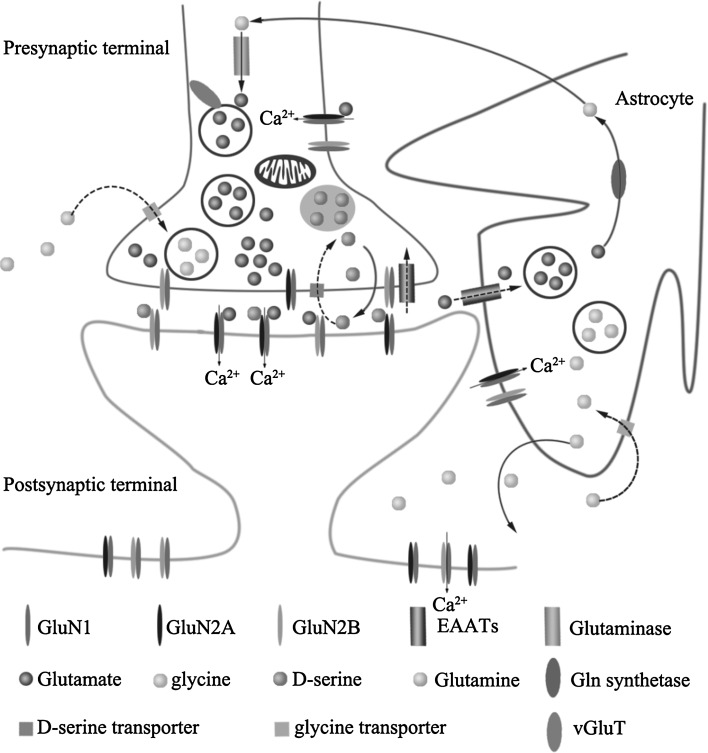
“Following presynaptic neuronal depolarization, calcium channels open, permitting the influx of calcium and triggering the fusion of vesicles with the membrane, resulting in the exocytosis of glutamate into the synapse [15].”
BackgroundDendritic Function of Tau Mediates Amyloid-β Toxicity in Alzheimer's Disease Mouse Models
Ittner, L. M., Ke, Y. D., Delerue, F., Bi, M., Gladbach, A., van Eersel, J., Wölfing, H., Chieng, B. C., Christie, M. J., Napier, I. A., et al. (2010) · Cell · doi:10.1016/j.cell.2010.06.036 · Cited by 1,821 · cited 1×
“Tau reductions cannot transport Fyn to dendritic spines, prevent the memory deficits and excitability caused by A b [58].”
BackgroundSynaptic versus extrasynaptic NMDA receptor signalling: implications for neurodegenerative disorders
Hardingham, G. E., & Bading, H. (2010) · Nature Reviews Neuroscience · doi:10.1038/nrn2911 · Cited by 1,644 · cited 1×
“…can also be taken up by the presynaptic terminal or astrocytes by their respective transporters Activation of synaptic NMDARs mediates synaptic plasticity and is thought to be beneficial for neurons, whereas prolonged activation of NMDARs with subsequent overload of Ca 2 ? entry is deleterious [32].”
BackgroundShankar, G. M., Bloodgood, B. L., Townsend, M., Walsh, D. M., Selkoe, D. J., & Sabatini, B. L. (2007) · The Journal of Neuroscience · doi:10.1523/jneurosci.4970-06.2007 · Cited by 1,592 · cited 2×
“More-over, treatment of rat organotypic slices containing pyramidal neurons with A b oligomers decrease dendritic spine density and reduce NMDAR-mediated calcium influx into active spines [50].”
BackgroundRegulation of NMDA receptor trafficking by amyloid-β
Snyder, E. M., Nong, Y., Almeida, C. G., Paul, S., Moran, T., Choi, E. Y., Nairn, A. C., Salter, M. W., Lombroso, P. J., Gouras, G. K., et al. (2005) · Nature Neuroscience · doi:10.1038/nn1503 · Cited by 1,561 · cited 1×
“When applied to cultured cortical neurons, Ab enhances endocytosis of NMDARs and decreases expression of NMDARs [53].”
Long-term potentiation depends on release of d-serine from astrocytes
Henneberger, C., Papouin, T., Oliet, S. H. R., & Rusakov, D. A. (2010) · Nature · doi:10.1038/nature08673 · Cited by 1,389 · cited 1×
“The increased influx of calcium transform into chemical signals which in turn, leading to the establishment of LTP, a process believed to underlie learning and memory [18].”
BackgroundHoover, B. R., Reed, M. N., Su, J., Penrod, R. D., Kotilinek, L. A., Grant, M. K., Pitstick, R., Carlson, G. A., Lanier, L. M., Yuan, L.-L., et al. (2010) · Neuron · doi:10.1016/j.neuron.2010.11.030 · Cited by 1,118 · cited 1×
“Tau phosphorylation results in mislocalization of tau from axons to dendritic spines and decreased expression of AMPA receptors and LTP deficits, and subsequently synaptic impairment [56].”
BackgroundTranscription Factors in Long-Term Memory and Synaptic Plasticity
Alberini, C. M. (2009) · Physiological Reviews · doi:10.1152/physrev.00017.2008 · Cited by 991 · cited 1×
“Phosphorylation of CREB at residue ser-133 is particularly important for its transcriptional activity, which is decreased in AD [36].”
BackgroundNeuronal calcium mishandling and the pathogenesis of Alzheimer's disease
Bezprozvanny, I., & Mattson, M. P. (2008) · Trends in Neurosciences · doi:10.1016/j.tins.2008.06.005 · Cited by 938 · cited 1×
“Besides, Ab is also reported to trigger NMDA-mediated Ca influx, excitotoxicity, and stress-related signaling pathways in neurons which may exacerbate aging-related increases in oxidative stress, impaired energy metabolism, and defective Ca homeostasis [2].”
BackgroundSynaptic and Extrasynaptic NMDA Receptors Are Gated by Different Endogenous Coagonists
Papouin, T., Ladépêche, L., Ruel, J., Sacchi, S., Labasque, M., Hanini, M., Groc, L., Pollegioni, L., Mothet, J., & Oliet, S. H. R. (2012) · Cell · doi:10.1016/j.cell.2012.06.029 · Cited by 798 · cited 1×
“On the contrary, both synaptic and extrasynaptic NMDARs are necessary for LTD [31].”
BackgroundLiu, Y., Wong, T. P., Aarts, M., Rooyakkers, A., Liu, L., Lai, T. W., Wu, D. C., Lu, J., Tymianski, M., Craig, A. M., et al. (2007) · The Journal of Neuroscience · doi:10.1523/jneurosci.0116-07.2007 · Cited by 773 · cited 1×
“Activation of GluN2A and decrease in GluN2B subunit may be an attempt to reduce A b induced neuronal dysfunction [52].”
BackgroundA network dysfunction perspective on neurodegenerative diseases
Palop, J. J., Chin, J., & Mucke, L. (2006) · Nature · doi:10.1038/nature05289 · Cited by 710 · cited 1×
“Over-stimulation can let the synaptic regulation aberrant, leading to alterations in learning and memory, and more serious, neurodegeneration [21].”
BackgroundLi, S., Jin, M., Koeglsperger, T., Shepardson, N. E., Shankar, G. M., & Selkoe, D. J. (2011) · Journal of Neuroscience · doi:10.1523/jneurosci.0203-11.2011 · Cited by 703 · cited 1×
“Moreover, A b -induced LTP impairment in AD can be ameliorated by decreasing extracellular glutamate levels and inhibition of p38MAPK or calpain, which are selectively activated by extrasynaptic NMDARs [47].”
BackgroundAβ induces astrocytic glutamate release, extrasynaptic NMDA receptor activation, and synaptic loss
Talantova, M., Sanz-Blasco, S., Zhang, X., Xia, P., Akhtar, M. W., Okamoto, S.-I., Dziewczapolski, G., Nakamura, T., Cao, G., Pratt, A. E., et al. (2013) · Proceedings of the National Academy of Sciences · doi:10.1073/pnas.1306832110 · Cited by 600 · cited 1×
“A b induces glutamate release from astrocytes, which in turn activates extrasy-naptic NMDARs on neurons and subsequent decrease in miniature excitatory postsynaptic currents (mEPSCs) which may reflect early synaptic injury [30].”
BackgroundExtrasynaptic NMDA Receptor Involvement in Central Nervous System Disorders
Parsons, M. P., & Raymond, L. A. (2014) · Neuron · doi:10.1016/j.neuron.2014.03.030 · Cited by 567 · cited 1×
“…glutamate concentration, including increased stimulation intensities, knockout or inhibition of the glial glutamate transporter can impair LTP and this impairment can be prevented by NMDAR antagonists, suggesting that extrasynaptic NMDARs can obstruct activity-dependent plasticity [29].”
BackgroundKamat, P. K., Kalani, A., Rai, S., Swarnkar, S., Tota, S., Nath, C., & Tyagi, N. (2014) · Molecular Neurobiology · doi:10.1007/s12035-014-9053-6 · Cited by 511 · cited 1×
“CREB is the prototypical signal-regulated transcription factor, plays an essential role in the maintenance of LTP [34].”
BackgroundDanysz, W., & Parsons, C. G. (2012) · British Journal of Pharmacology · doi:10.1111/j.1476-5381.2012.02057.x · Cited by 500 · cited 1×
“A b oligomers is reported to impair NMDARs-dependent LTP at hippocampal CA1 and dentate gyrus synapses [45].”
BackgroundEndele, S., Rosenberger, G., Geider, K., Popp, B., Tamer, C., Stefanova, I., Milh, M., Kortüm, F., Fritsch, A., Pientka, F. K., et al. (2010) · Nature Genetics · doi:10.1038/ng.677 · Cited by 499 · cited 1×
“So NR2 subunit of NMDARs affected may disturbance electrophysiological balance during development which results in variable neurological phenotypes [14].”
BackgroundDiversity in NMDA Receptor Composition
Sanz-Clemente, A., Nicoll, R. A., & Roche, K. W. (2012) · The Neuroscientist · doi:10.1177/1073858411435129 · Cited by 424 · cited 1×
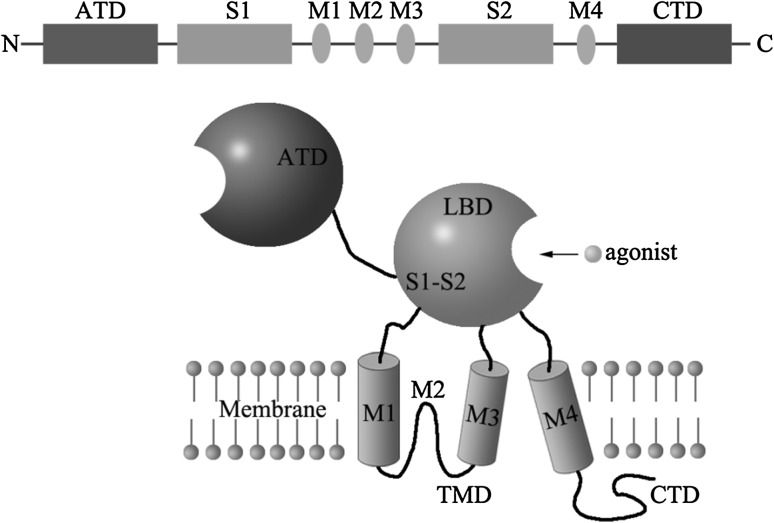
“The re-entrant M2 loop is part of the channel pore and it contains a critical asparagine residue that determines calcium permeability of the channel and mediates the magnesium blockade [4].”
The role of CREB signaling in Alzheimer’s disease and other cognitive disorders
Saura, C. A., & Valero, J. (2011) · revneuro · doi:10.1515/rns.2011.018 · Cited by 312 · cited 1×
“Within the hippocampus, CREB-mediated gene expression are associated with synaptic plasticity, learning and memory [35].”
BackgroundHansen, K. B., Ogden, K. K., Yuan, H., & Traynelis, S. F. (2014) · Neuron · doi:10.1016/j.neuron.2014.01.035 · Cited by 300 · cited 1×
“Besides, a portion of native NMDARs are triheteromers assembled by two NR1 and two different NR2 subunits [5].”
BackgroundXu, J., Kurup, P. K., Zhang, Y., Goebel-Goody, S. M., Wu, P. H., Hawasli, A. H., Baum, M. L., Bibb, J. A., & Lombroso, P. J. (2009) · Journal of Neuroscience · doi:10.1523/jneurosci.2212-09.2009 · Cited by 291 · cited 1×
“While synaptic NMDARs activation induces ubiquitination and degradation of STEP61 which correlated with the phosphorylation of ERK1/2 [42].”
BackgroundSelf-citationMondragón-Rodríguez, S., Trillaud-Doppia, E., Dudilot, A., Bourgeois, C., Lauzon, M., Leclerc, N., & Boehm, J. (2012) · Journal of Biological Chemistry · doi:10.1074/jbc.m112.401240 · Cited by 272 · cited 2×
“However, the acute NMDA receptor-dependent tau phosphorylation is reversible whereas tau phosphorylation after 5 days of A b exposure is not [57].”
BackgroundMg2+Imparts NMDA Receptor Subtype Selectivity to the Alzheimer's Drug Memantine
Kotermanski, S. E., & Johnson, J. W. (2009) · The Journal of Neuroscience · doi:10.1523/jneurosci.3703-08.2009 · Cited by 271 · cited 1×
“Memantine, a drug that blocks NMDARs, is widely used in treating AD patients, although its mechanism is still in debate [20].”
BackgroundRönicke, R., Mikhaylova, M., Rönicke, S., Meinhardt, J., Schröder, U. H., Fändrich, M., Reiser, G., Kreutz, M. R., & Reymann, K. G. (2010) · Neurobiology of Aging · doi:10.1016/j.neurobiolaging.2010.01.011 · Cited by 262 · cited 2×
“Early neuronal dysfunction induced by A b is mediated by an activation of NR2B-containing NMDAR in primary neuronal cultures and hippocampal slices from rat and mouse [49].”
BackgroundNMDA receptor mediates tau-induced neurotoxicity by calpain and ERK/MAPK activation
Amadoro, G., Ciotti, M. T., Costanzi, M., Cestari, V., Calissano, P., & Canu, N. (2006) · Proceedings of the National Academy of Sciences · doi:10.1073/pnas.0511065103 · Cited by 243 · cited 1×
“Calpain, activated by Ca 2 ? influx through NMDAR, degrades tau protein into a toxic N-terminal peptides which leading to cell death [59].”
BackgroundOrganization of NMDA receptors at extrasynaptic locations
Petralia, R. S., Wang, Y.-X., Hua, F., Zhang, Y., Zhou, A., Ge, L., Stephenson, F. A., & Wenthold, R. J. (2010) · Neuroscience · doi:10.1016/j.neuroscience.2010.01.022 · Cited by 241 · cited 1×
“According to the latest new model, the function of extrasynaptic NMDARs is related to a variety of locations at different distances from the nearest synaptic active zones and arrangements characterized by close association with different kinds of adjacent processes [33].”
BackgroundSelf-citationAmyloid beta peptides and glutamatergic synaptic dysregulation
Parameshwaran, K., Dhanasekaran, M., & Suppiramaniam, V. (2008) · Experimental Neurology · doi:10.1016/j.expneurol.2007.10.008 · Cited by 235 · cited 1×
“Activation of NMDARs by A b accumulation may occur at early stages of the disease [44].”
BackgroundMemantine Improves Cognition and Reduces Alzheimer’s-Like Neuropathology in Transgenic Mice
Martínez‐Coria, H., Green, K. N., Billings, L. M., Kitazawa, M., Albrecht, M., Rammes, G., Parsons, C. G., Gupta, S., Banerjee, P., & LaFerla, F. M. (2009) · American Journal Of Pathology · doi:10.2353/ajpath.2010.090452 · Cited by 224 · cited 1×
“Moreover, in 3xTg-AD mice, memantine treatment ameliorates cognitive impairment and reduces A b accumulation and tau phosphorylation [63].”
BackgroundDysfunctional synapse in Alzheimer's disease – A focus on NMDA receptors
Mota, S. I., Ferreira, I. L., & Rego, A. C. (2013) · Neuropharmacology · doi:10.1016/j.neuropharm.2013.08.013 · Cited by 215 · cited 1×
“Alzheimer’s disease is the most common form of dementia and the most prevalent neurodegenerative disease characterized by cognitive disorder and memory dysfunction in the elderly population, affecting almost 40 million people worldwide [1].”
BackgroundKarpova, A., Mikhaylova, M., Bera, S., Bär, J., Reddy, P. P., Behnisch, T., Rankovic, V., Spilker, C., Bethge, P., Sahin, J., et al. (2013) · Cell · doi:10.1016/j.cell.2013.02.002 · Cited by 198 · cited 1×
“On the other hand, nonphosphorylated Jacob is translocated after extrasynaptic NMDAR stimulation and is associated with decreased CREB activity, dendritic complexity, and synaptic density [39].”
BackgroundFerreira, I. L., Bajouco, M., Mota, S. I., Auberson, Y. P., Oliveira, C. R., & Rego, A. C. (2011) · Cell Calcium · doi:10.1016/j.ceca.2011.11.008 · Cited by 196
Organization, control and function of extrasynaptic NMDA receptors
Papouin, T., & Oliet, S. H. R. (2014) · Philosophical Transactions of the Royal Society B Biological Sciences · doi:10.1098/rstb.2013.0601 · Cited by 189 · cited 1×
“In addition, many extrasynaptic NMDARs concentrate at points of contact with adjacent processes including axons, axon terminals, or glia [27].”
BackgroundThe Role of the Tripartite Glutamatergic Synapse in the Pathophysiology of Alzheimer’s Disease
Rudy, C. C., Hunsberger, H. C., Weitzner, D. S., & Reed, M. N. (2015) · Aging and Disease · doi:10.14336/ad.2014.0423 · Cited by 187 · cited 1×
“Perturbations in the glutamatergic tri-partite synapse may underlie the pathogenic mechanisms of AD [16].”
BackgroundCaldendrin–Jacob: A Protein Liaison That Couples NMDA Receptor Signalling to the Nucleus
Dieterich, D. C., Karpova, A., Mikhaylova, M., Zdobnova, I., König, I., Landwehr, M., Kreutz, M., Smalla, K., Richter, K., Landgraf, P., et al. (2008) · PLoS Biology · doi:10.1371/journal.pbio.0060034 · Cited by 186
Presynaptic NMDA Receptors: Newly Appreciated Roles in Cortical Synaptic Function and Plasticity
Corlew, R., Brasier, D. J., Feldman, D. E., & Philpot, B. D. (2008) · The Neuroscientist · doi:10.1177/1073858408322675 · Cited by 185 · cited 1×
“Glutamate is cleared from the extracellular space via excitatory amino acid transporters 1/2 (EAAT1/2) by astrocytes and EAAT2/5 by the presynaptic terminal and then stored into vesicles [17].”
BackgroundHoey, S. E., Williams, R. J., & Perkinton, M. S. (2009) · The Journal of Neuroscience · doi:10.1523/jneurosci.6017-08.2009 · Cited by 178
Hu, N., Klyubin, I. V., Anwyl, R., & Rowan, M. J. (2009) · Proceedings of the National Academy of Sciences · doi:10.1073/pnas.0908083106 · Cited by 176 · cited 1×
“And the inhibition of LTP induced by A b can be prevented by GluN2B-selective antagonist at low concentrations [46].”
BackgroundMishizen-Eberz, A. J., Rissman, R. A., Carter, T. L., Ikonomovic, M. D., Wolfe, B. B., & Armstrong, D. M. (2004) · Neurobiology of Disease · doi:10.1016/j.nbd.2003.09.016 · Cited by 156 · cited 1×
“GluN1 mRNA levels are significantly lower in AD, moreover, GluN2A and GluN2B levels are decreased in susceptible regions of postmortem human AD brain, such as the hippocampus and the cortex [51].”
BackgroundSurvival Signaling Pathways Activated by NMDA Receptors
Hetman, M., & Kharebava, G. (2006) · Current Topics in Medicinal Chemistry · doi:10.2174/156802606777057553 · Cited by 144 · cited 1×
“Synaptic NMDARs activate ERK whereas the extrasynaptic NMDARs promote ERK inactivation [43].”
BackgroundTarget-specific expression of presynaptic NMDA receptors in neocortical microcircuits
Buchanan, K. A., Blackman, A. V., Moreau, A. W., Elgar, D., Costa, R. P., Lalanne, T., Tudor Jones, A. A., Oyrer, J., & Sjöström, P. J. (2012) · Neuron · doi:10.1016/j.neuron.2012.06.017 · Cited by 144 · cited 1×
“Synapse-specific presynaptic NMDARs activation could provide an important mechanism for governing information processing in neocortical columns during high-frequency firing [25].”
BackgroundSpine microdomains for postsynaptic signaling and plasticity
Newpher, T. M., & Ehlers, M. D. (2009) · Trends in Cell Biology · doi:10.1016/j.tcb.2009.02.004 · Cited by 140 · cited 1×
“A number of studies suggest that extrasynaptic NMDARs function may depend on the receptor type as well as that of associated proteins [28].”
BackgroundSong, M.-S., Rauw, G. A., Baker, G. B., & Kar, S. (2008) · European Journal of Neuroscience · doi:10.1111/j.1460-9568.2008.06498.x · Cited by 140 · cited 2×
“Memantine unable to attenuate A b -induced potentiation of extracellular glutamate levels but protects neurons by attenuating tauphosphorylation [60].”
BackgroundRegulation of NMDA receptor Ca2+ signalling and synaptic plasticity
Lau, C. G., Takeuchi, K., Rodenas-Ruano, A., Takayasu, Y., Murphy, J., Bennett, M. V. L., & Zukin, R. S. (2009) · Biochemical Society Transactions · doi:10.1042/bst0371369 · Cited by 138 · cited 1×
“NMDARs are the primary channel that mediates Ca 2 ? signals in hippocampal neurons and contribute to the expression of long-term potentiation (LTP) and long-term depression (LTD) and for synaptic plasticity [8].”
BackgroundCosta, R. O., Lacor, P. N., Ferreira, I. L., Resende, R., Auberson, Y. P., Klein, W. L., Oliveira, C. R., Rego, A. C., & Pereira, C. (2012) · Aging Cell · doi:10.1111/j.1474-9726.2012.00848.x · Cited by 116
Qin, W., Zhao, W., Ho, L., Wang, J., Walsh, K. X., Gandy, S., & Pasinetti, G. M. (2008) · Annals of the New York Academy of Sciences · doi:10.1196/annals.1427.024 · Cited by 113
Zhang, N., Xing, M., Wang, Y., Tao, H., & Cheng, Y. (2015) · Neuroscience · doi:10.1016/j.neuroscience.2015.10.038 · Cited by 112 · cited 1×
“…such as AD, Parkinson’s disease and schizophrenia and as a potent therapeutic tool in depression. rTMS enhance the LTP at hippocampal CA3-CA1 synapses and increase NR1 and NR2B expression resulting in improving spatial learning and memory abilities in the rat model of vascular dementia [67].”
BackgroundDevelopmental regulation of the NMDA receptor subunits, NR3A and NR1, in human prefrontal cortex
Henson, M. A., Roberts, A. C., Salimi, K., Vadlamudi, S., Hamer, R. M., Gilmore, J. H., Jarskog, L. F., & Philpot, B. D. (2008) · Cerebral Cortex · doi:10.1093/cercor/bhn017 · Cited by 110 · cited 1×
“NR3A levels are low in embryonic day, increases rapidly after birth and declines gradually into adulthood [7].”
BackgroundSchallier, A., Smolders, I., Van Dam, D., Loyens, E., De Deyn, P. P., Michotte, A., Michotte, Y., & Massie, A. (2011) · Journal of Alzheimer's Disease · doi:10.3233/jad-2011-101005 · Cited by 109 · cited 1×
“The expression of glutamate transporters is reduced significantly both in human tissue from AD patients [54] and animal models of AD [55].”
BackgroundVisual stimuli–induced LTD of GABAergic synapses mediated by presynaptic NMDA receptors
Lien, C., Mu, Y., Vargas‐Caballero, M., & Poo, M.-M. (2006) · Nature Neuroscience · doi:10.1038/nn1649 · Cited by 108 · cited 1×
“More-over, presynaptic NMDARs may play a role in mediating spontaneous transmitter release that can dynamically alter the synaptic efficacy at inhibitory synapses [26].”
BackgroundGLT-1 transporter: An effective pharmacological target for various neurological disorders
Soni, N., Reddy, B. V. K., & Kumar, P. (2014) · Pharmacology Biochemistry and Behavior · doi:10.1016/j.pbb.2014.10.001 · Cited by 99 · cited 1×
“Dysfunction or reduced expression of GLT-1/EAAT-2 has been documented in both chronic and acute neurodegenerative disorders [22].”
BackgroundDick, O., & Bading, H. (2010) · Journal of Biological Chemistry · doi:10.1074/jbc.m110.127654 · Cited by 93 · cited 1×
“Synaptic NMDAR activity suppresses FOXO activity by promoting the Akt-mediated phosphorylation whereas extrasynaptic NMDAR activity stimulates FOXO nuclear import and leads to excitotoxic cell death [41].”
BackgroundOkadaic acid-induced Tau phosphorylation in rat brain: Role of NMDA receptor
Kamat, P., Rai, S., Swarnkar, S., Shukla, R., Ali, S., Najmi, A. K., & Nath, C. (2013) · Neuroscience · doi:10.1016/j.neuroscience.2013.01.075 · Cited by 89 · cited 1×
“, leading to mitochondrial functional impairments characterized by activation of the permeability transition pores in the inner mitochondrial membrane, cytochrome c release and depletion of ATP, and simultaneous formation of ROS [3].”
BackgroundCyclophilin D deficiency rescues Aβ-impaired PKA/CREB signaling and alleviates synaptic degeneration
Du, H., Guo, L., Wu, X., Sosunov, A. A., McKhann, G. M., Chen, J. X., & Yan, S. S. (2013) · Biochimica et Biophysica Acta (BBA) - Molecular Basis of Disease · doi:10.1016/j.bbadis.2013.03.004 · Cited by 87 · cited 1×
“A b decreases the phosphorylation of CREB through inactivation of PKA and thus inhibits LTP generation [37].”
BackgroundTan, T., Xie, J., Liu, T., Chen, X., Zheng, X., Tong, Z., & Tian, X. (2013) · Experimental Gerontology · doi:10.1016/j.exger.2013.05.001 · Cited by 84 · cited 1×
“Low-frequency rTMS reverse the decreased NMDAR levels and deficits in LTP and spatial memory in A b induced AD mouse models [68]. rTMS treatment also improve the cognitive ability and language performance in AD patients suggesting that rTMS may be a effective therapeutic technique in the treatment…”
Reifert, J. R., Hartung-Cranston, D., & Feinstein, S. C. (2011) · Journal of Biological Chemistry · doi:10.1074/jbc.m111.234674 · Cited by 83 · cited 1×
“Although the investigation into the role of tau in glutamate excitotoxicity is a relatively nascent field, tau play a role in mediating A b -induced neuronal death and can induce synaptic dysfunction independently [62].”
BackgroundA review of the effects of memantine on clinical progression in Alzheimer's disease
Wilkinson, D. (2011) · International Journal of Geriatric Psychiatry · doi:10.1002/gps.2788 · Cited by 74 · cited 1×
“In clinical trials, memantine has shown significant benefits in aspects of cognition such as language, memory, praxis, functional communication and in activities of daily living for AD patients [64].”
BackgroundMüller, T., Albrecht, D., & Gebhardt, C. (2009) · Learning & Memory · doi:10.1101/lm.1398709 · Cited by 65 · cited 1×
“Both NR2A and NR2B subunits are critical for the induction of LTP and LTD [9].”
BackgroundDistribution of N-methyl-d-aspartate receptors (NMDARs) in the developing rat brain
Takai, H., Katayama, K., Uetsuka, K., Nakayama, H., & Doi, K. (2003) · Experimental and Molecular Pathology · doi:10.1016/s0014-4800(03)00030-3 · Cited by 61 · cited 1×
“NR2B subunit is mildly expressed in the hippocampus and the temporal region of the cerebral cortex in fetal brain, becomes hardly expressed in adults [6].”
BackgroundAnderkova, L., & Rektorová, I. (2014) · Journal of Neurological Sciences · doi:10.1016/j.jns.2014.01.037 · Cited by 55 · cited 1×
“…NMDAR levels and deficits in LTP and spatial memory in A b induced AD mouse models [68]. rTMS treatment also improve the cognitive ability and language performance in AD patients suggesting that rTMS may be a effective therapeutic technique in the treatment of neurodegenerative diseases [69].”
MethodAndreoli, V., Marco, E. V. D., Trecroci, F., Cittadella, R., Palma, G. D., & Gambardella, A. (2013) · Journal of Neural Transmission · doi:10.1007/s00702-013-1125-7 · Cited by 55 · cited 1×
“Statistical indicate that multiple coding variants on the risk haplotype containing rs1806201 may play a role in mediating susceptibility to AD [10].”
BackgroundA Population-Specific Uncommon Variant in GRIN3A Associated with Schizophrenia
Takata, A., Iwayama, Y., Fukuo, Y., Ikeda, M., Okochi, T., Maekawa, M., Toyota, T., Yamada, K., Hattori, E., Ohnishi, T., et al. (2012) · Biological Psychiatry · doi:10.1016/j.biopsych.2012.10.024 · Cited by 51 · cited 1×
“And the GRIN3A R480G variant showed strong association with schizophrenia [13].”
BackgroundMontigny, A. D., Elhiri, I., Allyson, J., Cyr, M., & Massicotte, G. (2013) · Neural Plasticity · doi:10.1155/2013/261593 · Cited by 41 · cited 1×
“GluN2A-contained NMDA receptor induces reduction of tau phosphorylation by a PKC/GSK3 pathway [61].”
BackgroundGlitsch, M. D. (2007) · Neuroscience · doi:10.1016/j.neuroscience.2007.10.024 · Cited by 34 · cited 1×
“In interneuron–Purkinje cell synapse, the NMDA induce an increase in miniature inhibitory postsynaptic currents (mIPSCs) frequency suggesting the presynaptic NMDARs present on inhibitory axon terminals [24].”
BackgroundPresynaptic NMDA receptors: Are they dendritic receptors in disguise?
Duguid, I. (2012) · Brain Research Bulletin · doi:10.1016/j.brainresbull.2012.12.004 · Cited by 29 · cited 1×
“NMDARs are also located presynaptically where they mediate synaptic transmission and activity-dependent synaptic plasticity in developing neural circuits [23].”
BackgroundLiu, H.-P., Lin, W.-Y., Liu, S.-H., Wang, W.-F., Tsai, C.-H., Wu, B.-T., Wang, C.-K., & Tsai, F.-J. (2009) · Dementia and Geriatric Cognitive Disorders · doi:10.1159/000254757 · Cited by 29 · cited 1×
“And also the frequency of Ht2-AG haplotype in GRIN3A gene is higher in AD patients indicates that GRIN3A variant may represent a risk in the development of AD [11].”
BackgroundMatsuno, H., Ohi, K., Hashimoto, R., Yamamori, H., Yasuda, Y., Fujimoto, M., Umeda‐Yano, S., Saneyoshi, T., Takeda, M., & Hayashi, Y. (2015) · PLoS ONE · doi:10.1371/journal.pone.0116319 · Cited by 23 · cited 1×
“People carrying insCGTT which is a genetic variation of the NMDAR NR3B subunit that inserts four bases within the coding region have a predisposition to schizotypal personality traits [12].”
BackgroundNeramexane: a moderate-affinity NMDA receptor channel blocker: new prospects and indications
Rammes, G. (2009) · Expert Review of Clinical Pharmacology · doi:10.1586/ecp.09.7 · Cited by 22 · cited 1×
“Neramexane, a non-competitive NMDAR antagonist, has shown to be efficient in enhancing long-term memory in adult rats as memantine, suggesting that this antagonist may have a potential therapeutic applications [ 65].”
Background(2015) · Proceedings of the National Academy of Sciences · doi:10.1073/pnas.1511282112 · Cited by 2
Cited by
Sorted by citations
Molecular and cellular mechanisms underlying the pathogenesis of Alzheimer’s disease
Guo, T., Zhang, D., Zeng, Y., Huang, T. Y., Xu, H., & Zhao, Y. (2020) · Molecular Neurodegeneration · doi:10.1186/s13024-020-00391-7 · Cited by 994
“The relevance of NMDAR in AD lends support from studies showing that partial blockade of NMDAR overstimulation with NMDAR antagonists rescues Aβinduced LTP impairment and cognitive function in various animal models [69].”
BackgroundAlzheimer’s disease: Recent treatment strategies
Vaz, M., & Silvestre, S. (2020) · European Journal of Pharmacology · doi:10.1016/j.ejphar.2020.173554 · Cited by 547
Costa, L. G., Cole, T. B., Dao, K., Chang, Y. C., Coburn, J. L., & Garrick, J. M. (2020) · Pharmacology & Therapeutics · doi:10.1016/j.pharmthera.2020.107523 · Cited by 511
Calcium signaling and molecular mechanisms underlying neurodegenerative diseases
Pchitskaya, E. I., Александровна, П. Е., & Борисович, Б. И. (2017) · Cell Calcium · doi:10.1016/j.ceca.2017.06.008 · Cited by 355
“In case of hippocampus, TRPC6 and Orai2 were recently identified as SOCE-forming channels in hippocampal neurons (Zhang et al., 2016a).”
BackgroundInfluentialSharma, P., Srivastava, P., Seth, A., Tripathi, P. N., Banerjee, A. G., & Shrivastava, S. K. (2019) · Progress in Neurobiology · doi:10.1016/j.pneurobio.2018.12.006 · Cited by 331
Metadata
- Authors
- Zhang, Y., Li, P., Feng, J., & Wu, M.
- Affiliations
- Central South University (CN)
- Corresponding author
- Wu, Minghua
- Venue
- Neurological Sciences
- Published
- 2016-03-12
- Volume
- 37
- Issue
- 7
- Pages
- 1039-1047
- ISSN
- 1590-1874 (ISSN-L)
- 1590-3478
- PMC
- PMC4917574
- OpenAlex
- W2293608890
- Cited by
- 282
- References
- 72
- Citations by year
- 2026: 15 · 2025: 30 · 2024: 36 · 2023: 29 · 2022: 29 · 2021: 27 · 2020: 39 · 2019: 23 · 2018: 35 · 2017: 15 · 2016: 3
- FWCI
- 2.97
- Type
- journal article
- Language
- en
- Open access
- hybrid
- doi.org
- Locations
- Neurological Sciences (publishedVersion, cc-by)
- PubMed Central (publishedVersion, cc-by)
- PubMed (publishedVersion)
- Topics
- Life Sciences › Neuroscience › Cellular and Molecular Neuroscience › Alzheimer's disease research and treatments
- Life Sciences › Neuroscience › Cellular and Molecular Neuroscience › Neuroscience and Neuropharmacology Research
- Life Sciences › Neuroscience › Neurology › Neuroinflammation and Neurodegeneration Mechanisms
- Keywords
- NMDA receptor, Alzheimer's disease, synaptic dysfunction, tripartite synapse, amyloid-beta, tau protein, glutamate release, astrocytes, synaptic plasticity, mitochondrial membrane potential, neuroprotection, disease-modifying therapy
- MeSH terms
- Alzheimer Disease, Humans, Synapses, Receptors, N-Methyl-D-Aspartate, Amyloid beta-Peptides, tau Proteins
About these checks
Registry, retraction, Cites and statistics results are computed, not judged, with one exception: a printed reference that no index lists is read once by a model before it counts as a citation error. Claims are extracted by a model and kept only when their quote appears verbatim in the text; each cited source is then checked, with a model’s help, for whether it says what the claim relies on. Those verdicts can be wrong — read the claim’s quote and the cited source before relying on one.
Statistics and arithmetic are recomputed, not judged.
Confidence bands are shown only for fields calibrated on our annotated test set. None is calibrated yet, so no band is shown.
What counts as a claim ›How we measure confidence ›How we check this ›
Are you an author, or do you see a problem with this page? Request a review
