

Facial emotion discrimination: II. Behavioral findings in depression
Open accessThe DOI matches its Crossref record; 17 of the 18 references it cites were found in a registry or an index.
Abstract
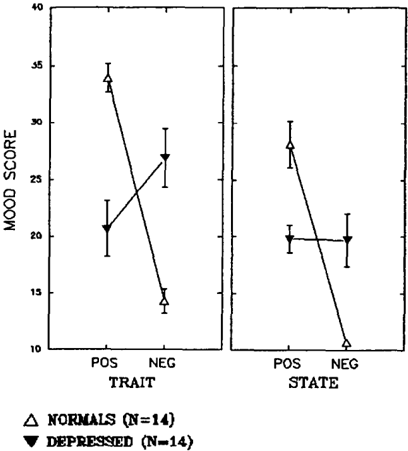
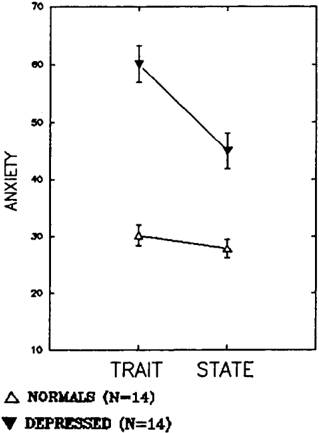
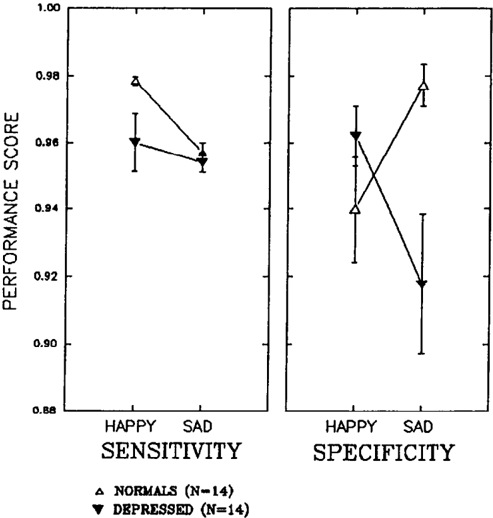
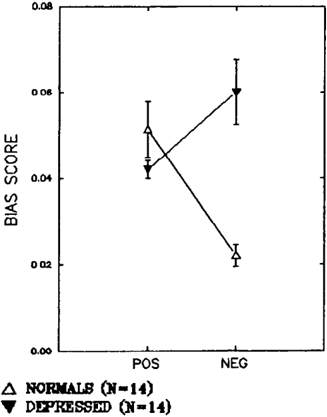
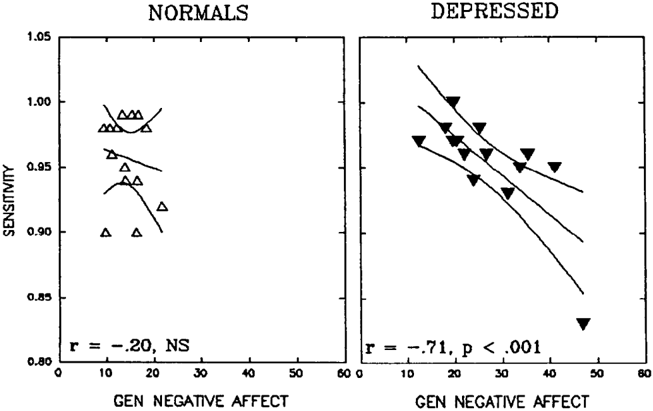
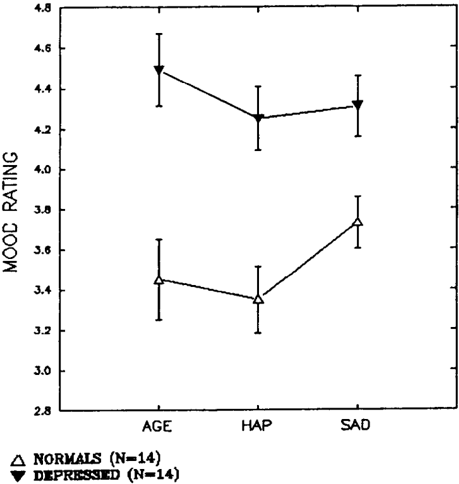
The facial discrimination tasks described in part I (Erwin et al., 1992) were administered to a sample of 14 patients with depression and 14 normal controls matched for sex (12 women, 2 men) and balanced for age and sociodemographic characteristics. Patients performed more poorly on measures of sensitivity for happy discrimination and specificity for sad discrimination, and had a higher negative bias across tasks. Severity of negative affect was correlated with poorer performance for patients. The results suggest that depression is associated with an impaired ability to recognize facial displays of emotion.
Overview
The claims and statistics of this paper haven’t been checked yet.
Free: it reads the open-access text and checks the first 5 claims that cite a source we can check. Create a free account to check every claim.
Integrity signals
Registry
Cites
Statistics
Figures
Verification
Claims the paper makes
The claims and statistics of this paper haven’t been checked yet.
Free: it reads the open-access text and checks the first 5 claims that cite a source we can check. Create a free account to check every claim.
Claims other papers make about this one
Each is checked against this paper’s own text: does it say what the citing paper says it does?
The cited source doesn’t support the claim as written.
In the citing paper
“Enhanced recognition of sad facial expressions has also been consistently reported in acutely depressed patients.73,[143][144][145][146][147][148]”
From Systematic review of the neural basis of social cognition in patients with mood disorders (2012) · cites this paper as [144]
Checked by a reasoning model — may be wrong.
Experimental — accuracy not yet measuredThe source backs part of the claim, not all of it — or backs it for a different population, condition or comparison.
In the citing paper
“studies examining patients with bipolar disorder in a depressed phase of illness reveal a mood congruent bias in emotion perception tasks, including difficulties labelling happy faces 97,102 and a tendency to misinterpret neutral facial stimuli as sad 144,183 and happy faces as angry.”
From Systematic review of the neural basis of social cognition in patients with mood disorders (2012) · cites this paper as [144]
Experimental — accuracy not yet measuredIn the citing paper
“others have argued that depressed patients exhibit negative biases in identifying facial emotions; patients are more likely to interpret neutral faces as sad and happy faces as neutral, resulting in an overall negative bias compared to controls (Gur et al., 1992;Surguladze et al. 2004).”
From Affective Cognition and its Disruption in Mood Disorders (2011) · cites this paper as Gur et al., 1992
In the citing paper
“Depression has long been associated with a pattern of cognition biased towards negative information, with depressed individuals showing a tendency to remember negative items and to rate experiences or stimuli as more negative than do controls (e.g.Gur et al., 1992;Mogg et al., 1995).”
From Affective Cognition and its Disruption in Mood Disorders (2011) · cites this paper as Gur et al., 1992
Self-check
Percentages, sums and reported differences re-computed from the paper’s own numbers.
The self-check needs the paper’s full text.
Citations
Cites
Statistical Power Analysis for the Behavioral Sciences
Muller, K. (1989) · Technometrics · doi:10.1080/00401706.1989.10488618 · Cited by 99,167
Statistical power analysis for the behavioral sciences
(1990) · Computers, Environment and Urban Systems · doi:10.1016/0198-9715(90)90050-4 · Cited by 65,269
An inventory for measuring depression
BECK, A. T. (1961) · Archives of General Psychiatry · doi:10.1001/archpsyc.1961.01710120031004 · Cited by 38,032
Statistical Power Analysis for the Behavioral Sciences (2nd ed.).
Lachenbruch, P. A., & Cohen, J. (1989) · Journal of the American Statistical Association · doi:10.2307/2290095 · Cited by 37,395
Hamilton, M. (1960) · Journal of Neurology, Neurosurgery & Psychiatry · doi:10.1136/jnnp.23.1.56 · Cited by 32,817
(1970) · Cited by 24,983
The structure of mood change: An idiographic/nomothetic analysis.
Zevon, M. A., & Tellegen, A. (1982) · Journal of Personality and Social Psychology · doi:10.1037//0022-3514.43.1.111 · Cited by 740
Facial Discrimination and Emotional Recognition in Schizophrenia and Affective Disorders
Feinberg, T. E. (1986) · Archives of General Psychiatry · doi:10.1001/archpsyc.1986.01800030094010 · Cited by 363 · cited 1×
“Patients with affective illness have often been used as a psychiatric control group (Cutting, 1981; Feinberg et al., 1986; Zuroff and Colussy, 1986; Gessler et al., 1989).”
MethodFacial emotion discrimination: I. Task construction and behavioral findings in normal subjects
Erwin, R. J., Gur, R. C., Gur, R. E., Skolnick, B., Mawhinney-Hee, M., & Smailis, J. (1992) · Psychiatry Research · doi:10.1016/0165-1781(92)90115-j · Cited by 275
Self-citationDeficits in Facial-affect Recognition and Schizophrenia
Morrison, R. L., Bellack, A. S., & Mueser, K. T. (1988) · Schizophrenia Bulletin · doi:10.1093/schbul/14.1.67 · Cited by 202
Research works printed but not linked: 1
- American Psychiatric Association. DSM-III-R: Diagnostic and Statistical Manual of Mental Disorders. 3rd ed., revised. Washington, DC: American Psychiatric Press, 1987.
Cited by
Neurobiology of emotion perception II: implications for major psychiatric disorders
Phillips, M. L., Drevets, W. C., Rauch, S. L., & Lane, R. (2003) · Biological Psychiatry · doi:10.1016/s0006-3223(03)00171-9 · Cited by 1,736
“…of emotional stimuli (Rubinow and Post 1992), negative emotional biases (Bradley et al 1996; Murphy et al 1999; Williams et al 1996), and negative or reduced positive attentional biases during facial expression identification (David and Cutting 1990; Gur et al 1992; Surguladze et al, in press).”
BackgroundResponse and Habituation of the Human Amygdala during Visual Processing of Facial Expression
Breiter, H. C., Etcoff, N. L., Whalen, P. J., Kennedy, W. A., Rauch, S. L., Buckner, R. L., Strauss, M. M., Hyman, S. E., & Rosen, B. R. (1996) · Neuron · doi:10.1016/s0896-6273(00)80219-6 · Cited by 1,711
Sheline, Y. I., Barch, D. M., Donnelly, J. M., Ollinger, J. M., Snyder, A. Z., & Mintun, M. A. (2001) · Biological Psychiatry · doi:10.1016/s0006-3223(01)01263-x · Cited by 1,191
“Depressed subjects have impaired production of emotional facial expressions and abnormal recognition of facial expression (Gur et al 1992).”
BackgroundFacial Emotion Recognition in Schizophrenia: Intensity Effects and Error Pattern
Kohler, C. G., Turner, T. H., Bilker, W. B., Brensinger, C. M., Siegel, S. J., Kanes, S. J., Gur, R. E., & Gur, R. C. (2003) · American Journal of Psychiatry · doi:10.1176/appi.ajp.160.10.1768 · Cited by 781
Self-citationFu, C. H. Y., Williams, S. C. R., Cleare, A. J., Brammer, M. J., Walsh, N. D., Kim, J., Andrew, C. M., Pich, E. M., Williams, P. M., Reed, L. J., et al. (2004) · Archives of General Psychiatry · doi:10.1001/archpsyc.61.9.877 · Cited by 775
Triadic model of the neurobiology of motivated behavior in adolescence.
ERNST, M., PINE, D. S., & HARDIN, M. (2006) · Psychological Medicine · doi:10.1017/s0033291705005891 · Cited by 718
Emotion recognition via facial expression and affective prosody in schizophrenia
Edwards, J., Jackson, H. J., & Pattison, P. E. (2002) · Clinical Psychology Review · doi:10.1016/s0272-7358(02)00130-7 · Cited by 712
Surguladze, S., Brammer, M. J., Keedwell, P., Giampietro, V., Young, A. W., Travis, M. J., Williams, S. C. R., & Phillips, M. L. (2005) · Biological Psychiatry · doi:10.1016/j.biopsych.2004.10.028 · Cited by 633
Emotional information processing in mood disorders: a review of behavioral and neuroimaging findings
Leppänen, J. M. (2006) · Current Opinion in Psychiatry · doi:10.1097/01.yco.0000191500.46411.00 · Cited by 632
Processing of facial emotion expression in major depression: a review
Bourke, C., Douglas, K., & Porter, R. (2010) · Australian & New Zealand Journal of Psychiatry · doi:10.3109/00048674.2010.496359 · Cited by 557
Lawrence, N. S., Williams, A. M., Surguladze, S., Giampietro, V., Brammer, M. J., Andrew, C., Frangou, S., Ecker, C., & Phillips, M. L. (2004) · Biological Psychiatry · doi:10.1016/j.biopsych.2003.11.017 · Cited by 548
Harmer, C. J., Goodwin, G. M., & Cowen, P. J. (2009) · British Journal of Psychiatry · doi:10.1192/bjp.bp.108.051193 · Cited by 542
“8 Finally, at longer exposure durations there is also evidence of an attentional bias in depression, which may represent a difficulty in disengaging attention from negative emotional information.”
BackgroundCognitive Mechanisms of Treatment in Depression
Roiser, J. P., Elliott, R., & Sahakian, B. J. (2012) · Neuropsychopharmacology · doi:10.1038/npp.2011.183 · Cited by 535
Surguladze, S. A., Young, A. W., Senior, C., Brébion, G., Travis, M. J., & Phillips, M. L. (2004) · Neuropsychology · doi:10.1037/0894-4105.18.2.212 · Cited by 525
Effect of Acute Antidepressant Administration on Negative Affective Bias in Depressed Patients
Harmer, C. J., O’Sullivan, U., Favaron, E., Massey-Chase, R., Ayres, R., Reinecke, A., Goodwin, G. M., & Cowen, P. J. (2009) · American Journal of Psychiatry · doi:10.1176/appi.ajp.2009.09020149 · Cited by 485
Joormann, J., & Gotlib, I. H. (2006) · Journal of Abnormal Psychology · doi:10.1037/0021-843x.115.4.705 · Cited by 438
“Whereas some investigators included only participants diagnosed with major depressive disorder (MDD; e.g., Persad & Polivy, 1993), other researchers used dysphoric participants (e.g., Carton et al., 1999) or included participants with bipolar disorder (e.g., Gur et al., 1992).”
BackgroundResultInfluentialEmotion recognition deficit in schizophrenia: Association with symptomatology and cognition
Kohler, C. G., Bilker, W., Hagendoorn, M., Gur, R. E., & Gur, R. C. (2000) · Biological Psychiatry · doi:10.1016/s0006-3223(00)00847-7 · Cited by 437
“All groups had fewer errors for happy than for sad discrimination, replicating our earlier reports (Erwin et al 1992; Heimberg et al 1992).”
BackgroundMethodResultInfluentialSelf-citationDepression biases the recognition of emotionally neutral faces
Leppänen, J. M., Milders, M., Bell, J. S., Terriere, E., & Hietanen, J. K. (2004) · Psychiatry Research · doi:10.1016/j.psychres.2004.05.020 · Cited by 405
Social threat perception and the evolution of paranoia
Green, M. J., & Phillips, M. L. (2004) · Neuroscience & Biobehavioral Reviews · doi:10.1016/j.neubiorev.2004.03.006 · Cited by 369
Meta-analysis of emotion recognition deficits in major depressive disorder
Dalili, M. N., Penton-Voak, I. S., Harmer, C. J., & Munafò, M. R. (2015) · Psychological Medicine · doi:10.1017/s0033291714002591 · Cited by 349
“Some researchers have proposed that there is a unique relationship between MDD and the recognition of happiness, suggesting that the recognition of happiness is specifically impaired while the recognition of sadness is spared or enhanced (Gur et al. 1992; Bourke et al. 2010).”
BackgroundResultFu, C. H. Y., Williams, S. C. R., Cleare, A. J., Scott, J., Mitterschiffthaler, M. T., Walsh, N. D., Donaldson, C., Suckling, J., Andrew, C., Steiner, H., et al. (2008) · Biological Psychiatry · doi:10.1016/j.biopsych.2008.04.033 · Cited by 349
Affective Cognition and its Disruption in Mood Disorders
Elliott, R., Zahn, R., Deakin, J. F. W., & Anderson, I. M. (2011) · Neuropsychopharmacology · doi:10.1038/npp.2010.77 · Cited by 330
“Depression has long been associated with a pattern of cognition biased toward negative information, with depressed individuals showing a tendency to remember negative items and to rate experiences or stimuli as more negative than do controls (Gur et al, 1992; Mogg et al, 1995).”
BackgroundRitchey, M., Dolcos, F., Eddington, K. M., Strauman, T. J., & Cabeza, R. (2011) · Journal of Psychiatric Research · doi:10.1016/j.jpsychires.2010.09.007 · Cited by 320
“negatively compared to nondepressed individuals (Gollan et al., 2008; Gur et al., 1992).”
Cognitive dysfunction in depression: Neurocircuitry and new therapeutic strategies
Murrough, J. W., Iacoviello, B., Neumeister, A., Charney, D. S., & Iosifescu, D. V. (2011) · Neurobiology of Learning and Memory · doi:10.1016/j.nlm.2011.06.006 · Cited by 307
Nonverbal behavior in clinician—patient interaction
Hall, J. A., Harrigan, J. A., & Rosenthal, R. (1995) · Applied and Preventive Psychology · doi:10.1016/s0962-1849(05)80049-6 · Cited by 307
Seeing fearful body expressions activates the fusiform cortex and amygdala
Hadjikhani, N., & de Gelder, B. (2003) · Current Biology · doi:10.1016/j.cub.2003.11.049 · Cited by 298
Impaired attribution of emotion to facial expressions in anxiety and major depression
Demenescu, L. R., Kortekaas, R., den Boer, J. A., & Aleman, A. (2010) · PLoS ONE · doi:10.1371/journal.pone.0015058 · Cited by 292
Neural Responses to Happy Facial Expressions in Major Depression Following Antidepressant Treatment
Fu, C. H. Y., Williams, S. C. R., Brammer, M. J., Suckling, J., Kim, J., Cleare, A. J., Walsh, N. D., Mitterschiffthaler, M. T., Andrew, C. M., Pich, E. M., et al. (2007) · American Journal of Psychiatry · doi:10.1176/ajp.2007.164.4.599 · Cited by 288
Mental state decoding abilities in clinical depression
Lee, L., Harkness, K. L., Sabbagh, M. A., & Jacobson, J. A. (2005) · Journal of Affective Disorders · doi:10.1016/j.jad.2005.02.007 · Cited by 280
Systematic review of the neural basis of social cognition in patients with mood disorders
Cusi, A. M., Nazarov, A., Holshausen, K., MacQueen, G. M., & McKinnon, M. C. (2012) · Journal of Psychiatry and Neuroscience · doi:10.1503/jpn.100179 · Cited by 278
On being sad and mistaken: Mood effects on the accuracy of thin-slice judgments.
Ambady, N., & Gray, H. M. (2002) · Journal of Personality and Social Psychology · doi:10.1037//0022-3514.83.4.947 · Cited by 273
Neuropsychological mechanism underlying antidepressant effect: a systematic meta-analysis
Ma, Y. (2015) · Molecular Psychiatry · doi:10.1038/mp.2014.24 · Cited by 270
Facial recognition deficits and cognition in schizophrenia
Sachs, G. (2004) · Schizophrenia Research · doi:10.1016/s0920-9964(03)00131-2 · Cited by 251
Self-citationSpecificity of facial expression labeling deficits in childhood psychopathology
Guyer, A. E., McClure, E. B., Adler, A. D., Brotman, M. A., Rich, B. A., Kimes, A. S., Pine, D. S., Ernst, M., & Leibenluft, E. (2007) · Journal of Child Psychology and Psychiatry · doi:10.1111/j.1469-7610.2007.01758.x · Cited by 250
Short-term SSRI treatment normalises amygdala hyperactivity in depressed patients.
Godlewska, B. R., Norbury, R., Selvaraj, S., Cowen, P. J., & Harmer, C. J. (2012) · Psychological Medicine · doi:10.1017/s0033291712000591 · Cited by 244
“…depressed patients selectively recall more negative, selfrelated emotional information in memory tasks (Bradley & Matthews, 1983 ; Bradley et al. 1995) and demonstrate negatively biased perception of key social signals such as emotional facial expressions (Gur et al. 1992 ; Bouhuys et al. 1999).”
BackgroundKring, A. M., & Bachorowski, J.-A. (1999) · Cognition and Emotion · doi:10.1080/026999399379195 · Cited by 236
Chen, C.-H., Lennox, B., Jacob, R., Calder, A., Lupson, V., Bisbrown-Chippendale, R., Suckling, J., & Bullmore, E. (2006) · Biological Psychiatry · doi:10.1016/j.biopsych.2005.06.008 · Cited by 235
BOUHUYS, A. L., GEERTS, E., & GORDIJN, M. C. M. (1999) · The Journal of Nervous & Mental Disease · doi:10.1097/00005053-199910000-00002 · Cited by 235
The influence of sad mood on cognition.
Chepenik, L. G., Cornew, L. A., & Farah, M. J. (2007) · Emotion · doi:10.1037/1528-3542.7.4.802 · Cited by 234
Mikhailova, E. S., Vladimirova, T. V., Iznak, A. F., Tsusulkovskaya, E. J., & Sushko, N. V. (1996) · Biological Psychiatry · doi:10.1016/0006-3223(96)00032-7 · Cited by 234
Bouhuys, A. L., Bloem, G. M., & Groothuis, T. G. G. (1995) · Journal of Affective Disorders · doi:10.1016/0165-0327(94)00092-n · Cited by 234
The cognitive and neurophysiological basis of emotion dysregulation in bipolar disorder
Green, M. J., Cahill, C. M., & Malhi, G. S. (2007) · Journal of Affective Disorders · doi:10.1016/j.jad.2007.01.024 · Cited by 231
Facial emotion perception in depression and bipolar disorder: A quantitative review
Kohler, C. G., Hoffman, L. J., Eastman, L. B., Healey, K., & Moberg, P. J. (2011) · Psychiatry Research · doi:10.1016/j.psychres.2011.04.019 · Cited by 220
“Similarly, most early studies in mood disorders focused on comparisons with schizophrenia and reported on emotion recognition performance in depression as intermediate between schizophrenia and healthy control groups (Walker et al., 1984; Gur et al., 1992; Archer et al., 1994) or similar to control groups (Edwards et…”
ResultSchwartz, C. E., Wright, C. I., Shin, L. M., Kagan, J., Whalen, P. J., McMullin, K. G., & Rauch, S. L. (2003) · Biological Psychiatry · doi:10.1016/s0006-3223(02)01906-6 · Cited by 220
“Neutral faces from the stimulus set of Gur and colleagues, which was created with careful attention to emotional neutrality, were used ( Gur et al 1992; Erwin et al 1992).”
MethodSerotonin and emotional processing: does it help explain antidepressant drug action?
Harmer, C. J. (2008) · Neuropharmacology · doi:10.1016/j.neuropharm.2008.06.036 · Cited by 219
Cerebellar Contribution to Social Cognition
Hoche, F., Guell, X., Sherman, J. C., Vangel, M. G., & Schmahmann, J. D. (2016) · The Cerebellum · doi:10.1007/s12311-015-0746-9 · Cited by 210
Face Emotion Perception and Executive Functioning Deficits in Depression
Langenecker, S. A., Bieliauskas, L. A., Rapport, L. J., Zubieta, J.-K., Wilde, E. A., & Berent, S. (2005) · Journal of Clinical and Experimental Neuropsychology · doi:10.1080/13803390490490515720 · Cited by 209
“Indeed, prior work has reported that depressed adults experience difficulty with emotional perception of facial expressions modeled in pictures (Gotlib & Hammen, 1992; Gur et al., 1992; Hale, 1998; Mikhailova, Vladimirova, Iznak, Tsusulkovskaya, & Sushko, 1996; Persad & Polivy, 1993).”
BackgroundFacial emotion discrimination: III. Behavioral findings in schizophrenia
Heimberg, C., Gur, R. E., Erwin, R. J., Shtasel, D. L., & Gur, R. C. (1992) · Psychiatry Research · doi:10.1016/0165-1781(92)90117-l · Cited by 207
Self-citationLoughland, C. M., Williams, L. M., & Gordon, E. (2002) · Biological Psychiatry · doi:10.1016/s0006-3223(02)01356-2 · Cited by 202
Williams, L. M., Mathersul, D., Palmer, D. M., Gur, R. C., Gur, R. E., & Gordon, E. (2009) · Journal of Clinical and Experimental Neuropsychology · doi:10.1080/13803390802255635 · Cited by 199
“…disease, and Huntington’s disease, as well as in fronto-temporal dementias (Burton et al., 2003; Celani et al., 1999; Edwards et al., 2001; Gur et al., 1992; Hargrave & Maddock, 2002; Keane, Calder, Hodges, & Young, 2002; Kohler et al., 2003; McClure et al., 2003; Pelc, Kornreich,…”
BackgroundSelf-citationHighly neurotic never-depressed students have negative biases in information processing
CHAN, S. W. Y., GOODWIN, G. M., & HARMER, C. J. (2007) · Psychological Medicine · doi:10.1017/s0033291707000669 · Cited by 195
Bhagwagar, Z., Cowen, P. J., Goodwin, G. M., & Harmer, C. J. (2004) · American Journal of Psychiatry · doi:10.1176/appi.ajp.161.1.166 · Cited by 189
Identifying differences in biased affective information processing in major depression
Gollan, J. K., Pane, H. T., McCloskey, M. S., & Coccaro, E. F. (2008) · Psychiatry Research · doi:10.1016/j.psychres.2007.06.011 · Cited by 189
Schneider, F., Gur, R. E., Mozley, L. H., Smith, R. J., Mozley, P. D., Censits, D. M., Alavi, A., & Gur, R. C. (1995) · Psychiatry Research: Neuroimaging · doi:10.1016/0925-4927(95)02678-q · Cited by 188
Self-citationDomschke, K., Dannlowski, U., Ohrmann, P., Lawford, B., Bauer, J., Kugel, H., Heindel, W., Young, R., Morris, P., Arolt, V., et al. (2008) · European Neuropsychopharmacology · doi:10.1016/j.euroneuro.2008.05.003 · Cited by 188
“There is converging neuropsychological and neurobiological evidence that the processing of happy facial expressions is impaired or biased in Major Depression which was proposed to be of considerable importance for the course of disease (Deldin et al., 2001; Gur et al., 1992; Persad and Polivy, 1993; Suslow et al., 200…”
The recognition of emotion in the faces and voice of anorexia nervosa
Kucharska‐Pietura, K., Nikolaou, V., Masiak, M., & Treasure, J. (2004) · International Journal of Eating Disorders · doi:10.1002/eat.10219 · Cited by 187
Emotion and evolving treatments for adult psychopathology.
Mennin, D., & Farach, F. (2007) · Clinical Psychology: Science and Practice · doi:10.1111/j.1468-2850.2007.00094.x · Cited by 186
Harmer, C. J., & Cowen, P. J. (2013) · Philosophical Transactions of the Royal Society B: Biological Sciences · doi:10.1098/rstb.2012.0407 · Cited by 183
Franzen, N., Hagenhoff, M., Baer, N., Schmidt, A., Mier, D. U., Sammer, G., Gallhofer, B., Kirsch, P., & Lis, S. (2010) · Psychiatry Research · doi:10.1016/j.psychres.2010.11.012 · Cited by 184
Standardized mood induction with happy and sad facial expressions
Schneider, F., Gur, R. C., Gur, R. E., & Muenz, L. R. (1994) · Psychiatry Research · doi:10.1016/0165-1781(94)90044-2 · Cited by 181
Self-citationMood effects on emotion recognition
Schmid, P. C., & Mast, M. S. (2010) · Motivation and Emotion · doi:10.1007/s11031-010-9170-0 · Cited by 180
Recognition of Facial Affect by Children and Adolescents Diagnosed with Social Phobia
Simonian, S. J., Beidel, D. C., Turner, S. M., Berkes, J. L., & Long, J. H. (2001) · Child Psychiatry & Human Development · doi:10.1023/a:1012298707253 · Cited by 182
Social-emotion recognition in borderline personality disorder
Minzenberg, M. J., Poole, J. H., & Vinogradov, S. (2006) · Comprehensive Psychiatry · doi:10.1016/j.comppsych.2006.03.005 · Cited by 175
Gery, I., Miljkovitch, R., Berthoz, S., & Soussignan, R. (2009) · Psychiatry Research · doi:10.1016/j.psychres.2007.11.006 · Cited by 178
Impaired Recognition of Facial Expressions of Emotion in Alzheimer's Disease
Hargrave, R., Maddock, R. J., & Stone, V. (2002) · The Journal of Neuropsychiatry and Clinical Neurosciences · doi:10.1176/jnp.14.1.64 · Cited by 169
Dunn, B. D. (2012) · Clinical Psychology & Psychotherapy · doi:10.1002/cpp.1799 · Cited by 168
“There is however some Copyright © 2012 John Wiley & Sons, Ltd. evidence that neutral stimuli are interpreted as negative (Gur et al., 1992; Leppanen et al., 2004).”
BackgroundInfluentialRecognition of emotion from moving facial and prosodic stimuli in depressed patients
Kan, Y. (2004) · Journal of Neurology, Neurosurgery & Psychiatry · doi:10.1136/jnnp.2004.036079 · Cited by 137
Specific impairments in the recognition of emotional facial expressions in Parkinson's disease
Clark, U. S., Neargarder, S., & Cronin-Golomb, A. (2008) · Neuropsychologia · doi:10.1016/j.neuropsychologia.2008.03.014 · Cited by 166
Montagne, B., van Honk, J., Kessels, R. P. C., Frigerio, E., Burt, M., van Zandvoort, M. J. E., Perrett, D. I., & de Haan, E. H. F. (2005) · Personality and Individual Differences · doi:10.1016/j.paid.2004.02.008 · Cited by 135
Facial emotion recognition in major depressive disorder: A meta-analytic review
Krause, F. C., Linardatos, E., Fresco, D. M., & Moore, M. T. (2021) · Journal of Affective Disorders · doi:10.1016/j.jad.2021.06.053 · Cited by 163
Gender differences in electrophysiological responses to facial stimuli
Orozco, S., & Ehlers, C. L. (1998) · Biological Psychiatry · doi:10.1016/s0006-3223(97)00487-3 · Cited by 163
Hayward, G., Goodwin, G. M., Cowen, P. J., & Harmer, C. J. (2005) · Biological Psychiatry · doi:10.1016/j.biopsych.2004.11.016 · Cited by 162
Liu, J., Fang, J., Wang, Z., Rong, P., Hong, Y., Fan, Y., Wang, X., Park, J., Jin, Y., Liu, C., et al. (2016) · Journal of Affective Disorders · doi:10.1016/j.jad.2016.08.003 · Cited by 159
The effects of postnatal maternal depression and anxiety on the processing of infant faces
Arteche, A., Joormann, J., Harvey, A., Craske, M., Gotlib, I. H., Lehtonen, A., Counsell, N., & Stein, A. (2011) · Journal of Affective Disorders · doi:10.1016/j.jad.2011.04.015 · Cited by 125
Judgment of facial expressions and depression persistence
Hale, W. W. (1998) · Psychiatry Research · doi:10.1016/s0165-1781(98)00070-5 · Cited by 158
Weiss, E. M., Kohler, C. G., Vonbank, J., Stadelmann, E., Kemmler, G., Hinterhuber, H., & Marksteiner, J. (2008) · American Journal of Geriatric Psychiatry · doi:10.1097/jgp.0b013e318186bd53 · Cited by 156
The N170 and face perception in psychiatric and neurological disorders: A systematic review
Feuerriegel, D., Churches, O. F., Hofmann, J., & Keage, H. A. D. (2014) · Clinical Neurophysiology · doi:10.1016/j.clinph.2014.09.015 · Cited by 153
Wright, C. I., Martis, B., Schwartz, C., Shin, L. M., Fischer, H., McMullin, K. G., & Rauch, S. L. (2003) · NeuroImage · doi:10.1016/s1053-8119(02)00037-x · Cited by 152
Facial affect processing and depression susceptibility: Cognitive biases and cognitive neuroscience.
Bistricky, S. L., Ingram, R. E., & Atchley, R. A. (2011) · Psychological Bulletin · doi:10.1037/a0025348 · Cited by 119
State-dependent alteration in face emotion recognition in depression
Anderson, I. M., Shippen, C., Juhasz, G., Chase, D., Thomas, E., Downey, D., Toth, Z. G., Lloyd-Williams, K., Elliott, R., & Deakin, J. F. W. (2011) · British Journal of Psychiatry · doi:10.1192/bjp.bp.110.078139 · Cited by 143
Perception of facial expressions of emotion in bipolar disorder
Venn, H., Gray, J. M., Montagne, B., Murray, L. K., Burt, D. M., Frigerio, E., Perrett, D. I., & Young, A. H. (2004) · Bipolar Disorders · doi:10.1111/j.1399-5618.2004.00121.x · Cited by 140
Dannlowski, U., Ohrmann, P., Bauer, J., Kugel, H., Arolt, V., Heindel, W., Kersting, A., Baune, B. T., & Suslow, T. (2007) · Journal of Psychiatry and Neuroscience · doi:10.1139/jpn.0742 · Cited by 139
Modelling cognitive affective biases in major depressive disorder using rodents
Hales, C. A., Stuart, S. A., Anderson, M. H., & Robinson, E. S. J. (2014) · British Journal of Pharmacology · doi:10.1111/bph.12603 · Cited by 122
Intact recognition of facial emotion in Parkinson's disease.
Adolphs, R., Schul, R., & Tranel, D. (1998) · Neuropsychology · doi:10.1037//0894-4105.12.2.253 · Cited by 123
Gilboa-Schechtman, E., Erhard-Weiss, D., & Jeczemien, P. (2002) · Psychiatry Research · doi:10.1016/s0165-1781(02)00266-4 · Cited by 135
Surguladze, S. A., El-Hage, W., Dalgleish, T., Radua, J., Gohier, B., & Phillips, M. L. (2010) · Journal of Psychiatric Research · doi:10.1016/j.jpsychires.2010.02.010 · Cited by 113
A phenotype of early infancy predicts reactivity of the amygdala in male adults
Schwartz, C. E., Kunwar, P. S., Greve, D. N., Kagan, J., Snidman, N. C., & Bloch, R. B. (2012) · Molecular Psychiatry · doi:10.1038/mp.2011.96 · Cited by 131
A review of fMRI studies during visual emotive processing in major depressive disorder
Jaworska, N., Yang, X.-R., Knott, V., & MacQueen, G. (2015) · The World Journal of Biological Psychiatry · doi:10.3109/15622975.2014.885659 · Cited by 133
“A handful of behavioural studies also indicate that blunted emotive information processing, in general, may exist in MDD (Gur et al. 1992; Rubinow and Post 1992; Koschack et al. 2003; Lepp ä nen et al. 2004).”
BackgroundReduced sensitivity in the recognition of anger and disgust in social anxiety disorder
Montagne, B., Schutters, S. I. J., Westenberg, H. G. M., van Honk, J., Kessels, R. P. C., & de Haan, E. H. F. (2006) · Cognitive Neuropsychiatry · doi:10.1080/13546800444000254 · Cited by 134
Fear recognition across the menstrual cycle
Pearson, R., & Lewis, M. B. (2005) · Hormones and Behavior · doi:10.1016/j.yhbeh.2004.11.003 · Cited by 132
“Previously, emotion recognition abilities have been found to correlate with depression (Gur et al., 1992).”
Recognition of Facial Emotions in Neuropsychiatric Disorders
Kohler, C. G., Turner, T. H., Gur, R. E., & Gur, R. C. (2004) · CNS Spectrums · doi:10.1017/s1092852900009202 · Cited by 111
Self-citationA cognitive neuropsychological model of antidepressant drug action
Pringle, A., Browning, M., Cowen, P. J., & Harmer, C. J. (2011) · Progress in Neuro-Psychopharmacology and Biological Psychiatry · doi:10.1016/j.pnpbp.2010.07.022 · Cited by 130
Kerestes, R., Ladouceur, C. D., Meda, S., Nathan, P. J., Blumberg, H. P., Maloney, K., Ruf, B., Saricicek, A., Pearlson, G. D., Bhagwagar, Z., et al. (2012) · Psychological Medicine · doi:10.1017/s0033291711001097 · Cited by 128
“…of the perceptual biases toward negative and away from positive emotional stimuli that seem to be a hallmark of depression, during both acute (Gur et al. 1992 ; Hale 1998; Gilboa-Schechtman et al. 2004 ; Gotlib et al. 2004) and remitted (Bhagwagar et al. 2004 ; Neumeister et al. 2006 ;…”
BackgroundThe uses of cognitive training technologies in the treatment of autism spectrum disorders
Wass, S. V., & Porayska-Pomsta, K. (2014) · Autism · doi:10.1177/1362361313499827 · Cited by 106
Biased emotional recognition in depression: Perception of emotions in music by depressed patients
Punkanen, M., Eerola, T., & Erkkilä, J. (2010) · Journal of Affective Disorders · doi:10.1016/j.jad.2010.10.034 · Cited by 126
Surguladze, S., Russell, T. A., Kucharska‐Pietura, K., Travis, M. J., Giampietro, V., David, A. S., & Phillips, M. L. (2006) · Biological Psychiatry · doi:10.1016/j.biopsych.2005.11.021 · Cited by 126
Lee, B.-T., Seok, J.-H., Lee, B.-C., Cho, S. W., Yoon, B.-J., Lee, K.-U., Chae, J.-H., Choi, I.-G., & Ham, B.-J. (2008) · Progress in Neuro-Psychopharmacology and Biological Psychiatry · doi:10.1016/j.pnpbp.2007.12.009 · Cited by 123
“…emotion identification deficit (Rubinow and Post, 1992; Persad and Polivy, 1993; Mikhailova et al., 1996; Asthana et al., 1998), deficits in identification of happy (Suslow et al., 2001; Surguladze et al., 2005) and sad expressions (David and Cutting, 1990; Gur et al., 1992; Hale, 1998).”
BackgroundWhat Twitter Profile and Posted Images Reveal about Depression and Anxiety
Guntuku, S. C., Preoțiuc-Pietro, D., Eichstaedt, J. C., & Ungar, L. (2019) · Proceedings of the International AAAI Conference on Web and Social Media · doi:10.1609/icwsm.v13i01.3225 · Cited by 126
The effects of serotonin manipulations on emotional information processing and mood
Merens, W., van der Does, W. A. J., & Spinhoven, P. (2007) · Journal of Affective Disorders · doi:10.1016/j.jad.2007.01.032 · Cited by 126
Efficacy markers in depression
Harmer, C. J., Cowen, P. J., & Goodwin, G. M. (2011) · Journal of Psychopharmacology · doi:10.1177/0269881110367722 · Cited by 122
“Thus, depressed patients are more likely to interpret ambiguous information as negative, they are more likely to remember negative information and they are also more likely to sustain attention to negative stimuli compared with non-depressed individuals (e.g. Bradley et al., 1995; Gur et al., 1992; Mogg et al., 1995).”
Background
Metadata
- Authors
- Gur, R. C., Erwin, R. J., Gur, R. E., Zwil, A. S., Heimberg, C., & Kraemer, H. C.
- Affiliations
- University of Pennsylvania (US)
- Thomas Jefferson University (US)
- Stanford University (US)
- Corresponding author
- Gur, Ruben C.
- Venue
- Psychiatry Research
- Publisher
- Elsevier BV
- Published
- 1992-06
- Volume
- 42
- Issue
- 3
- Pages
- 241-251
- ISSN
- 0165-1781 (ISSN-L)
- OpenAlex
- W2091936017
- Cited by
- 500
- References
- 18
- Citations by year
- 2026: 3 · 2025: 11 · 2024: 17 · 2023: 14 · 2022: 9 · 2021: 12 · 2020: 8 · 2019: 16 · 2018: 14 · 2017: 15 · 2016: 21 · 2015: 27 · 2014: 19 · 2013: 35 · 2012: 25
- FWCI
- 2.33
- Type
- journal article
- Language
- en
- Open access
- hybrid
- doi.org
- Licence
- cc-by-nc-nd
- www.elsevier.com/tdm/userlicense/1.0/ (tdm)
- www.elsevier.com/legal/tdmrep-license (tdm)
- creativecommons.org/licenses/by-nc-nd/4.0/ (vor, 4013 d)
- Locations
- Psychiatry Research (publishedVersion, cc-by-nc-nd)
- PubMed (publishedVersion)
- Funders
- John D. and Catherine T. MacArthur Foundation
- National Institutes of Health (5r29mh045113-03, 2k02mh000586-06)
- National Institute of Mental Health (MH 00586, MH45113, MH 43880)
- Topics
- Life Sciences › Neuroscience › Cognitive Neuroscience › Face Recognition and Perception
- Social Sciences › Psychology › Experimental and Cognitive Psychology › Anxiety, Depression, Psychometrics, Treatment, Cognitive Processes
- Life Sciences › Neuroscience › Cognitive Neuroscience › Neural and Behavioral Psychology Studies
- Keywords
- facial emotion recognition, depression, emotion discrimination, negative affect, negative bias, facial expression perception
- MeSH terms
- Adult, Aged, Attention, Bipolar Disorder, Brain Mapping, Depressive Disorder, Discrimination Learning, Emotions, Facial Expression, Female, Humans, Male, Middle Aged, Pattern Recognition, Visual, Personality Assessment
About these checks
Registry, retraction, Cites and statistics results are computed, not judged, with one exception: a printed reference that no index lists is read once by a model before it counts as a citation error. Claims are extracted by a model and kept only when their quote appears verbatim in the text; each cited source is then checked, with a model’s help, for whether it says what the claim relies on. Those verdicts can be wrong — read the claim’s quote and the cited source before relying on one.
Statistics and arithmetic are recomputed, not judged.
Confidence bands are shown only for fields calibrated on our annotated test set. None is calibrated yet, so no band is shown.
What counts as a claim ›How we measure confidence ›How we check this ›
Are you an author, or do you see a problem with this page? Request a review
Data sources
Bibliographic data: Semantic Scholar, OpenAlex, Crossref.
Contains information from the Semantic Scholar Academic Graph Datasets, made available under the ODC Attribution License (ODC-BY 1.0).
Semantic Scholar’s data is described in: Kinney, R., et al. (2023). The Semantic Scholar Open Data Platform. arXiv:2301.10140.
