

The DOI matches its Crossref record; 274 of the 285 references it cites were found in a registry or an index.
Live fast, die young? A review on the developmental trajectories of ADHD across the lifespan
Open accessAbstract
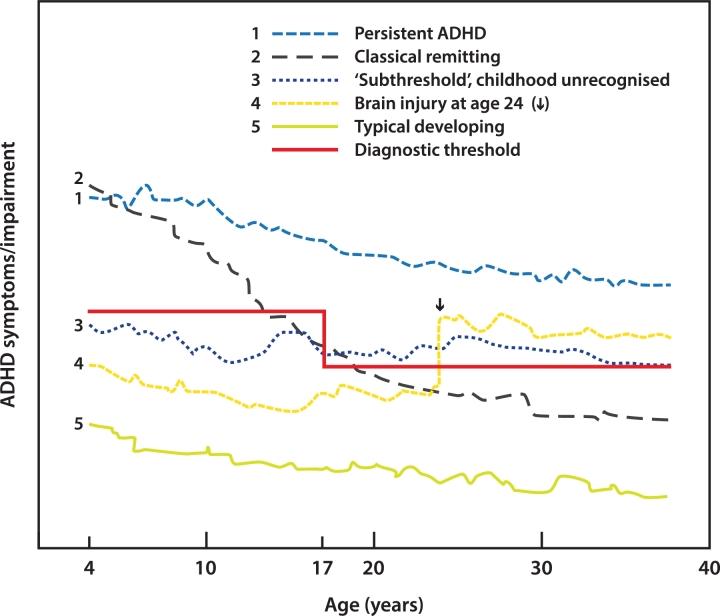
Attention-deficit/hyperactivity disorder (ADHD) is highly heritable and the most common neurodevelopmental disorder in childhood. In recent decades, it has been appreciated that in a substantial number of cases the disorder does not remit in puberty, but persists into adulthood. Both in childhood and adulthood, ADHD is characterised by substantial comorbidity including substance use, depression, anxiety, and accidents. However, course and symptoms of the disorder and the comorbidities may fluctuate and change over time, and even age of onset in childhood has recently been questioned. Available evidence to date is poor and largely inconsistent with regard to the predictors of persistence versus remittance. Likewise, the development of comorbid disorders cannot be foreseen early on, hampering preventive measures. These facts call for a lifespan perspective on ADHD from childhood to old age. In this selective review, we summarise current knowledge of the long-term course of ADHD, with an emphasis on clinical symptom and cognitive trajectories, treatment effects over the lifespan, and the development of comorbidities. Also, we summarise current knowledge and important unresolved issues on biological factors underlying different ADHD trajectories. We conclude that a severe lack of knowledge on lifespan aspects in ADHD still exists for nearly every aspect reviewed. We encourage large-scale research efforts to overcome those knowledge gaps through appropriately granular longitudinal studies.
Overview
The claims and statistics of this paper haven’t been checked yet.
Run the check — free, no account needed. It reads the open-access text and checks the sources it cites.
Integrity signals
Registry
Cites
Statistics
Figures
Verification
Claims the paper makes
The claims and statistics of this paper haven’t been checked yet.
Run the check — free, no account needed. It reads the open-access text and checks the sources it cites.
Claims other papers make about this one
Each is checked against this paper’s own text: does it say what the citing paper says it does?
The cited source says what the claim attributes to it.
In the citing paper
“it is unclear whether the prevalence of adult ADHD changes with age.”
From The decreasing prevalence of ADHD across the adult lifespan confirmed (2022) · cites this paper as [5]
The cited source says what the claim attributes to it.
In the citing paper
“compared to childhood ADHD, adult ADHD has received far less research attention”
From The decreasing prevalence of ADHD across the adult lifespan confirmed (2022) · cites this paper as [5]
The cited source says what the claim attributes to it.
In the citing paper
“adult ADHD definitions strongly varying between studies”
From The decreasing prevalence of ADHD across the adult lifespan confirmed (2022) · cites this paper as [5]
The cited source says what the claim attributes to it.
In the citing paper
“few large population-based data sets spanning the full adult lifespan available [4-7]”
From The decreasing prevalence of ADHD across the adult lifespan confirmed (2022) · cites this paper as [5]
Self-check
Percentages, sums and reported differences re-computed from the paper’s own numbers.
The self-check needs the paper’s full text.
Citations
Cites
1 retracted
Immediate-release methylphenidate for attention deficit hyperactivity disorder (ADHD) in adults
Epstein, T., Patsopoulos, N. A., & Weiser, M. (2014) · Cochrane Database of Systematic Reviews · doi:10.1002/14651858.cd005041.pub2 · Cited by 65
RetractedDiagnostic and Statistical Manual of Mental Disorders
Williams, J. B. W., & First, M. B. (2013) · Oxford University Press eBooks · doi:10.1093/acrefore/9780199975839.013.104 · Cited by 109,845
The worldwide prevalence of ADHD: a systematic review and metaregression analysis
Polanczyk, G., de Lima, M. S., Horta, B. L., Biederman, J., & Rohde, L. A. (2007) · American Journal of Psychiatry · doi:10.1176/ajp.2007.164.6.942 · Cited by 5,346
Prevalence and development of psychiatric disorders in childhood and adolescence
Costello, E. J., Mustillo, S., Erkanli, A., Keeler, G., & Angold, A. (2003) · Archives of General Psychiatry · doi:10.1001/archpsyc.60.8.837 · Cited by 4,035
Kessler, R. C., Adler, L., Barkley, R., Biederman, J., Conners, C. K., Demler, O., Faraone, S. V., Greenhill, L. L., Howes, M. J., Secnik, K., et al. (2006) · American Journal of Psychiatry · doi:10.1176/ajp.2006.163.4.716 · Cited by 3,886
Self-citationWillcutt, E. G., Doyle, A. E., Nigg, J. T., Faraone, S. V., & Pennington, B. F. (2005) · Biological Psychiatry · doi:10.1016/j.biopsych.2005.02.006 · Cited by 3,568
Self-citationAn Expanded View of Complex Traits: From Polygenic to Omnigenic
Boyle, E. A., Li, Y. I., & Pritchard, J. K. (2017) · Cell · doi:10.1016/j.cell.2017.05.038 · Cited by 2,851
Molecular genetics of attention-deficit/hyperactivity disorder
Faraone, S. V., Perlis, R. H., Doyle, A. E., Smoller, J. W., Goralnick, J. J., Holmgren, M. A., & Sklar, P. (2005) · Biological Psychiatry · doi:10.1016/j.biopsych.2004.11.024 · Cited by 2,357
Self-citationFARAONE, S. V., BIEDERMAN, J., & MICK, E. (2006) · Psychological Medicine · doi:10.1017/s003329170500471x · Cited by 2,267
Self-citationGenetic relationship between five psychiatric disorders estimated from genome-wide SNPs
Cross-Disorder Group of the Psychiatric Genomics Consortium (2013) · Nature Genetics · doi:10.1038/ng.2711 · Cited by 2,263
Self-citation
Research works printed but not linked: 6
- Arcos-Burgos, 2010, A common variant of the latrophilin 3 gene, LPHN3, confers susceptibility to ADHD and predicts effectiveness of stimulant medication, Mol. Psychiatry, 15, 1053, 10.1038/mp.2010.6 · DOI
- Cheung, 2015, Childhood predictors of adolescent and young adult outcome in ADHD, J. Psychiatr. Res., 62, 92, 10.1016/j.jpsychires.2015.01.011 · DOI
- Lasky-Su, 2008, Genome-wide association scan of quantitative traits for attention deficit hyperactivity disorder identifies novel associations and confirms candidate gene associations, Am. J. Med. Genet. B Neuropsychiatr. Genet., 147b, 1345, 10.1002/ajmg.b.30867 · DOI
- Lyon, 2011, Exome sequencing and unrelated findings in the context of complex disease research: ethical and clinical implications, Discov. Med., 12, 41
- Michelini, 2016, Attention-deficit/hyperactivity disorder remission is linked to better neurophysiological error detection and attention-vigilance processes, Biol. Psychiatry, 80, 923, 10.1016/j.biopsych.2016.06.021 · DOI
- Schachar, 2015, Mental health implications of traumatic brain injury (TBI) in children and youth, J. Can. Acad. Child Adolesc. Psychiatry, 24, 100
Cited by
Sorted by citations
Attention-deficit hyperactivity disorder
Posner, J., Polanczyk, G. V., & Sonuga-Barke, E. (2020) · The Lancet · doi:10.1016/s0140-6736(19)33004-1 · Cited by 835
Demontis, D., Walters, G. B., Athanasiadis, G., Walters, R., Therrien, K., Nielsen, T. T., Farajzadeh, L., Voloudakis, G., Bendl, J., Zeng, B., et al. (2022) · Nature Genetics · doi:10.1016/j.euroneuro.2022.07.018 · Cited by 863
“Educational attainment is among the phenotypes with the strongest negative genetic correlations with ADHD, as demonstrated above, and cognitive impairments in ADHD have been well described 37 .”
Self-citationADHD: Current Concepts and Treatments in Children and Adolescents
Drechsler, R., Brem, S., Brandeis, D., Grünblatt, E., Berger, G. E., & Walitza, S. (2020) · Neuropediatrics · doi:10.1055/s-0040-1701658 · Cited by 521
Genetic Testing in Neurodevelopmental Disorders
Savatt, J. M., & Myers, S. M. (2021) · Frontiers in Pediatrics · doi:10.3389/fped.2021.526779 · Cited by 237
Michelini, G., Barch, D. M., Tian, Y., Watson, D., Klein, D. N., & Kotov, R. (2019) · Translational Psychiatry · doi:10.1038/s41398-019-0593-4 · Cited by 171
Self-citationAnnual Research Review: Perspectives on progress in ADHD science – from characterization to cause
Sonuga‐Barke, E. J. S., Becker, S. P., Bölte, S., Castellanos, F. X., Franke, B., Newcorn, J. H., Nigg, J. T., Rohde, L. A., & Simonoff, E. (2023) · Journal of Child Psychology and Psychiatry · doi:10.1111/jcpp.13696 · Cited by 157
Self-citationEvidence of emotion dysregulation as a core symptom of adult ADHD: A systematic review
Soler-Gutiérrez, A.-M., Pérez-González, J.-C., & Mayas, J. (2023) · PLOS ONE · doi:10.1371/journal.pone.0280131 · Cited by 152
“ADHD is described as a disorder with very heterogeneous manifestations [3], of multifactorial etiology [4] and with different manifestations throughout lifespan [5].”
BackgroundComorbidity of ADHD and adult bipolar disorder: A systematic review and meta-analysis
Schiweck, C., Arteaga-Henríquez, G., Aichholzer, M., Thanarajah, S. E., Vargas-Cáceres, S., Matura, S., Grimm, O., Haavik, J., Kittel‐Schneider, S., Ramos‐Quiroga, J. A., et al. (2021) · Neuroscience & Biobehavioral Reviews · doi:10.1016/j.neubiorev.2021.01.017 · Cited by 187
Self-citationCherkasova, M. V., Roy, A., Molina, B. S. G., Scott, G., Weiss, G., Barkley, R. A., Biederman, J., Uchida, M., Hinshaw, S. P., Owens, E. B., et al. (2022) · Journal of the American Academy of Child & Adolescent Psychiatry · doi:10.1016/j.jaac.2021.05.019 · Cited by 137
Cabral, M. D. I., Liu, S., & Soares, N. (2020) · Translational Pediatrics · doi:10.21037/tp.2019.09.08 · Cited by 133
“Youths with ADHD are vulnerable to risk-taking behaviors, such as tobacco, alcohol, and drug use, compared to their typically developing peers, with significantly higher predilection in developing substance use disorders (13).”
BackgroundHoogman, M., Stolte, M., Baas, M., & Kroesbergen, E. (2020) · Neuroscience & Biobehavioral Reviews · doi:10.1016/j.neubiorev.2020.09.029 · Cited by 132
Gudmundsson, O. O., Walters, G. B., Ingason, A., Johansson, S., Zayats, T., Athanasiu, L., Sonderby, I. E., Gustafsson, O., Nawaz, M. S., Jonsson, G. F., et al. (2019) · Translational Psychiatry · doi:10.1038/s41398-019-0599-y · Cited by 128
Self-citationIppolito, G., Bertaccini, R., Tarasi, L., Gregorio, F. D., Trajkovic, J., Battaglia, S., & Romei, V. (2022) · Biomedicines · doi:10.3390/biomedicines10123189 · Cited by 135
“While the onset of such symptoms occurs before the age of 12, they tend to persist in adulthood, often in comorbidity with anxiety disorders, depression, or substance abuse [234,235].”
BackgroundShared genetic background between children and adults with attention deficit/hyperactivity disorder
Rovira, P., Demontis, D., Sánchez-Mora, C., Zayats, T., Klein, M., Mota, N. R., Weber, H., Garcia-Martínez, I., Pagerols, M., Vilar-Ribó, L., et al. (2020) · Neuropsychopharmacology · doi:10.1038/s41386-020-0664-5 · Cited by 111
Self-citationRetz, W., Ginsberg, Y., Turner, D., Barra, S., Retz‐Junginger, P., Larsson, H., & Asherson, P. J. (2020) · Neuroscience & Biobehavioral Reviews · doi:10.1016/j.neubiorev.2020.11.025 · Cited by 140
Self-citationAlcohol use disorders and ADHD.
Luderer, M., Ramos Quiroga, J. A., Faraone, S. V., Zhang-James, Y., & Reif, A. (2021) · Neuroscience & Biobehavioral Reviews · doi:10.1016/j.neubiorev.2021.07.010 · Cited by 102
Self-citationHoogman, M., van Rooij, D., Klein, M., Boedhoe, P. S. W., Ilioska, I., Li, T., Patel, Y., Postema, M. C., Zhang‐James, Y., Anagnostou, E. A., et al. (2020) · Human Brain Mapping · doi:10.1002/hbm.25029 · Cited by 123
“Within the ADHD literature, most studies showed structural case–control differences across a wide variety of brain regions, in children but also in adults with ADHD (Faraone et al., 2015; Franke et al., 2018).”
BackgroundSelf-citationSzopinska-Tokov, J., Dam, S. A., Naaijen, J., Konstanti, P., Rommelse, N. N. J., Belzer, C., Buitelaar, J. K., Franke, B., Bloemendaal, M., Aarts, E., et al. (2020) · Microorganisms · doi:10.3390/microorganisms8030406 · Cited by 117
“ADHD has a significant social impact on patients’ lives, causing disruption at school [3], work [4], and in personal relationships [5].”
BackgroundSelf-citationMacDonald, H. J., Kleppe, R., Szigetvari, P. D., & Haavik, J. (2024) · Frontiers in Psychiatry · doi:10.3389/fpsyt.2024.1492126 · Cited by 124
Self-citationGenetics of ADHD: What Should the Clinician Know?
Grimm, O., Kranz, T. M., & Reif, A. (2020) · Current Psychiatry Reports · doi:10.1007/s11920-020-1141-x · Cited by 97
“” The genome-wide loci affected by ADHD often have a general function in areas such as “neurite outgrowth,” “synaptic plasticity,” or “glutamatergic signal transmission” [26•, 62, 63]. Research over the next few years must show whether the common denominator of these variants is brain expression and regulation of neur…”
BackgroundInfluentialSelf-citationReview of rodent models of attention deficit hyperactivity disorder
Regan, S. L., Williams, M. T., & Vorhees, C. V. (2021) · Neuroscience & Biobehavioral Reviews · doi:10.1016/j.neubiorev.2021.11.041 · Cited by 113
Michelini, G., Carlisi, C. O., Eaton, N. R., Elison, J. T., Haltigan, J. D., Kotov, R., Krueger, R. F., Latzman, R. D., Li, J. J., Levin-Aspenson, H. F., et al. (2024) · World Psychiatry · doi:10.1002/wps.21225 · Cited by 109
“Executive functioning deficits cut across ASD, ADHD, motor dis orders, and learning disabilities 7,31,188,189 .”
InfluentialSelf-citationFunctional Impairments Associated With ADHD in Adulthood and the Impact of Pharmacological Treatment
Kosheleff, A. R., Mason, O., Jain, R., Koch, J., & Rubin, J. S. (2023) · Journal of Attention Disorders · doi:10.1177/10870547231158572 · Cited by 116
“…by core symptoms of age-inappropriate inattention, impulsivity, and/or hyperactivity (American Psychiatric Association, 2013), the clinical presentation of which typically changes over the lifespan (Biederman et al., 2000; Franke et al., 2018; Turgay et al., 2012; G. Weiss & Hechtman, 1993).”
BackgroundWergeland, G. J., Riise, E. N., & Öst, L. (2020) · Clinical Psychology Review · doi:10.1016/j.cpr.2020.101918 · Cited by 142
Using the tools of genetic epidemiology to understand sex differences in neuropsychiatric disorders
Merikangas, A. K., & Almasy, L. (2020) · Genes, Brain and Behavior · doi:10.1111/gbb.12660 · Cited by 82
Dona, S. W. A., Badloe, N., Sciberras, E., Gold, L. H., Coghill, D., & Le, H. (2023) · Journal of Attention Disorders · doi:10.1177/10870547231155438 · Cited by 93
“Additionally, ADHD is associated with lower educational or occupational achievement, reduced social functioning (Costa Dias et al., 2013; Franke et al., 2018), and increased risk of mortality driven by unnatural causes such as accidents (Dalsgaard et al.”
BackgroundPalladino, V. S., McNeill, R. V., Reif, A., & Kittel‐Schneider, S. (2019) · Psychiatric Genetics · doi:10.1097/ypg.0000000000000220 · Cited by 123
“, 2015) or whether there was a pre-existing subdiagnosis threshold ADHD in childhood (Franke et al., 2018).”
BackgroundSelf-citationAttention-deficit/hyperactivity disorder and lifetime cannabis use: genetic overlap and causality
Artigas, M. S., Sánchez‐Mora, C., Rovira, P., Vanesa Richarte, B., Iris Garcia-martinez, A., Pagerols, M., Demontis, D., Stringer, S., Vink, J. M., Børglum, A. D., et al. (2019) · Molecular Psychiatry · doi:10.1038/s41380-018-0339-3 · Cited by 90
“The pattern of psychiatric comorbidity in ADHD is highly heterogeneous and changes substantially across the lifespan [5, 6].”
BackgroundSelf-citationGut microbiota signature in treatment-naïve attention-deficit/hyperactivity disorder
Richarte, V., Sánchez-Mora, C., Corrales, M., Fadeuilhe, C., Vilar-Ribó, L., Arribas, L., Garcia, E., Rosales-Ortiz, S. K., Arias-Vasquez, A., Soler-Artigas, M., et al. (2021) · Translational Psychiatry · doi:10.1038/s41398-021-01504-6 · Cited by 75
Self-citationRiise, E. N., Wergeland, G. J., Njarðvík, U., & Öst, L. (2020) · Clinical Psychology Review · doi:10.1016/j.cpr.2020.101954 · Cited by 110
Methylphenidate for attention-deficit/hyperactivity disorder in adults: a narrative review
Jaeschke, R. R., Sujkowska, E., & Sowa-Kućma, M. (2021) · Psychopharmacology · doi:10.1007/s00213-021-05946-0 · Cited by 106
Global Economic Burden of Attention-Deficit/Hyperactivity Disorder: A Systematic Review
Chhibber, A., Watanabe, A. H., Chaisai, C., Veettil, S., & Chaiyakunapruk, N. (2021) · PharmacoEconomics (Auckland) · doi:10.1007/s40273-020-00998-0 · Cited by 70
Mattheisen, M., Grove, J., Als, T. D., Martin, J., Voloudakis, G., Meier, S. M., Demontis, D., Bendl, J. M., Walters, R. K., Carey, C. E., et al. (2022) · Nature Genetics · doi:10.1038/s41588-022-01171-3 · Cited by 80
“…result implicating the red nucleus in midbrain is also consistent with our knowledge of phenotypic sharing between ASD and ADHD, as it relates to skilled movements and motor control in the limbs and jaw: both motor coordination and speech problems are frequent in both ASD and ADHD 48,49 .”
ResultSelf-citationCao, M., Martin, E., & Li, X. (2023) · Translational Psychiatry · doi:10.1038/s41398-023-02536-w · Cited by 77
“There is also diverging evidence regarding the developmental trajectories and comorbidities of individuals with ADHD [14, 15].”
BackgroundHartman, C. A., Rommelse, N. N. J., van der Klugt, C. L., Wanders, R. B. K., & Timmerman, M. E. (2019) · Journal of Clinical Medicine · doi:10.3390/jcm8111824 · Cited by 75
“While the significance of ADHD beyond childhood has become clearer [1,2], insight into the factors that explain individual differences over the course of ADHD is rather limited.”
BackgroundSolberg, B. S., Zayats, T., Posserud, M.-B., Halmøy, A., Engeland, A., Haavik, J., & Klungsøyr, K. (2019) · Biological Psychiatry · doi:10.1016/j.biopsych.2019.04.021 · Cited by 64
“Attention-deficit/hyperactivity disorder (ADHD) and autism spectrum disorder (ASD) are highly heritable neurodevelopmental conditions and major contributors to human suffering worldwide (1,2).”
Self-citationDekkers, T. J., de Water, E., & Scheres, A. (2021) · Current Opinion in Psychology · doi:10.1016/j.copsyc.2021.11.002 · Cited by 78
Gender differences in adult ADHD: Cognitive function assessed by the test of attentional performance
Stibbe, T., Huang, J., Paucke, M., Ulke, C., & Strauß, M. (2020) · PLoS ONE · doi:10.1371/journal.pone.0240810 · Cited by 80
“Especially when undiagnosed, ADHD can cause several disruptive and antisocial behaviors over the lifespan of patients, ranging from substance abuse and work absenteeism to criminality, further contributing to the socioeconomic burden of the disease [4].”
BackgroundAndersson, A., Tuvblad, C., Chen, Q., Du Rietz, E., Cortese, S., Kuja‐Halkola, R., & Larsson, H. (2020) · Journal of Child Psychology and Psychiatry · doi:10.1111/jcpp.13233 · Cited by 56
Self-citationIs camouflaging unique for autism? A comparison of camouflaging between adults with autism and ADHD
van der Putten, W. J., Mol, A. J. J., Groenman, A. P., Radhoe, T. A., Torenvliet, C., van Rentergem, J. A. A., & Geurts, H. M. (2024) · Autism Research · doi:10.1002/aur.3099 · Cited by 54
“Because adults with ADHD experience many co-occurring psychiatric conditions, such as anxiety, mood disorders, and substance abuse (Franke et al., 2018), camouflaging may also be an underlying explanatory mechanism in these mental health difficulties.”
BackgroundCecil, C. A. M., & Nigg, J. T. (2022) · Molecular Diagnosis & Therapy · doi:10.1007/s40291-022-00609-y · Cited by 74
Kittel‐Schneider, S., Arteaga-Henríquez, G., Vásquez, A. A., Asherson, P. J., Banaschewski, T., Brikell, I., Buitelaar, J. K., Cormand, B., Faraone, S. V., Freitag, C. M., et al. (2021) · Neuroscience & Biobehavioral Reviews · doi:10.1016/j.neubiorev.2021.10.035 · Cited by 59
Self-citationMichelini, G., Jurgiel, J., Bakolis, I., Cheung, C. H. M., Asherson, P. J., Loo, S. K., Kuntsi, J., & Mohammad-Rezazadeh, I. (2019) · Translational Psychiatry · doi:10.1038/s41398-019-0469-7 · Cited by 64
Self-citationDemontis, D., Walters, R. K., Rajagopal, V. M., Waldman, I. D., Grove, J., Als, T. D., Dalsgaard, S., Ribasés, M., Bybjerg-Grauholm, J., Bækvad-Hansen, M., et al. (2021) · Nature Communications · doi:10.1038/s41467-020-20443-2 · Cited by 50
Self-citationDonzelli, G., Llopis-González, A., Llopis-Morales, A., Cioni, L., & Morales-Suarez-Varela, M. (2019) · International Journal of Environmental Research and Public Health · doi:10.3390/ijerph17010067 · Cited by 50
“remit in puberty but persists into adolescence and adulthood [2].”
BackgroundTreatment biomarkers for ADHD: Taking stock and moving forward
Michelini, G., Norman, L. J., Shaw, P., & Loo, S. K. (2022) · Translational Psychiatry · doi:10.1038/s41398-022-02207-2 · Cited by 65
“, Research Domain Criteria [RDoC]) [4, 5], developmental trajectories [6, 7], and treatment response [8, 9].”
BackgroundSelf-citationZhang‐James, Y., Helminen, E. C., Liu, J., The ENIGMA-ADHD Working Group, Busatto, G. F., Calvo, A., Cercignani, M., Chaim‐Avancini, T. M., Gabel, M. C., Harrison, N. A., et al. (2021) · Translational Psychiatry · doi:10.1038/s41398-021-01201-4 · Cited by 67
Self-citationNasser, A. F., Hull, J. T., Chaturvedi, S. A., Liranso, T., Odebo, O., Kosheleff, A. R., Fry, N., Cutler, A. J., Rubin, J. S., Schwabe, S., et al. (2022) · CNS Drugs · doi:10.1007/s40263-022-00938-w · Cited by 57
Pereira-Sánchez, V., Franco, A. R., Vieira, D. L., de Castro‐Manglano, P., Soutullo, C. A., Milham, M. P., & Castellanos, F. X. (2020) · Journal of the American Academy of Child & Adolescent Psychiatry · doi:10.1016/j.jaac.2020.10.013 · Cited by 55
Gilbert, M., Boecker, M., Reiß, F., Kaman, A., Erhart, M., Schlack, R., Westenhöfer, J., Döpfner, M., & Ravens‐Sieberer, U. (2023) · Child Psychiatry & Human Development · doi:10.1007/s10578-023-01622-w · Cited by 51
“This could suggest that gender differences in ADHD symptoms lessen with age [21].”
Leppert, B., Riglin, L., Wootton, R. E., Dardani, C., Thapar, A. K., Staley, J. R., Tilling, K. M., Smith, G. D., Thapar, A., & Stergiakouli, E. (2020) · American Journal of Epidemiology · doi:10.1093/aje/kwaa273 · Cited by 57
“As reported previously, in observational studies (6, 20, 43), ADHD has been associated with unhealthy lifestyle and risk behaviors.”
Veniaminova, E. A., Oplatchikova, M., Bettendorff, L., Kotenkova, E., Lysko, A., Vasilevskaya, E. R., Kalueff, A. V., Fedulova, L., Umriukhin, A., Lesch, K., et al. (2019) · Life Sciences · doi:10.1016/j.lfs.2019.117163 · Cited by 49
Self-citationO’Connell, K. S., Shadrin, A. A., Bahrami, S., Smeland, O. B., Bettella, F., Frei, O., Krull, F., Askeland, R. B., Walters, G. B., Davíðsdóttir, K., et al. (2019) · Molecular Psychiatry · doi:10.1038/s41380-019-0613-z · Cited by 60
“Attention-deficit/hyperactivity disorder (ADHD) is a neurodevelopmental disorder with a childhood-onset and a childhood prevalence of ~3–5% [1, 2], with the rate of persistence into adulthood estimated at 15–65% [3].”
BackgroundKanarik, M., Grimm, O., Mota, N. R., Reif, A., & Harro, J. (2022) · Neuroscience & Biobehavioral Reviews · doi:10.1016/j.neubiorev.2022.104757 · Cited by 53
Self-citationSocial cognition in autism and ADHD
Bölte, S. (2025) · Neuroscience & Biobehavioral Reviews · doi:10.1016/j.neubiorev.2025.106022 · Cited by 50
“Difficulties and behavioural presentation in autism and ADHD can shift with age (Franke et al., 2018; Eigsti, 2024), and intellectual disability and borderline intellectual functioning is known to co-occur more commonly with not only autism but also ADHD (Kadesj ¨ o and Gillberg, 2001; Zeidan et…”
Grasso, M., Lazzaro, G., Demaria, F., Menghini, D., & Vicari, S. (2022) · International Journal of Environmental Research and Public Health · doi:10.3390/ijerph19137731 · Cited by 58
“Several studies have demonstrated a high likelihood of finding the psychopathological conditions associated with ADHD, including emotional problems such as anxiety and major depression [56,57].”
BackgroundResultOhki, C. M. Y., Grossmann, L., Alber, E., Dwivedi, T., Berger, G. E., Werling, A. M., Walitza, S., & Grünblatt, E. (2020) · Translational Psychiatry · doi:10.1038/s41398-020-00999-9 · Cited by 41
Hegvik, T., Waløen, K., Pandey, S. K., Faraone, S. V., Haavik, J., & Zayats, T. (2019) · Molecular Psychiatry · doi:10.1038/s41380-019-0540-z · Cited by 39
Self-citationLi, L., Lagerberg, T., Chang, Z., Cortese, S., Rosenqvist, M. A., Almqvist, C., D'Onofrio, B. M., Hegvik, T., Hartman, C. A., Chen, Q., et al. (2020) · International Journal of Epidemiology · doi:10.1093/ije/dyaa040 · Cited by 55
“Attention-deficit/hyperactivity disorder (ADHD) is a common and persistent neurodevelopmental disorder that is associated with adverse psychosocial, educational, occupational and health-related outcomes throughout life.(1,2) ADHD affects approximately 6.”
BackgroundSelf-citationTypes of Adult Attention-Deficit/Hyperactivity Disorder: A Replication Analysis.
Reimherr, F., Roesler, M., Marchant, B. K., Gift, T., Retz, W., Philipp-Wiegmann, F., & Reimherr, M. (2020) · Journal of Clinical Psychiatry · doi:10.4088/jcp.19m13077 · Cited by 40
Du Rietz, E., Jangmo, A., Kuja‐Halkola, R., Chang, Z., D'Onofrio, B. M., Ahnemark, E., Werner‐Kiechle, T., & Larsson, H. (2020) · Journal of Child Psychology and Psychiatry · doi:10.1111/jcpp.13206 · Cited by 39
“Despite a growing interest into the persistence and remittance of ADHD in adulthood (Franke et al., 2018), there is a lack of knowledge of the patterns of healthcare utilization and economic burden in ADHD persisters and remitters.”
BackgroundSelf-citationSexuality in Adults With ADHD: Results of an Online Survey
Hertz, P. G., Turner, D., Barra, S., Biedermann, L., Retz-Junginger, P., Schöttle, D., & Retz, W. (2022) · Frontiers in Psychiatry · doi:10.3389/fpsyt.2022.868278 · Cited by 39
Carucci, S., Narducci, C., Bazzoni, M., Balia, C., Donno, F., Gagliano, A., & Zuddas, A. (2022) · Journal of Neuroscience Research · doi:10.1002/jnr.25038 · Cited by 53
Leo, K., Kewitz, S., Wartberg, L., & Lindenberg, K. (2021) · Frontiers in Psychology · doi:10.3389/fpsyg.2021.787162 · Cited by 39
Vos, M., Rommelse, N. N. J., Franke, B., Oosterlaan, J., Heslenfeld, D. J., Hoekstra, P. J., Klein, M., Faraone, S. V., Buitelaar, J. K., & Hartman, C. A. (2021) · European Child & Adolescent Psychiatry · doi:10.1007/s00787-021-01764-z · Cited by 45
Self-citationLi, L., Sujan, A. C., Butwicka, A., Chang, Z., Cortese, S., Quinn, P. D., Viktorin, A., Öberg, A. S., D'Onofrio, B. M., & Larsson, H. (2020) · CNS Drugs · doi:10.1007/s40263-020-00728-2 · Cited by 45
Self-citationMota, N. R., Poelmans, G., Klein, M., Torrico, B., Fernàndez‐Castillo, N., Cormand, B., Reif, A., Franke, B., & Vásquez, A. A. (2020) · Neuropsychopharmacology · doi:10.1038/s41386-019-0592-4 · Cited by 43
“These comorbidities include both psychiatric and non-psychiatric (somatic) diseases and traits [5].”
BackgroundSelf-citationBasta, M., Micheli, K., Koutra, K., Fountoulaki, M., Dafermos, V., Drakaki, M., Faloutsos, K., Soumaki, E., Anagnostopoulos, D., Papadakis, N., et al. (2022) · Journal of Affective Disorders Reports · doi:10.1016/j.jadr.2022.100334 · Cited by 38
Novel pharmacological targets for GABAergic dysfunction in ADHD
Ferranti, A. S., Luessen, D. J., & Niswender, C. M. (2024) · Neuropharmacology · doi:10.1016/j.neuropharm.2024.109897 · Cited by 48
“…for children aged 5 years and younger and approximately 30% of ADHD patients do not respond to stimulant treatments; progress towards developing pharmacological treatments beyond targeting dopaminergic and noradrenergic systems has also been stagnant (Faraone et al., 2015; Franke et al., 2018).”
How do adolescents with ADHD perceive and experience stress? An interview study
Öster, C., Ramklint, M., Meyer, J., & Isaksson, J. (2020) · Nordic Journal of Psychiatry · doi:10.1080/08039488.2019.1677771 · Cited by 38
“Accordingly, fatigue syndrome [18], depression, anxiety disorders, substance abuse and sleep disorders are regarded as a common clinical feature of ADHD [19].”
BackgroundResultThe association between ADHD and physical health: a co-twin control study
Pan, P.-Y., & Bölte, S. (2020) · Scientific Reports · doi:10.1038/s41598-020-78627-1 · Cited by 37
Comparelli, A., Polidori, L., Sarli, G., Pistollato, A., & Pompili, M. (2022) · Frontiers in Psychiatry · doi:10.3389/fpsyt.2022.949375 · Cited by 38
“Many children are diagnosed with comorbid ADHD and PBD; comorbidity rates are estimated to be around 20% (1, 4), and children with ADHD are more likely to be diagnosed with BD later in life (4).”
BackgroundCognitive mechanisms underlying depressive disorders in ADHD: A systematic review
Mayer, J. S., Bernhard, A., Fann, N., Boxhoorn, S., Hartman, C. A., Reif, A., & Freitag, C. M. (2021) · Neuroscience & Biobehavioral Reviews · doi:10.1016/j.neubiorev.2020.12.018 · Cited by 48
Self-citationPrisco, M. D., Oliva, V., Fico, G., Raduà, J., Grande, I., Roberto, N., Anmella, G., Hidalgo‐Mazzei, D., Fornaro, M., de Bartolomeis, A., et al. (2023) · Psychological Medicine · doi:10.1017/s003329172300243x · Cited by 52
“Despite no available evidence allowing us to explore this comparison in adult life, varying clinical course and high rates of psychiatric comorbidities (Franke et al., 2018) could worsen the intensity and presentation of ED in ADHD patients.”
BackgroundBisset, M., Brown, L. E., Bhide, S., Patel, P., Zendarski, N. J., Coghill, D., Payne, L., Bellgrove, M. A., Middeldorp, C. M., & Sciberras, E. (2023) · Journal of Child Psychology and Psychiatry · doi:10.1111/jcpp.13752 · Cited by 53
“…impact on an individual’s social and emotional wellbeing, inter-personal relationships, academic and career outcomes, physical and mental health, quality of life and life expectancy (Costello & Maughan, 2015; Franke et al., 2018; Lawrence et al., 2015; Sciberras et al., 2020; Shaw et al., 2012).”
BackgroundPrice, A., Newlove‐Delgado, T., Eke, H., Paul, M., Young, S., Ford, T. J., & Janssens, A. I. W. A. (2019) · BMC Psychiatry · doi:10.1186/s12888-019-2284-3 · Cited by 48
Prevalence of ADHD among Black Youth Compared to White, Latino and Asian Youth: A Meta-Analysis
Cénat, J. M., Kokou‐Kpolou, C. K., Blais-Rochette, C., Morse, C., Vandette, M.-P., Dalexis, R. D., Darius, W. P., Noorishad, P., Labelle, P., & Kogan, C. S. (2022) · Journal of Clinical Child & Adolescent Psychology · doi:10.1080/15374416.2022.2051524 · Cited by 48
“Age and gender would have been particularly important to include as moderators given the evidence that prevalence rates, symptom presentations, severity and impairment vary across the lifespan and by gender (see review by Franke et al., 2018).”
BackgroundMachine Learning and MRI-based Diagnostic Models for ADHD: Are We There Yet?
Zhang‐James, Y., Razavi, A. S., Hoogman, M., Franke, B., & Faraone, S. V. (2023) · Journal of Attention Disorders · doi:10.1177/10870547221146256 · Cited by 41
“…diagnosed with the disorder will continue to have impaired functioning leading to increased risks for other health and social problems (Dalsgaard, Ostergaard, Leckman, Mortensen, & Pedersen, 2015; Franke et al., 2018; Lambert & Hartsough, 1998; Lichtenstein et al., 2012; Reiersen & Todorov, 2013).”
BackgroundSelf-citationGrimmsmann, T., & Himmel, W. (2020) · European Journal of Clinical Pharmacology · doi:10.1007/s00228-020-02948-3 · Cited by 48
Perugi, G., Pallucchini, A., Rizzato, S., Rossi, P. D., Sani, G., Maremmani, A. G. I., Pinzone, V., & Maremmani, I. (2018) · Expert Opinion on Pharmacotherapy · doi:10.1080/14656566.2018.1551878 · Cited by 38
“authors suggested that cases of apparent adult-onset ADHD may have had undiagnosed ADHD or subthreshold ADHD in youth [4].”
BackgroundThe decreasing prevalence of ADHD across the adult lifespan confirmed
Vos, M., & Hartman, C. A. (2022) · Journal of Global Health · doi:10.7189/jogh.12.03024 · Cited by 33
Age-related clinical characteristics of children and adolescents with ADHD
Rossi, P. D., D’Aiello, B., Pretelli, I., Menghini, D., Vara, S. D., & Vicari, S. (2023) · Frontiers in Psychiatry · doi:10.3389/fpsyt.2023.1069934 · Cited by 45
“In this context, ADHD-specific symptoms during the transition to adolescence and young adulthood might be “masked” or changed but not really reduced, as confirmed by longitudinal data (23).”
BackgroundResultInsights into attention-deficit/hyperactivity disorder from recent genetic studies
Brikell, I., Burton, C. L., Mota, N. R., & Martin, J. (2021) · Psychological Medicine · doi:10.1017/s0033291721000982 · Cited by 37
“…childhood-onset psychiatric comorbidities are other NDDs, such as autism spectrum disorders (ASD) and learning disorders, as well as externalizing conditions including oppositional defiant disorder (ODD) and conduct disorder (CD) (Franke et al., 2018; Giacobini et al., 2018; Taurines et al., 2010).”
BackgroundInfluentialHess, J., Radonjić, N. V., Patak, J., Glatt, S. J., & Faraone, S. V. (2020) · Molecular Psychiatry · doi:10.1038/s41380-020-00974-2 · Cited by 37
Self-citationEmotion Dysregulation in ADHD and Other Neurodevelopmental Conditions: A Co-Twin Control Study
Astenvald, R., Frick, M. A., Neufeld, J., Bölte, S., & Isaksson, J. (2022) · Child and Adolescent Psychiatry and Mental Health · doi:10.1186/s13034-022-00528-0 · Cited by 32
“ADHD is defined by symptoms of inattention and/or hyperactivity/impulsivity [2], which often persist into adulthood and are associated with work-related, academic and social challenges, as well as increased risk for other psychiatric problems [3].”
BackgroundHalmøy, A., Ring, A. E., Gjestad, R., Møller, M., Ubostad, B., Lien, T., Munkhaugen, E. K., & Fredriksen, M. (2022) · BMC Psychiatry · doi:10.1186/s12888-022-04356-6 · Cited by 47
“Background Attention-Deficit/Hyperactivity Disorder (ADHD) is a common, life-spanning, neurodevelopmental disorder [1] with prevalence estimates around 3% in adults [2].”
BackgroundArtigas, M. S., Sánchez‐Mora, C., Rovira, P., Vilar‐Ribó, L., Ramos‐Quiroga, J. A., & Marta Ribasés, A. (2022) · International Journal of Epidemiology · doi:10.1093/ije/dyac128 · Cited by 32
“with higher risks for poor educational achievement, unemployment or criminality, among others.(7) Most studies undertaken to date have reported association between ADHD and comorbid traits, but inferring”
BackgroundInfluentialSelf-citationGenetics in the ADHD Clinic: How Can Genetic Testing Support the Current Clinical Practice?
Balogh, L., Pulay, A. J., & Réthelyi, J. (2022) · Frontiers in Psychology · doi:10.3389/fpsyg.2022.751041 · Cited by 37
Self-citationKantak, K. M. (2022) · Pharmacology Biochemistry and Behavior · doi:10.1016/j.pbb.2022.173378 · Cited by 36
A Review of Working Memory Training in the Management of Attention Deficit Hyperactivity Disorder
Al-Saad, M. S. H., Al-Jabri, B. A., & Almarzouki, A. F. (2021) · Frontiers in Behavioral Neuroscience · doi:10.3389/fnbeh.2021.686873 · Cited by 45
van Oort, J., Kohn, N., Vrijsen, J. N., Collard, R. M., Duyser, F. A., Brolsma, S. C. A., Fernández, G., Schene, A. H., Tendolkar, I., & van Eijndhoven, P. (2020) · NeuroImage Clinical · doi:10.1016/j.nicl.2020.102176 · Cited by 36
Cross-species models of attention-deficit/hyperactivity disorder and autism spectrum disorder
Vecchia, E. D., Mortimer, N., Palladino, V. S., Kittel‐Schneider, S., Lesch, K., Reif, A., Schenck, A., & Norton, W. (2018) · Psychiatric Genetics · doi:10.1097/ypg.0000000000000211 · Cited by 36
“4, although this may be an underestimation owing to the self-rating system commonly used in these studies (Franke et al., 2018).”
MethodSelf-citationADHD and Academic Performance in College Students: A Systematic Review
Pagespetit, È., Pagerols, M., Barrés, N., Prat, R., Martínez, L., Andreu, M., Prat, G., Casas, M., & Bosch, R. (2024) · Journal of Attention Disorders · doi:10.1177/10870547241306554 · Cited by 46
“However, two-thirds of individuals with ADHD in childhood continue to meet diagnostic criteria in adolescence and early adulthood (Franke et al., 2018), and some longitudinal studies, like van Lieshout et al. (2016), estimate that more than 80% continue to meet full diagnostic criteria for ADHD,…”
Somatic burden of attention‐deficit/hyperactivity disorder across the lifecourse
Libutzki, B., Neukirch, B., Reif, A., & Hartman, C. A. (2024) · Acta Psychiatrica Scandinavica · doi:10.1111/acps.13694 · Cited by 33
Self-citationThe diagnosis and treatment of attention-deficit hyperactivity disorder (ADHD) in older adults
Dobrosavljevic, M., Larsson, H., & Cortese, S. (2023) · Expert Review of Neurotherapeutics · doi:10.1080/14737175.2023.2250913 · Cited by 39
“On the other hand, the focus on safety should be paramount, given the possible adverse effects of the pharmacological treatment of ADHD, and the increased risk of psychiatric and physical multimorbidity in older adults [10–13].”
BackgroundInfluentialSelf-citationKenter, R. M. F., Gjestad, R., Lundervold, A. J., & Nordgreen, T. (2023) · Internet Interventions · doi:10.1016/j.invent.2023.100614 · Cited by 30
“When diagnosed with ADHD in adulthood, psychological treatments are commonly not available, even though the disorder is associated with a wide range of challenges affecting daily life functioning (Franke et al., 2018).”
BackgroundSchena, A., Garotti, R., D’Alise, D., Giugliano, S., Polizzi, M., Trabucco, V., Riccio, M. P., & Bravaccio, C. (2023) · International Journal of Environmental Research and Public Health · doi:10.3390/ijerph20043414 · Cited by 38
“, oppositional defiant disorder, conduct disorder, substance abuse disorder) [8].”
BackgroundAdolescents With Attention-Deficit/Hyperactivity Disorder: Adverse Behaviors and Comorbidity
Sultan, R. S., Liu, S.-M., Hacker, K. A., & Olfson, M. (2021) · Journal of Adolescent Health · doi:10.1016/j.jadohealth.2020.09.036 · Cited by 36
In utero exposure to ADHD medication and long-term offspring outcomes
Madsen, K. B., Robakis, T. K., Liu, X., Momen, N. C., Larsson, H., Dreier, J. W., Kildegaard, H., Groth, J. B., Newcorn, J. H., Thomsen, P. H., et al. (2023) · Molecular Psychiatry · doi:10.1038/s41380-023-01992-6 · Cited by 38
“INTRODUCTION Attention Deficit Hyperactivity Disorder (ADHD) is a common neurodevelopmental disorder affecting individuals across the lifespan [1].”
BackgroundSelf-citationDo we over‐diagnose ADHD in North America? A critical review and clinical recommendations
Gascon, A., Gamache, D., St‐Laurent, D., & Stipanicic, A. (2022) · Journal of Clinical Psychology · doi:10.1002/jclp.23348 · Cited by 53
Metadata
- Authors
- Franke, B., Michelini, G., Asherson, P., Banaschewski, T., Bilbow, A., Buitelaar, J. K., Cormand, B., Faraone, S. V., Ginsberg, Y., Haavik, J., Kuntsi, J., Larsson, H., Lesch, K.-P., Ramos-Quiroga, J. A., Réthelyi, J. M., Ribases, M., & Reif, A.
- Affiliations
- Radboud University Nijmegen (NL)
- King's College London (GB)
- Heidelberg University (DE)
- Radboud University Medical Center (NL)
- Instituto de Salud Carlos III (ES)
- SUNY Upstate Medical University (US)
- Karolinska Institutet (SE)
- Haukeland University Hospital (NO)
- Sechenov University (RU)
- Semmelweis University (HU)
- University Hospital Frankfurt (DE)
- Corresponding author
- Franke, Barbara
- ORCID
- Venue
- European Neuropsychopharmacology
- Publisher
- Elsevier BV
- Published
- 2018-10
- Volume
- 28
- Issue
- 10
- Pages
- 1059-1088
- ISSN
- 0924-977X (ISSN-L)
- PMC
- PMC6379245
- OpenAlex
- W2891070637
- Cited by
- 643
- References
- 285
- Citations by year
- 2026: 73 · 2025: 88 · 2024: 92 · 2023: 91 · 2022: 86 · 2021: 90 · 2020: 81 · 2019: 37 · 2018: 2
- FWCI
- 7.98
- Type
- journal article
- Language
- en
- Open access
- hybrid
- doi.org
- Licence
- Locations
- European Neuropsychopharmacology (publishedVersion, cc-by)
- Europe PMC (PubMed Central) (publishedVersion, cc-by)
- PubMed Central (publishedVersion, cc-by)
- PubMed (publishedVersion)
- Radboud Repository (Radboud University) (submittedVersion)
- Research Publications (Maastricht University) (submittedVersion, cc-by)
- Dipòsit Digital de Documents de la UAB (Universitat Autònoma de Barcelona) (submittedVersion, cc-by)
- Dipòsit Digital de la Universitat de Barcelona (Universitat de Barcelona) (submittedVersion, cc-by-nc-nd)
- LA Referencia (Red Federada de Repositorios Institucionales de Publicaciones Científicas) (submittedVersion, cc-by)
- Research Portal (King's College London) (submittedVersion, cc-by-nc-nd)
- Online Publication Service of Würzburg University (Würzburg University) (submittedVersion, cc-by)
- Publication Server of Goethe University Frankfurt am Main (Goethe University Frankfurt) (submittedVersion, cc-by)
- Semmelweis University Repository (Semmelweis University) (submittedVersion)
- Radboud Repository (Radboud University) (submittedVersion, other-oa)
- Research Publications (Maastricht University) (submittedVersion, other-oa)
- Funders
- European Community's Seventh Framework Programme (n° 602805 (AGGRESSOTYPE), 603016 (MATRICS), 278948 (TACTICS), 602450 (IMAGEMEND))
- European Community's Horizon 2020 Programme (n° 643051 (MiND) and 667302 (CoCA))
- Netherlands Organization for Scientific Research (NWO), i.e. the Vici Innovation Program (016-130-669)
- Hungarian Brain Research Program (NAP-B KTIA_NAP_13-2014-0011)
- Topics
- Health Sciences › Medicine › Psychiatry and Mental health › Attention Deficit Hyperactivity Disorder
- Social Sciences › Psychology › Clinical Psychology › Child and Adolescent Psychosocial and Emotional Development
- Life Sciences › Neuroscience › Cognitive Neuroscience › Autism Spectrum Disorder Research
- Keywords
- attention deficit hyperactivity disorder, ADHD persistence, remission, comorbidities, substance use disorders, depression, anxiety, accidents, age of onset, cognitive trajectories, treatment effects, lifespan development, neurodevelopmental disorders, biological factors
- MeSH terms
- Aging, Attention Deficit Disorder with Hyperactivity, Humans, Comorbidity
About these checks
Registry, retraction, Cites and statistics results are computed, not judged, with one exception: a printed reference that no index lists is read once by a model before it counts as a citation error. Claims are extracted by a model and kept only when their quote appears verbatim in the text; each cited source is then checked, with a model’s help, for whether it says what the claim relies on. Those verdicts can be wrong — read the claim’s quote and the cited source before relying on one.
Statistics and arithmetic are recomputed, not judged.
Confidence bands are shown only for fields calibrated on our annotated test set. None is calibrated yet, so no band is shown.
What counts as a claim ›How we measure confidence ›How we check this ›
Are you an author, or do you see a problem with this page? Request a review
