

The DOI matches its Crossref record; 10 of the 10 references it cites were found in a registry or an index.
PacBio Sequencing and its Applications
Abstract
Single-molecule, real-time sequencing developed by Pacific BioSciences offers longer read lengths than the second-generation sequencing (SGS) technologies, making it well-suited for unsolved problems in genome, transcriptome, and epigenetics research. The highly-contiguous de novo assemblies using PacBio sequencing can close gaps in current reference assemblies and characterize structural variation (SV) in personal genomes. With longer reads, we can sequence through extended repetitive regions and detect mutations, many of which are associated with diseases. Moreover, PacBio transcriptome sequencing is advantageous for the identification of gene isoforms and facilitates reliable discoveries of novel genes and novel isoforms of annotated genes, due to its ability to sequence full-length transcripts or fragments with significant lengths. Additionally, PacBio’s sequencing technique provides information that is useful for the direct detection of base modifications, such as methylation. In addition to using PacBio sequencing alone, many hybrid sequencing strategies have been developed to make use of more accurate short reads in conjunction with PacBio long reads. In general, hybrid sequencing strategies are more affordable and scalable especially for small-size laboratories than using PacBio Sequencing alone. The advent of PacBio sequencing has made available much information that could not be obtained via SGS alone.
Overview
The claims and statistics of this paper haven’t been checked yet.
Run the check — free, no account needed. It reads the open-access text and checks the sources it cites.
Integrity signals
Registry
Cites
Statistics
Figures

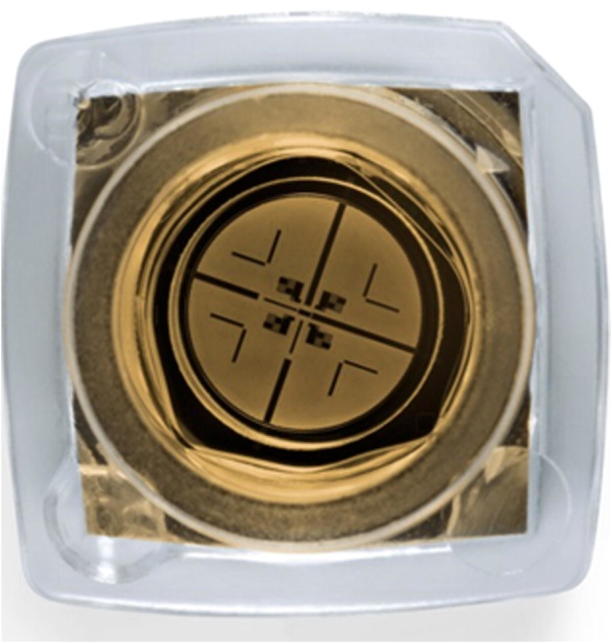
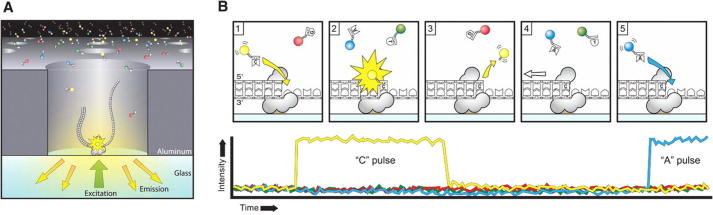
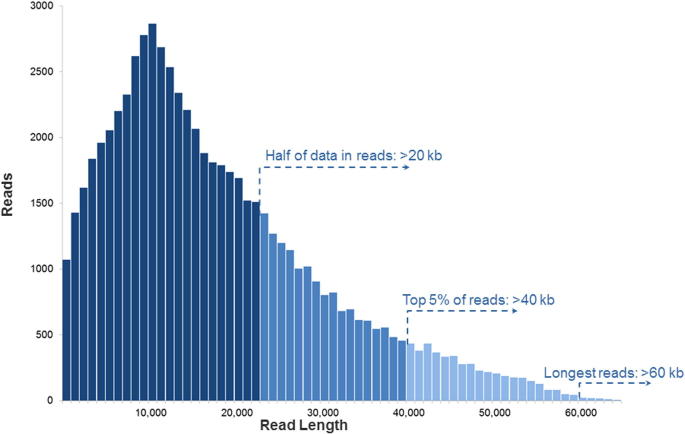
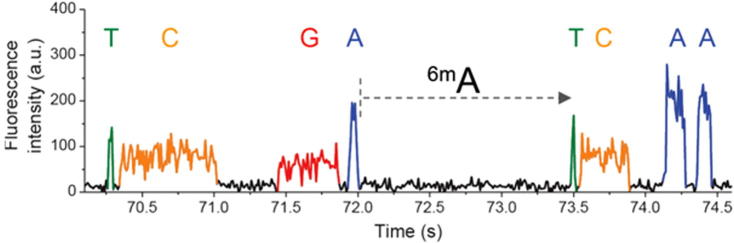
Verification
Claims the paper makes
The claims and statistics of this paper haven’t been checked yet.
Run the check — free, no account needed. It reads the open-access text and checks the sources it cites.
Claims other papers make about this one
Each is checked against this paper’s own text: does it say what the citing paper says it does?
In the citing paper
“Both platforms, however, have high single-pass error-rates (11–15% for PacBio (47), similar for Nanopore (48)).”
From Tandem repeats lead to sequence assembly errors and impose multi-level challenges for genome and protein databases (2019) · cites this paper as [47]
Self-check
Percentages, sums and reported differences re-computed from the paper’s own numbers.
The self-check needs the paper’s full text.
Citations
Cites
Trapnell, C., Williams, B. A., Pertea, G., Mortazavi, A., Kwan, G., van Baren, M. J., Salzberg, S. L., Wold, B. J., & Pachter, L. (2010) · Nature Biotechnology · doi:10.1038/nbt.1621 · Cited by 15,556
Human DNA methylomes at base resolution show widespread epigenomic differences
Lister, R., Pelizzola, M., Dowen, R. H., Hawkins, R. D., Hon, G., Tonti-Filippini, J., Nery, J. R., Lee, L., Ye, Z., Ngo, Q.-M., et al. (2009) · Nature · doi:10.1038/nature08514 · Cited by 4,673
Quail, M., Smith, M. E., Coupland, P., Otto, T. D., Harris, S. R., Connor, T. R., Bertoni, A., Swerdlow, H. P., & Gu, Y. (2012) · BMC Genomics · doi:10.1186/1471-2164-13-341 · Cited by 2,031
The Diploid Genome Sequence of an Individual Human
Levy, S., Sutton, G., Ng, P. C., Feuk, L., Halpern, A. L., Walenz, B. P., Axelrod, N., Huang, J., Kirkness, E. F., Denisov, G., et al. (2007) · PLoS Biology · doi:10.1371/journal.pbio.0050254 · Cited by 1,778
Direct detection of DNA methylation during single-molecule, real-time sequencing
Flusberg, B. A., Webster, D. R., Lee, J. H., Travers, K. J., Olivares, E. C., Clark, T. A., Korlach, J., & Turner, S. W. (2010) · Nature Methods · doi:10.1038/nmeth.1459 · Cited by 1,460
A single-molecule long-read survey of the human transcriptome
Sharon, D., Tilgner, H., Grubert, F., & Snyder, M. (2013) · Nature Biotechnology · doi:10.1038/nbt.2705 · Cited by 701
Fang, G., Munera, D., Friedman, D. I., Mandlik, A., Chao, M. C., Banerjee, O., Feng, Z., Losic, B., Mahajan, M. C., Jabado, O. J., et al. (2012) · Nature Biotechnology · doi:10.1038/nbt.2432 · Cited by 360
Characterization of the human ESC transcriptome by hybrid sequencing
Au, K. F., Sebastiano, V., Afshar, P. T., Durruthy, J. D., Lee, L., Williams, B. A., van Bakel, H., Schadt, E. E., Reijo-Pera, R. A., Underwood, J. G., et al. (2013) · Proceedings of the National Academy of Sciences · doi:10.1073/pnas.1320101110 · Cited by 341
Self-citationImproving PacBio Long Read Accuracy by Short Read Alignment
Au, K. F., Underwood, J. G., Lee, L., & Wong, W. H. (2012) · PLoS ONE · doi:10.1371/journal.pone.0046679 · Cited by 335
Self-citationBrown, S. D., Nagaraju, S., Utturkar, S., De Tissera, S., Segovia, S., Mitchell, W., Land, M. L., Dassanayake, A., & Köpke, M. (2014) · Biotechnology for Biofuels · doi:10.1186/1754-6834-7-40 · Cited by 145
Research works printed but not linked: 52
- Schadt, 2010, A window into third-generation sequencing, Hum Mol Genet, 19, R227, 10.1093/hmg/ddq416 · DOI
- Travers, 2010, A flexible and efficient template format for circular consensus sequencing and SNP detection, Nucleic Acids Res, 38, e159, 10.1093/nar/gkq543 · DOI
- Eid, 2009, Real-time DNA sequencing from single polymerase molecules, Science, 323, 133, 10.1126/science.1162986 · DOI · Paper page
- Koren, 2015, One chromosome, one contig: complete microbial genomes from long-read sequencing and assembly, Curr Opin Microbiol, 23, 110, 10.1016/j.mib.2014.11.014 · DOI
- Myers, 2015, PacBio AGBT 2015 live workshop
- Detter, 2014, Biological identification: DNA amplification and sequencing, optical sensing, Lab-On-Chip and portable systems, 1
- Liu, 2012, Comparison of next-generation sequencing systems, J Biomed Biotechnol, 2012, 251364, 10.1155/2012/251364 · DOI
- Niedringhaus, 2011, Landscape of next-generation sequencing technologies, Anal Chem, 83, 4327, 10.1021/ac2010857 · DOI
- Shendure, 2008, Next-generation DNA sequencing, Nat Biotechnol, 26, 1135, 10.1038/nbt1486 · DOI · Paper page
- Glenn, 2011, Field guide to next-generation DNA sequencers, Mol Ecol Resour, 11, 759, 10.1111/j.1755-0998.2011.03024.x · DOI · Paper page
- Laver, 2015, Assessing the performance of the Oxford Nanopore Technologies MinION, Biomol Detect Quantif, 3, 1, 10.1016/j.bdq.2015.02.001 · DOI
- Mikheyev, 2014, A first look at the Oxford Nanopore MinION sequencer, Mol Ecol Resour, 14, 1097, 10.1111/1755-0998.12324 · DOI
- Chin, 2013, Nonhybrid, finished microbial genome assemblies from long-read SMRT sequencing data, Nat Methods, 10, 563, 10.1038/nmeth.2474 · DOI · Paper page
- Liao, 2015, Completing bacterial genome assemblies: strategy and performance comparisons, Sci Rep, 5
- Bashir, 2012, A hybrid approach for the automated finishing of bacterial genomes, Nat Biotechnol, 30, 701, 10.1038/nbt.2288 · DOI
- Berlin, 2014, Assembling large genomes with single-molecule sequencing and locality sensitive hashing, Nat Biotechnol, 33, 623, 10.1038/nbt.3238 · DOI
- Chaisson, 2015, Resolving the complexity of the human genome using single-molecule sequencing, Nature, 517, 608, 10.1038/nature13907 · DOI
- Ferrarini, 2013, An evaluation of the PacBio RS platform for sequencing and de novo assembly of a chloroplast genome, BMC Genomics, 14, 670, 10.1186/1471-2164-14-670 · DOI
- Koren, 2012, Hybrid error correction and de novo assembly of single-molecule sequencing reads, Nat Biotechnol, 30, 693, 10.1038/nbt.2280 · DOI
- Satou, 2014, Complete genome sequences of eight Helicobacter pylori strains with different virulence factor genotypes and methylation profiles, isolated from patients with diverse gastrointestinal diseases on Okinawa island, Japan, determined using PacBio single-molecule real-time technology, Genome Announc, 2, 10.1128/genomeA.00286-14 · DOI
- Broder, 1998, In: Compression and complexity of sequences 1997—Proceedings. Salerno, 11 Jun 1997–13 Jun 1997., 21
- Chaisson, 2012, Mapping single molecule sequencing reads using basic local alignment with successive refinement (BLASR): application and theory, BMC Bioinformatics, 13, 238, 10.1186/1471-2105-13-238 · DOI
- Blasco, 2005, Telomeres and human disease: ageing, cancer and beyond, Nat Rev Genet, 6, 611, 10.1038/nrg1656 · DOI · Paper page
- Coupland, 2012, Direct sequencing of small genomes on the Pacific Biosciences RS without library preparation, Biotechniques, 53, 365, 10.2144/000113962 · DOI
- Zhang, 2012, Improving genome assemblies by sequencing PCR products with PacBio, Biotechniques, 53, 61, 10.2144/0000113891 · DOI
- Loomis, 2013, Sequencing the unsequenceable: expanded CGG-repeat alleles of the fragile X gene, Genome Res, 23, 121, 10.1101/gr.141705.112 · DOI
- Jin, 2000, Understanding the molecular basis of fragile X syndrome, Hum Mol Genet, 9, 901, 10.1093/hmg/9.6.901 · DOI
- Guo, 2014, Genome reference and sequence variation in the large repetitive central exon of human MUC5AC, Am J Respir Cell Mol Biol, 50, 223, 10.1165/rcmb.2013-0235OC · DOI
- Kreda, 2012, CFTR, mucins, and mucus obstruction in cystic fibrosis, Cold Spring Harb Perspect Med, 2, a009589, 10.1101/cshperspect.a009589 · DOI
- Doi, 2014, Rapid detection of expanded short tandem repeats in personal genomics using hybrid sequencing, Bioinformatics, 30, 815, 10.1093/bioinformatics/btt647 · DOI
- Patel, 2014, Amplification and thrifty single-molecule sequencing of recurrent somatic structural variations, Genome Res, 24, 318, 10.1101/gr.161497.113 · DOI
- Liu, 2015, Structural variation discovery in the cancer genome using next generation sequencing: computational solutions and perspectives, Oncotarget, 6, 5477, 10.18632/oncotarget.3491 · DOI
- English, 2015, Assessing structural variation in a personal genome-towards a human reference diploid genome, BMC Genomics, 16, 286, 10.1186/s12864-015-1479-3 · DOI
- Ritz, 2014, Characterization of structural variants with single molecule and hybrid sequencing approaches, Bioinformatics, 30, 3458, 10.1093/bioinformatics/btu714 · DOI
- Hampton, 2009, A sequence-level map of chromosomal breakpoints in the MCF-7 breast cancer cell line yields insights into the evolution of a cancer genome, Genome Res, 19, 167, 10.1101/gr.080259.108 · DOI
- Hampton, 2011, Long-range massively parallel mate pair sequencing detects distinct mutations and similar patterns of structural mutability in two breast cancer cell lines, Cancer Genet, 204, 447, 10.1016/j.cancergen.2011.07.009 · DOI
- Steijger, 2013, Assessment of transcript reconstruction methods for RNA-seq, Nat Methods, 10, 1177, 10.1038/nmeth.2714 · DOI · Paper page
- Chen, 2014, Transcriptional diversity during lineage commitment of human blood progenitors, Science, 345, 1251033, 10.1126/science.1251033 · DOI
- Weirather, 2015, Characterization of fusion genes and the significantly expressed fusion isoforms in breast cancer by hybrid sequencing, Nucleic Acids Res, 10.1093/nar/gkv562 · DOI · Paper page
- Fernandez-Cuesta, 2015, Identification of novel fusion genes in lung cancer using breakpoint assembly of transcriptome sequencing data, Genome Biol, 16, 7, 10.1186/s13059-014-0558-0 · DOI
- Kim, 2011, TopHat-Fusion: an algorithm for discovery of novel fusion transcripts, Genome Biol, 12, R72, 10.1186/gb-2011-12-8-r72 · DOI
- Tilgner, 2014, Defining a personal, allele-specific, and single-molecule long-read transcriptome, Proc Natl Acad Sci U S A, 111, 9869, 10.1073/pnas.1400447111 · DOI · Paper page
- Tilgner, 2013, Accurate identification and analysis of human mRNA isoforms using deep long read sequencing, G3 (Bethesda), 3, 387, 10.1534/g3.112.004812 · DOI
- Bierne, 2012, Epigenetics and bacterial infections, Cold Spring Harb Perspect Med, 2, a010272, 10.1101/cshperspect.a010272 · DOI
- Murray, 2012, The methylomes of six bacteria, Nucleic Acids Res, 40, 11450, 10.1093/nar/gks891 · DOI
- Ratel, 2006, N6-methyladenine: the other methylated base of DNA, BioEssays, 28, 309, 10.1002/bies.20342 · DOI
- Beckmann, 2014, Detecting epigenetic motifs in low coverage and metagenomics settings, BMC Bioinformatics, 15, S16, 10.1186/1471-2105-15-S9-S16 · DOI
- Vilfan, 2013, Analysis of RNA base modification and structural rearrangement by single-molecule real-time detection of reverse transcription, J Nanobiotechnol, 11, 8, 10.1186/1477-3155-11-8 · DOI
- Feng, 2013, Detecting DNA modifications from SMRT sequencing data by modeling sequence context dependence of polymerase kinetic, PLoS Comput Biol, 9, e1002935, 10.1371/journal.pcbi.1002935 · DOI
- Feng, 2014, QDNAmod: a statistical model-based tool to reveal intercellular heterogeneity of DNA modification from SMRT sequencing data, Nucleic Acids Res, 42, 13488, 10.1093/nar/gku1097 · DOI
- Hayden, 2014, Data from pocket-sized genome sequencer unveiled, Nature, 10.1038/nature.2014.14724 · DOI
- Pacific Biosciences, 2015, Sequel system: high-throughput
Cited by
Sorted by citations
Next-Generation Sequencing Technology: Current Trends and Advancements
Satam, H., Joshi, K., Mangrolia, U., Waghoo, S., Zaidi, G., Rawool, S., Thakare, R. P., Banday, S., Mishra, A. K., Das, G., et al. (2023) · Biology · doi:10.3390/biology12070997 · Cited by 1,299
The MHC locus and genetic susceptibility to autoimmune and infectious diseases
Matzaraki, V., Kumar, V., Wijmenga, C., & Zhernakova, A. (2017) · Genome biology · doi:10.1186/s13059-017-1207-1 · Cited by 566
Tørresen, O. K., Star, B., Mier, P., Andrade-Navarro, M. A., Bateman, A., Jarnot, P., Gruca, A., Grynberg, M., Kajava, A. V., Promponas, V. J., et al. (2019) · Nucleic Acids Research · doi:10.1093/nar/gkz841 · Cited by 347
Identifying biases and their potential solutions in human microbiome studies
Nearing, J. T., Comeau, A. M., & Langille, M. G. I. (2021) · Microbiome · doi:10.1186/s40168-021-01059-0 · Cited by 240
The Value of Reference Genomes in the Conservation of Threatened Species
Brandies, P., Peel, E., Hogg, C. J., & Belov, K. (2019) · Genes · doi:10.3390/genes10110846 · Cited by 158
Zhao, X., Collins, R. L., Lee, W.-P., Weber, A. M., Jun, Y., Zhu, Q., Weisburd, B., Huang, Y., Audano, P. A., Wang, H., et al. (2021) · The American Journal of Human Genetics · doi:10.1016/j.ajhg.2021.03.014 · Cited by 132
Advances in genomics for adapting crops to climate change
Scheben, A., Yuan, Y., & Edwards, D. (2016) · Current Plant Biology · doi:10.1016/j.cpb.2016.09.001 · Cited by 117
Computational methods for chromosome-scale haplotype reconstruction
Garg, S. (2021) · Genome Biology · doi:10.1186/s13059-021-02328-9 · Cited by 116
Matsa, E., Ahrens, J. H., & Wu, J. C. (2016) · Physiological Reviews · doi:10.1152/physrev.00036.2015 · Cited by 105
Mapping epigenetic modifications by sequencing technologies
Chen, X., Xu, H., Shu, X., & Song, C.-X. (2025) · Cell Death & Differentiation · doi:10.1038/s41418-023-01213-1 · Cited by 105
Li, Y., Wei, Z.-Z., Sela, H., Govta, L., Klymiuk, V., Roychowdhury, R., Chawla, H. S., Ens, J., Wiebe, K., Bocharova, V., et al. (2024) · Plant Communications · doi:10.1016/j.xplc.2023.100646 · Cited by 103
High Throughput Sequencing for Detection of Foodborne Pathogens
Sekse, C., Holst-Jensen, A., Dobrindt, U., Johannessen, G. S., Li, W., Spilsberg, B., & Shi, J. (2017) · Frontiers in Microbiology · doi:10.3389/fmicb.2017.02029 · Cited by 98
Genetic Drivers of Multidrug Resistance in Candida glabrata
Healey, K. R., Jimenez Ortigosa, C., Shor, E., & Perlin, D. S. (2016) · Frontiers in Microbiology · doi:10.3389/fmicb.2016.01995 · Cited by 93
Role of RNA modifications in brain and behavior
Jung, Y., & Goldman, D. (2018) · Genes, Brain and Behavior · doi:10.1111/gbb.12444 · Cited by 66
Qureshi, N., Gu, Q., & Li, P. (2020) · Journal of Applied Microbiology · doi:10.1111/jam.14627 · Cited by 64
Kondo, K., & Taguchi, C. (2022) · Food Safety · doi:10.14252/foodsafetyfscj.d-21-00016 · Cited by 49
Inherited Retinal Diseases Due to RPE65 Variants: From Genetic Diagnostic Management to Therapy
Aoun, M., Passerini, I., Chiurazzi, P., Karali, M., De Rienzo, I., Sartor, G., Murro, V., Filimonova, N., Seri, M., & Banfi, S. (2021) · International Journal of Molecular Sciences · doi:10.3390/ijms22137207 · Cited by 47
BioMaster: Multi-agent System for Automated Bioinformatics Analysis Workflow
Su, H., Long, W., & Zhang, Y. (2025) · doi:10.1101/2025.01.23.634608 · Cited by 18
A genomic compendium of hundreds of teleost fishes reveals their evolutionary landscape
Song, Y., Yuan, Z., Fang, C., Zhang, S., Yang, L., Hu, M., Seim, I., Liu, S., Tian, X., Wang, C., et al. (2026) · The Innovation · doi:10.1016/j.xinn.2025.101177 · Cited by 3
A telomere-to-telomere chromosome-scale genome assembly of glass catfish (Kryptopterus vitreolus)
Bian, C., Li, D., Wang, Y., He, Z., Chen, W.-T., Chong, C.-M., Zhou, H., & Shi, Q. (2025) · Scientific Data · doi:10.1038/s41597-025-04841-z · Cited by 2
Bian, C., Hu, C., He, Z., Li, Z., & Shi, Q. (2025) · Scientific Data · doi:10.1038/s41597-025-04824-0 · Cited by 2
Metadata
- Authors
- Rhoads, A., & Au, K. F.
- Affiliations
- Department of Biostatistics, University of Iowa , Iowa City, IA, 52242 , USA
- Venue
- Genomics, Proteomics & Bioinformatics
- Publisher
- Oxford University Press (OUP)
- Published
- 2015-10-01
- Volume
- 13
- Issue
- 5
- Pages
- 278-289
- ISSN
- 1672-0229
- 2210-3244
- PMC
- PMC4678779
- Cited by
- 2,135
- References
- 10
- Language
- en
- Licence
- Funders
- University of Iowa
About these checks
Registry, retraction, Cites and statistics results are computed, not judged, with one exception: a printed reference that no index lists is read once by a model before it counts as a citation error. Claims are extracted by a model and kept only when their quote appears verbatim in the text; each cited source is then checked, with a model’s help, for whether it says what the claim relies on. Those verdicts can be wrong — read the claim’s quote and the cited source before relying on one.
Statistics and arithmetic are recomputed, not judged.
Confidence bands are shown only for fields calibrated on our annotated test set. None is calibrated yet, so no band is shown.
What counts as a claim ›How we measure confidence ›How we check this ›
Are you an author, or do you see a problem with this page? Request a review
