

The DOI matches its Crossref record; 56 of the 58 references it cites were found in a registry or an index.
Glucagon-to-insulin ratio is pivotal for splanchnic regulation of FGF-21 in humans
Open accessAbstract
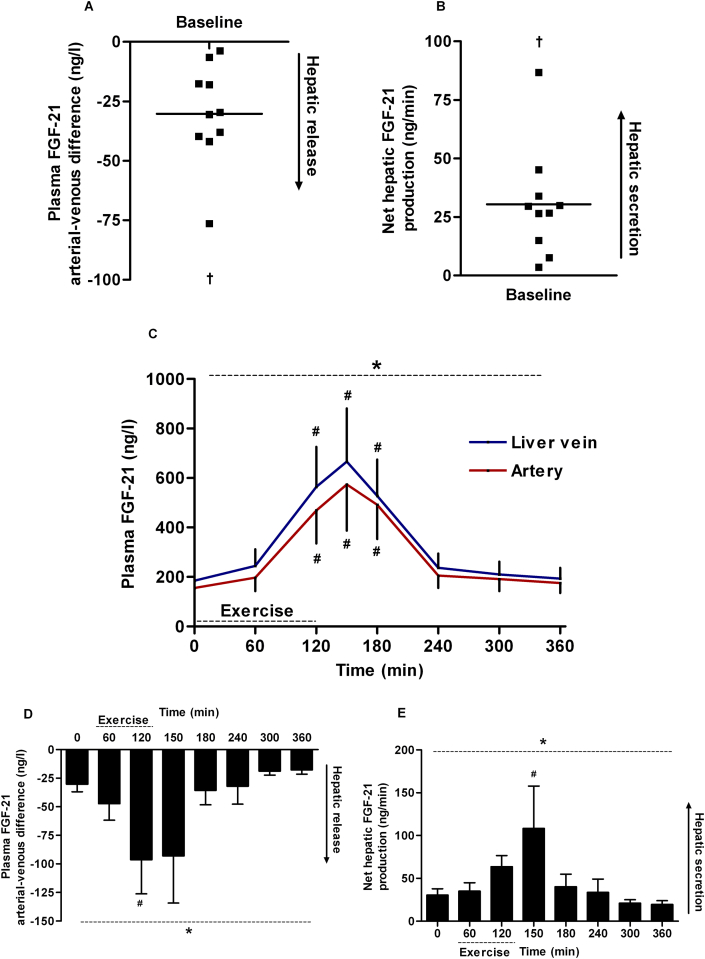
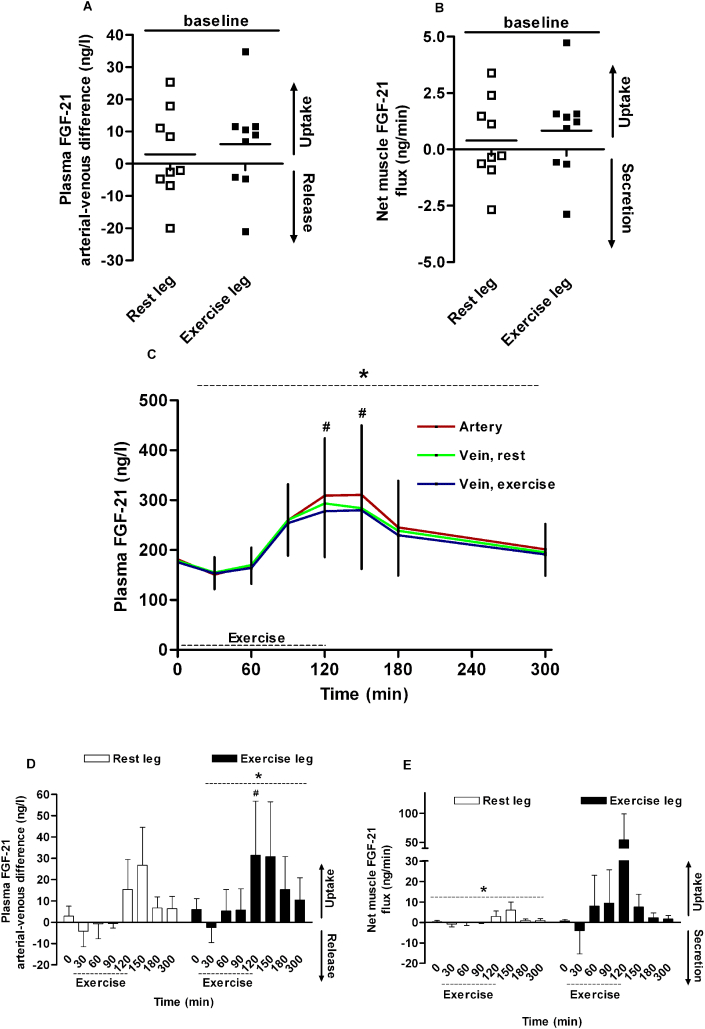
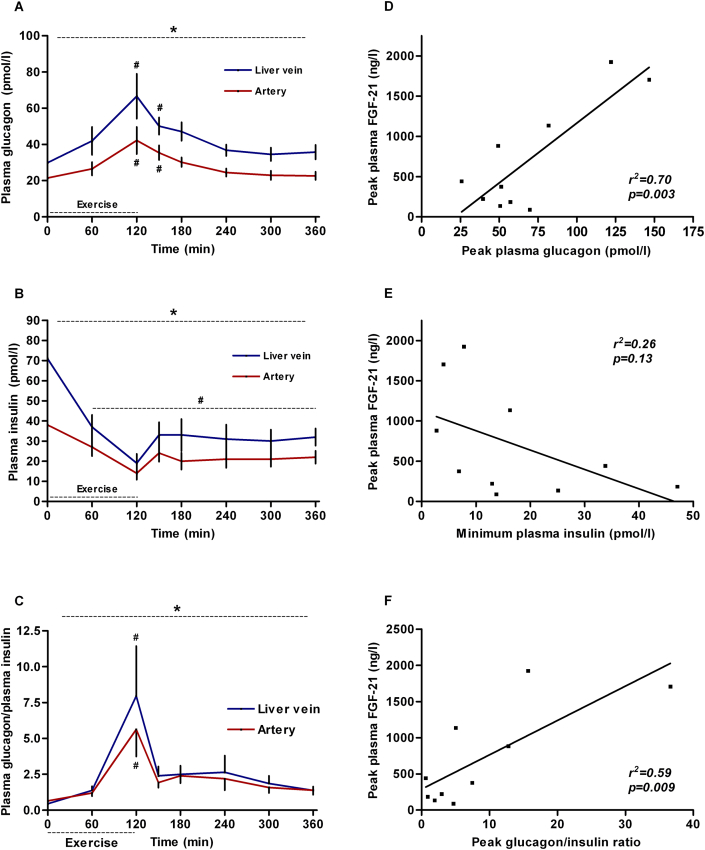
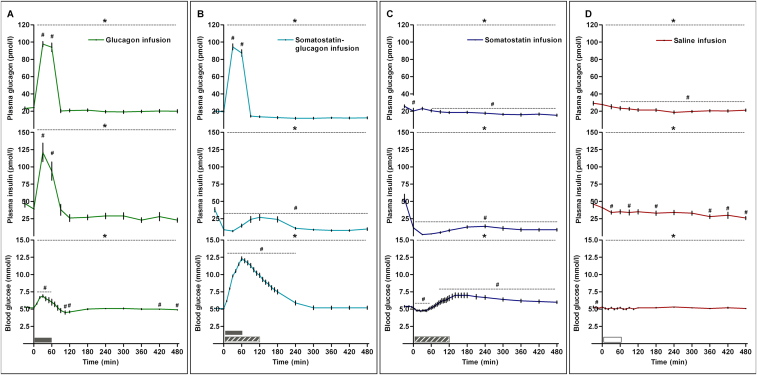
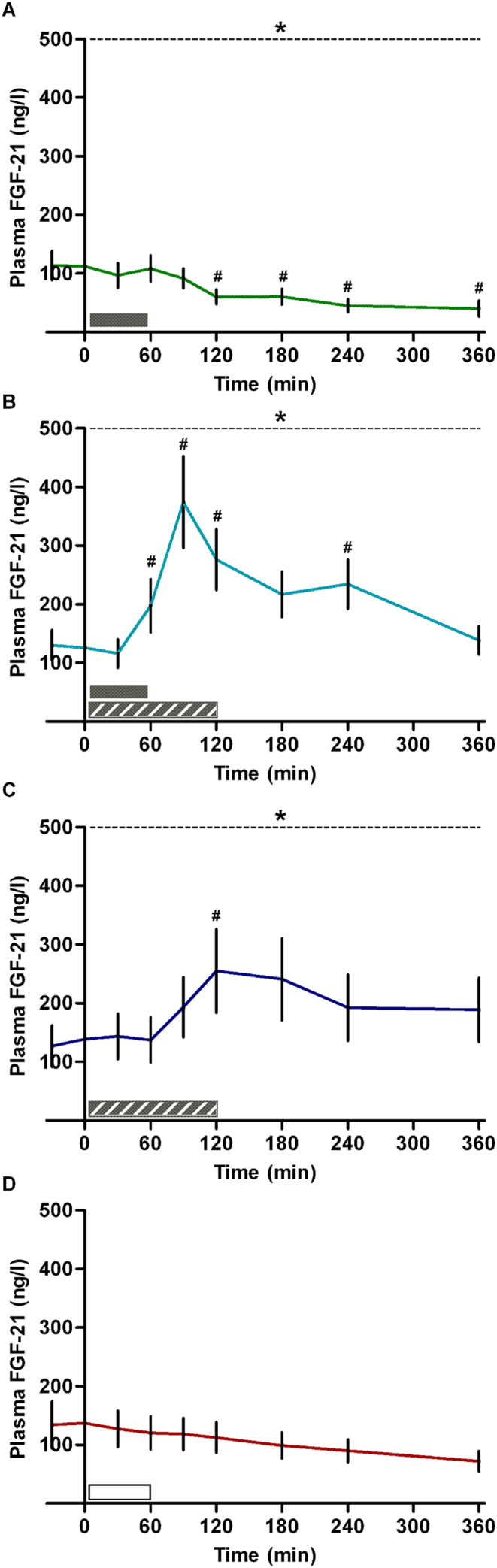
BACKGROUND & AIMS: Fibroblast growth factor 21 (FGF-21) is a liver-derived metabolic regulator induced by energy deprivation. However, its regulation in humans is incompletely understood. We addressed the origin and regulation of FGF-21 secretion in humans. METHODS: By determination of arterial-to-venous differences over the liver and the leg during exercise, we evaluated the organ-specific secretion of FGF-21 in humans. By four different infusion models manipulating circulating glucagon and insulin, we addressed the interaction of these hormones on FGF-21 secretion in humans. RESULTS: We demonstrate that the splanchnic circulation secretes FGF-21 at rest and that it is rapidly enhanced during exercise. In contrast, the leg does not contribute to the systemic levels of FGF-21. To unravel the mechanisms underlying the regulation of exercise-induced hepatic release of FGF-21, we manipulated circulating glucagon and insulin. These studies demonstrated that in humans glucagon stimulates splanchnic FGF-21 secretion whereas insulin has an inhibitory effect. CONCLUSIONS: Collectively, our data reveal that 1) in humans, the splanchnic bed contributes to the systemic FGF-21 levels during rest and exercise; 2) under normo-physiological conditions FGF-21 is not released from the leg; 3) a dynamic interaction of glucagon-to-insulin ratio regulates FGF-21 secretion in humans.
Overview
The claims and statistics of this paper haven’t been checked yet.
Run the check — free, no account needed. It reads the open-access text and checks the sources it cites.
Integrity signals
Registry
Cites
Statistics
Figures
Verification
Claims the paper makes
The claims and statistics of this paper haven’t been checked yet.
Run the check — free, no account needed. It reads the open-access text and checks the sources it cites.
Claims other papers make about this one
Each is checked against this paper’s own text: does it say what the citing paper says it does?
In the citing paper
“circulating levels of FGF21 are now known to be derived primarily, if not exclusively, from the liver under physiological conditions in both rodents6 and humans7.”
From Metabolic messengers: FGF21 (2021) · cites this paper as [7]
In the citing paper
“Notably, despite the expression of Fgf21 mRNA in these tissues, under most physiological conditions, circulating levels of FGF21 are derived primarily from the liver (46, 86).”
From Fibroblast Growth Factor 21: A Versatile Regulator of Metabolic Homeostasis (2018) · cites this paper as [46]
In the citing paper
“In addition, in humans in response to exercise, FGF21 is produced from the liver not muscle (46).”
From Fibroblast Growth Factor 21: A Versatile Regulator of Metabolic Homeostasis (2018) · cites this paper as [46]
Self-check
Percentages, sums and reported differences re-computed from the paper’s own numbers.
The self-check needs the paper’s full text.
Citations
Cites
1 retracted
Berglund, E. D., Kang, L., Lee, R. S., Hasenour, C. M., Lustig, D. G., Lynes, S. E., Donahue, E. P., Swift, L. L., Charron, M. J., & Wasserman, D. H. (2010) · American Journal of Physiology-Endocrinology and Metabolism · doi:10.1152/ajpendo.00263.2010 · Cited by 100
RetractedFGF-21 as a novel metabolic regulator
Kharitonenkov, A., Shiyanova, T. L., Koester, A., Ford, A. M., Micanovic, R., Galbreath, E. J., Sandusky, G. E., Hammond, L. J., Moyers, J. S., Owens, R. A., et al. (2005) · Journal of Clinical Investigation · doi:10.1172/jci23606 · Cited by 2,125
Inagaki, T., Dutchak, P., Zhao, G., Ding, X., Gautron, L., Parameswara, V., Li, Y., Goetz, R., Mohammadi, M., Esser, V., et al. (2007) · Cell Metabolism · doi:10.1016/j.cmet.2007.05.003 · Cited by 1,504
Badman, M. K., Pissios, P., Kennedy, A. R., Koukos, G., Flier, J. S., & Maratos-Flier, E. (2007) · Cell Metabolism · doi:10.1016/j.cmet.2007.05.002 · Cited by 1,495
Xu, J., Lloyd, D. J., Hale, C., Stanislaus, S., Chen, M., Sivits, G., Vonderfecht, S., Hecht, R., Li, Y.-S., Lindberg, R. A., et al. (2009) · Diabetes · doi:10.2337/db08-0392 · Cited by 1,151
Koliaki, C., Szendroedi, J., Kaul, K., Jelenik, T., Nowotny, P., Jankowiak, F., Herder, C., Carstensen, M., Krausch, M., Knoefel, W. T., et al. (2015) · Cell Metabolism · doi:10.1016/j.cmet.2015.04.004 · Cited by 1,032
Zhang, X., Yeung, D. C. Y., Karpisek, M., Stejskal, D., Zhou, Z.-G., Liu, F., Wong, R. L. C., Chow, W.-S., Tso, A. W. K., Lam, K. S. L., et al. (2008) · Diabetes · doi:10.2337/db07-1476 · Cited by 908
The effects of LY2405319, an FGF21 analog, in obese human subjects with type 2 diabetes
Gaich, G., Chien, J. Y., Fu, H., Glass, L. C., Deeg, M. A., Holland, W. L., Kharitonenkov, A., Bumol, T., Schilske, H. K., & Moller, D. E. (2013) · Cell Metabolism · doi:10.1016/j.cmet.2013.08.005 · Cited by 885
Identification of a novel FGF, FGF-21, preferentially expressed in the liver
Nishimura, T., Nakatake, Y., Konishi, M., & Itoh, N. (2000) · Biochimica et Biophysica Acta (BBA) - Gene Structure and Expression · doi:10.1016/s0167-4781(00)00067-1 · Cited by 847
Kim, K. H., Jeong, Y. T., Oh, H., Kim, S. H., Cho, J. M., Kim, Y.-N., Kim, S. S., Kim, D. H., Hur, K. Y., Kim, H. K., et al. (2013) · Nature Medicine · doi:10.1038/nm.3014 · Cited by 774
Cited by
Sorted by citations
Muscle–Organ Crosstalk: The Emerging Roles of Myokines
Severinsen, M. C. K., & Pedersen, B. K. (2020) · Endocrine Reviews · doi:10.1210/endrev/bnaa016 · Cited by 1,226
“The Fibroblast growth factor 21 (FGF-21) (150) and Follistatin (151) are released from human liver during exercise and this release is controlled by the glucagon-to-insulin ratio (152).”
BackgroundSelf-citationExtracellular Vesicles Provide a Means for Tissue Crosstalk during Exercise
Whitham, M., Parker, B. L., Friedrichsen, M. H., Hingst, J. R., Hjorth, M., Hughes, W. E., Egan, C. L., Cron, L., Watt, K. I., Kuchel, R. P., et al. (2018) · Cell Metabolism · doi:10.1016/j.cmet.2017.12.001 · Cited by 700
The endocrine function of adipose tissues in health and cardiometabolic disease
Scheja, L., & Heeren, J. (2019) · Nature Reviews Endocrinology · doi:10.1038/s41574-019-0230-6 · Cited by 663
The potential of endurance exercise-derived exosomes to treat metabolic diseases
Safdar, A., Saleem, A., & Tarnopolsky, M. A. (2016) · Nature Reviews Endocrinology · doi:10.1038/nrendo.2016.76 · Cited by 463
Skeletal Muscle as an Endocrine Organ: The Role of Myokines in Exercise Adaptations
Hoffmann, C., & Weigert, C. (2017) · Cold Spring Harbor Perspectives in Medicine · doi:10.1101/cshperspect.a029793 · Cited by 393
Self-citationFlippo, K. H., & Potthoff, M. J. (2021) · Nature Metabolism · doi:10.1038/s42255-021-00354-2 · Cited by 311
Gonzalez-Gil, A. M., & Elizondo-Montemayor, L. (2020) · Nutrients · doi:10.3390/nu12061899 · Cited by 278
The Ever-Expanding Myokinome: Discovery Challenges and Therapeutic Implications
Whitham, M., & Febbraio, M. A. (2016) · Nature Reviews Drug Discovery · doi:10.1038/nrd.2016.153 · Cited by 279
Fibroblast Growth Factor 21—Metabolic Role in Mice and Men
Staiger, H., Keuper, M., Berti, L., Hrabě de Angelis, M., & Häring, H.-U. (2017) · Endocrine Reviews · doi:10.1210/er.2017-00016 · Cited by 270
Exercise sustains the hallmarks of health
Qiu, Y., Fernández-García, B., Lehmann, H. I., Li, G., Kroemer, G., López-Otín, C., & Xiao, J. (2023) · Journal of Sport and Health Science · doi:10.1016/j.jshs.2022.10.003 · Cited by 270
Inter-organ crosstalk during development and progression of type 2 diabetes mellitus
Xourafa, G., Korbmacher, M., & Roden, M. (2024) · Nature Reviews Endocrinology · doi:10.1038/s41574-023-00898-1 · Cited by 274
Fibroblast Growth Factor 21: A Versatile Regulator of Metabolic Homeostasis
BonDurant, L. D., & Potthoff, M. J. (2018) · Annual Review of Nutrition · doi:10.1146/annurev-nutr-071816-064800 · Cited by 222
Exosomes as Mediators of the Systemic Adaptations to Endurance Exercise
Safdar, A., & Tarnopolsky, M. A. (2018) · Cold Spring Harbor Perspectives in Medicine · doi:10.1101/cshperspect.a029827 · Cited by 203
Going Back to the Biology of FGF21: New Insights
Lewis, J. E., Ebling, F. J. P., Samms, R. J., & Tsintzas, K. (2019) · Trends in Endocrinology and Metabolism · doi:10.1016/j.tem.2019.05.007 · Cited by 170
Metabolic communication during exercise
Murphy, R. M., Watt, M. J., & Febbraio, M. A. (2020) · Nature Metabolism · doi:10.1038/s42255-020-0258-x · Cited by 162
The Liver–α-Cell Axis and Type 2 Diabetes
Albrechtsen, N. J. W., Pedersen, J., Galsgaard, K. D., Winther‐Sørensen, M., Suppli, M. P., Janah, L., Gromada, J., Vilstrup, H., Knop, F. K., & Holst, J. J. (2019) · Endocrine Reviews · doi:10.1210/er.2018-00251 · Cited by 154
Regulation of myokine expression: Role of exercise and cellular stress
Ost, M., Coleman, V., Kasch, J., & Klaus, S. (2016) · Free Radical Biology and Medicine · doi:10.1016/j.freeradbiomed.2016.02.018 · Cited by 135
Acute exercise increases fibroblast growth factor 21 in metabolic organs and circulation
Tanimura, Y., Aoi, W., Takanami, Y., Kawai, Y., Mizushima, K., Naito, Y., & Yoshikawa, T. (2016) · Physiological Reports · doi:10.14814/phy2.12828 · Cited by 131
Circulating FGF21 in humans is potently induced by short term overfeeding of carbohydrates
Lundsgaard, A.-M., Fritzen, A. M., Sjøberg, K. A., Myrmel, L. S., Madsen, L., Wojtaszewski, J. F. P., Richter, E. A., & Kiens, B. (2017) · Molecular Metabolism · doi:10.1016/j.molmet.2016.11.001 · Cited by 126
Circulating follistatin is liver-derived and regulated by the glucagon-to-insulin ratio
Hansen, J. S., Rutti, S., Arous, C., Clemmesen, J. O., Secher, N. H., Drescher, A., Gonelle-Gispert, C., Halban, P. A., Pedersen, B. K., Weigert, C., et al. (2016) · The Journal of Clinical Endocrinology & Metabolism · doi:10.1210/jc.2015-3668 · Cited by 125
Self-citationMitochondrial stress and mitokines in aging
Burtscher, J., Soltany, A., Visavadiya, N. P., Burtscher, M., Millet, G. P., Khoramipour, K., & Khamoui, A. V. (2023) · Aging Cell · doi:10.1111/acel.13770 · Cited by 123
Hansen, J. S., Pedersen, B. K., Xu, G., Lehmann, R., Weigert, C., & Plomgaard, P. (2016) · The Journal of Clinical Endocrinology & Metabolism · doi:10.1210/jc.2016-1681 · Cited by 106
Self-citationLiu, X., Zhang, Z., Song, Y., Xie, H., & Dong, M. (2023) · Frontiers in Endocrinology · doi:10.3389/fendo.2022.1065263 · Cited by 102
AMPK and the Endocrine Control of Metabolism
Townsend, L. K., & Steinberg, G. R. (2023) · Endocrine Reviews · doi:10.1210/endrev/bnad012 · Cited by 114
Fibroblast Growth Factor 21 and the Adaptive Response to Nutritional Challenges
Martínez‐Garza, Ú., Torres‐Oteros, D., Yarritu, A., Marrero, P. F., Haro, D., & Relat, J. (2019) · International Journal of Molecular Sciences · doi:10.3390/ijms20194692 · Cited by 88
Mechanisms Preserving Insulin Action during High Dietary Fat Intake
Lundsgaard, A., Holm, J. B., Sjøberg, K. A., Bojsen-Møller, K. N., Myrmel, L. S., Fjære, E., Jensen, B. A. H., Nicolaisen, T. S., Hingst, J. R., Hansen, S. L., et al. (2018) · Cell Metabolism · doi:10.1016/j.cmet.2018.08.022 · Cited by 85
Circulating FGF21 Levels in Human Health and Metabolic Disease
Keuper, M., Häring, H., & Staiger, H. (2019) · Experimental and Clinical Endocrinology & Diabetes · doi:10.1055/a-0879-2968 · Cited by 83
Xu, G., Hansen, J. S., Zhao, X., Chen, S., Hoene, M., Wang, X., Clemmesen, J. O., Secher, N. H., Häring, H., Pedersen, B. K., et al. (2016) · The Journal of Clinical Endocrinology & Metabolism · doi:10.1210/jc.2016-1859 · Cited by 80
Self-citationExercise and diabetes: relevance and causes for response variability
Böhm, A., Weigert, C., Staiger, H., & Häring, H. (2015) · Endocrine · doi:10.1007/s12020-015-0792-6 · Cited by 83
Self-citationPhysical Exercise-Induced Myokines in Neurodegenerative Diseases
Lee, B., Shin, M., Park, Y., Won, S.-Y., & Cho, K. S. (2021) · International Journal of Molecular Sciences · doi:10.3390/ijms22115795 · Cited by 79
The roles of FGF21 and GDF15 in mediating the mitochondrial integrated stress response
Jena, J., García-Peña, L. M., & Pereira, R. O. (2023) · Frontiers in Endocrinology · doi:10.3389/fendo.2023.1264530 · Cited by 78
Muscle mitochondrial stress adaptation operates independently of endogenous FGF21 action
Ost, M., Coleman, V., Voigt, A., van Schothorst, E. M., Keipert, S., van der Stelt, I., Ringel, S., Graja, A., Ambrosi, T., Kipp, A. P., et al. (2016) · Molecular Metabolism · doi:10.1016/j.molmet.2015.11.002 · Cited by 75
The potential function and clinical application of FGF21 in metabolic diseases
Chen, Z., Yang, L., Liu, Y., Huang, P., Song, H., & Zheng, P. (2022) · Frontiers in Pharmacology · doi:10.3389/fphar.2022.1089214 · Cited by 73
Kruse, R., Vienberg, S. G., Vind, B. F., Andersen, B., & Højlund, K. (2017) · Diabetologia · doi:10.1007/s00125-017-4373-5 · Cited by 69
Factors mediating exercise‐induced organ crosstalk
Sabaratnam, R., Wojtaszewski, J. F. P., & Højlund, K. (2022) · Acta Physiologica · doi:10.1111/apha.13766 · Cited by 70
Circulating follistatin in relation to energy metabolism
Hansen, J. S., & Plomgaard, P. (2016) · Molecular and Cellular Endocrinology · doi:10.1016/j.mce.2016.06.002 · Cited by 62
Self-citationIngerslev, B., Hansen, J. S., Hoffmann, C., Clemmesen, J. O., Secher, N. H., Scheler, M., Hrabĕ de Angelis, M., Häring, H. U., Pedersen, B. K., Weigert, C., et al. (2017) · Molecular Metabolism · doi:10.1016/j.molmet.2017.06.018 · Cited by 61
“Regulation of plasma ANGPTL4 by the glucagon-to-insulin ratio at rest To evaluate whether an elevated glucagon-to-insulin ratio stimulates exercise-induced increase in plasma ANGPTL4 levels, ANGPTL4 was measured in samples from a hormone infusion study where the exercise-induced increase in the glucagon-to-insulin rat…”
BackgroundMethodInfluentialSelf-citationGlucagon's Metabolic Action in Health and Disease
Zeigerer, A., Sekar, R., Kleinert, M., Nason, S. R., Habegger, K. M., & Müller, T. D. (2021) · Comprehensive physiology · doi:10.1002/cphy.c200013 · Cited by 87
Hepatokines—A novel group of exercise factors
Weigert, C., Hoene, M., & Plomgaard, P. (2019) · Pflügers Archiv - European Journal of Physiology · doi:10.1007/s00424-018-2216-y · Cited by 57
Self-citationSkeletal Muscle and Bone – Emerging Targets of Fibroblast Growth Factor-21
Sun, H., Sherrier, M. C., & Li, H. (2021) · Frontiers in Physiology · doi:10.3389/fphys.2021.625287 · Cited by 54
Role of exercise-induced hepatokines in metabolic disorders
Ennequin, G., Sirvent, P., & Whitham, M. (2019) · American Journal of Physiology-Endocrinology and Metabolism · doi:10.1152/ajpendo.00433.2018 · Cited by 54
Harris, L.-A. L. S., Smith, G. I., Patterson, B. W., Ramaswamy, R. S., Okunade, A. L., Kelly, S. C., Porter, L. C., Klein, S., Yoshino, J., & Mittendorfer, B. (2017) · Diabetes · doi:10.2337/db16-1475 · Cited by 52
Fibroblast growth factor-21 potentiates glucose transport in skeletal muscle fibers
Rosales‐Soto, G., Díaz‐Vegas, A., Casas, M., Contreras‐Ferrat, A. E., & Jaimovich, E. (2020) · Journal of Molecular Endocrinology · doi:10.1530/jme-19-0210 · Cited by 53
Plasma Myokine Concentrations After Acute Exercise in Non-obese and Obese Sedentary Women
Garneau, L., Parsons, S. A., Smith, S. R., Mulvihill, E. E., Sparks, L. M., & Aguer, C. (2020) · Frontiers in Physiology · doi:10.3389/fphys.2020.00018 · Cited by 57
Sabaratnam, R., Pedersen, A. J. T., Kristensen, J. M., Handberg, A., Wojtaszewski, J. F. P., & Højlund, K. (2018) · Physiological Reports · doi:10.14814/phy2.13723 · Cited by 50
Effect of exercise intensity on circulating hepatokine concentrations in healthy men
Willis, S. A., Sargeant, J. A., Thackray, A. E., Yates, T. E., Stensel, D. J., Aithal, G. P., & King, J. A. (2019) · Applied Physiology, Nutrition, and Metabolism · doi:10.1139/apnm-2018-0818 · Cited by 48
Loyd, C., Magrisso, I. J., Haas, M., Balusu, S., Krishna, R., Itoh, N., Sandoval, D. A., Pérez–Tilve, D., Obici, S., & Habegger, K. M. (2016) · Journal of Applied Physiology · doi:10.1152/japplphysiol.00456.2016 · Cited by 49
Muscle-Liver Substrate Fluxes in Exercising Humans and Potential Effects on Hepatic Metabolism
Hu, C., Hoene, M., Plomgaard, P., Hansen, J. S., Zhao, X., Li, J., Wang, X., Clemmesen, J. O., Secher, N. H., Häring, H. U., et al. (2019) · The Journal of Clinical Endocrinology & Metabolism · doi:10.1210/clinem/dgz266 · Cited by 44
Self-citationLooking on the “brite” side exercise-induced browning of white adipose tissue
Townsend, L. K., & Wright, D. C. (2019) · Pflügers Archiv - European Journal of Physiology · doi:10.1007/s00424-018-2177-1 · Cited by 44
Role of GDF15 in active lifestyle induced metabolic adaptations and acute exercise response in mice
Gil, C. I., Ost, M., Kasch, J., Schumann, S., Heider, S., & Klaus, S. (2019) · Scientific Reports · doi:10.1038/s41598-019-56922-w · Cited by 46
Torre-Villalvazo, I., Alemán, G., Valle‐Rios, R., & Noriega, L. G. (2019) · Nutrition Research · doi:10.1016/j.nutres.2019.06.006 · Cited by 45
Exercise and browning of white adipose tissue – a translational perspective
Severinsen, M. C. K., Schéele, C., & Pedersen, B. K. (2020) · Current Opinion in Pharmacology · doi:10.1016/j.coph.2020.04.004 · Cited by 43
Self-citationExercise ameliorates the FGF21–adiponectin axis impairment in diet-induced obese mice
Yang, W., Liu, L., Wei, Y., Fang, C., Zhou, F., Chen, J., Han, Q., Huang, M., Tan, X., Liu, Q., et al. (2019) · Endocrine Connections · doi:10.1530/ec-19-0034 · Cited by 39
Grapov, D., Fiehn, O., Campbell, C., Chandler, C. J., Burnett, D. J., de Souza, E. C. L., Casazza, G. A., Keim, N. L., Newman, J. W. I., Hunter, G. R., et al. (2019) · American Journal of Physiology-Endocrinology and Metabolism · doi:10.1152/ajpendo.00091.2019 · Cited by 39
GDF15 is an exercise-induced hepatokine regulated by glucagon and insulin in humans
Plomgaard, P., Hansen, J. S., Townsend, L. K., Gudiksen, A., Secher, N. H., Clemmesen, J. O., Støving, R. K., Goetze, J. P., Wright, D. C., & Pilegaard, H. (2022) · Frontiers in Endocrinology · doi:10.3389/fendo.2022.1037948 · Cited by 43
Self-citationElevated Serum Fibroblast Growth Factor 21 in Humans with Acute Pancreatitis
Shenoy, V. K., Beaver, K. M., Fisher, F. M., Singhal, G., Dushay, J. R., Maratos–Flier, E., & Flier, S. N. (2016) · PLoS ONE · doi:10.1371/journal.pone.0164351 · Cited by 36
Loss of glucagon signaling alters white adipose tissue browning
Townsend, L. K., Medak, K. D., Knuth, C. M., Peppier, W. T., Charron, M. J., & Wright, D. C. (2019) · The FASEB Journal · doi:10.1096/fj.201802048rr · Cited by 35
Hepatokines as a Molecular Transducer of Exercise
Seo, D. Y., Park, S.-H., Marquez, J. C., Kwak, H., Kim, T. N., Bae, J. H., Koh, J., & Han, J. (2021) · Journal of Clinical Medicine · doi:10.3390/jcm10030385 · Cited by 37
New Horizon: Exercise and a Focus on Tissue-Brain Crosstalk
Townsend, L. K., MacPherson, R. E. K., & Wright, D. C. (2021) · The Journal of Clinical Endocrinology & Metabolism · doi:10.1210/clinem/dgab333 · Cited by 36
Modulation of energy balance by fibroblast growth factor 21
Ramos, D. C., & Aguilar-Salinas, C. A. (2016) · Hormone Molecular Biology and Clinical Investigation · doi:10.1515/hmbci-2016-0023 · Cited by 36
Hepatic FGF21: Its Emerging Role in Inter-Organ Crosstalk and Cancers
Sui, Y., & Chen, J. (2022) · International Journal of Biological Sciences · doi:10.7150/ijbs.76924 · Cited by 33
New insights into the role of fibroblast growth factors in Alzheimer’s disease
Alam, R., Mrad, Y., Hammoud, H., Saker, Z., Fares, Y., Estephan, E., Bahmad, H. F., Harati, H., & Nabha, S. M. (2021) · Molecular Biology Reports · doi:10.1007/s11033-021-06890-0 · Cited by 32
Mechanistic insights into the liver–brain axis during chronic liver disease
Siddle, M. R., Durán, R. G., Goel, D., Renquist, B. J., Holt, M. K., & Hadjihambi, A. (2025) · Nature Reviews Gastroenterology & Hepatology · doi:10.1038/s41575-025-01142-z · Cited by 36
Altered GDF15 and FGF21 Levels in Response to Strenuous Exercise: A Study in Marathon Runners
Campderrós, L., Sánchez‐Infantes, D., Villarroya, J., Nescolarde, L., Bayés‐Genís, A., Cereijo, R., Roca, E., & Villarroya, F. (2020) · Frontiers in Physiology · doi:10.3389/fphys.2020.550102 · Cited by 34
Dong, H., Qin, M., Wang, P., Li, S., & Wang, X. (2023) · Adipocyte · doi:10.1080/21623945.2023.2266147 · Cited by 33
Fibroblast growth factor 21 and exercise-induced hepatic mitochondrial adaptations
Fletcher, J. A., Linden, M. A., Sheldon, R. D., Meers, G. M.-E., Morris, E. M., Butterfield, A. M., Perfield, J. W., Thyfault, J. P., & Rector, R. S. (2016) · American Journal of Physiology-Gastrointestinal and Liver Physiology · doi:10.1152/ajpgi.00355.2015 · Cited by 28
Ma, C., Liu, Y., He, S., Zeng, J., Li, P., Ma, C., Ping, F., Zhang, H., Xu, L., Li, W., et al. (2020) · Frontiers in Endocrinology · doi:10.3389/fendo.2020.600472 · Cited by 28
Ahn, N., & Kim, K. (2020) · International Journal of Environmental Research and Public Health · doi:10.3390/ijerph17082685 · Cited by 29
Moderate-Intensity Continuous Training Improves FGF21 and KLB Expression in Obese Mice
Xiong, Y., Chen, Y., Liu, Y., & Zhang, B. (2020) · Biochemistry (Moscow) · doi:10.1134/s000629792008009x · Cited by 26
Running to save sight: The effects of exercise on retinal health and function
Chu‐Tan, J. A., Kirkby, M., & Natoli, R. (2021) · Clinical and Experimental Ophthalmology · doi:10.1111/ceo.14023 · Cited by 27
Exercise-Induced Fibroblast Growth Factor-21: A Systematic Review and Meta-Analysis
Kim, H., Jung, J., Park, S., Joo, Y., Lee, S., Sim, J., Choi, J., Lee, H., Hwang, G., & Lee, S. (2023) · International Journal of Molecular Sciences · doi:10.3390/ijms24087284 · Cited by 36
Exerkines and redox homeostasis
Félix‐Soriano, E., & Stanford, K. I. (2023) · Redox Biology · doi:10.1016/j.redox.2023.102748 · Cited by 27
Larsen, E. L., Poulsen, H. E., Michaelsen, C., Kjær, L. K., Lyngbæk, M. P. P., Andersen, E. S., Petersen-Bønding, C., Lemoine, C., Gillum, M. P., Jørgensen, N. R., et al. (2020) · Journal of Sports Sciences · doi:10.1080/02640414.2020.1770918 · Cited by 25
Stöhr, O., Tao, R., Miao, J., Copps, K. D., & White, M. F. (2021) · Cell Reports · doi:10.1016/j.celrep.2021.108893 · Cited by 24
C‐peptide is associated with NAFLD inflammatory and fibrotic progression in type 2 diabetes
Wang, N., Wang, Y., Zhang, W., Chen, Y., Chen, X., Wang, C., Li, Q., Chen, C., Jiang, B., & Lu, Y. (2019) · Diabetes/Metabolism Research and Reviews · doi:10.1002/dmrr.3210 · Cited by 23
Cui, X., Sun, Q., & Wang, H. (2025) · Frontiers in Pharmacology · doi:10.3389/fphar.2025.1510322 · Cited by 24
Stankevič, E., Israelsen, M. E., Juel, H. B., Madsen, A. L., Ängquist, L. H., Aldiss, P., Torp, N., Johansen, S., Hansen, C. D., Hansen, J. K., et al. (2023) · Liver International · doi:10.1111/liv.15692 · Cited by 22
Self-citationRelationship between FGF21 and drug or nondrug therapy of type 2 diabetes mellitus
Guo, C. Y., Zhao, L., Li, Y., Deng, X., & Yuan, G. (2020) · Journal of Cellular Physiology · doi:10.1002/jcp.29879 · Cited by 21
Carbohydrate Availability as a Regulator of Energy Balance With Exercise
Gonzalez, J. T., Betts, J. A., & Thompson, D. (2019) · Exercise and Sport Sciences Reviews · doi:10.1249/jes.0000000000000196 · Cited by 20
The Potential Roles of Myokines in Adipose Tissue Metabolism with Exercise and Cold Exposure
Jiang, S., Bae, J. H., Wang, Y., & Song, W. J. (2022) · International Journal of Molecular Sciences · doi:10.3390/ijms231911523 · Cited by 20
Physical Activity, Obesity and Weight Loss Maintenance
Brandt, C., & Pedersen, B. K. (2022) · Handbook of experimental pharmacology · doi:10.1007/164_2021_575 · Cited by 21
Self-citationParmar, B., Lewis, J. E., Samms, R. J., Ebling, F. J. P., Cheng, C., Adams, A. C., Mallinson, J. E., Cooper, S., Taylor, T., Ghasemi, R., et al. (2018) · Experimental Physiology · doi:10.1113/ep086669 · Cited by 19
Redefining Tissue Crosstalk via Shotgun Proteomic Analyses of Plasma Extracellular Vesicles
Whitham, M., & Febbraio, M. A. (2018) · PROTEOMICS · doi:10.1002/pmic.201800154 · Cited by 16
Plomgaard, P., Hansen, J. S., Ingerslev, B., Clemmesen, J. O., Secher, N. H., van Hall, G., Fritsche, A., Weigert, C., Lehmann, R., Häring, H., et al. (2019) · Diabetes, Obesity and Metabolism · doi:10.1111/dom.13615 · Cited by 16
Self-citationGlucagon augments the secretion of FGF21 and GDF15 in MASLD by indirect mechanisms
Richter, M. M., Kemp, I. M., Heebøll, S., Winther‐Sørensen, M., Kjeldsen, S. A. S., Jensen, N. J., Nybing, J. D., Linden, F. H., Høgh‐Schmidt, E., Boesen, M., et al. (2024) · Metabolism · doi:10.1016/j.metabol.2024.155915 · Cited by 15
Richter, M. M., Thomsen, M. N., Skytte, M. J., Kjeldsen, S. A. S., Samkani, A., Frystyk, J., Magkos, F., Holst, J. J., Madsbad, S., Krarup, T., et al. (2024) · Journal of the Endocrine Society · doi:10.1210/jendso/bvae008 · Cited by 13
Characterization of FGF21 Sites of Production and Signaling in Mice
Sullivan, A. I., Jensen-Cody, S. O., Claflin, K. E., Vorhies, K., Flippo, K. H., & Potthoff, M. J. (2024) · Endocrinology · doi:10.1210/endocr/bqae120 · Cited by 11
Association of Glucagon to Insulin Ratio and Metabolic Syndrome in Patients with Type 2 Diabetes
Bang, J., Lee, S. A., Koh, G., & Yoo, S. (2023) · Journal of Clinical Medicine · doi:10.3390/jcm12185806 · Cited by 12
Effect of Pancreatic Hormones on pro-Atrial Natriuretic Peptide in Humans
Zois, N. E., Terzic, D., Færch, K., Plomgaard, P., Hansen, J. S., Rossing, P. R., & Goetze, J. P. (2017) · EBioMedicine · doi:10.1016/j.ebiom.2017.02.026 · Cited by 11
Self-citationWang, Y., Lin, Z., Wan, H., Zhang, W., Xia, F., Chen, Y., Chen, X., Wang, C., Chen, C., Wang, N., et al. (2021) · European Journal of Gastroenterology & Hepatology · doi:10.1097/meg.0000000000002269 · Cited by 11
Do diabetes and obesity affect the metabolic response to exercise?
Plomgaard, P., & Weigert, C. (2017) · Current Opinion in Clinical Nutrition & Metabolic Care · doi:10.1097/mco.0000000000000379 · Cited by 10
Self-citationParsing the Potential Neuroendocrine Actions of FGF21 in Primates
Gillum, M. P. (2018) · Endocrinology · doi:10.1210/en.2018-00208 · Cited by 9
Practical prospects for boosting hepatic production of the “pro-longevity” hormone FGF21
McCarty, M. F. (2015) · Hormone Molecular Biology and Clinical Investigation · doi:10.1515/hmbci-2015-0057 · Cited by 10
Research progress on the role of FGF21 in insulin resistance
Zhang, H., Zhu, R., Sun, Q., & Du, L. (2025) · Frontiers in Endocrinology · doi:10.3389/fendo.2025.1619462 · Cited by 10
Solomon, T. P. J., Carter, S., Haus, J. M., Karstoft, K., von Holstein‐Rathlou, S., Nielsen, M. S., & Gillum, M. P. (2022) · PeerJ · doi:10.7717/peerj.12755 · Cited by 10
Rao, Z., Geng, X. H., Huang, P., Wei, Q., Liu, S., Qu, C., & Zhao, J. (2024) · Experimental Physiology · doi:10.1113/ep092319 · Cited by 6
The Regulation of Circulating Hepatokines by Fructose Ingestion in Humans
Richter, M. M., & Plomgaard, P. (2021) · Journal of the Endocrine Society · doi:10.1210/jendso/bvab121 · Cited by 7
Self-citationImpact of Acutely Increased Endogenous- and Exogenous Ketone Bodies on FGF21 Levels in Humans
Lauritzen, E. S., Svart, M. V., Voss, T. S., Møller, N., & Bjerre, M. (2020) · Endocrine Research · doi:10.1080/07435800.2020.1831015 · Cited by 5
Fibroblast Growth Factor 21 in Patients with Acromegaly
Halupczok-Żyła, J., Jawiarczyk-Przybyłowska, A., Skrzypski, M., Strowski, M. Z., & Bolanowski, M. (2017) · Experimental and Clinical Endocrinology & Diabetes · doi:10.1055/s-0043-115647 · Cited by 5
Huang, Y., Liu, B., Hu, C., & Lu, Y. (2025) · Protein & Cell · doi:10.1093/procel/pwaf027 · Cited by 4
Metadata
- Authors
- Hansen, J. S., Clemmesen, J. O., Secher, N. H., Hoene, M., Drescher, A., Weigert, C., Pedersen, B. K., & Plomgaard, P.
- Affiliations
- University of Copenhagen (DK)
- Rigshospitalet (DK)
- University of Tübingen (DE)
- Helmholtz Munich (DE)
- Corresponding author
- Plomgaard, Peter
- ORCID
- Venue
- Molecular Metabolism
- Publisher
- Elsevier BV
- Published
- 2015-08
- Volume
- 4
- Issue
- 8
- Pages
- 551-560
- ISSN
- 2212-8778 (ISSN-L)
- PMC
- PMC4529499
- OpenAlex
- W1906775291
- Cited by
- 123
- References
- 58
- Citations by year
- 2026: 8 · 2025: 6 · 2024: 7 · 2023: 15 · 2022: 8 · 2021: 13 · 2020: 14 · 2019: 15 · 2018: 11 · 2017: 9 · 2016: 13 · 2015: 4
- FWCI
- 5.36
- Type
- journal article
- Language
- en
- Open access
- gold
- doi.org
- Licence
- Locations
- Molecular Metabolism (publishedVersion, cc-by-nc-nd)
- PubMed Central (publishedVersion, cc-by-nc-nd)
- PubMed (publishedVersion)
- Research at the University of Copenhagen (University of Copenhagen) (publishedVersion, other-oa)
- DOAJ (DOAJ: Directory of Open Access Journals) (submittedVersion, cc-by-sa)
- Site cant be reached (submittedVersion, cc-by-nc-nd)
- PuSH - Publication Server of Helmholtz Zentrum München (submittedVersion, cc-by-nc-nd)
- Funders
- Danmarks Grundforskningsfond (DNRF55)
- Bundesministerium für Bildung und Forschung
- Region Hovedstaden
- Strategiske Forskningsråd (09-067009, 09-075724)
- Center for Muskelforskning
- Deutsche Forschungsgemeinschaft (GRK 1302/2)
- Leibniz-Gemeinschaft (SAW-FBN-2013-3)
- Topics
- Life Sciences › Biochemistry, Genetics and Molecular Biology › Molecular Biology › Fibroblast Growth Factor Research
- Health Sciences › Medicine › Hepatology › Liver physiology and pathology
- Health Sciences › Medicine › Endocrinology, Diabetes and Metabolism › Growth Hormone and Insulin-like Growth Factors
- Keywords
- FGF21, splanchnic circulation, physical activity, insulin, glucagon, legs, energy deprivation, metabolic regulation
About these checks
Registry, retraction, Cites and statistics results are computed, not judged, with one exception: a printed reference that no index lists is read once by a model before it counts as a citation error. Claims are extracted by a model and kept only when their quote appears verbatim in the text; each cited source is then checked, with a model’s help, for whether it says what the claim relies on. Those verdicts can be wrong — read the claim’s quote and the cited source before relying on one.
Statistics and arithmetic are recomputed, not judged.
Confidence bands are shown only for fields calibrated on our annotated test set. None is calibrated yet, so no band is shown.
What counts as a claim ›How we measure confidence ›How we check this ›
Are you an author, or do you see a problem with this page? Request a review
