

The DOI matches its Crossref record; 186 of the 194 references it cites were found in a registry or an index; none of the 36 sources its claims cite is checked for support yet.
Improving sleep quality leads to better mental health: A meta-analysis of randomised controlled trials
Open accessPublished version of a preprint
Abstract
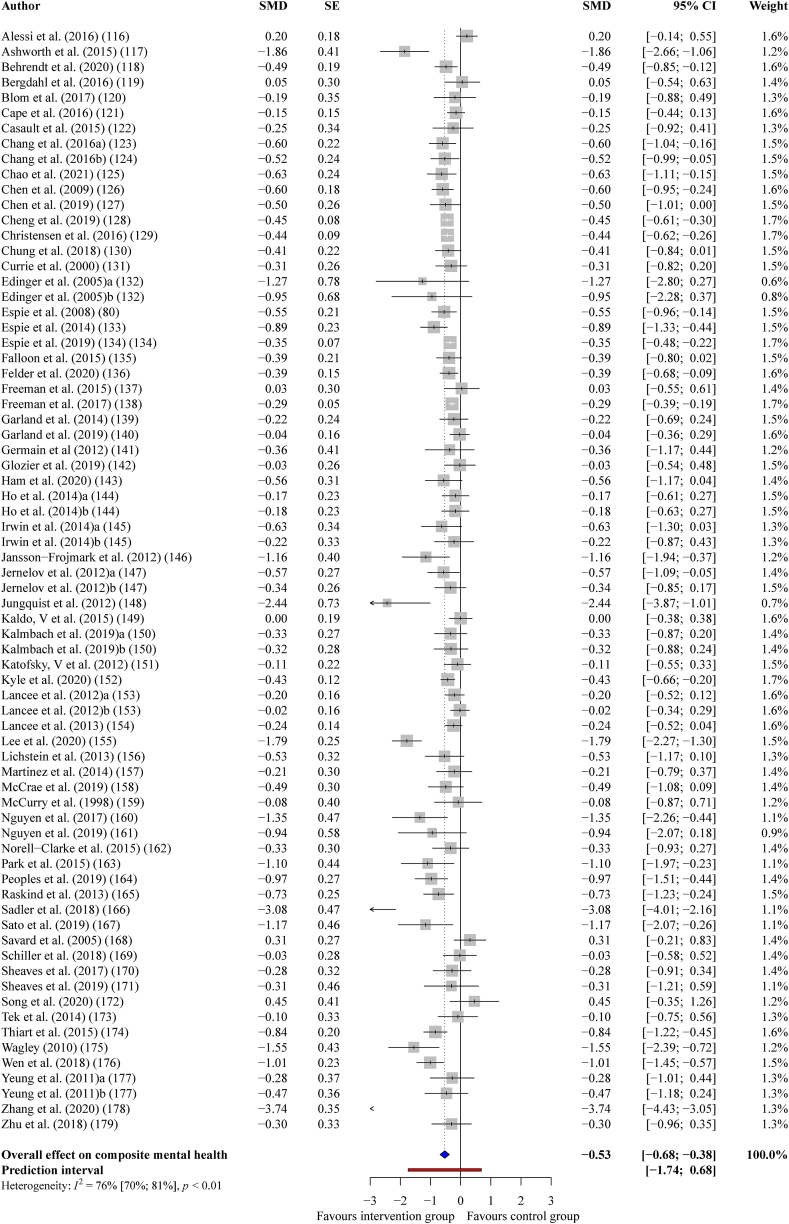
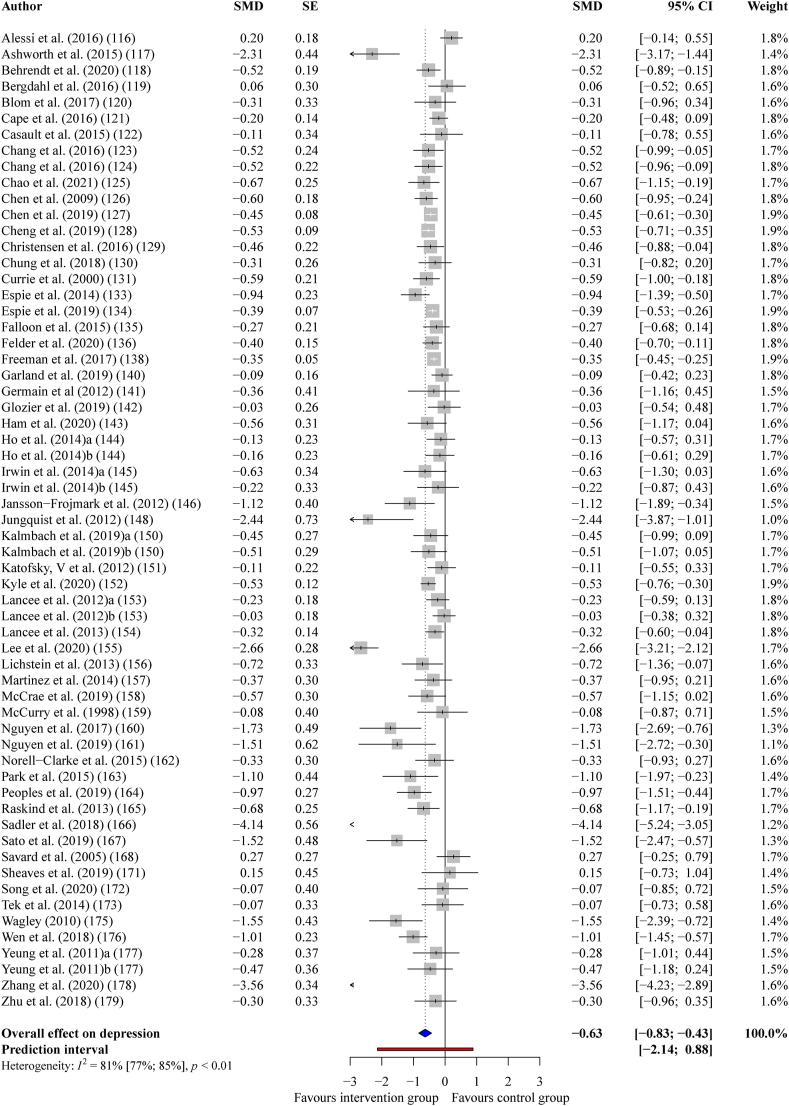
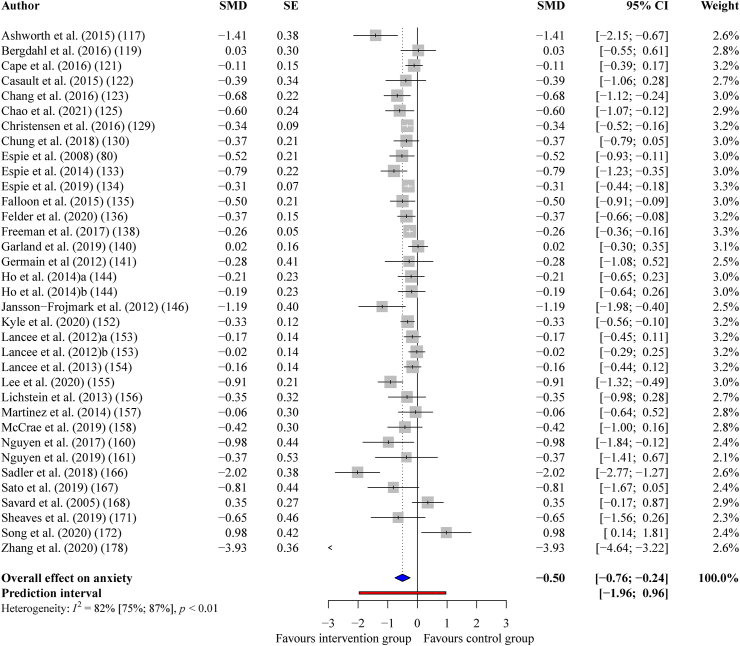
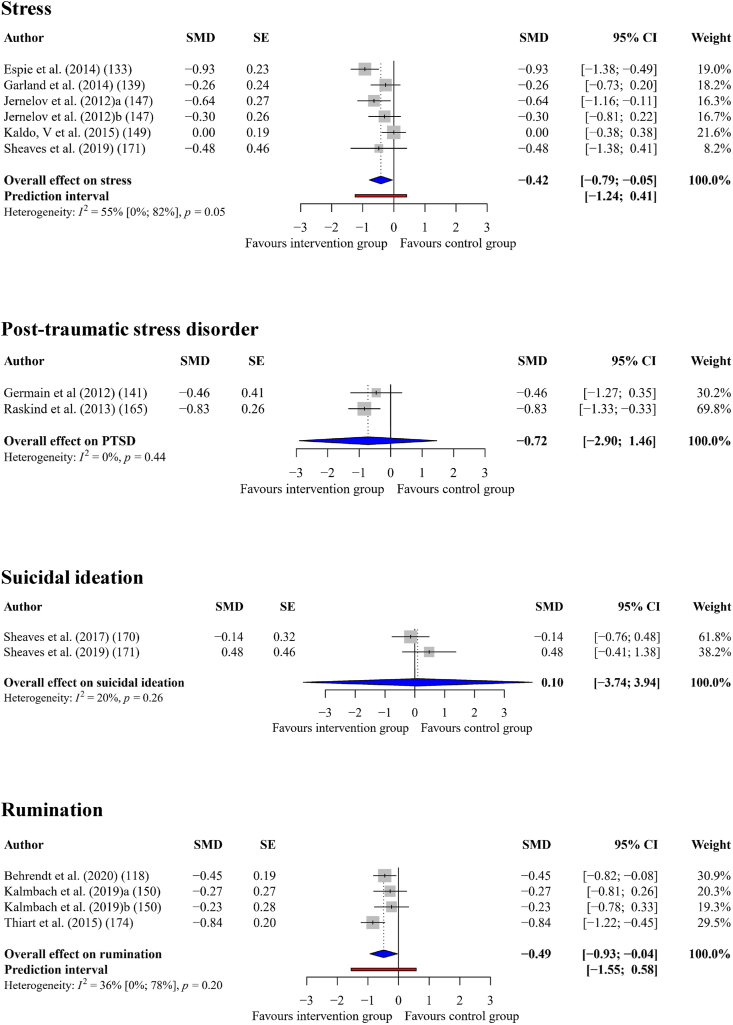
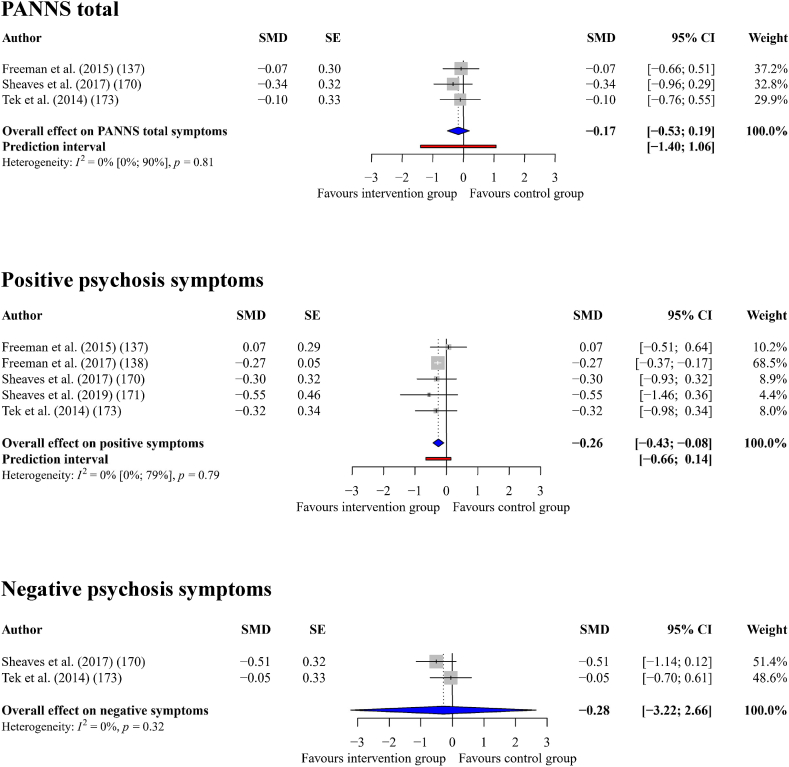
The extent to which sleep is causally related to mental health is unclear. One way to test the causal link is to evaluate the extent to which interventions that improve sleep quality also improve mental health. We conducted a meta-analysis of randomised controlled trials that reported the effects of an intervention that improved sleep on composite mental health, as well as on seven specific mental health difficulties. 65 trials comprising 72 interventions and N = 8608 participants were included. Improving sleep led to a significant medium-sized effect on composite mental health (g+ = -0.53), depression (g+ = -0.63), anxiety (g+ = -0.51), and rumination (g+ = -0.49), as well as significant small-to-medium sized effects on stress (g+ = -0.42), and finally small significant effects on positive psychosis symptoms (g+ = -0.26). We also found a dose response relationship, in that greater improvements in sleep quality led to greater improvements in mental health. Our findings suggest that sleep is causally related to the experience of mental health difficulties. Future research might consider how interventions that improve sleep could be incorporated into mental health services, as well as the mechanisms of action that explain how sleep exerts an effect on mental health.
Overview
AI snapshot
Written from the paper’s full text.
TL;DR
This meta-analysis of randomised controlled trials found that interventions which successfully improved sleep quality produced significant improvements in subsequent mental health, with a medium-sized effect on composite mental health. The findings support a causal role for sleep in mental health difficulties and suggest sleep as a transdiagnostic treatment target.
Key findings
- Across 65 trials, 72 interventions, and N = 8608 participants, improving sleep led to a significant medium-sized effect on composite mental health (g+ = −0.53, 95% CI −0.68 to −0.38), depression (g+ = −0.63), anxiety (g+ = −0.51), and rumination (g+ = −0.49), plus smaller effects on stress (g+ = −0.42) and positive psychosis symptoms (g+ = −0.26).
- A dose–response relationship was found: greater improvements in sleep quality were associated with greater improvements in mental health (B = 0.77, 95% CI 0.52 to 1.02, p < 0.001).
- Studies with a significant effect on sleep quality showed larger mental health effects (g = −0.53) than those without (g = −0.12; Q = 17.59, p < 0.001); effects were larger at shorter follow-up (<6 months, g+ = −0.60) than longer follow-up (≥6 months, g+ = −0.18; Q = 10.75, p < 0.01), and larger for clinician-delivered (g+ = −0.63) than self-administered interventions (g+ = −0.34; Q = 4.50, p < 0.05).
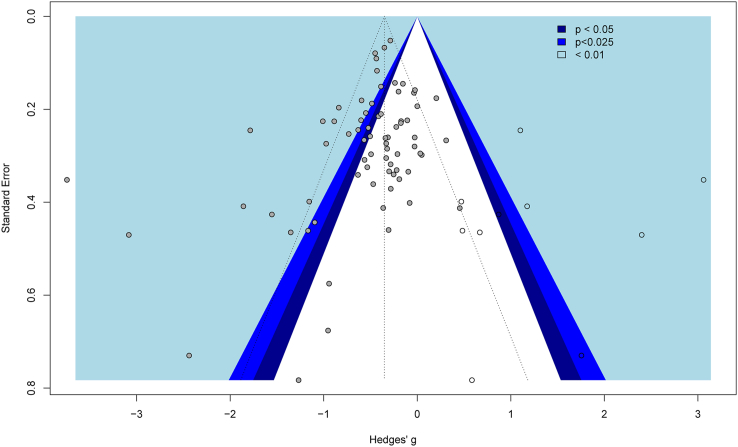
- Publication bias was indicated by funnel plot asymmetry (Egger’s regression = −1.09, p < 0.05); trim-and-fill adjustment reduced the composite effect to g+ = −0.35, and Orwin’s fail-safe n was 4101.
Methods
- Systematic review and meta-analysis of RCTs that tested an intervention designed to improve sleep, produced a statistically significant improvement in sleep quality versus control, and measured mental health at a later follow-up; studies were excluded if the intervention specifically targeted mental health or recruited participants under 18 years.
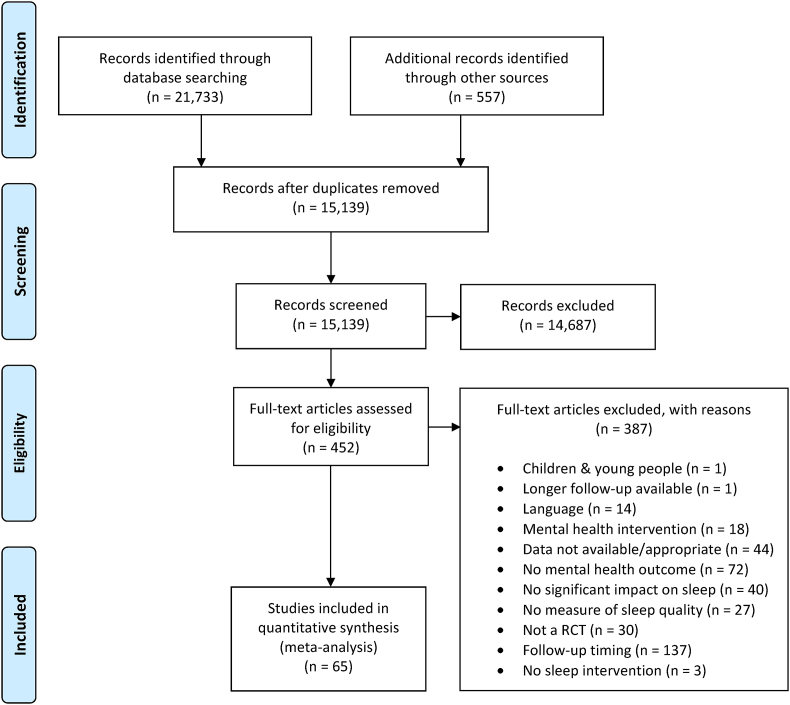
- Searches covered MEDLINE, Embase, PsycINFO, and The Cochrane Library, plus reference lists and trial registries, originally in May 2019 and updated in February 2021; PRISMA selection yielded 65 studies and 72 comparisons.
- Random-effects meta-analysis in R used Hedges g, I² for heterogeneity, moderation/subgroup analyses and meta-regression, Cochrane risk-of-bias assessment, and publication-bias checks including funnel plot, Egger’s test, trim-and-fill, and Orwin’s fail-safe n.
Limitations
- The paper states that relatively few studies examined long-term effects, and longer follow-ups generally showed smaller effects, likely due to diminishing intervention effects on sleep quality over time.
- The paper states that few primary studies existed for outcomes other than depression and anxiety, limiting inferences for other mental health difficulties, and that most analyses were based on CBT for insomnia; the focus on sleep quality may also have excluded studies of sleep disorders with different improvement definitions.
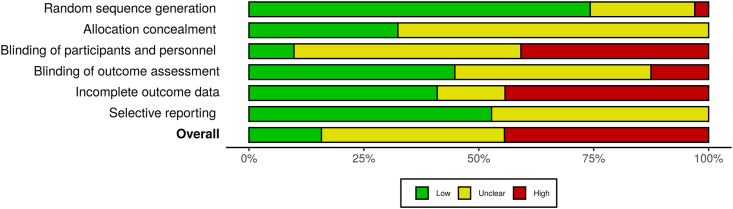
- Evident from the text: most included studies were at high (29, 45%) or unclear (26, 40%) risk of bias, with only 10 (15%) at low risk; main analyses showed substantial heterogeneity (I² = 76–82% for composite, depression, and anxiety), and publication bias was present, with trim-and-fill reducing the composite effect.
Model-written summary. Check it against the paper before relying on it.
Integrity signals
Registry
Cites
Statistics
Figures
Verification
Claims the paper makes
52 Own result · 25 Not checked yet · 16 Own interpretation · 13 No basis given · 5 Own method
A result the paper reports from its own data — it cites no other source for it, so there is none to check. The quote shows it is in the paper.
In the paper
“Improving sleep led to a significant medium-sized effect on composite mental health (g+ = −0.53), depression (g+ = −0.63), anxiety (g+ = −0.51), and rumination (g+ = −0.49), as well as significant small-to-medium sized effects on stress (g+ = −0.42), and finally small significant effects on positive psychosis symptoms (g+ = −0.26).”
§ Improving sleep quality leads to better mental health: A meta-analysis of randomised controlled trials > Abstract
plaindirectn = 8,608- Asserted: passes — The authors put it forward as true.
- Checkable: passes — It can be checked against evidence.
- Load-bearing: passes — The paper’s conclusions depend on it.
- Based: passes — The paper gives a reason why it holds.
A result the paper reports from its own data — it cites no other source for it, so there is none to check. The quote shows it is in the paper.
In the paper
“65 trials comprising 72 interventions and N = 8608 participants were included.”
- Also stated in: § Study characteristics · plain
“The 65 studies provided 72 comparisons between an intervention that successfully improved sleep quality vs. a control group.”
- Also stated in: § Study characteristics · plain
“A total of N = 8608 participants took part across the 72 interventions.”
§ Improving sleep quality leads to better mental health: A meta-analysis of randomised controlled trials > Abstract
plainn = 8,608- Asserted: passes — The authors put it forward as true.
- Checkable: passes — It can be checked against evidence.
- Load-bearing: unclear — It is unclear whether the paper’s conclusions depend on it.
- Based: passes — The paper gives a reason why it holds.
- Also stated in: § Study characteristics · plain
A result the paper reports from its own data — it cites no other source for it, so there is none to check. The quote shows it is in the paper.
In the paper
“and now relatively homogeneous (I2 = 20%, Q = 75.24, p = 0.0888).”
§ Improving sleep quality leads to better mental health: A meta-analysis of randomised controlled trials > Results > What effect do improvements in sleep quality have on mental health?
plain- Asserted: passes — The authors put it forward as true.
- Checkable: passes — It can be checked against evidence.
- Load-bearing: unclear — It is unclear whether the paper’s conclusions depend on it.
- Based: passes — The paper gives a reason why it holds.
A result the paper reports from its own data — it cites no other source for it, so there is none to check. The quote shows it is in the paper.
In the paper
“Improving sleep led to a significant medium-sized effect on composite mental health (g+ = −0.53), depression (g+ = −0.63), anxiety (g+ = −0.51), and rumination (g+ = −0.49), as well as significant small-to-medium sized effects on stress (g+ = −0.42), and finally small significant effects on positive psychosis symptoms (g+ = −0.26).”
§ Improving sleep quality leads to better mental health: A meta-analysis of randomised controlled trials > Abstract
plaindirectn = 8,608 ·- Asserted: passes — The authors put it forward as true.
- Checkable: passes — It can be checked against evidence.
- Load-bearing: passes — The paper’s conclusions depend on it.
- Based: passes — The paper gives a reason why it holds.
A result the paper reports from its own data — it cites no other source for it, so there is none to check. The quote shows it is in the paper.
In the paper
“Improving sleep led to a significant medium-sized effect on composite mental health (g+ = −0.53), depression (g+ = −0.63), anxiety (g+ = −0.51), and rumination (g+ = −0.49), as well as significant small-to-medium sized effects on stress (g+ = −0.42), and finally small significant effects on positive psychosis symptoms (g+ = −0.26).”
§ Improving sleep quality leads to better mental health: A meta-analysis of randomised controlled trials > Abstract
plaindirectn = 8,608- Asserted: passes — The authors put it forward as true.
- Checkable: passes — It can be checked against evidence.
- Load-bearing: passes — The paper’s conclusions depend on it.
- Based: passes — The paper gives a reason why it holds.
A result the paper reports from its own data — it cites no other source for it, so there is none to check. The quote shows it is in the paper.
In the paper
“The interventions had large and statistically significant effects on sleep quality at the earliest follow-up point reported (g+ = −1.07, 95% CI = −1.26 to −0.88, p < 0.001)”
§ Improving sleep quality leads to better mental health: A meta-analysis of randomised controlled trials > Results > Manipulation check: did sleep quality improve significantly in the intervention group relative to controls?
plaindirect- Asserted: passes — The authors put it forward as true.
- Checkable: passes — It can be checked against evidence.
- Load-bearing: passes — The paper’s conclusions depend on it.
- Based: passes — The paper gives a reason why it holds.
A result the paper reports from its own data — it cites no other source for it, so there is none to check. The quote shows it is in the paper.
In the paper
“and heterogeneity was reduced to moderate levels (I2 = 43%, Q = 102.32, p < 0.001).”
§ Improving sleep quality leads to better mental health: A meta-analysis of randomised controlled trials > Results > Manipulation check: did sleep quality improve significantly in the intervention group relative to controls?
plain- Asserted: passes — The authors put it forward as true.
- Checkable: passes — It can be checked against evidence.
- Load-bearing: unclear — It is unclear whether the paper’s conclusions depend on it.
- Based: passes — The paper gives a reason why it holds.
A result the paper reports from its own data — it cites no other source for it, so there is none to check. The quote shows it is in the paper.
In the paper
“Improving sleep led to a significant medium-sized effect on composite mental health (g+ = −0.53), depression (g+ = −0.63), anxiety (g+ = −0.51), and rumination (g+ = −0.49), as well as significant small-to-medium sized effects on stress (g+ = −0.42), and finally small significant effects on positive psychosis symptoms (g+ = −0.26).”
§ Improving sleep quality leads to better mental health: A meta-analysis of randomised controlled trials > Abstract
plaindirectn = 8,608 ·- Asserted: passes — The authors put it forward as true.
- Checkable: passes — It can be checked against evidence.
- Load-bearing: passes — The paper’s conclusions depend on it.
- Based: passes — The paper gives a reason why it holds.
A result the paper reports from its own data — it cites no other source for it, so there is none to check. The quote shows it is in the paper.
In the paper
“however, there was substantial heterogeneity between the effect sizes, (I2 = 76%, Q = 291.94, p < 0.001).”
§ Improving sleep quality leads to better mental health: A meta-analysis of randomised controlled trials > Results > What effect do improvements in sleep quality have on mental health?
plain- Asserted: passes — The authors put it forward as true.
- Checkable: passes — It can be checked against evidence.
- Load-bearing: unclear — It is unclear whether the paper’s conclusions depend on it.
- Based: passes — The paper gives a reason why it holds.
A result the paper reports from its own data — it cites no other source for it, so there is none to check. The quote shows it is in the paper.
In the paper
“Improving sleep led to a significant medium-sized effect on composite mental health (g+ = −0.53), depression (g+ = −0.63), anxiety (g+ = −0.51), and rumination (g+ = −0.49), as well as significant small-to-medium sized effects on stress (g+ = −0.42), and finally small significant effects on positive psychosis symptoms (g+ = −0.26).”
§ Improving sleep quality leads to better mental health: A meta-analysis of randomised controlled trials > Abstract
plaindirectn = 8,608 ·- Asserted: passes — The authors put it forward as true.
- Checkable: passes — It can be checked against evidence.
- Load-bearing: passes — The paper’s conclusions depend on it.
- Based: passes — The paper gives a reason why it holds.
- It may state two separate claims as one. 18
- Probably not a substantial claim. 20
A result the paper reports from its own data — it cites no other source for it, so there is none to check. The quote shows it is in the paper.
In the paper
“We also found a dose response relationship, in that greater improvements in sleep quality led to greater improvements in mental health.”
§ Improving sleep quality leads to better mental health: A meta-analysis of randomised controlled trials > Abstract
plaindirectn = 8,608- Asserted: passes — The authors put it forward as true.
- Checkable: passes — It can be checked against evidence.
- Load-bearing: passes — The paper’s conclusions depend on it.
- Based: passes — The paper gives a reason why it holds.
It may state two separate claims as one.
A result the paper reports from its own data — it cites no other source for it, so there is none to check. The quote shows it is in the paper.
In the paper
“After re-running the analysis with eleven outlying effect sizes removed, the effect of improving sleep on composite mental health outcomes was small-to-medium sized but still statistically significant, (g+ = −0.42, 95% CI = −0.49 to −0.34, p < 0.001)”
§ Improving sleep quality leads to better mental health: A meta-analysis of randomised controlled trials > Results > What effect do improvements in sleep quality have on mental health?
plaindirect- Asserted: passes — The authors put it forward as true.
- Checkable: passes — It can be checked against evidence.
- Load-bearing: passes — The paper’s conclusions depend on it.
- Based: passes — The paper gives a reason why it holds.
It may state two separate claims as one.
A result the paper reports from its own data — it cites no other source for it, so there is none to check. The quote shows it is in the paper.
In the paper
“Studies that found significant effects of the intervention on sleep quality reported larger effects on subsequent composite mental health, (g = −0.53, 95% CI = −0.68 to −0.38, p < 0.001), than studies that did not find a significant effect of the intervention on sleep quality, (g = −0.12, 95% CI = −0.24 to 0.01, p = 0.0522)”
- Also stated in: § Moderators of the effect of improving sleep quality on composite mental health outcomes · plain
“a difference that was statistically significant, (Q = 17.59, p < 0.001).”
§ Improving sleep quality leads to better mental health: A meta-analysis of randomised controlled trials > Results > Moderators of the effect of improving sleep quality on composite mental health outcomes
plaincorrelational- Asserted: passes — The authors put it forward as true.
- Checkable: passes — It can be checked against evidence.
- Load-bearing: passes — The paper’s conclusions depend on it.
- Based: passes — The paper gives a reason why it holds.
It may state two separate claims as one.
- Also stated in: § Moderators of the effect of improving sleep quality on composite mental health outcomes · plain
A result the paper reports from its own data — it cites no other source for it, so there is none to check. The quote shows it is in the paper.
In the paper
“we found no difference in the effect of improving sleep quality on mental health between those with clinically defined mental health difficulties and those with non-clinical experiences or between those recruited from clinical vs. community settings, with both groups receiving significant benefits of improved sleep on mental health.”
§ Improving sleep quality leads to better mental health: A meta-analysis of randomised controlled trials > Discussion > Sleep as a transdiagnostic treatment target
plain- Asserted: passes — The authors put it forward as true.
- Checkable: passes — It can be checked against evidence.
- Load-bearing: passes — The paper’s conclusions depend on it.
- Based: passes — The paper gives a reason why it holds.
It may state two separate claims as one.
A result the paper reports from its own data — it cites no other source for it, so there is none to check. The quote shows it is in the paper.
In the paper
“Studies reporting the effect of the intervention at shorter follow-ups reported larger improvements in sleep quality, (g = −1.03, 95% CI = −1.27 to −0.78, p < 0.001), than those reporting longer follow-ups (g = −0.44, 95% CI = −0.62 to −0.27, p < 0.001), a difference that was statistically significant, (Q = 14.38, p < 0.001).”
§ Improving sleep quality leads to better mental health: A meta-analysis of randomised controlled trials > Results > Moderators of the effect of improving sleep quality on composite mental health outcomes
plaincorrelational- Asserted: passes — The authors put it forward as true.
- Checkable: passes — It can be checked against evidence.
- Load-bearing: passes — The paper’s conclusions depend on it.
- Based: passes — The paper gives a reason why it holds.
It may state two separate claims as one.
A result the paper reports from its own data — it cites no other source for it, so there is none to check. The quote shows it is in the paper.
In the paper
“There were moderate levels of heterogeneity (I2 = 55%, Q = 11.05, p = 0.05), but there were no outlying effect sizes.”
§ Improving sleep quality leads to better mental health: A meta-analysis of randomised controlled trials > Results > What effect do improvements in sleep quality have on mental health?
plain- Asserted: passes — The authors put it forward as true.
- Checkable: passes — It can be checked against evidence.
- Load-bearing: unclear — It is unclear whether the paper’s conclusions depend on it.
- Based: passes — The paper gives a reason why it holds.
It may state two separate claims as one.
A result the paper reports from its own data — it cites no other source for it, so there is none to check. The quote shows it is in the paper.
In the paper
“Ten studies were imputed resulting in a statistically significant, small-to-medium sized adjusted effect of improving sleep on composite mental health outcomes (g+ = −0.35, 95% CI = −0.55 to −0.16, p < 0.001).”
§ Improving sleep quality leads to better mental health: A meta-analysis of randomised controlled trials > Results > Publication bias
plaindirect- Asserted: passes — The authors put it forward as true.
- Checkable: passes — It can be checked against evidence.
- Load-bearing: passes — The paper’s conclusions depend on it.
- Based: passes — The paper gives a reason why it holds.
It may state two separate claims as one.
A result the paper reports from its own data — it cites no other source for it, so there is none to check. The quote shows it is in the paper.
In the paper
“The effect of improving sleep quality on composite mental health was medium-sized and statistically significant, regardless of the presence of physical and/or mental health comorbidities.”
§ Improving sleep quality leads to better mental health: A meta-analysis of randomised controlled trials > Discussion > Sleep as a transdiagnostic treatment target
plaindirect- Asserted: passes — The authors put it forward as true.
- Checkable: passes — It can be checked against evidence.
- Load-bearing: passes — The paper’s conclusions depend on it.
- Based: passes — The paper gives a reason why it holds.
It may state two separate claims as one.
A result the paper reports from its own data — it cites no other source for it, so there is none to check. The quote shows it is in the paper.
In the paper
“There were low levels of heterogeneity (I2 = 20%, Q = 1.25, p = 0.263) and no outlying effect sizes.”
§ Improving sleep quality leads to better mental health: A meta-analysis of randomised controlled trials > Results > What effect do improvements in sleep quality have on mental health?
plain- Asserted: passes — The authors put it forward as true.
- Checkable: passes — It can be checked against evidence.
- Load-bearing: unclear — It is unclear whether the paper’s conclusions depend on it.
- Based: passes — The paper gives a reason why it holds.
It may state two separate claims as one.
A result the paper reports from its own data — it cites no other source for it, so there is none to check. The quote shows it is in the paper.
In the paper
“Ten studies (15%) were judged as having low risk of bias, 29 studies (45%) were judged as high risk of bias, and 26 studies (40%) were judged as unclear.”
§ Improving sleep quality leads to better mental health: A meta-analysis of randomised controlled trials > Results > Risk of bias assessments
plain- Asserted: passes — The authors put it forward as true.
- Checkable: passes — It can be checked against evidence.
- Load-bearing: unclear — It is unclear whether the paper’s conclusions depend on it.
- Based: passes — The paper gives a reason why it holds.
It may state two separate claims as one.
The paper states this without a source or data behind it here, so there is nothing to check it against. The quote shows it is in the paper.
In the paper
“most of the analyses are based on CBT interventions for insomnia.”
§ Improving sleep quality leads to better mental health: A meta-analysis of randomised controlled trials > Discussion > Strengths and limitations
plain- Asserted: passes — The authors put it forward as true.
- Checkable: passes — It can be checked against evidence.
- Load-bearing: fails — The paper’s conclusions may not depend on it.
- Based: passes — The paper gives a reason why it holds.
Probably not a substantial claim. The paper’s conclusions may not depend on it.
The paper states this without a source or data behind it here, so there is nothing to check it against. The quote shows it is in the paper.
In the paper
“Finally, to date there has been no or limited attempts to investigate variables that influence – or moderate – the impact of interventions that improve sleep on mental health.”
§ Improving sleep quality leads to better mental health: A meta-analysis of randomised controlled trials > Does improving sleep lead to better mental health? A meta-analysis of randomised controlled trials > Evidence on the relationship between sleep and mental health
plain- Asserted: passes — The authors put it forward as true.
- Checkable: passes — It can be checked against evidence.
- Load-bearing: passes — The paper’s conclusions depend on it.
- Based: passes — The paper gives a reason why it holds.
Probably not a substantial claim.
In the paper
“such that poor sleep contributes to the onset, recurrence, and maintenance of mental health difficulties [[13]∗, [14], [15]∗, [16], [17]].”
§ Improving sleep quality leads to better mental health: A meta-analysis of randomised controlled trials > Does improving sleep lead to better mental health? A meta-analysis of randomised controlled trials
What the sources say
- Not checked yetcites [[13]∗, [14], [15]∗, [16], [17]]
plaindirect- Asserted: passes — The authors put it forward as true.
- Checkable: passes — It can be checked against evidence.
- Load-bearing: passes — The paper’s conclusions depend on it.
- Based: passes — The paper gives a reason why it holds.
It may state two separate claims as one.
The paper states this without a source or data behind it here, so there is nothing to check it against. The quote shows it is in the paper.
In the paper
“2) effects are limited to the short-term where they are likely to be strongest.”
§ Improving sleep quality leads to better mental health: A meta-analysis of randomised controlled trials > Does improving sleep lead to better mental health? A meta-analysis of randomised controlled trials > Evidence on the relationship between sleep and mental health
hedged- Asserted: passes — The authors put it forward as true.
- Checkable: passes — It can be checked against evidence.
- Load-bearing: passes — The paper’s conclusions depend on it.
- Based: unclear — It is unclear why the paper says it holds.
It may state two separate claims as one.
The paper states this without a source or data behind it here, so there is nothing to check it against. The quote shows it is in the paper.
In the paper
“1) there is no temporal lag between the measurement of sleep and measurement of mental health (a key tenet of causal inference);”
§ Improving sleep quality leads to better mental health: A meta-analysis of randomised controlled trials > Does improving sleep lead to better mental health? A meta-analysis of randomised controlled trials > Evidence on the relationship between sleep and mental health
plain- Asserted: passes — The authors put it forward as true.
- Checkable: passes — It can be checked against evidence.
- Load-bearing: passes — The paper’s conclusions depend on it.
- Based: fails — The paper may give no reason why it holds.
Probably not a substantial claim. The paper may give no reason why it holds.
In the paper
“For example, poor sleep has also been associated with post-traumatic stress [25], eating disorders [26], and psychosis spectrum experiences such as delusions and hallucinations [23,27].”
§ Improving sleep quality leads to better mental health: A meta-analysis of randomised controlled trials > Does improving sleep lead to better mental health? A meta-analysis of randomised controlled trials > Evidence on the relationship between sleep and mental health
What the sources say
- Not checked yetcites [25] Harvey, 2003, Sleep and posttraumatic stress disorder: a review, Clin Psychol Rev source
plaincorrelational- Asserted: passes — The authors put it forward as true.
- Checkable: passes — It can be checked against evidence.
- Load-bearing: fails — The paper’s conclusions may not depend on it.
- Based: passes — The paper gives a reason why it holds.
Probably not a substantial claim. The paper’s conclusions may not depend on it.
In the paper
“The association between sleep and mental health is well documented [9,13,[18], [19], [20], [21], [22], [23]∗].”
§ Improving sleep quality leads to better mental health: A meta-analysis of randomised controlled trials > Does improving sleep lead to better mental health? A meta-analysis of randomised controlled trials > Evidence on the relationship between sleep and mental health
What the sources say
- Not checked yetcites [9,13,[18], [19], [20], [21], [22], [23]∗]
boostedcorrelational- Asserted: passes — The authors put it forward as true.
- Checkable: passes — It can be checked against evidence.
- Load-bearing: fails — The paper’s conclusions may not depend on it.
- Based: passes — The paper gives a reason why it holds.
Probably not a substantial claim. The paper’s conclusions may not depend on it.
In the paper
“Risk of bias was assessed using the risk of bias assessment criteria developed by the Cochrane Collaboration [60].”
§ Improving sleep quality leads to better mental health: A meta-analysis of randomised controlled trials > Method > Outcomes and prioritization
What the sources say
- Not checked yetcites [60] Higgins, 2011, Chapter 8: assessing risk of bias in included studies
plain- Asserted: passes — The authors put it forward as true.
- Checkable: passes — It can be checked against evidence.
- Load-bearing: fails — The paper’s conclusions may not depend on it.
- Based: passes — The paper gives a reason why it holds.
Probably not a substantial claim. The paper’s conclusions may not depend on it.
In the paper
“Publication bias was assessed via visual inspection of a funnel plot and Egger's test [70].”
§ Improving sleep quality leads to better mental health: A meta-analysis of randomised controlled trials > Method > Outcomes and prioritization
What the sources say
- Not checked yetcites [70] Egger, 1997, Bias in meta-analysis detected by a simple, graphical test, BMJ source
plain- Asserted: passes — The authors put it forward as true.
- Checkable: passes — It can be checked against evidence.
- Load-bearing: fails — The paper’s conclusions may not depend on it.
- Based: passes — The paper gives a reason why it holds.
Probably not a substantial claim. The paper’s conclusions may not depend on it.
None of the sources cited for this claim have been checked yet.
In the paper
“Studies have also found that specific sleep disorders, such as sleep apnoea [28], circadian rhythm disruption [29], restless leg syndrome [30], excessive daytime sleepiness and narcolepsy [31,32], sleepwalking [33], and nightmares [34] are all more prevalent in those experiencing mental health difficulties.”
§ Improving sleep quality leads to better mental health: A meta-analysis of randomised controlled trials > Does improving sleep lead to better mental health? A meta-analysis of randomised controlled trials > Evidence on the relationship between sleep and mental health
What the sources say
- Not checked yetcites [28] Sharafkhaneh, 2005, Association of psychiatric disorders and sleep apnea in a large cohort, Sleep source
- Not checked yetcites [29] Wulff, 2010, Sleep and circadian rhythm disruption in psychiatric and neurodegenerative disease, Nat Rev Neurosci source
- Not checked yetcites [30] Picchietti, 2005, Restless legs syndrome, periodic limb movements in sleep, and depression, Sleep
plaincorrelational- Asserted: passes — The authors put it forward as true.
- Checkable: passes — It can be checked against evidence.
- Load-bearing: unclear — It is unclear whether the paper’s conclusions depend on it.
- Based: passes — The paper gives a reason why it holds.
It may state two separate claims as one.
In the paper
“For example, poor sleep has also been associated with post-traumatic stress [25], eating disorders [26], and psychosis spectrum experiences such as delusions and hallucinations [23,27].”
§ Improving sleep quality leads to better mental health: A meta-analysis of randomised controlled trials > Does improving sleep lead to better mental health? A meta-analysis of randomised controlled trials > Evidence on the relationship between sleep and mental health
What the sources say
- Not checked yetcites [26] Lauer, 2004, Sleep in eating disorders, Sleep Med Rev source
plaincorrelational- Asserted: passes — The authors put it forward as true.
- Checkable: passes — It can be checked against evidence.
- Load-bearing: fails — The paper’s conclusions may not depend on it.
- Based: passes — The paper gives a reason why it holds.
Probably not a substantial claim. The paper’s conclusions may not depend on it.
In the paper
“We followed PRISMA guidelines [53] when selecting studies.”
§ Improving sleep quality leads to better mental health: A meta-analysis of randomised controlled trials > Method > Data management and study selection
What the sources say
- Not checked yetcites [53] Moher, 2009, Preferred reporting items for systematic reviews and meta-analyses: the PRISMA statement, BMJ source
plain- Asserted: passes — The authors put it forward as true.
- Checkable: passes — It can be checked against evidence.
- Load-bearing: fails — The paper’s conclusions may not depend on it.
- Based: passes — The paper gives a reason why it holds.
Probably not a substantial claim. The paper’s conclusions may not depend on it.
What the paper did — it cites no source for this, so there is none to check. The quote shows it is in the paper.
In the paper
“Records were screened by two members of the review team, and a sub-sample of 10% of each reviewer's records were second checked by the other reviewer, with almost perfect agreement between the reviewers (kappa = 1.00 and 0.99).”
§ Improving sleep quality leads to better mental health: A meta-analysis of randomised controlled trials > Method > Data management and study selection
plain- Asserted: passes — The authors put it forward as true.
- Checkable: passes — It can be checked against evidence.
- Load-bearing: fails — The paper’s conclusions may not depend on it.
- Based: passes — The paper gives a reason why it holds.
Probably not a substantial claim. The paper’s conclusions may not depend on it. It may state two separate claims as one.
In the paper
“Additionally, Orwin's formula [71] was used to determine the fail-safe n.”
§ Improving sleep quality leads to better mental health: A meta-analysis of randomised controlled trials > Method > Outcomes and prioritization
What the sources say
- Not checked yetcites [71] Orwin, 1983, A fail-safe N for effect size in meta-analysis, J Educ Stat
plain- Asserted: passes — The authors put it forward as true.
- Checkable: passes — It can be checked against evidence.
- Load-bearing: fails — The paper’s conclusions may not depend on it.
- Based: passes — The paper gives a reason why it holds.
Probably not a substantial claim. The paper’s conclusions may not depend on it.
The paper states this without a source or data behind it here, so there is nothing to check it against. The quote shows it is in the paper.
In the paper
“Third, the focus of previous reviews has been limited to depression and anxiety only, and typically limited to CBTi interventions.”
§ Improving sleep quality leads to better mental health: A meta-analysis of randomised controlled trials > Does improving sleep lead to better mental health? A meta-analysis of randomised controlled trials > Evidence on the relationship between sleep and mental health
plain- Asserted: passes — The authors put it forward as true.
- Checkable: passes — It can be checked against evidence.
- Load-bearing: passes — The paper’s conclusions depend on it.
- Based: passes — The paper gives a reason why it holds.
It may state two separate claims as one.
What the paper did — it cites no source for this, so there is none to check. The quote shows it is in the paper.
In the paper
“We conducted a sensitivity analysis examining the effect of outliers for each outcome by rerunning the analysis with any outlying effect sizes removed.”
§ Improving sleep quality leads to better mental health: A meta-analysis of randomised controlled trials > Method > Outcomes and prioritization
plain- Asserted: passes — The authors put it forward as true.
- Checkable: passes — It can be checked against evidence.
- Load-bearing: fails — The paper’s conclusions may not depend on it.
- Based: passes — The paper gives a reason why it holds.
Probably not a substantial claim. The paper’s conclusions may not depend on it.
A conclusion the paper draws from its own results — it cites no other source for it, so there is none to check. The quote shows it is in the paper.
In the paper
“To our knowledge, the review is the first to adopt this approach in the field of sleep and mental health”
§ Improving sleep quality leads to better mental health: A meta-analysis of randomised controlled trials > Discussion > Strengths and limitations
hedged- Asserted: passes — The authors put it forward as true.
- Checkable: passes — It can be checked against evidence.
- Load-bearing: fails — The paper’s conclusions may not depend on it.
- Based: fails — The paper may give no reason why it holds.
Probably not a substantial claim. The paper’s conclusions may not depend on it. The paper may give no reason why it holds.
What the paper did — it cites no source for this, so there is none to check. The quote shows it is in the paper.
In the paper
“the review was specifically designed to test the causal association between sleep and mental health (i.e., RCTs only, successful sleep improvement required, temporal lag between measures etc.).”
§ Improving sleep quality leads to better mental health: A meta-analysis of randomised controlled trials > Discussion > Strengths and limitations
plaindirectn = 8,608- Asserted: passes — The authors put it forward as true.
- Checkable: passes — It can be checked against evidence.
- Load-bearing: passes — The paper’s conclusions depend on it.
- Based: passes — The paper gives a reason why it holds.
Probably not a substantial claim.
A conclusion the paper draws from its own results — it cites no other source for it, so there is none to check. The quote shows it is in the paper.
In the paper
“Taken together, the findings suggest that improving sleep leads to better mental health, therefore providing strong evidence that sleep plays a causal role in the experience of mental health difficulties.”
§ Improving sleep quality leads to better mental health: A meta-analysis of randomised controlled trials > Discussion
boosteddirect- Asserted: passes — The authors put it forward as true.
- Checkable: passes — It can be checked against evidence.
- Load-bearing: passes — The paper’s conclusions depend on it.
- Based: passes — The paper gives a reason why it holds.
It may state two separate claims as one.
A conclusion the paper draws from its own results — it cites no other source for it, so there is none to check. The quote shows it is in the paper.
In the paper
“therefore improving sleep might be one tool that can be used in combination with others to limit the risk of transition.”
§ Improving sleep quality leads to better mental health: A meta-analysis of randomised controlled trials > Discussion > Sleep as a transdiagnostic treatment target
hedgedconditional- Asserted: passes — The authors put it forward as true.
- Checkable: fails — It may be too vague to check against evidence.
- Load-bearing: passes — The paper’s conclusions depend on it.
- Based: passes — The paper gives a reason why it holds.
Probably not a substantial claim. It may be too vague to check against evidence.
What the paper did — it cites no source for this, so there is none to check. The quote shows it is in the paper.
In the paper
“we provide an analysis of possible moderators of the effect of improving sleep on mental health, identifying several key moderators of the effect.”
§ Improving sleep quality leads to better mental health: A meta-analysis of randomised controlled trials > Discussion > Strengths and limitations
hedged- Asserted: passes — The authors put it forward as true.
- Checkable: passes — It can be checked against evidence.
- Load-bearing: passes — The paper’s conclusions depend on it.
- Based: passes — The paper gives a reason why it holds.
Probably not a substantial claim.
What the paper did — it cites no source for this, so there is none to check. The quote shows it is in the paper.
In the paper
“it provides a comprehensive and up-to-date search of RCTs examining the effect of improving sleep on a variety of subsequent mental health outcomes.”
§ Improving sleep quality leads to better mental health: A meta-analysis of randomised controlled trials > Discussion > Strengths and limitations
plainn = 8,608- Asserted: passes — The authors put it forward as true.
- Checkable: passes — It can be checked against evidence.
- Load-bearing: passes — The paper’s conclusions depend on it.
- Based: passes — The paper gives a reason why it holds.
Probably not a substantial claim.
The paper states this without a source or data behind it here, so there is nothing to check it against. The quote shows it is in the paper.
In the paper
“the timing of sleep is particularly important in circadian rhythm disorders and daytime sleepiness is a key outcome in sleep apnoea research.”
§ Improving sleep quality leads to better mental health: A meta-analysis of randomised controlled trials > Discussion > Strengths and limitations
plain- Asserted: passes — The authors put it forward as true.
- Checkable: passes — It can be checked against evidence.
- Load-bearing: fails — The paper’s conclusions may not depend on it.
- Based: fails — The paper may give no reason why it holds.
Probably not a substantial claim. The paper’s conclusions may not depend on it. The paper may give no reason why it holds. It may state two separate claims as one.
A conclusion the paper draws from its own results — it cites no other source for it, so there is none to check. The quote shows it is in the paper.
In the paper
“it may be that our focus on sleep quality precluded some studies that do not focus on insomnia from inclusion.”
§ Improving sleep quality leads to better mental health: A meta-analysis of randomised controlled trials > Discussion > Strengths and limitations
hedgedconditional- Asserted: passes — The authors put it forward as true.
- Checkable: passes — It can be checked against evidence.
- Load-bearing: fails — The paper’s conclusions may not depend on it.
- Based: passes — The paper gives a reason why it holds.
Probably not a substantial claim. The paper’s conclusions may not depend on it.
The paper states this without a source or data behind it here, so there is nothing to check it against. The quote shows it is in the paper.
In the paper
“different sleep disorders have different conceptualisations of improvement that might not include sleep quality.”
§ Improving sleep quality leads to better mental health: A meta-analysis of randomised controlled trials > Discussion > Strengths and limitations
hedged- Asserted: passes — The authors put it forward as true.
- Checkable: passes — It can be checked against evidence.
- Load-bearing: fails — The paper’s conclusions may not depend on it.
- Based: passes — The paper gives a reason why it holds.
Probably not a substantial claim. The paper’s conclusions may not depend on it.
In the paper
“Those that did report longer follow-ups generally found smaller effects (although still statistically significant), most likely due to the diminishing effects of interventions on sleep quality over time [91].”
§ Improving sleep quality leads to better mental health: A meta-analysis of randomised controlled trials > Discussion > Strengths and limitations
What the sources say
- Not checked yetcites [91] van der Zweerde, 2019, Cognitive behavioral therapy for insomnia: a meta-analysis of long-term effects in controlled studies, Sleep Med Rev source
hedgeddirect- Asserted: passes — The authors put it forward as true.
- Checkable: passes — It can be checked against evidence.
- Load-bearing: passes — The paper’s conclusions depend on it.
- Based: passes — The paper gives a reason why it holds.
It may state two separate claims as one.
The paper relies on this without support.
The interventions that successfully improved sleep quality did not improve mental health through mechanisms other than improved sleep.
“To better isolate the effect of improved sleep on mental health, we excluded interventions that included specific elements targeting mental health (e.g., CBT elements for depression).”
Claims other papers make about this one
Each is checked against this paper’s own text: does it say what the citing paper says it does?
The source backs part of the claim, not all of it — or backs it for a different population, condition or comparison.
In the citing paper
“This is aligned with evidence showing that improvements in all lifestyle domains that we targeted is associated with improvements in the QOL mental component summary measure [5, 6, 70, 81, 82].”
From Personalized machine learning guided intervention for optimizing lifestyle behaviors in depression: a pilot study (2026) · cites this paper as [82]
Experimental — accuracy not yet measuredThe cited source says what the claim attributes to it.
In the citing paper
“This finding aligns with the strong foundation in the literature that improvements in sleep, diet and exercise are linked to improvements in depression symptoms [82, 99, 100].”
From Personalized machine learning guided intervention for optimizing lifestyle behaviors in depression: a pilot study (2026) · cites this paper as [82]
The check wasn’t confident either way, so it gives no verdict — never disputed.
In the citing paper
“Rather than suppressing distressing cognitions, ACT promotes acceptance and value-consistent action, thereby reducing the struggle that sustains insomnia-related arousal [78].”
From Pre-Sleep Anxiety: Mechanisms and Therapeutic Approaches in Clinical Practice. (2026) · cites this paper as [78]
Experimental — accuracy not yet measuredThe check wasn’t confident either way, so it gives no verdict — never disputed.
In the citing paper
“ACT extends the principles of mindfulness by emphasizing psychological flexibility -one's capacity to tolerate aversive internal experiences, such as anxiety or wakefulness, without engaging in maladaptive control efforts [78].”
From Pre-Sleep Anxiety: Mechanisms and Therapeutic Approaches in Clinical Practice. (2026) · cites this paper as [78]
Experimental — accuracy not yet measuredIn the citing paper
“A recent meta-analysis concluded that sleep improvement after different non-pharmacological treatments for insomnia is causally related to improvements in mental health [19].”
From Cognitive behavioral therapy for insomnia in patients with mental disorders and comorbid insomnia: A systematic review and meta-analysis (2022) · cites this paper as [19]
Self-check
Percentages, sums and reported differences re-computed from the paper’s own numbers.
Each contradiction between two passages listed here was confirmed by an independent check.
Rated minor: it would not touch a result — a value no result rests on, a p-value that stays on the same side of the significance level, or a conflict that is clerical, resolved elsewhere in the paper, or outside its own findings.
In the paper
§ Improving sleep quality leads to better mental health: A meta-analysis of randomised controlled trials > Results > Study characteristics
“sleep restriction alone (2, 3%)”
§ Improving sleep quality leads to better mental health: A meta-analysis of randomised controlled trials > Results > Moderators of the effect of improving sleep quality on composite mental health outcomes
“| Intervention type | Sleep restriction onlyc | 1 | – | – | |”
Rated minor: it would not touch a result — a value no result rests on, a p-value that stays on the same side of the significance level, or a conflict that is clerical, resolved elsewhere in the paper, or outside its own findings.
In the paper
§ Improving sleep quality leads to better mental health: A meta-analysis of randomised controlled trials > Results > Moderators of the effect of improving sleep quality on composite mental health outcomes
“a difference that was statistically significant, (Q = 17.59, p < 0.001)”
§ Improving sleep quality leads to better mental health: A meta-analysis of randomised controlled trials > Results > Moderators of the effect of improving sleep quality on composite mental health outcomes
“| Significant effect on sleepa | Yes | 72 | −0.53 | −0.69 to −0.38 | 17.69∗∗∗ |”
Rated minor: it would not touch a result — a value no result rests on, a p-value that stays on the same side of the significance level, or a conflict that is clerical, resolved elsewhere in the paper, or outside its own findings.
In the paper
§ Improving sleep quality leads to better mental health: A meta-analysis of randomised controlled trials > Results > What effect do improvements in sleep quality have on mental health?
“| Anxiety | −0.51∗∗∗ | −0.77 to −0.24 | 82% | 186.92∗∗∗ | 35 | 5819 |”
§ Improving sleep quality leads to better mental health: A meta-analysis of randomised controlled trials > Results > What effect do improvements in sleep quality have on mental health?
“(g+ = −0.50, 95% CI = −0.76 to −0.24, p < 0.001), with substantial levels of heterogeneity, (I2 = 82%, Q = 187.02, p < 0.001)”
Rated minor: it would not touch a result — a value no result rests on, a p-value that stays on the same side of the significance level, or a conflict that is clerical, resolved elsewhere in the paper, or outside its own findings.
In the paper
§ Improving sleep quality leads to better mental health: A meta-analysis of randomised controlled trials > Results > Study characteristics
“33 (46%) reported a measure of anxiety”
§ Improving sleep quality leads to better mental health: A meta-analysis of randomised controlled trials > Results > What effect do improvements in sleep quality have on mental health?
“| Anxiety | −0.51∗∗∗ | −0.77 to −0.24 | 82% | 186.92∗∗∗ | 35 | 5819 |”
Citations
Cites
R: A Language and Environment for Statistical Computing
R Core Team (2000) · doi:10.32614/r.manuals · Cited by 355,893
Preferred Reporting Items for Systematic Reviews and Meta-Analyses: the PRISMA statement
Moher, D., Liberati, A., Tetzlaff, J., Altman, D. G., & for the PRISMA Group (2009) · BMJ · doi:10.1136/bmj.b2535 · Cited by 83,823
Measuring inconsistency in meta-analyses
Higgins, J. P. T., Thompson, S. G., Deeks, J. J., & Altman, D. G. (2003) · BMJ · doi:10.1136/bmj.327.7414.557 · Cited by 63,139
Bias in meta-analysis detected by a simple, graphical test
Egger, M., Smith, G. D., Schneider, M., & Minder, C. (1997) · BMJ · doi:10.1136/bmj.315.7109.629 · Cited by 56,722
Preferred reporting items for systematic reviews and meta-analyses: the PRISMA Statement.
(2009) · PubMed Central · Cited by 44,859
Preferred reporting items for systematic reviews and meta-analyses: The PRISMA statement
Moher, D., Liberati, A., Tetzlaff, J., Altman, D. G., & the PRISMA Group* (2009) · Annals of Internal Medicine · doi:10.7326/0003-4819-151-4-200908180-00135 · Cited by 37,554
Conducting Meta-Analyses in R with the metafor Package
Viechtbauer, W. (2010) · Journal of Statistical Software · doi:10.18637/jss.v036.i03 · Cited by 20,464
Duval, S., & Tweedie, R. (2000) · Biometrics · doi:10.1111/j.0006-341x.2000.00455.x · Cited by 14,099
Gratz, K. L., & Roemer, L. (2004) · Journal of Psychopathology and Behavioral Assessment · doi:10.1023/b:joba.0000007455.08539.94 · Cited by 8,942
Cohen, J. (1992) · Psychological Bulletin · doi:10.1037//0033-2909.112.1.155 · Cited by 8,771
Cited by
Sorted by citations
Items 101–200 of 1,000
Houminer-Klepar, N., & Dopelt, K. (2025) · Foods · doi:10.3390/foods14091485 · Cited by 19
“This aligns with the extensive literature documenting the bidirectional relationships be-tween sleep disturbances and depressive symptoms [58,59].”
Dash, S. R., Bourke, M., Parker, A. G., Dadswell, K., & Pascoe, M. C. (2022) · Comprehensive Psychiatry · doi:10.1016/j.comppsych.2022.152324 · Cited by 19
“Similarly, a 2021 meta-analysis of randomised controlled trials demonstrated that improving sleep quality improved mental health, including depression, anxiety, rumination and stress [69].”
Improving sleep health management in primary care: A potential role for community nurses?
Basheti, M. M., Bawa, Z., Grunstein, R. R., Grivell, N., Saini, B., & Gordon, C. J. (2023) · Journal of Advanced Nursing · doi:10.1111/jan.15577 · Cited by 24
“The importance of sleep health on overall wellbeing has been recognized and strongly recommended as an essential health priority (Scott et al., 2021).”
Zieliński, G., Matysik-Woźniak, A., Baszczowski, M., Rapa, M., Ginszt, M., Pająk, B., Szkutnik, J., Ręjdak, R., & Gawda, P. (2023) · Scientific Reports · doi:10.1038/s41598-023-47550-6 · Cited by 18
Qiao, D., Wu, S., Xiang, L., & Zhang, N. (2024) · Building and Environment · doi:10.1016/j.buildenv.2024.111535 · Cited by 18
Module control of network analysis in psychopathology
Pan, C., Zhang, Q., Zhu, Y., Kong, S., Liu, J., Zhang, C., Wang, F., & Zhang, X. (2024) · iScience · doi:10.1016/j.isci.2024.110302 · Cited by 17
“This suggests that non-emotional modules more frequently operate as driver nodes and assume a leading control role within the entire symptom network.”
BackgroundRaptin, a sleep-induced hypothalamic hormone, suppresses appetite and obesity
Xie, L., Hu, B., Lu, R.-B., Cheng, Y., Chen, X., Wen, J., Xiao, Y., An, Y.-Z., Peng, N., Dai, Y., et al. (2025) · Cell Research · doi:10.1038/s41422-025-01078-8 · Cited by 18
Predictors of Psychological Well-Being among Veterinary Medical Students
Hafen, M., Drake, A. A. S., & Elmore, R. G. (2022) · Journal of Veterinary Medical Education · doi:10.3138/jvme-2021-0133 · Cited by 20
Alijanzadeh, M., Yahaghi, R., Rahmani, J., Yazdi, N., Jafari, E., Alijani, H., Zamani, N., Fotuhi, R., Taherkhani, E., Buchali, Z., et al. (2023) · Health Expectations · doi:10.1111/hex.13837 · Cited by 17
“14 Specifically, adherence to good sleep hygiene behaviours promotes better sleep, 15 – 17 which in turn is crucial and essential for health promotion in a variety of multifaceted domains.”
BackgroundBravo, C., Rubí‐Carnacea, F., Colomo, I., Sánchez‐de‐la‐Torre, M., Fernández‐Lago, H., & Climent‐Sanz, C. (2023) · Sleep And Breathing · doi:10.1007/s11325-023-02933-x · Cited by 22
“On the other hand, according to Scott review [51] improving sleep represents a viable treatment target that can confer significant benefits to mental health.”
BackgroundSarfan, L. D., Agnew, E. R., Diaz, M., Dong, L., Fisher, K., Spencer, J. M., Howlett, S. A., Hache, R. E., Callaway, C. A., Kilbourne, A. M., et al. (2023) · Trials · doi:10.1186/s13063-023-07148-9 · Cited by 19
Ahmed, O., Dawel, A., Walsh, E., & Cherbuin, N. (2025) · Addictive Behaviors · doi:10.1016/j.addbeh.2025.108446 · Cited by 25
Zhang, J., Yu, S., Zhao, G., Jiang, X., Zhu, Y., & Liu, Z. (2022) · Frontiers in Neurology · doi:10.3389/fneur.2022.858439 · Cited by 17
Chai, L. (2023) · Journal of Gerontological Social Work · doi:10.1080/01634372.2023.2207611 · Cited by 16
“…in addition to confirming the adverse association between sleep problems and psychological distress (Almeida et al., 2022; Cable et al., 2017; Scott et al., 2021), the study found that financial strain was linked to worse sleep problems, reinforcing the idea that financial strain can impact…”
BackgroundYichen, M., & Lu, C. (2023) · Children and Youth Services Review · doi:10.1016/j.childyouth.2023.107283 · Cited by 16
Yu, B., Fu, Y., Dong, S., Reinhardt, J. D., Jia, P., & Yang, S. (2023) · Sleep Medicine · doi:10.1016/j.sleep.2023.11.020 · Cited by 16
Balsam, D., Bounds, D. T., Rahmani, A. M., & Nyamathi, A. (2023) · JMIR Pediatrics and Parenting · doi:10.2196/53933 · Cited by 18
“Sleep is also reflective of stress, where improved sleep reduces stress [17].”
BackgroundSimone, M. D., Feo, R. D., Choucha, A., Ciaglia, E., & Fezeu, F. (2023) · Medical Sciences · doi:10.3390/medsci12010002 · Cited by 18
“Sufficient and restful sleep is crucial for cognitive functioning, memory consolidation, and emotional regulation [4].”
BackgroundHuang, H., Huang, S., Chen, S., Gao, X., Cai, J., Feng, Y., Liu, J., Su, X., Qiu, J., Zhang, S., et al. (2024) · International Journal of Clinical and Health Psychology · doi:10.1016/j.ijchp.2023.100431 · Cited by 22
“Improvements in sleep quality could contribute to moderate improvements in mental health and improvements in insomnia have been observed to mediate the effects of depression using a CBT-I intervention (Henry et al., 2021; Scott, Webb, Martyn-St James, Rowse & Weich, 2021).”
MethodBala, J. W., Newson, J. J., & Thiagarajan, T. C. (2024) · BMJ Open · doi:10.1136/bmjopen-2023-075095 · Cited by 34
Landa–Blanco, M., Romero, K., Caballero, I., Gálvez-Pineda, E., Fúnes-Henríquez, M. J., & Romero, R. (2024) · Frontiers in Psychiatry · doi:10.3389/fpsyt.2024.1352889 · Cited by 20
Mäkelä, S. M., Griffin, S. M., Reimari, J., Evans, K. C., Hibberd, A. A., Yeung, N., Ibarra, A., Junnila, J., Turunen, J., Beboso, R., et al. (2023) · Brain, Behavior, & Immunity - Health · doi:10.1016/j.bbih.2023.100673 · Cited by 16
Huang, X., Chen, Z., Xu, Z. N., Liu, X., Lv, Y., & Yu, L. (2025) · Brain Sciences · doi:10.3390/brainsci15080875 · Cited by 20
Behera, N., Khuntia, S., Pandey, K., & Shankar, S. (2025) · International Journal of Behavioral Medicine · doi:10.1007/s12529-025-10411-9 · Cited by 19
Lambert, L., Joshanloo, M., Marquez, J., Cody, B. L., Arora, T., Warren, M. A., Aguilar, L., Samways, M., & Teasel, S. (2022) · International Journal of Applied Positive Psychology · doi:10.1007/s41042-022-00066-2 · Cited by 14
“…and introducing sleep hygiene programming are policy-driven solutions that have shown positive academic and mental health outcomes (Dunster et al., 2018; Gee et al., 2019; Gruber, 2017; Hayes & Bainton, 2020; Marino et al., 2021; Orchard et al., 2020; Scott et al., 2021; Troxel & Wolfson, 2017).”
BackgroundHealthy Sleep Every Day Keeps the Doctor Away
Feingold, C. L., & Smiley, A. (2022) · International Journal of Environmental Research and Public Health · doi:10.3390/ijerph191710740 · Cited by 19
“Improving sleep quality has been shown to improve mental health, including a reduction in depression, anxiety, and stress [209].”
BackgroundChristodoulou, E., Deligiannidou, G.-E., Kontogiorgis, C. A., Giaginis, C., & Koutelidakis, A. Ε. (2023) · Applied Sciences · doi:10.3390/app13074076 · Cited by 18
The impact of sleep quality on mental health in working Australians: A quasi-experimental approach
Foo, J. K., & Doan, T. T. (2023) · Social Science & Medicine · doi:10.1016/j.socscimed.2023.116039 · Cited by 15
“On one hand, a meta-analysis of randomised controlled trials (RCTs) by Scott et al. (2021) found a dose response relationship, whereby better sleep quality led to improved mental health.”
MethodInfluentialPathways to Anxiety and Depression in Autistic Adolescents and Adults
Richdale, A., Lawson, L., Chalmers, A., Uljarević, M., Morris, E., Arnold, S. R. C., & Trollor, J. N. (2023) · Depression and Anxiety · doi:10.1155/2023/5575932 · Cited by 16
“Furthermore, improving sleep can result in improved mental health [26].”
Busa, F., Csima, M., Márton, J. A., Rozmann, N., Pandur, A. A., Ferkai, L. A., Deutsch, K., Kov́acs, Á., & Sipos, D. (2023) · Healthcare · doi:10.3390/healthcare12010075 · Cited by 15
“As we delve into the era of pervasive technology, understanding the intricate relationship between smart device usage, sleep quality, and stress becomes essential for promoting healthier sleep habits and overall mental well-being [16,17,21].”
BackgroundDoes self-care improve coping or does coping improve self-care? A structural equation modeling study
Riegel, B. J., Barbaranelli, C., Stawnychy, M. A., MATUS, A. M., & Hirschman, K. B. (2024) · Applied Nursing Research · doi:10.1016/j.apnr.2024.151810 · Cited by 15
Validation and cutoff score for the single-item sleep quality scale
Badahdah, A. M., Khamis, F. A., & Aloud, N. (2024) · Sleep And Breathing · doi:10.1007/s11325-024-03177-z · Cited by 16
Chai, L., & Lu, Z. (2025) · Journal of Affective Disorders · doi:10.1016/j.jad.2025.02.060 · Cited by 15
Chen, P., Zhang, L., Sha, S., Lam, M. I., Lok, K.-I., Chow, I. H. I., Si, T. L., Su, Z., Cheung, T. C. C., Feng, Y., et al. (2023) · Frontiers in Psychiatry · doi:10.3389/fpsyt.2023.1113122 · Cited by 15
“corresponds to poor physical or mental health outcomes including high blood pressure (82), cardiovascular diseases (83), depression (84) and suicidal behavior (85).”
BackgroundLiu, J., Liu, Z., Zhou, Y., Wu, L., Wang, N., Liu, X., Liu, Y., Yin, X., Yang, A., & Liang, L. (2024) · Nutrients · doi:10.3390/nu16193386 · Cited by 14
“Public policies could prioritize the psychological health as well as dietary habits of older adults to enhance their sleep health.”
BackgroundSocioeconomic status and sleep duration among a representative, cross-sectional sample of US adults
Wetzel, S., & Bilal, U. (2024) · BMC Public Health · doi:10.1186/s12889-024-20977-w · Cited by 14
“Sleep and SES are both strongly related to health behaviors, such as alcohol and tobacco consumption, as well as a multitude of mental and physical health indicators and conditions [2, 19, 54, 55].”
Jin, L., Zhang, N., & Zhu, J. (2022) · Current Psychology · doi:10.1007/s12144-022-03562-5 · Cited by 14
“…in lifestyle, including more physical activity, better sleeping, less tobacco smoking, and a healthier diet were effective in improving overall mental health and reducing symptoms of depression and anxiety (Bailey et al., 2018; Firth et al., 2020; Jacka et al., 2017; Scott et al., 2021).”
Meaklim, H., Meltzer, L. J., Rehm, I. C., Junge, M. F., Monfries, M. M., Kennedy, G. A., Bucks, R. S., Graco, M., & Jackson, M. L. (2023) · SLEEP · doi:10.1093/sleep/zsad169 · Cited by 16
“Conversely, evidenced-based psychological treatments for insomnia, such as Cognitive Behavioral Therapy for Insomnia (CBT-I), effectively improve sleep quality and, in turn, reduce psychopathology.(32-41) Thus, insomnia is now classified as a disorder in its own right,(42-44) with clinical practice guidelines worldwid…”
BackgroundReardon, A., Lushington, K., Junge, A., Crichton, J., & Agostini, A. (2023) · British Journal of Educational Psychology · doi:10.1111/bjep.12624 · Cited by 23
Hu, S.-P., Yang, Y.-M., Chen, W., Lu, S., Niu, T., Xia, Y.-Z., & Li, J. (2023) · Frontiers in Psychology · doi:10.3389/fpsyg.2023.1171939 · Cited by 17
“Good sleep can regulate college students’ emotions (Scott et al., 2021), consolidate memory (Trouche et al.”
BackgroundGrummitt, L. R., Barrett, E. L., Halladay, J. E., Bailey, S., Birrell, L., Hunter, E., Kelly, E. V., Champion, K. E., Gardner, L. A., Nguyen, A., et al. (2023) · Mental Health & Prevention · doi:10.1016/j.mhp.2023.200308 · Cited by 16
Bernstein, E. E., Wolfe, E. C., Huguenel, B. M., & Wilhelm, S. (2023) · JMIR mhealth and uhealth · doi:10.2196/45860 · Cited by 20
The brain in chronic insomnia and anxiety disorder: a combined structural and functional fMRI study
Xu, M., Li, B., Wang, S., Chen, C., Liu, Z., Ji, Y., Liu, K., & Niu, Y. (2024) · Frontiers in Psychiatry · doi:10.3389/fpsyt.2024.1364713 · Cited by 15
“Moreover, longitudinal research has demonstrated that chronic insomnia can predict subsequent anxiety development (29), and that treating insomnia effectively improves sleep quality and reduces anxiety symptoms (30).”
BackgroundSong, B., Wang, D., Yan, X., Yan, P., Liu, H., Li, H., & Yi, S. (2024) · BMC Women s Health · doi:10.1186/s12905-024-03126-8 · Cited by 21
“Preceding researchers have also highlighted the importance of improving sleep quality for mental health [19].”
BackgroundYang, P., Tian, L., Xia, Y., Hu, M., Xiao, X., Leng, Y., & Gong, L. (2024) · Journal of Affective Disorders · doi:10.1016/j.jad.2024.12.079 · Cited by 14
Sinha, J. K., Vashisth, K., & Ghosh, S. (2022) · Sleep Epidemiology · doi:10.1016/j.sleepe.2022.100049 · Cited by 14
Li, D.-R., Li, Z.-X., Li, M., Liu, B.-Q., Fang, Q., Liu, J.-C., Zheng, W.-R., Gong, T., Gao, S., & Wu, Q. (2025) · Psychological Medicine · doi:10.1017/s0033291725101281 · Cited by 19
“Extensive research has established robust associations between various sleep parameters and mental health outcomes (Scott et al., 2021; Sun et al., 2022).”
“ I Constantly Feel Worn Out ”: Mixed-methodology Approach to Seafarers’ Sleep on Board
Galić, M., Sić, L., & Slišković, A. (2023) · INQUIRY The Journal of Health Care Organization Provision and Financing · doi:10.1177/00469580231159746 · Cited by 13
Park, H.-C., & Oh, J. (2023) · Medicine · doi:10.1097/md.0000000000033837 · Cited by 13
“[27,28] Previous studies have shown that improving the quality of sleep can have positive effects on mental health, such as reducing stress, depression, and anxiety.[29,30] Therefore, this study analyzes the mediating effect of dizziness and fatigue in the relationship between stress and sleep quality in patients with…”
BackgroundFitbit validation for rest-activity rhythm assessment in young and older adults
McMahon, M., McConley, I., Hashim, C., & Schnyer, D. M. (2023) · Smart Health · doi:10.1016/j.smhl.2023.100418 · Cited by 13
Muthuraman, K., Sankaran, A., & Subramanian, K. (2024) · Indian Journal of Psychological Medicine · doi:10.1177/02537176231223304 · Cited by 14
Work-related stress and sleep quality—the mediating role of rumination: a longitudinal analysis
Matti, N., Mauczok, C., Eder, J., Wekenborg, M., Penz, M. S., Walther, A., Kirschbaum, C., Specht, M. B., & Rothe, N. (2024) · Somnologie - Schlafforschung und Schlafmedizin · doi:10.1007/s11818-024-00481-4 · Cited by 17
Różańska, D. (2024) · Nutrients · doi:10.3390/nu16234191 · Cited by 14
“In recent years, the role of sleep quality as a factor that can influence human health has been shown by many authors [2–10].”
Perceived stress mediates the longitudinal effect of sleep quality on internalizing symptoms
Meng, R., Xu, J., Luo, Y., Mastrotheodoros, S., Jiang, C., Garofalo, C., Mazzeschi, C., Nielsen, T., Fong, D., Dzierzewski, J. M., et al. (2024) · Journal of Affective Disorders · doi:10.1016/j.jad.2024.12.046 · Cited by 16
Effects of active video games on mental health among college students: a systematic review
Zhao, Y., Soh, K. G., Saad, H. A., Rong, W., Liu, C., & Wang, X. (2024) · BMC Public Health · doi:10.1186/s12889-024-21011-9 · Cited by 24
“Therefore, sleep quality somewhat determines mental health [148].”
Bisby, M. A., Titov, N., Dear, B. F., Karin, E., Wilhelms, A., Nugent, M., & Hadjistavropoulos, H. D. (2022) · Journal of Clinical Medicine · doi:10.3390/jcm11206001 · Cited by 13
“More recent work has identified the importance of a broader range of everyday actions such as eating well and sleeping [4,5], as well as those actions which are the target of psychological therapies, like pleasant activities and challenging unhelpful thoughts [6–8].”
BackgroundRelationship between depression, anxiety, stress, and SARS-CoV-2 infection: a longitudinal study
Ausserhofer, D., Mahlknecht, A., Engl, A., Piccoliori, G., Pfitscher, G., Silbernagl, P., Giacomoni, F., Pycha, R., Lombardo, S., Gärtner, T., et al. (2023) · Frontiers in Psychology · doi:10.3389/fpsyg.2023.1116566 · Cited by 13
“, 2020), improved sleep quality leads to better mental health outcomes (Scott et al., 2021).”
BackgroundTang, N. K. Y., Banks, P. D. W., & Sanborn, A. N. (2022) · Journal of Sleep Research · doi:10.1111/jsr.13764 · Cited by 13
“…1 of 10 https://doi.org/10.1111/jsr.13764 insomnia treatment, a 2021 meta-analysis of 65 randomisedcontrolled trials of sleep interventions has found evidence that greater improvements in self-reported SQ resulted in greater improvements in mental health outcomes (Scott et al., 2021).”
BackgroundInfluentialAssociations between psychological inflexibility processes, pre‐sleep arousal and sleep quality.
Mastin‐Purcell, L., Richdale, A. L., Lawson, L. P., & Morris, E. M. J. (2025) · Psychology and Psychotherapy Theory Research and Practice · doi:10.1111/papt.12584 · Cited by 12
“Sleep problems, most often insomnia symptoms, affect up to 45% of adults (Adams et al., 2017) and adversely impact mental health, with improved sleep being associated with improved mental health, particularly reduced anxiety, depression and stress (Scott et al., 2021).”
Fitton, J., Nguyen, D. P., Lechat, B., Scott, H., Toson, B., Manners, J., Dunbar, C., Sansom, K., Pinilla, L., Hudson, A. L., et al. (2025) · Communications Medicine · doi:10.1038/s43856-025-01226-6 · Cited by 13
Tapia, J. L., Puertas, F. J., & Duñabeitia, J. A. (2023) · Journal of Integrative Neuroscience · doi:10.31083/j.jin2202034 · Cited by 12
“, Z-meds, Trazodone, and Benzodiazepines) in their clinical setting [30], and only an approximated 1% of patients diagnosed with insomnia are provided with a CBT-I intervention [31,32].”
BackgroundJakstas, T., Follong, B., Bucher, T., Miller, A., Shrewsbury, V. A., & Collins, C. E. (2023) · International Journal of Behavioral Nutrition and Physical Activity · doi:10.1186/s12966-023-01502-5 · Cited by 14
“While sleep ranks relatively low as a research priority connected to healthy eating within the DONE framework [10], it is acknowledged as a contributor and potential correlate of mental health and wellbeing outcomes [156].”
BackgroundHuang, M., Ma, H., Spruyt, K., Dzierzewski, J. M., Jiang, C., He, J., Yang, N., Ying, Y., Ola, B. A., & Meng, R. (2024) · BMC Psychology · doi:10.1186/s40359-023-01276-2 · Cited by 13
“The relationship between sleep quality and mental health is well documented, in terms of primary prevention, thus sleep improvement represents a viable therapeutic goal that can provide significant benefits to mental health [71].”
BackgroundCorda, E., Massa, S. M., & Riboni, D. (2024) · Future Internet · doi:10.3390/fi16020046 · Cited by 16
Dagani, J., Buizza, C., Cela, H., Sbravati, G., Rainieri, G., & Ghilardi, A. (2024) · Journal of Clinical Medicine · doi:10.3390/jcm13092626 · Cited by 18
“Additionally, a meta-analysis by Scott and colleagues [16] on sleep-improvement interventions suggested a causal relationship between sleep and mental health difficulties.”
BackgroundExamining the relationship between emotion regulation, sleep quality, and anxiety disorder diagnosis
Schantz, B. L., Toner, E. R., Brown, M. L., Kaiser, N., Chen, A., Adhikari, S., Hoeppner, S. S., Bui, É., Simon, N. M., & Szuhany, K. L. (2024) · Journal of Mood and Anxiety Disorders · doi:10.1016/j.xjmad.2024.100072 · Cited by 16
“Consistent with this, a recent meta-analysis reported that improving sleep quality can lead to significant improvements in mental health overall (g =(cid:0) 0.53) and in anxiety [g = (cid:0) 0.51; 39].”
InfluentialZhang, R., Lu, Y., Bian, Z., Zhou, S., Xu, L., Jiang, F., Yuan, S., Tan, X., Chen, X., Ding, Y., et al. (2024) · iScience · doi:10.1016/j.isci.2024.109931 · Cited by 12
Al-Garni, A. M., Al-Amri, H. S., Asiri, W. A., Abudasser, A. M., Alawashiz, A. S., Badawi, F., Alqahtani, G., Alnasser, S. A., Assiri, A., Alshahrani, K., et al. (2024) · International Journal of General Medicine · doi:10.2147/ijgm.s464457 · Cited by 27
“33,37 Previous studies suggested that the association between mental health problems and sleep is bidirectional.”
BackgroundChen, Y., & Yuan, Y. (2024) · BMC Public Health · doi:10.1186/s12889-024-19511-9 · Cited by 13
Oral microbiome diversity shapes the association between sleep duration and depression
Liu, Y., Zhang, L., Yang, C., Zhi, L., Xu, X. S., & Yuan, M. (2024) · Frontiers in Neurology · doi:10.3389/fneur.2024.1442557 · Cited by 12
“Moreover, research consistently shows a robust connection between sleep patterns and mental health issues, especially depression (30, 31).”
BackgroundSleep Matters in Chronotype and Mental Health Association: Evidence from the UK and Germany
Chauhan, S., Fassbender, K., Pandey, R., Norbury, R., Ettinger, U., & Kumari, V. (2024) · Brain Science · doi:10.3390/brainsci14101020 · Cited by 15
“…be transdiagnostic determinants for the onset and persistence of various mental health and behavioural problems, including depression and anxiety [17], psychosis [18,19], eating disorders [20], substance abuse [21], impulsive and aggressive behaviour [22], personality disorders [23], as well as…”
BackgroundHealthy sleep, mental health, genetic susceptibility, and risk of irritable bowel syndrome
Liu, M., Ye, Z., Wu, Q., Yang, S., Zhang, Y., Zhou, C., He, P., Zhang, Y., & Qin, X. (2023) · Journal of Affective Disorders · doi:10.1016/j.jad.2023.03.033 · Cited by 12
Nutley, S. B., Burén, J., & Thorell, L. B. (2023) · International Journal of Environmental Research and Public Health · doi:10.3390/ijerph20166583 · Cited by 13
“Studies conducted before the pandemic have shown that sleep and physical activity are important protective factors for mental health [32,33], and it is also well known that too much time spent on digital media has negative effects on both sleep [34] and exercise [35].”
BackgroundMalipeddi, S., Mehrotra, S., John, J. P., & Kutty, B. M. (2024) · Frontiers in Public Health · doi:10.3389/fpubh.2024.1280859 · Cited by 10
“On the other hand, sleep has been consistently shown to influence mental health outcomes positively (93).”
BackgroundShafiee, A., Fili, J., Ghafari, S., Sattari, M. A., Borna, N., & Pourramzani, A. (2024) · Sleep Medicine X · doi:10.1016/j.sleepx.2024.100107 · Cited by 11
“Adequate sleep is critical for maintaining cognitive function, emotional well-being, and overall health [1].”
BackgroundQiu, Q., Chai, G., Xie, S., & Wu, T. (2024) · Frontiers in Psychology · doi:10.3389/fpsyg.2024.1383042 · Cited by 12
“…as significant improvements in depression ( g + = − 0.63), anxiety ( g + = − 0.51), and rumination ( g + = − 0.49), and found that there was a dose–response relationship between sleep and mental health, whereby improvements in sleep quality lead to Improvement in mental health (Scott et al., 2021).”
BackgroundInfluentialKolobaric, A., Saleska, J. L., Hewlings, S. J., Bryant, C., Colwell, C. S., D’Adamo, C. R., Chen, J., & Pauli, E. K. (2024) · Pharmaceuticals · doi:10.3390/ph17080977 · Cited by 11
“Inadequate sleep is associated with poor overall mental health as well as increased perceived stress and anxiety [6].”
Sleep and socio-occupational functioning in adults with serious mental illness: A systematic review
Stafford, A., Oduola, S., & Reeve, S. (2024) · Psychiatry Research · doi:10.1016/j.psychres.2024.116111 · Cited by 13
“Alleviating sleep problems in this way has already been shown to improve the symptoms of comorbid primary mental health problems (Scott et al., 2021b), but is also likely to create an ‘upward cycle’ of beneficial outcomes in SMI groups.”
Chen, J., Zhang, M., Wang, Y., Zhang, Z., Gao, S., & Zhang, Y. (2024) · Frontiers in Public Health · doi:10.3389/fpubh.2024.1425843 · Cited by 14
“Several factors can have a detrimental effect on sleep quality, such as stress and anxiety (60).”
BackgroundPierro, F. D., Sisti, D., Rocchi, M., Belli, A., Bertuccioli, A., Cazzaniga, M., Palazzi, C. M., Tanda, M. L., & Zerbinati, N. (2024) · Nutrients · doi:10.3390/nu16234199 · Cited by 13
Self-control moderates the impacts of physical activity on the sleep quality of university students
Yin, Z.-G., Yang, C., & Yu, X.-M. (2025) · Scientific Reports · doi:10.1038/s41598-025-88700-2 · Cited by 12
Mental health of entrepreneurs and daily recovery experiences
Moal, M. L., Thurik, R., Torrès, O., & Soenen, G. (2025) · Small Business Economics · doi:10.1007/s11187-025-01087-2 · Cited by 22
“Unlike sleep, which is largely governed by automatic biological processes (Scott et al., 2021), the dimensions of detachment, relaxation, mastery, and control offer entrepreneurs the ability to actively engage in their recovery.”
Genetics of sleep medication purchases suggests causality from sleep problems to psychiatric traits
Broberg, M. E., Helaakoski, V., Kiiskinen, T., Paunio, T., Jones, S. E., Mars, N., Lane, J. M., FinnGen, Saxena, R., & Ollila, H. M. (2023) · SLEEP · doi:10.1093/sleep/zsad279 · Cited by 12
“Age, sex, age [2], 10 principal components, variant array, and assessment center were used as covariates in the analysis.”
BackgroundMethodInfluentialYang, Y., Xu, L., Liu, S., Lu, S., Liu, L., Zeng, H., & Fang, Z. (2024) · Journal of Oral Rehabilitation · doi:10.1111/joor.13682 · Cited by 11
Correlates and barriers of exercise, stress, and wellness in medical students
Deisz, M., Papproth, C., Ambler, E., Glick, M., & Eno, C. (2024) · Medical Science Educator · doi:10.1007/s40670-024-02134-5 · Cited by 11
“Another study stated that poor sleep is likely a contributing factor for mental health difficulties, including depression, anxiety, and stress [35].”
Barene, S., Ruud-Tronsmoen, A., & Johansen, P. F. (2022) · International Journal of Environmental Research and Public Health · doi:10.3390/ijerph19159575 · Cited by 10
“Finally, with regards to hypothesis 5, our study showed a significant association between a higher prediction of reporting symptoms of mental health problems in students who have experienced sleep problems, which is consistent with previous research [65,66].”
ResultKennedy, K. E. R., Wills, C. C. A., Holt, C., & Grandner, M. A. (2023) · Journal of Clinical Sleep Medicine · doi:10.5664/jcsm.10648 · Cited by 10
Kemp, S., Spence, A. L., Keller, B. S., Ducker, K. J., & Gucciardi, D. F. (2023) · Scandinavian Journal of Medicine and Science in Sports · doi:10.1111/sms.14453 · Cited by 11
“12,42,43 Acute and chronic inadequate sleep quantity and quality can trigger negative effects on bodily functioning.”
BackgroundMijnster, T., Boersma, G. J., van Veen, M., Liemburg, E. J., Cath, D. C., Pijnenborg, G. H. M., de Jong, P. J., & Lancel, M. (2023) · Journal of Sleep Research · doi:10.1111/jsr.14009 · Cited by 14
“A growing number of studies that focused on treatment of particularly insomnia suggest a causal relationship between disturbed sleep and symptoms of psychopathology (Belleville et al., 2011; Hertenstein et al., 2022; Maher et al., 2021; Scott et al., 2021).”
BackgroundThe relationship of shift work disorder with symptoms of depression, anxiety, and stress
Chang, M. J., Vidafar, P., Birk, J. L., & Shechter, A. (2023) · Journal of Affective Disorders Reports · doi:10.1016/j.jadr.2023.100713 · Cited by 10
“Recent work further suggests that sleep has a causal influence on mental health, as therapeutic interventions and randomized clinical trials targeting sleep problems improve depression and anxiety (Scott et al., 2021).”
BackgroundZakiei, A., Khazaie, H., Rostampour, M., Moradi, M.-T., Rezaie, L., Komasi, S., & Rafihi-Ferreira, R. E. (2024) · Current Sleep Medicine Reports · doi:10.1007/s40675-024-00293-w · Cited by 10
“A meta-analysis study showed that improving sleep quality leads to improving mental health and reducing mental disorders such as anxiety and depression [12].”
Wattelez, G., Amon, K. L., Forsyth, R., Frayon, S., Nedjar-Guerre, A., Caillaud, C., & Galy, O. (2024) · Child Care Health and Development · doi:10.1111/cch.13272 · Cited by 11
Tonon, A. C., Ramos-Lima, L. F., Kuhathasan, N., & Frey, B. N. (2024) · Current Psychiatry Reports · doi:10.1007/s11920-024-01527-y · Cited by 10
“Notably, strategies for sleep regulation emerge as promising contributors, given the known efficacy of promoting a healthy sleep to improve depressive symptoms, rumination and perceived stress in mood disorders [124].”
Effects of acoustic environment on sleep and mental health in residential regions near railways
Zhu, L., Ma, J., Wu, Y., Liu, F., & Kang, J. (2024) · Applied Acoustics · doi:10.1016/j.apacoust.2024.110260 · Cited by 10
Zhou, H., Jiang, F., Liu, H., Wu, Y., & Tang, Y. (2025) · iScience · doi:10.1016/j.isci.2025.111866 · Cited by 10
Cheng, S., Chen, Z., Wu, C., Li, X., Shen, X., Qiu, R., Tang, N., Feng, C., Wang, W., Lv, J., et al. (2025) · Frontiers in Psychiatry · doi:10.3389/fpsyt.2025.1567448 · Cited by 13
Disentangling Sleep's Role in Emotion processing
Sullivan, E. C., McCall, C., Henderson, L. M., & Cairney, S. A. (2025) · Neuropsychologia · doi:10.1016/j.neuropsychologia.2025.109269 · Cited by 13
Mohamed, N. A., Mohamud, R. Y. H., Mohamed, Y. A., Ali, A. M., Aden, H. A., Hidigow, A. M. H., Mohamed, A. A., Gabow, A. A., Hassan, M. S., Sidow, N. O., et al. (2025) · BMC Nursing · doi:10.1186/s12912-025-03801-7 · Cited by 13
“These results emphasize sleep quality as a critical factor of nurses’ psychological well-being and suggest that interventions to improve sleep may yield meaningful mental health benefits [42, 44].”
Zhang, Y., Li, J., Dong, J., Shi, L., & Zhang, N. (2025) · Frontiers in Psychology · doi:10.3389/fpsyg.2025.1640656 · Cited by 12
“Sleep plays an important role in both physical and mental health (Scott et al., 2021).”
Martin, V. P., Taillard, J., Rubenstein, J., Philip, P., Lopez, R., & Micoulaud-Franchi, J. (2022) · Médecine du Sommeil · doi:10.1016/j.msom.2022.10.003 · Cited by 10
“…– l’hypersomnolence étant reliée à de nombreux troubles du sommeil, mentaux, métaboliques, cardiovasculaires, ou neurologiques, ce qui augmente les risques de morbidité et de mortalité (4,5) – mais aussi sur la santé publique, avec de nombreuses conséquences sociales et économiques (6,7).”
Metadata
- Authors
- Scott, A. J., Webb, T. L., Martyn-St James, M., Rowse, G., & Weich, S.
- Affiliations
- Keele University (GB)
- University of Sheffield (GB)
- Corresponding author
- Scott, Alexander J.
- Venue
- Sleep Medicine Reviews
- Publisher
- Elsevier BV
- Published
- 2021-12
- Volume
- 60
- Pages
- 101556
- ISSN
- 1087-0792 (ISSN-L)
- PMC
- PMC8651630
- OpenAlex
- W3203364067
- Cited by
- 1,094
- References
- 194
- Citations by year
- 2026: 226 · 2025: 349 · 2024: 275 · 2023: 190 · 2022: 51 · 2021: 3
- FWCI
- 21.13
- Type
- journal article
- Language
- en
- Open access
- hybrid
- doi.org
- Licence
- Locations
- Sleep Medicine Reviews (publishedVersion, cc-by)
- PubMed Central (publishedVersion, cc-by)
- PubMed (publishedVersion)
- White Rose Research Online (University of Leeds, The University of Sheffield, University of York) (acceptedVersion)
- Keele Research Repository (Keele University) (submittedVersion, cc-by)
- PsyArXiv (OSF Preprints) (submittedVersion, cc-by)
- PsyArXiv (OSF Preprints) (submittedVersion)
- Funders
- Research for Patient Benefit Programme (PB-PG- 0817-20027)
- National Institute for Health Research
- Topics
- Social Sciences › Psychology › Experimental and Cognitive Psychology › Sleep and related disorders
- Social Sciences › Psychology › Clinical Psychology › Mindfulness and Compassion Interventions
- Social Sciences › Psychology › Experimental and Cognitive Psychology › Anxiety, Depression, Psychometrics, Treatment, Cognitive Processes
- Keywords
- sleep quality, mental health, sleep interventions, depression, anxiety, rumination, stress, psychotic symptoms, dose-response relationship
- MeSH terms
- Sleep Quality, Anxiety, Humans, Mental Health, Psychotic Disorders, Sleep, Randomized Controlled Trials as Topic
About these checks
Registry, retraction, Cites and statistics results are computed, not judged, with one exception: a printed reference that no index lists is read once by a model before it counts as a citation error. Claims are extracted by a model and kept only when their quote appears verbatim in the text; each cited source is then checked, with a model’s help, for whether it says what the claim relies on. Those verdicts can be wrong — read the claim’s quote and the cited source before relying on one.
A language model drew the claims from the paper on 2026-10-09, under version 3 of the claim definition (model deepseek-v4.1-flash, prompt extract-v3).
A second model labelled each claim on 2026-10-09 (model jev-1.13-20260917, definition revision gold-guideline-v0.2).
Statistics and arithmetic are recomputed, not judged.
Confidence bands are shown only for fields calibrated on our annotated test set. None is calibrated yet, so no band is shown.
What counts as a claim ›How we measure confidence ›How we check this ›
Are you an author, or do you see a problem with this page? Request a review
