

Global trends in insufficient physical activity among adolescents: a pooled analysis of 298 population-based surveys with 1·6 million participants
Open accessThe DOI matches its Crossref record; 25 of the 25 references it cites were found in a registry or an index.
Abstract
BACKGROUND: Physical activity has many health benefits for young people. In 2018, WHO launched More Active People for a Healthier World, a new global action on physical activity, including new targets of a 15% relative reduction of global prevalence of insufficient physical activity by 2030 among adolescents and adults. We describe current prevalence and trends of insufficient physical activity among school-going adolescents aged 11-17 years by country, region, and globally. METHODS: We did a pooled analysis of cross-sectional survey data that were collected through random sampling with a sample size of at least 100 individuals, were representative of a national or defined subnational population, and reported prevalence of of insufficient physical activity by sex in adolescents. Prevalence had to be reported for at least three of the years of age within the 10-19-year age range. We estimated the prevalence of insufficient physical activity in school-going adolescents aged 11-17 years (combined and by sex) for individual countries, for four World Bank income groups, nine regions, and globally for the years 2001-16. To derive a standard definition of insufficient physical activity and to adjust for urban-only survey coverage, we used regression models. We estimated time trends using multilevel mixed-effects modelling. FINDINGS: We used data from 298 school-based surveys from 146 countries, territories, and areas including 1·6 million students aged 11-17 years. Globally, in 2016, 81·0% (95% uncertainty interval 77·8-87·7) of students aged 11-17 years were insufficiently physically active (77·6% [76·1-80·4] of boys and 84·7% [83·0-88·2] of girls). Although prevalence of insufficient physical activity significantly decreased between 2001 and 2016 for boys (from 80·1% [78·3-81·6] in 2001), there was no significant change for girls (from 85·1% [83·1-88·0] in 2001). There was no clear pattern according to country income group: insufficient activity prevalence in 2016 was 84·9% (82·6-88·2) in low-income countries, 79·3% (77·2-87·5) in lower-middle-income countries, 83·9% (79·5-89·2) in upper-middle-income countries, and 79·4% (74·0-86·2) in high-income countries. The region with the highest prevalence of insufficient activity in 2016 was high-income Asia Pacific for both boys (89·0%, 62·8-92·2) and girls (95·6%, 73·7-97·9). The regions with the lowest prevalence were high-income western countries for boys (72·1%, 71·1-73·6), and south Asia for girls (77·5%, 72·8-89·3). In 2016, 27 countries had a prevalence of insufficient activity of 90% or more for girls, whereas this was the case for two countries for boys. INTERPRETATION: The majority of adolescents do not meet current physical activity guidelines. Urgent scaling up of implementation of known effective policies and programmes is needed to increase activity in adolescents. Investment and leadership at all levels to intervene on the multiple causes and inequities that might perpetuate the low participation in physical activity and sex differences, as well as engagement of youth themselves, will be vital to strengthen the opportunities for physical activity in all communities. Such action will improve the health of this and future young generations and support achieving the 2030 Sustainable Development Goals. FUNDING: WHO.
Overview
The claims and statistics of this paper haven’t been checked yet.
Free: it reads the open-access text and checks the first 5 claims that cite a source we can check. Create a free account to check every claim.
Integrity signals
Registry
Cites
Statistics
Figures
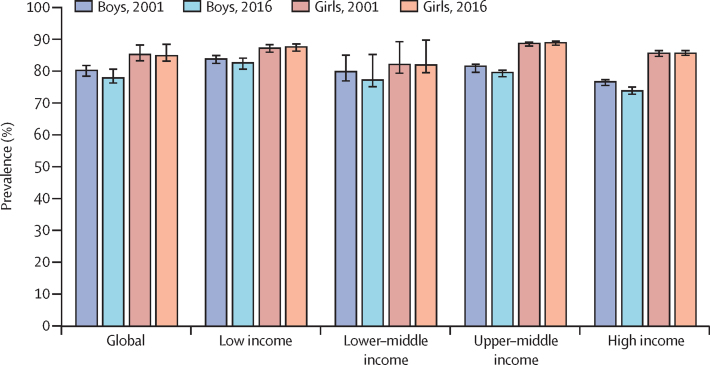
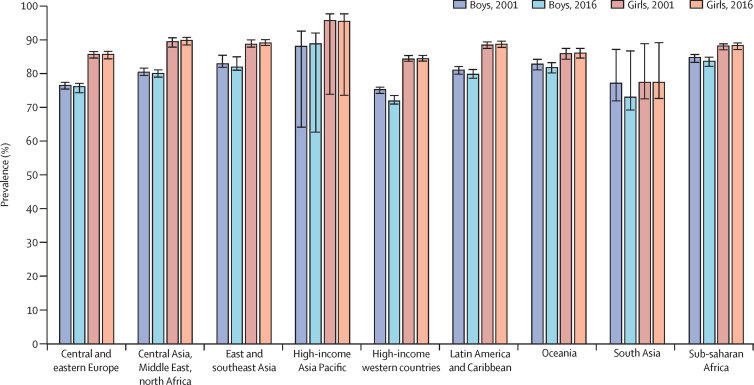
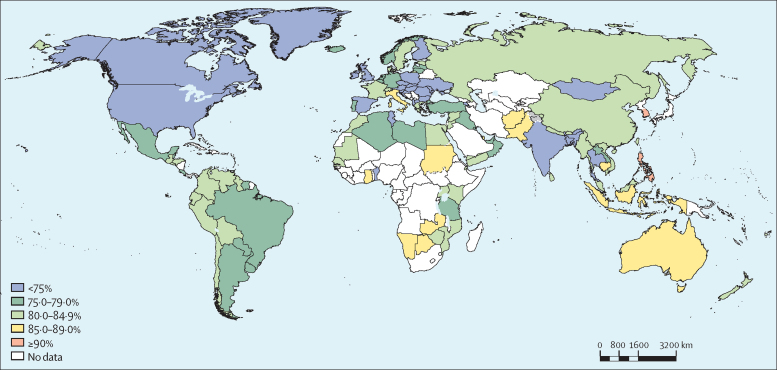
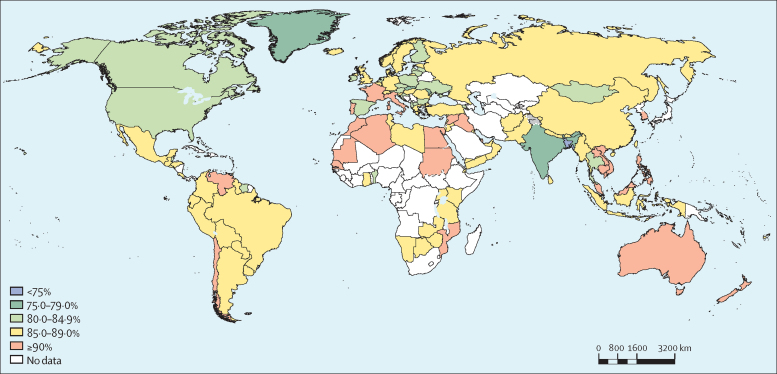
Verification
Claims the paper makes
The claims and statistics of this paper haven’t been checked yet.
Free: it reads the open-access text and checks the first 5 claims that cite a source we can check. Create a free account to check every claim.
Claims other papers make about this one
Each is checked against this paper’s own text: does it say what the citing paper says it does?
The source backs part of the claim, not all of it — or backs it for a different population, condition or comparison.
In the citing paper
“These data also reveal no overall improvement in global levels of participation over the last two decades and substantial gender differences.3 4”
From World Health Organization 2020 guidelines on physical activity and sedentary behaviour (2020) · cites this paper as [4]
Experimental — accuracy not yet measuredThe source backs part of the claim, not all of it — or backs it for a different population, condition or comparison.
In the citing paper
“Given that the most recent global estimates show that one in four (27.5%) adults3 and more than three-quarters (81%) of adolescents4 do not meet the recommendations for aerobic exercise, as outlined in the 2010 Global Recommendations on Physical Activity for Health,2”
From World Health Organization 2020 guidelines on physical activity and sedentary behaviour (2020) · cites this paper as [4]
Experimental — accuracy not yet measuredThe cited source says what the claim attributes to it.
In the citing paper
“a large proportion of children and youth, including those living in low and middle-income countries, are either sedentary or not achieving recommended levels of physical activity.8–11”
From Physical activity and health in Chinese children and adolescents: expert consensus statement (2020) (2020) · cites this paper as [11]
Self-check
Percentages, sums and reported differences re-computed from the paper’s own numbers.
The self-check needs the paper’s full text.
Citations
Cites
Abarca-Gómez, L., Abdeen, Z. A., Hamid, Z. A., Abu-Rmeileh, N. M., Acosta-Cazares, B., Acuin, C., Adams, R. J., Aekplakorn, W., Afsana, K., Aguilar-Salinas, C. A., et al. (2017) · The Lancet · doi:10.1016/s0140-6736(17)32129-3 · Cited by 7,482
Self-citationGlobal physical activity levels: surveillance progress, pitfalls, and prospects
Hallal, P. C., Andersen, L. B., Bull, F. C., Guthold, R., Haskell, W., & Ekelund, U. (2012) · The Lancet · doi:10.1016/s0140-6736(12)60646-1 · Cited by 5,711
Self-citationGuthold, R., Stevens, G. A., Riley, L. M., & Bull, F. C. (2018) · The Lancet Global Health · doi:10.1016/s2214-109x(18)30357-7 · Cited by 4,819
Self-citationA Physical Activity Screening Measure for Use With Adolescents in Primary Care
Prochaska, J. J., Sallis, J. F., & Long, B. (2001) · Archives of Pediatrics & Adolescent Medicine · doi:10.1001/archpedi.155.5.554 · Cited by 1,002
Progress in physical activity over the Olympic quadrennium
Sallis, J. F., Bull, F., Guthold, R., Heath, G. W., Inoue, S., Kelly, P., Oyeyemi, A. L., Perez, L. G., Richards, J., & Hallal, P. C. (2016) · The Lancet · doi:10.1016/s0140-6736(16)30581-5 · Cited by 935
Self-citationAubert, S., Barnes, J. D., Abdeta, C., Abi Nader, P., Adeniyi, A. F., Aguilar-Farias, N., Andrade Tenesaca, D. S., Bhawra, J., Brazo-Sayavera, J., Cardon, G., et al. (2018) · Journal of Physical Activity and Health · doi:10.1123/jpah.2018-0472 · Cited by 799
Biddle, S. J., Gorely, T., Pearson, N., & Bull, F. C. (2011) · International Journal of Behavioral Nutrition and Physical Activity · doi:10.1186/1479-5868-8-1 · Cited by 711
Self-citationGlobal Prevalence of Vision Impairment and Blindness
Stevens, G. A., White, R. A., Flaxman, S. R., Price, H., Jonas, J. B., Keeffe, J., Leasher, J., Naidoo, K., Pesudovs, K., Resnikoff, S., et al. (2013) · Ophthalmology · doi:10.1016/j.ophtha.2013.05.025 · Cited by 510
Self-citationStalsberg, R., & Pedersen, A. V. (2010) · Scandinavian Journal of Medicine & Science in Sports · doi:10.1111/j.1600-0838.2009.01047.x · Cited by 481
Farooq, M. A., Parkinson, K. N., Adamson, A. J., Pearce, M. S., Reilly, J. K., Hughes, A. R., Janssen, X., Basterfield, L., & Reilly, J. J. (2018) · British Journal of Sports Medicine · doi:10.1136/bjsports-2016-096933 · Cited by 418
Research works printed but not linked: 1
- WHO Global Recommendations on Physical Activity for Health 2010 World Health Organization Geneva 26180873
Cited by
World Health Organization 2020 guidelines on physical activity and sedentary behaviour
Bull, F. C., Al-Ansari, S. S., Biddle, S., Borodulin, K., Buman, M. P., Cardon, G., Carty, C., Chaput, J.-P., Chastin, S., Chou, R., et al. (2020) · British Journal of Sports Medicine · doi:10.1136/bjsports-2020-102955 · Cited by 11,657
Self-citationChaput, J.-P., Willumsen, J., Bull, F., Chou, R., Ekelund, U., Firth, J., Jago, R., Ortega, F. B., & Katzmarzyk, P. T. (2020) · International Journal of Behavioral Nutrition and Physical Activity · doi:10.1186/s12966-020-01037-z · Cited by 1,277
Self-citationPhysical activity behaviours in adolescence: Current evidence and opportunities for intervention
van Sluijs, E. M. F., Ekelund, U., Crochemore-Silva, I., Guthold, R., Ha, A., Lubans, D., Oyeyemi, A. L., Ding, D., & Katzmarzyk, P. T. (2021) · The Lancet · doi:10.1016/s0140-6736(21)01259-9 · Cited by 919
Self-citationImpact of COVID-19 pandemic on children and adolescents’ lifestyle behavior larger than expected.
Xiang, M., Zhang, Z., & Kuwahara, K. (2020) · Progress in Cardiovascular Diseases · doi:10.1016/j.pcad.2020.04.013 · Cited by 847
“6 million adolescents failed to achieve sufficient PA globally in 2016.(7) The current COVID-19 pandemic may further worsen this situation.”
BackgroundAn Update on the Epidemiology of Type 2 Diabetes
Tinajero, M. G., & Malik, V. S. (2021) · Endocrinology and Metabolism Clinics of North America · doi:10.1016/j.ecl.2021.05.013 · Cited by 471
Santos, A. C., Willumsen, J., Meheus, F., Ilbawi, A., & Bull, F. C. (2023) · The Lancet Global Health · doi:10.1016/s2214-109x(22)00464-8 · Cited by 458
Self-citationNeil-Sztramko, S. E., Caldwell, H., & Dobbins, M. (2021) · Cochrane Database of Systematic Reviews · doi:10.1002/14651858.cd007651.pub3 · Cited by 449
Aubert, S., Barnes, J. D., Demchenko, I., Hawthorne, M., Abdeta, C., Abi Nader, P., Adsuar Sala, J. C., Aguilar-Farias, N., Aznar, S., Bakalár, P., et al. (2022) · Journal of Physical Activity and Health · doi:10.1123/jpah.2022-0456 · Cited by 439
DiPietro, L., Al-Ansari, S. S., Biddle, S. J. H., Borodulin, K., Bull, F. C., Buman, M. P., Cardon, G., Carty, C., Chaput, J.-P., Chastin, S., et al. (2020) · International Journal of Behavioral Nutrition and Physical Activity · doi:10.1186/s12966-020-01042-2 · Cited by 387
Self-citationHu, D., Zhou, S., Crowley-McHattan, Z. J., & Liu, Z. (2021) · International Journal of Environmental Research and Public Health · doi:10.3390/ijerph18063147 · Cited by 338
“Participation in regular and adequate levels of PA is an essential contributor to good health, maintenance of healthy weight, and management of risk factors of chronic diseases [3,4].”
BackgroundWong, M. C. S., Huang, J., Wang, J., Chan, P. S. F., Lok, V., Chen, X., Leung, C., Wang, H. H. X., Lao, X. Q., & Zheng, Z.-J. (2020) · European Journal of Epidemiology · doi:10.1007/s10654-020-00650-3 · Cited by 327
Zenic, N., Taiar, R., Gilic, B., Blazevic, M., Maric, D., Pojskic, H., & Sekulic, D. (2020) · Applied Sciences · doi:10.3390/app10113997 · Cited by 316
“Despite the conclusive evidence of the importance of physical activity at all ages, the problem is particularly important in youth, since the PALs in youth over the past few decades have significantly declined [6].”
BackgroundKovacs, V. A., Starc, G., Brandes, M., Kaj, M., Blagus, R., Leskošek, B., Suesse, T., Dinya, E., Guinhouya, B. C., Zito, V., et al. (2022) · European Journal of Sport Science · doi:10.1080/17461391.2021.1897166 · Cited by 304
Xie, J., Wang, M., Long, Z., Ning, H., Li, J., Cao, Y., Liao, Y., Liu, G., Wang, F., & Pan, A. (2022) · BMJ · doi:10.1136/bmj-2022-072385 · Cited by 300
Current cancer burden in China: epidemiology, etiology, and prevention
Cao, M., Li, H., Sun, D., He, S., Yan, X., Yang, F., Zhang, S., Xia, C., Lei, L., Peng, J., et al. (2022) · Cancer Biology & Medicine · doi:10.20892/j.issn.2095-3941.2022.0231 · Cited by 287
Aubert, S., Brazo-Sayavera, J., González, S. A., Janssen, I., Manyanga, T., Oyeyemi, A. L., Picard, P., Sherar, L. B., Turner, E., & Tremblay, M. S. (2021) · International Journal of Behavioral Nutrition and Physical Activity · doi:10.1186/s12966-021-01155-2 · Cited by 259
Sex Differences in Association of Physical Activity With All-Cause and Cardiovascular Mortality
Ji, H., Gulati, M., Huang, T. Y., Kwan, A. C., Ouyang, D., Ebinger, J. E., Casaletto, K., Moreau, K. L., Skali, H., & Cheng, S. (2024) · Journal of the American College of Cardiology · doi:10.1016/j.jacc.2023.12.019 · Cited by 238
Daly-Smith, A., Quarmby, T., Archbold, V. S. J., Corrigan, N., Wilson, D., Resaland, G. K., Bartholomew, J. B., Singh, A., Tjomsland, H. E., Sherar, L. B., et al. (2020) · International Journal of Behavioral Nutrition and Physical Activity · doi:10.1186/s12966-020-0917-z · Cited by 237
The association between daily step count and all-cause and cardiovascular mortality: a meta-analysis
Banach, M., Lewek, J., Surma, S., Penson, P. E., Sahebkar, A., Martin, S. S., Bajraktari, G., Henein, M. Y., Reiner, Ž., Bielecka-Dąbrowa, A., et al. (2023) · European Journal of Preventive Cardiology · doi:10.1093/eurjpc/zwad229 · Cited by 237
Physical activity and health in Chinese children and adolescents: expert consensus statement (2020)
Chen, P., Wang, D., Shen, H., Yu, L., Gao, Q., Mao, L., Jiang, F., Luo, Y., Xie, M., Zhang, Y., et al. (2020) · British Journal of Sports Medicine · doi:10.1136/bjsports-2020-102261 · Cited by 225
Eight Investments That Work for Physical Activity
Milton, K., Cavill, N., Chalkley, A., Foster, C., Gomersall, S., Hagstromer, M., Kelly, P., Kolbe-Alexander, T., Mair, J., McLaughlin, M., et al. (2021) · Journal of Physical Activity and Health · doi:10.1123/jpah.2021-0112 · Cited by 225
Parker, K., Uddin, R., Ridgers, N. D., Brown, H., Veitch, J., Salmon, J., Timperio, A., Sahlqvist, S., Cassar, S., Toffoletti, K., et al. (2021) · Journal of Medical Internet Research · doi:10.2196/23389 · Cited by 220
Barriers to high school and university students’ physical activity: A systematic review
Ferreira Silva, R. M., Mendonça, C. R., Azevedo, V. D., Raoof Memon, A., Noll, P. R. E. S., & Noll, M. (2022) · PLOS ONE · doi:10.1371/journal.pone.0265913 · Cited by 208
“Despite the well-documented health benefits of physical activity, most young people (10–24 years old as defined by the World Health Organization) [25] do not meet the physical activity recommendations; that is, more than 81% of adolescents in the world are considered physically inactive [26].”
BackgroundIntroduction to host microbiome symbiosis in health and disease
Malard, F., Dore, J., Gaugler, B., & Mohty, M. (2021) · Mucosal Immunology · doi:10.1038/s41385-020-00365-4 · Cited by 209
Nobari, H., Fashi, M., Eskandari, A., Villafaina, S., Murillo-Garcia, Á., & Pérez-Gómez, J. (2021) · International Journal of Environmental Research and Public Health · doi:10.3390/ijerph18094563 · Cited by 204
“Before the COVID-19 pandemic, a previous study stated that 81% of students aged 11–17 years were insufficiently physically active [4].”
BackgroundFühner, T., Kliegl, R., Arntz, F., Kriemler, S., & Granacher, U. (2021) · Sports Medicine · doi:10.1007/s40279-020-01373-x · Cited by 201
What Predicts the Physical Activity Intention–Behavior Gap? A Systematic Review
Rhodes, R. E., Cox, A., & Sayar, R. (2022) · Annals of Behavioral Medicine · doi:10.1093/abm/kaab044 · Cited by 197
Effect of COVID-19 response policies on walking behavior in US cities
Hunter, R. F., Garcia, L., de Sa, T. H., Zapata-Diomedi, B., Millett, C., Woodcock, J., Pentland, A. ’., & Moro, E. (2021) · Nature Communications · doi:10.1038/s41467-021-23937-9 · Cited by 192
Kołota, A., & Głąbska, D. (2021) · Nutrients · doi:10.3390/nu13051596 · Cited by 184
“Before the COVID-19 pandemic, poor physical activity was stated as a common problem, leading to excessive body mass in children and adolescents [89].”
BackgroundDuffey, K., Barbosa, A., Whiting, S., Mendes, R., Yordi Aguirre, I., Tcymbal, A., Abu-Omar, K., Gelius, P., & Breda, J. (2021) · Frontiers in Public Health · doi:10.3389/fpubh.2021.743935 · Cited by 165
“Limited research has been able to explain how policymakers and implementers can effectively cater toward adolescent girls’ needs when it comes to increasing PA levels (11, 16, 19).”
BackgroundGender differences in barriers to physical activity among adolescents
Rosselli, M., Ermini, E., Tosi, B., Boddi, M., Stefani, L., Toncelli, L., & Modesti, P. A. (2020) · Nutrition, Metabolism and Cardiovascular Diseases · doi:10.1016/j.numecd.2020.05.005 · Cited by 167
Garcia-Hermoso, A., López-Gil, J. F., Ramírez-Vélez, R., Alonso-Martínez, A. M., Izquierdo, M., & Ezzatvar, Y. (2023) · British Journal of Sports Medicine · doi:10.1136/bjsports-2022-106189 · Cited by 154
Martins, J., Costa, J., Sarmento, H., Marques, A., Farias, C. F. G., Onofre, M., & Valeiro, M. G. (2021) · International Journal of Environmental Research and Public Health · doi:10.3390/ijerph18094954 · Cited by 227
Martin-Smith, R., Cox, A., Buchan, D. S., Baker, J. S., Grace, F., & Sculthorpe, N. F. (2020) · International Journal of Environmental Research and Public Health · doi:10.3390/ijerph17082955 · Cited by 216
“Despite the associated health benefits of physical activity (PA), many children and adolescents do not currently achieve the proposed PA recommendations of 60 min of moderate to vigorous physical activity (MVPA) per day [1,2].”
Prevalence of Physical Activity among Adolescents from 105 Low, Middle, and High-Income Countries
Marques, A., Henriques‐Neto, D., Peralta, M., Martins, J., Demetriou, Y., Schönbach, D. M. I., & de Matos, M. G. (2020) · International Journal of Environmental Research and Public Health · doi:10.3390/ijerph17093145 · Cited by 174
“One critical aspect is the necessity of allocating the necessary political priority and resources to enable the implementation of PA policies [6].”
BackgroundInfluentialReview of High-Intensity Interval Training for Cognitive and Mental Health in Youth
LEAHY, A. A., MAVILIDI, M. F., SMITH, J. J., HILLMAN, C. H., EATHER, N., BARKER, D., & LUBANS, D. R. (2020) · Medicine & Science in Sports & Exercise · doi:10.1249/mss.0000000000002359 · Cited by 131
Brazo‐Sayavera, J., Aubert, S., Barnes, J. D., González, S. A., & Tremblay, M. S. (2021) · PLoS ONE · doi:10.1371/journal.pone.0255353 · Cited by 166
“The gender gap was 9% favorable to male adolescents [8].”
BackgroundNoone, J., Mucinski, J. M., DeLany, J. P., Sparks, L. M., & Goodpaster, B. H. (2024) · Cell Metabolism · doi:10.1016/j.cmet.2023.12.025 · Cited by 128
Owen, K., Nau, T., Reece, L. J., Bellew, W., Rose, C. L., Bauman, A. E., Halim, N. K., & Smith, B. J. (2022) · International Journal of Behavioral Nutrition and Physical Activity · doi:10.1186/s12966-022-01263-7 · Cited by 179
“Despite the known benefits of physical activity, over 80% of adolescents do not meet the current recommendations for daily physical activity [3].”
BackgroundInfluence of Physical Exercise on Psychological Well-Being of Young Adults: A Quantitative Study
Granero-Jiménez, J., López‐Rodriguez, M. M., Dobarrio‐Sanz, I., & Cortés‐Rodríguez, A. E. (2022) · International Journal of Environmental Research and Public Health · doi:10.3390/ijerph19074282 · Cited by 172
“Likewise, there are also differences between the sexes, with girls and young women being the most sedentary [5,6].”
Barriers and facilitators to changes in adolescent physical activity during COVID-19
Ng, K., Cooper, J., McHale, F., Clifford, J., & Woods, C. B. (2020) · BMJ Open Sport & Exercise Medicine · doi:10.1136/bmjsem-2020-000919 · Cited by 159
“Half the adolescents reported less PA than normal, hence progress towards national 52 and WHO targets to decrease inactivity by 15% by 2030 8 have been severely hampered by the COVID-19 pandemic.”
de Frel, D. L., Atsma, D. E., Pijl, H., Seidell, J. C., Leenen, P. J. M., Dik, W. A., & van Rossum, E. F. C. (2020) · Frontiers in Nutrition · doi:10.3389/fnut.2020.597600 · Cited by 155
Cowley, E. S., Watson, P. M., Foweather, L., Belton, S., Thompson, A., Thijssen, D. H. J., & Wagenmakers, A. J. M. (2021) · Children · doi:10.3390/children8010031 · Cited by 171
“This report shows a gender disparity as adolescent females are less active than males, particularly females living in low socioeconomic areas [6].”
BackgroundMethodGarcía‐Hermoso, A., Izquierdo, M., & Ramírez‐Vélez, R. (2022) · Translational Pediatrics · doi:10.21037/tp-21-507 · Cited by 158
Barriers and facilitators of domain-specific physical activity: a systematic review of reviews
García, L., Mendonça, G., Benedetti, T. R. B., Borges, L. J., Streit, I. A., Christofoletti, M., Silva-Júnior, F. L. E., Papini, C. B., & Binotto, M. A. (2022) · BMC Public Health · doi:10.1186/s12889-022-14385-1 · Cited by 146
“5% of adults [3] and 81% of adolescents [4] do not meet the recommended levels of physical activity.”
BackgroundWunsch, K., Nigg, C., Niessner, C., Schmidt, S. C. E., Oriwol, D., Hanssen-Doose, A., Burchartz, A., Eichsteller, A., Kolb, S., Worth, A., et al. (2021) · Children · doi:10.3390/children8020098 · Cited by 115
“6 million adolescents failed to achieve sufficient PA in 2016 [22].”
BackgroundThe Impact of Free Sugar on Human Health—A Narrative Review
Gillespie, K. M., Kemps, E., White, M. J., & Bartlett, S. E. (2023) · Nutrients · doi:10.3390/nu15040889 · Cited by 163
“Global, population-based surveys have found that over 80% of adolescents 11–17 years of age were insufficiently physically active in 2016 [96].”
BackgroundGender inequalities in physical activity among adolescents from 64 Global South countries
Ricardo, L. I. C., Wendt, A. T., Costa, C. D. S., Mielke, G. I., Brazo‐Sayavera, J., Khan, A., Kolbe-Alexander, T. L., & Crochemore‐Silva, I. (2022) · Journal of sport and health science/Journal of Sport and Health Science · doi:10.1016/j.jshs.2022.01.007 · Cited by 133
“32 Our results are in accordance with recent analysis based on the GSHS, addressing another set of countries, which shows a higher prevalence of insufficient PA in girls.(11) Several arguments could be made to explain these differences between girls and boys, based on the intrinsic sociocultural norms and barriers tha…”
BackgroundResultBaena‐Morales, S., & González‐Víllora, S. (2022) · Sport Education and Society · doi:10.1080/13573322.2022.2045483 · Cited by 158
“Therefore, it is essential to use strategies that enable greater participation of women in physical activity and exercise (Evan, 2017; Guthold et al., 2020; UNESCO, 2015a).”
BackgroundChildhood overweight and obesity in Europe: Changes from 2007 to 2017
Buoncristiano, M., Spinelli, A., Williams, J., Nardone, P., Rito, A. I., García‐Solano, M., Grøholt, E. K., Gutiérrez‐González, E., Klepp, K. I., Starc, G., et al. (2021) · Obesity Reviews · doi:10.1111/obr.13226 · Cited by 129
“Moreover, the opportunities for practicing physical activity may have declined in the last decades, especially active transport,(6,7) although a recent pooled analysis of 298 school-based surveys from 146 countries showed a small reduction of insufficient physical activity among adolescents boys but no changes among g…”
Physical Activity Maintenance: A Critical Narrative Review and Directions for Future Research
Rhodes, R. E., & Sui, W. (2021) · Frontiers in Psychology · doi:10.3389/fpsyg.2021.725671 · Cited by 136
Goodyear, V. A., Skinner, B. D., McKeever, J., & Griffiths, M. (2021) · Physical Education and Sport Pedagogy · doi:10.1080/17408989.2021.1953459 · Cited by 200
“Most children and young people (CYP) (85%) worldwide are classified as inactive because they fail to meet the World Health Organisation (WHO) recommendations for physical activity (Guthold et al. 2020).”
BackgroundWassenaar, T. M., Wheatley, C., Beale, N., Nichols, T. E., Salvan, P., Meaney, A., Atherton, K., Diaz‐Ordaz, K., Dawes, H., & Johansen‐Berg, H. (2021) · International Journal of Behavioral Nutrition and Physical Activity · doi:10.1186/s12966-021-01113-y · Cited by 144
“However, approximately 80% of adolescents do not meet the recommended 60min of moderate-to-vigorous PA (MVPA) per day [20, 21] and PA levels decline dramatically during teenage years [22].”
BackgroundUddin, R., Salmon, J., Islam, S. M. S., & Khan, A. (2020) · Scientific Reports · doi:10.1038/s41598-020-79100-9 · Cited by 121
Multi-Process Action Control in Physical Activity: A Primer
Rhodes, R. E. (2021) · Frontiers in Psychology · doi:10.3389/fpsyg.2021.797484 · Cited by 122
Wassenaar, T. M., Williamson, W., Johansen-Berg, H., Dawes, H., Roberts, N., Foster, C., & Sexton, C. E. (2020) · International Journal of Behavioral Nutrition and Physical Activity · doi:10.1186/s12966-020-00959-y · Cited by 97
“However, globally approximately 20–30% of adults [4, 11] and the majority of youth, including 80% of adolescents [11, 14], do not meet recommended levels of PA.”
BackgroundAsthma: epidemiology, risk factors, and opportunities for prevention and treatment
Jayasooriya, S., Devereux, G. S., Soriano, J. B., Singh, N., Masekela, R., Mortimer, K. J., & Burney, P. (2025) · The Lancet Respiratory Medicine · doi:10.1016/s2213-2600(24)00383-7 · Cited by 133
Khan, S. R., Uddin, R., Mandic, S., & Khan, A. (2020) · International Journal of Environmental Research and Public Health · doi:10.3390/ijerph17124435 · Cited by 115
Contraceptive Use in Adolescent Girls and Adult Women in Low- and Middle-Income Countries
Li, Z., Patton, G. C., Sabet, F., Zhou, Z., Subramanian, S. V., & Lu, C. (2020) · JAMA Network Open · doi:10.1001/jamanetworkopen.2019.21437 · Cited by 112
Correlates of Parental Support of Child and Youth Physical Activity: a Systematic Review
Rhodes, R. E., Perdew, M., & Malli, S. (2020) · International Journal of Behavioral Medicine · doi:10.1007/s12529-020-09909-1 · Cited by 112
“Nevertheless, given the low prevalence of PA among adolescents [12], this hands-off parenting approach may be premature.”
BackgroundŁuszczki, E., Bartosiewicz, A., Pezdan-Śliż, I., Kuchciak, M., Jagielski, P., Oleksy, Ł., Stolarczyk, A., & Dereń, K. (2021) · Nutrients · doi:10.3390/nu13072447 · Cited by 108
Kallio, J., Hakonen, H., Syväoja, H. J., Kulmala, J., Kankaanpää, A., Ekelund, U., & Tammelin, T. (2020) · Scandinavian Journal of Medicine and Science in Sports · doi:10.1111/sms.13668 · Cited by 104
Dominski, F. H., & Brandt, R. (2020) · Sport Sciences for Health · doi:10.1007/s11332-020-00673-z · Cited by 105
van den Bogerd, N., Dijkstra, S. C., Koole, S. L., Seidell, J. C., de Vries, R., & Maas, J. (2020) · Health & Place · doi:10.1016/j.healthplace.2020.102403 · Cited by 112
Physical Literacy Assessment Tools: A Systematic Literature Review for Why, What, Who, and How
Habyarimana, J. D. D., & Zhou, K. (2021) · International Journal of Environmental Research and Public Health · doi:10.3390/ijerph18157954 · Cited by 117
Milanović, S. M., Buoncristiano, M., Križan, H., Rathmes, G., Williams, J., Hyska, J., Duleva, V. L., Zamrazilová, H., Hejgaard, T., Jørgensen, M. B., et al. (2021) · Obesity Reviews · doi:10.1111/obr.13209 · Cited by 103
Gilić, B., Ostojić, L., Ćorluka, M., Volarić, T., & Sekulić, D. (2020) · Children · doi:10.3390/children7090125 · Cited by 102
Casado-Robles, C., Viciana, J., Guijarro-Romero, S., & Mayorga-Vega, D. (2022) · Sports Medicine - Open · doi:10.1186/s40798-021-00407-6 · Cited by 108
“, do not meet the PA recommendations) [8], and they spend most of their time in SB [9].”
Backgroundvan der Ploeg, H. P., & Bull, F. (2020) · International Journal of Behavioral Nutrition and Physical Activity · doi:10.1186/s12966-020-01051-1 · Cited by 111
Self-citationElvitigala, D. S., Karahanoğlu, A., Matviienko, A., Vidal, L. T., Postma, D. B. W., Jones, M. D., Montoya, M. F., Harrison, D., Elbæk, L., Daiber, F., et al. (2024) · CHI Conference on Human Factors in Computing Systems · doi:10.1145/3613904.3642050 · Cited by 99
“Worldwide, 27.5% of the population is insufficiently active [17, 51]; among adolescents, this number is as high as 81.0% [52].”
BackgroundInfluentialSocial reward and support effects on exercise experiences and performance: Evidence from parkrun
Davis, A., MacCarron, P., & Cohen, E. E. A. (2021) · PLoS ONE · doi:10.1371/journal.pone.0256546 · Cited by 113
“Despite the established benefits of sufficient physical activity and secure social ties for mental and physical health, levels of physical inactivity are extremely high globally (e.g., Guthold et al., 2018; Guthold et al., 2019).”
BackgroundMoon, J., Webster, C. A., Stodden, D. F., Brian, A., Mulvey, K. L., Beets, M., Egan, C. A., McIntosh, L. I. F., Merica, C. B., & Russ, L. (2024) · BMC Public Health · doi:10.1186/s12889-024-18145-1 · Cited by 78
Active School Breaks and Students’ Attention: A Systematic Review with Meta-Analysis
Infantes-Paniagua, Á., Silva, A. F., Ramirez-Campillo, R., Sarmento, H., González-Fernández, F. T., González-Víllora, S., & Clemente, F. M. (2021) · Brain Sciences · doi:10.3390/brainsci11060675 · Cited by 74
“This is of special interest nowadays because most young students do not meet the PA guidelines recommended by the World Health Organization [10].”
BackgroundScreen time and physical activity in children and adolescents aged 10–15 years
Dahlgren, A., Sjöblom, L., Eke, H., Bonn, S. E., & Lagerros, Y. T. (2021) · PLoS ONE · doi:10.1371/journal.pone.0254255 · Cited by 116
“, investigated the global prevalence of insufficient physical activity among children and adolescents aged 11–17 and found, on the contrary, girls to be more physically inactive than boys [19].”
BackgroundA Systematic Review of Factors Associated with Sport Participation among Adolescent Females
Hopkins, C. S., Hopkins, C. S., Kanny, S., & Watson, A. (2022) · International Journal of Environmental Research and Public Health · doi:10.3390/ijerph19063353 · Cited by 114
“While adolescence has been identified as a prominent time for sports dropout in both males and females [10–12], adolescent girls are at a greater risk of dropping out of sports at an earlier age than their male counterparts [10,11,13].”
Bourke, M., Haddara, A., Loh, A., Carson, V., Breau, B., & Tucker, P. (2023) · International Journal of Behavioral Nutrition and Physical Activity · doi:10.1186/s12966-023-01450-0 · Cited by 94
Molina‐García, J., Campos, S., García‐Massó, X., Herrador‐Colmenero, M., Gálvez‐Fernández, P., Molina-Soberanes, D., Queralt, A., & Chillón, P. (2020) · International Journal of Behavioral Nutrition and Physical Activity · doi:10.1186/s12966-020-01028-0 · Cited by 86
“tions of daily 60-min moderate-to-vigorous physical activity [1].”
BackgroundRivera, E., Timperio, A. F., Loh, V. H. Y., Deforche, B. I., & Veitch, J. (2020) · Urban forestry & urban greening · doi:10.1016/j.ufug.2020.126948 · Cited by 90
Abrantes, L. C. S., de Morais, N. D. S., Gonçalves, V. S. S., Ribeiro, S. A. V., Sediyama, C. M. N. D. O., Franceschini, S. D. C. C., Amorim, P. R. D. S., & Priore, S. E. (2021) · Quality of Life Research · doi:10.1007/s11136-021-03035-5 · Cited by 118
“Moreover, the behaviors adopted and consolidated during this period tend to remain in during the other stages of life, influencing future health [15, 20].”
BackgroundMartínez-Andrés, M., Gutiérrez, R. B., Rodríguez‐Martin, B., Pardo‐Guijarro, M. J., Garrido‐Miguel, M., & Martínez‐Vizcaíno, V. (2020) · International Journal of Environmental Research and Public Health · doi:10.3390/ijerph17093033 · Cited by 103
van Deutekom, A. W., & Lewandowski, A. J. (2020) · Pediatric Research · doi:10.1038/s41390-020-01194-8 · Cited by 81
“6 million adolescents from 146 countries, territories and areas globally showed that 81% of adolescents did not reach the recommended 60min of moderate-intensity PA per day.(41)”
BackgroundBody Mass Index, Physical Activity, and Physical Fitness of Adolescence
Dewi, R. C., Rimawati, N., & Purbodjati (2021) · Journal of Public Health Research · doi:10.4081/jphr.2021.2230 · Cited by 111
Treating chronic diseases without tackling excess adiposity promotes multimorbidity
Sattar, N., McMurray, J. J. V., McInnes, I. B., Aroda, V. R., & Lean, M. E. J. (2023) · The Lancet Diabetes & Endocrinology · doi:10.1016/s2213-8587(22)00317-5 · Cited by 69
Parrish, A., Chong, K. H., Moriarty, A. L., Batterham, M. J., & Ridgers, N. D. (2020) · Sports Medicine · doi:10.1007/s40279-020-01347-z · Cited by 92
Champion, K. E., Newton, N. C., Gardner, L. A., Chapman, C., Thornton, L. K., Slade, T. N., Sunderland, M., Hides, L. M., MCBRIDE, N. T., O’Dean, S., et al. (2023) · The Lancet Digital Health · doi:10.1016/s2589-7500(23)00028-6 · Cited by 85
Sevil‐Serrano, J., Solana, A. A., Abós, Á., Lanaspa, E. G., & García‐González, L. (2020) · The Journal of Experimental Education · doi:10.1080/00220973.2020.1764466 · Cited by 118
“However, large international studies (Guthold et al., 2020) and results from “Spain’s 2018 Report Card on PA for children and youth” (Roman-Vi~ nas et al.”
BackgroundChen, H., Wang, C., Lu, T., Tao, B., Gao, Y., & Yan, J. (2022) · International Journal of Environmental Research and Public Health · doi:10.3390/ijerph19159286 · Cited by 93
“1% of children and adolescents in China meet the recommended amount of daily physical activity [18,19].”
BackgroundWall, J., Meehan, W. P., III, Trompeter, K., Gissane, C., Mockler, D., van Dyk, N., & Wilson, F. (2022) · British Journal of Sports Medicine · doi:10.1136/bjsports-2021-104749 · Cited by 89
Association of physical activity and fitness with executive function among preschoolers
Luo, X., Herold, F., Ludyga, S., Gerber, M., Kamijo, K., Pontifex, M. B., Hillman, C. H., Alderman, B. L., Müller, N. G., Kramer, A. F., et al. (2023) · International Journal of Clinical and Health Psychology · doi:10.1016/j.ijchp.2023.100400 · Cited by 76
Making a Strong Case for Prioritizing Muscular Fitness in Youth Physical Activity Guidelines
Faigenbaum, A. D., MacDonald, J. P., Stracciolini, A., & Rebullido, T. R. (2020) · Current Sports Medicine Reports · doi:10.1249/jsr.0000000000000784 · Cited by 85
“Despite the well-established benefits of physical activity, global levels of youth physical inactivity remain high (5,6).”
BackgroundSolmi, F., Sharpe, H., Gage, S. H., Maddock, J., Lewis, G., & Patalay, P. (2020) · Archives of Pediatrics and Adolescent Medicine · doi:10.1001/jamapediatrics.2020.4746 · Cited by 79
Bevan, N., O’Brien, K., Lin, C., Latner, J. D., Vandenberg, B., Jeanes, R., Puhl, R. M., Chen, I., Moss, S. A., & Rush, G. (2021) · International Journal of Environmental Research and Public Health · doi:10.3390/ijerph18199957 · Cited by 82
OECD, & World Health Organization (2020) · Health at a glance. Asia/Pacific · doi:10.1787/a47d0cd2-en · Cited by 79
Maenhout, L., Peuters, C., Cardon, G., Compernolle, S., Crombez, G., & DeSmet, A. (2020) · BMC Public Health · doi:10.1186/s12889-020-09102-9 · Cited by 86
Agbaje, A. O., Perng, W., & Tuomainen, T. (2023) · Nature Communications · doi:10.1038/s41467-023-43316-w · Cited by 67
“The signi fi cant loss in time spent in LPA was gained by ST, thus, these fi ndings could contribute to updating future PA guidelines which currently largely focus onanaverageof60min/dayofMVPAwhich80%ofadolescentsdonot meet 1,25 .”
BackgroundBogataj, Š., Trajković, N., Cadenas‐Sánchez, C., & Sember, V. (2021) · Nutrients · doi:10.3390/nu13010238 · Cited by 94
“A great majority of adolescents do not meet the recommendations for moderate-to-vigorous PA (MVPA) [6] despite well-documented positive impact on skeletal [7,8], metabolic [9,10], cardiovascular [11], and psychosocial [12] health.”
BackgroundLópez‐Bueno, R., Núñez‐Cortés, R., Calatayud, J., Salazar‐Méndez, J., Petermann-Rocha, F. E., López‐Gil, J. F., & Cruz, B. D. P. (2023) · Cardiovascular Research · doi:10.1093/cvr/cvad176 · Cited by 80
Castillo, I., Molina‐García, J., Estevan, I., Queralt, A., & Álvarez, O. (2020) · International Journal of Environmental Research and Public Health · doi:10.3390/ijerph17134844 · Cited by 99
“However, although school-based PE programs are important in promoting PA, children and adolescents are not active enough [8,9], and obesity has significantly increased.”
BackgroundCain, K. L., Salmon, J., Conway, T. L., Cerin, E., Hinckson, E. A., Mitáš, J., Schipperijn, J., Frank, L. D., Anjana, R. M., Barnett, A. H., et al. (2021) · BMJ Open · doi:10.1136/bmjopen-2020-046636 · Cited by 69
Physical Education and Sports: A Backbone of the Entire Community in the Twenty-First Century
Habyarimana, J. D. D., Tugirumukiza, E., & Zhou, K. (2022) · International Journal of Environmental Research and Public Health · doi:10.3390/ijerph19127296 · Cited by 121
Metadata
- Authors
- Guthold, R., Stevens, G. A., Riley, L. M., & Bull, F. C.
- Affiliations
- World Health Organization (CH)
- Imperial College London (GB)
- The University of Western Australia (AU)
- Corresponding author
- Guthold, Regina
- Venue
- The Lancet Child & Adolescent Health
- Publisher
- Elsevier BV
- Published
- 2020-01
- Volume
- 4
- Issue
- 1
- Pages
- 23-35
- ISSN
- 2352-4642 (ISSN-L)
- PMC
- PMC6919336
- OpenAlex
- W2989617484
- Semantic Scholar
- f46a550ac37c8a6425eb044c3c76e0da5d9756a8
- Cited by
- 4,033
- References
- 25
- Citations by year
- 2026: 622 · 2025: 654 · 2024: 638 · 2023: 562 · 2022: 567 · 2021: 496 · 2020: 485
- FWCI
- 266.68
- Type
- journal article
- Language
- en
- Open access
- hybrid
- doi.org
- Licence
- cc-by
- www.elsevier.com/tdm/userlicense/1.0/ (tdm)
- www.elsevier.com/legal/tdmrep-license (tdm)
- creativecommons.org/licenses/by/3.0/igo/ (vor)
- Locations
- The Lancet Child & Adolescent Health (publishedVersion, cc-by)
- PubMed Central (publishedVersion, cc-by)
- PubMed (publishedVersion)
- UWA Profiles and Research Repository (UWA) (submittedVersion, cc-by)
- Funders
- World Health Organization
- Topics
- Health Sciences › Medicine › Public Health, Environmental and Occupational Health › Physical Activity and Health
- Health Sciences › Medicine › Public Health, Environmental and Occupational Health › Obesity, Physical Activity, Diet
- Social Sciences › Life-span and Life-course Studies › Recreational Sport and Physical Activity
- Keywords
- physical inactivity, adolescents, global trends, sex differences, school-based survey, country income groups, physical activity guidelines, low-income countries
- MeSH terms
- Adolescent, Child, Cross-Sectional Studies, Developing Countries, Female, Health Surveys, Humans, Income, Male, Sex Factors, Global Health, Exercise, Prevalence, Developed Countries
About these checks
Registry, retraction, Cites and statistics results are computed, not judged, with one exception: a printed reference that no index lists is read once by a model before it counts as a citation error. Claims are extracted by a model and kept only when their quote appears verbatim in the text; each cited source is then checked, with a model’s help, for whether it says what the claim relies on. Those verdicts can be wrong — read the claim’s quote and the cited source before relying on one.
Statistics and arithmetic are recomputed, not judged.
Confidence bands are shown only for fields calibrated on our annotated test set. None is calibrated yet, so no band is shown.
What counts as a claim ›How we measure confidence ›How we check this ›
Are you an author, or do you see a problem with this page? Request a review
Data sources
Bibliographic data: Semantic Scholar, OpenAlex, Crossref.
Contains information from the Semantic Scholar Academic Graph Datasets, made available under the ODC Attribution License (ODC-BY 1.0).
Semantic Scholar’s data is described in: Kinney, R., et al. (2023). The Semantic Scholar Open Data Platform. arXiv:2301.10140.
