

Global trends in insufficient physical activity among adolescents: a pooled analysis of 298 population-based surveys with 1·6 million participants
Open accessThe DOI matches its Crossref record; 25 of the 25 references it cites were found in a registry or an index.
Abstract
BACKGROUND: Physical activity has many health benefits for young people. In 2018, WHO launched More Active People for a Healthier World, a new global action on physical activity, including new targets of a 15% relative reduction of global prevalence of insufficient physical activity by 2030 among adolescents and adults. We describe current prevalence and trends of insufficient physical activity among school-going adolescents aged 11-17 years by country, region, and globally. METHODS: We did a pooled analysis of cross-sectional survey data that were collected through random sampling with a sample size of at least 100 individuals, were representative of a national or defined subnational population, and reported prevalence of of insufficient physical activity by sex in adolescents. Prevalence had to be reported for at least three of the years of age within the 10-19-year age range. We estimated the prevalence of insufficient physical activity in school-going adolescents aged 11-17 years (combined and by sex) for individual countries, for four World Bank income groups, nine regions, and globally for the years 2001-16. To derive a standard definition of insufficient physical activity and to adjust for urban-only survey coverage, we used regression models. We estimated time trends using multilevel mixed-effects modelling. FINDINGS: We used data from 298 school-based surveys from 146 countries, territories, and areas including 1·6 million students aged 11-17 years. Globally, in 2016, 81·0% (95% uncertainty interval 77·8-87·7) of students aged 11-17 years were insufficiently physically active (77·6% [76·1-80·4] of boys and 84·7% [83·0-88·2] of girls). Although prevalence of insufficient physical activity significantly decreased between 2001 and 2016 for boys (from 80·1% [78·3-81·6] in 2001), there was no significant change for girls (from 85·1% [83·1-88·0] in 2001). There was no clear pattern according to country income group: insufficient activity prevalence in 2016 was 84·9% (82·6-88·2) in low-income countries, 79·3% (77·2-87·5) in lower-middle-income countries, 83·9% (79·5-89·2) in upper-middle-income countries, and 79·4% (74·0-86·2) in high-income countries. The region with the highest prevalence of insufficient activity in 2016 was high-income Asia Pacific for both boys (89·0%, 62·8-92·2) and girls (95·6%, 73·7-97·9). The regions with the lowest prevalence were high-income western countries for boys (72·1%, 71·1-73·6), and south Asia for girls (77·5%, 72·8-89·3). In 2016, 27 countries had a prevalence of insufficient activity of 90% or more for girls, whereas this was the case for two countries for boys. INTERPRETATION: The majority of adolescents do not meet current physical activity guidelines. Urgent scaling up of implementation of known effective policies and programmes is needed to increase activity in adolescents. Investment and leadership at all levels to intervene on the multiple causes and inequities that might perpetuate the low participation in physical activity and sex differences, as well as engagement of youth themselves, will be vital to strengthen the opportunities for physical activity in all communities. Such action will improve the health of this and future young generations and support achieving the 2030 Sustainable Development Goals. FUNDING: WHO.
Overview
The claims and statistics of this paper haven’t been checked yet.
Free: it reads the open-access text and checks the first 5 claims that cite a source we can check. Create a free account to check every claim.
Integrity signals
Registry
Cites
Statistics
Figures
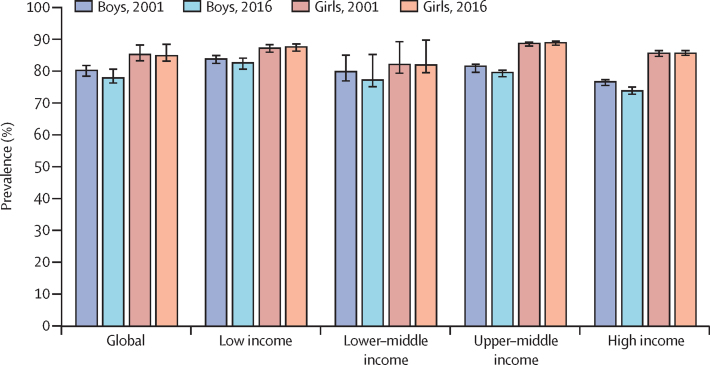
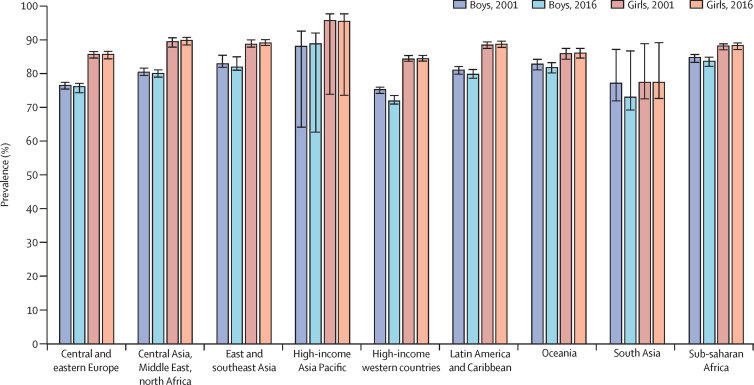
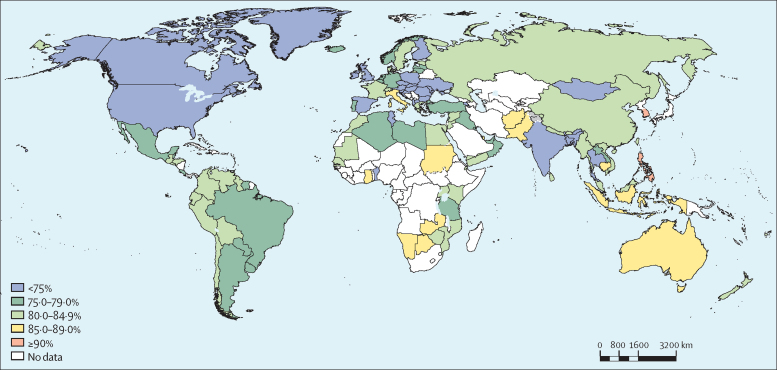
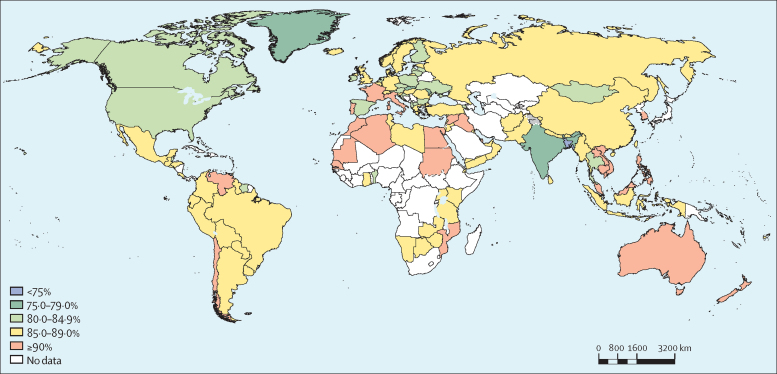
Verification
Claims the paper makes
The claims and statistics of this paper haven’t been checked yet.
Free: it reads the open-access text and checks the first 5 claims that cite a source we can check. Create a free account to check every claim.
Claims other papers make about this one
Each is checked against this paper’s own text: does it say what the citing paper says it does?
The source backs part of the claim, not all of it — or backs it for a different population, condition or comparison.
In the citing paper
“These data also reveal no overall improvement in global levels of participation over the last two decades and substantial gender differences.3 4”
From World Health Organization 2020 guidelines on physical activity and sedentary behaviour (2020) · cites this paper as [4]
Experimental — accuracy not yet measuredThe source backs part of the claim, not all of it — or backs it for a different population, condition or comparison.
In the citing paper
“Given that the most recent global estimates show that one in four (27.5%) adults3 and more than three-quarters (81%) of adolescents4 do not meet the recommendations for aerobic exercise, as outlined in the 2010 Global Recommendations on Physical Activity for Health,2”
From World Health Organization 2020 guidelines on physical activity and sedentary behaviour (2020) · cites this paper as [4]
Experimental — accuracy not yet measuredThe cited source says what the claim attributes to it.
In the citing paper
“a large proportion of children and youth, including those living in low and middle-income countries, are either sedentary or not achieving recommended levels of physical activity.8–11”
From Physical activity and health in Chinese children and adolescents: expert consensus statement (2020) (2020) · cites this paper as [11]
Self-check
Percentages, sums and reported differences re-computed from the paper’s own numbers.
The self-check needs the paper’s full text.
Citations
Cites
Abarca-Gómez, L., Abdeen, Z. A., Hamid, Z. A., Abu-Rmeileh, N. M., Acosta-Cazares, B., Acuin, C., Adams, R. J., Aekplakorn, W., Afsana, K., Aguilar-Salinas, C. A., et al. (2017) · The Lancet · doi:10.1016/s0140-6736(17)32129-3 · Cited by 7,482
Self-citationGlobal physical activity levels: surveillance progress, pitfalls, and prospects
Hallal, P. C., Andersen, L. B., Bull, F. C., Guthold, R., Haskell, W., & Ekelund, U. (2012) · The Lancet · doi:10.1016/s0140-6736(12)60646-1 · Cited by 5,711
Self-citationGuthold, R., Stevens, G. A., Riley, L. M., & Bull, F. C. (2018) · The Lancet Global Health · doi:10.1016/s2214-109x(18)30357-7 · Cited by 4,819
Self-citationA Physical Activity Screening Measure for Use With Adolescents in Primary Care
Prochaska, J. J., Sallis, J. F., & Long, B. (2001) · Archives of Pediatrics & Adolescent Medicine · doi:10.1001/archpedi.155.5.554 · Cited by 1,002
Progress in physical activity over the Olympic quadrennium
Sallis, J. F., Bull, F., Guthold, R., Heath, G. W., Inoue, S., Kelly, P., Oyeyemi, A. L., Perez, L. G., Richards, J., & Hallal, P. C. (2016) · The Lancet · doi:10.1016/s0140-6736(16)30581-5 · Cited by 935
Self-citationAubert, S., Barnes, J. D., Abdeta, C., Abi Nader, P., Adeniyi, A. F., Aguilar-Farias, N., Andrade Tenesaca, D. S., Bhawra, J., Brazo-Sayavera, J., Cardon, G., et al. (2018) · Journal of Physical Activity and Health · doi:10.1123/jpah.2018-0472 · Cited by 799
Biddle, S. J., Gorely, T., Pearson, N., & Bull, F. C. (2011) · International Journal of Behavioral Nutrition and Physical Activity · doi:10.1186/1479-5868-8-1 · Cited by 711
Self-citationGlobal Prevalence of Vision Impairment and Blindness
Stevens, G. A., White, R. A., Flaxman, S. R., Price, H., Jonas, J. B., Keeffe, J., Leasher, J., Naidoo, K., Pesudovs, K., Resnikoff, S., et al. (2013) · Ophthalmology · doi:10.1016/j.ophtha.2013.05.025 · Cited by 510
Self-citationStalsberg, R., & Pedersen, A. V. (2010) · Scandinavian Journal of Medicine & Science in Sports · doi:10.1111/j.1600-0838.2009.01047.x · Cited by 481
Farooq, M. A., Parkinson, K. N., Adamson, A. J., Pearce, M. S., Reilly, J. K., Hughes, A. R., Janssen, X., Basterfield, L., & Reilly, J. J. (2018) · British Journal of Sports Medicine · doi:10.1136/bjsports-2016-096933 · Cited by 418
Research works printed but not linked: 1
- WHO Global Recommendations on Physical Activity for Health 2010 World Health Organization Geneva 26180873
Cited by
Items 201–300 of 1,006
Physical literacy as a determinant of physical activity level among late adolescents
Öztürk, Ö., Aydoğdu, O., Yıkılmaz, S. K., Feyzioğlu, Ö., & Pişirici, P. (2023) · PLoS ONE · doi:10.1371/journal.pone.0285032 · Cited by 62
Investigating the barriers preventing adolescents from physical activities in urban green spaces
Akpınar, A. (2020) · Urban forestry & urban greening · doi:10.1016/j.ufug.2020.126724 · Cited by 50
Foley, B. C., Owen, K., Bauman, A. E., Bellew, W., & Reece, L. J. (2021) · BMC Public Health · doi:10.1186/s12889-020-10060-5 · Cited by 49
“Worldwide, more than 80% of adolescents (11–17 years old) are not meeting physical activity recommendations, while Australian adolescents are among the least active with just 11% achieving recommended levels of physical activity for health [2, 6].”
BackgroundZiegeldorf, A., Schoene, D., Fatum, A., Brauer, K., & Wulff, H. (2024) · BMC Public Health · doi:10.1186/s12889-024-19174-6 · Cited by 41
“Despite this knowledge, most children worldwide are insufficiently active [5, 6].”
BackgroundWang, X., Liu, Y., Yao, Y., Zhou, S., Zhu, Q., Liu, M., & Helbich, M. (2022) · Transportation Research Part D Transport and Environment · doi:10.1016/j.trd.2022.103549 · Cited by 42
“Daily physical activity has numerous health benefits for adolescents, including a lower risk of overweight and obesity (Guthold et al., 2020).”
BackgroundCorrelates of physical activity habits in adolescents: A systematic review
Shao, T., & Zhou, X. (2023) · Frontiers in Physiology · doi:10.3389/fphys.2023.1131195 · Cited by 71
“Frontiers in Physiology frontiersin.org01 TYPE Systematic Review PUBLISHED 21 April 2023 DOI 10.3389/fphys.2023.1131195 activity (Guthold et al., 2020).”
BackgroundInfluentialCoimbra, M., Cody, R., Kreppke, J.-N., & Gerber, M. (2020) · Physical Education and Sport Pedagogy · doi:10.1080/17408989.2020.1799966 · Cited by 63
Bourke, M., Hilland, T. A., & Craike, M. J. (2020) · Psychology of sport and exercise · doi:10.1016/j.psychsport.2020.101825 · Cited by 57
Comparison of self-reported & device-based, measured physical activity among children in Germany
Burchartz, A., Oriwol, D., Kolb, S., Schmidt, S., Wunsch, K., Manz, K., Niessner, C., & Wöll, A. (2021) · BMC Public Health · doi:10.1186/s12889-021-11114-y · Cited by 57
“It recommends all countries adopt policies and programs to increase the PA of children and adolescents, especially girls [28].”
BackgroundInfluentialGenetic Pathways Underlying Individual Differences in Regular Physical Activity
de Geus, E. J. C. (2022) · Exercise and Sport Sciences Reviews · doi:10.1249/jes.0000000000000305 · Cited by 44
“There is even a striking stability of the percentage of sedentary individuals from 2000 to 2015 in both the adult (7) and adolescent (8,9) population.”
BackgroundManzano-Carrasco, S., García‐Unanue, J., Haapala, E. A., Felipe, J. L., Gallardo, L., & Fernández, J. L. (2023) · European Journal of Pediatrics · doi:10.1007/s00431-023-04887-4 · Cited by 57
Agustina, R., Meilianawati, Fenny, Atmarita, A., Suparmi, S., Susiloretni, K. A., Lestari, W., Pritasari, K., & Shankar, A. H. (2021) · Food and Nutrition Bulletin · doi:10.1177/0379572121992750 · Cited by 58
Physical Activity, Fitness, and Executive Functions in Youth: Effects, Moderators, and Mechanisms
Lubans, D. R., Leahy, A. A., Mavilidi, M. F., & Valkenborghs, S. R. (2021) · Current topics in behavioral neurosciences · doi:10.1007/7854_2021_271 · Cited by 61
Gilić, B., Malović, P., Šunda, M., Maras, N., & Zenić, N. (2022) · Children · doi:10.3390/children9060796 · Cited by 54
“Moreover, most of the young population is not physically active; that is, 81% of children and adolescents do not have sufficient levels of PA [3].”
BackgroundResults from the Philippines' 2022 report card on physical activity for children and adolescents
Cagas, J. Y., Mallari, M. F. T., Torre, B. A., Kang, M.-G. D. P., Palad, Y. Y., Guisihan, R. M., Aurellado, M. I., Pituk, C. S., Realin, J. G. P., Sabado, M. L. C., et al. (2022) · Journal of Exercise Science & Fitness · doi:10.1016/j.jesf.2022.10.001 · Cited by 79
López-Gajardo, M. A., Leo, F. M., Sánchez-Miguel, P. A., López-Gajardo, D., Soulas, C., & Tapia-Serrano, M. A. (2022) · Frontiers in Nutrition · doi:10.3389/fnut.2022.945721 · Cited by 39
“In this sense, in recent years, there has been great interest in improving these habits, due to the worrisome levels of obesity in different populations, with the childhood stage being highlighted (6).”
BackgroundRech, J. P., Irwin, J. M., Rosen, A. B., Baldwin, J. L., & Schenkelberg, M. A. (2022) · Adapted Physical Activity Quarterly · doi:10.1123/apaq.2021-0152 · Cited by 53
Kjellenberg, K., Ekblom, O., Ahlen, J., Helgadóttir, B., & Nyberg, G. (2022) · BMJ Open · doi:10.1136/bmjopen-2022-061929 · Cited by 38
Fierro-Suero, S., Ozcorta, E. J. F., & Buñuel, P. S.-L. (2022) · International Journal of Environmental Research and Public Health · doi:10.3390/ijerph19159539 · Cited by 66
“Along these lines, data reveal that many children and adolescents in developed countries have sedentary lifestyles [7], with fewer active leisure activities and a greater reliance on sedentary lifestyles [4].”
BackgroundJerebine, A., Davies, K. F., Lander, N., Eyre, E. L. J., Duncan, M. J., & Barnett, L. M. (2022) · International Journal of Behavioral Nutrition and Physical Activity · doi:10.1186/s12966-022-01344-7 · Cited by 56
Larouche, R., Kleinfeld, M., Charles-Rodriguez, U., Hatten, C., Hecker, V., Scott, D. R. M., Brown, L. M., Onyeso, O. K., Sadia, F., & Shimamura, H. (2023) · International Journal of Environmental Research and Public Health · doi:10.3390/ijerph20021328 · Cited by 54
“However, the majority of children and youth worldwide do not meet current physical activity (PA) guidelines [3,4].”
BackgroundRúa-Alonso, M., Rial-Vázquez, J., Nine, I., Lete-Lasa, J. R., Emeterio, I. C. S., García, M. A. G., Rodríguez-Corral, M., Dopico-Calvo, X., & Iglesias‐Soler, E. (2022) · International Journal of Environmental Research and Public Health · doi:10.3390/ijerph19073963 · Cited by 40
“In the childhood and youth population, which already exhibited physical activity values below the general recommendations ahead of the pandemic [26,27], these events and policies further reduced physical activity levels and increased sedentary behaviour [28].”
BackgroundChillón, P., Gálvez‐Fernández, P., Huertas‐Delgado, F. J., Herrador‐Colmenero, M., Barranco-Ruíz, Y., Villa‐González, E., Aranda-Balboa, M. J., Saucedo‐Araujo, R. G., Campos-Garzón, P., Molina-Soberanes, D., et al. (2021) · International Journal of Environmental Research and Public Health · doi:10.3390/ijerph18042066 · Cited by 41
“6% of adolescents between 11 to 17 years old are insufficiently active [2].”
BackgroundMathisen, F. K. S., Torsheim, T., Falcó, C., & Wold, B. (2023) · International Journal of Behavioral Nutrition and Physical Activity · doi:10.1186/s12966-023-01430-4 · Cited by 45
“5% of adults [1] and 81% of adolescents [2] do not meet the global recommendations for aerobic exercise, which is at least 150–300 min of moderate-to-vigorous intensity, or at least 75–150 min of vigorous intensity, or a combination of those throughout the week [3].”
BackgroundWang, Y.-H., Tan, J., Zhou, H., Cao, M., & Zou, Y. (2023) · Frontiers in Psychology · doi:10.3389/fpsyg.2023.1253329 · Cited by 53
Correlation between physical activity and adolescent idiopathic scoliosis: a systematic review
Qi, X., Peng, C., Fu, P., Zhu, A., & Jiao, W. (2023) · BMC Musculoskeletal Disorders · doi:10.1186/s12891-023-07114-1 · Cited by 50
“However, a global study found that 81% of students aged 11–17 years are physically inactive [3].”
BackgroundSchneider, J., Polet, J., Hassandra, M., Lintunen, T., Laukkanen, A., Hankonen, N. E., Hirvensalo, M. H., Tammelin, T., Törmäkangas, T., & Hagger, M. S. (2020) · BMC Public Health · doi:10.1186/s12889-020-09518-3 · Cited by 54
“However, international [7] and national [8] studies have shown that the majority of young people do not achieve the recommended physical activity levels to confer health benefits [9].”
BackgroundFlow in youth sport, physical activity, and physical education: A systematic review
Jackman, P. C., Dargue-Fox, E. J., Johnston, J., & Hawkins, R. M. (2020) · Psychology of sport and exercise · doi:10.1016/j.psychsport.2020.101852 · Cited by 63
Solana, A. A., Abós, Á., García‐González, L., González‐Cutre, D., & Sevil‐Serrano, J. (2021) · European Physical Education Review · doi:10.1177/1356336x21992791 · Cited by 55
Charles, M., Thivel, D., Verney, J., Isacco, L., Husu, P., Vähä‐Ypyä, H., Vasankari, T. J., Tardieu, M., Fillon, A., Genin, P. M., et al. (2021) · International Journal of Environmental Research and Public Health · doi:10.3390/ijerph18115643 · Cited by 48
“constant rise in physical inactivity and sedentary behaviors in the last 50 years [10,11], an increase should, unfortunately, continue regarding their current prevalence in youth [12]; properly monitoring physical activity (PA) and sedentary behavior (SB) is clearly of public health interest.”
BackgroundWong, L. S., Gibson, A., Farooq, A., & Reilly, J. J. (2021) · Journal of School Health · doi:10.1111/josh.13070 · Cited by 58
“students’ motivations to be active in PE; and (5) Reduce sedentary time by avoiding children standing around, queuing up, listening to long instructions, or selecting games where only a portion of children are active.”
BackgroundExploring activity compensation amongst youth and adults: a systematic review
Swelam, B. A., Verswijveren, S. J. J. M., Salmon, J., Arundell, L., & Ridgers, N. D. (2022) · International Journal of Behavioral Nutrition and Physical Activity · doi:10.1186/s12966-022-01264-6 · Cited by 47
“9 million adults found 81% [9] and 28% [10], respectively, failed to meet their specific physical activity guidelines [11].”
BackgroundAraújo, R. H. D. O., Werneck, A. O., Martins, C., Barboza, L. L. S., Tassitano, R. M., Aguilar-Farías, N., de Jesus, G. M., Ramírez‐Vélez, R., Tesler, R., Oyeyemi, A. L., et al. (2023) · Journal of sport and health science/Journal of Sport and Health Science · doi:10.1016/j.jshs.2023.10.011 · Cited by 45
“Similarly, in 2019, an updated estimate by Guthold et al., 7 using data from 146 countries/territories, reported that 81.0% of adolescents were insufficiently active.”
BackgroundInfluentialForsberg, H., Rutberg, S., Mikaelsson, K., & Lindqvist, A.-K. (2020) · International Journal of Circumpolar Health · doi:10.1080/22423982.2020.1798113 · Cited by 49
“daily physical activity among children [1].”
Gender differences in self-harm and drinking behaviors among high school students in Beijing, China
Li, C.-Q., Zhang, J., Ma, S., Ruo-Ran, L., Duan, J., Luo, D., Yan, X., Ma, N., & Song, Y. (2020) · BMC Public Health · doi:10.1186/s12889-020-09979-6 · Cited by 45
Carl, J., Sudeck, G., & Pfeifer, K. (2020) · Frontiers in Psychology · doi:10.3389/fpsyg.2020.558850 · Cited by 41
Villafaina, S., Tapia‐Serrano, M. Á., Vaquero‐Solís, M., Llamas, J. L. L., & Miguel, P. A. S. (2021) · Behavioral Sciences · doi:10.3390/bs11090121 · Cited by 48
“This has increased the problem of sedentary lifestyles in children and adolescents, with 81% of students physically inactive before the pandemic [12], reducing active leisure activities while increasing screen recreational time [13,14].”
BackgroundTian, Y., Liu, L., Wang, X., Zhang, X., Yang, Z., Wang, K., & Liu, J. (2021) · International Journal of Environmental Research and Public Health · doi:10.3390/ijerph182010813 · Cited by 47
“Globally, more than 80% of students aged 11–17 years do not meet the recommended PA level set by the World Health Organization, especially students in the high-income countries in the Asia-Pacific region [10].”
BackgroundMartins, J., Marques, A., Gouveia, É. R., Carvalho, F., Sarmento, H., & Valeiro, M. G. (2022) · International Journal of Environmental Research and Public Health · doi:10.3390/ijerph19020955 · Cited by 64
“This approach is often the only option available, namely, in low-to-middle-income countries [5].”
BackgroundMethodResultInfluentialNavigating the Online World of Lifestyle Health Information: Qualitative Study With Adolescents
Raeside, R., Jia, S. S., Redfern, J., & Partridge, S. R. (2022) · JMIR Pediatrics and Parenting · doi:10.2196/35165 · Cited by 56
“Globally, most adolescents do not meet diet or physical activity guidelines [4,5], and there has been a dramatic increase in the prevalence of overweight and obesity, jumping from 4% to over 18% in the last 40 years [6].”
BackgroundMasini, A., Ceciliani, A., Dallolio, L., Gori, D., & Marini, S. (2022) · Canadian Journal of Public Health · doi:10.17269/s41997-022-00652-6 · Cited by 65
“Nous avons inclus les études portant sur les interventions d’AP en classemenées par les enseignants, telles que les pauses actives ou les leçons * Laura Dallolio laura.dallolio@unibo.it Alice Masini Alice.masini7@unibo.it Andrea Ceciliani andrea.ceciliani@unibo.it Davide Gori davide.gori4@unibo.it Sofia Marini sofia.m…”
Ng, K., Sit, C. H. P., Arbour‐Nicitopoulos, K. P., Aubert, S., Stanish, H. I., Hutzler, Y. S., Silva, D. A. S., Kang, M.-G. D. P., López‐Gil, J. F., Lee, E., et al. (2023) · Adapted Physical Activity Quarterly · doi:10.1123/apaq.2022-0111 · Cited by 48
“…bene fi ts is not new, yet according to recent global surveillance studies, 81% of adolescents aged 11 – 17 years were insuf fi ciently physically active (Guthold et al., 2020), and evidence from European countries suggests that levels of insuf fi cient PA are at least as high in CAWD (Ng et al.,…”
Agbaje, A. O. (2023) · Scandinavian Journal of Medicine and Science in Sports · doi:10.1111/sms.14365 · Cited by 44
“Heart rate (beat/min) 63 (10) 66 (9) <0.”
Comeras-Chueca, C., Villalba-Heredia, L., Pérez-Llera, M., Lozano-Berges, G., Marín-Puyalto, J., Vicente-Rodríguez, G., Matute-Llorente, Á., Casajús, J. A., & González-Agüero, A. (2020) · International Journal of Environmental Research and Public Health · doi:10.3390/ijerph17186714 · Cited by 35
“Nevertheless, a large proportion of the children and adolescents do not meet the public health recommendations of physical activity [12].”
BackgroundDefinitions and assessments of physical literacy among children and youth: a scoping review
Grauduszus, M., Wessely, S., Klaudius, M., & Joisten, C. (2023) · BMC Public Health · doi:10.1186/s12889-023-16680-x · Cited by 66
“[4].”
A Conceptual Framework for Modelling Safe Walking and Cycling Routes to High Schools
Rahman, M. L., Moore, A., Smith, M., Lieswyn, J., & Mandic, S. (2020) · International Journal of Environmental Research and Public Health · doi:10.3390/ijerph17093318 · Cited by 48
“Physical inactivity and sedentary lifestyles among adolescents represent global public health problems [1], with 80% of adolescents (13–18 years old) worldwide not meeting the minimum physical activity guidelines of at least 60 min of moderate-to-vigorous physical activity per day [2,3].”
BackgroundPolet, J., Lintunen, T., Schneider, J., & Hagger, M. S. (2020) · Journal of Applied Social Psychology · doi:10.1111/jasp.12691 · Cited by 40
Situational interest impacts college students’ physical activity in a design-based bike exergame
Pasco, D., & Roure, C. (2021) · Journal of sport and health science/Journal of Sport and Health Science · doi:10.1016/j.jshs.2021.03.003 · Cited by 43
“In a recent study, Guthold et al.1 described the current prevalence and trends of insufficient physical activity (PA) among a population of school-going adolescents aged 11 17 years.”
BackgroundAndriyani, F. D., Biddle, S., & Cocker, K. A. D. (2021) · BMC Public Health · doi:10.1186/s12889-021-11931-1 · Cited by 49
“Even before the COVID19 pandemic, with the freedom to do activities and access to public amenities, more than three-quarters (81%) of adolescents did not meet the WHO physical activity guidelines [16].”
BackgroundPsychology of physical activity: a 30-year reflection on correlates, barriers, and theory
Biddle, S., Gorely, T., Faulkner, G., & Mutrie, N. (2022) · International Journal of Sport and Exercise Psychology · doi:10.1080/1612197x.2022.2147261 · Cited by 42
“Trends suggest no overall improvement in global levels of physical activity participation over the last two decades (Guthold et al., 2018, 2020).”
BackgroundYin, M., Li, Y., Aziz, A. R., Buffey, A., Bishop, D. J., Bao, D., Nassis, G. P., Islam, H., Wang, H., Fyfe, J. J., et al. (2026) · Journal of Sport and Health Science · doi:10.1016/j.jshs.2025.101088 · Cited by 35
Yang, X., Lee, J., Gu, X., Zhang, X., & Zhang, T. (2020) · Children · doi:10.3390/children7080095 · Cited by 47
“However, more than 80% of adolescents failed to meet the daily MVPA recommendations worldwide [5], and only 29.”
BackgroundSultana, S., Rahman, M. M., Sigel, B. S., & Hashizume, M. (2020) · American Journal of Clinical Nutrition · doi:10.1093/ajcn/nqaa337 · Cited by 48
Rüth, M., & Kaspar, K. (2021) · Frontiers in Psychology · doi:10.3389/fpsyg.2021.644036 · Cited by 49
“Physical activity and exercising can promote health and well-being for people of all ages, but worldwide, recommended levels of physical activity are not reached by about 80% of adolescents (Guthold et al., 2020) and by almost 30% of adults (Guthold et al.”
BackgroundYıldızer, G., & Munusturlar, S. (2021) · Physical Education and Sport Pedagogy · doi:10.1080/17408989.2021.1932784 · Cited by 49
Bølling, M., Mygind, E., Mygind, L., Bentsen, P., & Elsborg, P. (2021) · Children · doi:10.3390/children8060486 · Cited by 52
“Difference between highly active and inactive children has increased and an increasing number of children are not meeting the recommended PA guidelines [2,3].”
BackgroundIntensity and Duration of Physical Activity and Cardiorespiratory Fitness
Burden, S. J., Weedon, B. D., Turner, A., Whaymand, L., Meaney, A., Dawes, H., & Jones, A. (2022) · PEDIATRICS · doi:10.1542/peds.2021-056003 · Cited by 43
Chalkley, A. E., Mandelid, M. B., Thurston, M. N., Daly-Smith, A., Singh, A. S., Huiberts, I., Archbold, V. S. J., Resaland, G. K., & Tjomsland, H. E. (2022) · Teaching and Teacher Education · doi:10.1016/j.tate.2022.103825 · Cited by 45
OECD (2021) · Health at a glance · doi:10.1787/13aff239-en · Cited by 37
Li, H., Zhang, W., & Yan, J. H. (2024) · PeerJ · doi:10.7717/peerj.17097 · Cited by 59
Physical activity for public health in the 21st century
Salvo, D., Crochemore‐Silva, I., Wendt, A. T., Tarp, J., Shiroma, E. J., Simpson, R. J., Lee, I.-M. M., Ekelund, U., Cerin, E., Keïta, Y., et al. (2026) · Nature Medicine · doi:10.1038/s41591-026-04237-5 · Cited by 64
“It is estimated that, worldwide, almost one out of three adults 10 , and eight out of 10 adolescents 11 , do not meet WHO physical activity guidelines (150−300 weekly minutes of moderate-to-vigorous-intensity aerobic physical activity for adults and 60 daily minutes for children and adolescents 12…”
Economics of physical activity in low-income and middle- income countries: a systematic review
Ranasinghe, P. D., Pokhrel, S., & Anokye, N. (2021) · BMJ Open · doi:10.1136/bmjopen-2020-037784 · Cited by 36
Kudubeş, A. A., Ayar, D., Bektaş, İ., & Bektaş, M. (2021) · Archives de Pédiatrie · doi:10.1016/j.arcped.2021.11.001 · Cited by 40
Vandoni, M., Pellino, V. C., Gatti, A., Lucini, D., Mannarino, S., Larizza, C., Rossi, V., Tranfaglia, V., Pirazzi, A., Biino, V., et al. (2022) · International Journal of Environmental Research and Public Health · doi:10.3390/ijerph19159421 · Cited by 40
“Even if the benefits of PA are clear and the WHO recommends [17] at least 60 min per day of moderate activities to achieve the positive effects of PA practice on physical and psychological health, children with OB did not reach these recommendations [18].”
BackgroundIkeda, E., Guagliano, J. M., Atkin, A. J., Sherar, L. B., Ekelund, U., Hansen, B. H., Northstone, K., van Sluijs, E. M. F., Collaborators, O. B. O. T. I. C. A. D. (., Salmon, J., et al. (2022) · International Journal of Behavioral Nutrition and Physical Activity · doi:10.1186/s12966-022-01282-4 · Cited by 40
Daniele, A., Lucas, S. J. E., & Rendeiro, C. (2022) · Frontiers in Physiology · doi:10.3389/fphys.2022.998380 · Cited by 50
“Globally, it is estimated that 1 in 4 adults and over 80% of adolescents are physically inactive (Guthold et al., 2018; Guthold et al., 2020).”
BackgroundQin, G., Qin, Y., & Liu, B. (2022) · Frontiers in Public Health · doi:10.3389/fpubh.2022.1047501 · Cited by 39
Yiting, E., Yang, J., Shen, Y., & Quan, X. (2023) · International Journal of Environmental Research and Public Health · doi:10.3390/ijerph20064917 · Cited by 45
“However, a global review showed that 81% of adults do not meet the WHO recommendation of at least 60 min of moderate to vigorous physical activity (MVPA) per day [12].”
BackgroundDeng, S., Lau, J., Wang, Z., & Wargocki, P. L. (2022) · Environment International · doi:10.1016/j.envint.2023.107944 · Cited by 38
Giurgiu, M., von Haaren‐Mack, B., Fiedler, J., Woll, S., Burchartz, A., Kolb, S., Ketelhut, S., Kubica, C., Nigg, C., Timm, I., et al. (2024) · Journal of sport and health science/Journal of Sport and Health Science · doi:10.1016/j.jshs.2024.101006 · Cited by 45
Rodríguez, M. Á., Quintana-Cepedal, M., Cheval, B., Thøgersen-Ntoumani, C., Crespo, I., & Olmedillas, H. (2026) · British Journal of Sports Medicine · doi:10.1136/bjsports-2025-110027 · Cited by 39
“Criteria used for downgrading evidence are detailed in online supplemental material 2.”
Ferrari, G., Alberico, C. O., Drenowatz, C. J., Kovalskys, I., Gómez, G., Rigotti, A., Cortés, L. Y., García, M. C. Y., Liria-Domínguez, M. R., Herrera‐Cuenca, M., et al. (2022) · BMC Public Health · doi:10.1186/s12889-022-12613-2 · Cited by 37
“Further, adolescents may have limited independent mobility [32] when compared to adults.”
BackgroundOja, L., & Piksööt, J. (2022) · International Journal of Environmental Research and Public Health · doi:10.3390/ijerph19106235 · Cited by 62
“participation over the last two decades—27% of adults and 81% of adolescents do not meet the recommendations for aerobic exercise [13,14].”
BackgroundCao, X., Zhang, Q., & Liu, X. (2023) · International Journal of Mental Health Promotion · doi:10.32604/ijmhp.2023.029365 · Cited by 35
Mandoh, M., Raeside, R., Todd, A., Redfern, J., Mihrshahi, S., Cheng, H. L., Phongsavan, P., & Partridge, S. R. (2023) · BMC Public Health · doi:10.1186/s12889-023-17283-2 · Cited by 37
Schwarz, A. F., Winkens, L. H. H., de Vet, E., Ossendrijver, D., Bouwsema, K., & Simons, M. (2023) · JMIR mhealth and uhealth · doi:10.2196/40898 · Cited by 45
“Despite the health benefits, 81% of youth (ie, those in childhood and adolescence) globally do not meet the PA guidelines [4,5] of daily 60 minutes of moderate- to vigorous-intensity physical activity (MVPA) and vigorous activities 3 days per week [1].”
BackgroundAlkhawaldeh, A., Abdalrahim, A., ALBashtawy, M., Ayed, A., Omari, O. A., ALBashtawy, S., Suliman, M., Oweidat, I. A., Khatatbeh, H., Alkhawaldeh, H., et al. (2024) · SAGE Open Nursing · doi:10.1177/23779608241240490 · Cited by 65
“Statistics revealed that about 80% of young individuals do not meet the World Health Organization ’ s (WHO) recommendations regarding levels of physical activity (Guthold et al., 2020).”
Public health interventions against childhood obesity in China
Yuan, C., Dong, Y., Chen, H., Ma, L., Jia, L., Luo, J., Liu, Q., Hu, Y., Ma, J., & Song, Y. (2024) · The Lancet Public Health · doi:10.1016/s2468-2667(24)00245-7 · Cited by 36
Zhou, J., Shan, S., Wu, J., Song, Y., Zhu, L., Li, Q., Zhang, C., Zhu, Y., Sheikh, A., Rahimi, K., et al. (2025) · The Lancet Child & Adolescent Health · doi:10.1016/s2352-4642(25)00281-0 · Cited by 57
Physical activity promotion in the age of climate change
Abu‐Omar, K., Gelius, P. C., & Messing, S. (2020) · F1000Research · doi:10.12688/f1000research.23764.1 · Cited by 35
McMichael, L., Farič, N., Newby, K. V., POTTS, H. W. W., Hon, A., Smith, L., Steptoe, A., & Fisher, A. (2020) · JMIR Serious Games · doi:10.2196/14920 · Cited by 44
“ASD: autism spectrum disorder GDPR: General Data Protection Regulation MRC: Medical Research Council MVPA: moderate-to-vigorous physical activity VR: virtual reality Edited by G Eysenbach; submitted 03.06.19; peer-reviewed by K Ng, J Salisbury; comments to author 29.09.19; revised version received 19.11.19; accepted 2…”
BackgroundInfluentialLitago, J. D. U., Ingelmo, R. M. G., Cabaco, A. S., & García, J. E. M. (2020) · Sustainability · doi:10.3390/su12229486 · Cited by 50
“In spite of this, the practice of physical activity remains below the recommended levels [35].”
BackgroundŠarabon, N., & Kozinc, Ž. (2020) · Life · doi:10.3390/life10110284 · Cited by 51
“Indeed, most recent investigations are showing a very similar picture [14,15].”
BackgroundLevels of Physical Activity and Mental Health in Adolescents in Ireland
Molcho, M., Gavin, A., & Goodwin, D. (2021) · International Journal of Environmental Research and Public Health · doi:10.3390/ijerph18041713 · Cited by 58
“In fact, the documented physical benefits of physical activity are such that physical activity, or lack thereof, is considered a major public health concern [7].”
BackgroundInfluentialComeras-Chueca, C., Marín-Puyalto, J., Matute-Llorente, Á., Vicente‐Rodríguez, G., Casajús, J. A., & González‐Agüero, A. (2021) · International Journal of Environmental Research and Public Health · doi:10.3390/ijerph18136965 · Cited by 66
“0% of them did not meet this recommendation [13].”
BackgroundTibbitts, B., Willis, K., Reid, T., Sebire, S. J., Campbell, R. M., Kipping, R., Kandiyali, R., & Jago, R. (2021) · International Journal of Environmental Research and Public Health · doi:10.3390/ijerph18147628 · Cited by 39
“However, physical activity levels decline as children age [6] and, by adolescence, fewer than 20% of young people globally meet the WHO recommendation of an average of 60 min of moderate-to-vigorous physical activity per day [7].”
BackgroundWattelez, G., Frayon, S., Caillaud, C., & Galy, O. (2021) · Frontiers in Public Health · doi:10.3389/fpubh.2021.623685 · Cited by 37
“Physical Activity The proportion of adolescents who regularly engaged in PA in New Caledonia (66%) is fairly encouraging, when compared with results of previous studies in other Pacific Island Countries and Territories (PICTs) (10, 34).”
ResultExercise Intervention for Academic Achievement Among Children: A Randomized Controlled Trial
Takehara, K., Ganchimeg, T., Kikuchi, A., Gundegmaa, L., Лхагвасурэн, А., Aoki, A., Fukuie, T., Bat-Erdene, S., Suwabe, K., Mikami, M., et al. (2021) · PEDIATRICS · doi:10.1542/peds.2021-052808 · Cited by 39
Sutherland, R., Campbell, E. M., McLaughlin, M. J., Nathan, N., Wolfenden, L., Lubans, D. R., Morgan, P. J., Gillham, K. E., Oldmeadow, C. J., Searles, A., et al. (2021) · International Journal of Behavioral Nutrition and Physical Activity · doi:10.1186/s12966-021-01206-8 · Cited by 36
“Despite the undisputed benefits of physical activity (PA), 81% of adolescents aged 11–17 years globally do not meet the current World Health Organization (WHO) recommendations of 60 min of moderate-to-vigorous PA (MVPA) per day [2].”
BackgroundInfluentialScaling-Up Adolescent High-Intensity Interval Training Programs for Population Health
Lubans, D. R., Eather, N., Smith, J. J., Beets, M. W., & Harris, N. K. (2022) · Exercise and Sport Sciences Reviews · doi:10.1249/jes.0000000000000287 · Cited by 34
“However, physical activity declines precipitously during adolescence (5), and globally, less than 20% of adolescents are sufficiently active (6).”
BackgroundPhysical Inactivity and Sedentariness: Languorous Behavior Among Adolescents in 80 Countries
Pechtl, S. M. L., Kim, L. P., & Jacobsen, K. H. (2022) · Journal of Adolescent Health · doi:10.1016/j.jadohealth.2021.12.017 · Cited by 45
Liu, J., Zeng, M., Wang, D., Zhang, Y., Shang, B., & Ma, X. (2022) · Frontiers in Psychology · doi:10.3389/fpsyg.2021.695241 · Cited by 45
Cao, M., Tang, Y., & Zou, Y. (2022) · Journal of Clinical Medicine · doi:10.3390/jcm11185436 · Cited by 39
Fuentealba-Urra, S., Rubio, A., González‐Carrasco, M., Oyanedel, J. C., & Céspedes, C. (2023) · Scientific Reports · doi:10.1038/s41598-023-39843-7 · Cited by 45
Zhao, X., Lai, X., Huang, S., Li, Y., Dai, X., Wang, H., He, Y., & Wang, Y. (2024) · Mental health and physical activity · doi:10.1016/j.mhpa.2024.100585 · Cited by 42
Sánchez‐Oliva, D., Mouratidis, A. A., Marcos, F. M. L., Chamorro, J. M. L., González, J. J. P., & García‐Calvo, T. (2020) · International Journal of Environmental Research and Public Health · doi:10.3390/ijerph17030799 · Cited by 48
“Physical inactivity has been growing to alarming rates in developed countries with 81% of the adolescents failing to meet the minimum amounts of physical activity (PA) recommended by the World Health Organization [1].”
BackgroundParent-Child Physical Activity Association in Families with 4- to 16-Year-Old Children
Sigmundová, D., Sigmund, E., Baďura, P., & Hollein, T. (2020) · International Journal of Environmental Research and Public Health · doi:10.3390/ijerph17114015 · Cited by 35
“A high proportion of insufficiently physically active adolescents aged 11–17 years was also confirmed in other countries in Central and Eastern Europe [8,10].”
BackgroundInfluentialGrüne, E., Popp, J., Carl, J., & Pfeifer, K. (2020) · BMC Public Health · doi:10.1186/s12889-020-09093-7 · Cited by 40
Connolly, S., Carlin, A., Johnston, A., Woods, C. B., Powell, C., Belton, S., O’Brien, W., Saunders, J. A., Duff, C., Farmer, O., et al. (2020) · International Journal of Environmental Research and Public Health · doi:10.3390/ijerph17186849 · Cited by 37
“The Global Action plan on PA suggests opportunities for PA should be integrated across multiple setting [5].”
BackgroundPapini, N. M., Yang, C., Do, B., Mason, T. B., & Lopez, N. V. (2020) · International Review of Sport and Exercise Psychology · doi:10.1080/1750984x.2020.1858439 · Cited by 34
Metadata
- Authors
- Guthold, R., Stevens, G. A., Riley, L. M., & Bull, F. C.
- Affiliations
- World Health Organization (CH)
- Imperial College London (GB)
- The University of Western Australia (AU)
- Corresponding author
- Guthold, Regina
- Venue
- The Lancet Child & Adolescent Health
- Publisher
- Elsevier BV
- Published
- 2020-01
- Volume
- 4
- Issue
- 1
- Pages
- 23-35
- ISSN
- 2352-4642 (ISSN-L)
- PMC
- PMC6919336
- OpenAlex
- W2989617484
- Semantic Scholar
- f46a550ac37c8a6425eb044c3c76e0da5d9756a8
- Cited by
- 4,033
- References
- 25
- Citations by year
- 2026: 622 · 2025: 654 · 2024: 638 · 2023: 562 · 2022: 567 · 2021: 496 · 2020: 485
- FWCI
- 266.68
- Type
- journal article
- Language
- en
- Open access
- hybrid
- doi.org
- Licence
- cc-by
- www.elsevier.com/tdm/userlicense/1.0/ (tdm)
- www.elsevier.com/legal/tdmrep-license (tdm)
- creativecommons.org/licenses/by/3.0/igo/ (vor)
- Locations
- The Lancet Child & Adolescent Health (publishedVersion, cc-by)
- PubMed Central (publishedVersion, cc-by)
- PubMed (publishedVersion)
- UWA Profiles and Research Repository (UWA) (submittedVersion, cc-by)
- Funders
- World Health Organization
- Topics
- Health Sciences › Medicine › Public Health, Environmental and Occupational Health › Physical Activity and Health
- Health Sciences › Medicine › Public Health, Environmental and Occupational Health › Obesity, Physical Activity, Diet
- Social Sciences › Life-span and Life-course Studies › Recreational Sport and Physical Activity
- Keywords
- physical inactivity, adolescents, global trends, sex differences, school-based survey, country income groups, physical activity guidelines, low-income countries
- MeSH terms
- Adolescent, Child, Cross-Sectional Studies, Developing Countries, Female, Health Surveys, Humans, Income, Male, Sex Factors, Global Health, Exercise, Prevalence, Developed Countries
About these checks
Registry, retraction, Cites and statistics results are computed, not judged, with one exception: a printed reference that no index lists is read once by a model before it counts as a citation error. Claims are extracted by a model and kept only when their quote appears verbatim in the text; each cited source is then checked, with a model’s help, for whether it says what the claim relies on. Those verdicts can be wrong — read the claim’s quote and the cited source before relying on one.
Statistics and arithmetic are recomputed, not judged.
Confidence bands are shown only for fields calibrated on our annotated test set. None is calibrated yet, so no band is shown.
What counts as a claim ›How we measure confidence ›How we check this ›
Are you an author, or do you see a problem with this page? Request a review
Data sources
Bibliographic data: Semantic Scholar, OpenAlex, Crossref.
Contains information from the Semantic Scholar Academic Graph Datasets, made available under the ODC Attribution License (ODC-BY 1.0).
Semantic Scholar’s data is described in: Kinney, R., et al. (2023). The Semantic Scholar Open Data Platform. arXiv:2301.10140.
