

Global trends in insufficient physical activity among adolescents: a pooled analysis of 298 population-based surveys with 1·6 million participants
Open accessThe DOI matches its Crossref record; 25 of the 25 references it cites were found in a registry or an index.
Abstract
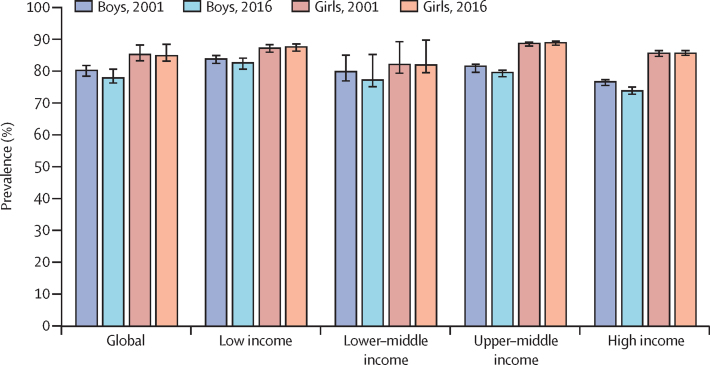
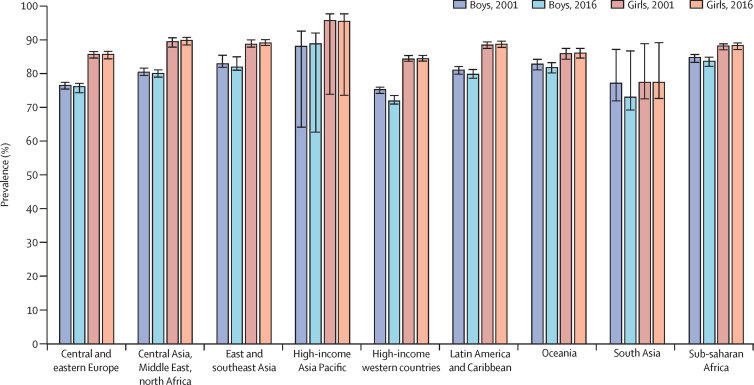
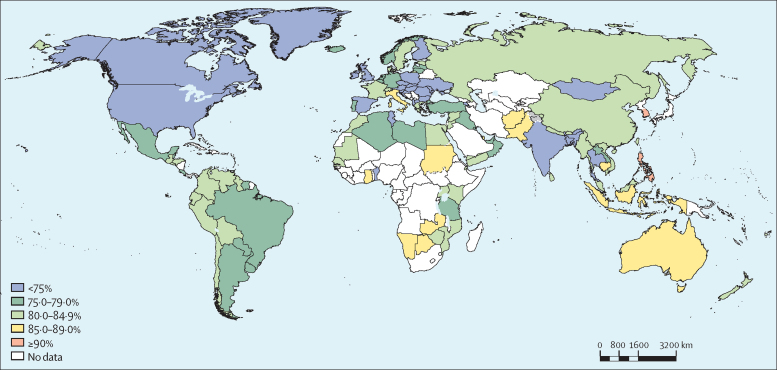
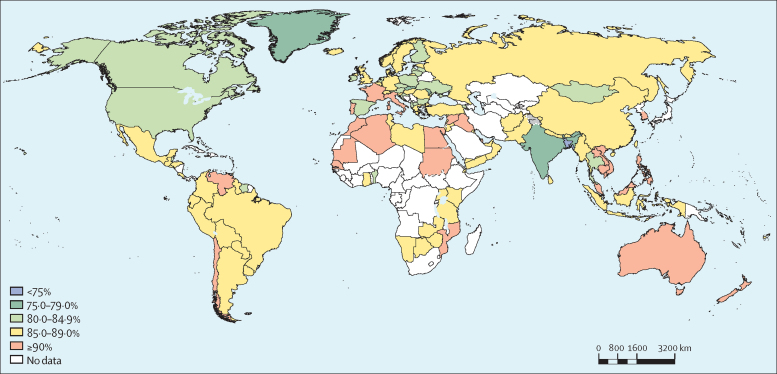
BACKGROUND: Physical activity has many health benefits for young people. In 2018, WHO launched More Active People for a Healthier World, a new global action on physical activity, including new targets of a 15% relative reduction of global prevalence of insufficient physical activity by 2030 among adolescents and adults. We describe current prevalence and trends of insufficient physical activity among school-going adolescents aged 11-17 years by country, region, and globally. METHODS: We did a pooled analysis of cross-sectional survey data that were collected through random sampling with a sample size of at least 100 individuals, were representative of a national or defined subnational population, and reported prevalence of of insufficient physical activity by sex in adolescents. Prevalence had to be reported for at least three of the years of age within the 10-19-year age range. We estimated the prevalence of insufficient physical activity in school-going adolescents aged 11-17 years (combined and by sex) for individual countries, for four World Bank income groups, nine regions, and globally for the years 2001-16. To derive a standard definition of insufficient physical activity and to adjust for urban-only survey coverage, we used regression models. We estimated time trends using multilevel mixed-effects modelling. FINDINGS: We used data from 298 school-based surveys from 146 countries, territories, and areas including 1·6 million students aged 11-17 years. Globally, in 2016, 81·0% (95% uncertainty interval 77·8-87·7) of students aged 11-17 years were insufficiently physically active (77·6% [76·1-80·4] of boys and 84·7% [83·0-88·2] of girls). Although prevalence of insufficient physical activity significantly decreased between 2001 and 2016 for boys (from 80·1% [78·3-81·6] in 2001), there was no significant change for girls (from 85·1% [83·1-88·0] in 2001). There was no clear pattern according to country income group: insufficient activity prevalence in 2016 was 84·9% (82·6-88·2) in low-income countries, 79·3% (77·2-87·5) in lower-middle-income countries, 83·9% (79·5-89·2) in upper-middle-income countries, and 79·4% (74·0-86·2) in high-income countries. The region with the highest prevalence of insufficient activity in 2016 was high-income Asia Pacific for both boys (89·0%, 62·8-92·2) and girls (95·6%, 73·7-97·9). The regions with the lowest prevalence were high-income western countries for boys (72·1%, 71·1-73·6), and south Asia for girls (77·5%, 72·8-89·3). In 2016, 27 countries had a prevalence of insufficient activity of 90% or more for girls, whereas this was the case for two countries for boys. INTERPRETATION: The majority of adolescents do not meet current physical activity guidelines. Urgent scaling up of implementation of known effective policies and programmes is needed to increase activity in adolescents. Investment and leadership at all levels to intervene on the multiple causes and inequities that might perpetuate the low participation in physical activity and sex differences, as well as engagement of youth themselves, will be vital to strengthen the opportunities for physical activity in all communities. Such action will improve the health of this and future young generations and support achieving the 2030 Sustainable Development Goals. FUNDING: WHO.
Overview
The claims and statistics of this paper haven’t been checked yet.
Free: it reads the open-access text and checks the first 5 claims that cite a source we can check. Create a free account to check every claim.
Integrity signals
Registry
Cites
Statistics
Figures
Verification
Claims the paper makes
The claims and statistics of this paper haven’t been checked yet.
Free: it reads the open-access text and checks the first 5 claims that cite a source we can check. Create a free account to check every claim.
Claims other papers make about this one
Each is checked against this paper’s own text: does it say what the citing paper says it does?
The source backs part of the claim, not all of it — or backs it for a different population, condition or comparison.
In the citing paper
“These data also reveal no overall improvement in global levels of participation over the last two decades and substantial gender differences.3 4”
From World Health Organization 2020 guidelines on physical activity and sedentary behaviour (2020) · cites this paper as [4]
Experimental — accuracy not yet measuredThe source backs part of the claim, not all of it — or backs it for a different population, condition or comparison.
In the citing paper
“Given that the most recent global estimates show that one in four (27.5%) adults3 and more than three-quarters (81%) of adolescents4 do not meet the recommendations for aerobic exercise, as outlined in the 2010 Global Recommendations on Physical Activity for Health,2”
From World Health Organization 2020 guidelines on physical activity and sedentary behaviour (2020) · cites this paper as [4]
Experimental — accuracy not yet measuredThe cited source says what the claim attributes to it.
In the citing paper
“a large proportion of children and youth, including those living in low and middle-income countries, are either sedentary or not achieving recommended levels of physical activity.8–11”
From Physical activity and health in Chinese children and adolescents: expert consensus statement (2020) (2020) · cites this paper as [11]
Self-check
Percentages, sums and reported differences re-computed from the paper’s own numbers.
The self-check needs the paper’s full text.
Citations
Cites
Abarca-Gómez, L., Abdeen, Z. A., Hamid, Z. A., Abu-Rmeileh, N. M., Acosta-Cazares, B., Acuin, C., Adams, R. J., Aekplakorn, W., Afsana, K., Aguilar-Salinas, C. A., et al. (2017) · The Lancet · doi:10.1016/s0140-6736(17)32129-3 · Cited by 7,482
Self-citationGlobal physical activity levels: surveillance progress, pitfalls, and prospects
Hallal, P. C., Andersen, L. B., Bull, F. C., Guthold, R., Haskell, W., & Ekelund, U. (2012) · The Lancet · doi:10.1016/s0140-6736(12)60646-1 · Cited by 5,711
Self-citationGuthold, R., Stevens, G. A., Riley, L. M., & Bull, F. C. (2018) · The Lancet Global Health · doi:10.1016/s2214-109x(18)30357-7 · Cited by 4,819
Self-citationA Physical Activity Screening Measure for Use With Adolescents in Primary Care
Prochaska, J. J., Sallis, J. F., & Long, B. (2001) · Archives of Pediatrics & Adolescent Medicine · doi:10.1001/archpedi.155.5.554 · Cited by 1,002
Progress in physical activity over the Olympic quadrennium
Sallis, J. F., Bull, F., Guthold, R., Heath, G. W., Inoue, S., Kelly, P., Oyeyemi, A. L., Perez, L. G., Richards, J., & Hallal, P. C. (2016) · The Lancet · doi:10.1016/s0140-6736(16)30581-5 · Cited by 935
Self-citationAubert, S., Barnes, J. D., Abdeta, C., Abi Nader, P., Adeniyi, A. F., Aguilar-Farias, N., Andrade Tenesaca, D. S., Bhawra, J., Brazo-Sayavera, J., Cardon, G., et al. (2018) · Journal of Physical Activity and Health · doi:10.1123/jpah.2018-0472 · Cited by 799
Biddle, S. J., Gorely, T., Pearson, N., & Bull, F. C. (2011) · International Journal of Behavioral Nutrition and Physical Activity · doi:10.1186/1479-5868-8-1 · Cited by 711
Self-citationGlobal Prevalence of Vision Impairment and Blindness
Stevens, G. A., White, R. A., Flaxman, S. R., Price, H., Jonas, J. B., Keeffe, J., Leasher, J., Naidoo, K., Pesudovs, K., Resnikoff, S., et al. (2013) · Ophthalmology · doi:10.1016/j.ophtha.2013.05.025 · Cited by 510
Self-citationStalsberg, R., & Pedersen, A. V. (2010) · Scandinavian Journal of Medicine & Science in Sports · doi:10.1111/j.1600-0838.2009.01047.x · Cited by 481
Farooq, M. A., Parkinson, K. N., Adamson, A. J., Pearce, M. S., Reilly, J. K., Hughes, A. R., Janssen, X., Basterfield, L., & Reilly, J. J. (2018) · British Journal of Sports Medicine · doi:10.1136/bjsports-2016-096933 · Cited by 418
Research works printed but not linked: 1
- WHO Global Recommendations on Physical Activity for Health 2010 World Health Organization Geneva 26180873
Cited by
Items 901–1,000 of 1,006
Katewongsa, P., Choolers, P., Saonuam, P., & Widyastari, D. A. (2022) · Journal of Teaching in Physical Education · doi:10.1123/jtpe.2021-0186 · Cited by 15
“Nevertheless, amidst the global health promotion program (i.e., Global Action Plan on PA) to improve the health of children (World Health Organization, 2019), 80% of youth have insufficient levels of PA (Aubert et al., 2018; Guthold et al., 2020).”
BackgroundKiyani, T., Kayani, S., Kayani, S., Qi, S., & Biasutti, M. (2022) · Sustainability · doi:10.3390/su14106024 · Cited by 16
Delfa-de-la-Morena, J. M., Bores‐García, D., Solera-Alfonso, A., & Romero‐Parra, N. (2022) · Frontiers in Psychology · doi:10.3389/fpsyg.2022.910930 · Cited by 22
“Greater disliking and time barriers observed in females could be between the underlying reasons for the higher levels of MVPA observed in boys at all educational stages in comparison to girls, which is in accordance with the existing literature (Madsen et al., 2009; Fernández et al., 2017; Guthold et al., 2020; Rossel…”
BackgroundResultLópez, I. J. P., Navarro-Mateos, C., & Mora-González, J. (2022) · Games for Health Journal · doi:10.1089/g4h.2022.0046 · Cited by 12
Cheng, T., Chen, T., Liu, Y., Aldridge, R. W., Nguyen, V. G., Hayward, A. C., & Michie, S. (2022) · Frontiers in Public Health · doi:10.3389/fpubh.2022.999521 · Cited by 15
Adolescents’ Perceived Barriers to Physical Activity during the COVID-19 Pandemic
Mata, C., Onofre, M., & Martins, J. (2022) · Children · doi:10.3390/children9111726 · Cited by 19
“However, despite the wide dissemination of the importance of adopting an active and healthy lifestyle, most children and adolescents do not meet the guidelines of PA [6,7].”
BackgroundResultInfluentialGouveia, É. R., Lizandra, J., Martinho, D. V., França, C., Ihle, A., Sarmento, H., Antunes, H. R. L., Correia, A. L., Lopes, H., & Marques, A. (2022) · Children · doi:10.3390/children9121790 · Cited by 37
“Nonetheless, according to recent studies and reports, around 80% of adolescents do not accomplish the recommendations of one daily hour of moderate to vigorous physical activity (MVPA) [1,7], especially girls [8], and spend a large amount of their time in sedentary activities, mainly exposed to screens such as smartph…”
BackgroundAre Esports Players Inactive? A Systematic Review
Voisin, N., Besombes, N., & Laffage-Cosnier, S. (2022) · Physical Culture and Sport Studies and Research · doi:10.2478/pcssr-2022-0022 · Cited by 12
Larrínaga-Undabarrena, A., Río, X., Sáez, I., Aguirre-Betolaza, A. M., Albisua, N., Aguirre, G. M. D. L., Isla, J. R. S., Urbano, M., Guerra-Balic, M., Fernández, J. R., et al. (2023) · Children · doi:10.3390/children10030551 · Cited by 16
“, the subjects analysed all showed practically the same data regardless of whether they were of high or low SEP [82].”
BackgroundDevelopment and Evaluation of an e-Book for Bone Health and Osteoporosis Education in Adolescents
Azmi, N. F. I. M., Hisham, M. H. A., & Jamil, N. A. (2023) · Nutrients · doi:10.3390/nu15081899 · Cited by 17
“6 million school-aged adolescents, 11–17 years old, found that most adolescents do not meet the current daily physical activity recommendations due to changes in physical activity behavior [25].”
BackgroundDahlstrand, J., Fridolfsson, J., Arvidsson, D., Börjesson, M., Friberg, P., & Chen, Y. (2023) · Journal of Adolescent Health · doi:10.1016/j.jadohealth.2023.03.006 · Cited by 14
Huhtiniemi, M., Sääkslahti, A., Tolvanen, A. J., Lubans, D. R., & Jaakkola, T. T. (2023) · Scandinavian Journal of Medicine and Science in Sports · doi:10.1111/sms.14410 · Cited by 20
Wheatley, C., Johansen‐Berg, H., Dawes, H., & Davies, E. (2020) · Psychology Health & Medicine · doi:10.1080/13548506.2020.1738018 · Cited by 12
“Yet the global proportion of young people aged 11–17 achieving the recommended target is low, at around 22% of boys and just 15% of girls (Guthold et al., 2020).”
BackgroundLin, Y., & Yan, J. H. (2020) · International Journal of Environmental Research and Public Health · doi:10.3390/ijerph17072266 · Cited by 16
“A possible reason for this might be environmental differences—it may be easier to access more space for MS activities in rural areas than urban areas in Western countries [11].”
BackgroundResultNakabazzi, B., Wachira, L.-J. M., Oyeyemi, A. L., Ssenyonga, R., & Onywera, V. O. (2020) · PLoS ONE · doi:10.1371/journal.pone.0235211 · Cited by 16
“Various studies that used both objective and recall-based measures of physical activity consistently reported sex differences in physical activity favouring boys [11,17,29,34,35,36,37].”
BackgroundResultInfluentialDuncan, M. J., Bell, T., & Austin, G. (2021) · Journal of Public Health · doi:10.1007/s10389-020-01451-4 · Cited by 18
Nqweniso, S., Walter, C., du Randt, R., Adams, L., Beckmann, J., Degen, J., Gall, S., Joubert, N., Lang, C., Long, K. Z., et al. (2021) · International Journal of Environmental Research and Public Health · doi:10.3390/ijerph18042080 · Cited by 16
“A recent analysis of several population-based surveys reported that there was a global trend showing girls to be less active compared to boys [42].”
BackgroundVillafaina, S., García, J. P. F., Llamas, J. L. L., & Collado‐Mateo, D. (2021) · Sustainability · doi:10.3390/su13052946 · Cited by 14
Valencia‐Peris, A., Lizandra, J., Moya-Mata, I., Gonzalvo, F. G., Castillo, S., & Escribano, A. (2021) · International Journal of Environmental Research and Public Health · doi:10.3390/ijerph18105375 · Cited by 12
“In fact, the few studies with gender comparison point to the lower participation of girls [14,27,32] in line with the healthy population [16].”
BackgroundDesign and Development of an Intelligent Skipping Rope and Service System for Pupils
Dong, Y., Wang, K., Zhu, S., Li, W., & Yang, P. (2021) · Healthcare · doi:10.3390/healthcare9080954 · Cited by 15
“However, more than 80% of students do not conform to the current guidelines for sports activities, and it is urgent to strengthen the implementation of effective policies and programs to increase activities of adolescents [2].”
BackgroundZhang, R., Zhang, C., Lai, P., Cheng, W., Schüz, B., & Kwan, M. (2021) · International Journal of Health Geographics · doi:10.1186/s12942-021-00289-7 · Cited by 17
“Nevertheless, most adolescents currently do not engage in sufficient PA to reap these benefits [4].”
BackgroundRevisión sistemática del tiempo de compromiso motor en Educación Física
Martínez-Hita, F. J., Cantó, E. G., López, M. G., & Granero‐Gallegos, A. (2021) · Cultura Ciencia y Deporte · doi:10.12800/ccd.v16i49.1609 · Cited by 22
Initial Design and Testing of Multiplayer Cooperative Game to Support Physical Activity in Schools
Oyelere, S. S., Berghem, S. M., Brännström, R., Rutberg, S., Laine, T. H., & Lindqvist, A.-K. (2022) · Education Sciences · doi:10.3390/educsci12020100 · Cited by 16
“These benefits include cardiorespiratory and muscular fitness as well as positive changes in weight [2].”
BackgroundFactors associated with a low level of physical activity in adolescents from La Rioja (Spain)
Boraita, R. J., Ibort, E. G., Torres, J. M. D., & Alsina, D. A. (2022) · Anales de Pediatría (English Edition) · doi:10.1016/j.anpede.2021.02.014 · Cited by 22
Mota, J., Martins, J., & Onofre, M. (2023) · Perceptual and Motor Skills · doi:10.1177/00315125231159688 · Cited by 18
“Previous research has also highlighted differences in adolescents across sexes in both PA participation (Guthold et al., 2020) and regarding other variables similar to those included in the PPLA-Q scales (e.g., Motivation, Emotional Intelligence; Vaquero-Diego et al., 2020; Vasconcellos et al.,…”
BackgroundMethodInfluentialDvořák, J., & Pluim, B. M. (2020) · British Journal of Sports Medicine · doi:10.1136/bjsports-2020-102616 · Cited by 12
Wang, S., Cheng, Y., Yang, Y., & Lu, B. (2025) · BMC Public Health · doi:10.1186/s12889-025-25053-5 · Cited by 16
“In contrast, girls are often socialized to prioritize emotional sensitivity and introspective expression, which may lead to a stronger focus on internal experiences [51].”
The effects of traditional games on physical literacy among school-aged children
ÇINAR, M., & Hassani, F. (2026) · Frontiers in Sports and Active Living · doi:10.3389/fspor.2025.1759890 · Cited by 28
“It is recognized as a critical framework for enhancing overall health and well-being (5).”
Cardiac evaluation of paediatric athletes
Pieles, G. E., Cavarretta, E., Orchard, J. J., Abela, M., Arbelo, E., Budts, W., Castelletti, S., Claessen, G., Corrado, D., Salvo, G. D., et al. (2026) · European Heart Journal · doi:10.1093/eurheartj/ehag188 · Cited by 17
The Effects of Bike Desks in Formal Education Classroom-Based Physical Activity: A Systematic Review
Polo-Recuero, B., Rojo-Tirado, M. Á., Ordóñez-Dios, A., Breitkreuz, D., & Lorenzo, A. (2021) · Sustainability · doi:10.3390/su13137326 · Cited by 9
“More than 80% of worldwide adolescent population is insufficiently physically active [1] and more than a quarter of adults do not get enough physical activity [2].”
BackgroundMcLaughlin, M. J., Duff, J. S., McKenzie, T., Campbell, E. M., Sutherland, R., Wiggers, J., & Wolfenden, L. (2021) · JMIR Pediatrics and Parenting · doi:10.2196/26690 · Cited by 11
“As much as 1 in 4 (25%) adults and 4 in 5 (80%) adolescents do not meet the global recommendations for aerobic exercise and are therefore at increased risk of noncommunicable diseases and premature mortality [1,2].”
BackgroundJoubert, N., Walter, C., du Randt, R., Aerts, A., Adams, L., Degen, J., Gall, S., Müller, I., Nienaber, M., Nqweniso, S., et al. (2021) · Journal of Sports Sciences · doi:10.1080/02640414.2021.1939964 · Cited by 14
Dang, H., Ho, H., & Weiss, B. (2022) · Health Psychology and Behavioral Medicine · doi:10.1080/21642850.2022.2057314 · Cited by 13
Implementation evaluation of an Irish secondary-level whole school programme: a qualitative inquiry
McHale, F., Ng, K., Scanlon, D., Cooper, J., Grady, C. L., Norton, C., O'Shea, D. B., & Woods, C. B. (2022) · Health Promotion International · doi:10.1093/heapro/daac131 · Cited by 17
Gómez-Álvarez, N., Luengo, H. C., Lamilla, L. A., Álvarez, K. B., Salinas, V. E., Olate-Pastén, Y., Godoy-Tapia, C., Pávez-Adasme, G., & Hermosilla-Palma, F. A. (2022) · Children · doi:10.3390/children9111730 · Cited by 13
Feter, N., Leite, J. S., Weymar, M. K., Dumith, S. C., Umpierre, D., & Caputo, E. L. (2023) · European Journal of Public Health · doi:10.1093/eurpub/ckad084 · Cited by 20
Mayorga-Vega, D., Casado-Robles, C., Guijarro-Romero, S., & Viciana, J. (2023) · Frontiers in Public Health · doi:10.3389/fpubh.2023.1211237 · Cited by 15
Hauser, C., Lichtenstein, E., Nebiker, L., Streese, L., Köchli, S., Infanger, D., Faude, O., & Hanssen, H. (2023) · Frontiers in Physiology · doi:10.3389/fphys.2023.1243434 · Cited by 14
“However, a considerable portion of children and adolescents fails to meet the recommended levels of 60 min at moderate to vigorous PA per day (Guthold et al., 2018; Guthold et al., 2020).”
BackgroundFunabashi, D., Tsuchida, R., Matsui, T., Kita, I., & Nishijima, T. (2023) · Frontiers in Sports and Active Living · doi:10.3389/fspor.2023.1203260 · Cited by 11
“Despite increasing evidence showing the benefits of physical activity on physiological and mental health (1–3), a large proportion of the global population is physically inactive (4, 5).”
BackgroundHa, L., Wakefield, C. E., Díaz, C., Mizrahi, D., Signorelli, C., Yacef, K., & Simar, D. (2023) · Health Informatics Journal · doi:10.1177/14604582231212525 · Cited by 13
“53 Gott¨e et al. additionally found no signi fi cant difference between time since diagnosis and minutes of MVPA.”
BackgroundPhysical activity and life satisfaction among adolescents before and during the COVID-19 pandemic
Chmelík, F., Frömel, K., Groffik, D., & Mitáš, J. (2023) · Acta Psychologica · doi:10.1016/j.actpsy.2023.104081 · Cited by 21
Association between Physical Activity, Diet Quality and Leisure Activities of Young Poles
Sajdakowska, M., Gutkowska, K., Kosicka-Gębska, M., Gębski, J., & Gantner, A. (2023) · Nutrients · doi:10.3390/nu15245121 · Cited by 16
Makaruk, H., Webster, E. K., Porter, J. M., Makaruk, B., Bodasińska, A., Zieliński, J., Tomaszewski, P., Nogal, M., Szyszka, P., Starzak, M., et al. (2023) · Journal of science and medicine in sport · doi:10.1016/j.jsams.2023.12.007 · Cited by 13
Carl, J., Abu‐Omar, K., Bernard, P., Lohmann, J., White, P., Peters, J., Sahlqvist, S., Ma, J., Duncan, M. J., & Barnett, L. M. (2024) · Journal of Physical Activity and Health · doi:10.1123/jpah.2023-0714 · Cited by 14
Knisel, E., Bremer, M., Nałęcz, H., Wascher, L., & Laudańska–Krzemińska, I. (2024) · Physical Culture and Sport Studies and Research · doi:10.2478/pcssr-2024-0014 · Cited by 19
“All across Europe, many children and adolescents do not meet the World Health Organization (WHO) guidelines of at least 60 minutes of moderate to vigorous physical activity (MVPA) per day (Bull et al., 2020; Guthold, Stevens, Riley & Bull, 2020).”
Araújo, R. H. D. O., Werneck, A. O., Weaver, R. G., Tassitano, R. M., Szwarcwald, C. L., de Jesus, G. M., Malta, D. C., Brazo‐Sayavera, J., Mielke, G. I., Tremblay, M. S., et al. (2024) · Journal of Physical Activity and Health · doi:10.1123/jpah.2023-0654 · Cited by 16
Haapala, E. A., Leppänen, M. H., Lee, E., Savonen, K. P., Laukkanen, J. A., Kähönen, M. A. P., Brage, S., & Lakka, T. A. (2024) · Journal of the American Heart Association · doi:10.1161/jaha.123.031837 · Cited by 28
“10 In contrast, higher levels of MVPA and vigorous PA have been associated with better cardiac functions in adults.”
BackgroundInfluentialVilla‐González, E., Faigenbaum, A. D., & López‐Gil, J. F. (2024) · BMJ Open Sport & Exercise Medicine · doi:10.1136/bmjsem-2024-001919 · Cited by 15
Bucksch, J., Möckel, J., Kaman, A., & Sudeck, G. (2024) · PubMed Central · doi:10.25646/11874 · Cited by 11
“Our findings are confirmed by further studies [7, 25].”
MethodResultVanhelst, J., Lang, J. J., Matelot, D., Carré, F., Mercier, D., Ulmer, Z., Oppert, J., Baquet, G., Berthoin, S., Fillon, A., et al. (2024) · Scandinavian Journal of Medicine and Science in Sports · doi:10.1111/sms.14641 · Cited by 23
“35 Such trends are supported by the French Report Card on Physical Activity and Sedentary Behaviors in Children and Youth, 36 which recently reported low and declining levels of overall physical activity and increased screen time between 2018 and 2022.”
BackgroundFerozi, S., Taneja, A. G., & Bakshi, N. (2024) · BMC Pediatrics · doi:10.1186/s12887-024-04733-y · Cited by 32
“It is estimated that 77.6% of boys and 84.7% of girls aged 11 to 17 years are physically inactive [11].”
BackgroundInfluentialPhysical activity has decreased in Finnish children and adolescents from 2016 to 2022
Husu, P., Tokola, K., Vähä‐Ypyä, H., Sievänen, H. T., Kokko, S. P., Villberg, J. J., & Vasankari, T. J. (2024) · BMC Public Health · doi:10.1186/s12889-024-18854-7 · Cited by 32
“Previous studies have reported inconsistent findings regarding sex-specific trends in PA. Conger et al. [8] reported a similar decline in PA among adolescent boys and girls, while Guthold et al. [5] found an increase in PA among boys and no changes among the girls during 2001–2016.”
BackgroundResultWhy should the Next Generation of Youth Guidelines Prioritize Vigorous Physical Activity?
Chaabène, H., Markov, A., & Schega, L. (2024) · Sports Medicine - Open · doi:10.1186/s40798-024-00754-0 · Cited by 17
“In a study including 1.6 million youth aged 11 to 17 years from 146 countries, Guthold et al. [3] reported that 81% were not adhering to the PA guidelines and were therefore considered insufficiently active.”
BackgroundInfluentialMiao, M., Chai, H., Xue, R., & Qi, W. (2024) · Frontiers in Psychology · doi:10.3389/fpsyg.2024.1459362 · Cited by 39
Rhodes, R. E., Banik, A., Szczuka, Z., Aulbach, M. B., DeSmet, A., Durand, H., Gatting, L., Green, J., Hillison, E. Z., Masaryk, R., et al. (2024) · Journal of Physical Activity and Health · doi:10.1123/jpah.2024-0113 · Cited by 16
Anjana, R. M., Ranjani, H., Cerin, E., Akram, M., Salmon, J., Conway, T. L., Cain, K. L., Pradeepa, R., Barnett, A. H., Sit, C. H. P., et al. (2024) · International Journal of Behavioral Nutrition and Physical Activity · doi:10.1186/s12966-024-01678-4 · Cited by 18
Brennan, C., Streight, E., Cheng, S., & Rhodes, R. E. (2025) · International Journal of Behavioral Nutrition and Physical Activity · doi:10.1186/s12966-025-01778-9 · Cited by 26
“However, despite these benefits, globally 81% of youth are not meeting the recommended PA guidelines [5], putting them at risk of the negative health consequences associated with physical inactivity [6].”
Hammer, T. M., Johansson, J., Emaus, N., Furberg, A., Gracia‐Marco, L., Morseth, B., Nilsen, O. A., Ubago‐Guisado, E., Vlachopoulos, D., Weitz, M., et al. (2025) · International Journal of Behavioral Nutrition and Physical Activity · doi:10.1186/s12966-025-01799-4 · Cited by 13
“Generally, adolescent boys are more physically active than girls [11, 12, 17, 19–21, The transition from adolescence to adulthood is increasingly recognized as a critical period for health promotion [15, 29].”
Rosis, S. D., Corazza, I., & Pennucci, F. (2020) · International Journal of Environmental Research and Public Health · doi:10.3390/ijerph17186860 · Cited by 16
The Need for a Public Mental Health Approach to COVID-19
Campion, J., Javed, A., Marmot, M. G., & Valsraj, K. M. (2020) · World Social Psychiatry · doi:10.4103/wsp.wsp_48_20 · Cited by 16
Rambaran, K., Teelucksingh, S., Gowrie-Sankar, S., Boyne, M. S., Xuereb, G., Giorgetti, A., & Zimmermann, M. B. (2020) · Child and Adolescent Obesity · doi:10.1080/2574254x.2020.1847632 · Cited by 11
Aproximación al continuo cardiometabólico. Descripción narrativa
Rodulfo, J. I. A. (2020) · Clínica e Investigación en Arteriosclerosis · doi:10.1016/j.arteri.2020.10.003 · Cited by 18
Tikka, S. K., Garg, S., & Siddiqui, M. A. (2020) · Indian Journal of Psychological Medicine · doi:10.1177/0253717620972330 · Cited by 14
Montgomery, S. C., Donnelly, M., Badham, J., Kee, F., Dunne, L., & Hunter, R. F. (2021) · BMC Public Health · doi:10.1186/s12889-020-10081-0 · Cited by 17
“5 percentage points, whereas there was no significant change for females, leading to greater discrepancy between the sexes [9].”
BackgroundSmothers, N., Cropley, B., Lloyd, R. S., & Oliver, J. L. (2021) · International Journal of Sports Science & Coaching · doi:10.1177/1747954121992522 · Cited by 15
“, play) and thus the somewhat natural development of FMS, strength, and subsequent general athletic motor skills in early years.(17) Given the detrimental impact that this may have on youth’s health and sporting performance, sports clubs, particularly those governed by the EPPP in football, are likely to have to bridg…”
BackgroundSaucedo‐Araujo, R. G., Huertas‐Delgado, F. J., Villa‐González, E., Ávila-García, M., Gálvez‐Fernández, P., & Tercedor, P. (2021) · Perspectives in Public Health · doi:10.1177/1757913921992405 · Cited by 12
“The main findings were as follows: (1) CRF was positively correlated (weakly to moderate) with all dimensions of HRQoL in boys, whereas higher muscular strength (standing long jump) was positively correlated with the emotional wellbeing dimension in girls; (2) children who actively commuted to school presented better…”
BackgroundMethodInfluentialInactividad física, ejercicio y pandemia COVID-19
Arabia, J. J. M. (2020) · VIREF revista de educación física · Cited by 61
Consoni, C., Pesce, C., & Cherubini, D. (2021) · Sports · doi:10.3390/sports9070096 · Cited by 17
“Additionally, a female’s tendency to be less active than a male is confirmed as a global gender difference [52].”
BackgroundJung, Y., Burson, S. L., Julien, C., Bray, D., & Castelli, D. M. (2021) · Frontiers in Psychology · doi:10.3389/fpsyg.2021.648625 · Cited by 14
“Globally, the prevalence of childhood obesity and physical inactivity continues to rise (Guthold et al., 2020), as the daily recommendation of 60 min of moderate to vigorous physical activity (MVPA) each day is not met by 80% of all children [World Health Organization (WHO), 2019].”
BackgroundMensink‐Bout, S. M., Jahangir, M. R., de Jongste, J. C., Raat, H., Jaddoe, V. W. V., & Duijts, L. (2022) · Pediatric Allergy and Immunology · doi:10.1111/pai.13811 · Cited by 11
Järvamägi, M., Riso, E., Reisberg, K., & Jürimäe, J. (2022) · Frontiers in Physiology · doi:10.3389/fphys.2022.881364 · Cited by 17
“, 2019), while globally, only around 19% of 11–17-year-old children met the daily PA recommendation (Guthold et al., 2020).”
BackgroundWidyastari, D. A., Khanawapee, A., Charoenrom, W., Saonuam, P., & Katewongsa, P. (2022) · International Journal for Equity in Health · doi:10.1186/s12939-022-01725-1 · Cited by 10
“In terms of age group, adolescents and the oldest adults (60 + years) were mostly identified as the least active [14, 15].”
BackgroundParmenter, B. J., Burley, C. V., Stewart, C., Whife, J., Champion, K. E., Osman, B., Newton, N. C., Green, O., Wescott, A., Gardner, L. A., et al. (2022) · JMIR mhealth and uhealth · doi:10.2196/39085 · Cited by 17
“Similar global trends have also been reported [2-4].”
BackgroundThe Impact of Physical Activity at School on Body Fat Content in School-Aged Children
Ługowska, K., & Kolanowski, W. (2022) · International Journal of Environmental Research and Public Health · doi:10.3390/ijerph191912514 · Cited by 17
“However, only a small percentage of school-aged children and adolescents meet the requirements of the daily PA level [30].”
BackgroundKrenz, L., Grauduszus, M., Klaudius, M., Stolz, I., Wessely, S., & Joisten, C. (2022) · Children · doi:10.3390/children9121908 · Cited by 20
“The benefits of exercise and physical activity in childhood and adolescence are undisputable [1].”
BackgroundHeering, T., Lander, N., Barnett, L. M., & Duncan, M. J. (2023) · Physical Therapy in Sport · doi:10.1016/j.ptsp.2023.02.007 · Cited by 13
Carl, J., Schmittwilken, L., & Pöppel, K. (2023) · Frontiers in Sports and Active Living · doi:10.3389/fspor.2023.1155363 · Cited by 25
“4%) did not meet these recommendations even before the pandemic (1).”
BackgroundGamification in Physical Activity: State-of-the-Art
Hariri, M., & Stone, R. (2023) · International Journal of Advanced Computer Science and Applications · doi:10.14569/ijacsa.2023.01410105 · Cited by 15
de Jesus, G. M., Dias, L. A., Barros, A. K. C., Araujo, L. D. M. D. S., & Schrann, M. M. F. (2024) · BMC Public Health · doi:10.1186/s12889-024-17672-1 · Cited by 20
“The participation of men and women in physical activities is also unequal and the prevalence of adults [8] and adolescents [9, 10] who do not meet physical activity guidelines is higher among women and girls worldwide.”
BackgroundZhao, Y., Soh, K. G., Saad, H. A., Liu, C., & Ding, C. (2024) · Frontiers in Public Health · doi:10.3389/fpubh.2024.1320112 · Cited by 18
Competing tensions: Active transport to school, school choice and policy making
Sandretto, S., Hopkins, D., Wilson, G. A., & Mandic, S. (2020) · Journal of Transport & Health · doi:10.1016/j.jth.2020.100908 · Cited by 13
Ruotsalainen, I., Glerean, E., Karvanen, J., Gorbach, T., Renvall, V., Syväoja, H. J., Tammelin, T., & Parviainen, T. M. (2020) · Brain and Behavior · doi:10.1002/brb3.1941 · Cited by 13
“Although the benefits of physical activity are well recognized, the majority of adolescents are insufficiently physically active (Guthold et al., 2020; Hallal et al., 2012).”
BackgroundPhysical Activity Recommendations in the Context of New Calls for Change in Physical Education
Frömel, K., Vašíčková, J., Skalik, K., Svozil, Z., Groffik, D., & Mitáš, J. (2021) · International Journal of Environmental Research and Public Health · doi:10.3390/ijerph18031177 · Cited by 14
“There has been a long-term downward trend in physical activity (PA) of adolescents [1,2], as well as an increase in sedentary behavior [3–5], overweight and obesity [6,7], insufficient cardiorespiratory fitness [8], and negative trends in mental health [9], including other undesirable effects on adolescents’ health.”
BackgroundGender Influences on Physical Activity Awareness of Adolescents and Their Parents
Lago‐Ballesteros, J., García-Pascual, M., Valeiro, M. G., & Villarino, M. Á. F. (2021) · International Journal of Environmental Research and Public Health · doi:10.3390/ijerph18115707 · Cited by 24
“Considering gender, the situation is particularly bad for girls, who increased their prevalence of physical inactivity, even setting it at over 83% [3].”
BackgroundAlonso, J. L. N., León, J., Valenzuela, A. V., Conte, L., Murcia, J. A. M., & Huéscar, E. (2021) · Frontiers in Psychology · doi:10.3389/fpsyg.2021.685612 · Cited by 26
Lacoste, Y., Dancause, K. N., Bernard, P., & Gadais, T. (2021) · Physical Activity and Health · doi:10.5334/paah.133 · Cited by 15
Ku, B., & Jin, J. (2021) · Research in Developmental Disabilities · doi:10.1016/j.ridd.2021.104140 · Cited by 14
Cowley, E. S., Foweather, L., Watson, P. M., Belton, S., Thompson, A., Thijssen, D. H. J., & Wagenmakers, A. J. M. (2022) · International Journal of Environmental Research and Public Health · doi:10.3390/ijerph19020966 · Cited by 10
“Yet, a recent global report found that almost 85% of adolescent girls were not meeting the minimum PA guidelines [5], with moderate-to-vigorous PA (MVPA) declining in girls by 10% annually from the age of 9 years old [6].”
BackgroundAndriyani, F. D., Biddle, S., Priambadha, A. A., Thomas, G., & Cocker, K. A. D. (2022) · Journal of Exercise Science & Fitness · doi:10.1016/j.jesf.2022.02.002 · Cited by 25
Rutkauskaitė, R., Koreivaite, M., Karanauskienė, D., & Miežienė, B. (2022) · Sustainability · doi:10.3390/su142315949 · Cited by 17
Bingham, D. D., Daly-Smith, A., Hall, J., Seims, A., Dogra, S. A., Fairclough, S. J., Ajebon, M. O., Kelly, B., Hou, B., Shire, K. A., et al. (2021) · medRxiv · doi:10.1101/2021.02.26.21252543 · Cited by 11
Forum, I. T. (2020) · International transport forum policy papers · doi:10.1787/0b98fac1-en · Cited by 97
Al-Naqbi, S. A., Sohail, R., Radwan, H. M., Mohamad, M. N., Zeb, F., Hasan, H. A., Hashim, M. S., Osaili, T. M. I., AlBlooshi, S., Dhaheri, A. S. A., et al. (2025) · Frontiers in Public Health · doi:10.3389/fpubh.2025.1628904 · Cited by 18
Sian, T. S., Inns, T. B., Gates, A., Doleman, B., Gharahdaghi, N., Atherton, P. J., Lund, J. N., & Phillips, B. E. (2021) · Frontiers in Sports and Active Living · doi:10.3389/fspor.2021.697518 · Cited by 12
“There is also evidence that these health benefits are carried forward into later adult life, with cardiorespiratory fitness (CRF) in young adulthood a modifiable, prognostic marker of long-term mortality and cardiovascular disease (CVD) risk in later life (Guthold et al., 2020).”
BackgroundAustralian School Stakeholders’ Perceived Strategies for Preventing Adolescent Obesity
Buru, K., Emeto, T. I., Malau‐Aduli, A. E. O., & Malau‐Aduli, B. S. (2021) · International Journal of Environmental Research and Public Health · doi:10.3390/ijerph18179387 · Cited by 19
“This finding confirms a recent report that emphasizes adolescents’ indifference to physical activity if it competes with other interests such as hanging out with friends or doing screen-based activities [12,43,44].”
Mayorga-Vega, D., Fajkowska, M., Guijarro-Romero, S., & Viciana, J. (2021) · Research Quarterly for Exercise and Sport · doi:10.1080/02701367.2021.1935432 · Cited by 15
“Unfortunately, nowadays most schoolchildren are physically inactive and sedentary, especially during the secondary school level where the percentage drastically increase (Guthold et al., 2020; Ruiz et al., 2011).”
BackgroundPhysical activity and depressive symptoms among adolescents in a school-based sample
Velazquez, B., Petresco, S., Pereira, R. B., Buchweitz, C., Manfro, P. H., Caye, A., Fisher, H. L., Kohrt, B. A., Mondelli, V., & Kieling, C. (2022) · Brazilian Journal of Psychiatry · doi:10.1590/1516-4446-2021-2235 · Cited by 12
Baj–Korpak, J., Stelmach, M. J., Zaworski, K., Lichograj, P., & Wochna, M. (2022) · International Journal of Environmental Research and Public Health · doi:10.3390/ijerph192114303 · Cited by 10
The Impact of Physical Activity at School on Eating Behaviour and Leisure Time of Early Adolescents
Kolanowski, W., Ługowska, K., & Trafiałek, J. (2022) · International Journal of Environmental Research and Public Health · doi:10.3390/ijerph192416490 · Cited by 18
Jennen, L., Mazereel, V., Vansteelandt, K., Menne‐Lothmann, C., Decoster, J., Derom, C. A., Thiery, E. W., Rutten, B. P. F., Jacobs, N., van Os, J., et al. (2022) · Mental health and physical activity · doi:10.1016/j.mhpa.2022.100499 · Cited by 15
Metadata
- Authors
- Guthold, R., Stevens, G. A., Riley, L. M., & Bull, F. C.
- Affiliations
- World Health Organization (CH)
- Imperial College London (GB)
- The University of Western Australia (AU)
- Corresponding author
- Guthold, Regina
- Venue
- The Lancet Child & Adolescent Health
- Publisher
- Elsevier BV
- Published
- 2020-01
- Volume
- 4
- Issue
- 1
- Pages
- 23-35
- ISSN
- 2352-4642 (ISSN-L)
- PMC
- PMC6919336
- OpenAlex
- W2989617484
- Semantic Scholar
- f46a550ac37c8a6425eb044c3c76e0da5d9756a8
- Cited by
- 4,033
- References
- 25
- Citations by year
- 2026: 622 · 2025: 654 · 2024: 638 · 2023: 562 · 2022: 567 · 2021: 496 · 2020: 485
- FWCI
- 266.68
- Type
- journal article
- Language
- en
- Open access
- hybrid
- doi.org
- Licence
- cc-by
- www.elsevier.com/tdm/userlicense/1.0/ (tdm)
- www.elsevier.com/legal/tdmrep-license (tdm)
- creativecommons.org/licenses/by/3.0/igo/ (vor)
- Locations
- The Lancet Child & Adolescent Health (publishedVersion, cc-by)
- PubMed Central (publishedVersion, cc-by)
- PubMed (publishedVersion)
- UWA Profiles and Research Repository (UWA) (submittedVersion, cc-by)
- Funders
- World Health Organization
- Topics
- Health Sciences › Medicine › Public Health, Environmental and Occupational Health › Physical Activity and Health
- Health Sciences › Medicine › Public Health, Environmental and Occupational Health › Obesity, Physical Activity, Diet
- Social Sciences › Life-span and Life-course Studies › Recreational Sport and Physical Activity
- Keywords
- physical inactivity, adolescents, global trends, sex differences, school-based survey, country income groups, physical activity guidelines, low-income countries
- MeSH terms
- Adolescent, Child, Cross-Sectional Studies, Developing Countries, Female, Health Surveys, Humans, Income, Male, Sex Factors, Global Health, Exercise, Prevalence, Developed Countries
About these checks
Registry, retraction, Cites and statistics results are computed, not judged, with one exception: a printed reference that no index lists is read once by a model before it counts as a citation error. Claims are extracted by a model and kept only when their quote appears verbatim in the text; each cited source is then checked, with a model’s help, for whether it says what the claim relies on. Those verdicts can be wrong — read the claim’s quote and the cited source before relying on one.
Statistics and arithmetic are recomputed, not judged.
Confidence bands are shown only for fields calibrated on our annotated test set. None is calibrated yet, so no band is shown.
What counts as a claim ›How we measure confidence ›How we check this ›
Are you an author, or do you see a problem with this page? Request a review
Data sources
Bibliographic data: Semantic Scholar, OpenAlex, Crossref.
Contains information from the Semantic Scholar Academic Graph Datasets, made available under the ODC Attribution License (ODC-BY 1.0).
Semantic Scholar’s data is described in: Kinney, R., et al. (2023). The Semantic Scholar Open Data Platform. arXiv:2301.10140.
