

Global trends in insufficient physical activity among adolescents: a pooled analysis of 298 population-based surveys with 1·6 million participants
Open accessThe DOI matches its Crossref record; 25 of the 25 references it cites were found in a registry or an index.
Abstract
BACKGROUND: Physical activity has many health benefits for young people. In 2018, WHO launched More Active People for a Healthier World, a new global action on physical activity, including new targets of a 15% relative reduction of global prevalence of insufficient physical activity by 2030 among adolescents and adults. We describe current prevalence and trends of insufficient physical activity among school-going adolescents aged 11-17 years by country, region, and globally. METHODS: We did a pooled analysis of cross-sectional survey data that were collected through random sampling with a sample size of at least 100 individuals, were representative of a national or defined subnational population, and reported prevalence of of insufficient physical activity by sex in adolescents. Prevalence had to be reported for at least three of the years of age within the 10-19-year age range. We estimated the prevalence of insufficient physical activity in school-going adolescents aged 11-17 years (combined and by sex) for individual countries, for four World Bank income groups, nine regions, and globally for the years 2001-16. To derive a standard definition of insufficient physical activity and to adjust for urban-only survey coverage, we used regression models. We estimated time trends using multilevel mixed-effects modelling. FINDINGS: We used data from 298 school-based surveys from 146 countries, territories, and areas including 1·6 million students aged 11-17 years. Globally, in 2016, 81·0% (95% uncertainty interval 77·8-87·7) of students aged 11-17 years were insufficiently physically active (77·6% [76·1-80·4] of boys and 84·7% [83·0-88·2] of girls). Although prevalence of insufficient physical activity significantly decreased between 2001 and 2016 for boys (from 80·1% [78·3-81·6] in 2001), there was no significant change for girls (from 85·1% [83·1-88·0] in 2001). There was no clear pattern according to country income group: insufficient activity prevalence in 2016 was 84·9% (82·6-88·2) in low-income countries, 79·3% (77·2-87·5) in lower-middle-income countries, 83·9% (79·5-89·2) in upper-middle-income countries, and 79·4% (74·0-86·2) in high-income countries. The region with the highest prevalence of insufficient activity in 2016 was high-income Asia Pacific for both boys (89·0%, 62·8-92·2) and girls (95·6%, 73·7-97·9). The regions with the lowest prevalence were high-income western countries for boys (72·1%, 71·1-73·6), and south Asia for girls (77·5%, 72·8-89·3). In 2016, 27 countries had a prevalence of insufficient activity of 90% or more for girls, whereas this was the case for two countries for boys. INTERPRETATION: The majority of adolescents do not meet current physical activity guidelines. Urgent scaling up of implementation of known effective policies and programmes is needed to increase activity in adolescents. Investment and leadership at all levels to intervene on the multiple causes and inequities that might perpetuate the low participation in physical activity and sex differences, as well as engagement of youth themselves, will be vital to strengthen the opportunities for physical activity in all communities. Such action will improve the health of this and future young generations and support achieving the 2030 Sustainable Development Goals. FUNDING: WHO.
Overview
The claims and statistics of this paper haven’t been checked yet.
Free: it reads the open-access text and checks the first 5 claims that cite a source we can check. Create a free account to check every claim.
Integrity signals
Registry
Cites
Statistics
Figures
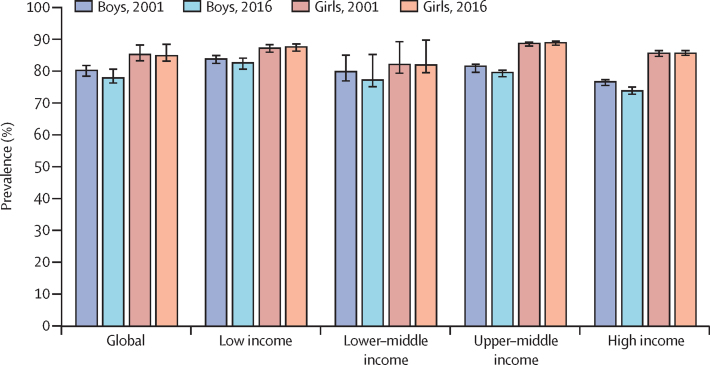
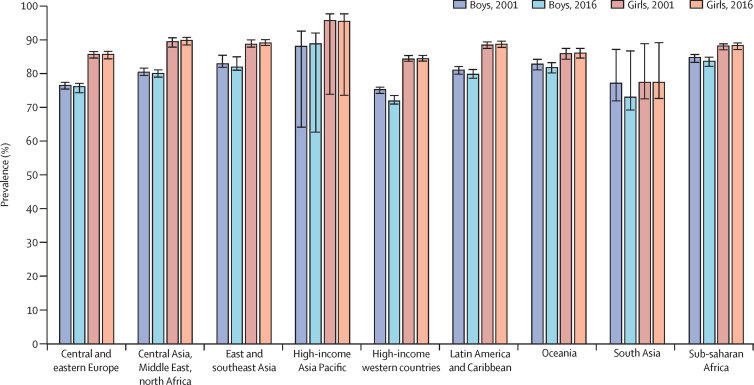
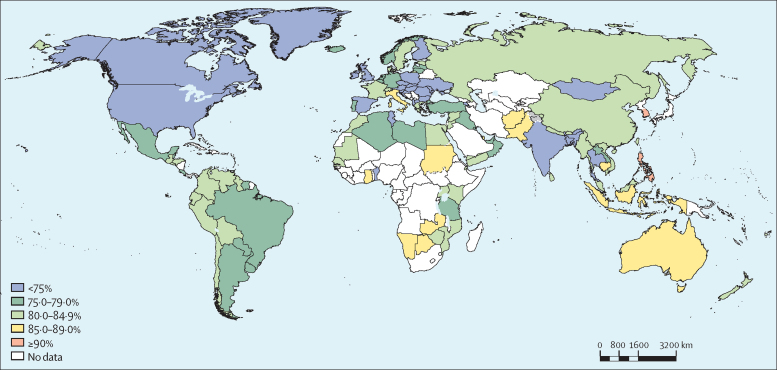
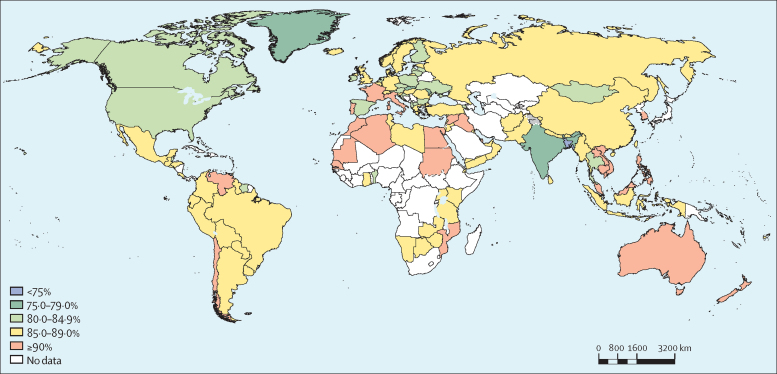
Verification
Claims the paper makes
The claims and statistics of this paper haven’t been checked yet.
Free: it reads the open-access text and checks the first 5 claims that cite a source we can check. Create a free account to check every claim.
Claims other papers make about this one
Each is checked against this paper’s own text: does it say what the citing paper says it does?
The source backs part of the claim, not all of it — or backs it for a different population, condition or comparison.
In the citing paper
“These data also reveal no overall improvement in global levels of participation over the last two decades and substantial gender differences.3 4”
From World Health Organization 2020 guidelines on physical activity and sedentary behaviour (2020) · cites this paper as [4]
Experimental — accuracy not yet measuredThe source backs part of the claim, not all of it — or backs it for a different population, condition or comparison.
In the citing paper
“Given that the most recent global estimates show that one in four (27.5%) adults3 and more than three-quarters (81%) of adolescents4 do not meet the recommendations for aerobic exercise, as outlined in the 2010 Global Recommendations on Physical Activity for Health,2”
From World Health Organization 2020 guidelines on physical activity and sedentary behaviour (2020) · cites this paper as [4]
Experimental — accuracy not yet measuredThe cited source says what the claim attributes to it.
In the citing paper
“a large proportion of children and youth, including those living in low and middle-income countries, are either sedentary or not achieving recommended levels of physical activity.8–11”
From Physical activity and health in Chinese children and adolescents: expert consensus statement (2020) (2020) · cites this paper as [11]
Self-check
Percentages, sums and reported differences re-computed from the paper’s own numbers.
The self-check needs the paper’s full text.
Citations
Cites
Abarca-Gómez, L., Abdeen, Z. A., Hamid, Z. A., Abu-Rmeileh, N. M., Acosta-Cazares, B., Acuin, C., Adams, R. J., Aekplakorn, W., Afsana, K., Aguilar-Salinas, C. A., et al. (2017) · The Lancet · doi:10.1016/s0140-6736(17)32129-3 · Cited by 7,482
Self-citationGlobal physical activity levels: surveillance progress, pitfalls, and prospects
Hallal, P. C., Andersen, L. B., Bull, F. C., Guthold, R., Haskell, W., & Ekelund, U. (2012) · The Lancet · doi:10.1016/s0140-6736(12)60646-1 · Cited by 5,711
Self-citationGuthold, R., Stevens, G. A., Riley, L. M., & Bull, F. C. (2018) · The Lancet Global Health · doi:10.1016/s2214-109x(18)30357-7 · Cited by 4,819
Self-citationA Physical Activity Screening Measure for Use With Adolescents in Primary Care
Prochaska, J. J., Sallis, J. F., & Long, B. (2001) · Archives of Pediatrics & Adolescent Medicine · doi:10.1001/archpedi.155.5.554 · Cited by 1,002
Progress in physical activity over the Olympic quadrennium
Sallis, J. F., Bull, F., Guthold, R., Heath, G. W., Inoue, S., Kelly, P., Oyeyemi, A. L., Perez, L. G., Richards, J., & Hallal, P. C. (2016) · The Lancet · doi:10.1016/s0140-6736(16)30581-5 · Cited by 935
Self-citationAubert, S., Barnes, J. D., Abdeta, C., Abi Nader, P., Adeniyi, A. F., Aguilar-Farias, N., Andrade Tenesaca, D. S., Bhawra, J., Brazo-Sayavera, J., Cardon, G., et al. (2018) · Journal of Physical Activity and Health · doi:10.1123/jpah.2018-0472 · Cited by 799
Biddle, S. J., Gorely, T., Pearson, N., & Bull, F. C. (2011) · International Journal of Behavioral Nutrition and Physical Activity · doi:10.1186/1479-5868-8-1 · Cited by 711
Self-citationGlobal Prevalence of Vision Impairment and Blindness
Stevens, G. A., White, R. A., Flaxman, S. R., Price, H., Jonas, J. B., Keeffe, J., Leasher, J., Naidoo, K., Pesudovs, K., Resnikoff, S., et al. (2013) · Ophthalmology · doi:10.1016/j.ophtha.2013.05.025 · Cited by 510
Self-citationStalsberg, R., & Pedersen, A. V. (2010) · Scandinavian Journal of Medicine & Science in Sports · doi:10.1111/j.1600-0838.2009.01047.x · Cited by 481
Farooq, M. A., Parkinson, K. N., Adamson, A. J., Pearce, M. S., Reilly, J. K., Hughes, A. R., Janssen, X., Basterfield, L., & Reilly, J. J. (2018) · British Journal of Sports Medicine · doi:10.1136/bjsports-2016-096933 · Cited by 418
Research works printed but not linked: 1
- WHO Global Recommendations on Physical Activity for Health 2010 World Health Organization Geneva 26180873
Cited by
Items 101–200 of 1,006
Wang, J.-W., Zhu, Z., Shuling, Z., Fan, J., Yu, J., Gao, Z.-L., Chen, W.-D., & Li, X. (2024) · JMIR mhealth and uhealth · doi:10.2196/51478 · Cited by 100
“Before the COVID-19 pandemic outbreak, only approximately 30% of children and adolescents worldwide could meet the recommended levels of physical activity (PA) [2,3].”
BackgroundZosel, K. L., Monroe, C. M., Hunt, E. T., LaFlamme, C. C., Brazendale, K., & Weaver, R. G. (2022) · International Journal of Obesity · doi:10.1038/s41366-021-01040-9 · Cited by 62
“Globally nearly 1 in 5 adolescents are overweight or obese [28], and up to 87% of adolescents engage in insufficient levels of physical activity [29].”
BackgroundSedentary behavior patterns and adiposity in children: a study based on compositional data analysis
Gába, A., Pedišić, Ž., Štefelová, N., Dygrýn, J., Hron, K., Dumuid, D., & Tremblay, M. S. (2020) · BMC Pediatrics · doi:10.1186/s12887-020-02036-6 · Cited by 72
“It was estimated that globally 81% of children and adolescents do not meet PA recommendations [4].”
BackgroundPhysical Activity Guidelines for the Brazilian Population: Recommendations Report
Umpierre, D., Coelho‐Ravagnani, C. D. F., Tenório, M. C. M., Andrade, D. R., Autran, R., de Barros, M. V. G., Benedetti, T. R. B., Cavalcante, F. V. S. A., Cyrino, E. S., Dumith, S. C., et al. (2022) · Journal of Physical Activity and Health · doi:10.1123/jpah.2021-0757 · Cited by 76
“Methods: A steering committee composed of a chair, 6 experts in physical activity, and representatives from the Ministry of Health/Brazil, Pan American Health Organization, Brazilian Society of Physical Activity and Health designed the guidelines, which was implemented by 8 working groups, as follows: (1) understandin…”
MethodJerebine, A., Davies, K. F., Lander, N., Eyre, E. L. J., Duncan, M. J., & Barnett, L. M. (2022) · International Journal of Behavioral Nutrition and Physical Activity · doi:10.1186/s12966-022-01305-0 · Cited by 82
Steene‐Johannessen, J., Anderssen, S. A., Kolle, E., Hansen, B. H., Bratteteig, M., Dalhaug, E. M., Andersen, L. B., Nystad, W., Ekelund, U., & Dalene, K. E. (2021) · International Journal of Behavioral Nutrition and Physical Activity · doi:10.1186/s12966-021-01120-z · Cited by 73
“Available evidence on temporal trends from large scale studies do not, however, indicate that PA levels have changed much since the 1980s [5, 7].”
BackgroundGobbi, E., Maltagliati, S., Sarrazin, P. G., di Fronso, S., Colangelo, A., Cheval, B., Boulley, G. E., Tessier, D. P., Demirhan, G., Erturan, G., et al. (2020) · International Journal of Environmental Research and Public Health · doi:10.3390/ijerph17249431 · Cited by 76
“Unfortunately, strong evidence reveals that the majority of children and adolescents in many countries do not participate in sufficient PA [18].”
BackgroundFirst test of the theory of reasoned goal pursuit: predicting physical activity
Hamilton, K., Phipps, D. J., Schmidt, P., Bamberg, S., & Ajzen, I. (2022) · Psychology and Health · doi:10.1080/08870446.2022.2026946 · Cited by 78
“…4 adolescents (aged 11-17 years) do not meet the World Health Organization (WHO) recommendations on physical activity for health (Bull et al., 2020; Guthold et al., 2018, 2020; World Health Organization, 2018), with millions of deaths per year and enormous economic burdens attributed to physical…”
BackgroundSchönbach, D. M. I., Altenburg, T. M., Marques, A., Chinapaw, M. J. M., & Demetriou, Y. (2020) · International Journal of Behavioral Nutrition and Physical Activity · doi:10.1186/s12966-020-01035-1 · Cited by 75
“In particular, adolescent girls, who have lower levels of PA [18] and perceive more barriers to PA (e.”
BackgroundMcDermott, G., Brick, N., Shannon, S., Fitzpatrick, B., & Taggart, L. (2022) · Journal of Applied Research in Intellectual Disabilities · doi:10.1111/jar.12985 · Cited by 73
“However, reports suggest that 81% of adolescents globally, do not meet these guidelines (Guthold et al., 2020).”
BackgroundRubín, L., Gába, A., Dygrýn, J., Jakubec, L., Materová, E., & Vencálek, O. (2020) · BMC Public Health · doi:10.1186/s12889-020-09802-2 · Cited by 64
Results from the China 2022 report card on physical activity for children and adolescents
Liu, Y., Ke, Y., Liang, Y., Zhu, Z., Cao, Z., Zhuang, J., Cai, Y., Wang, L., Chen, P., & Tang, Y. (2023) · Journal of Exercise Science & Fitness · doi:10.1016/j.jesf.2022.10.004 · Cited by 58
Differences in parental perceptions of walking and cycling to high school according to distance
Mandic, S., Hopkins, D., Bengoechea, E. G., Flaherty, C., Coppell, K. J., Moore, A., Williams, J., & Spence, J. C. (2020) · Transportation Research Part F Traffic Psychology and Behaviour · doi:10.1016/j.trf.2020.04.013 · Cited by 68
Hong, J.-T., Chen, S., Tang, Y., Cao, Z., Zhuang, J., Zhu, Z., Chen, P., & Liu, Y. (2020) · BMC Public Health · doi:10.1186/s12889-020-09254-8 · Cited by 72
Comparison of Physical Activity Levels in Youths before and during a Pandemic Lockdown
Bronikowska, M., Krzysztoszek, J., Łopatka, M., Ludwiczak, M., & Pluta, B. (2021) · International Journal of Environmental Research and Public Health · doi:10.3390/ijerph18105139 · Cited by 65
“6 million school-going adolescents aged 11–17 years) in many countries do not participate in sufficient PA [13,49].”
BackgroundReimers, A. K., Marzi, I., Schmidt, S., Niessner, C., Oriwol, D., Worth, A., & Wöll, A. (2020) · European Journal of Public Health · doi:10.1093/eurpub/ckaa141 · Cited by 64
Mazur, A., Zachurzok, A., Baran, J., Dereń, K., Łuszczki, E., Weres, A., Wyszyńska, J., Dylczyk, J., Szczudlik, E., Drożdż, D., et al. (2022) · Nutrients · doi:10.3390/nu14183806 · Cited by 77
Matos, R. M. N., Monteiro, D., Amaro, N., Antunes, R., Coelho, L., Mendes, D., & Arufe-Giráldez, V. (2021) · International Journal of Environmental Research and Public Health · doi:10.3390/ijerph182312651 · Cited by 70
“, 2001–2020) come from the fact that studies [6–8,10,12] have revealed a significant lack of PA worldwide and no relevant improvements in the PA levels over these two decades were identified [7,8,12].”
BackgroundParental support for physical activity and children’s physical activities: a cross-sectional study
Hosokawa, R., Fujimoto, M., & Katsura, T. (2023) · BMC Sports Science Medicine and Rehabilitation · doi:10.1186/s13102-023-00700-9 · Cited by 88
Physical Activity for Health and Fitness: Past, Present and Future
Kapoor, G., Chauhan, P., Singh, G., Malhotra, N., & Chahal, A. (2022) · Journal of Lifestyle Medicine · doi:10.15280/jlm.2022.12.1.9 · Cited by 96
“To support further, in June 2018, WHO reported, 1 in five adults, and 4 of five adolescents to pose reduced physical activity [7].”
BackgroundShinde, S., Harling, G., Assefa, N., Bärnighausen, T., Bukenya, J. N., Chukwu, A. U., Darling, A. M., Manu, A., Millogo, O., Mwanyika‐Sando, M., et al. (2023) · EClinicalMedicine · doi:10.1016/j.eclinm.2023.102067 · Cited by 75
Khan, A., Mandic, S., & Uddin, R. (2020) · Journal of science and medicine in sport · doi:10.1016/j.jsams.2020.12.002 · Cited by 63
McHale, F., Ng, K., Taylor, S. L., Bengoechea, E. G., Norton, C., O'Shea, D. B., & Woods, C. B. (2021) · Health Education & Behavior · doi:10.1177/10901981211044988 · Cited by 75
“…mental, and cognitive health benefits favorably associated with physical activity (PA), 84.7% of girls and 77.6% of boys globally were identified as insufficiently active to meet recommended daily PA guidelines of 60 minutes of moderate-to-vigorous-physical-activity (MVPA; Guthold et al., 2020).”
BackgroundInfluentialThe Impact of the Built Environment and Social Environment on Physical Activity: A Scoping Review
Wang, Y., Steenbergen, B., van der Krabben, E., Kooij, H., Raaphorst, K., & Hoekman, R. (2023) · International Journal of Environmental Research and Public Health · doi:10.3390/ijerph20126189 · Cited by 71
“Others have reported that in some African countries, such as Mozambique, Tanzania, and Uganda, women tend to engage in more physical activity than men [15].”
BackgroundWang, J., Qin, Y., Wu, Q., Zeng, D., Gao, X., Wang, Q., Li, Z., Ni, Y., Li, H., Zhang, P., et al. (2025) · Nature Medicine · doi:10.1038/s41591-025-03724-5 · Cited by 65
“A survey from 146 countries found that 81.0% of adolescents were insufficiently physically active, and there was no clear pattern according to country income 56 .”
InfluentialFélez-Nóbrega, M., Haro, J. M., Vancampfort, D., & Koyanagi, A. (2020) · Journal of Affective Disorders · doi:10.1016/j.jad.2020.01.147 · Cited by 59
Motevalli, M. S., Drenowatz, C. J., Tanous, D., Khan, N. A., & Wirnitzer, K. (2021) · Nutrients · doi:10.3390/nu13041200 · Cited by 69
“6 million adolescents from a pooled number of 298 school-based studies from 146 countries show that 80% of adolescents do not meet PA recommendations of at least 60 min of PA with moderate to vigorous intensity over 5 d/w, which puts their current and future health at risk [26].”
BackgroundSurveillance to improve physical activity of children and adolescents
Reilly, J. J., Aubert, S., Brazo‐Sayavera, J., Liu, Y., Cagas, J. Y., & Tremblay, M. S. (2022) · Bulletin of the World Health Organization · doi:10.2471/blt.22.288569 · Cited by 72
“9 years,(7) despite physical activity levels being low in many of these countries and the decline beginning in middle childhood.(5,6,26) Although the”
BackgroundLanza, K., Alcazar, M., Durand, C. P., Salvo, D., Villa, U., & Kohl, H. W. (2022) · Journal of Physical Activity and Health · doi:10.1123/jpah.2022-0405 · Cited by 66
Segura-Díaz, J. M., Rojas-Jiménez, Á., Barranco-Ruíz, Y., Pardo, B. M., Saucedo‐Araujo, R. G., Aranda-Balboa, M. J., Herrador‐Colmenero, M., Villa‐González, E., & Chillón, P. (2020) · International Journal of Environmental Research and Public Health · doi:10.3390/ijerph17145039 · Cited by 58
“0% of children and adolescents meet these recommendations [11,12].”
BackgroundEffectiveness of Swimming Program in Adolescents with Down Syndrome
Naczk, A., Gajewska, E., & Naczk, M. (2021) · International Journal of Environmental Research and Public Health · doi:10.3390/ijerph18147441 · Cited by 51
“However, it is estimated that 80% of teenagers worldwide are not sufficiently active [12].”
BackgroundPhysical Activity in the COVID-19 Era and Its Impact on Adolescents’ Well-Being
Bozzola, E., Barni, S., Ficari, A., & Villani, A. (2023) · International Journal of Environmental Research and Public Health · doi:10.3390/ijerph20043275 · Cited by 63
“However, a major public health concern is that 81% of adolescents do not have adequate PA levels globally [8].”
BackgroundLudwig‐Walz, H., Siemens, W., Heinisch, S., Dannheim, I., Loss, J., & Bujard, M. (2023) · International Journal of Behavioral Nutrition and Physical Activity · doi:10.1186/s12966-023-01542-x · Cited by 71
“However, experts are keen to stress that the lack of adequate physical activity levels in children and adolescents is a major health problem [8, 9] that brings with it an enormous global health and economic burden [9, 10].”
BackgroundMota, J., Martins, J., & Onofre, M. (2021) · BMC Public Health · doi:10.1186/s12889-021-12230-5 · Cited by 75
“Notwithstanding its lifelong development, sowing the seeds of PL during school-age seems critical, as participation in early childhood might predict adherence to active lifestyles throughout life [5, 6], counteracting the rising levels of physical inactivity observed in adolescents and adults [7, 8].”
BackgroundShen, H., Yan, J. H., Hong, J.-T., Clark, C. C. T., Yang, X.-N., Liu, Y., & Chen, S. (2020) · International Journal of Environmental Research and Public Health · doi:10.3390/ijerph17093066 · Cited by 56
“Recently, Guthold and colleagues [15] found that 81% of 11–17-year-old students globally did not accrue sufficient PA.”
BackgroundPodder, V., Nagarathna, R., Anand, A., Patil, S. S., Singh, A., & Nagendra, H. R. (2020) · Annals of Neurosciences · doi:10.1177/0972753121998507 · Cited by 66
The Role of Physical Education and Sports in Modern Society Supported by IoT—A Student Perspective
Cojocaru, A. M., Bucea-Manea-Țoniş, R., Jianu, A., Dumangiu, M. A., Alexandrescu, L. U., & Cojocaru, M. (2022) · Sustainability · doi:10.3390/su14095624 · Cited by 79
Évaluation des réponses au COVID-19 du Luxembourg
OCDE (2022) · doi:10.1787/c9358848-fr · Cited by 57
Reilly, J. J., Barnes, J. D., González, S. A., Huang, Y., Manyanga, T., Tanaka, C., & Tremblay, M. S. (2022) · Journal of Physical Activity and Health · doi:10.1123/jpah.2022-0312 · Cited by 65
“4,5 Even among adolescents, Global School-Based Student Health Survey 4 trend data have been limited to just time in reported moderate-to vigorous-intensity physical activity and leisure-time sedentary behavior 4,5 — trends identi fi ed using the same questionnaire across many different…”
BackgroundMethodBucciarelli, V., Mattioli, A. V., Sciomer, S., Moscucci, F., Renda, G., & Gallina, S. (2023) · Journal of Clinical Medicine · doi:10.3390/jcm12134347 · Cited by 64
Wang, C., Tian, Z., & Luo, Q. (2023) · Frontiers in Public Health · doi:10.3389/fpubh.2023.1279599 · Cited by 54
García‐González, L., Abós, Á., Diloy-Peña, S., Gil-Arias, A., & Sevil‐Serrano, J. (2020) · Sustainability · doi:10.3390/su12156170 · Cited by 94
“Despite the benefits of physical activity (PA) [1], less than a quarter of young people met the PA recommendations of the World Health Organization [2].”
BackgroundKennedy, S. G., Leahy, A. A., Smith, J. J., Eather, N., Hillman, C. H., Morgan, P. J., Plotnikoff, R. C., Boyer, J., & Lubans, D. R. (2020) · Children · doi:10.3390/children7120299 · Cited by 56
“physical activity (MVPA) every day [4,5].”
Huang, X., Wang, X., Hu, J., Xue, Y., Wei, Y., Wan, Y., Song, X., Wang, R., Zhang, B., Fang, J. Q., et al. (2021) · Frontiers in Psychiatry · doi:10.3389/fpsyt.2021.753695 · Cited by 70
Zhang, M., Long, Z., Liu, P., Qin, Q., Yuan, H., Cao, Y., Jia, Y., Liu, X., Yu, Y., Wu, Y., et al. (2025) · Journal of the American Heart Association · doi:10.1161/jaha.124.039387 · Cited by 74
“48,49 Therefore, policy formulation should consider these gender-specific risk factors for stroke in young adults.”
van Woudenberg, T. J., Bevelander, K. E., Burk, W. J., Smit, C. R., Buijs, L., & Buijzen, M. (2020) · Frontiers in Psychology · doi:10.3389/fpsyg.2019.02913 · Cited by 52
Bremer, E., Graham, J. D., & Cairney, J. (2020) · International Journal of Environmental Research and Public Health · doi:10.3390/ijerph17093129 · Cited by 69
“Physical inactivity is a global problem among children and youth [1].”
BackgroundRecent trends in overweight and obesity in adolescents aged 12 to 15 years across 21 countries
Fan, H., & Zhang, X. (2021) · Pediatric Obesity · doi:10.1111/ijpo.12839 · Cited by 54
Active commuting to school among 36,781 Spanish children and adolescents: A temporal trend study
Gálvez‐Fernández, P., Herrador‐Colmenero, M., Esteban‐Cornejo, I., Castro‐Piñero, J., Molina‐García, J., Queralt, A., Aznar, S., Sos, A. A., González‐Cutre, D., Conti, J. V., et al. (2021) · Scandinavian Journal of Medicine and Science in Sports · doi:10.1111/sms.13917 · Cited by 64
Active Video Games Improve Muscular Fitness and Motor Skills in Children with Overweight or Obesity
Comeras-Chueca, C., Villalba-Heredia, L., Pérez-Lasierra, J. L., Marín-Puyalto, J., Lozano‐Berges, G., Matute-Llorente, Á., Vicente‐Rodríguez, G., González‐Agüero, A., & Casajús, J. A. (2022) · International Journal of Environmental Research and Public Health · doi:10.3390/ijerph19052642 · Cited by 73
“Nevertheless, a large proportion of children and adolescents do not meet the public health recommendations of PA, with over 80% of the world’s adolescent population being insufficiently physically active in 2016 [9].”
BackgroundPhysical Activity and Depression in Adolescents: Evidence from China Family Panel Studies
Gu, J. (2022) · Behavioral Sciences · doi:10.3390/bs12030071 · Cited by 67
“Globally, in 2016, 81% of school-going adolescents aged 11–17 did not meet current recommendations of at least one hour of physical activity per day [6].”
BackgroundCorder, K. L., Sharp, S. J., Jong, S. T., Foubister, C., Brown, H. E., Wells, E. K., Armitage, S. M., Croxson, C. H. D., Vignoles, A. F., Wilkinson, P. O., et al. (2020) · PLoS Medicine · doi:10.1371/journal.pmed.1003210 · Cited by 57
“Recent data show that less than 20% of adolescents meet the WHO physical activity guidelines of 60 minutes of moderate-to-vigorous physical activity (MVPA) every day, with little change over time [2].”
BackgroundBingham, D. D., Daly-Smith, A., Hall, J., Seims, A., Dogra, S. A., Fairclough, S. J., Ajebon, M. O., Kelly, B., Hou, B., Shire, K. A., et al. (2021) · International Journal of Behavioral Nutrition and Physical Activity · doi:10.1186/s12966-021-01183-y · Cited by 61
Kemel, P. N., Porter, J. E., & Coombs, N. M. (2021) · Health Promotion Journal of Australia · doi:10.1002/hpja.553 · Cited by 73
Gardner, L. A., Debenham, J., Newton, N. C., Chapman, C., Wylie, F., Osman, B., Teesson, M., & Champion, K. E. (2022) · BMJ Open · doi:10.1136/bmjopen-2021-060309 · Cited by 56
Whipple, M. O., Pinto, A. J., Abushamat, L. A., Bergouignan, A., Chapman, K., Huebschmann, A. G., Masters, K. S., Nadeau, K. J., Scalzo, R. L., Schauer, I. E., et al. (2022) · Diabetes Care · doi:10.2337/dc22-0576 · Cited by 59
Garcia, M. B., Yousef, A. M. F., Almeida, R., Arif, Y. M., Happonen, A., & Barber, W. (2023) · Advances in medical education, research, and ethics (AMERE) book series · doi:10.4018/978-1-6684-7164-7.ch008 · Cited by 50
Ferrari, G., Werneck, A. O., da Silva, D. R. P., Kovalskys, I., Gómez, G., Rigotti, A., Cortés, L. Y., García, M. C. Y., Pareja, R. G., Herrera‐Cuenca, M., et al. (2020) · International Journal of Behavioral Nutrition and Physical Activity · doi:10.1186/s12966-020-01030-6 · Cited by 54
“Also, adolescents may have restricted independent mobility [23] that may yield”
BackgroundFarič, N., Smith, L., Hon, A., POTTS, H. W. W., Newby, K. V., Steptoe, A., & Fisher, A. (2021) · Journal of Medical Internet Research · doi:10.2196/18161 · Cited by 63
“Similarly, the United States Department of Health and Human Services estimates that over 80% of American adolescents do not meet guidelines [11], and low PA levels are observed globally [12,13].”
BackgroundPhysical activity, health and well-being in an imposed social distanced world
Papaioannou, A. G., Schinke, R. J., Chang, Y., Kim, Y. H., & Duda, J. L. (2020) · International Journal of Sport and Exercise Psychology · doi:10.1080/1612197x.2020.1773195 · Cited by 55
“A recent review of 298 population-based surveys, conducted between 2001 and 2016 and involving 1.6 million youth (aged 11–17), found that 81% of adolescents worldwide were insufficiently Physically Active (PA) (Guthold et al., 2020).”
BackgroundInfluentialMoore, S. A., Cumming, S. P., Balletta, G., Ramage, K., Eisenmann, J. C., Baxter-Jones, A. D. G., Jackowski, S. A., & Sherar, L. B. (2020) · Annals of Human Biology · doi:10.1080/03014460.2020.1805006 · Cited by 55
Lee, E., Khan, A., Uddin, R., Lim, E., & George, L. (2020) · Journal of sport and health science/Journal of Sport and Health Science · doi:10.1016/j.jshs.2020.11.001 · Cited by 51
Whiting, S., Mendes, R., Morais, S. T., Gelius, P. C., Abu‐Omar, K., Nash, L., Rakovac, I., & Breda, J. (2021) · Health Policy · doi:10.1016/j.healthpol.2021.05.011 · Cited by 55
Let's get moving: The Global Status Report on Physical Activity 2022 calls for urgent action
Milton, K., Gomersall, S. R., & Schipperijn, J. (2023) · Journal of Sport and Health Science · doi:10.1016/j.jshs.2022.12.006 · Cited by 46
Wu, J., Yang, Y., Zhang, J., Yu, H., 李立强, & Sun, Y. (2023) · Frontiers in Public Health · doi:10.3389/fpubh.2023.1194779 · Cited by 96
Comeras-Chueca, C., Marín-Puyalto, J., Matute-Llorente, Á., Vicente‐Rodríguez, G., Casajús, J. A., & González‐Agüero, A. (2021) · JMIR Serious Games · doi:10.2196/29981 · Cited by 65
“6 million students aged 11-17 years showed that 81% of them did not meet this recommendation [10].”
BackgroundSutherland, R., Campbell, E. M., McLaughlin, M. J., Nathan, N., Wolfenden, L., Lubans, D. R., Morgan, P. J., Gillham, K. E., Oldmeadow, C. J., Searles, A., et al. (2020) · International Journal of Behavioral Nutrition and Physical Activity · doi:10.1186/s12966-020-01000-y · Cited by 52
Tilga, H., Kalajas-Tilga, H., Hein, V., Raudsepp, L., & Koka, A. (2021) · Education Sciences · doi:10.3390/educsci11090457 · Cited by 64
“Previous research has demonstrated that adolescents’ PA and HRQoL are in a period of sharp decline [4,5].”
BackgroundHurter, L., McNarry, M. A., Stratton, G., & Mackintosh, K. A. (2022) · Journal of sport and health science/Journal of Sport and Health Science · doi:10.1016/j.jshs.2022.01.009 · Cited by 50
What is driving gender inequalities in physical activity among adolescents?
Guthold, R., Willumsen, J. F., & Bull, F. (2022) · Journal of sport and health science/Journal of Sport and Health Science · doi:10.1016/j.jshs.2022.02.003 · Cited by 48
“However, the majority of studies have been conducted in high-income countries, while there is less evidence from low- and middle-income countries.(1) The reasons for this gender difference in physical activity (PA) participation are poorly understood.”
BackgroundSelf-citationPhysical activity interventions for the mental health of children: A systematic review
Hale, G. E., Colquhoun, L., Lancastle, D., Lewis, N., & Tyson, P. J. (2022) · Child Care Health and Development · doi:10.1111/cch.13048 · Cited by 63
Muntaner‐Mas, A., Morales, J. S., Martínez‐de‐Quel, Ó., Lubans, D. R., & García‐Hermoso, A. (2023) · Scandinavian Journal of Medicine and Science in Sports · doi:10.1111/sms.14479 · Cited by 71
Armitage, J. M., Collishaw, S., & Sellers, R. (2024) · Discover Social Science and Health · doi:10.1007/s44155-024-00076-2 · Cited by 77
“The World Health Organisation (WHO) recommends that people under the age of 18 undertake at least 60 min of moderate-to-vigorous activity per day, but globally only 20% meet this threshold [111], and most exceed recommended limits on sedentary behaviour [112, 113].”
BackgroundAu, W. W., Recchia, F., Fong, D., Wong, S. H., Chan, D. K. C., Capio, C. M., Yu, C. C.-W., Wong, S. W. S., Sit, C. H. P., Ip, P., et al. (2024) · The Lancet Digital Health · doi:10.1016/s2589-7500(24)00139-0 · Cited by 100
Liu, L., Xin, X., & Zhang, Y. (2025) · Frontiers in Psychology · doi:10.3389/fpsyg.2025.1556721 · Cited by 89
Soraci, P., Ferrari, A., Antonino, U., & Griffiths, M. D. (2021) · International Journal of Mental Health and Addiction · doi:10.1007/s11469-020-00222-2 · Cited by 45
“For instance, from a physical point of view, these problems include poor physical fitness (Guthold et al. 2020; Lepp et al. 2015; Rebold et al. 2016), sleep deprivation (van der Schuur et al. 2019), excessive exposure to radiation (Stevens and Egger 2017), “screen dermatitis” (Corazza et al. 2016),…”
BackgroundPeralta, M., Henriques‐Neto, D., Bordado, J., Loureiro, N., Diz, S., & Marques, A. (2020) · International Journal of Environmental Research and Public Health · doi:10.3390/ijerph17041276 · Cited by 60
“This is a relevant finding, as active commuting to school is an effective strategy to increase the globally low physical activity levels [2,5].”
BackgroundMandic, S., Bengoechea, E. G., Hopkins, D., Coppell, K. J., & Spence, J. C. (2022) · Journal of Transport & Health · doi:10.1016/j.jth.2021.101316 · Cited by 56
Lynch, J., O’Donoghue, G., & Peiris, C. L. (2022) · International Journal of Environmental Research and Public Health · doi:10.3390/ijerph19137775 · Cited by 44
Herold, F., Theobald, P., Gronwald, T., Rapp, M. A., & Müller, N. G. (2022) · European Review of Aging and Physical Activity · doi:10.1186/s11556-022-00296-y · Cited by 55
“Although the above-mentioned evidence suggests that an adequate level of regular physical activity is a mandatory prerequisite to ensure overall health, worldwide more than two-thirds of adolescents [19] and almost onethird of adults [20–22] do not reach the recommended level of regular physical activity.”
BackgroundKe, Y., Shi, L., Peng, L., Chen, S., Hong, J., & Liu, Y. (2022) · Frontiers in Psychology · doi:10.3389/fpsyg.2022.904506 · Cited by 73
“Globally, more than 80% of students aged 11–17 years do not meet the recommended PA level set by the WHO, especially students in the high-income countries in the Asia-Pacific region (Guthold et al., 2020).”
BackgroundTapia‐Serrano, M. Á., García‐Hermoso, A., Sevil‐Serrano, J., Sánchez‐Oliva, D., & Miguel, P. A. S. (2021) · Journal of science and medicine in sport · doi:10.1016/j.jsams.2021.09.005 · Cited by 55
Alves, A. R., Dias, R., Neiva, H. P., Marinho, D. A., Marques, M. C., Sousa, A. C., Loureiro, V., & Loureiro, N. (2021) · International Journal of Environmental Research and Public Health · doi:10.3390/ijerph18105344 · Cited by 56
“Even with the extensive benefits of an active lifestyle, physical inactivity amoung young people is predominant [8,9], and tendencies report a secular weakness in adolescents’ physical fitness levels [10,11].”
BackgroundMoitra, P., Madan, J., & Verma, P. (2021) · BMC Public Health · doi:10.1186/s12889-021-12183-9 · Cited by 61
“0% in 11–17 years old Indian adolescents [40], we considered 25% as the prevalence of meeting the recommended physical activity levels.”
BackgroundMcQuinn, S., Belton, S., Staines, A., & Sweeney, M. R. (2022) · BMC Public Health · doi:10.1186/s12889-022-12635-w · Cited by 43
“Research indicates that PA levels decline during adolescence [4–6] and that there are clear gender differences between the PA levels of adolescent females and males, with females less likely to meet recommended guidelines [1, 7, 8].”
BackgroundMethodInfluentialRodrigo-Sanjoaquín, J., Corral-Abós, A., Solana, A. A., Casterad, J. Z., Lhuisset, L., & Bois, J. E. (2022) · Public Health · doi:10.1016/j.puhe.2022.10.004 · Cited by 58
Andersen, O. K., Gebremariam, M. K., Kolle, E., & Tarp, J. (2022) · International Journal of Behavioral Nutrition and Physical Activity · doi:10.1186/s12966-022-01385-y · Cited by 52
“Keywords: Physical activity, Socioeconomic position, Built environment, Children, Adolescence Background Physical inactivity is considered a global pandemic as most children and adolescents fail to meet the current recommendations of minimum 60 min of moderate-tovigorous physical activity per day [1, 2].”
BackgroundHutmacher, D., Eckelt, M., Bund, A., & Steffgen, G. (2020) · International Journal of Environmental Research and Public Health · doi:10.3390/ijerph17197258 · Cited by 59
“However, answering this question becomes crucial when considering that only one third of adolescents from 146 countries reach the World Health Organization (WHO) guidelines of being physically active for at least 60 minutes a day [4].”
BackgroundFynn, J. F., Hardeman, W., Milton, K. E., MURPHY, J. J., & Jones, A. (2020) · International Journal of Behavioral Nutrition and Physical Activity · doi:10.1186/s12966-020-01013-7 · Cited by 49
“Given the high rates of inactivity [6, 7] and the importance of physical activity for health [8], it is vital that we learn from the interventions delivered about what works, for whom, and in what contexts [9].”
BackgroundTapia‐Serrano, M. Á., Sevil‐Serrano, J., & Miguel, P. A. S. (2021) · Children · doi:10.3390/children8020095 · Cited by 55
“[40] who reported higher compliance with screen time recommendations in girls.”
BackgroundOh, C., Carducci, B., Vaivada, T., & Bhutta, Z. A. (2022) · Pediatrics · doi:10.1542/peds.2021-053852i · Cited by 42
“11 In the same vein, the coronavirus disease 2019 (COVID-19) pandemic and its mitigation responses have perturbed routines and lifestyle activities, particularly with the closure of schools and transition to online learning, which may reinforce physical inactivity, sedentary time, and screen use.”
Nezondet, C., Gandrieau, J., Nguyen, P., & Zunquin, G. (2023) · Children · doi:10.3390/children10040712 · Cited by 53
“The French prevalence of physical inactivity is like the international prevalence, where 80% of youth under the age of 18 are considered inactive [6].”
BackgroundSedentary Behavior and Lack of Physical Activity among Children in Indonesia
Hanifah, L., Nasrulloh, N., & Sufyan, D. L. (2023) · Children · doi:10.3390/children10081283 · Cited by 156
Cárcamo-Oyarzún, J., Herrmann, C., Gerlach, E., Salvo-Garrido, S. I., & Estevan, I. (2023) · Physical Education and Sport Pedagogy · doi:10.1080/17408989.2023.2265399 · Cited by 95
“Within the Physical Education (PE) boundaries, the benefits of physical activity (PA) in children and adolescents are widely recognized, however, globally, there is a high prevalence of physical inactivity in these age groups (Guthold et al. 2020).”
Gerber, M., Cheval, B., Cody, R., Colledge, F., Hohberg, V., Klimentidis, Y. C., Lang, C., Looser, V. N., Ludyga, S., Stults‐Kolehmainen, M., et al. (2025) · Physiological Reviews · doi:10.1152/physrev.00021.2024 · Cited by 73
Zimmermann, J., Tilga, H., Bachner, J., & Demetriou, Y. (2021) · International Journal of Environmental Research and Public Health · doi:10.3390/ijerph18083987 · Cited by 57
“However, self-report studies have shown that only 19% of students worldwide aged 11 to 17 fulfil the World Health Organization (WHO) recommendation of a daily average of 60 min of moderate-to-vigorous PA per day across the week [5,6].”
BackgroundParticipatory Development and Pilot Testing of an Adolescent Health Promotion Chatbot
Maenhout, L., Peuters, C., Cardon, G., Compernolle, S., Crombez, G., & DeSmet, A. (2021) · Frontiers in Public Health · doi:10.3389/fpubh.2021.724779 · Cited by 54
“5% of adolescents aged 11–17 years do not meet national guidelines for physical activity (10), half of 11–15 year old adolescents do not meet the norm of 8-h of sleep (11), more than 90% is spending too much time (>2 h/day) on screenrelated sedentary behavior (12), and around half do not take breakfast daily (13).”
BackgroundBrito, L. M. S., Boguszewski, M. C. D. S., de Souza, M. T. R., Martins, F., Mota, J. A. P. S., & Leite, N. (2020) · Revista Brasileira de Atividade Física & Saúde · doi:10.12820/rbafs.25e0117 · Cited by 43
Condello, G., Mazzoli, E., Masci, I., Fano, A. D., Ben‐Soussan, T. D., Marchetti, R., & Pesce, C. (2021) · International Journal of Environmental Research and Public Health · doi:10.3390/ijerph18189871 · Cited by 69
“The relevance of interventions that aid motor competence development in preadolescence is especially evident when considering the predictive role of overall motor competence in childhood for later PA levels [4,82,83] and, conversely, the worldwide high rates of insufficient PA in adolescence [84].”
BackgroundPierannunzio, D., Spinelli, A., Berchialla, P., Borraccino, A., Charrier, L., Dalmasso, P., Lazzeri, G., Vieno, A., Ciardullo, S., & Nardone, P. (2022) · International Journal of Environmental Research and Public Health · doi:10.3390/ijerph19084799 · Cited by 52
“6 million students, aged 11–17 years, by country, region, and globally [12].”
BackgroundInfluential
Metadata
- Authors
- Guthold, R., Stevens, G. A., Riley, L. M., & Bull, F. C.
- Affiliations
- World Health Organization (CH)
- Imperial College London (GB)
- The University of Western Australia (AU)
- Corresponding author
- Guthold, Regina
- Venue
- The Lancet Child & Adolescent Health
- Publisher
- Elsevier BV
- Published
- 2020-01
- Volume
- 4
- Issue
- 1
- Pages
- 23-35
- ISSN
- 2352-4642 (ISSN-L)
- PMC
- PMC6919336
- OpenAlex
- W2989617484
- Semantic Scholar
- f46a550ac37c8a6425eb044c3c76e0da5d9756a8
- Cited by
- 4,033
- References
- 25
- Citations by year
- 2026: 622 · 2025: 654 · 2024: 638 · 2023: 562 · 2022: 567 · 2021: 496 · 2020: 485
- FWCI
- 266.68
- Type
- journal article
- Language
- en
- Open access
- hybrid
- doi.org
- Licence
- cc-by
- www.elsevier.com/tdm/userlicense/1.0/ (tdm)
- www.elsevier.com/legal/tdmrep-license (tdm)
- creativecommons.org/licenses/by/3.0/igo/ (vor)
- Locations
- The Lancet Child & Adolescent Health (publishedVersion, cc-by)
- PubMed Central (publishedVersion, cc-by)
- PubMed (publishedVersion)
- UWA Profiles and Research Repository (UWA) (submittedVersion, cc-by)
- Funders
- World Health Organization
- Topics
- Health Sciences › Medicine › Public Health, Environmental and Occupational Health › Physical Activity and Health
- Health Sciences › Medicine › Public Health, Environmental and Occupational Health › Obesity, Physical Activity, Diet
- Social Sciences › Life-span and Life-course Studies › Recreational Sport and Physical Activity
- Keywords
- physical inactivity, adolescents, global trends, sex differences, school-based survey, country income groups, physical activity guidelines, low-income countries
- MeSH terms
- Adolescent, Child, Cross-Sectional Studies, Developing Countries, Female, Health Surveys, Humans, Income, Male, Sex Factors, Global Health, Exercise, Prevalence, Developed Countries
About these checks
Registry, retraction, Cites and statistics results are computed, not judged, with one exception: a printed reference that no index lists is read once by a model before it counts as a citation error. Claims are extracted by a model and kept only when their quote appears verbatim in the text; each cited source is then checked, with a model’s help, for whether it says what the claim relies on. Those verdicts can be wrong — read the claim’s quote and the cited source before relying on one.
Statistics and arithmetic are recomputed, not judged.
Confidence bands are shown only for fields calibrated on our annotated test set. None is calibrated yet, so no band is shown.
What counts as a claim ›How we measure confidence ›How we check this ›
Are you an author, or do you see a problem with this page? Request a review
Data sources
Bibliographic data: Semantic Scholar, OpenAlex, Crossref.
Contains information from the Semantic Scholar Academic Graph Datasets, made available under the ODC Attribution License (ODC-BY 1.0).
Semantic Scholar’s data is described in: Kinney, R., et al. (2023). The Semantic Scholar Open Data Platform. arXiv:2301.10140.
