

Global trends in insufficient physical activity among adolescents: a pooled analysis of 298 population-based surveys with 1·6 million participants
Open accessThe DOI matches its Crossref record; 25 of the 25 references it cites were found in a registry or an index.
Abstract
BACKGROUND: Physical activity has many health benefits for young people. In 2018, WHO launched More Active People for a Healthier World, a new global action on physical activity, including new targets of a 15% relative reduction of global prevalence of insufficient physical activity by 2030 among adolescents and adults. We describe current prevalence and trends of insufficient physical activity among school-going adolescents aged 11-17 years by country, region, and globally. METHODS: We did a pooled analysis of cross-sectional survey data that were collected through random sampling with a sample size of at least 100 individuals, were representative of a national or defined subnational population, and reported prevalence of of insufficient physical activity by sex in adolescents. Prevalence had to be reported for at least three of the years of age within the 10-19-year age range. We estimated the prevalence of insufficient physical activity in school-going adolescents aged 11-17 years (combined and by sex) for individual countries, for four World Bank income groups, nine regions, and globally for the years 2001-16. To derive a standard definition of insufficient physical activity and to adjust for urban-only survey coverage, we used regression models. We estimated time trends using multilevel mixed-effects modelling. FINDINGS: We used data from 298 school-based surveys from 146 countries, territories, and areas including 1·6 million students aged 11-17 years. Globally, in 2016, 81·0% (95% uncertainty interval 77·8-87·7) of students aged 11-17 years were insufficiently physically active (77·6% [76·1-80·4] of boys and 84·7% [83·0-88·2] of girls). Although prevalence of insufficient physical activity significantly decreased between 2001 and 2016 for boys (from 80·1% [78·3-81·6] in 2001), there was no significant change for girls (from 85·1% [83·1-88·0] in 2001). There was no clear pattern according to country income group: insufficient activity prevalence in 2016 was 84·9% (82·6-88·2) in low-income countries, 79·3% (77·2-87·5) in lower-middle-income countries, 83·9% (79·5-89·2) in upper-middle-income countries, and 79·4% (74·0-86·2) in high-income countries. The region with the highest prevalence of insufficient activity in 2016 was high-income Asia Pacific for both boys (89·0%, 62·8-92·2) and girls (95·6%, 73·7-97·9). The regions with the lowest prevalence were high-income western countries for boys (72·1%, 71·1-73·6), and south Asia for girls (77·5%, 72·8-89·3). In 2016, 27 countries had a prevalence of insufficient activity of 90% or more for girls, whereas this was the case for two countries for boys. INTERPRETATION: The majority of adolescents do not meet current physical activity guidelines. Urgent scaling up of implementation of known effective policies and programmes is needed to increase activity in adolescents. Investment and leadership at all levels to intervene on the multiple causes and inequities that might perpetuate the low participation in physical activity and sex differences, as well as engagement of youth themselves, will be vital to strengthen the opportunities for physical activity in all communities. Such action will improve the health of this and future young generations and support achieving the 2030 Sustainable Development Goals. FUNDING: WHO.
Overview
The claims and statistics of this paper haven’t been checked yet.
Free: it reads the open-access text and checks the first 5 claims that cite a source we can check. Create a free account to check every claim.
Integrity signals
Registry
Cites
Statistics
Figures
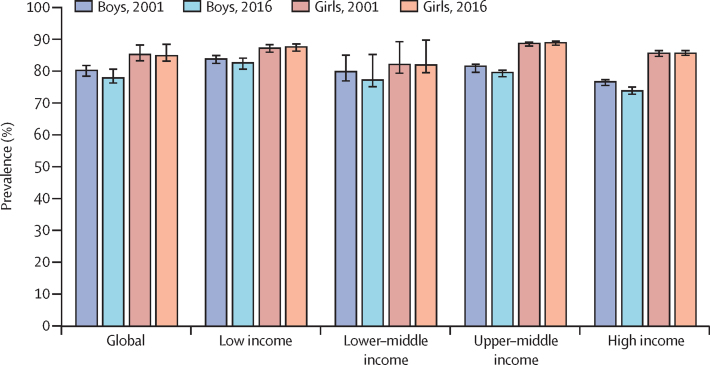
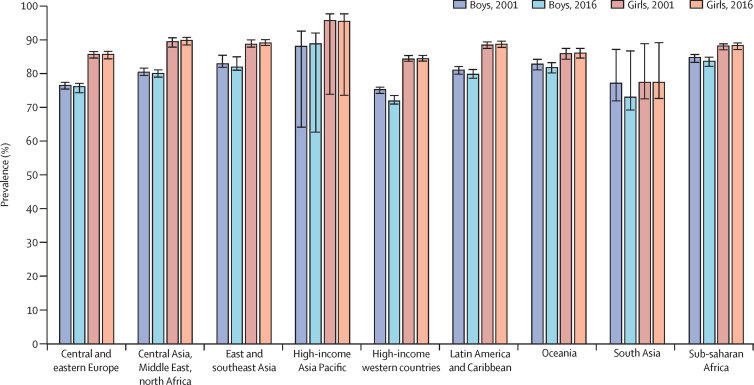
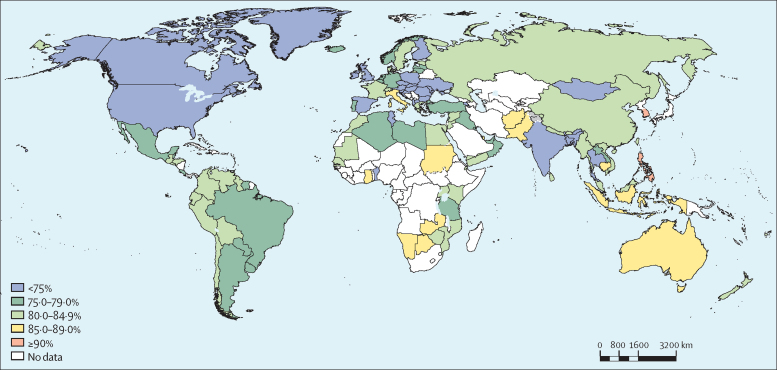
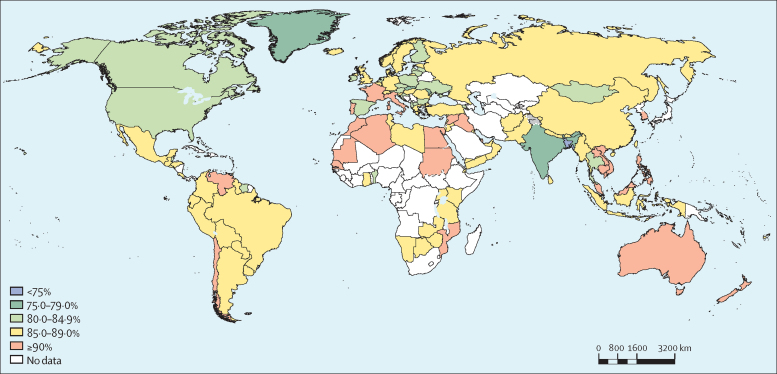
Verification
Claims the paper makes
The claims and statistics of this paper haven’t been checked yet.
Free: it reads the open-access text and checks the first 5 claims that cite a source we can check. Create a free account to check every claim.
Claims other papers make about this one
Each is checked against this paper’s own text: does it say what the citing paper says it does?
The source backs part of the claim, not all of it — or backs it for a different population, condition or comparison.
In the citing paper
“These data also reveal no overall improvement in global levels of participation over the last two decades and substantial gender differences.3 4”
From World Health Organization 2020 guidelines on physical activity and sedentary behaviour (2020) · cites this paper as [4]
Experimental — accuracy not yet measuredThe source backs part of the claim, not all of it — or backs it for a different population, condition or comparison.
In the citing paper
“Given that the most recent global estimates show that one in four (27.5%) adults3 and more than three-quarters (81%) of adolescents4 do not meet the recommendations for aerobic exercise, as outlined in the 2010 Global Recommendations on Physical Activity for Health,2”
From World Health Organization 2020 guidelines on physical activity and sedentary behaviour (2020) · cites this paper as [4]
Experimental — accuracy not yet measuredThe cited source says what the claim attributes to it.
In the citing paper
“a large proportion of children and youth, including those living in low and middle-income countries, are either sedentary or not achieving recommended levels of physical activity.8–11”
From Physical activity and health in Chinese children and adolescents: expert consensus statement (2020) (2020) · cites this paper as [11]
Self-check
Percentages, sums and reported differences re-computed from the paper’s own numbers.
The self-check needs the paper’s full text.
Citations
Cites
Abarca-Gómez, L., Abdeen, Z. A., Hamid, Z. A., Abu-Rmeileh, N. M., Acosta-Cazares, B., Acuin, C., Adams, R. J., Aekplakorn, W., Afsana, K., Aguilar-Salinas, C. A., et al. (2017) · The Lancet · doi:10.1016/s0140-6736(17)32129-3 · Cited by 7,482
Self-citationGlobal physical activity levels: surveillance progress, pitfalls, and prospects
Hallal, P. C., Andersen, L. B., Bull, F. C., Guthold, R., Haskell, W., & Ekelund, U. (2012) · The Lancet · doi:10.1016/s0140-6736(12)60646-1 · Cited by 5,711
Self-citationGuthold, R., Stevens, G. A., Riley, L. M., & Bull, F. C. (2018) · The Lancet Global Health · doi:10.1016/s2214-109x(18)30357-7 · Cited by 4,819
Self-citationA Physical Activity Screening Measure for Use With Adolescents in Primary Care
Prochaska, J. J., Sallis, J. F., & Long, B. (2001) · Archives of Pediatrics & Adolescent Medicine · doi:10.1001/archpedi.155.5.554 · Cited by 1,002
Progress in physical activity over the Olympic quadrennium
Sallis, J. F., Bull, F., Guthold, R., Heath, G. W., Inoue, S., Kelly, P., Oyeyemi, A. L., Perez, L. G., Richards, J., & Hallal, P. C. (2016) · The Lancet · doi:10.1016/s0140-6736(16)30581-5 · Cited by 935
Self-citationAubert, S., Barnes, J. D., Abdeta, C., Abi Nader, P., Adeniyi, A. F., Aguilar-Farias, N., Andrade Tenesaca, D. S., Bhawra, J., Brazo-Sayavera, J., Cardon, G., et al. (2018) · Journal of Physical Activity and Health · doi:10.1123/jpah.2018-0472 · Cited by 799
Biddle, S. J., Gorely, T., Pearson, N., & Bull, F. C. (2011) · International Journal of Behavioral Nutrition and Physical Activity · doi:10.1186/1479-5868-8-1 · Cited by 711
Self-citationGlobal Prevalence of Vision Impairment and Blindness
Stevens, G. A., White, R. A., Flaxman, S. R., Price, H., Jonas, J. B., Keeffe, J., Leasher, J., Naidoo, K., Pesudovs, K., Resnikoff, S., et al. (2013) · Ophthalmology · doi:10.1016/j.ophtha.2013.05.025 · Cited by 510
Self-citationStalsberg, R., & Pedersen, A. V. (2010) · Scandinavian Journal of Medicine & Science in Sports · doi:10.1111/j.1600-0838.2009.01047.x · Cited by 481
Farooq, M. A., Parkinson, K. N., Adamson, A. J., Pearce, M. S., Reilly, J. K., Hughes, A. R., Janssen, X., Basterfield, L., & Reilly, J. J. (2018) · British Journal of Sports Medicine · doi:10.1136/bjsports-2016-096933 · Cited by 418
Research works printed but not linked: 1
- WHO Global Recommendations on Physical Activity for Health 2010 World Health Organization Geneva 26180873
Cited by
Items 401–500 of 1,006
Barbosa, R. D. O., dos Santos, G. C., da Silva, J. M., Silva, T. M. D. S., Dias, P. H. G., Corrêa, R. C., Sasaki, J. E., & Neto, A. S. (2024) · BMC Psychology · doi:10.1186/s40359-024-02055-3 · Cited by 28
“It is estimated that 81% of school-aged adolescents (11–17 years) do not meet the recommendations for MVPA [7].”
BackgroundCardon, G., & Salmon, J. (2020) · Journal of sport and health science/Journal of Sport and Health Science · doi:10.1016/j.jshs.2020.04.009 · Cited by 31
Latorre-Millán, M., Rupérez, A. I., González‐Gil, E. M., Santaliestra-Pasías, A. M., Vázquez‐Cobela, R., Gil‐Campos, M., Aguilera, C. M., Gil, Á., Moreno, L. A., Leis, R., et al. (2020) · Nutrients · doi:10.3390/nu12113424 · Cited by 32
“Otherwise, our analysis accounted for the main non-dietary confounders, considering physical activity due to its influence on obesity, along with diet [1], and the high prevalence of insufficient physical activity in Spanish adolescents (around three quarters) [39].”
BackgroundLaverty, A. A., Hone, T., Goodman, A., Kelly, Y. J., & Millett, C. J. (2021) · BMJ Open · doi:10.1136/bmjopen-2019-036041 · Cited by 34
Global impact of physical inactivity and implications for public health nursing
Moxley, E., Webber‐Ritchey, K. J., & Hayman, L. L. (2021) · Public Health Nursing · doi:10.1111/phn.12958 · Cited by 29
Legal strategies to improve physical activity in populations
Nau, T., Smith, B. J., Bauman, A. E., & Bellew, B. (2021) · Bulletin of the World Health Organization · doi:10.2471/blt.20.273987 · Cited by 35
Rawal, T., Willeboordse, M., Arora, M., Sharma, N., Nazar, G. P., Tandon, N., & van Schayck, O. C. P. (2021) · Nutrients · doi:10.3390/nu13093296 · Cited by 26
“Daily fruit/vegetable consumption and sufficient physical activity levels are good preventive factors for both underweight and excessive weight [14].”
BackgroundCartagena, R. P. P., Parraça, J. A., Mendoza-Muñoz, M., Pastor-Cisneros, R., Bermejo, L. M., & Adsuar, J. C. (2022) · International Journal of Environmental Research and Public Health · doi:10.3390/ijerph19031182 · Cited by 38
“the WHO indicates that more than 80% of adolescents in school (85% of girls and 78% of boys) do not reach the recommended minimum level of one hour of physical activity per day worldwide [3,9].”
BackgroundRejeki, P. S., Baskara, P. G., Herawati, L., Pranoto, A., Setiawan, H. K., Lesmana, R., & Halim, S. (2022) · Journal of Basic and Clinical Physiology and Pharmacology · doi:10.1515/jbcpp-2021-0393 · Cited by 26
Li, D. X., & Li, X. (2022) · International Journal of Environmental Research and Public Health · doi:10.3390/ijerph19116697 · Cited by 31
“Despite those recommendations, the latest survey showed that the vast majority of college students fail to meet the recommended amount of physical activity [14].”
BackgroundMelguizo-Ibáñez, E., González-Valero, G., Bădicu, G., Silva, A. F., Clemente, F. M., Sarmento, H., Ortega, F. Z., & Ubago-Jiménez, J. L. (2022) · Children · doi:10.3390/children9060872 · Cited by 28
“Physical activity has been defined as any exercise performed by the skeletal muscles involving energetic expenditure [12].”
BackgroundPromoting physical activity for people with haemophilia in the age of new treatments
Matlary, R. E. D., Grinda, N., Sayers, F., Versloot, O., & McLaughlin, P. (2022) · Haemophilia · doi:10.1111/hae.14641 · Cited by 28
de Jesus, G. M., Araújo, R. H. D. O., Dias, L. A., Barros, A. K. C., Araujo, L. D. M. D. S., & de Assis, M. A. A. (2022) · BMC Public Health · doi:10.1186/s12889-022-13864-9 · Cited by 46
“4% among boys and girls, respectively [17].”
BackgroundFerrari, G., Drenowatz, C. J., Kovalskys, I., Gómez, G., Rigotti, A., Cortés, L. Y., García, M. C. Y., Pareja, R. G., Herrera‐Cuenca, M., Del’Arco, A. P. W. T., et al. (2022) · BMC Pediatrics · doi:10.1186/s12887-022-03577-8 · Cited by 32
“Most recent data has shown that 19% of Latin American adolescents are considered either overweight or obese, and about 81% do not meet the guidelines for physical activity [13, 14].”
BackgroundRecomendaciones sobre el estilo de vida. Actualización PAPPS 2022
García, R. C., Guillem, F. C., Seco, E. M., Puente, J. M. G., Arango, J. S. J., Ramírez‐Manent, J. I., Martín-Cantera, C., Giménez, M. D. C., Frauca, J. R., Egea-Ronda, A., et al. (2022) · Atención Primaria · doi:10.1016/j.aprim.2022.102442 · Cited by 74
Cai, S., Zhong, P., Dang, J., Liu, Y., Shi, D., Chen, Z., Zhang, Y., Hu, P., Ma, J., Dong, Y., et al. (2023) · Scandinavian Journal of Medicine and Science in Sports · doi:10.1111/sms.14427 · Cited by 26
Bourke, M., Hilland, T. A., & Craike, M. J. (2020) · International Review of Sport and Exercise Psychology · doi:10.1080/1750984x.2020.1780626 · Cited by 31
“However, global estimates based on self-reported data indicate that 27.5% of the adult population and 81% of adolescents worldwide are insufficiently active, based on the World Health Organisation’s physical activity guidelines (Guthold et al., 2018, 2020; World Health Organization, 2010).”
BackgroundInfluentialHämäläinen, R.-M., Breda, J., Gomes, F. D. S., Gongal, G., Khan, W. M., Mendes, R., Nederveen, L., Ramanandraibe, N., Sako, B., & Whiting, S. (2020) · British Journal of Sports Medicine · doi:10.1136/bjsports-2020-103531 · Cited by 34
Bengoechea, E. G., Woods, C. B., Murtagh, E., Grady, C. L., Fabre, N., Lhuisset, L., Zunquin, G., Solana, A. A., Casterad, J. Z., Haerens, L. L., et al. (2024) · Quest · doi:10.1080/00336297.2024.2318772 · Cited by 36
“Proportions of school-aged children meeting guidelines of on average 60 min of moderate-to-vigorous PA daily remain persistently low, with no meaningful progress being made for girls or boys across low-, middle-and high-income countries (Aubert et al., 2018; Guthold et al., 2020).”
Guo, M. M., Koh, K. T., & Wang, X. Z. (2024) · BMC Public Health · doi:10.1186/s12889-024-18822-1 · Cited by 27
“To enhance the representativeness of the data, Mixed Linear Regression (MLR) [4] was used to estimate the missing rural or urban compliance rates for provinces that included only urban or rural participants.”
BackgroundMethodResultInfluentialGiurgiu, M., Timm, I., Ebner‐Priemer, U., Schmiedek, F., & Neubauer, A. (2024) · npj Mental Health Research · doi:10.1038/s44184-024-00113-7 · Cited by 30
Rosi, A., Scazzina, F., Giampieri, F., Álvarez-Córdova, L., Abdelkarim, O., Ammar, A., Aly, M., Frías-Toral, E., Pons, J., Vázquez‐Araújo, L., et al. (2024) · Nutrients · doi:10.3390/nu17010026 · Cited by 36
“Curiously, higher rates of scarce physical activity have been reported in Mediterranean countries, where the climate and the traditional lifestyle could actually promote opposite behaviors [24].”
Influence of biological sex in inflammatory bowel diseases
Tshikudi, D. M., Bernstein, C. N., Mishra, S., Ghia, J., & Armstrong, H. (2025) · Nature Reviews Gastroenterology & Hepatology · doi:10.1038/s41575-025-01038-y · Cited by 30
“Moreover, across nearly all countries, girls and women (girls: 84.7%, 95% UI 83.0–88.2; women: 31.7%, 95% UI 28.6–39.0) were less active than boys and men (boys: 77.6%, 95% UI 76.1–80.4; men: 23.4%, 95% UI 21.1–30.7) with differences of prevalence of 7.1% for adolescents and 8.3% for adults 64,65 .”
InfluentialChaabène, H., Ramírez‐Campillo, R., Moran, J., Schega, L., Prieske, O., Sandau, I., Negra, Y., & Behrens, M. (2025) · Sports Medicine · doi:10.1007/s40279-025-02240-3 · Cited by 39
“Evidence derived from a pooled analysis of 298 population-based surveys including 1.6 million participants indicates that 81% of youth aged between 11 and 17 years fail to adhere to the World Health Organization (WHO)’s PA guidelines and are thus classified as physically inactive [37].”
InfluentialPhysical Literacy as a Pedagogical Model in Physical Education
Valle-Muñoz, V. M., Mendoza-Muñoz, M., & Villa‐González, E. (2025) · Children · doi:10.3390/children12081008 · Cited by 70
Sinđić, M., Mačak, D., Todorović, N., Purda, B., & Batez, M. (2021) · Healthcare · doi:10.3390/healthcare9030312 · Cited by 31
“[9] indicate that the trends in physical fitness of children and youth are worrying, confirmed by previous research [10,11].”
ResultWirnitzer, K., Drenowatz, C. J., Cocca, A., Tanous, D., Motevalli, M. S., Wirnitzer, G., Schätzer, M., Ruedl, G., & Kirschner, W. (2021) · International Journal of Environmental Research and Public Health · doi:10.3390/ijerph182312782 · Cited by 27
Araújo, R. H. D. O., Werneck, A. O., Barboza, L. L. S., Ramírez‐Vélez, R., Martins, C., Tassitano, R. M., Silva, E. C. M., de Jesus, G. M., Matias, T. S., de Lima, L. R. A., et al. (2022) · International Journal of Behavioral Nutrition and Physical Activity · doi:10.1186/s12966-022-01291-3 · Cited by 23
“However, given that technological and financial resources are not always feasible to assess objective PA and sedentary behavior data, self-reported questionnaires have been widely used by the scientific community to guide actions in PA surveillance [6, 17].”
BackgroundJemna, D.-V., David, M., Depret, M., & Ancelot, L. (2022) · BMC Public Health · doi:10.1186/s12889-022-13479-0 · Cited by 25
Adolescents’ perceptions of park characteristics that discourage park visitation
Rivera, E., Timperio, A. F., Loh, V. H. Y., Deforche, B. I., & Veitch, J. (2022) · Urban forestry & urban greening · doi:10.1016/j.ufug.2022.127669 · Cited by 28
Rocliffe, P., O’Keeffe, B. T., Walsh, L., Stylianou, M., Woodforde, J., García‐González, L., O’Brien, W., Coppinger, T. C., Sherwin, I., McNamara, P., et al. (2023) · Adolescent Research Review · doi:10.1007/s40894-022-00200-w · Cited by 23
Casado-Robles, C., Mayorga-Vega, D., Guijarro-Romero, S., & Viciana, J. (2023) · Journal of Sports Science and Medicine · doi:10.52082/jssm.2023.196 · Cited by 34
“Kappa, k0 = 0.40 (Cicchetti, 2001); k1 = 0.80 (Mayorga-Vega et al., 2021), p = 0.25 (Guthold et al., 2020), α = 0.05, 1 - β = 0.80, k = 2, dropout = 23% (Howie and Straker, 2016).”
BackgroundInfluentialHall, F. C., & Noonan, R. J. (2023) · Performance Enhancement & Health · doi:10.1016/j.peh.2023.100254 · Cited by 35
Kantanista, A., Tarnas, J., Borowiec, J., Elegańczyk-Kot, H., Lubowiecki-Vikuk, A. P., Marciniak, M., & Król-Zielińska, M. (2021) · Annals of Agricultural and Environmental Medicine · doi:10.26444/aaem/125557 · Cited by 29
“Despite low indicators in selected sectors of the national economies of the Visegrád countries, the levels of physical activity of the young generation are higher than in most Asian, African and Latin American countries, but lower than youth from countries such as Ireland, the USA, Greenland and Bangladesh [7].”
BackgroundResultInfluentialAbós, Á., García‐González, L., Solana, A. A., & Sevil‐Serrano, J. (2021) · Psychology of sport and exercise · doi:10.1016/j.psychsport.2021.101988 · Cited by 41
Fernandes, H. M., Costa, H., Esteves, P., Machado‐Rodrigues, A. M., & Fonseca, T. (2024) · Sports · doi:10.3390/sports12060155 · Cited by 38
“However, several epidemiological studies have shown that only a minority of young people achieve sufficient PA levels [5–7], with Portuguese adolescents showing a similar trend [8,9].”
BackgroundHealth at a Glance: Asia/Pacific 2024
OECD (2024) · Health at a glance. Asia/Pacific · doi:10.1787/51fed7e9-en · Cited by 73
Grupo de expertos del PAPPS. Recomendaciones sobre el estilo de vida
García, R. C., Guillem, F. C., Seco, E. M., Puente, J. M. G., Arango, J. S. J., Ramírez‐Manent, J. I., Martín-Cantera, C., Giménez, M. D. C., & Frauca, J. R. (2020) · Atención Primaria · doi:10.1016/j.aprim.2020.07.004 · Cited by 38
Dietary Lifestyle Status of Adolescents: Analysis of Large-Scale Survey Data in Korea
Lee, S. J., & Ryu, H. K. (2021) · Journal of the Korean Society of Food Science and Nutrition · doi:10.3746/jkfn.2021.50.1.95 · Cited by 23
Factores asociados a un bajo nivel de actividad física en adolescentes de la Rioja (España)
Boraita, R. J., Ibort, E. G., Torres, J. M. D., & Alsina, D. A. (2021) · Anales de Pediatría · doi:10.1016/j.anpedi.2021.02.011 · Cited by 52
Pollock, E. R., Young, M. D., Lubans, D. R., Coffey, J. E., Hansen, V., & Morgan, P. J. (2021) · Teaching and Teacher Education · doi:10.1016/j.tate.2021.103421 · Cited by 37
Morgan, P. J., Rayward, A. T., Young, M. D., Pollock, E. R., Eather, N., Barnes, A. T., Kennedy, S.-L., Saunders, K. L., Drew, R. J., & Lubans, D. R. (2021) · Annals of Behavioral Medicine · doi:10.1093/abm/kaab056 · Cited by 27
Get Outside! Promoting Adolescent Health through Outdoor After-School Activity
Barfield, P. A., Ridder, K., Hughes, J., & Rice, K. R. (2021) · International Journal of Environmental Research and Public Health · doi:10.3390/ijerph18147223 · Cited by 30
“6 million) survey data taken from 298 schools across 146 countries, 81% were reported deficient in health-promoting physical activity [10].”
BackgroundYoon, S., An, S., Noh, D. H., Tuan, L. T., & Lee, J. (2021) · PLoS ONE · doi:10.1371/journal.pone.0259000 · Cited by 29
“The short-run and long-run adverse effects of risky behaviors are reported in preventive health domains, namely not washing hands at critical times [19] and not engaging in outdoor physical activities [6, 7].”
Denche-Zamorano, Á. M., Mendoza-Muñoz, M., Carlos‐Vivas, J., Bermejo, L. M., Rojo-Ramos, J., Pastor-Cisneros, R., Giakoni-Ramírez, F., Godoy-Cumillaf, A. E. R., & Barrios-Fernández, S. (2022) · International Journal of Environmental Research and Public Health · doi:10.3390/ijerph19095656 · Cited by 26
A systems thinking approach to understanding youth active recreation
Koorts, H., Salmon, P. M., Swain, C. T. V., Cassar, S., Strickland, D., & Salmon, J. (2022) · International Journal of Behavioral Nutrition and Physical Activity · doi:10.1186/s12966-022-01292-2 · Cited by 32
“Over a 15 year period, the overall prevalence of insufficient physical activity among Australian adolescents (11-17 years) was 87% in 2001, increasing slightly to 89% in 2016 [7].”
BackgroundMelo, G. L. R., Neto, I. V. D. S., da Fonseca, E. F., Stone, W. J., & Nascimento, D. D. C. (2022) · Frontiers in Physiology · doi:10.3389/fphys.2022.948439 · Cited by 41
“Life expectancy of individuals with DS is progressively increasing over time, from 25 years in 1983 to 60 years in 2020 (Bull, 2020; Guthold et al., 2020) due to improvements in medical technology, social care, and healthcare systems (Presson et al.”
BackgroundResults from the Singapore 2022 report card on physical activity for children and adolescents
Tay, Z., Chen, B., Kui, K. Y., Padmapriya, N., Chong, M. F., Müller, A. M., Lee, E. L., Troy, E., & Müller‐Riemenschneider, F. (2022) · Journal of Exercise Science & Fitness · doi:10.1016/j.jesf.2022.10.005 · Cited by 24
Alrahma, A. M., Suwaidi, H. S. A., AlGurg, R., Farah, Z., Khansaheb, H. H., Ajja, R., Alzaabi, M., Hamiz, A. A., AlJunaibi, A., Abdulle, A. M., et al. (2023) · Journal of Exercise Science & Fitness · doi:10.1016/j.jesf.2023.02.002 · Cited by 22
Nyström, M., Henriksson, M., Lindqvist, A.-K., & Rutberg, S. (2023) · Journal of Transport & Health · doi:10.1016/j.jth.2023.101617 · Cited by 29
Men, J., Zou, S., Ma, J., Xiang, C., Li, S., & Wang, J. (2023) · PLoS ONE · doi:10.1371/journal.pone.0271845 · Cited by 32
Hasan, A., Sharif, A. B., & Jahan, I. (2023) · Scientific Reports · doi:10.1038/s41598-023-36299-7 · Cited by 32
Matheson, E. L., Schneider, J., Tinoco, A., Silva-Breen, H. L., LaVoi, N. M., & Diedrichs, P. C. (2023) · Body Image · doi:10.1016/j.bodyim.2023.06.012 · Cited by 29
Marzi, I., Beck, F., Engels, E. S., Renninger, D., Demetriou, Y., & Reimers, A. K. (2023) · Journal of Transport Geography · doi:10.1016/j.jtrangeo.2023.103694 · Cited by 28
Scholes, S., & Mindell, J. S. (2020) · BMC Public Health · doi:10.1186/s12889-020-08479-x · Cited by 27
López‐Gil, J. F., Brazo‐Sayavera, J., de Campos, W., & Lucas, J. L. Y. (2020) · Children · doi:10.3390/children7120263 · Cited by 28
“Notwithstanding, a large proportion of youth do not meet these recommendations [5,6]; with only 30–40% of youths being sufficiently active (evaluated by self-report) as determined by public health recommendations [7,8].”
BackgroundFernandes, M. D. S. V., Silva, T. M. V. D., Noll, P. R. E. S., Almeida, A. A. D., & Noll, M. (2022) · International Journal of Environmental Research and Public Health · doi:10.3390/ijerph19063735 · Cited by 21
“Considering that more than half of Brazilian adolescents do not meet the daily recommendation of 60 min of moderate-to-vigorous physical activity, this behavior likely has short- and long-term damaging effects on the physical and psychological well-being of these young people [12,77,100].”
BackgroundBello, B., Mohammed, J., & Useh, U. (2022) · Sleep And Breathing · doi:10.1007/s11325-022-02675-2 · Cited by 24
“One way to improve sleep and sleep-related outcomes is by engaging in regular physical activities (PAs) [9, 10].”
BackgroundMilther, C., Winther, L., Stahlhut, M., Curtis, D. J., Aadahl, M., Kristensen, M. T., Sørensen, J. L., & Dall, C. H. (2023) · European Journal of Pediatrics · doi:10.1007/s00431-023-05014-z · Cited by 27
Tapia‐Serrano, M. Á., López-Gajardo, M. Á., Miguel, P. A. S., González‐Ponce, I., García‐Calvo, T., González, J. J. P., & Marcos, F. M. L. (2023) · Scandinavian Journal of Medicine and Science in Sports · doi:10.1111/sms.14436 · Cited by 29
Wang, X., Liu, Y., Yao, Y., Zhou, S., Zhu, Q., Liu, M., Luo, W., & Helbich, M. (2023) · Journal of Transport & Health · doi:10.1016/j.jth.2023.101653 · Cited by 21
Children’s active school transportation: an international scoping review of psychosocial factors
Savolainen, E., Lindqvist, A.-K., Mikaelsson, K., Nyberg, L., & Rutberg, S. (2024) · Systematic Reviews · doi:10.1186/s13643-023-02414-y · Cited by 28
“Around 80% of children and youths do not engage in the recommended 60 min of daily physical activity [33].”
BackgroundGonzález-Gálvez, N., Soler, A., Abelleira-Lamela, T., Abenza‐Cano, L., Mateo‐Orcajada, A., & Vaquero‐Cristóbal, R. (2024) · Frontiers in Public Health · doi:10.3389/fpubh.2024.1394328 · Cited by 28
“Numerous studies have shown that levels of physical activity decrease during childhood and adolescence (3), reaching high rates of physically inactive children and adolescents according to the criteria of the World Health Organisation (WHO) (4–6).”
BackgroundKolovelonis, A., Syrmpas, I., Marcuzzi, A., Khudair, M., Ng, K., Tempest, G. D., Perić, R., Bartos̆, F., Maier, M., Brandes, M., et al. (2024) · BMC Public Health · doi:10.1186/s12889-024-19136-y · Cited by 29
Assessment and development of physical education teachers’ physical literacy: A systematic review
Yin, H., Dev, R. D. O., Soh, K. G., Li, F., & Lian, M. (2024) · PLoS ONE · doi:10.1371/journal.pone.0307505 · Cited by 49
Selected lifestyle factors as students transition from secondary school to university in Slovakia
Buková, A., Tomková, P., Uher, I., Kimáková, T., Vojtaško, Ľ., & Salonna, F. (2024) · Frontiers in Public Health · doi:10.3389/fpubh.2024.1461989 · Cited by 42
Lee, E.-Y., Park, S., Kim, Y.-B., Liu, H., Mistry, P., Nguyen, K., Oh, Y., James, M. E., Lâm, S., de Lannoy, L., et al. (2025) · Environmental Research · doi:10.1016/j.envres.2025.122146 · Cited by 25
Cheon, H.-U., & Lim, S.-J. (2020) · Sustainability · doi:10.3390/su12093797 · Cited by 30
“Various aspects of theoretical support, that is, the verification of the importance of study results regarding the Korean educational environment, are required to change society [6].”
BackgroundInfluentialToledo-Vargas, M., Perez-Contreras, P., Chandía-Poblete, D., & Aguilar-Farías, N. (2020) · Journal of Physical Activity and Health · doi:10.1123/jpah.2019-0672 · Cited by 24
Bourke, M., Hilland, T. A., & Craike, M. J. (2021) · Journal of Behavioral Medicine · doi:10.1007/s10865-020-00197-4 · Cited by 26
Multimodal Imaging Brain Markers in Early Adolescence Are Linked with a Physically Active Lifestyle
Salvan, P., Wassenaar, T. M., Wheatley, C., Beale, N., Cottaar, M., Papp, D. S., Bastiani, M., Fitzgibbon, S. P., Duff, E., Andersson, J., et al. (2021) · Journal of Neuroscience · doi:10.1523/jneurosci.1260-20.2020 · Cited by 20
Cowley, E. S., Watson, P. M., Foweather, L., Belton, S., Mansfield, C., Whitcomb-Khan, G., Cacciatore, I., Thompson, A., Thijssen, D. H. J., & Wagenmakers, A. J. M. (2021) · Children · doi:10.3390/children8020076 · Cited by 29
“Physical inactivity is a global health concern, with less than 15% of adolescents worldwide meeting the minimum PA guidelines (at least 60 min moderate-to-vigorous physical activity (MVPA) per day) [12].”
BackgroundWachira, L.-J. M. (2021) · IntechOpen eBooks · doi:10.5772/intechopen.95840 · Cited by 29
Henning, L., Dreiskämper, D., & Tietjens, M. (2021) · Psychology of sport and exercise · doi:10.1016/j.psychsport.2021.102055 · Cited by 30
Weaver, R. G., Tassitano, R. M., Tenório, M. C. M., Brazendale, K., & Beets, M. W. (2021) · Journal of Physical Activity and Health · doi:10.1123/jpah.2021-0254 · Cited by 29
Atividade física para crianças e jovens: Guia de Atividade Física para a População Brasileira
Dumith, S. C., Filho, A. ́., Cureau, F. V., Júnior, J. C. D. F., Mello, J. B., da Silva, M. P., Matias, T. S., Lopes, W. A., Magalhães, L. L., & Hallal, P. C. (2021) · Revista Brasileira de Atividade Física & Saúde · doi:10.12820/rbafs.26e0214 · Cited by 24
Schmidt, S. K., Bratland‐Sanda, S., & Bongaardt, R. (2022) · Teaching and Teacher Education · doi:10.1016/j.tate.2022.103777 · Cited by 31
Ferrari, G., Cristi‐Montero, C., Drenowatz, C. J., Kovalskys, I., Gómez, G., Rigotti, A., Cortés, L. Y., García, M. C. Y., Liria-Domínguez, M. R., Herrera‐Cuenca, M., et al. (2022) · Scientific Reports · doi:10.1038/s41598-022-15504-z · Cited by 22
Results from the Hong Kong's 2022 report card on physical activity for children and adolescents
Huang, Y., Wong, S. H., Sit, C. H. P., Wong, M. C. S., Wong, S. W. S., & Ho, R. S. T. (2022) · Journal of Exercise Science & Fitness · doi:10.1016/j.jesf.2022.10.010 · Cited by 23
“Since there is no universally accepted benchmark for obesity, the grade of D was assigned considering the following factors: (1) similar obesity prevalence reported in other countries participating in Global Matrix 2.”
MethodLee, E., Shih, A.-C., Collins, M., Kim, Y.-B., Nader, P. A., Bhawra, J., Katapally, T. R., Tanaka, C., Saonuam, P., Katewongsa, P., et al. (2022) · Journal of Exercise Science & Fitness · doi:10.1016/j.jesf.2022.10.008 · Cited by 29
Saiz-González, P., Gallego, D. I., Fernández‐Río, J., & Gao, Z. (2022) · Complementary Therapies in Clinical Practice · doi:10.1016/j.ctcp.2022.101711 · Cited by 30
Bastone, A. D. C., Moreira, B. D. S., Vasconcelos, K. S. D. S., Magalhães, A. S., Coelho, D. M., da Silva, J. I., Bezerra, V. M., Lopes, A. A. D. S., Friche, A. A. D. L., Caiaffa, W. T., et al. (2022) · Cadernos de Saúde Pública · doi:10.1590/0102-311xen057222 · Cited by 31
Hetman, M., & Barg, E. (2022) · Biomedicines · doi:10.3390/biomedicines10123219 · Cited by 28
“Additionally, children and adolescents with DS show less physical activity than their peers without DS [76–78], although the tested level of physical activity in adolescents without DS turned out to be insufficient in 80% of them [79].”
BackgroundYang, C., Huang, J., Wang, T., Tan, Y.-C., Chen, Y., Zhao, Z., Qu, C.-H., & Qu, Y. (2022) · BMC Neurology · doi:10.1186/s12883-022-03027-z · Cited by 24
“Surveys show a global trend of inactivity [72, 73].”
BackgroundMurphy, J., Mansergh, F., O’Donoghue, G., van Nassau, F., Cooper, J., Grady, C. L., Murphy, N. M., Bengoechea, E. G., MURPHY, M. H., Cullen, B., et al. (2023) · International Journal of Behavioral Nutrition and Physical Activity · doi:10.1186/s12966-023-01413-5 · Cited by 22
“Despite these updated recommendations, the associated benefits, and ever-growing number of interventions developed and implemented to promote PA [9], global estimates show that one in four (28%) adults [10] and more than three-quarters (81%) of adolescents [11] do not meet the recommendations for aerobic PA.”
BackgroundNyberg, G., Helgadóttir, B., Kjellenberg, K., & Ekblom, Ö. B. (2023) · Frontiers in Public Health · doi:10.3389/fpubh.2023.1115789 · Cited by 26
Li, Z., Liu, Y., Han, X., & Zhou, Z. (2023) · Frontiers in Physiology · doi:10.3389/fphys.2023.1060216 · Cited by 29
“However, data show that less than 20% of children and adolescents worldwide, and only 6% in Asia, meet the recommended levels (Guthold et al., 2020; Loo et al., 2022).”
BackgroundPhysical Inactivity, Sedentarism, and Low Fitness: A Worldwide Pandemic for Public Health
Bueno‐Antequera, J., & Munguía‐Izquierdo, D. (2023) · Integrated science · doi:10.1007/978-3-031-17778-1_19 · Cited by 38
Nezondet, C., Gandrieau, J., Bourrelier, J., Nguyen, P., & Zunquin, G. (2023) · Children · doi:10.3390/children10060956 · Cited by 33
Results from Portugal's 2022 report card on physical activity for children and youth
Pizarro, A. I. N., Oliveira‐Santos, J., Santos, R., Ribeiro, J. C., Santos, M. P., Coelho-e-Silva, M. J., Raimundo, A. M. D. M., Sardinha, L. B., & Mota, J. A. P. S. (2023) · Journal of Exercise Science & Fitness · doi:10.1016/j.jesf.2023.05.002 · Cited by 40
Hills, A. P., Jayasinghe, S. U., Arena, R. A., & Byrne, N. M. (2024) · Progress in Cardiovascular Diseases · doi:10.1016/j.pcad.2024.02.008 · Cited by 26
Consortia, O. B. O. T. I. A. I. F., Cheng, L., Pohlabeln, H., Ahrens, W., Lauria, F., Veidebaum, T., Chadjigeorgiou, C., Molnár, D., Eiben, G., Michels, N., et al. (2020) · International Journal of Behavioral Nutrition and Physical Activity · doi:10.1186/s12966-020-00956-1 · Cited by 27
Slapšinskaitė, A., Lukoševičiūtė, J., & Šmigelskas, K. (2020) · International Journal of Public Health · doi:10.1007/s00038-020-01473-5 · Cited by 28
Weight Management in Youth with Type 1 Diabetes and Obesity: Challenges and Possible Solutions
Zaharieva, D. P., Addala, A., Simmons, K. M., & Maahs, D. M. (2020) · Current Obesity Reports · doi:10.1007/s13679-020-00411-z · Cited by 21
“However, nearly 80% of school-aged adolescents do not meet the recommended 60 min of daily physical activity [51] and youth with T1D often engage in even fewer minutes of activity [52–54] and energy expenditure [55] compared with their peers without T1D.”
BackgroundLuque‐Casado, A., Mayo, X., Pérez, A. M. L., Jiménez, A., & Álvarez, F. D. V. (2021) · Sustainability · doi:10.3390/su13041683 · Cited by 27
“However, current levels of physical inactivity continue to be particularly high, and worldwide trends in recent years show no clear progress towards meeting this common challenge [5,6].”
BackgroundResultRhodes, R. E., Quinlan, A., Naylor, P., Warburton, D. E. R., & Blanchard, C. M. (2021) · Journal of Sports Sciences · doi:10.1080/02640414.2021.1877460 · Cited by 25
“, 2016), yet few are active enough to optimize these health outcomes (Guthold et al., 2019).”
BackgroundEarly-life exercise extends healthspan but not lifespan in mice
Feng, M., Li, M., Lou, J., Wu, G., Gao, T., Wu, F., Tan, Y., Zhang, N., Zhao, Y., Lin, Z., et al. (2025) · Nature Communications · doi:10.1038/s41467-025-61443-4 · Cited by 23
Antczak, D., Sanders, T., Cruz, B. D. P., Parker, P. D., & Lonsdale, C. (2020) · SLEEP · doi:10.1093/sleep/zsaa219 · Cited by 23
Song, K., Park, G., Choi, Y., Oh, J. S., Choi, H. S., Suh, J., Kwon, A., Kim, H.-S., & Chae, H. W. (2020) · Children · doi:10.3390/children7110241 · Cited by 23
“Regular physical activity was defined as moderate or vigorous physical activity for at least 1 hour/day 7 days/week based on the World Health Organization’s recommendations [23].”
MethodLona, G., Hauser, C., Köchli, S., Infanger, D., Endes, K., Faude, O., & Hanssen, H. (2020) · Frontiers in Physiology · doi:10.3389/fphys.2020.613003 · Cited by 23
“Eight of 10 children are insufficiently physically active worldwide (Guthold et al., 2019) based on the recommendation of daily 60 min moderate to vigorous PA (World Health Organization, 2010).”
Background
Metadata
- Authors
- Guthold, R., Stevens, G. A., Riley, L. M., & Bull, F. C.
- Affiliations
- World Health Organization (CH)
- Imperial College London (GB)
- The University of Western Australia (AU)
- Corresponding author
- Guthold, Regina
- Venue
- The Lancet Child & Adolescent Health
- Publisher
- Elsevier BV
- Published
- 2020-01
- Volume
- 4
- Issue
- 1
- Pages
- 23-35
- ISSN
- 2352-4642 (ISSN-L)
- PMC
- PMC6919336
- OpenAlex
- W2989617484
- Semantic Scholar
- f46a550ac37c8a6425eb044c3c76e0da5d9756a8
- Cited by
- 4,033
- References
- 25
- Citations by year
- 2026: 622 · 2025: 654 · 2024: 638 · 2023: 562 · 2022: 567 · 2021: 496 · 2020: 485
- FWCI
- 266.68
- Type
- journal article
- Language
- en
- Open access
- hybrid
- doi.org
- Licence
- cc-by
- www.elsevier.com/tdm/userlicense/1.0/ (tdm)
- www.elsevier.com/legal/tdmrep-license (tdm)
- creativecommons.org/licenses/by/3.0/igo/ (vor)
- Locations
- The Lancet Child & Adolescent Health (publishedVersion, cc-by)
- PubMed Central (publishedVersion, cc-by)
- PubMed (publishedVersion)
- UWA Profiles and Research Repository (UWA) (submittedVersion, cc-by)
- Funders
- World Health Organization
- Topics
- Health Sciences › Medicine › Public Health, Environmental and Occupational Health › Physical Activity and Health
- Health Sciences › Medicine › Public Health, Environmental and Occupational Health › Obesity, Physical Activity, Diet
- Social Sciences › Life-span and Life-course Studies › Recreational Sport and Physical Activity
- Keywords
- physical inactivity, adolescents, global trends, sex differences, school-based survey, country income groups, physical activity guidelines, low-income countries
- MeSH terms
- Adolescent, Child, Cross-Sectional Studies, Developing Countries, Female, Health Surveys, Humans, Income, Male, Sex Factors, Global Health, Exercise, Prevalence, Developed Countries
About these checks
Registry, retraction, Cites and statistics results are computed, not judged, with one exception: a printed reference that no index lists is read once by a model before it counts as a citation error. Claims are extracted by a model and kept only when their quote appears verbatim in the text; each cited source is then checked, with a model’s help, for whether it says what the claim relies on. Those verdicts can be wrong — read the claim’s quote and the cited source before relying on one.
Statistics and arithmetic are recomputed, not judged.
Confidence bands are shown only for fields calibrated on our annotated test set. None is calibrated yet, so no band is shown.
What counts as a claim ›How we measure confidence ›How we check this ›
Are you an author, or do you see a problem with this page? Request a review
Data sources
Bibliographic data: Semantic Scholar, OpenAlex, Crossref.
Contains information from the Semantic Scholar Academic Graph Datasets, made available under the ODC Attribution License (ODC-BY 1.0).
Semantic Scholar’s data is described in: Kinney, R., et al. (2023). The Semantic Scholar Open Data Platform. arXiv:2301.10140.
