

Global trends in insufficient physical activity among adolescents: a pooled analysis of 298 population-based surveys with 1·6 million participants
Open accessThe DOI matches its Crossref record; 25 of the 25 references it cites were found in a registry or an index.
Abstract
BACKGROUND: Physical activity has many health benefits for young people. In 2018, WHO launched More Active People for a Healthier World, a new global action on physical activity, including new targets of a 15% relative reduction of global prevalence of insufficient physical activity by 2030 among adolescents and adults. We describe current prevalence and trends of insufficient physical activity among school-going adolescents aged 11-17 years by country, region, and globally. METHODS: We did a pooled analysis of cross-sectional survey data that were collected through random sampling with a sample size of at least 100 individuals, were representative of a national or defined subnational population, and reported prevalence of of insufficient physical activity by sex in adolescents. Prevalence had to be reported for at least three of the years of age within the 10-19-year age range. We estimated the prevalence of insufficient physical activity in school-going adolescents aged 11-17 years (combined and by sex) for individual countries, for four World Bank income groups, nine regions, and globally for the years 2001-16. To derive a standard definition of insufficient physical activity and to adjust for urban-only survey coverage, we used regression models. We estimated time trends using multilevel mixed-effects modelling. FINDINGS: We used data from 298 school-based surveys from 146 countries, territories, and areas including 1·6 million students aged 11-17 years. Globally, in 2016, 81·0% (95% uncertainty interval 77·8-87·7) of students aged 11-17 years were insufficiently physically active (77·6% [76·1-80·4] of boys and 84·7% [83·0-88·2] of girls). Although prevalence of insufficient physical activity significantly decreased between 2001 and 2016 for boys (from 80·1% [78·3-81·6] in 2001), there was no significant change for girls (from 85·1% [83·1-88·0] in 2001). There was no clear pattern according to country income group: insufficient activity prevalence in 2016 was 84·9% (82·6-88·2) in low-income countries, 79·3% (77·2-87·5) in lower-middle-income countries, 83·9% (79·5-89·2) in upper-middle-income countries, and 79·4% (74·0-86·2) in high-income countries. The region with the highest prevalence of insufficient activity in 2016 was high-income Asia Pacific for both boys (89·0%, 62·8-92·2) and girls (95·6%, 73·7-97·9). The regions with the lowest prevalence were high-income western countries for boys (72·1%, 71·1-73·6), and south Asia for girls (77·5%, 72·8-89·3). In 2016, 27 countries had a prevalence of insufficient activity of 90% or more for girls, whereas this was the case for two countries for boys. INTERPRETATION: The majority of adolescents do not meet current physical activity guidelines. Urgent scaling up of implementation of known effective policies and programmes is needed to increase activity in adolescents. Investment and leadership at all levels to intervene on the multiple causes and inequities that might perpetuate the low participation in physical activity and sex differences, as well as engagement of youth themselves, will be vital to strengthen the opportunities for physical activity in all communities. Such action will improve the health of this and future young generations and support achieving the 2030 Sustainable Development Goals. FUNDING: WHO.
Overview
The claims and statistics of this paper haven’t been checked yet.
Free: it reads the open-access text and checks the first 5 claims that cite a source we can check. Create a free account to check every claim.
Integrity signals
Registry
Cites
Statistics
Figures
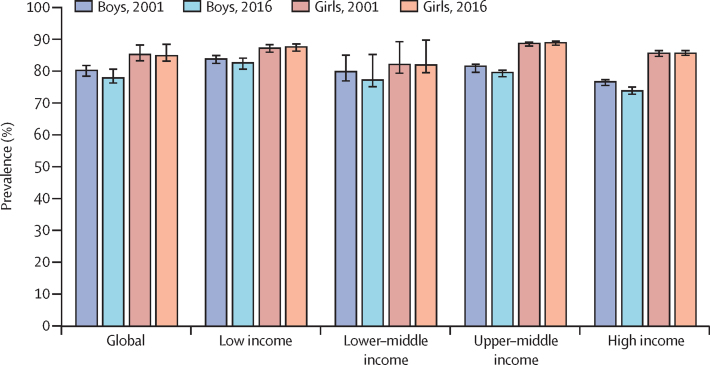
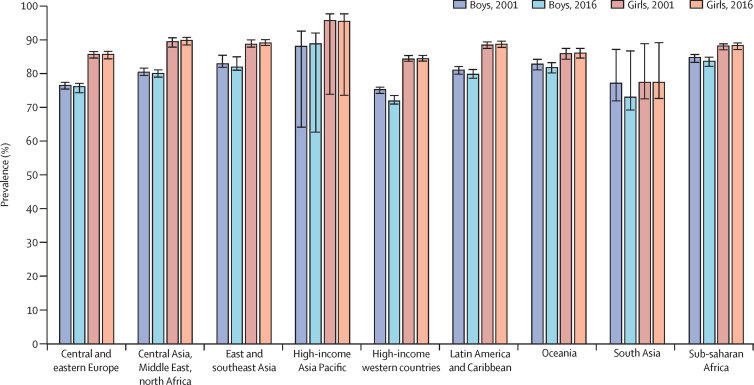
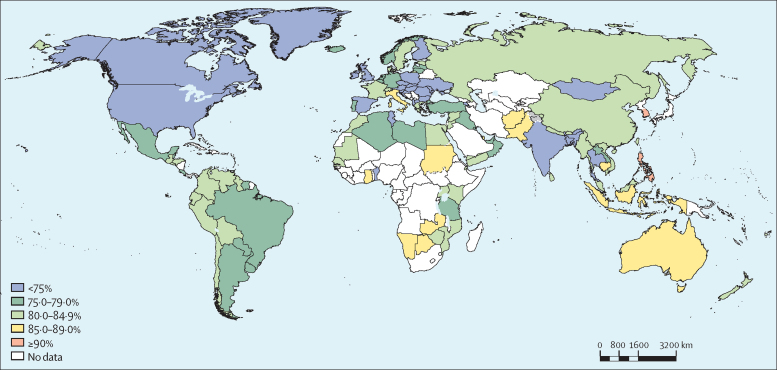
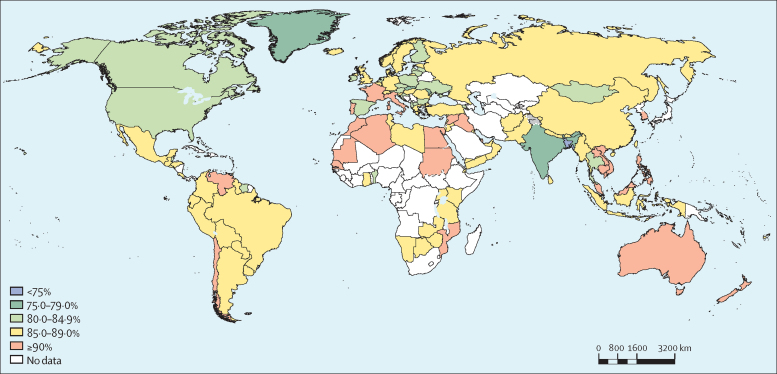
Verification
Claims the paper makes
The claims and statistics of this paper haven’t been checked yet.
Free: it reads the open-access text and checks the first 5 claims that cite a source we can check. Create a free account to check every claim.
Claims other papers make about this one
Each is checked against this paper’s own text: does it say what the citing paper says it does?
The source backs part of the claim, not all of it — or backs it for a different population, condition or comparison.
In the citing paper
“These data also reveal no overall improvement in global levels of participation over the last two decades and substantial gender differences.3 4”
From World Health Organization 2020 guidelines on physical activity and sedentary behaviour (2020) · cites this paper as [4]
Experimental — accuracy not yet measuredThe source backs part of the claim, not all of it — or backs it for a different population, condition or comparison.
In the citing paper
“Given that the most recent global estimates show that one in four (27.5%) adults3 and more than three-quarters (81%) of adolescents4 do not meet the recommendations for aerobic exercise, as outlined in the 2010 Global Recommendations on Physical Activity for Health,2”
From World Health Organization 2020 guidelines on physical activity and sedentary behaviour (2020) · cites this paper as [4]
Experimental — accuracy not yet measuredThe cited source says what the claim attributes to it.
In the citing paper
“a large proportion of children and youth, including those living in low and middle-income countries, are either sedentary or not achieving recommended levels of physical activity.8–11”
From Physical activity and health in Chinese children and adolescents: expert consensus statement (2020) (2020) · cites this paper as [11]
Self-check
Percentages, sums and reported differences re-computed from the paper’s own numbers.
The self-check needs the paper’s full text.
Citations
Cites
Abarca-Gómez, L., Abdeen, Z. A., Hamid, Z. A., Abu-Rmeileh, N. M., Acosta-Cazares, B., Acuin, C., Adams, R. J., Aekplakorn, W., Afsana, K., Aguilar-Salinas, C. A., et al. (2017) · The Lancet · doi:10.1016/s0140-6736(17)32129-3 · Cited by 7,482
Self-citationGlobal physical activity levels: surveillance progress, pitfalls, and prospects
Hallal, P. C., Andersen, L. B., Bull, F. C., Guthold, R., Haskell, W., & Ekelund, U. (2012) · The Lancet · doi:10.1016/s0140-6736(12)60646-1 · Cited by 5,711
Self-citationGuthold, R., Stevens, G. A., Riley, L. M., & Bull, F. C. (2018) · The Lancet Global Health · doi:10.1016/s2214-109x(18)30357-7 · Cited by 4,819
Self-citationA Physical Activity Screening Measure for Use With Adolescents in Primary Care
Prochaska, J. J., Sallis, J. F., & Long, B. (2001) · Archives of Pediatrics & Adolescent Medicine · doi:10.1001/archpedi.155.5.554 · Cited by 1,002
Progress in physical activity over the Olympic quadrennium
Sallis, J. F., Bull, F., Guthold, R., Heath, G. W., Inoue, S., Kelly, P., Oyeyemi, A. L., Perez, L. G., Richards, J., & Hallal, P. C. (2016) · The Lancet · doi:10.1016/s0140-6736(16)30581-5 · Cited by 935
Self-citationAubert, S., Barnes, J. D., Abdeta, C., Abi Nader, P., Adeniyi, A. F., Aguilar-Farias, N., Andrade Tenesaca, D. S., Bhawra, J., Brazo-Sayavera, J., Cardon, G., et al. (2018) · Journal of Physical Activity and Health · doi:10.1123/jpah.2018-0472 · Cited by 799
Biddle, S. J., Gorely, T., Pearson, N., & Bull, F. C. (2011) · International Journal of Behavioral Nutrition and Physical Activity · doi:10.1186/1479-5868-8-1 · Cited by 711
Self-citationGlobal Prevalence of Vision Impairment and Blindness
Stevens, G. A., White, R. A., Flaxman, S. R., Price, H., Jonas, J. B., Keeffe, J., Leasher, J., Naidoo, K., Pesudovs, K., Resnikoff, S., et al. (2013) · Ophthalmology · doi:10.1016/j.ophtha.2013.05.025 · Cited by 510
Self-citationStalsberg, R., & Pedersen, A. V. (2010) · Scandinavian Journal of Medicine & Science in Sports · doi:10.1111/j.1600-0838.2009.01047.x · Cited by 481
Farooq, M. A., Parkinson, K. N., Adamson, A. J., Pearce, M. S., Reilly, J. K., Hughes, A. R., Janssen, X., Basterfield, L., & Reilly, J. J. (2018) · British Journal of Sports Medicine · doi:10.1136/bjsports-2016-096933 · Cited by 418
Research works printed but not linked: 1
- WHO Global Recommendations on Physical Activity for Health 2010 World Health Organization Geneva 26180873
Cited by
Items 601–700 of 1,006
Beyond “Brain Breaks”: A New Model for Integrating Classroom-Based Active Breaks
Lander, N., Ayala, A. M. C., Mazzoli, E., Lai, S. K., Orr, J., & Salmon, J. (2024) · Journal of Physical Education Recreation & Dance · doi:10.1080/07303084.2024.2308253 · Cited by 40
“…time is widespread among children and adolescents around the world (Pate et al., 2011), with only 35% of children and 20% of adolescents meeting sedentary screen-based behavior guidelines (Australian Institute of Health Welfare, 2018; Guthold et al., 2020; World Health Organization, 2022).”
BackgroundYi, Z., Wei, L., Xu, L., Pang, W., & Liu, Y. (2025) · BMC Psychology · doi:10.1186/s40359-025-02755-4 · Cited by 25
“Adolescents show particularly alarming trends, with 81% classified as physically inactive in 2020 [11].”
Corder, K. L., Werneck, A. O., Jong, S. T., Hoare, E., Brown, H. E., Foubister, C., Wilkinson, P. O., & van Sluijs, E. M. F. (2020) · International Journal of Environmental Research and Public Health · doi:10.3390/ijerph17020390 · Cited by 21
“However, recent global data suggest that meeting this global target looks increasingly unlikely [5].”
BackgroundSeidu, A., Ahinkorah, B. O., Agbaglo, E., Darteh, E. K. M., Ameyaw, E. K., Budu, E., & Iddrisu, H. (2020) · PLoS ONE · doi:10.1371/journal.pone.0229012 · Cited by 21
Effect of Daily Physical Education on Physical Fitness in Elementary School Children
Greier, K., Drenowatz, C. J., Ruedl, G., Kopp, M., Burtscher, M., & Greier, C. (2020) · Advances in Physical Education · doi:10.4236/ape.2020.102009 · Cited by 31
“Even though low PA in children has been well documented (Guthold et al., 2020), there remains limited research on effect of daily PE lessons.”
BackgroundMehtälä, A., Villberg, J. J., Blomqvist, M., Huotari, P., Jaakkola, T. T., Koski, P., Lintunen, T., Mononen, K., Ng, K., Palomäki, S. H., et al. (2020) · PLoS ONE · doi:10.1371/journal.pone.0234686 · Cited by 27
Tapia‐Serrano, M. Á., Vaquero‐Solís, M., López-Gajardo, M. Á., & Miguel, P. A. S. (2020) · Nutrición Hospitalaria · doi:10.20960/nh.03372 · Cited by 30
Sollerhed, A., & Hedov, G. (2021) · International Journal of Environmental Research and Public Health · doi:10.3390/ijerph18020660 · Cited by 21
“Physical inactivity and sedentary behavior are a serious threat to health and wellbeing [13,16,26] and it is vital to promote PA also among children with DS.”
BackgroundKua, K. P., & Lee, S. W. H. (2021) · Perspectives in Public Health · doi:10.1177/17579139211011496 · Cited by 23
García-González, L. (. ). (2021) · Universidad de Zaragoza eBooks · doi:10.26754/uz.978-84-18321-22-1 · Cited by 88
Su, Y., Zhang, Y., Chen, S., Hong, J.-T., & Wang, H. (2022) · Frontiers in Public Health · doi:10.3389/fpubh.2022.729641 · Cited by 22
Sung, H., Kim, G., Ma, X., Choe, H., Han, Y., Yoon, J., Ryu, Y., & Kim, Y. S. (2022) · International Journal of Environmental Research and Public Health · doi:10.3390/ijerph19095213 · Cited by 19
“5%) [8] and more than three-quarters (81%) [39] of adolescents do not meet the recommended amount of aerobic exercise.”
BackgroundResults from the Thailand 2022 report card on physical activity for children and youth
Widyastari, D. A., Saonuam, P., Pongpradit, K., Wongsingha, N., Choolers, P., Kesaro, S., Thangchan, W., Pongpaopattanakul, P., Phankasem, K., Musor, M.-E., et al. (2022) · Journal of Exercise Science & Fitness · doi:10.1016/j.jesf.2022.06.002 · Cited by 26
Guo, M., Zhu, Y., & Wang, X. (2024) · Frontiers in Public Health · doi:10.3389/fpubh.2024.1376330 · Cited by 19
Physical activity—the past, present and potential future: a state-of-the-art review
McLaughlin, M. J., McCue, P. A., Swelam, B. A., Murphy, J., & Edney, S. M. (2025) · Health Promotion International · doi:10.1093/heapro/daae175 · Cited by 25
“Despite the obvious progress documented, recent surveillance data show that globally 81% of adolescents (Guthold et al ., 2019) and 31% of adults (Strain et al ., 2024) do not meet the PA guidelines.”
Rodrigo-Sanjoaquín, J., Tapia‐Serrano, M. Á., López‐Gil, J. F., & Sevil‐Serrano, J. (2025) · BMJ Open Sport & Exercise Medicine · doi:10.1136/bmjsem-2025-002593 · Cited by 23
González, S. A., Sarmiento, O. L., Katzmarzyk, P. T., Chaput, J., Camargo, D. M., & Tremblay, M. S. (2021) · Journal of Physical Activity and Health · doi:10.1123/jpah.2020-0568 · Cited by 21
Effects of Taekwondo Training on Body Composition: A Systematic Review and Meta-Analysis
Baek, S., Park, J., Choi, S.-H., Lee, J.-D., & Nam, S.-S. (2021) · International Journal of Environmental Research and Public Health · doi:10.3390/ijerph182111550 · Cited by 21
“[4], a 2016 survey of 298 schools in 146 countries found that 81.”
BackgroundStylianou, M., Woodforde, J., Duncombe, S. L., Kolbe-Alexander, T. L., & Gomersall, S. R. (2021) · Health & Place · doi:10.1016/j.healthplace.2021.102705 · Cited by 23
Wachira, L.-J. M., Hayker, S., Larouche, R., Oyeyemi, A. L., Prista, A., Owino, G., Tremblay, M. S., & Onywera, V. O. (2022) · PLoS ONE · doi:10.1371/journal.pone.0262768 · Cited by 30
Using physical education lessons to develop the autonomy of primary school children
Ospankulov, Y. E., Nurgaliyeva, S., Kunai, S., Baigaliev, A. M., & Kaldyhanovna, K. R. (2022) · Cypriot Journal of Educational Sciences · doi:10.18844/cjes.v17i2.6856 · Cited by 27
“For example, Guthold et al, 2020 used data from 298 school-based surveys from 146 countries, territories, and areas including 1·6 million schoolchildren aged 11-17 years.”
MethodPhysical Activity Patterns Among Adolescents in Latin America and the Caribbean Region
Bernabé‐Ortiz, A., & Carrillo-Larco, R. M. (2022) · Journal of Physical Activity and Health · doi:10.1123/jpah.2022-0136 · Cited by 29
“Thus, a global analysis reported that more than 80% of students between 11-17 years were insufficiently physically active in 2016 (i.e., 5 days of 60 min of moderate-to vigorous-intensity physical activity) [4], being more common among girls than boys.”
InfluentialKracht, C. L., Katzmarzyk, P. T., Champagne, C. M., Broyles, S. T., Hsia, D. S., Newton, R. L., & Staiano, A. E. (2022) · Medicine & Science in Sports & Exercise · doi:10.1249/mss.0000000000003018 · Cited by 21
“Copyright © 2022 by the American College of Sports Medicine girls and as they age into adolescence (43).”
BackgroundCaillaud, C., Ledger, S., Díaz, C., CLERC, G., Galy, O., & Yacef, K. (2022) · PLoS ONE · doi:10.1371/journal.pone.0274644 · Cited by 28
“cross-sectional surveys indicates that 81% of children and adolescents globally do not participate in sufficient amounts of PA [1].”
BackgroundEvaluation of Several Factors that Affect the Learning Outcomes of Physical Education
Firdaus, K., Hartoto, S., Hariyanto, A., Subagya, I., Nikmatullaili, N., Mario, D. T., & Zulbahri, Z. (2023) · International journal of human movement and sports sciences · doi:10.13189/saj.2023.110104 · Cited by 32
Sanz-Martín, D., Ortega, F. Z., Tendero, G. R., & Ubago-Jiménez, J. L. (2023) · International Journal of Environmental Research and Public Health · doi:10.3390/ijerph20032004 · Cited by 19
“[15], 81% of young people worldwide aged 11 to 17 years old are inactive, i.”
BackgroundDo executive functions predict physical activity behavior? A meta-analysis
Gürdere, C., Strobach, T., Pastore, M., & Pfeffer, I. (2023) · BMC Psychology · doi:10.1186/s40359-023-01067-9 · Cited by 22
Sheng, J., Shi, P., Sun, J., & Feng, X. (2023) · Journal of Healthcare Engineering · doi:10.1155/2023/5786841 · Cited by 24
Bauman, A. E., McNeil, N., Nicholson, M., O’Halloran, P., Seal, E., Randle, E., & Stukas, A. A. (2023) · BMC Public Health · doi:10.1186/s12889-023-15091-2 · Cited by 23
“The same pattern is true for adolescent girls and young women [4], and population changes over time in physical activity appear smaller in girls than boys [5].”
BackgroundA Scoping Review on Quality Physical Education Programmes and Their Outcomes on Primary-Level Pupils
Kingston, Ú., Adamakis, M., Lester, D., & Costa, J. (2023) · International Journal of Environmental Research and Public Health · doi:10.3390/ijerph20043575 · Cited by 26
Godoy-Cumillaf, A. E. R., Fuentes-Merino, P., Farías‐Valenzuela, C., Bastías, D. M. D., Giakoni-Ramírez, F., Bruneau-Chávez, J., & Merellano-Navarro, E. (2023) · Children · doi:10.3390/children10060981 · Cited by 34
“3% of children and young people are physically active [8], while in Chile, the evidence indicates that they have low levels [22,23].”
BackgroundStojanović, D., Momčilović, V., Zadražnik, M., Ilić, I., Koničanin, A., Padulo, J., Russo, L., & Stojanović, T. (2023) · Healthcare · doi:10.3390/healthcare11111600 · Cited by 37
“However, there has been a prevalence of insufficient physical activity [3]”
BackgroundCampos-Garzón, P., Amholt, T. T., Molina-Soberanes, D., Palma-Leal, X., Queralt, A., Lara-Sánchez, A. J., Stewart, T. I., Schipperijn, J., Barranco-Ruíz, Y., & Chillón, P. (2023) · Travel Behaviour and Society · doi:10.1016/j.tbs.2023.100618 · Cited by 21
Perceived physical environment and active transport in adolescents: A systematic review
Klos, L., Eberhardt, T., Nigg, C., Niessner, C., Wäsche, H., & Wöll, A. (2023) · Journal of Transport & Health · doi:10.1016/j.jth.2023.101689 · Cited by 25
Díaz, M. I. M., Vaquero‐Solís, M., Tapia‐Serrano, M. Á., & Miguel, P. A. S. (2024) · Children · doi:10.3390/children11010083 · Cited by 31
“In relation to healthy lifestyle habits, one of the most important which has decreased in recent years is physical activity [4].”
BackgroundDang, J., Cai, S., Zhong, P., Liu, Y., Shi, D., Chen, Z., Chen, M., Dong, Y., Ma, J., Song, Y., et al. (2024) · Scandinavian Journal of Medicine and Science in Sports · doi:10.1111/sms.14562 · Cited by 21
“43 World health organization and UNESCO have launched global standards to support their “Making Every School a Health-Promoting School” initiative.”
BackgroundWei, Y., Wang, L., Tang, Y., Deng, H., Su, J., & Li, Q. (2024) · Mental health and physical activity · doi:10.1016/j.mhpa.2024.100592 · Cited by 29
Porter, C. D., KWAN, M. Y. W., Meca, A., & Brown, D. M. Y. (2024) · Psychology of sport and exercise · doi:10.1016/j.psychsport.2024.102641 · Cited by 22
Ma, Y., Liu, M., Liu, Y., Liu, D., & Hou, M. (2024) · Healthcare · doi:10.3390/healthcare12090934 · Cited by 40
Agbaje, A. O. (2024) · European Journal of Preventive Cardiology · doi:10.1093/eurjpc/zwae129 · Cited by 23
“16 In the present longitudinal study, cumulative LPA was independently associated with decreased cardiac mass and LVFP. Importantly, time spent in LPA in childhood ( ∼ 6 h) decreased by nearly 60% by young adulthood.”
BackgroundThe Effect of Motivation on Physical Activity among Middle and High School Students
Antunes, H. R. L., Rodrigues, A. J. A., Sabino, B., Alves, R. R., Correia, A. L., & Lopes, H. (2024) · Sports · doi:10.3390/sports12060154 · Cited by 41
“Despite the obvious health benefits of PA, evidence suggests a decline in PA during adolescent years [2,3,11–14].”
BackgroundFoley, B. C., Owen, K., Bellew, W., Wolfenden, L., Reilly, K., Bauman, A. E., & Reece, L. J. (2020) · International Journal of Environmental Research and Public Health · doi:10.3390/ijerph17165691 · Cited by 20
“Older children, therefore, who did not register for a voucher, were a priority population, based on previous research highlighting the risk of drop-out [5].”
BackgroundTye, L., Scott, T., Haszard, J. J., & Peddie, M. C. (2020) · International Journal of Environmental Research and Public Health · doi:10.3390/ijerph17176346 · Cited by 18
“These results add to the abundance of available evidence indicating adolescent females are not accumulating activity in a manner that is likely to induce health benefits [25].”
BackgroundWyszyńska, J., Matłosz, P., Szybisty, A., Dereń, K., Mazur, A., & Herbert, J. (2021) · Scientific Reports · doi:10.1038/s41598-021-82101-x · Cited by 19
Groffik, D., Frömel, K., Ziemba, M., & Mitáš, J. (2021) · International Journal of Environmental Research and Public Health · doi:10.3390/ijerph18041408 · Cited by 20
“The fact that four in every five adolescents do not experience the enjoyment or social, physical, and mental health benefits of regular PA is caused especially by the inability to participate in OPA, which is largely dependent on socioeconomic and political decisions [10].”
BackgroundSturm, D. J., Bachner, J., Renninger, D., Haug, S., & Demetriou, Y. (2021) · Psychology of sport and exercise · doi:10.1016/j.psychsport.2021.101902 · Cited by 27
Association between health literacy and leisure time physical activity among Lithuanian adolescents
Šukys, S., Tilindienė, I., & Trinkūnienė, L. (2021) · Health & Social Care in the Community · doi:10.1111/hsc.13363 · Cited by 23
Gomes, M. L. B., Tornquist, L., Tornquist, D., & Caputo, E. L. (2021) · Brazilian Journal of Psychiatry · doi:10.1590/1516-4446-2020-1515 · Cited by 29
Rodríguez‐Rodríguez, F., Gálvez‐Fernández, P., Huertas‐Delgado, F. J., Aranda-Balboa, M. J., Saucedo‐Araujo, R. G., & Herrador‐Colmenero, M. (2021) · International Journal of Health Geographics · doi:10.1186/s12942-021-00280-2 · Cited by 22
González, J. J. P., Tapia‐Serrano, M. Á., García, J. D., Ponce-Bordón, J. C., & López-Gajardo, M. Á. (2021) · International Journal of Environmental Research and Public Health · doi:10.3390/ijerph18157775 · Cited by 33
“On the one hand, our results could have relevant practical implications for enhancing PA in adolescence because PA levels are alarmingly low, according to recent reports [49].”
ResultKolunsarka, I., Gråstén, A., Huhtiniemi, M., & Jaakkola, T. T. (2021) · Medicine & Science in Sports & Exercise · doi:10.1249/mss.0000000000002749 · Cited by 24
“The current low level of physical activity among children and adolescents (3) is alarming, as the foundations for a physically active lifestyle are laid in childhood (4), and physical activity plays an important role in the prevention of overweight and obesity in children and adolescents (5).”
BackgroundKnight, R. L., McNarry, M. A., Runacres, A., Shelley, J., Sheeran, L., & Mackintosh, K. A. (2022) · International Journal of Environmental Research and Public Health · doi:10.3390/ijerph19031044 · Cited by 22
“The challenges that surround effectively addressing physical inactivity and prolonged sedentary time/behaviour in children and adolescents are well documented [1].”
BackgroundManyanga, T., Pelletier, C., Prince, S. A., Lee, E., Sluggett, L., & Lang, J. J. (2022) · International Journal of Environmental Research and Public Health · doi:10.3390/ijerph19074394 · Cited by 25
“Analyses of the Global School-based Student Health Survey among youth from 146 countries and territories [5] or 47 Latin American”
BackgroundMethodHo, R. S. T., Chan, E. K., Liu, K. K., & Wong, S. H. (2022) · Scandinavian Journal of Medicine and Science in Sports · doi:10.1111/sms.14176 · Cited by 21
Blended learning in physical education: application and motivation
Hrušová, D., Chaloupský, D., Chaloupská, P., & Hruša, P. (2024) · Frontiers in Psychology · doi:10.3389/fpsyg.2024.1380041 · Cited by 32
Sex Differences in Grip Strength From Birth to Age 16: A Meta‐Analysis
Nuzzo, J. L. (2025) · European Journal of Sport Science · doi:10.1002/ejsc.12268 · Cited by 25
Xie, C. L., Zhang, Z., Zhang, X., Li, Y., Shi, P., & Wang, S. (2025) · BMC Public Health · doi:10.1186/s12889-025-21336-z · Cited by 22
Carrera‐Bastos, P., Silva, B. M. B. D. M., Stults‐Kolehmainen, M., Schuch, F. B., Ordóñez, F. M., Müller, P. D. T., Blanco, J. R., & Boullosa, D. A. (2025) · Frontiers in Psychology · doi:10.3389/fpsyg.2025.1554062 · Cited by 24
Ha, T., Moon, J., Yu, H., Fan, X., & Paulson, L. (2025) · International Journal of Behavioral Nutrition and Physical Activity · doi:10.1186/s12966-025-01811-x · Cited by 32
Prieto, J. L., Huertas‐Delgado, F. J., & Cadenas‐Sánchez, C. (2020) · Journal of Sports Sciences · doi:10.1080/02640414.2020.1804785 · Cited by 19
Mackintosh, K. A., McNarry, M. A., Berntsen, S., Steele, J., Sejersted, E., & Westergren, T. (2021) · Scandinavian Journal of Medicine and Science in Sports · doi:10.1111/sms.13937 · Cited by 16
Biadgilign, S., Gebremichael, B., Abera, A., & Moges, T. (2022) · Frontiers in Public Health · doi:10.3389/fpubh.2022.731326 · Cited by 22
“Other studies also indicated that the lowest prevalence in female insufficient activity can be potentially explained by societal factors, such as girls being required to support activity and domestic chores around the home in south Asia countries (1), which is a similar feature with this study.”
BackgroundResultInfluentialChang, C., & Wu, C.-L. (2022) · Journal of Exercise Science & Fitness · doi:10.1016/j.jesf.2022.10.011 · Cited by 16
Physical activity promotion in chiropractic: a systematic review of clinician-based surveys
Fernandez, M., Young, A., Milton, K. E., Pinhiero, M., de Luca, K. E., Ferreira, P. H., & Hébert, J. J. (2022) · Chiropractic & Manual Therapies · doi:10.1186/s12998-022-00467-9 · Cited by 15
“Yet, physical inactivity continues to be a major worldwide pandemic [2], with little-to-no improvement in overall global PA participation observed over the last two decades [3, 4].”
BackgroundThe Effects of the ACTIVE VALUES Program on Psychosocial Aspects and Executive Functions
Jiménez-Parra, J. F., Belando‐Pedreño, N., & Valenzuela, A. V. (2022) · International Journal of Environmental Research and Public Health · doi:10.3390/ijerph20010595 · Cited by 24
The Impact of Physical Activity on Adolescent Idiopathic Scoliosis
Glavaš, J., Rumboldt, M., Karin, Ž., Matković, R., Bilić-Kirin, V., Buljan, V., Obelić-Babok, T., & Aljinović, J. (2023) · Life · doi:10.3390/life13051180 · Cited by 27
“This physical inactivity trend is recognized at a global level [3] and at a national level too [12].”
BackgroundInfluentialJayasinghe, S. U., & Hills, A. P. (2023) · Nutrients · doi:10.3390/nu15153370 · Cited by 31
“Worldwide, an estimated 80% of youth fail to attain the recommended minimum 60 min of MVPA per day [4].”
BackgroundWerneck, A. O., Araujo, R. H. O., Oyeyemi, A. L., & Silva, D. R. (2023) · Preventive Medicine · doi:10.1016/j.ypmed.2023.107677 · Cited by 16
School choice, distance to school and travel to school patterns among adolescents
Mandic, S., Sandretto, S., Hopkins, D., Wilson, G. A., Kidd, G., & Bengoechea, E. G. (2023) · Journal of Transport & Health · doi:10.1016/j.jth.2023.101704 · Cited by 16
Childhood and adolescence physical activity and multimorbidity later in life: A systematic review
Souilla, L., Larsen, A. T. S., Juhl, C. B., Skou, S. T., & Bricca, A. (2024) · Journal of Multimorbidity and Comorbidity · doi:10.1177/26335565241231403 · Cited by 23
Development of the social dimensions of health behaviour framework
Rhodes, R. E., & Beauchamp, M. R. (2024) · Health Psychology Review · doi:10.1080/17437199.2024.2339329 · Cited by 25
“As an example of a more focused approach within a single domain, the A ff ect and Health Behaviour Framework (Stevens et al., 2020; Williams & Evans, 2014) resulted in a parsimonious organisation of similar and dissimilar a ff ect and a ff ect-related constructs to better operationalise a ff ect research and move interven…”
InfluentialAlalawi, A., Blank, L., & Goyder, E. (2024) · PLoS ONE · doi:10.1371/journal.pone.0304513 · Cited by 32
Challenges in global surveillance of physical activity
Tremblay, M. S. (2019) · The Lancet Child & Adolescent Health · doi:10.1016/s2352-4642(19)30348-7 · Cited by 16
Saucedo‐Araujo, R. G., Chillón, P., López, I. J. P., & Barranco-Ruíz, Y. (2020) · International Journal of Environmental Research and Public Health · doi:10.3390/ijerph17145186 · Cited by 25
“In the last few decades, overweight and obesity have increased worldwide in adults [1,2] and in young people [3,4].”
BackgroundActive Transportation and Obesity Indicators in Adults from Latin America: ELANS Multi-Country Study
Guzman-Habinger, J. M., Chávez, J. L., Matsudo, S. M., Kovalskys, I., Gómez, G., Rigotti, A., Sanabria, L., García, M. C. Y., Pareja, R. G., Herrera‐Cuenca, M., et al. (2020) · International Journal of Environmental Research and Public Health · doi:10.3390/ijerph17196974 · Cited by 21
“Additionally, adolescents may have restricted independent mobility that may yield different environment–physical activity associations than those observed in adults [28].”
BackgroundAhmed, S., Uddin, R., Ziviani, J. M., & Khan, A. (2020) · Journal of Racial and Ethnic Health Disparities · doi:10.1007/s40615-020-00898-1 · Cited by 17
Rigby, B. P., van der Graaf, P., Azevedo, L. B., Hayes, L., Gardner, B., & Dodd-Reynolds, C. J. (2020) · BMC Public Health · doi:10.1186/s12889-020-09847-3 · Cited by 25
“Global estimates indicate that 28% of adults and 81% of adolescents do not meet PA recommendations for health [2, 3].”
BackgroundBarriers to high school and university students’ physical activity: A systematic review protocol
Silva, R. M. F., Mendonça, C. R., & Noll, M. A. (2021) · International Journal of Educational Research · doi:10.1016/j.ijer.2021.101743 · Cited by 26
Eddy, L. H., Preston, N., Mon-Williams, M. A., Bingham, D. D., Atkinson, J. C., Ellingham-Khan, M., Otteslev, A., & Hill, L. J. B. (2021) · PLoS ONE · doi:10.1371/journal.pone.0250002 · Cited by 27
The Impact of Physical Activity at School on Children’s Body Mass during 2 Years of Observation
Ługowska, K., Kolanowski, W., & Trafiałek, J. (2022) · International Journal of Environmental Research and Public Health · doi:10.3390/ijerph19063287 · Cited by 21
“However, a small percentage of school-age children and teenagers meet the requirements concerning daily PA level [16,17].”
BackgroundKaioglou, V., Δανιά, Α., Kambas, A., & Venetsanou, F. (2022) · Research Quarterly for Exercise and Sport · doi:10.1080/02701367.2021.1991559 · Cited by 22
“…2021 Accepted 27 September 2021 KEYWORDS Aerobic fitness; motor skills; pedometry; primary school age children All over the world, the physical activity (PA) levels of children are considerably low (Afthentopoulou et al., 2018; Finger et al., 2018; Guthold et al., 2020; Telford et al., 2016).”
BackgroundToomey, C., Whittaker, J. L., Doyle–Baker, P. K., & Emery, C. A. (2022) · Physical Therapy in Sport · doi:10.1016/j.ptsp.2022.03.003 · Cited by 24
Plaza‐Florido, A., Pérez‐Prieto, I., Molina‐García, P., Radom‐Aizik, S., Ortega, F. B., & Altmäe, S. (2022) · Frontiers in Pediatrics · doi:10.3389/fped.2022.917152 · Cited by 19
“The exclusion criteria were defined as follows: (1) studies that reported the acute and/or chronic effects of physical activity combined with other lifestyle interventions such as nutrition interventions, probiotic or prebiotic supplementation or caloric restriction, so that the independent effect of sedentary behavio…”
BackgroundMethodInfluentialGuedes, D. P., & Zuppa, M. A. (2022) · International Journal of Environmental Research and Public Health · doi:10.3390/ijerph19148798 · Cited by 24
“Consistent with previous findings [35], in the present study, girls were more likely to comply with this guideline than boys.”
BackgroundResultMiguel, P. A. S., Vaquero‐Solís, M., Sánchez‐Oliva, D., González, J. J. P., López-Gajardo, M. Á., & Tapia‐Serrano, M. Á. (2020) · Sustainability · doi:10.3390/su12155893 · Cited by 23
“[8], the physical inactivity is considered doing less than 60 min of daily moderate-vigorous PA, or being active for less than 60 min for 5 days a week.”
BackgroundRivera-Ochoa, M., Brazo‐Sayavera, J., Vizmanos-Lamotte, B., Mañas, A., Lopez-Taylor, J. R., González‐Gross, M., & Guadalupe‐Grau, A. (2020) · International Journal of Environmental Research and Public Health · doi:10.3390/ijerph17238959 · Cited by 18
“Most studies carried out in Mexico evaluate these variables through questionnaires of PA [9,33,43,50,53].”
BackgroundBarriers to Physical Activity: A Comparison of Afghans Living in the UK and Afghanistan
Safi, A., & Myers, T. (2021) · Advances in Physical Education · doi:10.4236/ape.2021.111008 · Cited by 20
Chinapaw, M. J. M., Klaufus, L. H., Oyeyemi, A. L., Draper, C. E., Palmeira, A. L., Silva, M. N., Belle, S. V., Pawlowski, C. S., Schipperijn, J., & Altenburg, T. M. (2024) · BMJ Open · doi:10.1136/bmjopen-2024-084657 · Cited by 20
Guo, L., He, H., & Wang, C. (2025) · Frontiers in Pediatrics · doi:10.3389/fped.2025.1532035 · Cited by 26
Bourke, M., Wang, H., Wicks, H., Barnett, L., Cairney, J., & Fortnum, K. (2025) · Sports Medicine · doi:10.1007/s40279-025-02233-2 · Cited by 33
“Significantly different patterns of physical activity participation [49, 50] and motor skill competence [51] have been observed across different cultures and regions of the world.”
Zhao, C., Yuan, J., & Huang, W. C. (2025) · BMC Sports Science Medicine and Rehabilitation · doi:10.1186/s13102-025-01225-z · Cited by 25
“…revealed that 83.5% of adolescents worldwide did not simultaneously meet the three criteria of MVPA, muscle activity, and sedentary limitations [4], and the percentage of physical inactivity was consistently different by gender (79.2% male vs. 87.4% female) [5], which was even worse than the…”
InfluentialCarver, A., Akram, M., Barnett, A. H., Huang, Y., Gao, G. Y., Mellecker, R. R., & Cerin, E. (2021) · International Journal of Behavioral Nutrition and Physical Activity · doi:10.1186/s12966-021-01085-z · Cited by 16
“Lack of adherence to these guidelines was reported to be even worse in China (boys, 80%; girls 89%) and across the highincome Asia-Pacific region (boys, 89%; girls 96%) [5].”
BackgroundGuimarães, R. D. F., Mathieu, M.-E., Reid, R. E. R., Henderson, M., & Barnett, T. A. (2021) · Journal of Physical Activity and Health · doi:10.1123/jpah.2020-0389 · Cited by 15
Brennan, C., O’Donoghue, G., Hall, A. M., Keogh, A., & Matthews, J. J. (2021) · Preventive Medicine · doi:10.1016/j.ypmed.2021.106764 · Cited by 16
Wu, X., Gai, X., Yu, T., Yu, H., & Zhang, Y. (2021) · Frontiers in Psychology · doi:10.3389/fpsyg.2021.737461 · Cited by 19
“, 2012) and increase the PA of adolescents (Guthold et al., 2020).”
BackgroundForsberg, H., Lindqvist, A.-K., Forward, S. E., Nyberg, L., & Rutberg, S. (2021) · International Journal of Environmental Research and Public Health · doi:10.3390/ijerph182111651 · Cited by 18
Ross, A., & Kurka, J. M. (2021) · Journal of School Health · doi:10.1111/josh.13125 · Cited by 16
Posture of Adolescent and the Relationship with Body Mass Index, Sex, and Physical Activity
Carnevalli, A. P. D. O., Penha, P. J., Pereira, L. G., Pessoa, W. C., & João, S. M. A. (2021) · Childhood Obesity · doi:10.1089/chi.2021.0191 · Cited by 15
Martin, R., Murphy, J., Molina-Soberanes, D., & Murtagh, E. (2022) · BMC Public Health · doi:10.1186/s12889-022-12944-0 · Cited by 28
“Gender differences in PA have been found to persist into adolescence with girls internationally reported to be less active than boys [64].”
BackgroundOkazaki, K., Koyama, Y., & Ohkawara, K. (2022) · Scientific Reports · doi:10.1038/s41598-022-15523-w · Cited by 20
Metadata
- Authors
- Guthold, R., Stevens, G. A., Riley, L. M., & Bull, F. C.
- Affiliations
- World Health Organization (CH)
- Imperial College London (GB)
- The University of Western Australia (AU)
- Corresponding author
- Guthold, Regina
- Venue
- The Lancet Child & Adolescent Health
- Publisher
- Elsevier BV
- Published
- 2020-01
- Volume
- 4
- Issue
- 1
- Pages
- 23-35
- ISSN
- 2352-4642 (ISSN-L)
- PMC
- PMC6919336
- OpenAlex
- W2989617484
- Semantic Scholar
- f46a550ac37c8a6425eb044c3c76e0da5d9756a8
- Cited by
- 4,033
- References
- 25
- Citations by year
- 2026: 622 · 2025: 654 · 2024: 638 · 2023: 562 · 2022: 567 · 2021: 496 · 2020: 485
- FWCI
- 266.68
- Type
- journal article
- Language
- en
- Open access
- hybrid
- doi.org
- Licence
- cc-by
- www.elsevier.com/tdm/userlicense/1.0/ (tdm)
- www.elsevier.com/legal/tdmrep-license (tdm)
- creativecommons.org/licenses/by/3.0/igo/ (vor)
- Locations
- The Lancet Child & Adolescent Health (publishedVersion, cc-by)
- PubMed Central (publishedVersion, cc-by)
- PubMed (publishedVersion)
- UWA Profiles and Research Repository (UWA) (submittedVersion, cc-by)
- Funders
- World Health Organization
- Topics
- Health Sciences › Medicine › Public Health, Environmental and Occupational Health › Physical Activity and Health
- Health Sciences › Medicine › Public Health, Environmental and Occupational Health › Obesity, Physical Activity, Diet
- Social Sciences › Life-span and Life-course Studies › Recreational Sport and Physical Activity
- Keywords
- physical inactivity, adolescents, global trends, sex differences, school-based survey, country income groups, physical activity guidelines, low-income countries
- MeSH terms
- Adolescent, Child, Cross-Sectional Studies, Developing Countries, Female, Health Surveys, Humans, Income, Male, Sex Factors, Global Health, Exercise, Prevalence, Developed Countries
About these checks
Registry, retraction, Cites and statistics results are computed, not judged, with one exception: a printed reference that no index lists is read once by a model before it counts as a citation error. Claims are extracted by a model and kept only when their quote appears verbatim in the text; each cited source is then checked, with a model’s help, for whether it says what the claim relies on. Those verdicts can be wrong — read the claim’s quote and the cited source before relying on one.
Statistics and arithmetic are recomputed, not judged.
Confidence bands are shown only for fields calibrated on our annotated test set. None is calibrated yet, so no band is shown.
What counts as a claim ›How we measure confidence ›How we check this ›
Are you an author, or do you see a problem with this page? Request a review
Data sources
Bibliographic data: Semantic Scholar, OpenAlex, Crossref.
Contains information from the Semantic Scholar Academic Graph Datasets, made available under the ODC Attribution License (ODC-BY 1.0).
Semantic Scholar’s data is described in: Kinney, R., et al. (2023). The Semantic Scholar Open Data Platform. arXiv:2301.10140.
