

The DOI matches its Crossref record; 104 of the 104 references it cites were found in a registry or an index.
What is mood? A computational perspective
Open accessAbstract
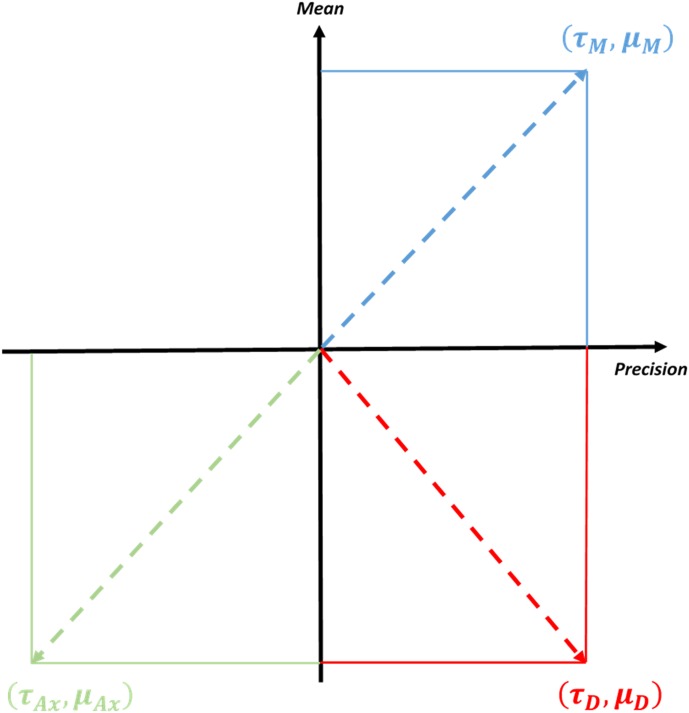
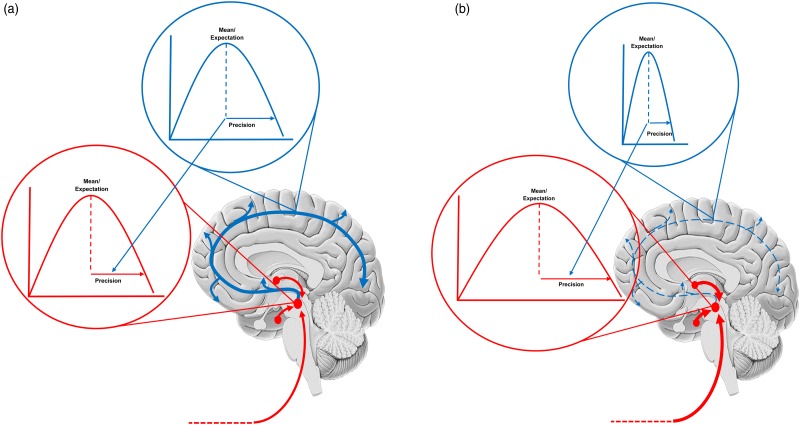
The neurobiological understanding of mood, and by extension mood disorders, remains elusive despite decades of research implicating several neuromodulator systems. This review considers a new approach based on existing theories of functional brain organisation. The free energy principle (a.k.a. active inference), and its instantiation in the Bayesian brain, offers a complete and simple formulation of mood. It has been proposed that emotions reflect the precision of - or certainty about - the predicted sensorimotor/interoceptive consequences of action. By extending this reasoning, in a hierarchical setting, we suggest mood states act as (hyper) priors over uncertainty (i.e. emotions). Here, we consider the same computational pathology in the proprioceptive and interoceptive (behavioural and autonomic) domain in order to furnish an explanation for mood disorders. This formulation reconciles several strands of research at multiple levels of enquiry.
Overview
The claims and statistics of this paper haven’t been checked yet.
Run the check — free, no account needed. It reads the open-access text and checks the sources it cites.
Integrity signals
Registry
Cites
Statistics
Figures
Verification
Claims the paper makes
The claims and statistics of this paper haven’t been checked yet.
Run the check — free, no account needed. It reads the open-access text and checks the sources it cites.
Claims other papers make about this one
Each is checked against this paper’s own text: does it say what the citing paper says it does?
The cited source says what the claim attributes to it.
In the citing paper
“High-level priors constraining more domain-general affective states such as mood (Clark et al. 2018) would also be relaxed under the REBUS model.”
From Consciousness in active inference: Deep self-models, other minds, and the challenge of psychedelic-induced ego-dissolution (2021) · cites this paper as Clark et al. 2018
Self-check
Percentages, sums and reported differences re-computed from the paper’s own numbers.
The self-check needs the paper’s full text.
Citations
Cites
Molecular Mechanisms of Depression: Perspectives on New Treatment Strategies
Lang, U. E., & Borgwardt, S. (2013) · Cellular Physiology and Biochemistry · doi:10.1159/000350094 · Cited by 8,525
The free-energy principle: a unified brain theory?
Friston, K. (2010) · Nature Reviews Neuroscience · doi:10.1038/nrn2787 · Cited by 8,120 · cited 2×
“However, modern accounts of brain function reject the classical notion of the brain as a passive organ in favour of theories of embodiment and self-organisation (Friston, 2010; Seth, 2013; Corlett & Fletcher, 2014).”
BackgroundHelplessness: On Depression, Development, and Death
Seligman, M. E. P. (1975) · CERN Document Server (European Organization for Nuclear Research) · Cited by 6,181
Epigenetic programming by maternal behavior
Weaver, I. C. G., Cervoni, N., Champagne, F. A., D'Alessio, A. C., Sharma, S., Seckl, J. R., Dymov, S., Szyf, M., & Meaney, M. J. (2004) · Nature Neuroscience · doi:10.1038/nn1276 · Cited by 6,177 · cited 2×
“However, they also showed that methylation rates rapidly declined in rodents who were maternally groomed and nurtured while rates remained elevated in neglected pups (Weaver et al. 2004).”
BackgroundResultStress, adaptation, and disease. Allostasis and allostatic load
McEWEN, B. S. (1998) · Annals of the New York Academy of Sciences · doi:10.1111/j.1749-6632.1998.tb09546.x · Cited by 5,092 · cited 1×
“This hierarchical minimisation of prediction errors allows allostatic control over homoeostatic reflexes (Sterling & Eyer, 1988; McEwen, 1998; Ramsay & Woods, 2014).”
BackgroundA Meta-Analysis of Cytokines in Major Depression
Dowlati, Y., Herrmann, N., Swardfager, W., Liu, H., Sham, L., Reim, E. K., & Lanctôt, K. L. (2010) · Biological Psychiatry · doi:10.1016/j.biopsych.2009.09.033 · Cited by 4,729 · cited 1×
“Mood disorders are heterogeneous and complex and depend upon the interplay of several neuromodulator systems and genetic and epigenetic factors (Hirschfeld, 2000; Holsboer, 2000; Nestler & Carlezon, 2006; Nutt et al. 2007; Dowlati et al. 2010; Möhler, 2012).”
BackgroundFriston, K. J., Harrison, L., & Penny, W. (2003) · NeuroImage · doi:10.1016/s1053-8119(03)00202-7 · Cited by 4,583
Requirement of hippocampal neurogenesis for the behavioral effects of antidepressants
Santarelli, L., Saxe, M., Gross, C., Surget, A., Battaglia, F., Dulawa, S., Weisstaub, N., Lee, J., Duman, R., Arancio, O., et al. (2003) · Science · doi:10.1126/science.1083328 · Cited by 4,321 · cited 1×
“Similarly, it has been argued that pharmacotherapy may work via its effects on neurogenesis and synaptic plasticity (Santarelli et al. 2003; Anacker et al. 2011; Castrén & Hen, 2013) and that stressors may leave an indelible scar on key neurobiological systems that disrupts their structure and/or…”
BackgroundHeim, C., & Nemeroff, C. B. (2001) · Biological Psychiatry · doi:10.1016/s0006-3223(01)01157-x · Cited by 2,791 · cited 1×
“In this regard, active inference may explain the established finding that childhood trauma poses a risk for various psychopathologies (Bernet & Stein, 1999; Heim & Nemeroff, 2001; Heim et al. 2008).”
BackgroundCanonical Microcircuits for Predictive Coding
Bastos, A. M., Usrey, W. M., Adams, R. A., Mangun, G. R., Fries, P., & Friston, K. J. (2012) · Neuron · doi:10.1016/j.neuron.2012.10.038 · Cited by 2,421 · cited 2×
“In current predictive coding formulations of the Bayesian brain, expectation and prediction error units are thought to occupy deep and superficial pyramidal layers of cortex, respectively (Friston & Kiebel, 2009; Bastos et al. 2012; Shipp et al. 2013); such that predictions generated, from expectations, at one level o…”
Background
Cited by
Sorted by citations
REBUS and the anarchic brain: Toward a unified model of the brain action of psychedelics
Carhart-Harris, R. L., & Friston, K. J. (2019) · Pharmacological Reviews · doi:10.1124/pr.118.017160 · Cited by 1,180
“We also propose that these pathologic beliefs are ascribed excessive precision, weight, or influence in many psychiatric disorders (Clark et al., 2018).”
BackgroundBeing a Beast Machine: The Somatic Basis of Selfhood
Seth, A. K., & Tsakiris, M. (2018) · Trends in Cognitive Sciences · doi:10.1016/j.tics.2018.08.008 · Cited by 371
“Clark and colleagues similarly emphasize precision, associating major depression with being certain about encountering uncertain environments, thereby precluding effective allostatic regulation [83].”
Emotion words, emotion concepts, and emotional development in children: A constructionist hypothesis
Hoemann, K., Xu, F., & Barrett, L. F. (2019) · Developmental Psychology · doi:10.1037/dev0000686 · Cited by 354
A step-by-step tutorial on active inference and its application to empirical data
Smith, R., Friston, K. J., & Whyte, C. J. (2022) · Journal of Mathematical Psychology · doi:10.1016/j.jmp.2021.102632 · Cited by 246
Deeply Felt Affect: The Emergence of Valence in Deep Active Inference
Hesp, C., Smith, R., Parr, T., Allen, M., Friston, K. J., & Ramstead, M. J. D. (2021) · Neural Computation · doi:10.1162/neco_a_01341 · Cited by 246
“In other contexts, it has been suggested that action model precision updates (what we have labeled AC ) could be used to inform selective attention (e.g., Clark et al., 2018; Palacios, Razi, Parr, Kirchhoff, & Friston, 2019).”
BackgroundSelf-citationDistorted Cognitive Processes in Major Depression: A Predictive Processing Perspective
Κube, T., Schwarting, R. K. W., Rozenkrantz, L., Glombiewski, J. A., & Rief, W. (2019) · Biological Psychiatry · doi:10.1016/j.biopsych.2019.07.017 · Cited by 257
The power of predictions: An emerging paradigm for psychological research
Hutchinson, J. B., & Barrett, L. F. (2019) · Current Directions in Psychological Science · doi:10.1177/0963721419831992 · Cited by 216
Smith, R. S., Kuplicki, R., Feinstein, J. S., Forthman, K. L., Stewart, J. L., Paulus, M. P., Tulsa 1000 investigators, & Khalsa, S. S. (2020) · PLoS Computational Biology · doi:10.1371/journal.pcbi.1008484 · Cited by 202
Smith, R., Badcock, P., & Friston, K. J. (2021) · Psychiatry and Clinical Neurosciences · doi:10.1111/pcn.13138 · Cited by 174
“38 The central idea here is that neural systems not only maintain estimates in the con fi dence or precision of their prior beliefs about outcomes, but also estimates of con fi dence in their beliefs about that precision (i.e., the degree to which the unknowns are known).”
BackgroundBadcock, P. B., Friston, K. J., Ramstead, M. J. D., Ploeger, A., & Hohwy, J. (2019) · Cognitive Affective & Behavioral Neuroscience · doi:10.3758/s13415-019-00721-3 · Cited by 175
Animal affect and decision-making
Mendl, M., & Paul, E. S. (2020) · Neuroscience & Biobehavioral Reviews · doi:10.1016/j.neubiorev.2020.01.025 · Cited by 169
Perry, A., Roberts, G. M. P., Mitchell, P. B., & Breakspear, M. J. (2018) · Molecular Psychiatry · doi:10.1038/s41380-018-0267-2 · Cited by 152
Computational psychiatry: from synapses to sentience
Friston, K. J. (2022) · Molecular Psychiatry · doi:10.1038/s41380-022-01743-z · Cited by 168
“There are many interesting instances of this formulation; ranging from failures of sensory attenuation in autonomic and interoceptive inference, through depression and emotional processing [82, 140, 149, 174], to functional medical symptoms and dissociative phenomena [137, 164].”
BackgroundWhen Beliefs Face Reality: An Integrative Review of Belief Updating in Mental Health and Illness
Κube, T., & Rozenkrantz, L. (2020) · Perspectives on Psychological Science · doi:10.1177/1745691620931496 · Cited by 165
Above and beyond the concrete: The diverse representational substrates of the predictive brain
Gilead, M., Trope, Y., & Liberman, N. (2019) · Behavioral and Brain Sciences · doi:10.1017/s0140525x19002000 · Cited by 135
Smith, R. S., Parr, T., & Friston, K. J. (2019) · Frontiers in Psychology · doi:10.3389/fpsyg.2019.02844 · Cited by 133
“Based on previous work (Clark et al., 2018; Joffily & Coricelli, 2013), we would expect pleasant and unpleasant valence to correspond to unexpected increases (pleasant) and decreases (unpleasant) in expected free energy at a lower hierarchical level of processing, reflecting unexpected changes in precision over polici…”
Harrison, L., Kats, A., Williams, M. E., & Aziz‐Zadeh, L. (2019) · Frontiers in Psychology · doi:10.3389/fpsyg.2019.00103 · Cited by 129
Sandved-Smith, L., Hesp, C., Mattout, J., Friston, K. J., Antoine Lutz, A., & Ramstead, M. J. D. (2021) · Neuroscience of Consciousness · doi:10.1093/nc/niab018 · Cited by 133
Revisiting the Cognitive Model of Depression: The Role of Expectations
Rief, W., & Joormann, J. (2019) · Clinical Psychology in Europe · doi:10.32872/cpe.v1i1.32605 · Cited by 100
Rethinking post-traumatic stress disorder – A predictive processing perspective
Κube, T., Berg, M., Kleim, B., & Herzog, P. (2020) · Neuroscience & Biobehavioral Reviews · doi:10.1016/j.neubiorev.2020.04.014 · Cited by 107
Smith, R., Lane, R. D., Parr, T., & Friston, K. J. (2019) · Neuroscience & Biobehavioral Reviews · doi:10.1016/j.neubiorev.2019.09.002 · Cited by 89
Self-citationPlay in predictive minds: A cognitive theory of play.
Andersen, M. M., Kiverstein, J., Miller, M., & Roepstorff, A. (2023) · Psychological Review · doi:10.1037/rev0000369 · Cited by 122
Lawson, R. P., Bisby, J. A., Nord, C. L., Burgess, N., & Rees, G. E. (2020) · Current Biology · doi:10.1016/j.cub.2020.10.043 · Cited by 88
Smith, R. S., Kirlić, N., Stewart, J. L., Touthang, J., Kuplicki, R., Khalsa, S. S., Feinstein, J. S., Paulus, M. P., & Aupperle, R. L. (2021) · Journal of Psychiatry and Neuroscience · doi:10.1503/jpn.200032 · Cited by 86
Schiller, D., Yu, A. N. C., Alia‐Klein, N., Becker, S., Cromwell, H. C., Dolcos, F., Eslinger, P. J., Frewen, P., Kemp, A. H., Pace-Schott, E. F., et al. (2023) · Neuroscience & Biobehavioral Reviews · doi:10.1016/j.neubiorev.2023.105450 · Cited by 89
Ray, D., Bezmaternykh, D., Mel’nikov, M., Friston, K. J., & Das, M. (2021) · Proceedings of the National Academy of Sciences · doi:10.1073/pnas.2105730118 · Cited by 73
“(71) review the evidence for depression as a computational pathology in the proprioceptive and interoceptive (behavioral and autonomic) domain.”
Self-citationGut inference: A computational modelling approach
Smith, R. S., Mayeli, A., Taylor, S., Zoubi, O. A., Naegele, J., & Khalsa, S. S. (2021) · Biological Psychology · doi:10.1016/j.biopsycho.2021.108152 · Cited by 71
Biased belief updating in depression
Kube, T. (2023) · Clinical Psychology Review · doi:10.1016/j.cpr.2023.102298 · Cited by 61
Everything is connected: Inference and attractors in delusions
Adams, R. A., Vincent, P., Benrimoh, D. A., Friston, K. J., & Parr, T. (2021) · Schizophrenia Research · doi:10.1016/j.schres.2021.07.032 · Cited by 60
Arnaldo, I., Corcoran, A. W., Friston, K. J., & Ramstead, M. J. D. (2022) · Neuroscience & Biobehavioral Reviews · doi:10.1016/j.neubiorev.2022.104590 · Cited by 56
“On the other hand, sensory attenuation or reducing the precision of afferent information occurs when one is highly confident about the sensory consequences of one ’ s own action (Clark et al., 2018).”
InfluentialSelf-citationKiverstein, J. D., Miller, M., & Rietveld, E. (2020) · Neuroscience of Consciousness · doi:10.1093/nc/niaa003 · Cited by 60
Dynamics of amygdala connectivity in bipolar disorders: a longitudinal study across mood states
Rey, G., Bolton, T. A. W., Gaviria, J., Piguet, C., Preti, M. G., Favre, S., Aubry, J., Ville, D. V. D., & Vuilleumier, P. O. (2021) · Neuropsychopharmacology · doi:10.1038/s41386-021-01038-x · Cited by 55
Herzog, P., Κube, T., & Faßbinder, E. (2022) · Psychological Medicine · doi:10.1017/s0033291722002458 · Cited by 58
Transdiagnostic computations of uncertainty: towards a new lens on intolerance of uncertainty
Sandhu, T. R., Xiao, B., & Lawson, R. P. (2023) · Neuroscience & Biobehavioral Reviews · doi:10.1016/j.neubiorev.2023.105123 · Cited by 51
“One possibility is that uncertainty estimates reflect the “psychological backstory” of each participant: past experiences with uncertain environments (or risk factors) may lead to altered beliefs about uncertainty (Clark et al., 2018; Huys and Dayan, 2009).”
BackgroundA Step-by-Step Tutorial on Active Inference and its Application to Empirical DataPreprint
Smith, R. S., Friston, K. J., & Whyte, C. J. (2021) · doi:10.31234/osf.io/b4jm6 · Cited by 51
Smith, R. S., Steklis, H. D., Steklis, N. G., Weihs, K. L., & Lane, R. D. (2020) · Biological Psychology · doi:10.1016/j.biopsycho.2020.107925 · Cited by 47
Osteopathy and Mental Health: An Embodied, Predictive, and Interoceptive Framework
Bohlen, L., Shaw, R., Cerritelli, F., & Esteves, J. E. (2021) · Frontiers in Psychology · doi:10.3389/fpsyg.2021.767005 · Cited by 56
“As such, interoceptive prediction errors are used to infer emotional states (Allen, 2020), and emotional states reflect the interoceptive precision given to prior beliefs about the consequences of action, whereas mood states represent a hyperprior over emotional states (Clark et al., 2018).”
Harris, D., Wilkinson, S., & Ellmers, T. J. (2023) · Neuroscience & Biobehavioral Reviews · doi:10.1016/j.neubiorev.2023.105115 · Cited by 50
“In PP formulations, emotions are intimately tied to inferences about motor and physiological states (Barrett, 2017; Clark et al., 2018; Wilkinson et al., 2019).”
BackgroundIs depression a global brain disorder with topographic dynamic reorganization?
Northoff, G., & Hirjak, D. (2024) · Translational Psychiatry · doi:10.1038/s41398-024-02995-9 · Cited by 45
“Converging the predictive model with the topographic account, we suppose that the abnormally high synchronization of default-mode network regions with themselves and other regions of the brain exerts an abnormally strong top-down prediction on lower-order sensory and motor regions [112 – 114].”
BackgroundResultInfluentialToward the unity of pathological and exertional fatigue: A predictive processing model
Greenhouse‐Tucknott, A., Butterworth, J. B., Wrightson, J. G., Smeeton, N. J., Critchley, H., Dekerle, J., & Harrison, N. A. (2021) · Cognitive Affective & Behavioral Neuroscience · doi:10.3758/s13415-021-00958-x · Cited by 47
“1; Clark et al., 2018).”
Interoceptive technologies for psychiatric interventions: From diagnosis to clinical applications
Schoeller, F., Horowitz, A. H., Jain, A., Maes, P., Reggente, N., Christov-Moore, L., Pezzulo, G., Barca, L., Allen, M., Salomon, R., et al. (2024) · Neuroscience & Biobehavioral Reviews · doi:10.1016/j.neubiorev.2023.105478 · Cited by 42
“Within the conceptual framework of active inference, disorders of affect are understood as aberrant precision control, mediated by high-level representations of being in one emotional state or another (Clark et al., 2018; Friston, 2017; Parr et al., 2018b, 2018a).”
Self-citationAn Investigation of the Free Energy Principle for Emotion Recognition
Demekas, D., Parr, T., & Friston, K. J. (2020) · Frontiers in Computational Neuroscience · doi:10.3389/fncom.2020.00030 · Cited by 43
“…creates confident behavior and motivates action, whereas decreasing precision subverts action through uncertainty (Friston et al., 2012; Clark, 2013a; Hohwy, 2013; Seth and Friston, 2016; Badcock et al., 2017; Parr and Friston, 2017; Peters et al., 2017; Clark et al., 2018; Palmer et al., 2019).”
BackgroundDeane, G. (2021) · Neuroscience of Consciousness · doi:10.1093/nc/niab024 · Cited by 38
“High-level priors constraining more domain-general affective states such as mood (Clark et al. 2018) would also be relaxed under the REBUS model.”
BackgroundVilliger, D., & Trachsel, M. (2023) · Journal of Medical Ethics · doi:10.1136/jme-2022-108816 · Cited by 43
Alpha-to-beta- and gamma-band activity reflect predictive coding in affective visual processing
Strube, A., Rose, M., Fazeli, S., & Büchel, C. (2021) · Scientific Reports · doi:10.1038/s41598-021-02939-z · Cited by 39
“…might be of particular interest for mechanistic insights in depression, as it represents such an internal model with potentially (pathologically) variations in its statistical structure (Barrett et al., 2016; Chekroud, 2015; J. E. Clark et al., 2018; Kube et al., 2020; Smith et al., 2020).”
BackgroundA predictive coding framework for understanding major depression
Gilbert, J. R., Wusinich, C., & Zarate, C. A. (2022) · Frontiers in Human Neuroscience · doi:10.3389/fnhum.2022.787495 · Cited by 38
“Recent work has extended these ideas to cognitive phenomena related to interoception (Seth, 2013), including the shaping of emotions (Seth and Friston, 2016; Clark et al., 2018) and the development of depression (Barrett et al.”
BackgroundFrom filters to fillers: an active inference approach to body image distortion in the selfie era
Tremblay, S. C., Tremblay, S. E., & Poirier, P. (2020) · AI & Society · doi:10.1007/s00146-020-01015-w · Cited by 43
Tracking mood fluctuations with functional network patterns
Mirchi, N., Betzel, R. F., Bernhardt, B. C., Dagher, A., & Mišić, B. (2018) · Social Cognitive and Affective Neuroscience · doi:10.1093/scan/nsy107 · Cited by 39
“How proprioceptive and interoceptive signals are interpreted with respect to the external environment and in the context of emotional state remains an open question (Clark et al., 2018).”
BackgroundLearned uncertainty: The free energy principle in anxiety
McGovern, H. T., De Foe, A., Biddell, H., Leptourgos, P., Corlett, P., Bandara, K., & Hutchinson, B. T. (2022) · Frontiers in Psychology · doi:10.3389/fpsyg.2022.943785 · Cited by 33
“Broadly, these works interpret anxiety disorders as encoded uncertainty: agents encode and act upon beliefs that the world is unpredictable and uncertain, meaning that action policies cannot sufficiently minimize expected surprise or uncertainty (see Mathys et al., 2014; Clark et al., 2018; Smith et al., 2019a, 2021b;…”
BackgroundHow negative mood hinders belief updating in depression: results from two experimental studies
Κube, T., Kirchner, L., Gärtner, T., & Glombiewski, J. A. (2021) · Psychological Medicine · doi:10.1017/s0033291721002798 · Cited by 35
Putica, A., & Agathos, J. A. (2024) · Neuroscience & Biobehavioral Reviews · doi:10.1016/j.neubiorev.2024.105836 · Cited by 35
“Lucero et al. (2022) extended these insights by showing that the link between mood disorders and childhood trauma is mediated by fears of social evaluation, supporting Clark et al. (2018) ’ s hypothesis that mood disorders stem from the misinterpretation of bodily signals.”
BackgroundInfluentialOversampled and undersolved: Depressive rumination from an active inference perspective
Berg, M., Feldmann, M., Kirchner, L., & Κube, T. (2022) · Neuroscience & Biobehavioral Reviews · doi:10.1016/j.neubiorev.2022.104873 · Cited by 36
Young, H. A., Gaylor, C. M., de‐Kerckhove, D., Watkins, H., & Benton, D. (2019) · Proceedings of the Royal Society B Biological Sciences · doi:10.1098/rspb.2019.0244 · Cited by 33
Willinger, D., Häberling, I. S., Ilioska, I., Berger, G. E., Walitza, S., & Brem, S. (2024) · Frontiers in Psychiatry · doi:10.3389/fpsyt.2024.1386984 · Cited by 30
“This insensitivity to external cues, driven by skewed predictions and impaired network communication, likely contributes to the cognitive and emotional symptoms commonly observed in depression (24, 30).”
BackgroundDissolving the self:Active inference, psychedelics, and ego-dissolution
Deane, G. (2020) · Philosophy and the Mind Sciences · doi:10.33735/phimisci.2020.i · Cited by 37
Synthesising boredom: a predictive processing approach
Darling, T. (2023) · Synthese · doi:10.1007/s11229-023-04380-3 · Cited by 30
“…if emotions reflect short-term changes in precision, these emotions are modulated by mood, which track and average over the longer-term error-dynamics (Clark et al., 2018 ) – reflecting a kind of ‘overall faring’ of the predictive agent’s pursuit of error minimisation (Kiverstein et al., 2020 ).”
BackgroundInfluentialMinds and Brains, Sleep and Psychiatry
Hobson, J. A., Gott, J., & Friston, K. J. (2020) · Psychiatric Research and Clinical Practice · doi:10.1176/appi.prcp.20200023 · Cited by 27
Krupnik, V. (2021) · Frontiers in Psychology · doi:10.3389/fpsyg.2021.657738 · Cited by 27
“However, the possibility of overweighted iPEs in depression has also been noted (Clark et al., 2018), which contradiction will be addressed in the next section.”
BackgroundYANAGISAWA, H. (2021) · Frontiers in Computational Neuroscience · doi:10.3389/fncom.2021.698252 · Cited by 27
“The idea behind such a formulation is that emotional states reflect changes in the uncertainty about the somatic consequences of action (Wager et al., 2015; Seth and Friston, 2016; Clark et al., 2018).”
BackgroundWillinger, D., Karipidis, I. I., Beltrani, S., Pietro, S. V. D., Sladky, R., Walitza, S., Stämpfli, P., & Brem, S. (2019) · eNeuro · doi:10.1523/eneuro.0079-19.2019 · Cited by 29
“…et al., 2015a; Minkova et al., 2017) and adolescents (Monk et al., 2008; Perlman et al., 2012; Keshavan et al., 2014) and dysfunctional valencedependent coupling might underlie the attention and processing bias in mood disorders (Disner et al., 2011; Groenewold et al., 2013; Clark et al., 2018).”
BackgroundA social inference model of idealization and devaluation.
Story, G. W., Smith, R. S., Moutoussis, M., Berwian, I. M., Nolte, T., Bilek, E., Siegel, J. Z., & Dolan, R. J. (2023) · Psychological Review · doi:10.1037/rev0000430 · Cited by 32
“This suggestion accords with a recent perspective that mood itself can be treated as a prior that shapes the perception of reward (Clark et al., 2018).”
ResultStorm on predictive brain: A neurocomputational account of ketamine antidepressant effect
Bottemanne, H., Berkovitch, L., Gauld, C., Balcerac, A., Schmidt, L., Mouchabac, S., & Fossati, P. (2023) · Neuroscience & Biobehavioral Reviews · doi:10.1016/j.neubiorev.2023.105410 · Cited by 31
“These phenomena show the importance of the interrelation between interoception and exteroception for the valence (positive or negative value) of sensory signals (Bottemanne et al., 2022a; Hsueh et al., 2023; Clark et al., 2018), and highlight the role of interoception in emotional functioning.”
Trauma or Drama: A Predictive Processing Perspective on the Continuum of Stress
Krupnik, V. (2020) · Frontiers in Psychology · doi:10.3389/fpsyg.2020.01248 · Cited by 39
Induced illusory body ownership in borderline personality disorder
Neustadter, E. S., Fineberg, S. K., Leavitt, J., Carr, M. M., & Corlett, P. R. (2019) · Neuroscience of Consciousness · doi:10.1093/nc/niz017 · Cited by 25
“Computational perspectives on mood and emotion suggest that emotional states reflect the certainty (or precision) regarding the interoceptive consequences of action, such that negative emotion “contextualize events that induce expectations of unpredictability” ([45], p.”
BackgroundTesting predictive coding theories of autism spectrum disorder using models of active inference
Arthur, T., Vine, S., Buckingham, G., Brosnan, M., Wilson, M., & Harris, D. (2023) · PLoS Computational Biology · doi:10.1371/journal.pcbi.1011473 · Cited by 21
“Given that similar types of ‘hyperpriors’ have already been proposed as a critical element of mood disorders [80], further research into sensorimotor skills could examine the persistence of participants’ volatility beliefs (e.g., volatility of volatility) and/or the mechanisms that underpin…”
BackgroundEnhanced top-down sensorimotor processing in somatic anxiety
Bouziane, I., Das, M., Friston, K. J., Caballero‐Gaudes, C., & Ray, D. (2022) · Translational Psychiatry · doi:10.1038/s41398-022-02061-2 · Cited by 24
“This failure of attention and attenuation has been used to explain several conditions, including autism, schizophrenia, Parkinson’s disease and depression [71, 72, 73, 74, 75].”
MethodSarasso, P., Billeci, M., Ronga, I., Raffone, F., Martiadis, V., & Petta, G. D. (2024) · Psychopathology · doi:10.1159/000539714 · Cited by 25
“Recent research has elucidated the phenomena related to interoception, de fi ned as the sense of the body ’ s physiological condition [93], including the shaping of emotions [33, 94 – 96] and the development of depressive adaptive responses to social adversity [77, 78, 97 – 99].”
Transcutaneous Auricular Vagus Nerve Stimulation to Improve Emotional State
Ruiz, A. A. (2024) · Biomedicines · doi:10.3390/biomedicines12020407 · Cited by 24
“Thus, when predictions and reality resemble one another, certainty is generated; when they do not resemble one another, uncertainty is generated [7].”
BackgroundNiu, L., Luo, D., Chen, X., Wang, M., Zhou, W., Zhang, D., & Xiao, S. (2019) · Journal of the International AIDS Society · doi:10.1002/jia2.25332 · Cited by 22
“Depression and anxiety change over time and studies examining such conditions at a single time point will not represent their course and progression [11].”
BackgroundAberrant EEG signal variability at a specific temporal scale in major depressive disorder
Yun, S., & Jeong, B. (2021) · Clinical Neurophysiology · doi:10.1016/j.clinph.2021.05.011 · Cited by 23
Neville, V., Dayan, P., Gilchrist, I. D., Paul, E. S., & Mendl, M. (2021) · PLoS Computational Biology · doi:10.1371/journal.pcbi.1008555 · Cited by 20
“They might be associated with more positively-valenced affect [21, 22], but given that they are also indicative of greater uncertainty, they have also been associated with more negatively-valenced affect [23, 41, 42].”
BackgroundInstability and Uncertainty Are Critical for Psychotherapy: How the Therapeutic Alliance Opens Us Up
Connolly, P. M. (2022) · Frontiers in Psychology · doi:10.3389/fpsyg.2021.784295 · Cited by 21
What we think about when we think about predictive processing.
Corlett, P. R., Mohanty, A., & MacDonald, A. W. (2020) · Journal of Abnormal Psychology · doi:10.1037/abn0000632 · Cited by 34
Body as First Teacher: The Role of Rhythmic Visceral Dynamics in Early Cognitive Development
Corcoran, A. W., Perrykkad, K., Feuerriegel, D., & Robinson, J. (2023) · Perspectives on Psychological Science · doi:10.1177/17456916231185343 · Cited by 22
“…Quadt et al., 2018; R. Smith et al., 2020), including depression (Arnaldo et al., 2022; Badcock et al., 2017; Barrett et al., 2016; Seth & Friston, 2016; Stephan et al., 2016) and anxiety-related disorders (J. E. Clark et al., 2018; Gerrans & Murray, 2020; Linson et al., 2020; Peters et al., 2017).”
Yankouskaya, A., Denholm-Smith, T., Yi, D., Greenshaw, A. J., Cao, B., & Sui, J. (2022) · Frontiers in Systems Neuroscience · doi:10.3389/fnsys.2022.833625 · Cited by 24
Will psilocybin lose its magic in the clinical setting?
Hayes, C., Wahba, M., & Watson, S. (2022) · Therapeutic Advances in Psychopharmacology · doi:10.1177/20451253221090822 · Cited by 20
Tabas, A., & von Kriegstein, K. (2021) · Frontiers in Neural Circuits · doi:10.3389/fncir.2021.644743 · Cited by 22
“, 2015), and mood and eating disorders (Frank et al., 2016; Clark et al., 2018).”
BackgroundRamos-Grille, I., Weyant, J., Wormwood, J. B., Robles, M., Vallès, V., Camprodon, J. A., & Chanes, L. (2022) · Journal of Affective Disorders · doi:10.1016/j.jad.2022.05.030 · Cited by 19
“Recent perspectives suggest that disturbances in interoceptive and exteroceptive predictive processing may be related to depressive symptomatology (Barrett et al., 2016; Clark et al., 2018; Fabry, 2020; Kube et al., 2019, 2020; Paulus et al., 2019).”
BackgroundResultInfluentialHow Psychedelic-Assisted Treatment Works in the Bayesian Brain
Villiger, D. (2022) · Frontiers in Psychiatry · doi:10.3389/fpsyt.2022.812180 · Cited by 21
Sarasso, P., Francesetti, G., Roubal, J., Gecele, M., Ronga, I., Neppi-Mòdona, M., & Sacco, K. (2022) · Frontiers in Human Neuroscience · doi:10.3389/fnhum.2022.906188 · Cited by 21
Krupnik, V. (2024) · Frontiers in Neural Circuits · doi:10.3389/fncir.2024.1283372 · Cited by 19
“This idea has been aptly expressed by Clark et al. (2018, p. 2,278), “Major depression occurs when the brain is certain that it will encounter an uncertain environment, i.e., the world that is inherently volatile, capricious, unpredictable and uncontrollable.”
BackgroundActive Inference in Psychology and Psychiatry: Progress to Date?
Badcock, P. B., & Davey, C. G. (2024) · Entropy · doi:10.3390/e26100833 · Cited by 23
“…reflect a hyperprior , which encodes the expected long-term average of short-term (emotional) fluctuations in precision by determining the set-point of neuromodulatory mechanisms (e.g., dopaminergic and serotenergic systems) that govern the sensitivity of our responses to prediction errors [187].”
BackgroundMediterranean diet, interoception and mental health: Is it time to look beyond the ‘Gut-brain axis’?
Young, H. A., Freegard, G., & Benton, D. (2022) · Physiology & Behavior · doi:10.1016/j.physbeh.2022.113964 · Cited by 19
Trait anxiety is linked to increased usage of priors in a perceptual decision making task
Kraus, N., Niedeggen, M., & Hesselmann, G. (2020) · Cognition · doi:10.1016/j.cognition.2020.104474 · Cited by 16
A Computational Model of Hopelessness and Active-Escape Bias in Suicidality
Karvelis, P., & Diaconescu, A. O. (2022) · Computational Psychiatry · doi:10.5334/cpsy.80 · Cited by 21
Maladaptive Avoidance Learning in the Orbitofrontal Cortex in Adolescents With Major Depression
Willinger, D., Karipidis, I. I., Neuer, S., Emery, S., Rauch, C., Häberling, I. S., Berger, G. E., Walitza, S., & Brem, S. (2021) · Biological Psychiatry Cognitive Neuroscience and Neuroimaging · doi:10.1016/j.bpsc.2021.06.005 · Cited by 17
Free energy model of emotional valence in dual-process perceptions
YANAGISAWA, H., Wu, X., Ueda, K., & Kato, T. (2022) · Neural Networks · doi:10.1016/j.neunet.2022.10.027 · Cited by 19
“Such formulations assume that emotional states reflect changes in the uncertainty represented by free energy over time (Clark et al., 2018; Seth & Friston, 2016; Wager et al., 2015).”
BackgroundInteroceptive Technologies for Psychiatric Interventions: From Diagnosis to Clinical ApplicationsPreprint
Schoeller, F., Horowitz, A. H., Maes, P., Jain, A., Reggente, N., Christov‐Moore, L., Trousselard, M., Klein, A., Barca, L., Pezzulo, G., et al. (2022) · doi:10.31234/osf.io/sqr6z · Cited by 15
Anticipating and enacting worlds: moods, illness and psychobehavioral adaptation
Crippen, M. (2023) · Phenomenology and the Cognitive Sciences · doi:10.1007/s11097-023-09934-x · Cited by 15
“…by predictive processing advocates is that depressed individuals are burdened with top-down models that dysregulate bodily functioning, generating painful emotions and leading sufferers to attend more to negative than positive information (Barrett et al. 2016; Clark et al. 2018; Smith et al. 2021).”
The Human AffectomePreprint
Schiller, D., Yu, A. N. C., Alia‐Klein, N., Becker, S., Cromwell, H. C., Dolcos, F., Eslinger, P. J., Frewen, P., Kemp, A. H., Pace-Schott, E. F., et al. (2022) · PsyArXiv (OSF Preprints) · doi:10.31234/osf.io/9nu32 · Cited by 17
A Computational Neuroscience Perspective on the Change Process in Psychotherapy
Smith, R. P., Lane, R. D., Nadel, L., & Moutoussis, M. (2020) · Oxford University Press eBooks · doi:10.1093/oso/9780190881511.003.0015 · Cited by 13
Théories du complot et COVID-19 : comment naissent les croyances complotistes ?
Bottemanne, H. (2022) · L Encéphale · doi:10.1016/j.encep.2021.12.005 · Cited by 17
“Ce principe a été utilisé pour comprendre de nombreux phéomènes perceptuels, cognitifs, et affectifs, comme la perception isuelle binoculaire [68], la focalisation attentionnelle [69], la étacognition [70], les phénomènes hallucinatoires [71], la déterination de la valence émotionnelle [72] ou encore les variations de…”
Würtz, F., Κube, T., Woud, M. L., Margraf, J., & Blackwell, S. E. (2024) · Cognitive Therapy and Research · doi:10.1007/s10608-023-10454-w · Cited by 12
“Recent advances in depression theory formulation have adopted a predictive processing perspective, taking into account that people’s expectations are strongly intertwined with the perception of novel information (Barrett et al., 2016; Clark et al., 2018; Kube et al., 2020).”
A continuum hypothesis of psychotomimetic rapid antidepressants
Haarsma, J., Harmer, C. J., & Tamm, S. (2021) · Brain and Neuroscience Advances · doi:10.1177/23982128211007772 · Cited by 13
“Others have emphasised the importance of estimating uncertainty in predictive coding models, and that an inability to reduce uncertainty seems to be particularly related to anxiety and depressive symptoms, whereas reducing uncertainty is related to positive emotions (Clark et al., 2018).”
BackgroundBayesian Approach to Psychotherapy Integration: Strategic Modification of Priors
Krupnik, V. (2019) · Frontiers in Psychology · doi:10.3389/fpsyg.2019.00356 · Cited by 11
“In other work, mood has been conceptualized as a hyperprior that weights the salience of sensory input (Clark et al., 2018).”
BackgroundCzekalla, N., Schröder, A., Mayer, A. V., Stierand, J., Stolz, D. S., Κube, T., Korn, C. W., Wilhelm, I., Klein, J. P., Paulus, F. M., et al. (2024) · bioRxiv (Cold Spring Harbor Laboratory) · doi:10.1101/2024.05.09.593087 · Cited by 10
Erwartungsfokussierte psychotherapeutische Interventionen bei Depression: ein Behandlungsmanual
Wilhelm, M., Bleichhardt, G. M., Ewen, A.-C. I., & Rief, W. (2022) · Psychotherapeut · doi:10.1007/s00278-022-00590-1 · Cited by 10
“…als hoch eingeschätzt werden darf, hinterfragen aktuelle Metaanalysen die tatsächliche Effektivität von Psychotherapie bei Depression (Cuijpers et al. 2019) bzw. weisen mindestens darauf hin, dass viele Patientinnen und Patienten auf die verfügbaren Ansätze nicht ausreichend…”
Smith, R. S., Kirlić, N., Stewart, J. L., Touthang, J., Kuplicki, R., Khalsa, S. S., Paulus, M. P., T Investigators, & Aupperle, R. L. (2020) · PsyArXiv (OSF Preprints) · doi:10.31234/osf.io/t2dhn · Cited by 9
Modelling mood updating: a proof of principle study
Clark, J. E., & Watson, S. (2022) · The British Journal of Psychiatry · doi:10.1192/bjp.2022.175 · Cited by 10
“7 A more straightforward way of framing this is that mood determines the strength of beliefs about the likely consequences of action.”
BackgroundDöbler, N. A., & Carbon, C. (2023) · Integrative Psychological and Behavioral Science · doi:10.1007/s12124-023-09797-6 · Cited by 9
“From a neurophysiological perspective, this strategy may be understood as the modulation of hyper priors in the predictive model and the refinement of prior expectations to align with sensorimotor information, resulting in a fine-tuning of the overall processing (Clark, 2013; Clark et al., 2018).”
Method
Metadata
- Authors
- Clark, J. E., Watson, S., & Friston, K. J.
- Affiliations
- Newcastle University (GB)
- Cumbria Northumberland Tyne and Wear NHS Foundation Trust (GB)
- University College London (GB)
- Corresponding author
- Clark, James E
- Venue
- Psychological Medicine
- Publisher
- Cambridge University Press (CUP)
- Published
- 2018-02-26
- Volume
- 48
- Issue
- 14
- Pages
- 2277-2284
- ISSN
- 0033-2917 (ISSN-L)
- 1469-8978
- PMC
- PMC6340107
- OpenAlex
- W2789154098
- Cited by
- 204
- References
- 104
- Citations by year
- 2026: 21 · 2025: 28 · 2024: 21 · 2023: 36 · 2022: 34 · 2021: 21 · 2020: 23 · 2019: 17 · 2018: 3
- FWCI
- 2.14
- Type
- journal article
- Language
- en
- Open access
- hybrid
- doi.org
- Locations
- Psychological Medicine (publishedVersion, cc-by)
- Europe PMC (PubMed Central) (publishedVersion, cc-by)
- PubMed Central (publishedVersion, cc-by)
- PubMed (publishedVersion)
- UCL Discovery (University College London) (submittedVersion)
- Newcastle University ePrints (Newcastle Univesity) (cc-by)
- Funders
- Wellcome Trust (088130, 088130/Z/09/Z)
- National Institute for Health and Care Research
- Newcastle University
- Topics
- Life Sciences › Neuroscience › Cognitive Neuroscience › Embodied and Extended Cognition
- Life Sciences › Neuroscience › Cognitive Neuroscience › Neural and Behavioral Psychology Studies
- Social Sciences › Psychology › Experimental and Cognitive Psychology › Anxiety, Depression, Psychometrics, Treatment, Cognitive Processes
- Keywords
- mood, mood disorders, free energy principle, active inference, Bayesian brain, emotions, interoception, proprioception, uncertainty, hyperprior, computational psychiatry
- MeSH terms
- Affect, Brain, Humans, Models, Theoretical, Mood Disorders
About these checks
Registry, retraction, Cites and statistics results are computed, not judged, with one exception: a printed reference that no index lists is read once by a model before it counts as a citation error. Claims are extracted by a model and kept only when their quote appears verbatim in the text; each cited source is then checked, with a model’s help, for whether it says what the claim relies on. Those verdicts can be wrong — read the claim’s quote and the cited source before relying on one.
Statistics and arithmetic are recomputed, not judged.
Confidence bands are shown only for fields calibrated on our annotated test set. None is calibrated yet, so no band is shown.
What counts as a claim ›How we measure confidence ›How we check this ›
Are you an author, or do you see a problem with this page? Request a review
