

The DOI matches its Crossref record; 104 of the 104 references it cites were found in a registry or an index.
What is mood? A computational perspective
Open accessAbstract
The neurobiological understanding of mood, and by extension mood disorders, remains elusive despite decades of research implicating several neuromodulator systems. This review considers a new approach based on existing theories of functional brain organisation. The free energy principle (a.k.a. active inference), and its instantiation in the Bayesian brain, offers a complete and simple formulation of mood. It has been proposed that emotions reflect the precision of - or certainty about - the predicted sensorimotor/interoceptive consequences of action. By extending this reasoning, in a hierarchical setting, we suggest mood states act as (hyper) priors over uncertainty (i.e. emotions). Here, we consider the same computational pathology in the proprioceptive and interoceptive (behavioural and autonomic) domain in order to furnish an explanation for mood disorders. This formulation reconciles several strands of research at multiple levels of enquiry.
Overview
The claims and statistics of this paper haven’t been checked yet.
Run the check — free, no account needed. It reads the open-access text and checks the sources it cites.
Integrity signals
Registry
Cites
Statistics
Figures
Verification
Claims the paper makes
The claims and statistics of this paper haven’t been checked yet.
Run the check — free, no account needed. It reads the open-access text and checks the sources it cites.
Claims other papers make about this one
Each is checked against this paper’s own text: does it say what the citing paper says it does?
The cited source says what the claim attributes to it.
In the citing paper
“High-level priors constraining more domain-general affective states such as mood (Clark et al. 2018) would also be relaxed under the REBUS model.”
From Consciousness in active inference: Deep self-models, other minds, and the challenge of psychedelic-induced ego-dissolution (2021) · cites this paper as Clark et al. 2018
Self-check
Percentages, sums and reported differences re-computed from the paper’s own numbers.
The self-check needs the paper’s full text.
Citations
Cites
Molecular Mechanisms of Depression: Perspectives on New Treatment Strategies
Lang, U. E., & Borgwardt, S. (2013) · Cellular Physiology and Biochemistry · doi:10.1159/000350094 · Cited by 8,525
The free-energy principle: a unified brain theory?
Friston, K. (2010) · Nature Reviews Neuroscience · doi:10.1038/nrn2787 · Cited by 8,120 · cited 2×
“However, modern accounts of brain function reject the classical notion of the brain as a passive organ in favour of theories of embodiment and self-organisation (Friston, 2010; Seth, 2013; Corlett & Fletcher, 2014).”
BackgroundHelplessness: On Depression, Development, and Death
Seligman, M. E. P. (1975) · CERN Document Server (European Organization for Nuclear Research) · Cited by 6,181
Epigenetic programming by maternal behavior
Weaver, I. C. G., Cervoni, N., Champagne, F. A., D'Alessio, A. C., Sharma, S., Seckl, J. R., Dymov, S., Szyf, M., & Meaney, M. J. (2004) · Nature Neuroscience · doi:10.1038/nn1276 · Cited by 6,177 · cited 2×
“However, they also showed that methylation rates rapidly declined in rodents who were maternally groomed and nurtured while rates remained elevated in neglected pups (Weaver et al. 2004).”
BackgroundResultStress, adaptation, and disease. Allostasis and allostatic load
McEWEN, B. S. (1998) · Annals of the New York Academy of Sciences · doi:10.1111/j.1749-6632.1998.tb09546.x · Cited by 5,092 · cited 1×
“This hierarchical minimisation of prediction errors allows allostatic control over homoeostatic reflexes (Sterling & Eyer, 1988; McEwen, 1998; Ramsay & Woods, 2014).”
BackgroundA Meta-Analysis of Cytokines in Major Depression
Dowlati, Y., Herrmann, N., Swardfager, W., Liu, H., Sham, L., Reim, E. K., & Lanctôt, K. L. (2010) · Biological Psychiatry · doi:10.1016/j.biopsych.2009.09.033 · Cited by 4,729 · cited 1×
“Mood disorders are heterogeneous and complex and depend upon the interplay of several neuromodulator systems and genetic and epigenetic factors (Hirschfeld, 2000; Holsboer, 2000; Nestler & Carlezon, 2006; Nutt et al. 2007; Dowlati et al. 2010; Möhler, 2012).”
BackgroundFriston, K. J., Harrison, L., & Penny, W. (2003) · NeuroImage · doi:10.1016/s1053-8119(03)00202-7 · Cited by 4,583
Requirement of hippocampal neurogenesis for the behavioral effects of antidepressants
Santarelli, L., Saxe, M., Gross, C., Surget, A., Battaglia, F., Dulawa, S., Weisstaub, N., Lee, J., Duman, R., Arancio, O., et al. (2003) · Science · doi:10.1126/science.1083328 · Cited by 4,321 · cited 1×
“Similarly, it has been argued that pharmacotherapy may work via its effects on neurogenesis and synaptic plasticity (Santarelli et al. 2003; Anacker et al. 2011; Castrén & Hen, 2013) and that stressors may leave an indelible scar on key neurobiological systems that disrupts their structure and/or…”
BackgroundHeim, C., & Nemeroff, C. B. (2001) · Biological Psychiatry · doi:10.1016/s0006-3223(01)01157-x · Cited by 2,791 · cited 1×
“In this regard, active inference may explain the established finding that childhood trauma poses a risk for various psychopathologies (Bernet & Stein, 1999; Heim & Nemeroff, 2001; Heim et al. 2008).”
BackgroundCanonical Microcircuits for Predictive Coding
Bastos, A. M., Usrey, W. M., Adams, R. A., Mangun, G. R., Fries, P., & Friston, K. J. (2012) · Neuron · doi:10.1016/j.neuron.2012.10.038 · Cited by 2,421 · cited 2×
“In current predictive coding formulations of the Bayesian brain, expectation and prediction error units are thought to occupy deep and superficial pyramidal layers of cortex, respectively (Friston & Kiebel, 2009; Bastos et al. 2012; Shipp et al. 2013); such that predictions generated, from expectations, at one level o…”
BackgroundThe Corticosteroid Receptor Hypothesis of Depression
Holsboer, F. (2000) · Neuropsychopharmacology · doi:10.1016/s0893-133x(00)00159-7 · Cited by 2,181 · cited 1×
“Mood disorders are heterogeneous and complex and depend upon the interplay of several neuromodulator systems and genetic and epigenetic factors (Hirschfeld, 2000; Holsboer, 2000; Nestler & Carlezon, 2006; Nutt et al. 2007; Dowlati et al. 2010; Möhler, 2012).”
BackgroundThe mesolimbic dopamine reward circuit in depression
Nestler, E. J., & Carlezon, W. A. (2006) · Biological Psychiatry · doi:10.1016/j.biopsych.2005.09.018 · Cited by 2,059
Allostasis and Allostatic Load Implications for Neuropsychopharmacology
McEwen, B. (2000) · Neuropsychopharmacology · doi:10.1016/s0893-133x(99)00129-3 · Cited by 1,833 · cited 1×
“Although speculative, this provides a potential framework that can be modelled in terms of active inference and is entirely consistent with theories based upon allostasis (McEwen, 2000; Radley et al. 2011; Braithwaite et al. 2015).”
ResultThe free-energy principle: a rough guide to the brain?
Friston, K. (2009) · Trends in Cognitive Sciences · doi:10.1016/j.tics.2009.04.005 · Cited by 1,831 · cited 2×
“surprise is minimised and uncertainty resolved (Friston, 2009).”
BackgroundInteroceptive inference, emotion, and the embodied self
Seth, A. K. (2013) · Trends in Cognitive Sciences · doi:10.1016/j.tics.2013.09.007 · Cited by 1,816 · cited 2×
“We argue that progress may be facilitated by an appreciation of the dynamic and selforganising nature of neurobiological systems (Seth, 2013; Fotopoulou, 2015; Clark et al. 2016).”
BackgroundInteroceptive predictions in the brain
Barrett, L. F., & Simmons, W. K. (2015) · Nature Reviews Neuroscience · doi:10.1038/nrn3950 · Cited by 1,766 · cited 1×
“In this way, a self-regulating embodied loop of circular causality is constructed in which the brain constructs the external environment (and internal milieu) it expects to encounter, which in turn rein-forces its predictions (Seth, 2014; Barrett & Simmons, 2015).”
BackgroundBerridge, K. C., & Kringelbach, M. L. (2015) · Neuron · doi:10.1016/j.neuron.2015.02.018 · Cited by 1,730
The link between childhood trauma and depression: insights from HPA axis studies in humans
Heim, C., Newport, D. J., Mletzko, T., Miller, A. H., & Nemeroff, C. B. (2008) · Psychoneuroendocrinology · doi:10.1016/j.psyneuen.2008.03.008 · Cited by 1,704 · cited 1×
“In this regard, active inference may explain the established finding that childhood trauma poses a risk for various psychopathologies (Bernet & Stein, 1999; Heim & Nemeroff, 2001; Heim et al. 2008).”
BackgroundHippocampal volume and depression: a meta-analysis of MRI studies
Videbech, P., & Ravnkilde, B. (2004) · American Journal of Psychiatry · doi:10.1176/appi.ajp.161.11.1957 · Cited by 1,590 · cited 1×
“…hypotheses propose that the neurobiological underpinnings of a variety of disorders arise from structural or functional abnormalities in the brain consequent on a combination of environmental stress and genetic vulnerabilities (Videbech & Ravnkilde, 2004; Ota & Duman, 2013; Duman, 2014).”
BackgroundPredictive coding under the free-energy principle
Friston, K., & Kiebel, S. (2009) · Philosophical Transactions of the Royal Society B: Biological Sciences · doi:10.1098/rstb.2008.0300 · Cited by 1,579 · cited 2×
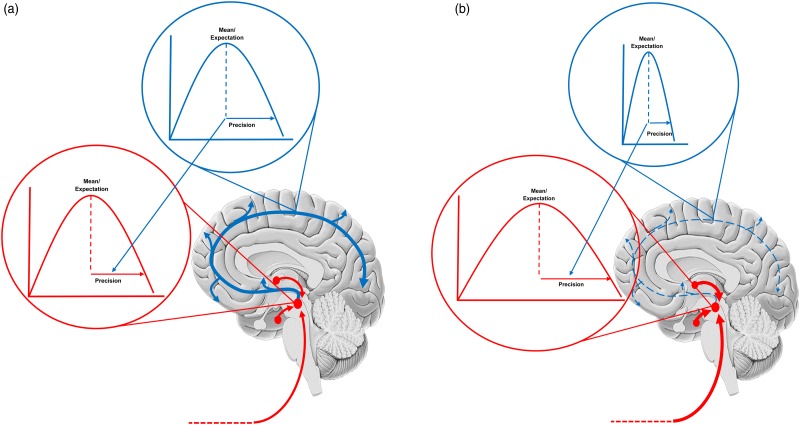
“It is thought that expectations (and subsequent predictions) are encoded by synaptic activity, while precision, or uncertainty, is encoded by the extent to which this activity is attenuated or amplified (Friston & Kiebel, 2009), e.g. through careful synaptic efficacy or gain control.”
BackgroundAllostasis: A New Paradigm to Explain Arousal Pathology
Sterling, P., & Eyer, J. (1988) · Zenodo · doi:10.5281/zenodo.13537700 · Cited by 1,450
Handbook of Life Stress, Cognition and Health
PASTOR, L. H. (1989) · American Journal of Psychiatry · doi:10.1176/ajp.146.10.1347 · Cited by 1,402
A free energy principle for the brain
Friston, K., Kilner, J., & Harrison, L. (2006) · Journal of Physiology-Paris · doi:10.1016/j.jphysparis.2006.10.001 · Cited by 1,369 · cited 2×
“First, expectations can be updated (by changing neuronal activity) so that predictions provide a better explanation for sensory inputs (Friston et al. 2006).”
BackgroundAmygdala, medial prefrontal cortex, and hippocampal function in PTSD
SHIN, L. M., RAUCH, S. L., & PITMAN, R. K. (2006) · Annals of the New York Academy of Sciences · doi:10.1196/annals.1364.007 · Cited by 1,203 · cited 2×
“Indeed it has been shown that patients with post-traumatic stress disorder (PTSD) have heightened HPA axis drive originating at the amygdala (Shin et al. 2006) and PVN (Kasckow et al.”
BackgroundHeim, C., & Binder, E. B. (2012) · Experimental Neurology · doi:10.1016/j.expneurol.2011.10.032 · Cited by 986 · cited 1×
“Our ideas also explain why epigenetic variability tends to occur at critical periods of development (Heim & Binder, 2012).”
BackgroundActive interoceptive inference and the emotional brain
Seth, A. K., & Friston, K. J. (2016) · Philosophical Transactions of the Royal Society B: Biological Sciences · doi:10.1098/rstb.2016.0007 · Cited by 945 · cited 1×
“Recent theoretical arguments have converged on the idea that emotional states reflect changes in the uncertainty about the somatic consequences of action (Joffily & Coricelli, 2013; Wager et al. 2015; Seth & Friston, 2016).”
BackgroundThe science of resilience: implications for the prevention and treatment of depression
Southwick, S. M., & Charney, D. S. (2012) · Science · doi:10.1126/science.1222942 · Cited by 875 · cited 1×
“This means predictable environmental outcomes elsewhere can act as a buffer against the detrimental effects of trauma (Southwick & Charney, 2012).”
BackgroundMontague, P. R., Dolan, R. J., Friston, K. J., & Dayan, P. (2012) · Trends in Cognitive Sciences · doi:10.1016/j.tics.2011.11.018 · Cited by 809
Anterior insular cortex and emotional awareness
Gu, X., Hof, P. R., Friston, K. J., & Fan, J. (2013) · Journal of Comparative Neurology · doi:10.1002/cne.23368 · Cited by 712 · cited 1×
“In this setting, negative emotions contextualise events that induce expectations of unpredictability, while positive emotions refer to events that resolve uncertainty and confer a feeling of control (Barrett & Satpute, 2013; Gu et al. 2013).”
BackgroundBarrett, L. F., & Satpute, A. B. (2013) · Current Opinion in Neurobiology · doi:10.1016/j.conb.2012.12.012 · Cited by 695
(2000) · PubMed · Cited by 685
Raadsheer, F. C., Hoogendijk, W. J. G., Stam, F. C., Tilders, F. J. H., & Swaab, D. F. (2008) · Neuroendocrinology · doi:10.1159/000126778 · Cited by 667 · cited 2×
“In depression there is increased paraventricular nucleus (PVN) drive and CRH production (Raadsheer et al. 1994; Gao et al. 2013) and resistance to glucocorticoid receptor (GR) mediated negative feed-back (Holsboer et al. 1982; Sher et al. 2013).”
BackgroundAction understanding and active inference
Friston, K., Mattout, J., & Kilner, J. (2011) · Biological Cybernetics · doi:10.1007/s00422-011-0424-z · Cited by 665 · cited 2×
“The active minimisation of free energy is known as active inference , which means the brain can selectively sample from data that concur with its current expectations (Friston et al. 2011; Pezzulo, 2012).”
BackgroundSelf-citationCortisol and post-traumatic stress disorder in adults: Systematic review and meta-analysis
Meewisse, M.-L., Reitsma, J. B., De Vries, G.-J., Gersons, B. P. R., & Olff, M. (2007) · British Journal of Psychiatry · doi:10.1192/bjp.bp.106.024877 · Cited by 661 · cited 1×
“This explains the finding of lower cortisol levels in certain testing conditions only (Meewisse et al. 2007).”
BackgroundUncertainty and stress: Why it causes diseases and how it is mastered by the brain
Peters, A., McEwen, B. S., & Friston, K. (2017) · Progress in Neurobiology · doi:10.1016/j.pneurobio.2017.05.004 · Cited by 652 · cited 1×
“This means that allostatic control is precluded – and is replaced by low-level homoeostatic responses (Barrett et al. 2016; Stephan et al. 2016; Peters et al. 2017).”
BackgroundSelf-citationActive Inference, homeostatic regulation and adaptive behavioural control
Pezzulo, G., Rigoli, F., & Friston, K. (2015) · Progress in Neurobiology · doi:10.1016/j.pneurobio.2015.09.001 · Cited by 650 · cited 2×
“…pre-empt the need for homoeostasis [e.g. in a hypogly-caemic state, by attenuating the precision of prediction errors reporting hypoglycaemia, we can suspend the reflex mobilisation of glucose and act on the world (by eating) to fulfil and maintain higher level predictions] (Pezzulo et al. 2015).”
BackgroundAn aberrant precision account of autism
Lawson, R. P., Rees, G., & Friston, K. J. (2014) · Frontiers in Human Neuroscience · doi:10.3389/fnhum.2014.00302 · Cited by 641
The GABA system in anxiety and depression and its therapeutic potential
Möhler, H. (2011) · Neuropharmacology · doi:10.1016/j.neuropharm.2011.08.040 · Cited by 627 · cited 1×
“Mood disorders are heterogeneous and complex and depend upon the interplay of several neuromodulator systems and genetic and epigenetic factors (Hirschfeld, 2000; Holsboer, 2000; Nestler & Carlezon, 2006; Nutt et al. 2007; Dowlati et al. 2010; Möhler, 2012).”
BackgroundHohwy, J. (2016) · Noûs · doi:10.1111/nous.12062 · Cited by 578 · cited 2×
“As precision enforces prediction-fulfilling action, maladaptive behaviours may therefore be conceptualised as an aberrant action-perception cycle that is self-reinforcing – or self-evidencing (Hohwy, 2016).”
BackgroundReward and Punishment Processing in Depression
Eshel, N., & Roiser, J. P. (2010) · Biological Psychiatry · doi:10.1016/j.biopsych.2010.01.027 · Cited by 575 · cited 1×
“Conversely, depressed patients show a reward hyposensitivity in line with overly precise prior prediction of a negative outcome and subsequent aversion to positive bottom-up (interoceptive) signals (Eshel & Roiser, 2010).”
BackgroundCarpenter, L. L., Carvalho, J. P., Tyrka, A. R., Wier, L. M., Mello, A. F., Mello, M. F., Anderson, G. M., Wilkinson, C. W., & Price, L. H. (2007) · Biological Psychiatry · doi:10.1016/j.biopsych.2007.05.002 · Cited by 564 · cited 1×
“This has clear and important ramifications for preventive strategies – and may also explain why traumatic experiences are not invariably associated with the onset of psychopathology despite biologic effects (Carpenter et al. 2007).”
BackgroundAn active inference theory of allostasis and interoception in depression
Barrett, L. F., Quigley, K. S., & Hamilton, P. (2016) · Philosophical Transactions of the Royal Society B: Biological Sciences · doi:10.1098/rstb.2016.0011 · Cited by 554 · cited 1×
“This means that allostatic control is precluded – and is replaced by low-level homoeostatic responses (Barrett et al. 2016; Stephan et al. 2016; Peters et al. 2017).”
BackgroundHarmer, C. J., Goodwin, G. M., & Cowen, P. J. (2009) · British Journal of Psychiatry · doi:10.1192/bjp.bp.108.051193 · Cited by 542 · cited 2×
“have thus proposed that a negative emotional bias is a core feature of depression and is the psychological target of antidepressant medication (Harmer et al. 2009; Harmer & Cowen, 2013) and correspondingly that modulating attentional bias can provide therapeutic benefit (Browning et al.”
Background(1993) · American Journal of Psychiatry · doi:10.1176/ajp.150.1.83 · Cited by 517 · cited 2×
“2001) and decreased inhibitory input from the hippocampus (Smith, 2005), although they show increased sensitivity to dexamethasone suppression test (Yehuda et al. 1993).”
BackgroundMorimoto, M., Morita, N., Ozawa, H., Yokoyama, K., & Kawata, M. (1996) · Neuroscience Research · doi:10.1016/s0168-0102(96)01105-4 · Cited by 475 · cited 2×
“Crucially, GRs are found in the hippocampus and amygdala (Morimoto et al. 1996); regions that send descending predictions to the paraventricular nucleus (Herman et al. 2002).”
BackgroundAllostatic Self-efficacy: A Metacognitive Theory of Dyshomeostasis-Induced Fatigue and Depression
Stephan, K. E., Manjaly, Z. M., Mathys, C. D., Weber, L. A. E., Paliwal, S., Gard, T., Tittgemeyer, M., Fleming, S. M., Haker, H., Seth, A. K., et al. (2016) · Frontiers in Human Neuroscience · doi:10.3389/fnhum.2016.00550 · Cited by 437 · cited 1×
“This means that allostatic control is precluded – and is replaced by low-level homoeostatic responses (Barrett et al. 2016; Stephan et al. 2016; Peters et al. 2017).”
BackgroundAntidepressants increase human hippocampal neurogenesis by activating the glucocorticoid receptor
Anacker, C., Zunszain, P. A., Cattaneo, A., Carvalho, L. A., Garabedian, M. J., Thuret, S., Price, J., & Pariante, C. M. (2011) · Molecular Psychiatry · doi:10.1038/mp.2011.26 · Cited by 435 · cited 2×
“Similarly, it has been argued that pharmacotherapy may work via its effects on neurogenesis and synaptic plasticity (Santarelli et al. 2003; Anacker et al. 2011; Castrén & Hen, 2013) and that stressors may leave an indelible scar on key neurobiological systems that disrupts their structure and/or function.”
BackgroundSmith, M. E. (2005) · Hippocampus · doi:10.1002/hipo.20102 · Cited by 395 · cited 2×
“2001) and decreased inhibitory input from the hippocampus (Smith, 2005), although they show increased sensitivity to dexamethasone suppression test (Yehuda et al.”
BackgroundNutt, D., Demyttenaere, K., Janka, Z., Aarre, T., Bourin, M., Canonico, P. L., Carrasco, J. L., & Stahl, S. (2007) · Journal of Psychopharmacology · doi:10.1177/0269881106069938 · Cited by 366 · cited 1×
“Mood disorders are heterogeneous and complex and depend upon the interplay of several neuromodulator systems and genetic and epigenetic factors (Hirschfeld, 2000; Holsboer, 2000; Nestler & Carlezon, 2006; Nutt et al. 2007; Dowlati et al. 2010; Möhler, 2012).”
BackgroundClarifying the roles of homeostasis and allostasis in physiological regulation.
Ramsay, D. S., & Woods, S. C. (2014) · Psychological Review · doi:10.1037/a0035942 · Cited by 365 · cited 1×
“This hierarchical minimisation of prediction errors allows allostatic control over homoeostatic reflexes (Sterling & Eyer, 1988; McEwen, 1998; Ramsay & Woods, 2014).”
BackgroundKnowing how much you don't know: a neural organization of uncertainty estimates
Bach, D. R., & Dolan, R. J. (2012) · Nature Reviews Neuroscience · doi:10.1038/nrn3289 · Cited by 339 · cited 1×
“This has interesting parallels with theories of optimal con-trol and reinforcement learning in which a link between action (e.g. pushing a button) and outcome (e.g. losing money) reinforce avoidance behaviour – a phenomenon which is absent or impaired in mania (see below) (Bach & Dolan, 2012).”
MethodWang, X., & Krystal, J. H. (2014) · Neuron · doi:10.1016/j.neuron.2014.10.018 · Cited by 326
Emotional Valence and the Free-Energy Principle
Joffily, M., & Coricelli, G. (2013) · PLoS Computational Biology · doi:10.1371/journal.pcbi.1003094 · Cited by 322 · cited 1×
“Recent theoretical arguments have converged on the idea that emotional states reflect changes in the uncertainty about the somatic consequences of action (Joffily & Coricelli, 2013; Wager et al. 2015; Seth & Friston, 2016).”
BackgroundHart, A. S., Rutledge, R. B., Glimcher, P. W., & Phillips, P. E. M. (2014) · Journal of Neuroscience · doi:10.1523/jneurosci.2489-13.2014 · Cited by 306
Almeida, J. R. C. D., Versace, A., Mechelli, A., Hassel, S., Quevedo, K., Kupfer, D. J., & Phillips, M. L. (2009) · Biological Psychiatry · doi:10.1016/j.biopsych.2009.03.024 · Cited by 305 · cited 1×
“…in two studies, showing reduced top-down dorsolateral prefrontal modulation of amygdala response to negative images in bipolar depression (Radaelli et al. 2015) with a converse pattern of increased orbitomedial – amygdala connectivity when viewing positive faces (de Almeida et al. 2009).”
BackgroundRepeated dexamethasone suppression test during depressive illness
Holsboer, F., Liebl, R., & Hofschuster, E. (1982) · Journal of Affective Disorders · doi:10.1016/0165-0327(82)90039-8 · Cited by 301 · cited 2×
“2013) and resistance to glucocorticoid receptor (GR) mediated negative feedback (Holsboer et al. 1982; Sher et al. 2013).”
BackgroundMaternal prenatal depressive symptoms predict infant NR3C1 1F and BDNF IV DNA methylation
Braithwaite, E., Kundakovic, M., Ramchandani, P., Murphy, S., & Champagne, F. (2015) · Epigenetics · doi:10.1080/15592294.2015.1039221 · Cited by 299 · cited 1×
“Although speculative, this provides a potential framework that can be modelled in terms of active inference and is entirely consistent with theories based upon allostasis (McEwen, 2000; Radley et al. 2011; Braithwaite et al. 2015).”
ResultDuque, A., & Vázquez, C. (2014) · Journal of Behavior Therapy and Experimental Psychiatry · doi:10.1016/j.jbtep.2014.09.005 · Cited by 288 · cited 1×
“A more recent and promising psychological model of depression stems from the demonstration of attentional bias in patients towards negative facial expressions (Duque & Vázquez, 2015).”
BackgroundRelationship of childhood maltreatment to the onset and course of major depression in adulthood
Bernet, C. Z., & Stein, M. B. (1999) · Depression and Anxiety · doi:10.1002/(sici)1520-6394(1999)9:4 · Cited by 282
Local circuit regulation of paraventricular nucleus stress integration
Herman, J. P., Tasker, J. G., Ziegler, D. R., & Cullinan, W. E. (2002) · Pharmacology Biochemistry and Behavior · doi:10.1016/s0091-3057(01)00681-5 · Cited by 274 · cited 2×
“Crucially, GRs are found in the hippocampus and amygdala (Morimoto et al. 1996); regions that send descending predictions to the paraventricular nucleus (Herman et al. 2002).”
BackgroundA Bayesian Model of Category-Specific Emotional Brain Responses
Wager, T. D., Kang, J., Johnson, T. D., Nichols, T. E., Satpute, A. B., & Barrett, L. F. (2015) · PLOS Computational Biology · doi:10.1371/journal.pcbi.1004066 · Cited by 262 · cited 1×
“Recent theoretical arguments have converged on the idea that emotional states reflect changes in the uncertainty about the somatic consequences of action (Joffily & Coricelli, 2013; Wager et al. 2015; Seth & Friston, 2016).”
BackgroundTesting the Reward Prediction Error Hypothesis with an Axiomatic Model
Rutledge, R. B., Dean, M., Caplin, A., & Glimcher, P. W. (2010) · The Journal of Neuroscience · doi:10.1523/jneurosci.1747-10.2010 · Cited by 244 · cited 2×
“…shown that positive prediction errors (receiving more food than expected), show a strong positive correlation with dopaminergic change in the nucleus accumbens (Hart et al. 2014) with corresponding changes in functional brain activity in humans during a financial reward task (Rutledge et al. 2010).”
BackgroundNeuronal plasticity and antidepressant actions
Castrén, E., & Hen, R. (2013) · Trends in Neurosciences · doi:10.1016/j.tins.2012.12.010 · Cited by 243 · cited 1×
“…it has been argued that pharmacotherapy may work via its effects on neurogenesis and synaptic plasticity (Santarelli et al. 2003; Anacker et al. 2011; Castrén & Hen, 2013) and that stressors may leave an indelible scar on key neurobiological systems that disrupts their structure and/or function.”
BackgroundReflections on agranular architecture: predictive coding in the motor cortex
Shipp, S., Adams, R. A., & Friston, K. J. (2013) · Trends in Neurosciences · doi:10.1016/j.tins.2013.09.004 · Cited by 239 · cited 2×
“…error units are thought to occupy deep and superficial pyramidal layers of cortex, respectively (Friston & Kiebel, 2009; Bastos et al. 2012; Shipp et al. 2013); such that predictions generated, from expectations, at one level of the cortical hierarchy descend to form prediction errors in…”
BackgroundDuman, R. S. (2014) · Depression and Anxiety · doi:10.1002/da.22227 · Cited by 213 · cited 1×
“…hypotheses propose that the neurobiological underpinnings of a variety of disorders arise from structural or functional abnormalities in the brain consequent on a combination of environmental stress and genetic vulnerabilities (Videbech & Ravnkilde, 2004; Ota & Duman, 2013; Duman, 2014).”
BackgroundCorticotropin-releasing hormone in depression and post-traumatic stress disorder
Kasckow, J. W., Baker, D. G., & Geracioti, T. D. (2001) · Peptides · doi:10.1016/s0196-9781(01)00399-0 · Cited by 203 · cited 5×
“Indeed it has been shown that patients with post-traumatic stress disorder (PTSD) have heightened HPA axis drive originating at the amygdala (Shin et al. 2006) and PVN (Kasckow et al. 2001) and decreased inhibitory input from the hippocampus (Smith, 2005), although they show increased sensitivity to dexamethasone supp…”
BackgroundInfluentialUsing Attentional Bias Modification as a Cognitive Vaccine Against Depression
Browning, M., Holmes, E. A., Charles, M., Cowen, P. J., & Harmer, C. J. (2012) · Biological Psychiatry · doi:10.1016/j.biopsych.2012.04.014 · Cited by 197 · cited 2×
“2009; Harmer & Cowen, 2013) and correspondingly that modulating attentional bias can provide therapeutic benefit (Browning et al. 2012).”
BackgroundHarmer, C. J., & Cowen, P. J. (2013) · Philosophical Transactions of the Royal Society B Biological Sciences · doi:10.1098/rstb.2012.0407 · Cited by 197 · cited 1×
“…al. have thus proposed that a negative emotional bias is a core feature of depression and is the psychological target of antidepressant medication (Harmer et al. 2009; Harmer & Cowen, 2013) and correspondingly that modulating attentional bias can provide therapeutic benefit (Browning et al. 2012).”
BackgroundThe depressed brain: an evolutionary systems theory
Badcock, P. B., Davey, C. G., Whittle, S., Allen, N. B., & Friston, K. J. (2017) · Trends in Cognitive Sciences · doi:10.1016/j.tics.2017.01.005 · Cited by 190 · cited 1×
“A corollary of this is that patients with low mood (low prior precision) should show a hypersensitivity to interoceptive cues (high sensory precision) and a failure of sensory attenuation (Badcock et al. 2017) – of the sort associated with stress responses (please see below).”
BackgroundTowards a genuinely medical model for psychiatric nosology
Nesse, R. M., & Stein, D. J. (2012) · BMC Medicine · doi:10.1186/1741-7015-10-5 · Cited by 166
Schlösser, R. G. M., Wagner, G., Koch, K., Dahnke, R., Reichenbach, J. R., & Sauer, H. (2008) · NeuroImage · doi:10.1016/j.neuroimage.2008.08.002 · Cited by 154 · cited 2×
“…this regard (Friston et al. 2003) and could prove a fruitful tool for further investigation – specifically in examining the task-dependent coupling between hierarchical levels of neuromodula-tor control (Schlosser et al. 2008; Lu et al. 2012; Radaelli et al. 2015; Vai et al. 2015; Vai et al. 2016).”
BackgroundMethodRisk and risk prediction error signals in anterior insula
Bossaerts, P. L. (2010) · Brain Structure and Function · doi:10.1007/s00429-010-0253-1 · Cited by 152 · cited 1×
“Similarly, it has been shown that signal change in the anterior insula is significantly related to the magnitude of prediction error (Bossaerts, 2010).”
BackgroundSladky, R., Höflich, A., Küblböck, M., Kraus, C., Baldinger, P., Moser, E., Lanzenberger, R., & Windischberger, C. (2015) · Cerebral Cortex · doi:10.1093/cercor/bht279 · Cited by 152 · cited 1×
“…increased activation in orbitofrontal cortex and amygdala when viewing emotional faces (Sladky et al. 2012), but furthermore, in controls this network shows top-down modulation – which is reversed in patients – orbitofrontal cortex drives greater activation in amygdala (Sladky et al. 2015).”
BackgroundStress risk factors and stress-related pathology: Neuroplasticity, epigenetics and endophenotypes
Radley, J. J., Kabbaj, M., Jacobson, L., Heydendael, W., Yehuda, R., & Herman, J. P. (2011) · Stress · doi:10.3109/10253890.2011.604751 · Cited by 147 · cited 1×
“Although speculative, this provides a potential framework that can be modelled in terms of active inference and is entirely consistent with theories based upon allostasis (McEwen, 2000; Radley et al. 2011; Braithwaite et al. 2015).”
ResultLu, Q., Li, H., Luo, G., Wang, Y., Tang, H., Han, L., & Yao, Z. (2012) · Neuroscience Letters · doi:10.1016/j.neulet.2012.06.058 · Cited by 129 · cited 2×
“…this regard (Friston et al. 2003) and could prove a fruitful tool for further investigation – specifically in examining the task-dependent coupling between hierarchical levels of neuromodula-tor control (Schlosser et al. 2008; Lu et al. 2012; Radaelli et al. 2015; Vai et al. 2015; Vai et al. 2016).”
BackgroundMethodDissociable Effects of Serotonin and Dopamine on the Valuation of Harm in Moral Decision Making
Crockett, M. J., Siegel, J. Z., Kurth-Nelson, Z. L., Ousdal, O. T., Story, G. W., Frieband, C., Grosse-Rueskamp, J. M., Dayan, P., & Dolan, R. J. (2015) · Current Biology · doi:10.1016/j.cub.2015.05.021 · Cited by 124 · cited 2×
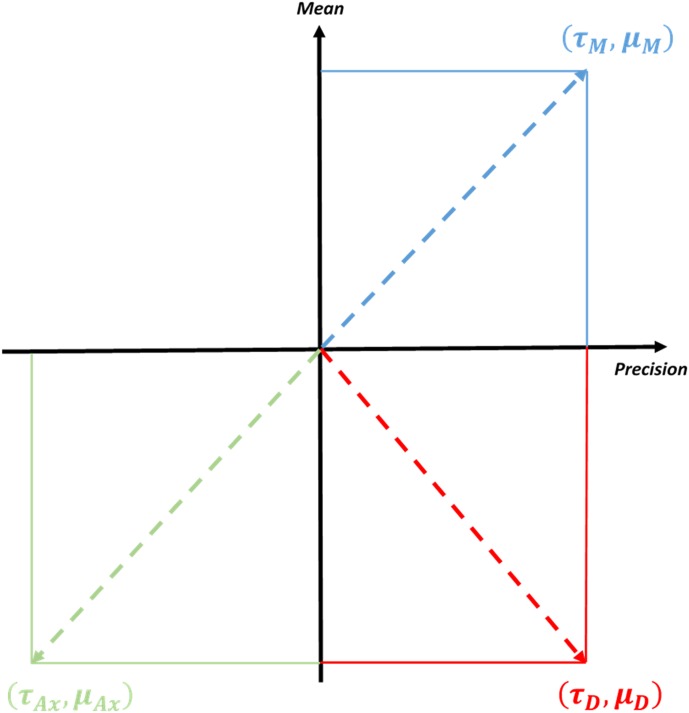
“D, depression; M, Mania; Ax, anxious depression. harm-aversion, while levodopa made individuals more likely to harm themselves than others (Crockett et al. 2015).”
BackgroundSullivan, T. P., Fehon, D. C., Andrés-Hyman, R. C., Lipschitz, D. S., & Grilo, C. M. (2006) · Journal of Traumatic Stress · doi:10.1002/jts.20092 · Cited by 122 · cited 1×
“This is perhaps best exemplified by the risk posed for PTSD by acute and extreme episodes of trauma (Sullivan et al. 2006).”
BackgroundChildhood trauma in bipolar disorder
Watson, S., Gallagher, P., Dougall, D., Porter, R., Moncrieff, J., Ferrier, I. N., & Young, A. H. (2014) · Australian & New Zealand Journal of Psychiatry · doi:10.1177/0004867413516681 · Cited by 122 · cited 2×
“This accords with the findings from recent studies (Watson et al. 2014) though not others.”
ResultSelf-citationvan der Gucht, E., Morriss, R. K., Lancaster, G., Kinderman, P., & Bentall, R. P. (2009) · The British Journal of Psychiatry · doi:10.1192/bjp.bp.107.047894 · Cited by 113 · cited 1×
“This has been demonstrated using self-report measures of behavioural drive (Van der Gucht et al. 2009) and response time analyses to financial reward cues (Singh et al. 2013).”
MethodAre computational models of any use to psychiatry?
Huys, Q. J. M., Moutoussis, M., & Williams, J. H. (2011) · Neural Networks · doi:10.1016/j.neunet.2011.03.001 · Cited by 106 · cited 2×
“…trials (Chekroud, 2015) and represents a potentially important approach; however, it may be possible to go one step further and replace the search for a biomarker with a computational signature (Nitsche et al. 2010; Huys et al. 2011; Barch et al. 2012; Montague et al. 2012; Wang & Krystal, 2014).”
BackgroundFronto-limbic disconnection in bipolar disorder
Radaelli, D., Papa, G. S., Vai, B., Poletti, S., Smeraldi, E., Colombo, C., & Benedetti, F. (2014) · European Psychiatry · doi:10.1016/j.eurpsy.2014.04.001 · Cited by 106 · cited 4×
“…this regard (Friston et al. 2003) and could prove a fruitful tool for further investigation – specifically in examining the task-dependent coupling between hierarchical levels of neuromodula-tor control (Schlosser et al. 2008; Lu et al. 2012; Radaelli et al. 2015; Vai et al. 2015; Vai et al. 2016).”
BackgroundMethodInfluentialComputational psychiatry: a Rosetta Stone linking the brain to mental illness
Corlett, P. R., & Fletcher, P. C. (2014) · The Lancet Psychiatry · doi:10.1016/s2215-0366(14)70298-6 · Cited by 105 · cited 1×
“However, modern accounts of brain function reject the classical notion of the brain as a passive organ in favour of theories of embodiment and self-organisation (Friston, 2010; Seth, 2013; Corlett & Fletcher, 2014).”
BackgroundMood Instability and Reward Dysregulation—A Neurocomputational Model of Bipolar Disorder
Mason, L., Eldar, E., & Rutledge, R. B. (2017) · JAMA Psychiatry · doi:10.1001/jamapsychiatry.2017.3163 · Cited by 100 · cited 1×
“Accordingly, manic individuals lose the capacity to appreciate the unpredictable consequences of their actions and will engage in overconfident, high-risk behaviours (Mason et al. 2017).”
BackgroundReward Processing in Adolescents With Bipolar I Disorder
Singh, M. K., Chang, K., Kelley, R. G., Cui, X., Sherdell, L., Howe, M. E., Gotlib, I. H., & Reiss, A. L. (2012) · Journal of the American Academy of Child & Adolescent Psychiatry · doi:10.1016/j.jaac.2012.10.004 · Cited by 97 · cited 2×
“This has been demonstrated using self-report measures of behavioural drive (Van der Gucht et al. 2009) and response time analyses to financial reward cues (Singh et al. 2013).”
BackgroundMethodOta, K. T., & Duman, R. S. (2013) · Neurobiology of Disease · doi:10.1016/j.nbd.2012.05.022 · Cited by 94 · cited 1×
“…hypotheses propose that the neurobiological underpinnings of a variety of disorders arise from structural or functional abnormalities in the brain consequent on a combination of environmental stress and genetic vulnerabilities (Videbech & Ravnkilde, 2004; Ota & Duman, 2013; Duman, 2014).”
BackgroundSladky, R., Höflich, A., Atanelov, J., Kraus, C., Baldinger, P., Moser, E., Lanzenberger, R., & Windischberger, C. (2012) · PLoS ONE · doi:10.1371/journal.pone.0050050 · Cited by 85 · cited 2×
“showed that patients with social anxiety disorder demonstrated increased activation in orbitofrontal cortex and amygdala when viewing emotional faces (Sladky et al. 2012), but furthermore, in controls this network shows top-down modulation – which is reversed in patients – orbitofrontal cortex drives greater activatio…”
BackgroundThe Clinical Translation of a Measure of Gain Control: The Contrast-Contrast Effect Task
Barch, D. M., Carter, C. S., Dakin, S. C., Gold, J. M., Luck, S. J., MacDonald, A. W., Ragland, J. D., Silverstein, S. M., & Strauss, M. E. (2011) · Schizophrenia Bulletin · doi:10.1093/schbul/sbr154 · Cited by 85 · cited 2×
“…trials (Chekroud, 2015) and represents a potentially important approach; however, it may be possible to go one step further and replace the search for a biomarker with a computational signature (Nitsche et al. 2010; Huys et al. 2011; Barch et al. 2012; Montague et al. 2012; Wang & Krystal, 2014).”
BackgroundDynamic causal modelling of precision and synaptic gain in visual perception — an EEG study
Brown, H. R., & Friston, K. J. (2012) · NeuroImage · doi:10.1016/j.neuroimage.2012.06.044 · Cited by 84 · cited 1×
“This ties emotional states to the resolution of uncertainty and, through the biophysical encoding of precision, to neuromodulation and cortical gain control (Brown & Friston, 2012).”
BackgroundAn Active Inference view of cognitive control
Pezzulo, G. (2012) · Frontiers in Psychology · doi:10.3389/fpsyg.2012.00478 · Cited by 68 · cited 2×
“The active minimisation of free energy is known as active inference , which means the brain can selectively sample from data that concur with its current expectations (Friston et al. 2011; Pezzulo, 2012).”
BackgroundVai, B., Bulgarelli, C., Godlewska, B. R., Cowen, P. J., Benedetti, F., & Harmer, C. J. (2016) · European Neuropsychopharmacology · doi:10.1016/j.euroneuro.2016.09.640 · Cited by 65
Early life trauma, depression and the glucocorticoid receptor gene—An epigenetic perspective
Smart, C., Strathdee, G., Watson, S., Murgatroyd, C., & McAllister-Williams, R. H. (2015) · Psychological Medicine · doi:10.1017/s0033291715001555 · Cited by 61 · cited 1×
“Epigenetics has emerged as a major field of enquiry in recent years, specifically in relation to methylation of the NR3C1 gene, which encodes GR (Nantharat et al. 2015; Smart et al. 2015; Palma-Gudiel et al. 2016).”
BackgroundThe virtual bodily self: Mentalisation of the body as revealed in anosognosia for hemiplegia
Fotopoulou, A. (2014) · Consciousness and Cognition · doi:10.1016/j.concog.2014.09.018 · Cited by 55 · cited 1×
“We argue that progress may be facilitated by an appreciation of the dynamic and selforganising nature of neurobiological systems (Seth, 2013; Fotopoulou, 2015; Clark et al. 2016).”
BackgroundUnifying treatments for depression: an application of the free energy principle
Chekroud, A. M. (2015) · Frontiers in Psychology · doi:10.3389/fpsyg.2015.00153 · Cited by 55 · cited 3×
“One recent and novel study has employed machine-learning techniques to predict treatment outcome in clinical trials (Chekroud, 2015) and represents a potentially important approach; however, it may be possible to go one step further and replace the search for a biomarker with a computational signature (Nitsche et al.”
BackgroundInfluentialComputational Psychiatry and the Challenge of Schizophrenia
Krystal, J. H., Murray, J. D., Chekroud, A. M., Corlett, P. R., Yang, G., Wang, X., & Anticevic, A. (2017) · Schizophrenia Bulletin · doi:10.1093/schbul/sbx025 · Cited by 49 · cited 1×
“This notion has gained traction as an explanation for autism and schizophrenia in the exteroceptive (perceptual) domain (Lawson et al. 2014; Corlett, 2017; Krystal et al. 2017).”
BackgroundNantharat, M., Wanitchanon, T., Amesbutr, M., Tammachote, R., & Praphanphoj, V. (2015) · Genetics and Molecular Research · doi:10.4238/2015.december.29.15 · Cited by 46 · cited 1×
“Epigenetics has emerged as a major field of enquiry in recent years, specifically in relation to methylation of the NR3C1 gene, which encodes GR (Nantharat et al. 2015; Smart et al. 2015; Palma-Gudiel et al. 2016).”
BackgroundVai, B., Poletti, S., Radaelli, D., Dallaspezia, S., Bulgarelli, C., Locatelli, C., Bollettini, I., Falini, A., Colombo, C., Smeraldi, E., et al. (2015) · Psychiatry Research Neuroimaging · doi:10.1016/j.pscychresns.2015.07.015 · Cited by 42 · cited 2×
“…this regard (Friston et al. 2003) and could prove a fruitful tool for further investigation – specifically in examining the task-dependent coupling between hierarchical levels of neuromodula-tor control (Schlosser et al. 2008; Lu et al. 2012; Radaelli et al. 2015; Vai et al. 2015; Vai et al. 2016).”
BackgroundMethodPerturbed reward processing in pediatric bipolar disorder: an antisaccade study
Mueller, S. C., Ng, P., Temple, V., Hardin, M. G., Pine, D. S., Leibenluft, E., & Ernst, M. (2010) · Journal of Psychopharmacology · doi:10.1177/0269881109353462 · Cited by 42 · cited 1×
“Accordingly patients also show a failure to learn from punishing cues (Mueller et al. 2010).”
BackgroundValiengo, L. L., Soeiro-de-Souza, M. G., Marques, A. H., Moreno, D. H., Juruena, M. F., Andreazza, A. C., Gattaz, W. F., & Machado-Vieira, R. (2012) · Journal of Affective Disorders · doi:10.1016/j.jad.2011.11.046 · Cited by 36 · cited 1×
“Mania is less well studied but there are reports of underactive HPA axis drive being particularly related to euphoria (Valiengo et al. 2012).”
BackgroundDopaminergic Impact on Cortical Excitability in Humans
Nitsche, M. A., Monte-Silva, K. K., Kuo, M., & Paulus, W. (2010) · Reviews in the Neurosciences · doi:10.1515/revneuro.2010.21.4.289 · Cited by 36 · cited 2×
“…trials (Chekroud, 2015) and represents a potentially important approach; however, it may be possible to go one step further and replace the search for a biomarker with a computational signature (Nitsche et al. 2010; Huys et al. 2011; Barch et al. 2012; Montague et al. 2012; Wang & Krystal, 2014).”
BackgroundGao, S., Klomp, A., Wu, J., Swaab, D. F., & Bao, A. (2013) · Journal of Affective Disorders · doi:10.1016/j.jad.2012.12.003 · Cited by 33 · cited 1×
“In depression there is increased paraventricular nucleus (PVN) drive and CRH production (Raadsheer et al. 1994; Gao et al. 2013) and resistance to glucocorticoid receptor (GR) mediated negative feed-back (Holsboer et al. 1982; Sher et al. 2013).”
BackgroundSher, L., Oquendo, M. A., Burke, A. K., Cooper, T. B., & Mann, J. J. (2013) · Journal of Affective Disorders · doi:10.1016/j.jad.2013.06.049 · Cited by 30 · cited 2×
“2013) and resistance to glucocorticoid receptor (GR) mediated negative feedback (Holsboer et al. 1982; Sher et al. 2013).”
BackgroundThe aetiopathogenesis of fatigue: unpredictable, complex and persistent
Clark, J. E., Ng, W., Watson, S., & Newton, J. L. (2016) · British Medical Bulletin · doi:10.1093/bmb/ldv057 · Cited by 20 · cited 1×
“We argue that progress may be facilitated by an appreciation of the dynamic and selforganising nature of neurobiological systems (Seth, 2013; Fotopoulou, 2015; Clark et al. 2016).”
BackgroundI Predict, Therefore I Am: Perturbed Predictive Coding Under Ketamine and in Schizophrenia
Corlett, P. R. (2017) · Biological Psychiatry · doi:10.1016/j.biopsych.2016.12.007 · Cited by 12 · cited 1×
“This notion has gained traction as an explanation for autism and schizophrenia in the exteroceptive (perceptual) domain (Lawson et al. 2014; Corlett, 2017; Krystal et al. 2017).”
BackgroundPalma‐Gudiel, H., Córdova‐Palomera, A., Marqués-Feixa, L., Miquel, F. C., & Fañanás, L. (2016) · European Psychiatry · doi:10.1016/j.eurpsy.2016.01.025 · Cited by 2 · cited 1×
“Epigenetics has emerged as a major field of enquiry in recent years, specifically in relation to methylation of the NR3C1 gene, which encodes GR (Nantharat et al. 2015; Smart et al. 2015; Palma-Gudiel et al. 2016).”
Background
Cited by
Sorted by citations
REBUS and the anarchic brain: Toward a unified model of the brain action of psychedelics
Carhart-Harris, R. L., & Friston, K. J. (2019) · Pharmacological Reviews · doi:10.1124/pr.118.017160 · Cited by 1,180
“We also propose that these pathologic beliefs are ascribed excessive precision, weight, or influence in many psychiatric disorders (Clark et al., 2018).”
BackgroundBeing a Beast Machine: The Somatic Basis of Selfhood
Seth, A. K., & Tsakiris, M. (2018) · Trends in Cognitive Sciences · doi:10.1016/j.tics.2018.08.008 · Cited by 371
“Clark and colleagues similarly emphasize precision, associating major depression with being certain about encountering uncertain environments, thereby precluding effective allostatic regulation [83].”
Emotion words, emotion concepts, and emotional development in children: A constructionist hypothesis
Hoemann, K., Xu, F., & Barrett, L. F. (2019) · Developmental Psychology · doi:10.1037/dev0000686 · Cited by 354
A step-by-step tutorial on active inference and its application to empirical data
Smith, R., Friston, K. J., & Whyte, C. J. (2022) · Journal of Mathematical Psychology · doi:10.1016/j.jmp.2021.102632 · Cited by 246
Deeply Felt Affect: The Emergence of Valence in Deep Active Inference
Hesp, C., Smith, R., Parr, T., Allen, M., Friston, K. J., & Ramstead, M. J. D. (2021) · Neural Computation · doi:10.1162/neco_a_01341 · Cited by 246
“In other contexts, it has been suggested that action model precision updates (what we have labeled AC ) could be used to inform selective attention (e.g., Clark et al., 2018; Palacios, Razi, Parr, Kirchhoff, & Friston, 2019).”
BackgroundSelf-citation
Metadata
- Authors
- Clark, J. E., Watson, S., & Friston, K. J.
- Affiliations
- Newcastle University (GB)
- Cumbria Northumberland Tyne and Wear NHS Foundation Trust (GB)
- University College London (GB)
- Corresponding author
- Clark, James E
- Venue
- Psychological Medicine
- Publisher
- Cambridge University Press (CUP)
- Published
- 2018-02-26
- Volume
- 48
- Issue
- 14
- Pages
- 2277-2284
- ISSN
- 0033-2917 (ISSN-L)
- 1469-8978
- PMC
- PMC6340107
- OpenAlex
- W2789154098
- Cited by
- 204
- References
- 104
- Citations by year
- 2026: 21 · 2025: 28 · 2024: 21 · 2023: 36 · 2022: 34 · 2021: 21 · 2020: 23 · 2019: 17 · 2018: 3
- FWCI
- 2.14
- Type
- journal article
- Language
- en
- Open access
- hybrid
- doi.org
- Locations
- Psychological Medicine (publishedVersion, cc-by)
- Europe PMC (PubMed Central) (publishedVersion, cc-by)
- PubMed Central (publishedVersion, cc-by)
- PubMed (publishedVersion)
- UCL Discovery (University College London) (submittedVersion)
- Newcastle University ePrints (Newcastle Univesity) (cc-by)
- Funders
- Wellcome Trust (088130, 088130/Z/09/Z)
- National Institute for Health and Care Research
- Newcastle University
- Topics
- Life Sciences › Neuroscience › Cognitive Neuroscience › Embodied and Extended Cognition
- Life Sciences › Neuroscience › Cognitive Neuroscience › Neural and Behavioral Psychology Studies
- Social Sciences › Psychology › Experimental and Cognitive Psychology › Anxiety, Depression, Psychometrics, Treatment, Cognitive Processes
- Keywords
- mood, mood disorders, free energy principle, active inference, Bayesian brain, emotions, interoception, proprioception, uncertainty, hyperprior, computational psychiatry
- MeSH terms
- Affect, Brain, Humans, Models, Theoretical, Mood Disorders
About these checks
Registry, retraction, Cites and statistics results are computed, not judged, with one exception: a printed reference that no index lists is read once by a model before it counts as a citation error. Claims are extracted by a model and kept only when their quote appears verbatim in the text; each cited source is then checked, with a model’s help, for whether it says what the claim relies on. Those verdicts can be wrong — read the claim’s quote and the cited source before relying on one.
Statistics and arithmetic are recomputed, not judged.
Confidence bands are shown only for fields calibrated on our annotated test set. None is calibrated yet, so no band is shown.
What counts as a claim ›How we measure confidence ›How we check this ›
Are you an author, or do you see a problem with this page? Request a review
