

The roles of livestock in developing countries
Open accessThe DOI matches its Crossref record; 110 of the 113 references it cites were found in a registry or an index, and 1 are not checked yet.
Abstract
Livestock play a significant role in rural livelihoods and the economies of developing countries. They are providers of income and employment for producers and others working in, sometimes complex, value chains. They are a crucial asset and safety net for the poor, especially for women and pastoralist groups, and they provide an important source of nourishment for billions of rural and urban households. These socio-economic roles and others are increasing in importance as the sector grows because of increasing human populations, incomes and urbanisation rates. To provide these benefits, the sector uses a significant amount of land, water, biomass and other resources and emits a considerable quantity of greenhouse gases. There is concern on how to manage the sector's growth, so that these benefits can be attained at a lower environmental cost. Livestock and environment interactions in developing countries can be both positive and negative. On the one hand, manures from ruminant systems can be a valuable source of nutrients for smallholder crops, whereas in more industrial systems, or where there are large concentrations of animals, they can pollute water sources. On the other hand, ruminant systems in developing countries can be considered relatively resource-use inefficient. Because of the high yield gaps in most of these production systems, increasing the efficiency of the livestock sector through sustainable intensification practices presents a real opportunity where research and development can contribute to provide more sustainable solutions. In order to achieve this, it is necessary that production systems become market-orientated, better regulated in cases, and socially acceptable so that the right mix of incentives exists for the systems to intensify. Managing the required intensification and the shifts to new value chains is also essential to avoid a potential increase in zoonotic, food-borne and other diseases. New diversification options and improved safety nets will also be essential when intensification is not the primary avenue for developing the livestock sector. These processes will need to be supported by agile and effective public and private institutions.
Overview
The claims and statistics of this paper haven’t been checked yet.
Free: it reads the open-access text and checks the first 5 claims that cite a source we can check. Create a free account to check every claim.
Integrity signals
Registry
Cites
Statistics
Figures
Verification
Claims the paper makes
The claims and statistics of this paper haven’t been checked yet.
Free: it reads the open-access text and checks the first 5 claims that cite a source we can check. Create a free account to check every claim.
Claims other papers make about this one
Each is checked against this paper’s own text: does it say what the citing paper says it does?
The source backs part of the claim, not all of it — or backs it for a different population, condition or comparison.
In the citing paper
“In many LMICs, most animal source foods and produce are produced by smallholders and sold in informal markets [19,20].”
From Food Safety in Low and Middle Income Countries (2015) · cites this paper as [20]
Experimental — accuracy not yet measured
Self-check
Percentages, sums and reported differences re-computed from the paper’s own numbers.
The self-check needs the paper’s full text.
Citations
Cites
Global trends in emerging infectious diseases
Jones, K. E., Patel, N. G., Levy, M. A., Storeygard, A., Balk, D., Gittleman, J. L., & Daszak, P. (2008) · Nature · doi:10.1038/nature06536 · Cited by 8,338
Maternal and child undernutrition: global and regional exposures and health consequences
Black, R. E., Allen, L. H., Bhutta, Z. A., Caulfield, L. E., de Onis, M., Ezzati, M., Mathers, C., & Rivera, J. (2008) · The Lancet · doi:10.1016/s0140-6736(07)61690-0 · Cited by 6,443 · cited 1×
“population and is implicated in the deaths of a third of all children under five (Black et al., 2008); an estimated 195 million children are too short for their age (stunted) and 129 million children are underweight.”
BackgroundSteinfeld, H., Gerber, P., Wassenaar, T., Castel, V., Rosales, M., & de Haan, C. (2006) · Agritrop (Cirad) · Cited by 5,238
Global, regional, and national causes of child mortality in 2008: a systematic analysis
Black, R. E., Cousens, S., Johnson, H. L., Lawn, J. E., Rudan, I., Bassani, D. G., Jha, P., Campbell, H., Walker, C. F., Cibulskis, R., et al. (2010) · The Lancet · doi:10.1016/s0140-6736(10)60549-1 · Cited by 3,058 · cited 1×
“4 million children a year (Black et al., 2010).”
Rebitzer, G., Ekvall, T., Frischknecht, R., Hunkeler, D., Norris, G., Rydberg, T., Schmidt, W.-P., Suh, S., Weidema, B. P., & Pennington, D. W. (2004) · Environment International · doi:10.1016/j.envint.2003.11.005 · Cited by 2,753
Livestock production: recent trends, future prospects
Thornton, P. K. (2010) · Philosophical Transactions of the Royal Society B: Biological Sciences · doi:10.1098/rstb.2010.0134 · Cited by 2,215 · cited 1×
“Numerous publications exist on this subject (Steinfeld et al., 2006; FAO, 2009 and 2010; Herrero et al., 2009; PBL, 2010; Pelletier and Tyedmers, 2010; Thornton, 2010; Thornton and Herrero, 2010; Bouwman et al., 2011).”
BackgroundBarrett, C. B., Reardon, T., & Webb, P. (2001) · Food Policy · doi:10.1016/s0306-9192(01)00014-8 · Cited by 1,925 · cited 3×
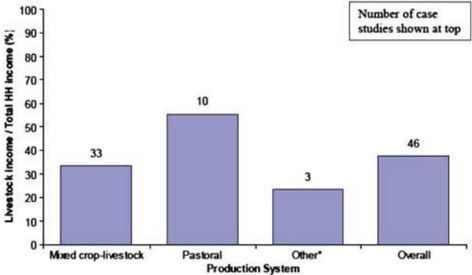
“Bernues and Herrero (2008) found a similar range of incomes (37% to 88%) from livestock in systems with different degrees of crop-livestock integration and diversification in lowland Bolivia (the more diverse and integrated with crops, the lower the share of the total income; the more specialised towards dairy, the hi…”
BackgroundLiving in a fungal world: impact of fungi on soil bacterial niche development
Boer, W. D., Folman, L. B., Summerbell, R. C., & Boddy, L. (2005) · FEMS Microbiology Reviews · doi:10.1016/j.femsre.2004.11.005 · Cited by 1,867
The State of Food and Agriculture 2020
(2020) · FAO eBooks · doi:10.4060/cb1447en · Cited by 1,830
The economics of poverty traps and persistent poverty: An asset-based approach
Carter, M. R., & Barrett, C. B. (2006) · Journal of Development Studies · doi:10.1080/00220380500405261 · Cited by 1,536 · cited 1×
“Access to, control over and ownership of assets are critical aspects of well-being (Sherraden, 1991; Carter and Barrett, 2006).”
Background
Research works printed but not linked: 12
- Gilbert J, Lapar ML, Unger F and Grace D 2010. The most important zoonosis in the world. Paper presented at Ecohealth Conference, August 18-20, London.
- Herath S 2007. Women in livestock development in Asia. Journal of Commonwealth Veterinary Association 24, 29-37.
- Lannerstad M, Heinke J, Herrero M and Havlik P. Livestock production systems - green, green, blue consumptive water use. In Water and livestock: Interactions, trade-offs and opportunities symposium, World Water Week in Stockholm 2012, Water and food security, 26 August 2012. Stockholm, Sweden.
- Njuki JM 2001. Gender roles in agroforesty: a socio-economic analysis of Embu and Kirinyaga Districts, Kenya. PhD thesis, Sokoine University of Agriculture, Tanzania.
- Peden D, Tadesse G, Misra AK, Awad Amed F, Astatke A, Ayalneh W, Herrero M, Kiwuwa G, Kumsa T, Mati B, Mpairwe D, Wassenaar T and Yimegnuhal A 2007. Chapter 13: Livestock and water for human development. In Water for food, water for life: comprehensive assessment of water management in agriculture (ed. D Molden), pp. 485-514. Oxford University Press, Oxford, UK.
- Rangnekar S 1998. Women in livestock production in developing countries. International Conference on Sustainable Animal Production, 24-27 November, Hisar, India.
- Salman MD, Morley PS and Ruch-Gallie R (eds) 1999. International Society for Veterinary Epidemiology and Economics, Nairobi (Kenya). Proceedings of the 9th Symposium of the International Society for Veterinary Epidemiology and Economics. Paper 333, Nairobi, Kenya.
- Schlundt J, Toyofuku H, Jansen J and Herbst SA 2004. Emerging food-borne zoonoses. Annual Review of Information Science and Technology 23, 513-533.
- Smith P, Martino D, Cai Z, Gwary D, Janzen H, Kumar P, McCarl B, Ogle S, O'Mara F, Rice C, Scholes B and Sirotenko O 2007. Agriculture. In Climate change 2007: mitigation. Contribution of Working Group III to the Fourth Assessment Report of 24 the Intergovernmental Panel on Climate Change (ed. B Metz, OR Davidson, PR Bosch, R Dave and RL Meyer), pp. 497-540. Cambridge University Press.
- Thompson DM, Serneels S, Ole Kaelo D and Chevenix Trench P 2009. Maasail mara -land privatization and wildlife decline: can conservation pay its way? In Staying Maasai: livelihoods, conservation and Human Development in East African Rangelands. Studies in Human Ecology and Adaptation (ed. K Homewood, P Trench, P Kristjanson, M Radeny), pp. 77-114. Springer Press, Germany.
- Thorns CJ 2000. Bacterial food-borne zoonoses. Revenue scientifique et technique Office international des epizooties 19, 226-239.
- Yisehak K 2008. Gender responsibility in smallholder mixed crop-livestock production systems of Jimma zone, South West Ethiopia. Livestock Research for Rural Development 20. Retrieved January 14, 2010, from http://www.lrrd.org/ lrrd20/1/yise20011.htm
Cited by
Items 101–200 of 683
Greenhouse gas emissions and carbon sink potential in Eastern Africa rangeland ecosystems: A review
Mgalula, M. E., Wasonga, O. V., Hülsebusch, C., Richter, U., & Hensel, O. (2021) · Pastoralism Research Policy and Practice · doi:10.1186/s13570-021-00201-9 · Cited by 37
“Depending on the socio-economic and environmental situation, providing improved feeds could be constraints in low input production systems (Herrero et al. 2013a, b, 2015).”
BackgroundInfluentialLane, J. K., Kelly, T., Bird, B. H., Chenais, E., Roug, A., Vidal, G., Gallardo, R. A., Zhou, H., VanHoy, G., & Smith, W. A. (2024) · Annual Review of Animal Biosciences · doi:10.1146/annurev-animal-111523-102133 · Cited by 45
Montoro, J. C., Boyle, L. A., Solà‐Oriol, D., Muns, R., Gasa, J., & Manzanilla, E. G. (2021) · Porcine Health Management · doi:10.1186/s40813-020-00187-7 · Cited by 32
Leitner, S., Ring, D., Wanyama, G. N., Korir, D., Pelster, D. E., Goopy, J. P., Butterbach‐Bahl, K., & Merbold, L. (2021) · Waste Management · doi:10.1016/j.wasman.2021.03.014 · Cited by 37
Bartlett, H., Holmes, M. A., Petrovan, S. O., Williams, D., Wood, J. L. N., & Balmford, A. P. (2022) · Royal Society Open Science · doi:10.1098/rsos.211573 · Cited by 39
“Open 9 provides an economic safety net, vital nutrition or important cultural values [107].”
BackgroundHoffmann, I., & Boerma, D. (2014) · Cited by 67
CattNIS: Novel identification system of cattle with retinal images based on feature matching method
Saygılı, A., Cihan, P., Ermutlu, C. Ş., Aydın, U., & Aksoy, Ö. (2024) · Computers and Electronics in Agriculture · doi:10.1016/j.compag.2024.108963 · Cited by 33
Global livestock production systems: Classification, status, and future trends
Pandey, H. O., & Upadhyay, D. (2021) · Elsevier eBooks · doi:10.1016/b978-0-12-822265-2.00017-x · Cited by 31
Leverage points for sustainable wool production in the Falkland Islands
Tourangeau, W., & Sherren, K. (2019) · Journal of Rural Studies · doi:10.1016/j.jrurstud.2019.11.008 · Cited by 33
Caudell, M. A., Quinlan, M. B., Quinlan, R. J., & Call, D. R. (2017) · Journal of Ethnobiology and Ethnomedicine · doi:10.1186/s13002-017-0135-1 · Cited by 36
An outlook on livestock welfare conditions in African communities — A review
Njisane, Y. Z., Mukumbo, F. E., & Muchenje, V. (2019) · Asian-Australasian Journal of Animal Sciences · doi:10.5713/ajas.19.0282 · Cited by 29
Knowledge, attitude, and practices of cattle farmers regarding zoonotic diseases in Erzurum, Turkey
Özlü, H., Atasever, M., & ATASEVER, M. A. (2020) · Austral journal of veterinary sciences · doi:10.4067/s0719-81322020000300079 · Cited by 28
“Small scale livestock enterprises play a significant role as a source of income and feeding for low and middle-income countries (Herrero et al 2013).”
BackgroundRagab, M. A., Hassan, M. A. E., shazly, S. A. N., El-Kholany, M., Ahmed, M. E., & El‐Raghi, A. A. (2022) · Journal of Animal Physiology and Animal Nutrition · doi:10.1111/jpn.13772 · Cited by 28
Nuvey, F. S., Fink, G., Hattendorf, J., Mensah, G. I., Addo, K. K., Bonfoh, B., & Zinsstag, J. (2023) · Preventive Veterinary Medicine · doi:10.1016/j.prevetmed.2023.105919 · Cited by 36
Tropical grasslands: A pivotal place for a more multi-functional agriculture
Boval, M., Angeon, V., & Rudel, T. (2016) · AMBIO · doi:10.1007/s13280-016-0806-5 · Cited by 34
Hernandez, M. A., Alarcón, C., Berrospi, M. L., Lopera, D. C., Quintero, D., Reyes, B., & Olivet, F. (2023) · Frontiers in Sustainable Food Systems · doi:10.3389/fsufs.2023.1185756 · Cited by 36
“Small livestock farming and raising activities are identified in both departments as a woman’s responsibility since they are viewed as part of domestic activities (The World Bank, FAO, and IFAD, 2009; Herrero et al., 2013; Gumucio et al., 2015).”
BackgroundTanjung, G. S., Suryantini, A., & Utami, A. W. (2021) · Agraris Journal of Agribusiness and Rural Development Research · doi:10.18196/agraris.v7i2.11615 · Cited by 27
Genetic diversity and population structure of a Peruvian cattle herd using SNP data
Corredor, F.-A., Figueroa, D., Estrada, R., Salazar, W., Quilcate, C., Vásquez, H. V., Gonzales, J., Maicelo, J. L., Medina, P., & Arbizu, C. I. (2023) · Frontiers in Genetics · doi:10.3389/fgene.2023.1073843 · Cited by 27
“Livestock production around the world is a large sector with an important contribution of 40% and 20% to agriculture production in developed and developing countries, respectively (Herrero et al., 2013; Baltenweck et al., 2020; FAO, 2022).”
BackgroundBurns, R. J. L., Douangngeun, B., Theppangna, W., Khounsy, S., Mukaka, M., Selleck, P., Hansson, E., Wegner, M. D., Windsor, P. A., & Blacksell, S. D. (2018) · PLoS neglected tropical diseases · doi:10.1371/journal.pntd.0006411 · Cited by 27
Power & protein—closing the ‘justice gap’ for food system transformation
Baudish, I., Sahlin, K. R., Béné, C., Oosterveer, P. J. M., Prins, H., & Pereira, L. M. (2024) · Environmental Research Letters · doi:10.1088/1748-9326/ad3d6f · Cited by 32
“Livestock play a number of roles [44], generating diverse ecosystem benefits and representing an important socio-cultural heritage [45, 46].”
Heller, M. C., Walchale, A., Heard, B. R., Hoey, L., Khoury, C. K., de Haan, S., Burra, D. D., Duong, T. T., Osiemo, J., Trinh, H. T., et al. (2019) · The International Journal of Life Cycle Assessment · doi:10.1007/s11367-019-01656-0 · Cited by 26
Onasanya, G. O., Msalya, G. M., Thiruvenkadan, A. K., Sreekumar, C., Gopalan, T. K., Fafiolu, A. O., Adeleke, M. A., Yakubu, A., Ikeobi, C. O. N., & Okpeku, M. (2021) · Frontiers in Genetics · doi:10.3389/fgene.2021.642213 · Cited by 26
Shilwant, S., Hundal, J. S., Singla, M., & Patra, A. K. (2022) · Environmental Science and Pollution Research · doi:10.1007/s11356-022-22931-y · Cited by 30
“Ruminant production systems contribute to enhancing nutritional food security and economic uplift of millions of rural and periurban smallholders in low- and medium-income countries of the world (Herrero et al. 2013).”
BackgroundRole, ownership and presence of domestic animals in peri‐urban households of Kisumu, Kenya
Barnes, A. N., Mumma, J., & Cumming, O. (2018) · Zoonoses and Public Health · doi:10.1111/zph.12429 · Cited by 25
“This finding is reinforced by multiple other studies looking at animal contact and household members (Herrero et al., 2013; Kagira & Kanyari, 2010b; Kimani et al., 2012; Njuki & Mburu, 2013; Osbjer et al., 2015; Woldehanna & Zimicki, 2015).”
BackgroundResultInfluentialSustainability of dairy systems through the lenses of the sustainable development goals
Wattiaux, M. A. (2023) · Frontiers in Animal Science · doi:10.3389/fanim.2023.1135381 · Cited by 28
Munyaneza, C., Bizimana, F., Mukumbo, F. E., Gatesi, S., Sibomana, E., Munyampuhwe, S., & Dutuze, M. F. (2025) · Frontiers in Public Health · doi:10.3389/fpubh.2025.1569682 · Cited by 28
Antimicrobial Resistance in Africa—How to Relieve the Burden on Family Farmers
Ducrot, C., Hobeika, A., Lienhardt, C., Wieland, B., Dehays, C., Delabouglise, A., Bordier, M., Goutard, F. L., Patel, E. H., Figuié, M., et al. (2021) · Emerging infectious diseases · doi:10.3201/eid2710.210076 · Cited by 30
“In the context of most subSaharan Africa countries, where the availability of capital, credit, and government support is limited, livestock farming is favored precisely because it requires limited investment, and farmers often tend to diversify their activities to mitigate economic risks rather than specialize in a si…”
BackgroundEiki, N., Maake, M. M. S., Lebelo, S. L., Sakong, B. M., Sebola, N. A., & Mabelebele, M. (2022) · Frontiers in Veterinary Science · doi:10.3389/fvets.2022.762771 · Cited by 25
“Livestock as widely known provides local people with calories in the form of meat, milk, and derivatives, as well as a source of income (1).”
BackgroundFeeding the World in 2050: Trade-offs, synergies and tough choices for the livestock sector
Smith, J. W., Tarawali, S. A., Grace, D., & Sones, K. R. (2013) · Tropical Grasslands - Forrajes Tropicales · doi:10.17138/tgft(1)125-136 · Cited by 33
“With the drivers of increased population, urbanization and higher incomes, value of and demand for animal-source products will increase faster than those from other agricultural sectors (Herrero et al. 2013a).”
BackgroundInfluentialSelf-citationMüller, T., & Freuling, C. M. (2020) · Elsevier eBooks · doi:10.1016/b978-0-12-818705-0.00006-6 · Cited by 44
Pre-Harvest Food Safety Challenges in Food-Animal Production in Low- and Middle-Income Countries
Seyoum, E. T., Eguale, T., Habib, I., de Oliveira, C. J. B., Monte, D. F. M., Yang, B., Gebreyes, W. A., & Alali, W. Q. (2024) · Animals · doi:10.3390/ani14050786 · Cited by 31
“Moreover, beyond economic aspects, livestock represents a substantial source of food for billions of people in both rural and urban areas [10].”
BackgroundA One Health Approach to Child Stunting: Evidence and Research Agenda
Gharpure, R. V., Mor, S. M., Viney, M., Hodobo, T. C., Lello, J., Siwila, J., Dube, K., Robertson, R. C., Mutasa, K., Berger, C. N., et al. (2021) · American Journal of Tropical Medicine and Hygiene · doi:10.4269/ajtmh.20-1129 · Cited by 31
Signatures of positive selection for local adaptation of African native cattle populations: A review
Ayalew, W., Wu, X., Tarekegn, G. M., Chu, M., Liang, C., Tessema, T. S., & Yan, P. (2023) · Journal of Integrative Agriculture · doi:10.1016/j.jia.2023.01.004 · Cited by 28
Lucantoni, D., & Domarle, J. (2023) · Agroecology and Sustainable Food Systems · doi:10.1080/21683565.2023.2230931 · Cited by 26
“Due to the capacity of livestock to support better livelihoods and create added value (Herrero et al. 2013; LPP, LIFE Network, IUCN–WISP 2010), and because of the complementarity between improving yields at both animal and crop levels (Mottet et al.”
BackgroundConsumo y digestibilidad en novillos cebuínos en un sistema silvopastoril intensivo
Gaviria, X., Naranjo, J. F., Bolívar-Vergara, D. M., & Rosales, R. B. (2015) · Archivos de Zootecnia · doi:10.21071/az.v64i245.370 · Cited by 24
“Por ejemplo, la mayor parte del nitrógeno consumido por los animales es excretado en heces y orina y muy poco de este elemento es retenido en productos animales como carne y leche (Herrero et al., 2013).”
BackgroundEconomic effects of livestock disease burden in Ethiopia: A computable general equilibrium analysis
Countryman, A. M., de Menezes, T. C., Pendell, D. L., Rushton, J., & Marsh, T. L. (2024) · PLoS ONE · doi:10.1371/journal.pone.0310268 · Cited by 29
Ashley, K., Harrison, H., Chan, P. H., Suon, S., Young, J., Windsor, P. A., & Bush, R. D. (2018) · Tropical Animal Health and Production · doi:10.1007/s11250-018-1615-6 · Cited by 29
Extension Services for Livestock Keepers in Low-Income Countries—A Low Priority?
Pousga, S., Magnusson, U., Moumouni-Moussa, I., Dayo, G., Kanté, A., & Boqvist, S. (2022) · Animals · doi:10.3390/ani12060726 · Cited by 23
“Production of livestock in low-income countries is widely acknowledged as a pathway out of poverty, a major incomegenerating activity, and a means of income diversification [1,3].”
BackgroundInfluentialArbizu, C. I., Ferro-Mauricio, R. D., Chávez-Galarza, J. C., Vásquez, H. V., Maicelo, J. L., Poemape, C., Gonzales, J., Quilcate, C., & Corredor, F.-A. (2022) · Data · doi:10.3390/data7060076 · Cited by 25
Amare, M., Parvathi, P., & Nguyễn, T. T. (2023) · Canadian Journal of Agricultural Economics/Revue canadienne d agroeconomie · doi:10.1111/cjag.12326 · Cited by 37
Strategies for improving water use efficiency of livestock production in rain-fed systems
Kebebe, E. G., Oosting, S. J., Haileslassie, A., Duncan, A. J., & de Boer, I. J. M. (2014) · animal · doi:10.1017/s1751731114003115 · Cited by 24
“As in mixed systems in other developing countries (Diogo et al., 2010; Udo et al., 2011; Herrero et al., 2013), the purpose of livestock rearing in the district encompasses provision of milk, meat and hides, traction, manure, standing asset and socio-cultural functions.”
BackgroundBoogaard, B. K., Waithanji, E., Poole, E. J., & Cadilhon, J. (2015) · NJAS - Wageningen Journal of Life Sciences · doi:10.1016/j.njas.2015.09.002 · Cited by 23
Chitura, T., Muvhali, P. T., Shai, K. N., Mushonga, B., & Kandiwa, E. (2018) · Applied Ecology and Environmental Research · doi:10.15666/aeer/1605_65896605 · Cited by 23
Abraham, G., Kechero, Y., Andualem, D., & Dingamo, T. (2022) · Veterinary Medicine and Science · doi:10.1002/vms3.858 · Cited by 23
Veneman, J. B., Saetnan, E. R., Clare, A. J., & Newbold, C. J. (2016) · The Science of The Total Environment · doi:10.1016/j.scitotenv.2016.08.029 · Cited by 26
Ninh, H. N., Do, T. L., Tran, D.-T., & Nguyễn, T. T. (2021) · Environment Development and Sustainability · doi:10.1007/s10668-021-01348-6 · Cited by 27
Singh, S., Hundal, J. S., Patra, A. K., Sethi, R. S., & Sharma, A. (2021) · Environmental Science and Pollution Research · doi:10.1007/s11356-021-17674-1 · Cited by 26
“Livestock production supports the livelihoods and nutritional food security of the majority of human populations, particularly, in the middle- and low-income countries of the world (Herrero et al. 2013).”
BackgroundLocal and wide-scale livestock movement networks inform disease control strategies in East Africa
Ekwem, D., Enright, J. A., Hopcraft, J. G. C., Buza, J., Shirima, G. M., Shand, M., Mwajombe, J. K., Bett, B., Reeve, R. E., & Lembo, T. (2023) · Scientific Reports · doi:10.1038/s41598-023-35968-x · Cited by 25
“Each georeferenced tiff (GeoTIFF) file was validated by a two-way process: (1) overlaying the points that were collected on the ground using a hand-held Global Positioning System (GPS) device during the field observations, and (2) overlaying on Google Earth satellite images to confirm the absolute position of the hand…”
MethodJones, A. D., Colecraft, E. K., Awuah, R. B., Kushitor, S. B., Lambrecht, N., Adjorlolo, L. K., & Wilson, M. L. (2018) · Maternal and Child Nutrition · doi:10.1111/mcn.12604 · Cited by 24
Immunophenotyping of Sheep Paraffin-Embedded Peripheral Lymph Nodes
Melzi, E., Rocchi, M., Entrican, G., Caporale, M., & Palmarini, M. (2018) · Frontiers in Immunology · doi:10.3389/fimmu.2018.02892 · Cited by 22
“In developing countries, cattle, sheep, and goats remain one of the main sources of livelihoods for millions of poor smallholder farmers (1, 2).”
BackgroundKasozi, K. I., Welburn, S. C., Batiha, G. E., Marraiki, N., Nalumenya, D. P., Namayanja, M., Matama, K., Zalwango, K. K., Matovu, W., Zirintunda, G., et al. (2020) · Heliyon · doi:10.1016/j.heliyon.2020.e05688 · Cited by 21
“Since many countries in eastern Africa rely on small ruminants for food and income (Herrero et al., 2013; Inn, 2003; Lalljee et al., 2019; Peacock, 2005), attainment of the SDGs in the region will require national governments to revise their disease control policies.”
Woodard, J. D., Shee, A., & Mude, A. G. (2016) · The Geneva Papers on Risk and Insurance Issues and Practice · doi:10.1057/gpp.2015.31 · Cited by 25
“Livestock are a significant global asset that play an important role in rural livelihoods and typically account for 20%-40% of agricultural GDP (Steinfeld et al., 2006; Herrero et al., 2013).”
BackgroundNdung’u, P. W., Takahashi, T., Toit, C. D., Robertson-Dean, M., Butterbach‐Bahl, K., McAuliffe, G. A., Merbold, L., & Goopy, J. P. (2022) · animal · doi:10.1016/j.animal.2021.100445 · Cited by 29
“Median EIs of milk production for this study (2.3 kg CO 2 -eq/kg milk) were less than half of the pan-African estimates of Opio et al. (2013) while perhaps unsurprisingly almost double that for European and North American systems.”
BackgroundInfluentialMapping brucellosis risk in Kenya and its implications for control strategies in sub-Saharan Africa
Akoko, J. M., Mwatondo, A. J., Muturi, M., Wambua, L., Abkallo, H. M., Nyamota, R., Bosire, C. K., Oloo, S. O., Konongoi, S. L., Gakuya, F., et al. (2023) · Scientific Reports · doi:10.1038/s41598-023-47628-1 · Cited by 29
“…increasing human population density and land scarcity, pushing livestock farmers to keep few high-value livestock breeds under the stall-feeding system 32 , limiting between-herd contacts, and thus tremendously decreasing the transmission risk of Brucella via placental or fetal tissues and urine.”
BackgroundMwalugelo, Y. A., Mponzi, W. P., Muyaga, L. L., Mahenge, H. H., Katusi, G. C., Muhonja, F. H., Omondi, D., Ochieng, A. O., Kaindoa, E. W., & Amimo, F. (2024) · Malaria Journal · doi:10.1186/s12936-024-05039-1 · Cited by 23
“Live-stock keeping is one of the economic activities that plays an important role in poverty alleviation, food security enhancement, employment creation, and environmental conservation, particularly, in village settings [25].”
BackgroundIntensification to Reduce the Carbon Footprint of Smallholder Milk Production: Fact or Fiction?
Udo, H. M. J., Weiler, V., Modupeore, O., Viets, T. C., & Oosting, S. J. (2016) · Outlook on Agriculture · doi:10.5367/oa.2016.0229 · Cited by 30
“The mitigation option most often mentioned is ‘better diets for ruminants’, then less methane will be produced by individual animals and fewer animals are needed to satisfy the increasing demand (Steinfeld et al, 2006; Herrero et al, 2013a).”
BackgroundInfluentialRajala, E. L., Vogel, I., Sundin, A., Kongmanila, D., Musoke, M. G. N., Musundire, R., Mulangala, M. N., Chiwona‐Karltun, L., Magnusson, U., & Boqvist, S. (2020) · Global Food Security · doi:10.1016/j.gfs.2020.100475 · Cited by 25
Mayberry, D., Hau, D. K., Dida, P. R., Bria, D., Praing, J., Mata, A. D., Budisantoso, E., Dalgliesh, N. P., Quigley, S. P., Bell, L. W., et al. (2021) · Animal Production Science · doi:10.1071/an20545 · Cited by 20
Medina, J. E., Castañeda, S., Páez-Triana, L., Camargo, M., García-Corredor, D. J., Gómez, M., Luna, N., Ramírez, A., Pulido-Medellín, M. O., Muñoz, M., et al. (2023) · Infection Genetics and Evolution · doi:10.1016/j.meegid.2023.105543 · Cited by 19
“The domestication of cattle is vital for global food security and the economy, with a significant number of livestock worldwide and a substantial contribution to Gross Domestic Product and employment (Herrero et al., 2013; Tona, 2021).”
Flatgard, B. M., Williams, A. D., Amin, M. B., Hobman, J. L., Stekel, D. J., Rousham, E. K., & Islam, M. A. (2024) · Microbiology Spectrum · doi:10.1128/spectrum.03956-23 · Cited by 20
Does the gender of farmers matter for improving small ruminant productivity? A Kenyan case study
Kariuki, J., Galié, A., Birner, R., Oyieng, E. P., Chagunda, M. G. G., Jakinda, S., Milia, D., & Ojango, J. M. K. (2021) · Small Ruminant Research · doi:10.1016/j.smallrumres.2021.106574 · Cited by 22
United Nations Environment Programme (2023) · United Nations Environment Programme eBooks · doi:10.59117/20.500.11822/44236 · Cited by 66
Rangel, J., Espinosa, J. A., De‐Pablos‐Heredero, C., Rivas, J., Perea, J., Angón, E., & García, A. R. (2017) · Spanish Journal of Agricultural Research · doi:10.5424/sjar/2017152-9561 · Cited by 19
“DP is a variation of smallholder mixed crop-livestock system with a part of grazing native pasture on communal lands, within a multifunctional livestock that produces both milk and meat (FAO, 2012; Herrero et al., 2013; Oosting et al., 2014).”
BackgroundBurns, R. J. L., Douangngeun, B., Theppangna, W., Mukaka, M., Wegner, M. D., Windsor, P. A., & Blacksell, S. D. (2018) · Transboundary and Emerging Diseases · doi:10.1111/tbed.13109 · Cited by 19
Gómez-Miranda, A., Estrada-Flores, J. G., Morales-Almaráz, E., López-González, F., Flores, G., & Arriaga-Jordán, C. M. (2019) · Canadian Journal of Animal Science · doi:10.1139/cjas-2018-0237 · Cited by 19
“…livestock systems have a large potential for development, both in terms of increasing their contribution to local and national food production and for improving the livelihood of farming families, because demand for milk and meat is on the rise in the developing world (Herrero et al. 2013).”
BackgroundStark, H., Omer, A., N’diaye, A. W., Sapp, A. C., Moore, E. V., & McKune, S. L. (2020) · Maternal and Child Nutrition · doi:10.1111/mcn.13069 · Cited by 25
“Gender norms influence livestock decision-making, and although poultry farming is traditionally managed by women (Gelli et al., 2017; Schneider & Plotnick, 2010), poultry are typically owned by men, and women often lack decision-making power (Herrero et al, 2013).”
Chota, A., Omary, K., & Ngongolo, K. (2021) · The Journal of Applied Poultry Research · doi:10.1016/j.japr.2021.100186 · Cited by 19
The milk delivery chain and presence of Brucella spp. antibodies in bulk milk in Uganda
Rock, K., Mugizi, D. R., Ståhl, K., Magnusson, U., & Boqvist, S. (2016) · Tropical Animal Health and Production · doi:10.1007/s11250-016-1052-3 · Cited by 19
Horrillo, A., Gaspar, P., Caro, C. D., & Escribano, M. (2020) · The Science of The Total Environment · doi:10.1016/j.scitotenv.2020.141675 · Cited by 20
Liza, N. A., Hossain, H., Chowdhury, M. S. R., Naser, J. A., Lasker, R. M., Rahman, A. F. M. S., Haque, M. A., Mamun, M. A., Hossain, M. M., & Rahman, M. M. (2024) · Veterinary Medicine International · doi:10.1155/2024/3952504 · Cited by 27
“Te livestock sector’s contribution to Bangladesh’s GDP in FY 2021-22 has experienced an average annual growth rate of 5.39 percent over the past fve years [2].”
BackgroundInfluentialIntegrated Farming Systems: A Holistic Approach to Sustainable Agriculture
Atapattu, A. J., Nuwarapaksha, T. D., Udumann, S. S., & Dissanayaka, N. S. (2024) · Sustainability Sciences in Asia and Africa · doi:10.1007/978-981-97-7517-0_4 · Cited by 30
Assessing the Economic Viability of Sustainable Pasture and Rangeland Management Practices: A Review
Rapiya, M., Mndela, M., Truter, W. F., & Ramoelo, A. (2025) · Agriculture · doi:10.3390/agriculture15070690 · Cited by 27
“[27] revealed that livestock farming often uses resources inefficiently, leading to environmental issues.”
International research on labor in agri-food value chains: A bibliometric review from web of science
Malanski, P. D., Schiavi, S. M. D. A., Dedieu, B., & Damasceno, J. C. (2022) · Frontiers in Sustainable Food Systems · doi:10.3389/fsufs.2022.852178 · Cited by 21
Cramer, L. K., Crane, T., & Dewulf, A. R. P. J. (2023) · Environmental Science & Policy · doi:10.1016/j.envsci.2023.05.018 · Cited by 21
Does Livestock Loss Affect Livelihood? An Investigation on Char Residing Mishing Community of Assam
Saikia, M., & Mahanta, R. (2023) · International Journal of Community Well-Being · doi:10.1007/s42413-023-00198-6 · Cited by 18
“From the economies of developing world, livestock production is one of the very important economic activities of the household, where the livestock products usually have high values compared to the traditional crops (Birthal & Negi, 2012; Herrero et al., 2013).”
InfluentialLivestock, livestock loss and livelihood: a note on Mishing char dwellers of Assam
Saikia, M., & Mahanta, R. (2023) · Society Register · doi:10.14746/sr.2023.7.4.04 · Cited by 18
“L ivestock rearing is one of the essential economic activities of the households of developing countries, the products of which usually have higher values than the traditional crops (Herrero et al., 2013; Nesterova, 2023; Baranowski, 2022; Baranowski & Kopnina, 2022; Baranowski et al., 2023).”
BackgroundRamakrishnan, R., Rajendrakumar, S., & Kothurkar, N. K. (2024) · Agricultural Systems · doi:10.1016/j.agsy.2024.103929 · Cited by 21
Ocholla, I. A., Pellikka, P., Karanja, F., Vuorinne, I., Väisänen, T., Boitt, M. K., & Heiskanen, J. (2024) · Remote Sensing · doi:10.3390/rs16162929 · Cited by 20
Lambrecht, N., Wilson, M. L., & Jones, A. D. (2018) · Advances in Nutrition · doi:10.1093/advances/nmy080 · Cited by 22
“Animal source foods (ASF) are rich in key micronutrients often missing in staple-based diets, notably iron, zinc, vitamin A, vitamin B12, riboflavin, calcium, and essential fatty acids (1, 3).”
BackgroundKasozi, K. I., Namayanja, M., Gaithuma, A. K., Mahero, M., Matovu, E., Yamagishi, J., Sugimoto, C., & MacLeod, E. T. (2019) · Veterinary Parasitology Regional Studies and Reports · doi:10.1016/j.vprsr.2019.100309 · Cited by 18
Senda, T., Kiker, G. A., Masikati, P., Chirima, A., & Niekerk, J. V. (2020) · Applied Sciences · doi:10.3390/app10072330 · Cited by 18
“Rangelands are under pressure from different drivers such as climate change, degradation, and human activities [9].”
BackgroundRefining livestock mortality indicators: a systematic review
Wong, J. T., Vance, C. J., & Peters, A. R. (2021) · Gates Open Research · doi:10.12688/gatesopenres.13228.1 · Cited by 18
Genomic technologies for food security: A review of challenges and opportunities in Southern Africa
van Marle-Köster, E., Visser, C., Makgahlela, M. L., & Cloete, S. W. P. (2015) · Food Research International · doi:10.1016/j.foodres.2015.05.057 · Cited by 18
“In most of the literature on livestock development in Africa (Wurzinger et al., 2011; Herrero et al., 2013; Rothschild & Plastow, 2014), these limitations have been highlighted as major issues in preventing the countries to increase productivity and produce much needed protein.”
BackgroundPlasma and milk metabolomics in lactating sheep divergent for feed efficiency
Toral, P. G., Abecia, L., Hervás, G., Yáñez-Ruíz, D. R., & Frutos, P. (2023) · Journal of Dairy Science · doi:10.3168/jds.2022-22609 · Cited by 19
“Feed represents the largest share of total costs of production (approximately 66% in representative dairy sheep farms in Spain; RENGRATI, 2021), and its efficiency of use is a key determinant of the farm sustainability (Herrero et al., 2013).”
BackgroundMathobela, R. M., Molotsi, A., Marufu, M. C., Strydom, P. E., & Mapiye, C. (2024) · International Journal of Agricultural Sustainability · doi:10.1080/14735903.2024.2315918 · Cited by 22
“The cash income is used to buy food and essential household items, pay hired labour, settle education fees, medical bills and debts, and provide fi nancial capital for other agricultural inputs and investments (Herrero et al., 2013).”
InfluentialHousehold production and consumption impacts of foot and mouth disease at the Uganda-Tanzania border
Kerfua, S. D., Railey, A. F., & Marsh, T. L. (2023) · Frontiers in Veterinary Science · doi:10.3389/fvets.2023.1156458 · Cited by 18
Guamán-Rivera, S. A., Guerrero-Pincay, Á. E., Ortiz-Naveda, N. R., & Marcillo, R. L. G. (2023) · Journal of Agriculture and Environment for International Development (JAEID) · doi:10.36253/jaeid-14203 · Cited by 25
Application of naringenin as a natural feed additive for improving quail performance and health
Reda, F. M., Alagawany, M. M., Mahmoud, H. K., Aldawood, N., Alkahtani, A. M., Alhasaniah, A. H., Mahmoud, M. A., El‐Saadony, M. T., & El‐Kassas, S. (2024) · The Journal of Applied Poultry Research · doi:10.1016/j.japr.2024.100446 · Cited by 21
Parmar, N. R., Pandit, P. D., Purohit, H. J., Kumar, J., & Joshi, C. G. (2017) · Indian Journal of Microbiology · doi:10.1007/s12088-016-0635-z · Cited by 19
Livestock and feed water productivity in the mixed crop-livestock system
Bekele, M., Mengistu, A., & Tamir, B. (2017) · animal · doi:10.1017/s1751731117000416 · Cited by 17
“Demand for livestock products is growing and expected to continue in the coming decades, especially in developing countries due to wide spectrum of drivers; increases in population, urbanization and income (Thornton, 2010; Herrero et al., 2013).”
BackgroundHussain, I., & Rehman, A. (2021) · Environment Development and Sustainability · doi:10.1007/s10668-021-01799-x · Cited by 19
Velayudhan, S. M., Brügemann, K., Pinto, A., Yin, T., Reichenbach, M., Sejian, V., Bhatta, R., Schlecht, E., & König, S. (2022) · Sustainability · doi:10.3390/su14084590 · Cited by 17
Food Security: A Pathway Towards Improved Nutrition and Biodiversity Conservation
Iyiola, A. O., Babafemi, O. P., Ogundahunsi, O. E., & Ojeleye, A. E. (2022) · Sustainable development and biodiversity · doi:10.1007/978-981-19-3326-4_4 · Cited by 21
Cardona, C. A. C., Naranjo, J. F., Morales, A. M. T., Londoño, G. C., & Rosales, R. B. (2015) · Tropical and Subtropical Agroecosystems · doi:10.56369/tsaes.2125 · Cited by 17
Ladha, J. K., Chakraborty, D., Henry, B. K., & Minasny, B. (2025) · Soil Advances · doi:10.1016/j.soilad.2025.100073 · Cited by 22
Coping with Adversity: Resilience Dynamics of Livestock Farmers in Two Agroecological Zones of Ghana
Nuvey, F. S., Addo-Lartey, A. A., Nortey, P. A., Addo, K. K., & Bonfoh, B. (2021) · International Journal of Environmental Research and Public Health · doi:10.3390/ijerph18179008 · Cited by 20
“Their livelihoods and wellbeing depend on the health of their animals as well as their shared environment [20].”
BackgroundGender and livestock feed research in developing countries: A review
Harris-Coble, L. N., Balehegn, M., Adesogan, A. T., & Colverson, K. E. (2021) · Agronomy Journal · doi:10.1002/agj2.20875 · Cited by 25
Figueroa, D., Galicia, L., & Suárez, M. (2022) · Sustainability · doi:10.3390/su14148924 · Cited by 19
“As part of the social dimension, livestock products supply one-third of the global protein consumption and are essential components of the diet of 800 million food-insecure persons [5].”
BackgroundThe contribution of livestock to climate change mitigation: a perspective from a low-income country
Bateki, C. A., Wassie, S. E., & Wilkes, A. (2023) · Carbon Management · doi:10.1080/17583004.2023.2173655 · Cited by 16
Crop diversity, sustainable food and nutritional security among smallholder farmers in Ghana
Frempong, R. B., Groß, E., & Owusu, V. (2023) · British Food Journal · doi:10.1108/bfj-12-2022-1060 · Cited by 19
Metadata
- Authors
- Herrero, M., Grace, D., Njuki, J., Johnson, N., Enahoro, D., Silvestri, S., & Rufino, M. C.
- Affiliations
- International Livestock Research Institute (KE)
- Corresponding author
- Herrero, M.
- Venue
- Animal
- Publisher
- Elsevier BV
- Published
- 2013
- Volume
- 7
- Pages
- 3-18
- ISSN
- 1751-7311 (ISSN-L)
- OpenAlex
- W2045423228
- Semantic Scholar
- a903d14dc00c42b14c426d4cadbc8c8265e67ee0
- Cited by
- 659
- References
- 113
- Citations by year
- 2026: 68 · 2025: 118 · 2024: 81 · 2023: 96 · 2022: 63 · 2021: 72 · 2020: 32 · 2019: 26 · 2018: 29 · 2017: 17 · 2016: 16 · 2015: 18 · 2014: 11 · 2013: 10
- FWCI
- 25.72
- Type
- journal article
- Language
- en
- Open access
- hybrid
- doi.org
- Licence
- cc-by-nc-nd
- www.elsevier.com/tdm/userlicense/1.0/ (tdm)
- www.elsevier.com/legal/tdmrep-license (tdm)
- creativecommons.org/licenses/by-nc-nd/4.0/ (vor, 2870 d)
- Locations
- animal (publishedVersion, cc-by-nc-nd)
- PubMed (publishedVersion)
- IFPRI E-brary (International Food Policy Research Institute) (submittedVersion)
- CGSPace A Repository of Agricultural Research Outputs (Consultative Group for International Agricultural Research) (submittedVersion, cc-by-nc-nd)
- DOAJ (DOAJ: Directory of Open Access Journals) (submittedVersion, cc-by-sa)
- International Food Policy Research Institute (International Food Policy Research Institute) (submittedVersion)
- Lancaster EPrints (Lancaster University) (submittedVersion)
- Funders
- World Health Organization
- Consortium of International Agricultural Research Centers
- Natural Environment Research Council (NE/J001570/1, NE/J001422/1)
- Topics
- Life Sciences › Agricultural and Biological Sciences › Animal Science and Zoology › Livestock Farming and Management
- Life Sciences › Agricultural and Biological Sciences › Ecology, Evolution, Behavior and Systematics › Agriculture and Rural Development Research
- Physical Sciences › Environmental Science › Ecology › Agriculture Sustainability and Environmental Impact
- Keywords
- livestock, developing countries, rural livelihoods, value chain, smallholder farmers, women in livestock, pastoralism, manure application, water pollution, resource efficiency, sustainable intensification, zoonoses, food safety, diversification, social safety nets
- MeSH terms
- Animals, Animal Husbandry, Developing Countries, Environment, Humans, Livestock
About these checks
Registry, retraction, Cites and statistics results are computed, not judged, with one exception: a printed reference that no index lists is read once by a model before it counts as a citation error. Claims are extracted by a model and kept only when their quote appears verbatim in the text; each cited source is then checked, with a model’s help, for whether it says what the claim relies on. Those verdicts can be wrong — read the claim’s quote and the cited source before relying on one.
Statistics and arithmetic are recomputed, not judged.
Confidence bands are shown only for fields calibrated on our annotated test set. None is calibrated yet, so no band is shown.
What counts as a claim ›How we measure confidence ›How we check this ›
Are you an author, or do you see a problem with this page? Request a review
Data sources
Bibliographic data: Semantic Scholar, OpenAlex, Crossref.
Contains information from the Semantic Scholar Academic Graph Datasets, made available under the ODC Attribution License (ODC-BY 1.0).
Semantic Scholar’s data is described in: Kinney, R., et al. (2023). The Semantic Scholar Open Data Platform. arXiv:2301.10140.
