

The roles of livestock in developing countries
Open accessThe DOI matches its Crossref record; 110 of the 113 references it cites were found in a registry or an index, and 1 are not checked yet.
Abstract
Livestock play a significant role in rural livelihoods and the economies of developing countries. They are providers of income and employment for producers and others working in, sometimes complex, value chains. They are a crucial asset and safety net for the poor, especially for women and pastoralist groups, and they provide an important source of nourishment for billions of rural and urban households. These socio-economic roles and others are increasing in importance as the sector grows because of increasing human populations, incomes and urbanisation rates. To provide these benefits, the sector uses a significant amount of land, water, biomass and other resources and emits a considerable quantity of greenhouse gases. There is concern on how to manage the sector's growth, so that these benefits can be attained at a lower environmental cost. Livestock and environment interactions in developing countries can be both positive and negative. On the one hand, manures from ruminant systems can be a valuable source of nutrients for smallholder crops, whereas in more industrial systems, or where there are large concentrations of animals, they can pollute water sources. On the other hand, ruminant systems in developing countries can be considered relatively resource-use inefficient. Because of the high yield gaps in most of these production systems, increasing the efficiency of the livestock sector through sustainable intensification practices presents a real opportunity where research and development can contribute to provide more sustainable solutions. In order to achieve this, it is necessary that production systems become market-orientated, better regulated in cases, and socially acceptable so that the right mix of incentives exists for the systems to intensify. Managing the required intensification and the shifts to new value chains is also essential to avoid a potential increase in zoonotic, food-borne and other diseases. New diversification options and improved safety nets will also be essential when intensification is not the primary avenue for developing the livestock sector. These processes will need to be supported by agile and effective public and private institutions.
Overview
The claims and statistics of this paper haven’t been checked yet.
Free: it reads the open-access text and checks the first 5 claims that cite a source we can check. Create a free account to check every claim.
Integrity signals
Registry
Cites
Statistics
Figures
Verification
Claims the paper makes
The claims and statistics of this paper haven’t been checked yet.
Free: it reads the open-access text and checks the first 5 claims that cite a source we can check. Create a free account to check every claim.
Claims other papers make about this one
Each is checked against this paper’s own text: does it say what the citing paper says it does?
The source backs part of the claim, not all of it — or backs it for a different population, condition or comparison.
In the citing paper
“In many LMICs, most animal source foods and produce are produced by smallholders and sold in informal markets [19,20].”
From Food Safety in Low and Middle Income Countries (2015) · cites this paper as [20]
Experimental — accuracy not yet measured
Self-check
Percentages, sums and reported differences re-computed from the paper’s own numbers.
The self-check needs the paper’s full text.
Citations
Cites
Global trends in emerging infectious diseases
Jones, K. E., Patel, N. G., Levy, M. A., Storeygard, A., Balk, D., Gittleman, J. L., & Daszak, P. (2008) · Nature · doi:10.1038/nature06536 · Cited by 8,338
Maternal and child undernutrition: global and regional exposures and health consequences
Black, R. E., Allen, L. H., Bhutta, Z. A., Caulfield, L. E., de Onis, M., Ezzati, M., Mathers, C., & Rivera, J. (2008) · The Lancet · doi:10.1016/s0140-6736(07)61690-0 · Cited by 6,443 · cited 1×
“population and is implicated in the deaths of a third of all children under five (Black et al., 2008); an estimated 195 million children are too short for their age (stunted) and 129 million children are underweight.”
BackgroundSteinfeld, H., Gerber, P., Wassenaar, T., Castel, V., Rosales, M., & de Haan, C. (2006) · Agritrop (Cirad) · Cited by 5,238
Global, regional, and national causes of child mortality in 2008: a systematic analysis
Black, R. E., Cousens, S., Johnson, H. L., Lawn, J. E., Rudan, I., Bassani, D. G., Jha, P., Campbell, H., Walker, C. F., Cibulskis, R., et al. (2010) · The Lancet · doi:10.1016/s0140-6736(10)60549-1 · Cited by 3,058 · cited 1×
“4 million children a year (Black et al., 2010).”
Rebitzer, G., Ekvall, T., Frischknecht, R., Hunkeler, D., Norris, G., Rydberg, T., Schmidt, W.-P., Suh, S., Weidema, B. P., & Pennington, D. W. (2004) · Environment International · doi:10.1016/j.envint.2003.11.005 · Cited by 2,753
Livestock production: recent trends, future prospects
Thornton, P. K. (2010) · Philosophical Transactions of the Royal Society B: Biological Sciences · doi:10.1098/rstb.2010.0134 · Cited by 2,215 · cited 1×
“Numerous publications exist on this subject (Steinfeld et al., 2006; FAO, 2009 and 2010; Herrero et al., 2009; PBL, 2010; Pelletier and Tyedmers, 2010; Thornton, 2010; Thornton and Herrero, 2010; Bouwman et al., 2011).”
BackgroundBarrett, C. B., Reardon, T., & Webb, P. (2001) · Food Policy · doi:10.1016/s0306-9192(01)00014-8 · Cited by 1,925 · cited 3×
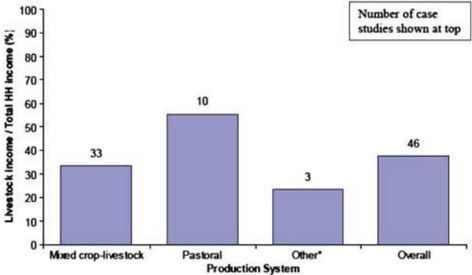
“Bernues and Herrero (2008) found a similar range of incomes (37% to 88%) from livestock in systems with different degrees of crop-livestock integration and diversification in lowland Bolivia (the more diverse and integrated with crops, the lower the share of the total income; the more specialised towards dairy, the hi…”
BackgroundLiving in a fungal world: impact of fungi on soil bacterial niche development
Boer, W. D., Folman, L. B., Summerbell, R. C., & Boddy, L. (2005) · FEMS Microbiology Reviews · doi:10.1016/j.femsre.2004.11.005 · Cited by 1,867
The State of Food and Agriculture 2020
(2020) · FAO eBooks · doi:10.4060/cb1447en · Cited by 1,830
The economics of poverty traps and persistent poverty: An asset-based approach
Carter, M. R., & Barrett, C. B. (2006) · Journal of Development Studies · doi:10.1080/00220380500405261 · Cited by 1,536 · cited 1×
“Access to, control over and ownership of assets are critical aspects of well-being (Sherraden, 1991; Carter and Barrett, 2006).”
Background
Research works printed but not linked: 12
- Gilbert J, Lapar ML, Unger F and Grace D 2010. The most important zoonosis in the world. Paper presented at Ecohealth Conference, August 18-20, London.
- Herath S 2007. Women in livestock development in Asia. Journal of Commonwealth Veterinary Association 24, 29-37.
- Lannerstad M, Heinke J, Herrero M and Havlik P. Livestock production systems - green, green, blue consumptive water use. In Water and livestock: Interactions, trade-offs and opportunities symposium, World Water Week in Stockholm 2012, Water and food security, 26 August 2012. Stockholm, Sweden.
- Njuki JM 2001. Gender roles in agroforesty: a socio-economic analysis of Embu and Kirinyaga Districts, Kenya. PhD thesis, Sokoine University of Agriculture, Tanzania.
- Peden D, Tadesse G, Misra AK, Awad Amed F, Astatke A, Ayalneh W, Herrero M, Kiwuwa G, Kumsa T, Mati B, Mpairwe D, Wassenaar T and Yimegnuhal A 2007. Chapter 13: Livestock and water for human development. In Water for food, water for life: comprehensive assessment of water management in agriculture (ed. D Molden), pp. 485-514. Oxford University Press, Oxford, UK.
- Rangnekar S 1998. Women in livestock production in developing countries. International Conference on Sustainable Animal Production, 24-27 November, Hisar, India.
- Salman MD, Morley PS and Ruch-Gallie R (eds) 1999. International Society for Veterinary Epidemiology and Economics, Nairobi (Kenya). Proceedings of the 9th Symposium of the International Society for Veterinary Epidemiology and Economics. Paper 333, Nairobi, Kenya.
- Schlundt J, Toyofuku H, Jansen J and Herbst SA 2004. Emerging food-borne zoonoses. Annual Review of Information Science and Technology 23, 513-533.
- Smith P, Martino D, Cai Z, Gwary D, Janzen H, Kumar P, McCarl B, Ogle S, O'Mara F, Rice C, Scholes B and Sirotenko O 2007. Agriculture. In Climate change 2007: mitigation. Contribution of Working Group III to the Fourth Assessment Report of 24 the Intergovernmental Panel on Climate Change (ed. B Metz, OR Davidson, PR Bosch, R Dave and RL Meyer), pp. 497-540. Cambridge University Press.
- Thompson DM, Serneels S, Ole Kaelo D and Chevenix Trench P 2009. Maasail mara -land privatization and wildlife decline: can conservation pay its way? In Staying Maasai: livelihoods, conservation and Human Development in East African Rangelands. Studies in Human Ecology and Adaptation (ed. K Homewood, P Trench, P Kristjanson, M Radeny), pp. 77-114. Springer Press, Germany.
- Thorns CJ 2000. Bacterial food-borne zoonoses. Revenue scientifique et technique Office international des epizooties 19, 226-239.
- Yisehak K 2008. Gender responsibility in smallholder mixed crop-livestock production systems of Jimma zone, South West Ethiopia. Livestock Research for Rural Development 20. Retrieved January 14, 2010, from http://www.lrrd.org/ lrrd20/1/yise20011.htm
Cited by
Items 301–400 of 683
Liu, X., Li, X., Liu, J., Chen, R., Liu, R. Y., Zhao, R., Zhao, J., Hao, J., Yang, S., Luo, A., et al. (2025) · Frontiers in Microbiology · doi:10.3389/fmicb.2025.1685522 · Cited by 9
“Harmful microorganisms may be transmitted to humans via direct exposure to poultry waste or ingestion of contaminated poultry derived products (Ajibola et al., 2025; Havelaar et al., 2022; Okpara et al., 2018; Herrero et al., 2013).”
Are dairy farmers willing to pay for improved forage varieties? Experimental evidence from Kenya
Osiemo, J., Sibiko, K. W., Ng’ang’a, S. K., & Notenbaert, A. M. O. (2024) · Food Policy · doi:10.1016/j.foodpol.2024.102615 · Cited by 9
Mekonen, A. W., Sintayehu, T., Woldeyohanins, A. E., Mekasha, Y. T., & Atsbeha, B. W. (2024) · Frontiers in Veterinary Science · doi:10.3389/fvets.2024.1336660 · Cited by 11
Effects of Livestock-Keeping on the Transmission of Mosquito-Borne Diseases
Olagunju, E. A., Ayewumi, I. T., & Adeleye, B. E. (2024) · Zoonoses · doi:10.15212/zoonoses-2024-0036 · Cited by 8
Cleaveland, S., Lankester, F. J., Auty, H. K., Davis, A., Swai, E. S., Virhia, J., de Glanville, W. A., Kibona, T., & Shirima, G. M. (2021) · Scientific and Technical Review (World Organisation for Animal Health) · doi:10.20506/rst.40.2.3239 · Cited by 11
Nguyen-Tien, T., Bui, A. N., Ling, J., Hai, S. T., Pham, T. L., Bui, V. N., Dao, T. D., Hoang, T. T., Vu, L. T., Tran, P. V., et al. (2021) · Viruses · doi:10.3390/v13112291 · Cited by 8
“Urban livestock keeping is an important and integral part of cities in many tropical and low- and middle-income countries, where it not only ensures highly nutritious food in urban markets, but also provides urban inhabitants with livelihood options [10,11].”
BackgroundGrazed barley for dairy cows in small-scale systems in the highlands of Mexico
Gómez-Miranda, A., López-González, F., Vieyra-Alberto, R., & Arriaga-Jordán, C. M. (2022) · Italian Journal of Animal Science · doi:10.1080/1828051x.2021.2022540 · Cited by 8
“than results by Hundal et al. (2014) (796–807 g/ kg DM).”
BackgroundFrom a documented past of the Jersey breed in Africa to a profit index linked future
Opoola, O., Shumbusho, F., Hambrook, D., Thomson, S., Dai, H., Chagunda, M. G. G., Capper, J. L., Moran, D., Mrode, R., & Djikeng, A. (2022) · Frontiers in Genetics · doi:10.3389/fgene.2022.881445 · Cited by 9
Feeding the planet: key challenges
Herrero, M. (2013) · Wageningen Academic Publishers eBooks · doi:10.3920/978-90-8686-781-3_1 · Cited by 8
Self-citationDynamic Responses of Livestock Farmers to Smart Farming
Guntoro, B., Hoang, Q. N., & Rochijan, A. Q. A. A. (2019) · IOP Conference Series Earth and Environmental Science · doi:10.1088/1755-1315/372/1/012042 · Cited by 8
“In developing countries, livestock has played a significant role in livelihoods, incomes and economic development that provided a job for most rural people [16].”
BackgroundEyasmin, F., & Ghosh, B. C. (2024) · PLoS ONE · doi:10.1371/journal.pone.0300034 · Cited by 11
Animal-source foods for nutrition, environment and society: finding a balance
Nordhagen, S. (2025) · Proceedings of The Nutrition Society · doi:10.1017/s0029665125000096 · Cited by 10
Use of Natural Biomolecules in Animal Feed to Enhance Livestock Reproduction
Bensouf, I., Saidani, M., Maazoun, A. M., Kefi, B. B., Larbi, M. B., M’Hamdi, N., Aggad, H., Joly, N., Rojas, J. D. C., Morillo, M., et al. (2025) · International Journal of Molecular Sciences · doi:10.3390/ijms26052328 · Cited by 13
Appetite for forages? The adoption and multidimensional impacts of improved forage grasses in Uganda
Herforth, N., Tirivanhu, P., Ewell, H., Miethbauer, T., & Nawrotzki, R. (2025) · Frontiers in Sustainable Food Systems · doi:10.3389/fsufs.2025.1585410 · Cited by 7
Sperm Cell Membranes of Bulls and Bucks Associated with Sperm Fertility and Freezability
Şimşek, S., Hitit, M., Bodu, M., & Memili, E. (2025) · Animals · doi:10.3390/ani15223248 · Cited by 7
Food systems transformation would reshape global agriculture
Gibson, M., Sundiang, M., Mason-D’Croz, D., Oliveira, T. D., Beier, F., Benavidez, L., Bos, A., Chepeliev, M. G., Doelman, J., Dunston, S., et al. (2026) · Nature · doi:10.1038/s41586-026-10775-2 · Cited by 23
“This poses potentially sizeable consequences for livestock-oriented rural economies and livelihoods 42–45 .”
Self-citationBiginagwa, T. J., & Lane, P. J. (2021) · Azania Archaeological Research in Africa · doi:10.1080/0067270x.2021.1925023 · Cited by 7
“pattern reflects that of African agropastoralists where smaller animals are more frequently consumed than larger ones (Herrero et al. 2013).”
BackgroundExploring the microbiome of two uterine sites in cows
Valderrama, N. L. M., Portocarrero, G. T. S., Romani, A. C., Frías, H., Durand, G., Villanueva, V. G. C., Solar, J. C. D., Polveiro, R. C., Vieira, D. D. S., Bardales, W., et al. (2023) · Scientific Reports · doi:10.1038/s41598-023-46093-0 · Cited by 8
Dougherty, J., Ridoutt, B. G., Jackson, M. K., Arsic, M., Juliano, P., & Oddy, V. H. (2023) · Animal Production Science · doi:10.1071/an23300 · Cited by 8
Medina, J. E., Castañeda, S., Camargo, M., García-Corredor, D. J., Muñoz, M., & Ramírez, J. D. (2024) · Veterinary Research Communications · doi:10.1007/s11259-024-10403-2 · Cited by 10
“…livestock sector directly or indirectly employs over 1.3 billion people, possesses an estimated global asset value of $1.4 trillion, and provides approximately 17% and 33% of the global kilocalorie and protein consumption, respectively, through products such as milk and meat (Herrero et al. 2013 ).”
InfluentialAnaemia among school‐going adolescents in Burkina Faso: Prevalence and associated factors
Millogo, O., Cliffer, I. R., Barry, Y., Kouanda, I., Compaoré, G., Wang, D., Sié, A., & Fawzi, W. W. (2024) · Maternal and Child Nutrition · doi:10.1111/mcn.13518 · Cited by 10
“…to have both potential benefits and risks for anaemia, given that consumption of iron ‐ rich animal source foods could reduce anaemia (Ruel et al., 2018), but proximity to livestock may also increase exposure to infectious agents that contribute to inflammation and anaemia (Herrero et al., 2013).”
Parente, L., Ehrmann, S., Hengl, T., Fritz, S., Bonannella, C., Malek, Ž., Fischer, C. G., Pérez-Guzmán, K., Stanimirova, R., Meyer, C., et al. (2026) · PeerJ · doi:10.7717/peerj.21494 · Cited by 10
“Livestock production is a cornerstone of global food systems, providing essential animal protein while supporting the livelihoods, social cohesion, and economic stability of more than a billion people around the world ( Robinson et al., 2011 ; Herrero et al., 2013 ; FAO, 2018 ).”
Neima, H. A., & Hassan, K. M. (2020) · Journal of Animal and Poultry Production · doi:10.21608/jappmu.2020.102723 · Cited by 7
Bezabih, M., Mekonnen, K., Adie, A., Tadesse, T., Nurfeta, A., Dubale, W., Habiso, T., Kelkay, T. Z., Gebreyes, M. G., Ergano, K., et al. (2021) · Agronomy Journal · doi:10.1002/agj2.20779 · Cited by 9
Production of Meat and Milk from Grass in the United Kingdom
Barbour, R. H., Young, R. H., & Wilkinson, J. M. (2022) · Agronomy · doi:10.3390/agronomy12040914 · Cited by 8
“For instance, many beef, sheep and dairy farms in the UK are located in regions that are unsuited to other forms of agriculture, and grazing livestock therefore play a valuable social and economic role in disadvantaged rural areas [45]—a service that is of even greater importance in parts of the developing world [46].”
BackgroundSmall Ruminant Farming in Tribal Areas of Dera Ghazi Khan, Punjab, Pakistan
Jamal, M. A., Khan, S., Su, Y., Yang, C., Zhao, H., Xu, K., Jiao, D., Cheng, W., Rauf, A., Ali, M., et al. (2022) · Veterinary Sciences · doi:10.3390/vetsci9060279 · Cited by 7
“poorer households kept livestock as part of their livelihood portfolios [5].”
BackgroundPeste Des Petits Ruminants: An Update
Tenuche, O. Z., Emikpe, B. O., Godwin, E., Enem, S. I., & Egwu, G. O. (2023) · Microbiology Research Journal International · doi:10.9734/mrji/2023/v33i31369 · Cited by 7
Invited Review: Getting more information from your grazing research beyond cattle performance ,
Gunter, S. A., & Cole, N. A. (2016) · The Professional Animal Scientist · doi:10.15232/pas.2015-01488 · Cited by 7
Structure and Marketing Opportunities on Dairy Farms in Konya Province, Turkey
Muradi, A. J., & Akbay, C. (2018) · International Journal of Scientific Research and Management (IJSRM) · doi:10.18535/ijsrm/v6i10.em05 · Cited by 7
“Keywords: Structure, marketing opportunity, Dairy Farms, Konya, Turkey.”
BackgroundInfluentialScollan, N. D. (2013) · animal · doi:10.1017/s1751731113000190 · Cited by 7
“Herrero et al. (2013) emphasised the very important role livestock play in rural livelihoods and the economies of developing countries and noted that in the transition to more intensive production systems”
BackgroundInfluentialPerelli, C., Cacchiarelli, L., Mutimura, M., Branca, G., & Sorrentino, A. (2024) · Economies · doi:10.3390/economies12070177 · Cited by 6
“Low productivity of livestock risk exacerbating these hazards and related implications (Herrero et al. 2013, 2014; Enahoro et al. 2019).”
BackgroundDerbib, T., Tariku, G. D., Tesfaye, S. K., & Kebede, S. A. (2024) · Veterinary Medicine International · doi:10.1155/vmi/7031990 · Cited by 6
Women’s empowerment in livestock sector as a tool to enhance child’s nutrition: a review
Hira, F. T. Z., Alam, M. J., & Begum, I. A. (2025) · Discover Sustainability · doi:10.1007/s43621-024-00665-w · Cited by 6
“Two studies provided insights into training programs [49, 53], while an equal number of studies focused on vaccination [44, 52] and technology adoption [33, 62].”
InfluentialNamatovu, J., Lule, P. M., Asindu, M., Campbell, Z. A., Tumusiime, D., Kiara, H., Bett, B., Roesel, K., & Ouma, E. (2025) · PLoS ONE · doi:10.1371/journal.pone.0320991 · Cited by 6
Katiyatiya, C. L. F., & Ncanywa, T. (2025) · Environments · doi:10.3390/environments12090308 · Cited by 6
“Because of the increase in agricultural land, the availability of inexpensive fertilizer, and soil fertility, recycling is not common in North America, where manure recycling is not fully explored [140].”
InfluentialOgweng, P., Masembe, C., Okwasiimire, R., Keeya, I., & Muwanika, V. B. (2021) · Tropical Animal Health and Production · doi:10.1007/s11250-021-02991-x · Cited by 6
“In low-income countries like Uganda, animal diseases adversely impact on income and food security (Perry and Grace, 2009; Herrero et al., 2013) because of the diverse roles the animal plays in rural communities.”
BackgroundKisaka, S. M. B., & Tumwebaze, F. K. (2023) · Journal of Pharmaceutical Policy and Practice · doi:10.1186/s40545-023-00569-6 · Cited by 6
“Livestock are not only kept for food production, but also play important economic, cultural, and social roles and provide multiple functions and services [2].”
BackgroundTadele, A., Mersha, G. B., & Esatu, W. (2023) · World s Poultry Science Journal · doi:10.1080/00439339.2023.2276735 · Cited by 6
“Livestock rearing is critical for smallholder farmers to have resilient livelihoods and avoid food insecurity and poverty (Herrero et al ., 2013).”
BackgroundLowe, C., Sarma, H., Gray, D. J., & Kelly, M. (2024) · Maternal and Child Nutrition · doi:10.1111/mcn.13618 · Cited by 6
“For decades, poor water, sanitation and hygiene (WASH) conditions have been recognised as a key factor behind child malnutrition, in particular, the large burden of diarrhoea attributable to poor WASH conditions in LMICs, five or more episodes of which are estimated to attribute to 25% of linear growth faltering (Chec…”
InfluentialNegawo, A. T., Muktar, M. S., Gutiérrez, R. A. S., Habte, E., Muchugi, A. N., & Jones, C. S. (2024) · Agriculture · doi:10.3390/agriculture14020257 · Cited by 7
Wondie, D. A., Abebe, A., & Alebachew, H. (2024) · Cogent Food & Agriculture · doi:10.1080/23311932.2024.2313254 · Cited by 6
“…in developing countries (FAO, 2004). they play an important role in rural livelihoods. they are the source of income and serve to manage risks (Herrero et al., 2012). ethiopia has the largest livestock population in Africa and poultry is the majority of livestock species in the country…”
Leveraging browse and grazing forage estimates to optimize index-based livestock insurance
Kahiu, N., Anchang, J. Y., Alulu, V., Fava, F. P., Jensen, N., & Hanan, N. P. (2024) · Scientific Reports · doi:10.1038/s41598-024-62893-4 · Cited by 10
Alary, V., Frija, A., Abdeladhim, M. A., Sghaier, M., Léauthaud, C., Farhat, M., & Sghaïer, M. (2024) · Agroecology and Sustainable Food Systems · doi:10.1080/21683565.2024.2419407 · Cited by 10
“…interactions between crop and livestock components have demonstrated their importance in countering low productivity, drought, and other social and political shocks (Dumont et al. 2019; Herrero et al. 2013; Ryschawy et al. 2014; Sekaran et al. 2021; Thornton and Herrero 2014; Vall et al. 2023).”
Hemingway, C., Ruiz, L., Vigne, M., & Aubron, C. (2025) · Agronomy for Sustainable Development · doi:10.1007/s13593-024-00999-9 · Cited by 6
“Second, studies often analyze separately the roles of live-stock on the one hand (Alary et al. 2011; Herrero et al. 2013; Miara et al. 2023) and the evolution of crop-livestock integration on the other (García-Martínez et al. 2009; Ryschawy et al. 2013).”
Lugonzo, G., Gitao, G. C., Bebora, L. C., & Lutta, H. O. (2023) · Veterinary Medicine International · doi:10.1155/2023/5513916 · Cited by 6
“Small ruminants are critical livestock production units worldwide, particularly in underdeveloped nations [1], where they are reared for income, food [2], and social functions [3].”
BackgroundTetteh, B. K. D., Donkoh, S. A., & Ansah, I. G. K. (2023) · Environment Development and Sustainability · doi:10.1007/s10668-023-03880-z · Cited by 6
“…& Iannotti, 2014; Kebebe, 2017; Robinson, 2020), delivering essential protein and micronutrients as well as reducing stunting and wasting (Blackmore et al., 2018; Dumas et al., 2018; Enahoro et al., 2019; Godde et al., 2020; Herrero et al., 2013, 2021; Jin & Iannotti, 2014; Mehrabi et al., 2020).”
InfluentialIsmail, M., Singh, H., Alam, A., & Farooq, I. (2023) · Environment Development and Sustainability · doi:10.1007/s10668-023-04010-5 · Cited by 6
Jaiswal, L., De, S., Singh, R. K., & Baithalu, R. K. (2019) · Animal Biotechnology · doi:10.1080/10495398.2019.1615497 · Cited by 6
Neudert, R., Hecker, L. P., Randrianarison, H., & Kobbe, S. (2020) · Development Southern Africa · doi:10.1080/0376835x.2020.1818550 · Cited by 7
“Frequently, livestock is the only value storing asset available for consumption smoothing and wealth accumulation in remote rural areas (Davis et al., 2010; Kocho et al., 2011; Herrero et al., 2013; Wong et al., 2017), meaning that in the harvest season stakeholders mainly buy livestock to”
BackgroundYesuf, G. U., Schoneveld, G. C., Zijlstra, M., Hawkins, J., Kihoro, E., Vernooij, D. M., & Rufino, M. C. (2021) · Environmental Research Letters · doi:10.1088/1748-9326/abfe2d · Cited by 6
Self-citationInfluence of different environments on oocyte maturation and development of bovine embryos in vitro
Ковпак, В. В., Ковпак, О. С., Babii, Y., Деркач, С. С., & Masalovych, Y. (2022) · Ukrainian journal of veterinary sciences · doi:10.31548/ujvs.13(3).2022.17-24 · Cited by 6
Boogaard, B. K., & Moyo, S. (2015) · MELSpace (ICARDA (The International Center for Agricultural Research in Dry Areas)) · Cited by 16
Priyashantha, H., Seresinhe, T., Pathirana, I., Gunawardana, G. A., Silva, G. L. L. P., Arachchi, A. E., Jayarathna, S., & Vidanarachchi, J. K. (2025) · Frontiers in Sustainable Food Systems · doi:10.3389/fsufs.2025.1645848 · Cited by 5
Systems-oriented Innovation towards Sustainable Smallholder Mixed Farming
Martínez-Ramón, V., López‐Ridaura, S., Cossu, A., Chiduwa, M. S., Tui, S. H.-K., Mponela, P., Shrestha, N., Krupnik, T. J., Rahman, N. A., Bekunda, M. A., et al. (2026) · npj Sustainable Agriculture · doi:10.1038/s44264-025-00114-9 · Cited by 8
Njiru, N., Omia, D. O., Galié, A., Loriba, A., & Cislaghi, B. (2026) · Heliyon · doi:10.1016/j.heliyon.2026.e44514 · Cited by 6
Improved muscle fatty acid composition and oxidative stability in lambs grazing on sainfoin pasture
Li, Z., Peng, C., Wang, H., & Liu, X. (2024) · Veterinary and Animal Science · doi:10.1016/j.vas.2024.100337 · Cited by 7
“Intensive sheep production is a common production mode in traditional agricultural areas of most developing countries (Herrero et al., 2013).”
BackgroundConsumption of protein-rich food items: effect of cattle ownership and land-use consolidation
Maniriho, A. (2024) · Cogent Food & Agriculture · doi:10.1080/23311932.2024.2306720 · Cited by 5
“There are a number of reasons why livestock is seen as a significant factor in the socio-economic expansion of the nations. livestock is essential to rural livelihoods and the economies of emerging countries (herrero et al., 2013).”
Dolan, M. E., Sadiki, A., Wang, L., Wang, Y., Barton, C., Oppenheim, S. F., & Zhou, Z. S. (2024) · Antibody Therapeutics · doi:10.1093/abt/tbae014 · Cited by 5
Internet Use in Agriculture and Farm Earnings: An Analysis of the Indonesia Labor Force Survey
Sukma, W. L., Puspitasari, M. D., & Prasetyoputra, P. (2024) · Asian Development Review · doi:10.1142/s0116110525500027 · Cited by 8
Disfani, R. A., Shadfar, F., Mohammadi, M. R., Shamsi, L., Asghari, A., Badri, M., Davoodi, T., & Maleki, F. (2025) · Veterinary Medicine and Science · doi:10.1002/vms3.70450 · Cited by 5
“Livestock, particularly cattle, sheep, water buffalo and goats, are vital to the agricultural economy of many countries, including Iran (Herrero et al. 2013; Hegde 2020).”
Mergenthaler, M., Kemnade, M., Ollier-Höppe, C., & Schröter, I. (2025) · International journal on food system dynamics · doi:10.1163/18696945-bja00001 · Cited by 7
Meza, K., Vanek, S. J., Olivera, E., Huaraca, J., de Scurrah, M. M., Ccanto, R., & Fonte, S. J. (2025) · Agriculture Ecosystems & Environment · doi:10.1016/j.agee.2025.109884 · Cited by 5
Yuan, M., & Han, F. (2025) · Environmental Development · doi:10.1016/j.envdev.2025.101333 · Cited by 7
Wu, Y., Zhu, Y., Guo, X., Wang, X., Yuan, W., Ma, C., Chen, X., Xu, C., & Wang, K. (2023) · Animals · doi:10.3390/ani13162606 · Cited by 5
“Intensive farming is a mode of feeding used in animal husbandry to maximize economic benefits, bringing high food and economic returns, but the associated wasting of resources and environmental pollution cannot be ignored [1,2].”
BackgroundNdihokubwayo, F., & Koç, A. (2023) · Tropical Animal Health and Production · doi:10.1007/s11250-023-03868-x · Cited by 7
“Cattle provide proteins of animal resource and offer great income for producers and all value chain actors of cattle livestock sector in the intertropical zone (Herrero et al. 2013; Marshall et al. 2019).”
Ansah, I. G. K., Gardebroek, C., & Ihle, R. (2024) · Natural Resources Forum · doi:10.1111/1477-8947.12407 · Cited by 7
The status of conservation and management of indigenous sheep breeds in South Africa - A review
Motaung, T. G., Osotsi, J. M., Mujitaba, M. A., Wanjala, G., & Novotni-Dankó, G. (2024) · Acta Agraria Debreceniensis · doi:10.34101/actaagrar/1/13780 · Cited by 6
Schaffer, A., Widdig, A., Holland, R., & Amici, F. (2024) · Scientific Reports · doi:10.1038/s41598-024-64396-8 · Cited by 7
Effective Role of Microorganisms in Livestock Development
Gunturu, D. R., Yegireddy, M., Mannem, S., Mekapogu, A. R., & Tollamadugu, N. V. K. V. P. (2018) · Elsevier eBooks · doi:10.1016/b978-0-12-816328-3.00014-3 · Cited by 7
Brucellosis in Herat Province, Afghanistan: Epidemiological Status and Risk Factors
Abedi, F., Salguqie, F., & Alemzadeh, E. (2021) · Shiraz E-Medical Journal · doi:10.5812/semj.115810 · Cited by 5
Simon, P. B., Junga, J. O., Tarekegn, G. M., Machuka, E., Tiambo, C. K., Kabange, D., Musale, K., Kizungu, R. V., Ochieng, J. W., & Pellé, R. (2022) · Ecology and Evolution · doi:10.1002/ece3.8713 · Cited by 6
“In most developing countries, agriculture and particularly livestock farming constitute an important source of income in rural households (Herrero et al., 2013).”
Pulina, G. (2023) · Animals · doi:10.3390/ani13061083 · Cited by 10
Agricultural Credit Policy and Livestock Development in Nigeria
Akpan, S. B., NKANTA, V. S., & Udoh, E. J. (2023) · Zeszyty Naukowe SGGW w Warszawie - Problemy Rolnictwa Światowego · doi:10.22630/prs.2023.23.3.11 · Cited by 5
“The subunit also contributes to global protein and energy supplies (Herrero, et al., 2013; Varijakshapanicker et al., 2019; Hennessy et al., 2021; Pexas, et al., 2023).”
BackgroundGanadería bovina con menor costo ambiental: un desafío entre lo personal y lo político
Figueroa, D., & Galicia, L. (2021) · Sociedad y Ambiente · doi:10.31840/sya.vi24.2218 · Cited by 5
Mamo, B., Mengistu, A., & Shenkute, B. (2023) · Asian Journal of Research in Animal and Veterinary Sciences · doi:10.9734/ajravs/2023/v6i3251 · Cited by 6
Veterinary Herd Health Management in Ugandan smallholder pig farms
Gertzell, E. (2020) · Epsilon Open Archive (Sveriges lantbruksuniversitet biblioteket (Swedish University of Agricultural Sciences)) · Cited by 8
Bessell, P. R., Salmon, G., Schnier, C., Tjasink, K., Al‐Riyami, L., & Peters, A. R. (2023) · Frontiers in Veterinary Science · doi:10.3389/fvets.2023.1171989 · Cited by 4
“Estimates suggest that around 1 billion of the world’s poorest people depend on livestock for income generation, as savings assets, for non-marketable products such as draft power and manure (2) to support crop production and as a direct source of nutrition (3, 4).”
BackgroundAnimal Health and Food Security in Saudi Arabia
Mohammed, S. B., & Elseory, A. M. A. (2024) · Springer eBooks · doi:10.1007/978-3-031-46716-5_9 · Cited by 6
Tariku, G. D., Derbib, T., Tesfaye, S. K., & Kebede, S. A. (2025) · Animal Welfare · doi:10.1017/awf.2024.68 · Cited by 4
Unpacking gendered dynamics in livestock vaccination: Toward more inclusive health strategies
Byers, K. A., Robinson, S. J., Hollmann, L., Ezeocha, B. A., Smith, J., & Bukachi, S. A. (2025) · CABI One Health · doi:10.1079/cabionehealth.2025.0002 · Cited by 4
Sila, W., Kayusi, F., Atuheire, S., Chavula, P., Mijwil, M. M., Abotaleb, M. S. A., Ouko, K. O., & Turyasingura, B. (2025) · Advances in computational intelligence and robotics book series · doi:10.4018/979-8-3693-7352-1.ch019 · Cited by 4
Pienaah, C. K. A., Antabe, R., & Luginaah, I. (2025) · Preventive Veterinary Medicine · doi:10.1016/j.prevetmed.2025.106718 · Cited by 5
Fischer, C. G., & Herrero, M. (2026) · Global Food Security · doi:10.1016/j.gfs.2026.100906 · Cited by 7
Self-citationNitrogen budget and critical load determination at a Sahelian grazed grassland site
Delon, C., Galy‐Lacaux, C., Barret, B., Ndiaye, O., Serça, D., Guérin, F., Gardrat, É., Mougin, É., Agbohessou, Y., & Probst, A. (2022) · Nutrient Cycling in Agroecosystems · doi:10.1007/s10705-022-10220-6 · Cited by 7
Akinyemi, K. O., Ajoseh, S. O., Anjorin, A. A., Salami, W. O., Lawal-Sanni, A. O., Bassiouny, M., Neubauer, H., & Wareth, G. (2023) · German Journal of Veterinary Research · doi:10.51585/gjvr.2023.3.0062 · Cited by 4
APDDD: Animal parasitic diseases and drugs database
Zhang, Y., Chen, G., Zhou, S., He, L., Ayanniyi, O. O., Xu, Q., Yue, Z., & Yang, C. (2023) · Comparative Immunology Microbiology and Infectious Diseases · doi:10.1016/j.cimid.2023.102096 · Cited by 4
Trends in broiler chicken meat production and food security in the sulaymaniyah governorate
Neima, H. A., Hassan, K. M., Sirwan, K., & Hameed, K. (2023) · Emirates Journal of Food and Agriculture · doi:10.9755/ejfa.2023.3125 · Cited by 4
“Locally produced broiler chicken meat has a six-fold increased (579.868%), and processed chicken meat increased by 56.213%, while imported frozen chicken meat has decreased by 89.719% between 2011 to 2020.”
BackgroundInfluentialElghandour, M. M. M. Y., Pacheco, E. B. F., Dada, O. A., Palo, P. D., Maggiolino, A., & Salem, A. Z. M. (2024) · Environmental Science and Pollution Research · doi:10.1007/s11356-024-35504-y · Cited by 4
“Over the past 40 years, the world's consumption of animal products has more than doubled, leading to a significant increase in livestock production (Herrero et al. 2013; Khade et al. 2021).”
Gudina, A., Woldemedhin, D. G., Seyoum, A., Senbeta, F., Assefa, E., & Awasho, A. A. (2025) · Frontiers in Sustainable Food Systems · doi:10.3389/fsufs.2024.1490881 · Cited by 4
Sustainable Weed Management in Rice to Ensure Food Security: A Review
Motmainna, M., Juraimi, A. S., Che’Ya, N. N., Su, A. S. M., Mazlan, N., Manaf, M. N. H. A., Ramli, Z., & Hasan, M. (2025) · ACS Agricultural Science & Technology · doi:10.1021/acsagscitech.4c00487 · Cited by 4
Bùi, T. M. H., & Do, A. T. (2025) · Local Environment · doi:10.1080/13549839.2025.2506600 · Cited by 4
Innovations in Achieving Sustainable Food Security in Eastern and Southern Africa
Musahara, H., & Negatu, W. (2016) · Organization for Social Science Research in Eastern and Southern Africa eBooks · doi:10.2307/j.ctvgc6105 · Cited by 5
Cultural factors in livestock emergency management
Leneman, M., Jordans, E., & Balogh, K. D. (2021) · Australian Journal of Emergency Management · doi:10.47389/36.3.69 · Cited by 5
Andriamparany, J. N., Heritiana, J. T., Hänke, H., Kunz, S., & Schlecht, E. (2022) · Scientific African · doi:10.1016/j.sciaf.2022.e01526 · Cited by 4
Islam, M., Habib, M. R., Khandakar, M. M. H., Harun‐ur‐Rashid, M., Sarker, M. A. H., Bari, M., Alam, M. K., Alam, M. K., Sarkar, M. M., Jahan, R., et al. (2023) · Tropical Animal Health and Production · doi:10.1007/s11250-023-03537-z · Cited by 4
“(1995) stated that age impacts the fertility of cows negatively, and older cows had a greater possibility of RB (Hewett, 1968) which may be owing to the difference in hypothalamic or pituitary hormonal levels or variation in the ovarian response among the different age groups (Bullman and Lamming…”
BackgroundSchivo, F., Grimson, R., Aquino, D. S., & Quintana, R. D. (2023) · Acta Oecologica · doi:10.1016/j.actao.2023.103931 · Cited by 4
Omics in Livestock Animals: Improving Health, Well-being and Production
Sharma, D., Chauhan, D., Kumar, S., Sharma, A., Thakur, K., Choudhary, K., Yangchan, J., Kumar, R., & Kumar, R. (2023) · BENTHAM SCIENCE PUBLISHERS eBooks · doi:10.2174/9789815165616123010011 · Cited by 5
Kim, D.-W., Chung, E. G., Na, E. H., & Kim, Y.-S. (2024) · Agriculture · doi:10.3390/agriculture14030429 · Cited by 6
Vernooij, D. M., de Koeijer, J., Vellema, S., Crane, T., & Maiyo, N. (2024) · Outlook on Agriculture · doi:10.1177/00307270241255384 · Cited by 4
“Our concern is what this implies for embedded capacities to adapt to changing conditions in a sector in Kenya that has been an important source of food, income, employment, and provides a safety net for the resource-poor (Herrero et al., 2013).”
BackgroundInfluentialMorales, A. C. R., Yong-Ángel, G., Velarde-Guillén, J., Carrillo-Hernández, S., Silveira, V. C. P., Arriaga-Jordán, C. M., & ArriagaLópez-GonzálezJordán, F. (2021) · Journal of Livestock Science · doi:10.33259/jlivestsci.2021.246-254 · Cited by 4
Metadata
- Authors
- Herrero, M., Grace, D., Njuki, J., Johnson, N., Enahoro, D., Silvestri, S., & Rufino, M. C.
- Affiliations
- International Livestock Research Institute (KE)
- Corresponding author
- Herrero, M.
- Venue
- Animal
- Publisher
- Elsevier BV
- Published
- 2013
- Volume
- 7
- Pages
- 3-18
- ISSN
- 1751-7311 (ISSN-L)
- OpenAlex
- W2045423228
- Semantic Scholar
- a903d14dc00c42b14c426d4cadbc8c8265e67ee0
- Cited by
- 659
- References
- 113
- Citations by year
- 2026: 68 · 2025: 118 · 2024: 81 · 2023: 96 · 2022: 63 · 2021: 72 · 2020: 32 · 2019: 26 · 2018: 29 · 2017: 17 · 2016: 16 · 2015: 18 · 2014: 11 · 2013: 10
- FWCI
- 25.72
- Type
- journal article
- Language
- en
- Open access
- hybrid
- doi.org
- Licence
- cc-by-nc-nd
- www.elsevier.com/tdm/userlicense/1.0/ (tdm)
- www.elsevier.com/legal/tdmrep-license (tdm)
- creativecommons.org/licenses/by-nc-nd/4.0/ (vor, 2870 d)
- Locations
- animal (publishedVersion, cc-by-nc-nd)
- PubMed (publishedVersion)
- IFPRI E-brary (International Food Policy Research Institute) (submittedVersion)
- CGSPace A Repository of Agricultural Research Outputs (Consultative Group for International Agricultural Research) (submittedVersion, cc-by-nc-nd)
- DOAJ (DOAJ: Directory of Open Access Journals) (submittedVersion, cc-by-sa)
- International Food Policy Research Institute (International Food Policy Research Institute) (submittedVersion)
- Lancaster EPrints (Lancaster University) (submittedVersion)
- Funders
- World Health Organization
- Consortium of International Agricultural Research Centers
- Natural Environment Research Council (NE/J001570/1, NE/J001422/1)
- Topics
- Life Sciences › Agricultural and Biological Sciences › Animal Science and Zoology › Livestock Farming and Management
- Life Sciences › Agricultural and Biological Sciences › Ecology, Evolution, Behavior and Systematics › Agriculture and Rural Development Research
- Physical Sciences › Environmental Science › Ecology › Agriculture Sustainability and Environmental Impact
- Keywords
- livestock, developing countries, rural livelihoods, value chain, smallholder farmers, women in livestock, pastoralism, manure application, water pollution, resource efficiency, sustainable intensification, zoonoses, food safety, diversification, social safety nets
- MeSH terms
- Animals, Animal Husbandry, Developing Countries, Environment, Humans, Livestock
About these checks
Registry, retraction, Cites and statistics results are computed, not judged, with one exception: a printed reference that no index lists is read once by a model before it counts as a citation error. Claims are extracted by a model and kept only when their quote appears verbatim in the text; each cited source is then checked, with a model’s help, for whether it says what the claim relies on. Those verdicts can be wrong — read the claim’s quote and the cited source before relying on one.
Statistics and arithmetic are recomputed, not judged.
Confidence bands are shown only for fields calibrated on our annotated test set. None is calibrated yet, so no band is shown.
What counts as a claim ›How we measure confidence ›How we check this ›
Are you an author, or do you see a problem with this page? Request a review
Data sources
Bibliographic data: Semantic Scholar, OpenAlex, Crossref.
Contains information from the Semantic Scholar Academic Graph Datasets, made available under the ODC Attribution License (ODC-BY 1.0).
Semantic Scholar’s data is described in: Kinney, R., et al. (2023). The Semantic Scholar Open Data Platform. arXiv:2301.10140.
