

The roles of livestock in developing countries
Open accessThe DOI matches its Crossref record; 110 of the 113 references it cites were found in a registry or an index, and 1 are not checked yet.
Abstract
Livestock play a significant role in rural livelihoods and the economies of developing countries. They are providers of income and employment for producers and others working in, sometimes complex, value chains. They are a crucial asset and safety net for the poor, especially for women and pastoralist groups, and they provide an important source of nourishment for billions of rural and urban households. These socio-economic roles and others are increasing in importance as the sector grows because of increasing human populations, incomes and urbanisation rates. To provide these benefits, the sector uses a significant amount of land, water, biomass and other resources and emits a considerable quantity of greenhouse gases. There is concern on how to manage the sector's growth, so that these benefits can be attained at a lower environmental cost. Livestock and environment interactions in developing countries can be both positive and negative. On the one hand, manures from ruminant systems can be a valuable source of nutrients for smallholder crops, whereas in more industrial systems, or where there are large concentrations of animals, they can pollute water sources. On the other hand, ruminant systems in developing countries can be considered relatively resource-use inefficient. Because of the high yield gaps in most of these production systems, increasing the efficiency of the livestock sector through sustainable intensification practices presents a real opportunity where research and development can contribute to provide more sustainable solutions. In order to achieve this, it is necessary that production systems become market-orientated, better regulated in cases, and socially acceptable so that the right mix of incentives exists for the systems to intensify. Managing the required intensification and the shifts to new value chains is also essential to avoid a potential increase in zoonotic, food-borne and other diseases. New diversification options and improved safety nets will also be essential when intensification is not the primary avenue for developing the livestock sector. These processes will need to be supported by agile and effective public and private institutions.
Overview
The claims and statistics of this paper haven’t been checked yet.
Free: it reads the open-access text and checks the first 5 claims that cite a source we can check. Create a free account to check every claim.
Integrity signals
Registry
Cites
Statistics
Figures
Verification
Claims the paper makes
The claims and statistics of this paper haven’t been checked yet.
Free: it reads the open-access text and checks the first 5 claims that cite a source we can check. Create a free account to check every claim.
Claims other papers make about this one
Each is checked against this paper’s own text: does it say what the citing paper says it does?
The source backs part of the claim, not all of it — or backs it for a different population, condition or comparison.
In the citing paper
“In many LMICs, most animal source foods and produce are produced by smallholders and sold in informal markets [19,20].”
From Food Safety in Low and Middle Income Countries (2015) · cites this paper as [20]
Experimental — accuracy not yet measured
Self-check
Percentages, sums and reported differences re-computed from the paper’s own numbers.
The self-check needs the paper’s full text.
Citations
Cites
Global trends in emerging infectious diseases
Jones, K. E., Patel, N. G., Levy, M. A., Storeygard, A., Balk, D., Gittleman, J. L., & Daszak, P. (2008) · Nature · doi:10.1038/nature06536 · Cited by 8,338
Maternal and child undernutrition: global and regional exposures and health consequences
Black, R. E., Allen, L. H., Bhutta, Z. A., Caulfield, L. E., de Onis, M., Ezzati, M., Mathers, C., & Rivera, J. (2008) · The Lancet · doi:10.1016/s0140-6736(07)61690-0 · Cited by 6,443 · cited 1×
“population and is implicated in the deaths of a third of all children under five (Black et al., 2008); an estimated 195 million children are too short for their age (stunted) and 129 million children are underweight.”
BackgroundSteinfeld, H., Gerber, P., Wassenaar, T., Castel, V., Rosales, M., & de Haan, C. (2006) · Agritrop (Cirad) · Cited by 5,238
Global, regional, and national causes of child mortality in 2008: a systematic analysis
Black, R. E., Cousens, S., Johnson, H. L., Lawn, J. E., Rudan, I., Bassani, D. G., Jha, P., Campbell, H., Walker, C. F., Cibulskis, R., et al. (2010) · The Lancet · doi:10.1016/s0140-6736(10)60549-1 · Cited by 3,058 · cited 1×
“4 million children a year (Black et al., 2010).”
Rebitzer, G., Ekvall, T., Frischknecht, R., Hunkeler, D., Norris, G., Rydberg, T., Schmidt, W.-P., Suh, S., Weidema, B. P., & Pennington, D. W. (2004) · Environment International · doi:10.1016/j.envint.2003.11.005 · Cited by 2,753
Livestock production: recent trends, future prospects
Thornton, P. K. (2010) · Philosophical Transactions of the Royal Society B: Biological Sciences · doi:10.1098/rstb.2010.0134 · Cited by 2,215 · cited 1×
“Numerous publications exist on this subject (Steinfeld et al., 2006; FAO, 2009 and 2010; Herrero et al., 2009; PBL, 2010; Pelletier and Tyedmers, 2010; Thornton, 2010; Thornton and Herrero, 2010; Bouwman et al., 2011).”
BackgroundBarrett, C. B., Reardon, T., & Webb, P. (2001) · Food Policy · doi:10.1016/s0306-9192(01)00014-8 · Cited by 1,925 · cited 3×
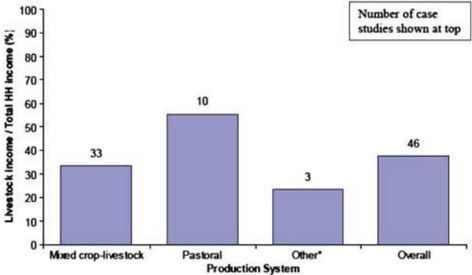
“Bernues and Herrero (2008) found a similar range of incomes (37% to 88%) from livestock in systems with different degrees of crop-livestock integration and diversification in lowland Bolivia (the more diverse and integrated with crops, the lower the share of the total income; the more specialised towards dairy, the hi…”
BackgroundLiving in a fungal world: impact of fungi on soil bacterial niche development
Boer, W. D., Folman, L. B., Summerbell, R. C., & Boddy, L. (2005) · FEMS Microbiology Reviews · doi:10.1016/j.femsre.2004.11.005 · Cited by 1,867
The State of Food and Agriculture 2020
(2020) · FAO eBooks · doi:10.4060/cb1447en · Cited by 1,830
The economics of poverty traps and persistent poverty: An asset-based approach
Carter, M. R., & Barrett, C. B. (2006) · Journal of Development Studies · doi:10.1080/00220380500405261 · Cited by 1,536 · cited 1×
“Access to, control over and ownership of assets are critical aspects of well-being (Sherraden, 1991; Carter and Barrett, 2006).”
Background
Research works printed but not linked: 12
- Gilbert J, Lapar ML, Unger F and Grace D 2010. The most important zoonosis in the world. Paper presented at Ecohealth Conference, August 18-20, London.
- Herath S 2007. Women in livestock development in Asia. Journal of Commonwealth Veterinary Association 24, 29-37.
- Lannerstad M, Heinke J, Herrero M and Havlik P. Livestock production systems - green, green, blue consumptive water use. In Water and livestock: Interactions, trade-offs and opportunities symposium, World Water Week in Stockholm 2012, Water and food security, 26 August 2012. Stockholm, Sweden.
- Njuki JM 2001. Gender roles in agroforesty: a socio-economic analysis of Embu and Kirinyaga Districts, Kenya. PhD thesis, Sokoine University of Agriculture, Tanzania.
- Peden D, Tadesse G, Misra AK, Awad Amed F, Astatke A, Ayalneh W, Herrero M, Kiwuwa G, Kumsa T, Mati B, Mpairwe D, Wassenaar T and Yimegnuhal A 2007. Chapter 13: Livestock and water for human development. In Water for food, water for life: comprehensive assessment of water management in agriculture (ed. D Molden), pp. 485-514. Oxford University Press, Oxford, UK.
- Rangnekar S 1998. Women in livestock production in developing countries. International Conference on Sustainable Animal Production, 24-27 November, Hisar, India.
- Salman MD, Morley PS and Ruch-Gallie R (eds) 1999. International Society for Veterinary Epidemiology and Economics, Nairobi (Kenya). Proceedings of the 9th Symposium of the International Society for Veterinary Epidemiology and Economics. Paper 333, Nairobi, Kenya.
- Schlundt J, Toyofuku H, Jansen J and Herbst SA 2004. Emerging food-borne zoonoses. Annual Review of Information Science and Technology 23, 513-533.
- Smith P, Martino D, Cai Z, Gwary D, Janzen H, Kumar P, McCarl B, Ogle S, O'Mara F, Rice C, Scholes B and Sirotenko O 2007. Agriculture. In Climate change 2007: mitigation. Contribution of Working Group III to the Fourth Assessment Report of 24 the Intergovernmental Panel on Climate Change (ed. B Metz, OR Davidson, PR Bosch, R Dave and RL Meyer), pp. 497-540. Cambridge University Press.
- Thompson DM, Serneels S, Ole Kaelo D and Chevenix Trench P 2009. Maasail mara -land privatization and wildlife decline: can conservation pay its way? In Staying Maasai: livelihoods, conservation and Human Development in East African Rangelands. Studies in Human Ecology and Adaptation (ed. K Homewood, P Trench, P Kristjanson, M Radeny), pp. 77-114. Springer Press, Germany.
- Thorns CJ 2000. Bacterial food-borne zoonoses. Revenue scientifique et technique Office international des epizooties 19, 226-239.
- Yisehak K 2008. Gender responsibility in smallholder mixed crop-livestock production systems of Jimma zone, South West Ethiopia. Livestock Research for Rural Development 20. Retrieved January 14, 2010, from http://www.lrrd.org/ lrrd20/1/yise20011.htm
Cited by
Herrero, M., Havlík, P., Valin, H., Notenbaert, A., Rufino, M. C., Thornton, P. K., Blümmel, M., Weiss, F., Grace, D., & Obersteiner, M. (2013) · Proceedings of the National Academy of Sciences · doi:10.1073/pnas.1308149110 · Cited by 1,254
“At the same time, grasslands are sometimes considered either underused or seen as an ecosystem warranting judicious management because of their importance for protecting key regulating ecosystems services (carbon, biodiversity, water) (1, 5, 29).”
BackgroundSelf-citationImpacts of land use, population, and climate change on global food security
Molotoks, A., Smith, P., & Dawson, T. P. (2021) · Food and Energy Security · doi:10.1002/fes3.261 · Cited by 596
“Although comprising of relatively few calories, these food sources are essential for delivering certain micronutrients, for example, zinc, iron, and B14 (Herrero et al., 2013; Nelson et al., 2018), which global studies often neglect.”
BackgroundFood Safety in Low and Middle Income Countries
Grace, D. (2015) · International Journal of Environmental Research and Public Health · doi:10.3390/ijerph120910490 · Cited by 544
“In many LMICs, most animal source foods and produce are produced by smallholders and sold in informal markets [19,20].”
BackgroundSelf-citationGerber, P. J., Hristov, A. N., Henderson, B., Makkar, H., Oh, J., Lee, C., Meinen, R., Montes, F., Ott, T., Firkins, J., et al. (2013) · Animal · doi:10.1017/s1751731113000876 · Cited by 442
“Livestock production plays a crucial role in food security, rural livelihoods and development at large (Herrero et al., 2013).”
BackgroundMeat Consumption and Sustainability
Parlasca, M. C., & Qaim, M. (2022) · Annual Review of Resource Economics · doi:10.1146/annurev-resource-111820-032340 · Cited by 357
Beyond milk, meat, and eggs: Role of livestock in food and nutrition security
Smith, J., Sones, K., Grace, D., MacMillan, S., Tarawali, S., & Herrero, M. (2013) · Animal Frontiers · doi:10.2527/af.2013-0002 · Cited by 332
“The world’s 17 billion livestock (Herrero et al., 2009, 2013) occur in three main types of production systems: confi ned intensive, mixed crop– livestock, and open grazing systems.”
BackgroundSelf-citationImproving the Yield and Nutritional Quality of Forage Crops
Capstaff, N. M., & Miller, A. J. (2018) · Frontiers in Plant Science · doi:10.3389/fpls.2018.00535 · Cited by 281
“Additionally, in many developing countries the rearing of livestock such as cattle and goats are vital in times of hardship; many view animals as living ‘piggy-banks,’ that can for example pay the family school fees (Herrero et al., 2013).”
BackgroundThe importance of food systems and the environment for nutrition
Fanzo, J., Bellows, A. L., Spiker, M. L., Thorne-Lyman, A. L., & Bloem, M. W. (2021) · The American Journal of Clinical Nutrition · doi:10.1093/ajcn/nqaa313 · Cited by 272
Role of Secondary Plant Metabolites on Enteric Methane Mitigation in Ruminants
Ku-Vera, J. C., Jiménez-Ocampo, R., Valencia-Salazar, S. S., Montoya-Flores, M. D., Molina-Botero, I. C., Arango, J., Gómez-Bravo, C. A., Aguilar-Pérez, C. F., & Solorio-Sánchez, F. J. (2020) · Frontiers in Veterinary Science · doi:10.3389/fvets.2020.00584 · Cited by 257
Abu Hatab, A., Cavinato, M. E. R., Lindemer, A., & Lagerkvist, C.-J. (2019) · Cities · doi:10.1016/j.cities.2019.06.001 · Cited by 267
Nutritional enhancement of sheep meat fatty acid profile for human health and wellbeing
Chikwanha, O. C., Vahmani, P., Muchenje, V., Dugan, M. E. R., & Mapiye, C. (2018) · Food Research International · doi:10.1016/j.foodres.2017.05.005 · Cited by 214
Lan, W., & Yang, C. (2019) · Science of The Total Environment · doi:10.1016/j.scitotenv.2018.11.180 · Cited by 209
Sustainability and future food security—A global perspective for livestock production
Michalk, D. L., Kemp, D. R., Badgery, W. B., Wu, J., Zhang, Y., & Thomassin, P. J. (2019) · Land Degradation & Development · doi:10.1002/ldr.3217 · Cited by 189
Zou, L., Liu, Y., Yang, J., Yang, S., Wang, Y., zhi, C., & Hu, X. (2020) · Habitat International · doi:10.1016/j.habitatint.2020.102182 · Cited by 200
RAO, I., PETERS, M., CASTRO, A., SCHULTZE-KRAFT, R., WHITE, D., FISHER, M., MILES, J., LASCANO, C., BLUMMEL, M., BUNGENSTAB, D., et al. (2015) · Tropical Grasslands - Forrajes Tropicales · doi:10.17138/tgft(3)59-82 · Cited by 173
“These differences are mostly driven by feed conversion efficiency (the amount of feed consumed per unit of product), which improves with dietary quality in terms of digestibility and protein content (Herrero et al. 2013a).”
InfluentialSelf-citationContribution of small ruminants to food security for Ethiopian smallholder farmers
Desta, H., Gemeda, B. A., Kinati, W., Mulema, A. A., van Eerdewijk, A., & Wieland, B. (2020) · Small Ruminant Research · doi:10.1016/j.smallrumres.2020.106064 · Cited by 198
Harrison, M. T., Cullen, B. R., Mayberry, D. E., Cowie, A. L., Bilotto, F., Badgery, W. B., Liu, K., Davison, T., Christie, K. M., Muleke, A., et al. (2021) · Global Change Biology · doi:10.1111/gcb.15816 · Cited by 158
Feeding climate and biodiversity goals with novel plant-based meat and milk alternatives
Kozicka, M., Havlík, P., Valin, H., Wollenberg, E. K., Депперманн, А., Leclère, D., Lauri, P., Moses, R., Boere, E., Frank, S., et al. (2023) · Nature Communications · doi:10.1038/s41467-023-40899-2 · Cited by 197
“The livestock sector covers 7 major animal products, and it includes the representation of different International Livestock Research Institute/FAO production systems, agroecological zones, animal types, and management systems based on Herrero et al. 65 .”
BackgroundNair, M. R. R., Sejian, V., Silpa, M. V., Fonsêca, V. D. F. C., Costa, C. C. D. M., Devaraj, C., Krishnan, G., Bagath, M., Nameer, P. O., & Bhatta, R. (2021) · International Journal of Biometeorology · doi:10.1007/s00484-021-02179-w · Cited by 185
Petz, K., Alkemade, R., Bakkenes, M., Schulp, C. J. E., van der Velde, M., & Leemans, R. (2014) · Global Environmental Change · doi:10.1016/j.gloenvcha.2014.08.007 · Cited by 164
Harry Stobbs Memorial Lecture: Can grazing behavior support innovations in grassland management?
Carvalho, P. C. D. F. (2013) · Tropical Grasslands - Forrajes Tropicales · doi:10.17138/tgft(1)137-155 · Cited by 147
Adaptation to climate change – exploring the potential of locally adapted breeds
Hoffmann, I. (2013) · animal · doi:10.1017/s1751731113000815 · Cited by 186
Food Safety and Informal Markets: Animal Products in Sub-Saharan Africa
(2014) · doi:10.4324/9781315745046 · Cited by 140
Self-citationHatab, A. A., Cavinato, M. E. R., & Lagerkvist, C. J. (2019) · Food Security · doi:10.1007/s12571-019-00906-1 · Cited by 167
Livestock provide more than food in smallholder production systems of developing countries
Banda, L. J., & Tanganyika, J. (2021) · Animal Frontiers · doi:10.1093/af/vfab001 · Cited by 144
Livestock Genomics for Developing Countries – African Examples in Practice
Marshall, K., Gibson, J. P., Mwai, O. A., Mwacharo, J. M., Haile, A., Getachew, T., Mrode, R., & Kemp, S. J. (2019) · Frontiers in Genetics · doi:10.3389/fgene.2019.00297 · Cited by 147
“…(such as Frontiers in Genetics | www.frontiersin.org 1 April 2019 | Volume 10 | Article 297 communal grazing areas), and fulfilling social obligations (such as being used in special ceremonies or for dowry), amongst other (Herrero et al., 2013; Marshall, 2014; Marshall et al., 2014; ILRI, 2019).”
BackgroundEnahoro, D. K., Mason-D’Croz, D., Mul, M., Rich, K. M., Robinson, T. P., Thornton, P. K., & Staal, S. S. (2019) · Global Food Security · doi:10.1016/j.gfs.2019.01.001 · Cited by 135
Self-citationDevelopment of livestock production in the tropics: farm and farmers’ perspectives
Oosting, S. J., Udo, H. M. J., & Viets, T. C. (2014) · animal · doi:10.1017/s1751731114000548 · Cited by 115
“Scientific and policy literature in the field of tropical livestock production, explicitly or implicitly, presents an objective: to increase the intensity of livestock production in order to meet the increasing food demand; reduce the environmental impact of livestock production per unit animal product; and contribute…”
BackgroundGrass strategies and grassland community responses to environmental drivers: a review
Pontes, L. D. S., Maire, V., Schellberg, J., & Louault, F. (2015) · Agronomy for Sustainable Development · doi:10.1007/s13593-015-0314-1 · Cited by 118
“crease faster than for other agricultural products (Herrero et al. 2013).”
BackgroundEffect of grassland ploughing and reseeding on CO2 emissions and soil carbon stocks
Reinsch, T., Loges, R., Kluß, C., & Taube, F. (2018) · Agriculture Ecosystems & Environment · doi:10.1016/j.agee.2018.06.020 · Cited by 108
Mottet, A., Henderson, B. B., Opio, C. I., Falcucci, A., Tempio, G., Silvestri, S., Chesterman, S., & Gerber, P. (2016) · Regional Environmental Change · doi:10.1007/s10113-016-0986-3 · Cited by 100
“…University, PO Box 338, 6700AH Wageningen, The Netherlands While livestock’s role in achieving food security is well established (FAO 2011; Herrero et al. 2013a), the sector’s sustainable development in the context of a 70 % rise in demand for animal products between 2010 and 2050…”
BackgroundInfluentialSelf-citationDuguma, B., & Janssens, G. (2021) · Sustainability · doi:10.3390/su131910713 · Cited by 145
“The same author also stated two thirds of smallholders in East and Central Africa rely on mixed crop–livestock systems [2].”
BackgroundEeswaran, R., Nejadhashemi, A. P., Faye, A., Min, D., Prasad, P. V. V., & Ciampitti, I. A. (2022) · Agronomy · doi:10.3390/agronomy12081818 · Cited by 111
Arndt, C., Powell, J. M., Aguerre, M. J., Crump, P. M., & Wattiaux, M. A. (2015) · Journal of Dairy Science · doi:10.3168/jds.2014-8449 · Cited by 92
“Worldwide meat and milk demand is projected to increase, especially in emerging economies where livestock systems are generally considered inefficient but have multiple socio-economic functions (Herrero et al., 2013).”
Trade-offs in livestock development at farm level: Different actors with different objectives
Salmon, G., Teufel, N., Baltenweck, I., van Wijk, M. T., Claessens, L., & Marshall, K. (2018) · Global Food Security · doi:10.1016/j.gfs.2018.04.002 · Cited by 102
Tricárico, J. M., Kebreab, E., & Wattiaux, M. A. (2020) · Journal of Dairy Science · doi:10.3168/jds.2020-18269 · Cited by 103
“The annual economic cost of undernutrition ranges from 2 to 3% of gross domestic product ( GDP ) in some countries and is as high as 11% of GDP in some countries in Africa and Asia (World Bank, 2019).”
BackgroundInfluentialMorgavi, D., Cantalapiedra-Hijar, G., Eugène, M., Martin, C., Nozière, P., Popova, M., Marty, I. O., Muñoz‐Tamayo, R., & Ungerfeld, E. M. (2023) · animal · doi:10.1016/j.animal.2023.100830 · Cited by 103
Weindl, I., Popp, A., Bodirsky, B. L., Rolinski, S., Lotze‐Campen, H., Biewald, A., Humpenöder, F., Dietrich, J. P., & Stevanović, M. (2017) · Global and Planetary Change · doi:10.1016/j.gloplacha.2017.10.002 · Cited by 100
Bernués, A., Rodríguez-Ortega, T., Alfnes, F., Clemetsen, M., & Eik, L. O. (2015) · Land Use Policy · doi:10.1016/j.landusepol.2015.05.022 · Cited by 85
Liu, H., Long, J., Zhang, K., Li, M., Zhao, D., Song, D., & Zhang, W. (2024) · The Science of The Total Environment · doi:10.1016/j.scitotenv.2024.174180 · Cited by 88
Enahoro, D. K., Lannerstad, M., Pfeifer, C., & Domínguez-Salas, P. (2018) · Global Food Security · doi:10.1016/j.gfs.2018.08.002 · Cited by 94
“The patterns of livestock ownership in the countries likely reveal traditional roles of livestock among rural populations (Herrero et al., 2013), while dynamics in Uganda, at least in the case of poultry, likely show the in fl uences of a major donor-funded intervention (Dessie and Getachew, 2016).”
BackgroundSelf-citationPriority areas for investment in more sustainable and climate-resilient livestock systems
Bonilla, C., Steward, P., Rosenstock, T. S., Thornton, P. K., Arango, J., Kropff, M. J., & Ramírez-Villegas, J. (2023) · Nature Sustainability · doi:10.1038/s41893-023-01161-1 · Cited by 90
“Through the provision of draught power and manure and the recycling of agricultural byproducts, livestock underpin crop production and the food system 3–5 .”
BackgroundExploring the landscape of livestock ‘Facts’
Salmon, G., MacLeod, M. J., Claxton, J. R., Pica‐Ciamarra, U., Robinson, T. P., Duncan, A. J., & Peters, A. R. (2019) · Global Food Security · doi:10.1016/j.gfs.2019.100329 · Cited by 89
MOOnitor: An IoT based multi-sensory intelligent device for cattle activity monitoring
Dutta, D., Natta, D., Mandal, S., & Ghosh, N. (2021) · Sensors and Actuators A Physical · doi:10.1016/j.sna.2021.113271 · Cited by 87
Integrating Animal Husbandry With Crops and Trees
Lal, R. (2020) · Frontiers in Sustainable Food Systems · doi:10.3389/fsufs.2020.00113 · Cited by 84
Bernardo, T. M., Bruce, M., Rushton, J., Shaw, A., Grace, D., Wieland, B., Herrero, M., STONE, M., GILBERT, W., Marsh, T. L., et al. (2021) · Scientific and Technical Review (World Organisation for Animal Health) · doi:10.20506/rst.40.2.3246 · Cited by 84
“Sustainable solutions for smallholders must take into account the nuanced socioeconomic roles that livestock play in low-and middle-income countries (15).”
Self-citationClassification and characterisation of livestock production systems in northern Tanzania
de Glanville, W. A., Davis, A., Allan, K. J., Buza, J., Claxton, J. R., Crump, J. A., Halliday, J. E. B., Johnson, P., Kibona, T. J., Mmbaga, B. T., et al. (2020) · PLoS ONE · doi:10.1371/journal.pone.0229478 · Cited by 76
“Livestock play a key role in the livelihoods of many households in low-income countries where they contribute to informal household insurance and financing, soil fertility, and household nutrition [1].”
BackgroundGlobal risk of heat stress to cattle from climate change
North, M. A., Franke, J., Ouweneel, B., & Trisos, C. H. (2023) · Environmental Research Letters · doi:10.1088/1748-9326/aceb79 · Cited by 81
Paul, B. K., Groot, J. C. J., Maass, B. L., Notenbaert, A. M. O., Herrero, M., & Tittonell, P. A. (2020) · Outlook on Agriculture · doi:10.1177/0030727020906170 · Cited by 68
“Livestock is a resource of significant benefit to society in the form of food, income, nutrients, employment, insurance, traction, and clothing (Herrero et al., 2013).”
BackgroundSelf-citationSustainability of the Dairy Industry: Emissions and Mitigation Opportunities
Peterson, C. B., & Mitloehner, F. M. (2021) · Frontiers in Animal Science · doi:10.3389/fanim.2021.760310 · Cited by 73
“In countries with developing economies livestock serve many purposes including: a source of household income, a financial asset for women, a source of food security, risk management, and a direct link to human health (Herrero et al., 2013).”
BackgroundEnclosures in West Pokot, Kenya: Transforming land, livestock and livelihoods in drylands
Nyberg, G., Knutsson, P., Ostwald, M., Öborn, I., Wredle, E., Otieno, D. J., Mureithi, S., Mwangi, P. N., Said, M. Y., Jirström, M., et al. (2015) · Pastoralism Research Policy and Practice · doi:10.1186/s13570-015-0044-7 · Cited by 65
“There is subsequently a need for sustainable intensification of livestock production in the subSaharan drylands (Havlik et al. 2014; Herrero et al. 2012).”
Goutard, F. L., Binot, A., Duboz, R., Rasamoelina-Andriamanivo, H., Pedrono, M., Holl, D., Peyre, M., Cappelle, J., Chevalier, V., Figuié, M., et al. (2015) · Preventive Veterinary Medicine · doi:10.1016/j.prevetmed.2015.02.014 · Cited by 79
“Lack of disease control strategies and poor husbandry practices are common and result in a high prevalence of endemic production diseases, making herds and flocks more susceptible to epidemic diseases with high morbidity or mortality (Herrero et al., 2013).”
BackgroundForabosco, F., Chitchyan, Z. T., & Mantovani, R. (2017) · South African Journal of Animal Science · doi:10.4314/sajas.v47i3.3 · Cited by 77
“In Latin America, recycling of manure is not diffuse owing to availability of cheap industrial fertilizer, deforestation and subsequent expansion of agriculture on fertile land, and a rotation system with the possibility of letting the soil regenerate for a few years (Thien Thu et al., 2012; Herrero et al., 2013).”
BackgroundInfluentialThe Opportunity To Eradicate Peste des Petits Ruminants
Mariner, J. C., Jones, B. A., Rich, K. M., Thevasagayam, S., Anderson, J., Jeggo, M. H., Cai, Y., Peters, A. R., & Roeder, P. L. (2016) · The Journal of Immunology · doi:10.4049/jimmunol.1502625 · Cited by 62
“The demand for livestock products is expected to increase by 37% per capita, requiring an increase in overall production of 92% by 2050 (3).”
BackgroundDaum, T., Ravichandran, T., Kariuki, J., Chagunda, M. G. G., & Regina Birner, B. (2021) · Agricultural Systems · doi:10.1016/j.agsy.2021.103353 · Cited by 64
Recent Advances in Enteric Methane Mitigation and the Long Road to Sustainable Ruminant Production
Roques, S., Martínez, G., Ramayo‐Caldas, Y., Popova, M., Denman, S. E., Meale, S. J., & Morgavi, D. (2023) · Annual Review of Animal Biosciences · doi:10.1146/annurev-animal-021022-024931 · Cited by 78
Paul, B. K., Groot, J. C. J., Birnholz, C., Nzogela, B., Notenbaert, A. M. O., Woyessa, K., Sommer, R., Nijbroek, R., & Tittonell, P. A. (2019) · International Journal of Agricultural Sustainability · doi:10.1080/14735903.2019.1695348 · Cited by 63
“In particular, livestock production systems in the region have one of the highest greenhouse gas (GHG) emission intensities, thus GHG per unit livestock product, worldwide due to poor diets, genetics, health, and husbandry (Herrero et al., 2013).”
BackgroundLivestock and Sustainable Food Systems: Status, Trends, and Priority Actions
Herrero, M., Mason-D’Croz, D., Thornton, P. K., Fanzo, J., Rushton, J., Godde, C., Bellows, A. L., Ruiz, A. D. G., Palmer, J., Chang, J., et al. (2023) · Springer eBooks · doi:10.1007/978-3-031-15703-5_20 · Cited by 72
Self-citationClimate-Smart Livestock Systems: An Assessment of Carbon Stocks and GHG Emissions in Nicaragua
Gaitán, L., Läderach, P., Graefe, S., Rao, I. M., & van der Hoek, R. (2016) · PLoS ONE · doi:10.1371/journal.pone.0167949 · Cited by 63
Sustainable Livestock Production in Nepal: A Focus on Animal Nutrition Strategies
Khanal, P., Dhakal, R., Khanal, T., Pandey, D., Devkota, N. R., & Nielsen, M. O. (2022) · Agriculture · doi:10.3390/agriculture12050679 · Cited by 60
“Secondly, livestock in developing nations accounts for 50–65% of the global GHG emissions from the livestock sector [10], thus contributing to climate change and global warming.”
Livestock Production, Rural Poverty, and Perceived Shocks: Evidence from Panel Data for Vietnam
Do, T. L., Nguyễn, T. T., & Grote, U. (2017) · The Journal of Development Studies · doi:10.1080/00220388.2017.1408795 · Cited by 65
“Livestock plays an important role in the livelihoods of rural households and the economies of developing countries in multiple ways (Delgado, Rosegrant, Steinfield, Ehui, & Courbois, 1999; Herrero et al., 2013).”
BackgroundDumas, S. E., Maranga, A., Owuor, P. M., Collins, S. M., Wekesa, P., Onono, M. A., & Young, S. L. (2017) · Food and Nutrition Bulletin · doi:10.1177/0379572117737428 · Cited by 70
“An estimated 70% of the world’s 1.4 billion “extreme poor” raise livestock in some capacity,1 including nearly 320 million people in sub-Saharan Africa.2 Livestock (note 1) can provide income, high-quality animal source foods, draft power, numerous sociocultural benefits, and serve as a repository for stored wealth, a…”
BackgroundInfluentialLocal Sources of Protein in Low- and Middle-Income Countries: How to Improve the Protein Quality?
Vissamsetti, N., Simon-Collins, M., Lin, S., Bandyopadhyay, S., Kuriyan, R., Sybesma, W., & Tomé, D. (2023) · Current Developments in Nutrition · doi:10.1016/j.cdnut.2023.102049 · Cited by 83
“Livestock keeping is also a major supporter of rural household livelihoods and domestic trade [43].”
BackgroundMartínez‐García, C. G., Ugoretz, S. J., Arriaga-Jordán, C. M., & Wattiaux, M. A. (2014) · Tropical Animal Health and Production · doi:10.1007/s11250-014-0720-4 · Cited by 58
“However, as the roles of livestock contrast sharply across regions of the world, their contributions to sustainable development must be contextualized (Herrero et al. 2012).”
BackgroundBarnes, A. N., Anderson, J. D., Mumma, J. A. O., Mahmud, Z. H., & Cumming, O. (2018) · PLoS ONE · doi:10.1371/journal.pone.0197587 · Cited by 57
High-resolution maps of intensive and extensive livestock production in China
Cheng, M., Quan, J., Yin, J., Liu, X., Yuan, Z., & Ma, L. (2022) · Resources Environment and Sustainability · doi:10.1016/j.resenv.2022.100104 · Cited by 60
Delplanque, A., Foucher, S., Théau, J., Bussière, E. M. S., Vermeulen, C., & Lejeune, P. (2023) · ISPRS Journal of Photogrammetry and Remote Sensing · doi:10.1016/j.isprsjprs.2023.01.025 · Cited by 67
Graham, M. W., Butterbach‐Bahl, K., Toit, C. D., Korir, D., Leitner, S., Merbold, L., Mwape, A., Ndung’u, P. W., Pelster, D. E., Rufino, M. C., et al. (2022) · Frontiers in Soil Science · doi:10.3389/fsoil.2022.927452 · Cited by 55
“Higher Tier inventories may also be useful because they potentially allow for more accurate identi fi cation of emissions hotspots, targeting of mitigation interventions, and carbon payment schemes (4, 29).”
BackgroundSelf-citationLowenstein, C., Waters, W. F., Roess, A., Leibler, J. H., & Graham, J. P. (2016) · American Journal of Tropical Medicine and Hygiene · doi:10.4269/ajtmh.16-0485 · Cited by 53
A systematic review of zoonotic enteric parasitic diseases among nomadic and pastoral people
Barnes, A. N., Davaasuren, A., Baasandagva, U., & Gray, G. C. (2017) · PLoS ONE · doi:10.1371/journal.pone.0188809 · Cited by 55
Campbell, Z. A., Otieno, L., Shirima, G. M., Marsh, T. L., & Palmer, G. H. (2018) · Vaccine · doi:10.1016/j.vaccine.2018.11.058 · Cited by 57
“Livestock raised by smallholder farmers serve as an asset and source of income at the household level and, importantly, provide food for rural and urban consumers at the national level [2].”
BackgroundChenais, E., Lewerin, S. S., Boqvist, S., Ståhl, K., Alike, S., Nokorach, B., & Emanuelson, U. (2019) · BMC Veterinary Research · doi:10.1186/s12917-019-2005-7 · Cited by 54
Chen, D., Mechlowitz, K., Li, X., Schaefer, N., Havelaar, A. H., & McKune, S. L. (2021) · Frontiers in Nutrition · doi:10.3389/fnut.2021.751686 · Cited by 55
Smallholder experiences with dairy cattle crossbreeding in the tropics: from introduction to impact
Roschinsky, R., Kluszczynska, M., Sölkner, J., Puskur, R., & Wurzinger, M. (2014) · animal · doi:10.1017/s1751731114002079 · Cited by 46
“The consequential increase in veterinary service demand emphasizes the importance of appropriate (technical) support services (Herrero et al., 2013) and triggers further additional costs.”
BackgroundValue chain analysis and sanitary risks of the camel milk system supplying Nairobi city, Kenya
Muloi, D. M., Alarcón, P., Ombui, J. N., Ngeiywa, K. J., Abdullahi, B., Muinde, P., Karani, M., Rushton, J., & Fèvre, E. M. (2018) · Preventive Veterinary Medicine · doi:10.1016/j.prevetmed.2018.09.010 · Cited by 45
“Traditionally, in the dairy value chains, the role of women is concentrated at the production level with men taking major roles in decision making and value chain governance (Herrero et al., 2013).”
BackgroundWudad, A., Naser, S., & Lelamo, L. L. (2021) · Heliyon · doi:10.1016/j.heliyon.2021.e08173 · Cited by 45
Approximating the global economic (market) value of farmed animals
Schrobback, P., Dennis, G., Yin, L., Mayberry, D., Shaw, A. P. M., Knight-Jones, T., Marsh, T. L., Pendell, D. L., Torgerson, P. R., Gilbert, W., et al. (2023) · Global Food Security · doi:10.1016/j.gfs.2023.100722 · Cited by 54
“Further, the role of terrestrial livestock in developing countries has also been explored (Herrero et al., 2013; Thornton, van de Steeg, Notenbaert and Herrero, 2009).”
BackgroundSelf-citationRao, I. M. (2014) · Books in soils, plants, and the environment · doi:10.1201/b16675-49 · Cited by 55
“The analyses on the roles of livestock in developing countries indicated that livestock play a significant role in rural livelihoods and the economies, and to provide these benefits, the sector uses a significant amount of land, water, biomass, and other resources and emits a considerable quantity of GHG (Herrero et a…”
BackgroundReducing uncertainty in nitrogen budgets for African livestock systems
Rufino, M. C., Brandt, P., Herrero, M., & Butterbach‐Bahl, K. (2014) · Environmental Research Letters · doi:10.1088/1748-9326/9/10/105008 · Cited by 48
“Some research showed the importance of livestock for cropping, but not enough research quantified the importance of biomass production for livestock production (Rufino et al 2011, Herrero et al 2013).”
BackgroundMethodInfluentialSelf-citationChenais, E., Lewerin, S. S., Boqvist, S., Emanuelson, U., Aliro, T., Tejler, E., Cocca, G., Masembe, C., & Ståhl, K. (2015) · Frontiers in Veterinary Science · doi:10.3389/fvets.2015.00051 · Cited by 45
“In resource-poor settings, these impacts are especially severe as the animals have multiple roles in the economy, and individual households, as well as the national income, are highly dependent on their livestock (3, 4).”
BackgroundUnderstanding farmers’ preferences for artificial insemination services provided through dairy hubs
Omondi, I., Zander, K. K., Bauer, S., & Baltenweck, I. (2016) · animal · doi:10.1017/s1751731116002354 · Cited by 40
“…(Kosgey et al., 2011), particularly for the 24 million people in† E-mail: i.omondi@cgiar.org Animal (2017), 11:4, pp 677–686 © The Animal Consortium 2016 doi:10.1017/S1751731116002354 animal East Africa who directly depend on dairy from livestock for their livelihoods (Herrero et al., 2013).”
BackgroundInfluentialOjango, J. M. K., Wasike, C. B., Enahoro, D. K., & Okeyo, A. M. (2016) · Animal Genetic Resources/Ressources génétiques animales/Recursos genéticos animales · doi:10.1017/s2078633616000096 · Cited by 40
“A large proportion of the rural households in developing countries own livestock, which are quite valuable financially and play significant social and economic roles in the communities (World Bank, 2008; Herrero et al., 2013; Mpofu, 2014).”
BackgroundSelf-citationLamega, S. A., Komainda, M., Hoffmann, M. P., Ayisi, K. K., Odhiambo, J. J. O., & Isselstein, J. (2021) · Climate Risk Management · doi:10.1016/j.crm.2021.100362 · Cited by 39
Enhancing Hill Farming Efficiency Using Unmanned Agricultural Vehicles: A Comprehensive Review
Padhiary, M., Sethi, L. N., & Kumar, A. (2024) · Transactions of Indian National Academy of Engineering · doi:10.1007/s41403-024-00458-7 · Cited by 46
“Agriculture has been the backbone of human civilization, sustaining communities through agricultural production and livestock raising (Arora 2018; Herrero et al. 2013).”
Dumas, S. E., Kassa, L., Young, S. L., & Travis, A. J. (2018) · PLoS ONE · doi:10.1371/journal.pone.0191339 · Cited by 45
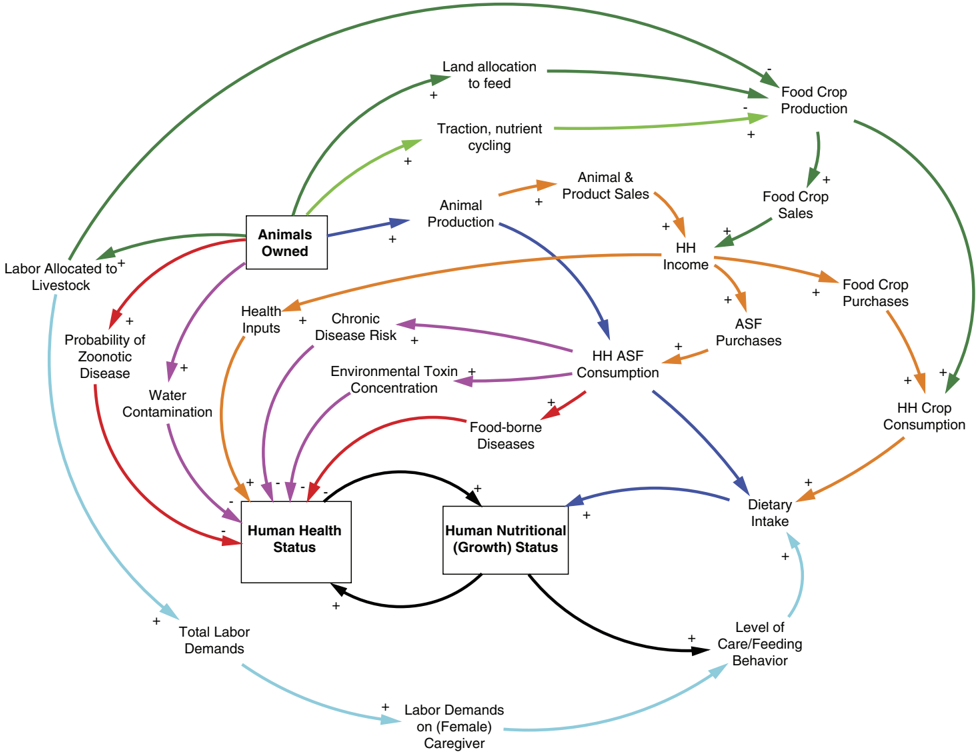
“Livestock ownership can also potentially worsen a child’s nutritional status by exposing them to zoonotic pathogens, increasing maternal time burden, competing for household resources, or increasing maternal or child energy demands because of the physical labor required to rear livestock [6,8].”
Paul, B. K., Butterbach‐Bahl, K., Notenbaert, A. M. O., Nderi, A. N., & Ericksen, P. (2020) · Environmental Research Letters · doi:10.1088/1748-9326/abc278 · Cited by 50
Samadi, A., Amiri, M., & Hailat, N. (2024) · Current Microbiology · doi:10.1007/s00284-023-03605-5 · Cited by 38
“In such rural societies, the contact between animal and human is very close, and the hygiene conditions of animals and humans are often poor [52, 53].”
Conservation Agriculture in Sub-Saharan Africa
Corbeels, M., Thierfelder, C., & Rusinamhodzi, L. (2014) · Springer eBooks · doi:10.1007/978-3-319-11620-4_18 · Cited by 51
Gender Roles and Food Safety in 20 Informal Livestock and Fish Value ChainsPreprint
Grace, D., Roesel, K., Kang’ethe, E. K., Bonfoh, B., & Theis, S. (2016) · SSRN Electronic Journal · doi:10.2139/ssrn.2741313 · Cited by 59
“Almost two-thirds of the world’s 925 million poor livestock keepers are rural women, and women play important roles in livestock production, processing, and livestock product retail (Herrero et al. 2013).”
BackgroundSelf-citationThiamethoxam adsorption by ZnCl2 modified cow manure biochar: Mechanism and quantitative prediction
Zhou, Q., Mai, W., Chen, Z., Wang, X., Pu, M., Tu, J., Zhang, C., Yi, X., & Huang, M. (2023) · Environmental Research · doi:10.1016/j.envres.2023.117004 · Cited by 41
Antimicrobial Resistance on Dairy Farms
Jayarao, B. M., Almeida, R. A., & Oliver, S. P. (2019) · Foodborne Pathogens and Disease · doi:10.1089/fpd.2019.29011.edi · Cited by 37
“…(5) assuring animal welfare and well-being (humane practices and animal health); and (6) addressing the issue of dependency on antimicrobials and emerging antimicrobial resistance (AMR) (Delgado et al. , 1999; Steinfeld, 2003; Thornton et al. , 2009; Herrero et al. , 2013; Barkema et al. , 2015).”
Oda, B. K., Lulekal, E., Warkineh, B., Asfaw, Z., & Debella, A. (2024) · Journal of Ethnobiology and Ethnomedicine · doi:10.1186/s13002-024-00665-0 · Cited by 53
“Livestock is an important and integral part of many economies of these nations [7], which span from the social to the economic to the environmental [8].”
BackgroundInfluentialAmer, P. R., Hely, F. S., Quinton, C. D., & Cromie, A. R. (2017) · animal · doi:10.1017/s1751731117001549 · Cited by 36
Smallholder Goat Production in Southern Africa: A Review
Mataveia, G., Visser, C., & Sitoe, A. (2021) · IntechOpen eBooks · doi:10.5772/intechopen.97792 · Cited by 47
Mugumaarhahama, Y., Ayagirwe, R. B. B., Mutwedu, V. B., Cirezi, N. C., Wasso, D. S., Azine, P. C., & Karume, K. (2021) · Pastoralism Research Policy and Practice · doi:10.1186/s13570-020-00187-w · Cited by 44
“…providing manure and labour for increased productivity and therefore enhancing the well-being and increased income of farmers in SSA (Lammers et al. 2009; Swanepoel et al. 2010; Herrero et al. 2013; Mutwedu et al. 2015; Mugumaarhahama et al. 2016; Akilimali et al. 2017; Mugumaarhahama et al. 2020).”
BackgroundOkpara, E. O., Ojo, O. E., Awoyomi, O. J., Dipeolu, M. A., Oyekunle, M. A., & Schwarz, Š. (2018) · Veterinary Microbiology · doi:10.1016/j.vetmic.2018.03.013 · Cited by 37
The Biopolitics of Cattle Methane Emissions Reduction: Governing Life in a Time of Climate Change
McGregor, A., RICKARDS, L. A., Houston, D., Goodman, M. K., & Bojovic, M. (2021) · Antipode · doi:10.1111/anti.12714 · Cited by 41
Kolipaka, S. S., Tamis, W. L. M., Zelfde, M. V. ‘., Persoon, G. A., & de Iongh, H. H. (2017) · PLoS ONE · doi:10.1371/journal.pone.0174844 · Cited by 38
“In many countries, livestock provide stable livelihoods and sustenance for people [2].”
Jiang, Y., Zhang, Q., Niu, J., & Wu, J. (2019) · Sustainability · doi:10.3390/su11247208 · Cited by 33
“accounts, livestock production has made a prominent contribution to improving remote livelihoods and alleviating poverty for pastoralists, especially those living in the arid and semi-arid regions [8,9].”
BackgroundResultPerry, B. D., & Grace, D. (2015) · EcoHealth · doi:10.1007/s10393-015-1091-7 · Cited by 43
“Moreover, as poor countries grow richer, they eat more ASF and become fatter (Herrero et al. 2013).”
BackgroundSelf-citation
Metadata
- Authors
- Herrero, M., Grace, D., Njuki, J., Johnson, N., Enahoro, D., Silvestri, S., & Rufino, M. C.
- Affiliations
- International Livestock Research Institute (KE)
- Corresponding author
- Herrero, M.
- Venue
- Animal
- Publisher
- Elsevier BV
- Published
- 2013
- Volume
- 7
- Pages
- 3-18
- ISSN
- 1751-7311 (ISSN-L)
- OpenAlex
- W2045423228
- Cited by
- 659
- References
- 113
- Citations by year
- 2026: 68 · 2025: 118 · 2024: 81 · 2023: 96 · 2022: 63 · 2021: 72 · 2020: 32 · 2019: 26 · 2018: 29 · 2017: 17 · 2016: 16 · 2015: 18 · 2014: 11 · 2013: 10
- FWCI
- 25.72
- Type
- journal article
- Language
- en
- Open access
- hybrid
- doi.org
- Licence
- cc-by-nc-nd
- www.elsevier.com/tdm/userlicense/1.0/ (tdm)
- www.elsevier.com/legal/tdmrep-license (tdm)
- creativecommons.org/licenses/by-nc-nd/4.0/ (vor, 2870 d)
- Locations
- animal (publishedVersion, cc-by-nc-nd)
- PubMed (publishedVersion)
- IFPRI E-brary (International Food Policy Research Institute) (submittedVersion)
- CGSPace A Repository of Agricultural Research Outputs (Consultative Group for International Agricultural Research) (submittedVersion, cc-by-nc-nd)
- DOAJ (DOAJ: Directory of Open Access Journals) (submittedVersion, cc-by-sa)
- International Food Policy Research Institute (International Food Policy Research Institute) (submittedVersion)
- Lancaster EPrints (Lancaster University) (submittedVersion)
- Funders
- World Health Organization
- Consortium of International Agricultural Research Centers
- Natural Environment Research Council (NE/J001570/1, NE/J001422/1)
- Topics
- Life Sciences › Agricultural and Biological Sciences › Animal Science and Zoology › Livestock Farming and Management
- Life Sciences › Agricultural and Biological Sciences › Ecology, Evolution, Behavior and Systematics › Agriculture and Rural Development Research
- Physical Sciences › Environmental Science › Ecology › Agriculture Sustainability and Environmental Impact
- Keywords
- livestock, developing countries, rural livelihoods, value chain, smallholder farmers, women in livestock, pastoralism, manure application, water pollution, resource efficiency, sustainable intensification, zoonoses, food safety, diversification, social safety nets
- MeSH terms
- Animals, Animal Husbandry, Developing Countries, Environment, Humans, Livestock
About these checks
Registry, retraction, Cites and statistics results are computed, not judged, with one exception: a printed reference that no index lists is read once by a model before it counts as a citation error. Claims are extracted by a model and kept only when their quote appears verbatim in the text; each cited source is then checked, with a model’s help, for whether it says what the claim relies on. Those verdicts can be wrong — read the claim’s quote and the cited source before relying on one.
Statistics and arithmetic are recomputed, not judged.
Confidence bands are shown only for fields calibrated on our annotated test set. None is calibrated yet, so no band is shown.
What counts as a claim ›How we measure confidence ›How we check this ›
Are you an author, or do you see a problem with this page? Request a review
Data sources
Bibliographic data: Semantic Scholar, OpenAlex, Crossref.
Contains information from the Semantic Scholar Academic Graph Datasets, made available under the ODC Attribution License (ODC-BY 1.0).
Semantic Scholar’s data is described in: Kinney, R., et al. (2023). The Semantic Scholar Open Data Platform. arXiv:2301.10140.
