

The roles of livestock in developing countries
Open accessThe DOI matches its Crossref record; 110 of the 113 references it cites were found in a registry or an index, and 1 are not checked yet.
Abstract
Livestock play a significant role in rural livelihoods and the economies of developing countries. They are providers of income and employment for producers and others working in, sometimes complex, value chains. They are a crucial asset and safety net for the poor, especially for women and pastoralist groups, and they provide an important source of nourishment for billions of rural and urban households. These socio-economic roles and others are increasing in importance as the sector grows because of increasing human populations, incomes and urbanisation rates. To provide these benefits, the sector uses a significant amount of land, water, biomass and other resources and emits a considerable quantity of greenhouse gases. There is concern on how to manage the sector's growth, so that these benefits can be attained at a lower environmental cost. Livestock and environment interactions in developing countries can be both positive and negative. On the one hand, manures from ruminant systems can be a valuable source of nutrients for smallholder crops, whereas in more industrial systems, or where there are large concentrations of animals, they can pollute water sources. On the other hand, ruminant systems in developing countries can be considered relatively resource-use inefficient. Because of the high yield gaps in most of these production systems, increasing the efficiency of the livestock sector through sustainable intensification practices presents a real opportunity where research and development can contribute to provide more sustainable solutions. In order to achieve this, it is necessary that production systems become market-orientated, better regulated in cases, and socially acceptable so that the right mix of incentives exists for the systems to intensify. Managing the required intensification and the shifts to new value chains is also essential to avoid a potential increase in zoonotic, food-borne and other diseases. New diversification options and improved safety nets will also be essential when intensification is not the primary avenue for developing the livestock sector. These processes will need to be supported by agile and effective public and private institutions.
Overview
The claims and statistics of this paper haven’t been checked yet.
Free: it reads the open-access text and checks the first 5 claims that cite a source we can check. Create a free account to check every claim.
Integrity signals
Registry
Cites
Statistics
Figures
Verification
Claims the paper makes
The claims and statistics of this paper haven’t been checked yet.
Free: it reads the open-access text and checks the first 5 claims that cite a source we can check. Create a free account to check every claim.
Claims other papers make about this one
Each is checked against this paper’s own text: does it say what the citing paper says it does?
The source backs part of the claim, not all of it — or backs it for a different population, condition or comparison.
In the citing paper
“In many LMICs, most animal source foods and produce are produced by smallholders and sold in informal markets [19,20].”
From Food Safety in Low and Middle Income Countries (2015) · cites this paper as [20]
Experimental — accuracy not yet measured
Self-check
Percentages, sums and reported differences re-computed from the paper’s own numbers.
The self-check needs the paper’s full text.
Citations
Cites
Global trends in emerging infectious diseases
Jones, K. E., Patel, N. G., Levy, M. A., Storeygard, A., Balk, D., Gittleman, J. L., & Daszak, P. (2008) · Nature · doi:10.1038/nature06536 · Cited by 8,338
Maternal and child undernutrition: global and regional exposures and health consequences
Black, R. E., Allen, L. H., Bhutta, Z. A., Caulfield, L. E., de Onis, M., Ezzati, M., Mathers, C., & Rivera, J. (2008) · The Lancet · doi:10.1016/s0140-6736(07)61690-0 · Cited by 6,443 · cited 1×
“population and is implicated in the deaths of a third of all children under five (Black et al., 2008); an estimated 195 million children are too short for their age (stunted) and 129 million children are underweight.”
BackgroundSteinfeld, H., Gerber, P., Wassenaar, T., Castel, V., Rosales, M., & de Haan, C. (2006) · Agritrop (Cirad) · Cited by 5,238
Global, regional, and national causes of child mortality in 2008: a systematic analysis
Black, R. E., Cousens, S., Johnson, H. L., Lawn, J. E., Rudan, I., Bassani, D. G., Jha, P., Campbell, H., Walker, C. F., Cibulskis, R., et al. (2010) · The Lancet · doi:10.1016/s0140-6736(10)60549-1 · Cited by 3,058 · cited 1×
“4 million children a year (Black et al., 2010).”
Rebitzer, G., Ekvall, T., Frischknecht, R., Hunkeler, D., Norris, G., Rydberg, T., Schmidt, W.-P., Suh, S., Weidema, B. P., & Pennington, D. W. (2004) · Environment International · doi:10.1016/j.envint.2003.11.005 · Cited by 2,753
Livestock production: recent trends, future prospects
Thornton, P. K. (2010) · Philosophical Transactions of the Royal Society B: Biological Sciences · doi:10.1098/rstb.2010.0134 · Cited by 2,215 · cited 1×
“Numerous publications exist on this subject (Steinfeld et al., 2006; FAO, 2009 and 2010; Herrero et al., 2009; PBL, 2010; Pelletier and Tyedmers, 2010; Thornton, 2010; Thornton and Herrero, 2010; Bouwman et al., 2011).”
BackgroundBarrett, C. B., Reardon, T., & Webb, P. (2001) · Food Policy · doi:10.1016/s0306-9192(01)00014-8 · Cited by 1,925 · cited 3×
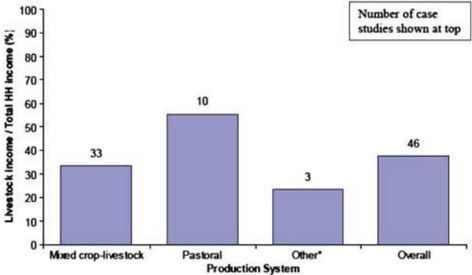
“Bernues and Herrero (2008) found a similar range of incomes (37% to 88%) from livestock in systems with different degrees of crop-livestock integration and diversification in lowland Bolivia (the more diverse and integrated with crops, the lower the share of the total income; the more specialised towards dairy, the hi…”
BackgroundLiving in a fungal world: impact of fungi on soil bacterial niche development
Boer, W. D., Folman, L. B., Summerbell, R. C., & Boddy, L. (2005) · FEMS Microbiology Reviews · doi:10.1016/j.femsre.2004.11.005 · Cited by 1,867
The State of Food and Agriculture 2020
(2020) · FAO eBooks · doi:10.4060/cb1447en · Cited by 1,830
The economics of poverty traps and persistent poverty: An asset-based approach
Carter, M. R., & Barrett, C. B. (2006) · Journal of Development Studies · doi:10.1080/00220380500405261 · Cited by 1,536 · cited 1×
“Access to, control over and ownership of assets are critical aspects of well-being (Sherraden, 1991; Carter and Barrett, 2006).”
Background
Research works printed but not linked: 12
- Gilbert J, Lapar ML, Unger F and Grace D 2010. The most important zoonosis in the world. Paper presented at Ecohealth Conference, August 18-20, London.
- Herath S 2007. Women in livestock development in Asia. Journal of Commonwealth Veterinary Association 24, 29-37.
- Lannerstad M, Heinke J, Herrero M and Havlik P. Livestock production systems - green, green, blue consumptive water use. In Water and livestock: Interactions, trade-offs and opportunities symposium, World Water Week in Stockholm 2012, Water and food security, 26 August 2012. Stockholm, Sweden.
- Njuki JM 2001. Gender roles in agroforesty: a socio-economic analysis of Embu and Kirinyaga Districts, Kenya. PhD thesis, Sokoine University of Agriculture, Tanzania.
- Peden D, Tadesse G, Misra AK, Awad Amed F, Astatke A, Ayalneh W, Herrero M, Kiwuwa G, Kumsa T, Mati B, Mpairwe D, Wassenaar T and Yimegnuhal A 2007. Chapter 13: Livestock and water for human development. In Water for food, water for life: comprehensive assessment of water management in agriculture (ed. D Molden), pp. 485-514. Oxford University Press, Oxford, UK.
- Rangnekar S 1998. Women in livestock production in developing countries. International Conference on Sustainable Animal Production, 24-27 November, Hisar, India.
- Salman MD, Morley PS and Ruch-Gallie R (eds) 1999. International Society for Veterinary Epidemiology and Economics, Nairobi (Kenya). Proceedings of the 9th Symposium of the International Society for Veterinary Epidemiology and Economics. Paper 333, Nairobi, Kenya.
- Schlundt J, Toyofuku H, Jansen J and Herbst SA 2004. Emerging food-borne zoonoses. Annual Review of Information Science and Technology 23, 513-533.
- Smith P, Martino D, Cai Z, Gwary D, Janzen H, Kumar P, McCarl B, Ogle S, O'Mara F, Rice C, Scholes B and Sirotenko O 2007. Agriculture. In Climate change 2007: mitigation. Contribution of Working Group III to the Fourth Assessment Report of 24 the Intergovernmental Panel on Climate Change (ed. B Metz, OR Davidson, PR Bosch, R Dave and RL Meyer), pp. 497-540. Cambridge University Press.
- Thompson DM, Serneels S, Ole Kaelo D and Chevenix Trench P 2009. Maasail mara -land privatization and wildlife decline: can conservation pay its way? In Staying Maasai: livelihoods, conservation and Human Development in East African Rangelands. Studies in Human Ecology and Adaptation (ed. K Homewood, P Trench, P Kristjanson, M Radeny), pp. 77-114. Springer Press, Germany.
- Thorns CJ 2000. Bacterial food-borne zoonoses. Revenue scientifique et technique Office international des epizooties 19, 226-239.
- Yisehak K 2008. Gender responsibility in smallholder mixed crop-livestock production systems of Jimma zone, South West Ethiopia. Livestock Research for Rural Development 20. Retrieved January 14, 2010, from http://www.lrrd.org/ lrrd20/1/yise20011.htm
Cited by
Items 201–300 of 683
Amenu, K., McIntyre, K. M., Moje, N., Knight-Jones, T., Rushton, J., & Grace, D. (2023) · Frontiers in Veterinary Science · doi:10.3389/fvets.2023.1231711 · Cited by 16
Self-citationKhanal, P. (2024) · Journal of Agriculture and Food Research · doi:10.1016/j.jafr.2024.101087 · Cited by 23
Ma, X., Cheng, L., Li, Y., & Zhao, M. (2024) · Agriculture · doi:10.3390/agriculture14111941 · Cited by 18
“Livestock products and services play a significant role for humanity [1].”
Sassu, E. L., Kangethe, R. T., Settypalli, T. B. K., Rufael, T., Cattoli, G., & Wijewardana, V. (2020) · Veterinary Immunology and Immunopathology · doi:10.1016/j.vetimm.2020.110092 · Cited by 16
Lombardi, B., Alvarado, P. I., Ricci, P., Guzmán, S. A., Gonda, H. L., & Juliarena, M. P. (2021) · Animal Feed Science and Technology · doi:10.1016/j.anifeedsci.2021.115029 · Cited by 16
Determinants of smallholder commercialization of livestock: A case study from Tigray, Ethiopia
Belay, G. H., Mengstu, K. A., Kahsay, H. M., Hosseininia, G., Özgüven, A. I., Viira, A., & Azadi, H. (2021) · Cogent Food & Agriculture · doi:10.1080/23311932.2021.1921950 · Cited by 19
“In Low- and Middle-Income Countries (LMICs), livestock production is critical for improving human livelihoods and survival (Herrero et al., 2013, 2014; Lam et al., 2019; Salmon et al., 2018).”
BackgroundDuresa, L. A., Kitessa, J. D., & Feyissa, C. T. (2022) · Veterinary Medicine and Science · doi:10.1002/vms3.952 · Cited by 15
Adelesi, O. O., Kim, Y., Schuler, J., Zander, P. M., Njoroge, M. M., Waithaka, L., Abdulai, A. L., MacCarthy, D. S., & Webber, H. A. (2024) · Agricultural Systems · doi:10.1016/j.agsy.2024.104130 · Cited by 15
“…long-term income and livelihood are negatively affected by years of extreme weather conditions (Gad ´ edjiss-Tossou et al., 2016), leading them to seek different forms of alternatives including the need to sell their assets (such as livestock) and leaving them worse-off (Herrero et al., 2013).”
BackgroundOmolo, J., Omani, R., Caudell, M. A., Kimani, T., Kiambi, S., & Fasina, F. O. (2024) · Veterinary Medicine International · doi:10.1155/2024/8871774 · Cited by 16
“Tis method is suitable for small-scale farmers as it spreads the risk of production failures and challenges across various livestock species and crops [17, 18].”
Co-digestion of Animal Manure and Carcasses to Increase Biogas Generation
Tápparo, D. C., do Amaral, A. C., Steinmetz, R. L. R., & Kunz, A. (2019) · Biofuel and biorefinery technologies · doi:10.1007/978-3-030-10516-7_5 · Cited by 17
Nguyen-Tien, T., Pham, T. L., Vu, D. T., Tran, S. H., Vu, L. T., Bui, V. N., Bui, A. N., Hoang, T. D., Vu, T. T., Nguyen‐Viet, H., et al. (2021) · PLoS ONE · doi:10.1371/journal.pone.0246032 · Cited by 15
“Keeping of livestock in urban places is common as a way to provide urban inhabitants with perishable high value food products and to create opportunities for livelihoods [7].”
BackgroundMore than meat: the role of pigs in Timorese culture and the household economy
Hunter, C. L., Millar, J., & Toribio, J.-A. L. M. L. (2021) · International Journal of Agricultural Sustainability · doi:10.1080/14735903.2021.1923285 · Cited by 15
“Economic development and meat demand One of the key drivers to improving livestock systems in the region is having strongmeat demand (domestic or export) from increasing affluence and economic development (e.g. Thailand, Vietnam, Indonesia, China, Laos) (Herrero et al., 2013; Millar & Photakoun, 2008).”
BackgroundInfluentialGenetic diversity and population structure among indigenous and imported goat breeds in Kenya
Waineina, R. W., Ngeno, K., Okeno, T. O., & Ilatsia, E. D. (2021) · Genetic Resources · doi:10.46265/genresj.eqfq1540 · Cited by 15
Velázquez, J. A., García-Meneses, P. M., Esse, C., Saavedra, P., Trosino, R. M., Bonifaz-Alfonzo, R., & Mazari-Hiríart, M. (2021) · Applied Geography · doi:10.1016/j.apgeog.2021.102606 · Cited by 16
Ogunkoya, F. T. (2014) · Unisa Institutional Repository (University of South Africa) · Cited by 15
One welfare: bibliometric review of world literature
Platto, S., Normando, S., Serres, A., Manteca, X., & Temple, D. (2025) · Frontiers in Veterinary Science · doi:10.3389/fvets.2025.1627981 · Cited by 17
How poverty is measured impacts who gets classified as impoverished
Pu, C., Lambin, É. F., Kusimakwe, I., Gichia, L., Seme, A., Otupiri, E., & Davis, J. (2024) · Proceedings of the National Academy of Sciences · doi:10.1073/pnas.2316730121 · Cited by 18
“As an indicator of expected health status (rather than poverty), this is arguably valid, considering that livestock ownership is more widespread and access to health services more limited in rural communities compared to urban ones (34, 35).”
Eltahir, Y. E., Al-Farsi, A., Al‐Marzooqi, W., Toobi, A. G. A., Gaafar, O. M., Jaÿ, M., Corde, Y., Bose, S., Al‐Hamrashdi, A., Al‐Kharousi, K., et al. (2019) · BMC Veterinary Research · doi:10.1186/s12917-019-2093-4 · Cited by 14
Zhao, Z., Wang, P., Chen, J., & Zhang, F. (2021) · Technological Forecasting and Social Change · doi:10.1016/j.techfore.2021.120752 · Cited by 14
donkey skin trade: a growing global problem
Skippen, L., Collier, J., & Kithuka, J. M. (2021) · Brazilian Journal of Veterinary Research and Animal Science · doi:10.11606/issn.1678-4456.bjvras.2021.175262 · Cited by 14
Kuchimanchi, B. R., Ripoll‐Bosch, R., de Boer, I. J. M., & Oosting, S. J. (2022) · Current Research in Environmental Sustainability · doi:10.1016/j.crsust.2021.100120 · Cited by 21
Gridded soil surface nitrogen surplus on grazing and agricultural land: Impact of land use maps
Kaltenegger, K., Erb, K., Matej, S., & Winiwarter, W. (2021) · Environmental Research Communications · doi:10.1088/2515-7620/abedd8 · Cited by 16
Cattle ownership and households’ welfare: Evidence from Southern Africa
Acosta, A., Nicolli, F., & Tirkaso, W. T. (2024) · Global Food Security · doi:10.1016/j.gfs.2024.100772 · Cited by 14
Patterns of livelihood diversification in farming systems of the Eastern Gangetic Plains
Jackson, T. M., Nandi, R., Jannat, A., Ghosh, A., Hajra, D. K., Mitra, B., Rashid, M. M., Bista, S., Chaudhary, A., Timsina, P., et al. (2025) · Agricultural Systems · doi:10.1016/j.agsy.2025.104346 · Cited by 14
“Including livestock into a livelihood portfolio has benefits for income (Herrero et al., 2013) and nutrition (Hossain et al., 2021) but also in being able to integrate production and consumption activities by using waste products from one as inputs to another.”
Modak, M., Pritom, M. M., Banik, S. C., & Rabbi, M. S. (2025) · IET Wireless Sensor Systems · doi:10.1049/wss2.70013 · Cited by 18
Klapwijk, C. J., Schut, M., van Asten, P., Vanlauwe, B., Giller, K. E., & Descheemaeker, K. (2019) · Tropical Animal Health and Production · doi:10.1007/s11250-019-02112-9 · Cited by 13
Suresh, K. P., Bhavya, A. P., Shivamallu, C., Achar, R. R., Silina, E. V., Stupin, V. A., Kollur, S. P., Shome, B. R., & Patil, S. S. (2022) · Veterinary World · doi:10.14202/vetworld.2022.455-464 · Cited by 15
“animal products, and grazing in a common pasture with poor quality water [66,67].”
BackgroundQuddus, M. A. (2022) · Proceedings of the National Academy of Sciences India Section B Biological Sciences · doi:10.1007/s40011-022-01357-z · Cited by 13
“Livestock production contributes for human protein, household income and employment generation [1].”
BackgroundAlhaji, N. B., Odetokun, I. A., Adamu, A. M., Hassan, A., Lawan, M. K., & Fasina, F. O. (2022) · Veterinary Research Communications · doi:10.1007/s11259-022-09944-1 · Cited by 16
Fodder Radish as a Potential Alternative Feed Source for Livestock in South Africa
Mbambalala, L., Rani, Z. T., Mpanza, T. D. E., Mthana, M. S., Ncisana, L., & Mkhize, N. R. (2023) · Agriculture · doi:10.3390/agriculture13081625 · Cited by 15
Prediction of lamb body composition using in vivo bioimpedance analysis
Moro, A. B., Pires, C. C., da Silva, L. P., Dias, A. M. O., Simões, R. R., Pilecco, V. M., Mello, R. D. O., & de Aguiar, L. K. (2018) · Meat Science · doi:10.1016/j.meatsci.2018.09.013 · Cited by 15
Livestock ecosystem services and disservices in a medium-sized South African town
Thondhlana, G., Yose, P., Cockburn, J. J., & Shackleton, C. M. (2022) · Ecosystems and People · doi:10.1080/26395916.2021.2019833 · Cited by 13
“An understanding of the perceptions of livestock in urban contexts is of paramount importance because livestock can provide both services and disservices to the larger urban community (Herrero et al. 2013; Alarcón et al. 2017; Shackleton et al. 2017; Doron 2020).”
BackgroundAnthelmintic resistance in livestock in Africa: review of the current status
Gatitu, L., Kasudi, M. R., Githigia, S. M., Moodley, A., & Muloi, D. M. (2025) · BMC Veterinary Research · doi:10.1186/s12917-025-05077-0 · Cited by 12
“Livestock production significantly contributes to household income in Africa, with over 70% of households relying on it for up to 33.8% of their total income [1].”
InfluentialAnimal board invited review: Benefits of livestock and animal-source foods in developing countries
Adesogan, A. T., McKune, S. L., Serra, R., Miller, L. C., Bamikole, M. A., Laborde, J. E. A., Dubeux, J. C. B., & Adeoti, T. M. (2025) · animal · doi:10.1016/j.animal.2025.101722 · Cited by 19
Begum, J. A., Nooruzzaman, M., Modak, M., Khanam, D., Hossain, I., Hasnat, A., Kabiraj, C. K., & Chowdhury, E. H. (2023) · Journal of Advanced Veterinary and Animal Research · doi:10.5455/javar.2023.j654 · Cited by 15
“Despite significantly impacting our socioeconomic and health sectors, the poultry industry may also pose a potential threat to the environment [3,4].”
BackgroundAzolla as a beneficial macrophyte for livestock feed: a review
Alebachew, S., Nigussie, T. Z., & Fenta, B. A. (2024) · Cogent Food & Agriculture · doi:10.1080/23311932.2024.2367804 · Cited by 12
Livestock farming and women empowerment in rural Bangladesh: a mixed method approach
Nath, T. D., Rahman, M. S., Biswas, A., & Juice, R. A. (2024) · CABI Agriculture and Bioscience · doi:10.1186/s43170-024-00294-3 · Cited by 12
“Women’s participation in livestock farming is viewed as one approach for women’s empowerment through increasing the income (Herrero et al. 2013; Bain et al. 2018).”
BackgroundAssessment of residues from common pesticides and associated risks in Pakistan
Abbas, M., Abbas, S., Hussain, N., Javeed, M. T., Ghaffar, A., Nadeem, M., Khaliq, M., Ullah, S., Parveen, Z., Khan, K. A., et al. (2024) · Environmental Monitoring and Assessment · doi:10.1007/s10661-024-13220-x · Cited by 12
“Livestock farming constitutes a substantial portion, accounting for 30 to 40% of their income (Herrero et al., 2013).”
Perspective from Latin America
Gallo, C. S., & Tadich, T. (2018) · Elsevier eBooks · doi:10.1016/b978-0-08-101215-4.00011-0 · Cited by 12
Lambrecht, N., Wilson, M. L., Baylín, A., Folson, G. K., Naabah, S., Eisenberg, J. N. S., Adu, B., & Jones, A. D. (2021) · Maternal and Child Nutrition · doi:10.1111/mcn.13163 · Cited by 15
Potopová, V., Musiolková, M., Arbelaez-Gaviria, J., Trnka, M., Havlík, P., Boere, E., Trifan, T., Muntean, N., & Chawdhery, M. R. A. (2023) · Agriculture · doi:10.3390/agriculture13071291 · Cited by 12
Mechlowitz, K., Singh, N., Li, X., Chen, D., Yang, Y., Rabil, A. M., Cheraso, A. J., Ahmed, I. A., Amin, J. K., Gebreyes, W. A., et al. (2023) · Frontiers in Nutrition · doi:10.3389/fnut.2023.1048532 · Cited by 12
“Livestock, in particular, have been recognized as playing a critical role in the health and livelihoods of smallholder households in SSA (2).”
BackgroundMethodNjoka, J. T., Kinyua, P. I. D., & Young, T. P. (2013) · doi:10.5897/ajar12.438 · Cited by 12
Marandure, T., Makombe, G., Dzama, K., Hoffmann, W., & Mapiye, C. (2017) · Ecological Indicators · doi:10.1016/j.ecolind.2017.11.015 · Cited by 17
“Nevertheless, despite the weaknesses of the highlighted sustainability evaluation methods, they remain essential in disclosing the operational viability of production systems (Herrero et al., 2013).”
BackgroundThe Environmental Cost of Red Meat: Striking the Right Balance Between Nutrition and Nature
Smith, M. R., & Myers, S. S. (2022) · American Journal of Health Promotion · doi:10.1177/08901171221088661b · Cited by 12
“On a per-animal basis, these issues tend to be exaggerated in lower-income countries, where production systems are less efficient than in industrial systems.(8)”
BackgroundNdiritu, S. W., & Gichuki, C. N. (2025) · Pastoralism Research Policy and Practice · doi:10.3389/past.2025.14333 · Cited by 11
Livestock—crop interaction for sustainability of agriculture and environment
Machebe, N. S., Ikeh, N. E., Uzochukwu, I. E., & Baiyeri, P. K. (2023) · Elsevier eBooks · doi:10.1016/b978-0-323-90500-8.00011-7 · Cited by 15
Asnawi, A., Ridwan, M., Nurlaelah, S., Amrawaty, A. A., Baba, S., & Kasim, K. (2023) · Animal Production Science · doi:10.1071/an22406 · Cited by 11
Alp, E. (2025) · Energy Economics · doi:10.1016/j.eneco.2025.108223 · Cited by 15
Anim-Jnr, A. S., Ishaq, S. B. Y., Sasu, P., Gyimah, S., Greathead, H. M. R., Boesch, C., Mabiki, F. P., & Emmambux, M. N. (2025) · Frontiers in Sustainable Food Systems · doi:10.3389/fsufs.2025.1529837 · Cited by 14
Antimicrobial resistance in fecal Escherichia coli isolated from poultry chicks in northern Iran
Pourhossein, Z., Asadpour, L., Habibollahi, H., & Shafighi, S. T. (2020) · Gene Reports · doi:10.1016/j.genrep.2020.100926 · Cited by 15
Hadush, M. (2021) · Agricultural and Food Economics · doi:10.1186/s40100-020-00170-4 · Cited by 11
Graham, M. W., Chelanga, P., Jensen, N., Leitner, S., Fava, F. P., & Merbold, L. (2021) · Agricultural Systems · doi:10.1016/j.agsy.2021.103203 · Cited by 15
REGIONAL EPIDEMIOLOGY AND ASSOCIATED RISK FATORS OF PESTE DES PETITS RUMINANTS IN ASIA – A REVIEW
Munibullah, M., Li, Y., Munib, K., & Zhang, Z. (2022) · Slovenian Veterinary Research · doi:10.26873/svr-1464-2022 · Cited by 11
“Developing countries have more than 90% of the world‘s small ruminant population, providing food, trade revenue from animals and animal goods; also improve economic strength and livelihood of smallholder holdings (27).”
BackgroundMOO-GAPS: A multi-objective optimization model for global animal production and sustainability
Castonguay, A. C., Polasky, S., Holden, M. H., Herrero, M., Chang, J., Mason-D’Croz, D., Godde, C., Lee, K., Bryan, B. A., Gerber, J., et al. (2023) · Journal of Cleaner Production · doi:10.1016/j.jclepro.2023.136440 · Cited by 16
Self-citationSantana, O. I., Olmos-Colmenero, J., & Wattiaux, M. A. (2019) · Journal of Dairy Science · doi:10.3168/jds.2018-16223 · Cited by 16
Roxburgh, C., & Pratley, J. E. (2015) · The Rangeland Journal · doi:10.1071/rj14090 · Cited by 11
Baba, S. U., & van der Horst, D. (2018) · Environments · doi:10.3390/environments5020026 · Cited by 15
Analysis of the indoor environment of agricultural constructions in the context of sustainability
Švajlenka, J., Kozlovská, M., & Pošiváková, T. (2019) · Environmental Monitoring and Assessment · doi:10.1007/s10661-019-7608-8 · Cited by 13
Musetsho, K. D., Chitakira, M., & Ramoelo, A. (2022) · Land · doi:10.3390/land11101696 · Cited by 10
Exploring the genetic diversity: A review of germplasm in Nigerian indigenous goat breeds
Akintunde, A. O., Mustofa, I., Ndubuisi-Ogbonna, L. C., Oyekale, O. O., & Shobo, B. A. (2024) · Small Ruminant Research · doi:10.1016/j.smallrumres.2024.107236 · Cited by 10
Agbohessou, Y., Delon, C., Grippa, M., Mougin, É., Ngom, D., Gaglo, E. K., Ndiaye, O., Salgado, P., & Roupsard, O. (2024) · Biogeosciences · doi:10.5194/bg-21-2811-2024 · Cited by 11
“This approach involves the use of extensive data, such as meteorological, soil, and ecosystem management data.”
Maharjan, M., Ayer, S., Newa, M., Timilsina, S., Thakuri, S., Manandhar, B., Singh, B., Rijal, M. L., & Sedhain, A. (2025) · International Journal of Disaster Risk Reduction · doi:10.1016/j.ijdrr.2025.105182 · Cited by 11
Combined approaches to reduce stress and improve livestock well-being: A review
Shabtay, A. (2025) · Cell Stress and Chaperones · doi:10.1016/j.cstres.2025.100091 · Cited by 12
“20,21 On the other hand, global livestock production systems are increasingly criticized for their environmental and resource inefficiencies.”
Acosta, A., Roland-Holst, D., Nicolli, F., Tirkaso, W. T., Rocha, J. S., & Song, J. (2025) · One Health · doi:10.1016/j.onehlt.2025.101188 · Cited by 14
“These linkages create multiplier effects that stimulate wider economic growth [39].”
Sostenibilidad de sistemas ganaderos bovinos de alta montaña en Colombia
Benavides, R. A. M., & Guerrero, H. S. (2017) · Revista de Investigación Agraria y Ambiental · doi:10.22490/21456453.2028 · Cited by 10
Paul, P., Faruque, M. R., Rahman, M. K., Das, P., & Chowdhury, M. Y. E. (2021) · Veterinary World · doi:10.14202/vetworld.2021.1080-1092 · Cited by 10
“In developing countries like Bangladesh, livestock plays an essential role in food security, poverty alleviation, and indeed a token of people’s livelihoods [19].”
BackgroundLambrecht, N., Wilson, M. L., Bridges, D., Eisenberg, J. N. S., Adu, B., Baylín, A., Folson, G. K., & Jones, A. D. (2021) · American Journal of Tropical Medicine and Hygiene · doi:10.4269/ajtmh.21-0550 · Cited by 11
Traits of intensive livestock systems in Algerian steppe territories
Siad, O., Deghnouche, K., Andrighetto, I., Contiero, B., Marchesini, G., Bedjaoui, H., Chala, A., & Cortese, M. (2022) · Italian Journal of Animal Science · doi:10.1080/1828051x.2021.2014994 · Cited by 10
“Because of the high yield gaps in most of these production systems, increasing the efficiency of the livestock sector through sustainable intensification practices present a real opportunity where research and development can contribute to providing more sustainable solutions (Herrero et al. 2013).”
BackgroundMusyoka, M. M., Bukachi, S. A., Muga, G. O., Otiang, E., Kwoba, E. N., & Thumbi, S. M. (2023) · Food Security · doi:10.1007/s12571-023-01368-2 · Cited by 15
Sustainable Solutions to Animal Waste: Climate Change Mitigation and Bioproduct Harvest
Sohil, A., & Kichloo, M. A. (2023) · Springer eBooks · doi:10.1007/978-3-031-26224-1_12 · Cited by 10
Exploration of gender dynamics in the production and marketing of forage technologies in Kenya
Njiru, N., Galié, A., Wanyoike, F. N., Tawanda, M., Boonabaana, B., Bisikwa, J., Njuguna‐Mungai, E., Jones, C. S., & Baltenweck, I. (2023) · Frontiers in Animal Science · doi:10.3389/fanim.2023.1113243 · Cited by 10
Relationship between animal health and livestock farmers’ wellbeing in Ghana: beyond zoonoses
Nuvey, F. S., Haydon, D. T., Hattendorf, J., Addo, K. K., Mensah, G. I., Fink, G., Zinsstag, J., & Bonfoh, B. (2023) · BMC Public Health · doi:10.1186/s12889-023-16287-2 · Cited by 10
A gross margin analysis for Nguni cattle farmers in Limpopo Province, South Africa
Nkadimeng, M. V., Makombe, G., Mapiye, O., Mapiye, C., Oluwatayo, I. B., Dzama, K., Mojapelo, C., Mollel, N., Ngambi, J., & Mautjana, M. H. (2021) · PLoS ONE · doi:10.1371/journal.pone.0253657 · Cited by 10
“Among the rural and resource poor people, livestock contribute substantially to livelihoods; they are a store of wealth, source of income and food (meat and milk), draught power and manure [9, 10] and act as collateral for credit and essential security nets against unforeseen circumstances [11].”
BackgroundThe Various Forms of Cow Manure Waste as Adsorbents of Heavy Metals
Mulyani, O., Joy, B., & Kurnia, D. (2022) · Applied Sciences · doi:10.3390/app12115763 · Cited by 10
“Introduction Livestock is essential for rural livelihoods and the economic sector in developing countries [1].”
BackgroundDupré, L., Lasseur, J., & Poccard-Chapuis, R. J. M. (2015) · Techniques & culture · doi:10.4000/tc.7492 · Cited by 18
Differences in factors associated with anemia in Haitian children from urban and rural areas
Palacios, A. M., FREELAND-GRAVES, J. H., Dulience, S. J. L., Delnatus, J. R., & Iannotti, L. L. (2021) · PLoS ONE · doi:10.1371/journal.pone.0247975 · Cited by 11
“In rural areas, the rearing of animals is an ubiquitous practice [50], and studies have linked livestock ownership with increased intake of meat and dairy [51] and better nutritional status in children [52].”
BackgroundMarket participation and pastoral welfare in drought-prone areas: A dose-response analysis
Yitayew, A., Kassie, G. T., & Yigezu, Y. A. (2023) · Economic Analysis and Policy · doi:10.1016/j.eap.2023.10.030 · Cited by 9
“Therefore, increasing participation in livestock markets is a key factor in pulling rural households out of poverty, as they are the owners of at least three-quarters of the livestock in developing countries (Lapar et al., 2003; Herrero et al., 2013).”
BackgroundTime to control of anthrax outbreaks in Africa, 2014–2023: A systematic review and meta-analysis
Ario, A. R., Buregyeya, E., Rutebemberwa, E., Walekhwa, A. W., Akunzirwe, R., Kyamwine, I. B., Olum, R., Nuwaha, F., Serwadda, D., & Wanyenze, R. K. (2025) · PLOS Global Public Health · doi:10.1371/journal.pgph.0004534 · Cited by 10
“…on livestock for their livelihoods may create economic pressure to salvage meat from diseased animals, increasing the risk of human infection [64,65]; failure to map hotspots lowers the index of suspicion in areas that may not have experienced anthrax outbreaks before [66,67]; and historical or…”
Kong, Y., Wen, Z., Cai, X., Tan, L., Liu, Z., Wang, Q., Li, Q., Yang, N., Wang, Y., & Zhao, Y. (2025) · BMC Genomics · doi:10.1186/s12864-025-11563-4 · Cited by 9
Egerson, D., Kpegba-Fiaboe, E. E., & Christian, A. K. (2025) · Journal of Rural Studies · doi:10.1016/j.jrurstud.2025.103750 · Cited by 10
Garbole, J., Dima, G., & Kanchora, D. (2025) · Environmental and Sustainability Indicators · doi:10.1016/j.indic.2025.100894 · Cited by 9
Sila, W., Gachuiri, C. K., Recha, J. W., Audho, J., & Ojango, J. M. K. (2021) · Sustainability · doi:10.3390/su13179629 · Cited by 9
Chapter 10: Avoiding live-animal transport to slaughter: mobile abattoirs
Hultgren, J. (2022) · Wageningen Academic Publishers eBooks · doi:10.3920/978-90-8686-924-4_10 · Cited by 9
Assessing the financial sustainability of a rural livestock practice: a case of Pakistan
Lakhani, M. O., Tauseef, S., & Chattha, W. A. (2022) · Agricultural Finance Review · doi:10.1108/afr-05-2022-0062 · Cited by 9
Adelesi, O. O., Kim, Y., Webber, H. A., Zander, P. M., Schuler, J., Hosseini-Yekani, S.-A., MacCarthy, D. S., Abdulai, A. L., van der Wiel, K., Traoré, P., et al. (2023) · Sustainability · doi:10.3390/su15097386 · Cited by 9
A framework for quantifying the multisectoral burden of animal disease to support decision making
Lysholm, S., Chaters, G. L., Bari, C. D., Hughes, E. C., Huntington, B., Rushton, J., & Thomas, L. F. (2025) · Frontiers in Veterinary Science · doi:10.3389/fvets.2025.1476505 · Cited by 10
Aderinto, R. F., Ortega‐S., J. A., Anoruo, A. O., Machen, R. V., & Turner, B. L. (2020) · Sustainability · doi:10.3390/su12155947 · Cited by 9
“Grazing livestock are of central importance to rural livelihoods and economic conditions in developing countries, being assets to smallholders that provide a source of income, employment and family equity while simultaneously providing an important protein source for billions of people [1].”
BackgroundKizza, D., Ocaido, M., Mugisha, A., Azuba, R., Nalubwama, S., Nalule, S. A., Onyuth, H., Musinguzi, S. P., & Waiswa, C. (2022) · BMC Veterinary Research · doi:10.1186/s12917-022-03468-1 · Cited by 11
Windsor, P. A., & Hill, J. (2022) · Animals · doi:10.3390/ani12233319 · Cited by 11
Temoso, O., Ng’ombe, J. N., Bahta, S., & Hadley, D. (2023) · Agrekon · doi:10.1080/03031853.2022.2156899 · Cited by 10
“Herrero et al. (2014) points out that whilst yields of milk and meat are currently low in Sub-Saharan Africa, there are con-”
BackgroundMavungu, G. N., Shakalenga, C. M., Numbi, D. M., Nsenga, S. N., Nonga, W. M., Shongo, C. P., Amuri, S. B., Nachtergael, A., Vandenput, S., Okombe, V. E., et al. (2023) · Frontiers in Pharmacology · doi:10.3389/fphar.2023.1124267 · Cited by 9
“Livestock play a significant role in livelihoods and the economies of developing countries (Herrero et al., 2013; Hatab et al., 2019).”
BackgroundHossain, M. R., & Khan, M. A. (2023) · Small-scale Forestry · doi:10.1007/s11842-023-09540-4 · Cited by 10
“Similar studies support this evidence (e.g., Ferdous et al. 2016; Herrero et al. 2013; Tesfamariam et al. 2018).”
ResultHörtenhuber, S. J., Größbacher, V., Schanz, L., & Zollitsch, W. J. (2023) · Sustainability · doi:10.3390/su15064814 · Cited by 13
Role of Livestock on Food Security in Saudi Arabia
Mansour, A. T., & Ahmed, A. E. (2023) · Springer eBooks · doi:10.1007/978-3-031-46716-5_6 · Cited by 8
Chen, Y., & Qi, L. (2024) · Environmental Technology & Innovation · doi:10.1016/j.eti.2024.103966 · Cited by 9
Sarma, P. K., Alam, M. J., Sarwar, S., Haque, S., Rabbani, G., Begum, I. A., & McKenzie, A. M. (2024) · Smart Agricultural Technology · doi:10.1016/j.atech.2024.100711 · Cited by 10
Kiratu, N. M., Aarnoudse, E., & Petrick, M. (2025) · Food Security · doi:10.1007/s12571-024-01508-2 · Cited by 9
“Land ownership (acres) and tropical livestock units are indicators of smallholder farmers’ wealth, which influences the capacity to invest in new technologies (Abubakar 2021; Herrero et al. 2013).”
Climate change impacts livestock carrying capacity in East Africa
Duku, C., Diro, G. T., Demissie, T. D., & Dawit, S. (2025) · Regional Environmental Change · doi:10.1007/s10113-025-02440-7 · Cited by 12
“Over half of Africa’s livestock is concentrated in East Africa, where 60–80% of rural households raise livestock to support their food security and income (Gilbert et al. 2018; Herrero et al. 2013; Robinson et al. 2011).”
Cruz, A., Bangari, M. P. S., Aviles, D. F., Impa, S. M., Ostmeyer, T. J., Ritchie, G. L., Hayes, C. M., Norris, A. B., & Jagadish, S. V. K. (2025) · Plant Physiology Reports · doi:10.1007/s40502-025-00900-0 · Cited by 8
“The importance of the livestock sector is not only restricted to providing nutritional food security and improving the economy, but it also plays an important role in social and cultural aspects in developing countries (Herrero et al., 2013).”
Metadata
- Authors
- Herrero, M., Grace, D., Njuki, J., Johnson, N., Enahoro, D., Silvestri, S., & Rufino, M. C.
- Affiliations
- International Livestock Research Institute (KE)
- Corresponding author
- Herrero, M.
- Venue
- Animal
- Publisher
- Elsevier BV
- Published
- 2013
- Volume
- 7
- Pages
- 3-18
- ISSN
- 1751-7311 (ISSN-L)
- OpenAlex
- W2045423228
- Semantic Scholar
- a903d14dc00c42b14c426d4cadbc8c8265e67ee0
- Cited by
- 659
- References
- 113
- Citations by year
- 2026: 68 · 2025: 118 · 2024: 81 · 2023: 96 · 2022: 63 · 2021: 72 · 2020: 32 · 2019: 26 · 2018: 29 · 2017: 17 · 2016: 16 · 2015: 18 · 2014: 11 · 2013: 10
- FWCI
- 25.72
- Type
- journal article
- Language
- en
- Open access
- hybrid
- doi.org
- Licence
- cc-by-nc-nd
- www.elsevier.com/tdm/userlicense/1.0/ (tdm)
- www.elsevier.com/legal/tdmrep-license (tdm)
- creativecommons.org/licenses/by-nc-nd/4.0/ (vor, 2870 d)
- Locations
- animal (publishedVersion, cc-by-nc-nd)
- PubMed (publishedVersion)
- IFPRI E-brary (International Food Policy Research Institute) (submittedVersion)
- CGSPace A Repository of Agricultural Research Outputs (Consultative Group for International Agricultural Research) (submittedVersion, cc-by-nc-nd)
- DOAJ (DOAJ: Directory of Open Access Journals) (submittedVersion, cc-by-sa)
- International Food Policy Research Institute (International Food Policy Research Institute) (submittedVersion)
- Lancaster EPrints (Lancaster University) (submittedVersion)
- Funders
- World Health Organization
- Consortium of International Agricultural Research Centers
- Natural Environment Research Council (NE/J001570/1, NE/J001422/1)
- Topics
- Life Sciences › Agricultural and Biological Sciences › Animal Science and Zoology › Livestock Farming and Management
- Life Sciences › Agricultural and Biological Sciences › Ecology, Evolution, Behavior and Systematics › Agriculture and Rural Development Research
- Physical Sciences › Environmental Science › Ecology › Agriculture Sustainability and Environmental Impact
- Keywords
- livestock, developing countries, rural livelihoods, value chain, smallholder farmers, women in livestock, pastoralism, manure application, water pollution, resource efficiency, sustainable intensification, zoonoses, food safety, diversification, social safety nets
- MeSH terms
- Animals, Animal Husbandry, Developing Countries, Environment, Humans, Livestock
About these checks
Registry, retraction, Cites and statistics results are computed, not judged, with one exception: a printed reference that no index lists is read once by a model before it counts as a citation error. Claims are extracted by a model and kept only when their quote appears verbatim in the text; each cited source is then checked, with a model’s help, for whether it says what the claim relies on. Those verdicts can be wrong — read the claim’s quote and the cited source before relying on one.
Statistics and arithmetic are recomputed, not judged.
Confidence bands are shown only for fields calibrated on our annotated test set. None is calibrated yet, so no band is shown.
What counts as a claim ›How we measure confidence ›How we check this ›
Are you an author, or do you see a problem with this page? Request a review
Data sources
Bibliographic data: Semantic Scholar, OpenAlex, Crossref.
Contains information from the Semantic Scholar Academic Graph Datasets, made available under the ODC Attribution License (ODC-BY 1.0).
Semantic Scholar’s data is described in: Kinney, R., et al. (2023). The Semantic Scholar Open Data Platform. arXiv:2301.10140.
