

The role of m6A modification in the biological functions and diseases
Open accessThe DOI matches its Crossref record; 252 of the 253 references it cites were found in a registry or an index.
Abstract
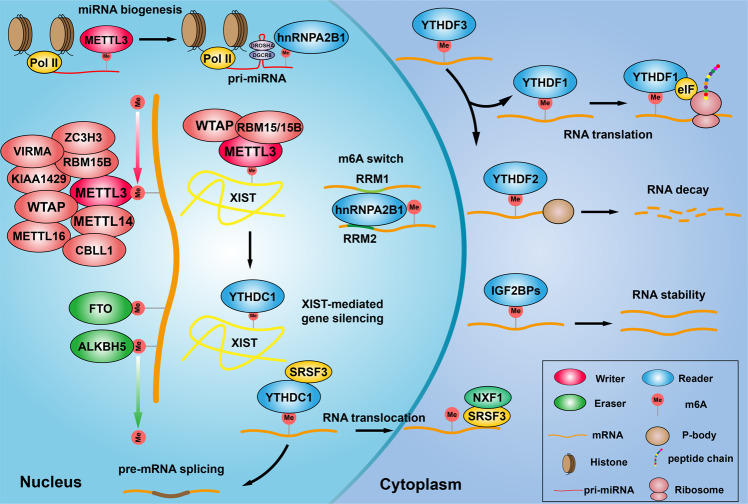
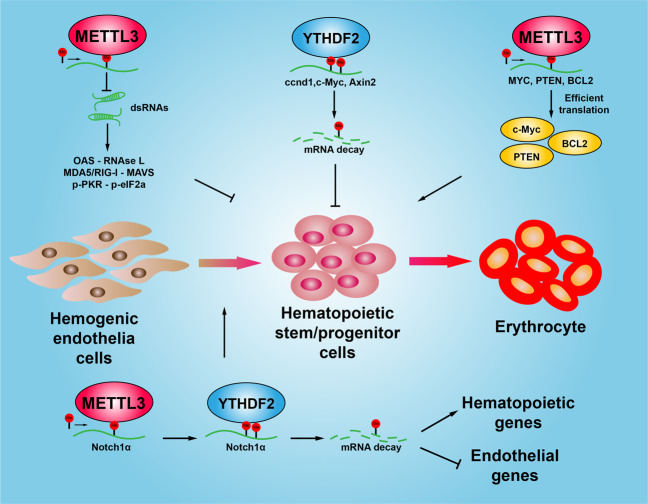
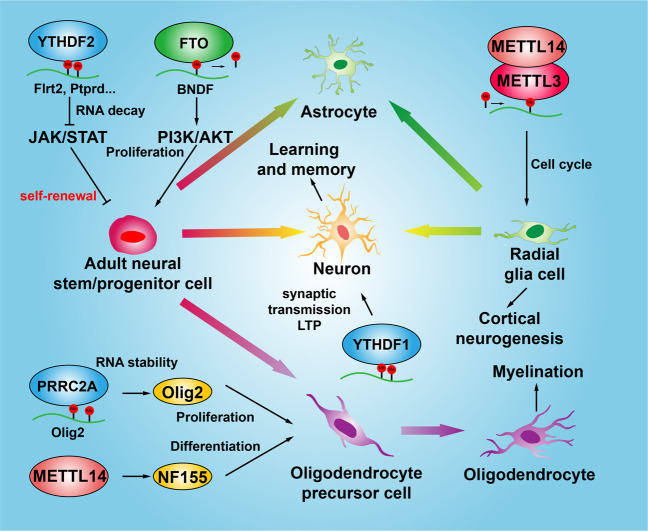
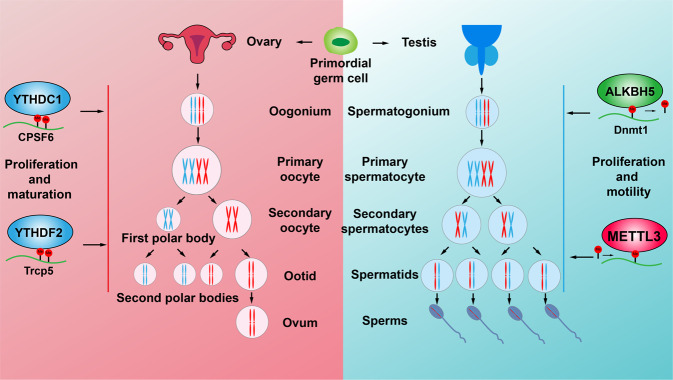
N 6 -methyladenosine (m6A) is the most prevalent, abundant and conserved internal cotranscriptional modification in eukaryotic RNAs, especially within higher eukaryotic cells. m6A modification is modified by the m6A methyltransferases, or writers, such as METTL3/14/16, RBM15/15B, ZC3H3, VIRMA, CBLL1, WTAP, and KIAA1429, and, removed by the demethylases, or erasers, including FTO and ALKBH5. It is recognized by m6A-binding proteins YTHDF1/2/3, YTHDC1/2 IGF2BP1/2/3 and HNRNPA2B1, also known as “readers”. Recent studies have shown that m6A RNA modification plays essential role in both physiological and pathological conditions, especially in the initiation and progression of different types of human cancers. In this review, we discuss how m6A RNA methylation influences both the physiological and pathological progressions of hematopoietic, central nervous and reproductive systems. We will mainly focus on recent progress in identifying the biological functions and the underlying molecular mechanisms of m6A RNA methylation, its regulators and downstream target genes, during cancer progression in above systems. We propose that m6A RNA methylation process offer potential targets for cancer therapy in the future.
Overview
The claims and statistics of this paper haven’t been checked yet.
Free: it reads the open-access text and checks the first 5 claims that cite a source we can check. Create a free account to check every claim.
Integrity signals
Registry
Cites
Statistics
Figures
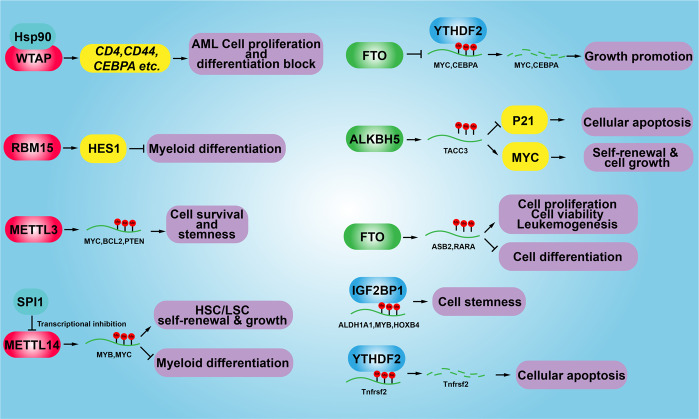
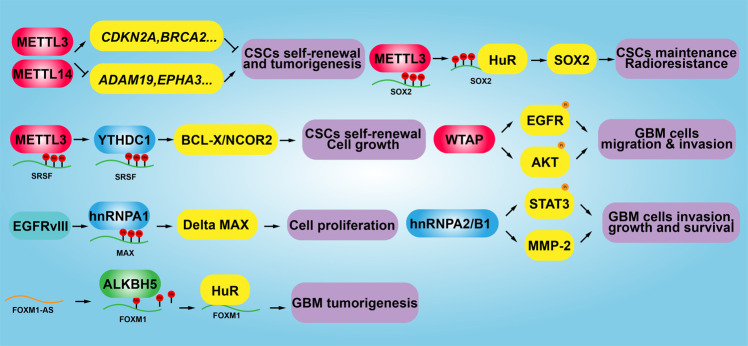
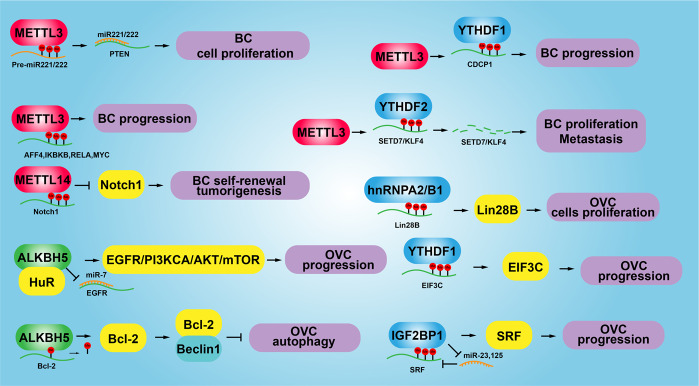
Verification
Claims the paper makes
The claims and statistics of this paper haven’t been checked yet.
Free: it reads the open-access text and checks the first 5 claims that cite a source we can check. Create a free account to check every claim.
Claims other papers make about this one
Each is checked against this paper’s own text: does it say what the citing paper says it does?
The source backs part of the claim, not all of it — or backs it for a different population, condition or comparison.
In the citing paper
“Phylogenetically conserved RRM domains on readers are responsible for IMP2 identifying m6A marks on RNA [17,27].”
From IMPlications of IMP2 in RNA Biology and Disease (2025) · cites this paper as [17]
Experimental — accuracy not yet measuredThe cited source says what the claim attributes to it.
In the citing paper
“m6A (N6-methyladenosine) is a prevalent post-transcriptional modification found in mRNA and non-coding RNA in eukaryotic cells [17].”
From IMPlications of IMP2 in RNA Biology and Disease (2025) · cites this paper as [17]
In the citing paper
“m6A influences transcript splicing, stability, translation, nuclear export, and RNA structure283,284.”
From Air Pollution as an Environmental Risk Factor for Alzheimer’s Disease and Related Dementias (2024) · cites this paper as [283]
Self-check
Percentages, sums and reported differences re-computed from the paper’s own numbers.
The self-check needs the paper’s full text.
Citations
Cites
Genetics of Food Intake Self-Regulation in Childhood: Literature Review and Research Opportunities
Faith, M. S., Carnell, S., & Kral, T. V. E. (2013) · Human Heredity · doi:10.1159/000353879 · Cited by 7,601
Lippa, N. C., & Sanderson, S. C. (2013) · Human Heredity · doi:10.1159/000353712 · Cited by 6,078
Genome-wide atlas of gene expression in the adult mouse brain
Lein, E. S., Hawrylycz, M. J., Ao, N., Ayres, M., Bensinger, A., Bernard, A., Boe, A. F., Boguski, M. S., Brockway, K. S., Byrnes, E. J., et al. (2007) · Nature · doi:10.1038/nature05453 · Cited by 5,572
Topology of the human and mouse m6A RNA methylomes revealed by m6A-seq
Dominissini, D., Moshitch-Moshkovitz, S., Schwartz, S., Salmon-Divon, M., Ungar, L., Osenberg, S., Cesarkas, K., Jacob-Hirsch, J., Amariglio, N., Kupiec, M., et al. (2012) · Nature · doi:10.1038/nature11112 · Cited by 4,884
Frayling, T. M., Timpson, N. J., Weedon, M. N., Zeggini, E., Freathy, R. M., Lindgren, C. M., Perry, J. R. B., Elliott, K. S., Lango, H., Rayner, N. W., et al. (2007) · Science · doi:10.1126/science.1141634 · Cited by 4,531
Reynolds, B. A., & Weiss, S. (1992) · Science · doi:10.1126/science.1553558 · Cited by 4,482
Comprehensive Analysis of mRNA Methylation Reveals Enrichment in 3′ UTRs and near Stop Codons
Meyer, K. D., Saletore, Y., Zumbo, P., Elemento, O., Mason, C. E., & Jaffrey, S. R. (2012) · Cell · doi:10.1016/j.cell.2012.05.003 · Cited by 4,223
N6-Methyladenosine in nuclear RNA is a major substrate of the obesity-associated FTO
Jia, G., Fu, Y., Zhao, X., Dai, Q., Zheng, G., Yang, Y., Yi, C., Lindahl, T., Pan, T., Yang, Y.-G., et al. (2011) · Nature Chemical Biology · doi:10.1038/nchembio.687 · Cited by 4,106
ALKBH5 Is a Mammalian RNA Demethylase that Impacts RNA Metabolism and Mouse Fertility
Zheng, G., Dahl, J. A., Niu, Y., Fedorcsak, P., Huang, C.-M., Li, C. J., Vågbø, C. B., Shi, Y., Wang, W.-L., Song, S.-H., et al. (2013) · Molecular Cell · doi:10.1016/j.molcel.2012.10.015 · Cited by 3,550
N6-methyladenosine Modulates Messenger RNA Translation Efficiency
Wang, X., Zhao, B. S., Roundtree, I. A., Lu, Z., Han, D., Ma, H., Weng, X., Chen, K., Shi, H., & He, C. (2015) · Cell · doi:10.1016/j.cell.2015.05.014 · Cited by 3,483
Research works printed but not linked: 12
- Pendleton KE The U6 snRNA mA methyltransferase METTL16 regulates SAM synthetase intron retention Cell 2017 169 824 835.e814 10.1016/j.cell.2017.05.003 28525753 PMC5502809 · DOI · Paper page
- Patil DP m(6)A RNA methylation promotes XIST-mediated transcriptional repression Nature 2016 537 369 373 10.1038/nature19342 27602518 PMC5509218 · DOI · Paper page
- Wen J Zc3h13 regulates nuclear RNA m(6)A methylation and mouse embryonic stem cell self-renewal Mol. Cell. 2018 69 1028 1038.e1026 10.1016/j.molcel.2018.02.015 29547716 PMC5858226 · DOI · Paper page
- Huang H Recognition of RNA N-methyladenosine by IGF2BP proteins enhances mRNA stability and translation Nat. Cell Biol. 2018 20 285 295 10.1038/s41556-018-0045-z 29476152 PMC5826585 · DOI · Paper page
- Hsu PJ Ythdc2 is an N(6)-methyladenosine binding protein that regulates mammalian spermatogenesis Cell Res. 2017 27 1115 1127 10.1038/cr.2017.99 28809393 PMC5587856 · DOI · Paper page
- Yoon K-J Temporal control of mammalian cortical neurogenesis by mA methylation Cell 2017 171 877 889.e817 10.1016/j.cell.2017.09.003 28965759 PMC5679435 · DOI · Paper page
- Lv J Endothelial-specific m(6)A modulates mouse hematopoietic stem and progenitor cell development via Notch signaling Cell Res. 2018 28 249 252 10.1038/cr.2017.143 29148543 PMC5799811 · DOI
- Vu LP The N-methyladenosine (mA)-forming enzyme METTL3 controls myeloid differentiation of normal hematopoietic and leukemia cells Nat. Med. 2017 23 1369 1376 10.1038/nm.4416 28920958 PMC5677536 · DOI · Paper page
- Zhou, B. et al. N(6)-methyladenosine reader protein YT521-B Homology domain-containing 2 suppresses liver steatosis by regulation of mRNA stability of lipogenic genes. Hepatology10.1002/hep.31220 (2020). 32150756 · DOI · Paper page
- Shi H YTHDF3 facilitates translation and decay of N(6)-methyladenosine-modified RNA Cell Res. 2017 27 315 328 10.1038/cr.2017.15 28106072 PMC5339834 · DOI · Paper page
- Geula S Stem cells. m6A mRNA methylation facilitates resolution of naive pluripotency toward differentiation Science 2015 347 1002 1006 10.1126/science.1261417 25569111 · DOI · Paper page
- Su R R-2HG exhibits anti-tumor activity by targeting FTO/mA/MYC/CEBPA signaling Cell 2018 172 90 105.e123 10.1016/j.cell.2017.11.031 29249359 PMC5766423 · DOI · Paper page
Cited by
Items 301–400 of 1,006
Wang, G., Zhou, X., Pang, X., Ma, K., Li, L., Song, Y., Hou, D., & Wang, X. (2025) · Frontiers in Pharmacology · doi:10.3389/fphar.2025.1625821 · Cited by 41
“Similarly, RNA-modifying enzymes, particularly m6A methyltransferases, in fl uence DAT endocytosis by regulating the synthesis and functionality of associated proteins (Jiang et al., 2021).”
RNA m6A modification in liver biology and its implication in hepatic diseases and carcinogenesis
Ma, W., & Wu, T. (2022) · American Journal of Physiology-Cell Physiology · doi:10.1152/ajpcell.00214.2022 · Cited by 32
Zhao, L., Liu, Y., Ma, B., Liu, X., Wei, R., & Nian, H. (2023) · The FASEB Journal · doi:10.1096/fj.202201548r · Cited by 29
Wu, Y., Li, J., Li, C., Lü, S., Wei, X., Li, Y., Xia, W., Qian, C., Wang, Z., Liu, M., et al. (2023) · Journal of Biological Chemistry · doi:10.1016/j.jbc.2023.104783 · Cited by 34
“Fat mass and obesity-associated factor (FTO), a critical m6A demethylase (15), is expressed ubiquitously in mammalian tissues and is implicated in various physiological and biological processes (16).”
BackgroundRegulation of m6A modification on ferroptosis and its potential significance in radiosensitization
Chen, X., Zhang, L., He, Y., Huang, S., Chen, S., Zhao, W., & Yu, D. (2023) · Cell Death Discovery · doi:10.1038/s41420-023-01645-1 · Cited by 32
Zheng, R., Gao, F., Xiao, Y., Liang, J., Mao, Z., Gan, C., Song, H., Du, M., Wang, M., Tian, M., et al. (2024) · Environment International · doi:10.1016/j.envint.2023.108386 · Cited by 27
Emerging roles and mechanism of m6A methylation in rheumatoid arthritis
Xu, Y., Liu, W., & Ren, L. (2023) · Biomedicine & Pharmacotherapy · doi:10.1016/j.biopha.2023.116066 · Cited by 25
Huang, Z., Zhang, Y., Wang, S., Qi, R., Yu, T., Sun, Y., Jiang, D., Jiang, X., & Tao, J. (2024) · Proceedings of the National Academy of Sciences · doi:10.1073/pnas.2312861121 · Cited by 33
“…and evidence has identified ALKBH5 - induced regulation of m 6 A RNA modification as resulting in the control of gene expression (8) and modulation of several physiological processes, such as γδ T cell development (9), and pathological processes, such as cardiac differentiation and cancer (10, 11).”
BackgroundSelf-citationm6A RNA Methylation and Implications for Hepatic Lipid Metabolism
Ming, X., Chen, S., Li, H., Wang, Y., Zhou, L., & Lv, Y.-C. (2024) · DNA and Cell Biology · doi:10.1089/dna.2023.0410 · Cited by 26
The roles and mechanisms of coding and noncoding RNA variations in cancer
Kim, S. Y., Na, M. J., Yoon, S., Shin, E., Ha, J. W., Jeon, S., & Nam, S. W. (2024) · Experimental & Molecular Medicine · doi:10.1038/s12276-024-01307-x · Cited by 28
“Alterations in m6A modi fi cation can induce changes in RNA secondary structures and play critical roles in various pathological and biological processes, notably tumorigenesis and progression 53 .”
BackgroundJing, F., Zhou, L., Ning, Y.-J., Wang, X., & Zhu, Y. (2021) · Frontiers in Cell and Developmental Biology · doi:10.3389/fcell.2021.683254 · Cited by 27
“Recent studies have shown that m6A can be recognized by YT521B homology domain proteins and eukaryotic initiation factor 3 (eIF3) (Jiang et al., 2021).”
BackgroundThe role and regulatory mechanism of m6A methylation in the nervous system
Jiang, L., Li, X., Wang, S., Yuan, Z., & Cheng, J. (2022) · Frontiers in Genetics · doi:10.3389/fgene.2022.962774 · Cited by 30
“Studies have shown that m(6)A modifications are widely involved in the occurrence, progression, and immune regulation of various cancers (Deng et al., 2018; Geng et al., 2020; Jiang et al., 2021; Uddin et al., 2021).”
BackgroundRole of m6A RNA Methylation in Ischemic Stroke
Xu, Y., Liu, W., & Ren, L. (2024) · Molecular Neurobiology · doi:10.1007/s12035-024-04029-3 · Cited by 33
“…3 (eIF3), insulin-like growth factor 2 mRNA-binding proteins (IGF2BPs, including IGF2BP1, IGF2BP2, and IGF2BP3) [30], and heterogeneous nuclear ribonucleoproteins (HNRNPs, including HNRNPA2B1 and HNRNPC/G) [31]. m6A readers have a role in regulating mRNA stability, decay, and translation [32].”
Reading the m6A-encoded epitranscriptomic information in development and diseases
Chen, Y., Zhou, Z., Chen, Y., & Chen, D. (2024) · Cell & Bioscience · doi:10.1186/s13578-024-01293-7 · Cited by 24
“Each mRNA molecule, on average, contains three to five m 6 A modifications, which constitute approximately one-third of the total mammalian mRNAs [17].”
BackgroundSelf-citationN6-methyladenosine (m6A) methylation in kidney diseases: Mechanisms and therapeutic potential
Sun, Y., Jin, D., Zhang, Z., Ji, H., An, X., Zhang, Y., Yang, C., Sun, W., Zhang, Y., Duan, Y., et al. (2023) · Biochimica et Biophysica Acta (BBA) - Gene Regulatory Mechanisms · doi:10.1016/j.bbagrm.2023.194967 · Cited by 27
Self-citationN6-methyladenosine RNA methylation in diabetic kidney disease
Huang, J., Yang, F., Liu, Y., & Wang, Y. (2024) · Biomedicine & Pharmacotherapy · doi:10.1016/j.biopha.2024.116185 · Cited by 25
Shi, R., Zhao, R., Shen, Y., Wei, S., Zhang, T., Zhang, J., Shu, W., Cheng, S., Teng, H., & Wang, H. (2024) · Cancer Gene Therapy · doi:10.1038/s41417-024-00781-9 · Cited by 24
N6-methyladenosine (m6A) RNA modification in fibrosis and collagen-related diseases
Tan, M., Liu, S., & Liu, L. (2024) · Clinical Epigenetics · doi:10.1186/s13148-024-01736-5 · Cited by 30
“"Readers" constitute a group of proteins that can recognize m6A modifications and regulate gene expression by influencing various biological processes, such as mRNA stability, splicing, structure, output, and translation efficiency [35].”
BackgroundThe Mechanism and Latest Progress of m6A Methylation in the Progression of Pancreatic Cancer
Liu, Z., Ma, P., He, Y., Zhang, Y., Mou, Z., Fang, T., Wang, W., & Yu, K. (2025) · International Journal of Biological Sciences · doi:10.7150/ijbs.104407 · Cited by 29
Phenylpyrazoles as Inhibitors of the m6A RNA-Binding Protein YTHDF2
Qiu, X., Kemker, C., Goebel, G. L., Lampe, P., Wallis, N., Schiller, D., Bigler, K., Jiang, M., Sievers, S., Yeo, G. W.-M., et al. (2025) · JACS Au · doi:10.1021/jacsau.4c00754 · Cited by 28
Zhou, X. A., Li, H., & Xie, Z. (2025) · Archives of Dermatological Research · doi:10.1007/s00403-025-03896-7 · Cited by 24
“METTL3, an RNA methyltransferase, is crucial in regulating gene expression, RNA stability, translation, and splicing, thereby influencing various biological processes [6].”
N6-methyladenosine RNA modification: A promising regulator in central nervous system injury
Wang, Q., Liang, Y., Luo, X., Liu, Y., Zhang, X., & Gao, L. (2021) · Experimental Neurology · doi:10.1016/j.expneurol.2021.113829 · Cited by 27
Novel insights into the interplay between m6A modification and programmed cell death in cancer
Chen, J., Ye, M., Bai, J., Hu, C., Lu, F., Gu, D., Yu, P., & Tang, Q. (2023) · International Journal of Biological Sciences · doi:10.7150/ijbs.81000 · Cited by 30
“Additionally, m6A plays an indispensable role in cancer and other diseases (6,7).”
BackgroundThe Landscape of m6A Regulators in Multiple Brain Regions of Alzheimer’s Disease
Liu, Z., Xia, Q. H., Zhao, X. L., Zheng, F., Xiao, J., Ge, F., Wang, D., & Gao, X. (2023) · Molecular Neurobiology · doi:10.1007/s12035-023-03409-5 · Cited by 28
Ythdf2 regulates cardiac remodeling through its mRNA target transcripts
Kmietczyk, V., Oelschläger, J., Gupta, P., Varma, E., Hartl, S., Furkel, J., Konstandin, M. H., Marx, A., Loewenthal, Z., Kamuf‐Schenk, V., et al. (2023) · Journal of Molecular and Cellular Cardiology · doi:10.1016/j.yjmcc.2023.06.001 · Cited by 26
RNA-Binding Proteins as Critical Post-Transcriptional Regulators of Cardiac Regeneration
Shi, D. (2023) · International Journal of Molecular Sciences · doi:10.3390/ijms241512004 · Cited by 24
Gong, Y., Luo, G., Zhang, S., Chen, Y., & Hu, Y. (2024) · Cellular Signalling · doi:10.1016/j.cellsig.2024.111068 · Cited by 28
Self-citationRole of N6-methyladenosine RNA modification in gastric cancer
Ding, S., Zhang, X.-P., Pei, J., Bai, X., Ma, J.-J., Zhang, C., & Dai, D. (2023) · Cell Death Discovery · doi:10.1038/s41420-023-01485-z · Cited by 25
“Erasers FTO removes m6A modification [23, 27, 29, 30]”
BackgroundInfluentialUtilization of nanopore direct RNA sequencing to analyze viral RNA modifications
Tan, L., Guo, Z., Wang, X., Kim, D., & Li, R. (2024) · mSystems · doi:10.1128/msystems.01163-23 · Cited by 26
“Additionally, N 6 -methyladenosine (m6A) is the most abundant internal decoration in eukaryotic mRNAs and is the most widely studied RNA modification to date (6).”
BackgroundZhang, F., Fu, Y. S., Jimenez, D. V., Zhao, T., Shen, Y., Sun, Y. Y., Zhang, Z., Wang, Q., Kawaguchi, R., Geschwind, D. H., et al. (2024) · Cell stem cell · doi:10.1016/j.stem.2024.10.002 · Cited by 26
Wu, W., & Fan, G. (2025) · Plant Stress · doi:10.1016/j.stress.2025.100753 · Cited by 25
Mao, W., Jiang, Q., Feng, Y., Chen, P., Peng, H., Li, X., Jiao, L., Zhang, L., Ma, L., & Sun, T. (2025) · Cell Death and Disease · doi:10.1038/s41419-025-07550-y · Cited by 29
Epigenetic Drivers of Atrial Fibrillation: Mechanisms, Biomarkers, and Therapeutic Targets
Karakasis, P., Theofilis, P., Milaras, N., Vlachakis, P. K., Patoulias, D., Karamitsos, T. D., Antoniadis, A. P., & Fragakis, N. (2025) · International Journal of Molecular Sciences · doi:10.3390/ijms26115253 · Cited by 30
“The functional consequences of m 6 A are mediated by a class of RNA-binding proteins known as “readers”, including the YTH domain family proteins (e.g., YTHDF1, YTHDF2, and YTHDF3) [60,61].”
ModiDeC: a multi-RNA modification classifier for direct nanopore sequencing
Alagna, N., Mündnich, S., Miedema, J., Pastore, S., Lehmann, L., Wierczeiko, A., Friedrich, J., Walz, L., Jörg, M., Butto, T., et al. (2025) · Nucleic Acids Research · doi:10.1093/nar/gkaf673 · Cited by 29
“…chemical modification of single nucleotides can interfere with RNA-dependent mechanisms involved in cellular localization, gene transcription, and RNA processing and localization [ 6 ], all of which are crucial for protein production and the growth and development of eukaryotic cells [ 7–11 ].”
The Basis and Promise of Programmable RNA Editing and Modification
Lo, N., Xu, X., Soares, F., & He, H. H. (2022) · Frontiers in Genetics · doi:10.3389/fgene.2022.834413 · Cited by 25
“Many m6A modifications often play a vital part in physiological processes and are involved in the progression of malignancies such as human cancers (Jiang et al., 2021).”
BackgroundConnections between metabolism and epigenetic modifications in cancer
Wang, G., & Han, J. J. (2021) · Medical Review · doi:10.1515/mr-2021-0015 · Cited by 31
“In bladder cancer, the oncogenic role of another m6A modifier methyltransferase like 3 (METTL3), which is one of m6A methylases, is to reduce phosphatase and tensin homolog (PTEN) by accelerating the maturation of pri-miR221/222 [17, 26, 27].”
The role of N6-methyladenosine-modified non-coding RNAs in the pathological process of human cancer
Luo, L., Zhen, Y., Peng, D., Wei, C., Zhang, X., Liu, X., Han, L., & Zhang, Z. (2022) · Cell Death Discovery · doi:10.1038/s41420-022-01113-2 · Cited by 26
“Classification Name Roles References (PMID) Writers METTL5 Ribosome 18 S m6A methyltransferase 33357433/31328227 METTL16 Catalytic subunit of m6A 33671635 ZCCHC4 Ribosome 28 S m6A methyltransferase 31799605/31695039 METTL3 Catalytic subunit of m6A 31520073/29789545 METTL14 Stabilizes METTL3 by forming a heterodimer wi…”
Crosstalk between m6A regulators and mRNA during cancer progression
Niu, X., Yang, Y., Ren, Y., Zhou, S., Mao, Q., & Wang, Y. (2022) · Oncogene · doi:10.1038/s41388-022-02441-4 · Cited by 24
“Readers in the cytoplasm can regulate cytosolic processes, such as stability, degradation, and translation [8, 13, 27].”
BackgroundZhao, Y., Xia, A., Li, C., Long, X., Bai, Z., Qiu, Z., Xiong, W., Gu, N., Shen, Y., Zhao, R., et al. (2022) · Frontiers in Cardiovascular Medicine · doi:10.3389/fcvm.2022.913039 · Cited by 22
Tang, J., Zhang, J., Yu, L., He, J., Wang, H., Liu, B., Tu, C., & Li, Z. (2023) · Biomarker Research · doi:10.1186/s40364-023-00484-7 · Cited by 22
“disorder, schizophrenia, Alzheimer’s disease and type 2 diabetes [5].”
BackgroundSelf-citationThree-way junction skeleton biosensors based on aptamers, DNAzymes, and DNA hybridization probes
Zahraee, H., Khoshbin, Z., Mohammadi, F., Mashreghi, M., Abnous, K., & Taghdisi, S. M. (2023) · TrAC Trends in Analytical Chemistry · doi:10.1016/j.trac.2023.117160 · Cited by 24
SNORD11B-mediated 2′-O-methylation of primary let-7a in colorectal carcinogenesis
Bian, Z., Xu, C., Xie, Y., Wang, X., Chen, Y., Mao, S., Wu, Q., Zhu, J., Huang, N., Zhang, Y., et al. (2023) · Oncogene · doi:10.1038/s41388-023-02808-1 · Cited by 27
Self-citationZhang, N., Yang, F., Zhao, P., Jin, N., Wu, H., Liu, T., Geng, Q., Yang, X., & Cheng, L. (2023) · Briefings in Bioinformatics · doi:10.1093/bib/bbad498 · Cited by 28
Sui, H., Shi, C., Yan, Z., Chen, J., Man, L., & Wang, F. (2024) · Molecular Cancer Research · doi:10.1158/1541-7786.mcr-23-0478 · Cited by 23
Liu, Y., Goebel, G. L., Kanis, L., Hastürk, O., Kemker, C., & Wu, P. (2024) · JACS Au · doi:10.1021/jacsau.3c00832 · Cited by 23
Exploring the role of m 6 A writer RBM15 in cancer: a systematic review
Cao, Y., Qiu, G., Dong, Y., Zhao, W. G., & Wang, Y. (2024) · Frontiers in Oncology · doi:10.3389/fonc.2024.1375942 · Cited by 26
Xue, M., Li, B., Lu, Y., Zhang, L., Yang, B., & Shi, L. (2024) · Investigative Ophthalmology & Visual Science · doi:10.1167/iovs.65.1.19 · Cited by 22
Sun, X., Meng, X., Piao, Y., Dong, S., & Dong, Q. (2024) · Journal of Periodontal Research · doi:10.1111/jre.13297 · Cited by 22
The Role of m6A Methylation in Tumor Immunity and Immune-Associated Disorder
Mu, S., Zhao, K., Zhong, S., & Wang, Y. (2024) · Biomolecules · doi:10.3390/biom14081042 · Cited by 24
“ALKBH5 was the second identified m6A demethylase, which has been shown to modulate mRNA export and RNA metabolism by reducing the m6A level in nuclear speckles [128].”
BackgroundEmerging Orchestrator of Ecological Adaptation: m6A Regulation of Post‐Transcriptional Mechanisms
Ahi, E. P., & Singh, P. (2024) · Molecular Ecology · doi:10.1111/mec.17545 · Cited by 27
“…has shed new light on the potential role of N6-methyladenosine (m 6 A) in evolutionary adaptation (Antoine et al. 2021; Dannfald, Favory, and Deragon 2021; Miao et al. 2022). m 6 A is one of the most prevalent and dynamic RNA modifications found in eukaryotic organisms (Jiang et al. 2021).”
BackgroundDecoding the interplay between m 6 A modification and stress granule stability by live-cell imaging
Li, Q., Liu, J., Guo, L., Zhang, Y., Chen, Y., Liu, H., Cheng, H., Deng, L., Qiu, J., Zhang, K., et al. (2024) · Science Advances · doi:10.1126/sciadv.adp5689 · Cited by 28
“Now, there is a consensus that distinct m 6 A reader proteins mediate their respective signaling pathways in development-dependent and tissue-specific manners ( 11 , 12 ).”
Self-citationTargeting m6A demethylase FTO to heal diabetic wounds with ROS-scavenging nanocolloidal hydrogels
Zheng, X., Deng, S., Li, Y., Luo, Z., Gan, Z., Zheng, Z., Xu, R., Xiao, S., Cai, Y., Meng, J., et al. (2024) · Biomaterials · doi:10.1016/j.biomaterials.2024.123065 · Cited by 22
Xiong, X., Feng, S., Ma, X., Liu, K., Gui, Y., Chen, B., Xu, F., Wang, F., Wang, X., & Yuan, S. (2025) · Advanced Science · doi:10.1002/advs.202412196 · Cited by 35
Liang, Z., Liu, J., Gou, Y., Wang, H., Li, Z., Cao, Y., Zhang, H., Bai, R., & Zhang, Z. (2025) · Advanced Science · doi:10.1002/advs.202408220 · Cited by 22
Qiu, Y., Wang, X., Fan, Z., Zhan, S., Jiang, X. J., & Huang, J. (2021) · Immunity Inflammation and Disease · doi:10.1002/iid3.513 · Cited by 24
“YTHDC2, YTHDF1, YTHDF2, YTHDF3, HNRNPC, FMR1, LRPPRC, HNRNPA2B1, IGFBP1, IGFBP2, IGFBP3, and RBMX.23,24 The expression matrix of the m6A‐related genes in ccRCC samples was extracted from the TCGA transcriptome data. m6A‐related lncRNAs were obtained by coexpression analysis of m6A‐related genes and lncRNAs by the Pear…”
BackgroundMethodSelf-citationDong, L., Cao, Y., Hou, Y., & Liu, G. (2021) · Journal of Cellular Physiology · doi:10.1002/jcp.30576 · Cited by 26
“…YTHDC1, and YTHDC2), heterogeneous nuclear ribonu- cleoprotein (HNRNP) family members (HNRNPA2B1 and HNRNPC) and insulin‐like growth factor 2 mRNA binding proteins 1/2/3 (IGF2BP1/2/3) (Cao et al., 2016; X. Jiang et al., 2021). m6A modulation is involved in a variety of physiological processes.”
BackgroundBioinformatic analyses of the role of m6A RNA methylation regulators in abdominal aortic aneurysm
Fu, C., Feng, L., Zhang, J., & Sun, D. (2022) · Annals of Translational Medicine · doi:10.21037/atm-22-1891 · Cited by 24
“Abnormal expression of m6A modified protein or m6A binding protein or abnormal m6A modified level can lead to abnormal metabolism of m6A-Figure modified related RNA and affect gene expression, which is closely related to the occurrence and development of many diseases (18,19,23,24).”
Mechanism underlying circRNA dysregulation in the TME of digestive system cancer
Wu, Z., Yu, X., Zhang, S., He, Y., & Guo, W. (2022) · Frontiers in Immunology · doi:10.3389/fimmu.2022.951561 · Cited by 27
He, M., Li, D., Fang, C., & Xu, Q. (2022) · Archives of Biochemistry and Biophysics · doi:10.1016/j.abb.2022.109464 · Cited by 25
Pu, X., Wu, Y., Ji, Q., Fu, S., Zuo, H., Chu, L., Tang, H., Wan, M., Wang, X., & Xu, M. (2023) · International Journal of Oncology · doi:10.3892/ijo.2023.5523 · Cited by 23
“The role of ‘reader’ YTHDC1 on RNA splicing is of great value in tumor progression (61).”
BackgroundLiang, J., Cai, H., Hou, C., Song, F., Jiang, Y., Wang, Z., Qiu, D., Zhu, Y., Wang, F., Yu, D., et al. (2023) · Clinical Science · doi:10.1042/cs20230219 · Cited by 28
“Currently, researchers have proposed a number of molecular mechanisms involved in oncogenesis and progression, including epigenetics, genetic alterations and transcriptional cascades [6,7].”
Emerging role of m6A modification in fibrotic diseases and its potential therapeutic effect
Ye, W., Lv, X., Gao, S., Li, Y., Luan, J., & Wang, S. (2023) · Biochemical Pharmacology · doi:10.1016/j.bcp.2023.115873 · Cited by 24
Zeng, J., Xie, C., Huang, Z., Cho, C. H., Chan, H., Li, Q., Ashktorab, H., Smoot, D. T., Wong, S. H., Yu, J., et al. (2024) · Nature Communications · doi:10.1038/s41467-024-44860-9 · Cited by 26
Li, Z., Fang, F., Zafar, M. I., Wu, X., Liu, X., Tan, X., Luo, J., Ye, Z., Xiong, C., & Li, H. (2024) · Cellular and Molecular Life Sciences · doi:10.1007/s00018-024-05119-0 · Cited by 27
“Therefore, by mediating a series of RNA processing steps, m 6 A modification regulates various cellular physiological and pathological processes, such as heat shock response, cell reprogramming, circadian rhythm, hematopoiesis, and tumorigenesis [9, 10].”
BackgroundMa, K., Chu, J., Liu, Y., Sun, L., Zhou, S., Li, X., Ji, C., Zhang, N., Guo, X., Liang, S., et al. (2024) · Advanced Science · doi:10.1002/advs.202400676 · Cited by 30
Liang, Y., Zhong, H., Zhao, Y., Tang, X., Pan, C., Sun, J., & Sun, J. (2024) · Biology Direct · doi:10.1186/s13062-024-00499-6 · Cited by 23
“6-methyladenosine (m6A) is the most prevalent internal cotranscriptional modification in eukaryotic RNA, which is modified by m6A methyltransferases (writers), removed by demethylases (erasers), and recognized by m6a binding proteins (readers) [11].”
BackgroundThe m6A eraser FTO suppresses ferroptosis via mediating ACSL4 in LPS-induced macrophage inflammation
Zhao, Y., Ding, W., Cai, Y., Li, Q., Zhang, W., Bai, Y., Zhang, Y., Xu, Q., & Feng, Z. (2024) · Biochimica et Biophysica Acta (BBA) - Molecular Basis of Disease · doi:10.1016/j.bbadis.2024.167354 · Cited by 23
Zhu, X., Wang, J., Zhang, H., Yue, H., Zhu, J., Li, J., Wang, K., Shen, K., Yang, K., Leng, X., et al. (2024) · Cellular and Molecular Life Sciences · doi:10.1007/s00018-024-05514-7 · Cited by 22
“…by methyltransferases (e.g., METTL3 and METTL14), demethylases (e.g., fat mass-and obesity-associated protein (FTO) and ALKBH5) and m6A binding proteins (e.g., YTHDF1/2/3, YTHDC1/2, and IGF2BP1/2/3) [48]. m6A mRNA modification plays an important role in modulating the progression of IBD [49, 50].”
Molecular mechanisms of m6A modifications regulating tumor radioresistance
Shen, R., Jiang, Z., Wang, H., Zheng, Z., & Jiang, X. (2025) · Molecular Medicine · doi:10.1186/s10020-025-01121-9 · Cited by 25
Self-citationThe landscape of N6-methyladenosine in localized primary prostate cancer
Xu, X., Zhu, H. H., Hugh-White, R., Livingstone, J. M., Eng, S. E., Zeltser, N., Wang, Y., Pajdzik, K., Chen, S., Houlahan, K. E., et al. (2025) · Nature Genetics · doi:10.1038/s41588-025-02128-y · Cited by 31
Zhao, Z., Zhang, Z., Cai, Q., Yang, R., Liang, H., Qian, B., Xiao, B., Jiang, Y., Wang, L., Wang, X., et al. (2025) · The FASEB Journal · doi:10.1096/fj.202500020rr · Cited by 27
HNRNPC and m6A RNA methylation control oncogenic transcription and metabolism in T-cell leukemia
Kesel, J. D., Fijałkowski, I., Pieters, T., Borin, C., Christensen, K. T., Wittouck, M., Laere, J. V., Guerrero, L., Reunes, L., Caruso, M., et al. (2025) · Blood · doi:10.1182/blood.2024026848 · Cited by 26
Epitranscriptomics in fibroblasts and fibrosis
Ilieva, M. S., & Uchida, S. (2022) · American Journal of Physiology-Cell Physiology · doi:10.1152/ajpcell.00121.2022 · Cited by 22
The Methylation Game: Epigenetic and Epitranscriptomic Dynamics of 5-Methylcytosine
Alagia, A., & Gullerová, M. (2022) · Frontiers in Cell and Developmental Biology · doi:10.3389/fcell.2022.915685 · Cited by 29
“Furthermore, it has been reported that m(6)A modification can influence mRNA export from the nucleus, determine transcripts turnover and stimulate translation initiation (Jiang et al., 2021).”
BackgroundComprehensive Analysis of Blood-Based m6A Methylation in Human Ischemic Stroke
Zhu, L., Liu, S., Liao, F., Yang, J., Liang, T., Yang, Y., Huang, X., Gu, L., & Su, L. (2022) · Molecular Neurobiology · doi:10.1007/s12035-022-03064-2 · Cited by 21
RNA methylation and cellular response to oxidative stress-promoting anticancer agents
Ponzetti, M., Rucci, N., & Falone, S. (2023) · Cell Cycle · doi:10.1080/15384101.2023.2165632 · Cited by 23
“As mentioned above, m(6)A is the most conserved and prevalent internal chemical modification in eukaryotic RNA molecules [52], and nextgeneration sequencing (NGS) demonstrated that each eukaryotic mRNA has 3–5 m(6)A nucleoside modifications [53,54], thus implying that the role played by RNA methylome might be function…”
BackgroundTian, J., Cheng, H.-L. M., Wang, N., & Wang, C. (2023) · World Journal of Surgical Oncology · doi:10.1186/s12957-022-02821-w · Cited by 24
“IGF2BP1 axis Given that m6A modification is critical for the stability of mRNA [13], we then wondered whether SLERT affected BDNF stability via m6A.”
BackgroundMETTL3 stabilization by PIN1 promotes breast tumorigenesis via enhanced m6A-dependent translation
Choi, H. S., Bhattarai, P. Y., Lim, S., Poudel, M., Lim, S. C., Mariappan, R., & Ohn, T. (2023) · Oncogene · doi:10.1038/s41388-023-02617-6 · Cited by 25
“m(6)A regulates various aspects of mRNA biology, including stability, splicing, and translation efficiency, to mediate important physiological processes, such as neurodevelopment, immune response, and gametogenesis [29, 30].”
BackgroundLi, Z., Ruan, Z., Feng, Y., Wang, Y., Zhang, J., Lu, C., Shi, D., & Lu, F. (2023) · Theriogenology · doi:10.1016/j.theriogenology.2023.02.021 · Cited by 23
RNA‐mediated heterochromatin formation at repetitive elements in mammals
Stamidis, N., & Żylicz, J. J. (2023) · The EMBO Journal · doi:10.15252/embj.2022111717 · Cited by 28
Yu, Y., Meng, L.-L., Chen, X., Fan, H., Chen, M., Zhang, J., & Zhu, J. (2023) · Cellular Signalling · doi:10.1016/j.cellsig.2023.110699 · Cited by 20
Zheng, W.-H., Long, Z., Zheng, Z., Zhang, L., Liang, Y., Li, Z., Lv, J., Kou, J., Hong, X.-H., He, S., et al. (2023) · Journal of Biological Chemistry · doi:10.1016/j.jbc.2023.104873 · Cited by 24
“MS analysis identified IGF2BP1 among LINC00839 pulldown proteins, which belongs to the IGF2BP family known as m6A readers, recognizes m6A sites, and guards m6Amodified RNAs from decay (18).”
BackgroundEpigenetics: Novel crucial approach for osteogenesis of mesenchymal stem cells
Wang, Z., Si, W., Zhong, M., Yang, Z., Xiong, W., Zhang, K., Yang, S., Li, H., & Guo, S. (2023) · Journal of Tissue Engineering · doi:10.1177/20417314231175364 · Cited by 24
The role of m6A demethylase FTO in chemotherapy resistance mediating acute myeloid leukemia relapse
Zhang, Z., Zhao, X., Guo, H., & Huang, X. (2023) · Cell Death Discovery · doi:10.1038/s41420-023-01505-y · Cited by 28
Lee, J., & Roh, J. (2023) · Cellular Oncology · doi:10.1007/s13402-023-00840-7 · Cited by 21
Wang, D., Zhang, Y., Li, Q., Zhang, A., Xu, J., Li, Y., Li, W., Tang, L., Yang, F., & Meng, J. (2023) · Biomedicine & Pharmacotherapy · doi:10.1016/j.biopha.2023.115477 · Cited by 24
Muthumanickam, P., Ramasubramanian, A., Pandi, C., Kannan, B., Pandi, A., Ramani, P., Jayaseelan, V. P., & Arumugam, P. (2024) · Journal of Oral Pathology and Medicine · doi:10.1111/jop.13568 · Cited by 22
METTL3 regulates thyroid cancer differentiation and chemosensitivity by modulating PAX8
Kang, N., Zhao, Z., Wang, Z., Ning, J., Wang, H., Zhang, W., Ruan, X., Gao, M., & Zheng, X. (2024) · International Journal of Biological Sciences · doi:10.7150/ijbs.84797 · Cited by 29
“m 6 A RNA methylation plays important roles in various physiological and pathological processes, including tumorigenesis [28] .”
BackgroundTresky, R., Miyamoto, Y., Nagayoshi, Y., Yabuki, Y., Araki, K., Takahashi, Y., Komohara, Y., Ge, H., Nishiguchi, K., Fukuda, T., et al. (2024) · Nucleic Acids Research · doi:10.1093/nar/gkae520 · Cited by 21
“O -dimethyladenosine (m 6 Am) modifications that promote mRNA decay and / or translation ( 26 ,27 ).”
Balamurli, G., Liew, A. Q. X., Tee, W., & Pervaiz, S. (2024) · Redox Biology · doi:10.1016/j.redox.2024.103441 · Cited by 25
METTL3 promotes trophoblast ferroptosis in preeclampsia by stabilizing the ACSL4 m6A modification
Wang, Y., Zhang, G., Gao, Y., Zhang, X., & Qi, H. (2024) · Experimental Cell Research · doi:10.1016/j.yexcr.2024.113990 · Cited by 20
Cai, Z., Zhai, X., Xu, J., Hong, T., Yang, K., Min, S., Du, J., Cai, Z., Wang, Z., Shen, M., et al. (2024) · Neoplasia · doi:10.1016/j.neo.2024.101049 · Cited by 22
“The m6A modification is the most abundant chemical modification of mRNA in mammals [48].”
BackgroundShi, X., Zhang, X., Huang, X., Zhang, R., Pan, S., Huang, S. H., Wang, Y., Ke, Y., Guo, W., Liu, X., et al. (2024) · Clinical and Translational Medicine · doi:10.1002/ctm2.70039 · Cited by 26
Gao, H., Shi, L., Liu, J., Zhao, Y., Du, F., He, Y., Yang, X., Song, N., Wen, J., & Zheng, G. (2024) · Molecular and Cellular Biochemistry · doi:10.1007/s11010-024-05170-2 · Cited by 24
“The m6A players (writers, erasers, and readers) maintain that the modification process is dynamic and reversible [9].”
Epitranscriptomic advances in normal and malignant hematopoiesis
Eleftheriou, M., Russell, J., & Tzelepis, K. (2025) · Leukemia · doi:10.1038/s41375-025-02765-6 · Cited by 25
Xiao, J., Cai, X., Wang, R., Zhou, W., & Ye, Z. (2022) · Disease Markers · doi:10.1155/2022/5114697 · Cited by 22
Fang, M. X., Deng, J., Zhou, Q.-P., Hu, Z., & Yang, L. (2022) · Aging · doi:10.18632/aging.203860 · Cited by 22
“Like the deposition of epigenetic markers on DNA, mRNA methylation potentially influences gene expression and determines the fate of mRNA subsets [21].”
BackgroundThe Potential Value of m6A RNA Methylation in the Development of Cancers Focus on Malignant Glioma
Chen, F., Xie, X., Chao, M., Cao, H., & Wang, L. (2022) · Frontiers in Immunology · doi:10.3389/fimmu.2022.917153 · Cited by 25
N6-methyladenosine RNA modification in PD-1/PD-L1: Novel implications for immunotherapy
Ping, L., Li, S., & Long, X. (2023) · Biochimica et Biophysica Acta (BBA) - Reviews on Cancer · doi:10.1016/j.bbcan.2023.188873 · Cited by 19
Bose, D., Lin, X., Gao, L., Wei, Z., Pei, Y., & Robertson, E. S. (2023) · Journal of Biomedical Science · doi:10.1186/s12929-023-00911-9 · Cited by 22
“m6A modification has been linked to a range of cellular processes including RNA export from the nucleus, stability, degradation, and altered ribosomal binding [1].”
Background
Metadata
- Authors
- Jiang, X., Liu, B., Nie, Z., Duan, L., Xiong, Q., Jin, Z., Yang, C., & Chen, Y.
- Affiliations
- Kunming Institute of Zoology (CN)
- Kunming Medical University (CN)
- Corresponding author
- Yang, Cuiping
- Chen, Yongbin
- Venue
- Signal Transduction and Targeted Therapy
- Published
- 2021-02-21
- Volume
- 6
- Issue
- 1
- Pages
- 74-74
- ISSN
- 2059-3635 (ISSN-L)
- PMC
- PMC7897327
- OpenAlex
- W3133117790
- Semantic Scholar
- bb3e99165f58f5ec0b7529899c5348c6d862434c
- Cited by
- 2,335
- References
- 253
- Citations by year
- 2026: 366 · 2025: 624 · 2024: 589 · 2023: 426 · 2022: 230 · 2021: 96
- FWCI
- 35.75
- Type
- journal article
- Language
- en
- Open access
- gold
- doi.org
- Licence
- cc-by
- creativecommons.org/licenses/by/4.0 (tdm)
- creativecommons.org/licenses/by/4.0 (vor)
- Locations
- Signal Transduction and Targeted Therapy (publishedVersion, cc-by)
- PubMed Central (publishedVersion, cc-by)
- PubMed (publishedVersion)
- DOAJ (DOAJ: Directory of Open Access Journals) (submittedVersion, cc-by-sa)
- Funders
- National Natural Science Foundation of China (2016YFA0100900, 82060515, U1902216, 2020-1, 81772996, 81672764)
- Youth Innovation Promotion Association of the Chinese Academy of Sciences (2016YFA0100900)
- Recruitment Program of Global Experts
- National Key Research and Development Program of China (2016YFA0100900)
- Youth Innovation Promotion Association (2016YFA0100900)
- National Key Research and Development Program of China Stem Cell and Translational Research (2016YFA0100900)
- Topics
- Life Sciences › Biochemistry, Genetics and Molecular Biology › Molecular Biology › RNA modifications and cancer
- Life Sciences › Biochemistry, Genetics and Molecular Biology › Molecular Biology › RNA regulation and disease
- Life Sciences › Biochemistry, Genetics and Molecular Biology › Molecular Biology › Cancer-related gene regulation
- Keywords
- m6A RNA methylation, N6-methyladenosine, RNA methyltransferase, RNA demethylase, m6A-binding proteins, tumor progression, hematopoietic system, central nervous system, reproductive system, cancer therapy targets
- MeSH terms
- RNA Splicing Factors, Adenosine, Humans, Methylation, Methyltransferases, Neoplasms, Nerve Tissue Proteins, RNA Processing, Post-Transcriptional, RNA-Binding Proteins, Heterogeneous-Nuclear Ribonucleoprotein Group A-B, Epigenesis, Genetic
About these checks
Registry, retraction, Cites and statistics results are computed, not judged, with one exception: a printed reference that no index lists is read once by a model before it counts as a citation error. Claims are extracted by a model and kept only when their quote appears verbatim in the text; each cited source is then checked, with a model’s help, for whether it says what the claim relies on. Those verdicts can be wrong — read the claim’s quote and the cited source before relying on one.
Statistics and arithmetic are recomputed, not judged.
Confidence bands are shown only for fields calibrated on our annotated test set. None is calibrated yet, so no band is shown.
What counts as a claim ›How we measure confidence ›How we check this ›
Are you an author, or do you see a problem with this page? Request a review
Data sources
Bibliographic data: Semantic Scholar, OpenAlex, Crossref.
Contains information from the Semantic Scholar Academic Graph Datasets, made available under the ODC Attribution License (ODC-BY 1.0).
Semantic Scholar’s data is described in: Kinney, R., et al. (2023). The Semantic Scholar Open Data Platform. arXiv:2301.10140.
