

KRAS mutation: from undruggable to druggable in cancer
Open accessThe DOI matches its Crossref record; 238 of the 240 references it cites were found in a registry or an index.
Abstract
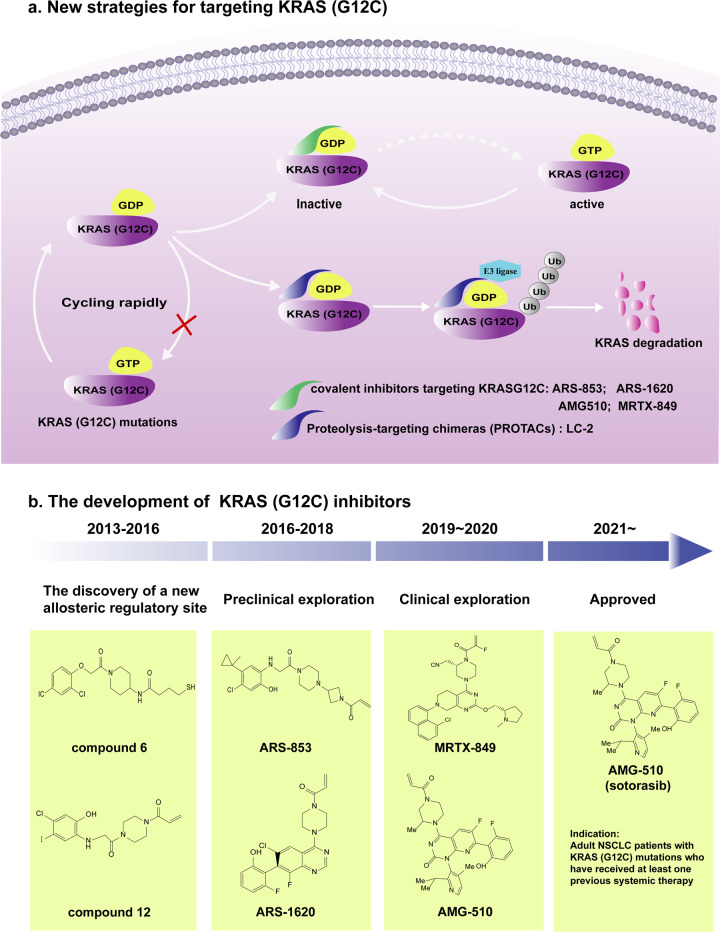
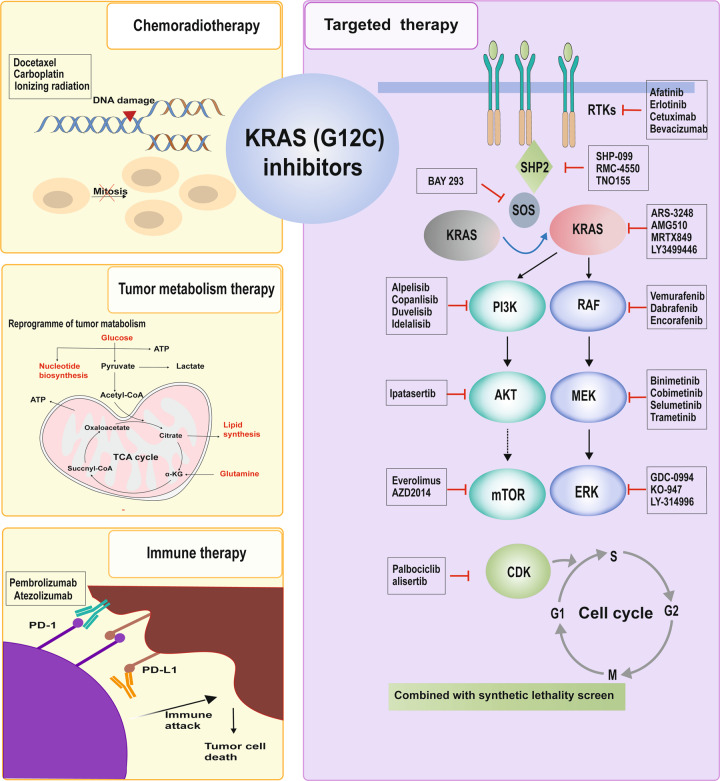
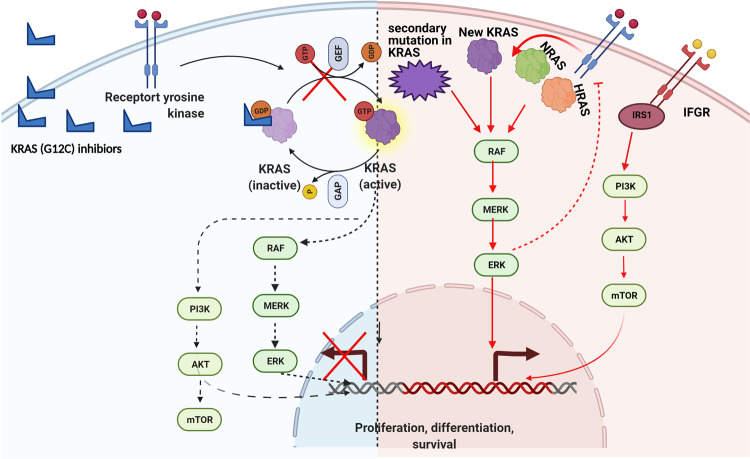
Cancer is the leading cause of death worldwide, and its treatment and outcomes have been dramatically revolutionised by targeted therapies. As the most frequently mutated oncogene, Kirsten rat sarcoma viral oncogene homologue (KRAS) has attracted substantial attention. The understanding of KRAS is constantly being updated by numerous studies on KRAS in the initiation and progression of cancer diseases. However, KRAS has been deemed a challenging therapeutic target, even “undruggable”, after drug-targeting efforts over the past four decades. Recently, there have been surprising advances in directly targeted drugs for KRAS, especially in KRAS (G12C) inhibitors, such as AMG510 (sotorasib) and MRTX849 (adagrasib), which have obtained encouraging results in clinical trials. Excitingly, AMG510 was the first drug-targeting KRAS (G12C) to be approved for clinical use this year. This review summarises the most recent understanding of fundamental aspects of KRAS, the relationship between the KRAS mutations and tumour immune evasion, and new progress in targeting KRAS, particularly KRAS (G12C). Moreover, the possible mechanisms of resistance to KRAS (G12C) inhibitors and possible combination therapies are summarised, with a view to providing the best regimen for individualised treatment with KRAS (G12C) inhibitors and achieving truly precise treatment.
Overview
The claims and statistics of this paper haven’t been checked yet.
Free: it reads the open-access text and checks the first 5 claims that cite a source we can check. Create a free account to check every claim.
Integrity signals
Registry
Cites
Statistics
Figures
Verification
Claims the paper makes
The claims and statistics of this paper haven’t been checked yet.
Free: it reads the open-access text and checks the first 5 claims that cite a source we can check. Create a free account to check every claim.
Claims other papers make about this one
Each is checked against this paper’s own text: does it say what the citing paper says it does?
The source backs part of the claim, not all of it — or backs it for a different population, condition or comparison.
In the citing paper
“KRAS is the most frequently mutated oncogene, accounting for approximately 85% of all RAS mutations in 20–25% of all cancers [8–10].”
From Differential Response and Resistance to KRAS-Targeted Therapy (2025) · cites this paper as [8]
Experimental — accuracy not yet measuredThe source backs part of the claim, not all of it — or backs it for a different population, condition or comparison.
In the citing paper
“Among the various KRAS mutations in human cancers, G12C, G12D, G12V, and G12A are the most prevalent (2).”
From YAP/TAZ mediates resistance to KRAS inhibitors through inhibiting proapoptosis and activating the SLC7A5/mTOR axis (2024) · cites this paper as [2]
Experimental — accuracy not yet measuredThe cited source says what the claim attributes to it.
In the citing paper
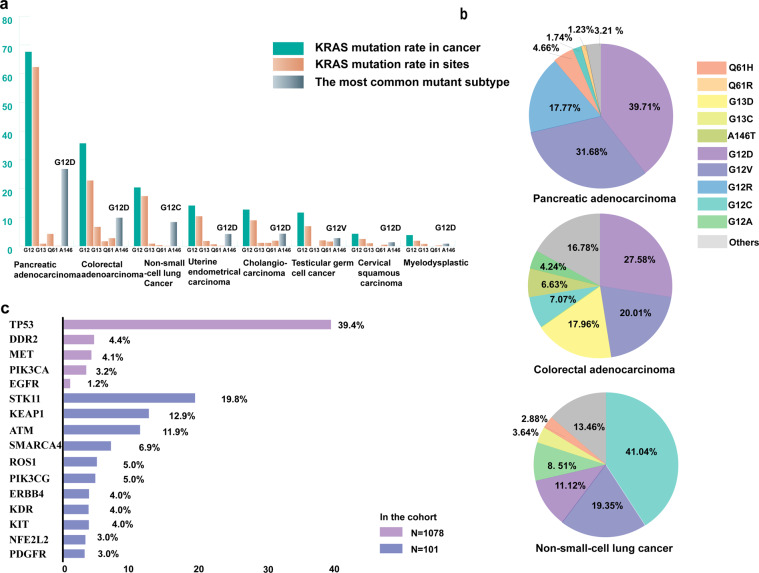
“KRAS mutations most commonly occur at the 12th codon near the nucleotide-binding site, with less prevalent mutations occurring at codons 13, 61, and 146 within other catalytic domains (Figure 1b,c) [23].”
From KRAS: Biology, Inhibition, and Mechanisms of Inhibitor Resistance (2024) · cites this paper as [23]
The cited source says what the claim attributes to it.
In the citing paper
“Kirsten rat sarcoma viral oncogene homolog (KRAS) is the most frequently mutated oncogene in various types of human cancers such as pancreatic, lung, and colorectal cancer, with G12, G13, and Q61 being the most prevalent mutant codons observed (1, 2).”
From YAP/TAZ mediates resistance to KRAS inhibitors through inhibiting proapoptosis and activating the SLC7A5/mTOR axis (2024) · cites this paper as [2]
The cited source says what the claim attributes to it.
In the citing paper
“Moreover, potent inhibition through covalent modification has enabled targeting of traditionally ‘undruggable’ proteins, exemplified by the approval of sotorasib (Amgen), which is an inhibitor of mutant KRAS(G12C), a GTPase that resisted decades of drug discovery efforts9,10”
From Advances in covalent drug discovery (2022) · cites this paper as [10]
4 more claims about this paper
Create a free account to see every claim other papers make about this one.
Self-check
Percentages, sums and reported differences re-computed from the paper’s own numbers.
The self-check needs the paper’s full text.
Citations
Cites
Hallmarks of Cancer: The Next Generation
Hanahan, D., & Weinberg, R. A. (2011) · Cell · doi:10.1016/j.cell.2011.02.013 · Cited by 66,590
Adverse Renal Effects of Immune Checkpoint Inhibitors: A Narrative Review
Wanchoo, R., Karam, S., Uppal, N. N., Barta, V. S., Deray, G., Devoe, C., Launay-Vacher, V., Jhaveri, K. D., & on behalf of Cancer and Kidney International Network Workgroup on Immune Checkpoint Inhibitors (2017) · American Journal of Nephrology · doi:10.1159/000455014 · Cited by 15,256
Calcium's Role in Mechanotransduction during Muscle Development
Benavides Damm, T., & Egli, M. (2014) · Cellular Physiology and Biochemistry · doi:10.1159/000356667 · Cited by 14,502
Nivolumab versus Docetaxel in Advanced Squamous-Cell Non–Small-Cell Lung Cancer
Brahmer, J., Reckamp, K. L., Baas, P., Crinò, L., Eberhardt, W. E. E., Poddubskaya, E., Antonia, S., Pluzanski, A., Vokes, E. E., Holgado, E., et al. (2015) · New England Journal of Medicine · doi:10.1056/nejmoa1504627 · Cited by 8,447
Gefitinib or Carboplatin–Paclitaxel in Pulmonary Adenocarcinoma
Mok, T. S., Wu, Y.-L., Thongprasert, S., Yang, C.-H., Chu, D.-T., Saijo, N., Sunpaweravong, P., Han, B., Margono, B., Ichinose, Y., et al. (2009) · New England Journal of Medicine · doi:10.1056/nejmoa0810699 · Cited by 8,261
Understanding the tumor immune microenvironment (TIME) for effective therapy
Binnewies, M., Roberts, E. W., Kersten, K., Chan, V., Fearon, D. F., Merad, M., Coussens, L. M., Gabrilovich, D. I., Ostrand-Rosenberg, S., Hedrick, C. C., et al. (2018) · Nature Medicine · doi:10.1038/s41591-018-0014-x · Cited by 6,145
Osimertinib in Untreated EGFR -Mutated Advanced Non–Small-Cell Lung Cancer
Soria, J.-C., Ohe, Y., Vansteenkiste, J., Reungwetwattana, T., Chewaskulyong, B., Lee, K. H., Dechaphunkul, A., Imamura, F., Nogami, N., Kurata, T., et al. (2018) · New England Journal of Medicine · doi:10.1056/nejmoa1713137 · Cited by 5,508
Cancer drug resistance: an evolving paradigm
Holohan, C., Van Schaeybroeck, S., Longley, D. B., & Johnston, P. G. (2013) · Nature Reviews Cancer · doi:10.1038/nrc3599 · Cited by 4,681
Anaplastic Lymphoma Kinase Inhibition in Non–Small-Cell Lung Cancer
Kwak, E. L., Bang, Y.-J., Camidge, D. R., Shaw, A. T., Solomon, B., Maki, R. G., Ou, S.-H. I., Dezube, B. J., Jänne, P. A., Costa, D. B., et al. (2010) · New England Journal of Medicine · doi:10.1056/nejmoa1006448 · Cited by 4,446
Systematic RNA interference reveals that oncogenic KRAS-driven cancers require TBK1
Barbie, D. A., Tamayo, P., Boehm, J. S., Kim, S. Y., Moody, S. E., Dunn, I. F., Schinzel, A. C., Sandy, P., Meylan, E., Scholl, C., et al. (2009) · Nature · doi:10.1038/nature08460 · Cited by 3,890
Research works printed but not linked: 6
- Hunter JC Biochemical and Structural Analysis of Common Cancer-Associated KRAS Mutations Mol. Cancer Res. 2015 13 1325 1335 26037647 · DOI · Paper page
- Hunter JC Biochemical and Structural Analysis of Common Cancer-Associated KRAS Mutations Mol. Cancer Res 2015 13 1325 1335 26037647 · DOI · Paper page
- Romero R Keap1 loss promotes Kras-driven lung cancer and results in dependence on glutaminolysis Nat. Med 2017 23 1362 1368 28967920 PMC5677540 · DOI · Paper page
- Hallin J The KRAS(G12C) Inhibitor MRTX849 Provides Insight toward Therapeutic Susceptibility of KRAS-Mutant Cancers in Mouse Models and Patients Cancer Disco. 2020 10 54 71 PMC6954325 31658955 · DOI · Paper page
- Hallin J The KRAS Inhibitor MRTX849 Provides Insight toward Therapeutic Susceptibility of KRAS-Mutant Cancers in Mouse Models and Patients Cancer Discov. 2020 10 54 71 31658955 PMC6954325 · DOI · Paper page
- Tanaka N Clinical Acquired Resistance to KRAS Inhibition through a Novel KRAS Switch-II Pocket Mutation and Polyclonal Alterations Converging on RAS-MAPK Reactivation Cancer Discov. 2021 11 1913 1922 33824136 PMC8338755 · DOI · Paper page
Cited by
Advances in covalent drug discovery
Boike, L., Henning, N. J., & Nomura, D. K. (2022) · Nature Reviews Drug Discovery · doi:10.1038/s41573-022-00542-z · Cited by 823
Therapeutic developments in pancreatic cancer
Hu, Z. I., & O’Reilly, E. M. (2024) · Nature Reviews Gastroenterology & Hepatology · doi:10.1038/s41575-023-00840-w · Cited by 413
“Cycling between these two forms is regulated by GTPase-activating proteins, guanine nucleotide exchange factors and guanine nucleotide dissociation inhibitors 87 .”
Recent advances in targeting the “undruggable” proteins: from drug discovery to clinical trials
Xie, X., Yu, T., Li, X., Zhang, N., Foster, L. J., Peng, C., Huang, W., & He, G. (2023) · Signal Transduction and Targeted Therapy · doi:10.1038/s41392-023-01589-z · Cited by 396
Endometriosis and adenomyosis: shared pathophysiology
Bulun, S. E., Yildiz, S., Adli, M., Chakravarti, D., Parker, J. B., Milad, M., Yang, L., Chaudhari, A., Tsai, S., Wei, J. J., et al. (2023) · Fertility and Sterility · doi:10.1016/j.fertnstert.2023.03.006 · Cited by 216
Expanding PROTACtable genome universe of E3 ligases
Liu, Y., Yang, J., Wang, T., Luo, M., Chen, Y., Chen, C., Ronai, Z., Zhou, Y., Ruppin, E., & Han, L. (2023) · Nature Communications · doi:10.1038/s41467-023-42233-2 · Cited by 186
Targeting cancer with small-molecule pan-KRAS degraders
Popow, J., Farnaby, W., Gollner, A., Kofink, C., Fischer, G., Wurm, M., Zollman, D., Wijaya, A., Mischerikow, N., Hasenoehrl, C., et al. (2024) · Science · doi:10.1126/science.adm8684 · Cited by 198
Sosinsky, A., Ambrose, J., Cross, W., Turnbull, C., Henderson, S., Jones, L., Hamblin, A., Arumugam, P., Chan, G., Chubb, D., et al. (2024) · Nature Medicine · doi:10.1038/s41591-023-02682-0 · Cited by 179
Dhillon, S. (2023) · Drugs · doi:10.1007/s40265-023-01839-y · Cited by 161
Kciuk, M., Alam, M., Ali, N., Rashid, S., Głowacka, P., Rajamanikandan, S., Çelik, İ., Yahya, E. B., Dubey, A., Zerroug, E., et al. (2023) · Molecules · doi:10.3390/molecules28135246 · Cited by 163
KRAS G12D targeted therapies for pancreatic cancer: Has the fortress been conquered?
Bannoura, S. F., Khan, H. Y., & Azmi, A. S. (2022) · Frontiers in Oncology · doi:10.3389/fonc.2022.1013902 · Cited by 125
Regulation of Ferroptosis in Lung Adenocarcinoma
Wei, X., Li, X., Hu, S., Cheng, J., & Cai, R. (2023) · International Journal of Molecular Sciences · doi:10.3390/ijms241914614 · Cited by 144
“The small size and smooth surface of the KRAS protein make it hard to target for small molecular drugs [7].”
BackgroundZhou, C., Li, C., Luo, L., Li, X., Jia, K., He, N., Mao, S., Wang, W., Shao, C., Liu, X., et al. (2024) · Cancer Cell · doi:10.1016/j.ccell.2024.06.001 · Cited by 102
Zhu, Z., McGray, A. R., Jiang, W., Lu, B., Kaliński, P., & Guo, Z. S. (2022) · Molecular Cancer · doi:10.1186/s12943-022-01664-z · Cited by 116
“The progress towards developing small molecule inhibitors for mutant KRAS, particularly KRASG12C, has been even more striking [133].”
BackgroundSelf-citationSpassov, D. S. (2024) · International Journal of Molecular Sciences · doi:10.3390/ijms25137124 · Cited by 137
“The three RAS genes in the human genome—KRAS, HRAS, and NRAS—are among the most frequently mutated genes in cancer [48–50].”
BackgroundGlutamine addiction in tumor cell: oncogene regulation and clinical treatment
Li, X., Peng, X., Li, Y., Wei, S., He, G., Liu, J., Li, X., Yang, S., Dai, L., Lin, W., et al. (2024) · Cell Communication and Signaling · doi:10.1186/s12964-023-01449-x · Cited by 119
“A considerable number of tumors exhibit KRAS mutations, but at the stage of discovery, it is difficult to directly target KRAS proteins to improve treatment, and some researchers even consider KRAS to be an undruggable target [99].”
BackgroundIssahaku, A. R., Mukelabai, N., Agoni, C., Rudrapal, M., Aldosari, S. M., Almalki, S. G., & Khan, J. (2022) · Scientific Reports · doi:10.1038/s41598-022-22668-1 · Cited by 93
“0 kcal/ (1) Gbind = Gcomplex− Greceptor− Gligand”
Unveiling the role of KRAS in tumor immune microenvironment
Xu, M., Zhao, X., Wen, T., & Qu, X. (2024) · Biomedicine & Pharmacotherapy · doi:10.1016/j.biopha.2023.116058 · Cited by 102
Dual inhibition of KRASG12D and pan-ERBB is synergistic in pancreatic ductal adenocarcinoma
Gulay, K. C. M., Zhang, X., Pantazopoulou, V., Patel, J., Esparza, E., Pran Babu, D. S., Ogawa, S., Weitz, J., Ng, I., Mose, E. S., et al. (2023) · Cancer Research · doi:10.1158/0008-5472.can-23-1313 · Cited by 89
The roles of KRAS in cancer metabolism, tumor microenvironment and clinical therapy
Ma, Q., Zhang, W., Wu, K., & Shi, L. (2025) · Molecular Cancer · doi:10.1186/s12943-024-02218-1 · Cited by 111
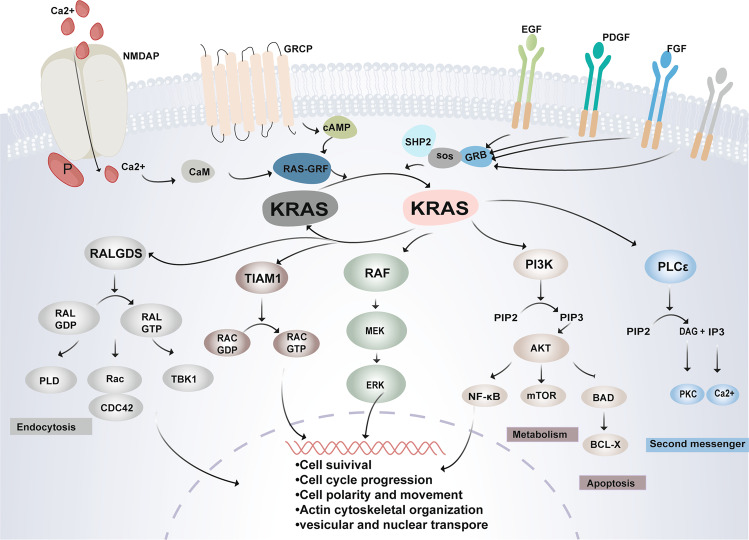
“In the GTP-bound active form, KRAS undergoes a conformational change that enables it to interact with and activate various down-stream signaling pathways, such as MAPK/ERK pathway, PI3K/AKT pathway, and RalGDS pathway [11, 29].”
Medicinal chemistry perspective of pyrido[2,3- d ]pyrimidines as anticancer agents
Kumar, A., Bhagat, K. K., Singh, A. K., Singh, H., Angre, T. D., Verma, A., Khalilullah, H., Jaremko, M., Emwas, A.-H. M., & Kumar, P. (2023) · RSC Advances · doi:10.1039/d3ra00056g · Cited by 97
Eliciting antitumor immunity via therapeutic cancer vaccines
Peng, K., Zhao, X., Fu, Y., & Liang, Y. (2025) · Cellular and Molecular Immunology · doi:10.1038/s41423-025-01316-4 · Cited by 114
“Some common SNVs, such as the KRAS G12 and the IDH1 R132H mutations, are immunogenic and are shared across cancer patients [66, 67].”
Digestive cancers: mechanisms, therapeutics and management
Zhan, T., Betge, J., Schulte, N., Dreikhausen, L., Hirth, M., Li, M., Weidner, P., Leipertz, A., Teufel, A., & Ebert, M. P. A. (2025) · Signal Transduction and Targeted Therapy · doi:10.1038/s41392-024-02097-4 · Cited by 100
Liu, B., Peng, Z., Zhang, H., Zhang, N., Liu, Z., Xia, Z., Huang, S., Luo, P., & Cheng, Q. (2025) · Molecular Cancer · doi:10.1186/s12943-025-02284-z · Cited by 105
“RAS is a family of small GTPases, including HRAS, KRAS, and NRAS, that play a crucial role in regulating various cellular processes, such as growth, differentiation, and survival [56].”
Recent Advances in Therapeutic Strategies to Improve Colorectal Cancer Treatment
Gmeiner, W. H. (2024) · Cancers · doi:10.3390/cancers16051029 · Cited by 78
“Studies in recent years have, for the first time, demonstrated the feasibility and clinical utility of directly targeting mutant KRAS with small molecule therapeutics designed to exploit specific structural features present only in the mutant protein [76] (Table 1).”
BackgroundT cell engagers: expanding horizons in oncology and beyond
Albayrak, G., Wan, P. K.-T., Fisher, K. D., & Seymour, L. W. (2025) · British Journal of Cancer · doi:10.1038/s41416-025-03125-y · Cited by 95
“Similarly, high-af fi nity soluble TCRs have been identi fi ed for mutant neoantigens like KRAS G12D , a common mutation in pancreatic and colorectal cancers [27].”
KRAS in NSCLC: State of the Art and Future Perspectives
Cascetta, P., Marinello, A., Lazzari, C., Gregorc, V., Planchard, D., Bianco, R., Normanno, N., & Morabito, A. (2022) · Cancers · doi:10.3390/cancers14215430 · Cited by 76
Tarannum, M., & Vivero-Escoto, J. L. (2022) · Advanced Drug Delivery Reviews · doi:10.1016/j.addr.2022.114357 · Cited by 76
MYC and KRAS cooperation: from historical challenges to therapeutic opportunities in cancer
Casacuberta‐Serra, S., González-Larreategui, Í., Capitán-Leo, D., & Soucek, L. (2024) · Signal Transduction and Targeted Therapy · doi:10.1038/s41392-024-01907-z · Cited by 100
Advancing Covalent Ligand and Drug Discovery beyond Cysteine
Kim, G., Grams, R. J., & Hsu, K. (2025) · Chemical Reviews · doi:10.1021/acs.chemrev.5c00001 · Cited by 90
Interplay of oxidative stress and antioxidant mechanisms in cancer development and progression
Jomová, K., Alomar, S. Y., Valko, R., Fresser, L., Nepovimová, E., Kuča, K., & Valko, M. (2025) · Archives of Toxicology · doi:10.1007/s00204-025-04146-5 · Cited by 131
“Among the nucleobases, guanine has the lowest oxidation potential; therefore, its susceptibility to oxidation is the highest of all four DNA bases (Huang et al. 2021b; Chepelev et al. 2015).”
InfluentialTreatment Strategies for KRAS-Mutated Non-Small-Cell Lung Cancer
O’Sullivan, É., Keogh, A., Henderson, B., Finn, S. P., Gray, S. G., & Gately, K. A. (2023) · Cancers · doi:10.3390/cancers15061635 · Cited by 92
Miao, Q., Deng, W.-Q., Lyu, W.-Y., Sun, Z.-T., Fan, S.-R., Qi, M., Qiu, S., Zhu, Y.-R., Lin, J.-P., Chen, M.-F., et al. (2023) · Free Radical Biology and Medicine · doi:10.1016/j.freeradbiomed.2023.05.008 · Cited by 80
Small molecules targeting protein–protein interactions for cancer therapy
Wu, D., Li, Y., Zheng, L., Xiao, H., Ouyang, L., Wang, G., & Sun, Q. (2023) · Acta Pharmaceutica Sinica B · doi:10.1016/j.apsb.2023.05.035 · Cited by 71
Wilding, B., Woelflingseder, L., Baum, A., Chylinski, K., Vainorius, G., Gibson, N. J., Waizenegger, I. C., Gerlach, D., Augsten, M., Spreitzer, F., et al. (2024) · Cancer Discovery · doi:10.1158/2159-8290.cd-24-0306 · Cited by 94
“The MAPK signal transducer KRAS is frequently mutated in various types of carcinomas (37, 38).”
Targeting KRAS: from metabolic regulation to cancer treatment
Shi, Y., Zheng, H., Wang, T., Zhou, S., Zhao, S., Li, M., & Cao, B. (2025) · Molecular Cancer · doi:10.1186/s12943-024-02216-3 · Cited by 89
Comprehensive analysis of oncogenic determinants across tumor types via multi-omics integration
Ubaid, S., Kushwaha, R., Kashif, M., & Singh, V. K. (2025) · Cancer Genetics · doi:10.1016/j.cancergen.2025.08.010 · Cited by 86
A hybrid quantum computing pipeline for real world drug discovery
Li, W., Yin, Z., Li, X., Ma, D., Yi, S., Zhang, Z., Zou, C., Bu, K., Dai, M., Yue, J., et al. (2024) · Scientific Reports · doi:10.1038/s41598-024-67897-8 · Cited by 67
“The quantum approximate optimization algorithm 16 or quantum annealing algorithms 17,18 can then be employed to solve these optimization algorithms.”
MethodExosome-mediated delivery of siRNA molecules in cancer therapy: triumphs and challenges
Ubanako, P., Mirza, S., Ruff, P., & Penny, C. (2024) · Frontiers in Molecular Biosciences · doi:10.3389/fmolb.2024.1447953 · Cited by 68
Santarpia, M., Ciappina, G., Spagnolo, C. C., Squeri, A., Passalacqua, M. I., Aguilar, A., Gonzalez-Cao, M., Giovannetti, E., Silvestris, N., & Rosell, R. (2023) · Translational Lung Cancer Research · doi:10.21037/tlcr-22-639 · Cited by 65
“21037/tlcr-22-639 affecting tumor progression and anti-tumor immune response (19,51).”
BackgroundInfluentialEpigenetic Regulation in Chromium-, Nickel- and Cadmium-Induced Carcinogenesis
Zhao, L., Islam, R., Wang, Y., Zhang, X., & Liu, L.-Z. (2022) · Cancers · doi:10.3390/cancers14235768 · Cited by 79
Overview of Cancer Metabolism and Signaling Transduction
Chae, H., & Hong, S. (2022) · International Journal of Molecular Sciences · doi:10.3390/ijms24010012 · Cited by 71
KRAS: Biology, Inhibition, and Mechanisms of Inhibitor Resistance
Ash, L. J., Busia-Bourdain, O., Okpattah, D., Kamel, A., Liberchuk, A., & Wolfe, A. L. (2024) · Current Oncology · doi:10.3390/curroncol31040150 · Cited by 68
“One of the main rewired metabolic pathways is glucose metabolism.”
BackgroundCirculating microRNAs as Potential Biomarkers in Pancreatic Cancer—Advances and Challenges
Seyhan, A. A. (2023) · International Journal of Molecular Sciences · doi:10.3390/ijms241713340 · Cited by 69
Maciag, A. E., Stice, J. P., Wang, B., Sharma, A. K., Chan, A. H., Lin, K., Singh, D., Dyba, M. D., Yang, Y., Setoodeh, S., et al. (2024) · Cancer Discovery · doi:10.1158/2159-8290.cd-24-0840 · Cited by 74
Cancer immune evasion through KRAS and PD-L1 and potential therapeutic interventions
Watterson, A., & Coelho, M. A. (2023) · Cell Communication and Signaling · doi:10.1186/s12964-023-01063-x · Cited by 68
“In contrast, KRASG12D, a driver in approximately 40% of PDAC tumours [18], has been noted as having a reduced response rate to immunotherapies, including ICBs [19].”
BackgroundInfluentialKumarasamy, V. M., Frangou, C. G., Wang, J., Wan, Y., Dynka, A., Rosenheck, H. R., Dey, P., Abel, E. V., Knudsen, E. S., & Witkiewicz, A. K. (2024) · Cancer Research · doi:10.1158/0008-5472.can-23-2504 · Cited by 63
KRAS Mutation Subtypes and Their Association with Other Driver Mutations in Oncogenic Pathways
Mondal, K., Posa, M. K., Shenoy, R. P., & Roychoudhury, S. (2024) · Cells · doi:10.3390/cells13141221 · Cited by 69
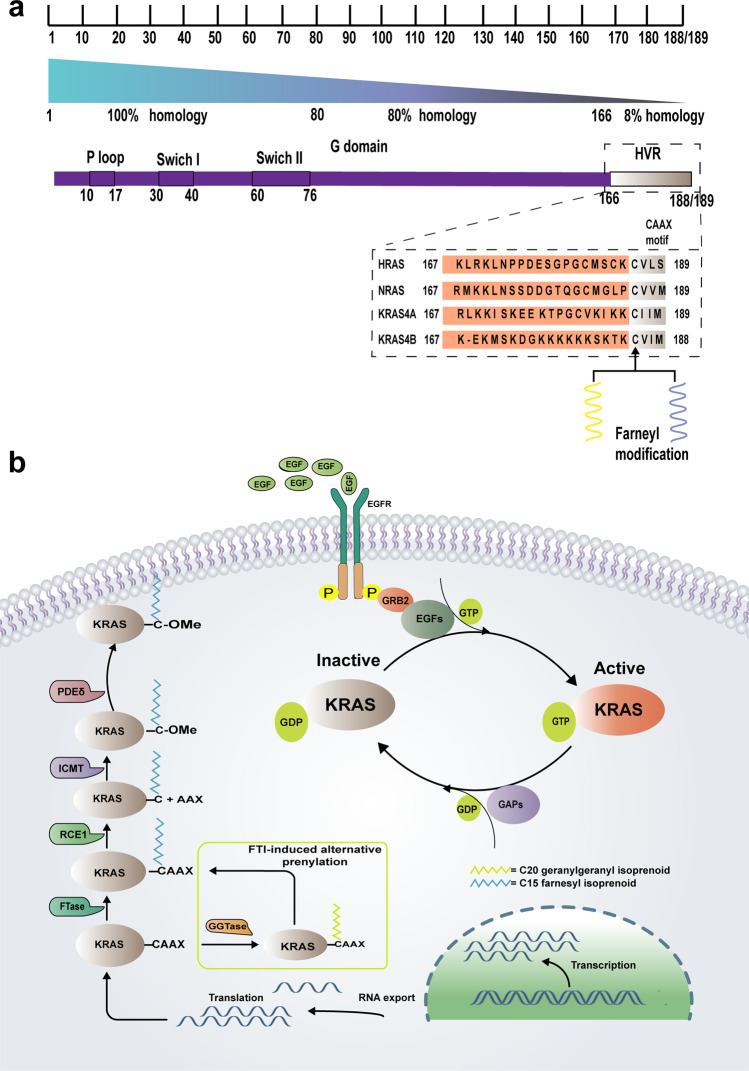
“Phosphorylated RTKs eventually recruit the docking protein, growth factor receptor-bound protein-2 (GRB2), and bind with the son of sevenless 1 (SOS1), which is itself a GEF [63] (Figure 2).”
BackgroundStrickler, J. H., Yoshino, T., Stevinson, K., Eichinger, C. S., Giannopoulou, C., Rehn, M., & Modest, D. P. (2023) · The Oncologist · doi:10.1093/oncolo/oyad138 · Cited by 54
Jiang, L., Liu, S., Jia, X., Gong, Q., Wen, X., Lu, W., Yang, J., Wu, X., Wang, X., Suo, Y., et al. (2023) · Journal of the American Chemical Society · doi:10.1021/jacs.3c08852 · Cited by 55
García‐Carbonero, R., Antón-Pascual, B., Modrego, A., Martínez, M. C. R., Lens‐Pardo, A., Carretero-Puche, C., Rubio-Cuesta, B., & Soldevilla, B. (2023) · Endocrine Reviews · doi:10.1210/endrev/bnad006 · Cited by 56
Najafiyan, B., Hosseini, Z. B., Esmaelian, S., Firuzpour, F., Anaraki, S. R., Kalantari, L., Hheidari, A., Mesgari, H., & Nabi‐Afjadi, M. (2024) · Biomedicine & Pharmacotherapy · doi:10.1016/j.biopha.2024.116207 · Cited by 61
Li, X., Li, J., Wei, J., Du, W., Su, C., Shen, X., Zhao, A., & Xu, M. (2025) · MedComm · doi:10.1002/mco2.70414 · Cited by 72
“Recent advances highlight their potential in cancer immunotherapy, exemplified by Moderna’s KRAS mRNA vaccine (NCT03948763) currently under clinical evaluation for solid tumors, as well as other tumor-associated antigen (TAA)- targeted mRNA vaccines entering early-phase oncology trials [5].”
Targeting KRAS mutations: orchestrating cancer evolution and therapeutic challenges
Choucair, K., Imtiaz, H., Uddin, M. H., Nagasaka, M., Al-Hallak, M. N., Philip, P. A., El-Rayes, B., Pasche, B., & Azmi, A. S. (2025) · Signal Transduction and Targeted Therapy · doi:10.1038/s41392-025-02473-8 · Cited by 80
“74 A study analyzing NSCLC samples (n = 1078) bearing KRAS mutations revealed that 53.3% of these patients also had comutation, with TP53 being the most common (39.4%).”
InfluentialNon-coding RNAs: emerging biomarkers and therapeutic targets in cancer and inflammatory diseases
Abdelmonem, B. H., Kamal, L. T., Wardy, L. W., Ragheb, M., Hanna, M. M., Elsharkawy, M., & Abdelnaser, A. (2025) · Frontiers in Oncology · doi:10.3389/fonc.2025.1534862 · Cited by 70
Castells-Graells, R., Meador, K., Arbing, M. A., Sawaya, M. R., Gee, M., Cascio, D., Gleave, E., Debreczeni, J. É., Breed, J., Leopold, K., et al. (2023) · Proceedings of the National Academy of Sciences · doi:10.1073/pnas.2305494120 · Cited by 48
“Our refined structure of the G13C mutant overlaps with a previous X - ray crystal structure with an rms deviation of only 0.5 Å over protein backbone atoms.”
InfluentialPeptide‐based covalent inhibitors of protein–protein interactions
Paulussen, F. M., & Grossmann, T. N. (2022) · Journal of Peptide Science · doi:10.1002/psc.3457 · Cited by 58
“an irreversible covalent mode of action have proven efficient in such cases and enabled targeting of traditionally ‘undruggable’ proteins as exemplified by the approval of KRAS(G12C) inhibitor sotorasib.(16,17)”
BackgroundReactivity of Covalent Fragments and Their Role in Fragment Based Drug Discovery
McAulay, K., Bilsland, A. E., & Bon, M. (2022) · Pharmaceuticals · doi:10.3390/ph15111366 · Cited by 60
Therapeutic strategies targeting AMPK-dependent autophagy in cancer cells
Yuan, W., Fang, W., Zhang, R., Lyu, H., Xiao, S., Guo, D. S., Ali, D. W., Michalak, M., Chen, X., Zhou, C., et al. (2023) · Biochimica et Biophysica Acta (BBA) - Molecular Cell Research · doi:10.1016/j.bbamcr.2023.119537 · Cited by 57
Targeting KRAS mutations in pancreatic cancer: opportunities for future strategies
Linehan, A., O’Reilly, M., McDermott, R., & O'Kane, G. M. (2024) · Frontiers in Medicine · doi:10.3389/fmed.2024.1369136 · Cited by 60
Cryo-shocked tumor cells deliver CRISPR-Cas9 for lung cancer regression by synthetic lethality
Liu, F., Xin, M., Feng, H., Zhang, W., Liao, Z., Sheng, T., Wen, P., Wu, Q., Liang, T., Shi, J., et al. (2024) · Science Advances · doi:10.1126/sciadv.adk8264 · Cited by 64
Singh, S. P., Bhaskar, R., Ghosh, S., Yarlagadda, B., Singh, K. K., Verma, P., Sengupta, S., Mladenov, M. I., Hadzi‐Petrushev, N., Stojchevski, R., et al. (2025) · Cancers · doi:10.3390/cancers17071082 · Cited by 69
“It is linked to several extremely deadly malignancies, such as colorectal cancer (CRC), non-small cell lung carcinoma (NSCLC), and pancreatic ductal adenocarcinoma (PDAC) [52].”
The role of selected non-coding RNAs in the biology of non-small cell lung cancer
Kiełbowski, K., Ptaszyński, K., Wójcik, J., & Wojtyś, M. E. (2023) · Advances in Medical Sciences · doi:10.1016/j.advms.2023.02.004 · Cited by 49
Discovery of MK-1084: An Orally Bioavailable and Low-Dose KRAS G12C Inhibitor
Ma, X., Sloman, D. L., Duggal, R., Anderson, K. D., Ballard, J. E., Bharathan, I., Brynczka, C., Gathiaka, S. M., Henderson, T. J., Lyons, T. W., et al. (2024) · Journal of Medicinal Chemistry · doi:10.1021/acs.jmedchem.4c00572 · Cited by 53
Cancer genome and tumor microenvironment: Reciprocal crosstalk shapes lung cancer plasticity
Mansouri, S., Heylmann, D., Stiewe, T., Kracht, M., & Savai, R. (2022) · eLife · doi:10.7554/elife.79895 · Cited by 47
“Until very recently, no drugs were available to treat mutant KRASdriven lung cancer (Huang et al., 2021).”
BackgroundGharib, E., & Robichaud, G. A. (2024) · International Journal of Molecular Sciences · doi:10.3390/ijms25179463 · Cited by 65
Yıldız, Ş., Kinali, M., Wei, J., Milad, M. P., Yin, P., Adli, M., & Bulun, S. E. (2023) · Fertility and Sterility · doi:10.1016/j.fertnstert.2023.01.041 · Cited by 52
Targeting the RAS upstream and downstream signaling pathway for cancer treatment
Hossain, M. A. (2024) · European Journal of Pharmacology · doi:10.1016/j.ejphar.2024.176727 · Cited by 57
Shi, J., Chen, Y., Peng, C., Kuang, L., Zhang, Z., Li, Y., & Huang, K. (2022) · ONCOLOGIE · doi:10.32604/oncologie.2022.027545 · Cited by 48
Biswas, S., Mandal, G., Anadon, C. M., Chaurio, R. A., Lopez-Bailon, L. U., Nagy, M. Z., Mine, J. A., Hänggi, K., Sprenger, K. B., Innamarato, P., et al. (2023) · Immunity · doi:10.1016/j.immuni.2023.09.013 · Cited by 45
Glutamine Metabolism: Molecular Regulation, Biological Functions, and Diseases
Kumar, M. A., Baba, S. K., Khan, I. R., Khan, M. S., Husain, F. M., Ahmad, S., Haris, M., Singh, M., Akil, A. A., Macha, M. A., et al. (2025) · MedComm · doi:10.1002/mco2.70120 · Cited by 62
Zhao, G., Ho, W., Chu, J., Xiong, X., Hu, B., Boakye‐Yiadom, K. O., Xu, X., & Zhang, X. (2023) · ACS Applied Materials & Interfaces · doi:10.1021/acsami.3c05007 · Cited by 45
“49,50 In the future, we will explore combination treatment strategies, including chemotherapy and immune checkpoint inhibitors, to further improve the antitumor efficacy of inhaled siRNA-based therapies.”
BackgroundKong, Y., Luo, Y., Zheng, S., Yang, J., Zhang, D., Zhao, Y., Zheng, H., An, M., Lin, Y., Ai, L., et al. (2023) · Cancer Research · doi:10.1158/0008-5472.can-22-3997 · Cited by 48
“KRAS mutations were identified in approximately 90% of patients with PDAC and KRAS was the most common allele in PDAC (3, 4).”
BackgroundUniyal, P., Kashyap, V. K., Behl, T., Parashar, D., & Rawat, R. (2025) · Cancers · doi:10.3390/cancers17050785 · Cited by 51
“The pattern of KRAS mutation varies considerably across various cancer types [ The pattern of KRAS mutation varies considerably across various cancer types [9].”
Emerging Pharmacotherapeutic Strategies to Overcome Undruggable Proteins in Cancer
Lu, Y., Yang, Y., Zhu, G., Zeng, H., Fan, Y., Guo, F., Xu, D., Wang, B., Chen, D., & Ge, G. (2023) · International Journal of Biological Sciences · doi:10.7150/ijbs.83026 · Cited by 48
“Several possible mechanisms have been proposed to explain this phenomenon, including acquired mutations in KRAS[53, 54], activation of associated parallel signaling pathways[53], and phenotypic transformation[55].”
BackgroundZheng, J., Sun, B., Berardi, D., Lu, L., Yan, H. Y., Zheng, S., Aladelokun, O. B., Xie, Y., Cai, Y., Pollitt, K. J. G., et al. (2023) · Environmental Science & Technology · doi:10.1021/acs.est.3c04844 · Cited by 46
Reversible Covalent Inhibition─Desired Covalent Adduct Formation by Mass Action
Patel, D., Huma, Z. E., & Duncan, D. (2024) · ACS Chemical Biology · doi:10.1021/acschembio.3c00805 · Cited by 50
An integrative analysis reveals cancer risk associated with artificial sweeteners
Xie, J., Zhu, Y., Yang, Z., Zhang, Y. L., Yang, M., & Wang, Q. (2025) · Journal of Translational Medicine · doi:10.1186/s12967-024-06047-0 · Cited by 46
“KRAS is the most well-known oncogene, characterized by a high mutation rate across various cancers and linked to several lethal cancers and clinical syndromes [140– 142].”
Clonal driver neoantigen loss under EGFR TKI and immune selection pressures
Bakir, M. A., Reading, J. L., Gamble, S., Rosenthal, R., Uddin, I., Rowan, A., Przewrocka, J., Rogers, A., Wong, Y. N. S., Bentzen, A. K., et al. (2025) · Nature · doi:10.1038/s41586-025-08586-y · Cited by 52
“As targeting driver mutations in TKIs, vaccines or adoptive cell therapies 40,41 gains traction, understanding the timing of mutations is critical.”
Therapeutic advances in metastatic pancreatic cancer: a focus on targeted therapies
Turpin, A., Neuzillet, C., Colle, E., Dusetti, N., Nicolle, R., Cros, J. F., de Mestier, L., Bachet, J., & Hammel, P. R. (2022) · Therapeutic Advances in Medical Oncology · doi:10.1177/17588359221118019 · Cited by 44
Spatial multi-omics of human skin reveals KRAS and inflammatory responses to spaceflight
Park, J., Overbey, E. G., Narayanan, S. A., Kim, J., Tierney, B. T., Damle, N., Najjar, D., Ryon, K. A., Proszynski, J., Kleinman, A. S., et al. (2024) · Nature Communications · doi:10.1038/s41467-024-48625-2 · Cited by 44
Bartolucci, D., Pession, A., Hrelia, P., & Tonelli, R. (2022) · Pharmaceutics · doi:10.3390/pharmaceutics14071453 · Cited by 48
Ghufran, M., Khan, H. A., Ullah, M., Ghufran, S., Ayaz, M., Siddiq, M., Hassan, S. S. U., & BUNGAU, S. G. (2022) · Cancers · doi:10.3390/cancers14194884 · Cited by 40
Srisongkram, T., & Weerapreeyakul, N. (2022) · International Journal of Molecular Sciences · doi:10.3390/ijms24010669 · Cited by 39
Zhang, J., Lim, S. M., Yu, M. R., Chen, C., Wang, J., Wang, W., Rui, H., Lu, J., Lü, S., Mok, T. S. K., et al. (2024) · Cancer Discovery · doi:10.1158/2159-8290.cd-24-0006 · Cited by 42
“The discovery and development of targeted therapeutic agents against KRAS have been challenging in past decades (8).”
BackgroundMolecular mechanisms of resistance to kinase inhibitors in thyroid cancers
Hofmann, M.-C. C., Kunnimalaiyaan, M., Wang, J. R., Busaidy, N. L., Sherman, S. I., Lai, S. Y., Zafereo, M., & Cabanillas, M. E. (2022) · Endocrine Related Cancer · doi:10.1530/erc-22-0129 · Cited by 53
Sotorasib: A Review in KRAS G12C Mutation-Positive Non-small Cell Lung Cancer
Lee, A. (2022) · Targeted Oncology · doi:10.1007/s11523-022-00922-w · Cited by 53
“KRAS constitutively hydrolyses GTP to GDP, and the rate of hydrolysis or GTP exchange may be modulated by upstream factors [1, 2].”
BackgroundInfluentialBCL6 is regulated by the MAPK/ELK1 axis and promotes KRAS-driven lung cancer
Li, K., Liu, Y., Ding, Y., Zhang, Z., Feng, J., Hu, J., Chen, J., Lian, Z., Chen, Y., Hu, K., et al. (2022) · Journal of Clinical Investigation · doi:10.1172/jci161308 · Cited by 37
“Importantly, other frequently mutated forms of KRAS in lung cancer, such as KRAS(G12D) and KRAS(G12V), remain undruggable (7).”
BackgroundThe current landscape of using direct inhibitors to target KRASG12C-mutated NSCLC
Batrash, F., Kutmah, M., & Zhang, J. (2023) · Experimental Hematology and Oncology · doi:10.1186/s40164-023-00453-8 · Cited by 43
“However, this binding site is only accessible during KRAS inactivity when GDP is bound in the binding site as when GTP is bound to KRAS, the binding of the two forces a structural change, activating KRAS and changing the conformations of switch I and switch II [5].”
BackgroundResultInfluentialGao, Z., Chen, J., Li, X.-G., Shi, Y., Tang, Z., Liu, W.-R., Zhang, X., Huang, A., Luo, X., Gao, Q., et al. (2022) · Cancer Cell International · doi:10.1186/s12935-022-02550-w · Cited by 41
A New View of Activating Mutations in Cancer
Nussinov, R., Tsai, C., & Jang, H. (2022) · Cancer Research · doi:10.1158/0008-5472.can-22-2125 · Cited by 38
Nelson, N. D., Xu, F., Peranteau, W. H., Li, M. M., & Pogoriler, J. E. (2023) · The American Journal of Surgical Pathology · doi:10.1097/pas.0000000000002025 · Cited by 36
“Type 1 CPAM (n= 77) 6 (8) 24 (31) 4 (5)”
Pulmonary invasive mucinous adenocarcinoma
Chang, W., Zhang, Y. Z., & Nicholson, A. G. (2023) · Histopathology · doi:10.1111/his.15064 · Cited by 38
Targeting KRASG12C in colorectal cancer: the beginning of a new era
Ciardiello, D., Maiorano, B. A., & Martinelli, E. (2022) · ESMO Open · doi:10.1016/j.esmoop.2022.100745 · Cited by 42
“Isoprenylcysteine carboxylmethyltransferase (ICMT) is an enzyme involved in the last step of the RAS prenylation process.(26,30) In in vitro and in vivo models, ICMT blockade resulted in reduced self-renewal/stemness of KRAS-mutant pancreatic and breast cancer cells.”
BackgroundSynthesis of Adagrasib (MRTX849), a Covalent KRAS G12C Inhibitor Drug for the Treatment of Cancer
Chen, C., Lu, Z., Scattolin, T., Chen, C., Gan, Y., & McLaughlin, M. L. (2023) · Organic Letters · doi:10.1021/acs.orglett.2c04266 · Cited by 38
Igarashi, T., Mazevet, M., Yasuhara, T., Yano, K., Mochizuki, A., Nishino, M., Yoshida, T., Yoshida, Y., Takamatsu, N., Yoshimi, A., et al. (2023) · Nature Communications · doi:10.1038/s41467-023-40578-2 · Cited by 46
“causesconstitutive activationof thedownstream RASsignalingcascade and induces oncogenic events 8,9 .”
Tumor dormancy and relapse: understanding the molecular mechanisms of cancer recurrence
Tufail, M., Jiang, C., & Li, N. (2025) · Military Medical Research · doi:10.1186/s40779-025-00595-2 · Cited by 97
Targeted nanodelivery of siRNA against KRAS G12D inhibits pancreatic cancer
Huang, R., Du, H., Cheng, L., Zhang, P., Meng, F., & Zhong, Z. (2023) · Acta Biomaterialia · doi:10.1016/j.actbio.2023.07.008 · Cited by 40
Ye, B., Wang, Q., Zhu, X., Zeng, L., Luo, H., Xiong, Y., Li, Q., Zhu, Q., Zhao, S., Chen, T., et al. (2023) · Frontiers in Oncology · doi:10.3389/fonc.2023.1236435 · Cited by 35
“KRAS is a membrane-bound protein that transmits growth factor signals, and its mutations lock it in an active state, leading to uncontrolled cell proliferation and survival (12).”
BackgroundNF2: An underestimated player in cancer metabolic reprogramming and tumor immunity
Xu, D., Yin, S., & Shu, Y. (2024) · npj Precision Oncology · doi:10.1038/s41698-024-00627-5 · Cited by 43
“To date, encouraging results have been obtained in clinical trials of drugs directly targeting KRAS, especially KRAS-G12C inhibitors 109 .”
BackgroundGCLM lactylation mediated by ACAT2 promotes ferroptosis resistance in KRASG12D-mutant cancer
Chen, Y., Yan, Q., Ruan, S., Cui, J., Li, Z., Zhang, Z., Yang, J., Fang, J., Liu, S., Huang, S., et al. (2025) · Cell Reports · doi:10.1016/j.celrep.2025.115774 · Cited by 50
Metadata
- Authors
- Huang, L., Guo, Z., Wang, F., & Fu, L.
- Affiliations
- Sun Yat-sen University (CN)
- Corresponding author
- Fu, Liwu
- Venue
- Signal Transduction and Targeted Therapy
- Published
- 2021-11-15
- Volume
- 6
- Issue
- 1
- Pages
- 386-386
- ISSN
- 2059-3635 (ISSN-L)
- PMC
- PMC8591115
- OpenAlex
- W3214173072
- Cited by
- 1,127
- References
- 240
- Citations by year
- 2026: 251 · 2025: 346 · 2024: 289 · 2023: 178 · 2022: 62
- FWCI
- 14.09
- Type
- journal article
- Language
- en
- Open access
- gold
- doi.org
- Licence
- cc-by
- creativecommons.org/licenses/by/4.0 (tdm)
- creativecommons.org/licenses/by/4.0 (vor)
- Locations
- Signal Transduction and Targeted Therapy (publishedVersion, cc-by)
- PubMed Central (publishedVersion, cc-by)
- PubMed (publishedVersion)
- DOAJ (DOAJ: Directory of Open Access Journals) (submittedVersion, cc-by-sa)
- Funders
- National Natural Science Foundation of China (82073882)
- Topics
- Life Sciences › Biochemistry, Genetics and Molecular Biology › Molecular Biology › Protein Kinase Regulation and GTPase Signaling
- Life Sciences › Biochemistry, Genetics and Molecular Biology › Molecular Biology › Melanoma and MAPK Pathways
- Life Sciences › Biochemistry, Genetics and Molecular Biology › Molecular Biology › Protein Tyrosine Phosphatases
- Keywords
- KRAS mutation, KRAS G12C inhibitors, sotorasib, adagrasib, targeted cancer therapy, tumor immune evasion, drug resistance mechanisms, combination therapy, oncogenes, precision oncology
- MeSH terms
- Humans, Neoplasms, Proto-Oncogene Proteins p21(ras), Amino Acid Substitution, Mutation, Missense, Protein Kinase Inhibitors
About these checks
Registry, retraction, Cites and statistics results are computed, not judged, with one exception: a printed reference that no index lists is read once by a model before it counts as a citation error. Claims are extracted by a model and kept only when their quote appears verbatim in the text; each cited source is then checked, with a model’s help, for whether it says what the claim relies on. Those verdicts can be wrong — read the claim’s quote and the cited source before relying on one.
Statistics and arithmetic are recomputed, not judged.
Confidence bands are shown only for fields calibrated on our annotated test set. None is calibrated yet, so no band is shown.
What counts as a claim ›How we measure confidence ›How we check this ›
Are you an author, or do you see a problem with this page? Request a review
Data sources
Bibliographic data: Semantic Scholar, OpenAlex, Crossref.
Contains information from the Semantic Scholar Academic Graph Datasets, made available under the ODC Attribution License (ODC-BY 1.0).
Semantic Scholar’s data is described in: Kinney, R., et al. (2023). The Semantic Scholar Open Data Platform. arXiv:2301.10140.
