

KRAS mutation: from undruggable to druggable in cancer
Open accessThe DOI matches its Crossref record; 238 of the 240 references it cites were found in a registry or an index.
Abstract
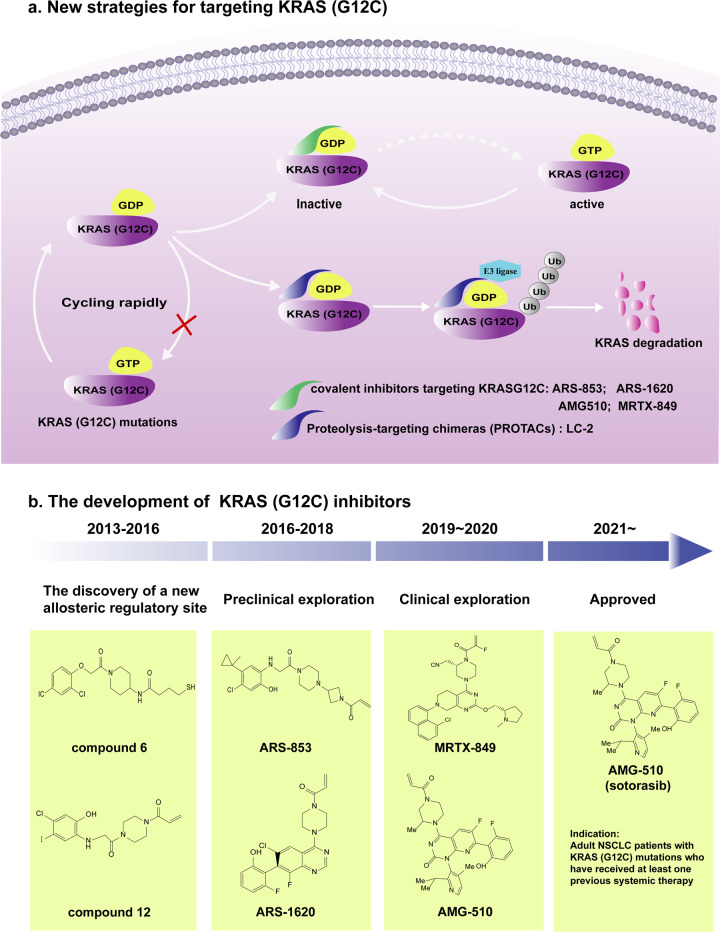
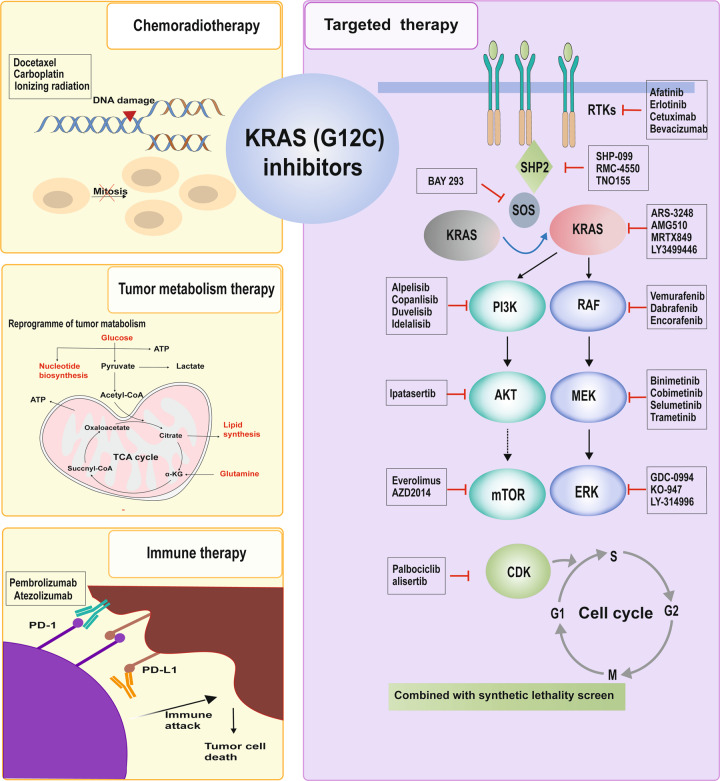
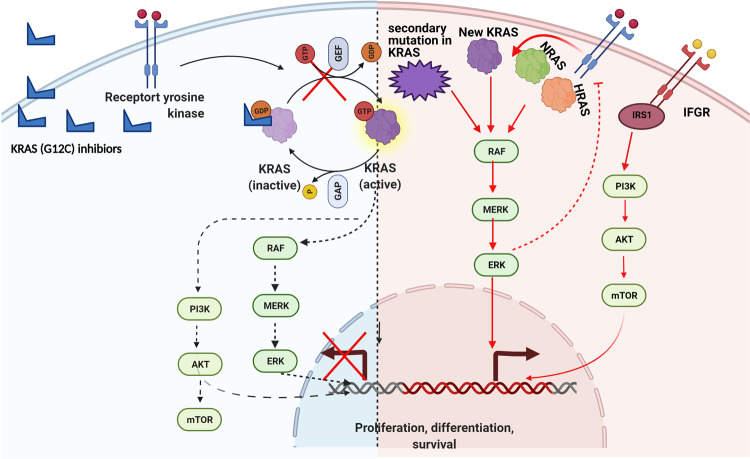
Cancer is the leading cause of death worldwide, and its treatment and outcomes have been dramatically revolutionised by targeted therapies. As the most frequently mutated oncogene, Kirsten rat sarcoma viral oncogene homologue (KRAS) has attracted substantial attention. The understanding of KRAS is constantly being updated by numerous studies on KRAS in the initiation and progression of cancer diseases. However, KRAS has been deemed a challenging therapeutic target, even “undruggable”, after drug-targeting efforts over the past four decades. Recently, there have been surprising advances in directly targeted drugs for KRAS, especially in KRAS (G12C) inhibitors, such as AMG510 (sotorasib) and MRTX849 (adagrasib), which have obtained encouraging results in clinical trials. Excitingly, AMG510 was the first drug-targeting KRAS (G12C) to be approved for clinical use this year. This review summarises the most recent understanding of fundamental aspects of KRAS, the relationship between the KRAS mutations and tumour immune evasion, and new progress in targeting KRAS, particularly KRAS (G12C). Moreover, the possible mechanisms of resistance to KRAS (G12C) inhibitors and possible combination therapies are summarised, with a view to providing the best regimen for individualised treatment with KRAS (G12C) inhibitors and achieving truly precise treatment.
Overview
The claims and statistics of this paper haven’t been checked yet.
Free: it reads the open-access text and checks the first 5 claims that cite a source we can check. Create a free account to check every claim.
Integrity signals
Registry
Cites
Statistics
Figures
Verification
Claims the paper makes
The claims and statistics of this paper haven’t been checked yet.
Free: it reads the open-access text and checks the first 5 claims that cite a source we can check. Create a free account to check every claim.
Claims other papers make about this one
Each is checked against this paper’s own text: does it say what the citing paper says it does?
The source backs part of the claim, not all of it — or backs it for a different population, condition or comparison.
In the citing paper
“KRAS is the most frequently mutated oncogene, accounting for approximately 85% of all RAS mutations in 20–25% of all cancers [8–10].”
From Differential Response and Resistance to KRAS-Targeted Therapy (2025) · cites this paper as [8]
Experimental — accuracy not yet measuredThe source backs part of the claim, not all of it — or backs it for a different population, condition or comparison.
In the citing paper
“Among the various KRAS mutations in human cancers, G12C, G12D, G12V, and G12A are the most prevalent (2).”
From YAP/TAZ mediates resistance to KRAS inhibitors through inhibiting proapoptosis and activating the SLC7A5/mTOR axis (2024) · cites this paper as [2]
Experimental — accuracy not yet measuredThe cited source says what the claim attributes to it.
In the citing paper
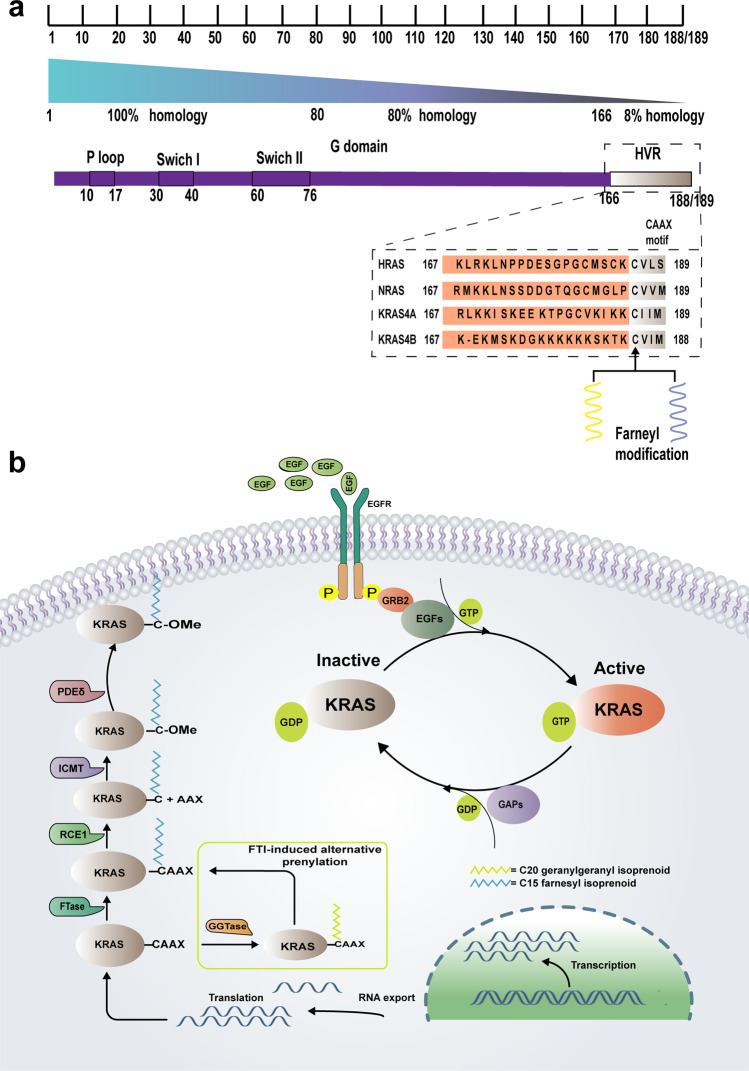
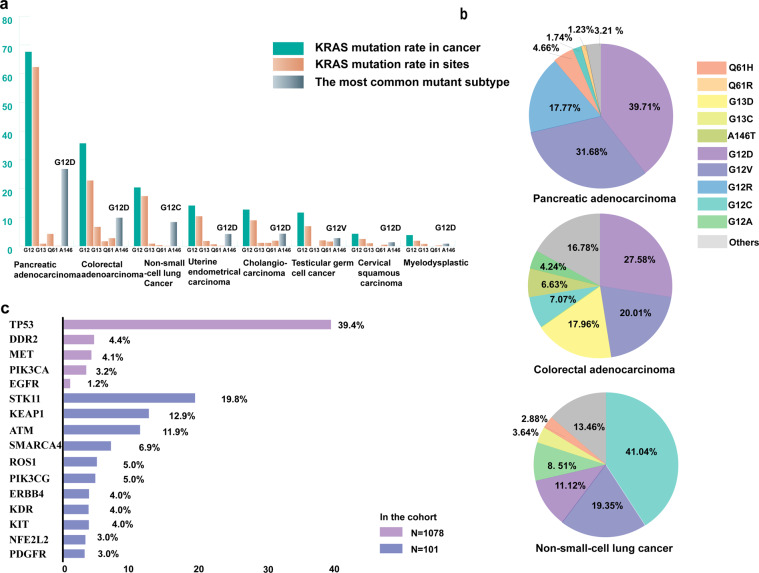
“KRAS mutations most commonly occur at the 12th codon near the nucleotide-binding site, with less prevalent mutations occurring at codons 13, 61, and 146 within other catalytic domains (Figure 1b,c) [23].”
From KRAS: Biology, Inhibition, and Mechanisms of Inhibitor Resistance (2024) · cites this paper as [23]
The cited source says what the claim attributes to it.
In the citing paper
“Kirsten rat sarcoma viral oncogene homolog (KRAS) is the most frequently mutated oncogene in various types of human cancers such as pancreatic, lung, and colorectal cancer, with G12, G13, and Q61 being the most prevalent mutant codons observed (1, 2).”
From YAP/TAZ mediates resistance to KRAS inhibitors through inhibiting proapoptosis and activating the SLC7A5/mTOR axis (2024) · cites this paper as [2]
The cited source says what the claim attributes to it.
In the citing paper
“Moreover, potent inhibition through covalent modification has enabled targeting of traditionally ‘undruggable’ proteins, exemplified by the approval of sotorasib (Amgen), which is an inhibitor of mutant KRAS(G12C), a GTPase that resisted decades of drug discovery efforts9,10”
From Advances in covalent drug discovery (2022) · cites this paper as [10]
4 more claims about this paper
Create a free account to see every claim other papers make about this one.
Self-check
Percentages, sums and reported differences re-computed from the paper’s own numbers.
The self-check needs the paper’s full text.
Citations
Cites
Hallmarks of Cancer: The Next Generation
Hanahan, D., & Weinberg, R. A. (2011) · Cell · doi:10.1016/j.cell.2011.02.013 · Cited by 66,590
Adverse Renal Effects of Immune Checkpoint Inhibitors: A Narrative Review
Wanchoo, R., Karam, S., Uppal, N. N., Barta, V. S., Deray, G., Devoe, C., Launay-Vacher, V., Jhaveri, K. D., & on behalf of Cancer and Kidney International Network Workgroup on Immune Checkpoint Inhibitors (2017) · American Journal of Nephrology · doi:10.1159/000455014 · Cited by 15,256
Calcium's Role in Mechanotransduction during Muscle Development
Benavides Damm, T., & Egli, M. (2014) · Cellular Physiology and Biochemistry · doi:10.1159/000356667 · Cited by 14,502
Nivolumab versus Docetaxel in Advanced Squamous-Cell Non–Small-Cell Lung Cancer
Brahmer, J., Reckamp, K. L., Baas, P., Crinò, L., Eberhardt, W. E. E., Poddubskaya, E., Antonia, S., Pluzanski, A., Vokes, E. E., Holgado, E., et al. (2015) · New England Journal of Medicine · doi:10.1056/nejmoa1504627 · Cited by 8,447
Gefitinib or Carboplatin–Paclitaxel in Pulmonary Adenocarcinoma
Mok, T. S., Wu, Y.-L., Thongprasert, S., Yang, C.-H., Chu, D.-T., Saijo, N., Sunpaweravong, P., Han, B., Margono, B., Ichinose, Y., et al. (2009) · New England Journal of Medicine · doi:10.1056/nejmoa0810699 · Cited by 8,261
Understanding the tumor immune microenvironment (TIME) for effective therapy
Binnewies, M., Roberts, E. W., Kersten, K., Chan, V., Fearon, D. F., Merad, M., Coussens, L. M., Gabrilovich, D. I., Ostrand-Rosenberg, S., Hedrick, C. C., et al. (2018) · Nature Medicine · doi:10.1038/s41591-018-0014-x · Cited by 6,145
Osimertinib in Untreated EGFR -Mutated Advanced Non–Small-Cell Lung Cancer
Soria, J.-C., Ohe, Y., Vansteenkiste, J., Reungwetwattana, T., Chewaskulyong, B., Lee, K. H., Dechaphunkul, A., Imamura, F., Nogami, N., Kurata, T., et al. (2018) · New England Journal of Medicine · doi:10.1056/nejmoa1713137 · Cited by 5,508
Cancer drug resistance: an evolving paradigm
Holohan, C., Van Schaeybroeck, S., Longley, D. B., & Johnston, P. G. (2013) · Nature Reviews Cancer · doi:10.1038/nrc3599 · Cited by 4,681
Anaplastic Lymphoma Kinase Inhibition in Non–Small-Cell Lung Cancer
Kwak, E. L., Bang, Y.-J., Camidge, D. R., Shaw, A. T., Solomon, B., Maki, R. G., Ou, S.-H. I., Dezube, B. J., Jänne, P. A., Costa, D. B., et al. (2010) · New England Journal of Medicine · doi:10.1056/nejmoa1006448 · Cited by 4,446
Systematic RNA interference reveals that oncogenic KRAS-driven cancers require TBK1
Barbie, D. A., Tamayo, P., Boehm, J. S., Kim, S. Y., Moody, S. E., Dunn, I. F., Schinzel, A. C., Sandy, P., Meylan, E., Scholl, C., et al. (2009) · Nature · doi:10.1038/nature08460 · Cited by 3,890
Research works printed but not linked: 6
- Hunter JC Biochemical and Structural Analysis of Common Cancer-Associated KRAS Mutations Mol. Cancer Res. 2015 13 1325 1335 26037647 · DOI · Paper page
- Hunter JC Biochemical and Structural Analysis of Common Cancer-Associated KRAS Mutations Mol. Cancer Res 2015 13 1325 1335 26037647 · DOI · Paper page
- Romero R Keap1 loss promotes Kras-driven lung cancer and results in dependence on glutaminolysis Nat. Med 2017 23 1362 1368 28967920 PMC5677540 · DOI · Paper page
- Hallin J The KRAS(G12C) Inhibitor MRTX849 Provides Insight toward Therapeutic Susceptibility of KRAS-Mutant Cancers in Mouse Models and Patients Cancer Disco. 2020 10 54 71 PMC6954325 31658955 · DOI · Paper page
- Hallin J The KRAS Inhibitor MRTX849 Provides Insight toward Therapeutic Susceptibility of KRAS-Mutant Cancers in Mouse Models and Patients Cancer Discov. 2020 10 54 71 31658955 PMC6954325 · DOI · Paper page
- Tanaka N Clinical Acquired Resistance to KRAS Inhibition through a Novel KRAS Switch-II Pocket Mutation and Polyclonal Alterations Converging on RAS-MAPK Reactivation Cancer Discov. 2021 11 1913 1922 33824136 PMC8338755 · DOI · Paper page
Cited by
Items 801–900 of 999
Zhang, X., Ma, H., He, Y., He, W., Chen, N., Li, Y., Zhong, W., Wu, G. S., Zhou, X., Hua, H., et al. (2024) · Therapeutic Advances in Medical Oncology · doi:10.1177/17588359231225035 · Cited by 2
Ding, C., Wang, G., Zou, W., Mao, Y., & Ma, J. (2024) · Journal of Biomolecular Structure and Dynamics · doi:10.1080/07391102.2024.2324350 · Cited by 1
“The activation of the KRAS protein takes place when a guanosine exchange factor (GEF) protein displaces GDP (guanosine diphosphate) from the nucleotide binding site, enabling GTP (guanosine triphosphate) to bind and trigger the activation of KRAS (Huang et al., 2021; Ostrem & Shokat, 2016).”
Gorlov, I. P., Gorlova, O. Y., Tsavachidis, S., & Amos, C. I. (2024) · Scientific Reports · doi:10.1038/s41598-024-63468-z · Cited by 1
“For KRAS the following COSMIC reported mutations were considered as drivers: p.G12C, p.G12V, p.G12D, p.G12A, p.G13C, p.G12S, and p.G13D 45 .”
BackgroundDNA METHYLATION SEQUENCING: A PROMISING TOOL FOR PANCREATIC CANCER DIAGNOSIS
Nitin, M. (2024) · Indian Journal of Health Care Medical & Pharmacy Practice · doi:10.59551/ijhmp/25832069/2024.5.1.140
“Activated oncogenes promote uncontrolled cell growth and proliferation, ultimately resulting in tumor formation and pancreatic cancer [10] development as shown in Figure 1.”
BackgroundWang, S., Qin, W., Cheng, T., Zeng, C., Chen, X., & Xu, Y. (2024) · Journal of Inflammation Research · doi:10.2147/jir.s458860 · Cited by 1
PABPC1: A Novel Emerging Target for Cancer Prognostics and Anti-cancer Therapeutics
Farouk, I. A., Low, Z. Y., Yip, A. J. W., & Lal, S. K. (2024) · Springer eBooks · doi:10.1007/978-981-99-3746-2_29 · Cited by 3
Decoding the duration of fertility of laying chicken through phenotypic and proteomic evaluation
Kabir, M. A., Ruan, H., Rong, L., Horaira, M. A., Wu, X., Wang, L., Wang, Y., Cai, J., Han, S., & Li, S. (2024) · British Poultry Science · doi:10.1080/00071668.2024.2378479 · Cited by 1
An updated patent review of SOS1 inhibitors (2022–present)
Zhou, G., Zhou, C., Ma, X., Xu, J., Zhou, Z., Xu, T., Zheng, M., & Zhang, S. (2024) · Expert Opinion on Therapeutic Patents · doi:10.1080/13543776.2024.2419825 · Cited by 1
TIME Is Critical for Oncolytic Viral Therapies Against Solid Cancers
Kumar, V., & Stewart, J. H. (2024) · Interdisciplinary cancer research · doi:10.1007/16833_2024_440 · Cited by 1
Association of Somatic KRAS Variants with Osteolysis in Arteriovenous Malformations
Basilio, M. S., Rodríguez‐Laguna, L., Triana, P., Martínez‐Glez, V., Ramírez‐Amorós, C., Delgado‐Miguel, C., Arias, J. P. R., & López‐Gutiérrez, J. C. (2025) · European Journal of Pediatric Surgery · doi:10.1055/a-2540-3621 · Cited by 2
Prognostic Properties of KRAS Gene Mutation Subtypes in Resected Pancreatic Ductal Adenocarcinoma
Nusrat, F., Gorgov, E., Khanna, A., Isesele, O., Bowne, W. B., Lavu, H., Yeo, C. J., Jiang, W., Jain, A., & Nevler, A. (2025) · Pancreas · doi:10.1097/mpa.0000000000002458 · Cited by 2
“Mutations at codons 12 and 13 effect the binding af fi nity of GAP, 11 while mutations at codon 61 can affect the GTP binding pocket and its interaction with GEFs.”
Mendez, Q. M., Thota, S. S., Oliveira, J., Crary, H. J., Saha, S., Jones, K. S., Pérez, L. P. E., Acca, F. E., Chapados, C. D., Driscoll, H. A., et al. (2025) · New Biotechnology · doi:10.1016/j.nbt.2025.05.007 · Cited by 1
“To further demonstrate the use of the Sundae method, we selected Abs which can recognize a single amino acid difference between two proteins, specifically those that bind mutants of the KRAS protein at position G12, an important driver of many cancers [35].”
Recent advances and future prospects of adoptive cell-based cancer immunotherapy
Alam, S. S. M., Jamil, Z., Samanta, A., Ali, S., & Hoque, M. (2025) · Elsevier eBooks · doi:10.1016/b978-0-443-22300-6.00051-6 · Cited by 1
Investigating the Development of Colorectal Cancer Based on Spatial Transcriptomics
Qi, Z., Gu, G., Huang, H., Lyu, B., Liu, Y., Wang, W., Zha, X., & Liu, X. (2025) · International Journal of Molecular Sciences · doi:10.3390/ijms26189256 · Cited by 1
Intratumoral Manipulation of the Immune Microenvironment of Solid Tumors
Mao, L., Xu, K., Jin, T., Yan, W., & Fang, R. H. (2025) · ACS Nano Medicine · doi:10.1021/acsnanomed.5c00063 · Cited by 1
Clinical application of the MEK inhibitor trametinib in dogs with oral squamous cell carcinoma
Katt, W. P., Balkman, C. E., Byron, M., Carney, P. C., Chrostek, E., Drozd, M. E., Duhamel, G. E., Fiani, N., Hume, K. R., King, A. L., et al. (2025) · Veterinary oncology. · doi:10.1186/s44356-025-00042-3 · Cited by 1
Sakitani, M. (2023) · Biomedical Journal of Scientific & Technical Research · doi:10.26717/bjstr.2023.51.008156 · Cited by 1
Schendel, D. J., Longinotti, G., Catarinella, M., Salvermoser, M., Bittmann, J., Crame, K., & Davari, K. (2023) · Journal for ImmunoTherapy of Cancer · doi:10.1136/jitc-2023-sitc2023.0388
Filter-aided expansion proteomicsPreprint
Dong, Z., Zhu, Y., Zhang, F., Wu, C., Chen, T., Chen, J., Jiang, W., Xiao, Q., Zheng, S. S., Piatkevich, K. D., et al. (2023) · bioRxiv (Cold Spring Harbor Laboratory) · doi:10.1101/2023.11.29.569242 · Cited by 1
“Furthermore, we examined the spatial expressions of AHCYL1, ARHGAP8, NAMPT, and YWHAB as the top feature in each cluster shown in Figure 5B, observing their heterogeneous distribution across different spatial regions and slices (Figure 5E), as well as the key cancer regulator KRAS 29 .”
BackgroundZhai, Y., Niu, S., Qiu, T., Yuan, Y., Yan, Y., Hu, R., He, X., & Xu, K. (2024) · bioRxiv (Cold Spring Harbor Laboratory) · doi:10.1101/2024.01.17.576015 · Cited by 1
“Mutations in the RAS oncogenes are well-known genetic drivers for numerous cancer types, including non-small cell lung cancer (NSCLC), colorectal cancer (CRC), and pancreatic ductal adenocarcinoma (PDAC) (Huang et al. 2021; Zhu et al. 2022).”
BackgroundPhenotype correlations with pathogenic DNA variants in the MUTYH genePreprint
Thet, M., Plazzer, J., Capellá, G., Latchford, A. R., Nadeau, E. A. W., Greenblatt, M. S., & Macrae, F. (2024) · medRxiv · doi:10.1101/2024.05.15.24307143 · Cited by 1
The Landscape and Function of Tissue-Biased Expressed Genes Across Human CancersPreprint
Chen, Z., Lin, Z., Sun, H., Bao, X., Tang, L., Yang, A., Zuo, Z., & Hu, K. (2024) · SSRN Electronic Journal · doi:10.2139/ssrn.4875100 · Cited by 1
Elmahdi, M. H., Hosain, A., & Bayoumi, H. (2024) · Research Square · doi:10.21203/rs.3.rs-4993609/v1 · Cited by 1
Davoudi, Z., Dexheimer, T. S., Coussens, N. P., Silvers, T. E., Morris, J., Takebe, N., Doroshow, J. H., & Teicher, B. A. (2024) · bioRxiv (Cold Spring Harbor Laboratory) · doi:10.1101/2024.11.17.623998 · Cited by 1
Unbiased co-occurring mutational landscapes in tumorigenesisPreprint
Li, Y., Xiong, Y., & Wei, W. (2025) · bioRxiv (Cold Spring Harbor Laboratory) · doi:10.1101/2025.01.19.633809 · Cited by 2
Activation of PP2A-B56α leads to aberrant EGFR signaling and proliferative phenotypes in PDACPreprint
Pfeffer, C. M., Clifford, S. J., Karim, S. A., Chianis, E. R. D., Heil, B. N., Gartenhaus, L. E., Kay, E. F., Baral, G., Hoffman, E. G., Utturkar, S. M., et al. (2025) · bioRxiv (Cold Spring Harbor Laboratory) · doi:10.1101/2025.07.18.665598 · Cited by 1
Lizarazo, S., Zhou, S., Cheng, R., Rajendra, K. C., Ghosh, S., Shen, Y., Liu, Q., & Bortle, K. V. (2026) · Genome Research · doi:10.1101/gr.281419.125 · Cited by 2
Faulkner, B. M., He, Y., Sitrin, D., Ziamanesh, L., & Stains, C. I. (2025) · bioRxiv (Cold Spring Harbor Laboratory) · doi:10.1101/2025.09.07.674731 · Cited by 1
Parker, K., Ghorbanpoor, S., Malik, W., Highfield, L., Wang, J., Hensley, E., Kelley, G., Clark, S., Ranieri, M., Sahu, S., et al. (2026) · bioRxiv (Cold Spring Harbor Laboratory) · doi:10.64898/2026.04.27.718135 · Cited by 1
Daraxonrasib in Pancreatic Cancer: From Second-Line Breakthrough to First-Line Evidence
Ranganathan, S., & Olivier, T. (2026) · Journal of Clinical Oncology · doi:10.1200/jco-26-01457 · Cited by 1
Timberlake, W. D., & Penslar, R. L. (1995)
The Evolving Treatment Landscape of AML
Blum, S., Bacher, U., & Pabst, T. (2022) · healthbook TIMES Oncology Hematology · doi:10.36000//hbt.oh.2022.11.065
Covalent drug approach for targeting the undruggable proteome
Fuchida, H. (2022) · Folia Pharmacologica Japonica · doi:10.1254/fpj22044
Emerging Treatment Options in Lung Cancer
Addeo, A. (2022) · healthbook TIMES Oncology Hematology · doi:10.36000/hbt.oh.2022.13.076
Pązik, M., Żebrowska-Nawrocka, M., Wosiak, A., Pietrzak, J., & Balcerczak, E. (2022) · Applied Sciences · doi:10.3390/app13010166 · Cited by 1
KRAS mutational analysis: a new supplementary diagnostic tool for extrahepatic biliary stenosis
Sun, T. (2023) · Future Oncology · doi:10.2217/fon-2022-0937
Molecular Diversity and Characteristics of KRAS Mutations in Colorectal Cancers
Kaler, A. K., Dharut, O., Umarji, S., Limaye, S., Kulkarni, B. N., Hastak, M., Athikari, N., Tiwarekar, Y., Rane, S., Nikam, A., et al. (2023) · Journal of Biomedical Research & Environmental Sciences · doi:10.37871/jbres1650
Zhu, L.-Y., Yuan, J.-B., Zhang, L., He, C.-X., Lin, X., Xu, B., & Jin, G. (2023) · doi:10.1158/0008-5472.c.6514208.v1
Zhu, L.-Y., Yuan, J.-B., Zhang, L., He, C.-X., Lin, X., Xu, B., & Jin, G. (2023) · doi:10.1158/0008-5472.c.6514208
Erasimus, H., Kolnik, V., Lacroix, F., Sidhu, S., D'Agostino, S., Lemaitre, O., Rohaut, A., Sanchez, I., Thill, G., Didier, M., et al. (2023) · doi:10.1158/2767-9764.c.6597302.v1
Erasimus, H., Kolnik, V., Lacroix, F., Sidhu, S., D'Agostino, S., Lemaitre, O., Rohaut, A., Sanchez, I., Thill, G., Didier, M., et al. (2023) · doi:10.1158/2767-9764.22761816
Supplementary Figure S10 from Comutations and KRASG12C Inhibitor Efficacy in Advanced NSCLC
Negrao, M. V., Araújo, H. A., Lamberti, G., Cooper, A. J., Akhave, N. S., Zhou, T., Delasos, L., Hicks, J. K., Aldea, M. D., Minuti, G., et al. (2023) · doi:10.1158/2159-8290.23310275
Supplementary Figure S10 from Comutations and KRASG12C Inhibitor Efficacy in Advanced NSCLC
Negrao, M. V., Araújo, H. A., Lamberti, G., Cooper, A. J., Akhave, N. S., Zhou, T., Delasos, L., Hicks, J. K., Aldea, M. D., Minuti, G., et al. (2023) · doi:10.1158/2159-8290.23310275.v1
Thi, P., & Nguyen Hong Phong, N. T. K. (2023) · Journal of Southwest Jiaotong University · doi:10.35741/issn.0258-2724.58.3.1
Genotype-Phenotype Correlation in Noonan Syndrome – Focus on LZTR1 and its Substrates
Busley, A. V. (2023) · eDiss (Georg-August-Universität Göttingen) · doi:10.53846/goediss-9890
Predicting active compounds for lung cancer based on quantitative structure-activity relationships
Hanafi, H., Hassani, B. D. R., & Kbir, M. A. (2023) · International Journal of Power Electronics and Drive Systems/International Journal of Electrical and Computer Engineering · doi:10.11591/ijece.v13i5.pp5755-5763 · Cited by 2
“Specific KRAS mutations are responsible for lung cancer, and patients with these mutations are often resistant to targeted drugs such as those ranked 3 and 7 [39].”
Human KRAS Gene May Be Hard to Detect in Quantitative PCR via Probe Detection ChemistryPreprint
Ng, W. (2023) · Preprints.org · doi:10.20944/preprints202306.1658.v1
Associations between KRAS status and clinical features in non-polyp colon cancer patients
Minh, C. H., Thu, H. B. T., Thuan, L. N., & Hong, T. V. (2023) · Asia-Pacific Journal of Oncology · doi:10.32948/ajo.2023.06.28
“Screening for mutations in this gene benefits patients when using drugs currently available and/or under development [17, 18].”
BackgroundSupplementary Figure S10 from Comutations and KRASG12C Inhibitor Efficacy in Advanced NSCLC
Negrao, M. V., Araújo, H. A., Lamberti, G., Cooper, A. J., Akhave, N. S., Zhou, T., Delasos, L., Hicks, J. K., Aldea, M. D., Minuti, G., et al. (2023) · doi:10.1158/2159-8290.23641387
Supplementary Figure S10 from Comutations and KRASG12C Inhibitor Efficacy in Advanced NSCLC
Negrao, M. V., Araújo, H. A., Lamberti, G., Cooper, A. J., Akhave, N. S., Zhou, T., Delasos, L., Hicks, J. K., Aldea, M. D., Minuti, G., et al. (2023) · doi:10.1158/2159-8290.23641387.v1
Kinase Activities in Pancreatic Ductal Adenocarcinoma with Prognostic and Therapeutic AvenuesPreprint
Vallés‐Martí, A., de Haas, R. R. D. G., Henneman, A. A., Piersma, S. R., Pham, T. V., Knol, J. C., Verheij, J., Dijk, F., Halfwerk, H., Giovannetti, E., et al. (2023) · SSRN Electronic Journal · doi:10.2139/ssrn.4506560
曹, 修. (2023) · Hans Journal of Biomedicine · doi:10.12677/hjbm.2023.133039
Połeć, A., Ekstrøm, P. O., Fougner, C., Sørlie, T., & Norum, J. H. (2023) · BMC Research Notes · doi:10.1186/s13104-023-06437-5
“Most KRAS gene mutations with clinical impact are in codon 12 and 13 (reviewed in [19]), and due to the high melting temperature of potential PCR products of the mouse Kras gene, primers were placed adjacent to codon 12 and 13 in a 42 base pair long fragment.”
BackgroundAli, D., Guirgis, A. A., & Khalil, H. (2023) · Journal of Internal Medicine Science & Art · doi:10.36013/jimsa.v4i.118
Targeted mutation-based therapy for intrahepatic cholangiocarcinoma
Yang, F., Qiu, Y., & Yi, B. (2023) · Hepatoma Research · doi:10.20517/2394-5079.2023.68 · Cited by 1
Adaptation to ARF6-depletion in KRAS-driven PDAC is abolished by targeting TLR2Preprint
Ghose, R., Das, S., Urgel-Solas, J., Pezzano, F., Datta, D., Ghose, U., Zapater, A. G., Lorente, N. P., Espinar, L., Garcia, L., et al. (2023) · bioRxiv (Cold Spring Harbor Laboratory) · doi:10.1101/2023.11.30.569405
Perspective Chapter: Evaluating New Drugs against K-Ras4B/PDE6δ Using an In Vitro Approach
Carrión-Estrada, D. A., Briseño-Díaz, P., Delfín-Azuara, S., Aguilar‐Rojas, A., & Vargas, M. A. (2023) · Biochemistry · doi:10.5772/intechopen.113019
Approaching novel antibiotic targets using peptidomimetics
Paulussen, F. M. (2023) · doi:10.5463/thesis.473
Martins, F., Machado, A. L., Ribeiro, A., Oliveira, S. M., Carvalho, J., Matthiesen, R., & Velho, S. (2023) · Research Square · doi:10.21203/rs.3.rs-3752760/v1
Applications of the CRISPR-Cas9 system in cancer models
Yang, J. (2023) · Theoretical and Natural Science · doi:10.54254/2753-8818/21/20230804
A Quantum Computing Pipeline for Real World Drug Discovery: From Algorithm to Quantum HardwarePreprint
Li, W., Yin, Z., Li, X., Ma, D., Yi, S., Zhang, Z., Zou, C., Bu, K., Dai, M., Yue, J., et al. (2024) · bioRxiv (Cold Spring Harbor Laboratory) · doi:10.1101/2024.01.08.574600
Quantification of VT204 in rat plasma by LC-MS/MS and its pharmacokinetic study
Yang, X. (2023) · International Journal of Frontiers in Medicine · doi:10.25236/ijfm.2023.051102
KRAS mutation-selective requirement for ACSS2 in colorectal adenoma formation.Preprint
Chernoff, J., Budagyan, K., Cannon, A. C., Chatoff, A. G., Snyder, N. W., Kurimchak, A., & Duncan, J. S. (2024) · Research Square · doi:10.21203/rs.3.rs-3931415/v1
“While cytosolic ACSS2 plays a critical role in the de novo biosynthesis of lipids, nuclear ACSS2 is involved in the recycling of acetate produced from histone deacetylation reactions 33-35 .”
BackgroundPołeć, A., Ekstrøm, P. O., Fougner, C., Sørlie, T., & Norum, J. H. (2023) · Figshare · doi:10.6084/m9.figshare.23935743
Połeć, A., Ekstrøm, P. O., Fougner, C., Sørlie, T., & Norum, J. H. (2023) · Figshare · doi:10.6084/m9.figshare.23935740
Połeć, A., Ekstrøm, P. O., Fougner, C., Sørlie, T., & Norum, J. H. (2023) · Figshare · doi:10.6084/m9.figshare.23935746
Połeć, A., Ekstrøm, P. O., Fougner, C., Sørlie, T., & Norum, J. H. (2023) · Figshare · doi:10.6084/m9.figshare.23935734
Połeć, A., Ekstrøm, P. O., Fougner, C., Sørlie, T., & Norum, J. H. (2023) · Figshare · doi:10.6084/m9.figshare.23935737
Martins, F., Machado, A. L., Ribeiro, A., Oliveira, S. M., Carvalho, J., Matthiesen, R., Backman, V., & Velho, S. (2024) · Research Square · doi:10.21203/rs.3.rs-3752760/v3
Mendonça, S., Carvalho, P. D., Serra‐Roma, A., Oliveira, P., Ribeiro, A., Carvalho, J., Martins, F., Machado, A. L., Oliveira, M. J., & Velho, S. (2024) · bioRxiv (Cold Spring Harbor Laboratory) · doi:10.1101/2024.04.19.590324
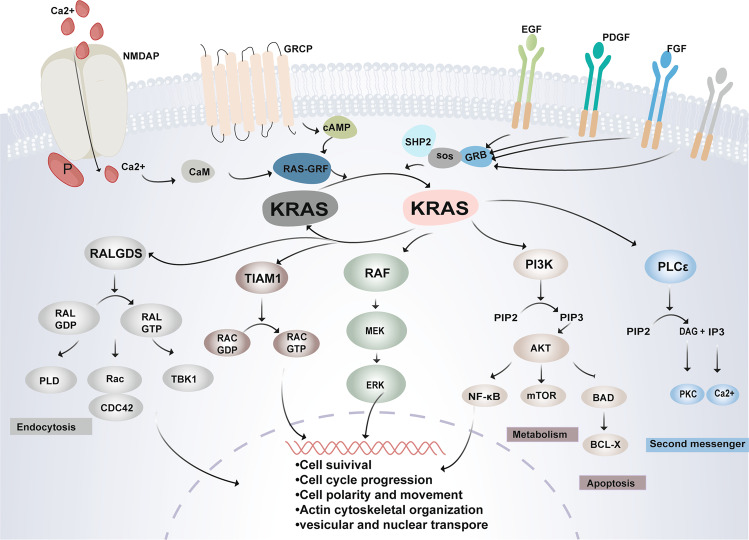
“Located downstream of many cell surface receptors, KRAS is considered a central regulator of intracellular signaling in response to extracellular stimuli (Dias Carvalho, Martins, et al., 2022; Dias Carvalho, Mendonça, et al., 2022; Huang et al., 2021).”
BackgroundAtomic-scale mechanisms of GDP extraction by SOS1 in KRAS-G12 and KRAS-D12 oncogenesPreprint
Hu, Z., & Martı́, J. (2024) · bioRxiv (Cold Spring Harbor Laboratory) · doi:10.1101/2024.06.17.599303
“Only two drugs have been approved by the U.S. Food and Drug Administration up today, both of them related to the KRAS-G12C mutation 23 : AMG510 sotorasib 24,25 and MRTX849 adagrasib 26 .”
BackgroundMICAL1 in Tumour Cell Motility
Armstrong, G. (2024) · doi:10.32920/26052766
MICAL1 in Tumour Cell Motility
Armstrong, G. (2024) · doi:10.32920/26052766.v1
Ratiometric sandwich-type assays for RNAs with a point mutation using benzo[a]pyrene-modified probes
Watari, Y., Nakatani, K., Kobata, K., Matsuo, K., Waku, T., & Kobori, A. (2024) · Chemical Communications · doi:10.1039/d4cc02188f
Tùng, B. T., Trang, V. T. T., & Anh, N. T. V. (2024) · Elsevier eBooks · doi:10.1016/b978-0-443-16013-4.00004-x · Cited by 1
RNA-seq gene expression profiling of the bladder in a mouse model of urogenital schistosomiasisPreprint
Ishida, K., Osakunor, D. N. M., Rossi, M., Lamanna, O. K., Mbanefo, E. C., Cody, J. J., Le, L., & Hsieh, M. H. (2024) · bioRxiv (Cold Spring Harbor Laboratory) · doi:10.1101/2024.06.29.601185 · Cited by 1
“…of bladders from mice intravesically exposed to total antigen protein extract of S. haematobium worms reported that bladders with dysplasia carried a G12D mutation in KRAS (a mutation frequently found in pancreatic adenocarcinoma [97]) with greater frequency compared to the control group [103].”
BackgroundChapilliquen, D., Universidad de Piura, F. D. M. H. L., Castillo, J. E. F., Dongo, R. J. Z., Diaz, B. M., Infante, S., Universidad de Piura, F. D. M. H. L., Universidad de Piura, F. D. M. H. L., Universidad de Piura, F. D. M. H. L., & Universidad de Piura, F. D. M. H. L. (2024) · Horizonte Médico (Lima) · doi:10.24265/horizmed.2024.v24n2.07
“…resaltar la importancia de abordar las implicaciones de esta mutación en la progresión y tratamiento del CPCNP. Dentro de la familia de proteínas Ras, se identifican tres protooncogenes cruciales: KRAS, NRAS y HRAS, donde KRAS es el predominante en tumores sólidos como el cáncer de pulmón (7) .”
BackgroundKidane, M., Hoffman, R. M., Wolfe-Demarco, J. K., Huang, T.-Y., Teng, C.-L., Lira, L. M. G., Lin‐Jones, J., Pallares, G., Lamerdin, J. E., Servant, N. B., et al. (2024) · bioRxiv (Cold Spring Harbor Laboratory) · doi:10.1101/2024.07.20.604418
“In this work, we presented a cell-based platform for therapeutic discovery targeting KRAS mutants prevalent among many human cancers 2,3,4,5 .”
MethodKadir, S., Chowdhury, T. A., & Saha, M. K. (2024) · Research Square · doi:10.21203/rs.3.rs-4784472/v1
Arokiaraj, M. C., Wilson, J. J., Lu, J., & Huang, R. (2024) · South East European Journal of Immunology · doi:10.3889/seejim.2024.6064
Study of the mass balance, biotransformation, and safety of [14C]IBI351 in healthy Chinese subjects
Wang, S., Lin, W. H., Ahmed, B., Zhong, T., Zhao, J., Xie, L., Feng, H., Chen, J., Zhang, C., Yan, P., et al. (2024) · Journal of Biomedical Research · doi:10.7555/jbr.38.20240254 · Cited by 4
Kobayashi-Ooka, Y., Akagi, T., Sukezane, T., Yanagita, E., Itoh, T., & Sasai, K. (2024) · Pathology - Research and Practice · doi:10.1016/j.prp.2024.155632 · Cited by 1
Conclusions: the future of RAS drug discovery
Gill, A. L., & Shokat, K. M. (2024) · Elsevier eBooks · doi:10.1016/b978-0-443-21861-3.00009-7
Bravo, A. C., Morão, B., Luz, A., Dourado, R., Oliveira, B., Guedes, A., Moreira-Barbosa, C., Fidalgo, C. A., Mascarenhas‐Lemos, L., Costa-Santos, M. P., et al. (2024) · Cancers · doi:10.3390/cancers16203544
“More than 90% of these mutations are found in codon 12 of the KRAS protein (p.G12D, p.G12V, p.G12R, p.G12C, or p.G12A), which result from single nucleotide changes [9,10].”
BackgroundZhao, H., Li, J., Yuan, T., Sun, Q., Wang, G., Fang, H., Liu, H., Wang, Y., & Song, X. (2024) · Research Square · doi:10.21203/rs.3.rs-5029414/v1
Driver-associated transcriptional rewiring reveals conditional genetic vulnerabilities in cancerPreprint
Geraghty, S., Boyer, J. A., Fazel-Zarandi, M., Arzouni, N., Ryseck, R.-P., McBride, M. J., Parsons, L. R., Rabinowitz, J. D., & Singh, M. (2024) · bioRxiv (Cold Spring Harbor Laboratory) · doi:10.1101/2024.11.20.624509
A clustering approach to integrative analyses of multiomic cancer data
Yan, D., & Guha, S. (2024) · Journal of Applied Statistics · doi:10.1080/02664763.2024.2431742
“Cluster 2 and 3 are primarily subsets of proximal-proliferative (PP) that was enriched for mutation of KRAS (Kirsten rat sarcoma virus), a crucial onco-gene for regulating cell growth and division; mutations on this gene are known to cause cancer [28,61].”
KRAS: Finally a druggable target in oncology?
Ilhan‐Mutlu, A. (2024) · memo - Magazine of European Medical Oncology · doi:10.1007/s12254-024-01004-5
“Since different subtypes are expressed in different proportions in diseases such as the pancreatic, colorectal, and lung neoplasms, we can easily say that the oncology community welcomes a new “tissue-agnostic/independent” biomarker [3].”
Founini, Y. E., Guessous, F., Dehbi, H., Karkouri, M., Attaleb, M., Mzibri, M. E., Boubia, S., Ridaï, M., & Chaoui, I. (2024) · Current pharmacogenomics and personalized medicine (Online)/Current pharmacogenomics and personalized medicine · doi:10.2174/0118756921347352241112105112
Sprague, D., Hart, M. G., Klein, J. S., Kounlavouth, S., Vegesna, R., Rotunno, M., Kraemer, L. D., Zhou, R., Kemp, L., Greene, A. C., et al. (2024) · bioRxiv (Cold Spring Harbor Laboratory) · doi:10.1101/2024.12.06.627073
Grammatophyllum stapeliiflorum Extract as a Suppressor of AGS Gastric Cancer Cell Growth
Kim, J., & Da-Hyun, K. I. M. (2024) · Korean Journal of Clinical Laboratory Science · doi:10.15324/kjcls.2024.56.4.375
Antagonistic interaction between miR-143 and KRAS gene regulating male mouse germ cell apoptosis
Yu, L., Niu, S., Zhang, G., Guo, Y., Fu, B., Wang, M., Liu, J., Zhang, H., Lu, W., & Zhang, M. (2025) · Theriogenology · doi:10.1016/j.theriogenology.2024.12.024
Halaoui, A. F., Estrella, M., Yan, C. H., Goodwill, V., & Beaumont, T. (2025) · Journal of Neurosurgery Case Lessons · doi:10.3171/case24657 · Cited by 1
Advances in Cancer Gene Therapy: Strategies, Delivery Methods, and Challenges
Lepland, A., & Veiman, K.-L. (2025) · Methods in pharmacology and toxicology · doi:10.1007/978-1-0716-4374-7_6
Deep learning for classifying cancer types using multi-omics data (Preprint)Preprint
Ameen, A., Alganmi, N. A., & Bajnaid, N. (2024) · doi:10.2196/preprints.70709
SAEG: A Novel Deep Learning Architecture for Somatic AlterationsPreprint
Iglesias-Martinez, L. F., Wester, D. Y., & Kölch, W. (2025) · bioRxiv (Cold Spring Harbor Laboratory) · doi:10.1101/2025.02.21.639424
UNFOLDing Robustness, Plasticity, Evolvability and Canalisation of Biological FunctionPreprint
Chakraborty, D., Rengaswamy, R., & Raman, K. (2025) · bioRxiv (Cold Spring Harbor Laboratory) · doi:10.1101/2025.03.03.641119
“The practical relevance of our findings extends to critical areas like cancer research, as exemplified by the RAS gene family (KRAS, HRAS, and NRAS) [26, 27].”
Treatment options for KRAS G12C mutated metastatic colorectal cancer
Liberko, M. (2025) · Onkologie · doi:10.36290/xon.2025.008
In silico development of HASDI-G2 as a novel agent for selective recognition of the DNA sequence
Zaremba, A. A., Zaremba, P. Y., & Zahorodnia, S. (2025) · Scientific Reports · doi:10.1038/s41598-025-89967-1
“That often leads to the rapid acquisition of resistance by the tumor to such a well-targeted drug 5 .”
Liu, Y., Gao, X., Li, Y., He, X., Shi, Z., Zhang, L., Wang, Y., & Shi, A. (2025) · Clinical Drug Investigation · doi:10.1007/s40261-025-01430-1
Metadata
- Authors
- Huang, L., Guo, Z., Wang, F., & Fu, L.
- Affiliations
- Sun Yat-sen University (CN)
- Corresponding author
- Fu, Liwu
- Venue
- Signal Transduction and Targeted Therapy
- Published
- 2021-11-15
- Volume
- 6
- Issue
- 1
- Pages
- 386-386
- ISSN
- 2059-3635 (ISSN-L)
- PMC
- PMC8591115
- OpenAlex
- W3214173072
- Cited by
- 1,127
- References
- 240
- Citations by year
- 2026: 251 · 2025: 346 · 2024: 289 · 2023: 178 · 2022: 62
- FWCI
- 14.09
- Type
- journal article
- Language
- en
- Open access
- gold
- doi.org
- Licence
- cc-by
- creativecommons.org/licenses/by/4.0 (tdm)
- creativecommons.org/licenses/by/4.0 (vor)
- Locations
- Signal Transduction and Targeted Therapy (publishedVersion, cc-by)
- PubMed Central (publishedVersion, cc-by)
- PubMed (publishedVersion)
- DOAJ (DOAJ: Directory of Open Access Journals) (submittedVersion, cc-by-sa)
- Funders
- National Natural Science Foundation of China (82073882)
- Topics
- Life Sciences › Biochemistry, Genetics and Molecular Biology › Molecular Biology › Protein Kinase Regulation and GTPase Signaling
- Life Sciences › Biochemistry, Genetics and Molecular Biology › Molecular Biology › Melanoma and MAPK Pathways
- Life Sciences › Biochemistry, Genetics and Molecular Biology › Molecular Biology › Protein Tyrosine Phosphatases
- Keywords
- KRAS mutation, KRAS G12C inhibitors, sotorasib, adagrasib, targeted cancer therapy, tumor immune evasion, drug resistance mechanisms, combination therapy, oncogenes, precision oncology
- MeSH terms
- Humans, Neoplasms, Proto-Oncogene Proteins p21(ras), Amino Acid Substitution, Mutation, Missense, Protein Kinase Inhibitors
About these checks
Registry, retraction, Cites and statistics results are computed, not judged, with one exception: a printed reference that no index lists is read once by a model before it counts as a citation error. Claims are extracted by a model and kept only when their quote appears verbatim in the text; each cited source is then checked, with a model’s help, for whether it says what the claim relies on. Those verdicts can be wrong — read the claim’s quote and the cited source before relying on one.
Statistics and arithmetic are recomputed, not judged.
Confidence bands are shown only for fields calibrated on our annotated test set. None is calibrated yet, so no band is shown.
What counts as a claim ›How we measure confidence ›How we check this ›
Are you an author, or do you see a problem with this page? Request a review
Data sources
Bibliographic data: Semantic Scholar, OpenAlex, Crossref.
Contains information from the Semantic Scholar Academic Graph Datasets, made available under the ODC Attribution License (ODC-BY 1.0).
Semantic Scholar’s data is described in: Kinney, R., et al. (2023). The Semantic Scholar Open Data Platform. arXiv:2301.10140.
