

KRAS mutation: from undruggable to druggable in cancer
Open accessThe DOI matches its Crossref record; 238 of the 240 references it cites were found in a registry or an index.
Abstract
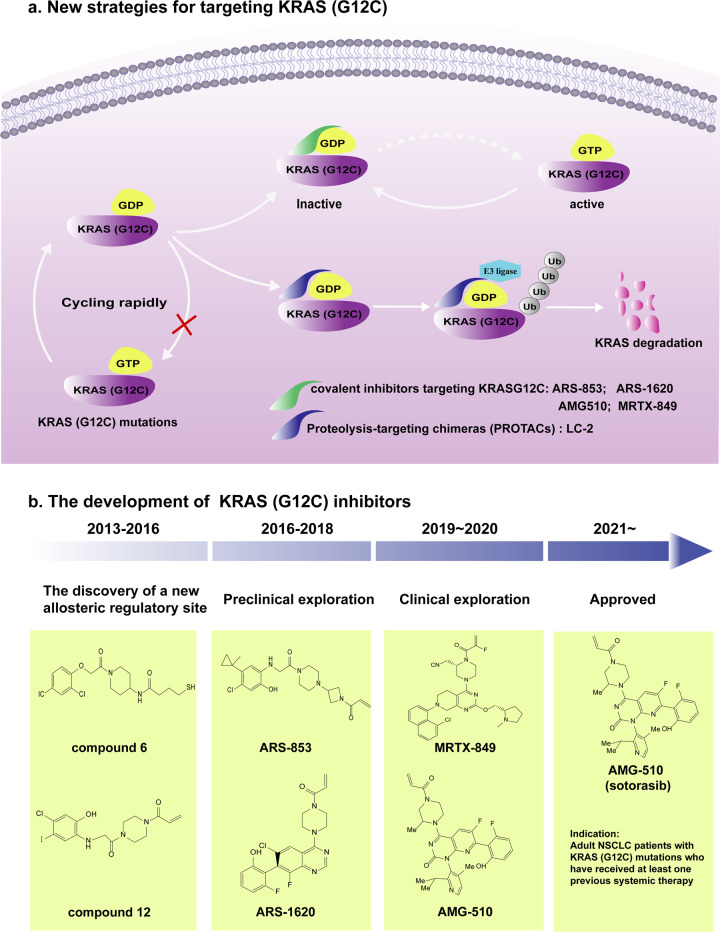
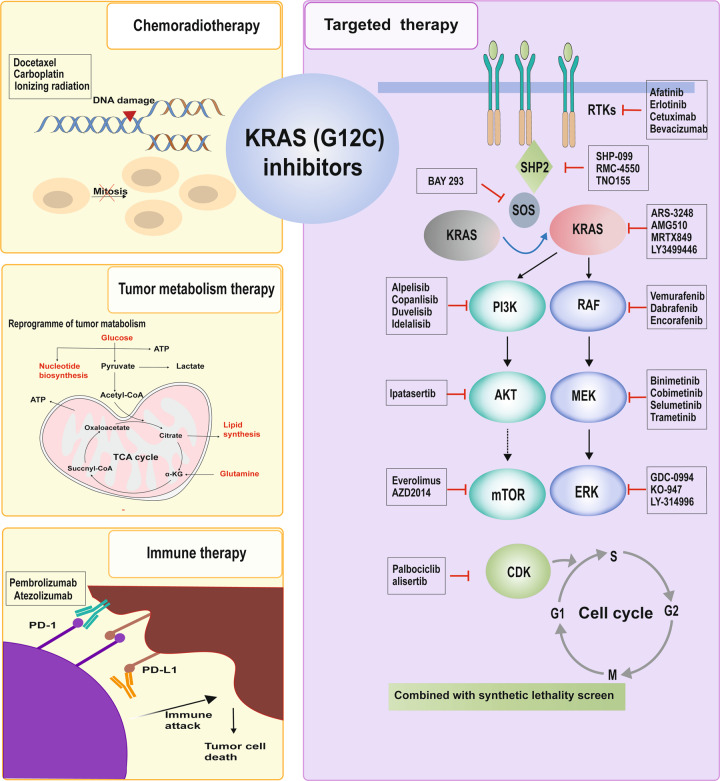
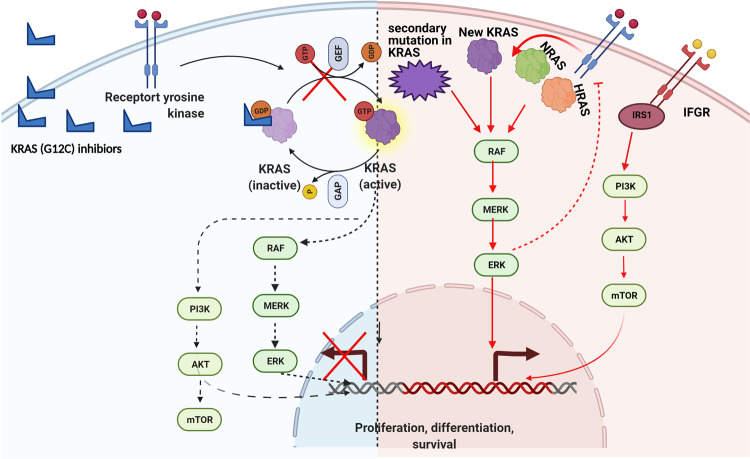
Cancer is the leading cause of death worldwide, and its treatment and outcomes have been dramatically revolutionised by targeted therapies. As the most frequently mutated oncogene, Kirsten rat sarcoma viral oncogene homologue (KRAS) has attracted substantial attention. The understanding of KRAS is constantly being updated by numerous studies on KRAS in the initiation and progression of cancer diseases. However, KRAS has been deemed a challenging therapeutic target, even “undruggable”, after drug-targeting efforts over the past four decades. Recently, there have been surprising advances in directly targeted drugs for KRAS, especially in KRAS (G12C) inhibitors, such as AMG510 (sotorasib) and MRTX849 (adagrasib), which have obtained encouraging results in clinical trials. Excitingly, AMG510 was the first drug-targeting KRAS (G12C) to be approved for clinical use this year. This review summarises the most recent understanding of fundamental aspects of KRAS, the relationship between the KRAS mutations and tumour immune evasion, and new progress in targeting KRAS, particularly KRAS (G12C). Moreover, the possible mechanisms of resistance to KRAS (G12C) inhibitors and possible combination therapies are summarised, with a view to providing the best regimen for individualised treatment with KRAS (G12C) inhibitors and achieving truly precise treatment.
Overview
The claims and statistics of this paper haven’t been checked yet.
Free: it reads the open-access text and checks the first 5 claims that cite a source we can check. Create a free account to check every claim.
Integrity signals
Registry
Cites
Statistics
Figures
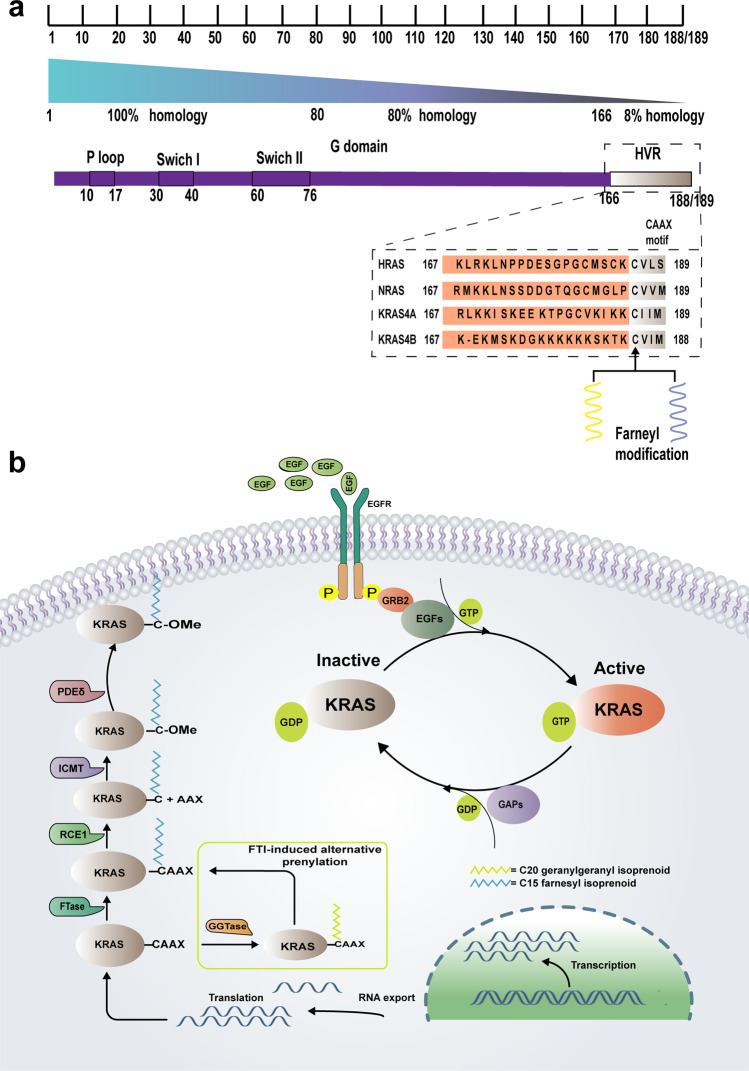
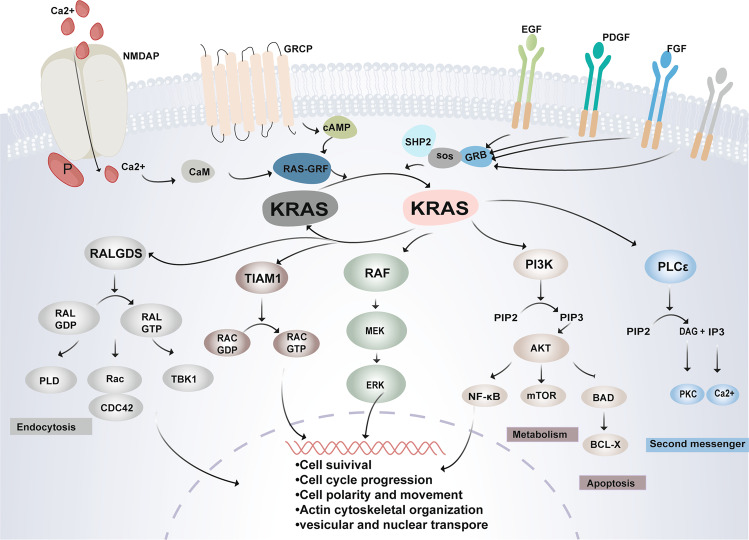
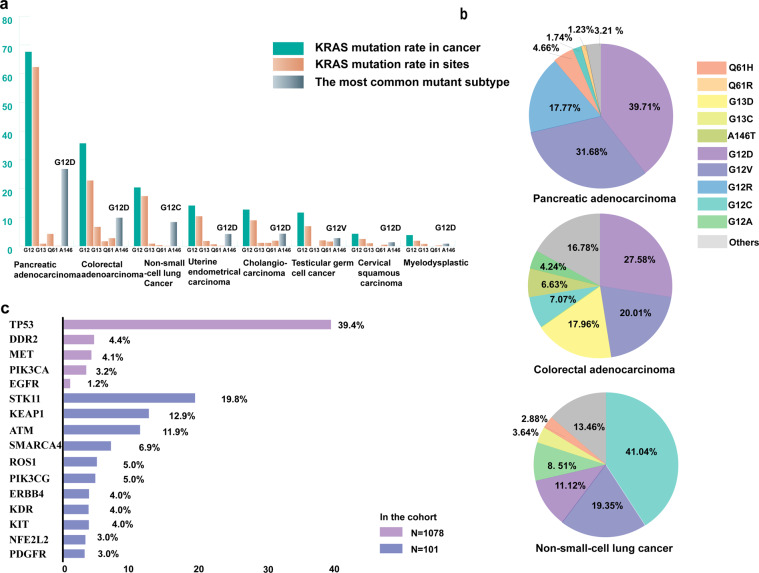
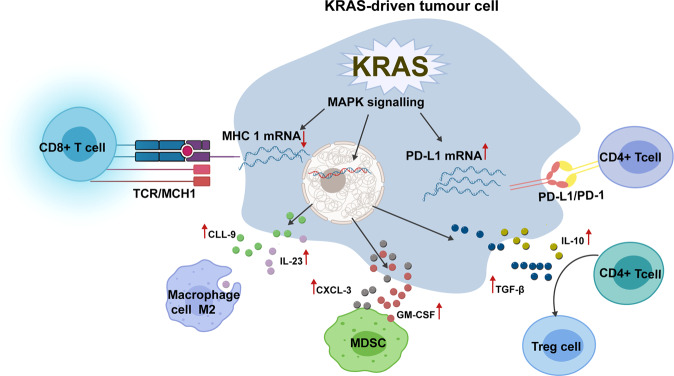
Verification
Claims the paper makes
The claims and statistics of this paper haven’t been checked yet.
Free: it reads the open-access text and checks the first 5 claims that cite a source we can check. Create a free account to check every claim.
Claims other papers make about this one
Each is checked against this paper’s own text: does it say what the citing paper says it does?
The source backs part of the claim, not all of it — or backs it for a different population, condition or comparison.
In the citing paper
“KRAS is the most frequently mutated oncogene, accounting for approximately 85% of all RAS mutations in 20–25% of all cancers [8–10].”
From Differential Response and Resistance to KRAS-Targeted Therapy (2025) · cites this paper as [8]
Experimental — accuracy not yet measuredThe source backs part of the claim, not all of it — or backs it for a different population, condition or comparison.
In the citing paper
“Among the various KRAS mutations in human cancers, G12C, G12D, G12V, and G12A are the most prevalent (2).”
From YAP/TAZ mediates resistance to KRAS inhibitors through inhibiting proapoptosis and activating the SLC7A5/mTOR axis (2024) · cites this paper as [2]
Experimental — accuracy not yet measuredThe cited source says what the claim attributes to it.
In the citing paper
“KRAS mutations most commonly occur at the 12th codon near the nucleotide-binding site, with less prevalent mutations occurring at codons 13, 61, and 146 within other catalytic domains (Figure 1b,c) [23].”
From KRAS: Biology, Inhibition, and Mechanisms of Inhibitor Resistance (2024) · cites this paper as [23]
The cited source says what the claim attributes to it.
In the citing paper
“Kirsten rat sarcoma viral oncogene homolog (KRAS) is the most frequently mutated oncogene in various types of human cancers such as pancreatic, lung, and colorectal cancer, with G12, G13, and Q61 being the most prevalent mutant codons observed (1, 2).”
From YAP/TAZ mediates resistance to KRAS inhibitors through inhibiting proapoptosis and activating the SLC7A5/mTOR axis (2024) · cites this paper as [2]
The cited source says what the claim attributes to it.
In the citing paper
“Moreover, potent inhibition through covalent modification has enabled targeting of traditionally ‘undruggable’ proteins, exemplified by the approval of sotorasib (Amgen), which is an inhibitor of mutant KRAS(G12C), a GTPase that resisted decades of drug discovery efforts9,10”
From Advances in covalent drug discovery (2022) · cites this paper as [10]
4 more claims about this paper
Create a free account to see every claim other papers make about this one.
Self-check
Percentages, sums and reported differences re-computed from the paper’s own numbers.
The self-check needs the paper’s full text.
Citations
Cites
Hallmarks of Cancer: The Next Generation
Hanahan, D., & Weinberg, R. A. (2011) · Cell · doi:10.1016/j.cell.2011.02.013 · Cited by 66,590
Adverse Renal Effects of Immune Checkpoint Inhibitors: A Narrative Review
Wanchoo, R., Karam, S., Uppal, N. N., Barta, V. S., Deray, G., Devoe, C., Launay-Vacher, V., Jhaveri, K. D., & on behalf of Cancer and Kidney International Network Workgroup on Immune Checkpoint Inhibitors (2017) · American Journal of Nephrology · doi:10.1159/000455014 · Cited by 15,256
Calcium's Role in Mechanotransduction during Muscle Development
Benavides Damm, T., & Egli, M. (2014) · Cellular Physiology and Biochemistry · doi:10.1159/000356667 · Cited by 14,502
Nivolumab versus Docetaxel in Advanced Squamous-Cell Non–Small-Cell Lung Cancer
Brahmer, J., Reckamp, K. L., Baas, P., Crinò, L., Eberhardt, W. E. E., Poddubskaya, E., Antonia, S., Pluzanski, A., Vokes, E. E., Holgado, E., et al. (2015) · New England Journal of Medicine · doi:10.1056/nejmoa1504627 · Cited by 8,447
Gefitinib or Carboplatin–Paclitaxel in Pulmonary Adenocarcinoma
Mok, T. S., Wu, Y.-L., Thongprasert, S., Yang, C.-H., Chu, D.-T., Saijo, N., Sunpaweravong, P., Han, B., Margono, B., Ichinose, Y., et al. (2009) · New England Journal of Medicine · doi:10.1056/nejmoa0810699 · Cited by 8,261
Understanding the tumor immune microenvironment (TIME) for effective therapy
Binnewies, M., Roberts, E. W., Kersten, K., Chan, V., Fearon, D. F., Merad, M., Coussens, L. M., Gabrilovich, D. I., Ostrand-Rosenberg, S., Hedrick, C. C., et al. (2018) · Nature Medicine · doi:10.1038/s41591-018-0014-x · Cited by 6,145
Osimertinib in Untreated EGFR -Mutated Advanced Non–Small-Cell Lung Cancer
Soria, J.-C., Ohe, Y., Vansteenkiste, J., Reungwetwattana, T., Chewaskulyong, B., Lee, K. H., Dechaphunkul, A., Imamura, F., Nogami, N., Kurata, T., et al. (2018) · New England Journal of Medicine · doi:10.1056/nejmoa1713137 · Cited by 5,508
Cancer drug resistance: an evolving paradigm
Holohan, C., Van Schaeybroeck, S., Longley, D. B., & Johnston, P. G. (2013) · Nature Reviews Cancer · doi:10.1038/nrc3599 · Cited by 4,681
Anaplastic Lymphoma Kinase Inhibition in Non–Small-Cell Lung Cancer
Kwak, E. L., Bang, Y.-J., Camidge, D. R., Shaw, A. T., Solomon, B., Maki, R. G., Ou, S.-H. I., Dezube, B. J., Jänne, P. A., Costa, D. B., et al. (2010) · New England Journal of Medicine · doi:10.1056/nejmoa1006448 · Cited by 4,446
Systematic RNA interference reveals that oncogenic KRAS-driven cancers require TBK1
Barbie, D. A., Tamayo, P., Boehm, J. S., Kim, S. Y., Moody, S. E., Dunn, I. F., Schinzel, A. C., Sandy, P., Meylan, E., Scholl, C., et al. (2009) · Nature · doi:10.1038/nature08460 · Cited by 3,890
Research works printed but not linked: 6
- Hunter JC Biochemical and Structural Analysis of Common Cancer-Associated KRAS Mutations Mol. Cancer Res. 2015 13 1325 1335 26037647 · DOI · Paper page
- Hunter JC Biochemical and Structural Analysis of Common Cancer-Associated KRAS Mutations Mol. Cancer Res 2015 13 1325 1335 26037647 · DOI · Paper page
- Romero R Keap1 loss promotes Kras-driven lung cancer and results in dependence on glutaminolysis Nat. Med 2017 23 1362 1368 28967920 PMC5677540 · DOI · Paper page
- Hallin J The KRAS(G12C) Inhibitor MRTX849 Provides Insight toward Therapeutic Susceptibility of KRAS-Mutant Cancers in Mouse Models and Patients Cancer Disco. 2020 10 54 71 PMC6954325 31658955 · DOI · Paper page
- Hallin J The KRAS Inhibitor MRTX849 Provides Insight toward Therapeutic Susceptibility of KRAS-Mutant Cancers in Mouse Models and Patients Cancer Discov. 2020 10 54 71 31658955 PMC6954325 · DOI · Paper page
- Tanaka N Clinical Acquired Resistance to KRAS Inhibition through a Novel KRAS Switch-II Pocket Mutation and Polyclonal Alterations Converging on RAS-MAPK Reactivation Cancer Discov. 2021 11 1913 1922 33824136 PMC8338755 · DOI · Paper page
Cited by
Items 901–999 of 999
Point Mutation Selective Photo-Cross-Linking Reactions by Diazirine-Derivatized ODNs
Kobata, K., Unita, D., Matsuo, K., Waku, T., & Kobori, A. (2025) · The Journal of Organic Chemistry · doi:10.1021/acs.joc.4c02493
Mechanism of Action and Research Progress of Drugs Targeting KRAS G12-Mutant Tumors
郑, 金. (2025) · World Journal of Cancer Research · doi:10.12677/wjcr.2025.152011
Peng, H., Yao, H., Jiang, X., Zhu, H., Li, J., & Tang, H. J. (2025) · Pathology - Research and Practice · doi:10.1016/j.prp.2025.155990
Lu, S., Qiao, X., Zhu, C., Lan, X., Li, M., Li, N., Huang, J., Liu, N., & Zhang, J. (2025) · Research Square · doi:10.21203/rs.3.rs-6427090/v1
Monitoring treatment response with cancer biomarkers
Kaur, P., & Vyas, M. (2025) · Elsevier eBooks · doi:10.1016/b978-0-443-29279-8.00012-0 · Cited by 1
Enhancing Rectal Cancer Radiosensitivity and Gut Protection through Methionine RestrictionPreprint
Miousse, I. R., Zuniga, O., Garg, S., Akana, L., Rodrigues, H., Huq, S., Krager, K. J., Church, D., Wolfe, T., Aykin‐Burns, N., et al. (2025) · Research Square · doi:10.21203/rs.3.rs-6497576/v1
Abbasi, Y., Altamimi, O., Al-Shehab, M., Nabulsi, H., & Abbasi, S. (2025) · Therapeutic Advances in Medical Oncology · doi:10.1177/17588359251337271
“18 Incorporating these findings into a clinical effectiveness study show-cases the technical and real-world problems that might hinder the incorporation of these advances into patient care.”
Hao, H., & Zhang, H. (2025) · BIO Web of Conferences · doi:10.1051/bioconf/202517402009
Clinicopathological Features of Non-Small Cell Lung Carcinoma with NRAS Mutation
Ambrosini‐Spaltro, A., Rengucci, C., Capelli, L., Chiadini, E., Bennati, C., Delmonte, A., Vecchiarelli, S., Limarzi, F., Nosseir, S., Gallo, G., et al. (2025) · Journal of Personalized Medicine · doi:10.3390/jpm15050199
“KRAS plays a central role in signal transduction and has gained considerable attention in recent years as it has become a target of specific drugs, rendering it extremely important in different therapeutic strategies [34].”
Ablation Studies of KRAS in Colon Cancer: Predictive Power and Diagnostic Accuracy
Duvvuri, V., Kuracha, M. R., Shaw, Y., Ren, Z., Konduri, S., & Chintalapati, R. (2025) · Communications in computer and information science · doi:10.1007/978-981-96-6403-0_22
Targeting the Undruggable KRAS Mutation in Lung Cancer – A Review
Jones, C. A. (2024) · Premier journal of science. · doi:10.70389/pjs.100001 · Cited by 2
Hu, Y., Lin, X., Zhu, J., Lin, Y., Zhang, Y., Liu, C., & Jiang, F. (2025) · SSRN Electronic Journal · doi:10.2139/ssrn.5281075
尚, 子. (2025) · Advances in Clinical Medicine · doi:10.12677/acm.2025.1561716
Peng, S., & Tian, S. (2025) · Frontiers in Oncology · doi:10.3389/fonc.2025.1590544
“However, monotherapy shows limited ef fi cacy in colorectal cancer due to other resistance mechanisms (25).”
Chemoproteomics Approaches for Diverse Modalities
Eberl, H. C., Knecht, S., Queisser, M. A., & Bantscheff, M. (2025) · Wiley eBooks · doi:10.1002/9781394236145.ch19
Guarnaccia, A. D., Sandoval, W. N., & Lill, J. R. (2025) · Wiley eBooks · doi:10.1002/9781394236145.ch1
Predictive biomarkers for targeted therapy in daily anatomic pathology for ovarian tumors
Sureka, N., & Zaheer, S. (2025) · Surgical and Experimental Pathology · doi:10.1186/s42047-025-00187-3 · Cited by 2
“KRAS mutations lead to constitutive activation of downstream signaling cascades, including the MAPK and PI3 K pathways, driving uncontrolled cell growth and resistance to apoptosis (Ferreira et al. 2022; Huang et al. 2021).”
The employment of double-adjuvant nanoparticle to enhance immune responses for neoantigen vaccine
Xiao, L., Wu, Y., Dai, Y., Sun, Y., & Chen, S. (2025) · Nano Research · doi:10.26599/nr.2025.94907712
Wang, W., Song, Y., Liu, S., Xiong, X., & Yang, X. (2025) · BMC Cancer · doi:10.1186/s12885-025-14358-8 · Cited by 1
“KRAS, a well-characterized oncogene, is frequently mutated or amplified in esophageal carcinoma and plays a pivotal role in regulating tumor proliferation, metastasis, and therapeutic resistance through multiple down-stream pathways, including PI3K/AKT and MAPK [26, 27].”
Thielen, N., Wei, N., Nagai, E., Chu, E., Kitamura, S., & Kuang, C. (2025) · bioRxiv (Cold Spring Harbor Laboratory) · doi:10.1101/2025.06.27.662039
Zarocsinceva, M., Qureshi, M., Wilson, N. K., Giotopoulos, G., Musabe, B., Sturgess, K., Vijayabaskar, M. S., Kinston, S., Asby, R., Adams, D. J., et al. (2026) · Oncogene · doi:10.1038/s41388-026-03964-w
“RAS proteins had been long thought of as undruggable although recent efforts have resulted in several KRAS inhibitors currently in Pre-clinical or Phase I clinical studies (reviewed in [53, 54]).”
Structural insights of the complex formed by KRAS G12V and a novel TIG3 peptide
Ha, M. S., Han, C. W., Jeong, M. S., & Jang, S. B. (2025) · Biochimica et Biophysica Acta (BBA) - Proteins and Proteomics · doi:10.1016/j.bbapap.2025.141091
Advances in Research on Drugs Targeting KRAS Mutation
夏, 雪. (2025) · Advances in Clinical Medicine · doi:10.12677/acm.2025.1572092
Zhao, M., Zafar, R., Serfraz, S., & Wu, K. (2025) · Journal of Biomolecular Structure and Dynamics · doi:10.1080/07391102.2025.2543358
“Upon receiving the extra-cellular growth signal Rat sarcoma protein (RAS) gets activated by successful binding of Guanosine Triphosphate (GTP) nucleotide (Dhomen & Marais, 2007; Huang et al., 2021).”
Zhao, G., Xiao, X., Song, L., & Qi, B. (2025) · CytoJournal · doi:10.25259/cytojournal_268_2024 · Cited by 4
“[13,14] A comprehensive study demonstrated that mutations in ovarian tumors often occur on the codon of KRAS .”
Jensen, L. H. (2025) · The Lancet Oncology · doi:10.1016/s1470-2045(25)00411-5 · Cited by 1
Nie, Z., & Zhang, B. (2025) · Cytotechnology · doi:10.1007/s10616-025-00839-y
“Despite advances in targeted therapies and immunotherapies, LUAD treatment efficacy remains limited due to chemotherapy resistance, apoptosis evasion, and frequent genetic alterations such as KRAS mutations (Arbour and Riely 2019; Huang et al. 2021; Liu et al. 2020).”
Ohta, R., Yamamoto, N., Tanaka, K., Sano, C., & Hayashi, H. (2025) · Cureus · doi:10.7759/cureus.92393
“This underscores the complexity of distinguishing between metastasis, combined histology, and actual double primaries [17,22].”
Yuan, J., Wang, Z., Tan, W., Zhang, Y., Yan, H., Liu, M., Gong, H., & Zhan, S. (2025) · Proceedings on CD-ROM - International Society for Magnetic Resonance in Medicine. Scientific Meeting and Exhibition/Proceedings of the International Society for Magnetic Resonance in Medicine, Scientific Meeting and Exhibition · doi:10.58530/2025/2823
Shi, Y., Baral, S., Zhang, Y., Jiang, Y., Li, R., Zhang, Y., Wang, W., & Wang, D. (2025) · Acta Biochimica et Biophysica Sinica · doi:10.3724/abbs.2025181 · Cited by 1
Wang, M., Wang, Y., Qian, Y., Luo, Z., Dong, S., Li, Z., Wu, L., Yu, F., Lin, Z., Qiu, L., et al. (2025) · Redox Biology · doi:10.1016/j.redox.2025.103870
“This non-mutational paradigm aligns with findings in KRAS-mutant cancers, where constitutive pathway activation escalates downstream signaling [54,55].”
Computational Tools for Identifying Cancer Driver Genes and Mutations: A Comprehensive Review
Alsulami, A. F. (2025) · Current Bioinformatics · doi:10.2174/0115748936405959250911064633
Real-world adverse event analysis of Adagrasib: Insights from the FAERS database
Jian, S., Liang, S., Ma, X., Chen, S., Zhang, X., Lan, X., Zuo, P., Hou, E., & Tu, S. (2025) · Medicine · doi:10.1097/md.0000000000044755
“[1,2] Specifically, non-small cell lung cancer cases demonstrate a prevalence of KRAS mutations, accounting for approximately 25% of incidences, [3] with the KRASG12C point mutation in codon 12 occurring in about 14% of lung adenocarcinomas.”
The Pharmaceutical Year That Was, 2025
Fox, A. W. (2025) · Pharmaceutical Medicine · doi:10.1007/s40290-025-00588-5
Jiao, D., Chen, Y., Liu, X., Xu, W., Tang, X., Chen, J., Yan, L., & Chen, Q. (2025) · Clinical & Translational Oncology · doi:10.1007/s12094-025-04067-w
Prise en charge du cancer pulmonaire non à petites cellules avec mutation de KRAS
Chour, A., Lafitte, C., Boussageon, M., Pierret, T., & Duruisseaux, M. (2025) · Revue des Maladies Respiratoires Actualités · doi:10.1016/s1877-1203(25)00078-3 · Cited by 2
Joint analysis of expression and variation at single cell resolution by scVarPreprint
Zhao, W., Yang, F., Zong, W., Zheng, X., & Bao, Y. (2025) · bioRxiv (Cold Spring Harbor Laboratory) · doi:10.1101/2025.10.12.681753
“These mutations are associated with tumorigenesis, therapeutic resistance, and poor clinical outcomes in multiple cancers, including lung, colorectal, and pancreatic carcinomas[49,47,50].”
Hong, J., Chen, C., Liu, X., Cristescu, R., Markensohn, J. F., & Burcu, M. (2025) · Urologic Oncology Seminars and Original Investigations · doi:10.1016/j.urolonc.2025.08.031
Bono, A., Monica, G. L., Alamia, F., Tocco, D., Lauria, A., & Martorana, A. (2025) · Pharmaceuticals · doi:10.3390/ph18101579
“Additionally, hydrogen bonding interactions with Lys 16 , Asp 69 , and His 95 play a stabilizing role in the K-RAS–inhibitor complex, further enhancing binding affinity [19,39–41].”
Chongrak, C., Visitchanakun, P., Somjit, P., Amornphimoltham, P., Leelahavanichkul, A., & Yanatatsaneejit, P. (2025) · bioRxiv (Cold Spring Harbor Laboratory) · doi:10.1101/2025.10.19.683316
Munugoda, U., Gilpatrick, S. T., Das, D., Parkin, S., Miller, A., & Awuah, S. G. (2025) · Angewandte Chemie · doi:10.1002/ange.202516331
Yue, P., Hon, C. T., Zhao, X., Ali, F., Sun, J., & Kou, J. (2025) · Anti-Cancer Drugs · doi:10.1097/cad.0000000000001773
“KRAS mutations occur in roughly 25 – 30% of lung adenocarcinomas in Western populations and 10 – 15% in Asian cohorts, with KRAS G12C, KRAS G12D, and KRAS G12V representing the most frequent sub-types [7 – 9].”
Yang, Y., Cho, C. Y., Brock, A., Quackenbush, D., Chen, K., Lo, F., Benes, C. H., & Haling, J. R. (2025) · bioRxiv (Cold Spring Harbor Laboratory) · doi:10.1101/2025.11.14.688534
Genetic risk assessment and screening
Hamid, B., Masoodi, G., Mir, A. A., & Mir, M. A. (2025) · Elsevier eBooks · doi:10.1016/b978-0-443-27801-3.00026-0
Mohammed, O. S., Rasul, H. O., & Shwan, D. M. S. (2025) · Medical Oncology · doi:10.1007/s12032-025-03094-5
Zuo, W., Huang, X., Peng, C., Han, B., & Zhao, Q. (2025) · Future Medicinal Chemistry · doi:10.1080/17568919.2025.2605014
Tumor Mutations in Minority Populations Versus Non-Hispanic Whites Across Tumor Types
Coy, J., Doan, I., Chabot‐Richards, D., Kosich, M., Pankratz, V. S., Kerr, L., Jawadi, S., & Tawfik, B. (2025) · JCO Precision Oncology · doi:10.1200/po-25-00076
Abu-Bakar, A., Ismail, M., Zulkifli, M. Z. I., Zaini, N. A. S., Shukor, N. I. A., Harun, S., & Inayat‐Hussain, S. H. (2024) · Figshare · doi:10.6084/m9.figshare.26746928
Abu-Bakar, A., Ismail, M., Zulkifli, M. Z. I., Zaini, N. A. S., Shukor, N. I. A., Harun, S., & Inayat‐Hussain, S. H. (2024) · Figshare · doi:10.6084/m9.figshare.26746913
Połeć, A., Ekstrøm, P. O., Fougner, C., Sørlie, T., & Norum, J. H. (2023) · Figshare · doi:10.6084/m9.figshare.23935749
Guruvaiah, P., & Gupta, R. (2024) · Figshare · doi:10.6084/m9.figshare.26747054
Abu-Bakar, A., Ismail, M., Zulkifli, M. Z. I., Zaini, N. A. S., Shukor, N. I. A., Harun, S., & Inayat‐Hussain, S. H. (2024) · Figshare · doi:10.6084/m9.figshare.26746919
Abu-Bakar, A., Ismail, M., Zulkifli, M. Z. I., Zaini, N. A. S., Shukor, N. I. A., Harun, S., & Inayat‐Hussain, S. H. (2024) · Figshare · doi:10.6084/m9.figshare.26746910
Guruvaiah, P., & Gupta, R. (2024) · Figshare · doi:10.6084/m9.figshare.26747057
Abu-Bakar, A., Ismail, M., Zulkifli, M. Z. I., Zaini, N. A. S., Shukor, N. I. A., Harun, S., & Inayat‐Hussain, S. H. (2024) · Figshare · doi:10.6084/m9.figshare.26746934
Li, D.-Z., Yang, Z.-Y., leng, A., Zhang, Q., Zhang, X.-D., Bian, Y., Xiao, R., & Ren, J.-J. (2024) · Figshare · doi:10.6084/m9.figshare.26759201
Abu-Bakar, A., Ismail, M., Zulkifli, M. Z. I., Zaini, N. A. S., Shukor, N. I. A., Harun, S., & Inayat‐Hussain, S. H. (2024) · Figshare · doi:10.6084/m9.figshare.26746925
Guruvaiah, P., & Gupta, R. (2024) · Figshare · doi:10.6084/m9.figshare.26747066
Abu-Bakar, A., Ismail, M., Zulkifli, M. Z. I., Zaini, N. A. S., Shukor, N. I. A., Harun, S., & Inayat‐Hussain, S. H. (2024) · Figshare · doi:10.6084/m9.figshare.26746916
Yang, Q., To, K. K. W., Hu, G., Fu, K., Yang, C., Zhu, S., Pan, C., Wang, F., Kewang, L., & Fu, L. (2024) · Figshare · doi:10.6084/m9.figshare.26733367
Self-citationSozzi, S., Manni, I., Ercolani, C., Diodoro, M. G., Bartolazzi, A., Spallotta, F., Piaggio, G., Monteonofrio, L., Soddu, S., Rinaldo, C., et al. (2024) · Figshare · doi:10.6084/m9.figshare.27129495
Li, D.-Z., Yang, Z.-Y., leng, A., Zhang, Q., Zhang, X.-D., Bian, Y., Xiao, R., & Ren, J.-J. (2024) · Figshare · doi:10.6084/m9.figshare.26759198
Guruvaiah, P., & Gupta, R. (2024) · Figshare · doi:10.6084/m9.figshare.26747060
Guruvaiah, P., & Gupta, R. (2024) · Figshare · doi:10.6084/m9.figshare.26231241
Abu-Bakar, A., Ismail, M., Zulkifli, M. Z. I., Zaini, N. A. S., Shukor, N. I. A., Harun, S., & Inayat‐Hussain, S. H. (2024) · Figshare · doi:10.6084/m9.figshare.26746931
Abu-Bakar, A., Ismail, M., Zulkifli, M. Z. I., Zaini, N. A. S., Shukor, N. I. A., Harun, S., & Inayat‐Hussain, S. H. (2024) · Figshare · doi:10.6084/m9.figshare.26746922
Guruvaiah, P., & Gupta, R. (2024) · Figshare · doi:10.6084/m9.figshare.26747063
Guruvaiah, P., & Gupta, R. (2024) · Figshare · doi:10.6084/m9.figshare.26231396
Latif, M. U., Liu, X., Bockelmann, A., Huhnold, L., Schmídt, G., Klein, L., Zhao, X., Conradi, L., Conrads, K., Weber, A. L., et al. (2025) · Gut · doi:10.1136/gutjnl-2025-336227
Sun, H., Chen, Q., Li, G., Chen, M., Dai, J., & Yan, M. (2026) · Journal of the Chinese Medical Association · doi:10.1097/jcma.0000000000001334 · Cited by 2
“KRAS is the most widely studied oncogene in cancer research that affects a range of highly lethal malignancies, particularly PDAC, NSCLC, and CRC. 10 Despite KRAS being relatively under-explored in TC research, recent studies have shown that activation of the KRAS signaling pathway is linked to the…”
InfluentialKandula, J. S., & Radhakrishnanand, P. (2026) · Biomedical Chromatography · doi:10.1002/bmc.70345
Ariyan, L. A., Zambalde, É. P., Li, J., McAuliffe, T. T., Ma, E., Martínez, F. P., Panarelli, N. C., Eddy, R. J., Patil, P., Condeelis, J. S., et al. (2026) · bioRxiv (Cold Spring Harbor Laboratory) · doi:10.64898/2026.01.07.698161
“Although clinically promising, the most significant challenge to KRAS inhibitors is acquired resistance 9-11 .”
Ochoa, J. L., & Crittenden, C. M. (2026) · Journal of the American Society for Mass Spectrometry · doi:10.1021/jasms.5c00340
The current status of medicine development for precision therapy and diagnosis targeting KRASG12C
Zhang, C., Wang, F., & Tian, G.-L. (2026) · Biophysics Reports · doi:10.52601/bpr.2026.250060
Self-citationPreclinical mouse models for studying cholangiocarcinoma
Yang, S., Bao, C., Li, Y., Ou, Y., Jiang, Y., Xu, W., Zheng, D., Li, N., Yang, M., Wang, F., et al. (2026) · Liver Research · doi:10.1016/j.livres.2026.01.002 · Cited by 1
“78 Ikenoue et al .”
Self-citationTargeting the DDX3/PAF1 axis enhances chemotherapy efficacy in pancreatic ductal adenocarcinoma
Nallasamy, P., Seshacharyulu, P., Rauth, S., Shah, A., Marimuthu, S., Varadharaj, V., Bommideni, M., Mallya, K. B., Alsafwani, Z. W., Lele, S. M., et al. (2026) · Cancer Letters · doi:10.1016/j.canlet.2026.218276
Okuda, M., Kawasumi, R., Tanaka, K., & Hirota, K. (2026) · Biomolecules · doi:10.3390/biom16020204 · Cited by 1
“Given the widespread prevalence of KRAS mutations in various cancers and their well-documented association with adverse clinical outcomes and therapeutic resistance [66,67], our findings have important translational implications.”
Kim, J., Snider, J. D., & Štagljar, I. (2026) · Disease and Therapeutics · doi:10.1016/j.dist.2026.100005 · Cited by 2
Structural and Dynamic Insights into Podocalyxin–Ezrin Interaction as a Target in Cancer Progression
Milutinovic, M., Lutimba, S., & Mansour, M. A. (2026) · Journal of Xenobiotics · doi:10.3390/jox16010025
“This is like other oncogenic mutations at protein–protein interfaces, such as KRAS G12C, where steric clashes enhance GTPase signalling [61,62], highlighting how single-residue changes can allosterically tune oncogenic hubs.”
Miao, S., Wang, X., Gu, Q., Bian, C., Fan, R., Ni, Q., Wang, Y., & Zhuang, Z. (2026) · Frontiers in Oncology · doi:10.3389/fonc.2026.1748954
From Amphiphiles to mRNA platforms: emerging vaccination strategies for pancreatic cancer
Lee, D. G., & Noh, K. (2026) · Experimental Hematology and Oncology · doi:10.1186/s40164-026-00755-7
“Nevertheless, targeting KRAS mutations has long been considered undruggable [3].”
Un-sweetening the deal: targeting glucose metabolism in brain arteriovenous malformations
Rudnicki, M., & Haas, T. L. (2026) · EMBO Molecular Medicine · doi:10.1038/s44321-026-00384-x
“With the potential exception of a class of small-molecule inhibitors speci fi c for the KRAS G12C variant, KRAS has been viewed as an undruggable target, thus shifting the therapeutic focus to the blockade of down-stream pathways (Huang et al, 2021).”
Gentile, C., Feng, W. W., Lenahan, S. M., Ying, A. W., Card, D. C., Wu, F. T. H., Pham, N., Radulovich, N., Cao, P. M., Hueniken, K., et al. (2026) · bioRxiv (Cold Spring Harbor Laboratory) · doi:10.64898/2026.02.27.708377
Goossens, C., Lolos, C., López-Pérez, A. R., Kessels, M., Deom, E., Blétard, N., Peers, B., Flasse, L. C., & Voz, M. L. (2026) · bioRxiv (Cold Spring Harbor Laboratory) · doi:10.64898/2026.03.03.708839
Computational Design of a TCR-Based Bispecific Engager Targeting Cancerous KRAS G12V Mutations
Shah, N., Sharma, G., Patel, V., Wu, M., Mummadi, A., Taneja, A., Shah, M., Le, G. B., Krishna, M., & Brah, H. (2026) · ACS Omega · doi:10.1021/acsomega.5c10229
Huang, W., Zhang, M., Yuan, Y., Chen, X., Chen, N., Wang, X., Lu, X., Li, X., Fu, H., Chen, Y., et al. (2026) · Sensors and Actuators B Chemical · doi:10.1016/j.snb.2026.139835
Lu, S., Ai, X., Li, Z., Wu, L., Chen, P., Niu, Z., Sun, Y., Song, Z., Yao, W., He, J., et al. (2026) · Research Square · doi:10.21203/rs.3.rs-8540837/v1
Blanco, M. N. F., Kazybay, B., Perzolli, A., Kester, L. A., Heidenreich, O. T., & Vormoor, H. J. (2026) · bioRxiv (Cold Spring Harbor Laboratory) · doi:10.64898/2026.03.17.712388
Molecular origin, discovery, validation and application of neoantigens
Lyu, Q., & Hu, S. (2026) · Asian Journal of Pharmaceutical Sciences · doi:10.1016/j.ajps.2026.101143 · Cited by 4
“Recurrent alterations in genes such as KRAS, TP53, EGFR and BRAF produce tumor-exclusive peptides essential for malignant viability, rendering them compelling immunotherapy targets [ 65–68 ].”
A deep learning approach to assess transendothelial cell trafficking performance
Schumacher, T. M., Gottloeber, E. M., Koziel, E., Saçma, M., Eichhorn, K., Raiber, L., Gout, J., Lindenmayer, J., Roger, É., Melzer, M. K., et al. (2026) · Scientific Reports · doi:10.1038/s41598-026-46045-4 · Cited by 2
“Patients with KRAS mutations (especially G12D and G12V 15 have a poorer prognosis due to, inter alia, more aggressively invasive metastasis, changes to the TME and reduced therapy response 16,17 .”
Biochimie structurale de la régulation des petites GTPases à la surface des membranes
Dubois, P. (2023) · theses.fr (ABES) · doi:10.70675/a1d247bdz8c78z46ecz83faz8fbc9f6736a0
Thielen, N., Wei, N., Nagai, E., Houston, M. A., Augenlicht, L. H., Shin, A. E., Gabre, J. T., Rustgi, A. K., Ha, G., LaFave, L. M., et al. (2026) · npj Precision Oncology · doi:10.1038/s41698-026-01384-3 · Cited by 1
Haidar, H. (2024) · theses.fr (ABES) · doi:10.70675/3c9a1953zce0cz4a3ez9a7bz7328f996231c
Multiobjective optimization and feature selection in deep learning
Issa, T. (2024) · theses.fr (ABES) · doi:10.70675/868bd8f1z6626z4d37zab0czc3d934a5546e
Carbohydrate Antigen 72-4 as biomarker in cancer diagnosis and therapeutics
Ashwani, Bharadwaj, A., Bhamboo, N., Guguloth, M., & Gugulothu, D. B. (2026) · Elsevier eBooks · doi:10.1016/b978-0-443-44041-0.00025-8
Integrating computational chemistry and machine learning to predict KRAS mutation-induced resistancePreprint
Mizgalska, K., Urbaniak, K., Imbody, D. J., Haura, E. B., Guida, W. C., Branciamore, S., & Karolak, A. M. (2026) · bioRxiv (Cold Spring Harbor Laboratory) · doi:10.64898/2026.04.10.717640
Bradová, M., Slavík, P., Vaněček, T., Martínek, P., Grossmann, P., Kormunda, S., Behenska, K., Svatoň, M., Pešek, M., Jirásek, T., et al. (2026) · Archiv für Pathologische Anatomie und Physiologie und für Klinische Medicin · doi:10.1007/s00428-026-04526-x
“The RAS gene family encodes membrane-bound GTP-binding proteins (GTPases) that regulate cell signaling [5, 6].”
Samudrala, R., Bruggemann, L., Falls, Z., & Mahajan, S. D. (2026) · Expert Opinion on Drug Discovery · doi:10.1080/17460441.2026.2654614
Metadata
- Authors
- Huang, L., Guo, Z., Wang, F., & Fu, L.
- Affiliations
- Sun Yat-sen University (CN)
- Corresponding author
- Fu, Liwu
- Venue
- Signal Transduction and Targeted Therapy
- Published
- 2021-11-15
- Volume
- 6
- Issue
- 1
- Pages
- 386-386
- ISSN
- 2059-3635 (ISSN-L)
- PMC
- PMC8591115
- OpenAlex
- W3214173072
- Cited by
- 1,127
- References
- 240
- Citations by year
- 2026: 251 · 2025: 346 · 2024: 289 · 2023: 178 · 2022: 62
- FWCI
- 14.09
- Type
- journal article
- Language
- en
- Open access
- gold
- doi.org
- Licence
- cc-by
- creativecommons.org/licenses/by/4.0 (tdm)
- creativecommons.org/licenses/by/4.0 (vor)
- Locations
- Signal Transduction and Targeted Therapy (publishedVersion, cc-by)
- PubMed Central (publishedVersion, cc-by)
- PubMed (publishedVersion)
- DOAJ (DOAJ: Directory of Open Access Journals) (submittedVersion, cc-by-sa)
- Funders
- National Natural Science Foundation of China (82073882)
- Topics
- Life Sciences › Biochemistry, Genetics and Molecular Biology › Molecular Biology › Protein Kinase Regulation and GTPase Signaling
- Life Sciences › Biochemistry, Genetics and Molecular Biology › Molecular Biology › Melanoma and MAPK Pathways
- Life Sciences › Biochemistry, Genetics and Molecular Biology › Molecular Biology › Protein Tyrosine Phosphatases
- Keywords
- KRAS mutation, KRAS G12C inhibitors, sotorasib, adagrasib, targeted cancer therapy, tumor immune evasion, drug resistance mechanisms, combination therapy, oncogenes, precision oncology
- MeSH terms
- Humans, Neoplasms, Proto-Oncogene Proteins p21(ras), Amino Acid Substitution, Mutation, Missense, Protein Kinase Inhibitors
About these checks
Registry, retraction, Cites and statistics results are computed, not judged, with one exception: a printed reference that no index lists is read once by a model before it counts as a citation error. Claims are extracted by a model and kept only when their quote appears verbatim in the text; each cited source is then checked, with a model’s help, for whether it says what the claim relies on. Those verdicts can be wrong — read the claim’s quote and the cited source before relying on one.
Statistics and arithmetic are recomputed, not judged.
Confidence bands are shown only for fields calibrated on our annotated test set. None is calibrated yet, so no band is shown.
What counts as a claim ›How we measure confidence ›How we check this ›
Are you an author, or do you see a problem with this page? Request a review
Data sources
Bibliographic data: Semantic Scholar, OpenAlex, Crossref.
Contains information from the Semantic Scholar Academic Graph Datasets, made available under the ODC Attribution License (ODC-BY 1.0).
Semantic Scholar’s data is described in: Kinney, R., et al. (2023). The Semantic Scholar Open Data Platform. arXiv:2301.10140.
