

KRAS mutation: from undruggable to druggable in cancer
Open accessThe DOI matches its Crossref record; 238 of the 240 references it cites were found in a registry or an index.
Abstract
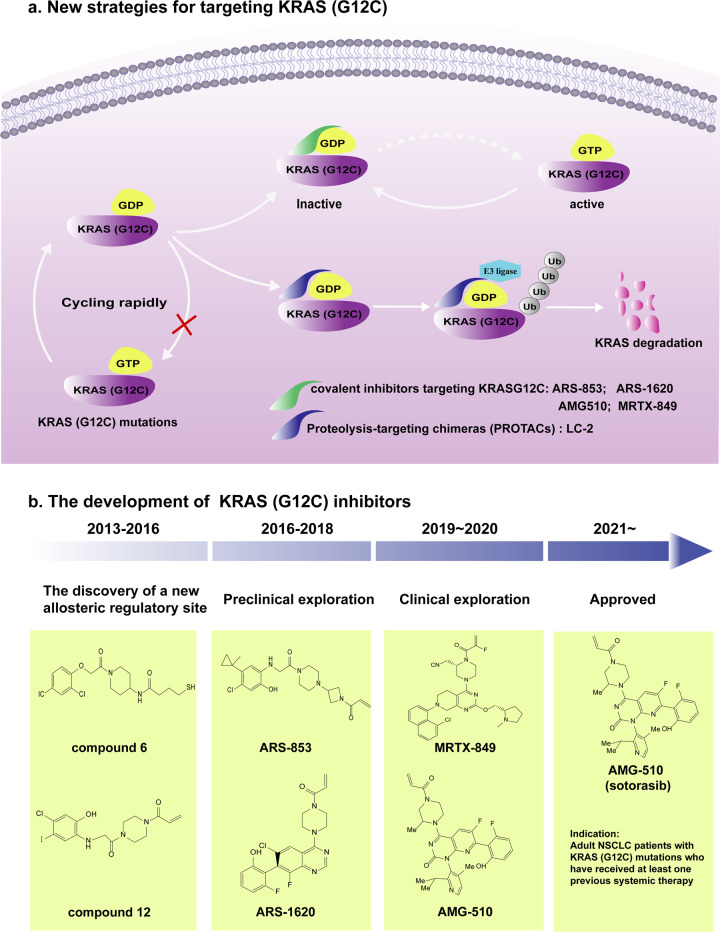
Cancer is the leading cause of death worldwide, and its treatment and outcomes have been dramatically revolutionised by targeted therapies. As the most frequently mutated oncogene, Kirsten rat sarcoma viral oncogene homologue (KRAS) has attracted substantial attention. The understanding of KRAS is constantly being updated by numerous studies on KRAS in the initiation and progression of cancer diseases. However, KRAS has been deemed a challenging therapeutic target, even “undruggable”, after drug-targeting efforts over the past four decades. Recently, there have been surprising advances in directly targeted drugs for KRAS, especially in KRAS (G12C) inhibitors, such as AMG510 (sotorasib) and MRTX849 (adagrasib), which have obtained encouraging results in clinical trials. Excitingly, AMG510 was the first drug-targeting KRAS (G12C) to be approved for clinical use this year. This review summarises the most recent understanding of fundamental aspects of KRAS, the relationship between the KRAS mutations and tumour immune evasion, and new progress in targeting KRAS, particularly KRAS (G12C). Moreover, the possible mechanisms of resistance to KRAS (G12C) inhibitors and possible combination therapies are summarised, with a view to providing the best regimen for individualised treatment with KRAS (G12C) inhibitors and achieving truly precise treatment.
Overview
The claims and statistics of this paper haven’t been checked yet.
Free: it reads the open-access text and checks the first 5 claims that cite a source we can check. Create a free account to check every claim.
Integrity signals
Registry
Cites
Statistics
Figures
Verification
Claims the paper makes
The claims and statistics of this paper haven’t been checked yet.
Free: it reads the open-access text and checks the first 5 claims that cite a source we can check. Create a free account to check every claim.
Claims other papers make about this one
Each is checked against this paper’s own text: does it say what the citing paper says it does?
The source backs part of the claim, not all of it — or backs it for a different population, condition or comparison.
In the citing paper
“KRAS is the most frequently mutated oncogene, accounting for approximately 85% of all RAS mutations in 20–25% of all cancers [8–10].”
From Differential Response and Resistance to KRAS-Targeted Therapy (2025) · cites this paper as [8]
Experimental — accuracy not yet measuredThe source backs part of the claim, not all of it — or backs it for a different population, condition or comparison.
In the citing paper
“Among the various KRAS mutations in human cancers, G12C, G12D, G12V, and G12A are the most prevalent (2).”
From YAP/TAZ mediates resistance to KRAS inhibitors through inhibiting proapoptosis and activating the SLC7A5/mTOR axis (2024) · cites this paper as [2]
Experimental — accuracy not yet measuredThe cited source says what the claim attributes to it.
In the citing paper
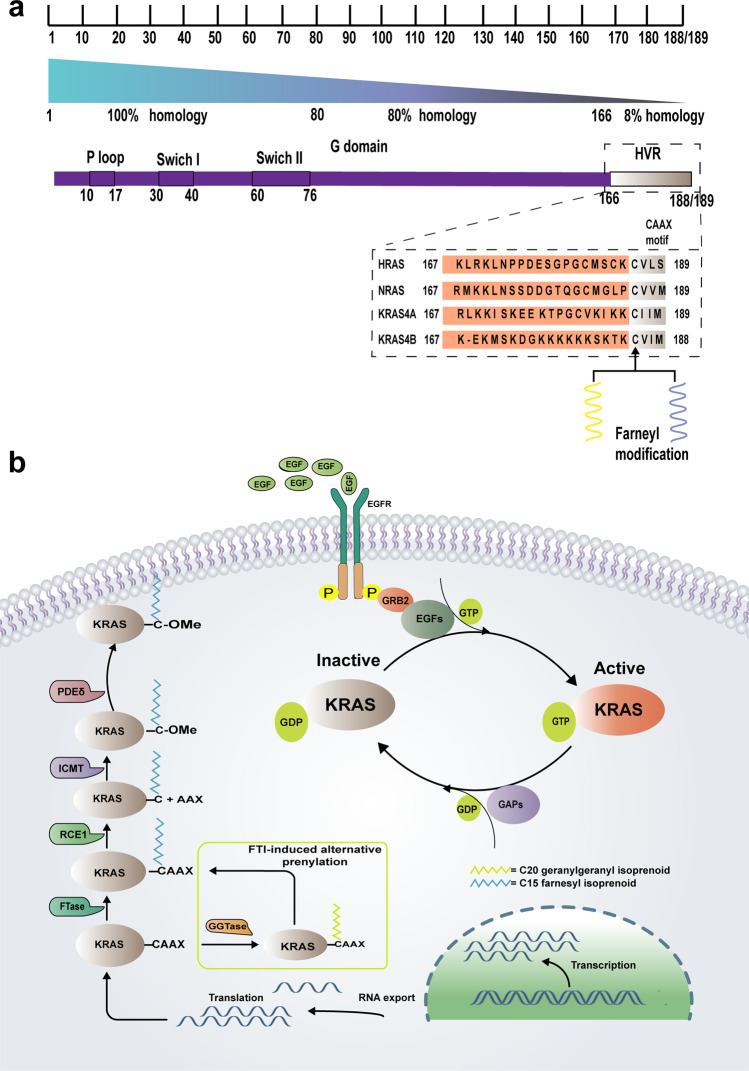
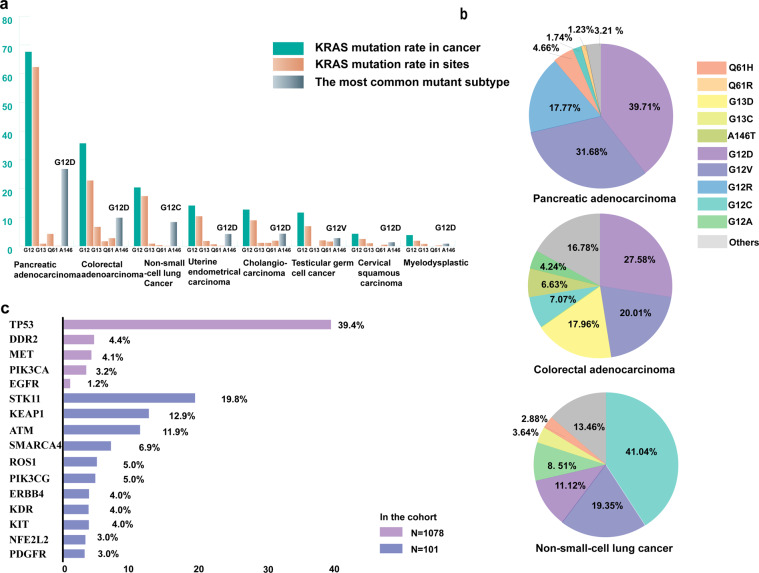
“KRAS mutations most commonly occur at the 12th codon near the nucleotide-binding site, with less prevalent mutations occurring at codons 13, 61, and 146 within other catalytic domains (Figure 1b,c) [23].”
From KRAS: Biology, Inhibition, and Mechanisms of Inhibitor Resistance (2024) · cites this paper as [23]
The cited source says what the claim attributes to it.
In the citing paper
“Kirsten rat sarcoma viral oncogene homolog (KRAS) is the most frequently mutated oncogene in various types of human cancers such as pancreatic, lung, and colorectal cancer, with G12, G13, and Q61 being the most prevalent mutant codons observed (1, 2).”
From YAP/TAZ mediates resistance to KRAS inhibitors through inhibiting proapoptosis and activating the SLC7A5/mTOR axis (2024) · cites this paper as [2]
The cited source says what the claim attributes to it.
In the citing paper
“Moreover, potent inhibition through covalent modification has enabled targeting of traditionally ‘undruggable’ proteins, exemplified by the approval of sotorasib (Amgen), which is an inhibitor of mutant KRAS(G12C), a GTPase that resisted decades of drug discovery efforts9,10”
From Advances in covalent drug discovery (2022) · cites this paper as [10]
4 more claims about this paper
Create a free account to see every claim other papers make about this one.
Self-check
Percentages, sums and reported differences re-computed from the paper’s own numbers.
The self-check needs the paper’s full text.
Citations
Cites
Hallmarks of Cancer: The Next Generation
Hanahan, D., & Weinberg, R. A. (2011) · Cell · doi:10.1016/j.cell.2011.02.013 · Cited by 66,590
Adverse Renal Effects of Immune Checkpoint Inhibitors: A Narrative Review
Wanchoo, R., Karam, S., Uppal, N. N., Barta, V. S., Deray, G., Devoe, C., Launay-Vacher, V., Jhaveri, K. D., & on behalf of Cancer and Kidney International Network Workgroup on Immune Checkpoint Inhibitors (2017) · American Journal of Nephrology · doi:10.1159/000455014 · Cited by 15,256
Calcium's Role in Mechanotransduction during Muscle Development
Benavides Damm, T., & Egli, M. (2014) · Cellular Physiology and Biochemistry · doi:10.1159/000356667 · Cited by 14,502
Nivolumab versus Docetaxel in Advanced Squamous-Cell Non–Small-Cell Lung Cancer
Brahmer, J., Reckamp, K. L., Baas, P., Crinò, L., Eberhardt, W. E. E., Poddubskaya, E., Antonia, S., Pluzanski, A., Vokes, E. E., Holgado, E., et al. (2015) · New England Journal of Medicine · doi:10.1056/nejmoa1504627 · Cited by 8,447
Gefitinib or Carboplatin–Paclitaxel in Pulmonary Adenocarcinoma
Mok, T. S., Wu, Y.-L., Thongprasert, S., Yang, C.-H., Chu, D.-T., Saijo, N., Sunpaweravong, P., Han, B., Margono, B., Ichinose, Y., et al. (2009) · New England Journal of Medicine · doi:10.1056/nejmoa0810699 · Cited by 8,261
Understanding the tumor immune microenvironment (TIME) for effective therapy
Binnewies, M., Roberts, E. W., Kersten, K., Chan, V., Fearon, D. F., Merad, M., Coussens, L. M., Gabrilovich, D. I., Ostrand-Rosenberg, S., Hedrick, C. C., et al. (2018) · Nature Medicine · doi:10.1038/s41591-018-0014-x · Cited by 6,145
Osimertinib in Untreated EGFR -Mutated Advanced Non–Small-Cell Lung Cancer
Soria, J.-C., Ohe, Y., Vansteenkiste, J., Reungwetwattana, T., Chewaskulyong, B., Lee, K. H., Dechaphunkul, A., Imamura, F., Nogami, N., Kurata, T., et al. (2018) · New England Journal of Medicine · doi:10.1056/nejmoa1713137 · Cited by 5,508
Cancer drug resistance: an evolving paradigm
Holohan, C., Van Schaeybroeck, S., Longley, D. B., & Johnston, P. G. (2013) · Nature Reviews Cancer · doi:10.1038/nrc3599 · Cited by 4,681
Anaplastic Lymphoma Kinase Inhibition in Non–Small-Cell Lung Cancer
Kwak, E. L., Bang, Y.-J., Camidge, D. R., Shaw, A. T., Solomon, B., Maki, R. G., Ou, S.-H. I., Dezube, B. J., Jänne, P. A., Costa, D. B., et al. (2010) · New England Journal of Medicine · doi:10.1056/nejmoa1006448 · Cited by 4,446
Systematic RNA interference reveals that oncogenic KRAS-driven cancers require TBK1
Barbie, D. A., Tamayo, P., Boehm, J. S., Kim, S. Y., Moody, S. E., Dunn, I. F., Schinzel, A. C., Sandy, P., Meylan, E., Scholl, C., et al. (2009) · Nature · doi:10.1038/nature08460 · Cited by 3,890
Research works printed but not linked: 6
- Hunter JC Biochemical and Structural Analysis of Common Cancer-Associated KRAS Mutations Mol. Cancer Res. 2015 13 1325 1335 26037647 · DOI · Paper page
- Hunter JC Biochemical and Structural Analysis of Common Cancer-Associated KRAS Mutations Mol. Cancer Res 2015 13 1325 1335 26037647 · DOI · Paper page
- Romero R Keap1 loss promotes Kras-driven lung cancer and results in dependence on glutaminolysis Nat. Med 2017 23 1362 1368 28967920 PMC5677540 · DOI · Paper page
- Hallin J The KRAS(G12C) Inhibitor MRTX849 Provides Insight toward Therapeutic Susceptibility of KRAS-Mutant Cancers in Mouse Models and Patients Cancer Disco. 2020 10 54 71 PMC6954325 31658955 · DOI · Paper page
- Hallin J The KRAS Inhibitor MRTX849 Provides Insight toward Therapeutic Susceptibility of KRAS-Mutant Cancers in Mouse Models and Patients Cancer Discov. 2020 10 54 71 31658955 PMC6954325 · DOI · Paper page
- Tanaka N Clinical Acquired Resistance to KRAS Inhibition through a Novel KRAS Switch-II Pocket Mutation and Polyclonal Alterations Converging on RAS-MAPK Reactivation Cancer Discov. 2021 11 1913 1922 33824136 PMC8338755 · DOI · Paper page
Cited by
Items 501–600 of 999
Laowichuwakonnukul, K., Soontornworajit, B., Arunpanichlert, J., & Rotkrua, P. (2025) · Scientific Reports · doi:10.1038/s41598-025-94159-y · Cited by 8
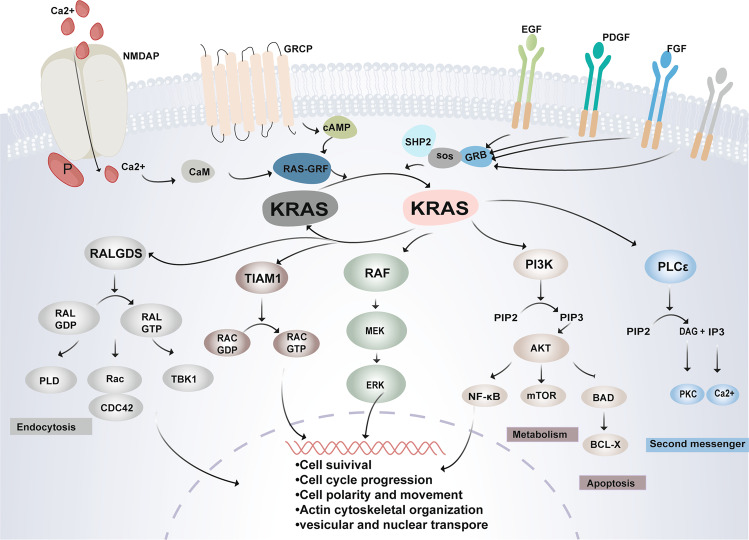
“The activated KRAS protein can trigger various signaling pathways, such as the RAF-MEK-ERK pathway, PI3K-AKT-mTOR pathway, and other signaling pathways 37 .”
Song, J., Wang, B., Zou, M., Zhou, H., Ding, Y., Ren, W., Fang, L., & Zhang, J. (2025) · Biology · doi:10.3390/biology14050477 · Cited by 5
“These properties enable KRAS to play a central role in various cellular processes, including signal transduction, proliferation, and inflammation [23,24].”
Ye, Y., Luo, Y., Sun, Y., Zhang, Y., Lin, J., Yang, Z., Xu, A., & Xue, B. (2025) · Oncology Research Featuring Preclinical and Clinical Cancer Therapeutics · doi:10.32604/or.2025.062584 · Cited by 5
“The KRAS proto-oncogene (KRAS) and the Tumor protein p53 (TP53) are well-established tumor suppressor genes, and their mutations act as crucial drivers in the emergence and progression of various cancer types [4,5].”
WNT signalling promotes NF-κB activation and drug resistance in KRAS-mutant colorectal cancer
Cong, B., Stamou, E., Pennel, K. A. F., Thakur, T., McKenzie, M., Matly, A., Gilroy, K. L., Shah, H., Gopinath, S., Edwards, J., et al. (2025) · EMBO Reports · doi:10.1038/s44319-025-00588-1 · Cited by 7
“While resistance mechanisms such as elevated KRAS or EGFR activity can lead to emergent drug resistance in some tumours (Huang et al, 2021; Hofmann et al, 2022; Zhang et al, 2018), the primary mode(s) of resistance for many CRC tumours remain unclear.”
Histone deacetylase inhibitors as sanguine epitherapeutics against the deadliest lung cancer
Ganai, S. A., Shah, B. A., & Yatoo, M. A. (2023) · Advances in cancer research · doi:10.1016/bs.acr.2022.12.003 · Cited by 5
Yokoyama, N., Nakayama, H., & Iwabuchi, K. (2023) · Cells · doi:10.3390/cells12020322 · Cited by 6
Hua, W.-J., Hwang, W., Yeh, H. H., Lin, Z., Hsu, W.-H., & Lin, T. (2024) · International Journal of Biological Macromolecules · doi:10.1016/j.ijbiomac.2024.129291 · Cited by 7
Programming Biomolecular Interactions with All-Atom Generative ModelPreprint
Kong, X., Chen, J., Zhang, Z., Li, G., Zhu, Q., Wei, L., Li, M., Shi, Y., Dai, W., Zhang, Z., et al. (2026) · bioRxiv (Cold Spring Harbor Laboratory) · doi:10.64898/2026.03.12.711044 · Cited by 10
“Cancer remains one of the leading causes of death worldwide 36 .”
Self-citationKumar, M., Kumar, A., Srivastav, A., Ghosh, A. K., & Kumar, D. (2024) · Mutation research. Fundamental and molecular mechanisms of mutagenesis · doi:10.1016/j.mrfmmm.2024.111896 · Cited by 9
Structure–activity relationships of KRAS-G12D inhibitors for pancreatic cancer
Suyal, C., Mangala, S. S., Kishore, A., & Kini, S. G. (2025) · Drug Discovery Today · doi:10.1016/j.drudis.2025.104396 · Cited by 7
Fonseca, R., Louzano, Y. D. S., Ortiz, C. J. C., Silva, M. D. F., Felix, M. L. V., Ferreira‐Silva, G. Á., Caixeta, E. S., Zavan, B., Viegas, C., & Ionta, M. (2025) · Pharmaceuticals · doi:10.3390/ph18060914 · Cited by 6
“Critical mutations in the RAS (rat sarcoma virus) oncogene superfamily, particularly the KRAS gene, play a pivotal role in lung adenocarcinoma initiation, progression, and tumor resistance [29,30].”
Pang, X., Cui, D., Zhang, Q., Liang, H., Liu, R., Lv, B., & Wang, C. (2025) · ACS Medicinal Chemistry Letters · doi:10.1021/acsmedchemlett.5c00152 · Cited by 4
Etiopathogenesis and Treatment of Colorectal Cancer
Bocchi, M., Fernandes, E. V., Pereira, N. D. S., & Amarante, M. K. (2025) · Immuno · doi:10.3390/immuno5030031 · Cited by 5
Deep Generative Modeling of Protein Conformations: A Comprehensive Review
Dao, T. M., & Rahman, T. (2025) · The biochemist · doi:10.3390/biochem5030032 · Cited by 6
“Mansoor et al. [67] leveraged RosettaFold [68] to retrieve the full atom structure to generate an ensemble of undruggable K-Ras protein [69,70].”
Nguyen, T. T. T., Dang, X. T. T., Phung, C. D., Tran, L. T. N., Do, N. T. P., Yeo, E. Y. M., Tran, N. M., Yeo, B. Z. J., Lixuan, C. P., Nguyen, N. T. H., et al. (2025) · Journal of Controlled Release · doi:10.1016/j.jconrel.2025.114239 · Cited by 4
Functional Precision in Pancreatic Cancer: Redefining Biomarkers with Patient-Derived Organoids
Chew, C. A. Z., Wun, C. M., Lee, Y. F., Chee, C. E., Ho, K. Y., & Bonney, G. K. (2025) · International Journal of Molecular Sciences · doi:10.3390/ijms26189083 · Cited by 6
Silva, H. M., & Rosa, R. C. A. (2025) · Journal of the Egyptian National Cancer Institute · doi:10.1186/s43046-025-00323-w · Cited by 5
“Recent studies indicate that specific KRAS mutations, such as G12D, G12V, and G12R, are found in over 90% of pancreatic tumors, positioning them as critical targets for novel therapies [38–40].”
Ding, H., Deng, Y., Zeng, R., Zhang, G., Zheng, Q., Fu, Q., & Li, R. (2025) · Discover Oncology · doi:10.1007/s12672-025-03824-1 · Cited by 4
“The PI3K/AKT/mTOR pathway is a well-established driver of cancer progression and drug resistance, making it a key target for therapeutic intervention [20].”
Discovery of polyphosphate-interacting human lysine-rich proteins and their functional implications
Yang, Z., Jin, J., Lehotsky, K., Martins, I., Belrose, E., Neville, N., & Jia, Z. (2025) · International Journal of Biological Macromolecules · doi:10.1016/j.ijbiomac.2025.149335 · Cited by 5
Miao, J., Guan, W., Wang, J., Gong, H., Xie, Q., & Gao, Y. (2026) · Hereditas · doi:10.1186/s41065-025-00570-w · Cited by 6
“For instance, the study of KRAS mutations, a key driver in lung cancer, has been advanced through proteomics [49, 137].”
Zhang, Q., Geng, Y., 陈海涛, Ni, J., Guan, L., Zhai, D., Wang, Y., Xu, S., Niu, M., Zheng, L., et al. (2026) · Journal of Medicinal Chemistry · doi:10.1021/acs.jmedchem.5c02435 · Cited by 4
Lee, H.-J., Cho, E., Song, K., & Kim, T. W. (2026) · Immune Network · doi:10.4110/in.2026.26.e11 · Cited by 8
Foth, M., Kim, W., O’Toole, K. T., Murphy, B., Justo-Garrido, M., Boggaram, S. S., Ghazi, P. C., Brennan, E., Wright, M. I., Shepherd, T., et al. (2026) · Cancer Research · doi:10.1158/0008-5472.can-26-1313 · Cited by 6
The Target Therapy Hyperbole: “KRAS (p.G12C)”—The Simplification of a Complex Biological Problem
Chetta, M., Basile, A., Tarsitano, M., Rivieccio, M., Oro, M., Capitanio, N., Bukvić, N., Priolo, M., & Rosati, A. (2024) · Cancers · doi:10.3390/cancers16132389 · Cited by 4
Anticancer Potential of Pineapple and its Bioactive Compound Bromelain
Kumar, D., Suchitra, S., Mundlia, J., Yadav, S. K., Yadav, D., Aggarwal, N., Chopra, H., Kumar, V., & Kamal, M. A. (2024) · Current Pharmaceutical Design · doi:10.2174/0113816128303910240713180835 · Cited by 5
CYFIP2: potential pancreatic cancer biomarker and immunotherapeutic target
Xiao, C., Zhang, X., Hou, B., Wan, P., Cao, Z., & Rao, X. (2024) · Discover Oncology · doi:10.1007/s12672-024-01650-5 · Cited by 6
“It has been shown [30, 31] that RAS is the most frequently mutated oncogene in human cancers, occurring in approximately 30% of all cancers.”
Farmakis, D., Stravopodis, D. J., & Prombona, A. (2024) · International Journal of Molecular Sciences · doi:10.3390/ijms26010178 · Cited by 5
“Recent efforts focusing on functional inhibition of the mutated KRAS protein in PDAC have shown promising pre-clinical and clinical results [6].”
Targeted Management: Unlocking the Crucial Role of PROTACs in Cancer Treatment
Gupta, P., Dutta, S., Kumar, P., Kaushik, M., Ashique, S., & Bhowmick, M. (2025) · Current Drug Discovery Technologies · doi:10.2174/0115701638324854250218053353 · Cited by 5
Sarıca, Z., Kürkçüoğlu, Ö., & Sungur, F. A. (2025) · International Journal of Molecular Sciences · doi:10.3390/ijms26073293 · Cited by 4
“The RAS family is a group of small GTPases that play key roles in signaling pathways controlling cell proliferation, differentiation, and survival [1–3].”
Sheng, X., Gui, Y., Yu, J., Wang, Y., Li, Z., Zhang, X., Xing, Y., Wang, Y., Li, Z. S., Zheng, M., et al. (2025) · Journal of Pharmaceutical Analysis · doi:10.1016/j.jpha.2025.101337 · Cited by 6
“Due to its complex protein structure and diverse binding partners, KRAS was historically deemed “ undruggable ” [3]; however, this perception has been challenged with the emergence of KRAS G12C inhibitors such as sotorasib (AMG510) [4] and adagrasib (MRTX849) [5].”
Emerging pathways yielding opportunities for future treatments in pancreatic ductal adenocarcinoma
Shah, A., Johnson, E., Ponnusamy, M. P., & Batra, S. K. (2025) · Expert Opinion on Therapeutic Targets · doi:10.1080/14728222.2025.2507035 · Cited by 4
“Subsequently, the strategies were developed to disrupt the interaction between RAS and effector RAK kinases, inhibit RAS association with the membrane, and block RAS downstream signaling (RAF and PI3K) and RAS-regulated metabolic processes in cancer cells [10].”
Nam, D., Tian, B., Park, J., & Chung, Y. (2025) · BMB Reports · doi:10.5483/bmbrep.2025-0026 · Cited by 4
“Although KRAS was long considered “undruggable,” recent breakthroughs have led to the approval of KRAS G12C-specific inhibitors, including sotorasib and adagrasib (6, 7).”
Ferreira‐Silva, G. Á., Candido, C. C., Garavelli, G. Y., Pressete, C. G., Caixeta, E. S., Graminha, A. E., Barbosa, M. I. F., Doriguetto, A. C., Ionta, M., & Aissa, A. F. (2025) · ACS Omega · doi:10.1021/acsomega.5c00526 · Cited by 4
“30 However, apparently, the higher responsiveness of A549 to CINNAM compared to H1299 seems to be related to the NRF2 signaling pathway.”
The Oxidative Drug Combination for Suppressing KRAS G12D Inducible Tumour Growth
Бегимбетова, Д., Kukanova, А., Fazyl, F., Manekenova, K., Омаров, Т. М., Burska, A. N., Khamijan, M., Gulyayev, A., Yermekbayeva, B., Макишев, А. К., et al. (2022) · BioMed Research International · doi:10.1155/2022/9426623 · Cited by 7
“These interactions lead to the activation of e ff ector proteins such as Raf kinase, PI3K, and Akt, which have been found to have important roles in tumour formation [8, 9].”
Gadanecz, M., Fazekas, Z., Pálfy, G., Menyhárd, D. K., & Perczel, A. (2023) · International Journal of Molecular Sciences · doi:10.3390/ijms241512101 · Cited by 4
Stitou, M., Koomen, J. M., Imbody, D. J., Liao, Y., Monastyrskyi, A., Rix, U., Duckett, D. R., Haura, E. B., & Karolak, A. M. (2024) · BJR|Artificial Intelligence · doi:10.1093/bjrai/ubae001 · Cited by 4
Oyeneyin, O. E., Ipinloju, N., da Costa, R. A., Adigun, T. B., Issahaku, A. R., Wilhelm, A., Adio, A. A., Macaulay, A. M., & Muhammad, S. A. (2024) · Chemistry Africa · doi:10.1007/s42250-024-00946-x · Cited by 5
“It is found in 30%—40% of colon cancers, 90% of pancreatic cancers and 15% to 20% of lung cancers [4].”
The importance of preclinical models in cholangiocarcinoma
McGreevy, O., Bosakhar, M., Gilbert, T. M., Quinn, M., Fenwick, S. W., Malik, H., Goldring, C. E., & Randle, L. E. (2024) · European Journal of Surgical Oncology · doi:10.1016/j.ejso.2024.108304 · Cited by 5
Ikram, S., Sayyah, E., & Durdağı, S. (2024) · ChemBioChem · doi:10.1002/cbic.202400008 · Cited by 5
Zhao, Y., Zheng, Y., Jianghong, F. U., Zhang, J., Shao, H., Liu, S., Lai, J., Zhou, X., Liang, R., Jia, L., et al. (2024) · British Journal of Cancer · doi:10.1038/s41416-024-02772-x · Cited by 6
“Taking lung cancer as an example, patients with acquired KRAS mutations are treated with adagrasib (MRTX849) and sotorasib (AMG510) [3], and patients with the acquired EGFR p.T790M mutation are treated with the third-generation tyrosine kinase inhibitors (TKIs) such as osimertinib [4].”
Jungholm, O., Trkulja, C. L., Moche, M., Srinivasa, S. P., Christakopoulou, M.-N., Davidson, M., Reymer, A., Jardemark, K. E., Fogaça, R. L., Ashok, A., et al. (2024) · Scientific Reports · doi:10.1038/s41598-024-70217-9 · Cited by 6
Analysis of TP53, APC, KRAS, and MMR Genetic mutations in colorectal cancer: A review article
Gavrić, I., Hodžić, E., Sarajlić, L., Salibasic, M., Bajramagić, S., Dizdarević, A., & Kulović, E. (2024) · SANAMED · doi:10.5937/sanamed0-52803 · Cited by 6
Köbel, M., Parra‐Herran, C., & Gorringe, K. L. (2024) · Advances in Anatomic Pathology · doi:10.1097/pap.0000000000000473 · Cited by 6
S6K1 is a Targetable Vulnerability in Tumors Exhibiting Plasticity and Therapy Resistance
Ganguly, S., Burikhanov, R., Sviripa, V. M., Ellingson, S. R., Jiang, J., Gosser, C. M., Orren, D. K., Goellner, E. M., Shenoy, G. G., Rao, M., et al. (2024) · International Journal of Biological Sciences · doi:10.7150/ijbs.96672 · Cited by 4
“…a recent breakthrough in the identification of drugs such, as sotorasib and adagrasib for advanced metastatic lung cancer patients with KRAS G12C mutation engendered optimism for targeting mutant KRAS, tumors with intrinsic or acquired resistance to the G12C inhibitors are also reported [13].”
Alsulami, A. F. (2024) · Computers in Biology and Medicine · doi:10.1016/j.compbiomed.2024.109588 · Cited by 4
Wu, Z., Ye, Q., Zhang, S., Hu, L., Wang, X., Yao, L., Zhu, L., Xiao, S., Duan, Z., Zhang, X., et al. (2025) · Clinical and Translational Medicine · doi:10.1002/ctm2.70191 · Cited by 6
Chen, Q., Quan, L., Cao, L., Zhang, B. X., Zhang, Z., Peng, L., Wang, J., Jiang, Y., Nie, L., Li, G., et al. (2025) · Briefings in Bioinformatics · doi:10.1093/bib/bbaf119 · Cited by 4
“By predicting missense variants, we can further infer their effects on protein function and structure, which can alter molecular interactions,affect drug-bindingsites,and influence drug efficacy [60–62].”
Immunogenomic precision medicine: a personalized approach based on immunogenomic cancer evolution
Momoi, Y., Kumagai, S., & Nishikawa, H. (2025) · International Immunology · doi:10.1093/intimm/dxaf020 · Cited by 5
Yang, H., Gan, L., & Zhang, H. (2025) · Pharmaceuticals · doi:10.3390/ph18050696 · Cited by 5
“Overall, 20–50% of KRAS-mutated cancers carry a G12D mutation, including 50% of ampullary carcinoma, 48% of appendiceal adenocarcinoma and 44% of cholangiocarcinoma [1,2].”
Targeted Covalent Inhibitors for Novel Therapeutics
Zhang, J., Gao, W., Wang, Y., Chang, J., & Yu, B. (2023) · Future Medicinal Chemistry · doi:10.4155/fmc-2023-0243 · Cited by 4
Hu, X., Zhao, C., Zhang, R., Yao, J., & Bo, M. (2022) · Molecular Medicine Reports · doi:10.3892/mmr.2022.12891 · Cited by 8
Multiplexed detection of single-point mutations in unprocessed human serum with SERS-integrated PCR
Barea, J. S., Lee, A., & Kang, D. (2023) · Sensors and Actuators B Chemical · doi:10.1016/j.snb.2023.134954 · Cited by 4
Cai, Q., & Shubhra, Q. T. H. (2024) · Military Medical Research · doi:10.1186/s40779-024-00515-w · Cited by 4
“It should be noted that aberrations in KRAS signaling are widely recognized as essential drivers of various cancers [4].”
BackgroundInci, T. G., Acar, S., & Turgut‐Balik, D. (2024) · TURKISH JOURNAL OF BIOLOGY · doi:10.55730/1300-0152.2687 · Cited by 6
“However, further improvements are needed for these inhibitors as they are associated with intrinsic resistance, and related biomarkers are not available yet (Huang et al., 2021).”
BackgroundSingle Nucleotide Polymorphism Highlighted via Heterogeneous Light-Induced Dissipative Structure
Toyouchi, S., Oomachi, S., Hasegawa, R., Hayashi, K., Takagi, Y., Tamura, M., Tokonami, S., & Iida, T. (2025) · ACS Sensors · doi:10.1021/acssensors.4c02119 · Cited by 4
In situ lipidomics of Staphylococcus aureus osteomyelitis using imaging mass spectrometryPreprint
Good, C. J., Butrico, C. E., Colley, M. E., Gibson-Corley, K. N., Cassat, J. E., Spraggins, J. M., & Caprioli, R. M. (2023) · bioRxiv (Cold Spring Harbor Laboratory) · doi:10.1101/2023.12.01.569690 · Cited by 4
Novel Tricyclic KRAS Inhibitors for the Treatment of Cancer
Zhao, T., & Liang, S. H. (2025) · ACS Medicinal Chemistry Letters · doi:10.1021/acsmedchemlett.4c00609 · Cited by 6
Detection of aberrant locomotor activity in a mouse model of lung cancer via home cage monitoring
Tomanelli, M., Guffanti, F., Vargiu, G., Micotti, E., Rigamonti, M., Tumiatti, F., Caiola, E., Marabese, M., & Broggini, M. (2024) · Frontiers in Oncology · doi:10.3389/fonc.2024.1504938 · Cited by 4
Controversies in the management of mucinous ovarian tumors
Blanc‐Durand, F., & Leary, A. F. (2025) · International Journal of Gynecological Cancer · doi:10.1016/j.ijgc.2025.101679 · Cited by 4
Copper-KRAS-COX2 Axis: A Therapeutic Vulnerability in Pancreatic Cancer
Roy, J., Mouawad, R., Kyani, A., Hanafi, M., Xu, Y., Wen, B., Sun, D., & Neamati, N. (2025) · Journal of Medicinal Chemistry · doi:10.1021/acs.jmedchem.4c03159 · Cited by 3
Ma, H., Guan, H., Sun, X., Wu, L., Cai, M., Zhen, X., Shen, X., Han, S., Liu, G., Peng, J., et al. (2025) · Journal of Biological Chemistry · doi:10.1016/j.jbc.2025.110337 · Cited by 5
“It is known that KRAS can activate AKT signaling (26).”
Chun, J. W., Lee, D., Kim, M. K., Hwang, J., Lee, S. H., Jung, M. K., Kim, E. J., Ahn, D., Kim, Y., Han, S., et al. (2025) · Clinical Chemistry · doi:10.1093/clinchem/hvaf066 · Cited by 5
EGFR blockade confers sensitivity to pan-RAS inhibitors in KRAS-mutated cancers
Han, J., Yu, B., Jing, J., He, X., Hua, Y., & Xu, G. (2025) · Cellular Oncology · doi:10.1007/s13402-025-01075-4 · Cited by 6
Lu, Y., Stoof, J., Tanoé, Y. R., Walsh, N., Bijlsma, M. F., Lei, H., Chen, T., Grahovac, J., Grützmann, R., & Pilarsky, C. P. (2025) · Seminars in Cancer Biology · doi:10.1016/j.semcancer.2025.07.004 · Cited by 3
Xu, J., Chen, D., Niu, H., Zhao, Y., Wu, X., Li, Y., & Zhang, S. (2025) · Frontiers in Immunology · doi:10.3389/fimmu.2025.1627130 · Cited by 5
“A mutation in the KRAS gene, occurring early in cancer development, is recognized as a driver mutation (27).”
EFTX-G12V: a novel KRASG12V-selective RNAi therapeutic
Papavassiliou, K. A., Vassiliou, A. G., & Papavassiliou, A. G. (2025) · Trends in Pharmacological Sciences · doi:10.1016/j.tips.2025.07.004 · Cited by 3
Abdollahi, A., Favata, M. F., Weber, M., Roman, V. D., Hess, R., Hammond, K., Farren, M. R., Schaffer, M., Gilmartin, A. G., Wang, H., et al. (2025) · PLoS ONE · doi:10.1371/journal.pone.0327588 · Cited by 4
“Glycine to cysteine substitution of KRAS at amino acid 12 (G12C) is a gain-of-function mutation whereby the protein has reduced GTPase activity, resulting in constitutive activation of downstream signaling pathways and leading to tumorigenesis [2].”
Jarroudi, O. A., Bairi, K. E., Brahmi, S. A., & Afqir, S. (2025) · Frontiers in Oncology · doi:10.3389/fonc.2025.1418537 · Cited by 3
Deng, L., He, X., Zhou, S., Gu, T., Dong, J., Zhu, S., Luo, X., Huo, D., & Hou, C. (2025) · Chemical Communications · doi:10.1039/d5cc04401d · Cited by 3
Personalizing DNA Cancer Vaccines
Wu, A. A., Peng, K., Vukovich, M., Zhu, M., Lin, Y., Bagga, A., Wu, T. ‐., & Hung, C. (2025) · Journal of Personalized Medicine · doi:10.3390/jpm15100474 · Cited by 4
“TSAs may be of viral origin (e.g., HPV E6/E7, EBV, HBV), representing highly specific and immunogenic targets, or non-viral “public” neoantigens, such as recurrent mutations in Kirsten rat sarcoma virus (KRAS), Wilm’s tumor 1 (WT1), or tumor protein p53 [36–47].”
Tirpe, A., Nutu, A. M., Busuioc, C. I., Pop, O. L., & Berindan‐Neagoe, I. (2025) · Frontiers in Oncology · doi:10.3389/fonc.2025.1677471 · Cited by 5
How KRAS Mutations Impair Intrinsic GTP Hydrolysis: Experimental and Computational Investigations
Song, L. F., Rabara, D., Bali, S. K., Pei, J., Lau, E. Y., Kirshner, D. A., Lightstone, F. C., McCormick, F. P., Stephen, A. G., & Yang, Y. (2025) · Journal of Chemical Information and Modeling · doi:10.1021/acs.jcim.5c02061 · Cited by 7
Pan, L., Luo, J., Nie, C., Fan, S., Wang, X., Peng, S., & Liang, Q. (2025) · Cancer Research · doi:10.1158/0008-5472.can-25-0582 · Cited by 4
Shen, T., Fei, W., Hu, Z., Pang, M., Ma, J., Zhou, T., & Shang, Y. (2025) · Bioorganic Chemistry · doi:10.1016/j.bioorg.2025.109345 · Cited by 4
Gong, Y., Wu, J., & Hu, Y. (2026) · Cancer Gene Therapy · doi:10.1038/s41417-025-00993-7 · Cited by 5
“For instance, in colorectal cancer, m 6 A modi fi cation of KRAS enhances tumor proliferation by stabilizing its mRNA [26], while in lung cancer, m 6 A-modi fi ed KRAS upregulates protein expression, thereby activating the downstream MAPK signaling pathway [27].”
Hu, Z., Sha, Z., Martí, J., Guo, S., & Tao, S. (2026) · JACS Au · doi:10.1021/jacsau.5c01097 · Cited by 4
Advances on drug therapy for KRAS-mutant non-small-cell lung cancer
Tian, T., & Li, W. (2026) · Translational Oncology · doi:10.1016/j.tranon.2026.102668 · Cited by 4
“…occurring in patients with NSCLC (about 20.4 %), pancreatic ductal adenocarcinoma (PDAC) (about 67.6 %), and colorectal cancer (CRC) (about 35.7 %), and represents a major oncogenic driver in NSCLC. KRAS mutations are primarily associated with smoking history and correlate with poor prognosis[3].”
InfluentialLv, Y., Zhao, Z., Di, W., Liu, L., Chen, Y., Wei, S., Ji, Y., & Zhong, J. (2026) · Critical Reviews in Oncology/Hematology · doi:10.1016/j.critrevonc.2026.105150 · Cited by 4
Discovery of KRAS-G12D degraders via exploration of various E3 ligases
Yim, H., Song, X., Zhong, Y., Hu, J., Xiong, Y., & Jin, J. J. (2026) · European Journal of Medicinal Chemistry · doi:10.1016/j.ejmech.2026.118635 · Cited by 3
Park, J.-E., Freeman, B. H., Park, H., Kim, S., Bafor, A. E., Myint, O., Gao, S., Xu, Z., Körbelin, J., Aronowski, J. A., et al. (2026) · Journal of Cerebral Blood Flow & Metabolism · doi:10.1177/0271678x261421424 · Cited by 6
“10,11 The sufficiency of mutant KRAS to induce development of bAVMs with similar pathogenesis to those in humans has been established with experimental bAVM mice models that use overexpression or activation of mutant KRAS (KRAS G12V ) in EC.”
Tang, R., Juan, Z., Xing, F., Yi, Z., & Fu, Y. (2026) · Cellular Signalling · doi:10.1016/j.cellsig.2026.112452 · Cited by 3
Evolution and Functional Implications of Codon Usage Bias in Eukaryotes
Dahal, U., Shakya, R., Kour, B., Khanal, B., & Singh, B. (2026) · Journal of Molecular Evolution · doi:10.1007/s00239-026-10305-8 · Cited by 4
Systematic and precise interventions for KRAS-mutant cancers
Liang, J., Wu, J., Zhang, Y., Wang, H., Zheng, Y., & He, Q. (2026) · Experimental Hematology and Oncology · doi:10.1186/s40164-026-00763-7 · Cited by 4
Emerging precision therapeutics for pancreatic ductal adenocarcinoma: KRAS and beyond
Misirian, A., Pai, J., & Hanna, D. L. (2026) · Therapeutic Advances in Medical Oncology · doi:10.1177/17588359261432058 · Cited by 4
“33 While the KRAS G12R mutation is found in a notable proportion of patients with PDAC, there are a few clinical trials underway specifically targeting this variant.”
Exploring the Therapeutic Potential of PTPN Families in Lung and Digestive Cancers
Yishak, H., Halwah, K., & Rhim, J. (2023) · Berkeley Pharma Tech Journal of Medicine · doi:10.52243/bptjm.v3i2.49 · Cited by 3
Li, D.-Z., Yang, Z.-Y., leng, A., Zhang, Q., Zhang, X.-D., Bian, Y.-C., Xiao, R., & Ren, J. (2024) · Molecular Medicine · doi:10.1186/s10020-024-00892-x · Cited by 6
“Despite numerous therapies targeting KRAS mutations, few can effectively suppress their effects and pathways in PC (Huang et al. 2021).”
BackgroundXue, G., Huang, H., Hua, L., Chen, B., Dong, H., Jia, H., Xue, C., & Xu, J. (2024) · Sensors and Actuators B Chemical · doi:10.1016/j.snb.2024.136513 · Cited by 3
Scholtes, J. F., Alhambra, C., & Carpino, P. A. (2024) · Expert Opinion on Therapeutic Patents · doi:10.1080/13543776.2024.2400175 · Cited by 3
“…mutation introduces a nucleophilic amino acid that can be exploited by targeted covalent inhibitors such as sotorasib ( 21 ) to access an allosteric binding site located in the switch II region in the GDP-bound form of the protein, thereby locking the protein into an inactive conformation [52,53].”
Kidane, M., Hoffman, R. M., Wolfe-Demarco, J. K., Huang, T.-Y., Teng, C.-L., Samanta, S., Lira, L. M. G., Lin‐Jones, J., Pallares, G., Lamerdin, J. E., et al. (2024) · ACS Pharmacology & Translational Science · doi:10.1021/acsptsci.4c00450 · Cited by 3
Dong, P., Ni, J., Zheng, X., Wang, M., Yang, M., & Han, H. (2025) · European Journal of Pharmacology · doi:10.1016/j.ejphar.2025.177428 · Cited by 3
Lawson‐Michod, K. A., Marks, J. R., Collin, L. J., Nix, D. A., Davidson, N. R., Huff, C. D., Yu, Y., Atkinson, A. E., Johnson, C. E., Salas, L. A., et al. (2025) · Cancer Research · doi:10.1158/0008-5472.can-24-1879 · Cited by 5
Mehmood, A., Hakami, M. A., Ogaly, H. A., Subramaniyan, V., Khalid, A., & Wadood, A. (2025) · Cancer Chemotherapy and Pharmacology · doi:10.1007/s00280-025-04767-8 · Cited by 6
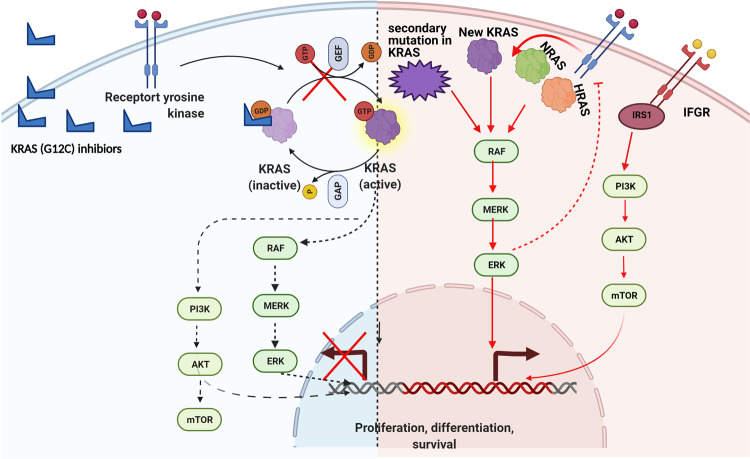
“The upstream molecules pri - marily mediate the activation and inactivation of KRAS by controlling these two molecules [ 41 ].”
NMR2-Based Drug Discovery Pipeline Presented on the Oncogenic Protein KRAS
Bütikofer, M., Torres, F., Kadavath, H., Gämperli, N., Saad, M. J. A., Zindel, D., Coudevylle, N., Riek, R., & Orts, J. (2025) · Journal of the American Chemical Society · doi:10.1021/jacs.4c16762 · Cited by 4
Martins, F., Machado, A. L., Carvalho, J., Almeida, C. R., Beck, H. C., Carvalho, A. S., Backman, V., Matthiesen, R., & Velho, S. (2025) · Scientific Reports · doi:10.1038/s41598-025-94549-2 · Cited by 3
KRAS mutations in colorectal cancer: impacts on tumor microenvironment and therapeutic implications
Emami, A., Sharif, P. M., & Rezaei, N. (2025) · Expert Opinion on Therapeutic Targets · doi:10.1080/14728222.2025.2500426 · Cited by 4
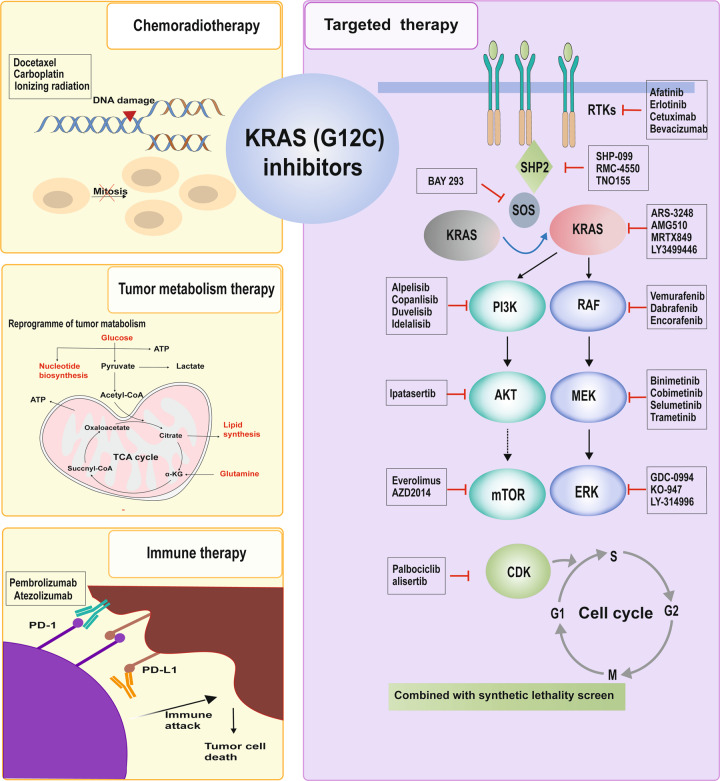
“Pairing adagrasib with RMC-4550, another SHP2 inhibitor, has also shown improved efficacy [12].”
InfluentialChen, M. Y., Rider, A. B., Ferry, J. A., Hasserjian, R. P., Nardi, V., Louissaint, A., Sohani, A. R., & Yuen, L. (2025) · The American Journal of Surgical Pathology · doi:10.1097/pas.0000000000002421 · Cited by 3
Jiang, Y.-H., Wu, S., Wang, Z., Zhang, L., Zhang, J., Li, Y., Liu, C., Wu, W., & Xue, Y. (2022) · Experimental and Therapeutic Medicine · doi:10.3892/etm.2022.11684 · Cited by 3
Targeted Therapy for Non–Small Cell Lung Cancer
Brea, E. J., & Rotow, J. K. (2023) · Hematology/Oncology Clinics of North America · doi:10.1016/j.hoc.2023.02.009 · Cited by 6
New Therapeutic Modalities: Transforming Drug Discovery and Development
Blanco, M.-J. (2023) · Springer eBooks · doi:10.1007/978-3-030-73317-9_135-1 · Cited by 4
Drugging the undruggable: Advances in targeting KRAS signaling in solid tumors
Tripathi, P., Kumari, R., & Pathak, R. (2024) · International review of cytology · doi:10.1016/bs.ircmb.2023.11.004 · Cited by 4
Metadata
- Authors
- Huang, L., Guo, Z., Wang, F., & Fu, L.
- Affiliations
- Sun Yat-sen University (CN)
- Corresponding author
- Fu, Liwu
- Venue
- Signal Transduction and Targeted Therapy
- Published
- 2021-11-15
- Volume
- 6
- Issue
- 1
- Pages
- 386-386
- ISSN
- 2059-3635 (ISSN-L)
- PMC
- PMC8591115
- OpenAlex
- W3214173072
- Cited by
- 1,127
- References
- 240
- Citations by year
- 2026: 251 · 2025: 346 · 2024: 289 · 2023: 178 · 2022: 62
- FWCI
- 14.09
- Type
- journal article
- Language
- en
- Open access
- gold
- doi.org
- Licence
- cc-by
- creativecommons.org/licenses/by/4.0 (tdm)
- creativecommons.org/licenses/by/4.0 (vor)
- Locations
- Signal Transduction and Targeted Therapy (publishedVersion, cc-by)
- PubMed Central (publishedVersion, cc-by)
- PubMed (publishedVersion)
- DOAJ (DOAJ: Directory of Open Access Journals) (submittedVersion, cc-by-sa)
- Funders
- National Natural Science Foundation of China (82073882)
- Topics
- Life Sciences › Biochemistry, Genetics and Molecular Biology › Molecular Biology › Protein Kinase Regulation and GTPase Signaling
- Life Sciences › Biochemistry, Genetics and Molecular Biology › Molecular Biology › Melanoma and MAPK Pathways
- Life Sciences › Biochemistry, Genetics and Molecular Biology › Molecular Biology › Protein Tyrosine Phosphatases
- Keywords
- KRAS mutation, KRAS G12C inhibitors, sotorasib, adagrasib, targeted cancer therapy, tumor immune evasion, drug resistance mechanisms, combination therapy, oncogenes, precision oncology
- MeSH terms
- Humans, Neoplasms, Proto-Oncogene Proteins p21(ras), Amino Acid Substitution, Mutation, Missense, Protein Kinase Inhibitors
About these checks
Registry, retraction, Cites and statistics results are computed, not judged, with one exception: a printed reference that no index lists is read once by a model before it counts as a citation error. Claims are extracted by a model and kept only when their quote appears verbatim in the text; each cited source is then checked, with a model’s help, for whether it says what the claim relies on. Those verdicts can be wrong — read the claim’s quote and the cited source before relying on one.
Statistics and arithmetic are recomputed, not judged.
Confidence bands are shown only for fields calibrated on our annotated test set. None is calibrated yet, so no band is shown.
What counts as a claim ›How we measure confidence ›How we check this ›
Are you an author, or do you see a problem with this page? Request a review
Data sources
Bibliographic data: Semantic Scholar, OpenAlex, Crossref.
Contains information from the Semantic Scholar Academic Graph Datasets, made available under the ODC Attribution License (ODC-BY 1.0).
Semantic Scholar’s data is described in: Kinney, R., et al. (2023). The Semantic Scholar Open Data Platform. arXiv:2301.10140.
