

KRAS mutation: from undruggable to druggable in cancer
Open accessThe DOI matches its Crossref record; 238 of the 240 references it cites were found in a registry or an index.
Abstract
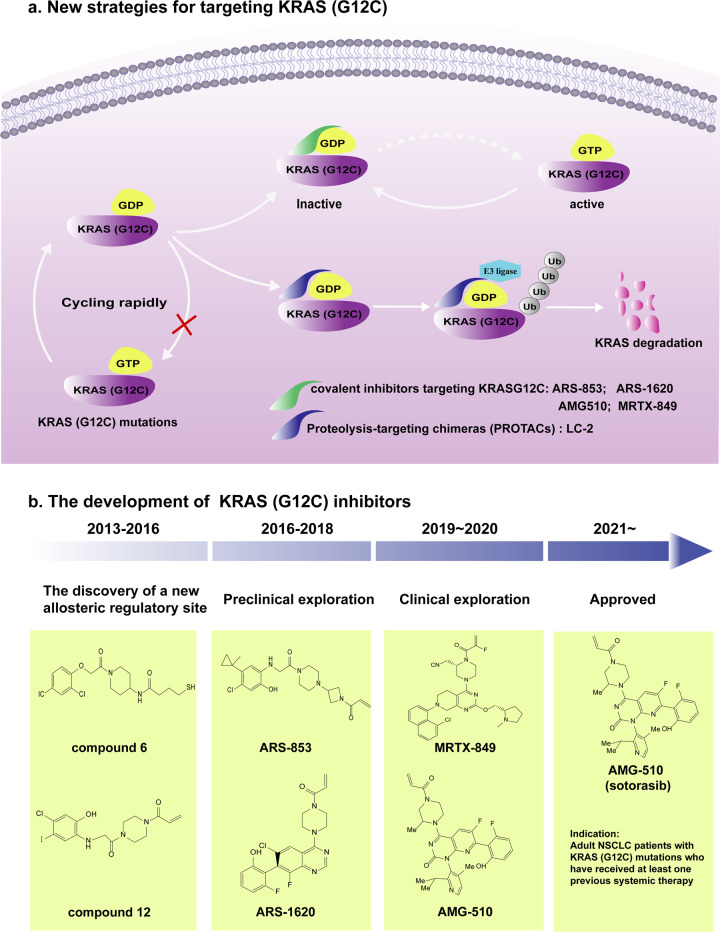
Cancer is the leading cause of death worldwide, and its treatment and outcomes have been dramatically revolutionised by targeted therapies. As the most frequently mutated oncogene, Kirsten rat sarcoma viral oncogene homologue (KRAS) has attracted substantial attention. The understanding of KRAS is constantly being updated by numerous studies on KRAS in the initiation and progression of cancer diseases. However, KRAS has been deemed a challenging therapeutic target, even “undruggable”, after drug-targeting efforts over the past four decades. Recently, there have been surprising advances in directly targeted drugs for KRAS, especially in KRAS (G12C) inhibitors, such as AMG510 (sotorasib) and MRTX849 (adagrasib), which have obtained encouraging results in clinical trials. Excitingly, AMG510 was the first drug-targeting KRAS (G12C) to be approved for clinical use this year. This review summarises the most recent understanding of fundamental aspects of KRAS, the relationship between the KRAS mutations and tumour immune evasion, and new progress in targeting KRAS, particularly KRAS (G12C). Moreover, the possible mechanisms of resistance to KRAS (G12C) inhibitors and possible combination therapies are summarised, with a view to providing the best regimen for individualised treatment with KRAS (G12C) inhibitors and achieving truly precise treatment.
Overview
The claims and statistics of this paper haven’t been checked yet.
Free: it reads the open-access text and checks the first 5 claims that cite a source we can check. Create a free account to check every claim.
Integrity signals
Registry
Cites
Statistics
Figures
Verification
Claims the paper makes
The claims and statistics of this paper haven’t been checked yet.
Free: it reads the open-access text and checks the first 5 claims that cite a source we can check. Create a free account to check every claim.
Claims other papers make about this one
Each is checked against this paper’s own text: does it say what the citing paper says it does?
The source backs part of the claim, not all of it — or backs it for a different population, condition or comparison.
In the citing paper
“KRAS is the most frequently mutated oncogene, accounting for approximately 85% of all RAS mutations in 20–25% of all cancers [8–10].”
From Differential Response and Resistance to KRAS-Targeted Therapy (2025) · cites this paper as [8]
Experimental — accuracy not yet measuredThe source backs part of the claim, not all of it — or backs it for a different population, condition or comparison.
In the citing paper
“Among the various KRAS mutations in human cancers, G12C, G12D, G12V, and G12A are the most prevalent (2).”
From YAP/TAZ mediates resistance to KRAS inhibitors through inhibiting proapoptosis and activating the SLC7A5/mTOR axis (2024) · cites this paper as [2]
Experimental — accuracy not yet measuredThe cited source says what the claim attributes to it.
In the citing paper
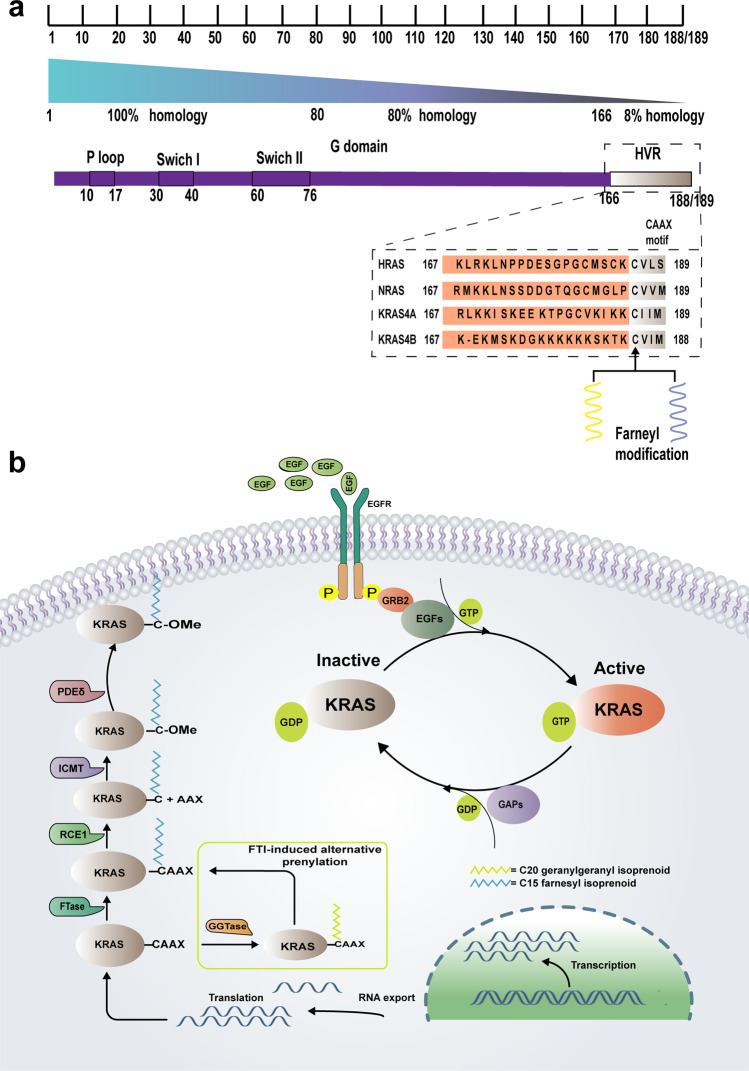
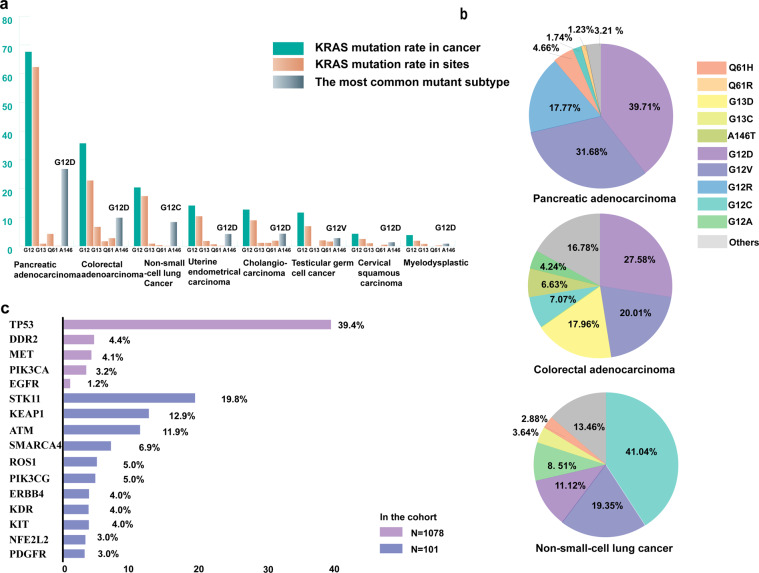
“KRAS mutations most commonly occur at the 12th codon near the nucleotide-binding site, with less prevalent mutations occurring at codons 13, 61, and 146 within other catalytic domains (Figure 1b,c) [23].”
From KRAS: Biology, Inhibition, and Mechanisms of Inhibitor Resistance (2024) · cites this paper as [23]
The cited source says what the claim attributes to it.
In the citing paper
“Kirsten rat sarcoma viral oncogene homolog (KRAS) is the most frequently mutated oncogene in various types of human cancers such as pancreatic, lung, and colorectal cancer, with G12, G13, and Q61 being the most prevalent mutant codons observed (1, 2).”
From YAP/TAZ mediates resistance to KRAS inhibitors through inhibiting proapoptosis and activating the SLC7A5/mTOR axis (2024) · cites this paper as [2]
The cited source says what the claim attributes to it.
In the citing paper
“Moreover, potent inhibition through covalent modification has enabled targeting of traditionally ‘undruggable’ proteins, exemplified by the approval of sotorasib (Amgen), which is an inhibitor of mutant KRAS(G12C), a GTPase that resisted decades of drug discovery efforts9,10”
From Advances in covalent drug discovery (2022) · cites this paper as [10]
4 more claims about this paper
Create a free account to see every claim other papers make about this one.
Self-check
Percentages, sums and reported differences re-computed from the paper’s own numbers.
The self-check needs the paper’s full text.
Citations
Cites
Hallmarks of Cancer: The Next Generation
Hanahan, D., & Weinberg, R. A. (2011) · Cell · doi:10.1016/j.cell.2011.02.013 · Cited by 66,590
Adverse Renal Effects of Immune Checkpoint Inhibitors: A Narrative Review
Wanchoo, R., Karam, S., Uppal, N. N., Barta, V. S., Deray, G., Devoe, C., Launay-Vacher, V., Jhaveri, K. D., & on behalf of Cancer and Kidney International Network Workgroup on Immune Checkpoint Inhibitors (2017) · American Journal of Nephrology · doi:10.1159/000455014 · Cited by 15,256
Calcium's Role in Mechanotransduction during Muscle Development
Benavides Damm, T., & Egli, M. (2014) · Cellular Physiology and Biochemistry · doi:10.1159/000356667 · Cited by 14,502
Nivolumab versus Docetaxel in Advanced Squamous-Cell Non–Small-Cell Lung Cancer
Brahmer, J., Reckamp, K. L., Baas, P., Crinò, L., Eberhardt, W. E. E., Poddubskaya, E., Antonia, S., Pluzanski, A., Vokes, E. E., Holgado, E., et al. (2015) · New England Journal of Medicine · doi:10.1056/nejmoa1504627 · Cited by 8,447
Gefitinib or Carboplatin–Paclitaxel in Pulmonary Adenocarcinoma
Mok, T. S., Wu, Y.-L., Thongprasert, S., Yang, C.-H., Chu, D.-T., Saijo, N., Sunpaweravong, P., Han, B., Margono, B., Ichinose, Y., et al. (2009) · New England Journal of Medicine · doi:10.1056/nejmoa0810699 · Cited by 8,261
Understanding the tumor immune microenvironment (TIME) for effective therapy
Binnewies, M., Roberts, E. W., Kersten, K., Chan, V., Fearon, D. F., Merad, M., Coussens, L. M., Gabrilovich, D. I., Ostrand-Rosenberg, S., Hedrick, C. C., et al. (2018) · Nature Medicine · doi:10.1038/s41591-018-0014-x · Cited by 6,145
Osimertinib in Untreated EGFR -Mutated Advanced Non–Small-Cell Lung Cancer
Soria, J.-C., Ohe, Y., Vansteenkiste, J., Reungwetwattana, T., Chewaskulyong, B., Lee, K. H., Dechaphunkul, A., Imamura, F., Nogami, N., Kurata, T., et al. (2018) · New England Journal of Medicine · doi:10.1056/nejmoa1713137 · Cited by 5,508
Cancer drug resistance: an evolving paradigm
Holohan, C., Van Schaeybroeck, S., Longley, D. B., & Johnston, P. G. (2013) · Nature Reviews Cancer · doi:10.1038/nrc3599 · Cited by 4,681
Anaplastic Lymphoma Kinase Inhibition in Non–Small-Cell Lung Cancer
Kwak, E. L., Bang, Y.-J., Camidge, D. R., Shaw, A. T., Solomon, B., Maki, R. G., Ou, S.-H. I., Dezube, B. J., Jänne, P. A., Costa, D. B., et al. (2010) · New England Journal of Medicine · doi:10.1056/nejmoa1006448 · Cited by 4,446
Systematic RNA interference reveals that oncogenic KRAS-driven cancers require TBK1
Barbie, D. A., Tamayo, P., Boehm, J. S., Kim, S. Y., Moody, S. E., Dunn, I. F., Schinzel, A. C., Sandy, P., Meylan, E., Scholl, C., et al. (2009) · Nature · doi:10.1038/nature08460 · Cited by 3,890
Research works printed but not linked: 6
- Hunter JC Biochemical and Structural Analysis of Common Cancer-Associated KRAS Mutations Mol. Cancer Res. 2015 13 1325 1335 26037647 · DOI · Paper page
- Hunter JC Biochemical and Structural Analysis of Common Cancer-Associated KRAS Mutations Mol. Cancer Res 2015 13 1325 1335 26037647 · DOI · Paper page
- Romero R Keap1 loss promotes Kras-driven lung cancer and results in dependence on glutaminolysis Nat. Med 2017 23 1362 1368 28967920 PMC5677540 · DOI · Paper page
- Hallin J The KRAS(G12C) Inhibitor MRTX849 Provides Insight toward Therapeutic Susceptibility of KRAS-Mutant Cancers in Mouse Models and Patients Cancer Disco. 2020 10 54 71 PMC6954325 31658955 · DOI · Paper page
- Hallin J The KRAS Inhibitor MRTX849 Provides Insight toward Therapeutic Susceptibility of KRAS-Mutant Cancers in Mouse Models and Patients Cancer Discov. 2020 10 54 71 31658955 PMC6954325 · DOI · Paper page
- Tanaka N Clinical Acquired Resistance to KRAS Inhibition through a Novel KRAS Switch-II Pocket Mutation and Polyclonal Alterations Converging on RAS-MAPK Reactivation Cancer Discov. 2021 11 1913 1922 33824136 PMC8338755 · DOI · Paper page
Cited by
Items 701–800 of 999
A new era with advanced immunotherapy
Lopez, C. B., Ruijgrok, E. J., & van Eijck, C. H. J. (2024) · Translational Gastroenterology and Hepatology · doi:10.21037/tgh-24-37 · Cited by 2
“The urgent need to develop treatments targeting the KRAS has been recognized for over four decades (5-7).”
Kadir, S., Chowdhury, T. A., Saha, M. K., & Laskar, P. (2024) · Research Square · doi:10.21203/rs.3.rs-4784472/v2 · Cited by 2
Orthogonal resistance mechanisms of classical- and induced-proximity inhibitorsPreprint
Merz, M. L., Kailass, K., Pergu, R., Tran, K., Gupta, K., Severance, Z. C., Singh, S., Sreekanth, V., Law, B. K., Rosenblatt, G., et al. (2025) · bioRxiv (Cold Spring Harbor Laboratory) · doi:10.1101/2025.05.10.652755 · Cited by 3
“7, 8 Several KRAS inhibitors are in clinical trials, and there is an urgent need to understand possible modes of resistance and alternative treatment options.”
Novel Macrocyclic Compounds Targeting KRAS Mutations for Cancer Treatment
Meng, L., & Liang, S. H. (2026) · ACS Medicinal Chemistry Letters · doi:10.1021/acsmedchemlett.6c00032 · Cited by 2
Sakono, M., Oya, T., & Aoki, M. (2022) · ChemBioChem · doi:10.1002/cbic.202200486 · Cited by 1
Schwantes, I. R., & Mayo, S. C. (2023) · Surgery · doi:10.1016/j.surg.2023.03.021 · Cited by 1
Chen, Z., Liang, H., & Wei, P. (2023) · Genetic Epidemiology · doi:10.1002/gepi.22537 · Cited by 1
“Also, the KRAS gene gains substantial attention for target therapy in cancer (Huang et al., 2021).”
BackgroundTargeted Molecular Profiling of Non-small Cell Lung Cancer in India
Dhungel, A., Mudagal, M. P., Sharma, U., Sariwan, S., Sharma, D., Vada, S., Janadri, S., Haribabu, T. E., & Matada, G. S. P. (2024) · Journal of Advanced Immunopharmacology · doi:10.5812/jai-141895 · Cited by 2
A Prognostic Methylation-Driven Two-Gene Signature in Medulloblastoma
Michaelsen, G. L., da Silva, L. D. R. E., Lima, D. D. S., Jaeger, M. D. C., Brunetto, A. T., Dalmolin, R. J. S., & Sinigaglia, M. (2024) · Journal of Molecular Neuroscience · doi:10.1007/s12031-024-02203-9 · Cited by 1
“Although KRAS is the highest mutation rate oncogene among all cancers, oncogenic mutations affecting it in MB development are rare events (Gilbertson et al. 2006; Huang et al. 2021).”
Yang, X., Zhang, S., Yang, Y., Duan, X., & Li, X. (2024) · Technology in Cancer Research & Treatment · doi:10.1177/15330338241264853 · Cited by 2
Inactivation of HIPK2 attenuates KRASG12D activity and prevents pancreatic tumorigenesis
Sozzi, S., Manni, I., Ercolani, C., Diodoro, M. G., Bartolazzi, A., Spallotta, F., Piaggio, G., Monteonofrio, L., Soddu, S., Rinaldo, C., et al. (2024) · Journal of Experimental & Clinical Cancer Research · doi:10.1186/s13046-024-03189-3 · Cited by 2
“Thus, in addition to the development of new therapeutic approaches, novel targets and strategies to prevent or delay the occurrence of pancreatic cancers before they evolve to incurable stages are under investigation [6].”
BackgroundNanovectorization of metformin with phytochemicals for cancer therapy: A scoping review
Wall‐Medrano, A., Ruiz-Rodríguez, G., Olivas-Aguirre, M., Olivas-Aguirre, F. J., García‐Gurrola, A., & Escobar‐Puentes, A. A. (2024) · Journal of Drug Delivery Science and Technology · doi:10.1016/j.jddst.2024.106277 · Cited by 1
Huang, R., Du, H., Cheng, L., Zhao, N., Zhang, P., Meng, F., & Zhong, Z. (2024) · Chemistry of Materials · doi:10.1021/acs.chemmater.4c02335 · Cited by 2
KRAS G12C Inhibitors: New Drugs, A New Hope
Singhal, S., Schokrpur, S., Gandara, D. R., & Riess, J. W. (2024) · Journal of Thoracic Oncology · doi:10.1016/j.jtho.2024.09.1383 · Cited by 1
Chantre-Justino, M., Silvestre, R. T., Castro, T. D., Luz, E., Pinheiro, R., Caruso, A. C., Lopes, A. C. D. S., Meohas, W., Alves, G., & Ornellas, M. H. (2025) · Biomedical Reports · doi:10.3892/br.2025.1920 · Cited by 1
Prevalence and breakdown of KRAS driver mutations in a large UK non-small cell lung cancer cohort
Niesner, I. C. C., Balbi, K. J., Poskitt, B., Gemma, C., Linares, J., Allen, D., Shutkever, O., Lindsay, C. R., Bennett, P., & Moore, D. A. (2025) · Journal of Clinical Pathology · doi:10.1136/jcp-2024-209972 · Cited by 1
“…data on KRAS mutation frequency within NSCLC populations has been published, variations in the prevalence of KRAS mutations are well-documented across different geographic and ethnic populations 4 and additionally associated with gender, 5 smoking history 3 and socioeconomic disparities.”
Hussung, S., Akhoundova, D., Pistoni, C., Lenggenhager, D. M., Töpfer, A., Pauli, C., Pestalozzi, B., Britschgi, C., Zoche, M., Rechsteiner, M., et al. (2025) · ESMO Gastrointestinal Oncology · doi:10.1016/j.esmogo.2025.100134 · Cited by 2
Pakhira, S., Samanta, P., Ghosh, R., Mondal, M., Biswas, S., Sarkar, R., Bhowmik, A., Saha, P., & Hajra, S. (2024) · Journal of Current Oncological Trends · doi:10.4103/jcot.jcot_3_24 · Cited by 1
Pane, K., Zanfardino, M., Grimaldi, A., Leone, I., Nuzzo, S., Salvatore, M., & Franzese, M. (2025) · Cancer Medicine · doi:10.1002/cam4.70468 · Cited by 1
Merdler-Rabinowicz, R., Dadush, A., Patiyal, S., Rajagopal, P. S., Daya, G. N., Ben‐Aroya, S., Schäffer, A. A., Eisenberg, E., Ruppin, E., & Levanon, E. Y. (2025) · NAR Cancer · doi:10.1093/narcan/zcaf016 · Cited by 2
“Its high occurrence of mutations across various cancers renders it a central subject in cancer research and therapy [ 48 ].”
Machine Learning-Driven Drug Repurposing for KRAS G12C and KRAS G12D Inhibition
Fuschi, G., Germain, J., Bebensee, D., Moawad, C., Aladysheva, A., Mohamed, A., Brooks, B. R., Savai, R., Elwakeel, E., & Amin, M. (2026) · ACS Omega · doi:10.1021/acsomega.5c12639 · Cited by 1
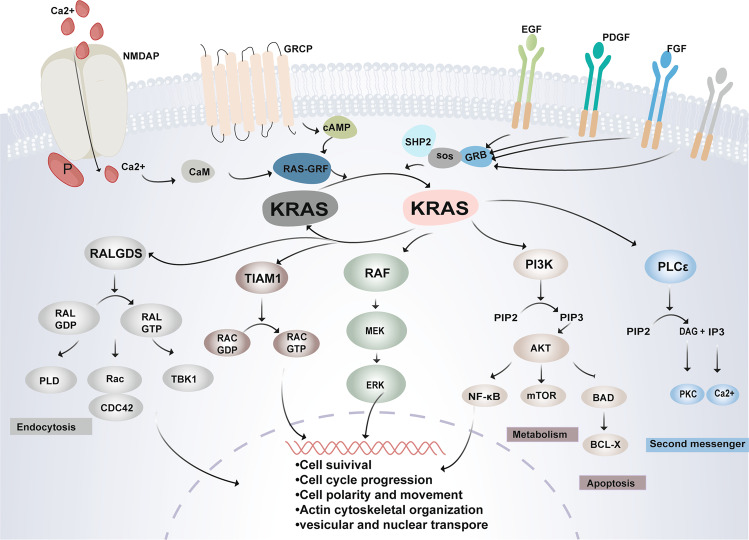
“5 Mutations impair its intrinsic GTP hydrolysis, locking KRAS in the signaling-competent state and driving RAF − MEK − ERK activation, tumor progression, and therapy resistance.”
Development and challenges in the treatment of advanced gallbladder cancer (Review)
Zhou, B., Zhang, S., & Chen, G. (2025) · Oncology Letters · doi:10.3892/ol.2025.15128 · Cited by 3
Rathod, D., Vats, M., Gawali, P., Otagho, O., Dholariya, B. M., & Patel, K. R. (2025) · Nanomedicine · doi:10.1080/17435889.2025.2524312 · Cited by 2
Molecular Markers in the Era of Precision Care in Lung Cancer
Paranjpe, I., Salter, A. I., Chen, K. S.-M., & Das, M. S. (2025) · Seminars in Respiratory and Critical Care Medicine · doi:10.1055/a-2649-9199 · Cited by 2
Targeted therapies and immunotherapies for unresectable cholangiocarcinoma
Xue, S., Jiang, W., Ma, J., Xu, H., Wang, Y., Lu, W., Shentu, D., Cui, J., Li, M., & Wang, L. (2025) · Chinese Medical Journal · doi:10.1097/cm9.0000000000003705 · Cited by 3
“[73] For CCA, KRAS was the second most frequently mutant gene, especially in ICC.”
Profiling opnurasib (JDQ-443) for the treatment of non-small cell lung cancer (NSCLC)
Herrmann, A. C., Azenkot, T., Hilburn, V., & Bazhenova, L. A. (2025) · Expert Opinion on Pharmacotherapy · doi:10.1080/14656566.2025.2536352 · Cited by 1
Anti-tumor efficacy of RAF/MEK inhibitor VS6766 in KRAS-mutated colorectal cancer cells
Zhu, H., Yan, G., Ma, J., Zhang, B., Yan, Y., Zhu, L., Dong, R., Lin, N., & Tan, B. (2025) · Cancer Chemotherapy and Pharmacology · doi:10.1007/s00280-025-04799-0 · Cited by 2
“KRAS has been defined as an “undruggable” therapeutic target over the past four decades [13–15 ].”
Unraveling the Potential of ctDNA in Precision Medicine for Breast Cancer
de Azevedo, J. C., da Silva, F. J., Rodrigues, A. S., de Sousa, S. B. M., da Silva, J. M. C., Ramos, I. B., Borges, B. D. N., Freitas, V. M., & Calcagno, D. Q. (2025) · Molecular Diagnosis & Therapy · doi:10.1007/s40291-025-00800-x · Cited by 3
Novel paradigms in KRAS targeting: Unveiling strategies to combat drug resistance
Luo, X., Zhou, F., Tang, Y., Liu, X., Xiao, R., Gu, M., Bai, J., Jiang, D., Yang, G., You, L., et al. (2025) · Chinese Medical Journal · doi:10.1097/cm9.0000000000003776 · Cited by 2
“[108] Over the past decade, significant milestones have been achieved in targeting KRAS, as scientists have gained more insights into the structure of KRAS and the intricate interactions involved in the RAS signaling protein family [Figure 3].”
Zhou, J., Fang, Z., Zhang, W., Rao, G.-W., & Zheng, Q. (2025) · Mini-Reviews in Organic Chemistry · doi:10.2174/0118756298391640250731025705 · Cited by 1
Development of highly potent and selective oncogenic KRASG12D PROTAC degraders
Mao, Y., Wei, P., Wei, T., Wang, Y., Qi, Z., Cai, X., Jia, C., Zhao, Z., Li, B., Qiao, M., et al. (2025) · European Journal of Medicinal Chemistry Reports · doi:10.1016/j.ejmcr.2025.100296 · Cited by 4
TIMP-1 Modulation Correlates with KRAS Dependency and EMT Induction in NSCLC
M-Thirusenthilarasan, I., Ahluwalia, P. K., Thorenoor, N., Ghoshal-Gupta, S., Lee, B. R., Siddiqui, B. K., Kolhe, R. B., Rojiani, A. M., & Rojiani, M. V. (2025) · Cells · doi:10.3390/cells14181413 · Cited by 2
“Recent studies have shown the specific allelic mutations of KRAS leading to differential signaling effector engagement (reviewed in [64]).”
Davoudi, Z., Dexheimer, T. S., Coussens, N. P., Silvers, T. E., Fox, R. G., Kemp, S. B., Juneja, P., Morris, J., Hollingshead, M. G., Takebe, N., et al. (2025) · Cancer Research Communications · doi:10.1158/2767-9764.crc-24-0582 · Cited by 2
Oura, K., Morishita, A., Nakahara, M., Tadokoro, T., Fujita, K., Tani, J., Masaki, T., & Kobara, H. (2025) · Cancers · doi:10.3390/cancers17183052 · Cited by 3
“…KRAS is activated and transmits the signal to downstream serine/threonine kinases such as mitogen-activated protein kinase (MAPK)/extracellular signal-regulated kinase (ERK) or phosphoinositide 3-kinase (PI3K)/protein kinase B (AKT), leading to cell proliferation or inhibition of apoptosis [74].”
Almowallad, S. J., Alanazi, S. S., Obidan, A., Alsulami, S. O., Younis, F. A., & Alwabsi, H. A. (2025) · Proceedings of the Indian National Science Academy · doi:10.1007/s43538-025-00541-9 · Cited by 1
Monaco, L., Crivellaro, C., Bernardi, E. D., Bono, F., Casati, G., Seminati, D., Cortinovis, D. L., Elisei, F., L’Imperio, V., Landoni, C., et al. (2025) · Therapeutic Advances in Respiratory Disease · doi:10.1177/17534666251384433 · Cited by 1
“KRAS mutation has evolved from being considered merely a negative predictor for EGFR-targeted therapy in colorectal cancer 34 to the recent approval of anti-KRAS drugs in NSCLC 35 .”
Artificial intelligence in oncology: Present and future
Krishnatreya, M. (2025) · Annals of Oncology Research and Therapy · doi:10.4103/aort.aort_60_25 · Cited by 1
Biochemical, Biophysical, and Digital Biomarkers in Precision Healthcare
Sharma, R., Ghosh, G., Abbas, A. K., & Mahato, K. (2025) · Springer eBooks · doi:10.1007/978-981-95-2117-3_4 · Cited by 6
Small Interfering RNA Carriers for Oncotherapy: A Preclinical Overview
Aranda‐Lara, L., Escudero-Castellanos, A., Trujillo-Nolasco, M., Morales-Ávila, E., Ocampo‐García, B., Oros‐Pantoja, R., Monroy, V. S., & Isaac‐Olivé, K. (2025) · Pharmaceutics · doi:10.3390/pharmaceutics17111408 · Cited by 1
Differential effects of KRAS G-domain and hypervariable region mutants on cancer phenotypes
de Borja, J. A. D., Lin, K. D. J. H., Mirador, D. A. R., Ang, A. I. D., Chua, S. A. A., Sytangco, J. M. D., Sacdalan, D. L., & Garcia, R. L. (2025) · Scientific Reports · doi:10.1038/s41598-025-22168-y · Cited by 1
“Mutations at positions K117 and A146 appear to be nearly selective for CRC relative to other cancer types with predominantly mutated KRAS such as pancreatic ductal adenocarcinoma (PDAC) and non-small cell lung cancer (NCSLC) 17 .”
Mouhcine, M., Rahmoune, I., & Filali, H. (2025) · Journal of Drug Delivery and Therapeutics · doi:10.22270/jddt.v15i11.7429 · Cited by 1
Epigenetics modulation of drug resistance pathways in advanced lung cancer
Sayed, U., Suleman, A. D., Al-Hasnaawei, S., Renuka Jyothi, S., Nayak, P. P., Bhatt, A., Chauhan, A. S., & Singla, S. (2025) · Cellular Signalling · doi:10.1016/j.cellsig.2025.112278 · Cited by 1
Yuan, J., Yao, M., Wang, Z., Tan, W., Zhang, Y., Yan, H., Liu, M., Liu, K., Gong, H., & Zhan, S. (2025) · World Journal of Surgical Oncology · doi:10.1186/s12957-025-04097-2 · Cited by 1
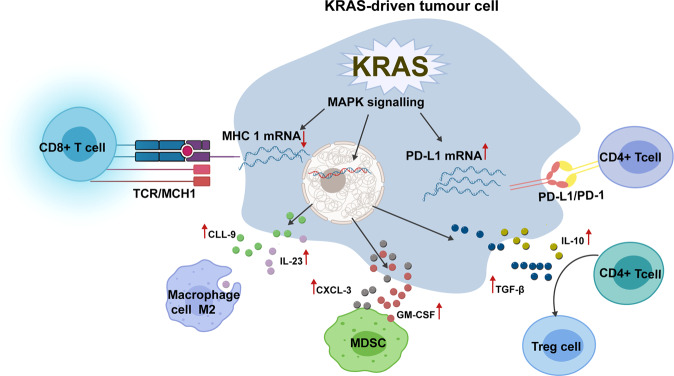
“KRAS mutations in tumors affect tumor proliferation and survival and are closely related to the characteristics of the tumor microenvironment [16].”
Nazir, N., Husnain, M., Waqar, A., Kanwal, M., Aziz, T. A., Al‐Hoshani, N., Mohamed, R. A. E. H., Alwethaynani, M. S., Al‐Joufi, F. A., & Hassan, R. N. (2026) · Journal of Computational Biophysics and Chemistry · doi:10.1142/s2737416526500353 · Cited by 2
KRAS Withdrawal in Cholangiocarcinoma Leads to Immune Infiltration and Tumor Regression
Qiao, Y., Yee, M. F., Parikh, C. N., Ma, B., Cao, Y., Shih, Y., Wu, J. Q., Ruscetti, M. A., Liang, S., & Xue, W. (2025) · Advanced Science · doi:10.1002/advs.202511312 · Cited by 3
Expanding the landscape of covalent drug discovery: irreversible targeting of non‐cysteine residues
Srinivasan, B., & Taylor, J. B. (2026) · British Journal of Pharmacology · doi:10.1111/bph.70604 · Cited by 2
He, D., Zhu, Y., Zhong, J., Cai, H., Li, Y., Zhuang, W., He, Y., Xu, Y., Fan, L., Fei, K., et al. (2025) · Journal of the National Cancer Center · doi:10.1016/j.jncc.2025.11.003 · Cited by 2
Kim, D. H., Lee, E. K., & Lee, S. (2025) · Physical Chemistry Chemical Physics · doi:10.1039/d5cp03384e · Cited by 3
Joshi, K., Suvilesh, K. N., Natesh, N. S., Manjunath, Y., Coberly, J., Schlink, S., Kunin, J. R., Prather, R. S., Whitworth, K. M., Nelson, B., et al. (2025) · Lab Animal · doi:10.1038/s41684-025-01650-0 · Cited by 3
“While TP53 is the most commonly mutated tumor suppressor gene in human LC 12 , KRAS is the most frequently mutated oncogene in non-small cell lung cancer (NSCLC) adenocarcinoma 14 .”
Advances and Challenges in KRAS Mutation Detection and Clinical Implications
Mirlohi, M. S., Yousefi, T., Razaviyan, J., Nomiri, S., Pishbin, E., Shabani‐Rad, M., Ahmadian, M. R., & Salami, S. (2025) · Cancers · doi:10.3390/cancers18010031 · Cited by 2
“Recently, the development of KRAS G12C inhibitors (e.g., sotorasib, adagrasib) has paved the way for major breakthroughs in the treatment of KRAS‑driven cancers [38,39].”
Discovery of Pyrazoloquinazoline Analogues as Orally Bioavailable KRAS-G12D Inhibitors
Song, J., Jang, E., Cho, G., Jung, H., Cho, M., Park, C., Kim, J., Ki, S., Hong, B., Koh, I., et al. (2025) · Journal of Medicinal Chemistry · doi:10.1021/acs.jmedchem.5c02840 · Cited by 3
Morouei, R. J., & Mortazavi, R. (2025) · The Cancer Review · doi:10.61882/tcr.202501.02.03 · Cited by 1
Ryu, S., Baig, M. H., Panwar, U., Dong, J.-J., Jo, Y. S., Kim, C. J., Nale, S. D., Park, J., Ha, J., Moon, B., et al. (2026) · Computers in Biology and Medicine · doi:10.1016/j.compbiomed.2025.111437 · Cited by 1
Karim, N., Waterhouse, D. M., Jones, S., & Stollenwerk, B. (2025) · Journal of Medical Economics · doi:10.1080/13696998.2025.2604968 · Cited by 1
NG25 Enhances Anti-Tumor Immunity in KRAS-Mutant Colorectal Cancer
Xiang, Q., Mao, Z., Ma, Q., Su, M., Tang, D., Lan, S., Tang, Y., Zhang, J., & Wang, Y. (2026) · OncoTargets and Therapy · doi:10.2147/ott.s540070 · Cited by 2
Ibraheem, W., Alsheikh, F., Alzain, A. A., Bhongade, B. A., Ejaz, L., Baig, H., Robinson, R. C., & El‐Tanani, M. (2026) · PLoS ONE · doi:10.1371/journal.pone.0338123 · Cited by 1
“Especially, the KRAS G12D mutation is a more dominant variant found in 12% of CRC cases and is significantly associated with a high risk of metastasis and a poor prognosis [1–3].”
Forkgen, J., Masle‐Farquhar, E., Fontaine, Y., Russell, A., Ji, S., Peters, T. J., Qiao, Z., Geaghan, M. P., Jackson, K., Hammond, J. W., et al. (2026) · Journal of Allergy and Clinical Immunology · doi:10.1016/j.jaci.2026.01.018 · Cited by 2
Devanahally, S., & Dubey, S. (2026) · Cancer Pathogenesis and Therapy · doi:10.1016/j.cpt.2026.02.001 · Cited by 2
Ahmed, S. F., Hossen, Z., Chakraborty, I., Munna, M. M. R., Chowdhury, S., Zaheen, A., Tasmin, J., Ashraful, A. B. M., Jahin, M. A., & Ahmed, M. H. (2026) · Journal of Genetic Engineering and Biotechnology · doi:10.1016/j.jgeb.2026.100662 · Cited by 1
Duan, B., Bai, X., Wang, T., Wang, T. T., Hu, X., & Li, S. (2026) · Discover Oncology · doi:10.1007/s12672-026-04574-4 · Cited by 1
“The evidence for this approach is strengthened by multicenter studies; for example, such models have predicted KRAS mutations in colorectal cancer from preoperative CT scans with approximately 85% accuracy, offering a potential non-invasive aid for therapy selection [23, 24].”
Advances in cancer biomarkers: Diagnostic, prognostic, and therapeutic implications
Madhuranga, H. D. T., Joseph, R., Madhan, G., Sarvananda, L., & Premarathna, A. D. (2026) · The Journal of Precision Medicine Health and Disease · doi:10.1016/j.premed.2026.100032 · Cited by 1
Huang, Q., Mu, Q., Liu, N., Liu, G., & Liu, C. (2026) · Advanced Interventional Materials · doi:10.1016/j.advim.2026.100015 · Cited by 4
Early cellular plasticity promotes progression and dissemination in pancreatic adenocarcinoma
Innamorati, G., Malpeli, G., Giacomello, L., Salvia, R., & Wilkie, T. M. (2026) · Cancer and Metastasis Reviews · doi:10.1007/s10555-026-10326-1 · Cited by 1
“Perhaps for this reason the efforts to personalize therapy based on mutational profiles have not yielded the anticipated clinical benefit [34].”
Lytan, I., Singha, B., Boruah, N., Gogoi, P. P., Longkumer, P., Pucho, M., Dkhar, B., & Sinha, U. B. (2026) · Mini-Reviews in Medicinal Chemistry · doi:10.2174/0113895575418750251204104229 · Cited by 3
Jiang, Z., Pan, Y. M., Liu, G., Ren, H., & Zhang, Y. (2026) · ACS Applied Bio Materials · doi:10.1021/acsabm.5c02218 · Cited by 1
Inhalable Therapeutics in Lung Cancer: Overcoming Barriers for Effective Treatment
Paliwal, H., Rangbhal, T., Khedkar, P., Kasture, A., Kharche, P. A., Gaikwad, S. S., & Prajapati, B. G. (2026) · AAPS PharmSciTech · doi:10.1208/s12249-026-03408-4 · Cited by 1
Adekilekun, H. A., Omodamiro, O. D., Achi, N. K., Tijani, B. A., Oyewusi, H. A., Omodamiro, R. M., Oladipo, O. O., Oyeyemi, B. F., Odoma, S., & Hamed, A. A. (2026) · Oncology and Translational Medicine · doi:10.1097/ot9.0000000000000132 · Cited by 1
Hamada, T., Yokoyama, S., Nakabayashi, R., Suzuki, Y., Morishita, S., Akahane, T., Matsuo, K., Kitazono, I., Furukawa, T., & Tanimoto, A. (2026) · Current Issues in Molecular Biology · doi:10.3390/cimb48040341 · Cited by 1
Perumal, M. K. K., Kumar, R., Thirugnanasambandam, R., & Renuka, R. R. (2026) · Advances in Biomarker Sciences and Technology · doi:10.1016/j.abst.2026.03.009 · Cited by 1
Shkil, D. O., Eliseev, I. A., Ivanov, R. A., & Balakin, K. V. (2026) · Russian Chemical Bulletin · doi:10.1007/s11172-026-4863-z · Cited by 1
Abdelwahab, M., Soliman, M. E. S., & Nassrallah, A. A. (2026) · BMC Pharmacology and Toxicology · doi:10.1186/s40360-026-01122-2 · Cited by 1
Toyokawa, E., Ooki, A., Shinozaki, E., Yoshikawa, K., Suzuki, K., Shiozawa, M., Maeda, S., Yamaguchi, K., & Osumi, H. (2026) · Biomolecules · doi:10.3390/biom16040543 · Cited by 1
“The KRAS G12C mutation, present in 3–4% of patients with mCRC, was historically considered “undruggable” [114–117].”
KRAS and MYC synergistic inhibition: a powerful strategy targeting KRAS-mutant cancers
Yan, M., Liu, K., Xu, J., Liu, Y., Ji, L., & Zhang, S. (2026) · Molecular Cancer · doi:10.1186/s12943-026-02659-w · Cited by 1
“KRAS ranks among the most frequently mutated oncogenes, with hotspot mutations predominantly occurring at codon 12 (e.g., KRAS G12C , G12V , and G12D ) across numerous malignancies, including NSCLC, CRC, and PDAC [22].”
GalaxyCDock: Webserver for Covalent Protein–Ligand Binding Mode Prediction
Lee, S., Jung, N., Woo, H., Yang, J., & Seok, C. (2026) · Journal of Molecular Biology · doi:10.1016/j.jmb.2026.169807 · Cited by 2
Cruz, A., Abreu, B., Mendes, C., Lemos, I., Freitas-Dias, C., Gomes, R., Sousa, B., Gonçalves, F., Ramalho, J. S., Barral, D. C., et al. (2026) · Discover Oncology · doi:10.1007/s12672-026-04934-0 · Cited by 1
“Moreover, KRAS mutations, except for KRAS G12C , are considered undruggable due to a lack of activity or selectivity [43, 44].”
Oh, K., Kwon, G.-H., Eom, J.-A., Lee, K. J., Kim, D. J., & Suk, K. T. (2026) · Artificial Cells Nanomedicine and Biotechnology · doi:10.1080/21691401.2026.2655581 · Cited by 1
Metastatic Trajectories in Non–Small Cell Lung Cancer Guide Local and Systemic Therapies
Willmann, J., Dee, E. C., Hendriks, L. E. L., Dimitriou, N. M., Jongbloed, M., Schoenfeld, A. J., Drilon, A., Ganesh, K., Zhang, Y. H., Feldman, J. L., et al. (2026) · Journal of Clinical Oncology · doi:10.1200/jco-25-01958 · Cited by 3
Advances in nucleic acid delivery using nanocarriers for gene therapy in cancer: A narrative review
Davari, M., Salarizadeh, N., Hushmandi, K., Ghaleh, H. E. G., Asoodeh, A., & Nazarpour, V. (2026) · Critical Reviews in Oncology/Hematology · doi:10.1016/j.critrevonc.2026.105367 · Cited by 2
Shajahan, M. A., Jayasuriya, R., Thangarasu, T., & Ramkumar, K. M. (2026) · Journal of Computer-Aided Molecular Design · doi:10.1007/s10822-026-00815-4 · Cited by 1
“The overall drug-binding site in the switch-II region has recently opened new avenues for targeting KRAS-driven cancers [ 6, 7].”
Chen, Y., Li, D., Zhang, M., Qiu, Z., Zhang, H., Yu, W., Liang, Z. Y., & Lai, M. (2026) · Biomolecules · doi:10.3390/biom16050752 · Cited by 1
“The emergence of the KRASG12C inhibitor ARS-1620 and AMG510 marked a turning point, ushering in a new era of rapid therapeutic development [45–47].”
Vitale, A., Marafioti, M., Galassi, T., Madonia, G., Moro, M., & Dubois, M. (2026) · Critical Reviews in Oncology/Hematology · doi:10.1016/j.critrevonc.2026.105396 · Cited by 2
Siegfried, G., Liu, Y., He, Z., Évrard, S., Badiola, I., Pernot, S., Creemers, J. W. M., & Khatib, A. (2026) · Biochimica et Biophysica Acta (BBA) - Reviews on Cancer · doi:10.1016/j.bbcan.2026.189620 · Cited by 2
Luo, L., Chen, J., Du, W., & Hu, J. (2026) · Frontiers in Immunology · doi:10.3389/fimmu.2026.1808072 · Cited by 1
Al-Karmalawy, A. A., Sippl, W., Al-Dakhil, A., Yousef, T. A., Khatib, A. O. A., & Hawas, S. S. (2026) · Bioorganic Chemistry · doi:10.1016/j.bioorg.2026.110065 · Cited by 2
Wastewater Surveillance to Inform Cancer Epidemiology and Evidence-Based Interventions
Healy, H. G., Hoar, C., Ahmed, W., Bibby, K. J., Bivins, A. W., Bowes, D. A., Darling, A., DuPre, N. C., Gonzalez, R., Guo, R., et al. (2026) · Environmental Science & Technology · doi:10.1021/acs.est.6c01391 · Cited by 2
Csorba, N., Ábrányi‐Balogh, P., Orgován, Z., Szalai, T. V., Ferenczy, G. G., Kollár, L., Péczka, N., Imre, T., Simon, J., Szabó, P. T., et al. (2026) · ChemBioChem · doi:10.1002/cbic.70421 · Cited by 2
“It encodes the KRAS protein [50], a key regulator of cell signalling pathways that con-trol proliferation and survival, which functions through specific PPIs with downstream effectors [50, 51].”
Synthetic Approaches to the New Drugs Approved During 2024
France, S. P., Lindsey, E. A., McInturff, E. L., Berritt, S., Flick, A. C., Fink, S. J., Gibson, T., Gray, K. C., Hubbell, A. K., Johnson, A. M., et al. (2026) · Journal of Medicinal Chemistry · doi:10.1021/acs.jmedchem.6c00287 · Cited by 2
Magnesium as a conformational gatekeeper of KRAS : Structural dynamics and therapeutic implications
Srinivasu, B. Y., Damerla, T. S., Stec, A., Zhou, Z., Engen, J. R., Westover, K. D., & Wales, T. E. (2026) · Protein Science · doi:10.1002/pro.70681 · Cited by 1
Pancreatic Cancer: Translating Tumor Biology into Actionability
Balogun, F. O., Sherman, M. H., Park, W., Soares, K. C., Reyngold, M., Schoenfeld, J. D., Singhal, A., Iacobuzio–Donahue, C. A., & O'Reilly, E. M. (2026) · Cancer Discovery · doi:10.1158/2159-8290.cd-25-2014 · Cited by 3
“KRAS is the most altered oncogenic protein in human cancers, leading to cell proliferation and other tumor-promoting activities (77).”
Genomic innovations in cancer prevention, diagnosis, prognosis and precision therapeutics
Ananda, H., Sahana, S. R., Murthy, S. R., Kunnath, A. N., Prashant, A., Kaifi, J. T., Kiran, P. K., & Suvilesh, K. N. (2026) · Frontiers in Genetics · doi:10.3389/fgene.2026.1828450 · Cited by 2
Bandegi, M., Biltekin, E., Akay, Y. M., & Akay, M. (2026) · International Journal of Molecular Sciences · doi:10.3390/ijms27146238 · Cited by 3
Wang, X., Zhang, Q., Xu, Y., Miao, W., Tao, B., Jin, C., & Fu, D. (2026) · Technology in Cancer Research & Treatment · doi:10.1177/15330338261469099 · Cited by 1
Fish, M., Rynne, J., Timms, E. M., Jennings, A., Lam, C., Arbane, G., Novellas, N. G., Campos, S., Sanderson, B., Bosco, P., et al. (2026) · Immunity · doi:10.1016/j.immuni.2026.08.003 · Cited by 5
Phillips, D. P., Alper, P. B., Borkin, D., Han, D., Kochanek, S. E., Gurjar, J., Mathison, C. J. N., Nelson, J. M., Pei, W., Nguyen, B., et al. (2026) · Journal of Medicinal Chemistry · doi:10.1021/acs.jmedchem.6c01454 · Cited by 1
Bai, S., Gao, M., You, Q., & Wang, L. (2026) · European Journal of Medicinal Chemistry · doi:10.1016/j.ejmech.2026.119314 · Cited by 1
张富荣, Wang, Q., Li, M., Wang, T., Lei, P., Huang, T., & Wu, Z. (2026) · Frontiers in Immunology · doi:10.3389/fimmu.2026.1935909 · Cited by 1
“…KRASG12C — have recently achieved clinical breakthroughs, with surprising advances in direct KRAS-targeting drugs, especially KRAS(G12C) inhibitors (112, 113), PROTAC-mediated degradation of KRAS has now been demonstrated across oncogenic alleles: LC-2, the fi rst PROTAC capable of degrading…”
Mia, M. S., Datta, B. K., Akter, K., Topu, T. K. D., Shawon, J. M., Hossen, F., Pranto, A. R., Shadhin, M. S. T., Tahsin, N., Qahl, S. H., et al. (2026) · The Protein Journal · doi:10.1007/s10930-026-10356-2 · Cited by 1
Personalization of assisted reproductive technologies — myth or reality?
Lokshin, V. N., Rybina, A. N., Abshekenova, A. T., Askar, Y., Karibaeva, S. K., & Valiev, R. K. (2022) · Russian Journal of Human Reproduction · doi:10.17116/repro20222802176 · Cited by 1
Identifying Adult Stomach Tissue Stem/Progenitor Cells Using the Iqgap3-2A-CreERT2 Mouse
Matsuo, J., Chuang, L. S. H., Tong, J. J. L., Douchi, D., & Ito, Y. (2023) · Methods in molecular biology · doi:10.1007/978-1-0716-3331-1_1 · Cited by 1
Ölmez, Ö. F., Bilici, A. E., Er, O. S., Bişgin, A., Sevinç, A., Akman, T., Uslu, R., Mandel, N. M., Yalçın, Ş., Teomete, M., et al. (2024) · Japanese Journal of Clinical Oncology · doi:10.1093/jjco/hyae002 · Cited by 1
Metadata
- Authors
- Huang, L., Guo, Z., Wang, F., & Fu, L.
- Affiliations
- Sun Yat-sen University (CN)
- Corresponding author
- Fu, Liwu
- Venue
- Signal Transduction and Targeted Therapy
- Published
- 2021-11-15
- Volume
- 6
- Issue
- 1
- Pages
- 386-386
- ISSN
- 2059-3635 (ISSN-L)
- PMC
- PMC8591115
- OpenAlex
- W3214173072
- Cited by
- 1,127
- References
- 240
- Citations by year
- 2026: 251 · 2025: 346 · 2024: 289 · 2023: 178 · 2022: 62
- FWCI
- 14.09
- Type
- journal article
- Language
- en
- Open access
- gold
- doi.org
- Licence
- cc-by
- creativecommons.org/licenses/by/4.0 (tdm)
- creativecommons.org/licenses/by/4.0 (vor)
- Locations
- Signal Transduction and Targeted Therapy (publishedVersion, cc-by)
- PubMed Central (publishedVersion, cc-by)
- PubMed (publishedVersion)
- DOAJ (DOAJ: Directory of Open Access Journals) (submittedVersion, cc-by-sa)
- Funders
- National Natural Science Foundation of China (82073882)
- Topics
- Life Sciences › Biochemistry, Genetics and Molecular Biology › Molecular Biology › Protein Kinase Regulation and GTPase Signaling
- Life Sciences › Biochemistry, Genetics and Molecular Biology › Molecular Biology › Melanoma and MAPK Pathways
- Life Sciences › Biochemistry, Genetics and Molecular Biology › Molecular Biology › Protein Tyrosine Phosphatases
- Keywords
- KRAS mutation, KRAS G12C inhibitors, sotorasib, adagrasib, targeted cancer therapy, tumor immune evasion, drug resistance mechanisms, combination therapy, oncogenes, precision oncology
- MeSH terms
- Humans, Neoplasms, Proto-Oncogene Proteins p21(ras), Amino Acid Substitution, Mutation, Missense, Protein Kinase Inhibitors
About these checks
Registry, retraction, Cites and statistics results are computed, not judged, with one exception: a printed reference that no index lists is read once by a model before it counts as a citation error. Claims are extracted by a model and kept only when their quote appears verbatim in the text; each cited source is then checked, with a model’s help, for whether it says what the claim relies on. Those verdicts can be wrong — read the claim’s quote and the cited source before relying on one.
Statistics and arithmetic are recomputed, not judged.
Confidence bands are shown only for fields calibrated on our annotated test set. None is calibrated yet, so no band is shown.
What counts as a claim ›How we measure confidence ›How we check this ›
Are you an author, or do you see a problem with this page? Request a review
Data sources
Bibliographic data: Semantic Scholar, OpenAlex, Crossref.
Contains information from the Semantic Scholar Academic Graph Datasets, made available under the ODC Attribution License (ODC-BY 1.0).
Semantic Scholar’s data is described in: Kinney, R., et al. (2023). The Semantic Scholar Open Data Platform. arXiv:2301.10140.
