

KRAS mutation: from undruggable to druggable in cancer
Open accessThe DOI matches its Crossref record; 238 of the 240 references it cites were found in a registry or an index.
Abstract
Cancer is the leading cause of death worldwide, and its treatment and outcomes have been dramatically revolutionised by targeted therapies. As the most frequently mutated oncogene, Kirsten rat sarcoma viral oncogene homologue (KRAS) has attracted substantial attention. The understanding of KRAS is constantly being updated by numerous studies on KRAS in the initiation and progression of cancer diseases. However, KRAS has been deemed a challenging therapeutic target, even “undruggable”, after drug-targeting efforts over the past four decades. Recently, there have been surprising advances in directly targeted drugs for KRAS, especially in KRAS (G12C) inhibitors, such as AMG510 (sotorasib) and MRTX849 (adagrasib), which have obtained encouraging results in clinical trials. Excitingly, AMG510 was the first drug-targeting KRAS (G12C) to be approved for clinical use this year. This review summarises the most recent understanding of fundamental aspects of KRAS, the relationship between the KRAS mutations and tumour immune evasion, and new progress in targeting KRAS, particularly KRAS (G12C). Moreover, the possible mechanisms of resistance to KRAS (G12C) inhibitors and possible combination therapies are summarised, with a view to providing the best regimen for individualised treatment with KRAS (G12C) inhibitors and achieving truly precise treatment.
Overview
The claims and statistics of this paper haven’t been checked yet.
Free: it reads the open-access text and checks the first 5 claims that cite a source we can check. Create a free account to check every claim.
Integrity signals
Registry
Cites
Statistics
Figures
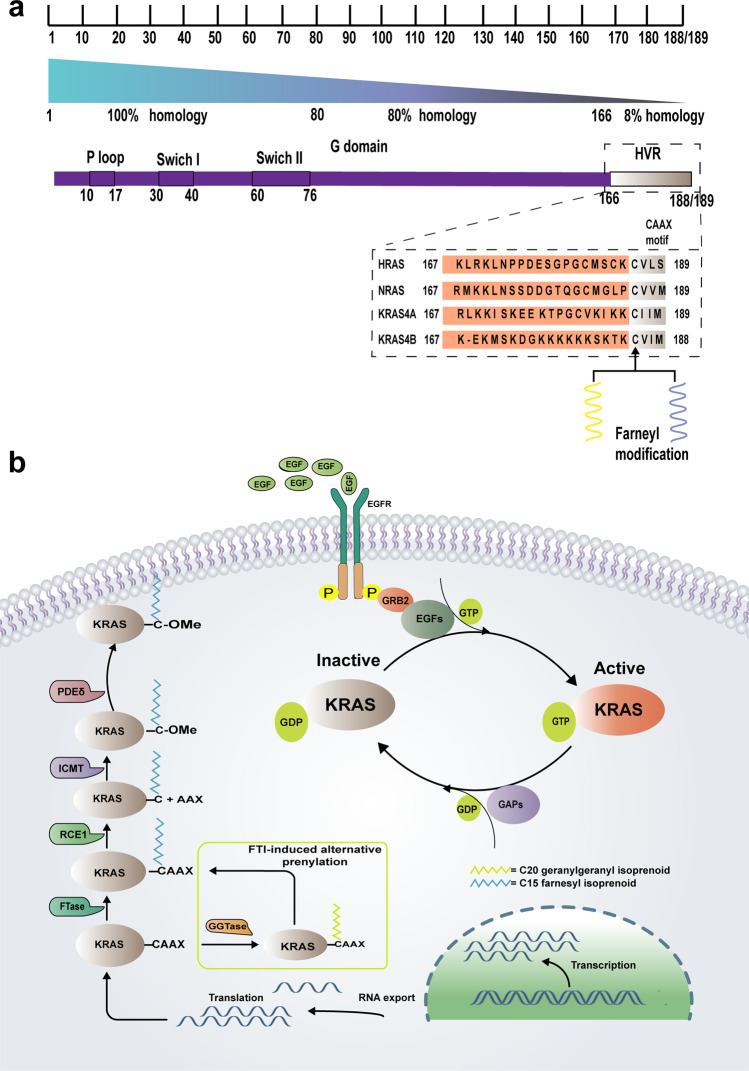
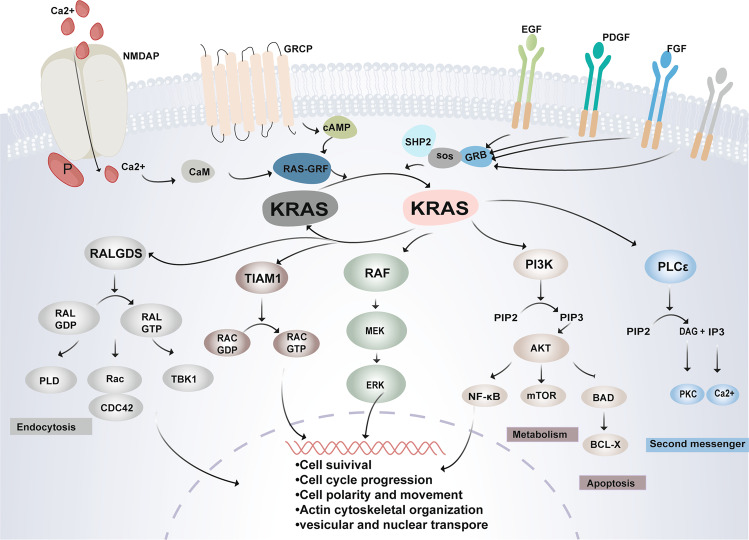
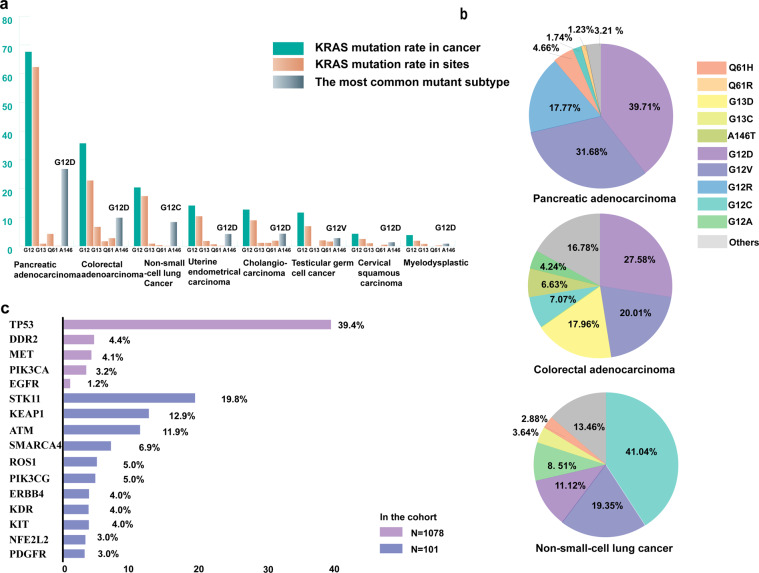
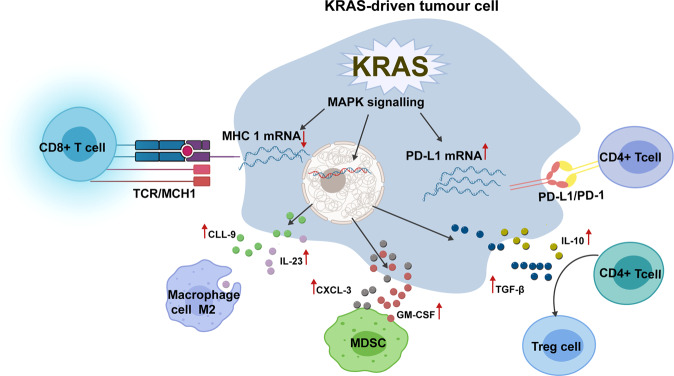
Verification
Claims the paper makes
The claims and statistics of this paper haven’t been checked yet.
Free: it reads the open-access text and checks the first 5 claims that cite a source we can check. Create a free account to check every claim.
Claims other papers make about this one
Each is checked against this paper’s own text: does it say what the citing paper says it does?
The source backs part of the claim, not all of it — or backs it for a different population, condition or comparison.
In the citing paper
“KRAS is the most frequently mutated oncogene, accounting for approximately 85% of all RAS mutations in 20–25% of all cancers [8–10].”
From Differential Response and Resistance to KRAS-Targeted Therapy (2025) · cites this paper as [8]
Experimental — accuracy not yet measuredThe source backs part of the claim, not all of it — or backs it for a different population, condition or comparison.
In the citing paper
“Among the various KRAS mutations in human cancers, G12C, G12D, G12V, and G12A are the most prevalent (2).”
From YAP/TAZ mediates resistance to KRAS inhibitors through inhibiting proapoptosis and activating the SLC7A5/mTOR axis (2024) · cites this paper as [2]
Experimental — accuracy not yet measuredThe cited source says what the claim attributes to it.
In the citing paper
“KRAS mutations most commonly occur at the 12th codon near the nucleotide-binding site, with less prevalent mutations occurring at codons 13, 61, and 146 within other catalytic domains (Figure 1b,c) [23].”
From KRAS: Biology, Inhibition, and Mechanisms of Inhibitor Resistance (2024) · cites this paper as [23]
The cited source says what the claim attributes to it.
In the citing paper
“Kirsten rat sarcoma viral oncogene homolog (KRAS) is the most frequently mutated oncogene in various types of human cancers such as pancreatic, lung, and colorectal cancer, with G12, G13, and Q61 being the most prevalent mutant codons observed (1, 2).”
From YAP/TAZ mediates resistance to KRAS inhibitors through inhibiting proapoptosis and activating the SLC7A5/mTOR axis (2024) · cites this paper as [2]
The cited source says what the claim attributes to it.
In the citing paper
“Moreover, potent inhibition through covalent modification has enabled targeting of traditionally ‘undruggable’ proteins, exemplified by the approval of sotorasib (Amgen), which is an inhibitor of mutant KRAS(G12C), a GTPase that resisted decades of drug discovery efforts9,10”
From Advances in covalent drug discovery (2022) · cites this paper as [10]
4 more claims about this paper
Create a free account to see every claim other papers make about this one.
Self-check
Percentages, sums and reported differences re-computed from the paper’s own numbers.
The self-check needs the paper’s full text.
Citations
Cites
Hallmarks of Cancer: The Next Generation
Hanahan, D., & Weinberg, R. A. (2011) · Cell · doi:10.1016/j.cell.2011.02.013 · Cited by 66,590
Adverse Renal Effects of Immune Checkpoint Inhibitors: A Narrative Review
Wanchoo, R., Karam, S., Uppal, N. N., Barta, V. S., Deray, G., Devoe, C., Launay-Vacher, V., Jhaveri, K. D., & on behalf of Cancer and Kidney International Network Workgroup on Immune Checkpoint Inhibitors (2017) · American Journal of Nephrology · doi:10.1159/000455014 · Cited by 15,256
Calcium's Role in Mechanotransduction during Muscle Development
Benavides Damm, T., & Egli, M. (2014) · Cellular Physiology and Biochemistry · doi:10.1159/000356667 · Cited by 14,502
Nivolumab versus Docetaxel in Advanced Squamous-Cell Non–Small-Cell Lung Cancer
Brahmer, J., Reckamp, K. L., Baas, P., Crinò, L., Eberhardt, W. E. E., Poddubskaya, E., Antonia, S., Pluzanski, A., Vokes, E. E., Holgado, E., et al. (2015) · New England Journal of Medicine · doi:10.1056/nejmoa1504627 · Cited by 8,447
Gefitinib or Carboplatin–Paclitaxel in Pulmonary Adenocarcinoma
Mok, T. S., Wu, Y.-L., Thongprasert, S., Yang, C.-H., Chu, D.-T., Saijo, N., Sunpaweravong, P., Han, B., Margono, B., Ichinose, Y., et al. (2009) · New England Journal of Medicine · doi:10.1056/nejmoa0810699 · Cited by 8,261
Understanding the tumor immune microenvironment (TIME) for effective therapy
Binnewies, M., Roberts, E. W., Kersten, K., Chan, V., Fearon, D. F., Merad, M., Coussens, L. M., Gabrilovich, D. I., Ostrand-Rosenberg, S., Hedrick, C. C., et al. (2018) · Nature Medicine · doi:10.1038/s41591-018-0014-x · Cited by 6,145
Osimertinib in Untreated EGFR -Mutated Advanced Non–Small-Cell Lung Cancer
Soria, J.-C., Ohe, Y., Vansteenkiste, J., Reungwetwattana, T., Chewaskulyong, B., Lee, K. H., Dechaphunkul, A., Imamura, F., Nogami, N., Kurata, T., et al. (2018) · New England Journal of Medicine · doi:10.1056/nejmoa1713137 · Cited by 5,508
Cancer drug resistance: an evolving paradigm
Holohan, C., Van Schaeybroeck, S., Longley, D. B., & Johnston, P. G. (2013) · Nature Reviews Cancer · doi:10.1038/nrc3599 · Cited by 4,681
Anaplastic Lymphoma Kinase Inhibition in Non–Small-Cell Lung Cancer
Kwak, E. L., Bang, Y.-J., Camidge, D. R., Shaw, A. T., Solomon, B., Maki, R. G., Ou, S.-H. I., Dezube, B. J., Jänne, P. A., Costa, D. B., et al. (2010) · New England Journal of Medicine · doi:10.1056/nejmoa1006448 · Cited by 4,446
Systematic RNA interference reveals that oncogenic KRAS-driven cancers require TBK1
Barbie, D. A., Tamayo, P., Boehm, J. S., Kim, S. Y., Moody, S. E., Dunn, I. F., Schinzel, A. C., Sandy, P., Meylan, E., Scholl, C., et al. (2009) · Nature · doi:10.1038/nature08460 · Cited by 3,890
Research works printed but not linked: 6
- Hunter JC Biochemical and Structural Analysis of Common Cancer-Associated KRAS Mutations Mol. Cancer Res. 2015 13 1325 1335 26037647 · DOI · Paper page
- Hunter JC Biochemical and Structural Analysis of Common Cancer-Associated KRAS Mutations Mol. Cancer Res 2015 13 1325 1335 26037647 · DOI · Paper page
- Romero R Keap1 loss promotes Kras-driven lung cancer and results in dependence on glutaminolysis Nat. Med 2017 23 1362 1368 28967920 PMC5677540 · DOI · Paper page
- Hallin J The KRAS(G12C) Inhibitor MRTX849 Provides Insight toward Therapeutic Susceptibility of KRAS-Mutant Cancers in Mouse Models and Patients Cancer Disco. 2020 10 54 71 PMC6954325 31658955 · DOI · Paper page
- Hallin J The KRAS Inhibitor MRTX849 Provides Insight toward Therapeutic Susceptibility of KRAS-Mutant Cancers in Mouse Models and Patients Cancer Discov. 2020 10 54 71 31658955 PMC6954325 · DOI · Paper page
- Tanaka N Clinical Acquired Resistance to KRAS Inhibition through a Novel KRAS Switch-II Pocket Mutation and Polyclonal Alterations Converging on RAS-MAPK Reactivation Cancer Discov. 2021 11 1913 1922 33824136 PMC8338755 · DOI · Paper page
Cited by
Items 301–400 of 999
Trécourt, A., Treilleux, I., Pissaloux, D., Donzel, M., Thamphya, B., Thirode, F., Houlier, A., Paindavoine, S., Franceschi, T., Baltrès, A., et al. (2024) · Modern Pathology · doi:10.1016/j.modpat.2024.100649 · Cited by 11
Liu, Q., Hu, J., Li, X., Gao, H., Kong, D., & Jin, M. (2025) · Biochemical Pharmacology · doi:10.1016/j.bcp.2025.116796 · Cited by 13
Kale, R. R., Samant, C., Nandakumar, K., Pai, K. S. R., & Bhonde, M. (2025) · Biochemical and Biophysical Research Communications · doi:10.1016/j.bbrc.2025.151688 · Cited by 12
Precision immune regulation in KRAS-mutated cancers: the final piece of the puzzle?
Fu, S., Ma, J., Cai, C., Tan, J., Deng, X., Shen, H., Zeng, S., Chen, Y., & Han, Y. (2025) · Journal of Experimental & Clinical Cancer Research · doi:10.1186/s13046-025-03444-1 · Cited by 14
Xiao, S., Alshahrani, M., Hu, G., Tao, P., & Verkhivker, G. M. (2025) · Protein Science · doi:10.1002/pro.70228 · Cited by 11
“These mutations lock KRAS in its GTP-bound state, which is the biochemically defined active state of the protein (Huang et al., 2021).”
Whalley, D. M., Lorthioir, O., Coote, S. C., & Anderson, N. A. (2025) · Organic & Biomolecular Chemistry · doi:10.1039/d5ob00919g · Cited by 10
Colombino, M., Palomba, G., Casula, M., Pisano, M., Tore, S., Serra, R., Putzu, C., Fadda, G. M., Maestrale, G. B., Casula, S., et al. (2025) · Critical Reviews in Oncology/Hematology · doi:10.1016/j.critrevonc.2025.104925 · Cited by 11
Carvalho, P. D., Mendonça, S., Martins, F., Oliveira, M. J., & Velho, S. (2022) · Cells · doi:10.3390/cells11162490 · Cited by 13
Impact of KRAS Mutation on Survival Outcome of Patients With Metastatic Colorectal Cancer in Jordan
Alkader, M. S., Altaha, R. Z., Badwan, S. A., Halalmeh, A. I., Al-Khawaldeh, M. H., Atmeh, M., Jabali, E. H., Attieh, O. A., Al-Soudi, H. S. A., Alkhatib, L., et al. (2023) · Cureus · doi:10.7759/cureus.33736 · Cited by 13
“Exclusion criteria were patients with NRAS mutation and uncontactable patients at the end of the follow-up period (Figure 1).”
BackgroundInfluentialQi, P., Huang, M., & Zhu, H. (2023) · Frontiers in Medicine · doi:10.3389/fmed.2023.1191354 · Cited by 11
“The proto-oncogene KRAS is considered to be the most common gene driver of oncogenesis in human cancers (71).”
BackgroundChmielewska, I., Krawczyk, P. A., Grenda, A., Wójcik-Superczyńska, M., Krzyżanowska, N., Gil, M., & Milanowski, J. (2023) · Cancers · doi:10.3390/cancers15143732 · Cited by 13
“Proteins from the RAS family belong to the small GTP-binding proteins, containing the “G domain”, which makes them part of the group of molecular switches [25,26].”
BackgroundElectrical detection of RNA cancer biomarkers at the single-molecule level
Arachchillage, K. P., Chandra, S., Williams, A., Piscitelli, P., Pham, J., Castillo, A., Florence, L., Rangan, S., & Artés, J. M. (2023) · Scientific Reports · doi:10.1038/s41598-023-39450-6 · Cited by 13
Kumar, S. U., Varghese, R. P., Preethi, V. A., Doss, C. G. P., & Zayed, H. (2023) · Frontiers in Bioscience-Landmark · doi:10.31083/j.fbl2811288 · Cited by 14
Exposure to Mycotoxin Citrinin Promotes Carcinogenic Potential of Human Renal Cells
Tsai, J.-F., Wu, T., Huang, Y.-T., Lin, W.-J., Yu, F., & Liu, B.-H. (2023) · Journal of Agricultural and Food Chemistry · doi:10.1021/acs.jafc.3c05218 · Cited by 10
TMED2 promotes glioma tumorigenesis by being involved in EGFR recycling transport
Sun, C., Zhang, Y., Wang, Z., Chen, J., Zhang, J., & Gu, Y. (2024) · International Journal of Biological Macromolecules · doi:10.1016/j.ijbiomac.2024.130055 · Cited by 10
Prospects of earthworm coelomic fluid as a potential therapeutic agent to treat cancer
Haque, S., Hussain, A., Almalki, A. H., Aldawsari, M. F., Lal, B., Kumar, A., Srivastava, M., & Fiołka, M. J. (2023) · Cancer and Metastasis Reviews · doi:10.1007/s10555-023-10148-5 · Cited by 9
“Therefore, inhibition or downregulation of K-Ras protein and vimentin prevents the growth and metastasis of cancer cells [44–46].”
Jiang, Z., Li, Y., Zhou, X., Wen, J., Zheng, P., & Zhu, W. (2024) · Bioorganic & Medicinal Chemistry · doi:10.1016/j.bmc.2024.117627 · Cited by 9
Weak links: Advancing target‐based drug discovery by identifying the most vulnerable targets
Bosch, B., DeJesus, M. A., Schnappinger, D., & Rock, J. M. (2024) · Annals of the New York Academy of Sciences · doi:10.1111/nyas.15139 · Cited by 8
“25 28 For an antibacterial, it is likely the target must additionally be selectively druggable, that is, the potential ligand binding site must be sufficientlydifferentfromapotentialhumanhomologtoavoidtoxicity.”
BackgroundMapping protein binding sites by photoreactive fragment pharmacophores
Ábrányi‐Balogh, P., Bajusz, D., Orgován, Z., Keeley, A. B., Petri, L., Péczka, N., Szalai, T. V., Pálfy, G., Gadanecz, M., Grant, E. K., et al. (2024) · Communications Chemistry · doi:10.1038/s42004-024-01252-w · Cited by 10
Updates in Drug-Related Pneumonitis Due to Targeted Oncologic Therapies
Chan, K. L., Faiz, S. A., Altan, M., & Sheshadri, A. (2024) · Journal of Immunotherapy and Precision Oncology · doi:10.36401/jipo-24-12 · Cited by 9
Peng, T., Wu, T., Yi, T.-Y., & Wu, A. (2024) · Cancers · doi:10.3390/cancers16213676 · Cited by 13
Zou, J., Shi, X., Wu, Z., Zuo, S., Tang, X., Zhou, H., & Huang, Y. (2024) · Translational Oncology · doi:10.1016/j.tranon.2024.102235 · Cited by 14
“KRAS is the predominant isoform among RAS mutations[27], occurring frequently in various cancers, particularly CRC. Developing strategies to target KRAS mutant proteins has proved challenging due to the lack of a deep binding pocket on the KRAS mutant protein[28,29].”
Yang, C., Li, H.-X., Gan, H., Shuai, X., Dong, C., Wang, W. J., Lin, D., & Zhong, B. (2025) · Developmental Cell · doi:10.1016/j.devcel.2025.01.015 · Cited by 10
Treatment Innovations in Pancreatic Cancer: Putting Patient Priorities First
Reiss, K. A., Soares, K. C., Torphy, R. J., & Gyawali, B. (2025) · American Society of Clinical Oncology Educational Book · doi:10.1200/edbk-25-473204 · Cited by 10
Auwercx, J., Neve, B., Vanlaeys, A., Fourgeaud, M., Bourrin‐Reynard, I., Souidi, M., Brassart‐Pasco, S., Hague, F., Guénin, S., Duchêne, B., et al. (2025) · Cell Death and Disease · doi:10.1038/s41419-025-07665-2 · Cited by 9
“All the references and suppliers ’ products, reagents, software and machines were listed in supplementary data (Table 1).”
Liu, H., Zhou, C., Lü, J., Liu, Y., Zou, P., Zhu, L., Lei, H.-M., & Han, B. (2025) · Cell Death and Disease · doi:10.1038/s41419-025-07687-w · Cited by 9
“The KRAS-G12C mutation is present in approximately 14% of lung adenocarcinomas, establishing it as a critical target for precision medicine approaches [5, 6].”
Ameen, A., Alganmi, N. A., & Bajnaid, N. (2025) · JMIR Bioinformatics and Biotechnology · doi:10.2196/70709 · Cited by 10
“In cancer research, they are essential markers that shed light on the genetic causes of carcinogenesis and inform the creation of patient-specific targeted therapy [9].”
Zannini, M., Angeli, M. D., Conte, A., Minischetti, V., D’Arca, D., Tagliazucchi, D., & Cattivelli, A. (2025) · Food & Function · doi:10.1039/d5fo02116b · Cited by 13
KRAS/ABHD17C/ALOX15B Axis Promotes Pancreatic Cancer Progression via Ferroptosis Evasion
Li, M., Yu, X., Liu, Y., Ouyang, S., Wu, L., Chen, X., Yu, H. J., Chen, H., Lian, S., Li, Z., et al. (2025) · Advanced Science · doi:10.1002/advs.202504470 · Cited by 17
Molavand, M., Montazer, M., Ghareghomi, S., Yousefi, B., & Majidinia, M. (2025) · Expert Review of Anticancer Therapy · doi:10.1080/14737140.2025.2519860 · Cited by 13
“Furthermore, the inhibitory interactions of AKT with Raf, TSC1/ 2 with MEK1/2, and ERK1/2 with TSC1/2 underscore the intricate interconnection between these two signaling cascades [292–294].”
An Analysis of AMPK and Ferroptosis in Cancer: A Potential Regulatory Axis
Zhang, T., Wang, X., Alexander, P. G., Feng, P., & Zhang, J. (2025) · Frontiers in Bioscience-Landmark · doi:10.31083/fbl36618 · Cited by 13
Huang, X., Zhong, Z., Zhang, Z., Weng, Z., Xu, Y., Li, W., Zhong, G., Wang, Q., Shi, Y., Xie, T., et al. (2025) · Poultry Science · doi:10.1016/j.psj.2025.105739 · Cited by 13
“Through mTOR pathway activation, KRAS enhances glycolysis (Huang et al., 2021) and promotes lactic acid accumulation in the sperm storage tubules (Huang et al., 2021; Liu et al., 2023), a critical process for sperm quiescence maintenance (Matsuzaki et al., 2015).”
Sharma, A., Steger, R. F., Li, J. M., Fong, S. Y., Saxena, N., Baude, J. A., Heom, K. A., Dey, S. S., & Stowers, R. S. (2025) · Biomaterials · doi:10.1016/j.biomaterials.2025.123755 · Cited by 18
“Our analysis revealed that KRAS signaling, associated with disease progression in multiple solid cancers [55], was enriched in both MDA-MB-231 and MCF-10A cells in all conditions marked by high stiffness, fast relaxation, or high collagen, as well as combinations of these cues (Supp.”
Biomolecular Condensates as Protein Degradation Tools for Intracellular Targets
Li, Y., Jin, Z., Ahmed, S. U., Das, J., Bleher, R., Chang, D., Yu, X., Flynn, C. D., Zhou, J., Hu, X., et al. (2026) · Nature Communications · doi:10.1038/s41467-026-72967-8 · Cited by 17
Functions and underlying mechanisms of miR-650 in human cancers
Su, Y., Zheng, Q., Zhu, L., Gu, X., Lü, J., & Lan-juan, L. (2022) · Cancer Cell International · doi:10.1186/s12935-022-02551-9 · Cited by 9
“For example, directly targeted drugs for KRAS (Kirsten rat sarcoma viral oncogene homologue), one of the most frequently mutated oncogenes, have obtained encouraging results in clinical trials [3].”
Nucleic Acid-Based Approaches to Tackle KRAS Mutant Cancers
Kim, J. (2023) · International Journal of Molecular Sciences · doi:10.3390/ijms242316933 · Cited by 12
“Preclinical and clinical research on these approved KRAS G12C inhibitors have been extensively covered elsewhere [15,16].”
BackgroundA large-scale cancer-specific protein–DNA interaction network
Lu, Y., Berenson, A., Lane, R., Guelin, I., Li, Z., Chen, Y., Shah, S., Yin, M., Soto, L. F., Fiszbein, A., et al. (2024) · Life Science Alliance · doi:10.26508/lsa.202402641 · Cited by 7
“After decades of efforts, drugs such as AMG510 (sotorasib) that targets KRAS have been developed to inhibit oncogene activity (Huang et al, 2021); however, numerous oncogenes still resist direct targeting.”
BackgroundRAS and Other Molecular Targets in Pancreatic Cancer: The Next Wave Is Coming
Miller‐Phillips, L., & Collisson, E. A. (2023) · Current Treatment Options in Oncology · doi:10.1007/s11864-023-01096-x · Cited by 11
Marchioni, A., Tonelli, R., Samarelli, A. V., Cappiello, G. F., Andreani, A., Tabbì, L., Livrieri, F., Bosi, A., Nori, O., Mattioli, F., et al. (2023) · International Journal of Molecular Sciences · doi:10.3390/ijms241411370 · Cited by 13
Equipoise Lost? Trial Conduct Challenges in an Era of Breakthrough Therapies
Fallah, J., Mulkey, F. A., Fiero, M. H., Gittleman, H. R., Song, C. W., Puthiamadathil, J., Amatya, A. K., Agrawal, S., Vellanki, P. J., Suzman, D. L., et al. (2024) · Journal of Clinical Oncology · doi:10.1200/jco-24-01200 · Cited by 14
Updates in the Treatment of Metastatic Colorectal Cancer
Malla, M., Pedersen, K. S., & Parikh, A. R. (2023) · Journal of the National Comprehensive Cancer Network · doi:10.6004/jnccn.2023.5012 · Cited by 11
“age of CRCs have the G12C mutation, targeted therapies such as sotorasib and adagrasib have shown activity in clinical trials.(13) Adagrasib, in particular, has received breakthrough therapy designation by the FDA based on a phase I/II trial published in The New England Journal of Medicine.”
MethodAlsolme, E., Alqahtani, S. A., Fagih, M., Barakeh, D. H., Sharma, N. K., Mangul, S., Robinson, H. A., Fathaddin, A., Hauser, C. A. E., & Abedalthagafi, M. (2023) · Diagnostics · doi:10.3390/diagnostics13182993 · Cited by 8
Lee, E. Y., Kim, M. G., Lee, H. J., Roh, Y., Lee, M., Qiao, Z., Koo, B., Liu, H., Lim, S., & Shin, Y. M. (2024) · Chemical Engineering Journal · doi:10.1016/j.cej.2024.157436 · Cited by 8
The Impact of Genetic Mutations on the Efficacy of Immunotherapies in Lung Cancer
Lui, K., Cheung, K., Ng, W. W. M., Wang, Y., Au, D. W. H., & Cho, W. C. S. (2024) · International Journal of Molecular Sciences · doi:10.3390/ijms252211954 · Cited by 11
“Patients with these K-Ras mutations have poorer clinical outcomes and lower overall survival (OS) [72–74].”
Jafary, B., Akbarzadeh-Khiavi, M., Farzi-Khajeh, H., Safary, A., & Adibkia, K. (2025) · Scientific Reports · doi:10.1038/s41598-025-85856-9 · Cited by 11
PROTACs coupled with oligonucleotides to tackle the undruggable
Zhang, G., Yan, S., Liu, Y., Du, Z., Min, Q., & Qin, S. (2025) · Bioanalysis · doi:10.1080/17576180.2025.2459528 · Cited by 12
Sobti, A., Skinner, H. D., & Wilke, C. T. (2025) · Seminars in Radiation Oncology · doi:10.1016/j.semradonc.2025.02.008 · Cited by 12
Valipour, M., Sheibani, M., Dibaei, M., Khatir, Z. Z., Ayati, A., Motafeghi, F. S., & Irannejad, H. (2025) · Drug Development Research · doi:10.1002/ddr.70071 · Cited by 8
“KRAS (Kirsten rat sarcoma viral oncogene homologue) is one of the highly mutated oncoproteins overexpressed in many human cancers including pancreatic ductal adenocarcinoma, nonsmall ‐ cell lung cancer, and colorectal cancer (L. Huang et al. 2021).”
Targeting the HER2-ELF3-KRAS axis: a novel therapeutic strategy for KRASG13D colorectal cancer
Hwang, S., Seo, Y., Park, S., Kim, S.-A., Moon, I., Liu, Y., Kim, S., Pak, E. S., Jung, S., Kim, H., et al. (2025) · Molecular Cancer · doi:10.1186/s12943-025-02343-5 · Cited by 11
“…axis with a reduced likelihood of affecting unintended pathways, overall leading to significant anticancer activity in KRAS G13D CRCs. Previous attempts to reduce KRAS expression using antisense oligonucleotides (ASOs; AZX4785) were unsuccessful in achieving positive clinical outcomes [52, 66].”
Emerging biomarkers for pancreatic cancer: from early detection to personalized therapy
Jamal, M. H., Porel, P., & Aran, K. R. (2025) · Clinical & Translational Oncology · doi:10.1007/s12094-025-03947-5 · Cited by 15
Genomic instability, DNA damage response and telomere homeostasis in pancreatic cancer
Selvi, S., Real, C. M., Gentiluomo, M., Balounová, K., Vokacova, K., Čumová, A., Mohleníková-Duchoňová, B., Rizzato, C., Halášová, E., Vodičková, L., et al. (2025) · Seminars in Cancer Biology · doi:10.1016/j.semcancer.2025.05.005 · Cited by 10
Oncogenic stress response mechanisms as new therapeutic targets in cancer treatment: A review
Iovanna, J., Estarás, M., Grasso, D., Fernández-Zapico, M. E., Neira, J. L., & Santofimia‐Castaño, P. (2025) · Medicine · doi:10.1097/md.0000000000042857 · Cited by 11
“[20]”
Ex vivo drug responses and molecular profiles of 597 pediatric acute lymphoblastic leukemia patients
Enblad, A. P., Krali, O., Gezelius, H., Lundmark, A., Blom, K., Andersson, C. R., Palle, J., Frost, B., Ryhänen, S. J., Flægstad, T., et al. (2025) · HemaSphere · doi:10.1002/hem3.70176 · Cited by 10
“67,68 Heme biosynthesis plays an important role in cellular processes involving oxygen utilization and energy metabolism.”
Avila, Y. I., Ha, A. T., Chandler, M. R., Santos, N. L., Kim, T., Newton, H. S., Dobrovolskaia, M. A., & Afonin, K. A. (2025) · Advanced Functional Materials · doi:10.1002/adfm.202508122 · Cited by 12
Zhang, A., Zhang, Y., Xu, J., Zhu, R., Liang, T., & Guo, L. (2025) · Critical Reviews in Oncology/Hematology · doi:10.1016/j.critrevonc.2025.104946 · Cited by 10
Rewiring enzyme regulation: Allosteric drugs and predictive tools
Fidan, V. G., Ilim, K., Gürsoy, A., Ozkan, S. B., & Keskin, Ö. (2025) · Current Opinion in Structural Biology · doi:10.1016/j.sbi.2025.103159 · Cited by 9
KRAS-targeted therapies in cancer: novel approaches and overcoming resistance
Tang, D., Kroemer, G., & Kang, R. (2025) · BMJ Oncology · doi:10.1136/bmjonc-2025-000946 · Cited by 16
“23 In pancreatic ductal adenocarcinoma (PDAC), more than 90% of tumours harbour activating KRAS mutations, with G12D and G12V being the most frequent.”
Bhattacharya, D., Roman, B., & Reddy, S. (2026) · Cancer Gene Therapy · doi:10.1038/s41417-026-01003-0 · Cited by 11
“Kirsten rat sarcoma viral oncogene homologue (KRAS) is a RAS isoform frequently mutated in NSCLC, and the substitution of glycine 12 with cysteine (G12C) is a common KRAS mutation [6].”
NSCLC Cells Resistance to PI3K/mTOR Inhibitors Is Mediated by Delta-6 Fatty Acid Desaturase (FADS2)
Colombo, M., Passarelli, F., Corsetto, P. A., Rizzo, A. M., Marabese, M., Simone, G. D., Pastorelli, R., Broggini, M., Brunelli, L., & Caiola, E. (2022) · Cells · doi:10.3390/cells11233719 · Cited by 7
Development of a high-throughput TR-FRET screening assay for a fast-cycling KRAS mutant
Larson, J. E., Hardy, P. B., Schomburg, N. K., Wang, X., Kireev, D., Rossman, K. L., & Pearce, K. H. (2022) · SLAS DISCOVERY · doi:10.1016/j.slasd.2022.12.001 · Cited by 9
Oliveira, B. B., Costa, B. G. L. D. M., Morão, B., Faias, S. R., Veigas, B., Pereira, L. P., Albuquerque, C. M., Maio, R., Cravo, M. L., Fernandes, A. R., et al. (2023) · Analytical and Bioanalytical Chemistry · doi:10.1007/s00216-023-04696-6 · Cited by 10
The efficacy of immune checkpoint inhibitors in biliary tract cancer with KRAS mutation
Jeong, S. Y., Hong, J. Y., Park, J. O., Park, Y. S., Lim, H. Y., Jang, J. Y., Jeon, Y., & Kim, S. T. (2023) · Therapeutic Advances in Gastroenterology · doi:10.1177/17562848231170484 · Cited by 9
The Nanotechnology-Based Approaches against Kirsten Rat Sarcoma-Mutated Cancers
Andrade, F., German-Cortés, J., Montero, S., Carcavilla, P., Baranda-Martínez-Abascal, D., Moltó‐Abad, M., Seras‐Franzoso, J., Díaz‐Riascos, Z. V., Rafael, D. F. D. S., & Abasolo, I. (2023) · Pharmaceutics · doi:10.3390/pharmaceutics15061686 · Cited by 9
Beller, N. C., Wang, Y., & Hummon, A. B. (2023) · Analytical Chemistry · doi:10.1021/acs.analchem.3c00905 · Cited by 8
Wang, Q., Tang, Z., Li, C., Li, X., & Su, C. (2023) · Frontiers in Immunology · doi:10.3389/fimmu.2023.1297588 · Cited by 12
Iyer, K. K., Poel, D., Miggelenbrink, A., Kerkhof, W., Janssen, J. B. E., Bakkerus, L., de Jong, L. A. W., van den Hombergh, E., Nagtegaal, I. D., Tauriello, D. V. F., et al. (2024) · BJC Reports · doi:10.1038/s44276-024-00042-0 · Cited by 11
WWP1 inhibition increases SHP2 inhibitor efficacy in colorectal cancer
Fan, H., Hu, X., Cao, F., Zhou, L., Wen, R., Shen, H., Fu, Y., Zhu, X., Jia, H., Liu, Z., et al. (2024) · npj Precision Oncology · doi:10.1038/s41698-024-00650-6 · Cited by 10
Kim, H., Lee, W., Kim, Y.-W., Lee, S.-J., Choi, W., Lee, G. K., Park, S.-J., Ju, S., Kim, S., Lee, C., et al. (2024) · Experimental & Molecular Medicine · doi:10.1038/s12276-024-01320-0 · Cited by 12
Erasimus, H., Kolnik, V., Lacroix, F., Sidhu, S., D'Agostino, S., Lemaitre, O., Rohaut, A., Sanchez, I., Thill, G., Didier, M., et al. (2023) · Cancer Research Communications · doi:10.1158/2767-9764.crc-22-0301 · Cited by 8
“However, there have been advances in directly targeted drugs for GTPase such as the mutated G12C and G12D KRAS (52, 53), opening up promising prospects for drugging undruggable pockets.”
Targeted Therapeutic Approaches for the Treatment of Cancer: The Future Is Bright
Hadfield, M. J., Carneiro, B. A., & Cheng, L. (2025) · Journal of Personalized Medicine · doi:10.3390/jpm15040141 · Cited by 9
Proteomic analyses identify targets, pathways, and cellular consequences of oncogenic KRAS signaling
Kabella, N., Bayer, F. P., Stamatiou, K., Abele, M., Sakhteman, A., Chang, Y.-C., Wagner, V., Gabriel, A., Krumm, J., Reinecke, M., et al. (2025) · Science Signaling · doi:10.1126/scisignal.adt6552 · Cited by 8
Li, K., Huo, Q., Li, B., & Yokota, H. (2023) · International Journal of Biological Sciences · doi:10.7150/ijbs.79155 · Cited by 7
“Besides c-Myc, Kirsten rat sarcoma viral oncogene homolog (Kras), a small GTPase transductor protein, is the other well-known oncogene with a high mutation rate among all cancers, including pancreatic ductal adenocarcinoma, nonsmall-cell lung cancer, and colorectal cancer (reviewed in [26], [27]).”
BackgroundHow does TCR-T cell therapy exhibit a superior anti-tumor efficacy
Yang, D., Duan, Z., Yuan, P., Ding, C., Dai, X., Chen, G., & Wu, D. (2023) · Biochemical and Biophysical Research Communications · doi:10.1016/j.bbrc.2023.149209 · Cited by 7
Brandt, M., Cao, Z., Krishna, C., Reedy, J. L., Gu, X., Dutko, R. A., Oliver, B. A., Tusi, B. K., Park, J., Richey, L. J., et al. (2024) · Cell Reports · doi:10.1016/j.celrep.2024.113944 · Cited by 9
KRAS/PI3K axis driven GTF3C6 expression and promotes LUAD via FAK pathway
Ji, X., Liu, M., Zhang, T., Zhang, W., Xue, F., Wan, Q., & Liu, Y. (2024) · Journal of Advanced Research · doi:10.1016/j.jare.2024.04.028 · Cited by 11
“…in the active GTP-binding state, leading to sustained activation of downstream signaling pathways including mitogen-activated protein kinase (MAPK) and phosphatidylinositol 3-kinase (PI3K) and Ral guanine nucleotide exchange factor effector pathway, contributing to LUAD pathogenesis [13,14].”
KRAS Variants Are Associated With Survival Outcomes and Genomic Alterations in Biliary Tract Cancers
Gelfer, R., Gulla, A., Kalvin, H. L., Song, Y., Harding, J. J., Abou‐Alfa, G. K., O'Reilly, E. M., Park, W., Chandwani, R., Wei, A. C.-C., et al. (2024) · JCO Precision Oncology · doi:10.1200/po.24.00263 · Cited by 13
Ghai, S., Shrestha, R., & Su, K. (2025) · Frontiers in Cell and Developmental Biology · doi:10.3389/fcell.2024.1500880 · Cited by 10
Zhao, D.-R., Yang, J.-T., Liu, M.-T., Yang, L.-Q., & Sang, P. (2025) · RSC Advances · doi:10.1039/d4ra07924h · Cited by 11
Shang, Y., Pang, M., Fu, S., Fei, W., Chen, B.-X., Zhang, Y., Wang, J., & Shen, T. (2025) · European Journal of Medicinal Chemistry · doi:10.1016/j.ejmech.2025.117391 · Cited by 8
Fu, N., Sheng, Y., Fan, Z., Wu, Z., Li, L., Xi, R., Shi, X., Zhang, G., & Wang, F. (2025) · Advanced Science · doi:10.1002/advs.202411642 · Cited by 11
Self-citationCombined Omipalisib and MAPK Inhibition Suppress PDAC Growth
Bye, B. A., Jack, J. L., Pierce, A., Walsh, R. M., Eades, A. E., Chalise, P., Olou, A. A., & VanSaun, M. N. (2025) · Cancers · doi:10.3390/cancers17071152 · Cited by 16
“In a normal cell, KRAS functions as a binary signaling switch by its conversion from an inactive, guanosine diphosphate (GDP)-bound conformation to an active guanosine triphosphate (GTP)-bound conformation, which can then activate multiple downstream signaling cascades [9].”
Unveiling EIF5A2: A multifaceted player in cellular regulation, tumorigenesis and drug resistance
Xiong, X., Du, Y., Liu, P., Li, X., Lai, X., Miao, H., & Ning, B. (2025) · European Journal of Pharmacology · doi:10.1016/j.ejphar.2025.177596 · Cited by 8
DDTC-Cu(I) Nano-MOF Induces Ferroptosis by Targeting SLC7A11/GPX4 Signal in Colorectal Cancer
Huang, J., Yang, M., Zhou, X., Luo, J., Yan, X., Lin, G., Li, S., Liu, S., Song, Z., Tang, C., et al. (2025) · ACS Biomaterials Science & Engineering · doi:10.1021/acsbiomaterials.5c00680 · Cited by 8
Zakir, M., Saddiqa, A., Sheikh, M., Zakir, L., Sami, F., Ahmad, F. S., Rauf, S. A., Ali, I., Muneer, Z., Alonazi, W. B., et al. (2025) · Scientific Reports · doi:10.1038/s41598-025-94084-0 · Cited by 7
Posttranslational modifications remodel proteome-wide ligandability
Li, W., Wei, Q., Llanos, M. A., Gathmann, C., Governa, P., Chiu, T.-Y., Wozniak, J. M., Jadhav, A. M., Holcomb, M., Cravatt, J. B., et al. (2026) · Nature Chemical Biology · doi:10.1038/s41589-026-02216-y · Cited by 16
Optimizing KRAS Therapeutics for Non–Small Cell Lung Cancer
Lim, J. U., Negrao, M. V., & Hong, D. S. (2025) · Annual Review of Medicine · doi:10.1146/annurev-med-043024-115849 · Cited by 9
Advances in biomarkers of resistance to KRAS mutation-targeted inhibitors
Wang, L., Wei, D., Li, S., & Jiang, S. (2025) · Discover Oncology · doi:10.1007/s12672-025-03569-x · Cited by 8
“However, due to its structural complexity, lack of canonical druggable pockets, and picomolar affinity for GDP/ GTP nucleotides, KRAS has long been regarded as an “undruggable” target, resulting in extremely limited therapeutic approaches targeting its mutations [9–11].”
Learned Conformational Space and Pharmacophore Into Molecular Foundational Model
Wang, L., Wu, Y., Luo, H., Liang, M., Zhou, Y. Z., Chen, C. J., Liu, C., Zhang, J., & Zhang, Y. (2026) · Advanced Science · doi:10.1002/advs.202513556 · Cited by 13
“Among them, PI3K α and PI3K γ are proto-oncogenes, and they also play key roles in the down-stream proliferative signaling pathway of KRAS [ 52 ].”
Integrated pipeline for ultrasensitive protein detection in cancer nanomedicine
Cheng, C., Chiang, L., & Chu, Y. (2023) · RSC Advances · doi:10.1039/d3ra02092d · Cited by 8
Holubeková, V., Loderer, D., Grendár, M., Mikolajčík, P., Kolková, Z., Turyova, E., Kúdelová, E., Kalman, M., Marcinek, J., Miklušica, J., et al. (2023) · Frontiers in Oncology · doi:10.3389/fonc.2023.1206482 · Cited by 7
Li, N., Liu, C., Zhang, W., & Rao, G. (2023) · Current Medicinal Chemistry · doi:10.2174/0109298673258913231019113814 · Cited by 8
Zin, Z., Racha, S., Yokoya, M., Hotta, D., Zou, H., & Chanvorachote, P. (2023) · Marine Drugs · doi:10.3390/md21120627 · Cited by 10
“The mutations in the KRas and CDKN2A oncogenes, as well as the p53 tumor suppressor gene, result in the continuous proliferation of cancer cells and contribute to the formation of cancer stem cells [51–56].”
BackgroundOral Administration of Cancer Vaccines: Challenges and Future Perspectives
Gambirasi, M., Safa, A., Vruzhaj, I., Giacomin, A., Sartor, F., & Toffoli, G. (2023) · Vaccines · doi:10.3390/vaccines12010026 · Cited by 14
“This leads not only to the uncontrolled proliferation of cancer cells, which promotes tumour growth and progression but also to the migration of cancer cells through the epithelial-to-mesenchymal transition (EMT) [9].”
BackgroundAdvances in RNA therapeutics for modulation of ‘undruggable’ targets
Martinsen, E., Jinnurine, T., Subramani, S., & Rogne, M. (2024) · Progress in molecular biology and translational science · doi:10.1016/bs.pmbts.2023.12.003 · Cited by 7
Mateoiu, C., Palicelli, A., Maloberti, T., de Biase, D., Leo, A. D., Lindh, M., Bohlin, K. S., & Stolnicu, S. (2024) · Pathology - Research and Practice · doi:10.1016/j.prp.2024.155181 · Cited by 7
Two Main Cancer Biomarkers as Molecular Targets of Binase Antitumor Activity
Владимировна, Д. Е., Владимировна, У. В., Asmandiyarova, V., Vi, V., & Ilinskaya, O. N. (2024) · BioMed Research International · doi:10.1155/2024/8159893 · Cited by 7
“Despite the fact that the combined usage of EGFR-and RAS-targeting drugs in clinical practice enhances the e ff ectiveness of cancer treat-ment [32], MAPK signaling inhibitors cause cell resistance by activating compensatory feedback loops in tumor cells and tumor microenvironment components [33,…”
BackgroundYan, X. H., Qu, C., Li, Q., Zhu, L., Tong, H. H. Y., Liu, H., Ouyang, Q., & Yao, X. (2024) · Computational and Structural Biotechnology Journal · doi:10.1016/j.csbj.2024.03.027 · Cited by 8
“Over the past decades, multiple mutations within the Kirsten Rat Sarcoma Viral Oncogene Homologue (KRAS) have been identified in numerous highly lethal cancers [1,2], including pancreatic ductal adenocarcinoma (PDAC) [3], non-small cell lung cancer [4] (NSCLC), and colorectal cancer [5] (CRC).”
BackgroundLin, X., Dong, L., Qing, M., Huang, Z., & Wang, F. (2024) · European Journal of Pharmacology · doi:10.1016/j.ejphar.2024.176608 · Cited by 7
Self-citationTajiknia, V., Pinho-Schwermann, M. P., Srinivasan, P. R., Borrero, L. J. H., Zhang, L., Huntington, K. E., & El‐Deiry, W. S. (2024) · American Journal of Cancer Research · doi:10.62347/dvxl1377 · Cited by 9
He, H., Ma, C., Wei, W., Wang, H., Lai, Y., Liu, M., Sun, S., Ma, Q., Lai, J., Liu, H., et al. (2025) · Nature Communications · doi:10.1038/s41467-025-57163-4 · Cited by 9
Metadata
- Authors
- Huang, L., Guo, Z., Wang, F., & Fu, L.
- Affiliations
- Sun Yat-sen University (CN)
- Corresponding author
- Fu, Liwu
- Venue
- Signal Transduction and Targeted Therapy
- Published
- 2021-11-15
- Volume
- 6
- Issue
- 1
- Pages
- 386-386
- ISSN
- 2059-3635 (ISSN-L)
- PMC
- PMC8591115
- OpenAlex
- W3214173072
- Cited by
- 1,127
- References
- 240
- Citations by year
- 2026: 251 · 2025: 346 · 2024: 289 · 2023: 178 · 2022: 62
- FWCI
- 14.09
- Type
- journal article
- Language
- en
- Open access
- gold
- doi.org
- Licence
- cc-by
- creativecommons.org/licenses/by/4.0 (tdm)
- creativecommons.org/licenses/by/4.0 (vor)
- Locations
- Signal Transduction and Targeted Therapy (publishedVersion, cc-by)
- PubMed Central (publishedVersion, cc-by)
- PubMed (publishedVersion)
- DOAJ (DOAJ: Directory of Open Access Journals) (submittedVersion, cc-by-sa)
- Funders
- National Natural Science Foundation of China (82073882)
- Topics
- Life Sciences › Biochemistry, Genetics and Molecular Biology › Molecular Biology › Protein Kinase Regulation and GTPase Signaling
- Life Sciences › Biochemistry, Genetics and Molecular Biology › Molecular Biology › Melanoma and MAPK Pathways
- Life Sciences › Biochemistry, Genetics and Molecular Biology › Molecular Biology › Protein Tyrosine Phosphatases
- Keywords
- KRAS mutation, KRAS G12C inhibitors, sotorasib, adagrasib, targeted cancer therapy, tumor immune evasion, drug resistance mechanisms, combination therapy, oncogenes, precision oncology
- MeSH terms
- Humans, Neoplasms, Proto-Oncogene Proteins p21(ras), Amino Acid Substitution, Mutation, Missense, Protein Kinase Inhibitors
About these checks
Registry, retraction, Cites and statistics results are computed, not judged, with one exception: a printed reference that no index lists is read once by a model before it counts as a citation error. Claims are extracted by a model and kept only when their quote appears verbatim in the text; each cited source is then checked, with a model’s help, for whether it says what the claim relies on. Those verdicts can be wrong — read the claim’s quote and the cited source before relying on one.
Statistics and arithmetic are recomputed, not judged.
Confidence bands are shown only for fields calibrated on our annotated test set. None is calibrated yet, so no band is shown.
What counts as a claim ›How we measure confidence ›How we check this ›
Are you an author, or do you see a problem with this page? Request a review
Data sources
Bibliographic data: Semantic Scholar, OpenAlex, Crossref.
Contains information from the Semantic Scholar Academic Graph Datasets, made available under the ODC Attribution License (ODC-BY 1.0).
Semantic Scholar’s data is described in: Kinney, R., et al. (2023). The Semantic Scholar Open Data Platform. arXiv:2301.10140.
