

KRAS mutation: from undruggable to druggable in cancer
Open accessThe DOI matches its Crossref record; 238 of the 240 references it cites were found in a registry or an index.
Abstract
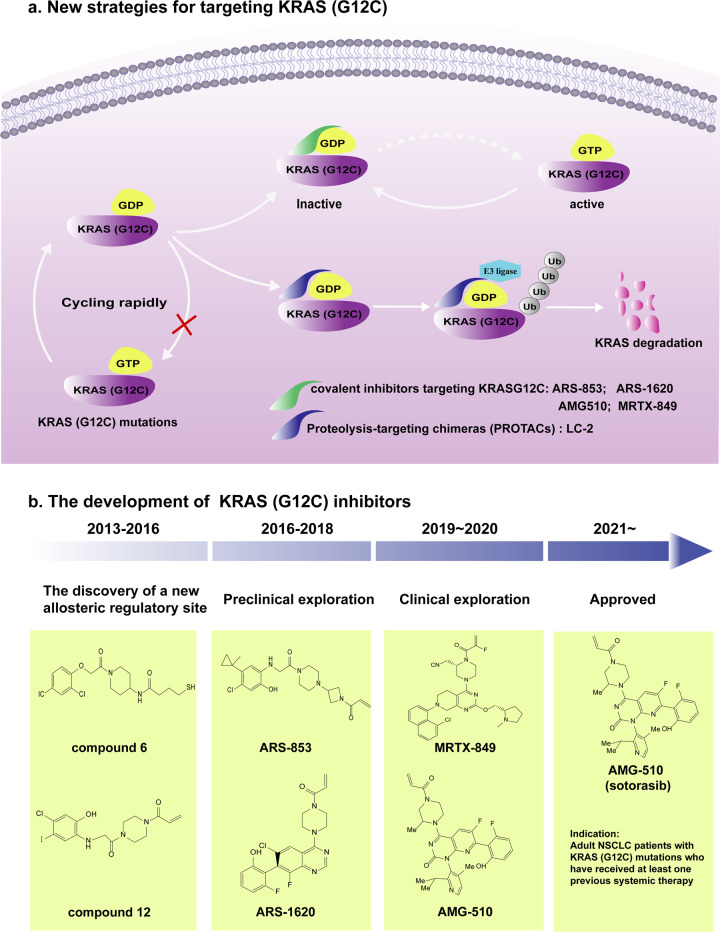
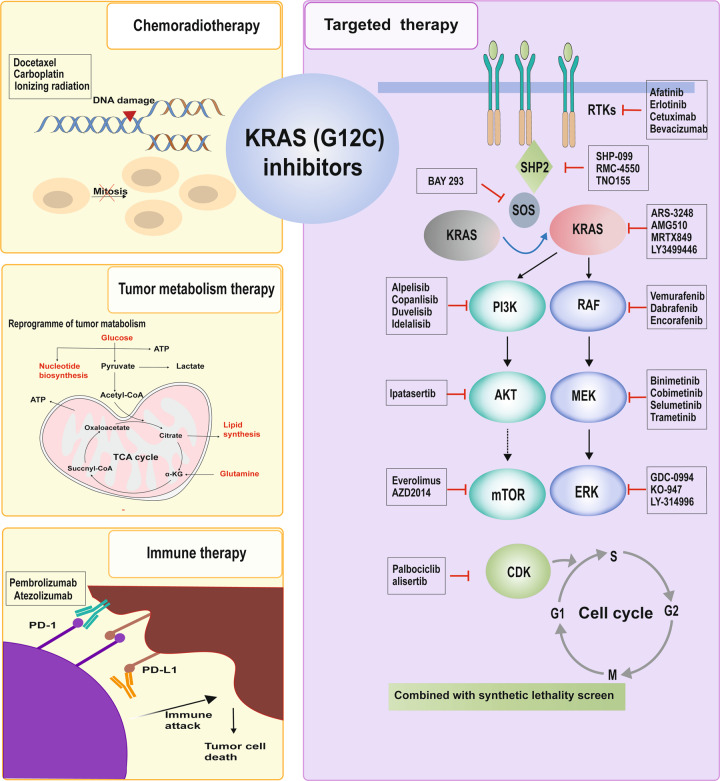
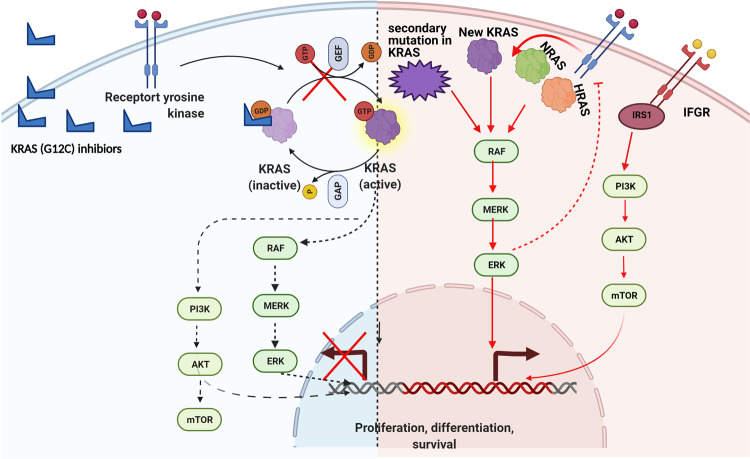
Cancer is the leading cause of death worldwide, and its treatment and outcomes have been dramatically revolutionised by targeted therapies. As the most frequently mutated oncogene, Kirsten rat sarcoma viral oncogene homologue (KRAS) has attracted substantial attention. The understanding of KRAS is constantly being updated by numerous studies on KRAS in the initiation and progression of cancer diseases. However, KRAS has been deemed a challenging therapeutic target, even “undruggable”, after drug-targeting efforts over the past four decades. Recently, there have been surprising advances in directly targeted drugs for KRAS, especially in KRAS (G12C) inhibitors, such as AMG510 (sotorasib) and MRTX849 (adagrasib), which have obtained encouraging results in clinical trials. Excitingly, AMG510 was the first drug-targeting KRAS (G12C) to be approved for clinical use this year. This review summarises the most recent understanding of fundamental aspects of KRAS, the relationship between the KRAS mutations and tumour immune evasion, and new progress in targeting KRAS, particularly KRAS (G12C). Moreover, the possible mechanisms of resistance to KRAS (G12C) inhibitors and possible combination therapies are summarised, with a view to providing the best regimen for individualised treatment with KRAS (G12C) inhibitors and achieving truly precise treatment.
Overview
The claims and statistics of this paper haven’t been checked yet.
Free: it reads the open-access text and checks the first 5 claims that cite a source we can check. Create a free account to check every claim.
Integrity signals
Registry
Cites
Statistics
Figures
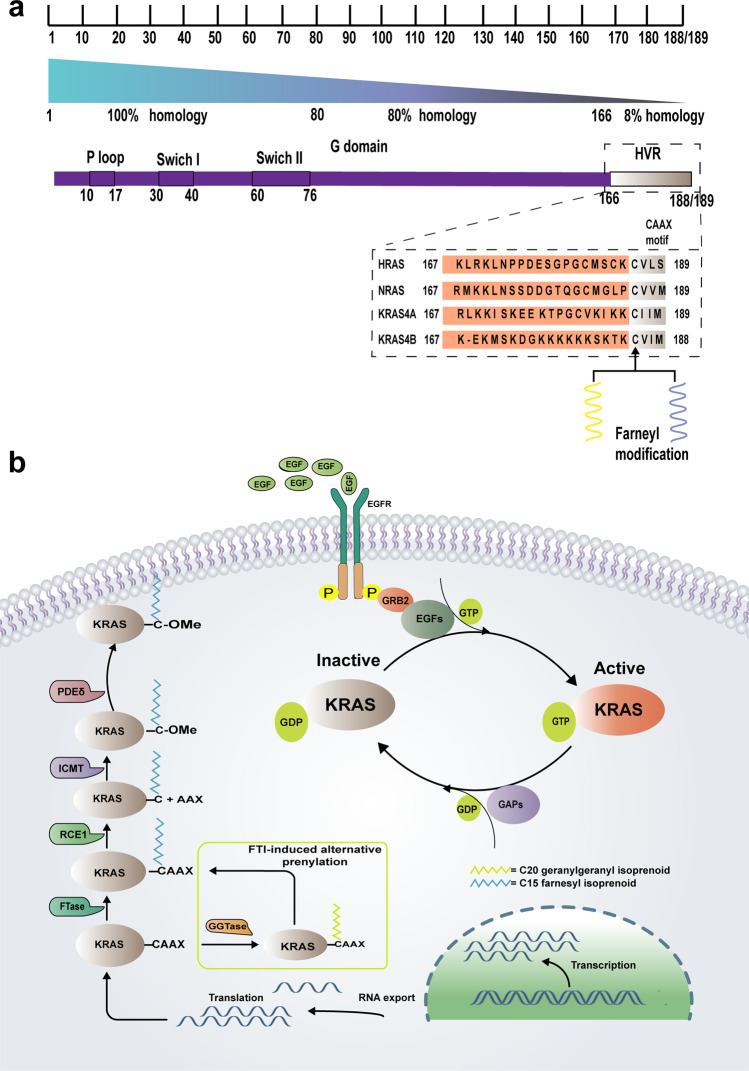
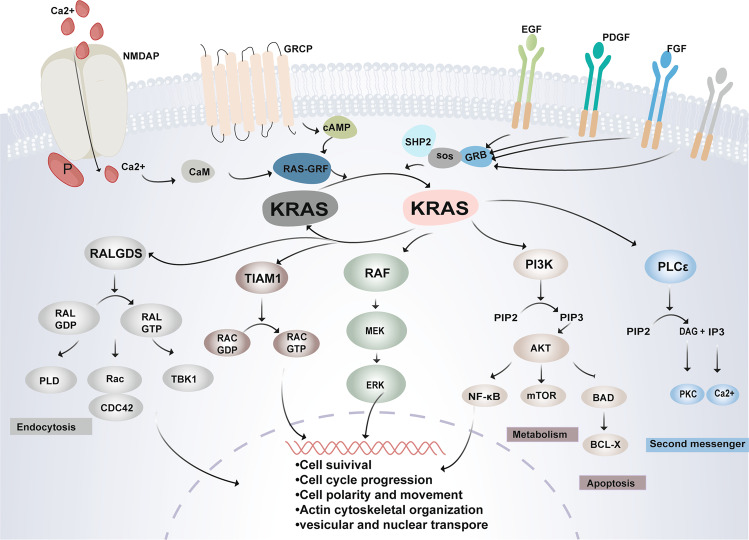
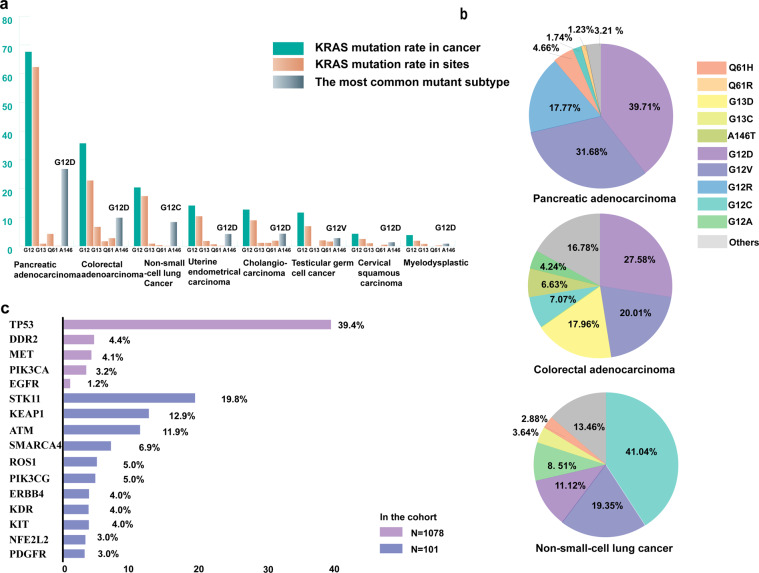
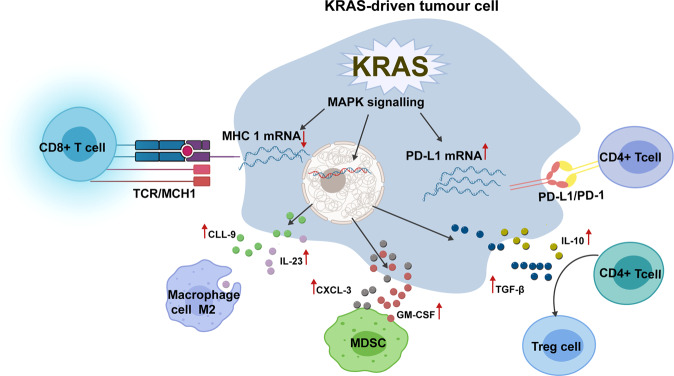
Verification
Claims the paper makes
The claims and statistics of this paper haven’t been checked yet.
Free: it reads the open-access text and checks the first 5 claims that cite a source we can check. Create a free account to check every claim.
Claims other papers make about this one
Each is checked against this paper’s own text: does it say what the citing paper says it does?
The source backs part of the claim, not all of it — or backs it for a different population, condition or comparison.
In the citing paper
“KRAS is the most frequently mutated oncogene, accounting for approximately 85% of all RAS mutations in 20–25% of all cancers [8–10].”
From Differential Response and Resistance to KRAS-Targeted Therapy (2025) · cites this paper as [8]
Experimental — accuracy not yet measuredThe source backs part of the claim, not all of it — or backs it for a different population, condition or comparison.
In the citing paper
“Among the various KRAS mutations in human cancers, G12C, G12D, G12V, and G12A are the most prevalent (2).”
From YAP/TAZ mediates resistance to KRAS inhibitors through inhibiting proapoptosis and activating the SLC7A5/mTOR axis (2024) · cites this paper as [2]
Experimental — accuracy not yet measuredThe cited source says what the claim attributes to it.
In the citing paper
“KRAS mutations most commonly occur at the 12th codon near the nucleotide-binding site, with less prevalent mutations occurring at codons 13, 61, and 146 within other catalytic domains (Figure 1b,c) [23].”
From KRAS: Biology, Inhibition, and Mechanisms of Inhibitor Resistance (2024) · cites this paper as [23]
The cited source says what the claim attributes to it.
In the citing paper
“Kirsten rat sarcoma viral oncogene homolog (KRAS) is the most frequently mutated oncogene in various types of human cancers such as pancreatic, lung, and colorectal cancer, with G12, G13, and Q61 being the most prevalent mutant codons observed (1, 2).”
From YAP/TAZ mediates resistance to KRAS inhibitors through inhibiting proapoptosis and activating the SLC7A5/mTOR axis (2024) · cites this paper as [2]
The cited source says what the claim attributes to it.
In the citing paper
“Moreover, potent inhibition through covalent modification has enabled targeting of traditionally ‘undruggable’ proteins, exemplified by the approval of sotorasib (Amgen), which is an inhibitor of mutant KRAS(G12C), a GTPase that resisted decades of drug discovery efforts9,10”
From Advances in covalent drug discovery (2022) · cites this paper as [10]
4 more claims about this paper
Create a free account to see every claim other papers make about this one.
Self-check
Percentages, sums and reported differences re-computed from the paper’s own numbers.
The self-check needs the paper’s full text.
Citations
Cites
Hallmarks of Cancer: The Next Generation
Hanahan, D., & Weinberg, R. A. (2011) · Cell · doi:10.1016/j.cell.2011.02.013 · Cited by 66,590
Adverse Renal Effects of Immune Checkpoint Inhibitors: A Narrative Review
Wanchoo, R., Karam, S., Uppal, N. N., Barta, V. S., Deray, G., Devoe, C., Launay-Vacher, V., Jhaveri, K. D., & on behalf of Cancer and Kidney International Network Workgroup on Immune Checkpoint Inhibitors (2017) · American Journal of Nephrology · doi:10.1159/000455014 · Cited by 15,256
Calcium's Role in Mechanotransduction during Muscle Development
Benavides Damm, T., & Egli, M. (2014) · Cellular Physiology and Biochemistry · doi:10.1159/000356667 · Cited by 14,502
Nivolumab versus Docetaxel in Advanced Squamous-Cell Non–Small-Cell Lung Cancer
Brahmer, J., Reckamp, K. L., Baas, P., Crinò, L., Eberhardt, W. E. E., Poddubskaya, E., Antonia, S., Pluzanski, A., Vokes, E. E., Holgado, E., et al. (2015) · New England Journal of Medicine · doi:10.1056/nejmoa1504627 · Cited by 8,447
Gefitinib or Carboplatin–Paclitaxel in Pulmonary Adenocarcinoma
Mok, T. S., Wu, Y.-L., Thongprasert, S., Yang, C.-H., Chu, D.-T., Saijo, N., Sunpaweravong, P., Han, B., Margono, B., Ichinose, Y., et al. (2009) · New England Journal of Medicine · doi:10.1056/nejmoa0810699 · Cited by 8,261
Understanding the tumor immune microenvironment (TIME) for effective therapy
Binnewies, M., Roberts, E. W., Kersten, K., Chan, V., Fearon, D. F., Merad, M., Coussens, L. M., Gabrilovich, D. I., Ostrand-Rosenberg, S., Hedrick, C. C., et al. (2018) · Nature Medicine · doi:10.1038/s41591-018-0014-x · Cited by 6,145
Osimertinib in Untreated EGFR -Mutated Advanced Non–Small-Cell Lung Cancer
Soria, J.-C., Ohe, Y., Vansteenkiste, J., Reungwetwattana, T., Chewaskulyong, B., Lee, K. H., Dechaphunkul, A., Imamura, F., Nogami, N., Kurata, T., et al. (2018) · New England Journal of Medicine · doi:10.1056/nejmoa1713137 · Cited by 5,508
Cancer drug resistance: an evolving paradigm
Holohan, C., Van Schaeybroeck, S., Longley, D. B., & Johnston, P. G. (2013) · Nature Reviews Cancer · doi:10.1038/nrc3599 · Cited by 4,681
Anaplastic Lymphoma Kinase Inhibition in Non–Small-Cell Lung Cancer
Kwak, E. L., Bang, Y.-J., Camidge, D. R., Shaw, A. T., Solomon, B., Maki, R. G., Ou, S.-H. I., Dezube, B. J., Jänne, P. A., Costa, D. B., et al. (2010) · New England Journal of Medicine · doi:10.1056/nejmoa1006448 · Cited by 4,446
Systematic RNA interference reveals that oncogenic KRAS-driven cancers require TBK1
Barbie, D. A., Tamayo, P., Boehm, J. S., Kim, S. Y., Moody, S. E., Dunn, I. F., Schinzel, A. C., Sandy, P., Meylan, E., Scholl, C., et al. (2009) · Nature · doi:10.1038/nature08460 · Cited by 3,890
Research works printed but not linked: 6
- Hunter JC Biochemical and Structural Analysis of Common Cancer-Associated KRAS Mutations Mol. Cancer Res. 2015 13 1325 1335 26037647 · DOI · Paper page
- Hunter JC Biochemical and Structural Analysis of Common Cancer-Associated KRAS Mutations Mol. Cancer Res 2015 13 1325 1335 26037647 · DOI · Paper page
- Romero R Keap1 loss promotes Kras-driven lung cancer and results in dependence on glutaminolysis Nat. Med 2017 23 1362 1368 28967920 PMC5677540 · DOI · Paper page
- Hallin J The KRAS(G12C) Inhibitor MRTX849 Provides Insight toward Therapeutic Susceptibility of KRAS-Mutant Cancers in Mouse Models and Patients Cancer Disco. 2020 10 54 71 PMC6954325 31658955 · DOI · Paper page
- Hallin J The KRAS Inhibitor MRTX849 Provides Insight toward Therapeutic Susceptibility of KRAS-Mutant Cancers in Mouse Models and Patients Cancer Discov. 2020 10 54 71 31658955 PMC6954325 · DOI · Paper page
- Tanaka N Clinical Acquired Resistance to KRAS Inhibition through a Novel KRAS Switch-II Pocket Mutation and Polyclonal Alterations Converging on RAS-MAPK Reactivation Cancer Discov. 2021 11 1913 1922 33824136 PMC8338755 · DOI · Paper page
Cited by
Items 101–200 of 999
Mui, C. W., Chan, W. N., Chen, B., Cheung, A. H. K., Yu, J. Q., Lo, K. W., Huixing, K., Kang, W., & To, K. F. (2022) · International Journal of Cancer · doi:10.1002/ijc.34249 · Cited by 35
Cracking the Codes behind Cancer Cells’ Immune Evasion
Mundhara, N., & Sadhukhan, P. (2024) · International Journal of Molecular Sciences · doi:10.3390/ijms25168899 · Cited by 41
“Tumor cells also express different chemokine receptors like CXCR2, CXCR3, and CXCR4 to drive proliferative signaling cascades [116–118].”
BackgroundCamps-Fajol, C., Cavero, D., Minguillón, J., & Surrallés, J. (2024) · Pharmacological Research · doi:10.1016/j.phrs.2024.107544 · Cited by 36
Targeting KRAS in Colorectal Cancer: A Bench to Bedside Review
Bteich, F., Mohammadi, M., Li, T., Bhat, M. A., Sofianidi, A. A., Wei, N., & Kuang, C. (2023) · International Journal of Molecular Sciences · doi:10.3390/ijms241512030 · Cited by 36
Molecular Profile of Intrahepatic Cholangiocarcinoma
Andraus, W., Tustumi, F., Júnior, J. D. D. M., Pinheiro, R. S. N., Waisberg, D. R., Ducatti, L., Arantes, R. M., Rocha‐Santos, V., de Martino, R. B., & D′Albuquerque, L. A. C. (2023) · International Journal of Molecular Sciences · doi:10.3390/ijms25010461 · Cited by 34
“REVIEW This constitutive signaling is a hallmark of KRAS -mutated cancers [33].”
BackgroundShitara, K., Janjigian, Y. Y., Ajani, J. A., Moehler, M. H., Yao, J. G., Wang, X., Chhibber, A., Pandya, D., Shen, L., Garrido, M., et al. (2025) · Nature Medicine · doi:10.1038/s41591-025-03575-0 · Cited by 47
“Although definitive conclusions cannot be drawn from these findings due to small patient numbers in some subgroups, similar results were reported in lung cancer studies, where there were better outcomes with immunotherapy-based regimens than with chemotherapy-based regimens 38–40 .”
Yang, W., Zhang, M., Zhang, T.-X., Liu, J.-H., Hao, M.-W., Yan, X., Gao, H., Lei, Q.-Y., Cui, J., & Zhou, X. (2024) · JCI Insight · doi:10.1172/jci.insight.178535 · Cited by 31
Sabe, H. (2023) · Cell Communication and Signaling · doi:10.1186/s12964-023-01130-3 · Cited by 30
Mir, S. A., Nayak, B., Aljarba, N. H., Kumarasamy, V., Subramaniyan, V., & Dhara, B. (2024) · ACS Omega · doi:10.1021/acsomega.4c02671 · Cited by 29
Genomic, immunologic, and prognostic associations of TROP2 (TACSTD2) expression in solid tumors
Morgenstern‐Kaplan, D., Kareff, S. A., Trabolsi, A., Rodríguez, E., Krause, H. B., Ribeiro, J. R., Tan, H., Antonarakis, E. S., Lou, E., Nagasaka, M., et al. (2024) · The Oncologist · doi:10.1093/oncolo/oyae168 · Cited by 36
Conformational Dynamics Allows Sampling of an “Active-like” State by Oncogenic K-Ras-GDP
Grudzien, P. K., Jang, H., Leschinsky, N., Nussinov, R., & Gaponenko, V. (2022) · Journal of Molecular Biology · doi:10.1016/j.jmb.2022.167695 · Cited by 32
PRMT1 promotes pancreatic cancer development and resistance to chemotherapy
Ku, B., Eisenbarth, D., Baek, S., Jeong, T.-K., Kang, J., Hwang, D., Noh, M., Choi, C., Choi, S., Seol, T., et al. (2024) · Cell Reports Medicine · doi:10.1016/j.xcrm.2024.101461 · Cited by 38
Acquired resistance to tyrosine kinase targeted therapy: mechanism and tackling strategies
Wu, D., Sun, Q., Tang, H., Xiao, H., Luo, J., Ouyang, L., & Sun, Q. (2024) · Drug Resistance Updates · doi:10.1016/j.drup.2024.101176 · Cited by 38
Protein-Based Degraders: From Chemical Biology Tools to Neo-Therapeutics
Ou, L., Setegne, M. T., Elliot, J., Shen, F., & Dassama, L. M. K. (2025) · Chemical Reviews · doi:10.1021/acs.chemrev.4c00595 · Cited by 33
Synthetic Approaches to the New Drugs Approved During 2022
France, S. P., Lindsey, E. A., McInturff, E. L., Berritt, S., Carney, D. W., DeForest, J. C., Fink, S. J., Flick, A. C., Gibson, T., Gray, K. C., et al. (2024) · Journal of Medicinal Chemistry · doi:10.1021/acs.jmedchem.3c02374 · Cited by 31
KRAS Hijacks the miRNA Regulatory Pathway in Cancer
Bortoletto, A. S., & Parchem, R. J. (2023) · Cancer Research · doi:10.1158/0008-5472.can-23-0296 · Cited by 33
Guo, Y., Tian, J., Guo, Y., Wang, C., Chen, C., Cai, S., Yu, W., Sun, B., Yan, J., Li, Z., et al. (2023) · Cell Reports · doi:10.1016/j.celrep.2023.113511 · Cited by 35
Tardito, S., Matis, S., Zocchi, M. R., Benelli, R., & Poggi, A. D. (2024) · International Journal of Molecular Sciences · doi:10.3390/ijms25137131 · Cited by 34
Therapeutic Target Identification and Drug Discovery Driven by Chemical Proteomics
Zou, M., Zhou, H., Gu, L., Zhang, J., & Fang, L. (2024) · Biology · doi:10.3390/biology13080555 · Cited by 40
Engineering artificial non-coding RNAs for targeted protein degradation
Cao, C., Li, A., Xu, C., Wu, B., Yao, L., & Liu, Y. (2024) · Nature Chemical Biology · doi:10.1038/s41589-024-01719-w · Cited by 36
Mechanisms of resistance to KRASG12C inhibitors in KRASG12C-mutated non-small cell lung cancer
Chour, A., Toffart, A., Berton, E., & Duruisseaux, M. (2024) · Frontiers in Oncology · doi:10.3389/fonc.2024.1328728 · Cited by 35
“RAS(ON) promotes several important signaling pathways, primarily the RAS-RAF-MEK-ERK pathway and the RAS-PI3K-AKT-mTOR pathway, thus playing an important role in cell survival and cell cycle proliferation (2).”
BackgroundRecent advances and challenges in colorectal cancer: From molecular research to treatment
Qi, G., Zhao, R., Gao, C., Ma, Z., Wang, S., & Xu, J. (2025) · World Journal of Gastroenterology · doi:10.3748/wjg.v31.i21.106964 · Cited by 48
“For instance, it enhances glycolysis by regulating key enzymes such as glucose transporters and hexokinases, while simultaneously optimizing oxidative phosphorylation by modulating mitochondrial function and fatty acid synthesis to ensure sufficient ATP production[72].”
Clinical application of whole-genome sequencing of solid tumors for precision oncology
Kim, R., Kim, S., Oh, B. B.-L., Yu, W. S., Kim, C. W., Hur, H., Son, S., Yang, M. J., Cho, D. S., Ha, T., et al. (2024) · Experimental & Molecular Medicine · doi:10.1038/s12276-024-01288-x · Cited by 34
Multi-disciplinary approaches paving the way for clinically effective peptide vaccines for cancer
Shah, B. A., Holden, J. A., Lenzo, J. C., Hadjigol, S., & O’brien-simpson, N. M. (2025) · npj Vaccines · doi:10.1038/s41541-025-01118-9 · Cited by 38
“Other point mutations for G13 (G13 to D) and the C residues at C51 to serine (S), C80 to leucine (L) and C118 to S have been described 115,116 .”
Wu, Y., Mao, A., Wang, H., Fang, G., Zhou, J., He, X., Cai, S., & Wang, L. (2022) · JAMA Network Open · doi:10.1001/jamanetworkopen.2022.31956 · Cited by 28
New drug approvals for 2022: Synthesis and clinical applications
Yuan, S., Shen, D., Jia, R., Sun, J., Song, J., & Liu, H. (2023) · Medicinal Research Reviews · doi:10.1002/med.21976 · Cited by 28
“121 Adagrasib, developed by Mirati Therapeutics, was an oral KRAS inhibitor for treating KRAS G12C ‐ mutated NSCLC. 122 Adagrasib bond to the cysteine 12 residue of KRAS G12C, then locked it in an inactive guanosine diphosphate (GDP) ‐ bound state to inhibit tumor cell growth with the minimal off ‐…”
Hydrophobic interactions dominate the recognition of a KRAS G12V neoantigen
Wright, K. M., DiNapoli, S. R., Miller, M. S., Azurmendi, P. A., Zhao, X., Yu, Z., Chakrabarti, M., Shi, W., Douglass, J., Hwang, M. S., et al. (2023) · Nature Communications · doi:10.1038/s41467-023-40821-w · Cited by 35
Ramalingam, P. S., Priyadharshini, A., Emerson, I. A., & Arumugam, S. (2023) · Frontiers in Medicine · doi:10.3389/fmed.2023.1107128 · Cited by 33
Driver Mutations in Pancreatic Cancer and Opportunities for Targeted Therapy
Olaoba, O. T., Adelusi, T. I., Yang, M. J., Maidens, T., Kimchi, E. T., Staveley-O’Carroll, K. F., & Li, G. (2024) · Cancers · doi:10.3390/cancers16101808 · Cited by 30
“KRAS (Kirsten rat sarcoma) oncogenic mutation represents the hallmark of all mutations that occur in PDAC, and it is frequently located on loop P, which is responsible for the stabilization of the active state of the nucleotide [23].”
BackgroundInfluentialInnovative design and potential applications of covalent strategy in drug discovery
Tang, T., Luo, J., Zhang, D., Lü, Y., Liao, W., & Zhang, J. (2024) · European Journal of Medicinal Chemistry · doi:10.1016/j.ejmech.2024.117202 · Cited by 27
Molecular Biology and Therapeutic Perspectives for K-Ras Mutant Non-Small Cell Lung Cancers
Cekani, E., Epistolio, S., Dazio, G., Cefalì, M., Wannesson, L., Frattini, M., & Froesch, P. (2022) · Cancers · doi:10.3390/cancers14174103 · Cited by 30
Small-molecule drugs of colorectal cancer: Current status and future directions
Yang, Y., Liu, P., Zhou, M., Yin, L., Wang, M., Liu, T., Jiang, X., & Gao, H. (2023) · Biochimica et Biophysica Acta (BBA) - Molecular Basis of Disease · doi:10.1016/j.bbadis.2023.166880 · Cited by 30
Postwala, H., Shah, Y., Parekh, P. S., & Chorawala, M. R. (2023) · Medical Oncology · doi:10.1007/s12032-023-02201-8 · Cited by 26
Activity and resistance to KRASG12C inhibitors in non-small cell lung cancer and colorectal cancer
Ye, W., Lu, X., Qiao, Y., & Ou, W. (2024) · Biochimica et Biophysica Acta (BBA) - Reviews on Cancer · doi:10.1016/j.bbcan.2024.189108 · Cited by 26
Lokhandwala, J., Smalley, T. B., & Tran, T. H. (2024) · Frontiers in Oncology · doi:10.3389/fonc.2024.1394702 · Cited by 29
SNARE proteins: Core engines of membrane fusion in cancer
Liu, H., Dang, R., Zhang, W., Hong, J., & Li, X. (2024) · Biochimica et Biophysica Acta (BBA) - Reviews on Cancer · doi:10.1016/j.bbcan.2024.189148 · Cited by 29
Chi, W.-Y., Hu, Y., Huang, H., Kuo, H., Lin, S., Kuo, C.-T. J., Tao, J., Fan, D., Huang, Y.-M., Wu, A. A., et al. (2024) · Journal of Biomedical Science · doi:10.1186/s12929-024-01082-x · Cited by 31
“KRAS has a high mutation rate in PDAC, NSCLC, and colorectal cancer (CRC) [50].”
BackgroundTranslational Advances in Oncogene and Tumor-Suppressor Gene Research
Stojchevski, R., Sutanto, E. A., Sutanto, R., Hadzi‐Petrushev, N., Mladenov, M. I., Singh, S. P., Sinha, J. K., Ghosh, S., Yarlagadda, B., Singh, K. K., et al. (2025) · Cancers · doi:10.3390/cancers17061008 · Cited by 38
“These mutations are characterized by single-base missense changes, with approximately 98% occurring at codons 12 (G12), 13 (G13), or 61 (Q61) [77].”
Vikramdeo, K. S., Anand, S., Sudan, S. K., Pramanik, P., Singh, S., Godwin, A. K., Singh, A. P., & Dasgupta, S. (2023) · FASEB BioAdvances · doi:10.1096/fba.2023-00070 · Cited by 55
The Importance of Tracking “Missing” Metabolites: How and Why?
Wang, S., Ballard, T. E., Christopher, L. J., Foti, R., Gu, C., Khojasteh, S. C., Liu, J., Ma, S., Ma, B., Obach, R. S., et al. (2023) · Journal of Medicinal Chemistry · doi:10.1021/acs.jmedchem.3c01293 · Cited by 29
KRAS mutations in advanced non-small cell lung cancer: From biology to novel therapeutic strategies
Liguori, L., Salomone, F., Viggiano, A., Sabbatino, F., Pepe, S., Formisano, L., Bianco, R., & Servetto, A. (2024) · Critical Reviews in Oncology/Hematology · doi:10.1016/j.critrevonc.2024.104554 · Cited by 31
Liu, X., Yang, J., Huang, S., Hong, Y., Zhu, Y., Wang, J., Wang, Y., Liang, T., & Bai, X. (2025) · Molecular Therapy · doi:10.1016/j.ymthe.2025.01.023 · Cited by 30
D3S-001 in advanced solid tumors with KRASG12C mutations: a phase 1 trial
Cho, B. C., Lü, S., Lee, M. A., Song, Z., Park, J., Lim, S. M., Li, Z., Zhao, J., Richardson, G. E., Zhang, Y., et al. (2025) · Nature Medicine · doi:10.1038/s41591-025-03688-6 · Cited by 28
“KRAS functions as a molecular switch, cycling between the inactive guanosine diphosphate (GDP)-bound and the active guanosine triphosphate (GTP)-bound state, regulating downstream signaling pathways that control cell survival and proliferation 7,8 .”
Qiao, X., Zhu, C., Lan, X., Li, M., Li, N., Huang, J., Liu, N., Zhang, J., & Lu, S. (2025) · Journal of Medicinal Chemistry · doi:10.1021/acs.jmedchem.5c01619 · Cited by 26
Wang, W., Guo, H., Yan, X., Pan, X., Wang, X., Rong, Y., Bai, Z., Zhang, L., Wu, Z., Zhao, X., et al. (2025) · Nature Communications · doi:10.1038/s41467-025-63496-x · Cited by 35
“The Kirsten rat sarcoma viral oncogene homolog (KRAS) gene is one of the most frequently mutated oncogenes in cancer 58,59 .”
Harnessing bioactive nanomaterials in modulating tumor glycolysis-associated metabolism
Gu, Z., & Yu, C. (2022) · Journal of Nanobiotechnology · doi:10.1186/s12951-022-01740-y · Cited by 24
Hou, X., Zhou, C., Liang, Z., Qiu, H., Zhou, Z. R., zheng, H., Li, Z., Wang, Y., Qi, X., Lu, L., et al. (2023) · Phytomedicine · doi:10.1016/j.phymed.2023.155093 · Cited by 26
Identification and affinity enhancement of T-cell receptor targeting a KRASG12V cancer neoantigen
Zhang, M., Xu, W. L., Luo, L., Guan, F., Wang, X., Zhu, P., Zhang, J., Zhou, X., Wang, F., & Ye, S. (2024) · Communications Biology · doi:10.1038/s42003-024-06209-2 · Cited by 25
Self-citationMohammadpour, S., Esfahani, A. T., Sarpash, S., Vakili, F., Zafarjafarzadeh, N., Mashaollahi, A., Pardakhtchi, A., & Mojarad, E. N. (2024) · Analytical Cellular Pathology · doi:10.1155/2024/5767535 · Cited by 29
“These mutations induce the constant activation of the KRAS protein, culminating in unregulated cell proliferation [127].”
BackgroundTargeting secretory autophagy in solid cancers: mechanisms, immune regulation and clinical insights
Li, X., & Zhao, H. (2025) · Experimental Hematology and Oncology · doi:10.1186/s40164-025-00603-0 · Cited by 26
Fragment-based drug discovery: A graphical review
AlKharboush, D. F., Kozielski, F., Wells, G., & Porta, E. O. J. (2025) · Current Research in Pharmacology and Drug Discovery · doi:10.1016/j.crphar.2025.100233 · Cited by 38
“The KRAS G12C project showcases how fragment methods (covalent fragment screening combined with traditional medicinal chemistry) opened up a novel binding site on a target previously considered inaccessible (Huang et al., 2021).”
Koster, K., Appenzeller, C., Lauber, A., Früh, M., & Schmid, S. (2022) · Case Reports in Oncology · doi:10.1159/000525341 · Cited by 26
Zhang, J., Johnson, M. L., Barve, M. A., Bazhenova, L. A., McCarthy, M., Schwartz, R. N., Horvath-Walsh, E., Velastegui, K., Qian, C., & Spira, A. I. (2023) · The Oncologist · doi:10.1093/oncolo/oyad051 · Cited by 26
Glycolysis-based drug delivery nanosystems for therapeutic use in tumors and applications
Geng, C., Pang, S., Ye, R., Shi, J., Yang, Q., Chen, C., & Wang, W. (2023) · Biomedicine & Pharmacotherapy · doi:10.1016/j.biopha.2023.115009 · Cited by 25
Molecular mechanisms underlying the regulation of tumour suppressor genes in lung cancer
Jy, L., Bhandare, R. R., Boddu, S. H. S., SHAIK, A. B., Saktivel, L. P., Gupta, G., Negi, P., Barakat, M. M., Singh, S. K., Dua, K., et al. (2024) · Biomedicine & Pharmacotherapy · doi:10.1016/j.biopha.2024.116275 · Cited by 27
CRISPR/Cas9 gene editing: a novel strategy for fighting drug resistance in respiratory disorders
Hussen, B. M., Najmadden, Z. B., Abdullah, S. R., Rasul, M. F., Mustafa, S. A., Ghafouri‐Fard, S., & Taheri, M. N. (2024) · Cell Communication and Signaling · doi:10.1186/s12964-024-01713-8 · Cited by 32
Tee, W.-V., Lim, S. J. M., & Berezovsky, I. N. (2024) · Journal of Medicinal Chemistry · doi:10.1021/acs.jmedchem.4c01043 · Cited by 26
Huang, D. S., Manoni, F., Sun, Z., Liu, R., Allen, J. R., Banerjee, A., Cee, V. J., Eshon, J., Frohn, M. J., Kaller, M. R., et al. (2025) · Journal of Medicinal Chemistry · doi:10.1021/acs.jmedchem.4c03071 · Cited by 24
Zhuang, H., Fan, J., Li, M., Zhang, H., Yang, X., Lin, L., Lu, S., Wang, Q., & Liu, Y. (2022) · Frontiers in Oncology · doi:10.3389/fonc.2022.915512 · Cited by 24
Shin, M. K., Jang, B.-Y., Bu, K.-B., Lee, S., Han, D.-H., Oh, J. W., & Sung, J. (2022) · International Journal of Molecular Sciences · doi:10.3390/ijms232415594 · Cited by 23
Alamri, M. A., Alawam, A. S., Alshahrani, M. M., Kawsar, S. M. A., Prinsa, P., & Saha, S. (2023) · Molecules · doi:10.3390/molecules28135050 · Cited by 25
CBX4 deletion promotes tumorigenesis under KrasG12D background by inducing genomic instability
Chen, F., Hou, W., Yu, X., Wu, J., Li, Z., Xu, J., Deng, Z., Chen, G. B., Liu, B., Yin, X., et al. (2023) · Signal Transduction and Targeted Therapy · doi:10.1038/s41392-023-01623-0 · Cited by 27
Antitumor efficacy of a sequence-specific DNA-targeted γPNA-based c-Myc inhibitor
Malik, S., Pradeep, S. P., Kumar, V., Xiao, Y., Deng, Y., Fan, R., Vasquez, J. C., Singh, V., & Bahal, R. (2024) · Cell Reports Medicine · doi:10.1016/j.xcrm.2023.101354 · Cited by 26
Tu, G., Gong, Y., Yao, X., Liu, Q., Xue, W., & Zhang, R. (2024) · International Journal of Biological Macromolecules · doi:10.1016/j.ijbiomac.2024.133374 · Cited by 23
Lin, Y., Pu, S., Wang, J., Wan, Y., Wu, Z., Guo, Y., Feng, W., Ying, Y., Ma, S., Meng, X. J., et al. (2024) · Gut · doi:10.1136/gutjnl-2024-332225 · Cited by 29
Tumour-agnostic kinase inhibitors
Adashek, J. J., Nikanjam, M., & Kurzrock, R. (2025) · Nature Reviews Drug Discovery · doi:10.1038/s41573-025-01147-y · Cited by 21
“111 .”
Alsaed, B., Bobik, N., Laitinen, H. K., Nandikonda, T., Ilonen, I., & Haikala, H. M. (2025) · Cancer and Metastasis Reviews · doi:10.1007/s10555-025-10272-4 · Cited by 30
“Early work identified its oncogenic potential, primarily attributed to G12 missense mutations at the GTP binding site, hindering GTP hydrolysis and maintaining it in a constitutively active conformation [16].”
Engineering combination nanomedicines to overcome cancer resistance
Singh, H., Balusamy, S. R., Sukweenadhi, J., Shrivastav, A., Mohanprasanth, A., Saravanan, M., Mijakovic̀, I., & Singh, P. (2026) · RSC Advances · doi:10.1039/d5ra08728g · Cited by 29
“Huang et al. (2021) reported that these compounds induce apoptosis, suppress angiogenesis, and sensitize tumors to conventional treatments.”
Lu, Y., Zou, R., Gu, Q., Wang, X., Zhang, J., Ma, R., Wang, T., Wu, J., Feng, J., & Zhang, Y. (2023) · Cell Death and Disease · doi:10.1038/s41419-023-06137-9 · Cited by 24
“Unfortunately, KRAS has been deemed a challenging therapeutic target and was once even considered “undruggable” [19], so the treatment of KRAS-mutant CRC patients remains fraught with difficulties.”
BackgroundNew exploration of KRASG12D inhibitors and the mechanisms of resistance
Li, Y., Zhao, J., & Li, Y. (2025) · Experimental Hematology and Oncology · doi:10.1186/s40164-025-00637-4 · Cited by 25
“Additionally, KRAS not only induces tumor cell proliferation but also affects the immune microenvironment, thereby promoting tumor progression [8–10].”
Tolerance of Oncogene-Induced Replication Stress: A Fuel for Genomic Instability
Igarashi, T., Yano, K., Endo, S., & Shiotani, B. (2024) · Cancers · doi:10.3390/cancers16203507 · Cited by 29
Pang, L., Guo, S., Huang, Y.-Y., Khan, F., Liu, Y., Fei, Z., Lathia, J. D., & Chen, P. (2025) · Journal of Clinical Investigation · doi:10.1172/jci186034 · Cited by 23
Treatment of KRAS-Mutated Pancreatic Cancer: New Hope for the Patients?
Krupa, K., Fudalej, M. M., Włoszek, E., Miski, H., Badowska-Kozakiewicz, A. M., Mękal, D., Budzik, M. P., Czerw, A. I., & Deptała, A. (2025) · Cancers · doi:10.3390/cancers17152453 · Cited by 25
“AKT also interacts with mTOR signaling and Bcl-2 family proteins, balancing proliferation and apoptosis [36,37].”
RNA structure modulates Cas13 activity and enables mismatch detection
Larsen, B. B., Kimchi, O., Dunkley, O. R. S., Grimm, M. S., Siegers, J. Y., Huang, Y., Vandavasi, V. G., Nguyễn, L. T., Lamb, C. H., Aranovich, I., et al. (2025) · Nature Biotechnology · doi:10.1038/s41587-025-02868-6 · Cited by 43
“Its mutants are associated with negative outcomes for cancer survival, although different mutations have differential prognoses https://doi.org/10.1038/s41587-025-02868-6 and treatment options, highlighting the importance of correct variant diagnosis 39,40 .”
InfluentialRamalingam, P. S., & Arumugam, S. (2023) · Medical Oncology · doi:10.1007/s12032-023-02160-0 · Cited by 21
“Apart from direct KRAS mutant inhibitors, several other small molecule inhibitors have been discovered that target the upstream and downstream targets of KRAS; regulators and activators of KRAS; and cell cycle inhibitors of KRAS mutated cancers [17, 18].”
BackgroundDeuterium-Depleted Water in Cancer Therapy: A Systematic Review of Clinical and Experimental Trials
Lu, Y., & Chen, H. (2024) · Nutrients · doi:10.3390/nu16091397 · Cited by 23
“As the most easily mutated proto-oncogene, the Kras gene mutation always participates in adenocarcinoma progression [54].”
BackgroundMustafa, M., Abbas, K., Alam, M., Habib, S., Zulfareen, Hasan, G. M., Islam, S., Shamsi, A., & Hassan, M. I. (2024) · Frontiers in Oncology · doi:10.3389/fonc.2024.1427802 · Cited by 32
Li, X., Ye, J., Wang, J., Quan, Z., Li, G., Ma, W., Zhang, M., Yang, W., Wang, J., Ma, T., et al. (2023) · Journal of Nuclear Medicine · doi:10.2967/jnumed.123.265715 · Cited by 22
Luo, Z., Lin, C., Yu, C., Yuan, C., Wu, W., Xu, X., Sun, R., Jia, Y., Wang, Y., Shen, J., et al. (2024) · Cancer Research · doi:10.1158/0008-5472.can-24-1093 · Cited by 19
Song, Z., Yao, Q., Huang, L., Cui, D., Xie, J., Wu, L., Huang, J., Zhai, B., Liu, D., & Xu, X. L. (2025) · Advanced Science · doi:10.1002/advs.202408556 · Cited by 32
Self-citationNew Approaches with Precision Medicine in Adult Brain Tumors
Leibetseder, A., Preusser, M., & Berghoff, A. S. (2022) · Cancers · doi:10.3390/cancers14030712 · Cited by 21
Yang, Y., Shen, S., Sun, Y., Husain, H., Zhou, H., Lü, S., & Li, Z. (2022) · Translational Lung Cancer Research · doi:10.21037/tlcr-22-88 · Cited by 21
“About half of KRAS-mutant NSCLCs have been found to harbor concomitant mutations, including TP53, STK11, and CDKN2A/B (26,27).”
BackgroundPrognostic and immunological characteristics of CDK1 in lung adenocarcinoma: A systematic analysis
Du, Q., Liu, W., Mei, T., Wang, J., Qin, T., & Huang, D. (2023) · Frontiers in Oncology · doi:10.3389/fonc.2023.1128443 · Cited by 22
Tabernero, J., Taieb, J., Fakih, M., Prager, G. W., Van Cutsem, E., Ciardiello, F., Mayer, R. J., Amellal, N., Skanji, D., Calleja, E., et al. (2024) · ESMO Open · doi:10.1016/j.esmoop.2024.102945 · Cited by 18
canSAR 2024—an update to the public drug discovery knowledgebase
Gingrich, P. W., Chitsazi, R., Biswas, A., Jiang, C., Zhao, L., Tym, J. E., Brammer, K. M., Li, J., Shu, Z., Maxwell, D. S., et al. (2024) · Nucleic Acids Research · doi:10.1093/nar/gkae1050 · Cited by 22
“In the case of KRAS, this is consistent with community knowledge of its therapeutic targeting ( 38 ).”
TRIM-endous functional network of tripartite motif 29 (TRIM29) in cancer progression and beyond
Wu, Q., Nandi, D., & Sharma, D. (2024) · Cancer and Metastasis Reviews · doi:10.1007/s10555-024-10226-2 · Cited by 25
“One of the most famous and often mutated oncogenes in cancer is Kirsten rat sarcoma viral oncogene homologue (KRAS) [76, 77].”
Shahnam, A., Davis, A. P., Brown, L. J., Sullivan, I., Lin, K., Ng, C. S., Yeo, N., Kong, B. Y., Khoo, T., Warburton, L., et al. (2025) · Lung Cancer · doi:10.1016/j.lungcan.2025.108421 · Cited by 22
Szpechciński, A., Szołkowska, M., Winiarski, S., Lechowicz, U., Wiśniewski, P., & Knetki‐Wróblewska, M. (2022) · Cancers · doi:10.3390/cancers14143388 · Cited by 22
Loss of MLL Induces Epigenetic Dysregulation of Rasgrf1 to Attenuate Kras-Driven Lung Tumorigenesis
Zhu, L.-Y., Yuan, J.-B., Zhang, L., He, C.-X., Lin, X., Xu, B., & Jin, G. (2022) · Cancer Research · doi:10.1158/0008-5472.can-22-1475 · Cited by 20
Lauria, G., Curcio, R., Lunetti, P., Tiziani, S., Coppola, V., Dolce, V., Fiermonte, G., & Ahmed, A. (2023) · Cancers · doi:10.3390/cancers15020411 · Cited by 17
Ganji, M., Bakhshi, S., Shoari, A., & Cohan, R. A. (2023) · Journal of Translational Medicine · doi:10.1186/s12967-023-03955-5 · Cited by 18
Unk, M., Novaković, B. J., & Novaković, S. (2023) · Cancers · doi:10.3390/cancers15051498 · Cited by 22
Automatic detection of spatio-temporal signaling patterns in cell collectives
Gagliardi, P. A., Grädel, B., Jacques, M., Hinderling, L., Ender, P., Cohen, A. R., Kastberger, G., Pertz, O. C., & Dobrzyński, M. (2023) · The Journal of Cell Biology · doi:10.1083/jcb.202207048 · Cited by 23
Deciphering the functional landscape of phosphosites with deep neural network
Liang, Z. T., Liu, T., Li, Q., Zhang, G., Zhang, B., Du, X.-K., Liu, J., Chen, Z., Ding, H., Hu, G., et al. (2023) · Cell Reports · doi:10.1016/j.celrep.2023.113048 · Cited by 25
Triblock polymer PDMAEMA-co-PNIPAM-co-PMPC to deliver siKRAS for gene therapy in pancreatic cancer
Cao, L., Dong, M., Jiang, K., Zhu, Q. X., Li, F., Xiao, Z., Tang, H., & Tao, R. (2024) · Chemical Engineering Journal · doi:10.1016/j.cej.2024.149884 · Cited by 20
Design of Peptide-Based Protein Degraders via Contrastive Deep Learning
Palepu, K., Ponnapati, M., Bhat, S., Tysinger, E., Stan, T., Brixi, G., Koseki, S. R. T., & Chatterjee, P. (2022) · doi:10.1101/2022.05.23.493169 · Cited by 17
Targeting the KRAS Oncogene for Patients with Metastatic Colorectal Cancer
Miao, R., Yu, J. B., & Kim, R. D. (2025) · Cancers · doi:10.3390/cancers17091512 · Cited by 21
Kim, J. S., Park, C. H., Kim, E., Lee, H. S., Lee, J.-Y., Kim, J., Kam, E. H., Nam, S., Chung, M. J., Park, J. Y., et al. (2025) · Molecular Cancer · doi:10.1186/s12943-025-02374-y · Cited by 24
Srinivasan, B. (2025) · Journal of Medicinal Chemistry · doi:10.1021/acs.jmedchem.4c02863 · Cited by 20
Discovery of BI-2493, a Pan-KRAS Inhibitor Showing In Vivo Efficacy
Bröeker, J., Waterson, A. G., Hodges, T. R., Abbott, J. R., Arnold, A. L., Böttcher, J., Braun, N., Cui, J., Fuchs, J. E., Gerstberger, T., et al. (2025) · Journal of Medicinal Chemistry · doi:10.1021/acs.jmedchem.5c00576 · Cited by 21
Metadata
- Authors
- Huang, L., Guo, Z., Wang, F., & Fu, L.
- Affiliations
- Sun Yat-sen University (CN)
- Corresponding author
- Fu, Liwu
- Venue
- Signal Transduction and Targeted Therapy
- Published
- 2021-11-15
- Volume
- 6
- Issue
- 1
- Pages
- 386-386
- ISSN
- 2059-3635 (ISSN-L)
- PMC
- PMC8591115
- OpenAlex
- W3214173072
- Cited by
- 1,127
- References
- 240
- Citations by year
- 2026: 251 · 2025: 346 · 2024: 289 · 2023: 178 · 2022: 62
- FWCI
- 14.09
- Type
- journal article
- Language
- en
- Open access
- gold
- doi.org
- Licence
- cc-by
- creativecommons.org/licenses/by/4.0 (tdm)
- creativecommons.org/licenses/by/4.0 (vor)
- Locations
- Signal Transduction and Targeted Therapy (publishedVersion, cc-by)
- PubMed Central (publishedVersion, cc-by)
- PubMed (publishedVersion)
- DOAJ (DOAJ: Directory of Open Access Journals) (submittedVersion, cc-by-sa)
- Funders
- National Natural Science Foundation of China (82073882)
- Topics
- Life Sciences › Biochemistry, Genetics and Molecular Biology › Molecular Biology › Protein Kinase Regulation and GTPase Signaling
- Life Sciences › Biochemistry, Genetics and Molecular Biology › Molecular Biology › Melanoma and MAPK Pathways
- Life Sciences › Biochemistry, Genetics and Molecular Biology › Molecular Biology › Protein Tyrosine Phosphatases
- Keywords
- KRAS mutation, KRAS G12C inhibitors, sotorasib, adagrasib, targeted cancer therapy, tumor immune evasion, drug resistance mechanisms, combination therapy, oncogenes, precision oncology
- MeSH terms
- Humans, Neoplasms, Proto-Oncogene Proteins p21(ras), Amino Acid Substitution, Mutation, Missense, Protein Kinase Inhibitors
About these checks
Registry, retraction, Cites and statistics results are computed, not judged, with one exception: a printed reference that no index lists is read once by a model before it counts as a citation error. Claims are extracted by a model and kept only when their quote appears verbatim in the text; each cited source is then checked, with a model’s help, for whether it says what the claim relies on. Those verdicts can be wrong — read the claim’s quote and the cited source before relying on one.
Statistics and arithmetic are recomputed, not judged.
Confidence bands are shown only for fields calibrated on our annotated test set. None is calibrated yet, so no band is shown.
What counts as a claim ›How we measure confidence ›How we check this ›
Are you an author, or do you see a problem with this page? Request a review
Data sources
Bibliographic data: Semantic Scholar, OpenAlex, Crossref.
Contains information from the Semantic Scholar Academic Graph Datasets, made available under the ODC Attribution License (ODC-BY 1.0).
Semantic Scholar’s data is described in: Kinney, R., et al. (2023). The Semantic Scholar Open Data Platform. arXiv:2301.10140.
