

KRAS mutation: from undruggable to druggable in cancer
Open accessThe DOI matches its Crossref record; 238 of the 240 references it cites were found in a registry or an index.
Abstract
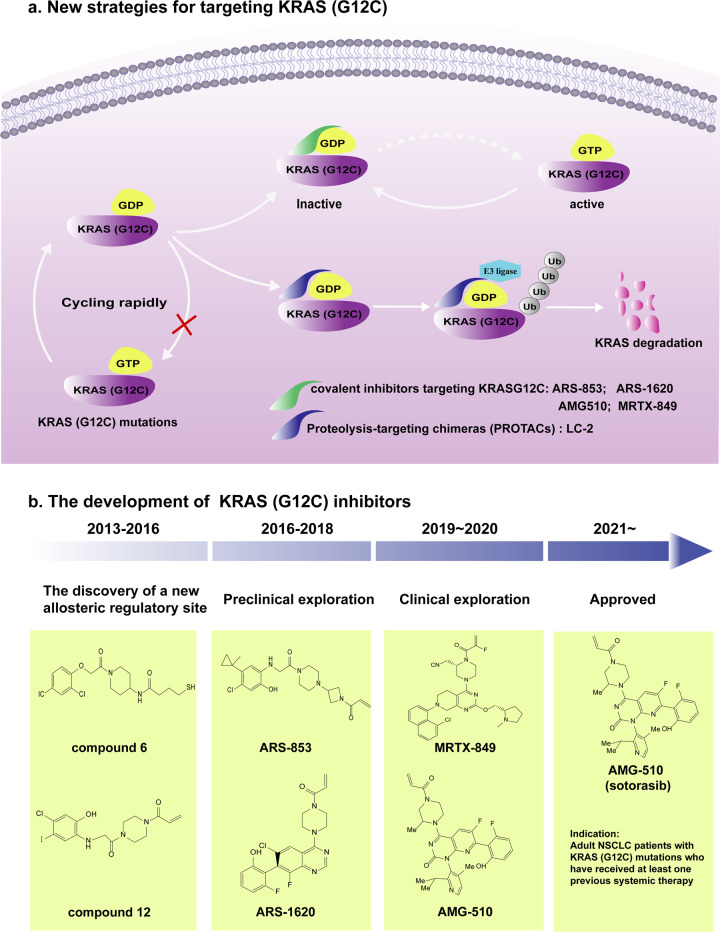
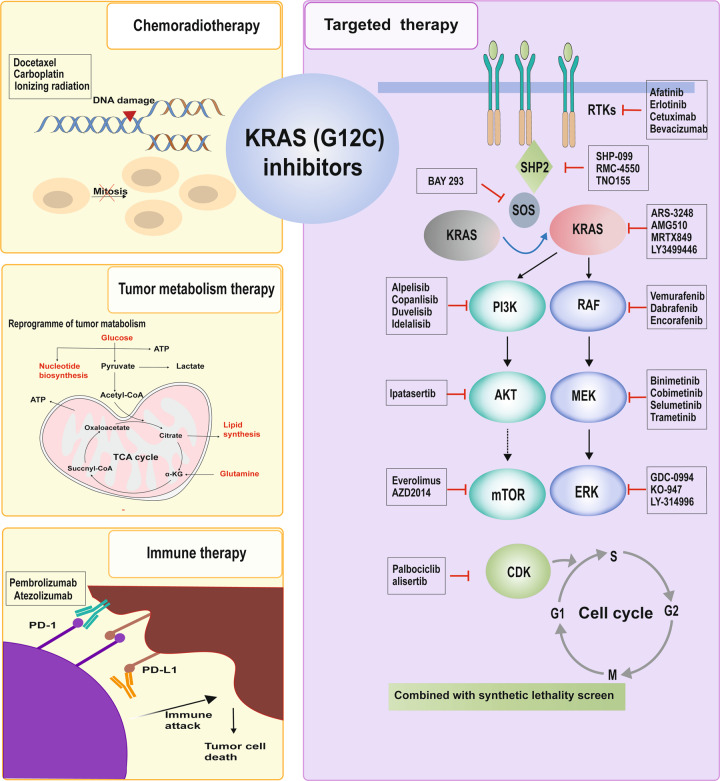
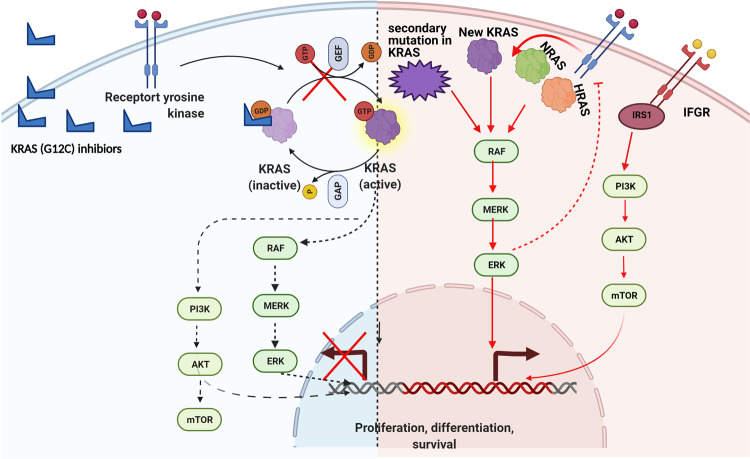
Cancer is the leading cause of death worldwide, and its treatment and outcomes have been dramatically revolutionised by targeted therapies. As the most frequently mutated oncogene, Kirsten rat sarcoma viral oncogene homologue (KRAS) has attracted substantial attention. The understanding of KRAS is constantly being updated by numerous studies on KRAS in the initiation and progression of cancer diseases. However, KRAS has been deemed a challenging therapeutic target, even “undruggable”, after drug-targeting efforts over the past four decades. Recently, there have been surprising advances in directly targeted drugs for KRAS, especially in KRAS (G12C) inhibitors, such as AMG510 (sotorasib) and MRTX849 (adagrasib), which have obtained encouraging results in clinical trials. Excitingly, AMG510 was the first drug-targeting KRAS (G12C) to be approved for clinical use this year. This review summarises the most recent understanding of fundamental aspects of KRAS, the relationship between the KRAS mutations and tumour immune evasion, and new progress in targeting KRAS, particularly KRAS (G12C). Moreover, the possible mechanisms of resistance to KRAS (G12C) inhibitors and possible combination therapies are summarised, with a view to providing the best regimen for individualised treatment with KRAS (G12C) inhibitors and achieving truly precise treatment.
Overview
The claims and statistics of this paper haven’t been checked yet.
Free: it reads the open-access text and checks the first 5 claims that cite a source we can check. Create a free account to check every claim.
Integrity signals
Registry
Cites
Statistics
Figures
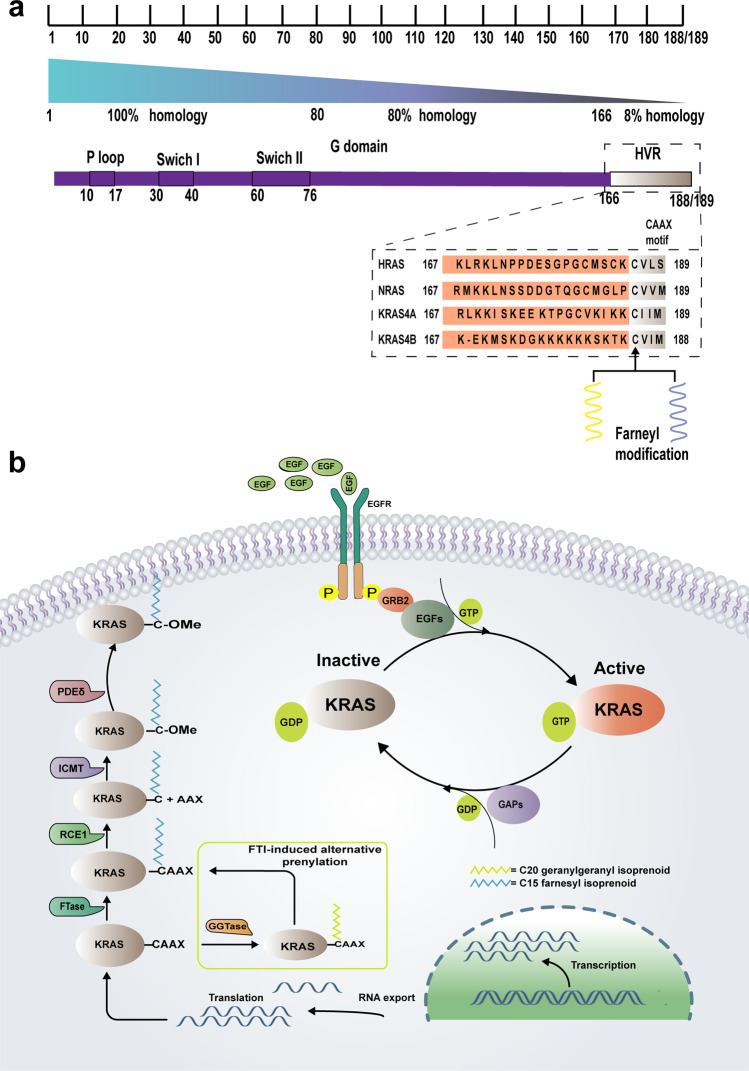
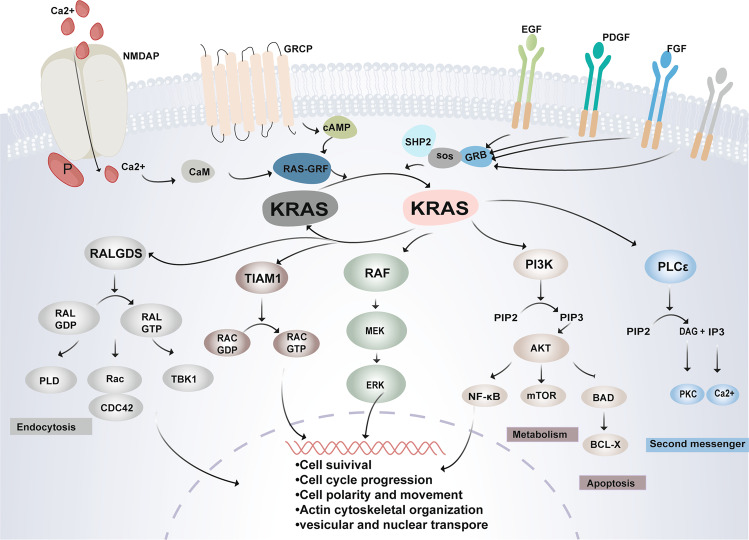
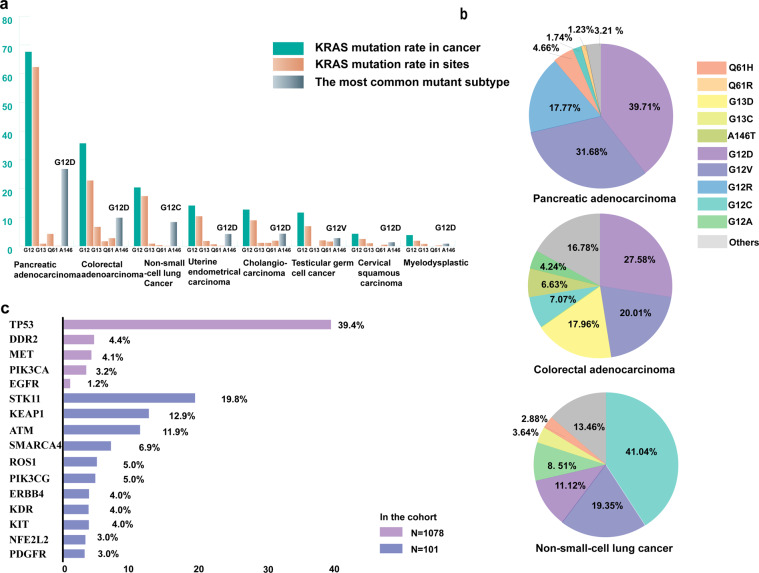
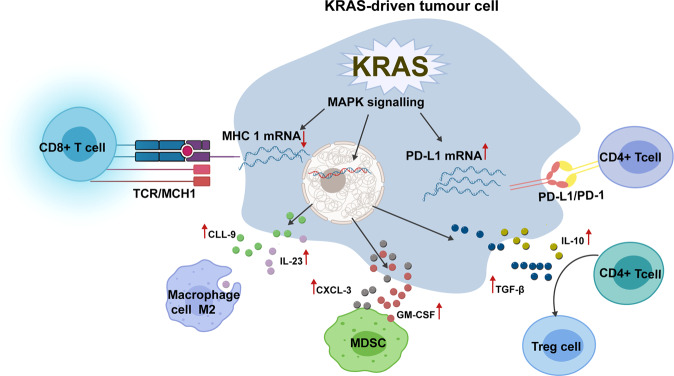
Verification
Claims the paper makes
The claims and statistics of this paper haven’t been checked yet.
Free: it reads the open-access text and checks the first 5 claims that cite a source we can check. Create a free account to check every claim.
Claims other papers make about this one
Each is checked against this paper’s own text: does it say what the citing paper says it does?
The source backs part of the claim, not all of it — or backs it for a different population, condition or comparison.
In the citing paper
“KRAS is the most frequently mutated oncogene, accounting for approximately 85% of all RAS mutations in 20–25% of all cancers [8–10].”
From Differential Response and Resistance to KRAS-Targeted Therapy (2025) · cites this paper as [8]
Experimental — accuracy not yet measuredThe source backs part of the claim, not all of it — or backs it for a different population, condition or comparison.
In the citing paper
“Among the various KRAS mutations in human cancers, G12C, G12D, G12V, and G12A are the most prevalent (2).”
From YAP/TAZ mediates resistance to KRAS inhibitors through inhibiting proapoptosis and activating the SLC7A5/mTOR axis (2024) · cites this paper as [2]
Experimental — accuracy not yet measuredThe cited source says what the claim attributes to it.
In the citing paper
“KRAS mutations most commonly occur at the 12th codon near the nucleotide-binding site, with less prevalent mutations occurring at codons 13, 61, and 146 within other catalytic domains (Figure 1b,c) [23].”
From KRAS: Biology, Inhibition, and Mechanisms of Inhibitor Resistance (2024) · cites this paper as [23]
The cited source says what the claim attributes to it.
In the citing paper
“Kirsten rat sarcoma viral oncogene homolog (KRAS) is the most frequently mutated oncogene in various types of human cancers such as pancreatic, lung, and colorectal cancer, with G12, G13, and Q61 being the most prevalent mutant codons observed (1, 2).”
From YAP/TAZ mediates resistance to KRAS inhibitors through inhibiting proapoptosis and activating the SLC7A5/mTOR axis (2024) · cites this paper as [2]
The cited source says what the claim attributes to it.
In the citing paper
“Moreover, potent inhibition through covalent modification has enabled targeting of traditionally ‘undruggable’ proteins, exemplified by the approval of sotorasib (Amgen), which is an inhibitor of mutant KRAS(G12C), a GTPase that resisted decades of drug discovery efforts9,10”
From Advances in covalent drug discovery (2022) · cites this paper as [10]
4 more claims about this paper
Create a free account to see every claim other papers make about this one.
Self-check
Percentages, sums and reported differences re-computed from the paper’s own numbers.
The self-check needs the paper’s full text.
Citations
Cites
Hallmarks of Cancer: The Next Generation
Hanahan, D., & Weinberg, R. A. (2011) · Cell · doi:10.1016/j.cell.2011.02.013 · Cited by 66,590
Adverse Renal Effects of Immune Checkpoint Inhibitors: A Narrative Review
Wanchoo, R., Karam, S., Uppal, N. N., Barta, V. S., Deray, G., Devoe, C., Launay-Vacher, V., Jhaveri, K. D., & on behalf of Cancer and Kidney International Network Workgroup on Immune Checkpoint Inhibitors (2017) · American Journal of Nephrology · doi:10.1159/000455014 · Cited by 15,256
Calcium's Role in Mechanotransduction during Muscle Development
Benavides Damm, T., & Egli, M. (2014) · Cellular Physiology and Biochemistry · doi:10.1159/000356667 · Cited by 14,502
Nivolumab versus Docetaxel in Advanced Squamous-Cell Non–Small-Cell Lung Cancer
Brahmer, J., Reckamp, K. L., Baas, P., Crinò, L., Eberhardt, W. E. E., Poddubskaya, E., Antonia, S., Pluzanski, A., Vokes, E. E., Holgado, E., et al. (2015) · New England Journal of Medicine · doi:10.1056/nejmoa1504627 · Cited by 8,447
Gefitinib or Carboplatin–Paclitaxel in Pulmonary Adenocarcinoma
Mok, T. S., Wu, Y.-L., Thongprasert, S., Yang, C.-H., Chu, D.-T., Saijo, N., Sunpaweravong, P., Han, B., Margono, B., Ichinose, Y., et al. (2009) · New England Journal of Medicine · doi:10.1056/nejmoa0810699 · Cited by 8,261
Understanding the tumor immune microenvironment (TIME) for effective therapy
Binnewies, M., Roberts, E. W., Kersten, K., Chan, V., Fearon, D. F., Merad, M., Coussens, L. M., Gabrilovich, D. I., Ostrand-Rosenberg, S., Hedrick, C. C., et al. (2018) · Nature Medicine · doi:10.1038/s41591-018-0014-x · Cited by 6,145
Osimertinib in Untreated EGFR -Mutated Advanced Non–Small-Cell Lung Cancer
Soria, J.-C., Ohe, Y., Vansteenkiste, J., Reungwetwattana, T., Chewaskulyong, B., Lee, K. H., Dechaphunkul, A., Imamura, F., Nogami, N., Kurata, T., et al. (2018) · New England Journal of Medicine · doi:10.1056/nejmoa1713137 · Cited by 5,508
Cancer drug resistance: an evolving paradigm
Holohan, C., Van Schaeybroeck, S., Longley, D. B., & Johnston, P. G. (2013) · Nature Reviews Cancer · doi:10.1038/nrc3599 · Cited by 4,681
Anaplastic Lymphoma Kinase Inhibition in Non–Small-Cell Lung Cancer
Kwak, E. L., Bang, Y.-J., Camidge, D. R., Shaw, A. T., Solomon, B., Maki, R. G., Ou, S.-H. I., Dezube, B. J., Jänne, P. A., Costa, D. B., et al. (2010) · New England Journal of Medicine · doi:10.1056/nejmoa1006448 · Cited by 4,446
Systematic RNA interference reveals that oncogenic KRAS-driven cancers require TBK1
Barbie, D. A., Tamayo, P., Boehm, J. S., Kim, S. Y., Moody, S. E., Dunn, I. F., Schinzel, A. C., Sandy, P., Meylan, E., Scholl, C., et al. (2009) · Nature · doi:10.1038/nature08460 · Cited by 3,890
Research works printed but not linked: 6
- Hunter JC Biochemical and Structural Analysis of Common Cancer-Associated KRAS Mutations Mol. Cancer Res. 2015 13 1325 1335 26037647 · DOI · Paper page
- Hunter JC Biochemical and Structural Analysis of Common Cancer-Associated KRAS Mutations Mol. Cancer Res 2015 13 1325 1335 26037647 · DOI · Paper page
- Romero R Keap1 loss promotes Kras-driven lung cancer and results in dependence on glutaminolysis Nat. Med 2017 23 1362 1368 28967920 PMC5677540 · DOI · Paper page
- Hallin J The KRAS(G12C) Inhibitor MRTX849 Provides Insight toward Therapeutic Susceptibility of KRAS-Mutant Cancers in Mouse Models and Patients Cancer Disco. 2020 10 54 71 PMC6954325 31658955 · DOI · Paper page
- Hallin J The KRAS Inhibitor MRTX849 Provides Insight toward Therapeutic Susceptibility of KRAS-Mutant Cancers in Mouse Models and Patients Cancer Discov. 2020 10 54 71 31658955 PMC6954325 · DOI · Paper page
- Tanaka N Clinical Acquired Resistance to KRAS Inhibition through a Novel KRAS Switch-II Pocket Mutation and Polyclonal Alterations Converging on RAS-MAPK Reactivation Cancer Discov. 2021 11 1913 1922 33824136 PMC8338755 · DOI · Paper page
Cited by
Items 401–500 of 999
Dawidowska, M., Maćkowska‐Maślak, N., Drobna‐Śledzińska, M., Kosmalska, M., Jaksik, R., Szymczak, D., Jarmuż‐Szymczak, M., Sadowska‐Klasa, A., Wojtaszewska, M. L., Sędek, Ł., et al. (2022) · International Journal of Molecular Sciences · doi:10.3390/ijms231710117 · Cited by 7
TargetingKRAS G12Cmutations in colorectal cancer
Zhao, M., & Wu, A. (2022) · Gastroenterology report · doi:10.1093/gastro/goac083 · Cited by 10
Genetic testing and prognosis of sarcomatoid hepatocellular carcinoma patients
Jia, B., Xia, P., Dong, J., Feng, W., Wang, W., Liu, E., Jiang, G., & Qin, Y. (2023) · Frontiers in Oncology · doi:10.3389/fonc.2022.1086908 · Cited by 8
“Novel inhibitors targeting KRAS (G12C), such as AMG510 (sotorasib) and MRTX849 (adagrasib), have displayed promising results in preclinical and clinical trials, due to the covalent inhibition of cysteine and high GTPase activity of KRAS (G12C) (33).”
BackgroundTargeting KRAS in pancreatic adenocarcinoma: Progress in demystifying the holy grail
Elhariri, A., Alhaj, A., Ahn, D. H., Sonbol, M. B., Bekaii‐Saab, T., Wu, C., Rutenberg, M. S., Stauffer, J. A., Starr, J. S., Majeed, U., et al. (2023) · World Journal of Clinical Oncology · doi:10.5306/wjco.v14.i8.285 · Cited by 8
Setting the Benchmark for KRAS G12C -Mutated NSCLC
Passaro, A., & Peters, S. (2022) · New England Journal of Medicine · doi:10.1056/nejme2207902 · Cited by 7
Combined PI3K and MAPK inhibition synergizes to suppress PDACPreprint
Bye, B. A., Jack, J. L., Pierce, A., Walsh, R. M., Eades, A. E., Chalise, P., Olou, A. A., & VanSaun, M. N. (2023) · bioRxiv (Cold Spring Harbor Laboratory) · doi:10.1101/2023.08.15.553438 · Cited by 7
“In a normal cell, KRAS functions as a binary signaling switch by conversion from an inactive, guanosine diphosphate (GDP)bound conformation to an active guanosine triphosphate (GTP)-bound conformation, which can then activate multiple downstream signaling cascades (9).”
BackgroundDifferential Response and Resistance to KRAS-Targeted Therapy
Liu, Z., Lenz, H., Yu, J., & Zhang, L. (2025) · Molecular Carcinogenesis · doi:10.1002/mc.23908 · Cited by 7
“KRAS remained undruggable for more than three decades after its discovery for many reasons [8].”
High-resolution and programmable RNA-IN and RNA-OUT genetic circuit in living mammalian cells
Zhang, M., Zhang, X., Xu, Y., Xiang, Y., Zhang, B., Xie, Z., Wu, Q. D., & Lou, C. (2024) · Nature Communications · doi:10.1038/s41467-024-52962-7 · Cited by 12
Clevenger, A. J., Collier, C. A., Gorley, J. P. M., Colijn, S., McFarlin, M. K., Solberg, S. C., Kopetz, S., Stratman, A. N., & Raghavan, S. A. (2024) · Molecular Cancer Research · doi:10.1158/1541-7786.mcr-24-0624 · Cited by 10
Sequence-defined phosphoestamers for selective inhibition of the KRAS G12D /RAF1 interaction
Claringbold, B., Vance, S., Paul, A. R., Williamson, J., Garrett, M. D., & Serpell, C. J. (2025) · Chemical Science · doi:10.1039/d4sc07218a · Cited by 6
Unlocking the Molecular Targets in Non-Small-Cell Lung Cancer and a Nanomedicine-Based Remedy
Sarma, K., Akhter, M. H., Alalmaie, A., Ahmad, I., Ansari, M. N., Khalilullah, H., Farhana, S. A., Hussain, S. M., & Aljadaan, A. M. (2025) · Critical Reviews in Therapeutic Drug Carrier Systems · doi:10.1615/critrevtherdrugcarriersyst.2024053289 · Cited by 6
Decoding driver and phenotypic genes in cancer: Unveiling the essence behind the phenomenon
Liu, D., Liu, L., Zhang, X., Zhao, X., Li, X., Che, X., & Wu, G. (2025) · Molecular Aspects of Medicine · doi:10.1016/j.mam.2025.101358 · Cited by 6
Brlek, P., Bulić, L., Shah, N., Shah, P., & Primorac, D. (2025) · International Journal of Molecular Sciences · doi:10.3390/ijms26062568 · Cited by 7
“On the other hand, KRAS gain-of-function mutations are associated with not only colorectal cancer but also pancreatic adenocarcinoma and non-small cell lung cancer [18].”
Mo, X., Du, Y., & Fu, H. (2025) · ASPET Discovery · doi:10.1016/j.aspetd.2025.100003 · Cited by 6
Christopher, B. N., Golick, L., Basar, A., Reyes, L., Robinson, R. M., Angerstein, A. O., Krieg, C., Hobbs, G. A., Guttridge, D. C., O’Bryan, J. P., et al. (2025) · Biomolecules · doi:10.3390/biom15050645 · Cited by 7
“KRAS signaling in PDAC enhances the secretion of cytokines and chemokines, which recruit immunosuppressive cells and foster a supportive environment for immune evasion and tumor progression [11].”
Abolfathi, H., Kordahi, M., Armero, V. E. S., Gagné, A., Desmeules, P., Orain, M., Fiset, P., Boudreau, D. K., Gaudreault, N., Lamaze, F. C., et al. (2025) · Lung Cancer · doi:10.1016/j.lungcan.2025.108596 · Cited by 8
L-Ascorbic acid preferentially kills KRAS mutant pancreatic cancer cells through DNA damage
Jang, H.-L., Kim, S. T., Hong, J. Y., Jang, K., Heo, J.-S., Chon, H. J., Park, Y. S., & Park, J. O. (2025) · Scientific Reports · doi:10.1038/s41598-025-07668-1 · Cited by 6
Carvalho, J. V. M., Meyer, J., Ris, F., Durham, A., Bornand, A., Ricoeur, A., Corrò, C., & Koessler, T. (2025) · Cancers · doi:10.3390/cancers17132229 · Cited by 6
“KRAS is an oncogene involved in cell proliferation when mutated in several solid tumors [59].”
Han, H., Li, Y., Lin, Z., Ma, X., Huang, W., Lu, C., Ma, R., & Han, R. (2025) · Oncogene · doi:10.1038/s41388-025-03490-1 · Cited by 9
Barrambana, S., Zamorano-Domínguez, E., Liaki, V., & Guerra, C. E. (2025) · Advanced Drug Delivery Reviews · doi:10.1016/j.addr.2025.115652 · Cited by 10
Dian, M., Yun, L., Meng, Q., Lin, S., Ji, M., Zhou, Y., Liu, W., Yang, Z., Zhao, Y., Li, G., et al. (2025) · Cell Death and Disease · doi:10.1038/s41419-025-07980-8 · Cited by 10
“NSCLC frequently arises from oncogenic mutations, including EGFR , KRAS , ALK , MET and so on [2].”
Shi, X., Hu, L., Huang, Y., Zhang, M.-F., Ying, X., Yuan, X., Wen, N., Lu, J., Zou, H., Tan, X., et al. (2026) · Journal of Advanced Research · doi:10.1016/j.jare.2025.09.014 · Cited by 6
“[12] to drive tumor cells to secrete IL10 and TGF b 1 by activating the MEK-ERK-AP1 pathway [13], and to modulate the infiltration of regulatory T cells (Tregs) [14].”
Self-citationJessel, M.-D., McGreevy, O., McReynolds, L., Dahal, L. N., Gilbert, T. M., Malik, H., Goldring, C. E., & Randle, L. E. (2025) · Clinical & Translational Immunology · doi:10.1002/cti2.70057 · Cited by 8
“145 Transgenic models introduce foreign DNA via retroviral delivery or embryo microinjection, 146,147 enabling the study of mutations such as KRAS activation, 148 PTEN deletion 149 and TP53 loss.”
Natural language processing of gene descriptions for overrepresentation analysis with GeneTEA
Boyle, I., Aquib, N. A., Kocak, M., Creasi, R., Montgomery, P. G., Campbell, C. D., & Dempster, J. M. (2025) · Genome biology · doi:10.1186/s13059-025-03844-8 · Cited by 6
“In contrast, KRAS and growth factor receptor mutations like FGFR and EGFR are generally mutually exclusive in cancer, resulting in a lack of sensitivity to the latter in the KRAS hotspot population [51].”
Munugoda, U., Gilpatrick, S. T., Das, D., Parkin, S., Miller, A., & Awuah, S. G. (2025) · Angewandte Chemie International Edition · doi:10.1002/anie.202516331 · Cited by 6
Targeting cytokines: Reshaping the pancreatic tumor microenvironment
Bandi, D. S. R., Chabattula, S. C., Pynam, H., Joseph, J. T., Sarvesh, S., Nagaraju, G. P., & El‐Rayes, B. F. (2025) · Cytokine & Growth Factor Reviews · doi:10.1016/j.cytogfr.2025.11.003 · Cited by 6
Alanazi, F. E., Alatawi, Y. M., Alattar, A., Alshaman, R., Kotb, A. A., & Hetta, H. F. (2025) · Pharmaceuticals · doi:10.3390/ph18121788 · Cited by 9
“…of immunosuppressive mediators such as IL-6 and PD-L1 (programmed death-ligand 1) or expansion of myeloid-derived suppressor cells (MDSCs)—can further promote immune evasion and therapeutic resistance, underscoring the multifactorial nature of resistance mechanisms in KRAS-mutant cancers [63–66].”
Kumar, V., Danodia, A. K., Jadhavar, P. S., Mohanty, S. K., & Samanta, S. (2026) · European Journal of Medicinal Chemistry · doi:10.1016/j.ejmech.2025.118555 · Cited by 8
Pathobiology and clinical significance of malignant pleural effusions
Woods, A. T., Murray, A. A., Vincent, B. G., Akulian, J., & Pecot, C. V. (2026) · EMBO Molecular Medicine · doi:10.1038/s44321-025-00363-8 · Cited by 10
“This evolving immune milieu is composed of both adaptive and innate cells, which collectively shape effusion development and tumor progression (Huang et al, 2021b; Tumino et al, 2019; Wu et al, 2018).”
InfluentialPancreatic ductal adenocarcinoma: integrating molecular insights for targeted interventions
Nagaraju, G. P., Nellipudi, H. R., Ganji, C., Kuppala, V., Ganji, S. P., Kumari, S., Farran, B., Srilatha, M., Guenter, R. E., & El‐Rayes, B. F. (2026) · Signal Transduction and Targeted Therapy · doi:10.1038/s41392-026-02705-5 · Cited by 9
“In contrast, KRAS G12C is common in non-small cell lung cancer, and rare in PDAC; it evidently suppresses tumor development, even in the setting of TP53 loss, 216 making it a central therapeutic target.”
Arguedas, D., Bui, V., Law, T., Rijmers, J., Tissier, R., Beijnen, J. H., van Tellingen, O., Lebre, M. C., & Schinkel, A. H. (2026) · Pharmacological Research · doi:10.1016/j.phrs.2026.108226 · Cited by 7
Novel Silymarin-Loaded Biosynthesized AgNPs for Improving Anticancer Activities in Breast Cancer
Chelegahi, A. M., Reiisi, S., Heidari, R., & Karimí, B. (2023) · BioNanoScience · doi:10.1007/s12668-023-01183-1 · Cited by 7
“The occurrence of KRAS mutations is prominent in the onset and progression of cancer [52].”
BackgroundHuo, J.-T., Tuersun, A., Yu, S.-Y., Zhang, Y., Feng, W., Xu, Z., Zhao, J., Zong, Y., & Lu, A. (2023) · Scientific Reports · doi:10.1038/s41598-023-48768-0 · Cited by 7
“In addition to the different mutation subtypes of KRAS, colon cancer patients also possessed other comutations which might contribute to the occurrence and development 18 .”
BackgroundInfluentialMydin, R. B. S. M. N., Azlan, A., Okekpa, S. I., & Gooderham, N. J. (2024) · Cell Biochemistry and Function · doi:10.1002/cbf.3945 · Cited by 8
“86,87 During the pathogenesis of NPC, miRNAs exert significant regulatory roles in the Ras/Mek/ERK signaling pathway, 79,88,89 including KRAS or downstream elements of MAPK cascades.”
BackgroundWu, L., Xu, M., Li, X., Aierken, D., Yu, J., & Qin, T. (2024) · Frontiers in Pharmacology · doi:10.3389/fphar.2024.1418469 · Cited by 9
Adagrasib in KRYSTAL-12 has Broken the KRASG12C Enigma Code in Non-Small Cell Lung Carcinoma
Luo, F., & Arter, Z. (2024) · Lung Cancer Targets and Therapy · doi:10.2147/lctt.s490942 · Cited by 11
Krishna, A. V. S. S., Sinha, S., Rao, M. R. S., & Donakonda, S. (2024) · Computers in Biology and Medicine · doi:10.1016/j.compbiomed.2024.109395 · Cited by 8
Microbiome interactions: Acinetobacter baumannii biofilms as a co-factor in oral cancer progression
Pathoor, N. N., Ganesh, P. S., & Gopal, R. K. (2024) · World Journal of Microbiology and Biotechnology · doi:10.1007/s11274-024-04208-3 · Cited by 7
“Mutations in p53 can disrupt its function as a tumor suppressor, allowing cells with damaged DNA to proliferate uncontrollably, while mutations in KRAS can drive oncogenic signaling pathways that promote tumor growth and survival (Huang et al. 2021 ; Janic et al. 2024).”
Discovery of Small Molecules that Bind to Son of Sevenless 2 (SOS2)
Żak, K. M., Waterson, A. G., Geist, L., Braun, N., Hauer, K., Rumpel, K., Ramharter, J., Stadtmueller, H., Wolkerstorfer, B., Schönbauer, D., et al. (2025) · Journal of Medicinal Chemistry · doi:10.1021/acs.jmedchem.4c02007 · Cited by 7
Khine, H. E. E., Suriya, U., Rungrotmongkol, T., Chamni, S., Lu, Y., Bénard, A., Lan, B., Mukhopadhyay, D., Chang, D. K.-F., Biankin, A. V., et al. (2025) · Scientific Reports · doi:10.1038/s41598-025-95766-5 · Cited by 8
“To counteract chemo-resistance and maximize therapeutic benefits with fewer side effects, combination therapy is proposed as a promising strategy 12 .”
Synthetic approaches and clinical application of KRAS inhibitors for cancer therapy
Jiang, M., Ma, S., Xuan, Y., & Chen, K. (2025) · European Journal of Medicinal Chemistry · doi:10.1016/j.ejmech.2025.117626 · Cited by 6
Augmenting precision medicine via targeted RNA-Seq detection of expressed mutations
Li, D., Li, J., Johann, D. J., Butler, D., Chen, G., Foox, J., Gong, B., Jones, W. D., Kreil, D. P., Kusko, R. L., et al. (2025) · npj Precision Oncology · doi:10.1038/s41698-025-00993-8 · Cited by 8
“Numerous other targeted therapies addressing various KRAS mutations are in clinical development 35 – 38 .”
Artificial intelligence-assisted drug repurposing via “chemical-induced gene expression ranking”
Masuda, T., & Mimori, K. (2022) · Patterns · doi:10.1016/j.patter.2022.100470 · Cited by 6
“tative oncogenic driver gene in human cancers.(9) Specifically, KRAS mutations are found in approximately 90% of”
BackgroundWang, Y., Peng, L., Zhao, M., Xiong, Y., Xue, J., Li, B., Huang, Z., Liu, X., Yang, X., Song, Y., et al. (2022) · Translational Lung Cancer Research · doi:10.21037/tlcr-22-629 · Cited by 6
“It has been suggested that they are heterogeneous in many respects, including intrinsic guanosine triphosphatases activity, the affinity of effectors, and different sensitivities to targeted therapy (42,43).”
Yang, L., Wang, G., Shi, H., Jia, S., Ruan, J., Cui, R., & Ge, S. (2022) · Frontiers in Oncology · doi:10.3389/fonc.2022.964902 · Cited by 9
Huang, M., Hou, W., Zhang, J., Li, M., Zhang, Z., Li, X., Chen, Z., Wang, C., & Yang, L. (2022) · Bioengineering · doi:10.3390/bioengineering9120792 · Cited by 7
Synergistic effect of Dactolisib/Lys05 combination on autophagy in A549 cells
Abdelwahab, M., Saeed, H. M. S., El-Nikhely, N. A., & Nematalla, H. A. (2023) · Acta Biochimica Polonica · doi:10.18388/abp.2020_6694 · Cited by 9
“A promising approach now is to target KRAS downstream signaling pathways, particularly PI3K/AKT/ mTOR, as evidence suggests their upregulation in lung cancer, promoting cell survival, growth, proliferation, and migration (Huang et al., 2021).”
BackgroundXia, Y., Zhang, S., Luo, H., Wang, Y., Jiang, Y., Jiang, J., & Yuan, S. (2023) · European Journal of Pharmacology · doi:10.1016/j.ejphar.2023.176157 · Cited by 7
The outpost against cancer: universal cancer only markers
Qian, C., Zou, X., Li, W., Li, Y., & Yu, W. (2023) · Cancer Biology and Medicine · doi:10.20892/j.issn.2095-3941.2023.0313 · Cited by 10
“As a biomarker used for colorectal cancer detection, KRAS mutations only exist in approximately 36% of colorectal cancer cases, suggesting poor diagnostic potential 33 .”
MethodHan, L., Hao, Y., Wang, S., Bao, Y., Li, T., Zheng, Y., Luo, X., Jia, M., Zhang, Q., & Meng, X. (2024) · Journal of Ethnopharmacology · doi:10.1016/j.jep.2024.117805 · Cited by 7
Nayak, A. R., Gudapati, P., Tripathi, S., Dass, J., Aggarwal, M., & Kumar, P. (2024) · Mediterranean Journal of Hematology and Infectious Diseases · doi:10.4084/mjhid.2024.033 · Cited by 6
Kim, S., Seo, H., Lee, J.-O., Maeng, J. E., Shin, Y., Lee, S. H., Jang, J., & Ku, J. (2024) · Cellular Oncology · doi:10.1007/s13402-024-00939-5 · Cited by 7
Reprogramming tumor-associated macrophages: The role of MEK-STAT3 inhibition in lung cancer
Rawat, S., Moglad, E. H. O., Afzal, M., Goyal, A., Roopashree, R., Bansal, P., Mishra, S., Prasad, G. V. S., Pramanik, A., Alzarea, S. I., et al. (2024) · Pathology - Research and Practice · doi:10.1016/j.prp.2024.155748 · Cited by 6
Activated KRAS reprograms neural progenitor cells to glioma stem cell‑like phenotype
Qin, Z., Liang, W., Zhang, Z., Li, P., Wang, T., Chen, Q., Guo, B., Zhong, Y., Kang, H., & Wang, L. (2023) · International Journal of Oncology · doi:10.3892/ijo.2023.5536 · Cited by 9
“By contrast, KRAS mutations contribute to tumorigenesis since they lead to sustained activation of downstream path‐ ways independent of EGFR regulation (53,54).”
BackgroundEffectively utilizing publicly available databases for cancer target evaluation
Croft, D. R., Lodhia, P., Lourenco, S. D. S., & MacKay, C. (2023) · NAR Cancer · doi:10.1093/narcan/zcad035 · Cited by 8
Revealing KRas4b topology on the membrane surface
Shree, S., McLean, M. A., Stephen, A. G., & Sligar, S. G. (2023) · Biochemical and Biophysical Research Communications · doi:10.1016/j.bbrc.2023.08.035 · Cited by 8
Wang, J., Al-Majid, D., Brenner, J. C., & Smith, J. D. (2023) · Targeted Oncology · doi:10.1007/s11523-023-00993-3 · Cited by 6
“efficacy in Kras-driven cancers in recent clinical trials for certain advanced cancers [73, 74].”
BackgroundDu, T., Hu, X., Hou, Z., Wang, W., You, S., Wang, M., Ji, M., Xue, N., & Chen, X. (2024) · Cellular and Molecular Life Sciences · doi:10.1007/s00018-023-05034-w · Cited by 7
“…mitogen-activated protein kinase (MAPK) pathway defined by a rapidly accelerated fibrosarcoma (RAF)-mitogen-activated protein kinase kinase (MEK)- extracellular regulated protein kinases (ERK) signaling axis, which is a critical mediator of RAS-driven tumorigenesis and cancer development [5, 6].”
The HOXC10/NOD1/ERK axis drives osteolytic bone metastasis of pan-KRAS-mutant lung cancer
Li, K., Yang, B., Du, Y., Ding, Y., Shen, S., Sun, Z., Liu, Y., Wang, Y., Cao, S., Ren, W., et al. (2024) · Bone Research · doi:10.1038/s41413-024-00350-8 · Cited by 11
“49 Study have shown that BET bromodomain epigenetic signaling interferes with the bone-associated tumor vicious cycle.”
BackgroundLu, R., Zhang, Y., Chen, R., Li, L., Huang, C., Zhou, Z., Cao, Y., Li, H., Li, J., Zhang, Y., et al. (2024) · Neoplasia · doi:10.1016/j.neo.2024.101082 · Cited by 6
Pan-Cancer Upregulation of the FOXM1 Transcription Factor
Pozzobon, D., Bellezza, A., & Giorgi, F. M. (2025) · Genes · doi:10.3390/genes16010056 · Cited by 10
“Unlike canonical oncogenes, like BRAF [59] or KRAS [60], FOXM1 is not commonly mutated nor amplified in cancer, warranting its exclusion from common “cancer gene lists” such as the Sanger Institute’s COSMIC Cancer Gene Census [18].”
Polyploidy of MDA-MB-231 cells drives increased extravasation with enhanced cell-matrix adhesion
Hirose, S., Osaki, T., & Kamm, R. D. (2025) · APL Bioengineering · doi:10.1063/5.0233329 · Cited by 5
DCLK1 in gastrointestinal cancer: A driver of tumor progression and a promising therapeutic target
Vanan, A. G., Vesal, S., Seraj, P., Ghezel, M. A., Eini, P., talebileili, M., Asgari, Z., Tahmasebi, S., Hashemi, M., & Taheriazam, A. (2025) · International Journal of Cancer · doi:10.1002/ijc.35365 · Cited by 6
“75 DCLK1 is directly associated with increased KRAS expression via the PI3K and mTOR pathways.”
Li, R., Huang, X., Wang, R., Ren, Z., Zhu, Y. L., Lu, T., Sun, Y., & Hao, C. (2025) · European Journal of Medicinal Chemistry · doi:10.1016/j.ejmech.2025.117718 · Cited by 6
Liu, Y., Zhu, F., Li, X., Guan, X., Hou, Y., Feng, Y., Dong, X., & Li, Y. (2025) · GigaScience · doi:10.1093/gigascience/giaf065 · Cited by 5
The design and synthesis of selective and potent selenium-containing KRASG12D inhibitors
Zhou, L., Yang, Y., Chen, B., Wang, J., Zhang, P., Zhou, Y., Zhang, J., Ren, X., Wang, Z., Huang, W., et al. (2025) · European Journal of Medicinal Chemistry · doi:10.1016/j.ejmech.2025.118004 · Cited by 6
Pathology, immunosuppression and NK cell immunotherapy of non-small cell lung cancer
Wu, X., & Matosevic, S. (2025) · Critical Reviews in Oncology/Hematology · doi:10.1016/j.critrevonc.2025.104870 · Cited by 8
Li, M., Lin, Y.-T., Wang, J., He, Y., Ma, D., Tian, Y., Wang, Y., Liu, Y., Farooq, U., Wang, Y., et al. (2025) · Theranostics · doi:10.7150/thno.115572 · Cited by 5
“Simultaneously, KRAS mutations, predominantly occurring at codons 12, 13, or 61, accelerate the GDP-GTP exchange cycle, leading to aberrant signaling through pathways such as MAPK-ERK, PI3K, and Ras-like (Ral) [7].”
Grafenhorst, E., Calina, T. G., & Dragomir, M. P. (2025) · Epigenomics · doi:10.1080/17501911.2025.2554571 · Cited by 5
“At the molecular level, approximately 60–90% of tumors show KRAS mutations, which is considered the most common driver in adenocarcinomas generally [15,16], hence not aiding the diagnostic process.”
Focused Structure-Based Virtual Screening Identifies Novel Inhibitors of SOS1
Bonomo, S., Gibault, F., Bagal, S. K., Blackwell, J. H., Breed, J., Collie, G. W., Couturier, M., Diène, C. R., Fruscia, P. D., Gray, S., et al. (2025) · ACS Medicinal Chemistry Letters · doi:10.1021/acsmedchemlett.5c00302 · Cited by 5
Messenger RNA and Plasmid DNA Vaccines for the Treatment of Cancer
Moseman, J. E., Shim, D., Jeon, D., Rastogi, I., Schneider, K. M., & McNeel, D. G. (2025) · Vaccines · doi:10.3390/vaccines13090976 · Cited by 7
“While the KRAS G12C mutation has been a successful target, through small molecule inhibitors such as sotorasib and adagrasib, there has been less success targeting other G12 mutations [83].”
Unveiling the power of quinazoline derivatives: a new frontier in targeted cancer therapy
Long, H.-Z., Fu, M., Ji, X.-Q., Liu, C., Wang, B., Gao, Y., Liu, H., Zheng, Y., Liu, H., & Dai, X. (2025) · Bioorganic & Medicinal Chemistry · doi:10.1016/j.bmc.2025.118497 · Cited by 6
Ghanwatkar, Y., Mahto, S., Chittipolu, A., Ramanathan, R., Shrestha, P., & Mahato, R. I. (2025) · Acta Biomaterialia · doi:10.1016/j.actbio.2025.12.049 · Cited by 8
Insights into RAS-driven melanoma and its therapeutic implications
Chatziioannou, E., Lallas, K., Sinnberg, T. W., Niessner, H., Stratigos, A., Flatz, L., & Amaral, T. (2026) · Cancer Treatment Reviews · doi:10.1016/j.ctrv.2026.103090 · Cited by 7
Sharma, M., Shah, A., Rivera-Caraballo, K., Raval, G. G., Kaur, B., & Wallace, G. C. (2026) · Frontiers in Oncology · doi:10.3389/fonc.2026.1717432 · Cited by 5
“EGF, PDGF, FGF), chemokines, Ca2+, or receptor tyrosine kinases (RTKs) and can activate downstream effector pathways such as the RAF- MEK-ERK signaling pathway and PI3K-AKT pathway to promote cell growth and proliferation (34, 35).”
Huang, R., Gong, X., Du, J., Xu, G., Qian, J., Liao, G., Lin, Y., Pan, M., Zheng, B., Yuan, W., et al. (2026) · Frontiers in Pharmacology · doi:10.3389/fphar.2025.1704347 · Cited by 6
“…emerges after treatment initiation and can result from selection-driven expansion of pre-existing KRAS subclones, bypass signaling activation, or histological transformations, all of which enable tumor cells to evade targeted inhibition (Kim et al., 2020; Rosell et al., 2021; Huang et al., 2021).”
Xu, X., Chen, X., Xu, R., Huo, Z., Li, C., Nowsheen, S., Aziz, K., Yao, F., Lou, Z., & Deng, M. (2026) · Nature Communications · doi:10.1038/s41467-026-69695-4 · Cited by 9
Wu, H., Liu, Z., Jiang, H., Zhao, H., Dong, C., Lu, Y., Zu, S., Guo, Y., Lai, C., Luo, P., et al. (2026) · Journal of the American Chemical Society · doi:10.1021/jacs.5c20067 · Cited by 5
Self-citationSynergy and anti‐cooperativity in allostery: Molecular dynamics study of WT and oncogenic KRAS‐RGL1
Hacisuleyman, A., & Erman, B. (2023) · Proteins Structure Function and Bioinformatics · doi:10.1002/prot.26657 · Cited by 4
Nasu, H., Nishio, S., PARK, J., Tasaki, K., Terada, A., Tsuda, N., Kawano, K., Kojiro‐Sanada, S., Akiba, J., & Ushijima, K. (2022) · The Kurume Medical Journal · doi:10.2739/kurumemedj.ms6934018 · Cited by 6
Shi, H., Yuan, M., Cai, J., Shi, J., Li, Y., Qian, Q., Dong, Z., Pan, G., Zhu, S., Wang, W. J., et al. (2024) · Scientific Reports · doi:10.1038/s41598-024-57097-9 · Cited by 5
PDK1 neddylation by Smurf1 drives Akt activation
Manne, R., Kant, R., & Lin, H. (2024) · Cell Research · doi:10.1038/s41422-024-01020-4 · Cited by 5
A mathematical model for pancreatic cancer during intraepithelial neoplasia
Briones-Andrade, J., Ramírez-Santiago, G., & Romero-Arias, J. R. (2024) · Royal Society Open Science · doi:10.1098/rsos.240702 · Cited by 4
KRas plays a negative role in regulating IDO1 expression
Peng, X., Lee, E., liang, J., Colon, T. M., Tran, F., Choi, B. H., & Dai, W. (2024) · Translational Oncology · doi:10.1016/j.tranon.2024.102167 · Cited by 5
Classifying covalent protein binders by their targeted binding site
Bedewy, W. A., Mulawka, J. W., & Adler, M. J. (2024) · Bioorganic & Medicinal Chemistry Letters · doi:10.1016/j.bmcl.2024.130067 · Cited by 6
Recent progress in emerging molecular targeted therapies for intrahepatic cholangiocarcinoma
Kim, Y., Song, J., Kim, N., & Sim, T. (2025) · RSC Medicinal Chemistry · doi:10.1039/d4md00881b · Cited by 6
Targeting KRAS-G12C in lung cancer: The emerging role of PROTACs in overcoming resistance
Chidambaram, K., Rekha, A., Goyal, A., & Rana, M. (2025) · Pathology - Research and Practice · doi:10.1016/j.prp.2025.155954 · Cited by 5
Evolution of structure-guided drug design strategies targeting mutations in codon 12 of KRAS
Dorandish, S., Bhayekar, K., Singh, A., Kushwaha, N. D., Malin, E., Serafimovski, S., Kelm, J. M., Gavande, N. S., & Lakkaniga, N. R. (2025) · RSC Medicinal Chemistry · doi:10.1039/d5md00169b · Cited by 7
Recent advance of KRAS-G12C inhibitors for cancer therapy
Li, M., Wang, H., Wang, F., Liu, D., Feng, C. L., Yan, G., & Fan, X. (2025) · European Journal of Medicinal Chemistry · doi:10.1016/j.ejmech.2025.117878 · Cited by 6
Self-citationClassification of GTP-dependent K-Ras4B active and inactive conformational states
Narayan, B., Kiel, C., & Buchete, N. (2023) · The Journal of Chemical Physics · doi:10.1063/5.0139181 · Cited by 6
Precision medicine: success stories and challenges from science to implementation
Seyhan, A. A., & Carini, C. (2024) · Elsevier eBooks · doi:10.1016/b978-0-443-13963-5.00008-x · Cited by 6
Yalaz, C., Bridges, E., Alham, N. K., Zois, C. E., Chen, J., Bensaad, K., Miar, A., Pires, E., Muschel, R. J., McCullagh, J., et al. (2022) · Cancer & Metabolism · doi:10.1186/s40170-023-00326-y · Cited by 6
“KRAS mutations in HCT116 (G13D) and NHI-H23 (G12C) lead to upregulated RAS/ERK/ AKT signalling [34].”
BackgroundPark, S. L., Saralamma, V. V. G., Nale, S. D., Kim, C. J., Jo, Y. S., Baig, M. H., & Cho, J. (2024) · Heliyon · doi:10.1016/j.heliyon.2024.e28495 · Cited by 7
“RAS activity is governed by its switch-like behavior, transitioning between the active (GTP-bound) and inactive (GDP-bound) states [4].”
BackgroundLarsen, E. K., Blanco, M. A., Rabara, D., & Stephen, A. G. (2024) · Methods in molecular biology · doi:10.1007/978-1-0716-3822-4_12 · Cited by 5
Aquilani, R., Brugnatelli, S., Maestri, R., Iadarola, P., Corallo, S., Pagani, A., Serra, F., Bellini, A., Buonocore, D., Dossena, M., et al. (2024) · International Journal of Molecular Sciences · doi:10.3390/ijms25105300 · Cited by 5
KRAS G12C Inhibitors in the Treatment of Metastatic Colorectal Cancer
Xiao, A., & Fakih, M. (2024) · Clinical Colorectal Cancer · doi:10.1016/j.clcc.2024.05.004 · Cited by 7
Clinical Advances and Challenges in Targeting KRAS Mutations in Non-Small Cell Lung Cancer
Dekker, S. E., & Deng, L. (2024) · Cancers · doi:10.3390/cancers16223885 · Cited by 7
PET in neurotherapeutic discovery and development
Chassé, M., & Vasdev, N. (2024) · Neurotherapeutics · doi:10.1016/j.neurot.2024.e00498 · Cited by 6
A stumbling block in pancreatic cancer treatment: drug resistance signaling networks
Liu, J., Zhang, B., Huang, B., Zhang, K., Guo, F., Wang, Z., & Shang, D. (2025) · Frontiers in Cell and Developmental Biology · doi:10.3389/fcell.2024.1462808 · Cited by 6
Unravelling key signaling pathways for the therapeutic targeting of non-small cell lung cancer
Chavan, P. R., Pandey, R., Patil, B. M., Murti, K., & Kumar, N. (2025) · European Journal of Pharmacology · doi:10.1016/j.ejphar.2025.177494 · Cited by 7
Metadata
- Authors
- Huang, L., Guo, Z., Wang, F., & Fu, L.
- Affiliations
- Sun Yat-sen University (CN)
- Corresponding author
- Fu, Liwu
- Venue
- Signal Transduction and Targeted Therapy
- Published
- 2021-11-15
- Volume
- 6
- Issue
- 1
- Pages
- 386-386
- ISSN
- 2059-3635 (ISSN-L)
- PMC
- PMC8591115
- OpenAlex
- W3214173072
- Cited by
- 1,127
- References
- 240
- Citations by year
- 2026: 251 · 2025: 346 · 2024: 289 · 2023: 178 · 2022: 62
- FWCI
- 14.09
- Type
- journal article
- Language
- en
- Open access
- gold
- doi.org
- Licence
- cc-by
- creativecommons.org/licenses/by/4.0 (tdm)
- creativecommons.org/licenses/by/4.0 (vor)
- Locations
- Signal Transduction and Targeted Therapy (publishedVersion, cc-by)
- PubMed Central (publishedVersion, cc-by)
- PubMed (publishedVersion)
- DOAJ (DOAJ: Directory of Open Access Journals) (submittedVersion, cc-by-sa)
- Funders
- National Natural Science Foundation of China (82073882)
- Topics
- Life Sciences › Biochemistry, Genetics and Molecular Biology › Molecular Biology › Protein Kinase Regulation and GTPase Signaling
- Life Sciences › Biochemistry, Genetics and Molecular Biology › Molecular Biology › Melanoma and MAPK Pathways
- Life Sciences › Biochemistry, Genetics and Molecular Biology › Molecular Biology › Protein Tyrosine Phosphatases
- Keywords
- KRAS mutation, KRAS G12C inhibitors, sotorasib, adagrasib, targeted cancer therapy, tumor immune evasion, drug resistance mechanisms, combination therapy, oncogenes, precision oncology
- MeSH terms
- Humans, Neoplasms, Proto-Oncogene Proteins p21(ras), Amino Acid Substitution, Mutation, Missense, Protein Kinase Inhibitors
About these checks
Registry, retraction, Cites and statistics results are computed, not judged, with one exception: a printed reference that no index lists is read once by a model before it counts as a citation error. Claims are extracted by a model and kept only when their quote appears verbatim in the text; each cited source is then checked, with a model’s help, for whether it says what the claim relies on. Those verdicts can be wrong — read the claim’s quote and the cited source before relying on one.
Statistics and arithmetic are recomputed, not judged.
Confidence bands are shown only for fields calibrated on our annotated test set. None is calibrated yet, so no band is shown.
What counts as a claim ›How we measure confidence ›How we check this ›
Are you an author, or do you see a problem with this page? Request a review
Data sources
Bibliographic data: Semantic Scholar, OpenAlex, Crossref.
Contains information from the Semantic Scholar Academic Graph Datasets, made available under the ODC Attribution License (ODC-BY 1.0).
Semantic Scholar’s data is described in: Kinney, R., et al. (2023). The Semantic Scholar Open Data Platform. arXiv:2301.10140.
