

KRAS mutation: from undruggable to druggable in cancer
Open accessThe DOI matches its Crossref record; 238 of the 240 references it cites were found in a registry or an index.
Abstract
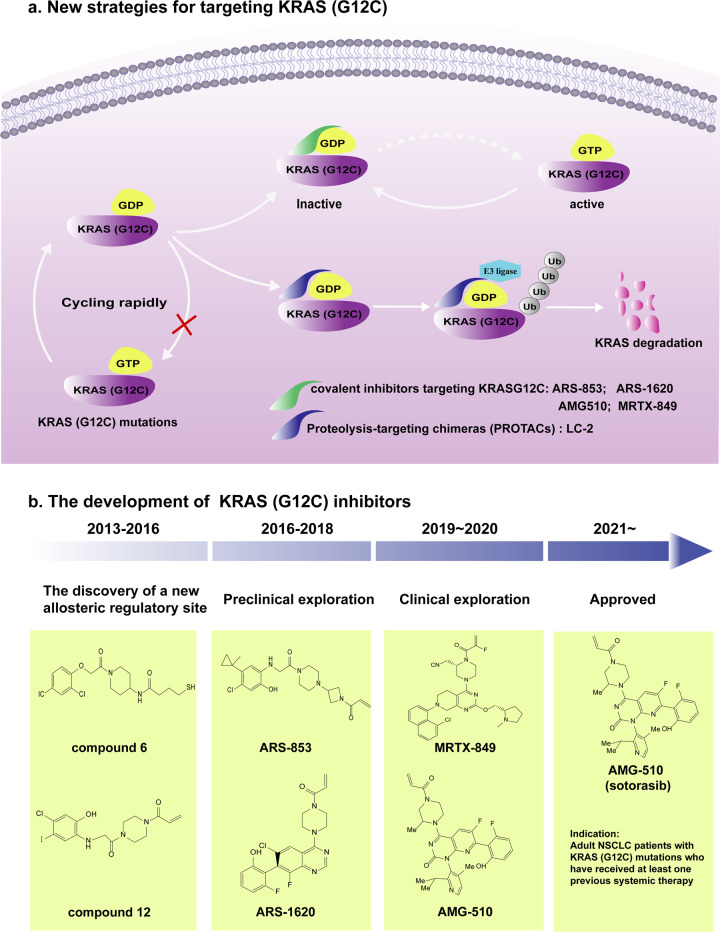
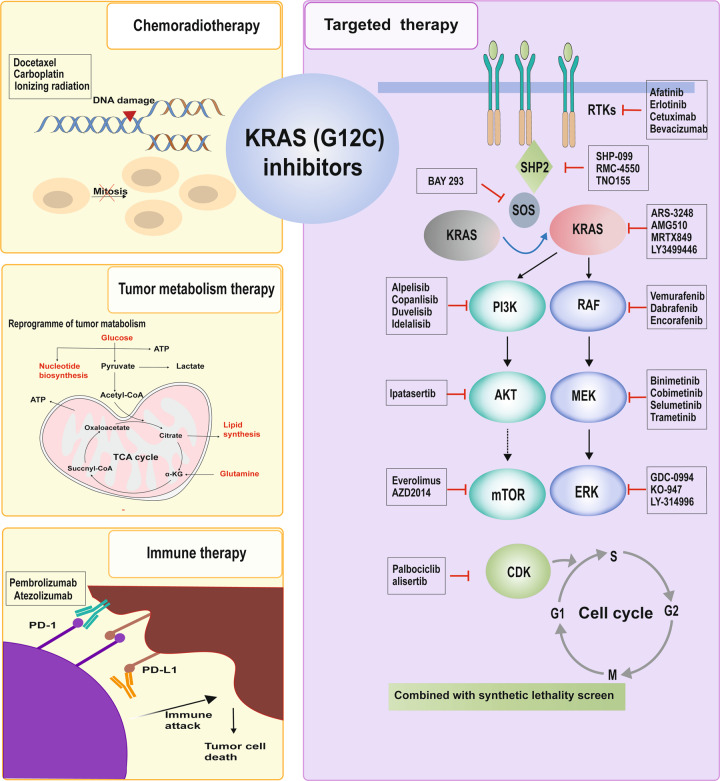
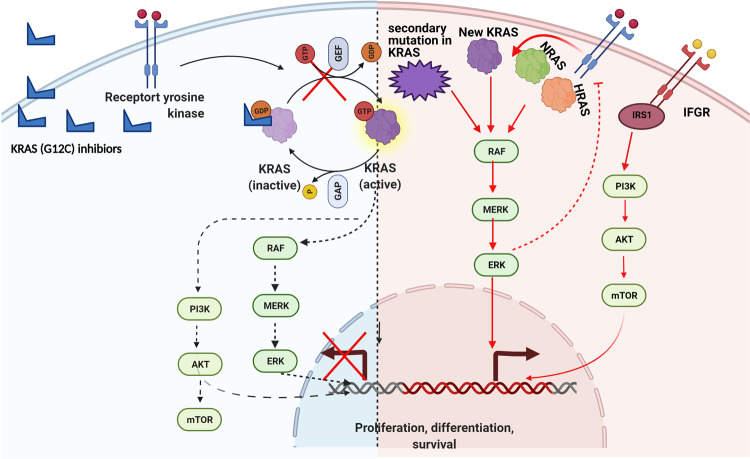
Cancer is the leading cause of death worldwide, and its treatment and outcomes have been dramatically revolutionised by targeted therapies. As the most frequently mutated oncogene, Kirsten rat sarcoma viral oncogene homologue (KRAS) has attracted substantial attention. The understanding of KRAS is constantly being updated by numerous studies on KRAS in the initiation and progression of cancer diseases. However, KRAS has been deemed a challenging therapeutic target, even “undruggable”, after drug-targeting efforts over the past four decades. Recently, there have been surprising advances in directly targeted drugs for KRAS, especially in KRAS (G12C) inhibitors, such as AMG510 (sotorasib) and MRTX849 (adagrasib), which have obtained encouraging results in clinical trials. Excitingly, AMG510 was the first drug-targeting KRAS (G12C) to be approved for clinical use this year. This review summarises the most recent understanding of fundamental aspects of KRAS, the relationship between the KRAS mutations and tumour immune evasion, and new progress in targeting KRAS, particularly KRAS (G12C). Moreover, the possible mechanisms of resistance to KRAS (G12C) inhibitors and possible combination therapies are summarised, with a view to providing the best regimen for individualised treatment with KRAS (G12C) inhibitors and achieving truly precise treatment.
Overview
The claims and statistics of this paper haven’t been checked yet.
Free: it reads the open-access text and checks the first 5 claims that cite a source we can check. Create a free account to check every claim.
Integrity signals
Registry
Cites
Statistics
Figures
Verification
Claims the paper makes
The claims and statistics of this paper haven’t been checked yet.
Free: it reads the open-access text and checks the first 5 claims that cite a source we can check. Create a free account to check every claim.
Claims other papers make about this one
Each is checked against this paper’s own text: does it say what the citing paper says it does?
The source backs part of the claim, not all of it — or backs it for a different population, condition or comparison.
In the citing paper
“KRAS is the most frequently mutated oncogene, accounting for approximately 85% of all RAS mutations in 20–25% of all cancers [8–10].”
From Differential Response and Resistance to KRAS-Targeted Therapy (2025) · cites this paper as [8]
Experimental — accuracy not yet measuredThe source backs part of the claim, not all of it — or backs it for a different population, condition or comparison.
In the citing paper
“Among the various KRAS mutations in human cancers, G12C, G12D, G12V, and G12A are the most prevalent (2).”
From YAP/TAZ mediates resistance to KRAS inhibitors through inhibiting proapoptosis and activating the SLC7A5/mTOR axis (2024) · cites this paper as [2]
Experimental — accuracy not yet measuredThe cited source says what the claim attributes to it.
In the citing paper
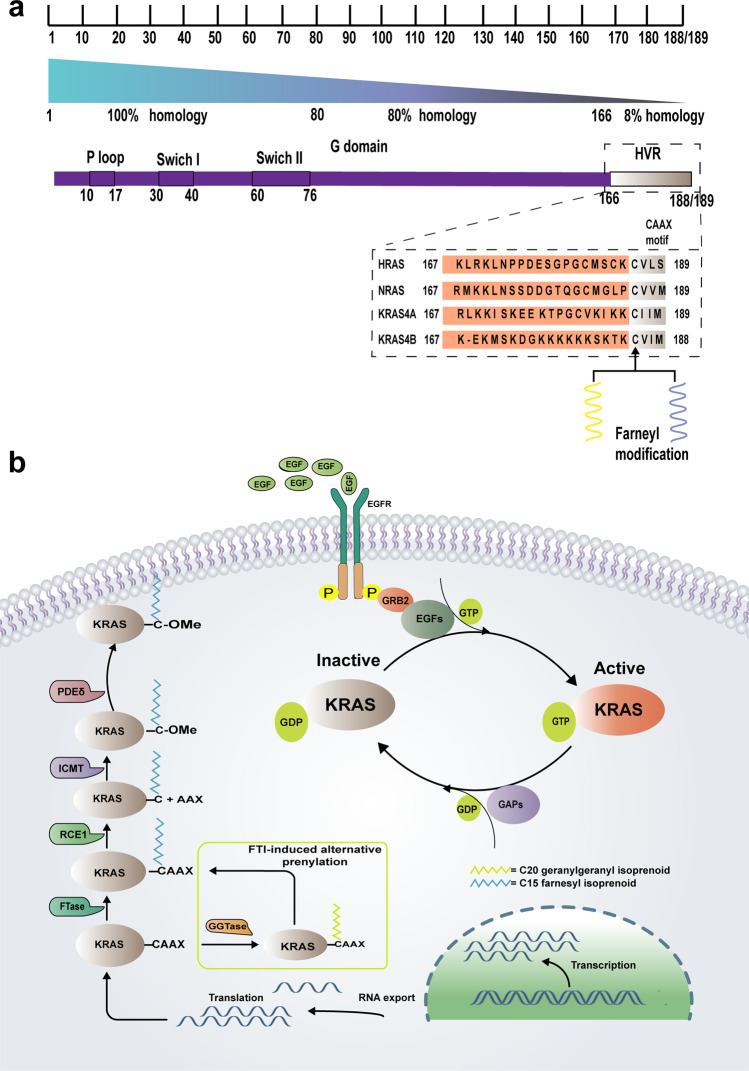
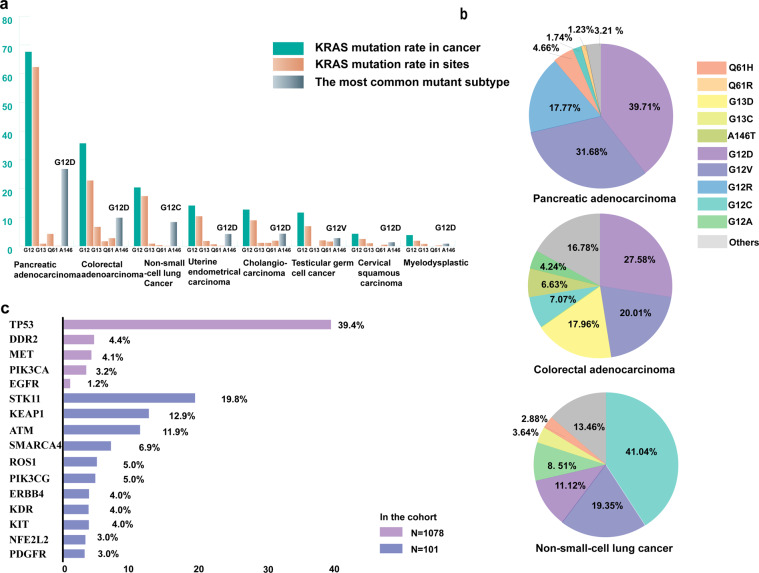
“KRAS mutations most commonly occur at the 12th codon near the nucleotide-binding site, with less prevalent mutations occurring at codons 13, 61, and 146 within other catalytic domains (Figure 1b,c) [23].”
From KRAS: Biology, Inhibition, and Mechanisms of Inhibitor Resistance (2024) · cites this paper as [23]
The cited source says what the claim attributes to it.
In the citing paper
“Kirsten rat sarcoma viral oncogene homolog (KRAS) is the most frequently mutated oncogene in various types of human cancers such as pancreatic, lung, and colorectal cancer, with G12, G13, and Q61 being the most prevalent mutant codons observed (1, 2).”
From YAP/TAZ mediates resistance to KRAS inhibitors through inhibiting proapoptosis and activating the SLC7A5/mTOR axis (2024) · cites this paper as [2]
The cited source says what the claim attributes to it.
In the citing paper
“Moreover, potent inhibition through covalent modification has enabled targeting of traditionally ‘undruggable’ proteins, exemplified by the approval of sotorasib (Amgen), which is an inhibitor of mutant KRAS(G12C), a GTPase that resisted decades of drug discovery efforts9,10”
From Advances in covalent drug discovery (2022) · cites this paper as [10]
4 more claims about this paper
Create a free account to see every claim other papers make about this one.
Self-check
Percentages, sums and reported differences re-computed from the paper’s own numbers.
The self-check needs the paper’s full text.
Citations
Cites
Hallmarks of Cancer: The Next Generation
Hanahan, D., & Weinberg, R. A. (2011) · Cell · doi:10.1016/j.cell.2011.02.013 · Cited by 66,590
Adverse Renal Effects of Immune Checkpoint Inhibitors: A Narrative Review
Wanchoo, R., Karam, S., Uppal, N. N., Barta, V. S., Deray, G., Devoe, C., Launay-Vacher, V., Jhaveri, K. D., & on behalf of Cancer and Kidney International Network Workgroup on Immune Checkpoint Inhibitors (2017) · American Journal of Nephrology · doi:10.1159/000455014 · Cited by 15,256
Calcium's Role in Mechanotransduction during Muscle Development
Benavides Damm, T., & Egli, M. (2014) · Cellular Physiology and Biochemistry · doi:10.1159/000356667 · Cited by 14,502
Nivolumab versus Docetaxel in Advanced Squamous-Cell Non–Small-Cell Lung Cancer
Brahmer, J., Reckamp, K. L., Baas, P., Crinò, L., Eberhardt, W. E. E., Poddubskaya, E., Antonia, S., Pluzanski, A., Vokes, E. E., Holgado, E., et al. (2015) · New England Journal of Medicine · doi:10.1056/nejmoa1504627 · Cited by 8,447
Gefitinib or Carboplatin–Paclitaxel in Pulmonary Adenocarcinoma
Mok, T. S., Wu, Y.-L., Thongprasert, S., Yang, C.-H., Chu, D.-T., Saijo, N., Sunpaweravong, P., Han, B., Margono, B., Ichinose, Y., et al. (2009) · New England Journal of Medicine · doi:10.1056/nejmoa0810699 · Cited by 8,261
Understanding the tumor immune microenvironment (TIME) for effective therapy
Binnewies, M., Roberts, E. W., Kersten, K., Chan, V., Fearon, D. F., Merad, M., Coussens, L. M., Gabrilovich, D. I., Ostrand-Rosenberg, S., Hedrick, C. C., et al. (2018) · Nature Medicine · doi:10.1038/s41591-018-0014-x · Cited by 6,145
Osimertinib in Untreated EGFR -Mutated Advanced Non–Small-Cell Lung Cancer
Soria, J.-C., Ohe, Y., Vansteenkiste, J., Reungwetwattana, T., Chewaskulyong, B., Lee, K. H., Dechaphunkul, A., Imamura, F., Nogami, N., Kurata, T., et al. (2018) · New England Journal of Medicine · doi:10.1056/nejmoa1713137 · Cited by 5,508
Cancer drug resistance: an evolving paradigm
Holohan, C., Van Schaeybroeck, S., Longley, D. B., & Johnston, P. G. (2013) · Nature Reviews Cancer · doi:10.1038/nrc3599 · Cited by 4,681
Anaplastic Lymphoma Kinase Inhibition in Non–Small-Cell Lung Cancer
Kwak, E. L., Bang, Y.-J., Camidge, D. R., Shaw, A. T., Solomon, B., Maki, R. G., Ou, S.-H. I., Dezube, B. J., Jänne, P. A., Costa, D. B., et al. (2010) · New England Journal of Medicine · doi:10.1056/nejmoa1006448 · Cited by 4,446
Systematic RNA interference reveals that oncogenic KRAS-driven cancers require TBK1
Barbie, D. A., Tamayo, P., Boehm, J. S., Kim, S. Y., Moody, S. E., Dunn, I. F., Schinzel, A. C., Sandy, P., Meylan, E., Scholl, C., et al. (2009) · Nature · doi:10.1038/nature08460 · Cited by 3,890
Research works printed but not linked: 6
- Hunter JC Biochemical and Structural Analysis of Common Cancer-Associated KRAS Mutations Mol. Cancer Res. 2015 13 1325 1335 26037647 · DOI · Paper page
- Hunter JC Biochemical and Structural Analysis of Common Cancer-Associated KRAS Mutations Mol. Cancer Res 2015 13 1325 1335 26037647 · DOI · Paper page
- Romero R Keap1 loss promotes Kras-driven lung cancer and results in dependence on glutaminolysis Nat. Med 2017 23 1362 1368 28967920 PMC5677540 · DOI · Paper page
- Hallin J The KRAS(G12C) Inhibitor MRTX849 Provides Insight toward Therapeutic Susceptibility of KRAS-Mutant Cancers in Mouse Models and Patients Cancer Disco. 2020 10 54 71 PMC6954325 31658955 · DOI · Paper page
- Hallin J The KRAS Inhibitor MRTX849 Provides Insight toward Therapeutic Susceptibility of KRAS-Mutant Cancers in Mouse Models and Patients Cancer Discov. 2020 10 54 71 31658955 PMC6954325 · DOI · Paper page
- Tanaka N Clinical Acquired Resistance to KRAS Inhibition through a Novel KRAS Switch-II Pocket Mutation and Polyclonal Alterations Converging on RAS-MAPK Reactivation Cancer Discov. 2021 11 1913 1922 33824136 PMC8338755 · DOI · Paper page
Cited by
Items 601–700 of 999
CRISPRing KRAS: A Winding Road with a Bright Future in Basic and Translational Cancer Research
Gong, X., Du, J., Peng, R., Chen, C., & Zhang, Y. (2024) · Cancers · doi:10.3390/cancers16020460 · Cited by 6
Detection of KRAS Mutations in Triple-negative Breast Cancers by Polymerase Chain Reaction
Vodithala, S., & Bhake, A. S. (2024) · Journal of Datta Meghe Institute of Medical Sciences University · doi:10.4103/jdmimsu.jdmimsu_703_23 · Cited by 3
Mao, G., Xu, W., Jamil, M., Zhang, W., Jiao, N., & Liu, Y. (2024) · Current Pharmaceutical Biotechnology · doi:10.2174/0113892010293337240312051931 · Cited by 3
Precision Immuno-Oncology in NSCLC through Gender Equity Lenses
Marks, J. A., Sridhar, A., Ai, A., Kiel, L., Kaufman, R. A., Abioye, O. F., Mantz, C., & Florez, N. (2024) · Cancers · doi:10.3390/cancers16071413 · Cited by 5
“This, combined with novel approaches to drug design, have contributed to the development of newfound therapies addressing targets previously thought to be “undruggable” due to factors such as their lacking defined ligand-binding pockets [13,14].”
BackgroundEmerging Therapies in Kirsten Rat Sarcoma Virus (+) Non-Small-Cell Lung Cancer
Karachaliou, A., Kotteas, E. A., Fiste, O., & Syrigos, K. (2024) · Cancers · doi:10.3390/cancers16081447 · Cited by 3
“When extracellular stimuli bind and activate the receptor tyrosine kinase (RTK) on the cell membrane, SOS 1 promotes the substitution of GDP to GTP with a conformational change in the switch I and II regions [10,13,23].”
BackgroundInfluentialImmunotherapy guided precision medicine in solid tumors
Mehrotra, S., Kupani, M., Kaur, J., Kaur, J., & Pandey, R. K. (2024) · Advances in protein chemistry and structural biology · doi:10.1016/bs.apcsb.2024.02.004 · Cited by 3
Choi, D.-H., Jang, H., Lim, S. H., Kim, S. T., Hong, J. Y., Park, S. H., Park, J. O., Kim, D. G., Kim, K., & Lee, J. (2024) · Pathology - Research and Practice · doi:10.1016/j.prp.2024.155473 · Cited by 3
Zhang, Z., Liu, M., Ji, Y., Xiao, D., Wang, W., Zhou, X., Wang, L., Li, D., Zou, H., & Yang, X. (2024) · American Journal of Cancer Research · doi:10.62347/xebr7848 · Cited by 3
Prajapati, M. K., Mittal, A., & Panda, P. (2025) · Computational Biology and Chemistry · doi:10.1016/j.compbiolchem.2025.108390 · Cited by 3
The Role of RAS in CNS Tumors: A Key Player or an Overlooked Oncogene?
Barbosa, I. D. S., Heming, C. P., Moura‐Neto, V., & Aran, V. (2025) · International Journal of Molecular Sciences · doi:10.3390/ijms26094104 · Cited by 5
“It has been established that patients with KRAS mutations have a greater chance of developing brain metastases [50].”
Integrating genetic and gene expression data in network-based stratification analysis of cancers
Liou, K., & Wang, J. (2025) · BMC Bioinformatics · doi:10.1186/s12859-025-06143-y · Cited by 4
Ansari, A., Szczesnowska, A., Haddad, N. F., Elbediwy, A., & Wehida, N. (2025) · Non-Coding RNA · doi:10.3390/ncrna11040061 · Cited by 6
“It can also function in the MAPK pathway, where activated KRAS can recruit and activate fibrosarcoma (RAF), a serine/threonine-specific kinase, leading to MAPK kinase activation and signal transduction [98].”
Sources of mismeasurement of RNA knockdown by DNAzymes and XNAzymes
Donde, M. J., Montulet, A., & Taylor, A. I. (2025) · RSC Chemical Biology · doi:10.1039/d5cb00182j · Cited by 3
Breaking barriers: the latest insights into KRAS G12C inhibitors
Attieh, F., & Kourié, H. R. (2024) · Future Oncology · doi:10.1080/14796694.2024.2394009 · Cited by 3
Anticancer Target Combinations: Network- Informed Signaling-Based Approach to DiscoveryPreprint
Yavuz, B. R., Jang, H., & Nussinov, R. (2024) · bioRxiv (Cold Spring Harbor Laboratory) · doi:10.1101/2024.10.11.617918 · Cited by 3
Targeting undruggable protein KRAS for cancer therapy: novel opportunities and challenges
Yang, X., Li, X., Zhang, Y., Zhang, S., Zhang, M., Sun, C., Yang, L., Liu, H., & Yuan, S. (2024) · Future Medicinal Chemistry · doi:10.1080/17568919.2024.2444865 · Cited by 4
Novel Pyrido[4,3-d]pyrimidine Compounds as KRAS Inhibitors
Rong, J., & Liang, S. H. (2025) · ACS Medicinal Chemistry Letters · doi:10.1021/acsmedchemlett.5c00493 · Cited by 3
New Therapeutic Modalities: Transforming Drug Discovery and Development
Blanco, M.-J. (2024) · Springer eBooks · doi:10.1007/978-3-031-35529-5_135 · Cited by 3
Protein-RNA interaction dynamics reveal key regulators of oncogenic KRAS-driven cancers
Ban, K.-Y., Na, Y., Song, J., Kim, J., & Kim, J. (2024) · Scientific Reports · doi:10.1038/s41598-024-78333-2 · Cited by 5
KRAS Mutations in Cancer: From Molecular Insights to Therapeutic Strategies
Zhang, Y., Ma, Y., Zhang, K., Wang, Y., Sun, X., Kan, C., & Han, F. (2025) · American Journal of Clinical Oncology · doi:10.1097/coc.0000000000001192 · Cited by 3
Zhu, Y., Chen, Z., Wu, G., Fang, Y., Bao, Y., Zhu, J., Dong, G., Sheng, C., & He, S. (2025) · Journal of Medicinal Chemistry · doi:10.1021/acs.jmedchem.4c02636 · Cited by 3
Zhang, Y., Tong, S., & Wan, L. (2025) · Expert Opinion on Drug Safety · doi:10.1080/14740338.2025.2499219 · Cited by 3
Isotopologues of a Metabolic Precursor for Selective N-15 and C-13 Histidine Labeling
Brüschweiler, S., Hlavac, M., Kratzwald, S. E., Schörghuber, J., Siess, K. M., Wimmer, A., Platzer, G., Konrat, R., & Lichtenecker, R. J. (2025) · Journal of Molecular Biology · doi:10.1016/j.jmb.2025.169347 · Cited by 3
Chen, X., Ma, X., Yang, Z., Mao, M., Niu, W., Zhang, C., Meng, X.-L., Ma, M., Li, Z., Wang, X., et al. (2025) · Bioorganic & Medicinal Chemistry Letters · doi:10.1016/j.bmcl.2025.130344 · Cited by 2
Jesenko, T., Omerzel, M., Zivic, T., Serša, G., & Čemažar, M. (2025) · International Journal of Molecular Sciences · doi:10.3390/ijms26157165 · Cited by 2
“KRAS G12C can maintain alternative interactions with its downstream effectors through an active cycle between the GDP-bound and GTP-bound states [10,11].”
Aboalroub, A. A. (2025) · Cell Biochemistry and Biophysics · doi:10.1007/s12013-025-01869-1 · Cited by 3
“The consequence of this “stuck switch” is the unrelenting activation of down-stream signaling pathways, which relentlessly promote uncontrolled cell growth and division —a defining characteristic of cancer [118, 120].”
InfluentialBera, P., Singh, M. R., Singh, D., & Keshavkant, S. (2025) · BioNanoScience · doi:10.1007/s12668-025-02092-1 · Cited by 2
“…of intrinsic GTPase, which de-regulates signals related to cell growth, and also results in the overexpression of the genes significantly linked with accelerated pathogenesis, lymphovascular invasion, distant and nodal metastases, poorly differentiated OSCC, and elevated tumor dimensions [37].”
Ahmad, O., Rath, S., Banatwala, U. E. S. S., Alam, U., Islam, M. R., Wahid, A., Sajjad, F., Khan, W. F., & Gain, A. (2025) · American Journal of Clinical Oncology · doi:10.1097/coc.0000000000001249 · Cited by 3
Pk, S., Freimanis, J., Kovala, A. T., & Parissenti, A. M. (2025) · Cancers · doi:10.3390/cancers17172825 · Cited by 6
“Increased expression or activity of oncogenes such as c-MYC [10], KRAS [11], BRAF [12], and HER2 [13] or inactivation of tumour suppressor genes such as P53 [14], BRCA1 , and BRCA2 [15], can lead to uncontrolled cell division and the inhibition of cell death pathways [16,17].”
Driving Precision Medicine in Pancreatic Cancer With Molecular Genetics
Farooq, M., & Pishvaian, M. J. (2025) · Seminars in Radiation Oncology · doi:10.1016/j.semradonc.2025.08.004 · Cited by 3
Functional Analysis of Rare RAS Variants of Unknown Significance
Park, S., Ikegami, M., Kitada, R., Takamochi, K., Suzuki, K., Mano, H., & Kohsaka, S. (2025) · Cancer Research Communications · doi:10.1158/2767-9764.crc-25-0188 · Cited by 4
Structural determination of small proteins by cryo-EM using a coiled coil module strategy
Samson, C., Irène, D., Anke, S., Kumar, A., Mathieu, M., & Rak, A. (2025) · Scientific Reports · doi:10.1038/s41598-025-20608-3 · Cited by 2
Yang, F., Li, M., Chen, L., Kang, N., Cao, W., Feng, X., Tang, L., Hu, H., Xi, Y., Liu, B., et al. (2025) · Bioorganic Chemistry · doi:10.1016/j.bioorg.2025.109114 · Cited by 2
Roles of nucleotide metabolism in pancreatic cancer
Liu, Q., Liu, J., Wang, S., Bao, N., Zhao, X., & Wang, L. (2025) · Frontiers in Immunology · doi:10.3389/fimmu.2025.1637768 · Cited by 6
LT1-3, a Slit2-Derived Peptide, Exhibits Anti-Tumor Activity and Improves Cisplatin Therapy
Wu, T.-C., Liao, C.-Y., Lin, Y.-Y., Chuang, S.-M., Liu, S.-Y., Wang, C.-H., Su, S.-E., Wu, S.-W., Wang, L.-I., Chen, W., et al. (2025) · Cells · doi:10.3390/cells14211654 · Cited by 2
Park, S. J., Cho, Y. S., Lee, J.-H., Kim, S. Y., Byun, Y., Park, J., & Kim, H. R. (2025) · Journal of Controlled Release · doi:10.1016/j.jconrel.2025.114380 · Cited by 2
Proteomic Perspectives on KRAS-Driven Cancers and Emerging Therapeutic Approaches
Karki, R., Chen, R., & Pan, S. (2025) · Current Oncology · doi:10.3390/curroncol32110614 · Cited by 3
“However, the recent success of covalent inhibitors targeting the KRAS G12C mutation has reinvigorated the field, prompting a surge in research to develop targeted therapies for other KRAS mutations [2].”
Emerging biomarkers for early detection of lung cancer
Khangar, P. K., Daniel, V., Vengurlekar, S., Daniel, K., & Jain, S. K. (2025) · Clinical Cancer Bulletin · doi:10.1007/s44272-025-00046-y · Cited by 3
“First and second mutations are detected in positions 12 and 13 and they are considered to be more aggressive and resistant to some therapies [21–23].”
A multimodal framework for comprehensive driver variant prediction in cancer
Yang, H., Chen, Y., Zhou, T., Wang, Y., Zhou, Q., Xiao, T., Zhang, Q., Zhang, J., Li, D., & Wang, Z. (2025) · Communications Medicine · doi:10.1038/s43856-025-01209-7 · Cited by 2
Gautam, M., Kumar, C. D., Ramachandran, P., Kumar, A., Gopalsamy, I. K., Swaminathan, G., Cordani, M., & Kumar, L. D. (2025) · European Journal of Pharmacology · doi:10.1016/j.ejphar.2025.178446 · Cited by 3
Tumor suppressor genes and KRAS G12C inhibitor resistance in non-small cell lung cancer
Zhu, L., Jia, X., Xu, L., Chen, L., Fu, X., Yan, H., Ai, B., & Peng, S. (2025) · iScience · doi:10.1016/j.isci.2025.114429 · Cited by 4
Zhang, Q., Tang, H., Shen, W., Gao, J., Zhang, B., & Ying, C. (2025) · Inflammation Research · doi:10.1007/s00011-025-02143-z · Cited by 2
Liu, Q., Xie, Z., Li, W., Li, M., & Qi, Y. (2025) · Frontiers in Cell and Developmental Biology · doi:10.3389/fcell.2025.1714824 · Cited by 3
The evolving landscape of KRAS-targeted therapy: mechanisms of resistance and emerging strategies
Pilco‐Janeta, D. F., & Puebla, M. D. L. C. (2025) · Anti-Cancer Drugs · doi:10.1097/cad.0000000000001801 · Cited by 2
Ge, P., Tao, X., Qu, J., He, J., Xing, C., Wang, S., Zhao, Y., Yu, S., Xu, J., Wang, L., et al. (2026) · International Journal of Nanomedicine · doi:10.2147/ijn.s559426 · Cited by 6
“42,43 This characteristic also provides a basis for targeted intervention by VC derivatives, notably dehydroascorbic acid (DHA), which enters cells competitively through GLUT1.”
Li, H., Shang, G., Song, Z. J., Wen, X., Chen, Y., Tan, L., Xiao, K., Jj, X., Sather, A. C., Kong, J., et al. (2026) · Organic Letters · doi:10.1021/acs.orglett.5c04646 · Cited by 2
Nureen, L., Salerno, A., D’Agostino, S., Barbaro, V., Ferrari, S., Ponzin, D., Vittorio, O., & Girolamo, N. D. (2026) · Stem Cell Reports · doi:10.1016/j.stemcr.2026.102792 · Cited by 2
KRAS-dependent glycolytic reprogramming of endothelial cells in sporadic arteriovenous malformations
Wu, R., Khosraviani, N., Mansur, A., Boudreau, É., Largoza, G. E., Park, S., Gustafson, D., Raju, S., Ching, C., Klip, A., et al. (2026) · EMBO Molecular Medicine · doi:10.1038/s44321-026-00383-y · Cited by 2
“KRAS is an oncogene, and the same mutations detected in sporadic AVMs are also known to drive cellular changes, including metabolic rewiring, in various cancers (Huang et al, 2021).”
A multiplex, prime editing framework for identifying drug resistance variants at scale
Abadie, F. M. C., Suiter, C. C., Smith, N. T., Daza, R. M., Rominger, M. C., Parrish, P. C. R., McDiarmid, T. A., Lalanne, J., Martin, B., Calderon, D., et al. (2026) · Cell Genomics · doi:10.1016/j.xgen.2026.101167 · Cited by 22
An immunocompetent murine model of virus-elicited liver fibrosis and hepatocellular carcinoma
Batista, M. N., Bordignon, J., Mosimann, A. L. P., Bobrowski, T., Chen, H.-A., Tobin-Xet, G., Barrall, E. A., Prokhnevska, N., Vaidya, A. B., Lewy, T., et al. (2026) · Journal of Hepatology · doi:10.1016/j.jhep.2026.02.020 · Cited by 3
Ciftci, F. S., & Erman, B. (2026) · Physical Biology · doi:10.1088/1478-3975/ae9e79 · Cited by 2
Phillips, D. P., Alper, P. B., Cho, C. Y., Borkin, D., Han, D., Kochanek, S. E., Vidal-Biggart, A., Herath, A., Gurjar, J., Lu, W., et al. (2026) · Journal of Medicinal Chemistry · doi:10.1021/acs.jmedchem.6c00127 · Cited by 2
Lu, X., Qin, J., Dong, S., Yuan, Y., Zhang, Z., Zhang, B., Chen, X., Gan, X., Liang, H., & Liu, F. (2026) · Biomarker Research · doi:10.1186/s40364-026-00937-9 · Cited by 3
“KRAS mutations are very common in cancer [26, 165].”
Jaiswar, D., & Dixit, M. (2026) · Cancer Cell International · doi:10.1186/s12935-026-04349-5 · Cited by 3
“The aggressive phenotype of KRAS-driven GBC is attributable to this sustained oncogenic signaling, which frequently confers resistance to standard cancer treatments [156, 157, 158, 159, 160].”
Current advances in immunotherapy for KRAS-Mutant pancreatic cancer
Li, M. Y., Wang, X., Li, P., Gong, H., Wu, J., & Mao, Y. (2026) · Clinical and Experimental Medicine · doi:10.1007/s10238-026-02201-8 · Cited by 2
Xue, S., Xu, H., Ma, J., Wang, Y., Lu, W., Cui, J., & Wang, L. (2026) · Cancer Letters · doi:10.1016/j.canlet.2026.218684 · Cited by 3
Ai, X., Song, Z., Wu, L., Zhou, A., Cheng, D., Zong, H., Wu, H., Niu, Z., Sun, Y., Zhu, L., et al. (2026) · Nature Medicine · doi:10.1038/s41591-026-04559-4 · Cited by 3
“KRAS was historically deemed ‘undruggable’ because of the absence of tractable binding sites and high GTP affinity, posing major therapeutic challenges 10,11 .”
Autophagy and LC3-associated phagocytosis: similarities and differences
Рафисович, И. Б., Skibo, Y. V., & Abramova, Z. I. (2023) · Medical Immunology (Russia) · doi:10.15789/10.15789/1563-0625-aal-2569 · Cited by 3
Busley, A. V., Kleinsorge, M., & Cyganek, L. (2023) · Stem Cell Research · doi:10.1016/j.scr.2023.103105 · Cited by 2
KRAS Mutation Reduces Thymoquinone Anticancer Effects on Viability of Cells and Apoptosis
Yenigun, V. B., Acar, H., Kanımdan, E., Yenigün, A., Koçyiğit, A., & Çora, T. (2023) · Anti-Cancer Agents in Medicinal Chemistry · doi:10.2174/1871520623666230517123807 · Cited by 2
Ohana, J., Sandler, U., Devary, O. V., & Devary, Y. (2023) · Oncotarget · doi:10.18632/oncotarget.28467 · Cited by 2
Cai, P., Yang, B., Zhao, J., Ye, P., & Yang, D. (2023) · Frontiers in Oncology · doi:10.3389/fonc.2023.1207892 · Cited by 3
Huang, H., Ji, P., & Peng, S. (2023) · Cureus · doi:10.7759/cureus.47641 · Cited by 4
“The dysregulation of these pathways due to KRAS mutations potentially accelerates cancer progression [2,21].”
BackgroundSolid lipid nanoparticle-based drug delivery for pancreatic cancer
Ghosh, D., Dutta, G., Chatterjee, A., Sugumaran, A., Chakrabarti, G., & Manickam, S. (2023) · Elsevier eBooks · doi:10.1016/b978-0-443-19142-8.00005-x · Cited by 2
Targeted Therapies for Kirsten Rat Sarcoma (KRAS) G12C Mutant Metastatic Non-Small-Cell Lung Cancers
O’Leary, C., Murphy, G., Yeung, Y., Tang, M., Jain, V. K. S., & O’Leary, C. G. (2023) · Cancers · doi:10.3390/cancers15235582 · Cited by 3
“While other reviews have covered this topic previously [9,10], we additionally present updates from previously reported trials, a summary of real-world data for these medications and novel therapeutic approaches currently under investigation.”
Sahu, P., Mitra, A., & Ganguly, A. (2024) · International review of cytology · doi:10.1016/bs.ircmb.2024.01.005 · Cited by 2
Importance of targeting various cell signaling pathways in solid cancers
Ghosh, C., & Hu, J. (2024) · International review of cytology · doi:10.1016/bs.ircmb.2024.02.002 · Cited by 6
Zhu, Y., Li, X., Zhang, Q., Yang, X., Sun, X., Pan, Y., Yuan, X., Ma, Y., Xu, B., & Yang, Z. (2024) · RSC Medicinal Chemistry · doi:10.1039/d3md00752a · Cited by 2
Huang, Y., Zheng, D., Zhou, Z., Wang, H., Li, Y., Zheng, H., Tan, J., Wu, J., Yang, Q., Tian, H., et al. (2024) · Frontiers in Oncology · doi:10.3389/fonc.2024.1345737 · Cited by 6
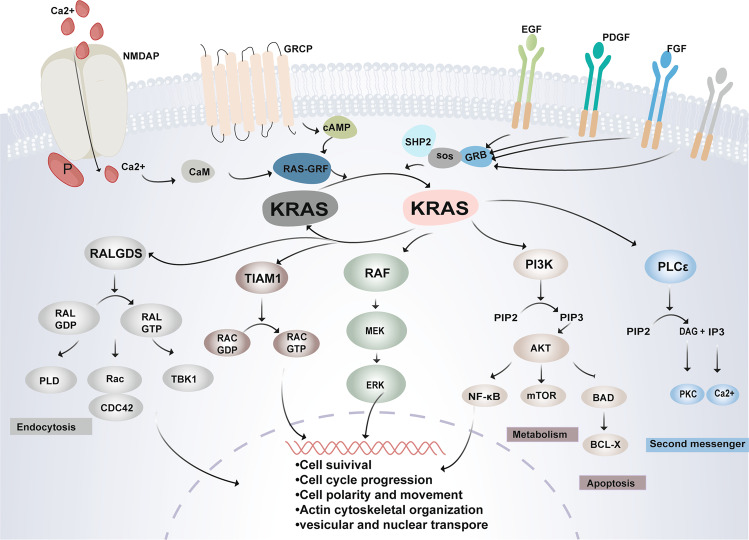
“In a pathological state, oncogene KRAS mutant locks KRAS in an active GTP binding state, which can activate a variety of signalling pathways, including RAF-MEK-ERK signalling pathway and PI3K-AKT-mTOR signalling pathway (5).”
BackgroundInfluentialKovach, A. E., Wengyn, M. D., Vu, M. H., Doan, A., Raca, G., & Bhojwani, D. (2024) · Pediatric Blood & Cancer · doi:10.1002/pbc.30996 · Cited by 8
Fatima, S., Pansuriya, N., Lakhani, A., Madhuri, S., Ajmal, R., Clementina, R., Lakdawala, Z., Shah, K., Dilshana, H., Andrea, M., et al. (2024) · Cureus · doi:10.7759/cureus.60061 · Cited by 2
“However, recent advances in targeted therapies, particularly in KRAS G12C mutation, have shown promising results [6].”
BackgroundJusoh, A. R., Din, T. A. D. A. T., Abdullah‐Zawawi, M., Rahman, W. F. W. A., Nafi, S. N. M., Romli, R. C., Hashim, E. K. M., Patar, M. N. A. A., & Yahya, M. M. (2023) · PubMed Central · doi:10.22088/ijmcm.bums.12.3.257 · Cited by 4
Li, J. J., Wu, X. J., Farzin, M., Bray, V., Williamson, J., Pal, A., Yip, P. Y., Hagelamin, A., Ding, P., Nindra, U., et al. (2024) · Pathology · doi:10.1016/j.pathol.2024.04.002 · Cited by 2
Abu-Bakar, A., Ismail, M., Zulkifli, M. Z. I., Zaini, N. A. S., Shukor, N. I. A., Harun, S., & Inayat‐Hussain, S. H. (2024) · Genes and Environment · doi:10.1186/s41021-024-00310-y · Cited by 3
Fibroblasts Promote Resistance to KRAS Silencing in Colorectal Cancer Cells
Mendonça, S., Carvalho, P. D., Serra‐Roma, A., Oliveira, P., Ribeiro, A., Carvalho, J., Martins, F., Machado, A. L., Oliveira, M. J., & Velho, S. (2024) · Cancers · doi:10.3390/cancers16142595 · Cited by 3
“For over three decades, the KRAS oncogene has been considered an undruggable target [2–4], but recent breakthroughs in developing allele-specific covalent inhibitors, such as those targeting the KRAS G12C mutation, have paved the way for a new era of KRAS-targeted therapies [4,5].”
BackgroundInfluentialZang, X., Lei, K., Wang, J., Gong, R., Gao, C., Jing, Z., Song, J., & Ren, H. (2024) · Chemical Engineering Journal · doi:10.1016/j.cej.2024.155071 · Cited by 2
Wang, X., Yang, S., Zheng, C., Huang, C., Yao, H., Guo, Z., Wu, Y., Wang, Z., Wu, Z., Ge, R., et al. (2024) · Nutrients · doi:10.3390/nu16172951 · Cited by 4
“For PMF1, KRAS is involved in various processes regulating cell proliferation and growth, such as the MAPK pathway, mTOR pathway, and PI3K-AKT signaling pathway [104].”
BackgroundSelf-citationValiuska, S., Elder, K. K., McKay, S. J., Ciudad, C. J., Noé, V., & Brooks, T. A. (2024) · Genes · doi:10.3390/genes15101332 · Cited by 3
“In the context of aggressive diseases, KRAS is overexpressed in about 30% of all human cancers including 95% of pancreatic and 45% of colorectal and non-small-cell lung cancer (NSCLC) [5,6].”
BackgroundAljuhani, T. A., Shaik, N. A., Alqawas, R. T., Bokhary, R., Almutadares, M., Mahdi, H. B. A., Alrayes, N. M., El-Harouni, A. A., Elango, R., Banaganapalli, B., et al. (2024) · Frontiers in Pharmacology · doi:10.3389/fphar.2024.1498295 · Cited by 3
Insights into direct KRAS inhibition strategies for cancer treatment
Li, T., Gu, C., Zhou, C., Mao, C., Yang, K., Xu, J., Lu, T., & Chen, J. (2024) · Future Medicinal Chemistry · doi:10.1080/17568919.2024.2424149 · Cited by 3
Progress on the development of prediction tools for detecting disease causing mutations in proteins
Gromiha, M. M., Pandey, M., Kulandaisamy, A., Sharma, D., & Ridha, F. (2024) · Computers in Biology and Medicine · doi:10.1016/j.compbiomed.2024.109510 · Cited by 3
Hu, Z., & Martí, J. (2024) · Computers in Biology and Medicine · doi:10.1016/j.compbiomed.2024.109599 · Cited by 3
Could Drug Delivery Systems Be Enhancers for Therapy against KRAS-driven Cancers?
Khusnutdinov, R. (2024) · Reviews and Advances in Chemistry · doi:10.1134/s2634827624600312 · Cited by 2
QM/MM study reveals novel mechanism of KRAS and KRASG12R catalyzed GTP hydrolysis
Yan, X. H., Zhu, L., Li, Q., Tian, Y.-N., Qiu, J., Liu, X., Tong, H. H. Y., Ouyang, Q., Yao, X., & Liu, H. (2025) · International Journal of Biological Macromolecules · doi:10.1016/j.ijbiomac.2025.139820 · Cited by 2
Ray, P., Shukla, S., Zhang, Y., Donahue, K. L., Nancarrow, D. J., Kasturirangan, S., Shankar, S., Cuneo, K. C., Thomas, D. G., Gadgeel, S. M., et al. (2025) · Molecular Cancer Research · doi:10.1158/1541-7786.mcr-24-0701 · Cited by 5
Shen, S., Zhang, Q., Wang, Y., Chen, H., Gong, S., Liu, Y., Gai, C., Chen, H., Zhu, E., Yang, B. H., et al. (2025) · Journal of Clinical Investigation · doi:10.1172/jci185278 · Cited by 2
Li, L., Liu, Q., Shao, Y., Wang, S., Liu, S., Wang, X., Wang, S., & Ren, D. (2025) · Chemico-Biological Interactions · doi:10.1016/j.cbi.2025.111529 · Cited by 2
Single-Base Detection of DNA with Simplified Steps on InGaN Quantum Wells
Nguyen, T. A. N., Luo, C.-L., Chien, F., & Lai, K. (2025) · The Journal of Physical Chemistry B · doi:10.1021/acs.jpcb.5c00200 · Cited by 2
KRAS ctDNA Detection in Patients With Resectable Lung Adenocarcinoma
Meo, M. L. D., Seitlinger, J., Rayes, R. F., Walsh, L. C., Shahzad, M. H., Tsering, T., Saleh, R., Ezer, N., Shieh, B., Wong, A., et al. (2025) · Clinical Lung Cancer · doi:10.1016/j.cllc.2025.05.006 · Cited by 2
Engineered model of tumor microenvironment for replicating intratumoral drug delivery
Besanjideh, M., Zarei, F., Rezaeian, M., & Shamloo, A. (2025) · Journal of Industrial and Engineering Chemistry · doi:10.1016/j.jiec.2025.06.023 · Cited by 3
VAMP proteins: molecular architects in disease pathogenesis and therapeutic innovation
Yu, D., Zhang, H., Ding, X., Guo, J., & Yang, L. (2025) · Medical Oncology · doi:10.1007/s12032-025-02969-x · Cited by 2
Chanda, M., Mekasuwandumrong, C., Wilasrusmee, K. T., Panich, U., & Jirawatnotai, S. (2025) · Hepatoma Research · doi:10.20517/2394-5079.2025.15 · Cited by 6
Emerging biomarkers for early detection of colorectal cancer
Qannita, R. A., Zenati, R. A., Abuhelwa, A. Y., Alqudah, M. A. Y., Aleidi, S. M., El‐Huneidi, W., Abu‐Gharbieh, E., Shareef, Z. A., Alzoubi, K. H., Bustanji, Y. K., et al. (2026) · Clinica Chimica Acta · doi:10.1016/j.cca.2026.121013 · Cited by 2
Xu, S., Chen, J., Yang, F. W., Yang, Z., Xu, J., Wang, L., Bian, L., Liu, L., Zhao, X., & Zhang, Y. (2023) · Frontiers in Bioengineering and Biotechnology · doi:10.3389/fbioe.2023.1279473 · Cited by 2
Subgrouping testicular germ cell tumors based on immunotherapy and chemotherapy associated lncRNAs
Cao, J., Liu, Z., Yuan, J., Luo, Y., Wang, J., Liu, J., Hao, B., & Guo, J. (2024) · Heliyon · doi:10.1016/j.heliyon.2024.e24320 · Cited by 2
“Mutation of kirsten rat sarcoma viral oncogene (KRAS) is a common biological event in many tumors, such as colon cancer, pancreatic cancer, and non-small cell lung cancer, and is also one of the main mechanisms of many tumors [33].”
BackgroundAnalysis of the Structural Transformations Underlying the Design of Innovative Next-in-Class Drugs
Balakin, K. V. (2023) · Russian Journal of General Chemistry · doi:10.1134/s107036322315001x · Cited by 2
Luminescence-Based Techniques for KRAS Thermal Stability Monitoring
Kopra, K. (2024) · Methods in molecular biology · doi:10.1007/978-1-0716-3822-4_10 · Cited by 2
Lengkey, R. F., Soetadji, R. S., & Sanjaya, A. (2024) · World Academy of Sciences Journal · doi:10.3892/wasj.2024.263 · Cited by 2
“These pathways increase cell proliferation, survival, protein synthesis and transcription, and inhibit apoptosis via activated B‑cell lymphoma‑extra‑large (Bcl‑xL)/B‑cell lymphoma‑2 (Bcl‑2)‑associated death promoters (125).”
BackgroundMartins, F., Machado, A. L., Ribeiro, A., Oliveira, S. M., Carvalho, J., Matthiesen, R., Backman, V., & Velho, S. (2024) · Research Square · doi:10.21203/rs.3.rs-3752760/v2 · Cited by 2
Mutant KRAS inhibitors enter the scene of precision therapeutics for pancreatic cancer
Pollin, G., Lomberk, G. A., Mathison, A., Zimmermann, M. T., & Urrutia, R. A. (2024) · Journal of Gastrointestinal Oncology · doi:10.21037/jgo-24-326 · Cited by 2
“In reality this number tends to be more variable (11).”
Metadata
- Authors
- Huang, L., Guo, Z., Wang, F., & Fu, L.
- Affiliations
- Sun Yat-sen University (CN)
- Corresponding author
- Fu, Liwu
- Venue
- Signal Transduction and Targeted Therapy
- Published
- 2021-11-15
- Volume
- 6
- Issue
- 1
- Pages
- 386-386
- ISSN
- 2059-3635 (ISSN-L)
- PMC
- PMC8591115
- OpenAlex
- W3214173072
- Cited by
- 1,127
- References
- 240
- Citations by year
- 2026: 251 · 2025: 346 · 2024: 289 · 2023: 178 · 2022: 62
- FWCI
- 14.09
- Type
- journal article
- Language
- en
- Open access
- gold
- doi.org
- Licence
- cc-by
- creativecommons.org/licenses/by/4.0 (tdm)
- creativecommons.org/licenses/by/4.0 (vor)
- Locations
- Signal Transduction and Targeted Therapy (publishedVersion, cc-by)
- PubMed Central (publishedVersion, cc-by)
- PubMed (publishedVersion)
- DOAJ (DOAJ: Directory of Open Access Journals) (submittedVersion, cc-by-sa)
- Funders
- National Natural Science Foundation of China (82073882)
- Topics
- Life Sciences › Biochemistry, Genetics and Molecular Biology › Molecular Biology › Protein Kinase Regulation and GTPase Signaling
- Life Sciences › Biochemistry, Genetics and Molecular Biology › Molecular Biology › Melanoma and MAPK Pathways
- Life Sciences › Biochemistry, Genetics and Molecular Biology › Molecular Biology › Protein Tyrosine Phosphatases
- Keywords
- KRAS mutation, KRAS G12C inhibitors, sotorasib, adagrasib, targeted cancer therapy, tumor immune evasion, drug resistance mechanisms, combination therapy, oncogenes, precision oncology
- MeSH terms
- Humans, Neoplasms, Proto-Oncogene Proteins p21(ras), Amino Acid Substitution, Mutation, Missense, Protein Kinase Inhibitors
About these checks
Registry, retraction, Cites and statistics results are computed, not judged, with one exception: a printed reference that no index lists is read once by a model before it counts as a citation error. Claims are extracted by a model and kept only when their quote appears verbatim in the text; each cited source is then checked, with a model’s help, for whether it says what the claim relies on. Those verdicts can be wrong — read the claim’s quote and the cited source before relying on one.
Statistics and arithmetic are recomputed, not judged.
Confidence bands are shown only for fields calibrated on our annotated test set. None is calibrated yet, so no band is shown.
What counts as a claim ›How we measure confidence ›How we check this ›
Are you an author, or do you see a problem with this page? Request a review
Data sources
Bibliographic data: Semantic Scholar, OpenAlex, Crossref.
Contains information from the Semantic Scholar Academic Graph Datasets, made available under the ODC Attribution License (ODC-BY 1.0).
Semantic Scholar’s data is described in: Kinney, R., et al. (2023). The Semantic Scholar Open Data Platform. arXiv:2301.10140.
