

The DOI matches its Crossref record; 41 of the 41 references it cites were found in a registry or an index.
High throughput ANI analysis of 90K prokaryotic genomes reveals clear species boundaries
Open accessPublished version of a preprint
Abstract
A fundamental question in microbiology is whether there is continuum of genetic diversity among genomes, or clear species boundaries prevail instead. Whole-genome similarity metrics such as Average Nucleotide Identity (ANI) help address this question by facilitating high resolution taxonomic analysis of thousands of genomes from diverse phylogenetic lineages. To scale to available genomes and beyond, we present FastANI, a new method to estimate ANI using alignment-free approximate sequence mapping. FastANI is accurate for both finished and draft genomes, and is up to three orders of magnitude faster compared to alignment-based approaches. We leverage FastANI to compute pairwise ANI values among all prokaryotic genomes available in the NCBI database. Our results reveal clear genetic discontinuity, with 99.8% of the total 8 billion genome pairs analyzed conforming to >95% intra-species and <83% inter-species ANI values. This discontinuity is manifested with or without the most frequently sequenced species, and is robust to historic additions in the genome databases.
Overview
The claims and statistics of this paper haven’t been checked yet.
Run the check — free, no account needed. It reads the open-access text and checks the sources it cites.
Integrity signals
Registry
Cites
Statistics
Figures
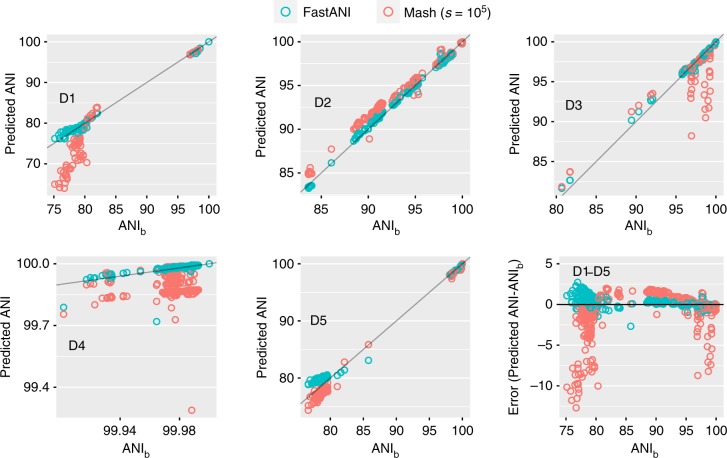
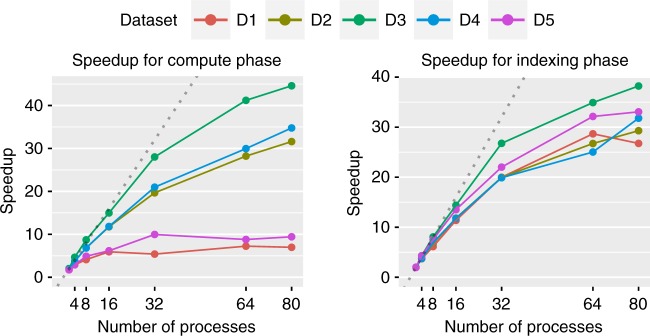
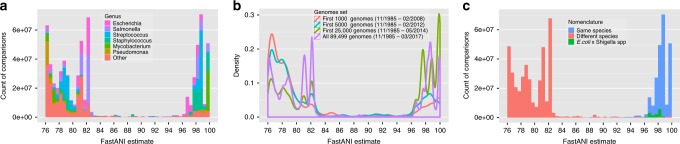
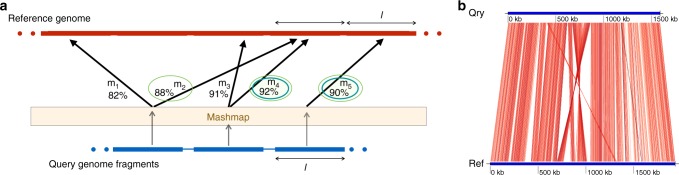
Verification
Claims the paper makes
The claims and statistics of this paper haven’t been checked yet.
Run the check — free, no account needed. It reads the open-access text and checks the sources it cites.
Claims other papers make about this one
Each is checked against this paper’s own text: does it say what the citing paper says it does?
The cited source says what the claim attributes to it.
In the citing paper
“FastANI (v1.3.1) (https://github.com/ParBLiSS/FastANI.) was used to calculate the average nucleotide identity between the isolated strains and the original Lp082,47 ensuring isolates were evolved from Lp082”
From Gut microbiota drives structural variation of exogenous probiotics to enhance colonization (2025) · cites this paper as [47]
Self-check
Percentages, sums and reported differences re-computed from the paper’s own numbers.
The self-check needs the paper’s full text.
Citations
Cites
Gapped BLAST and PSI-BLAST: a new generation of protein database search programs
Altschul, S. (1997) · Nucleic Acids Research · doi:10.1093/nar/25.17.3389 · Cited by 73,302
Search and clustering orders of magnitude faster than BLAST
Edgar, R. C. (2010) · Bioinformatics · doi:10.1093/bioinformatics/btq461 · Cited by 21,098
Fast and sensitive protein alignment using DIAMOND
Buchfink, B., Xie, C., & Huson, D. H. (2015) · Nature Methods · doi:10.1038/nmeth.3176 · Cited by 14,201
<tt>BLAT</tt> —The <tt>BLAST</tt> -Like Alignment Tool
Kent, W. J. (2002) · Genome Research · doi:10.1101/gr.229202 · Cited by 8,480
Canu: scalable and accurate long-read assembly via adaptive k -mer weighting and repeat separationPreprint
Koren, S., Walenz, B. P., Berlin, K., Miller, J. R., Bergman, N. H., & Phillippy, A. M. (2017) · Genome Research · doi:10.1101/gr.215087.116 · Cited by 7,260
Self-citationShifting the genomic gold standard for the prokaryotic species definition
Richter, M., & Rossello-Mora, R. A. (2009) · Proceedings of the National Academy of Sciences · doi:10.1073/pnas.0906412106 · Cited by 6,343
Versatile and open software for comparing large genomes
Kurtz, S., Phillippy, A., Delcher, A. L., Smoot, M., Shumway, M., Antonescu, C., & Salzberg, S. L. (2004) · Genome Biology · doi:10.1186/gb-2004-5-2-r12 · Cited by 5,254
Self-citationMauve: Multiple alignment of conserved genomic sequence with rearrangements
Darling, A. C. E., Mau, B., Blattner, F. R., & Perna, N. T. (2004) · Genome Research · doi:10.1101/gr.2289704 · Cited by 4,949
DNA–DNA hybridization values and their relationship to whole-genome sequence similarities
Goris, J., Konstantinidis, K. T., Klappenbach, J. A., Coenye, T., Vandamme, P. A. R., & Tiedje, J. M. (2007) · INTERNATIONAL JOURNAL OF SYSTEMATIC AND EVOLUTIONARY MICROBIOLOGY · doi:10.1099/ijs.0.64483-0 · Cited by 4,733 · cited 2×
“Nevertheless, it closely reflects the traditional microbiological concept of DNA-DNA hybridization relatedness for defining species (3), as it takes into account the fluid nature of the bacterial gene pool and hence implicitly considers shared function.”
BackgroundMethodSelf-citationA large-scale evaluation of algorithms to calculate average nucleotide identity
Yoon, S.-H., Ha, S. M., Lim, J., Kwon, S., & Chun, J. (2017) · Antonie van Leeuwenhoek · doi:10.1007/s10482-017-0844-4 · Cited by 3,614
Research works printed but not linked: 1
- Staley, J. The phylogenomic species concept. Microbiol. Today 36, 80–83 (2009).
Cited by
Sorted by citations
Items 601–700 of 1,013
Phylogeny-corrected identification of microbial gene families relevant to human gut colonization
Bradley, P. H., Nayfach, S., & Pollard, K. S. (2018) · PLoS Computational Biology · doi:10.1371/journal.pcbi.1006242 · Cited by 33
Composition and Diversity of CRISPR-Cas13a Systems in the Genus Leptotrichia
Watanabe, S., Cui, B., Kiga, K., Aiba, Y., Tan, X.-E., Sato’o, Y., Kawauchi, M., Boonsiri, T., Thitiananpakorn, K., Taki, Y., et al. (2019) · Frontiers in Microbiology · doi:10.3389/fmicb.2019.02838 · Cited by 34
“Whole-genome average nucleotide identity (ANI) was calculated by FastANI and the heat map was depicted by ggplot2 of R (Jain et al., 2018).”
MethodRoberts, L. W., Catchpoole, E. M., Jennison, A. V., Bergh, H., Hume, A., Heney, C., George, N., Paterson, D. L., Schembri, M. A., Beatson, S. A., et al. (2019) · Microbial Genomics · doi:10.1099/mgen.0.000321 · Cited by 34
Yang, L., Jiang, Z., Li, Y., Wang, E. T., & Zhi, X. (2020) · Genome Biology and Evolution · doi:10.1093/gbe/evaa152 · Cited by 34
Tsuji, J. M., Tran, N., Schiff, S. L., Venkiteswaran, J. J., Molot, L. A., Tank, M., Hanada, S., & Neufeld, J. D. (2020) · The ISME Journal · doi:10.1038/s41396-020-0725-0 · Cited by 32
Genomic characterization of a diazotrophic microbiota associated with maize aerial root mucilage
Higdon, S. M., Pozzo, T., Kong, N. T., Huang, B. C., Yang, M. L., Jeannotte, R., Brown, C. T., Bennett, A. B., & Weimer, B. C. (2020) · PLoS ONE · doi:10.1371/journal.pone.0239677 · Cited by 33
Okazaki, Y., Fujinaga, S., Salcher, M. M., Callieri, C., Tanaka, A., Kohzu, A., Oyagi, H., Tamaki, H., & Nakano, S. (2021) · Microbiome · doi:10.1186/s40168-020-00974-y · Cited by 34
Whole genome sequencing reveals possible host species adaptation of Streptococcus dysgalactiae
Porcellato, D., Smistad, M., Skeie, S. B., Jørgensen, H. J., Austbø, L., & Oppegaard, O. (2021) · Scientific Reports · doi:10.1038/s41598-021-96710-z · Cited by 34
Rangel-Piñeros, G., Millard, A. D., Michniewski, S., Scanlan, D. J., Sirén, K., Reyes, A., Petersen, B., Clokie, M. R. J., & Sicheritz‐Pontén, T. (2021) · PHAGE · doi:10.1089/phage.2021.0008 · Cited by 34
Comparative Genomics of Synechococcus elongatus Explains the Phenotypic Diversity of the Strains
Adomako, M., Ernst, D. C., Simkovsky, R., Chao, Y.-Y., Wang, J., Fang, M., Bouchier, C., López‐Igual, R., Mazel, D., Gugger, M. F., et al. (2022) · mBio · doi:10.1128/mbio.00862-22 · Cited by 30
“of only ;83% with PCC 7942, well below the 95% threshold for species relatedness (30),”
Minos: variant adjudication and joint genotyping of cohorts of bacterial genomes
Hunt, M., Letcher, B., Malone, K. M., Nguyen, G., Hall, M. B., Colquhoun, R., Lima, L., Schatz, M. C., Ramakrishnan, S., & Iqbal, Z. (2022) · Genome biology · doi:10.1186/s13059-022-02714-x · Cited by 32
Virulence and Ecology of Agrobacteria in the Context of Evolutionary Genomics
Weisberg, A. J., Wu, Y., Chang, J. H., Lai, E., & Kuo, C. (2023) · Annual Review of Phytopathology · doi:10.1146/annurev-phyto-021622-125009 · Cited by 32
Garrido-Amador, P., Stortenbeker, N., Wessels, H. C., Speth, D., Garcia-Heredia, I., & Kartal, B. (2023) · Nature Microbiology · doi:10.1038/s41564-023-01425-8 · Cited by 31
Phages are unrecognized players in the ecology of the oral pathogen Porphyromonas gingivalis
Matrishin, C. B., Haase, E. M., Dewhirst, F. E., Welch, J. L. M., Miranda‐Sánchez, F., Chen, T., MacFarland, D. C., & Kauffman, K. M. (2023) · Microbiome · doi:10.1186/s40168-023-01607-w · Cited by 36
“…and generated whole genome phylogenies using BacSort [default parameters] (https:// github. com/ rrwick/ Bacso rt) with the combined FastANI [111] and Mash [112] approach to generate a distance matrix and tree for visualization with phyloXML [113] and Archae-opteryx (https:// www. phylo…”
MethodGenomic delineation and description of species and within-species lineages in the genus Pantoea
Crosby, K. C., Rojas, M., Sharma, P., Johnson, M. A., Mazloom, R., Kvitko, B. H., Smits, T. H. M., Venter, S. N., Coutinho, T. A., Heath, L. S., et al. (2023) · Frontiers in Microbiology · doi:10.3389/fmicb.2023.1254999 · Cited by 33
“…genome sequence comparisons currently allow us to easily assign bacteria to species based on average nucleotide identity (ANI), whereby 95% ANI is the generally agreed-upon guideline for the delineation of bacteria belonging to the same species (Konstantinidis and Tiedje, 2005; Jain et al., 2018).”
BackgroundFecal microbiota transplantation alters gut phage communities in a clinical trial for obesity
Zuppi, M., Vatanen, T., Wilson, B. C., Golovina, E., Portlock, T., Cutfield, W. S., Vickers, M. H., & O'Sullivan, J. M. (2024) · Microbiome · doi:10.1186/s40168-024-01833-w · Cited by 33
“The ANI and AF were calculated with FastANI ( v 1.33) [29], using the protocol adapted from Kauffman et al. [30] to meet the MIUViG standards.”
MethodInfluentialLiu, M., Su, X., Yuan, J., Yang, X., Chen, Y., Xu, Q., Huang, X., Xu, J. M., & He, Y. (2024) · Water Research · doi:10.1016/j.watres.2024.122730 · Cited by 33
A metagenomic catalogue of the ruminant gut archaeome
Mi, J., Jing, X., Ma, C., Shi, F., Cao, Z., Yang, X., Yang, Y., Kakade, A., Wang, W., & Long, R. (2024) · Nature Communications · doi:10.1038/s41467-024-54025-3 · Cited by 46
Almirón, C., Petitti, T. D., Ponso, M. A., Romero, A. M., Areco, V. A., Bianco, M. I., Espariz, M., & Yaryura, P. M. (2025) · Scientific Reports · doi:10.1038/s41598-025-87390-0 · Cited by 33
“32 71 using the default parameters.”
Babiker, A., Evans, D. R., Griffith, M. P., McElheny, C. L., Hassan, M. S., Clarke, L. G., Mettus, R. T., Harrison, L. H., Doi, Y., Shields, R. K., et al. (2020) · Journal of Clinical Microbiology · doi:10.1128/jcm.00275-20 · Cited by 33
“Species were 120 identified by Kraken and by performing pairwise comparisons of average nucleotide identity on 121 the assembled genomes using fastANI using the many-to-many method (25).”
MethodLuo, Z., Rao, M. P. N., Chen, H., Hua, Z., Li, Q., Hedlund, B. P., Dong, Z.-Y., Liu, B., Guo, S., Shu, W., et al. (2021) · Frontiers in Microbiology · doi:10.3389/fmicb.2020.608832 · Cited by 31
“%) for species identification (Jain et al., 2018), and we propose the names “Candidatus Nitrosocaldus tengchongensis” sp. nov. and “Candidatus Nitrosocaldus schleperae” sp. nov. for clade B and clade D, respectively.”
BackgroundPre-Cambrian roots of novel Antarctic cryptoendolithic bacterial lineages
Albanese, D., Coleine, C., Rota‐Stabelli, O., Onofri, S., Tringe, S. G., Stajich, J., Selbmann, L., & Donati, C. (2021) · Microbiome · doi:10.1186/s40168-021-01021-0 · Cited by 33
Ausuri, J., Vitale, G. A., Coppola, D., Esposito, F. P., Buonocore, C., & de Pascale, D. (2021) · Microorganisms · doi:10.3390/microorganisms9061327 · Cited by 33
Wu, J.-J., Chou, H., Huang, J., & Deng, W. (2021) · Microbiological Research · doi:10.1016/j.micres.2021.126815 · Cited by 34
Pidcock, S., Skvortsov, T., Godoy-Santos, F., Courtney, S. J., Siu-Ting, K., Creevey, C. J., & Huws, S. (2021) · Microbial Genomics · doi:10.1099/mgen.0.000638 · Cited by 36
fIDBAC: A Platform for Fast Bacterial Genome Identification and Typing
Liang, Q., Liu, C., Xu, R., Song, M., Zhou, Z., Li, H., Dai, W., MeiCheng, Y., Yu, Y., & Chen, H. (2021) · Frontiers in Microbiology · doi:10.3389/fmicb.2021.723577 · Cited by 33
Burkholderia orbicola sp. nov., a novel species within the Burkholderia cepacia complex
Morales-Ruíz, L.-M., Rodríguez-Cisneros, M., Kerber-Díaz, J.-C., Rojas‐Rojas, F. U., Ibarra, J. A., & Santos, P. E. L. (2022) · Archives of Microbiology · doi:10.1007/s00203-022-02778-0 · Cited by 33
“The wholegenome similarity metrics of ANI was recently improved to increase its resolution in taxonomy (Jain et al. 2018).”
BackgroundChen, X., Tang, Q., Li, X., Zheng, X., Li, P., Li, M., Wu, F., Xu, Z., Lu, R., & Zhang, W. (2022) · Virus Research · doi:10.1016/j.virusres.2022.198750 · Cited by 34
Ghimire, N., Kim, B., Lee, C., & Oh, T. (2022) · BMC Genomics · doi:10.1186/s12864-022-08589-3 · Cited by 33
Daza, M. V. B., Milani, G., Cortimiglia, C., Pietta, E., Bassi, D., & Cocconcelli, P. S. (2022) · Frontiers in Microbiology · doi:10.3389/fmicb.2022.894241 · Cited by 34
Mahmud, B., Wallace, M. A., Reske, K. A., Alvarado, K., Muenks, C. E., Rasmussen, D. A., Burnham, C. D., Lanzas, C., Dubberke, E. R., & Dantas, G. A. (2022) · mSystems · doi:10.1128/msystems.00519-22 · Cited by 31
“33) (82) with the following parameters: fragLen 250 and minFraction 0.”
BackgroundDeep metagenomic characterization of gut microbial community and function in preeclampsia
Lv, L., Li, S., Wen, J., Wang, G., Li, H., He, T., Lv, Q., Xiao, M., Duan, H., Chen, M.-C., et al. (2022) · Frontiers in Cellular and Infection Microbiology · doi:10.3389/fcimb.2022.933523 · Cited by 34
“…order to describe the functional characteristics of the PE microbiome, we annotated the functions of 406 species via the KEGG database (Kanehisa et al., 2017) and profiled the functions of A B C D FIGURE 2 Comparison of microbial diversity and structure in PE patients and healthy…”
MethodEvolutionary investigations of the biosynthetic diversity in the skin microbiome using lsaBGC
Salamzade, R., Cheong, J. Z. A., Sandstrom, S., Swaney, M. H., Stubbendieck, R. M., Starr, N. L., Currie, C. R., Singh, A. M., & Kalan, L. (2023) · Microbial Genomics · doi:10.1099/mgen.0.000988 · Cited by 35
Kin discrimination promotes horizontal gene transfer between unrelated strains in Bacillus subtilis
Stefanic, P., Belcijan, K., Kraigher, B., Kostanjšek, R., Nesme, J., Madsen, J. S., Kovac, J., Sørensen, S. J., Vos, M., & Mandic-Mulec, I. (2021) · Nature Communications · doi:10.1038/s41467-021-23685-w · Cited by 33
Genomics discovery of giant fungal viruses from subsurface oceanic crustal fluids
Bhattacharjee, A. S., Schulz, F., Woyke, T., Orcutt, B. N., & Martínez, J. M. (2023) · ISME Communications · doi:10.1038/s43705-022-00210-8 · Cited by 32
Lumpe, J., Gumbleton, L., Gorzalski, A. J., Libuit, K. G., Varghese, V., Lloyd, T., Tadros, F., Arsimendi, T., Wagner, E., Stephens, C. M., et al. (2023) · PLoS ONE · doi:10.1371/journal.pone.0277575 · Cited by 32
“Whole-genome sequencing (WGS) data have been used for species identification using k-mer based methods [21,24,25].”
MethodA catalog of bacterial reference genomes from cultivated human oral bacteria
Li, W., Liang, H., Lin, X., Hu, T., Wu, Z., He, W., Wang, M., Zhang, J., Jie, Z., Jin, X., et al. (2023) · npj Biofilms and Microbiomes · doi:10.1038/s41522-023-00414-3 · Cited by 38
Zhou, T., Xiang, Y., Liu, S., Ma, H., Shao, Z. S., He, Q., & Chai, H. (2023) · The Science of The Total Environment · doi:10.1016/j.scitotenv.2023.167194 · Cited by 32
Cuénod, A., Agnetti, J., Seth-Smith, H. M. B., Roloff, T. C., Wälchli, D. L., Shcherbakov, D., Akbergenov, R., Tschudin‐Sutter, S., Bassetti, S., Siegemund, M., et al. (2023) · Genome Medicine · doi:10.1186/s13073-023-01243-x · Cited by 32
Chiou, C., Chen, B.-H., Wang, Y.-W., Kuo, N.-T., Chang, C., & Huang, Y. (2023) · Communications Biology · doi:10.1038/s42003-023-05605-4 · Cited by 32
“FastANI chops the two genomes into pieces and aligns them against each other for speedup.”
InfluentialLi, K., Yu, K., Huang, Z., Liu, X., Mei, L., Ren, X., Bai, X., Gao, H., Sun, Z., Liu, X., et al. (2024) · Frontiers in Cellular and Infection Microbiology · doi:10.3389/fcimb.2023.1325379 · Cited by 38
Xu, B., Song, P., Jiang, F., Cai, Z., Gu, H., Gao, H., Li, B., Liang, C., Qin, W., Zhang, J., et al. (2024) · npj Biofilms and Microbiomes · doi:10.1038/s41522-024-00597-3 · Cited by 34
“For redundancy removal, high-quality MAGs in each ungulate gut microbiota were dereplicated separately at the strain and species levels by dRep 44,45 .”
InfluentialShi, Y., Li, Y., Li, H., Haerheng, A., Marcelino, V. R., Lu, M., Lemey, P., Tang, J., Bi, Y., Pettersson, J. H. ‐., et al. (2025) · Cell · doi:10.1016/j.cell.2025.08.016 · Cited by 36
Whole genome sequence analysis of Cupriavidus campinensis S14E4C, a heavy metal resistant bacterium
Abbaszade, G., Szabó, A., Vajna, B., Farkas, R., Szabó, C., & Tóth, E. M. (2020) · Molecular Biology Reports · doi:10.1007/s11033-020-05490-8 · Cited by 32
“This method suggests firm resolution amidst closely linked genomes (80–100% ANI) [61].”
MethodInfluentialPan-Resistome Insights into the Multidrug Resistance of Acinetobacter baumannii
Rodrigues, D. L. N., Morais-Rodrigues, F., Raquel Hurtado, C., dos Santos, R. G., Costa, D. C., Barh, D., Ghosh, P., Alzahrani, K. J., Soares, S. D. C., Ramos, R. T. J., et al. (2021) · Antibiotics · doi:10.3390/antibiotics10050596 · Cited by 32
“The similarity analysis was performed using all the complete genomes as input to the software FastANI [21], using default parameters.”
MethodResultSmith, J. T., Eckhardt, E. M., Hansel, N. B., Eliato, T. R., Martin, I. W., & Andam, C. P. (2021) · BMC Infectious Diseases · doi:10.1186/s12879-021-06293-3 · Cited by 38
“0 [17] and compared them to the reference strain (strain NCTC 8325; RefSeq assembly accession no.”
Functional diversity of microbial communities in inactive seafloor sulfide deposits.
Dong, X.-Y., Zhang, C., Li, W., Weng, S., Song, W.-Z., Li, J.-T., & Wang, Y. (2021) · FEMS Microbiology Ecology · doi:10.1093/femsec/fiab108 · Cited by 30
Paenarthrobacter sp. GOM3 Is a Novel Marine Species With Monoaromatic Degradation Relevance
Rosas-Díaz, J., Escobar‐Zepeda, A., Adaya, L., Rojas-Vargas, J., Cuervo-Amaya, D. H., Sánchez‐Reyes, A., & Pardo‐López, L. (2021) · Frontiers in Microbiology · doi:10.3389/fmicb.2021.713702 · Cited by 32
“…types strains with the smallest MASH distances were chosen for further analysis via average nucleotide identity (ANI) determination with fastANI (Jain et al., 2018), digital DNA-DNA hybridization (dDDH) (Meier-Kolthoff et al., 2013) and a phylogenomic reconstruction with a set of 92 bacterial…”
MethodChen, Y., Chiang, P., Rogozin, D. Y., Degermendzhy, A. G., Chiu, H.-H., & Tang, S. (2021) · Communications Biology · doi:10.1038/s42003-021-02510-6 · Cited by 32
Pérez-Duque, A., González-Muñoz, A., Valencia, J. W. A., Aguas, L. J. V., Córdoba-Meza, T., Rodríguez-Rey, G. T., Díaz, P., Martínez-Urtaza, J., & Wiesner, M. (2021) · Pathogens · doi:10.3390/pathogens10121605 · Cited by 32
Selection of Anabaena sp. PCC 7938 as a Cyanobacterium Model for Biological ISRU on Mars
Ramalho, T. P., Chopin, G., Pérez-Carrascal, O. M., Tromas, N., & Verseux, C. (2022) · Applied and Environmental Microbiology · doi:10.1128/aem.00594-22 · Cited by 33
Venturini, A. M., Gontijo, J. B., Mandro, J. A., Paula, F. S., Yoshiura, C. A., da França, A. G., & Tsai, S. M. (2022) · Microbial Genomics · doi:10.1099/mgen.0.000853 · Cited by 32
FitzGerald, J. A., Patel, S. H., Eckenberger, J., Guillemard, E., Veiga, P., Schäfer, F., Walter, J., Claesson, M. J., & Derrien, M. (2022) · Gut Microbes · doi:10.1080/19490976.2022.2094664 · Cited by 37
Okazaki, Y., Nakano, S., Toyoda, A., & Tamaki, H. (2022) · mSystems · doi:10.1128/msystems.00433-22 · Cited by 29
“31) (40) and the hclust function (method = “average”) of R v4.”
MethodInvestigation of the halophilic PET hydrolase PET6 from Vibrio gazogenes
Weigert, S., Pérez-García, P., Gisdon, F. J., Gagsteiger, A., Schweinshaut, K., Ullmann, G. M., Chow, J., Streit, W. R., & Höcker, B. (2022) · Protein Science · doi:10.1002/pro.4500 · Cited by 32
“ANI was calculated using FastANI.(68) For the more extensive pangenomic analysis in Figure S1, the genomes of V.”
MethodCotto, I., Vilardi, K. J., Huo, L., Fogarty, E. C., Khunjar, W., Wilson, C., Clippeleir, H. D., Gilmore, K. R., Bailey, E., Lücker, S., et al. (2022) · Water Research · doi:10.1016/j.watres.2022.119497 · Cited by 32
Fan, S., Li, C., Guo, J., Johansen, A., Liu, Y., Feng, Y., Xue, J., & Li, Z. S. (2023) · Environmental Technology & Innovation · doi:10.1016/j.eti.2023.103269 · Cited by 32
Diorio‐Toth, L., Wallace, M. A., Farnsworth, C. W., Wang, B., Gul, D., Kwon, J. H., Andleeb, S., Burnham, C. D., & Dantas, G. A. (2023) · mSystems · doi:10.1128/msystems.00206-23 · Cited by 41
“Those reference genomes were combined with our assembled draft genomes and compared in an all-vs-all manner using FastANI to calculate ANI between each pair of isolates (77).”
BackgroundMethodEspinoza, J. L., & Dupont, C. L. (2022) · BMC Bioinformatics · doi:10.1186/s12859-022-04973-8 · Cited by 31
The Next Generation of Microbial Ecology and Its Importance in Environmental Sustainability
Lemke, M., & DeSalle, R. (2023) · Microbial Ecology · doi:10.1007/s00248-023-02185-y · Cited by 34
Wirth, R., Bagi, Z., Shetty, P., Szuhaj, M., Cheung, T. T. S., Kovács, K. L., & Maróti, G. (2023) · The ISME Journal · doi:10.1038/s41396-023-01448-3 · Cited by 33
Strain-level diversity in sulfonamide biodegradation: adaptation of Paenarthrobacter to sulfonamides
Huang, Y. L., Pan, A., Song, Y., Deng, Y., Wu, A. L.-H., Lau, C. S.-H., & Zhang, T. (2024) · The ISME Journal · doi:10.1093/ismejo/wrad040 · Cited by 33
“32) [29] and CompareM (v0.”
Smallman, T. R., Perlaza-Jiménez, L., Wang, X., Korman, T. M., Kotsanas, D., Gibson, J. S., Turni, C., Harper, M., & Boyce, J. D. (2024) · Microbiology Spectrum · doi:10.1128/spectrum.03805-23 · Cited by 31
Suarez, C., Rosenqvist, T., Dimitrova, I., Sedlacek, C. J., Modin, O., Paul, C. J., Hermansson, M., & Persson, F. (2024) · Microbiome · doi:10.1186/s40168-024-01762-8 · Cited by 32
“ANI was estimated with fastANI [36].”
Seng, R., Chomkatekaew, C., Tandhavanant, S., Saiprom, N., Phunpang, R., Thaipadungpanit, J., Batty, E. M., Day, N., Chantratita, W., West, T. E., et al. (2024) · Nature Communications · doi:10.1038/s41467-024-50067-9 · Cited by 31
Nooij, S., Plomp, N., Sanders, I. M. J. G., Schout, L., van der Meulen, A. E., Terveer, E. M., Norman, J. M., Karcher, N., Larralde, M., Vossen, R. H. A. M., et al. (2025) · Nature Communications · doi:10.1038/s41467-025-56449-x · Cited by 35
“As all R. gnavus genomes included here share at least 95% similarity with one another, which is often considered the species boundary 25,26 , we consider that these clades represent sub-species.”
InfluentialAutoMLST2: a web server for phylogeny and microbial taxonomy
Pourmohsenin, B., Wiese, A., & Ziemert, N. (2025) · Nucleic Acids Research · doi:10.1093/nar/gkaf397 · Cited by 31
“Advances in whole-genome sequencing and computational methods have enabled more robust approaches, such as Average Nucleotide Identity (ANI) analysis and Multi-Locus Sequence Analysis (MLSA) [ 5–7 ].”
InfluentialBacterial microcompartments and energy metabolism drive gut colonization by Bilophila wadsworthia
Sayavedra, L., Yasir, M., Goldson, A. J., Brion, A., Gall, G. L., Moreno‐Gonzalez, M., Altera, A., Paxhia, M. D., Warren, M. J., Savva, G. M., et al. (2025) · Nature Communications · doi:10.1038/s41467-025-60180-y · Cited by 33
“ANI values were calculated using fastANI (v.1.3.4) 82 .”
InfluentialPutative novel cps loci in a large global collection of pneumococci
van Tonder, A. J., Gladstone, R. A., Lo, S. W., Nahm, M. H., du Plessis, M., Cornick, J., Kwambana-Adams, B., Madhi, S. A., Hawkins, P. A., Benisty, R., et al. (2019) · Microbial Genomics · doi:10.1099/mgen.0.000274 · Cited by 31
Azospirillum palustre sp. nov., a methylotrophic nitrogen-fixing species isolated from raised bog
Tikhonova, E. N., Grouzdev, D. S., & Kravchenko, I. K. (2019) · INTERNATIONAL JOURNAL OF SYSTEMATIC AND EVOLUTIONARY MICROBIOLOGY · doi:10.1099/ijsem.0.003560 · Cited by 31
Buse, H. Y., Morris, B. J., Gomez‐Alvarez, V., Szabo, J. G., & Hall, J. S. (2020) · Pathogens · doi:10.3390/pathogens9070567 · Cited by 31
Mao, G., Liang, J., Wang, Q., Zhao, C. N., Bai, Y., Liu, R., Liu, H., & Qu, J. (2020) · Journal of Environmental Sciences · doi:10.1016/j.jes.2020.05.014 · Cited by 31
Achtman, M., & Zhou, Z. (2020) · Philosophical Transactions of the Royal Society B Biological Sciences · doi:10.1098/rstb.2019.0573 · Cited by 32
Hu, W., Pan, J., Wang, B., Guo, J., Li, M., & Xu, M. (2020) · Environmental Microbiology · doi:10.1111/1462-2920.15349 · Cited by 33
de Campos, T. A., de Almeida, F. M., Almeida, A. P. C., Nakamura-Silva, R., Oliveira-Silva, M., de Sousa, I. F. A., Cerdeira, L., Lincopán, N., Pappas, G. J., Jr., & Pitondo‐Silva, A. (2021) · Frontiers in Microbiology · doi:10.3389/fmicb.2021.604031 · Cited by 30
Qin, J., Feng, Y., Lu, X., & Zong, Z. (2021) · mSystems · doi:10.1128/msystems.00237-21 · Cited by 31
“32 (46) and genome-to-genome distance calculator (formula 2) (47) with the recommended parameters and/or default settings, respectively.”
BackgroundMcDaniel, E., Moya‐Flores, F., Beach, N. K., Camejo, P. Y., Oyserman, B. O., Kizaric, M., Khor, E. H., Noguera, D. R., & McMahon, K. D. (2021) · mSystems · doi:10.1128/msystems.00474-21 · Cited by 31
“Pairwise genome-wide ANI was calculated among the four Accumulibacter draft genomes and all available Accumulibacter genomes in GenBank with FastANI (40).”
BackgroundMethodMatteoli, F. P., Pedrosa‐Silva, F., Silva, L. D., & Giachini, A. J. (2021) · Genomics · doi:10.1016/j.ygeno.2021.08.009 · Cited by 29
Historical, current, and emerging tools for identification and serotyping of Shigella
Halimeh, F. B., Rafei, R., Osman, M., Kassem, I. I., Diene, S. M., Dabboussi, F., Rolain, J., & Hamzé, M. (2021) · Brazilian Journal of Microbiology · doi:10.1007/s42770-021-00573-5 · Cited by 31
Yuste, A., Angulo, E. L. A., & Torras, M. D. L. Á. C. (2021) · Scientific Reports · doi:10.1038/s41598-021-98723-0 · Cited by 31
Bansal, K., Kumar, S., Kaur, A., Sharma, S., Patil, P. B., & Patil, P. (2021) · Genomics · doi:10.1016/j.ygeno.2021.09.021 · Cited by 31
Hwang, Y., Schulze‐Makuch, D., Arens, F. L., Sáenz, J. S., Adam, P. S., Sager, C., Bornemann, T. L. V., Zhao, W., Zhang, Y., Airo, A., et al. (2021) · Microbiome · doi:10.1186/s40168-021-01177-9 · Cited by 30
Bryson, S., Hunt, K. A., Stahl, D. A., & Winkler, M. K. H. (2022) · Frontiers in Microbiology · doi:10.3389/fmicb.2022.825104 · Cited by 31
“Three of these MAGs were of the order Bryobacteriales (1S_bin014, 1S_bin026, and 2S_bin014) but all pairwise comparisons of average nucleotide identity (ANI) (Jain et al., 2018) were between 77 and 79%.”
BackgroundMethodInfluentialHuang, Y. L., Yu, Z., Liu, L., Che, Y., & Zhang, T. (2022) · Environmental Science & Technology · doi:10.1021/acs.est.2c03656 · Cited by 32
Hickl, O., Queirós, P., Wilmes, P., May, P., & Heintz‐Buschart, A. (2022) · Briefings in Bioinformatics · doi:10.1093/bib/bbac431 · Cited by 30
Genomic comparisons confirm Giardia duodenalis sub-assemblage AII as a unique species
Seabolt, M. H., Roellig, D. M., & Konstantinidis, K. (2022) · Frontiers in Cellular and Infection Microbiology · doi:10.3389/fcimb.2022.1010244 · Cited by 33
“The resulting phylogenies from ASTRAL, STACEY, and FASTANI were visualized and annotated using the Interactive Tree of Life (iTOL) web portal (Letunic and Bork, 2019; URL: https://itol. embl.de).”
MethodSelf-citationKim, S.-H., Yehuala, G. A., Bang, W. Y., Yang, J., Jung, Y. H., & Park, M. (2022) · Microorganisms · doi:10.3390/microorganisms10122494 · Cited by 33
Pitfalls of genotyping microbial communities with rapidly growing genome collections
Zhao, C., Shi, Z. J., & Pollard, K. S. (2023) · Cell Systems · doi:10.1016/j.cels.2022.12.007 · Cited by 33
Ecophysiology and genomics of the brackish water adapted SAR11 subclade IIIa
Lanclos, V. C., Rasmussen, A., Kojima, C. Y., Cheng, C., Henson, M. W., Faircloth, B. C., Francis, C. A., & Thrash, J. C. (2023) · The ISME Journal · doi:10.1038/s41396-023-01376-2 · Cited by 31
The link between increased Desulfovibrio and disease severity in Parkinson’s disease
Nie, S., Jing, Z., Wang, J., Deng, Y., Zhang, Y., Ye, Z., & Ge, Y. (2023) · Applied Microbiology and Biotechnology · doi:10.1007/s00253-023-12489-1 · Cited by 32
Conte, A. L., Brunetti, F., Marazzato, M., Longhi, C., Maurizi, L., Raponi, G., Palamara, A. T., Grassi, S., & Conte, M. P. (2023) · Frontiers in Cellular and Infection Microbiology · doi:10.3389/fcimb.2023.1194254 · Cited by 31
“32 (Jain et al., 2018) and querying the PubMLST dedicated database (Jolley et al.”
Hera, M. R., Pierce‐Ward, N. T., & Koslicki, D. (2023) · Genome Research · doi:10.1101/gr.277651.123 · Cited by 31
“Mash and FastANI both have many zeroed-out values, and therefore, the least-squares fit is not shown for these two.”
InfluentialInsights into early evolutionary adaptations of the Akkermansia genus to the vertebrate gut
González, D., Morales-Olavarria, M., Vidal-Veuthey, B., & Cárdenas, J. P. (2023) · Frontiers in Microbiology · doi:10.3389/fmicb.2023.1238580 · Cited by 30
Recovery and genome reconstruction of novel magnetotactic Elusimicrobiota from bog soil
Uzun, M., Koziaeva, V. V., Dziuba, M. V., Alekseeva, L., Krutkina, M. S., Sukhacheva, M. V., Baslerov, R. V., & Grouzdev, D. S. (2022) · The ISME Journal · doi:10.1038/s41396-022-01339-z · Cited by 30
Teullet, S., Tilak, M., Magdeleine, A., Schaub, R., Weyer, N. M., Panaino, W., Fuller, A., Loughry, W. J., Avenant, N. L., de Thoisy, B., et al. (2023) · mSystems · doi:10.1128/msystems.00388-23 · Cited by 31
Dougherty, P. E., Nielsen, T. K., Riber, L., Lading, H. H., Junco, L. M. F., Kot, W., Raaijmakers, J. M., & Hansen, L. H. (2023) · The ISME Journal · doi:10.1038/s41396-023-01547-1 · Cited by 30
“3.3) [37] nucleotide similarities multiplied with the ratio of aligned fractions.”
InfluentialMicrobial Diversity in African Foods and Beverages: A Systematic Assessment
Ghosh, S. B., Bornman, C., Meskini, M., & Joghataei, M. (2023) · Current Microbiology · doi:10.1007/s00284-023-03481-z · Cited by 34
Jiao, J., Wu, J., Zhou, C., He, Z., Tan, Z., & Wang, M. (2024) · The ISME Journal · doi:10.1093/ismejo/wrae002 · Cited by 28
“Thereafter, our goat kid-specific GKGMC was aligned with RGMC and GMMC using FastANI, according to previously reported genome thresholds for species and strain delineation of ≥ 95% and ≥ 99% ANI, respectively, and ≥ 60% of the genome [36].”
Predicting microbial interactions with approaches based on flux balance analysis: an evaluation
Joseph, C., Zafeiropoulos, H., Bernaerts, K., & Faust, K. (2024) · BMC Bioinformatics · doi:10.1186/s12859-024-05651-7 · Cited by 31
“ANI scores were calculated with the FastANI tool [62].”
MethodExtracellular vesicle formation in Euryarchaeota is driven by a small GTPase
Mills, J., Mills, J., Gebhard, L., Gebhard, L., Schubotz, F., Schubotz, F., Shevchenko, A., Shevchenko, A., Speth, D., Speth, D. R., et al. (2024) · Proceedings of the National Academy of Sciences · doi:10.1073/pnas.2311321121 · Cited by 34
Metadata
- Authors
- Jain, C., Rodriguez-R, L. M., Phillippy, A. M., Konstantinidis, K. T., & Aluru, S.
- Affiliations
- National Institutes of Health (US)
- Georgia Institute of Technology (US)
- Corresponding author
- Konstantinidis, Konstantinos T.
- Aluru, Srinivas
- ORCID
- Venue
- Nature Communications
- Published
- 2018-11-30
- Volume
- 9
- Issue
- 1
- Pages
- 5114-5114
- ISSN
- 2041-1723 (ISSN-L)
- PMC
- PMC6269478
- OpenAlex
- W2951254987
- Cited by
- 5,748
- References
- 40
- Citations by year
- 2026: 1107 · 2025: 1110 · 2024: 977 · 2023: 789 · 2022: 695 · 2021: 617 · 2020: 305 · 2019: 128 · 2018: 16
- FWCI
- 96.11
- Type
- journal article
- Language
- en
- Open access
- gold
- doi.org
- Locations
- Nature Communications (publishedVersion, cc-by)
- bioRxiv (Cold Spring Harbor Laboratory) (acceptedVersion, cc-by)
- Europe PMC (PubMed Central) (publishedVersion, other-oa)
- PubMed Central (publishedVersion, cc-by)
- PubMed (publishedVersion)
- RePEc: Research Papers in Economics (submittedVersion)
- DOAJ (DOAJ: Directory of Open Access Journals) (submittedVersion, cc-by-sa)
- DOAJ (DOAJ: Directory of Open Access Journals) (submittedVersion)
- Funders
- National Science Foundation (1416259, 1816027, 1356288)
- Topics
- Life Sciences › Biochemistry, Genetics and Molecular Biology › Molecular Biology › Genomics and Phylogenetic Studies
- Health Sciences › Medicine › Microbiology (medical) › Bacterial Identification and Susceptibility Testing
- Physical Sciences › Environmental Science › Ecology › Microbial Community Ecology and Physiology
- Keywords
- average nucleotide identity, prokaryotic genomes, species boundaries, taxonomic classification, draft genome sequence
- MeSH terms
- Phylogeny, Prokaryotic Cells, Genetic Variation, Databases, Factual, Genome, Bacterial, Sequence Analysis, DNA
About these checks
Registry, retraction, Cites and statistics results are computed, not judged, with one exception: a printed reference that no index lists is read once by a model before it counts as a citation error. Claims are extracted by a model and kept only when their quote appears verbatim in the text; each cited source is then checked, with a model’s help, for whether it says what the claim relies on. Those verdicts can be wrong — read the claim’s quote and the cited source before relying on one.
Statistics and arithmetic are recomputed, not judged.
Confidence bands are shown only for fields calibrated on our annotated test set. None is calibrated yet, so no band is shown.
What counts as a claim ›How we measure confidence ›How we check this ›
Are you an author, or do you see a problem with this page? Request a review
