

Genome-wide association analyses of chronotype in 697,828 individuals provides insights into circadian rhythms
Open accessThe DOI matches its Crossref record; 106 of the 106 references it cites were found in a registry or an index.
Abstract
Being a morning person is a behavioural indicator of a person’s underlying circadian rhythm. Using genome-wide data from 697,828 UK Biobank and 23andMe participants we increase the number of genetic loci associated with being a morning person from 24 to 351. Using data from 85,760 individuals with activity-monitor derived measures of sleep timing we find that the chronotype loci associate with sleep timing: the mean sleep timing of the 5% of individuals carrying the most morningness alleles is 25 min earlier than the 5% carrying the fewest. The loci are enriched for genes involved in circadian regulation, cAMP, glutamate and insulin signalling pathways, and those expressed in the retina, hindbrain, hypothalamus, and pituitary. Using Mendelian Randomisation, we show that being a morning person is causally associated with better mental health but does not affect BMI or risk of Type 2 diabetes. This study offers insights into circadian biology and its links to disease in humans.
Overview
The claims and statistics of this paper haven’t been checked yet.
Free: it reads the open-access text and checks the first 5 claims that cite a source we can check. Create a free account to check every claim.
Integrity signals
Registry
Cites
Statistics
Figures
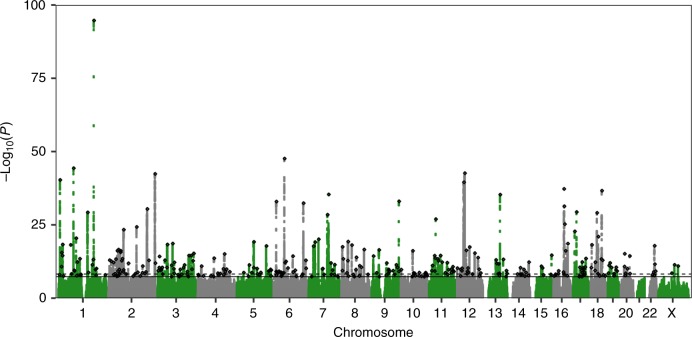


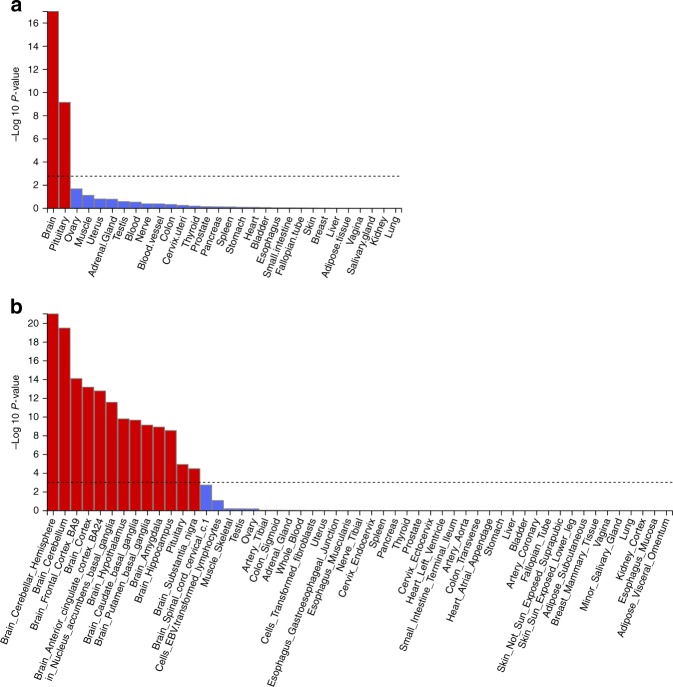
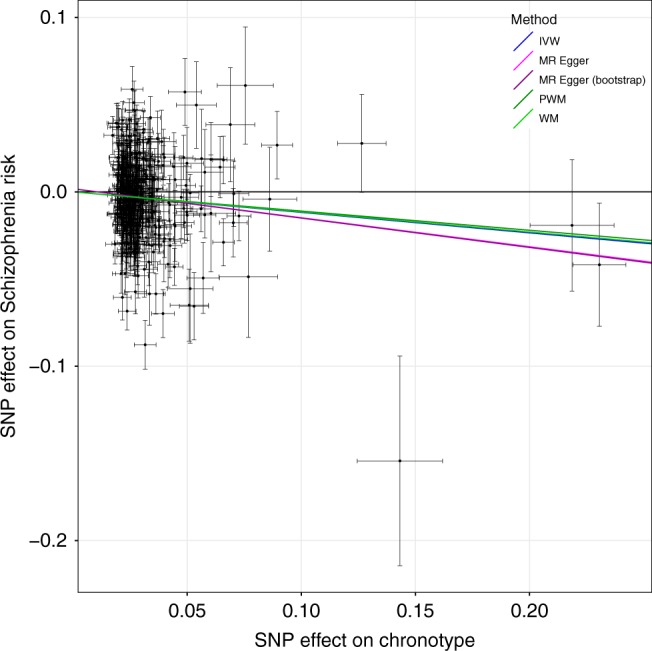
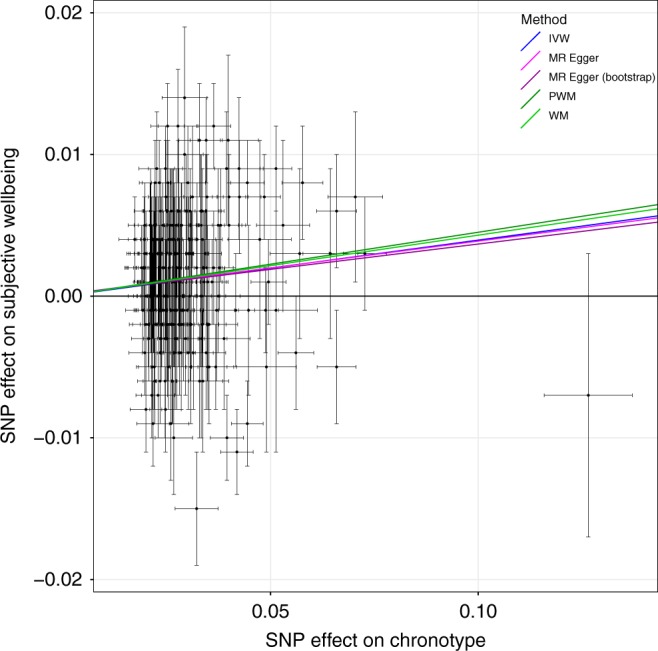
Verification
Claims the paper makes
The claims and statistics of this paper haven’t been checked yet.
Free: it reads the open-access text and checks the first 5 claims that cite a source we can check. Create a free account to check every claim.
Claims other papers make about this one
Each is checked against this paper’s own text: does it say what the citing paper says it does?
The source backs part of the claim, not all of it — or backs it for a different population, condition or comparison.
In the citing paper
“the chronotype seems to be dependent on environmental factors, which again is affected by mechanisms of innate homeostasis of sleep and circadian rhythms, as shown by a genome-wide association analysis, identifying genomic loci associated to chronotype (156).”
From Meal timing and its role in obesity and associated diseases (2024) · cites this paper as [156]
Experimental — accuracy not yet measuredIn the citing paper
“In several genome-wide association studies (GWASs) of depression-related traits, TNKS was found to be associated with (p = 7.68 × 10⁻¹⁰)38, bipolar disorder (p = 3 × 10⁻⁶)39, and positive affect (p = 0.0003)40.”
From Methylome-wide change associated with response to electroconvulsive therapy in depressed patients (2021) · cites this paper as [38]
Self-check
Percentages, sums and reported differences re-computed from the paper’s own numbers.
The self-check needs the paper’s full text.
Citations
Cites
Sudlow, C., Gallacher, J., Allen, N., Beral, V., Burton, P., Danesh, J., Downey, P., Elliott, P., Green, J., Landray, M., et al. (2015) · PLOS Medicine · doi:10.1371/journal.pmed.1001779 · Cited by 12,728
Bowden, J., Davey Smith, G., Haycock, P. C., & Burgess, S. (2016) · Genetic Epidemiology · doi:10.1002/gepi.21965 · Cited by 8,922
Self-citationThe MR-Base platform supports systematic causal inference across the human phenome
Hemani, G., Zheng, J., Elsworth, B., Wade, K. H., Haberland, V., Baird, D., Laurin, C., Burgess, S., Bowden, J., Langdon, R., et al. (2018) · eLife · doi:10.7554/elife.34408 · Cited by 7,959
Self-citationGenetics of Food Intake Self-Regulation in Childhood: Literature Review and Research Opportunities
Faith, M. S., Carnell, S., & Kral, T. V. E. (2013) · Human Heredity · doi:10.1159/000353879 · Cited by 7,601
Biological insights from 108 schizophrenia-associated genetic loci
Schizophrenia Working Group of the Psychiatric Genomics Consortium (2014) · Nature · doi:10.1038/nature13595 · Cited by 7,577
LD Score regression distinguishes confounding from polygenicity in genome-wide association studies
Schizophrenia Working Group of the Psychiatric Genomics Consortium, Bulik-Sullivan, B. K., Loh, P.-R., Finucane, H. K., Ripke, S., Yang, J., Patterson, N., Daly, M. J., Price, A. L., & Neale, B. M. (2015) · Nature Genetics · doi:10.1038/ng.3211 · Cited by 5,559
METAL: fast and efficient meta-analysis of genomewide association scans
Willer, C. J., Li, Y., & Abecasis, G. R. (2010) · Bioinformatics · doi:10.1093/bioinformatics/btq340 · Cited by 5,205
A self-assessment questionnaire to determine morningness- eveningness in human circadian rhythms
Home, J. K. (1976) · Medical Entomology and Zoology · Cited by 4,783
Mendelian randomization: Using genes as instruments for making causal inferences in epidemiology
Lawlor, D. A., Harbord, R. M., Sterne, J. A. C., Timpson, N., & Davey Smith, G. (2008) · Statistics in Medicine · doi:10.1002/sim.3034 · Cited by 4,618
Self-citationGenetic studies of body mass index yield new insights for obesity biology
Study, T. L. C., Locke, A. E., The ADIPOGen Consortium, The AGEN-BMI Working Group, The CARDIOGRAMplusC4D Consortium, The CKDGen Consortium, The, G. L. G. C., The, I. C. B. P., The MAGIC Investigators, The MuTHER Consortium, et al. (2015) · Nature · doi:10.1038/nature14177 · Cited by 4,534
Self-citation
Cited by
Items 201–300 of 758
Circadian Disruption and Colorectal Cancer Incidence in Black Women
Barber, L. E., VoPham, T., White, L. F., Roy, H. K., Palmer, J. R., & Bertrand, K. A. (2022) · Cancer Epidemiology Biomarkers & Prevention · doi:10.1158/1055-9965.epi-22-0808 · Cited by 21
The Genetics of Human Sleep and Sleep Disorders
Zou, X., Ptáček, L. J., & Fu, Y. (2024) · Annual Review of Genomics and Human Genetics · doi:10.1146/annurev-genom-121222-120306 · Cited by 22
Miyagawa, T., Hida, A., Shimada, M., Uehara, C., Nishino, Y., Kadotani, H., Uchiyama, M., Ebisawa, T., Inoue, Y., Kamei, Y., et al. (2019) · Journal of Human Genetics · doi:10.1038/s10038-019-0665-6 · Cited by 24
Hebbar, P., Abu‐Farha, M., Mohammad, A., Alkayal, F., Melhem, M., Abubaker, J. A., Al‐Mulla, F., & Thanaraj, T. A. (2020) · Frontiers in Genetics · doi:10.3389/fgene.2019.01411 · Cited by 23
Using Chronobiological Phenotypes to Address Heterogeneity in Bipolar Disorder
Gonzalez, R., Gonzalez, S. D., & McCarthy, M. J. (2019) · Complex Psychiatry · doi:10.1159/000506636 · Cited by 17
Causal Effects of Sleep Traits on Ischemic Stroke and Its Subtypes: A Mendelian Randomization Study
Cai, H., Liang, J., Liu, Z., Fang, L., Zheng, J., Xu, J., Chen, L., Sun, W., & Zhang, H. (2020) · Nature and Science of Sleep · doi:10.2147/nss.s265946 · Cited by 21
Enhancing the Evolutionary Science of Self-Presentation Modification
Valentová, J. V., Mafra, A. L., & Varella, M. A. C. (2021) · Archives of Sexual Behavior · doi:10.1007/s10508-021-01975-0 · Cited by 23
Gonda, X., Eszlári, N., Török, D., Gál, Z., Bokor, J., Millinghoffer, A., Baksa, D., Petschner, P., Antal, P., Breen, G. D., et al. (2021) · Translational Psychiatry · doi:10.1038/s41398-021-01436-1 · Cited by 23
Chen, J., Zhang, J., So, H., Ai, S., Wang, N., Tan, X. W., & Wing, Y. K. (2021) · Journal of Bone and Mineral Research · doi:10.1002/jbmr.4406 · Cited by 21
“Recently, genomewide association studies (GWAS) have identified several genetic variants robustly associated with sleep traits (sleep duration,((18)) chronotype,((19)) daytime sleepiness,((20)) and insomnia((21))) and BMD estimated by quantitative ultrasound of the heel (eBMD).”
BackgroundMethodInfluentialDegenfellner, J., & Schernhammer, E. S. (2021) · Occupational Medicine · doi:10.1093/occmed/kqab138 · Cited by 23
Chronotype in Patients With Immune-Mediated Inflammatory Disease: A Systematic Review
Butler, T. D., Ali, A. M., Gibbs, J. E., & McLaughlin, J. T. (2022) · Journal of Biological Rhythms · doi:10.1177/07487304221131114 · Cited by 20
“Chronotype is shaped by environmental and genetic influences and can be interpreted qualitatively as a personality trait or quantitatively as a phase of entrainment (Jones et al., 2019; Roenneberg, 2015).”
BackgroundThe circadian variation of sleep and alertness of postmenopausal women
Pérez‐Medina‐Carballo, R., Kosmadopoulos, A., Boudreau, P., Robert, M., Walker, C., & Boivin, D. B. (2022) · SLEEP · doi:10.1093/sleep/zsac272 · Cited by 23
Nitta, L., Tahara, Y., Shinto, T., Makino, S., Kuwahara, M., Tada, A., Abe, N., Michie, M., & Shibata, S. (2023) · Nutrients · doi:10.3390/nu15092165 · Cited by 21
“Genomewide association studies revealed 351 single-nucleotide polymorphisms associated with chronotypes [3].”
BackgroundCompared Heritability of Chronotype Instruments in a Single Population Sample
Leocádio-Miguel, M. A., Ruiz, F. S., Ahmed, S. S., Taporoski, T. P., Horimoto, A. R. V. R., Beijamini, F., Pedrazzoli, M., Knutson, K. L., Pereira, A. C., & von Schantz, M. (2021) · Journal of Biological Rhythms · doi:10.1177/07487304211030420 · Cited by 21
“A combined meta-analysis including chronotype assessed through a single question in both the UK Biobank cohort and in the 23andMe user survey (n = 697,828) reported associations with 351 loci (Jones et al., 2019).”
Chen, M., Peng, W.-Y., Tang, T., & Zheng, H. (2021) · Frontiers in Pharmacology · doi:10.3389/fphar.2021.763649 · Cited by 22
Bao, W., Li, Q., Bao, Y., Wang, S., & Li, W. (2022) · Frontiers in Pharmacology · doi:10.3389/fphar.2022.900788 · Cited by 21
“Similarly, the “morning person” is a binary variable, including 252,287 cases (“Definitely a “morning” person” and “More a “morning” than “evening” person”) and 150,908 controls (“Definitely an “evening” person” and “More an “evening” than a “morning” person”) (Jones et al., 2019).”
Chen, S.-D., You, J., Zhang, W., Wu, B., Ge, Y., Xiang, S., Du, J., Kuo, K., Banaschewski, T., Barker, G. J., et al. (2024) · Nature Human Behaviour · doi:10.1038/s41562-023-01792-6 · Cited by 20
“We mapped the identified loci in conjunctional FDR analysis to genes using positional, eQTL and chromatin-interaction mapping (Supplementary Table 26) and found that multiple genes were implicated for more than two conditions (Supplementary Table 27).”
InfluentialCrinion, S., Morris, D. W., & Lopez, L. M. (2024) · Genes Brain & Behavior · doi:10.1111/gbb.12885 · Cited by 21
“Jones et al 7 reports that morningness is positively correlated with subjective well-being and negatively correlated with SZ, depressive symptoms and MDD, providing further evidence of shared biology.”
BackgroundDwivedi, S. L., Quiroz, L. F., Spillane, C., Wu, R., Mattoo, A. K., & Ortiz, R. O. (2024) · Planta · doi:10.1007/s00425-023-04324-8 · Cited by 20
“To overcome these drawbacks, a forward-genetic approach has been developed which takes advantage of genome-wide mapping and association genetics available for a range of species (Jones et al. 2019).”
BackgroundWiniger, E. A., Ellingson, J. M., Morrison, C. L., Corley, R. P., Pasman, J. A., Wall, T. L., Hopfer, C. J., & Hewitt, J. K. (2020) · SLEEP · doi:10.1093/sleep/zsaa188 · Cited by 20
A matter of time: Circadian clocks in osteoarthritis and the potential of chronotherapy
Dernie, F., & Adeyoju, D. (2020) · Experimental Gerontology · doi:10.1016/j.exger.2020.111163 · Cited by 21
Stolarski, M., Gorgol, J., & Matthews, G. (2021) · Chronobiology International · doi:10.1080/07420528.2020.1867157 · Cited by 20
“However, to the extent that individual differences in chronotype are primarily driven by genetic factors (Hogben et al. 2007; Jones et al. 2019), we do not expect that the adaptational mechanism we have tentatively proposed is likely to generate large effect sizes, at least over relatively short…”
BackgroundXia, L., Ou, J., Li, K., Guo, H., Hu, Z., Bai, T., Zhao, J., Xia, K., & Zhang, F. (2019) · Autism Research · doi:10.1002/aur.2229 · Cited by 23
“Two de novo and rare variants in SNX29 have been reported in autism [Iossifov et al., 2014; RK et al., 2017]; one in developmental Disorder [Deciphering Developmental Disorders, 2017] SNX29, Homo Sapiens Sorting Nexin 29 Gene Ontology (GO) annotations related to this gene include microtubule motor activity and phospha…”
BackgroundArchaic Introgression Shaped Human Circadian Traits
Velazquez-Arcelay, K., Colbran, L. L., McArthur, E., Brand, C. M., Rinker, D. C., Siemann, J. K., McMahon, D. G., & Capra, J. A. (2023) · Genome Biology and Evolution · doi:10.1093/gbe/evad203 · Cited by 18
Edgley, K., Chun, H.-Y. Y., Whiteley, W. N., & Tsanas, A. (2023) · Sensors · doi:10.3390/s23031069 · Cited by 18
“Previous studies have investigated body temperature fluctuations in the process of feature extraction by assuming that a healthy participant will exhibit a decrease in body temperature that occurs after sleep onset and an increase in body temperature before waking [13,14].”
BackgroundArora, N., Bhatta, L., Skarpsno, E. S., Dalen, H., Åsvold, B. O., Brumpton, B. M., Richmond, R. C., & Strand, L. B. (2023) · BMC Medicine · doi:10.1186/s12916-023-03078-0 · Cited by 19
“To evaluate potential impact of winner’s curse, one-sample MR analysis was repeated using genetic variants that replicated at a genome-wide significance level ( P < 5 × 10 − 8 ) in a large independent dataset for insomnia symptoms (23andMe, n = 944 477; see Additional file 2: Table G1) [30] and chronotype (23andMe, n…”
BackgroundMethodResultInfluentialMcCarthy, M. J., Brumback, T., Thomas, M. L., & Meruelo, A. D. (2023) · Journal of Psychiatric Research · doi:10.1016/j.jpsychires.2023.10.030 · Cited by 20
Rhythm is essential: Unraveling the relation between the circadian clock and cancer
Ogunlusi, O., Ghosh, A., Sarkar, M., Carter, K., Davuluri, H., Chakraborty, M., Eckel‐Mahan, K. L., Keene, A. C., Menet, J. S., Bell‐Pedersen, D., et al. (2025) · Critical Reviews in Oncology/Hematology · doi:10.1016/j.critrevonc.2025.104632 · Cited by 18
Onset of regular cannabis use and young adult insomnia: an analysis of shared genetic liability
Winiger, E. A., Huggett, S. B., Hatoum, A. S., Friedman, N. P., Drake, C. L., Wright, K. P., & Hewitt, J. K. (2019) · SLEEP · doi:10.1093/sleep/zsz293 · Cited by 19
“Additionally, several large genome-wide association studies (GWASs) of sleep-related variables, including chronotype [95], sleep duration [96, 97], and insomnia [98] have found significant genes and genetic pathways linked with cannabis use [40, 99] or cannabinoid activity [100–106].”
BackgroundNakagawa, S., Pham, K. T. N., Shao, X., & Doi, M. (2020) · International Journal of Molecular Sciences · doi:10.3390/ijms21145055 · Cited by 19
“Moreover, a follow-up association study on more than 650,000 individuals further confirmed this tight linkage between RGS16 and human chronotypes [15].”
BackgroundSilva, A. C. P. E., dos Santos, M. J., Gitaí, D. L. G., Coelho, J. A. P. D. M., & de Andrade, T. G. (2020) · Journal of Affective Disorders · doi:10.1016/j.jad.2020.07.138 · Cited by 19
García‐Marín, L. M., Campos, A. I., Martin, N. G., Cuéllar-Partida, G., & Rentería, M. E. (2020) · SLEEP · doi:10.1093/sleep/zsaa154 · Cited by 19
Understanding Factors That Cause Tinnitus: A Mendelian Randomization Study in the UK Biobank
Cresswell, M., Casanova, F., Beaumont, R. N., Wood, A. R., Ronan, N., Hilton, M. P., & Tyrrell, J. (2022) · Ear & Hearing · doi:10.1097/aud.0000000000001074 · Cited by 18
“Briefly, principal component analyses were performed to generate principal components using loadings from high-confidence SNPs in the 1000 genomes cohort.”
MethodInfluentialSelf-citationFan, H. X., Liu, Z., Zhang, X., Yuan, H., Zhao, X., Zhao, R., Shi, T., Wu, S. L., Xu, Y., Suo, C., et al. (2022) · Frontiers in Genetics · doi:10.3389/fgene.2022.792558 · Cited by 20
Common variants contribute to intrinsic human brain functional networksPreprint
Zhao, B., Li, T., Smith, S. M., Xiong, D., Wang, X., Yang, Y., Luo, T., Zhu, Z., Shan, Y., Matoba, N., et al. (2020) · bioRxiv (Cold Spring Harbor Laboratory) · doi:10.1101/2020.07.30.229914 · Cited by 19
Dashti, H. S., Liu, C., Deng, H., Sharma, A., Payton, A., Maharani, A., & Didikoğlu, A. (2025) · Communications Medicine · doi:10.1038/s43856-025-01035-x · Cited by 18
Self-citationZhou, M., Liang, Y. Y., Ai, S., Feng, H., Zhou, Y., Liu, Y., Zhang, J., Jia, F., & Lei, B. (2024) · SLEEP · doi:10.1093/sleep/zsae157 · Cited by 18
Pelczyńska, M., Moszak, M., Wojciechowska, J., Płócienniczak, A., Potocki, J., Blok, J., Balcerzak, J., Zblewski, M., & Bogdański, P. (2024) · Nutrients · doi:10.3390/nu17010080 · Cited by 23
“The authors identified 351 loci linked to the chronotype preference, of which 24 had been previously documented in an earlier GWAS, and 327 were newly discovered, i.e., PER1, PER2, PER3, CRY, FBXL3, and ARNTL [46].”
Association between insomnia symptoms and chronotype—A systematic review and meta-analysis
Zhao, Y., Chen, H., Åkerstedt, T., Zhang, Z., Wang, S., & Tan, X. W. (2025) · Sleep Health · doi:10.1016/j.sleh.2025.06.011 · Cited by 18
Ischemic Stroke and Sleep: The Linking Genetic Factors
Коростовцева, Л. С. (2021) · Cardiology and Therapy · doi:10.1007/s40119-021-00231-9 · Cited by 17
“) [47, 48], a relation to cerebrovascular events has been studied only for a few of the genes (PER genes, CRY1, ARNTL/BMAL1, HCRTR2) [49–53].”
BackgroundBurns, A. C., Zellers, S. M., Windred, D. P., Daghlas, I., Sinnott-Armstrong, N., Rutter, M. K., Hublin, C., Friligkou, E., Polimanti, R. A., Phillips, A. J. K., et al. (2024) · medRxiv · doi:10.1101/2024.09.10.24313197 · Cited by 23
“For chronotype, we used the previously published inverse-variance weighted meta-analysis of chronotype from the UK Biobank and 23andMe samples for 15,880,664 variants in up to 651,295 individuals [44].”
MethodSelf-citationWang, M., Yang, M., Liang, S., Wang, N., Wang, Y., Sambou, M. L., Qin, N., Zhu, M., Wang, C., Jiang, Y., et al. (2023) · SLEEP · doi:10.1093/sleep/zsad299 · Cited by 17
Minbay, M., Khan, A., Ghasemi, A. R., Ingram, K. K., & Ay, A. A. (2024) · Psychiatry Research · doi:10.1016/j.psychres.2024.115948 · Cited by 16
Mendelian randomization of individual sleep traits associated with major depressive disorder
Zheng, Q., Wei-Wei, Y., Shan-Shu, H., & Li, Y. (2024) · Journal of Affective Disorders · doi:10.1016/j.jad.2024.08.068 · Cited by 16
Minz, S., & Pati, A. K. (2019) · Biological Rhythm Research · doi:10.1080/09291016.2019.1616889 · Cited by 16
Casanova, F., Wood, A. R., Yaghootkar, H., Beaumont, R., Jones, S. E., Gooding, K. M., Aizawa, K., Strain, W. D., Hattersley, A. T., Khan, F., et al. (2020) · Diabetes · doi:10.2337/db19-0862 · Cited by 18
Self-citationVarella, M. A. C., Luoto, S., Soares, R. B. D. S., & Valentová, J. V. (2021) · Frontiers in Psychology · doi:10.3389/fpsyg.2021.646711 · Cited by 18
“It is a psychophysiological concept that captures the natural individual variation in circadian well-functioning/preferences between ‘morning types’ all the way to ‘evening types’ on a continuous spectrum of sleep timing (Byrnes et al., 1999; Vink et al., 2001; Hur, 2007; Jones et al., 2019).”
BackgroundInfluentialEvening preference correlates with regional brain volumes in the anterior occipital lobe
Evans, S., Leocádio-Miguel, M. A., Taporoski, T. P., Gómez, L. M., Horimoto, A. R. V. R., Alkan, E., Beijamini, F., Pedrazzoli, M., Knutson, K. L., Krieger, J. E., et al. (2021) · Chronobiology International · doi:10.1080/07420528.2021.1912077 · Cited by 17
“Chronotype shows high heritability, ranging between 21% and 52% (von Schantz et al. 2015), and genome-wide association studies (GWAS) have associated chronotype with 351 genes to date (Jones et al. 2019).”
BackgroundHeimola, M., Paulanto, K., Alakuijala, A., Tuisku, K., Simola, P. E., Ämmälä, A., Räisänen, P., Parkkola, K. I., & Paunio, T. (2021) · SLEEP Advances · doi:10.1093/sleepadvances/zpab016 · Cited by 18
“In a genome-wide association study, morningness was genetically negatively correlated with depression and schizophrenia, and positively with well-being [11].”
BackgroundLiu, Z., Luo, Y., Su, Y., Wei, Z., Li, R., He, L., Yang, L., Pei, Y., Ren, J., Peng, X., et al. (2022) · SLEEP · doi:10.1093/sleep/zsac003 · Cited by 16
Genetic effects on molecular network states explain complex traits
Weith, M., Großbach, J., Clément‐Ziza, M., Gillet, L. C. J., Rodríguez‐López, M., Marguerat, S., Workman, C. T., Picotti, P., Bähler, J., Aebersold, R. H., et al. (2023) · Molecular Systems Biology · doi:10.15252/msb.202211493 · Cited by 18
Reproductive fitness is associated with female chronotype in a songbird
Womack, R. J., Capilla‐Lasheras, P., McGlade, C. L. O., Dominoni, D. M., & Helm, B. (2023) · Animal Behaviour · doi:10.1016/j.anbehav.2023.08.018 · Cited by 17
“Human chro-notype has been associated with genetic variants (e.g. in clock genes), performance, and physical and mental health (Jones et al., 2019; Roenneberg et al., 2003).”
Lewis, K. S., Martin, J., Gregory, A. M., Anney, R., Thapar, A., & Langley, K. (2022) · European Child & Adolescent Psychiatry · doi:10.1007/s00787-021-01931-2 · Cited by 17
“We used the following primary discovery phenotypes: frequent insomnia symptoms (129,270 cases and 108,357 controls) [18], chronotype (252,287 cases and 150,908 controls) [25], self-reported sleep duration (total length of hours: 446,118 individuals; short sleep duration: 106,192 cases and 305,742 controls; long sleep…”
MethodA common alteration in effort-based decision-making in apathy, anhedonia, and late circadian rhythmPreprint
Mehrhof, S. Z., & Nord, C. L. (2025) · eLife · doi:10.7554/elife.96803 · Cited by 19
“A disproportionate number of psychiatric patients have a late chronotype, based on self-report ( Kivelä et al., 2018 ) and genetic analysis ( Jones et al., 2019 ).”
Sleep disorders causally affect the brain cortical structure: A Mendelian randomization study
Gao, X., Wei, T., Xu, S., Sun, W., Zhang, B., Li, C., Sui, R., Fei, N., Li, Y., Xu, W., et al. (2023) · Sleep Medicine · doi:10.1016/j.sleep.2023.08.013 · Cited by 16
Polygenic scores and their applications in kidney disease
Khan, A., & Kiryluk, K. (2024) · Nature Reviews Nephrology · doi:10.1038/s41581-024-00886-2 · Cited by 17
Multimodal population study reveals the neurobiological underpinnings of chronotype
Zhou, L., Saltoun, K., Carrier, J., Storch, K.-F., Dunbar, R., & Bzdok, D. (2025) · Nature Human Behaviour · doi:10.1038/s41562-025-02182-w · Cited by 17
“…a zero value in data field 90015 (‘Good wear time’), a zero value in data field 90016 (‘Good calibration’), a zero value in data field 90017 (‘Calibrated on worn data’), a value >788 in data field 90182, or a non-zero count in data field 90180 (‘Interrupted recording periods’) were excluded 140 .”
Narcolepsy type 1: what have we learned from genetics?
Ollila, H. M. (2020) · SLEEP · doi:10.1093/sleep/zsaa099 · Cited by 16
Eveningness chronotype preference among individuals at clinical high risk for psychosis
Lunsford‐Avery, J. R., Pelletier‐Baldelli, A., Korenic, S. A., Schiffman, J. E., Ellman, L. M., Jackson, L., & Mittal, V. A. (2021) · Schizophrenia Research · doi:10.1016/j.schres.2021.07.034 · Cited by 17
Shimura, A., Yokoi, K., Sugiura, K., Higashi, S., & Inoue, T. (2022) · Sleep Medicine · doi:10.1016/j.sleep.2022.03.007 · Cited by 17
Otsuki, R., Matsui, K., Yoshiike, T., Nagao, K., Utsumi, T., Tsuru, A., Ayabe, N., Hazumi, M., Fukumizu, M., & Kuriyama, K. (2022) · Frontiers in Psychiatry · doi:10.3389/fpsyt.2022.898600 · Cited by 18
Hu, J., Wang, X., Cheng, L., Dang, K., Zhu, M., Tao, X., Xu, X., Sarker, S. K., & Li, Y. (2024) · Diabetology & Metabolic Syndrome · doi:10.1186/s13098-024-01261-8 · Cited by 15
“In the current study, we selected 348 SNPs related to chronotype [39], 112 SNPs related to sleep duration [40], 248 SNPs related to insomnia [41], 41 SNPs linked to snoring [42], and 124 SNPs associated with daytime sleepiness [43] (see Additional file 2 for detailed information).”
MethodHealth risks and genetic architecture of objectively measured multidimensional sleep health
Zhang, S., Zhang, M., Yuan, Y., Li, Z., Li, X., & Li, X. (2025) · Nature Communications · doi:10.1038/s41467-025-62338-0 · Cited by 17
“…applying data quality control procedures recommended by the UK Biobank accelerometer working group and following data processing approaches used in previous studies based on UK Biobank accelerometry data, a total of 85,233 participants were retained for the fi nal analysis 67,68 (Supplementary Fig.”
Di, H., Zhu, Y., Xia, W., Meng, X., Zhang, M., Xu, M., Feng, J., Tian, Q., Yan, H., Cao, S., et al. (2022) · Sleep Medicine · doi:10.1016/j.sleep.2022.03.024 · Cited by 15
Hatoum, A. S., Winiger, E. A., Morrison, C. L., Johnson, E. C., & Agrawal, A. (2022) · Addiction Biology · doi:10.1111/adb.13184 · Cited by 15
Yuan, C., Jian, Z., & Jin, X. (2022) · Journal of Endocrinological Investigation · doi:10.1007/s40618-022-01890-8 · Cited by 15
“We summarized data on chronotype from a genome-wide association study (GWAS) conducted by Jones and colleagues (2019), including 697,828 individuals of European ancestry [14].”
MethodLasconi, C., Pahl, M. C., Pippin, J. A., Su, C., Johnson, M. E., Chesi, A., Boehm, K. D., Manduchi, E., Ou, K., Golson, M. L., et al. (2022) · SLEEP · doi:10.1093/sleep/zsac109 · Cited by 14
Effects of Physical Activity and Circadian Rhythm on SCL-90 Scores by Factors among College Students
Li, H., & Zhang, Y. (2023) · Behavioral Sciences · doi:10.3390/bs13070606 · Cited by 16
“Early morning people have lower suicide rates than night people, which may be related to a causal relationship between early morning and improved mental health [29].”
BackgroundJia, N., Zhu, Z., Liu, Y., Yin, X., Man, L., Hou, W., Zhang, H., Yu, Q., & Hui, L. (2024) · SLEEP · doi:10.1093/sleep/zsae209 · Cited by 14
Steardo, L., D’Angelo, M., Stefano, V. D., Vignapiano, A., Panarello, E., Monaco, F., Fornaro, M., & Steardo, L. (2025) · Sleep Medicine Reviews · doi:10.1016/j.smrv.2025.102116 · Cited by 13
Sleep Health at the Genomic Level: Six Distinct Factors and Their Relationships With Psychopathology
Morrison, C. L., Winiger, E. A., Rieselbach, M. M., Vetter, C., Wright, K. P., LeBourgeois, M. K., & Friedman, N. P. (2022) · Biological Psychiatry Global Open Science · doi:10.1016/j.bpsgos.2022.07.002 · Cited by 16
Sonti, S., & Grant, S. F. A. (2022) · SLEEP · doi:10.1093/sleep/zsac180 · Cited by 14
Lamri, A., Paoli, M. D., de Souza, R. J., Werstuck, G. H., Anand, S. S., & Pigeyre, M. (2022) · Frontiers in Cardiovascular Medicine · doi:10.3389/fcvm.2022.964743 · Cited by 19
Integration of genome-scale data identifies candidate sleep regulators
Lee, Y. Y., Endale, M., Wu, G., Ruben, M. D., Francey, L. J., Morris, A. R., Choo, N. Y., Anafi, R. C., Smith, D. F., Liu, A. C., et al. (2022) · SLEEP · doi:10.1093/sleep/zsac279 · Cited by 13
Cerebellum drives functional dysfunctions in restless leg syndrome
Zhang, J., Zhang, J., Sun, H., Yang, J., Ma, Y., Chen, K., Su, J., Yu, X., Yang, F., Zhang, Z., et al. (2023) · Sleep Medicine · doi:10.1016/j.sleep.2023.08.014 · Cited by 13
Zhang, X., Jiang, H., Zhang, L., Li, C., Chen, C., Xing, M., Ma, Y., & Ma, Y. (2024) · BMC Ophthalmology · doi:10.1186/s12886-024-03367-z · Cited by 14
“The estimated genetic association data for chronotype were retrieved from publicly available GWAS association data from the UK Biobank and 23andMe with 697,828 samples [22].”
MethodSleep traits and breast cancer risk: a two-sample Mendelian randomization study
Feng, J. Q., Wen, Y., Zhang, Z., & Ye, Z. (2024) · Scientific Reports · doi:10.1038/s41598-024-68856-z · Cited by 13
“…person (chronotype), daytime dozing, getting up in the morning, sleeplessness, sleep duration, and nap during the day, were derived from female participants in the UK Biobank, accompanied by additional data for the morning person (chronotype) phenotype sourced from 23andMe datasets 27 .”
MethodRatcliffe, A., Zhai, B., Guan, Y., Jackson, D., & Sneyd, J. R. (2020) · Anaesthesia · doi:10.1111/anae.15267 · Cited by 12
“An example is the development of an open source algorithm for sleep analysis using raw accelerometer data from the Whitehall 2 study [4], applied later to archived data from the UK Biobank [12].”
MethodThe overlapping geography of cognitive ability and chronotype
Ujma, P. P., & Kirkegaard, E. O. W. (2021) · PsyCh Journal · doi:10.1002/pchj.477 · Cited by 15
Sheardown, E., Mech, A. M., Petrazzini, M. E. M., Leggieri, A., Gidziela, A., Hosseinian, S., Sealy, I. M., Torres-Pérez, J. V., Busch‐Nentwich, E. M., Malanchini, M., et al. (2022) · Neuroscience & Biobehavioral Reviews · doi:10.1016/j.neubiorev.2022.104559 · Cited by 15
Sirignano, L., Streit, F., Frank, J., Zillich, L., Witt, S. H., Rietschel, M., & Foo, J. C. (2022) · Scientific Reports · doi:10.1038/s41598-022-19720-5 · Cited by 13
Powerful detection of polygenic selection and evidence of environmental adaptation in US beef cattlePreprint
Rowan, T. N., Durbin, H. J., Seabury, C. M., Schnabel, R. D., & Decker, J. E. (2020) · bioRxiv (Cold Spring Harbor Laboratory) · doi:10.1101/2020.03.11.988121 · Cited by 13
Sleep Behaviors, Genetic Predispositions, and Risk of Esophageal Cancer
Wang, X., Tian, R., Zong, X., Jeon, M. S., Luo, J. R., Colditz, G. A., Wang, J. S., Tsilidis, K. K., Ju, Y. S., Govindan, R., et al. (2023) · Cancer Epidemiology Biomarkers & Prevention · doi:10.1158/1055-9965.epi-23-0101 · Cited by 12
Correlations in sleeping patterns and circadian preference between spouses
Richmond, R. C., Howe, L. J., Heilbron, K., Jones, S. E., Liu, J., Aslibekyan, S. W., Auton, A., Babalola, E., Bell, R. K., Bielenberg, J., et al. (2023) · Communications Biology · doi:10.1038/s42003-023-05521-7 · Cited by 14
“This was done by generating a series of genetic risk scores (GRS) for the 5 self-reported sleep traits (chronotype (morning/evening preference) 41 , ease of waking up, insomnia symptoms 57 , sleep duration 42 and snoring 58 ) and 4 accelerometer-derived sleep traits (mean L5 time, number of…”
InfluentialSelf-citationLifetime depression, sleep disruption and brain structure in the UK Biobank cohort
Lyall, L. M., Stolicyn, A., Lyall, D. M., Zhu, X., Sangha, N., Ward, J., Strawbridge, R. J., Cullen, B., & Smıth, D. J. (2024) · Journal of Affective Disorders · doi:10.1016/j.jad.2024.12.069 · Cited by 12
Yuri, G., Chamorro, R., Tobar, N., & Cifuentes, M. (2025) · Sleep Medicine Reviews · doi:10.1016/j.smrv.2025.102142 · Cited by 13
The Effects of Genetic Background for Diurnal Preference on Sleep Development in Early Childhood
Morales‐Muñoz, I., Kantojärvi, K., Uhre, V.-M., Saarenpää‐Heikkilä, O., Kylliäinen, A., Pölkki, P., Himanen, S., Karlsson, L., Karlsson, H., Paavonen, E. J., et al. (2021) · Nature and Science of Sleep · doi:10.2147/nss.s287163 · Cited by 13
“Detailed description of this procedure has been described elsewhere.(12) Correlations between PRSBestFit and PRS10kBest showed moderate associations in CS (r=−0.”
MethodThe role of MTNR1B polymorphism on circadian rhythm‐related cancer: A UK Biobank cohort study
Wu, J., & Tan, X. W. (2022) · International Journal of Cancer · doi:10.1002/ijc.34047 · Cited by 13
“Responses to this question were consistent with the sleep timing objectively measured by the activity monitor.(29)”
MethodSarisözen, B., Aslan, F. Ş., & Akyüz, E. (2023) · Melatonin Research · doi:10.32794/mr112500154 · Cited by 16
Varella, M. A. C. (2023) · Frontiers in Psychology · doi:10.3389/fpsyg.2023.1215481 · Cited by 14
Gorgol, J., Stolarski, M., & Nikadon, J. (2023) · Journal of Sleep Research · doi:10.1111/jsr.14100 · Cited by 12
“…as well as between chronotype and depressive symptoms (Etain et al., 2011; Wittmann et al., 2006), with specific reference to clock gene expression (Jones et al., 2019), natural light exposure (Wright et al., 2013), and misalignment between circadian and social clock (Wittmann et al., 2006) in…”
Risk for Seasonal Affective Disorder (SAD) Linked to Circadian Clock Gene Variants
Dang, T., Russel, W. A., Saad, T., Dhawka, L., Ay, A. A., & Ingram, K. K. (2023) · Biology · doi:10.3390/biology12121532 · Cited by 13
“The ZBTB20 gene is currently the only gene associated with SAD in GWAS studies [70] and directly shares mutual information with seasonality in our study.”
BackgroundNauha, L., Farrahi, V., Jurvelin, H., Jämsä, T. J., Niemelä, M., Ala‐Mursula, L., Kangas, M., & Korpelainen, R. (2024) · Journal of Activity Sedentary and Sleep Behaviors · doi:10.1186/s44167-023-00040-6 · Cited by 14
“[15] Most of the evidence of the association between the abovementioned misalignment and cardiometabolic health has come from studies of shift workers [10, 16] with only a few studies of the general population having been conducted [15, 17, 18].”
BackgroundThe British Sleep Society position statement on Daylight Saving Time in the UK
Crawford, M., Winnebeck, E. C., von Schantz, M., Gardani, M., Miller, M. A., Revell, V. L., Hare, A., Horton, C. L., Durrant, S. J., & Steier, J. S. (2024) · Journal of Sleep Research · doi:10.1111/jsr.14352 · Cited by 13
“…in laboratory studies; Buxton et al., 2012; Wu et al., 2012) which leads to negative short-and long-term physical and mental health outcomes (as shown by epidemiological studies; Burns et al., 2021; Cho, 2001; Daghlas et al., 2021; Jones et al., 2019; Roenneberg et al., 2012; Vetter et al., 2016).”
Sanna, M., Li, X., Visconti, A., Freidin, M. B., Sacco, C., Ribero, S., Hysi, P. G., Bataille, V. A., Han, J., & Falchi, M. (2020) · Journal of Investigative Dermatology · doi:10.1016/j.jid.2020.08.014 · Cited by 12
“The additional genes are also related to neuropsychological traits, such as cognitive function (CAMKV, ARHGAP15, SPATA, and SNX29), intelligence (CAMKV, ARGHAP15, and SNX29), educational attainment (SNX29 and CAMKV), general risk tolerance (BLK), being a morning person (CAMKV, ARGHAP15, and RNF123), feeling fed up (RN…”
BackgroundSangha, N., Lyall, L. M., Wyse, C. A., Cullen, B., Whalley, H. C., & Smıth, D. J. (2022) · Bipolar Disorders · doi:10.1111/bdi.13237 · Cited by 13
Sleep behaviors and Parkinson's disease: A bidirectional Mendelian randomization analysis
Ling, Y., Zhu, J., Yan, F., Tse, L. A., Kinra, S., & Jiang, M. (2023) · Behavioural Brain Research · doi:10.1016/j.bbr.2022.114281 · Cited by 15
Smith, B. R., & Macdonald, S. J. (2020) · Genes · doi:10.3390/genes11030294 · Cited by 12
Soo, C. C., Brandenburg, J., Nebel, A., Tollman, S. M., Berkman, L. F., Ramsay, M., & Choudhury, A. (2023) · Communications Biology · doi:10.1038/s42003-023-04636-1 · Cited by 11
Sauers, S. C., Toedebusch, C. D., Richardson, R., Spira, A. P., Morris, J. C., Holtzman, D. M., & Lucey, B. P. (2024) · SLEEP Advances · doi:10.1093/sleepadvances/zpae023 · Cited by 13
“…randomization analyses suggest a causal role of the later midpoint of sleep determined by actigraphy or questionnaires and increasing prostate cancer [37], poor mental health [38], and educational attainment [39], as well as a role of cognitive function in causing a later sleep midpoint [40].”
Background
Metadata
- Authors
- Jones, S. E., Lane, J. M., Wood, A. R., van Hees, V. T., Tyrrell, J., Beaumont, R. N., Jeffries, A. R., Dashti, H. S., Hillsdon, M., Ruth, K. S., Tuke, M. A., Yaghootkar, H., Sharp, S. A., Jie, Y., Thompson, W. D., Harrison, J. W., Dawes, A., Byrne, E. M., Tiemeier, H., Allebrandt, K. V., Bowden, J., Ray, D. W., Freathy, R. M., Murray, A., Mazzotti, D. R., Gehrman, P. R., Lawlor, D. A., Frayling, T. M., Rutter, M. K., Hinds, D. A., Saxena, R., & Weedon, M. N.
- Affiliations
- University of Exeter (GB)
- Broad Institute (US)
- The University of Queensland (AU)
- Erasmus MC (NL)
- Sanofi (Germany) (DE)
- University of Bristol (GB)
- University of Manchester (GB)
- University of Pennsylvania (US)
- Manchester Academic Health Science Centre (GB)
- 23andMe (United States) (US)
- Brigham and Women's Hospital (US)
- Corresponding author
- Weedon, Michael N.
- ORCID
- Jones, Samuel E.
- Lane, Jacqueline M.
- Wood, Andrew R.
- van Hees, Vincent T.
- Tyrrell, Jessica
- Beaumont, Robin N.
- Jeffries, Aaron R.
- Dashti, Hassan S.
- Hillsdon, Melvyn
- Ruth, Katherine S.
- Tuke, Marcus A.
- Yaghootkar, Hanieh
- Sharp, Seth A.
- Thompson, William D.
- Harrison, Jamie W.
- Dawes, Amy
- Byrne, Enda M.
- Tiemeier, Henning
- Allebrandt, Karla V.
- Bowden, Jack
- Ray, David W.
- Freathy, Rachel M.
- Murray, Anna
- Mazzotti, Diego R.
- Gehrman, Philip R.
- Lawlor, Debbie A.
- Frayling, Timothy M.
- Rutter, Martin K.
- Hinds, David A.
- Saxena, Richa
- Weedon, Michael N.
- Venue
- Nature Communications
- Published
- 2019-01-29
- Volume
- 10
- Issue
- 1
- Pages
- 343-343
- ISSN
- 2041-1723 (ISSN-L)
- PMC
- PMC6351539
- OpenAlex
- W2914232633
- Cited by
- 691
- References
- 103
- Citations by year
- 2026: 79 · 2025: 108 · 2024: 122 · 2023: 87 · 2022: 100 · 2021: 92 · 2020: 66 · 2019: 34
- FWCI
- 40.46
- Type
- journal article
- Language
- en
- Open access
- gold
- doi.org
- Licence
- cc-by
- creativecommons.org/licenses/by/4.0 (tdm)
- creativecommons.org/licenses/by/4.0 (vor)
- Locations
- Nature Communications (publishedVersion, cc-by)
- Europe PMC (PubMed Central) (publishedVersion, cc-by)
- PubMed Central (publishedVersion, cc-by)
- PubMed (publishedVersion)
- EUR Research Repository (Erasmus University Rotterdam) (publishedVersion, other-oa)
- EUR Research Repository (Erasmus University Rotterdam) (submittedVersion, other-oa)
- RePub (Erasmus University Rotterdam) (submittedVersion, other-oa)
- RePEc: Research Papers in Economics (submittedVersion)
- Adelaide Research & Scholarship (AR&S) (University of Adelaide) (submittedVersion, cc-by)
- DOAJ (DOAJ: Directory of Open Access Journals) (submittedVersion)
- DOAJ (DOAJ: Directory of Open Access Journals) (submittedVersion, cc-by-sa)
- Figshare (submittedVersion)
- Open Research Exeter (University of Exeter) (submittedVersion, cc-by)
- Research Explorer (The University of Manchester) (submittedVersion, cc-by)
- Royal Devon and Exeter Research Repository (Royal Devon and Exeter) (submittedVersion)
- Bristol Research (University of Bristol) (submittedVersion, cc-by)
- Explore Bristol Research (submittedVersion, cc-by)
- Funders
- Wellcome Trust (MC_UU_00011/6, 104150/Z/14/Z, 107849, 107851/Z/15/Z, 104150, WT097835MF)
- National Institute for Health and Care Research (NF-SI-0611-10196)
- Diabetes Research and Wellness Foundation
- University of Manchester
- European Commission (2007–2013, 669545, FP/2007-2013)/ERC, FP/2007/2013)
- University of Bristol (MC_UU_00011/6, MC_UU_00,011/3)
- National Institutes of Health (FP/2007-2013)
- Medical Research Council (MR/M005070/1, MC_UU_00011/6, MR/P012167/1, MC_UU_00011/2, MC_UU_00011/3, 1078901, MC_PC_17228, MR/P023576/2, MC_UU_00011, WT097835MF)
- National Health and Medical Research Council (1078901, 1145645, MC_UU_00011/6, 1087889)
- National Heart, Lung, and Blood Institute (K01HL136884, T32HL007901)
- National Institute of Mental Health
- National Institute on Drug Abuse
- National Human Genome Research Institute
- NIH Office of the Director
- National Cancer Institute
- National Institute of Diabetes and Digestive and Kidney Diseases (R01DK105072, R01DK102696, F32DK102323, R01DK107859)
- National Institute of Neurological Disorders and Stroke
- FP7 Ideas: European Research Council (323195, 669545, 2007-2013, FP2007‐2013)
- Common Fund
- Topics
- Life Sciences › Neuroscience › Endocrine and Autonomic Systems › Circadian rhythm and melatonin
- Life Sciences › Biochemistry, Genetics and Molecular Biology › Genetics › Genetic Associations and Epidemiology
- Social Sciences › Psychology › Experimental and Cognitive Psychology › Sleep and related disorders
- Keywords
- chronotype, morningness, circadian rhythm, sleep timing, genetic loci, cAMP signaling, glutamate signalling, insulin signaling, Mendelian randomization, mental health, type 2 diabetes, body mass index, activity monitoring
- MeSH terms
- Cyclic AMP, Adult, Aged, Circadian Rhythm, Female, United Kingdom, Humans, Male, Middle Aged, Sleep, Glutamic Acid, White People, Genome-Wide Association Study, Genetic Loci
About these checks
Registry, retraction, Cites and statistics results are computed, not judged, with one exception: a printed reference that no index lists is read once by a model before it counts as a citation error. Claims are extracted by a model and kept only when their quote appears verbatim in the text; each cited source is then checked, with a model’s help, for whether it says what the claim relies on. Those verdicts can be wrong — read the claim’s quote and the cited source before relying on one.
Statistics and arithmetic are recomputed, not judged.
Confidence bands are shown only for fields calibrated on our annotated test set. None is calibrated yet, so no band is shown.
What counts as a claim ›How we measure confidence ›How we check this ›
Are you an author, or do you see a problem with this page? Request a review
Data sources
Bibliographic data: Semantic Scholar, OpenAlex, Crossref.
Contains information from the Semantic Scholar Academic Graph Datasets, made available under the ODC Attribution License (ODC-BY 1.0).
Semantic Scholar’s data is described in: Kinney, R., et al. (2023). The Semantic Scholar Open Data Platform. arXiv:2301.10140.
