

Genome-wide association analyses of chronotype in 697,828 individuals provides insights into circadian rhythms
Open accessThe DOI matches its Crossref record; 106 of the 106 references it cites were found in a registry or an index.
Abstract
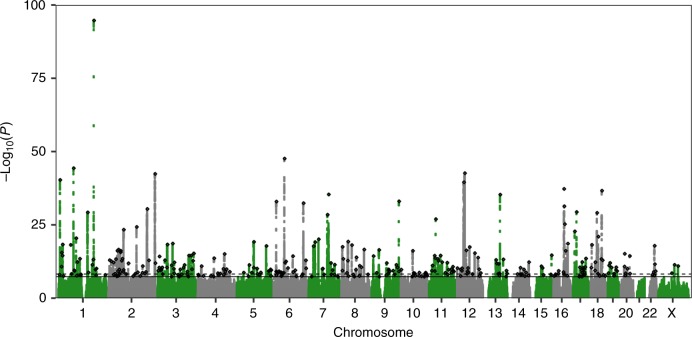
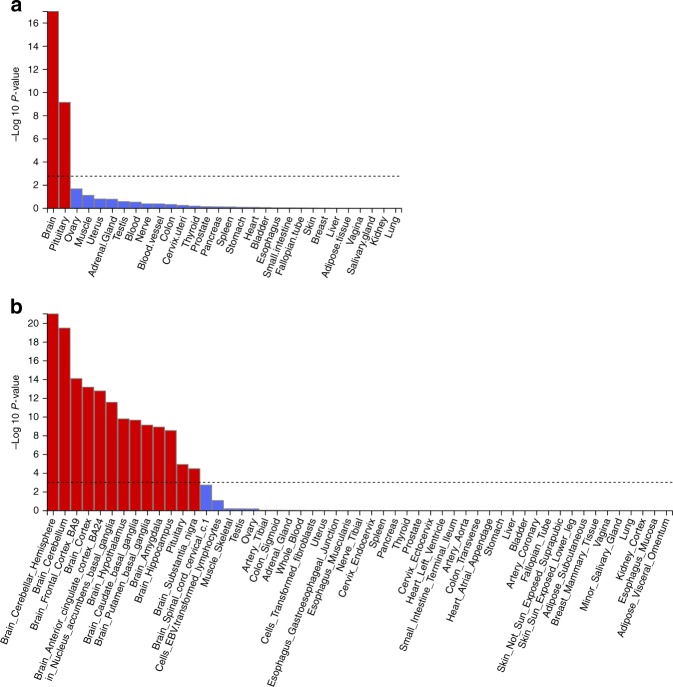
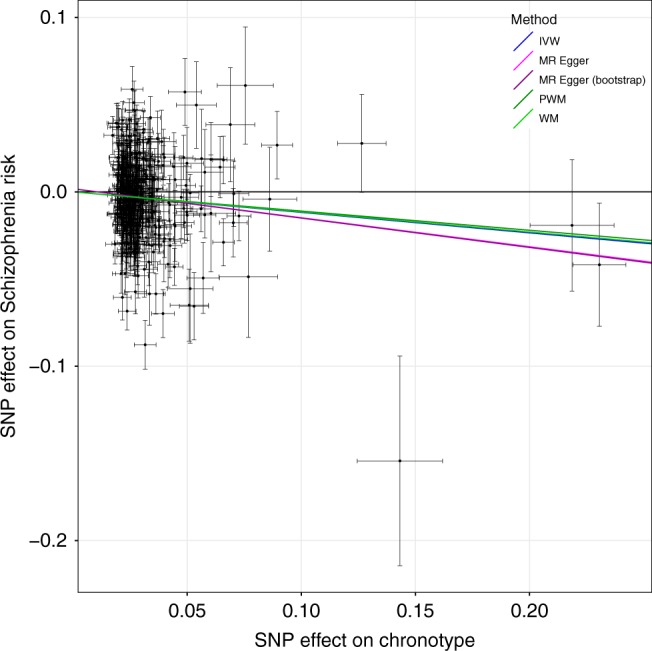
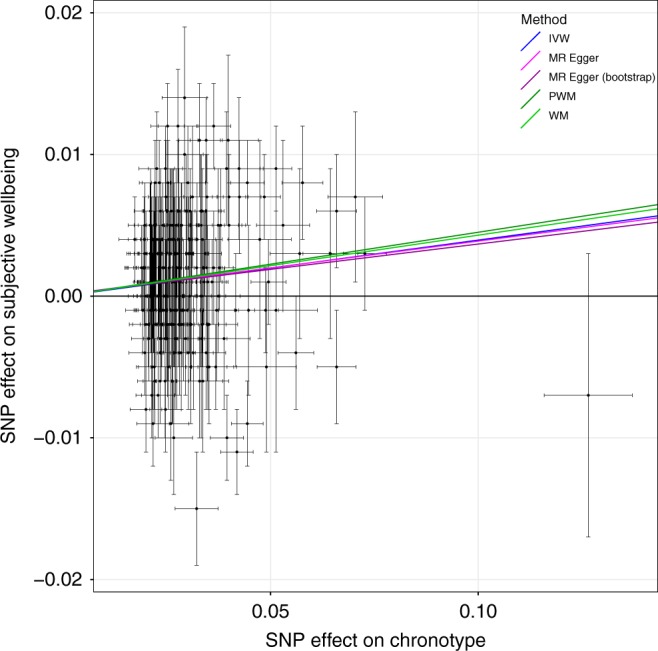
Being a morning person is a behavioural indicator of a person’s underlying circadian rhythm. Using genome-wide data from 697,828 UK Biobank and 23andMe participants we increase the number of genetic loci associated with being a morning person from 24 to 351. Using data from 85,760 individuals with activity-monitor derived measures of sleep timing we find that the chronotype loci associate with sleep timing: the mean sleep timing of the 5% of individuals carrying the most morningness alleles is 25 min earlier than the 5% carrying the fewest. The loci are enriched for genes involved in circadian regulation, cAMP, glutamate and insulin signalling pathways, and those expressed in the retina, hindbrain, hypothalamus, and pituitary. Using Mendelian Randomisation, we show that being a morning person is causally associated with better mental health but does not affect BMI or risk of Type 2 diabetes. This study offers insights into circadian biology and its links to disease in humans.
Overview
The claims and statistics of this paper haven’t been checked yet.
Free: it reads the open-access text and checks the first 5 claims that cite a source we can check. Create a free account to check every claim.
Integrity signals
Registry
Cites
Statistics
Figures


Verification
Claims the paper makes
The claims and statistics of this paper haven’t been checked yet.
Free: it reads the open-access text and checks the first 5 claims that cite a source we can check. Create a free account to check every claim.
Claims other papers make about this one
Each is checked against this paper’s own text: does it say what the citing paper says it does?
The source backs part of the claim, not all of it — or backs it for a different population, condition or comparison.
In the citing paper
“the chronotype seems to be dependent on environmental factors, which again is affected by mechanisms of innate homeostasis of sleep and circadian rhythms, as shown by a genome-wide association analysis, identifying genomic loci associated to chronotype (156).”
From Meal timing and its role in obesity and associated diseases (2024) · cites this paper as [156]
Experimental — accuracy not yet measuredIn the citing paper
“In several genome-wide association studies (GWASs) of depression-related traits, TNKS was found to be associated with (p = 7.68 × 10⁻¹⁰)38, bipolar disorder (p = 3 × 10⁻⁶)39, and positive affect (p = 0.0003)40.”
From Methylome-wide change associated with response to electroconvulsive therapy in depressed patients (2021) · cites this paper as [38]
Self-check
Percentages, sums and reported differences re-computed from the paper’s own numbers.
The self-check needs the paper’s full text.
Citations
Cites
Sudlow, C., Gallacher, J., Allen, N., Beral, V., Burton, P., Danesh, J., Downey, P., Elliott, P., Green, J., Landray, M., et al. (2015) · PLOS Medicine · doi:10.1371/journal.pmed.1001779 · Cited by 12,728
Bowden, J., Davey Smith, G., Haycock, P. C., & Burgess, S. (2016) · Genetic Epidemiology · doi:10.1002/gepi.21965 · Cited by 8,922
Self-citationThe MR-Base platform supports systematic causal inference across the human phenome
Hemani, G., Zheng, J., Elsworth, B., Wade, K. H., Haberland, V., Baird, D., Laurin, C., Burgess, S., Bowden, J., Langdon, R., et al. (2018) · eLife · doi:10.7554/elife.34408 · Cited by 7,959
Self-citationGenetics of Food Intake Self-Regulation in Childhood: Literature Review and Research Opportunities
Faith, M. S., Carnell, S., & Kral, T. V. E. (2013) · Human Heredity · doi:10.1159/000353879 · Cited by 7,601
Biological insights from 108 schizophrenia-associated genetic loci
Schizophrenia Working Group of the Psychiatric Genomics Consortium (2014) · Nature · doi:10.1038/nature13595 · Cited by 7,577
LD Score regression distinguishes confounding from polygenicity in genome-wide association studies
Schizophrenia Working Group of the Psychiatric Genomics Consortium, Bulik-Sullivan, B. K., Loh, P.-R., Finucane, H. K., Ripke, S., Yang, J., Patterson, N., Daly, M. J., Price, A. L., & Neale, B. M. (2015) · Nature Genetics · doi:10.1038/ng.3211 · Cited by 5,559
METAL: fast and efficient meta-analysis of genomewide association scans
Willer, C. J., Li, Y., & Abecasis, G. R. (2010) · Bioinformatics · doi:10.1093/bioinformatics/btq340 · Cited by 5,205
A self-assessment questionnaire to determine morningness- eveningness in human circadian rhythms
Home, J. K. (1976) · Medical Entomology and Zoology · Cited by 4,783
Mendelian randomization: Using genes as instruments for making causal inferences in epidemiology
Lawlor, D. A., Harbord, R. M., Sterne, J. A. C., Timpson, N., & Davey Smith, G. (2008) · Statistics in Medicine · doi:10.1002/sim.3034 · Cited by 4,618
Self-citationGenetic studies of body mass index yield new insights for obesity biology
Study, T. L. C., Locke, A. E., The ADIPOGen Consortium, The AGEN-BMI Working Group, The CARDIOGRAMplusC4D Consortium, The CKDGen Consortium, The, G. L. G. C., The, I. C. B. P., The MAGIC Investigators, The MuTHER Consortium, et al. (2015) · Nature · doi:10.1038/nature14177 · Cited by 4,534
Self-citation
Cited by
Items 401–500 of 758
Jia, Z., Li, Z., & Li, Y. (2024) · Medicine · doi:10.1097/md.0000000000040516 · Cited by 6
Kianersi, S., Potts, K. S., Wang, H., Sofer, T., Noordam, R., Rutter, M. K., Redline, S. S., & Huang, T. (2025) · International Journal of Obesity · doi:10.1038/s41366-025-01768-8 · Cited by 7
“No dietary restrictions were enforced prior to weighing, and measurements were taken at various times throughout the day.”
Self-citationAslamyar, D., Pilz, L. K., & von Gall, C. (2025) · Nature and Science of Sleep · doi:10.2147/nss.s537593 · Cited by 5
Yang, P., Huang, Y., He, W., Chen, T., Wei, S., & Zhao, Y. (2025) · Clinical Cosmetic and Investigational Dermatology · doi:10.2147/ccid.s541688 · Cited by 5
Evidence of Genetic Overlap Between Circadian Preference and Brain White Matter Microstructure
García‐Marín, L. M., Alcauter, S., Campos, A. I., Mulcahy, A., Kho, P. F., Cuéllar-Partida, G., & Rentería, M. E. (2021) · Twin Research and Human Genetics · doi:10.1017/thg.2021.4 · Cited by 5
“[2] No age cut-offs were applied.[2] .”
BackgroundMethodInfluentialA Causal Web between Chronotype and Metabolic Health Traits
Williams, J. A., Russ, D., Bravo-Merodio, L., Cardoso, V. R., Pendleton, S. C., Aziz, F., Acharjee, A., & Gkoutos, G. V. (2021) · Genes · doi:10.3390/genes12071029 · Cited by 6
“Recent Mendelian randomization studies have also suggested a strong causal link between chronotype (a gross circadian phenotype) and body composition, free fatty acid circulation, and adiposity [2,28].”
BackgroundPorfírio, J. C. C., & Varella, M. A. C. (2022) · Current Psychology · doi:10.1007/s12144-022-04111-w · Cited by 6
“…a preference and greater activity of individuals in the morning (morning-ness chronotype) or all the way to the evening (eveningness chronotype), and has 13.7% heritability (Jones et al., 2019), physiological (e.g., body temperature) and neurobiological correlates (Hur, 2007 ; Jones et al., 2019).”
BackgroundInfluentialWong, T. R., Hickie, I. B., Carpenter, J. S., Scott, E. M., Guastella, A. J., Vidafar, P., Scott, J. L., Hermens, D. F., & Crouse, J. J. (2023) · Chronobiology International · doi:10.1080/07420528.2023.2203241 · Cited by 5
“While it has a major genetic component (Jones et al. 2019), it is also determined by light (Roenneberg and Merrow 2007).”
BackgroundZhao, H. F., Wang, X., Guo, L., Li, X., Teopiz, K. M., McIntyre, R. S., Wang, W., & Lu, C. (2025) · Open Heart · doi:10.1136/openhrt-2024-002866 · Cited by 5
Age dependent association of inbreeding with risk for schizophrenia in Egypt
McClain, L. L., Mansour, H., Ibrahim, I. M. A., Klei, L., Fathi, W., Wood, J. A., Chowdari, K. V., Maysterchuk, A., Wood, S., El-Chennawi, F. A., et al. (2020) · Schizophrenia Research · doi:10.1016/j.schres.2019.10.039 · Cited by 6
A functional context for heterogeneity of the circadian clock in cells
Merrow, M. W., & Harrington, M. E. (2020) · PLoS Biology · doi:10.1371/journal.pbio.3000927 · Cited by 7
“In addition to “the usual suspects” (known clock genes), the list of chronotype-associated genes includes several that regulate methylation, such as TET1, MGMT and METTL15 [26].”
BackgroundInvestigation of gene-gene interactions of clock genes for chronotype in a healthy Korean population
Park, M., Kim, S. A., Shin, J., & Joo, E.-J. (2020) · Genomics & Informatics · doi:10.5808/gi.2020.18.4.e38 · Cited by 5
“There have been several GWASs regarding chronotype in European populations using data from 23andMe and the UK Biobank [11-13,15].”
BackgroundMethodInfluentialZammarchi, G., Conversano, C., & Pisanu, C. (2022) · Algorithms · doi:10.3390/a15110409 · Cited by 7
Chronotype is Associated with Sleep Quality in Older AdultsPreprint
Sauers, S. C., Toedebusch, C. D., Richardson, R., Spira, A. P., Morris, J. C., Holtzman, D. M., & Lucey, B. P. (2023) · medRxiv · doi:10.1101/2023.09.04.23294997 · Cited by 6
Yang, Q., Magnus, M. C., Kilpi, F., Santorelli, G., Soares, A. G., West, J., Magnus, P. M., Håberg, S. E., Tilling, K. M., Lawlor, D. A., et al. (2024) · BMC Pregnancy and Childbirth · doi:10.1186/s12884-024-07023-8 · Cited by 6
Self-citationPoor sleep and high rheumatoid arthritis risk: Evidence from large UK Biobank cohort
Yang, Y., Cao, H., Yu, X., Bo, L., Deng, F., & Lei, S. (2025) · PLoS ONE · doi:10.1371/journal.pone.0318728 · Cited by 4
Díaz‐Rizzolo, D. A., Yao, H., Santos‐Báez, L. S., Popp, C. J., Borhan, R., Sordi‐Guth, A., DeBonis, D., Manoogian, E. N. C., Panda, S., Cheng, B., et al. (2025) · Nutrients · doi:10.3390/nu17122026 · Cited by 7
“This could be due to inherent individual differences in circadian rhythms and how the body processes glucose throughout the night [38,39].”
Liu, Y., Liu, Q., Gao, B., Fu, Q., Li, F., Yu-hu, M., & Liu, Y. (2025) · Frontiers in Neuroscience · doi:10.3389/fnins.2025.1649396 · Cited by 5
Song, J., Lei, Y., Zhang, Y., & Hu, X. (2025) · BMC Psychology · doi:10.1186/s40359-025-03884-6 · Cited by 4
“Chrono-type is associated with individual genetic variation [29] and is relatively stable [30], though it changes across the lifespan: morningness is prevalent in childhood and older age, eveningness emerges in adolescence, and a shift back to morningness occurs in adulthood [31].”
Li, B., Wang, F., Tang, N. H., Huss, A., Chan, J. W.-Y., Wing, Y. K., & Tse, L. A. (2026) · Scandinavian Journal of Work Environment & Health · doi:10.5271/sjweh.4271 · Cited by 4
“Research suggests that the evening chronotype might be associated with greater risks of cancers, diabetes mellitus, and mental health disorders (3–5 ).”
Spatial and single-cell transcriptomic atlas of human suprachiasmatic nucleus
Yang, Q., Wang, H., Gao, L., Ma, D., Xiong, Y., Tian, Y., Liu, Y., Shen, Z., Zhang, X., Li, W., et al. (2026) · Neuron · doi:10.1016/j.neuron.2025.12.032 · Cited by 4
Zhang, J., Tran, D. T., Ghoul, T. E., Strohmaier, S., Żebrowska, M., Redline, S. S., Saxena, R., Rutter, M. K., & Schernhammer, E. S. (2026) · European Journal of Epidemiology · doi:10.1007/s10654-026-01373-7 · Cited by 4
“…following characteristics: evening chro-notype (including “definitely an ‘evening’ person” or “more an ‘evening’ person than a ‘morning’ person”) [39]; short or long sleep duration (≥ 9 h or ≤ 6 h/day) [ 40]; high neuroticism score (≥ 7) [ 31]; low serum vitamin D concentration (< 50 nmol/L) […”
Self-citationSleep and lifestyle in young adult monozygotic twin pairs discordant for body mass index
Berntzen, B. J., Paavonen, E. J., Rissanen, A., Kaprio, J. A., & Pietiläinen, K. H. (2021) · Sleep Health · doi:10.1016/j.sleh.2021.04.002 · Cited by 4
Araya, A. R. M., Selaive, R. A. S., Galleguillos, P. T., Verdugo, S. A. A., & Saavedra, G. D. C. (2021) · Ciencias de la actividad física · doi:10.29035/caf.22.1.10 · Cited by 7
Diagnosis of childhood and adolescent growth hormone deficiency using transcriptomic data
Garner, T., Wangsaputra, I., Whatmore, A. J., Clayton, P., Stevens, A., & Murray, P. G. (2023) · Frontiers in Endocrinology · doi:10.3389/fendo.2023.1026187 · Cited by 5
“NRXN1 has been linked to circadian rhythm in a genome-wide association study (37) with pathogenic copy number variants in NRXN1 also linked to increased body mass index (38).”
BackgroundZagkos, L., Drenos, F., Emmett, P. M., Blakemore, A. I. F., Nordström, T., Hurtig, T. M., Järvelin, M., & Dovey, T. M. (2023) · Appetite · doi:10.1016/j.appet.2023.107036 · Cited by 4
“SNPs for staple food eating had previously been reported as associated with physical activity (Doherty et al., 2018), being a morning person (Jones et al., 2019), and loneliness (Lim et al., 2018).”
BackgroundChen, M., Tan, D. S., Wang, X., Ye, Z., Xie, Z., Zhang, D., Wu, D., Zhao, Y., Qu, Y., & Jiang, Y. (2024) · Life · doi:10.3390/life14101225 · Cited by 4
“A large MR analysis [13] involving 697,828 individuals from UK Biobank and 23andMe found that being a morning person was associated with reduced odds of schizophrenia, depression, and better subjective wellbeing.”
BackgroundInfluentialGenetic prediction of early adolescent chronotype: effects of sex and pubertal status
Hernandez, L. M., Ganesh, S. S. A., Gandal, M. J., & Fuligni, A. J. (2025) · SLEEP · doi:10.1093/sleep/zsaf094 · Cited by 4
“Summary statistics were obtained from a large GWAS of self-reported chronotype in 449 734 European adults (ages 40 to 69) who participated in the UK Biobank Study [17].”
InfluentialMolina‐Montes, E., Rodríguez‐Barranco, M., Alcalá-Santiago, Á., Gálvez-Navas, J. M., Huerta, J. M., Amiano, P., Lasheras, C., Moreno‐Iribas, C., Jiménez-Zabala, A., Chirlaque, M., et al. (2025) · Clinical Nutrition · doi:10.1016/j.clnu.2025.04.023 · Cited by 4
Tchio, C. I. M., Williams, J. S., Taylor, H. A., Ollila, H. M., & Saxena, R. (2025) · SLEEP Advances · doi:10.1093/sleepadvances/zpaf030 · Cited by 4
Self-citationZhang, Y., Ozathaley, A., Wang, X., Wu, Y., Zhang, K., Li, Y., Nuerlan, G., Li, Q., Mao, J., Li, H., et al. (2025) · Journal of Oral & Facial Pain and Headache · doi:10.22514/jofph.2025.029 · Cited by 7
“[14–18]) summarizes the data sources, sample sizes, and the definitions of the relevant phenotypes.”
Shin, Y., & Hong, S. B. (2025) · Brain Sciences · doi:10.3390/brainsci15070749 · Cited by 4
“Summary-level GWAS data for these traits were obtained from previously published studies utilizing the UK biobank cohort [29–34].”
Sippola, M., Kortesoja, L., Hotulainen, R., Vainikainen, M., Rimpelä, A., & Merikanto, I. (2025) · Sleep Medicine · doi:10.1016/j.sleep.2025.106678 · Cited by 4
Peng, Q., & Ehlers, C. L. (2021) · Molecular Psychiatry · doi:10.1038/s41380-020-00989-9 · Cited by 4
Toward a Molecular Approach to Chronotype Assessment
Biscontin, A., Zarantonello, L., Russo, A., Costa, R., & Montagnese, S. (2022) · Journal of Biological Rhythms · doi:10.1177/07487304221099365 · Cited by 5
“This hypothesis is supported by the high number of association studies linking human PER3 polymorphisms and chronotype (Hida et al., 2014; Parsons et al., 2014; Turco et al., 2017; Jones et al., 2019), sleep (Hasan et al.”
BackgroundLandvreugd, A., Pool, R., Nivard, M. G., & Bartels, M. (2024) · Journal of Biological Rhythms · doi:10.1177/07487304241230577 · Cited by 4
“Jones et al. (2019) showed through both genetic correlation analysis and Mendelian randomization analysis that morningness and subjective wellbeing are related to each other.”
BackgroundMethodResultInfluentialCrisp, C., Mooney, E., Howlader, M., Stoddard, J., & Penton‐Voak, I. S. (2024) · BMJ Mental Health · doi:10.1136/bmjment-2024-301045 · Cited by 4
“Chronotype is determined by genetics, light exposure and age 2 where more young people are late chronotypes (15–20% of adults aged 18–25).”
Non-Hereditary Obesity Type Networks and New Drug Targets: An In Silico Approach
Geronikolou, S. A., Pavlopoulou, A., Apaydın, M. U., Albanopoulos, K., Cokkinos, D. V., & Chrousos, G. P. (2024) · International Journal of Molecular Sciences · doi:10.3390/ijms25147684 · Cited by 4
Chen, X., Zhou, M., Wang, J., Liu, M., Zhu, C., Wu, C., Dong, M., Liu, Y., Ai, S., Feng, H., et al. (2024) · General Hospital Psychiatry · doi:10.1016/j.genhosppsych.2024.08.005 · Cited by 4
Miranda, A. H., Holloway, B. M., Perry, W., Minassian, A., & McCarthy, M. J. (2024) · Journal of Psychiatric Research · doi:10.1016/j.jpsychires.2024.11.007 · Cited by 4
Preclinical models of insomnia: advances, limitations, and future directions for drug discovery
Arias-Carrión, Ó. (2025) · Expert Opinion on Drug Discovery · doi:10.1080/17460441.2025.2528135 · Cited by 7
“CRISPR/Cas9-based genetic models targeting loci identified in genome-wide association studies (e.g. PER2 , MEIS1 , CLOCK ) are enhancing construct validity and providing new opportunities to investigate gene – environment interactions [12,40–42].”
Multi-organ imaging and genetics show the impact of sleep patterns on the human brain and body
Fan, Z., Yang, Y., Guo, Y., Li, Y., Shu, J., Yang, X., Li, B., Lin, J., Wang, Q., Gibson, C., et al. (2026) · Communications Medicine · doi:10.1038/s43856-026-01656-w · Cited by 4
“…duration 42,43,45 (including 1 short sleep duration and 1 long sleep duration), 2 on ease of getting up in the morning 44,86 , 6 on chronotype 44,50,51,86,87 , 2 on daytime napping 41,44 , 5 on insomnia 44,47,52,53,86 ,4onnarcolepsy 44,48,86 (including1adjustedforbodymass index (BMI)), and 5 on…”
Self-citationŞahbaz, Ç., & Kurtulmuş, A. (2019) · Psychiatry and Clinical Psychopharmacology · doi:10.1080/24750573.2019.1682853 · Cited by 4
“shared biological mechanism between chronotype and schizophrenia risk [38].”
BackgroundHabitual Sleep Duration, Daytime Napping, and Dietary Intake: A Mendelian Randomization Study
Alimenti, K., Chen, A., Saxena, R., & Dashti, H. S. (2021) · Current Developments in Nutrition · doi:10.1093/cdn/nzab019 · Cited by 4
“Previous studies have provided in-depth descriptions of population structure, sample quality control, and genetic quality control and imputation (27, 28).”
BackgroundSelf-citationThe Circadian Clock, the Brain, and COVID-19: The Cases of Olfaction and the Timing of Sleep
Herz, R. S., Herzog, E. D., Merrow, M. W., & Noya, S. B. (2021) · Journal of Biological Rhythms · doi:10.1177/07487304211031206 · Cited by 5
Gholami, M., Zoughi, M., Hasanzad, M., Larijani, B. A., & Amoli, M. M. (2022) · Journal of Medical Virology · doi:10.1002/jmv.28355 · Cited by 5
Yang, X., Cheng, B., Cheng, S., Liu, L., Pan, C., Meng, P., Li, C., Chen, Y., Zhang, J., Zhang, H., et al. (2024) · Human Genomics · doi:10.1186/s40246-024-00609-5 · Cited by 3
“Chronotype, commonly named circadian preference, represents a person’s tendency to sleep early or late [22].”
Zhang, R., Luo, L., Zhang, L., Lin, X., Wu, C., Jiang, F., & Wang, J. (2025) · Brain and Behavior · doi:10.1002/brb3.70237 · Cited by 4
“The findings suggest that higher physiological levels of folate and vitamins D and B6 are linked to earlier sleep initiation and wake times (Jones et al. 2019).”
Khaira, H. K., Kochhar, S., Aneja, J., Verma, M., Rajendran, R., & Thind, A. (2025) · International Journal of Adolescent Medicine and Health · doi:10.1515/ijamh-2024-0189 · Cited by 5
Shao, S., Shuai, Z., Qin, C., Shao, J., Chen, C., Song, M., Li, X., & Zhao, H. (2025) · Journal of Obstetrics and Gynaecology · doi:10.1080/01443615.2025.2516605 · Cited by 3
“…and sleep apnoea (sA). summary-level genetic association data for these traits were obtained from large-scale GWAs of european-ancestry populations. specifically, data for chronotype ( N = 449,734) (Jones et al. 2019 cases vs. 156,554 controls) (campos et al. 2020) were sourced from the UK biobank.”
Viktorsson, C., Yahia, A., Taylor, M. J., Ronald, A., Tammimies, K., & Falck‐Ytter, T. (2025) · JCPP Advances · doi:10.1002/jcv2.70023 · Cited by 3
Das, N. R., Woolf, B. A. R., Page, S., Richmond, R. C., & Khouja, J. N. (2025) · Journal of Sleep Research · doi:10.1111/jsr.70147 · Cited by 4
Genome-wide gene-sleep interaction study identifies novel lipid loci in 732,564 participants
Noordam, R., Wang, W., Nagarajan, P., Wang, H., Brown, M. R., Bentley, A. R., Hui, Q., Kraja, A. T., Morrison, J. L., O’Connel, J. R., et al. (2025) · Atherosclerosis · doi:10.1016/j.atherosclerosis.2025.120603 · Cited by 3
“The variants identified in the present study have not been associated previously with sleep duration [57], other sleep phenotypes (i.e., chronotype, insomnia symptoms or daytime napping) [58 – 60], or the blood lipid levels that were considered in the present study [15].”
Lima, J. G., Macedo, M. T. S., Baldo, T. D. O. F., & Baldo, M. P. (2026) · Quality of Life Research · doi:10.1007/s11136-026-04176-1 · Cited by 3
Roh, H. W., Seo, S. W., Choi, S. H., Kim, E.-J., Cho, S. H., Kim, J., Choi, J. W., An, Y.-S., Kim, N.-R., Park, B., et al. (2026) · Proceedings of the National Academy of Sciences · doi:10.1073/pnas.2527236123 · Cited by 4
Understanding the Biological Rhythm of Tridosha Based on Physiology-A Review
N, A. L. K. (2023) · Kerala Journal of Ayurveda · doi:10.55718/kja.141 · Cited by 4
Role of polygenic risk scores in the association between chronotype and health risk behaviors
Zhang, Y., Li, S., Xie, Y., Xiao, W., Xu, H., Jin, Z., Li, R., Wan, Y., & Tao, F. (2023) · BMC Psychiatry · doi:10.1186/s12888-023-05337-z · Cited by 3
“In addition, recent GWAS have identified specific genetic variants associated with self-reported chronotypes [29, 76].”
BackgroundÇinar, B., Gıca, Ş., Çelikkıran, P., Kara, A., Yeşilkaya, Ü. H., & Karamustafalıoğlu, N. (2024) · Chronobiology International · doi:10.1080/07420528.2024.2353859 · Cited by 3
“For instance, in a genome-wide association study, having a morning chronotype was shown to be related to a reduced risk of schizophrenia (Jones et al. 2019).”
BackgroundCircadian Regulation of Sleep: From Genes to Circuits
Hameed, N. A., & Barber, A. F. (2024) · Springer eBooks · doi:10.1007/978-3-031-62723-1_14 · Cited by 3
Page, S., Gibson, M., Munafo, M. R., Khouja, J. N., & Richmond, R. C. (2026) · Addiction · doi:10.1101/2024.08.01.24311349 · Cited by 3
Eng, D. Z. H., Tham, E. K. H., Jafar, N. K. A., Tan, J. S. Y., Goh, D. Y. T., Lee, Y. S., Shek, L. P., Teoh, O.-H., Yap, F. K. P., Tan, K. H., et al. (2024) · Sleep Medicine · doi:10.1016/j.sleep.2024.09.003 · Cited by 3
Carpena, M. X., Sánchez, K., Xavier, M. O., Santos, I. S., Matijasevich, A., Wendt, A. T., Crochemore‐Silva, I., & Tovo‐Rodrigues, L. (2024) · SLEEP · doi:10.1093/sleep/zsae256 · Cited by 4
Zhang, J., Yu, H., Jiao, L., Wang, D., Gu, Y., Meng, G., Wu, H., Wu, X., Zhu, D., Chen, Y., et al. (2025) · Rejuvenation Research · doi:10.1089/rej.2024.0058 · Cited by 3
Sleep and schizophrenia polygenic scores in non-affective and affective psychotic disorders
Cederlöf, E., Torniainen‐Holm, M., Kämpe, A. J., Ahola‐Olli, A., Kantojärvi, K., Lähteenvuo, M., Ahti, J., Hietala, J. A., Häkkinen, K., Isometsä, E. T., et al. (2025) · Psychological Medicine · doi:10.1017/s0033291725000844 · Cited by 3
“Well-established PGSs for sleep traits include those for insomnia (PGS INS ) (Lane et al., 2017) and sleep duration (PGS SD ) (Dashti, Redline, & Saxena, 2019), and for diurnal preference (PGS ME ) (Jones et al., 2019; Wray et al., 2014; Zhang, Privé, Vilhjálmsson, & Speed, 2021).”
Ni, X., Li, X., & Li, J. (2025) · Brain and Behavior · doi:10.1002/brb3.70512 · Cited by 3
Chalitsios, C. V., Pagkalidou, E., Papagiannopoulos, C. K., Markozannes, G., Bouras, E., Watts, E. L., Richmond, R. C., & Tsilidis, K. K. (2025) · Cancer Epidemiology · doi:10.1016/j.canep.2025.102877 · Cited by 3
Food Intake According to Clock Gene Polymorphisms: A Systematic Review
Campos, L. T., Fonseca, P. F., Rocha, D. M. U. P., Bressan, J., Kravchychyn, A. C. P., & Hermsdorff, H. H. M. (2025) · The FASEB Journal · doi:10.1096/fj.202500951r · Cited by 3
“In this context, a genome-wide association study on chronotypes suggested that allelic variants in or near the PER1 , PER2 , PER3 , and CRY1 genes affecting the modification and regulation of the circadian clock contribute to population-level variation in chronotype [50].”
Li, C., Zeng, K., Mo, D., Yu, X., Peng, J., & Zhao, Z. (2025) · HORMONES · doi:10.1007/s42000-025-00711-w · Cited by 3
“A binary phenotype was defined, with absolute evening types and more evening than morn - ing types coded as 0 ( n = 150,908), and absolute morning types and more morning than evening types coded as 1 ( n = 252,287) [ 17].”
Xian, X., Wang, R., Yao, W., Shi, Q., Zeng, L., & Niu, T. (2025) · Chronobiology International · doi:10.1080/07420528.2025.2571193 · Cited by 3
“Relevant research has suggested that clock genes, including CRY, PER1, PER2, and PER3, may exhibit abnormally expression in individuals with evening type, thereby leading to the onset of depression (Jones et al. 2019; Zou et al. 2022).”
Santos, R. C., Silva, A. C. P. E., dos Santos, M. J., Barbosa, M. R., Coimbra, D. G., Gitaí, D. L. G., & de Andrade, T. G. (2020) · Chronobiology International · doi:10.1080/07420528.2020.1773843 · Cited by 5
Hori, D., Arai, Y., Morita, E., Ikeda, Y., Muroi, K., Ishitsuka, M., Ikeda, T., Takahashi, T., Doki, S., Oi, Y., et al. (2022) · Chronobiology International · doi:10.1080/07420528.2022.2028801 · Cited by 3
“Diurnal preference is determined primarily by an individual’s genes (Barclay et al. 2014; Jones et al. 2019) and is also related to age, sex, and surrounding environment (Duffy and Czeisler 2002; Fischer et al. 2017).”
BackgroundDiverse functions associate with non-coding polymorphisms shared between humans and chimpanzees
Velázquez-Arcelay, K., Benton, M. L., & Capra, J. A. (2022) · BMC Ecology and Evolution · doi:10.1186/s12862-022-02020-x · Cited by 3
Zhang, S., Zhang, W., Feng, Y., Wan, S., Ge, J., Qu, Z., & Li, X. (2022) · Medicine · doi:10.1097/md.0000000000030509 · Cited by 4
“[1,6,11,12] 17–25] Findings from these GWASs have verified the impact of several core genes on insomnia and identified genetic variants playing a circadian role that have not been previously known.”
BackgroundAkkaya, C., Karadağ, M., Hangül, Z., Şahın, E., & İşbilen, E. (2022) · Journal of Attention Disorders · doi:10.1177/10870547221130113 · Cited by 5
“CRY1Δ6 c.825+1G>A variant, which causes an arrhythmic phenotype with reduced affinity for BMAL1/CLOCK, has been revealed to be separated with ADHD and delayed sleep phase disorder (DSPD) in affected families (Onat et al., 2020).”
BackgroundInfluentialBalter, L. J. T., Sundelin, T., Holding, B. C., Petrović, P., & Axelsson, J. (2022) · Journal of Sleep Research · doi:10.1111/jsr.13815 · Cited by 3
“While it has been shown that being an evening type is related to both higher intelligence (Jones et al., 2019) and better cognitive functioning (Kyle et al., 2017; Preckel et al., 2011; but see Preckel et al., 2011 for a meta-analysis where eveningness was negatively related to academic…”
BackgroundEmir, B. S., Kılıçaslan, A. K., Yıldız, S., & Kurt, O. (2023) · The Annals of Clinical and Analytical Medicine · doi:10.4328/acam.21729 · Cited by 4
“In a genomic study with extensive sampling, based on the hypothesis that chronotype could have an effect on the pathophysiology of schizophrenia, it has been shown that possession of morning chronotype was associated with a decrease in the risk of schizophrenia [8].”
Genetically Predicted Sleep Traits and Sensorineural Hearing Loss: A Mendelian Randomization Study
Gao, Y., Qiu, Y., & Lu, S. (2024) · The Laryngoscope · doi:10.1002/lary.31550 · Cited by 3
“22 Five alternatives about circadian preference: “ De fi nitely morning, ” “ More morning, ” “ More evening, ” “ De fi nitely evening, ” “ Do not know or answer, ” were assigned numeric codes of 2, 1, (cid:1) 1, (cid:1) 2, 0, respectively.”
On the issue of adaptive fitness of chronotypes in high latitudes
Borisenkov, M. F., Gubin, D. G., & Sergey, K. (2024) · Biological Rhythm Research · doi:10.1080/09291016.2024.2363742 · Cited by 3
“Similarly, in humans genes which shows the highest relationship with chronotype are not core clock genes, e.g. RGS16, and belong to genes that regulate expression of clock genes (Kalmbach et al. 2017; Jones et al. 2019) or are coupled with signal transduction.”
Genetic variants affect diurnal glucose levels throughout the day
Sinnott-Armstrong, N., Strausz, S. J., Urpa, L., Abner, E., Johnson, J. P., Valliere, J., Palumaa, T., FinnGen, Program, V. M. V., Palta, P., et al. (2026) · Nature Communications · doi:10.1038/s41467-026-72432-6 · Cited by 3
Self-citationChen, X., Zheng, C., Xu, J., Wang, Q., Zhao, Z., & Jiang, Q. (2024) · CRANIO® · doi:10.1080/08869634.2024.2384681 · Cited by 3
“The GWAS summary statistics of self-reported sleep traits were obtained from the UK Biobank, including chronotype ( N = 449,734) [23], daytime sleepiness ( N = 452,071) [24], daytime napping frequency ( N = 452,633) [25], insomnia ( N = 453,964) [26], sleep duration ( N = 446,118) [27], and snoring…”
Okegawa, R., He, Y., Matsunaga, M., Khine, M. T., Li, Y., Kitajima, T., Yatsuya, H., & Ota, A. (2024) · Archives of Public Health · doi:10.1186/s13690-024-01440-z · Cited by 3
“Circa-dian clock genes synchronize all physiological functions to the earth’s 24-hour cycle [2, 3], and many specific loci regulate circadian rhythms [4] and are inheritable [5].”
BackgroundRecent trends & applications of big data science in chronobiology
Kumar, H., Panigrahi, M., Kaisa, K., Rajawat, D., Saravanan, K. A., Dutt, T., & Bhushan, B. (2020) · Journal of Entomology and Zoology Studies · doi:10.22271/j.ento.2020.v8.i4ai.7453 · Cited by 3
“This research gives insights into the circadian physiology and its relation to human disease [38] .”
BackgroundCircadian Clocks, Stress, and Psychiatric Disorders
Kling, C., & Landgraf, D. (2020) · Elsevier eBooks · doi:10.1016/b978-0-12-813156-5.00008-x · Cited by 3
Mutations du mythe de l’ADN, étapes de matérialisation du gène
Dheur, S., & Saupe, S. J. (2021) · Tracés · doi:10.4000/traces.12265 · Cited by 3
Hook, P. W., & McCallion, A. S. (2018) · bioRxiv (Cold Spring Harbor Laboratory) · doi:10.1101/427484 · Cited by 3
Wilson, C. E., Crouse, J. J., Carpenter, J. S., & Hickie, I. B. (2021) · Elsevier eBooks · doi:10.1016/b978-0-12-822963-7.00147-x · Cited by 3
Myopia and hyperopia are associated with opposite chronotypes in a sample of 71,016 individualsPreprint
Palumaa, T., Taba, N., Teder‐Laving, M., Kivi, K.-L., Reis, K., Võsa, U., Esko, T., & Abner, E. (2024) · medRxiv · doi:10.1101/2024.02.13.24302718 · Cited by 3
“Nevertheless, chronotype has a considerable genetic basis, reaching a heritability of 12-20% 44–46 , with some of the most significant genetic hits . being genes regulating the circadian clock on a molecular level 44–46 , such as period 1, 2 and 3 ( PER1 , PER2 , PER3 ), cryptochrome 1 ( CRY1 ) and…”
BackgroundMehrhof, S. Z., & Nord, C. L. (2024) · eLife · doi:10.7554/elife.96803.1 · Cited by 4
Austin-Zimmerman, I., Levey, D. F., Deak, J. D., Galimberti, M., Adhikari, K., Coleman, J. R. I., Program, T. V. M. V., Buysse, D. J., Wilson, P. W. F., Sofer, T., et al. (2025) · medRxiv · doi:10.1101/2025.05.19.25327902 · Cited by 3
“The genetics of chronotype have been described in a large GWAS of almost 700,000 subjects which identified several loci in genes involved in circadian regulation 46 .”
Mishina, A. I., Bakoev, S., Oorzhak, A. Y., Keskinov, A. A., Kabieva, S. S., Korobeinikova, A. V., Yudin, V. S., Bobrova, M. M., Shestakov, D. A., Makarov, V. V., et al. (2024) · Vavilov Journal of Genetics and Breeding · doi:10.18699/vjgb-24-71 · Cited by 2
Huang, Y., Xu, X., Zhang, X., Zhu, X., Li, B., Ma, M., Zhou, C., Gu, C., Jiang, Y., Wu, L., et al. (2025) · Diabetes and Vascular Disease Research · doi:10.1177/14791641251318319 · Cited by 2
“…duration [ n = 446,118], 25 insomnia [ n = 453,379], 26 daytime sleepiness [ n = 452,071], 27 daytime napping [ n = 452,633] 28 and chronotype [ n = 449,734] 29 ) and two accelerometer-derived sleep traits 30 (accelerometer-de-rived sleep duration [ n = 85,449] and sleep ef fi ciency [ n = 84,810]).”
Associations between sleep traits and colorectal cancer: a mendelian randomization analysis
Meng, X., Fan, E., Lv, D., Yang, Y., & Liu, S. (2025) · Frontiers in Oncology · doi:10.3389/fonc.2025.1416243 · Cited by 2
Associations between plasma proteomic signatures and secondary sleep in older adults
Madhawa, K., Svensson, T., Nt, H., Chung, U., & Svensson, A. K. (2025) · GeroScience · doi:10.1007/s11357-025-01565-1 · Cited by 2
Lu, Y., Tan, Y., Jin, K., & Xiong, W. (2025) · Chronobiology International · doi:10.1080/07420528.2025.2509631 · Cited by 2
“(for instance, while working, reading, or driving) with “never”, “sometimes”, “often”, and “all the time” (Lane, Jones et al. 2019).”
Xin, X., Li, J., Zhang, J., & Wu, H. (2025) · Brain and Behavior · doi:10.1002/brb3.70627 · Cited by 2
Ma, K., Mao, X., Zhuang, H., Cheng, L., & Chen, B. (2025) · Discover Oncology · doi:10.1007/s12672-025-03261-0 · Cited by 2
“…[29], height [27]), lifestyle factors (physical activity [30], alcohol consumption [31], smoking behavior [32], type two diabetes mellitus [33]), sleep characteristics (insomnia [34], sleep duration [35], daytime sleepiness [36], day-time napping [37], chronotype [38]), biomarkers (estradiol [39]”
Kim, Y., Lee, J., Min, J., Park, M. Y., Lee, S.-Y., Lee, S., & Lee, W. (2025) · Chronobiology International · doi:10.1080/07420528.2025.2577244 · Cited by 2
“The harmonized binary phenotype provides a reliable instrument for Mendelian randomization and reflects intrinsic circadian preference rather than sleep duration or quality (Hu et al. 2016; Lane et al. 2016; Jones et al. 2019; O’Loughlin et al. 2021).”
InfluentialNowacka, A., Śniegocki, M., Bożiłow, D., & Ziółkowska, E. (2025) · International Journal of Molecular Sciences · doi:10.3390/ijms262110766 · Cited by 3
Exploring the Effects of Blue Light on Circadian Rhythm in SD Rat
Meng, J., Wang, Y., Cao, Q., Li, M., Zhang, Q., Zhang, M., Wang, Y., Liu, Y., & Tang, L. (2026) · Nature and Science of Sleep · doi:10.2147/nss.s553626 · Cited by 2
“27 The Per2 mutation was the first genetic cause of familial advanced sleep phase syndrome (FASPS) to be identified, providing direct evidence that PER2 plays an essential role in the human circadian clock.”
Unravelling the cerebellum's role in sleep regulation: Prospects for precision sleep medicine
Rodríguez‐Labrada, R., & Velázquez‐Pérez, L. (2026) · Sleep Medicine · doi:10.1016/j.sleep.2026.108797 · Cited by 2
Metadata
- Authors
- Jones, S. E., Lane, J. M., Wood, A. R., van Hees, V. T., Tyrrell, J., Beaumont, R. N., Jeffries, A. R., Dashti, H. S., Hillsdon, M., Ruth, K. S., Tuke, M. A., Yaghootkar, H., Sharp, S. A., Jie, Y., Thompson, W. D., Harrison, J. W., Dawes, A., Byrne, E. M., Tiemeier, H., Allebrandt, K. V., Bowden, J., Ray, D. W., Freathy, R. M., Murray, A., Mazzotti, D. R., Gehrman, P. R., Lawlor, D. A., Frayling, T. M., Rutter, M. K., Hinds, D. A., Saxena, R., & Weedon, M. N.
- Affiliations
- University of Exeter (GB)
- Broad Institute (US)
- The University of Queensland (AU)
- Erasmus MC (NL)
- Sanofi (Germany) (DE)
- University of Bristol (GB)
- University of Manchester (GB)
- University of Pennsylvania (US)
- Manchester Academic Health Science Centre (GB)
- 23andMe (United States) (US)
- Brigham and Women's Hospital (US)
- Corresponding author
- Weedon, Michael N.
- ORCID
- Jones, Samuel E.
- Lane, Jacqueline M.
- Wood, Andrew R.
- van Hees, Vincent T.
- Tyrrell, Jessica
- Beaumont, Robin N.
- Jeffries, Aaron R.
- Dashti, Hassan S.
- Hillsdon, Melvyn
- Ruth, Katherine S.
- Tuke, Marcus A.
- Yaghootkar, Hanieh
- Sharp, Seth A.
- Thompson, William D.
- Harrison, Jamie W.
- Dawes, Amy
- Byrne, Enda M.
- Tiemeier, Henning
- Allebrandt, Karla V.
- Bowden, Jack
- Ray, David W.
- Freathy, Rachel M.
- Murray, Anna
- Mazzotti, Diego R.
- Gehrman, Philip R.
- Lawlor, Debbie A.
- Frayling, Timothy M.
- Rutter, Martin K.
- Hinds, David A.
- Saxena, Richa
- Weedon, Michael N.
- Venue
- Nature Communications
- Published
- 2019-01-29
- Volume
- 10
- Issue
- 1
- Pages
- 343-343
- ISSN
- 2041-1723 (ISSN-L)
- PMC
- PMC6351539
- OpenAlex
- W2914232633
- Cited by
- 691
- References
- 103
- Citations by year
- 2026: 79 · 2025: 108 · 2024: 122 · 2023: 87 · 2022: 100 · 2021: 92 · 2020: 66 · 2019: 34
- FWCI
- 40.46
- Type
- journal article
- Language
- en
- Open access
- gold
- doi.org
- Licence
- cc-by
- creativecommons.org/licenses/by/4.0 (tdm)
- creativecommons.org/licenses/by/4.0 (vor)
- Locations
- Nature Communications (publishedVersion, cc-by)
- Europe PMC (PubMed Central) (publishedVersion, cc-by)
- PubMed Central (publishedVersion, cc-by)
- PubMed (publishedVersion)
- EUR Research Repository (Erasmus University Rotterdam) (publishedVersion, other-oa)
- EUR Research Repository (Erasmus University Rotterdam) (submittedVersion, other-oa)
- RePub (Erasmus University Rotterdam) (submittedVersion, other-oa)
- RePEc: Research Papers in Economics (submittedVersion)
- Adelaide Research & Scholarship (AR&S) (University of Adelaide) (submittedVersion, cc-by)
- DOAJ (DOAJ: Directory of Open Access Journals) (submittedVersion)
- DOAJ (DOAJ: Directory of Open Access Journals) (submittedVersion, cc-by-sa)
- Figshare (submittedVersion)
- Open Research Exeter (University of Exeter) (submittedVersion, cc-by)
- Research Explorer (The University of Manchester) (submittedVersion, cc-by)
- Royal Devon and Exeter Research Repository (Royal Devon and Exeter) (submittedVersion)
- Bristol Research (University of Bristol) (submittedVersion, cc-by)
- Explore Bristol Research (submittedVersion, cc-by)
- Funders
- Wellcome Trust (MC_UU_00011/6, 104150/Z/14/Z, 107849, 107851/Z/15/Z, 104150, WT097835MF)
- National Institute for Health and Care Research (NF-SI-0611-10196)
- Diabetes Research and Wellness Foundation
- University of Manchester
- European Commission (2007–2013, 669545, FP/2007-2013)/ERC, FP/2007/2013)
- University of Bristol (MC_UU_00011/6, MC_UU_00,011/3)
- National Institutes of Health (FP/2007-2013)
- Medical Research Council (MR/M005070/1, MC_UU_00011/6, MR/P012167/1, MC_UU_00011/2, MC_UU_00011/3, 1078901, MC_PC_17228, MR/P023576/2, MC_UU_00011, WT097835MF)
- National Health and Medical Research Council (1078901, 1145645, MC_UU_00011/6, 1087889)
- National Heart, Lung, and Blood Institute (K01HL136884, T32HL007901)
- National Institute of Mental Health
- National Institute on Drug Abuse
- National Human Genome Research Institute
- NIH Office of the Director
- National Cancer Institute
- National Institute of Diabetes and Digestive and Kidney Diseases (R01DK105072, R01DK102696, F32DK102323, R01DK107859)
- National Institute of Neurological Disorders and Stroke
- FP7 Ideas: European Research Council (323195, 669545, 2007-2013, FP2007‐2013)
- Common Fund
- Topics
- Life Sciences › Neuroscience › Endocrine and Autonomic Systems › Circadian rhythm and melatonin
- Life Sciences › Biochemistry, Genetics and Molecular Biology › Genetics › Genetic Associations and Epidemiology
- Social Sciences › Psychology › Experimental and Cognitive Psychology › Sleep and related disorders
- Keywords
- chronotype, morningness, circadian rhythm, sleep timing, genetic loci, cAMP signaling, glutamate signalling, insulin signaling, Mendelian randomization, mental health, type 2 diabetes, body mass index, activity monitoring
- MeSH terms
- Cyclic AMP, Adult, Aged, Circadian Rhythm, Female, United Kingdom, Humans, Male, Middle Aged, Sleep, Glutamic Acid, White People, Genome-Wide Association Study, Genetic Loci
About these checks
Registry, retraction, Cites and statistics results are computed, not judged, with one exception: a printed reference that no index lists is read once by a model before it counts as a citation error. Claims are extracted by a model and kept only when their quote appears verbatim in the text; each cited source is then checked, with a model’s help, for whether it says what the claim relies on. Those verdicts can be wrong — read the claim’s quote and the cited source before relying on one.
Statistics and arithmetic are recomputed, not judged.
Confidence bands are shown only for fields calibrated on our annotated test set. None is calibrated yet, so no band is shown.
What counts as a claim ›How we measure confidence ›How we check this ›
Are you an author, or do you see a problem with this page? Request a review
Data sources
Bibliographic data: Semantic Scholar, OpenAlex, Crossref.
Contains information from the Semantic Scholar Academic Graph Datasets, made available under the ODC Attribution License (ODC-BY 1.0).
Semantic Scholar’s data is described in: Kinney, R., et al. (2023). The Semantic Scholar Open Data Platform. arXiv:2301.10140.
