

Genome-wide association analyses of chronotype in 697,828 individuals provides insights into circadian rhythms
Open accessThe DOI matches its Crossref record; 106 of the 106 references it cites were found in a registry or an index.
Abstract
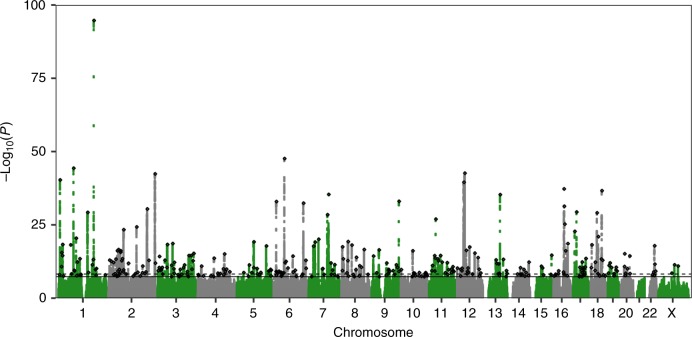
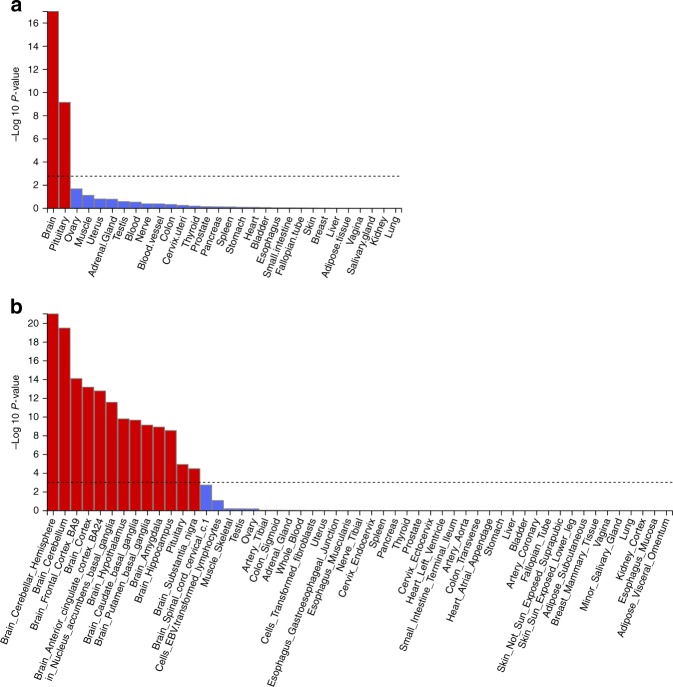
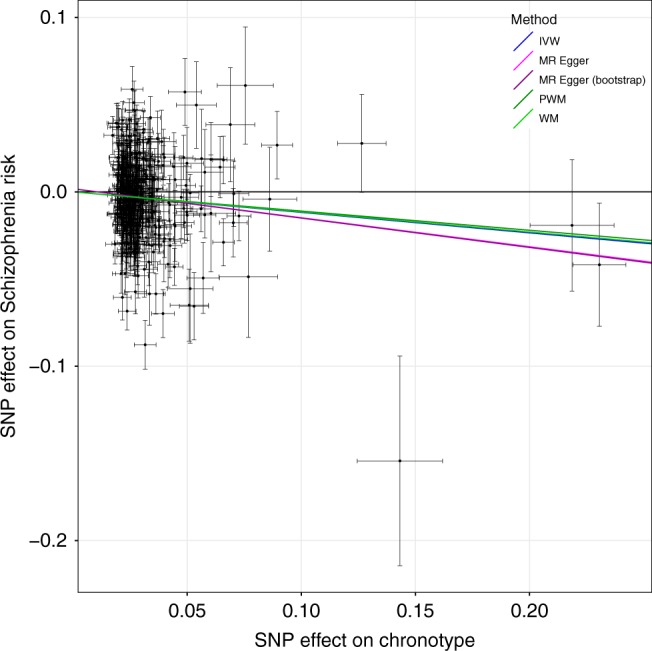
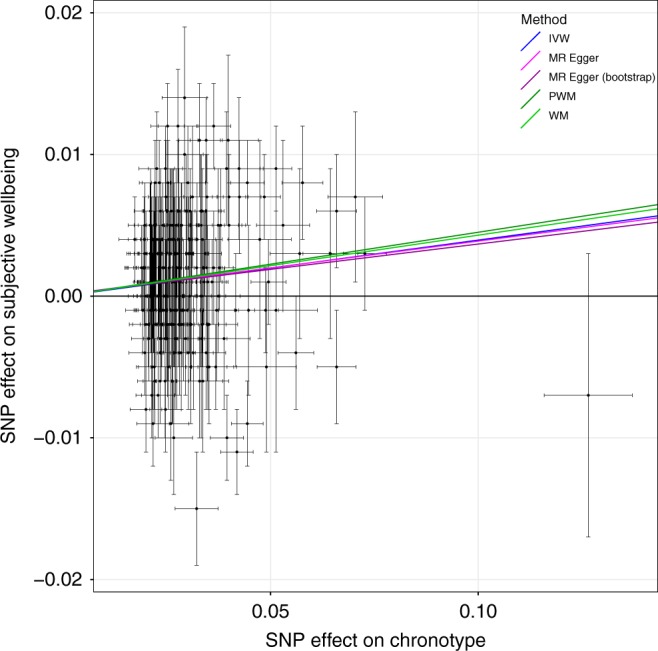
Being a morning person is a behavioural indicator of a person’s underlying circadian rhythm. Using genome-wide data from 697,828 UK Biobank and 23andMe participants we increase the number of genetic loci associated with being a morning person from 24 to 351. Using data from 85,760 individuals with activity-monitor derived measures of sleep timing we find that the chronotype loci associate with sleep timing: the mean sleep timing of the 5% of individuals carrying the most morningness alleles is 25 min earlier than the 5% carrying the fewest. The loci are enriched for genes involved in circadian regulation, cAMP, glutamate and insulin signalling pathways, and those expressed in the retina, hindbrain, hypothalamus, and pituitary. Using Mendelian Randomisation, we show that being a morning person is causally associated with better mental health but does not affect BMI or risk of Type 2 diabetes. This study offers insights into circadian biology and its links to disease in humans.
Overview
The claims and statistics of this paper haven’t been checked yet.
Free: it reads the open-access text and checks the first 5 claims that cite a source we can check. Create a free account to check every claim.
Integrity signals
Registry
Cites
Statistics
Figures


Verification
Claims the paper makes
The claims and statistics of this paper haven’t been checked yet.
Free: it reads the open-access text and checks the first 5 claims that cite a source we can check. Create a free account to check every claim.
Claims other papers make about this one
Each is checked against this paper’s own text: does it say what the citing paper says it does?
The source backs part of the claim, not all of it — or backs it for a different population, condition or comparison.
In the citing paper
“the chronotype seems to be dependent on environmental factors, which again is affected by mechanisms of innate homeostasis of sleep and circadian rhythms, as shown by a genome-wide association analysis, identifying genomic loci associated to chronotype (156).”
From Meal timing and its role in obesity and associated diseases (2024) · cites this paper as [156]
Experimental — accuracy not yet measuredIn the citing paper
“In several genome-wide association studies (GWASs) of depression-related traits, TNKS was found to be associated with (p = 7.68 × 10⁻¹⁰)38, bipolar disorder (p = 3 × 10⁻⁶)39, and positive affect (p = 0.0003)40.”
From Methylome-wide change associated with response to electroconvulsive therapy in depressed patients (2021) · cites this paper as [38]
Self-check
Percentages, sums and reported differences re-computed from the paper’s own numbers.
The self-check needs the paper’s full text.
Citations
Cites
Sudlow, C., Gallacher, J., Allen, N., Beral, V., Burton, P., Danesh, J., Downey, P., Elliott, P., Green, J., Landray, M., et al. (2015) · PLOS Medicine · doi:10.1371/journal.pmed.1001779 · Cited by 12,728
Bowden, J., Davey Smith, G., Haycock, P. C., & Burgess, S. (2016) · Genetic Epidemiology · doi:10.1002/gepi.21965 · Cited by 8,922
Self-citationThe MR-Base platform supports systematic causal inference across the human phenome
Hemani, G., Zheng, J., Elsworth, B., Wade, K. H., Haberland, V., Baird, D., Laurin, C., Burgess, S., Bowden, J., Langdon, R., et al. (2018) · eLife · doi:10.7554/elife.34408 · Cited by 7,959
Self-citationGenetics of Food Intake Self-Regulation in Childhood: Literature Review and Research Opportunities
Faith, M. S., Carnell, S., & Kral, T. V. E. (2013) · Human Heredity · doi:10.1159/000353879 · Cited by 7,601
Biological insights from 108 schizophrenia-associated genetic loci
Schizophrenia Working Group of the Psychiatric Genomics Consortium (2014) · Nature · doi:10.1038/nature13595 · Cited by 7,577
LD Score regression distinguishes confounding from polygenicity in genome-wide association studies
Schizophrenia Working Group of the Psychiatric Genomics Consortium, Bulik-Sullivan, B. K., Loh, P.-R., Finucane, H. K., Ripke, S., Yang, J., Patterson, N., Daly, M. J., Price, A. L., & Neale, B. M. (2015) · Nature Genetics · doi:10.1038/ng.3211 · Cited by 5,559
METAL: fast and efficient meta-analysis of genomewide association scans
Willer, C. J., Li, Y., & Abecasis, G. R. (2010) · Bioinformatics · doi:10.1093/bioinformatics/btq340 · Cited by 5,205
A self-assessment questionnaire to determine morningness- eveningness in human circadian rhythms
Home, J. K. (1976) · Medical Entomology and Zoology · Cited by 4,783
Mendelian randomization: Using genes as instruments for making causal inferences in epidemiology
Lawlor, D. A., Harbord, R. M., Sterne, J. A. C., Timpson, N., & Davey Smith, G. (2008) · Statistics in Medicine · doi:10.1002/sim.3034 · Cited by 4,618
Self-citationGenetic studies of body mass index yield new insights for obesity biology
Study, T. L. C., Locke, A. E., The ADIPOGen Consortium, The AGEN-BMI Working Group, The CARDIOGRAMplusC4D Consortium, The CKDGen Consortium, The, G. L. G. C., The, I. C. B. P., The MAGIC Investigators, The MuTHER Consortium, et al. (2015) · Nature · doi:10.1038/nature14177 · Cited by 4,534
Self-citation
Cited by
Items 301–400 of 758
Lee, S., Jung, H.-N., Ryu, J., Jung, W.-C., Kim, Y., & Kim, H. (2022) · Annals of Occupational and Environmental Medicine · doi:10.35371/aoem.2022.34.e32 · Cited by 12
Perkiö, A., Merikanto, I., Kantojärvi, K., Paunio, T., Sinnott-Armstrong, N., Jones, S. E., & Ollila, H. M. (2022) · Clocks & Sleep · doi:10.3390/clockssleep5010002 · Cited by 12
“For chronotype, it was found that the genes expressed in the retina, hindbrain, hypothalamus, and pituitary, as well as those participating in the circadian regulation, cAMP, glutamate and insulin signaling pathways, were significantly enriched [6].”
BackgroundSelf-citationJaholkowski, P. P., Hindley, G., Shadrin, A. A., Tesfaye, M., Bahrami, S., Nerhus, M., Rahman, Z., O’Connell, K. S., Holen, B., Parker, N., et al. (2023) · Schizophrenia Bulletin · doi:10.1093/schbul/sbad063 · Cited by 13
“22,46 Among the novel SCZ loci, 1 locus (lead SNP rs112936817, 3:186075556-186079990) was included in the GWAS catalog due to reported associations with chronotype 47 and morningness.”
BackgroundIdentification of diurnal rhythmic blood markers in bronchial asthma
Krakowiak, K., Maidstone, R. J., Chakraborty, A., Kendall, A. C., Nicolaou, A., Downton, P. J., Cristian, A. C., Singh, D., Loudon, A. S. I., Ray, D. W., et al. (2023) · ERJ Open Research · doi:10.1183/23120541.00161-2023 · Cited by 12
Self-citationCausal associations of sleep traits with cancer incidence and mortality
Tian, S., Huangfu, L., Bao, Y., Ai, S., Chang, S., Wang, Q., Zhu, X., Yan, W., Shi, J., Shi, L., et al. (2023) · Frontiers in Genetics · doi:10.3389/fgene.2023.1309069 · Cited by 11
Chen, M., Wang, Z., Tan, D. S., Wang, X., Ye, Z., Xie, Z., Zhang, D., Wu, D., Zhao, Y., Qu, Y., et al. (2023) · Nutrients · doi:10.3390/nu16010046 · Cited by 11
“The dataset focusing on the morning chronotype was derived from a collaboration within the European Consortium [25], which ensured a comprehensive representation of this particular trait.”
MethodGan, Q., Song, E., Zhang, L., Zhou, Y., Wang, L., Shan, Z., Liang, J., Fan, S., Pan, S., Cao, K., et al. (2024) · The Journal of Headache and Pain · doi:10.1186/s10194-024-01820-4 · Cited by 12
“Genetic instruments for sleep disturbances were obtained from the Sleep Disorder Knowledge Portal (SDKP), and sleep phenotypes in this study included sleep chronotype, sleep duration, long/short sleep duration, and insomnia [38–40].”
MethodHow to tell time: advances in decoding circadian phase from omics snapshots
Talamanca, L., & Naef, F. (2020) · F1000Research · doi:10.12688/f1000research.26759.1 · Cited by 12
Machine and Deep Learning in Molecular and Genetic Aspects of Sleep Research
Elgart, M., Redline, S. S., & Sofer, T. (2021) · Neurotherapeutics · doi:10.1007/s13311-021-01014-9 · Cited by 12
Bench Research Informed by GWAS Results
Kondratyev, N. V., Алфимова, М. В., Golov, A. K., & Голимбет, В. Е. (2021) · Cells · doi:10.3390/cells10113184 · Cited by 13
“Some examples of the largest studies to demonstrate the diversity of human phenotypes studied with GWAS include those focusing on: (1) Physiological traits such as blood pressure [34], cholesterol level [35] and concentration of liver enzymes in blood serum [36]; (2) medical conditions such as breast cancer [37], chro…”
BackgroundSun, Y., Cao, X., Cao, D., Cui, Y., Su, K., Jia, Z., Wu, Y., & Jiang, J. (2022) · Frontiers in Nutrition · doi:10.3389/fnut.2022.1009122 · Cited by 11
Light therapy for mood disorders
Bais, B., Hoogendijk, W. J. G., & den Berg, M. P. L. (2021) · Handbook of clinical neurology · doi:10.1016/b978-0-12-819973-2.00004-6 · Cited by 13
Circadian Variation in the Response to Vaccination: A Systematic Review and Evidence Appraisal
Wyse, C. A., Rudderham, L. M., Nordon, E. A., Ince, L. M., Coogan, A. N., & Lopez, L. M. (2024) · Journal of Biological Rhythms · doi:10.1177/07487304241232447 · Cited by 11
Jiang, Y., Gong, X., Yu, M., & Gao, X. (2024) · Journal of Dental Sciences · doi:10.1016/j.jds.2024.04.027 · Cited by 10
Cai, W., Forsell, Y., Lavebratt, C., & Melas, P. A. (2024) · Scientific Reports · doi:10.1038/s41598-024-68578-2 · Cited by 11
“Specifically, besides the already described FTO associations with substance use traits 3–8 , previous GWAS studies have reported FTO associations with morningness and shorter sleep duration 51–53 .”
BackgroundMultimodal analysis of RNA sequencing data powers discovery of complex trait genetics
Munro, D. B., Ehsan, N., Esmaeili-Fard, S. M., Gusev, A., Palmer, A. A., & Mohammadi, P. (2024) · Nature Communications · doi:10.1038/s41467-024-54840-8 · Cited by 12
Sleep traits causally affect epigenetic age acceleration: a Mendelian randomization study
Zhao, W., Yu, S., Xu, Y., Liao, H., Chen, D., Lu, T., Ren, Z., Ge, L., Liu, J., & Sun, J. (2025) · Scientific Reports · doi:10.1038/s41598-024-84957-1 · Cited by 12
Recent Progress in Omics Studies of Sleep and Circadian Phenotypes
Wang, Z., & Sofer, T. (2025) · Current Sleep Medicine Reports · doi:10.1007/s40675-025-00335-x · Cited by 11
Kianersi, S., Potts, K. S., Wang, H., Sofer, T., Noordam, R., Rutter, M. K., Rexrode, K., Redline, S. S., & Huang, T. (2026) · Journal of the American Heart Association · doi:10.1161/jaha.125.044189 · Cited by 11
“However, chronotype is partly influenced by genetics 9 and showed high stability in our study (kappa of 0.72) when measured >10 years apart.”
InfluentialSelf-citationGenome-wide association study of psychiatric and substance use comorbidity in Mexican individuals
Martínez‐Magaña, J. J., Mendoza, A. D. G., Velázquez, J. A. V., Bustos-Gamiño, M. N., Juárez‐Rojop, I. E., Tovilla‐Zárate, C. A., Sarmiento, E., Uribe, E. S., Rodríguez-Mayoral, O., Fleiz-Bautista, C., et al. (2021) · Scientific Reports · doi:10.1038/s41598-021-85881-4 · Cited by 13
Matsumoto, Y., Nagayama, H., Nakaoka, H., Toyoda, A., Goto, T., & Koide, T. (2021) · Genes Brain & Behavior · doi:10.1111/gbb.12721 · Cited by 12
“Four of seven differentially expressed genes identified in human GWAS studies, were tentatively reported as loci associated with human neurological diseases: Slc8a3 for bipolar disorder,(41) Pmvk for Parkinson's disease,(42) Kcnt2 and Dusp18 for Alzheimer's disease,(43) and Kcnt2 for insomnia and chronotype traits.(44…”
BackgroundHow wide is the application of genetic big data in biomedicine
Liu, Y., Li, N., Zhu, X. M., & Qi, Y. (2020) · Biomedicine & Pharmacotherapy · doi:10.1016/j.biopha.2020.111074 · Cited by 11
Lam, D. D., Nikolic, A. A., Zhao, C., Mirza‐Schreiber, N., Krężel, W., Oexle, K., & Winkelmann, J. (2021) · Human Molecular Genetics · doi:10.1093/hmg/ddab355 · Cited by 13
The impact of Mendelian sleep and circadian genetic variants in a population setting
Weedon, M. N., Jones, S. E., Lane, J. M., Lee, J., Ollila, H. M., Dawes, A., Tyrrell, J., Beaumont, R. N., Partonen, T., Merikanto, I., et al. (2022) · PLoS Genetics · doi:10.1371/journal.pgen.1010356 · Cited by 10
“We have also demonstrated this through the robust association of hundreds of common genetic variants with chronotype [14], sleep duration[33] and other sleep measures through genome-wide association studies (GWAS)[19,21].”
BackgroundSelf-citationBIRC6 Is Associated with Vulnerability of Carotid Atherosclerotic Plaque
Alloza, I., Salegi, A., Mena, J., Navarro, R. T., Martín, C., Aspichueta, P., Salazar, L. M., Carpio, J. U., Cagigal, P. D. L. H., Vega, R., et al. (2020) · International Journal of Molecular Sciences · doi:10.3390/ijms21249387 · Cited by 10
Akimova, E. T., Taiji, R., Ding, X., & Mills, M. C. (2023) · SLEEP · doi:10.1093/sleep/zsad023 · Cited by 9
“[35, 36] by computing SNP-heritability and genetic overlap estimates using LD Score regression and LDSC software [40].”
MethodVariants in the circadian clock genes PER2 and PER3 associate with familial sleep phase disorders
Plavc, L., Skubic, C., Dolenc‐Grošelj, L., & Rozman, D. (2024) · Chronobiology International · doi:10.1080/07420528.2024.2348016 · Cited by 10
“In addition, our subject did not have a clinical picture of mood disorders (assessed by the Beck’s Depression Inventory) which is consistent with the findings which linked the morning chronotype with a lower incidence of mood and mental health disorders (Jones et al. 2019).”
BackgroundResultLahoud, C., Merhy, G., Kahwaji, G.-J., Lahoud, R., Hallit, S. R., Fekih‐Romdhane, F., & Mattar, H. (2024) · Psychological Reports · doi:10.1177/00332941241251457 · Cited by 9
“In their study, when examining the various genetic loci responsible for morning-ness, Jones S. E., et al. (2019) reported a protective effect of morning chronotype in terms of depression (Jones et al., 2019).”
InfluentialRare variants in BMAL1 are associated with a neurodevelopmental syndrome
Cuddapah, V. A., Chen, D., Cho, B., Moore, R. S., Suri, M., Safraou, H., Mau‐Them, F. T., Wilson, A., Odgis, J. A., Rehman, A. U., et al. (2025) · Proceedings of the National Academy of Sciences · doi:10.1073/pnas.2427085122 · Cited by 9
“Genome - wide association studies (GWAS) reveal that variants in BMAL1 are associated with insulin resistance ( 20 , 21 ), cardiovascular health ( 21 , 22 ), prostate cancer ( 23 ), lung cancer ( 24 ), chronotype ( 25 ), sociability ( 26 ), and neurodegeneration ( 27 ).”
Role of chronotype in depression
Zhao, Y., Liao, J., & Huang, Q. (2025) · World Journal of Psychiatry · doi:10.5498/wjp.v15.i10.109087 · Cited by 10
Merikanto, I., Pesonen, A., Paunio, T., & Partonen, T. (2022) · Nature and Science of Sleep · doi:10.2147/nss.s356060 · Cited by 12
Li, H., & Zhang, Y. (2022) · International Journal of Environmental Research and Public Health · doi:10.3390/ijerph20010095 · Cited by 9
“It is hypothesized that humans with a biologically abnormal component in the circadian system may be more susceptible to depression [12,13].”
BackgroundCardiorespiratory fitness and circadian rhythms in adolescents: a pilot study
Chen, I. Y., Radom‐Aizik, S., Stehli, A., Palmer, J. R., Lui, K. K., Dave, A., Chappel-Farley, M. G., Vinces, K., Gealer, D., Lim, A., et al. (2023) · Journal of Applied Physiology · doi:10.1152/japplphysiol.00291.2023 · Cited by 9
Yang, Y., Wen, L., Shi, X., Yang, C., Fan, J., Zhang, Y., Shen, G., Zhou, H., & Jia, X. (2024) · Sleep And Breathing · doi:10.1007/s11325-024-03020-5 · Cited by 9
Fahey, L., & Lopez, L. M. (2024) · Genes Brain & Behavior · doi:10.1111/gbb.70011 · Cited by 9
The Genetics of Partnership Dissolution
Jørgensen, R. E., Cheesman, R., Andreassen, O. A., & Lyngstad, T. H. (2025) · Sociological Science · doi:10.15195/v12.a4 · Cited by 10
“…disorder (ADHD) N = 225, 534 (Demontis et al. 2023), autism spectrum disorder N = 46, 350 (Grove et al. 2019), being a morning person N = 697, 828 (Jones et al. 2019), loneliness N = 452, 302 (Day, Ong, and Perry 2018), age at first sex N = 397, 338 (Mills et al. 2021), number of children ever…”
Chronotypes and circadian rhythms in university students
Duarte, L. L., & Menna-Barreto, L. S. (2021) · Biological Rhythm Research · doi:10.1080/09291016.2021.1903791 · Cited by 10
Wang, Y., Chen, Q., Liu, K., Wang, X., Yang, H., Zhou, N., Ao, L., Liu, J., & Cao, J. (2021) · Chronobiology International · doi:10.1080/07420528.2021.1896534 · Cited by 10
“Genetic polymorphisms of clock genes have been shown to at least partly cause the variation of chronotype in the general population (Jones et al. 2019).”
BackgroundCircadian Rhythm and Nuclear Receptors
Ray, D. W. (2022) · Advances in experimental medicine and biology · doi:10.1007/978-3-031-11836-4_8 · Cited by 9
Self-citationBarragán, R., Sorlí, J. V., Coltell, Ó., Gonzalez-Monje, I., Fernández-Carrión, R., Villamil, L. V., Portolés, O., Corella, D., Ortega‐Azorín, C., & Asensio, E. M. (2022) · Medicina · doi:10.3390/medicina58091294 · Cited by 13
Mishra, H. K., Wei, H., Rohr, K. E., Ko, I., Nievergelt, C. M., Maihofer, A. X., Shilling, P. D., Alda, M., Berrettini, W. H., Brennand, K., et al. (2023) · European Neuropsychopharmacology · doi:10.1016/j.euroneuro.2023.04.009 · Cited by 11
Adams, C. D., & Neuhausen, S. L. (2019) · Nutrition Metabolism and Cardiovascular Diseases · doi:10.1016/j.numecd.2019.06.020 · Cited by 11
Genetics of Circadian and Sleep Measures in Adults: Implications for Sleep Medicine
Yamazaki, E. M., & Goel, N. (2020) · Current Sleep Medicine Reports · doi:10.1007/s40675-020-00165-z · Cited by 11
Freff, J., Beins, E. C., Bröker, L., Schwarte, K., Dantas, R. L., Maj, C., Arolt, V., Dannlowski, U., Nöthen, M. M., Baune, B. T., et al. (2022) · Journal of Affective Disorders · doi:10.1016/j.jad.2022.05.003 · Cited by 10
Wenzler, A. N., Liefbroer, A. C., Voshaar, R. C. O., & Smidt, N. (2025) · The Journal of Prevention of Alzheimer s Disease · doi:10.1016/j.tjpad.2025.100168 · Cited by 9
“One potential novel risk factor for cognitive decline is chronotype, more commonly known as being an “early lark ” or a “night owl ” [ 3 ].”
Zhou, D., Chen, Y., Liu, P., Zhu, K., Holder-Haynes, J. G., Lloyd, S. J.-A., La, C. M., Astapova, I. I., Choa, S., Xiong, Y., et al. (2025) · Cell Metabolism · doi:10.1016/j.cmet.2025.07.010 · Cited by 9
Hazak, A., Kantojärvi, K., Liuhanen, J., Sulkava, S., Jääskeläinen, T., Salomaa, V. V., Koskinen, S. V. P., Perola, M., & Paunio, T. (2025) · Sleep Medicine · doi:10.1016/j.sleep.2025.106811 · Cited by 8
Sambou, M. L., Zhao, X., Hong, T., Wang, N., & Dai, J. (2024) · Journal of Affective Disorders · doi:10.1016/j.jad.2024.01.122 · Cited by 10
Shared genetic architecture and causal relationship between sleep behaviors and lifespan
Wu, Y., Zhang, C., Liu, X., Wang, L., Li, M., Li, Y., & Xiao, X. (2024) · Translational Psychiatry · doi:10.1038/s41398-024-02826-x · Cited by 8
“GWAS summary statistics can be downloaded at https://doi.org/10.7488/ds/2463.”
BackgroundInfluentialCrinion, S., Wyse, C. A., Donohoe, G. J., Lopez, L. M., & Morris, D. W. (2024) · American Journal of Medical Genetics Part B Neuropsychiatric Genetics · doi:10.1002/ajmg.b.32980 · Cited by 8
“…yourself to be :, ” answered “ Definitely a morning person ” or “ More a morning than an evening person ” whereas a control is a participant who answered with “ Definitely an ‘ evening ’ person ” and “ More an ‘ evening ’ than a ‘ morning ’ person ” in the UK Biobank data (Jones et al., 2019).”
InfluentialChen, P., Qin, J., Wang, Y., Yuan, J., Pan, Y., & Zhu, B. (2024) · Frontiers in Genetics · doi:10.3389/fgene.2024.1380544 · Cited by 8
Human genetic variation determines 24-hour rhythmic gene expression and disease risk
Chen, Y., Liu, P., Sabo, A., & Guan, D. (2025) · Nature Communications · doi:10.1038/s41467-025-59524-5 · Cited by 11
Morningness–eveningness assessment from mobile phone communication analysis
Roy, C., Monsivais, D., Bhattacharya, K., Dunbar, R., & Kaski, K. K. (2021) · Scientific Reports · doi:10.1038/s41598-021-93799-0 · Cited by 10
Endogenous circadian temperature rhythms relate to adolescents’ daytime physical activity
Kuula, L., Lipsanen, J. O., Partonen, T., Kauramäki, J., Halonen, R., & Pesonen, A. (2022) · Frontiers in Physiology · doi:10.3389/fphys.2022.947184 · Cited by 9
“Circadian rhythms are partially genetically determined (Schnell et al., 2014; Jones et al., 2019), environmentally cued (Roenneberg and Merrow, 2007), and, to some extent individually controlled (Richardson et al.”
BackgroundTian, S., Huangfu, L., Ai, S., Zheng, J.-W., Shi, L., Yan, W., Zhu, X., Wang, Q., Deng, J., Bao, Y., et al. (2023) · Science China Life Sciences · doi:10.1007/s11427-022-2315-5 · Cited by 8
“Individual data from the UK Biobank are not publicly available due to their policy, but can be made available through an application with UK Biobank (https://www.ukbiobank.ac.uk/).”
MethodInfluentialDoes EGFR Signaling Mediate Orexin System Activity in Sleep Initiation?
Kniazkina, M., & Dyachuk, V. A. (2023) · International Journal of Molecular Sciences · doi:10.3390/ijms24119505 · Cited by 9
Kiyotoki, S., Nishikawa, J., Nagata, N., Niikura, R., Doyama, H., Imagawa, A., Hasatani, K., Hatta, W., Sumiyoshi, T., Nebiki, H., et al. (2020) · Chronobiology International · doi:10.1080/07420528.2020.1830791 · Cited by 8
“Chronotypes have a genetic basis (Jones et al. 2019; Kalmbach et al. 2017), but are known to be modified by gender, age, and geographical factors (Adan et al.”
BackgroundDidikoğlu, A., Maharani, A., Canal, M. M., Pendleton, N., & Payton, A. (2020) · Mechanisms of Ageing and Development · doi:10.1016/j.mad.2020.111253 · Cited by 9
Baud, M. O., Bernard, C., Frauscher, B., Karoly, P. J., & Rao, V. R. (2026) · Epilepsia · doi:10.1002/epi.70077 · Cited by 7
Mendelian randomization in SLEEP: avoiding pitfalls with MR-SLEEP guidelines
Evans, D. S., Pack, A. I., Gozal, D., & Stone, K. L. (2025) · SLEEP · doi:10.1093/sleep/zsaf054 · Cited by 7
“Another commonly used source of gIVs for MR is a GWAS of chronotype conducted in the UK Biobank using a single item from a questionnaire [39].”
Didikoğlu, A., Walker, B., Maharani, A., Pendleton, N., Canal, M. M., Payton, A., Gibson, J., & Brown, T. M. (2022) · Chronobiology International · doi:10.1080/07420528.2022.2071158 · Cited by 8
“A total of 333 SNPs associated with morningness were identified and extracted(Jones et al. 2019).”
BackgroundInfluentialWhat have we learned about sleep from selective breeding strategies?
Harbison, S. T. (2022) · SLEEP · doi:10.1093/sleep/zsac147 · Cited by 7
Chiu, Y.-W., Su, M., Lin, K., Chen, C., Chen, T., & Wang, S. (2023) · Sleep Health · doi:10.1016/j.sleh.2023.05.009 · Cited by 8
Ventresca, C., Mohamed, W., Russel, W. A., Ay, A. A., & Ingram, K. K. (2023) · Scientific Reports · doi:10.1038/s41598-023-49644-7 · Cited by 8
“Our findings are supported by large-scale GWAS studies that identified clock genes involved in the core feedback loop to be associated with alterations in sleep/wake timing [ 35,37 ].”
ResultEken, Ö., Ceylan, H. İ., Kurtoğlu, A., & Šimenko, J. (2023) · Chronobiology International · doi:10.1080/07420528.2023.2276196 · Cited by 7
“Because of the relationship between internal circadian cycles and sleep needs, chronotype, which is an individual’s physical and behavioural preference for earlier or later sleep timing (Jones et al. 2019), is influenced by many factors.”
Luo, H., Cheng, J., Zhang, Z., Zhang, Y., Wang, X., Hu, R., Li, J., Guo, Y., & Luo, Q. (2024) · Chronobiology International · doi:10.1080/07420528.2024.2337875 · Cited by 8
“These findings strongly support the assertion that biological rhythm is a core feature of BD (Jones et al. 2019; McCarthy et al. 2022).”
BackgroundShen, G., Chen, Y., Chen, J.-H., Wang, L., Cheng, H., Hu, B., & Gong, J. (2024) · Journal of Translational Medicine · doi:10.1186/s12967-024-05773-9 · Cited by 7
“We deemed that chronotype was a complicated phenotype different from sleep duration because “morning/evening person (chronotype)” is related to sleep condition, personal habits, biological clock, and mental or psychological state [33, 34].”
BackgroundLiu, H., Zhang, Z., He, Y., Ding, L., Wu, T., Wang, Y., & Ma, W. (2024) · Nature and Science of Sleep · doi:10.2147/nss.s491216 · Cited by 7
Role of Living Conditions and Socioenvironmental Factors on Chronotype in Adolescents
Haldar, P., Debnath, S., Adán, A., Jankowski, K. S., Chattopadhyay, D., Maity, S. G., Moitra, S., Lacy, P., & Moitra, S. (2021) · Adolescents · doi:10.3390/adolescents1020008 · Cited by 7
The Role of the Circadian System in Attention Deficit Hyperactivity Disorder
Bondopadhyay, U., Díaz-Orueta, U., & Coogan, A. N. (2021) · Advances in experimental medicine and biology · doi:10.1007/978-3-030-81147-1_7 · Cited by 8
A conserved role for ALG10/ALG10B and the N -glycosylation pathway in the sleep-epilepsy axisPreprint
Gill, S., Mandigo, T. R., Elmalı, A. D., Leger, B. S., Yang, B., Tran, S., Laosuntisuk, K., Lane, J. M., Bannister, D., Aonbangkhen, C., et al. (2024) · medRxiv · doi:10.1101/2024.12.11.24318624 · Cited by 7
Self-citationWilliams, J., Hum, R. M., Alam, U., & Zhao, S. S. (2024) · Rheumatology International · doi:10.1007/s00296-024-05636-y · Cited by 7
Proteomic Signatures Underlying Sleep, Circadian Activity Patterns, and Major Chronic Diseases
Wei, J., Wu, H., Zheng, Y., Weng, B., Xiao, Y., Benedict, C., Wang, N., Luo, X., & Tan, X. W. (2025) · Journal of Pineal Research · doi:10.1111/jpi.70067 · Cited by 8
Zhou, L., Saltoun, K., Marotta, J., Aggarwal, S., Kopál, J., Carrier, J., Storch, K.-F., Dunbar, R., & Bzdok, D. (2025) · Nature Communications · doi:10.1038/s41467-025-66784-8 · Cited by 6
Chen, P., Wang, Y., Yuan, M., Li, X., Li, Z., Li, C., & Li, K. (2026) · Journal of Advanced Research · doi:10.1016/j.jare.2026.03.006 · Cited by 8
Tai, Y., Wang, H., Dai, Y., & Liang, Y. (2024) · Nature and Science of Sleep · doi:10.2147/nss.s480491 · Cited by 7
Gorgol, J., Waleriańczyk, W., & Flett, G. L. (2025) · Chronobiology International · doi:10.1080/07420528.2025.2453236 · Cited by 6
“…adds to the line of research where the relationship between eveningness and mental health is shown to be dependent not only on biological factors (Jones et al. 2019), but also on social (Wittmann et al. 2006) and psychological factors (Gorgol et al. 2022a) which can play an important role in…”
Mendelian randomization study of sleep traits and risk of colorectal cancer
Dimopoulou, O., Fuller, H., Richmond, R. C., Bouras, E., Hayes, B., Dimou, N. L., Murphy, N., Brenner, H., Gsur, A., Marchand, L. L., et al. (2025) · Scientific Reports · doi:10.1038/s41598-024-83693-w · Cited by 6
“Genetic variants reported to be independently associated with self-reported chronotype 5 , insomnia symptoms 6,7 and sleep duration 8 at genome wide significance ( P 5 × 10 –8 ) in participants of European ancestry were selected from the largest GWASs with adequate summary association data.”
Wang, J., Li, Y. R., Jiang, C. Q., Zhang, W. S., Zhu, T., Zhu, F., Jin, Y. L., Lam, T. H., Cheng, K. K., & Xu, L. (2025) · Journal of Clinical Sleep Medicine · doi:10.5664/jcsm.11762 · Cited by 6
Low circadian amplitude and delayed phase are linked to seasonal affective disorder (SAD)
Dhawka, L., Cha, Y., Ay, A. A., & Ingram, K. K. (2022) · Journal of Affective Disorders Reports · doi:10.1016/j.jadr.2022.100395 · Cited by 7
A founder UMOD variant is a common cause of hereditary nephropathy in the British population
Valluru, M. K., Chung, N. K. X., Gilchrist, M., Butland, L., Cook, J. A., Takou, A., Dixit, A., Weedon, M. N., & Ong, A. C. M. (2022) · Journal of Medical Genetics · doi:10.1136/jmg-2022-108704 · Cited by 9
Self-citationLiu, H., Li, L., Zan, X., & Wei, J. (2024) · Scientific Reports · doi:10.1038/s41598-024-60446-3 · Cited by 6
Liu, J., Richmond, R. C., Anderson, E. L., Bowden, J., Barry, C.-J. S., Dashti, H. S., Daghlas, I., Lane, J. M., Kyle, S. D., Vetter, C., et al. (2024) · Scientific Reports · doi:10.1038/s41598-024-58007-9 · Cited by 6
“We conducted two sets of 2SMR analyses with the SNP—exposure associations for both of these analyses obtained from the relevant GWAS 16,18,21,22 as used for 1SMR, and the SNP—HbA1c associations were obtained from two different sources: (1) SNP–HbA1c associations were estimated in UKB participants…”
MethodSelf-citationLiu, W., Zu, X., Huang, J., Feng, S., & Wang, D. (2025) · Chronobiology International · doi:10.1080/07420528.2025.2506633 · Cited by 7
“Chronotype refers to an individual’s natural inclination towards sleep and activity patterns within a 24-h period in accordance with their circadian rhythm, typically categorized into morning types, evening types, and intermediate types (Jones et al. 2019).”
Wall, J. T., Xie, H., & Wang, X. (2020) · Frontiers in Neuroscience · doi:10.3389/fnins.2020.00769 · Cited by 7
Complementary phase responses via functional differentiation of dual negative feedback loops
Uriu, K., & Tei, H. (2021) · PLoS Computational Biology · doi:10.1371/journal.pcbi.1008774 · Cited by 6
Li, Y., Li, Q., Cao, Z., & Wu, J. (2024) · Sleep Health · doi:10.1016/j.sleh.2023.11.014 · Cited by 6
Data-driven modelling approach to circadian temperature rhythm profiles in free-living conditions
Lipsanen, J. O., Kuula, L., Elovainio, M. J., Partonen, T., & Pesonen, A. (2021) · Scientific Reports · doi:10.1038/s41598-021-94522-9 · Cited by 7
Multivariate genome-wide association study of sleep health demonstrates unity and diversity
Morrison, C. L., Winiger, E. A., Wright, K. P., & Friedman, N. P. (2023) · SLEEP · doi:10.1093/sleep/zsad320 · Cited by 7
The impact of sleep on breast cancer-specific mortality: a Mendelian randomisation study
Hayes, B., Fleming, L., Mahmoud, O., Martin, R. M., Lawlor, D. A., Robinson, T., & Richmond, R. C. (2025) · BMC Cancer · doi:10.1186/s12885-025-13681-4 · Cited by 6
“For chronotype, 351 SNPs were identified in the largest published GWAS (N = 697,828)[31], of which 341 were present in the imputed female UKB-only GWAS that was conducted for this paper.”
InfluentialSelf-citationOverexpression of OTX2 in human neural cells links depression risk genes
Feng, Y., Wigg, K. G., & Barr, C. L. (2025) · Translational Psychiatry · doi:10.1038/s41398-025-03320-8 · Cited by 5
“…association studies (GWAS) of major depressive disorder (MDD) [1 – 4] as well as alcohol consumption and smoking initiation [5], educational attainment [6], and chronotype (an individual ’ s preference for early or late sleep timing) [7] – traits genetically correlated with depression [1, 5, 7].”
Zacharias, A. M., O’Connor, C. D., Topouza, D. G., Fang, Z. Y., Ghazinejad, H., Chen, H., Duan, Q., & Ghasemlou, N. (2025) · Communications Biology · doi:10.1038/s42003-025-08371-7 · Cited by 6
“Cycling genes are linked to human chronotype genetics Given that cycling mRNAs identi fi ed by MetaCycle are estimated to have a 24-h period and thus may be under circadian control, we assessed their overlap with 366 genes previously linked to human chronotype 28 .”
The Interplay Between Sleep and Mental Health: A Genetic Perspective
Kozhemiako, N., Mita, C., Panagiotaropoulou, G., Lewis, K. S., Sofer, T., & Purcell, S. (2025) · Biological Psychiatry · doi:10.1016/j.biopsych.2025.06.024 · Cited by 7
“The core clock genes – including CLOCK, BMAL1, CRY, RORA, PER1, PER2, PER3 – regulate biological rhythms, and common variants in these genes have been identified in large-scale GWAS of chronotype(83).”
Zhang, L., Xu, B., Yang, Y., & Wang, D. (2025) · Chronobiology International · doi:10.1080/07420528.2025.2566722 · Cited by 5
“Chronotype, also known as circadian preference, reflects a person’s natural tendency toward earlier or later sleep timing (Jones et al. 2019), which typically categorized into three types: morning type, evening type, and intermediate type (Adan et al. 2012).”
Sleep disorders in hepatocellular carcinoma
Qian, J., Ruan, M., Wang, Z., Dong, W., Jia, J.-H., Feng, X.-C., & Liu, H. (2025) · World Journal of Gastrointestinal Oncology · doi:10.4251/wjgo.v17.i10.110503 · Cited by 6
“Establishing fixed bedtimes and wake-up times facilitates circadian entrainment, thereby preserving normal physiological rhythms[91,92].”
Heikkinen, J., Lappalainen, T., AUVINEN, J. P., & Timonen, M. (2025) · Sleep Epidemiology · doi:10.1016/j.sleepe.2025.100121 · Cited by 5
Shim, J., Bishehsari, F., Mahdavinia, M., Zeitzer, J. M., Fleisch, E., & Barata, F. (2026) · npj Aging · doi:10.1038/s41514-026-00349-x · Cited by 5
“Mortality records were linked to the UKB dataset from NHS Digital (England and Wales) and the Information and Statistics Division (Scotland),andthecensoringdateissetto2022-11-30.”
Using human genetics to understand the phenotypic association between chronotype and breast cancer
Wu, X., Yang, C., Zou, Y., Jones, S. E., Zhao, X., Zhang, L., Han, Z., Hao, Y., Xiao, J., Xiao, C., et al. (2023) · Journal of Sleep Research · doi:10.1111/jsr.13973 · Cited by 5
“…single-nucleotide polymorphism (SNP)-heritability estimates of 14% and 18%, respectively, as well as a considerable number of associated genetic variants (chrono-type: N > 340; BC: N = 185) identified in recent genome-wide association studies (GWAS) (Jones, Lane, et al., 2019; Zhang et al., 2020).”
BackgroundMethodInfluentialSelf-citationMaidstone, R. J., Iqbal, M., Rutter, M. K., Ray, D. W., & Young, H. S. (2023) · Journal of Investigative Dermatology · doi:10.1016/j.jid.2023.07.019 · Cited by 5
Self-citationZhao, H., Wen, P., Xiong, Y., Xu, Q., Zi, Y., Zheng, X., Chen, S., Qin, Y., Shao, S., Tu, X., et al. (2024) · Journal of Hypertension · doi:10.1097/hjh.0000000000003771 · Cited by 6
“Summary-level data on BMI were obtained from a individuals of European ancestry from the UK Biobank and Genetic Investigation of ANthropometric Traits (GIANT) consortium [26].”
Method
Metadata
- Authors
- Jones, S. E., Lane, J. M., Wood, A. R., van Hees, V. T., Tyrrell, J., Beaumont, R. N., Jeffries, A. R., Dashti, H. S., Hillsdon, M., Ruth, K. S., Tuke, M. A., Yaghootkar, H., Sharp, S. A., Jie, Y., Thompson, W. D., Harrison, J. W., Dawes, A., Byrne, E. M., Tiemeier, H., Allebrandt, K. V., Bowden, J., Ray, D. W., Freathy, R. M., Murray, A., Mazzotti, D. R., Gehrman, P. R., Lawlor, D. A., Frayling, T. M., Rutter, M. K., Hinds, D. A., Saxena, R., & Weedon, M. N.
- Affiliations
- University of Exeter (GB)
- Broad Institute (US)
- The University of Queensland (AU)
- Erasmus MC (NL)
- Sanofi (Germany) (DE)
- University of Bristol (GB)
- University of Manchester (GB)
- University of Pennsylvania (US)
- Manchester Academic Health Science Centre (GB)
- 23andMe (United States) (US)
- Brigham and Women's Hospital (US)
- Corresponding author
- Weedon, Michael N.
- ORCID
- Jones, Samuel E.
- Lane, Jacqueline M.
- Wood, Andrew R.
- van Hees, Vincent T.
- Tyrrell, Jessica
- Beaumont, Robin N.
- Jeffries, Aaron R.
- Dashti, Hassan S.
- Hillsdon, Melvyn
- Ruth, Katherine S.
- Tuke, Marcus A.
- Yaghootkar, Hanieh
- Sharp, Seth A.
- Thompson, William D.
- Harrison, Jamie W.
- Dawes, Amy
- Byrne, Enda M.
- Tiemeier, Henning
- Allebrandt, Karla V.
- Bowden, Jack
- Ray, David W.
- Freathy, Rachel M.
- Murray, Anna
- Mazzotti, Diego R.
- Gehrman, Philip R.
- Lawlor, Debbie A.
- Frayling, Timothy M.
- Rutter, Martin K.
- Hinds, David A.
- Saxena, Richa
- Weedon, Michael N.
- Venue
- Nature Communications
- Published
- 2019-01-29
- Volume
- 10
- Issue
- 1
- Pages
- 343-343
- ISSN
- 2041-1723 (ISSN-L)
- PMC
- PMC6351539
- OpenAlex
- W2914232633
- Cited by
- 691
- References
- 103
- Citations by year
- 2026: 79 · 2025: 108 · 2024: 122 · 2023: 87 · 2022: 100 · 2021: 92 · 2020: 66 · 2019: 34
- FWCI
- 40.46
- Type
- journal article
- Language
- en
- Open access
- gold
- doi.org
- Licence
- cc-by
- creativecommons.org/licenses/by/4.0 (tdm)
- creativecommons.org/licenses/by/4.0 (vor)
- Locations
- Nature Communications (publishedVersion, cc-by)
- Europe PMC (PubMed Central) (publishedVersion, cc-by)
- PubMed Central (publishedVersion, cc-by)
- PubMed (publishedVersion)
- EUR Research Repository (Erasmus University Rotterdam) (publishedVersion, other-oa)
- EUR Research Repository (Erasmus University Rotterdam) (submittedVersion, other-oa)
- RePub (Erasmus University Rotterdam) (submittedVersion, other-oa)
- RePEc: Research Papers in Economics (submittedVersion)
- Adelaide Research & Scholarship (AR&S) (University of Adelaide) (submittedVersion, cc-by)
- DOAJ (DOAJ: Directory of Open Access Journals) (submittedVersion)
- DOAJ (DOAJ: Directory of Open Access Journals) (submittedVersion, cc-by-sa)
- Figshare (submittedVersion)
- Open Research Exeter (University of Exeter) (submittedVersion, cc-by)
- Research Explorer (The University of Manchester) (submittedVersion, cc-by)
- Royal Devon and Exeter Research Repository (Royal Devon and Exeter) (submittedVersion)
- Bristol Research (University of Bristol) (submittedVersion, cc-by)
- Explore Bristol Research (submittedVersion, cc-by)
- Funders
- Wellcome Trust (MC_UU_00011/6, 104150/Z/14/Z, 107849, 107851/Z/15/Z, 104150, WT097835MF)
- National Institute for Health and Care Research (NF-SI-0611-10196)
- Diabetes Research and Wellness Foundation
- University of Manchester
- European Commission (2007–2013, 669545, FP/2007-2013)/ERC, FP/2007/2013)
- University of Bristol (MC_UU_00011/6, MC_UU_00,011/3)
- National Institutes of Health (FP/2007-2013)
- Medical Research Council (MR/M005070/1, MC_UU_00011/6, MR/P012167/1, MC_UU_00011/2, MC_UU_00011/3, 1078901, MC_PC_17228, MR/P023576/2, MC_UU_00011, WT097835MF)
- National Health and Medical Research Council (1078901, 1145645, MC_UU_00011/6, 1087889)
- National Heart, Lung, and Blood Institute (K01HL136884, T32HL007901)
- National Institute of Mental Health
- National Institute on Drug Abuse
- National Human Genome Research Institute
- NIH Office of the Director
- National Cancer Institute
- National Institute of Diabetes and Digestive and Kidney Diseases (R01DK105072, R01DK102696, F32DK102323, R01DK107859)
- National Institute of Neurological Disorders and Stroke
- FP7 Ideas: European Research Council (323195, 669545, 2007-2013, FP2007‐2013)
- Common Fund
- Topics
- Life Sciences › Neuroscience › Endocrine and Autonomic Systems › Circadian rhythm and melatonin
- Life Sciences › Biochemistry, Genetics and Molecular Biology › Genetics › Genetic Associations and Epidemiology
- Social Sciences › Psychology › Experimental and Cognitive Psychology › Sleep and related disorders
- Keywords
- chronotype, morningness, circadian rhythm, sleep timing, genetic loci, cAMP signaling, glutamate signalling, insulin signaling, Mendelian randomization, mental health, type 2 diabetes, body mass index, activity monitoring
- MeSH terms
- Cyclic AMP, Adult, Aged, Circadian Rhythm, Female, United Kingdom, Humans, Male, Middle Aged, Sleep, Glutamic Acid, White People, Genome-Wide Association Study, Genetic Loci
About these checks
Registry, retraction, Cites and statistics results are computed, not judged, with one exception: a printed reference that no index lists is read once by a model before it counts as a citation error. Claims are extracted by a model and kept only when their quote appears verbatim in the text; each cited source is then checked, with a model’s help, for whether it says what the claim relies on. Those verdicts can be wrong — read the claim’s quote and the cited source before relying on one.
Statistics and arithmetic are recomputed, not judged.
Confidence bands are shown only for fields calibrated on our annotated test set. None is calibrated yet, so no band is shown.
What counts as a claim ›How we measure confidence ›How we check this ›
Are you an author, or do you see a problem with this page? Request a review
Data sources
Bibliographic data: Semantic Scholar, OpenAlex, Crossref.
Contains information from the Semantic Scholar Academic Graph Datasets, made available under the ODC Attribution License (ODC-BY 1.0).
Semantic Scholar’s data is described in: Kinney, R., et al. (2023). The Semantic Scholar Open Data Platform. arXiv:2301.10140.
