

Genome-wide association analyses of chronotype in 697,828 individuals provides insights into circadian rhythms
Open accessThe DOI matches its Crossref record; 106 of the 106 references it cites were found in a registry or an index.
Abstract
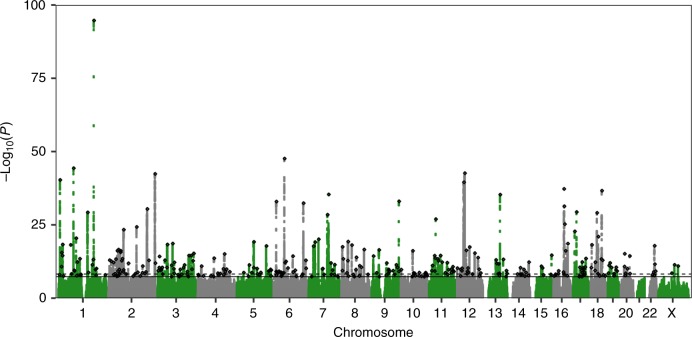
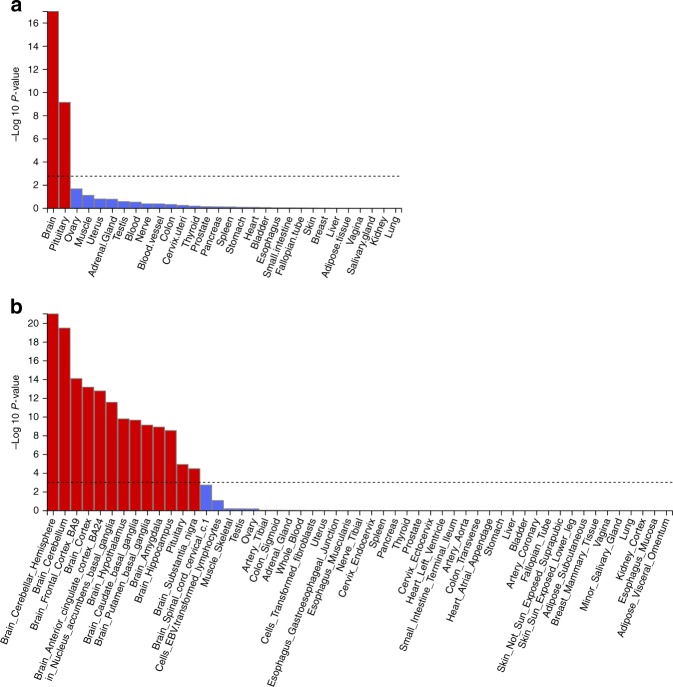
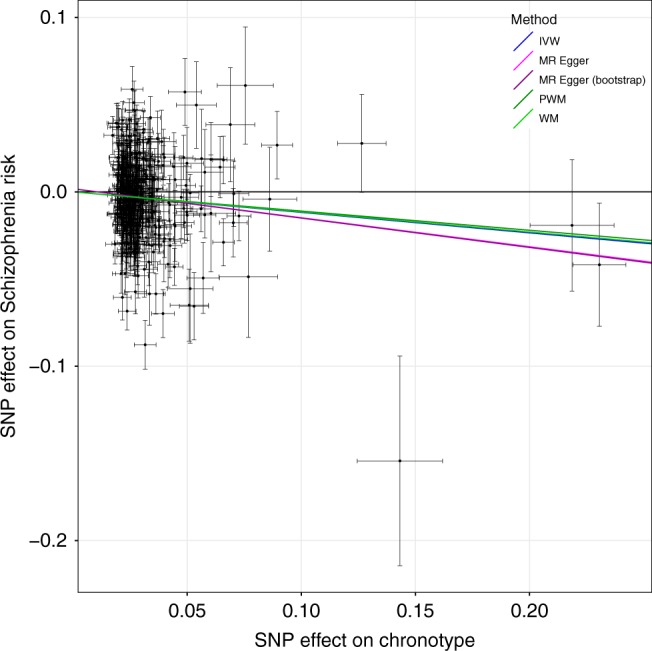
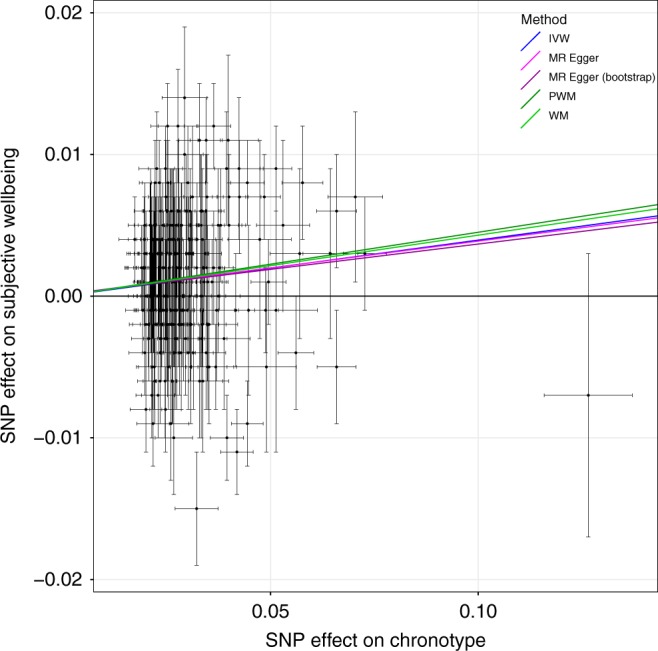
Being a morning person is a behavioural indicator of a person’s underlying circadian rhythm. Using genome-wide data from 697,828 UK Biobank and 23andMe participants we increase the number of genetic loci associated with being a morning person from 24 to 351. Using data from 85,760 individuals with activity-monitor derived measures of sleep timing we find that the chronotype loci associate with sleep timing: the mean sleep timing of the 5% of individuals carrying the most morningness alleles is 25 min earlier than the 5% carrying the fewest. The loci are enriched for genes involved in circadian regulation, cAMP, glutamate and insulin signalling pathways, and those expressed in the retina, hindbrain, hypothalamus, and pituitary. Using Mendelian Randomisation, we show that being a morning person is causally associated with better mental health but does not affect BMI or risk of Type 2 diabetes. This study offers insights into circadian biology and its links to disease in humans.
Overview
The claims and statistics of this paper haven’t been checked yet.
Free: it reads the open-access text and checks the first 5 claims that cite a source we can check. Create a free account to check every claim.
Integrity signals
Registry
Cites
Statistics
Figures


Verification
Claims the paper makes
The claims and statistics of this paper haven’t been checked yet.
Free: it reads the open-access text and checks the first 5 claims that cite a source we can check. Create a free account to check every claim.
Claims other papers make about this one
Each is checked against this paper’s own text: does it say what the citing paper says it does?
The source backs part of the claim, not all of it — or backs it for a different population, condition or comparison.
In the citing paper
“the chronotype seems to be dependent on environmental factors, which again is affected by mechanisms of innate homeostasis of sleep and circadian rhythms, as shown by a genome-wide association analysis, identifying genomic loci associated to chronotype (156).”
From Meal timing and its role in obesity and associated diseases (2024) · cites this paper as [156]
Experimental — accuracy not yet measuredIn the citing paper
“In several genome-wide association studies (GWASs) of depression-related traits, TNKS was found to be associated with (p = 7.68 × 10⁻¹⁰)38, bipolar disorder (p = 3 × 10⁻⁶)39, and positive affect (p = 0.0003)40.”
From Methylome-wide change associated with response to electroconvulsive therapy in depressed patients (2021) · cites this paper as [38]
Self-check
Percentages, sums and reported differences re-computed from the paper’s own numbers.
The self-check needs the paper’s full text.
Citations
Cites
Sudlow, C., Gallacher, J., Allen, N., Beral, V., Burton, P., Danesh, J., Downey, P., Elliott, P., Green, J., Landray, M., et al. (2015) · PLOS Medicine · doi:10.1371/journal.pmed.1001779 · Cited by 12,728
Bowden, J., Davey Smith, G., Haycock, P. C., & Burgess, S. (2016) · Genetic Epidemiology · doi:10.1002/gepi.21965 · Cited by 8,922
Self-citationThe MR-Base platform supports systematic causal inference across the human phenome
Hemani, G., Zheng, J., Elsworth, B., Wade, K. H., Haberland, V., Baird, D., Laurin, C., Burgess, S., Bowden, J., Langdon, R., et al. (2018) · eLife · doi:10.7554/elife.34408 · Cited by 7,959
Self-citationGenetics of Food Intake Self-Regulation in Childhood: Literature Review and Research Opportunities
Faith, M. S., Carnell, S., & Kral, T. V. E. (2013) · Human Heredity · doi:10.1159/000353879 · Cited by 7,601
Biological insights from 108 schizophrenia-associated genetic loci
Schizophrenia Working Group of the Psychiatric Genomics Consortium (2014) · Nature · doi:10.1038/nature13595 · Cited by 7,577
LD Score regression distinguishes confounding from polygenicity in genome-wide association studies
Schizophrenia Working Group of the Psychiatric Genomics Consortium, Bulik-Sullivan, B. K., Loh, P.-R., Finucane, H. K., Ripke, S., Yang, J., Patterson, N., Daly, M. J., Price, A. L., & Neale, B. M. (2015) · Nature Genetics · doi:10.1038/ng.3211 · Cited by 5,559
METAL: fast and efficient meta-analysis of genomewide association scans
Willer, C. J., Li, Y., & Abecasis, G. R. (2010) · Bioinformatics · doi:10.1093/bioinformatics/btq340 · Cited by 5,205
A self-assessment questionnaire to determine morningness- eveningness in human circadian rhythms
Home, J. K. (1976) · Medical Entomology and Zoology · Cited by 4,783
Mendelian randomization: Using genes as instruments for making causal inferences in epidemiology
Lawlor, D. A., Harbord, R. M., Sterne, J. A. C., Timpson, N., & Davey Smith, G. (2008) · Statistics in Medicine · doi:10.1002/sim.3034 · Cited by 4,618
Self-citationGenetic studies of body mass index yield new insights for obesity biology
Study, T. L. C., Locke, A. E., The ADIPOGen Consortium, The AGEN-BMI Working Group, The CARDIOGRAMplusC4D Consortium, The CKDGen Consortium, The, G. L. G. C., The, I. C. B. P., The MAGIC Investigators, The MuTHER Consortium, et al. (2015) · Nature · doi:10.1038/nature14177 · Cited by 4,534
Self-citationFunctional mapping and annotation of genetic associations with FUMA
Watanabe, K., Taskesen, E., van Bochoven, A., & Posthuma, D. (2017) · Nature Communications · doi:10.1038/s41467-017-01261-5 · Cited by 4,083
(1976) · PubMed · Cited by 3,979
MAGMA: Generalized Gene-Set Analysis of GWAS Data
de Leeuw, C. A., Mooij, J. M., Heskes, T., & Posthuma, D. (2015) · PLOS Computational Biology · doi:10.1371/journal.pcbi.1004219 · Cited by 3,653
(2013) · The Lancet · doi:10.1016/s0140-6736(12)62129-1 · Cited by 3,010
Association analyses of 249,796 individuals reveal 18 new loci associated with body mass index
MAGIC, Speliotes, E. K., on behalf of Procardis Consortium, Willer, C. J., Berndt, S. I., Monda, K. L., Thorleifsson, G., Jackson, A. U., Allen, H. L., Lindgren, C. M., et al. (2010) · Nature Genetics · doi:10.1038/ng.686 · Cited by 2,912
Self-citationObesity and Metabolic Syndrome in Circadian Clock Mutant Mice
Turek, F. W., Joshu, C., Kohsaka, A., Lin, E., Ivanova, G., McDearmon, E., Laposky, A., Losee-Olson, S., Easton, A., Jensen, D. R., et al. (2005) · Science · doi:10.1126/science.1108750 · Cited by 2,485
the DIAbetes Genetics Replication And Meta-analysis (DIAGRAM) Consortium, Morris, A. P., Voight, B. F., Teslovich, T. M., Ferreira, T., Segrè, A. V., Steinthorsdottir, V., Strawbridge, R. J., Khan, H., Grallert, H., et al. (2012) · Nature Genetics · doi:10.1038/ng.2383 · Cited by 1,912
Self-citationSuñé, P., Suñé, J. M., & Montoro, J. B. (2013) · PLoS ONE · doi:10.1371/journal.pone.0054583 · Cited by 1,687
The genetics of mammalian circadian order and disorder: implications for physiology and disease
Takahashi, J. S., Hong, H.-K., Ko, C. H., & McDearmon, E. L. (2008) · Nature Reviews Genetics · doi:10.1038/nrg2430 · Cited by 1,611
Self-Reported and Measured Sleep Duration: How Similar Are They?
Lauderdale, D. S., Knutson, K. L., Yan, L. L., Liu, K., & Rathouz, P. J. (2008) · Epidemiology · doi:10.1097/ede.0b013e318187a7b0 · Cited by 1,565
Bowden, J., Del Greco M., F., Minelli, C., Davey Smith, G., Sheehan, N. A., & Thompson, J. R. (2016) · International Journal of Epidemiology · doi:10.1093/ije/dyw220 · Cited by 1,565
Self-citationEpidemiology of the human circadian clock
Roenneberg, T., Kuehnle, T., Juda, M., Kantermann, T., Allebrandt, K., Gordijn, M., & Merrow, M. (2007) · Sleep Medicine Reviews · doi:10.1016/j.smrv.2007.07.005 · Cited by 1,545
Self-citationHigh-Fat Diet Disrupts Behavioral and Molecular Circadian Rhythms in Mice
Kohsaka, A., Laposky, A. D., Ramsey, K. M., Estrada, C., Joshu, C., Kobayashi, Y., Turek, F. W., & Bass, J. (2007) · Cell Metabolism · doi:10.1016/j.cmet.2007.09.006 · Cited by 1,528
Disruption of the clock components CLOCK and BMAL1 leads to hypoinsulinaemia and diabetes
Marcheva, B., Ramsey, K. M., Buhr, E. D., Kobayashi, Y., Su, H., Ko, C. H., Ivanova, G., Omura, C., Mo, S., Vitaterna, M. H., et al. (2010) · Nature · doi:10.1038/nature09253 · Cited by 1,525
Efficient Bayesian mixed-model analysis increases association power in large cohorts
Loh, P.-R., Tucker, G., Bulik-Sullivan, B. K., Vilhjálmsson, B. J., Finucane, H. K., Salem, R. M., Chasman, D. I., Ridker, P. M., Neale, B. M., Berger, B., et al. (2015) · Nature Genetics · doi:10.1038/ng.3190 · Cited by 1,507
Doherty, A., Jackson, D., Hammerla, N., Plötz, T., Olivier, P., Granat, M. H., White, T., van Hees, V. T., Trenell, M. I., Owen, C. G., et al. (2017) · PLOS ONE · doi:10.1371/journal.pone.0169649 · Cited by 1,250
Mendelian randomization: prospects, potentials, and limitations
Smith, G. D. (2004) · International Journal of Epidemiology · doi:10.1093/ije/dyh132 · Cited by 1,222
A mega-analysis of genome-wide association studies for major depressive disorder
Major Depressive Disorder Working Group of the Psychiatric GWAS Consortium, Ripke, S., Wray, N. R., Lewis, C. M., Hamilton, S. P., Weissman, M. M., Breen, G., Byrne, E. M., Blackwood, D. H. R., Boomsma, D. I., et al. (2013) · Molecular Psychiatry · doi:10.1038/mp.2012.21 · Cited by 1,120
Self-citationSmith, C. S., Reilly, C., & Midkiff, K. (1989) · Journal of Applied Psychology · doi:10.1037/0021-9010.74.5.728 · Cited by 1,106
DIAbetes Genetics Replication And Meta-analysis (DIAGRAM) Consortium, Mahajan, A., Asian Genetic Epidemiology Network Type 2 Diabetes (AGEN-T2D) Consortium, South Asian Type 2 Diabetes (SAT2D) Consortium, Mexican American Type 2 Diabetes (MAT2D) Consortium, Type 2 Diabetes Genetic Exploration by Next-generation sequencing in multi-Ethnic Samples (T2D-GENES) Consortium, Go, M. J., Zhang, W., Below, J. E., Gaulton, K. J., et al. (2014) · Nature Genetics · doi:10.1038/ng.2897 · Cited by 1,034
Self-citationStudy, L. C., Okbay, A., Baselmans, B. M. L., De Neve, J.-E., Turley, P., Nivard, M. G., Fontana, M. A., Meddens, S. F. W., Linnér, R. K., Rietveld, C. A., et al. (2016) · Nature Genetics · doi:10.1038/ng.3552 · Cited by 1,013
Self-citationvan Hees, V. T., Gorzelniak, L., Dean León, E. C., Eder, M., Pias, M., Taherian, S., Ekelund, U., Renström, F., Franks, P. W., Horsch, A., et al. (2013) · PLoS ONE · doi:10.1371/journal.pone.0061691 · Cited by 926
Manning, A. K., Hivert, M.-F., Scott, R. A., Grimsby, J. L., Bouatia-Naji, N., Chen, H., Rybin, D., Liu, C.-T., Bielak, L. F., Prokopenko, I., et al. (2012) · Nature Genetics · doi:10.1038/ng.2274 · Cited by 827
Self-citationFINEMAP: efficient variable selection using summary data from genome-wide association studies
Benner, C., Spencer, C. C. A., Havulinna, A. S., Salomaa, V., Ripatti, S., & Pirinen, M. (2016) · Bioinformatics · doi:10.1093/bioinformatics/btw018 · Cited by 815
Collider scope: when selection bias can substantially influence observed associations
Munafò, M. R., Tilling, K., Taylor, A. E., Evans, D. M., & Davey Smith, G. (2018) · International Journal of Epidemiology · doi:10.1093/ije/dyx206 · Cited by 813
Biological interpretation of genome-wide association studies using predicted gene functions
Pers, T. H., Karjalainen, J. M., Chan, Y., Westra, H.-J., Wood, A. R., Yang, J., Lui, J. C., Vedantam, S., Gustafsson, S., Esko, T., et al. (2015) · Nature Communications · doi:10.1038/ncomms6890 · Cited by 787 · cited 7×
“We used MAGENTA 37 , DEPICT 38 , PASCAL 36 and MAGMA 34 to perform pathway and tissue enrichment.”
BackgroundMethodInfluentialSelf-citationHyde, C. L., Nagle, M. W., Tian, C., Chen, X., Paciga, S. A., Wendland, J. R., Tung, J. Y., Hinds, D. A., Perlis, R. H., & Winslow, A. R. (2016) · Nature Genetics · doi:10.1038/ng.3623 · Cited by 784
Self-citationAssociation analyses of 249,796 individuals reveal 18 new loci associated with body mass index
Speliotes, E. K., Willer, C. J., Berndt, S. I., Monda, K. L., Þorleifsson, G., Jackson, A., Allen, H. L., Lindgren, C. M., Luan, J., Mägi, R., et al. (2010) · Carolina Digital Repository (University of North Carolina at Chapel Hill) · doi:10.17615/d3bn-7g86 · Cited by 767
Self-citationTime of feeding and the intrinsic circadian clock drive rhythms in hepatic gene expression.
Vollmers, C., Gill, S., DiTacchio, L., Pulivarthy, S. R., Le, H. D., & Panda, S. (2009) · Proceedings of the National Academy of Sciences · doi:10.1073/pnas.0909591106 · Cited by 765
A novel, open access method to assess sleep duration using a wrist-worn accelerometer
van Hees, V. T., Sabia, S., Anderson, K. N., Denton, S. J., Oliver, J., Catt, M., Abell, J. G., Kivimäki, M., Trenell, M. I., & Singh-Manoux, A. (2015) · PLOS ONE · doi:10.1371/journal.pone.0142533 · Cited by 744
Homo naledi, a new species of the genus Homo from the Dinaledi chamber. South Africa.
Berger, L. R., Hawks, J., de Ruiter, D. J., Churchill, S. E., Schmid, P., Delezene, L. K., Kivell, T. L., Garvin, H. M., Williams, S. A., DeSilva, J. M., et al. (2015) · eLife · doi:10.7554/elife.09560 · Cited by 703
van Hees, V. T., Fang, Z., Langford, J., Assah, F., Mohammad, A., da Silva, I. C. M., Trenell, M. I., White, T., Wareham, N. J., & Brage, S. (2014) · Journal of Applied Physiology · doi:10.1152/japplphysiol.00421.2014 · Cited by 676
Carreras-Torres, R., Johansson, M., Haycock, P. C., Wade, K. H., Relton, C. L., Martin, R. M., Davey Smith, G., Albanes, D., Aldrich, M. C., Andrew, A., et al. (2017) · PLOS ONE · doi:10.1371/journal.pone.0177875 · Cited by 662
Genome-wide genetic data on ~500,000 UK Biobank participants
Bycroft, C., Freeman, C., Petkova, D., Band, G., Elliott, L. T., Sharp, K., Motyer, A., Vukcevic, D., Delaneau, O., O’Connell, J., et al. (2017) · bioRxiv (Cold Spring Harbor Laboratory) · doi:10.1101/166298 · Cited by 623 · cited 2×
“Further details on the UK Biobank genotyping, quality control and imputation procedures can be found elsewhere 28 .”
MethodSmith, G. D., Lawlor, D. A., Harbord, R., Timpson, N., Day, I., & Ebrahim, S. (2007) · PLoS Medicine · doi:10.1371/journal.pmed.0040352 · Cited by 569
Self-citationWright, K. P., Drake, A. L., Frey, D. J., Fleshner, M., Desouza, C. A., Gronfier, C., & Czeisler, C. A. (2015) · Brain, Behavior, and Immunity · doi:10.1016/j.bbi.2015.01.004 · Cited by 567
Estimating sleep parameters using an accelerometer without sleep diary
van Hees, V. T., Sabia, S., Jones, S. E., Wood, A. R., Anderson, K. N., Kivimäki, M., Frayling, T. M., Pack, A. I., Bucan, M., Trenell, M. I., et al. (2018) · Scientific Reports · doi:10.1038/s41598-018-31266-z · Cited by 554
Self-citationDepression scores associate with chronotype and social jetlag in a rural population
Levandovski, R., Dantas, G., Fernandes, L. C., Caumo, W., Torres, I., Roenneberg, T., Hidalgo, M. P. L., & Allebrandt, K. V. (2011) · Chronobiology International · doi:10.3109/07420528.2011.602445 · Cited by 527
Self-citationChronotypes in the US–influence of age and sex
Fischer, D., Lombardi, D. A., Marucci-Wellman, H., & Roenneberg, T. (2017) · PLOS ONE · doi:10.1371/journal.pone.0178782 · Cited by 502
Disruption of the neurexin 1 gene is associated with schizophrenia
Rujescu, D., Ingason, A., Cichon, S., Pietiläinen, O. P. H., Barnes, M. R., Toulopoulou, T., Picchioni, M., Vassos, E., Ettinger, U., Bramon, E., et al. (2009) · Human Molecular Genetics · doi:10.1093/hmg/ddn351 · Cited by 471
Segrè, A. V., DIAGRAM Consortium, MAGIC investigators, Groop, L., Mootha, V. K., Daly, M. J., & Altshuler, D. (2010) · PLoS Genetics · doi:10.1371/journal.pgen.1001058 · Cited by 463
Long-Range LD Can Confound Genome Scans in Admixed Populations
Price, A. L., Weale, M. E., Patterson, N., Myers, S. R., Need, A. C., Shianna, K. V., Ge, D., Rotter, J. I., Torres, E., Taylor, K. D., et al. (2008) · The American Journal of Human Genetics · doi:10.1016/j.ajhg.2008.06.005 · Cited by 443
Mahajan, A., Wessel, J., Willems, S. M., Zhao, W., Robertson, N. R., Chu, A. Y., Gan, W., Kitajima, H., Taliun, D., Rayner, N. W., et al. (2018) · Nature Genetics · doi:10.1038/s41588-018-0084-1 · Cited by 442
Self-citationA Genome-wide RNAi Screen for Modifiers of the Circadian Clock in Human Cells
Zhang, E. E., Liu, A. C., Hirota, T., Miraglia, L. J., Welch, G., Pongsawakul, P. Y., Liu, X., Atwood, A., Huss, J. W., Janes, J., et al. (2009) · Cell · doi:10.1016/j.cell.2009.08.031 · Cited by 431
Sleep and circadian rhythm disruption in schizophrenia
Wulff, K., Dijk, D.-J., Middleton, B., Foster, R. G., & Joyce, E. M. (2012) · British Journal of Psychiatry · doi:10.1192/bjp.bp.111.096321 · Cited by 426
Randall, J. C., Winkler, T. W., Kutalik, Z., Berndt, S. I., Jackson, A. U., Monda, K. L., Kilpeläinen, T. O., Esko, T., Mägi, R., Li, S., et al. (2013) · PLoS Genetics · doi:10.1371/journal.pgen.1003500 · Cited by 416
Self-citationDisrupted circadian rhythms in VIP- and PHI-deficient mice
Colwell, C. S., Michel, S., Itri, J., Rodriguez, W., Tam, J., Lelievre, V., Hu, Z., Liu, X., & Waschek, J. A. (2003) · American Journal of Physiology-Regulatory, Integrative and Comparative Physiology · doi:10.1152/ajpregu.00200.2003 · Cited by 392
Jones, S. E., Tyrrell, J., Wood, A. R., Beaumont, R. N., Ruth, K. S., Tuke, M. A., Yaghootkar, H., Hu, Y., Teder-Laving, M., Hayward, C., et al. (2016) · PLOS Genetics · doi:10.1371/journal.pgen.1006125 · Cited by 388
Self-citationAssociations of chronotype and sleep with cardiovascular diseases and type 2 diabetes
Merikanto, I., Lahti, T., Puolijoki, H., Vanhala, M., Peltonen, M., Laatikainen, T., Vartiainen, E., Salomaa, V., Kronholm, E., & Partonen, T. (2013) · Chronobiology International · doi:10.3109/07420528.2012.741171 · Cited by 368 · cited 1×
“For example, evening people have an increased frequency of obesity 17 , Type 2 diabetes 18 and depression 19 independent of sleep disturbance, and studies of shift workers show an increased risk of diabetes, depression and other diseases 20 .”
BackgroundDimas, A. S., Lagou, V., Barker, A., Knowles, J. W., Mägi, R., Hivert, M.-F., Benazzo, A., Rybin, D., Jackson, A. U., Stringham, H. M., et al. (2014) · Diabetes · doi:10.2337/db13-0949 · Cited by 366
Evening chronotype is associated with metabolic disorders and body composition in middle-aged adults
Yu, J. H., Yun, C.-H., Ahn, J. H., Suh, S., Cho, H. J., Lee, S. K., Yoo, H. J., Seo, J. A., Kim, S. G., Choi, K. M., et al. (2015) · The Journal of Clinical Endocrinology & Metabolism · doi:10.1210/jc.2014-3754 · Cited by 358
Shifman, S., Johannesson, M., Bronstein, M., Chen, S. X., Collier, D. A., Craddock, N. J., Kendler, K. S., Li, T., O'Donovan, M., O'Neill, F. A., et al. (2008) · PLoS Genetics · doi:10.1371/journal.pgen.0040028 · Cited by 345
Bowen, A. C., Mahé, A., Hay, R. J., Andrews, R. M., Steer, A. C., Tong, S. Y. C., & Carapetis, J. R. (2015) · PLOS ONE · doi:10.1371/journal.pone.0136789 · Cited by 331
The metabolic burden of sleep loss
Schmid, S. M., Hallschmid, M., & Schultes, B. (2015) · The Lancet Diabetes & Endocrinology · doi:10.1016/s2213-8587(14)70012-9 · Cited by 328
Fast and Rigorous Computation of Gene and Pathway Scores from SNP-Based Summary Statistics
Lamparter, D., Marbach, D., Rueedi, R., Kutalik, Z., & Bergmann, S. (2016) · PLOS Computational Biology · doi:10.1371/journal.pcbi.1004714 · Cited by 324
Hu, Y., Shmygelska, A., Tran, D., Eriksson, N., Tung, J. Y., & Hinds, D. A. (2016) · Nature Communications · doi:10.1038/ncomms10448 · Cited by 321
Self-citationLane, J. M., Vlasac, I., Anderson, S. G., Kyle, S. D., Dixon, W. G., Bechtold, D. A., Gill, S., Little, M. A., Luik, A., Loudon, A., et al. (2016) · Nature Communications · doi:10.1038/ncomms10889 · Cited by 312
Self-citationSabia, S., van Hees, V. T., Shipley, M. J., Trenell, M. I., Hagger-Johnson, G., Elbaz, A., Kivimaki, M., & Singh-Manoux, A. (2014) · American Journal of Epidemiology · doi:10.1093/aje/kwt330 · Cited by 304
Huyghe, J. R., Jackson, A. U., Fogarty, M. P., Buchkovich, M. L., Stančáková, A., Stringham, H. M., Sim, X., Yang, L., Fuchsberger, C., Cederberg, H., et al. (2013) · Nature Genetics · doi:10.1038/ng.2507 · Cited by 282
The estimation of genetic correlations from phenotypic correlations: a test of Cheverud's conjecture
Roff, D. A. (1995) · Heredity · doi:10.1038/hdy.1995.68 · Cited by 275
Associations among late chronotype, body mass index and dietary behaviors in young adolescents
Arora, T., & Taheri, S. (2015) · International Journal of Obesity · doi:10.1038/ijo.2014.157 · Cited by 255
Cespedes, E. M., Hu, F. B., Redline, S., Rosner, B., Alcantara, C., Cai, J., Hall, M. H., Loredo, J. S., Mossavar-Rahmani, Y., Ramos, A. R., et al. (2016) · American Journal of Epidemiology · doi:10.1093/aje/kwv251 · Cited by 245
Duffy, J. F., & Czeisler, C. A. (2002) · Neuroscience Letters · doi:10.1016/s0304-3940(01)02427-2 · Cited by 241
Evening types are prone to depression
Merikanto, I., Lahti, T., Kronholm, E., Peltonen, M., Laatikainen, T., Vartiainen, E., Salomaa, V., & Partonen, T. (2013) · Chronobiology International · doi:10.3109/07420528.2013.784770 · Cited by 237 · cited 1×
“…in the literature between mental health traits and chronotype, with mental health disorders typically being overrepresented in evening types 59 – 61 , and in this study we show that morningness is negatively genetically correlated with both depression and schizophrenia, and positively…”
BackgroundCircadian timing of metabolism in animal models and humans
Dibner, C., & Schibler, U. (2015) · Journal of Internal Medicine · doi:10.1111/joim.12347 · Cited by 237
Circadian Misalignment Increases C-Reactive Protein and Blood Pressure in Chronic Shift Workers
Morris, C. J., Purvis, T. E., Mistretta, J., Hu, K., & Scheer, F. A. J. L. (2017) · Journal of Biological Rhythms · doi:10.1177/0748730417697537 · Cited by 206
Mismatch of Sleep and Work Timing and Risk of Type 2 Diabetes
Vetter, C., Devore, E. E., Ramin, C. A., Speizer, F. E., Willett, W. C., & Schernhammer, E. S. (2015) · Diabetes Care · doi:10.2337/dc15-0302 · Cited by 194
Pekas, A., Palevsky, E., Sumner, J. C., Perotti, M. A., Nesvorna, M., & Hubert, J. (2017) · Scientific Reports · doi:10.1038/s41598-017-00046-6 · Cited by 177
Response to Hartwig and Davies
Bowden, J., Burgess, S., & Davey Smith, G. (2016) · International Journal of Epidemiology · doi:10.1093/ije/dyw252 · Cited by 174
Self-citationComparison of Genotypic and Phenotypic Correlations: Cheverud’s Conjecture in Humans
Sodini, S. M., Kemper, K. E., Wray, N. R., & Trzaskowski, M. (2018) · Genetics · doi:10.1534/genetics.117.300630 · Cited by 174 · cited 1×
“…prioritise traits for subsequent causal analyses, as previous studies have shown a strong correlation between genetic and phenotypic correlations 52,53 , and to identify genetic overlap between chronotype and other diseases and traits, we performed LD-score regression analyses against a range of…”
MethodA PERIOD3 variant causes a circadian phenotype and is associated with a seasonal mood trait
Zhang, L., Hirano, A., Hsu, P.-K., Jones, C. R., Sakai, N., Okuro, M., McMahon, T., Yamazaki, M., Xu, Y., Saigoh, N., et al. (2016) · Proceedings of the National Academy of Sciences · doi:10.1073/pnas.1600039113 · Cited by 169
Taylor, A. E., Davies, N. M., Ware, J. J., VanderWeele, T., Smith, G. D., & Munafò, M. R. (2014) · Economics & Human Biology · doi:10.1016/j.ehb.2013.12.002 · Cited by 166
Relationship between Circadian Typology and Big Five Personality Domains
Tonetti, L., Fabbri, M., & Natale, V. (2009) · Chronobiology International · doi:10.1080/07420520902750995 · Cited by 166
Sleep and circadian rhythm dysregulation in schizophrenia
Monti, J. M., BaHammam, A. S., Pandi-Perumal, S. R., Bromundt, V., Spence, D. W., Cardinali, D. P., & Brown, G. M. (2013) · Progress in Neuro-Psychopharmacology and Biological Psychiatry · doi:10.1016/j.pnpbp.2012.12.021 · Cited by 157
Yaghootkar, H., Lotta, L. A., Tyrrell, J., Smit, R. A. J., Jones, S. E., Donnelly, L., Beaumont, R., Campbell, A., Tuke, M. A., Hayward, C., et al. (2016) · Diabetes · doi:10.2337/db15-1671 · Cited by 151
Self-citationChronotype and sleep duration: The influence of season of assessment
Allebrandt, K. V., Teder-Laving, M., Kantermann, T., Peters, A., Campbell, H., Rudan, I., Wilson, J. F., Metspalu, A., & Roenneberg, T. (2014) · Chronobiology International · doi:10.3109/07420528.2014.901347 · Cited by 146
Self-citationMierke, C. T., Fischer, T., Puder, S., Kunschmann, T., Soetje, B., & Ziegler, W. H. (2017) · Scientific Reports · doi:10.1038/srep46435 · Cited by 129
Circadian preference in bipolar disorder
Giglio, L. M. F., Magalhães, P. V. D. S., Andersen, M. L., Walz, J. C., Jakobson, L., & Kapczinski, F. P. (2009) · Sleep And Breathing · doi:10.1007/s11325-009-0301-3 · Cited by 126
The Statistical Determinants of the Speed of Motor Learning
He, K., Liang, Y., Abdollahi, F., Fisher Bittmann, M., Kording, K., & Wei, K. (2016) · PLOS Computational Biology · doi:10.1371/journal.pcbi.1005023 · Cited by 118
A central role for ubiquitination within a circadian clock protein modification code
Stojkovic, K., Wing, S. S., & Cermakian, N. (2014) · Frontiers in Molecular Neuroscience · doi:10.3389/fnmol.2014.00069 · Cited by 116
A Pilot Characterization of the Human Chronobiome
Skarke, C., Lahens, N. F., Rhoades, S. D., Campbell, A., Bittinger, K., Bailey, A., Hoffmann, C., Olson, R. S., Chen, L., Yang, G., et al. (2017) · Scientific Reports · doi:10.1038/s41598-017-17362-6 · Cited by 108
Latitudinal cline of chronotype
Leocadio-Miguel, M. A., Louzada, F. M., Duarte, L. L., Areas, R. P., Alam, M., Freire, M. V., Fontenele-Araujo, J., Menna-Barreto, L., & Pedrazzoli, M. (2017) · Scientific Reports · doi:10.1038/s41598-017-05797-w · Cited by 99
Questions about DISC1 as a genetic risk factor for schizophrenia
Sullivan, P. F. (2013) · Molecular Psychiatry · doi:10.1038/mp.2012.182 · Cited by 93
Divergent tissue and sex effects of rapamycin on the proteasome-chaperone network of old mice
Rodriguez, K. A., Dodds, S. G., Strong, R., Galvan, V., Sharp, Z. D., & Buffenstein, R. (2014) · Frontiers in Molecular Neuroscience · doi:10.3389/fnmol.2014.00083 · Cited by 86
Temporal transcriptomics suggest that twin-peaking genes reset the clock
Pembroke, W. G., Babbs, A., Davies, K. E., Ponting, C. P., & Oliver, P. L. (2015) · eLife · doi:10.7554/elife.10518 · Cited by 86
Interactive effects of sleep duration and morning/evening preference on cardiovascular risk factors
Patterson, F., Malone, S. K., Grandner, M. A., Lozano, A. J., Perkett, M., & Hanlon, A. L. (2017) · European Journal of Public Health · doi:10.1093/eurpub/ckx029 · Cited by 81
Role for LSM genes in the regulation of circadian rhythms
Perez-Santángelo, S., Mancini, E., Francey, L. J., Schlaen, R. G., Chernomoretz, A., Hogenesch, J. B., & Yanovsky, M. J. (2014) · Proceedings of the National Academy of Sciences · doi:10.1073/pnas.1409791111 · Cited by 67
Gigante, G., Deco, G., Marom, S., & Del Giudice, P. (2015) · PLOS Computational Biology · doi:10.1371/journal.pcbi.1004547 · Cited by 64
Yang, Y., Duguay, D., Bédard, N., Rachalski, A., Baquiran, G., Na, C. H., Fahrenkrug, J., Storch, K.-F., Peng, J., Wing, S. S., et al. (2012) · Biology Open · doi:10.1242/bio.20121990 · Cited by 58
Burgess, S., Bowden, J., Dudbridge, F., & Thompson, S. G. (2016) · arXiv (Cornell University) · doi:10.48550/arxiv.1606.03729 · Cited by 58
Self-citationDistribution of pulmonary responsiveness to aerosol histamine in dogs
Snapper, J. R., Drazen, J. M., Loring, S. H., Schneider, W., & Ingram, R. H. (1978) · Journal of Applied Physiology · doi:10.1152/jappl.1978.44.5.738 · Cited by 57
Gu, Y., Wang, C., Zheng, Y., Hou, X., Mo, Y., Yu, W., Zhang, L., Hu, C., Nan, H., Chen, L., et al. (2013) · PLoS ONE · doi:10.1371/journal.pone.0053411 · Cited by 55
Uncovering the Proteome Response of the Master Circadian Clock to Light Using an AutoProteome System
Tian, R., Alvarez-Saavedra, M., Cheng, H. M., & Figeys, D. (2011) · Molecular & Cellular Proteomics · doi:10.1074/mcp.m110.007252 · Cited by 39
Brown, L. A., Williams, J. A., Taylor, L., Thomson, R. J., Nolan, P. M., Foster, F., & Peirson, S. N. (2017) · Nucleic Acids Research · doi:10.1093/nar/gkx714 · Cited by 38
Assessing sleep quality using self‐report and actigraphy in PTSD
Slightam, C. A., Petrowski, K., Jamison, A. L., Keller, M., Bertram, F., Kim, S. Y., & Roth, W. T. (2017) · Journal of Sleep Research · doi:10.1111/jsr.12632 · Cited by 34
Tong, X., Zhang, D., Guha, A., Arthurs, B., Cazares, V. A., Gupta, N., & Yin, L. (2015) · PLoS ONE · doi:10.1371/journal.pone.0139725 · Cited by 29 · cited 1×
“FBXO3 is in the ubiquitin-proteosome pathway; protein (de)ubiquitination has been shown to be involved with the degradation of several core clock genes 43,44 , in fl uencing the build-up up these proteins and the pace of the circadian clock 45,46 .”
Background
Cited by
Migueles, J. H., Rowlands, A. V., Huber, F., Sabia, S., & van Hees, V. T. (2019) · Journal for the Measurement of Physical Behaviour · doi:10.1123/jmpb.2018-0063 · Cited by 955
Using human genetics to understand the disease impacts of testosterone in men and women
The Endometrial Cancer Association Consortium, Ruth, K. S., Day, F. R., Tyrrell, J., Thompson, D. J., Wood, A. R., Mahajan, A., Beaumont, R. N., Wittemans, L., Martin, S., et al. (2020) · Nature Medicine · doi:10.1038/s41591-020-0751-5 · Cited by 720
Self-citationDashti, H. S., Jones, S. E., Wood, A. R., Lane, J. M., van Hees, V. T., Wang, H., Rhodes, J. A., Song, Y., Patel, K., Anderson, S. G., et al. (2019) · Nature Communications · doi:10.1038/s41467-019-08917-4 · Cited by 609
Self-citationEGG Consortium, Warrington, N. M., Beaumont, R. N., Horikoshi, M., Day, F. R., Helgeland, Ø., Laurin, C., Bacelis, J., Peng, S., Hao, K., et al. (2019) · Nature Genetics · doi:10.1038/s41588-019-0403-1 · Cited by 593
Self-citationEstimating sleep parameters using an accelerometer without sleep diary
van Hees, V. T., Sabia, S., Jones, S. E., Wood, A. R., Anderson, K. N., Kivimäki, M., Frayling, T. M., Pack, A. I., Bucan, M., Trenell, M. I., et al. (2018) · Scientific Reports · doi:10.1038/s41598-018-31266-z · Cited by 554
Self-citation
Metadata
- Authors
- Jones, S. E., Lane, J. M., Wood, A. R., van Hees, V. T., Tyrrell, J., Beaumont, R. N., Jeffries, A. R., Dashti, H. S., Hillsdon, M., Ruth, K. S., Tuke, M. A., Yaghootkar, H., Sharp, S. A., Jie, Y., Thompson, W. D., Harrison, J. W., Dawes, A., Byrne, E. M., Tiemeier, H., Allebrandt, K. V., Bowden, J., Ray, D. W., Freathy, R. M., Murray, A., Mazzotti, D. R., Gehrman, P. R., Lawlor, D. A., Frayling, T. M., Rutter, M. K., Hinds, D. A., Saxena, R., & Weedon, M. N.
- Affiliations
- University of Exeter (GB)
- Broad Institute (US)
- The University of Queensland (AU)
- Erasmus MC (NL)
- Sanofi (Germany) (DE)
- University of Bristol (GB)
- University of Manchester (GB)
- University of Pennsylvania (US)
- Manchester Academic Health Science Centre (GB)
- 23andMe (United States) (US)
- Brigham and Women's Hospital (US)
- Corresponding author
- Weedon, Michael N.
- ORCID
- Jones, Samuel E.
- Lane, Jacqueline M.
- Wood, Andrew R.
- van Hees, Vincent T.
- Tyrrell, Jessica
- Beaumont, Robin N.
- Jeffries, Aaron R.
- Dashti, Hassan S.
- Hillsdon, Melvyn
- Ruth, Katherine S.
- Tuke, Marcus A.
- Yaghootkar, Hanieh
- Sharp, Seth A.
- Thompson, William D.
- Harrison, Jamie W.
- Dawes, Amy
- Byrne, Enda M.
- Tiemeier, Henning
- Allebrandt, Karla V.
- Bowden, Jack
- Ray, David W.
- Freathy, Rachel M.
- Murray, Anna
- Mazzotti, Diego R.
- Gehrman, Philip R.
- Lawlor, Debbie A.
- Frayling, Timothy M.
- Rutter, Martin K.
- Hinds, David A.
- Saxena, Richa
- Weedon, Michael N.
- Venue
- Nature Communications
- Published
- 2019-01-29
- Volume
- 10
- Issue
- 1
- Pages
- 343-343
- ISSN
- 2041-1723 (ISSN-L)
- PMC
- PMC6351539
- OpenAlex
- W2914232633
- Cited by
- 691
- References
- 103
- Citations by year
- 2026: 79 · 2025: 108 · 2024: 122 · 2023: 87 · 2022: 100 · 2021: 92 · 2020: 66 · 2019: 34
- FWCI
- 40.46
- Type
- journal article
- Language
- en
- Open access
- gold
- doi.org
- Licence
- cc-by
- creativecommons.org/licenses/by/4.0 (tdm)
- creativecommons.org/licenses/by/4.0 (vor)
- Locations
- Nature Communications (publishedVersion, cc-by)
- Europe PMC (PubMed Central) (publishedVersion, cc-by)
- PubMed Central (publishedVersion, cc-by)
- PubMed (publishedVersion)
- EUR Research Repository (Erasmus University Rotterdam) (publishedVersion, other-oa)
- EUR Research Repository (Erasmus University Rotterdam) (submittedVersion, other-oa)
- RePub (Erasmus University Rotterdam) (submittedVersion, other-oa)
- RePEc: Research Papers in Economics (submittedVersion)
- Adelaide Research & Scholarship (AR&S) (University of Adelaide) (submittedVersion, cc-by)
- DOAJ (DOAJ: Directory of Open Access Journals) (submittedVersion)
- DOAJ (DOAJ: Directory of Open Access Journals) (submittedVersion, cc-by-sa)
- Figshare (submittedVersion)
- Open Research Exeter (University of Exeter) (submittedVersion, cc-by)
- Research Explorer (The University of Manchester) (submittedVersion, cc-by)
- Royal Devon and Exeter Research Repository (Royal Devon and Exeter) (submittedVersion)
- Bristol Research (University of Bristol) (submittedVersion, cc-by)
- Explore Bristol Research (submittedVersion, cc-by)
- Funders
- Wellcome Trust (MC_UU_00011/6, 104150/Z/14/Z, 107849, 107851/Z/15/Z, 104150, WT097835MF)
- National Institute for Health and Care Research (NF-SI-0611-10196)
- Diabetes Research and Wellness Foundation
- University of Manchester
- European Commission (2007–2013, 669545, FP/2007-2013)/ERC, FP/2007/2013)
- University of Bristol (MC_UU_00011/6, MC_UU_00,011/3)
- National Institutes of Health (FP/2007-2013)
- Medical Research Council (MR/M005070/1, MC_UU_00011/6, MR/P012167/1, MC_UU_00011/2, MC_UU_00011/3, 1078901, MC_PC_17228, MR/P023576/2, MC_UU_00011, WT097835MF)
- National Health and Medical Research Council (1078901, 1145645, MC_UU_00011/6, 1087889)
- National Heart, Lung, and Blood Institute (K01HL136884, T32HL007901)
- National Institute of Mental Health
- National Institute on Drug Abuse
- National Human Genome Research Institute
- NIH Office of the Director
- National Cancer Institute
- National Institute of Diabetes and Digestive and Kidney Diseases (R01DK105072, R01DK102696, F32DK102323, R01DK107859)
- National Institute of Neurological Disorders and Stroke
- FP7 Ideas: European Research Council (323195, 669545, 2007-2013, FP2007‐2013)
- Common Fund
- Topics
- Life Sciences › Neuroscience › Endocrine and Autonomic Systems › Circadian rhythm and melatonin
- Life Sciences › Biochemistry, Genetics and Molecular Biology › Genetics › Genetic Associations and Epidemiology
- Social Sciences › Psychology › Experimental and Cognitive Psychology › Sleep and related disorders
- Keywords
- chronotype, morningness, circadian rhythm, sleep timing, genetic loci, cAMP signaling, glutamate signalling, insulin signaling, Mendelian randomization, mental health, type 2 diabetes, body mass index, activity monitoring
- MeSH terms
- Cyclic AMP, Adult, Aged, Circadian Rhythm, Female, United Kingdom, Humans, Male, Middle Aged, Sleep, Glutamic Acid, White People, Genome-Wide Association Study, Genetic Loci
About these checks
Registry, retraction, Cites and statistics results are computed, not judged, with one exception: a printed reference that no index lists is read once by a model before it counts as a citation error. Claims are extracted by a model and kept only when their quote appears verbatim in the text; each cited source is then checked, with a model’s help, for whether it says what the claim relies on. Those verdicts can be wrong — read the claim’s quote and the cited source before relying on one.
Statistics and arithmetic are recomputed, not judged.
Confidence bands are shown only for fields calibrated on our annotated test set. None is calibrated yet, so no band is shown.
What counts as a claim ›How we measure confidence ›How we check this ›
Are you an author, or do you see a problem with this page? Request a review
Data sources
Bibliographic data: Semantic Scholar, OpenAlex, Crossref.
Contains information from the Semantic Scholar Academic Graph Datasets, made available under the ODC Attribution License (ODC-BY 1.0).
Semantic Scholar’s data is described in: Kinney, R., et al. (2023). The Semantic Scholar Open Data Platform. arXiv:2301.10140.
