

Genome-wide association analyses of chronotype in 697,828 individuals provides insights into circadian rhythms
Open accessThe DOI matches its Crossref record; 106 of the 106 references it cites were found in a registry or an index.
Abstract
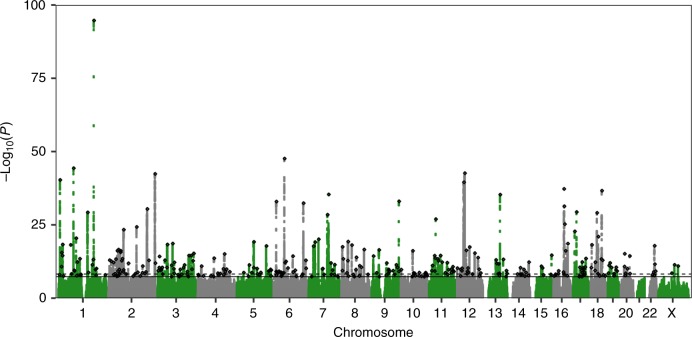
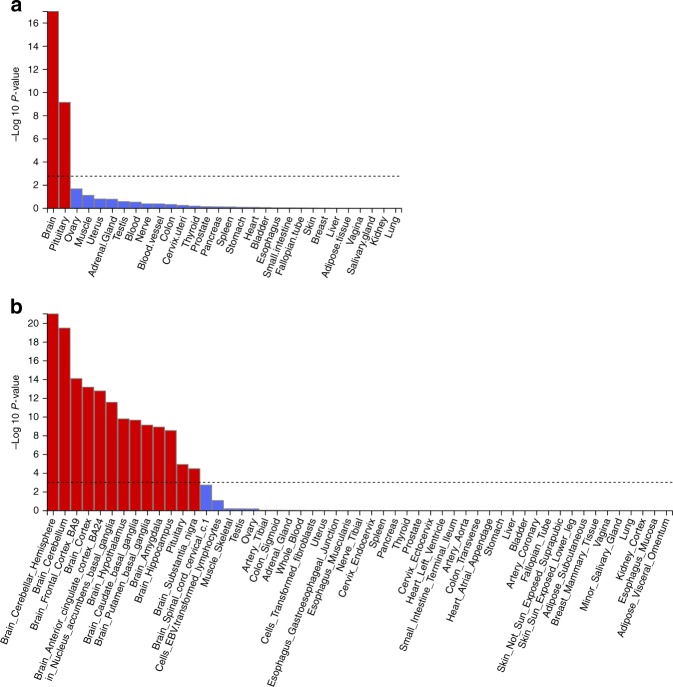
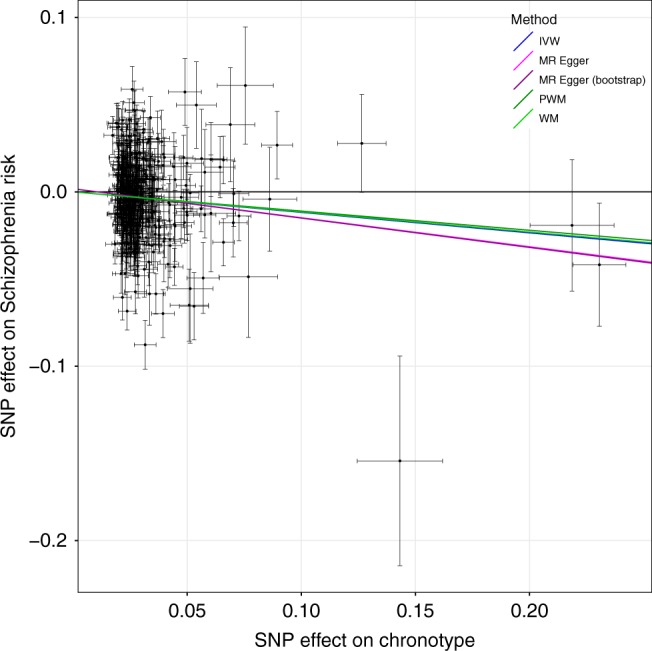
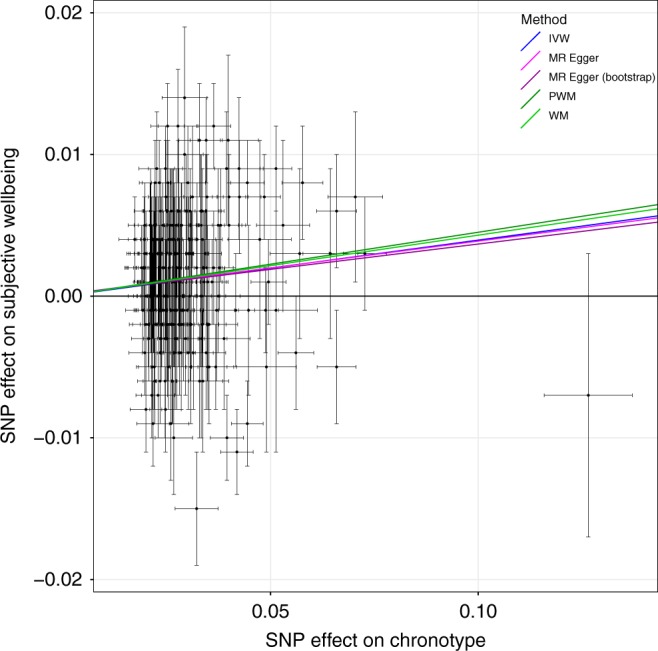
Being a morning person is a behavioural indicator of a person’s underlying circadian rhythm. Using genome-wide data from 697,828 UK Biobank and 23andMe participants we increase the number of genetic loci associated with being a morning person from 24 to 351. Using data from 85,760 individuals with activity-monitor derived measures of sleep timing we find that the chronotype loci associate with sleep timing: the mean sleep timing of the 5% of individuals carrying the most morningness alleles is 25 min earlier than the 5% carrying the fewest. The loci are enriched for genes involved in circadian regulation, cAMP, glutamate and insulin signalling pathways, and those expressed in the retina, hindbrain, hypothalamus, and pituitary. Using Mendelian Randomisation, we show that being a morning person is causally associated with better mental health but does not affect BMI or risk of Type 2 diabetes. This study offers insights into circadian biology and its links to disease in humans.
Overview
The claims and statistics of this paper haven’t been checked yet.
Free: it reads the open-access text and checks the first 5 claims that cite a source we can check. Create a free account to check every claim.
Integrity signals
Registry
Cites
Statistics
Figures


Verification
Claims the paper makes
The claims and statistics of this paper haven’t been checked yet.
Free: it reads the open-access text and checks the first 5 claims that cite a source we can check. Create a free account to check every claim.
Claims other papers make about this one
Each is checked against this paper’s own text: does it say what the citing paper says it does?
The source backs part of the claim, not all of it — or backs it for a different population, condition or comparison.
In the citing paper
“the chronotype seems to be dependent on environmental factors, which again is affected by mechanisms of innate homeostasis of sleep and circadian rhythms, as shown by a genome-wide association analysis, identifying genomic loci associated to chronotype (156).”
From Meal timing and its role in obesity and associated diseases (2024) · cites this paper as [156]
Experimental — accuracy not yet measuredIn the citing paper
“In several genome-wide association studies (GWASs) of depression-related traits, TNKS was found to be associated with (p = 7.68 × 10⁻¹⁰)38, bipolar disorder (p = 3 × 10⁻⁶)39, and positive affect (p = 0.0003)40.”
From Methylome-wide change associated with response to electroconvulsive therapy in depressed patients (2021) · cites this paper as [38]
Self-check
Percentages, sums and reported differences re-computed from the paper’s own numbers.
The self-check needs the paper’s full text.
Citations
Cites
Sudlow, C., Gallacher, J., Allen, N., Beral, V., Burton, P., Danesh, J., Downey, P., Elliott, P., Green, J., Landray, M., et al. (2015) · PLOS Medicine · doi:10.1371/journal.pmed.1001779 · Cited by 12,728
Bowden, J., Davey Smith, G., Haycock, P. C., & Burgess, S. (2016) · Genetic Epidemiology · doi:10.1002/gepi.21965 · Cited by 8,922
Self-citationThe MR-Base platform supports systematic causal inference across the human phenome
Hemani, G., Zheng, J., Elsworth, B., Wade, K. H., Haberland, V., Baird, D., Laurin, C., Burgess, S., Bowden, J., Langdon, R., et al. (2018) · eLife · doi:10.7554/elife.34408 · Cited by 7,959
Self-citationGenetics of Food Intake Self-Regulation in Childhood: Literature Review and Research Opportunities
Faith, M. S., Carnell, S., & Kral, T. V. E. (2013) · Human Heredity · doi:10.1159/000353879 · Cited by 7,601
Biological insights from 108 schizophrenia-associated genetic loci
Schizophrenia Working Group of the Psychiatric Genomics Consortium (2014) · Nature · doi:10.1038/nature13595 · Cited by 7,577
LD Score regression distinguishes confounding from polygenicity in genome-wide association studies
Schizophrenia Working Group of the Psychiatric Genomics Consortium, Bulik-Sullivan, B. K., Loh, P.-R., Finucane, H. K., Ripke, S., Yang, J., Patterson, N., Daly, M. J., Price, A. L., & Neale, B. M. (2015) · Nature Genetics · doi:10.1038/ng.3211 · Cited by 5,559
METAL: fast and efficient meta-analysis of genomewide association scans
Willer, C. J., Li, Y., & Abecasis, G. R. (2010) · Bioinformatics · doi:10.1093/bioinformatics/btq340 · Cited by 5,205
A self-assessment questionnaire to determine morningness- eveningness in human circadian rhythms
Home, J. K. (1976) · Medical Entomology and Zoology · Cited by 4,783
Mendelian randomization: Using genes as instruments for making causal inferences in epidemiology
Lawlor, D. A., Harbord, R. M., Sterne, J. A. C., Timpson, N., & Davey Smith, G. (2008) · Statistics in Medicine · doi:10.1002/sim.3034 · Cited by 4,618
Self-citationGenetic studies of body mass index yield new insights for obesity biology
Study, T. L. C., Locke, A. E., The ADIPOGen Consortium, The AGEN-BMI Working Group, The CARDIOGRAMplusC4D Consortium, The CKDGen Consortium, The, G. L. G. C., The, I. C. B. P., The MAGIC Investigators, The MuTHER Consortium, et al. (2015) · Nature · doi:10.1038/nature14177 · Cited by 4,534
Self-citation
Cited by
Items 701–758 of 758
Liu, Y., Liu, Q., Fu, Q., Gao, B., Xie, J., Ji, C., Ma, Y., 张宝平, & Liu, Y. (2026) · Sleep Medicine · doi:10.1016/j.sleep.2026.108897
Zhang, Z., Wang, X., Qiu, H., Luo, Q., Jiang, C., & Yang, G. (2026) · Clinical Epigenetics · doi:10.1186/s13148-026-02068-2
“For chronotype, we used summary statistics from the largest GWAS to date, which combined up to 697,828 individuals from the UK Biobank (n ≈ 449,734) and 23andMe (n ≈ 248,098) cohorts [26].”
Silva, A. A. (2026) · Research Square · doi:10.21203/rs.3.rs-9118407/v1
(2025) · Directory of Open access Books (OAPEN Foundation)
Restoring RCAN1 dosage mitigates sleep and EEG abnormalities in a Down syndrome model
Cain, P., Milstead, R. A., Griffioen, M., Wong, H., Borski, C., Cooper‐Sansone, A., LaPlante, L., Kastengren, K., Cotto, S., Hanson, J. L., et al. (2026) · Neurobiology of Disease · doi:10.1016/j.nbd.2026.107375
Timing of Daily Device-Assessed Physical Activity and Nightly Sleep Quality Across Pregnancy
Hallenbeck, B. R., Asera, A., Ryan, E., Quesenberry, C. P., Hedderson, M. M., & Badon, S. E. (2026) · Translational Journal of the American College of Sports Medicine · doi:10.1249/tjx.0000000000000359
Cell-specific variant-to-gene mapping identifies conserved neural and glial regulators of sleepPreprint
Zimmerman, A. J., Biglari, S., Trang, B. K., Valle, E. A. D., Pack, A. I., Grant, S. F. A., & Keene, A. C. (2026) · bioRxiv (Cold Spring Harbor Laboratory) · doi:10.64898/2026.04.07.715910
Neuroanatomical signatures of chronotype in young adults
Beheshti, I., & Elkana, O. (2026) · Brain Imaging and Behavior · doi:10.1007/s11682-026-01153-7
“Age and sex were included as covariates.”
Lin, Y., Li, W., Yang, X., Li, S., Liu, J., Lin, L., & Zhang, B. (2026) · Mammalian Genome · doi:10.1007/s00335-026-10232-5
“…references corresponding to each sleep-related phenotype are provided in the References (Jones et al. 2019, Dashti et al. 2021, Wang et al. 2019, Lane et al. 2019, Dashti et al. 2019, Ollila et al. 2024, Chen et al. 2018, Campos et al. 2020 ), and detailed phenotype defi - nitions are listed in…”
Noweta, Z., Szreder, B., Ślusarczyk, J., Pietrzyk, P., Stanek, N., Krawczyk, P., Łapaj, M., Jagiełło, A., Lewicka, M., & Chodań, T. (2026) · International Journal of Innovative Technologies in Social Science · doi:10.31435/ijitss.2(50).2026.5364
Chen, S., Southam, L., Arruda, A. L., & Zeggini, E. (2026) · Human Molecular Genetics · doi:10.1093/hmg/ddag043
“The response option ‘Prefer not to answer’ was treated as missing and excluded [ 40].”
Chen, H., Wang, X., Chen, W., Xu, C., Tan, X. W., & Cao, Z. (2026) · Molecular Psychiatry · doi:10.1038/s41380-026-03678-1 · Cited by 1
Dey, A., & Biswas, S. (2026) · arXiv (Cornell University) · doi:10.48550/arxiv.2606.13556
“GWAS-based estimates of “SNP heritability” typically run at roughly half the twin-based figure [3]: circadian chronotype, for example, shows twin heritability near 40–50% but common-SNP heritability of only 14% [4].”
Sex‐differential associations of MC3R p. F45S with human metabolic profile
Kaur, T. C., Wood, A. R., Hawkes, G., Beaumont, R. N., Chundru, V. K., Weedon, M. N., Piggins, H. D., & Ellacott, K. L. J. (2026) · Journal of Neuroendocrinology · doi:10.1111/jne.70214
Self-citationПопов, А. А., Евгеньевна, Т. Е., Yakimov, A. M., Vasilieva, A. A., Karnauhov, V. V., & Дмитренко, Д. В. (2026) · Vestnik of North-Eastern Federal University Medical Sciences · doi:10.25587/2587-5590-2026-2-102-123
Bidirectional Mendelian randomization of childhood maltreatment and sleep-related phenotypes
Zhang, Z., Liu, Y., & Zhao, Y. (2026) · European Journal of Psychotraumatology · doi:10.1080/20008066.2026.2692768
Győrik, D., Török, D., Bagdy, G., Juhász, G., & Gonda, X. (2026) · Dialogues in Clinical Neuroscience · doi:10.1080/19585969.2026.2702037
Evening chronotype is associated with higher circulating pyruvate levels in adults
Jeong, S., Jang, E., Kim, J., Rhee, S. Y., & Park, S. (2026) · Frontiers in Nutrition · doi:10.3389/fnut.2026.1839777
Xue, X., Adelsheim, Z., Gorczyca, M. T., Wei, H., Leone, M. J., Logan, R. W., & McCarthy, M. J. (2026) · Biological Psychiatry · doi:10.1016/j.biopsych.2026.07.015
Hernández, M., Lassale, C. M., Camps‐Vilaró, A., Fernández‐Sanlés, A., Polo-Alonso, S., Huertas, M., Hernando‐Redondo, J., Fornara, E., Álvarez, E. C., Zerón-Rugerio, M. F., et al. (2026) · Journal of Sleep Research · doi:10.1111/jsr.70411
“…GWAS by Jones et al. based on self-reported morning/evening preference, with ‘definitely’/‘more a morning person’ coded as cases and evening types or participants consistently identifying as a ‘night per-son’ coded as the comparison group, excluding neutral/discordant responses (Jones et al. 2019).”
Social Media Use Soon After Waking and Depression Among U.S. Adults
Kim, H., Aslam, M., Koneru, G., & Primack, B. A. (2026) · Journal of Prevention · doi:10.1007/s10935-026-00938-2
Gao, Z., Li, N., Feng, J., Shen, J., Yuan, H., Wu, K., Xu, X., Liu, Y., Hu, Y., Wang, S., et al. (2026) · Cell Communication and Signaling · doi:10.1186/s12964-026-03117-2
“Polymorphic variants in BTBD9 have been consistently associated with multiple sleep-related traits and disorders, including insomnia [8], RLS [9, 10], daytime sleepiness [11], chronotype [12], and sleep fragmentation in OSA [13], suggesting a role for BTBD9 in human sleep–wake regulation.”
Kurtulmuş, A., Yıldız, F. B. P., Ereğli, B., & Çelik, Z. (2026) · Sleep and Biological Rhythms · doi:10.1007/s41105-026-00676-2
“Genome-wide association studies have further indicated that an evening chronotype is positively associated with schizophrenia, whereas a tendency toward morningness may have a protective association [ 15 , 16 ].”
Wang, L., Leng, Y.-Q., Wang, W.-Z., & Sun, J. (2026) · Journal of International Medical Research · doi:10.1177/03000605261474730
“4 The circadian clock is a fundamental biological phenomenon observed across the natural world.”
Li, S., Chen, X., Cen, H., Chen, H., & Lu, Y. (2026) · Journal of Pain Research · doi:10.2147/jpr.s622316
“The UKB is a comprehensive UK cohort resource containing genetic, clinical and lifestyle data from around 500,000 participants; GWAS data for six sleep traits were obtained from this database, 34–38 which also supplies genetic markers for anxiety, depression, and schizophrenia.”
Cho, H., Ahn, Y., Kim, B., Song, M., Shim, I., Kim, S., Kim, H., Hong, S., Park, W., & Won, H. (2026) · Nature Communications · doi:10.1038/s41467-026-77309-2
“A single-cell disease relevance score (scDRS) analysis was then performed to integrate the processed scRNA-seq data with the GWAS summary statistics (Supplementary Data 14).”
InfluentialPathak, S., Richardson, T. G., Sanderson, E. C. M., Arora, N., Strand, L. B., Åsvold, B. O., Bhatta, L., & Brumpton, B. M. (2026) · medRxiv · doi:10.64898/2026.08.27.26361310
Non-Covalent Poly(ADP-ribose) Signaling Organizes a Circadian E3 Ligase Network in the BrainPreprint
Harikrishnan, S., & Kang, S.-U. (2026) · bioRxiv (Cold Spring Harbor Laboratory) · doi:10.64898/2026.08.30.748055
Kawahara, N., Inoue, S., Kohtoku, Y., Shuo, T., Tokiya, M., Matsumoto, A., Eto, H., & Kondo, H. (2026) · Sleep Medicine · doi:10.1016/j.sleep.2026.109257
A multi-omics perspective on bipolar disorder
Marques, M., Santos, J. H. D. S., Schons, T., da Rosa, P. H., Almarsafy, R. K., Hanafi, ر. ح. R., Rosa, A. R., & Sussulini, A. (2026) · Advances in clinical chemistry · doi:10.1016/bs.acc.2026.08.002
Mao, Y., Jiang, Y., Wu, T., Li, P., Li, Y., Sun, W. Y., & Kong, X. (2026) · Hypertension · doi:10.1161/hypertensionaha.126.26937
Balseca-Bolaños, D., Pérez-Lalama, K., León-Tapia, A., Viteri, F., & Gamboa-Proaño, M. (2026) · Chronobiology International · doi:10.1080/07420528.2026.2729547
He, Y., & Hao, J. (2026) · Journal of Central Nervous System Disease · doi:10.1177/11795735261488260
“Among these, genus Ruminiclostridium 6 showed a potential causal effect in extending sleep duration (IVW OR = 1.009, 95% CI 1.001-1.016, p = 1.95 × 10 -2 , Q = 3.81 × 10 -2 ).”
InfluentialShin, M., Tonini, E., Carpenter, J. S., Mitchell, B. L., Couvy‐Duchesne, B., Park, S. H., Parker, R., Byrne, E. M., Hockey, S. J., Treneman, A., et al. (2026) · medRxiv · doi:10.64898/2026.09.13.26362400
Self-citationEmerging genetics of sleep and circadian disorders
Mani, H., & Cuddapah, V. A. (2026) · Current Opinion in Pediatrics · doi:10.1097/mop.0000000000001619
Jackson, V. E., Shin, J. J., Horton, S., Boyce, J. O., Eising, E., van Reyk, O., Parker, R., Thompson-Lake, D. G. Y., Evans, M., Beilby, J. M., et al. (2026) · medRxiv · doi:10.64898/2026.09.15.26363183
Selçukoğlu, A. K., & Koç, A. K. (2026) · bioRxiv (Cold Spring Harbor Laboratory) · doi:10.64898/2026.09.17.752369
Babtie, A. C., Blake, G. E. T., Clifton, N. E., Hawes, T., Barroso, I., & Mill, J. S. (2026) · bioRxiv (Cold Spring Harbor Laboratory) · doi:10.64898/2026.09.24.754059
“Genome Wide Association Study (GWAS) summary statistics were downloaded for 26 traits from sources detailed in Table S5 36,68,80–97 .”
Chen, J., Ren, Q., & Tan, Y. (2026) · SSRN Electronic Journal · doi:10.2139/ssrn.7536111
Wen, J., & Pu, Q. (2026) · Behavioural Brain Research · doi:10.1016/j.bbr.2026.116508
Räihä, T., Merikanto, I., Nerg, I., Korhonen, M., Kantojärvi, K., Ala‐Mursula, L., & Heikkala, E. (2026) · Occupational and Environmental Medicine · doi:10.1136/oemed-2026-110995
Circadian Imbalance, Genetic Susceptibility, and Risk of Psoriasis
Bai, G., Shao, X., Tan, Z., Pan, Y., Fu, Y., Ke, J., Chen, J., Chen, A., & Zhang, J. (2026) · Skin · doi:10.2738/skin.2026.0041 · Cited by 1
Kronotyypin yhteys fyysiseen aktiivisuuteen, paikallaanoloon ja nukkumiseen 3–4-vuotiailla lapsilla
Piiroinen, N. (2025) · UEF eRepo (University of Eastern Finland)
Zou, C., Chen, Z., Chen, Y., Qiu, Z., Zheng, X., & Wang, B. (2026) · Archives of Suicide Research · doi:10.1080/13811118.2026.2741149
A Novel Digital Phenotype of Physical Activity: Associations with Heart Rate FragmentationPreprint
Pae, B. J., Cousineau, B., Zeng, Z., Li, Y., Mathew, L., Chang, S., Leon, K. D., Wilson, L., Alexander, A., Santana, E., et al. (2026) · medRxiv · doi:10.64898/2026.10.08.26365083
Kama, E. T., Şenkal, N., Dirim, M. G., Oyacı, Y., Hasanoğlu, S., Medetalibeyoğlu, A., Pehlıvan, S., & Tükek, T. (2026) · Nucleosides Nucleotides & Nucleic Acids · doi:10.1080/15257770.2026.2743625
Gut microbiota, sleep and coronary artery disease: A Mendelian randomization study
Li, Y.-D., Pang, K., Qu, R., Yang, S.-R., & Wang, H. (2026) · Medicine · doi:10.1097/md.0000000000049302
“Lopera et al [14] 7738 European Dutch Microbiome Project Sleep-related traits Chronotype (binary, morning person/evening person) Jones et al [15] 697,828 European UKB and 23andMe Insomnia (binary, yes/no) Lane et al [16] 129,270 cases and 237,627 controls European UKB Sleep duration (continuous)…”
Luo, Y., Lu, Y., Xiao, S., & Ke, X. (2026) · Research Square · doi:10.21203/rs.3.rs-11013931/v1
Albalak, G., Noordam, R., van der Elst, M. J. T., Drop, T., Cabrera, E. C., Oudendijk, L., Lammers, G. J., Gordijn, M. C. M., Kervezee, L., Exadaktylos, V., et al. (2026) · Sleep Medicine · doi:10.1016/j.sleep.2026.109332
Huider, F., Crouse, J. J., Medland, S. E., Hickie, I. B., Martin, N. G., Thomas, J. T., & Mitchell, B. L. (2026) · Journal of Affective Disorders · doi:10.1016/j.jad.2026.122672
Genetic control and tissue specificity of transcriptomic rhythmicityPreprint
Chauquet, S., Hivert, V., Weger, B. D., Gachon, F., Yengo, L., Shah, S., & McRae, A. F. (2026) · bioRxiv (Cold Spring Harbor Laboratory) · doi:10.64898/2026.10.22.761195
Compassionate Care for Teachers: Strategies from Behavior Analysis
Steeley, A. (2026) · Routledge eBooks · doi:10.4324/9781003591597
Polygenic evolution towards a morning chronotype in modern humansPreprint
Hamamoto, S., Moriya, Y., Fujito, N. T., Higuchi, S., Teshima, K. M., & Hayakawa, T. (2026) · bioRxiv (Cold Spring Harbor Laboratory) · doi:10.64898/2026.11.01.763544
Disentangling the Genetic Relationship Between Sleep and Epilepsy
Le, K. N. D., Jackson, V. E., Stirling, R. E., Gerring, Z. F., Stevelink, R., Berkovic, S. F., Scheffer, I. E., Karoly, P. J., Bahlo, M., & Oliver, K. L. (2026) · Annals of Clinical and Translational Neurology · doi:10.1002/acn3.70568
Schultz, S., Mohr, R., Cole, K., Knott, A., Amundson, B. K., Krämer, E., Hardler, M., Chittavong, V., Campian, J. L., & Dimou, A. (2026) · JCO Oncology Practice · doi:10.1200/op-26-00491
Chronopedagogy: time in pedagogy and its contemporary relevance
Palencia, J. L. D., & Ortega-Gómez, C. (2026) · Biological Rhythm Research · doi:10.1080/09291016.2026.2760379
Phenotypic and genetically predicted sleep traits in relation to dementia incidence in Swedish twins
Yerramalla, M. S., Wang, H., Sindi, S., & Karlsson, I. (2026) · Alzheimer s & Dementia · doi:10.1002/alz.71977
Lv, Z., Wei, Y., Yang, S., & Lei, X. (2026) · NeuroImage · doi:10.1016/j.neuroimage.2026.122346
Metadata
- Authors
- Jones, S. E., Lane, J. M., Wood, A. R., van Hees, V. T., Tyrrell, J., Beaumont, R. N., Jeffries, A. R., Dashti, H. S., Hillsdon, M., Ruth, K. S., Tuke, M. A., Yaghootkar, H., Sharp, S. A., Jie, Y., Thompson, W. D., Harrison, J. W., Dawes, A., Byrne, E. M., Tiemeier, H., Allebrandt, K. V., Bowden, J., Ray, D. W., Freathy, R. M., Murray, A., Mazzotti, D. R., Gehrman, P. R., Lawlor, D. A., Frayling, T. M., Rutter, M. K., Hinds, D. A., Saxena, R., & Weedon, M. N.
- Affiliations
- University of Exeter (GB)
- Broad Institute (US)
- The University of Queensland (AU)
- Erasmus MC (NL)
- Sanofi (Germany) (DE)
- University of Bristol (GB)
- University of Manchester (GB)
- University of Pennsylvania (US)
- Manchester Academic Health Science Centre (GB)
- 23andMe (United States) (US)
- Brigham and Women's Hospital (US)
- Corresponding author
- Weedon, Michael N.
- ORCID
- Jones, Samuel E.
- Lane, Jacqueline M.
- Wood, Andrew R.
- van Hees, Vincent T.
- Tyrrell, Jessica
- Beaumont, Robin N.
- Jeffries, Aaron R.
- Dashti, Hassan S.
- Hillsdon, Melvyn
- Ruth, Katherine S.
- Tuke, Marcus A.
- Yaghootkar, Hanieh
- Sharp, Seth A.
- Thompson, William D.
- Harrison, Jamie W.
- Dawes, Amy
- Byrne, Enda M.
- Tiemeier, Henning
- Allebrandt, Karla V.
- Bowden, Jack
- Ray, David W.
- Freathy, Rachel M.
- Murray, Anna
- Mazzotti, Diego R.
- Gehrman, Philip R.
- Lawlor, Debbie A.
- Frayling, Timothy M.
- Rutter, Martin K.
- Hinds, David A.
- Saxena, Richa
- Weedon, Michael N.
- Venue
- Nature Communications
- Published
- 2019-01-29
- Volume
- 10
- Issue
- 1
- Pages
- 343-343
- ISSN
- 2041-1723 (ISSN-L)
- PMC
- PMC6351539
- OpenAlex
- W2914232633
- Cited by
- 691
- References
- 103
- Citations by year
- 2026: 79 · 2025: 108 · 2024: 122 · 2023: 87 · 2022: 100 · 2021: 92 · 2020: 66 · 2019: 34
- FWCI
- 40.46
- Type
- journal article
- Language
- en
- Open access
- gold
- doi.org
- Licence
- cc-by
- creativecommons.org/licenses/by/4.0 (tdm)
- creativecommons.org/licenses/by/4.0 (vor)
- Locations
- Nature Communications (publishedVersion, cc-by)
- Europe PMC (PubMed Central) (publishedVersion, cc-by)
- PubMed Central (publishedVersion, cc-by)
- PubMed (publishedVersion)
- EUR Research Repository (Erasmus University Rotterdam) (publishedVersion, other-oa)
- EUR Research Repository (Erasmus University Rotterdam) (submittedVersion, other-oa)
- RePub (Erasmus University Rotterdam) (submittedVersion, other-oa)
- RePEc: Research Papers in Economics (submittedVersion)
- Adelaide Research & Scholarship (AR&S) (University of Adelaide) (submittedVersion, cc-by)
- DOAJ (DOAJ: Directory of Open Access Journals) (submittedVersion)
- DOAJ (DOAJ: Directory of Open Access Journals) (submittedVersion, cc-by-sa)
- Figshare (submittedVersion)
- Open Research Exeter (University of Exeter) (submittedVersion, cc-by)
- Research Explorer (The University of Manchester) (submittedVersion, cc-by)
- Royal Devon and Exeter Research Repository (Royal Devon and Exeter) (submittedVersion)
- Bristol Research (University of Bristol) (submittedVersion, cc-by)
- Explore Bristol Research (submittedVersion, cc-by)
- Funders
- Wellcome Trust (MC_UU_00011/6, 104150/Z/14/Z, 107849, 107851/Z/15/Z, 104150, WT097835MF)
- National Institute for Health and Care Research (NF-SI-0611-10196)
- Diabetes Research and Wellness Foundation
- University of Manchester
- European Commission (2007–2013, 669545, FP/2007-2013)/ERC, FP/2007/2013)
- University of Bristol (MC_UU_00011/6, MC_UU_00,011/3)
- National Institutes of Health (FP/2007-2013)
- Medical Research Council (MR/M005070/1, MC_UU_00011/6, MR/P012167/1, MC_UU_00011/2, MC_UU_00011/3, 1078901, MC_PC_17228, MR/P023576/2, MC_UU_00011, WT097835MF)
- National Health and Medical Research Council (1078901, 1145645, MC_UU_00011/6, 1087889)
- National Heart, Lung, and Blood Institute (K01HL136884, T32HL007901)
- National Institute of Mental Health
- National Institute on Drug Abuse
- National Human Genome Research Institute
- NIH Office of the Director
- National Cancer Institute
- National Institute of Diabetes and Digestive and Kidney Diseases (R01DK105072, R01DK102696, F32DK102323, R01DK107859)
- National Institute of Neurological Disorders and Stroke
- FP7 Ideas: European Research Council (323195, 669545, 2007-2013, FP2007‐2013)
- Common Fund
- Topics
- Life Sciences › Neuroscience › Endocrine and Autonomic Systems › Circadian rhythm and melatonin
- Life Sciences › Biochemistry, Genetics and Molecular Biology › Genetics › Genetic Associations and Epidemiology
- Social Sciences › Psychology › Experimental and Cognitive Psychology › Sleep and related disorders
- Keywords
- chronotype, morningness, circadian rhythm, sleep timing, genetic loci, cAMP signaling, glutamate signalling, insulin signaling, Mendelian randomization, mental health, type 2 diabetes, body mass index, activity monitoring
- MeSH terms
- Cyclic AMP, Adult, Aged, Circadian Rhythm, Female, United Kingdom, Humans, Male, Middle Aged, Sleep, Glutamic Acid, White People, Genome-Wide Association Study, Genetic Loci
About these checks
Registry, retraction, Cites and statistics results are computed, not judged, with one exception: a printed reference that no index lists is read once by a model before it counts as a citation error. Claims are extracted by a model and kept only when their quote appears verbatim in the text; each cited source is then checked, with a model’s help, for whether it says what the claim relies on. Those verdicts can be wrong — read the claim’s quote and the cited source before relying on one.
Statistics and arithmetic are recomputed, not judged.
Confidence bands are shown only for fields calibrated on our annotated test set. None is calibrated yet, so no band is shown.
What counts as a claim ›How we measure confidence ›How we check this ›
Are you an author, or do you see a problem with this page? Request a review
Data sources
Bibliographic data: Semantic Scholar, OpenAlex, Crossref.
Contains information from the Semantic Scholar Academic Graph Datasets, made available under the ODC Attribution License (ODC-BY 1.0).
Semantic Scholar’s data is described in: Kinney, R., et al. (2023). The Semantic Scholar Open Data Platform. arXiv:2301.10140.
