

Single-cell RNA-sequencing of differentiating iPS cells reveals dynamic genetic effects on gene expression
Open accessPublished version of a preprint
The DOI matches its Crossref record; 64 of the 64 references it cites were found in a registry or an index.
Abstract
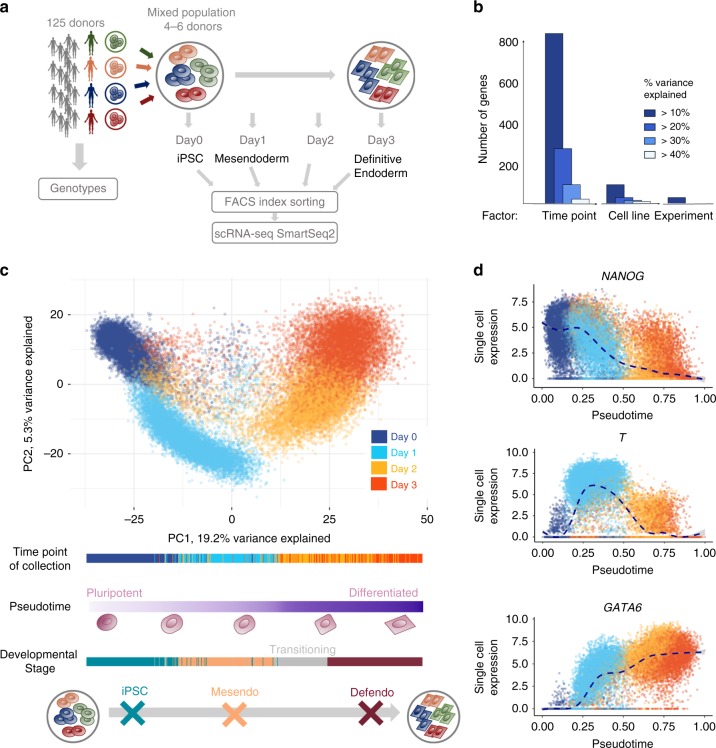
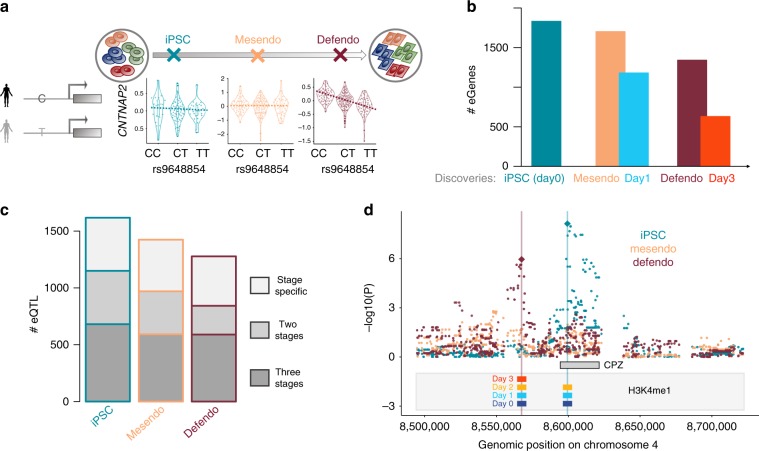
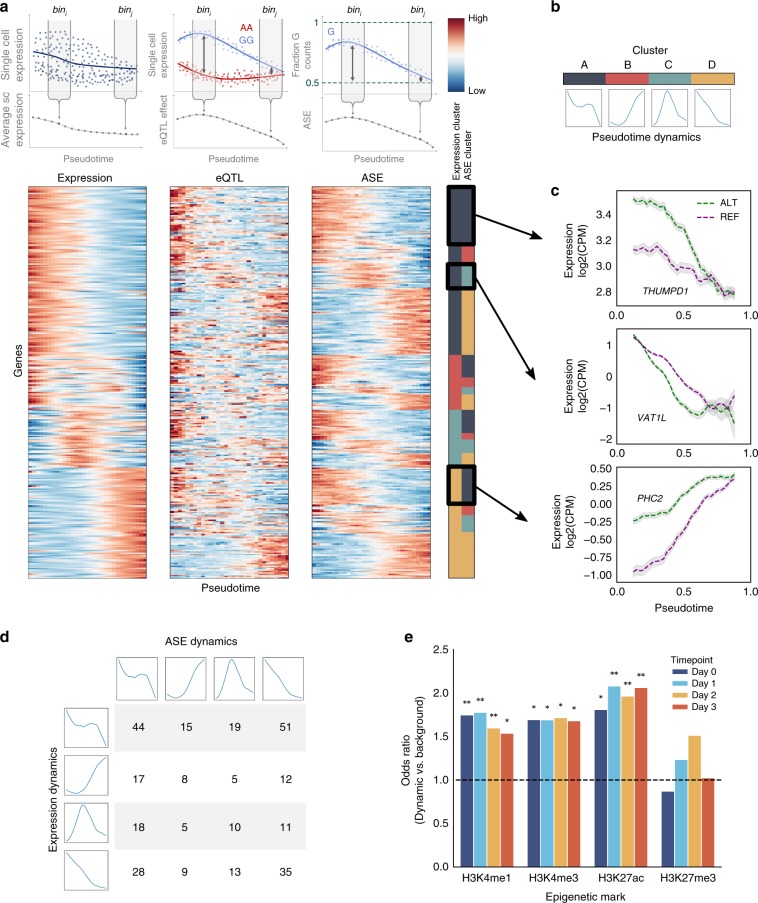
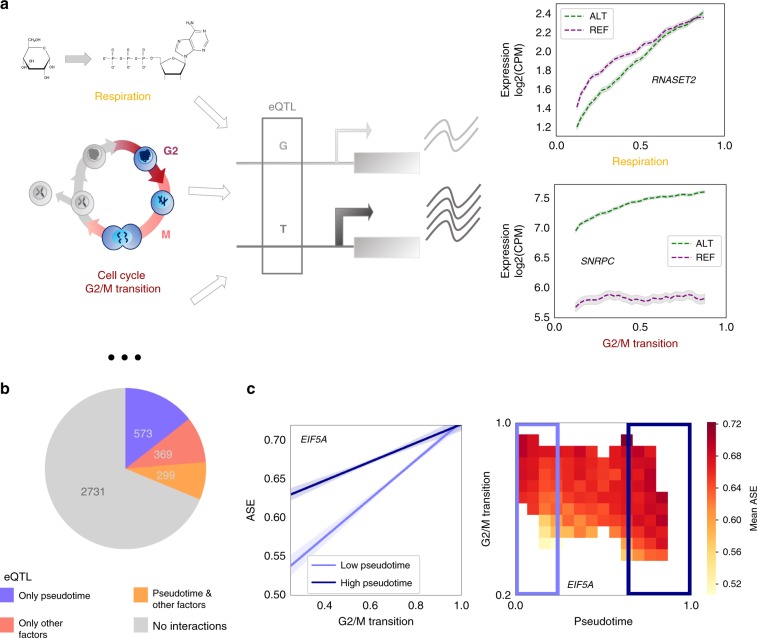
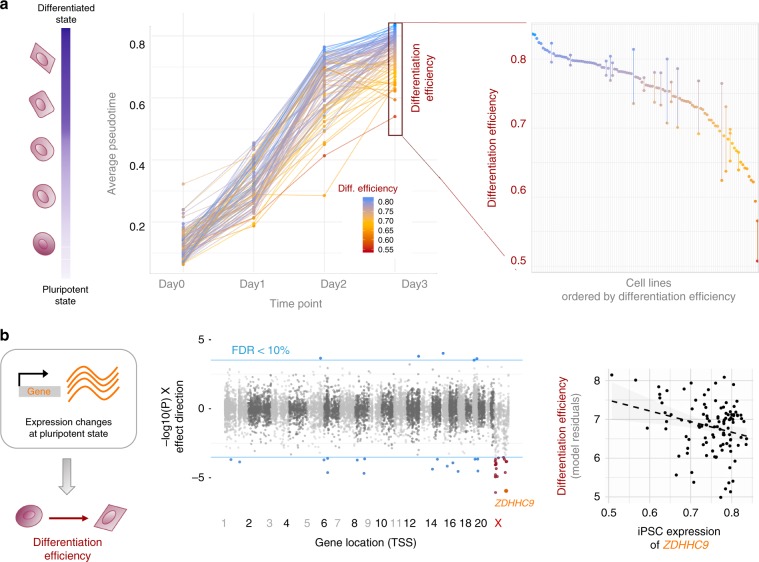
Recent developments in stem cell biology have enabled the study of cell fate decisions in early human development that are impossible to study in vivo. However, understanding how development varies across individuals and, in particular, the influence of common genetic variants during this process has not been characterised. Here, we exploit human iPS cell lines from 125 donors, a pooled experimental design, and single-cell RNA-sequencing to study population variation of endoderm differentiation. We identify molecular markers that are predictive of differentiation efficiency of individual lines, and utilise heterogeneity in the genetic background across individuals to map hundreds of expression quantitative trait loci that influence expression dynamically during differentiation and across cellular contexts.
Overview
The claims and statistics of this paper haven’t been checked yet.
Free: it reads the open-access text and checks the first 5 claims that cite a source we can check. Create a free account to check every claim.
Integrity signals
Registry
Cites
Statistics
Figures
Verification
Claims the paper makes
The claims and statistics of this paper haven’t been checked yet.
Free: it reads the open-access text and checks the first 5 claims that cite a source we can check. Create a free account to check every claim.
Claims other papers make about this one
Each is checked against this paper’s own text: does it say what the citing paper says it does?
The source backs part of the claim, not all of it — or backs it for a different population, condition or comparison.
In the citing paper
“Alternatively cells were mapped to known reference cell (sub)types or states4,5,11,12, making effective use only of cell-state or cell-type specific marker genes.”
From Targeted Perturb-seq enables genome-scale genetic screens in single cells (2020) · cites this paper as [12]
Experimental — accuracy not yet measuredIn the citing paper
“A number of single-cell RNA-seq eQTL datasets have been published from differentiating iPSCs and peripheral blood cells10,48–50 and many others are likely to follow in the near future.”
From A compendium of uniformly processed human gene expression and splicing quantitative trait loci (2021) · cites this paper as [48]
Self-check
Percentages, sums and reported differences re-computed from the paper’s own numbers.
The self-check needs the paper’s full text.
Citations
Cites
Fitting Linear Mixed-Effects Models Using lme4
Bates, D., Mächler, M., Bolker, B., & Walker, S. (2015) · Journal of Statistical Software · doi:10.18637/jss.v067.i01 · Cited by 86,835
Fast and accurate short read alignment with Burrows-Wheeler transform
Li, H., & Durbin, R. (2009) · Bioinformatics · doi:10.1093/bioinformatics/btp324 · Cited by 58,607
Self-citationSTAR: ultrafast universal RNA-seq aligner
Dobin, A., Davis, C. A., Schlesinger, F., Drenkow, J., Zaleski, C., Jha, S., Batut, P., Chaisson, M., & Gingeras, T. R. (2013) · Bioinformatics · doi:10.1093/bioinformatics/bts635 · Cited by 51,709 · cited 1×
“Trimmed reads were mapped to the human reference genome build 37 using STAR [40] (version: 020201) in two-pass alignment mode, using the default settings proposed by the ENCODE consortium (STAR manual).”
PLINK: a tool set for whole-genome association and population-based linkage analyses.
Purcell, S., Neale, B., Todd-Brown, K., Thomas, L., Ferreira, M. A. R., Bender, D., Maller, J., Sklar, P., de Bakker, P. I. W., Daly, M. J., et al. (2007) · The American Journal of Human Genetics · doi:10.1086/519795 · Cited by 34,089 · cited 2×
“Association tests were performed using a linear mixed model (LMM), accounting for population structure and sample repeat structure (see below) as random effects (using a kinship matrix estimated using PLINK [50]).”
Cutadapt removes adapter sequences from high-throughput sequencing reads
Martin, M. (2011) · EMBnet.journal · doi:10.14806/ej.17.1.200 · Cited by 33,889
BEDTools: a flexible suite of utilities for comparing genomic features
Quinlan, A. R., & Hall, I. M. (2010) · Bioinformatics · doi:10.1093/bioinformatics/btq033 · Cited by 27,437
An integrated encyclopedia of DNA elements in the human genome
The ENCODE Project Consortium (2012) · Nature · doi:10.1038/nature11247 · Cited by 18,072
Salmon provides fast and bias-aware quantification of transcript expression
Patro, R., Duggal, G., Love, M. I., Irizarry, R. A., & Kingsford, C. (2017) · Nature Methods · doi:10.1038/nmeth.4197 · Cited by 12,700
Statistical significance for genomewide studies
Storey, J. D., & Tibshirani, R. (2003) · Proceedings of the National Academy of Sciences · doi:10.1073/pnas.1530509100 · Cited by 9,692 · cited 1×
“We then adjusted for multiple testing using this empirical null distribution.”
SCANPY: large-scale single-cell gene expression data analysis
Wolf, F. A., Angerer, P., & Theis, F. J. (2018) · Genome Biology · doi:10.1186/s13059-017-1382-0 · Cited by 8,881
Cited by
Methods and applications for single-cell and spatial multi-omics
Vandereyken, K., Sifrim, A., Thienpont, B., & Voet, T. (2023) · Nature Reviews Genetics · doi:10.1038/s41576-023-00580-2 · Cited by 1,244
“…of genetic variation on gene expression (expression quantitative trait loci (eQTLs)) in differentiating induced pluripotent stem cells (iPS cells) 136 or the effect of genetic perturbations on gene expression using multiplexed CRISPR technologies to identify cis -acting enhancer–gene pairs 137 .”
BackgroundCano-Gamez, E., & Trynka, G. (2020) · Frontiers in Genetics · doi:10.3389/fgene.2020.00424 · Cited by 613
Computational principles and challenges in single-cell data integration
Argelaguet, R., Cuomo, A. S. E., Stegle, O., & Marioni, J. C. (2021) · Nature Biotechnology · doi:10.1038/s41587-021-00895-7 · Cited by 472
“Additionally, van der Wijst et al. 50 and Cuomo et al. 51 combined differentiation of induced pluripotent stem cells (iPSCs) across multiple donors and single-cell expression profiles as well as allele-specific expression to show how eQTLs influence expression dynamically along the developmental axis (extending work f…”
BackgroundSelf-citationA compendium of uniformly processed human gene expression and splicing quantitative trait loci
Kerimov, N., Hayhurst, J. D., Peikova, K., Manning, J. R., Walter, P., Kolberg, L., Samoviča, M., Sakthivel, M. P., Kuzmin, I., Trevanion, S. J., et al. (2021) · Nature Genetics · doi:10.1038/s41588-021-00924-w · Cited by 440
Single-nucleus cross-tissue molecular reference maps toward understanding disease gene function
Eraslan, G., Drokhlyansky, E., Anand, S., Fiskin, E., Subramanian, A., Slyper, M., Wang, J., Van Wittenberghe, N., Rouhana, J. M., Waldman, J., et al. (2022) · Science · doi:10.1126/science.abl4290 · Cited by 405
Vireo: Bayesian demultiplexing of pooled single-cell RNA-seq data without genotype reference
Huang, Y., McCarthy, D. J., & Stegle, O. (2019) · Genome Biology · doi:10.1186/s13059-019-1865-2 · Cited by 348
“, [15, 16], the requirement to supply a genotype reference database is prohibitive for studies without a genetic focus per se.”
BackgroundMethodSelf-citationPopulation-scale single-cell RNA-seq profiling across dopaminergic neuron differentiation
Jerber, J., Seaton, D. D., Cuomo, A. S. E., Kumasaka, N., Haldane, J., Steer, J., Patel, M., Pearce, D., Andersson, M., Bonder, M. J., et al. (2021) · Nature Genetics · doi:10.1038/s41588-021-00801-6 · Cited by 300
Self-citationWhere Are the Disease-Associated eQTLs?
Umans, B. D., Battle, A., & Gilad, Y. (2021) · Trends in Genetics · doi:10.1016/j.tig.2020.08.009 · Cited by 296
“Mutations of this sort have been identified recently by profiling expression during in vitro differentiation, uncovering eQTLs that are undetectable in the terminal cell type [100,101].”
BackgroundMethodTargeted Perturb-seq enables genome-scale genetic screens in single cells
Schraivogel, D., Gschwind, A. R., Milbank, J. H., Leonce, D. R., Jakob, P., Mathur, L., Korbel, J. O., Merten, C. A., Velten, L., & Steinmetz, L. M. (2020) · Nature Methods · doi:10.1038/s41592-020-0837-5 · Cited by 245
“Alternatively cells were mapped to known reference cell (sub)types or states 4,5,11,12 , making effective use only of cell-state or cell-type specific marker genes.”
The single-cell eQTLGen consortium
van der Wijst, M., de Vries, D., Groot, H., Trynka, G., Hon, C., Bonder, M., Stegle, O., Nawijn, M., Idaghdour, Y., van der Harst, P., et al. (2020) · eLife · doi:10.7554/elife.52155 · Cited by 218
Self-citationCellsnp-lite: an efficient tool for genotyping single cells
Huang, X., & Huang, Y. (2021) · Bioinformatics · doi:10.1093/bioinformatics/btab358 · Cited by 214
Modeling gene regulatory networks using neural network architectures
Shu, H., Zhou, J., Lian, Q., Li, H., Zhao, D., Zeng, J., & Ma, J. (2021) · Nature Computational Science · doi:10.1038/s43588-021-00099-8 · Cited by 214
“We present the summarized statistics for each dataset in Supplementary Table 5.”
MethodInfluentialSingle-cell eQTL models reveal dynamic T cell state dependence of disease loci
Nathan, A., Asgari, S., Ishigaki, K., Valencia, C., Amariuta, T., Luo, Y., Beynor, J. I., Baglaenko, Y., Suliman, S., Price, A. L., et al. (2022) · Nature · doi:10.1038/s41586-022-04713-1 · Cited by 213
Immune disease risk variants regulate gene expression dynamics during CD4+ T cell activation
Soskic, B., Cano-Gamez, K., Smyth, D. J., Ambridge, K., Ke, Z., Matte, J. C., Bossini-Castillo, L., Kaplanis, J., Ramirez-Navarro, L., Lorenc, A., et al. (2022) · Nature Genetics · doi:10.1038/s41588-022-01066-3 · Cited by 186
“Next, we performed unsupervised clustering of cells throughout the activation time course.”
The missing link between genetic association and regulatory function
Connally, N. J., Nazeen, S., Lee, D., Shi, H., Stamatoyannopoulos, J., Chun, S., Cotsapas, C., Cassa, C. A., & Sunyaev, S. R. (2022) · eLife · doi:10.7554/elife.74970 · Cited by 158
Accurate detection of identity-by-descent segments in human ancient DNA
Ringbauer, H., Huang, Y., Akbari, A., Mallick, S., Olalde, I., Patterson, N., & Reich, D. (2024) · Nature Genetics · doi:10.1038/s41588-023-01582-w · Cited by 155
Human-specific genetics: new tools to explore the molecular and cellular basis of human evolution
Pollen, A. A., Kilik, U., Lowe, C. B., & Camp, J. G. (2023) · Nature Reviews Genetics · doi:10.1038/s41576-022-00568-4 · Cited by 153
“This approach has recently been applied across human cell lines to study endoderm 285 and dopaminergic neuron differentiation 286 , enabling efficient linkage of genetic variants to gene expression”
Comparison of Transformations for Single-Cell RNA-Seq Data
Ahlmann-Eltze, C., & Huber, W. (2021) · doi:10.1101/2021.06.24.449781 · Cited by 148
Single-cell network biology for resolving cellular heterogeneity in human diseases
Cha, J., & Lee, I. (2020) · Experimental & Molecular Medicine · doi:10.1038/s12276-020-00528-0 · Cited by 161
Facemap: a framework for modeling neural activity based on orofacial tracking
Syeda, A., Zhong, L., Tung, R., Long, W., Pachitariu, M., & Stringer, C. (2024) · Nature Neuroscience · doi:10.1038/s41593-023-01490-6 · Cited by 129
Engineering islets from stem cells for advanced therapies of diabetes
Siehler, J., Blöchinger, A. K., Meier, M., & Lickert, H. (2021) · Nature Reviews Drug Discovery · doi:10.1038/s41573-021-00262-w · Cited by 125
Single-cell genomics meets human genetics
Cuomo, A. S. E., Nathan, A., Raychaudhuri, S., MacArthur, D. G., & Powell, J. E. (2023) · Nature Reviews Genetics · doi:10.1038/s41576-023-00599-5 · Cited by 124
Self-citationOelen, R., de Vries, D. H., Brugge, H., Gordon, M. G., Vochteloo, M., single-cell eQTLGen consortium, BIOS Consortium, Ye, C. J., Westra, H.-J., Franke, L., et al. (2022) · Nature Communications · doi:10.1038/s41467-022-30893-5 · Cited by 114
“More recently, with the advent of high-throughput, cost-ef fi cient single-cell RNA-sequencing (scRNA-seq) technologies 8,9 , it has become possible to assess both the cell-type-speci fi c and context-dependent effects of risk SNPs on downstream gene expression 10 – 12 .”
BackgroundInfluentialHeiser, C. N., Simmons, A. J., Revetta, F. L., McKinley, E. T., Ramirez-Solano, M. A., Wang, J., Kaur, H., Shao, J., Ayers, G. D., Wang, Y., et al. (2023) · Cell · doi:10.1016/j.cell.2023.11.006 · Cited by 121
scPower accelerates and optimizes the design of multi-sample single cell transcriptomic studies
Schmid, K. T., Höllbacher, B., Cruceanu, C., Böttcher, A., Lickert, H., Binder, E. B., Theis, F. J., & Heinig, M. (2021) · Nature Communications · doi:10.1038/s41467-021-26779-7 · Cited by 108
Brain Chimeroids reveal individual susceptibility to neurotoxic triggers
Antón-Bolaños, N., Faravelli, I., Faits, T., Andreadis, S., Kästli, R., Trattaro, S., Adiconis, X., Wei, A., Kumar, A. S., Bella, D. J. D., et al. (2024) · Nature · doi:10.1038/s41586-024-07578-8 · Cited by 129
Membrane curvature governs the distribution of Piezo1 in live cells
Yang, S., Miao, X., Arnold, S., Li, B., Ly, A. T., Wang, H., Wang, M., Guo, X., Pathak, M. M., Zhao, W., et al. (2022) · Nature Communications · doi:10.1038/s41467-022-35034-6 · Cited by 115
Neavin, D., Nguyen, Q., Daniszewski, M. S., Liang, H. H., Chiu, H. S., Wee, Y. K., Senabouth, A., Lukowski, S. W., Crombie, D. E., Lidgerwood, G. E., et al. (2021) · Genome Biology · doi:10.1186/s13059-021-02293-3 · Cited by 103
Wang, M., Song, W., Chen, M., Wang, Q., Zhou, X., Xu, P., Krek, A., Yoon, Y., Ho, L., Orr, M. E., et al. (2022) · Molecular Neurodegeneration · doi:10.1186/s13024-022-00517-z · Cited by 110
Principles and challenges of modeling temporal and spatial omics data
Velten, B., & Stegle, O. (2023) · Nature Methods · doi:10.1038/s41592-023-01992-y · Cited by 101
Self-citationAI‐organoid integrated systems for biomedical studies and applications
Maramraju, S., Kowalczewski, A. C., Kaza, A., Liu, X., Singaraju, J. P., Albert, M. V., Ma, Z., & Yang, H. (2024) · Bioengineering & Translational Medicine · doi:10.1002/btm2.10641 · Cited by 111
“13,14 For example, time-course bulk RNA-seq has been applied to examine the retinal organoid differentiation from hPSCs, to elucidate the temporal expression of retinal differentiation markers and mRNA alternative splicing occurring during in vivo retinogenesis.”
From genetic associations to genes: methods, applications, and challenges
Qi, T., Song, L., Guo, Y., Chen, C., & Yang, J. (2024) · Trends in Genetics · doi:10.1016/j.tig.2024.04.008 · Cited by 105
Elorbany, R., Popp, J. M., Rhodes, K., Strober, B. J., Barr, K., Qi, G., Gilad, Y., & Battle, A. J. (2022) · PLoS Genetics · doi:10.1371/journal.pgen.1009666 · Cited by 87
“Recent studies have suggested that there may be genes whose expression level at the iPSC stage correlates with downstream differentiation efficiency in a predictable manner [32,33].”
BackgroundBonder, M. J., Smail, C., Gloudemans, M. J., Frésard, L., Jakubosky, D., D’Antonio, M., Li, X., Ferraro, N. M., Carcamo-Orive, I., Mirauta, B., et al. (2021) · Nature Genetics · doi:10.1038/s41588-021-00800-7 · Cited by 76
Self-citationOptimizing expression quantitative trait locus mapping workflows for single-cell studies
Cuomo, A. S. E., Alvari, G., Azodi, C. B., single-cell eQTLGen consortium, McCarthy, D. J., & Bonder, M. J. (2021) · Genome Biology · doi:10.1186/s13059-021-02407-x · Cited by 75
“we have bulk RNA sequencing [27] and Smart-Seq2 single-cell RNA sequencing [13]”
BackgroundMethodInfluentialSelf-citationA village in a dish model system for population-scale hiPSC studies
Neavin, D. R., Steinmann, A. M., Farbehi, N., Chiu, H. S., Daniszewski, M. S., Arora, H., Bermudez, Y., Moutinho, C., Chan, C.-L., Bax, M., et al. (2023) · Nature Communications · doi:10.1038/s41467-023-38704-1 · Cited by 72
“1f and Supplementary Data 2).”
InfluentialAccuracy and data efficiency in deep learning models of protein expression
Nikolados, E.-M., Wongprommoon, A., Aodha, O. M., Cambray, G., & Oyarzún, D. A. (2022) · Nature Communications · doi:10.1038/s41467-022-34902-5 · Cited by 70
Findley, A. S., Monziani, A., Richards, A. L., Rhodes, K., Ward, M. C., Kalita, C. A., Alazizi, A., Pazokitoroudi, A., Sankararaman, S., Wen, X., et al. (2021) · eLife · doi:10.7554/elife.67077 · Cited by 74
Cuevas-Diaz Duran, R., González-Orozco, J. C., Velasco, I., & Wu, J. Q. (2022) · Frontiers in Cell and Developmental Biology · doi:10.3389/fcell.2022.884748 · Cited by 66
“by FACS sorting to increase the reliability of the procedure (Cuomo et al., 2020).”
MethodSingle-nucleotide variant calling in single-cell sequencing data with Monopogen
Dou, J., Tan, Y., Kock, K. H., Wang, J., Cheng, X., Tan, L. M., Han, K. Y., Hon, C.-C., Park, W., Shin, J. W., et al. (2023) · Nature Biotechnology · doi:10.1038/s41587-023-01873-x · Cited by 80
A-SOiD, an active-learning platform for expert-guided, data-efficient discovery of behavior
Tillmann, J. F., Hsu, A. I., Schwarz, M. K., & Yttri, E. A. (2024) · Nature Methods · doi:10.1038/s41592-024-02200-1 · Cited by 83
Tissue-specific enhancer–gene maps from multimodal single-cell data identify causal disease alleles
Sakaue, S., Weinand, K., Isaac, S., Dey, K. K., Jagadeesh, K., Kanai, M., Watts, G. F. M., Zhu, Z., Accelerating Medicines Partnership® RA/SLE Program and Network, Albrecht, J., et al. (2024) · Nature Genetics · doi:10.1038/s41588-024-01682-1 · Cited by 66
scQTLbase: an integrated human single-cell eQTL database
Ding, R., Wang, Q., Gong, L., Zhang, T., Zou, X., Xiong, K., Liao, Q., Plass, M., & Li, L. (2024) · Nucleic Acids Research · doi:10.1093/nar/gkad781 · Cited by 62
“Cuomo et al. explored dynamic eQTLs during iPSC differentiation toward definitive endoderm using 125 individuals across four time points ( 12 ).”
MethodOptimized design of single-cell RNA sequencing experiments for cell-type-specific eQTL analysis
Mandric, I., Schwarz, T., Majumdar, A., Hou, K., Briscoe, L., Perez, R., Subramaniam, M., Hafemeister, C., Satija, R., Ye, C. J., et al. (2020) · Nature Communications · doi:10.1038/s41467-020-19365-w · Cited by 62
Grancharova, T., Gerbin, K. A., Rosenberg, A. B., Roco, C. M., Arakaki, J. E., DeLizo, C. M., Dinh, S. Q., Donovan-Maiye, R. M., Hirano, M., Nelson, A. M., et al. (2021) · Scientific Reports · doi:10.1038/s41598-021-94732-1 · Cited by 61
Does the visual word form area split in bilingual readers? A millimeter-scale 7-T fMRI study
Zhan, M., Pallier, C., Agrawal, A., Dehaene, S., & Cohen, L. (2023) · Science Advances · doi:10.1126/sciadv.adf6140 · Cited by 68
Brain-trait-associated variants impact cell-type-specific gene regulation during neurogenesis
Aygün, N., Elwell, A. L., Liang, D., Lafferty, M. J., Cheek, K. E., Courtney, K. P., Mory, J. T., Hadden-Ford, E., Krupa, O., de la Torre-Ubieta, L., et al. (2021) · The American Journal of Human Genetics · doi:10.1016/j.ajhg.2021.07.011 · Cited by 66
Ward, M. C., Banovich, N. E., Sarkar, A., Stephens, M., & Gilad, Y. (2021) · eLife · doi:10.7554/elife.57345 · Cited by 55
Common Genetic Variation in Humans Impacts In Vitro Susceptibility to SARS-CoV-2 Infection
Dobrindt, K., Hoagland, D. A., Seah, C., Kassim, B. S., O’Shea, C. P., Murphy, A., Iskhakova, M., Fernando, M. B., Powell, S. K., Deans, P. J. M., et al. (2021) · Stem Cell Reports · doi:10.1016/j.stemcr.2021.02.010 · Cited by 58
Functional genomics and the future of iPSCs in disease modeling
Brooks, I. R., Garrone, C. M., Kerins, C., Kiar, C. S., Syntaka, S., Xu, J. Z., Spagnoli, F. M., & Watt, F. M. (2022) · Stem Cell Reports · doi:10.1016/j.stemcr.2022.03.019 · Cited by 54
“These include developmental stages (Cuomo et al., 2020; Jerber et al., 2021); exposure to an environmental stimulus, such as hormones, drugs, and vitamins (Findley et al., 2021); and disease contexts, including cardiomyopathy (Ward et al., 2021), myeloid leukemia (Wang et al., 2021b), and autism…”
BackgroundSelf-citationMethods and Insights from Single-Cell Expression Quantitative Trait Loci
Kang, J. B., Raveane, A., Nathan, A., Soranzo, N., & Raychaudhuri, S. (2023) · Annual Review of Genomics and Human Genetics · doi:10.1146/annurev-genom-101422-100437 · Cited by 62
“In an initial application, Cuomo et al. (30) reanalyzed eQTLs found in the Smart-seq2 dataset of ~30,000 iPSCs differentiating into endoderm (31).”
BackgroundMethodInfluentialCuomo, A. S. E., Heinen, T., Vagiaki, D., Horta, D., Marioni, J. C., & Stegle, O. (2022) · Molecular Systems Biology · doi:10.15252/msb.202110663 · Cited by 52
Self-citationCorneal regeneration strategies: From stem cell therapy to tissue engineered stem cell scaffolds
Wang, M., Li, Y., Wang, H., Li, M., Wang, X., Liu, R., Zhang, D., & Xu, W. (2023) · Biomedicine & Pharmacotherapy · doi:10.1016/j.biopha.2023.115206 · Cited by 63
Naive Pluripotent Stem Cells Exhibit Phenotypic Variability that Is Driven by Genetic Variation
Ortmann, D., Brown, S. E., Czechanski, A., Aydin, S., Muraro, D., Huang, Y., Tomaz, R. A., Osnato, A., Canu, G., Wesley, B. T., et al. (2020) · Cell stem cell · doi:10.1016/j.stem.2020.07.019 · Cited by 57
“, 2014), and large-scale studies have identified candidate expression quantitative trait loci (eQTL) that could induce phenotypic divergence of hPSC lines (Alasoo et al., 2018; Carcamo-Orive et al., 2017; Cuomo et al., 2020; Kilpinen et al., 2017).”
BackgroundSelf-citationAn in vitro stem cell model of human epiblast and yolk sac interaction
Mackinlay, K. M., Weatherbee, B. A. T., Rosa, V. S., Handford, C. E., Hudson, G., Coorens, T. H. H., Pereira, L. V., Behjati, S., Vallier, L., Shahbazi, M. N., et al. (2021) · eLife · doi:10.7554/elife.63930 · Cited by 52
Self-citationThymic macrophages consist of two populations with distinct localization and origin
Zhou, T.-A., Hsu, H.-P., Tu, Y.-H., Cheng, H.-K., Lin, C., Chen, N., Tsai, J., Robey, E. A., Huang, H., Hsu, C., et al. (2022) · eLife · doi:10.7554/elife.75148 · Cited by 56
Benaglio, P., Newsome, J. M., Han, J. Y., Chiou, J., Aylward, A., Corban, S., Miller, M., Okino, M.-L., Kaur, J., Preißl, S., et al. (2023) · PLoS Genetics · doi:10.1371/journal.pgen.1010759 · Cited by 54
Naqvi, S., Hoskens, H., Wilke, F., Weinberg, S. M., Shaffer, J. R., Walsh, S., Shriver, M. D., Wysocka, J., & Claes, P. D. (2022) · Annual Review of Genomics and Human Genetics · doi:10.1146/annurev-genom-120121-102607 · Cited by 61
“reducing noise due to differentiation batch effects and allow for larger sample sizes to be assayed in fewer experiments (32, 71).”
BackgroundMadrigal, P., Deng, S., Feng, Y., Militi, S., Goh, K. J., Nibhani, R., Grandy, R. A., Osnato, A., Ortmann, D., Brown, S. E., et al. (2023) · Nature Communications · doi:10.1038/s41467-023-36116-9 · Cited by 51
Self-citationEngineering considerations of iPSC-based personalized medicine
Park, S., Gwon, Y., Khan, S. A., Jang, K., & Kim, J. (2023) · Biomaterials Research · doi:10.1186/s40824-023-00382-x · Cited by 61
Opportunities and tradeoffs in single-cell transcriptomic technologies
Conte, M. I., Fuentes‐Trillo, A., & Conde, C. D. (2023) · Trends in Genetics · doi:10.1016/j.tig.2023.10.003 · Cited by 56
Whole-organism eQTL mapping at cellular resolution with single-cell sequencing
Ben‐David, E., Boocock, J., Guo, L., Zdraljevic, S., Bloom, J. S., & Kruglyak, L. (2021) · eLife · doi:10.7554/elife.65857 · Cited by 54
Lee, C.-M., Zhou, L., Liu, J., Shi, J., Geng, Y., Liu, M., Wang, J., Su, X., Barad, N., Wang, J., et al. (2020) · Proceedings of the National Academy of Sciences · doi:10.1073/pnas.1918883117 · Cited by 47
“To save computational recourse, we randomly subset the CTL and TAM dataset to 4,193 cells/condition (23).”
MethodTanumihardja, E., Slaats, R. H., van der Meer, A. D., Passier, R. C., Olthuis, W., & van den Berg, A. (2020) · ACS Sensors · doi:10.1021/acssensors.0c02282 · Cited by 55
Cell reprogramming shapes the mitochondrial DNA landscape
Wei, W., Gaffney, D. J., & Chinnery, P. F. (2021) · Nature Communications · doi:10.1038/s41467-021-25482-x · Cited by 47
Self-citationsiVAE: interpretable deep generative models for single-cell transcriptomes
Choi, Y., Li, R., & Quon, G. (2023) · Genome biology · doi:10.1186/s13059-023-02850-y · Cited by 58
“Our results showing co-expression of MT complexes as an indicator of differentiation efficiency are complementary in that there are few studies that have identified additional downstream genes [86, 87] associated with differentiation efficiency; prior work focused on identifying genes whose mean expression was correla…”
ResultHuman Pluripotent Stem Cells to Model Islet Defects in Diabetes
Balboa, D., Iworima, D. G., & Kieffer, T. J. (2021) · Frontiers in Endocrinology · doi:10.3389/fendo.2021.642152 · Cited by 45
noisyR : enhancing biological signal in sequencing datasets by characterizing random technical noise
Moutsopoulos, I., Maischak, L., Lauzikaite, E., Urbina, S. A. V., Williams, E. C., Drost, H., & Mohorianu, I. I. (2021) · Nucleic Acids Research · doi:10.1093/nar/gkab433 · Cited by 45
“on single cell (smartSeq2) sequencing output focusing on a subset of samples from the 206 dataset presented by Cuomo and colleagues (28); we focused on 6 donors, and one time207 point, the number of cells per donor varied between 45 and 107.”
BackgroundMethodInfluentialAdversarial domain translation networks for integrating large-scale atlas-level single-cell datasets
Zhao, J., Wang, G., Ming, J., Lin, Z., Wang, Y., Agarwal, S., Agrawal, A., Al‐Moujahed, A., Alam, A. A., Albertelli, M. A., et al. (2022) · Nature Computational Science · doi:10.1038/s43588-022-00251-y · Cited by 47
“Specifically, Louvain clusters 4, 13 and 26 recovered the three neuron subpopulations (Fig.”
BackgroundHuman embryoid bodies as a novel system for genomic studies of functionally diverse cell types
Rhodes, K., Barr, K., Popp, J. M., Strober, B. J., Battle, A. J., & Gilad, Y. (2022) · eLife · doi:10.7554/elife.71361 · Cited by 49
Stem cell-based therapeutic strategies for corneal epithelium regeneration
Nosrati, H., Alizadeh, Z., Nosrati, A., Ashrafi-Dehkordi, K., Banitalebi-Dehkordi, M., Sanami, S., & Khodaei, M. (2020) · Tissue and Cell · doi:10.1016/j.tice.2020.101470 · Cited by 45
Squidiff: predicting cellular development and responses to perturbations using a diffusion model
He, S., Zhu, Y., Tavakol, D. N., Ye, H., Lao, Y.-H., Zhu, Z., Xu, C., Chauhan, S., Garty, G., Tomer, R., et al. (2026) · Nature Methods · doi:10.1038/s41592-025-02877-y · Cited by 38
“Applied to a public single-cell transcriptomics dataset of iPSC differentiation as an example 27 , Squidiff effectively captures the state changes from iPSCs to mesendoderm and definitive endoderm cells from day 0 to day 3 through diffusion (Supplementary Fig.”
Sanchez‐Burgos, I., Herriott, L., Collepardo‐Guevara, R., & Espinosa, J. R. (2023) · Biophysical Journal · doi:10.1016/j.bpj.2023.03.006 · Cited by 41
Zerze, G. H. (2023) · Journal of Chemical Theory and Computation · doi:10.1021/acs.jctc.2c01273 · Cited by 39
Caporale, N., Castaldi, D., Rigoli, M. T., Cheroni, C., Valenti, A., Stucchi, S., Lessi, M., Bulgheresi, D., Trattaro, S., Pezzali, M., et al. (2024) · Nature Methods · doi:10.1038/s41592-024-02555-5 · Cited by 45
“Pooling strategies already proved transforming for iPSC-based disease modeling 34–38 ; however, their application to the inherently complex setting of brain organoids, which generate a highly heterogeneous composition of cell types over very extended times, has just started to be undertaken 51,52 .”
Induced Pluripotent Stem Cells in Psychiatry: An Overview and Critical Perspective
Angeles, A. D. L., Fernando, M. B., Hall, N., Brennand, K., Harrison, P. J., Maher, B. J., Weinberger, D. R., & Tunbridge, E. M. (2021) · Biological Psychiatry · doi:10.1016/j.biopsych.2021.04.008 · Cited by 37
Self-citationBeyond GWAS: from simple associations to functional insights
Ishigaki, K. (2021) · Seminars in Immunopathology · doi:10.1007/s00281-021-00894-5 · Cited by 38
“Considering a limitation in availabilities of primary cells/tissues, cells in vitro differentiated from iPSC can broaden our search space of eQTL effects [33, 34].”
BackgroundRibeiro, D. M., Ziyani, C., & Delaneau, O. (2022) · Communications Biology · doi:10.1038/s42003-022-03831-w · Cited by 37
Polit, L. D., Eidhof, I., McNeill, R. V., Warre-Cornish, K. M., Ohki, C. M. Y., Walter, N. M., Sala, C., Verpelli, C., Radtke, F., Galderisi, S., et al. (2023) · Neuroscience Applied · doi:10.1016/j.nsa.2023.101125 · Cited by 35
“…de novo CNVs during the reprogramming and expansion process, therefore it is essential that these CNVs be identi fi ed, in case they are located in a gene important for the experiment (Bonder et al., 2021; Cuomo et al., 2020; D'Antonio et al., 2018; Halliwell et al., 2020; Kuijk et al., 2020).”
Natural statistics support a rational account of confidence biases
Webb, T. W., Miyoshi, K., So, T. Y., Rajananda, S., & Lau, H. (2023) · Nature Communications · doi:10.1038/s41467-023-39737-2 · Cited by 31
Qi, G., Strober, B. J., Popp, J. M., Keener, R., Ji, H., & Battle, A. J. (2023) · Nature Communications · doi:10.1038/s41467-023-42016-9 · Cited by 34
“To compare with observed haplotype combinations, we fi rst identify the top eQTL reported by Cuomo et al. for each of the genes above.”
InfluentialLü, L., Zhu, T., Ribeiro, A. H., Clifton, L., Zhao, E., Zhou, J., Ribeiro, A. L. P., Zhang, Y., & Clifton, D. A. (2024) · European Heart Journal - Digital Health · doi:10.1093/ehjdh/ztae014 · Cited by 43
Petrus-Reurer, S., Lederer, A. R., Baqué-Vidal, L., Douagi, I., Pannagel, B., Khven, I. M., Aronsson, M., Bartuma, H., Wagner, M., Wrona, A., et al. (2022) · Stem Cell Reports · doi:10.1016/j.stemcr.2022.05.005 · Cited by 31
“For example, scRNA-seq can determine whether cells follow developmental or non-canonical paths to maturation (Cuomo et al., 2020).”
Hong, S. E., Mun, S. J., Lee, Y. J., Yoo, T., Suh, K., Kang, K. W., Son, M. J., Kim, W. K., & Choi, M. (2025) · Nature Genetics · doi:10.1038/s41588-025-02237-8 · Cited by 46
“Single-cell eQTL (sc-eQTL) analyses of blood 32–34 , brain 35,36 or induced pluripotent stem cells 37,38 have revealed context-specific eQTLs associated with various diseases.”
Dong, X., Li, X., Chang, T.-W., Scherzer, C. R., Weiss, S. T., & Qiu, W. (2021) · Bioinformatics · doi:10.1093/bioinformatics/btab385 · Cited by 37
Single-Cell Analysis Using Machine Learning Techniques and Its Application to Medical Research
Asada, K., Takasawa, K., Machino, H., Takahashi, S., Shinkai, N., Bolatkan, A., Kobayashi, K., Komatsu, M., Kaneko, S., Okamoto, K., et al. (2021) · Biomedicines · doi:10.3390/biomedicines9111513 · Cited by 37
Somatic mutations alter the differentiation outcomes of iPSC-derived neurons
Puigdevall, P., Jerber, J., Danecek, P., Castellano, S., & Kilpinen, H. (2023) · Cell Genomics · doi:10.1016/j.xgen.2023.100280 · Cited by 29
Self-citationGenetic Insights of Schizophrenia via Single Cell RNA-Sequencing Analyses
Wu, Y., Zhang, C., Wang, L., Li, Y., & Xiao, X. (2023) · Schizophrenia Bulletin · doi:10.1093/schbul/sbad002 · Cited by 31
Auerbach, B. J., Hu, J., Reilly, M. P., & Li, M. (2021) · Genome Research · doi:10.1101/gr.275430.121 · Cited by 33
“The largest existing single-cell eQTL studies have assayed hundreds of individuals (Cuomo et al. 2020; Jerber et al. 2021).”
BackgroundscDALI: modeling allelic heterogeneity in single cells reveals context-specific genetic regulation
Heinen, T., Secchia, S., Reddington, J. P., Zhao, B., Furlong, E. E. M., & Stegle, O. (2022) · Genome biology · doi:10.1186/s13059-021-02593-8 · Cited by 27
“…most existing analysis strategies for single-cell genetic studies have been based on computational methods originally developed for bulk-sequencing data [5, 6, 8], requiring the discretization of cellular states and thus potentially failing to detect more fine-grained differences in regulation.”
BackgroundMethodInfluentialSelf-citationFarjood, F., Manos, J. D., Wang, Y., Williams, A. L., Zhao, C., Borden, S. M., Alam, N. M., Prusky, G. T., Temple, S., Stern, J. H., et al. (2023) · The Journal of Experimental Medicine · doi:10.1084/jem.20230913 · Cited by 24
Machine learning nominates the inositol pathway and novel genes in Parkinson’s disease
Yu, E., Larivière, R., Thomas, R. A., Liu, L., Senkevich, K. A., Rahayel, S., Trempe, J., Fon, E. A., & Gan‐Or, Z. (2023) · Brain · doi:10.1093/brain/awad345 · Cited by 33
Pintacuda, G., Martín, J. M., & Eggan, K. C. (2021) · Molecular Autism · doi:10.1186/s13229-021-00417-x · Cited by 27
Functional Characterization of Genetic Variant Effects on Expression
Flynn, E. D., & Lappalainen, T. (2022) · Annual Review of Biomedical Data Science · doi:10.1146/annurev-biodatasci-122120-010010 · Cited by 29
Ai, L., Binek, A., Zhemkov, V., Cho, J. H., Haghani, A., Kreimer, S. D., Israely, E., Arzt, M., Chazarin, B., Sundararaman, N., et al. (2025) · Molecular & Cellular Proteomics · doi:10.1016/j.mcpro.2025.100910 · Cited by 30
“Higher expression was independent of cell cycle stage and represents an interesting subset of pluripotent cells based on protein expression previously not seen with single-cell RNA sequencing (scRNA-seq) pro fi ling (24).”
splatPop: simulating population scale single-cell RNA sequencing data
Azodi, C. B. D., Zappia, L., Oshlack, A., & McCarthy, D. J. (2021) · Genome biology · doi:10.1186/s13059-021-02546-1 · Cited by 24
Self-citationFine mapping spatiotemporal mechanisms of genetic variants underlying cardiac traits and disease
D’Antonio, M., Nguyen, J., Arthur, T. D., Arias, A. D., Arthur, T. D., Benaglio, P., Berggren, W. T., Borja, V., Belmonte, J. C. I., Cook, M., et al. (2023) · Nature Communications · doi:10.1038/s41467-023-36638-2 · Cited by 29
Functional phenotyping of genomic variants using joint multiomic single-cell DNA–RNA sequencing
Lindenhofer, D., Bauman, J., Hawkins, J. A., Fitzgerald, D., Yildiz, U., Jung, H., Korosteleva, A., Marttinen, M., Kueblbeck, M., Zaugg, J. B., et al. (2025) · Nature Methods · doi:10.1038/s41592-025-02805-0 · Cited by 31
Self-citationLin, Z., & Ou-Yang, L. (2022) · Briefings in Bioinformatics · doi:10.1093/bib/bbac586 · Cited by 27
Hausmann, F., Ergen, C., Khatri, R., Marouf, M., Hänzelmann, S., Gagliani, N., Huber, S., Machart, P., & Bonn, S. (2023) · Genome biology · doi:10.1186/s13059-023-03049-x · Cited by 23
Metadata
- Authors
- Cuomo, A. S. E., Seaton, D. D., McCarthy, D. J., Martinez, I., Bonder, M. J., Garcia-Bernardo, J., Amatya, S., Madrigal, P., Isaacson, A., Buettner, F., Knights, A., Natarajan, K. N., HipSci Consortium, Agu, C. A., Alderton, A., Danecek, P., Denton, R., Durbin, R., Gaffney, D. J., Goncalves, A., Halai, R., Harper, S., Kirton, C. M., Kolb-Kokocinski, A., Leha, A., McCarthy, S. A., Memari, Y., Patel, M., Birney, E., Casale, F. P., Clarke, L., Harrison, P. W., Kilpinen, H., Streeter, I., Denovi, D., Meleckyte, R., Moens, N., Watt, F. M., Ouwehand, W. H., Lamond, A. I., Bensaddek, D., Beales, P., Vallier, L., Marioni, J. C., Chhatriwala, M., & Stegle, O.
- Affiliations
- European Bioinformatics Institute (GB)
- Wellcome Sanger Institute (GB)
- Ames Research Center (US)
- University of Southern Denmark (DK)
- King's College London (GB)
- National Health Service (GB)
- University of Dundee (GB)
- University College London (GB)
- Wellcome/MRC Cambridge Stem Cell Institute (GB)
- Corresponding author
- Vallier, Ludovic
- Marioni, John C.
- Chhatriwala, Mariya
- Stegle, Oliver
- ORCID
- Cuomo, Anna S. E.
- Seaton, Daniel D.
- McCarthy, Davis J.
- Bonder, Marc Jan
- Madrigal, Pedro
- Isaacson, Abigail
- Buettner, Florian
- Knights, Andrew
- Natarajan, Kedar Nath
- Agu, Chukwuma A.
- Danecek, Petr
- Durbin, Richard
- Gaffney, Daniel J.
- Leha, Andreas
- McCarthy, Shane A.
- Memari, Yasin
- Birney, Ewan
- Casale, Francesco Paolo
- Clarke, Laura
- Harrison, Peter W.
- Kilpinen, Helena
- Streeter, Ian
- Meleckyte, Ruta
- Watt, Fiona M.
- Ouwehand, Willem H.
- Lamond, Angus I.
- Bensaddek, Dalila
- Beales, Philip
- Vallier, Ludovic
- Marioni, John C.
- Chhatriwala, Mariya
- Stegle, Oliver
- Venue
- Nature Communications
- Published
- 2020-02-10
- Volume
- 11
- Issue
- 1
- Pages
- 810-810
- ISSN
- 2041-1723 (ISSN-L)
- PMC
- PMC7010688
- OpenAlex
- W3004479572
- Semantic Scholar
- a688fc6ea43c847dfdd53e5442b3edd4aaa1b3d8
- Cited by
- 331
- References
- 63
- Citations by year
- 2026: 27 · 2025: 43 · 2024: 48 · 2023: 80 · 2022: 57 · 2021: 54 · 2020: 21
- FWCI
- 17.28
- Type
- journal article
- Language
- en
- Update notices
- correction (2020-03-23)
- Open access
- gold
- doi.org
- Licence
- cc-by
- creativecommons.org/licenses/by/4.0 (tdm)
- creativecommons.org/licenses/by/4.0 (vor)
- Locations
- Nature Communications (publishedVersion, cc-by)
- PubMed Central (publishedVersion, cc-by)
- PubMed (publishedVersion)
- University of Groningen research database (University of Groningen / Centre for Information Technology) (publishedVersion, other-oa)
- Minerva Access (University of Melbourne) (submittedVersion, cc-by)
- University of Southern Denmark Research Portal (University of Southern Denmark) (submittedVersion, cc-by)
- DOAJ (DOAJ: Directory of Open Access Journals) (submittedVersion, cc-by-sa)
- Funders
- Villum Fonden (00025397)
- Wellcome Trust (WT098503)
- Cancer Research UK (22231, DRCPGM\100015)
- Medical Research Council (MR/M008975/1, MC_PC_12009, WT098503, MC_PC_17230)
- Engineering and Physical Sciences Research Council (TS/H001220/1)
- H2020 Marie Skłodowska-Curie Actions (EI3POD, 664726)
- Topics
- Life Sciences › Biochemistry, Genetics and Molecular Biology › Molecular Biology › Pluripotent Stem Cells Research
- Life Sciences › Biochemistry, Genetics and Molecular Biology › Molecular Biology › Single-cell and spatial transcriptomics
- Life Sciences › Biochemistry, Genetics and Molecular Biology › Molecular Biology › Developmental Biology and Gene Regulation
- Keywords
- induced pluripotent stem cells, endoderm differentiation, expression quantitative trait loci, single-cell RNA sequencing, population genetic variation, differentiation efficiency, molecular markers, cellular heterogeneity, human development, donor heterogeneity
- MeSH terms
- Cell Differentiation, Cell Line, Endoderm, Female, Humans, Male, Gene Expression, Genetic Heterogeneity, Gene Expression Profiling, Quantitative Trait Loci, Genetic Association Studies, Induced Pluripotent Stem Cells, Single-Cell Analysis, Gene-Environment Interaction
About these checks
Registry, retraction, Cites and statistics results are computed, not judged, with one exception: a printed reference that no index lists is read once by a model before it counts as a citation error. Claims are extracted by a model and kept only when their quote appears verbatim in the text; each cited source is then checked, with a model’s help, for whether it says what the claim relies on. Those verdicts can be wrong — read the claim’s quote and the cited source before relying on one.
Statistics and arithmetic are recomputed, not judged.
Confidence bands are shown only for fields calibrated on our annotated test set. None is calibrated yet, so no band is shown.
What counts as a claim ›How we measure confidence ›How we check this ›
Are you an author, or do you see a problem with this page? Request a review
Data sources
Bibliographic data: Semantic Scholar, OpenAlex, Crossref.
Contains information from the Semantic Scholar Academic Graph Datasets, made available under the ODC Attribution License (ODC-BY 1.0).
Semantic Scholar’s data is described in: Kinney, R., et al. (2023). The Semantic Scholar Open Data Platform. arXiv:2301.10140.
