

Selective CK1α degraders exert antiproliferative activity against a broad range of human cancer cell lines
Open accessPublished version of a preprint
The DOI matches its Crossref record; 71 of the 71 references it cites were found in a registry or an index.
Abstract
Molecular-glue degraders are small molecules that induce a specific interaction between an E3 ligase and a target protein, resulting in the target proteolysis. The discovery of molecular glue degraders currently relies mostly on screening approaches. Here, we describe screening of a library of cereblon (CRBN) ligands against a panel of patient-derived cancer cell lines, leading to the discovery of SJ7095, a potent degrader of CK1α, IKZF1 and IKZF3 proteins. Through a structure-informed exploration of structure activity relationship (SAR) around this small molecule we develop SJ3149, a selective and potent degrader of CK1α protein in vitro and in vivo. The structure of SJ3149 co-crystalized in complex with CK1α + CRBN + DDB1 provides a rationale for the improved degradation properties of this compound. In a panel of 115 cancer cell lines SJ3149 displays a broad antiproliferative activity profile, which shows statistically significant correlation with MDM2 inhibitor Nutlin-3a. These findings suggest potential utility of selective CK1α degraders for treatment of hematological cancers and solid tumors.
Overview
The claims and statistics of this paper haven’t been checked yet.
Free: it reads the open-access text and checks the first 5 claims that cite a source we can check. Create a free account to check every claim.
Integrity signals
Registry
Cites
Statistics
Figures
Verification
Claims the paper makes
The claims and statistics of this paper haven’t been checked yet.
Free: it reads the open-access text and checks the first 5 claims that cite a source we can check. Create a free account to check every claim.
Claims other papers make about this one
Each is checked against this paper’s own text: does it say what the citing paper says it does?
The source backs part of the claim, not all of it — or backs it for a different population, condition or comparison.
In the citing paper
“A leading example of this second wave is the development of celMoDs which were derived from structure-guided optimization of the iMiD scaffold (Fuchs 2023;Nishiguchi et al. 2024).”
From From serendipity to strategy: molecular glue degraders in cancer therapeutics (2025) · cites this paper as Nishiguchi et al. 2024
Experimental — accuracy not yet measuredThe cited source says what the claim attributes to it.
In the citing paper
“in support of this, a significant correlation was observed between the effects of a cK1α degrader and Nutlin-3a, a selective MDM2 inhibitor, suggesting a shared mechanistic pathway (Nishiguchi et al. 2024).”
From From serendipity to strategy: molecular glue degraders in cancer therapeutics (2025) · cites this paper as Nishiguchi et al. 2024
The cited source says what the claim attributes to it.
In the citing paper
“in 5q-MDS, the loss of a single cK1α allele stabilizes β-catenin, which promotes self-renewal and clonal dominance of the heterozygous 5q-deleted population (Nishiguchi et al. 2024) (Figure 5B, ii).”
From From serendipity to strategy: molecular glue degraders in cancer therapeutics (2025) · cites this paper as Nishiguchi et al. 2024
Self-check
Percentages, sums and reported differences re-computed from the paper’s own numbers.
The self-check needs the paper’s full text.
Citations
Cites
Features and development of Coot
Emsley, P., Lohkamp, B., Scott, W. G., & Cowtan, K. (2010) · Acta Crystallographica Section D Biological Crystallography · doi:10.1107/s0907444910007493 · Cited by 29,915
Phaser crystallographic software
McCoy, A. J., Grosse-Kunstleve, R. W., Adams, P. D., Winn, M. D., Storoni, L. C., & Read, R. J. (2007) · Journal of Applied Crystallography · doi:10.1107/s0021889807021206 · Cited by 20,612
Kabsch, W. (2010) · Acta Crystallographica Section D Biological Crystallography · doi:10.1107/s0907444909047337 · Cited by 16,463
Liebschner, D., Afonine, P. V., Baker, M. L., Bunkóczi, G., Chen, V. B., Croll, T. I., Hintze, B., Hung, L.-W., Jain, S., McCoy, A. J., et al. (2019) · Acta Crystallographica Section D Structural Biology · doi:10.1107/s2059798319011471 · Cited by 7,953
Friesner, R. A., Murphy, R. B., Repasky, M. P., Frye, L. L., Greenwood, J. R., Halgren, T. A., Sanschagrin, P. C., & Mainz, D. T. (2006) · Journal of Medicinal Chemistry · doi:10.1021/jm051256o · Cited by 6,851
Madhavi Sastry, G., Adzhigirey, M., Day, T., Annabhimoju, R., & Sherman, W. (2013) · Journal of Computer-Aided Molecular Design · doi:10.1007/s10822-013-9644-8 · Cited by 6,006
In Vivo Activation of the p53 Pathway by Small-Molecule Antagonists of MDM2
Vassilev, L. T., Vu, B. T., Graves, B., Carvajal, D., Podlaski, F., Filipovic, Z., Kong, N., Kammlott, U., Lukacs, C., Klein, C., et al. (2004) · Science · doi:10.1126/science.1092472 · Cited by 4,661 · cited 2×
“Nutlin-3a induces activation of p53 pathway and apoptosis by inhibiting p53 interaction with MDM2, an E3 ubiquitin-protein ligase that regulates p53 levels in cells 44 .”
BackgroundDefining a Cancer Dependency Map
Tsherniak, A., Vazquez, F., Montgomery, P. G., Weir, B. A., Kryukov, G., Cowley, G. S., Gill, S., Harrington, W. F., Pantel, S., Krill-Burger, J. M., et al. (2017) · Cell · doi:10.1016/j.cell.2017.06.010 · Cited by 3,276
Identification of a Primary Target of Thalidomide Teratogenicity
Ito, T., Ando, H., Suzuki, T., Ogura, T., Hotta, K., Imamura, Y., Yamaguchi, Y., & Handa, H. (2010) · Science · doi:10.1126/science.1177319 · Cited by 2,136
A Landscape of Pharmacogenomic Interactions in Cancer
Iorio, F., Knijnenburg, T. A., Vis, D. J., Bignell, G. R., Menden, M. P., Schubert, M., Aben, N., Gonçalves, E., Barthorpe, S., Lightfoot, H., et al. (2016) · Cell · doi:10.1016/j.cell.2016.06.017 · Cited by 2,090
Lenalidomide Causes Selective Degradation of IKZF1 and IKZF3 in Multiple Myeloma Cells
Krönke, J., Udeshi, N. D., Narla, A., Grauman, P., Hurst, S. N., McConkey, M., Svinkina, T., Heckl, D., Comer, E., Li, X., et al. (2014) · Science · doi:10.1126/science.1244851 · Cited by 1,879
The Myeloma Drug Lenalidomide Promotes the Cereblon-Dependent Destruction of Ikaros Proteins
Lu, G., Middleton, R. E., Sun, H., Naniong, M., Ott, C. J., Mitsiades, C. S., Wong, K.-K., Bradner, J. E., & Kaelin, W. G. (2014) · Science · doi:10.1126/science.1244917 · Cited by 1,583 · cited 1×
“Two lymphoid transcription factors, IKZF1 and IKZF3, were fi rst identi fi ed as IMiD neosubstrates, rationa-lizing the clinical ef fi cacy of these drugs in multiple myeloma 2,3 .”
BackgroundLenalidomide in the Myelodysplastic Syndrome with Chromosome 5q Deletion
List, A., Dewald, G., Bennett, J., Giagounidis, A., Raza, A., Feldman, E., Powell, B., Greenberg, P., Thomas, D., Stone, R., et al. (2006) · New England Journal of Medicine · doi:10.1056/nejmoa061292 · Cited by 1,319 · cited 1×
“Nevertheless, the degradation of CK1 α provides a mechanistic basis for lenalidomide ’ s unique clinical ef fi cacy in mye-lodysplastic syndrome (MDS) patients with deletion of chromosome 5q (del(5q)) 11 .”
BackgroundLenalidomide induces ubiquitination and degradation of CK1α in del(5q) MDS
Krönke, J., Fink, E. C., Hollenbach, P. W., MacBeth, K. J., Hurst, S. N., Udeshi, N. D., Chamberlain, P. P., Mani, D. R., Man, H. W., Gandhi, A. K., et al. (2015) · Nature · doi:10.1038/nature14610 · Cited by 863
Kornev, A. P., Haste, N. M., Taylor, S. S., & Ten Eyck, L. F. (2006) · Proceedings of the National Academy of Sciences · doi:10.1073/pnas.0607656103 · Cited by 762
A novel cereblon modulator recruits GSPT1 to the CRL4CRBN ubiquitin ligase
Matyskiela, M. E., Lu, G., Ito, T., Pagarigan, B., Lu, C.-C., Miller, K., Fang, W., Wang, N.-Y., Nguyen, D., Houston, J., et al. (2016) · Nature · doi:10.1038/nature18611 · Cited by 701
Structural basis of lenalidomide-induced CK1α degradation by the CRL4CRBN ubiquitin ligase
Petzold, G., Fischer, E. S., & Thomä, N. H. (2016) · Nature · doi:10.1038/nature16979 · Cited by 620
Defining the human C2H2 zinc finger degrome targeted by thalidomide analogs through CRBN
Sievers, Q. L., Petzold, G., Bunker, R. D., Renneville, A., Słabicki, M., Liddicoat, B. J., Abdulrahman, W., Mikkelsen, T., Ebert, B. L., & Thomä, N. H. (2018) · Science · doi:10.1126/science.aat0572 · Cited by 537 · cited 3×
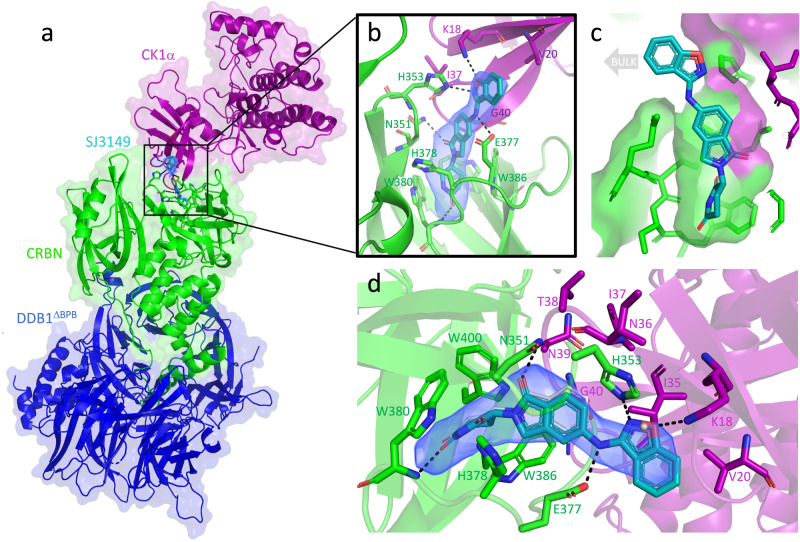
“To rationalize the degradation selectivity of SJ3149 for CK1 α over IKZF1, we aligned our structure of SJ3149 with a previously reported structure of IKZF1 in complex with lenalidomide and CRBN+ DDB1 (6H0F) 8 .”
BackgroundMethodDonovan, K. A., An, J., Nowak, R. P., Yuan, J. C., Fink, E. C., Berry, B. C., Ebert, B. L., & Fischer, E. S. (2018) · eLife · doi:10.7554/elife.38430 · Cited by 509 · cited 1×
“Subsequently, IMiDs were found to in fl uence the abundance of numerous proteins, including SALL4 4 , ZBTB16 5 , p63 6 , ZFP91 7 , ZNF827, RAB28, and RNF166 8,9 .”
BackgroundBET Bromodomain Inhibition of MYC -Amplified Medulloblastoma
Bandopadhayay, P., Bergthold, G., Nguyen, B., Schubert, S., Gholamin, S., Tang, Y., Bolin, S., Schumacher, S. E., Zeid, R., Masoud, S., et al. (2014) · Clinical Cancer Research · doi:10.1158/1078-0432.ccr-13-2281 · Cited by 352
A Survey of Validation Strategies for CRISPR-Cas9 Editing
Sentmanat, M. F., Peters, S. T., Florian, C. P., Connelly, J. P., & Pruett-Miller, S. M. (2018) · Scientific Reports · doi:10.1038/s41598-018-19441-8 · Cited by 341
Self-citationSALL4 mediates teratogenicity as a thalidomide-dependent cereblon substrate
Matyskiela, M. E., Couto, S., Zheng, X., Lu, G., Hui, J., Stamp, K., Drew, C., Ren, Y., Wang, M., Carpenter, A., et al. (2018) · Nature Chemical Biology · doi:10.1038/s41589-018-0129-x · Cited by 338
A Cereblon Modulator (CC-220) with Improved Degradation of Ikaros and Aiolos
Matyskiela, M. E., Zhang, W., Man, H.-W., Muller, G., Khambatta, G., Baculi, F., Hickman, M., LeBrun, L., Pagarigan, B., Carmel, G., et al. (2018) · Journal of Medicinal Chemistry · doi:10.1021/acs.jmedchem.6b01921 · Cited by 309
Integrated cross-study datasets of genetic dependencies in cancer
Pacini, C., Dempster, J. M., Boyle, I., Gonçalves, E., Najgebauer, H., Karakoc, E., van der Meer, D., Barthorpe, A., Lightfoot, H., Jaaks, P., et al. (2021) · Nature Communications · doi:10.1038/s41467-021-21898-7 · Cited by 307
Quantitative Live-Cell Kinetic Degradation and Mechanistic Profiling of PROTAC Mode of Action
Riching, K. M., Mahan, S., Corona, C. R., McDougall, M., Vasta, J. D., Robers, M. B., Urh, M., & Daniels, D. L. (2018) · ACS Chemical Biology · doi:10.1021/acschembio.8b00692 · Cited by 304
Self-citationAgreement between two large pan-cancer CRISPR-Cas9 gene dependency data sets
Dempster, J. M., Pacini, C., Pantel, S., Behan, F. M., Green, T., Krill-Burger, J., Beaver, C. M., Younger, S. T., Zhivich, V., Najgebauer, H., et al. (2019) · Nature Communications · doi:10.1038/s41467-019-13805-y · Cited by 253
Velasco-Miguel, S., Buckbinder, L., Jean, P., Gelbert, L., Talbott, R., Laidlaw, J., Seizinger, B., & Kley, N. (1999) · Oncogene · doi:10.1038/sj.onc.1202274 · Cited by 252
Hughes, S. J., & Ciulli, A. (2017) · Essays in Biochemistry · doi:10.1042/ebc20170041 · Cited by 240 · cited 1×
“Experimental evidence reported over recent years suggests that ternary complex stability is a better predictor of degradation ef fi ciency 40 .”
BackgroundThe Ikaros gene family: Transcriptional regulators of hematopoiesis and immunity
John, L. B., & Ward, A. C. (2011) · Molecular Immunology · doi:10.1016/j.molimm.2011.03.006 · Cited by 231
Molecular glue CELMoD compounds are regulators of cereblon conformation
Watson, E. R., Novick, S., Matyskiela, M. E., Chamberlain, P. P., H. de la Peña, A., Zhu, J., Tran, E., Griffin, P. R., Wertz, I. E., & Lander, G. C. (2022) · Science · doi:10.1126/science.add7574 · Cited by 208 · cited 2×
“It has been previously reported that upon ligand binding, the open apo state of CRBN rearranges into the closed state that is stabilized by a “ sensor loop ” (residues 351 – 354), which adopts a β -hairpin conformation upon closure and enables substrate binding and degradation 37 .”
BackgroundRole of Casein Kinase 1A1 in the Biology and Targeted Therapy of del(5q) MDS
Schneider, R. K., Ademà, V., Heckl, D., Järås, M., Mallo, M., Lord, A. M., Chu, L. P., McConkey, M. E., Kramann, R., Mullally, A., et al. (2014) · Cancer Cell · doi:10.1016/j.ccr.2014.08.001 · Cited by 188 · cited 1×
“…α in del(5q) MDS stabilizes β -catenin, drives self-renewal and dominance of the del(5q) clone, whereas homozygous loss of CK1 α , asoccurs with lenalidomide-induced degradation of the haplode fi cient CK1 α , results in p53 induction and selective clonal arrest by virtue of synthetic lethality 13 .”
BackgroundpSILAC mass spectrometry reveals ZFP91 as IMiD-dependent substrate of the CRL4CRBN ubiquitin ligase
An, J., Ponthier, C. M., Sack, R., Seebacher, J., Stadler, M. B., Donovan, K. A., & Fischer, E. S. (2017) · Nature Communications · doi:10.1038/ncomms15398 · Cited by 176
CRIS.py: A Versatile and High-throughput Analysis Program for CRISPR-based Genome Editing
Connelly, J. P., & Pruett-Miller, S. M. (2019) · Scientific Reports · doi:10.1038/s41598-019-40896-w · Cited by 174
Self-citationCasein kinase 1α governs antigen-receptor-induced NF-κB activation and human lymphoma cell survival
Bidère, N., Ngo, V. N., Lee, J., Collins, C., Zheng, L., Wan, F., Davis, R. E., Lenz, G., Anderson, D. E., Arnoult, D., et al. (2009) · Nature · doi:10.1038/nature07613 · Cited by 173
Haven't got a glue: Protein surface variation for the design of molecular glue degraders
Kozicka, Z., & Thomä, N. H. (2021) · Cell Chemical Biology · doi:10.1016/j.chembiol.2021.04.009 · Cited by 170 · cited 2×
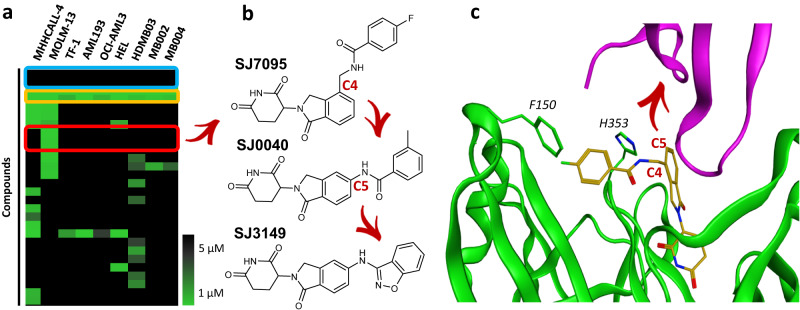
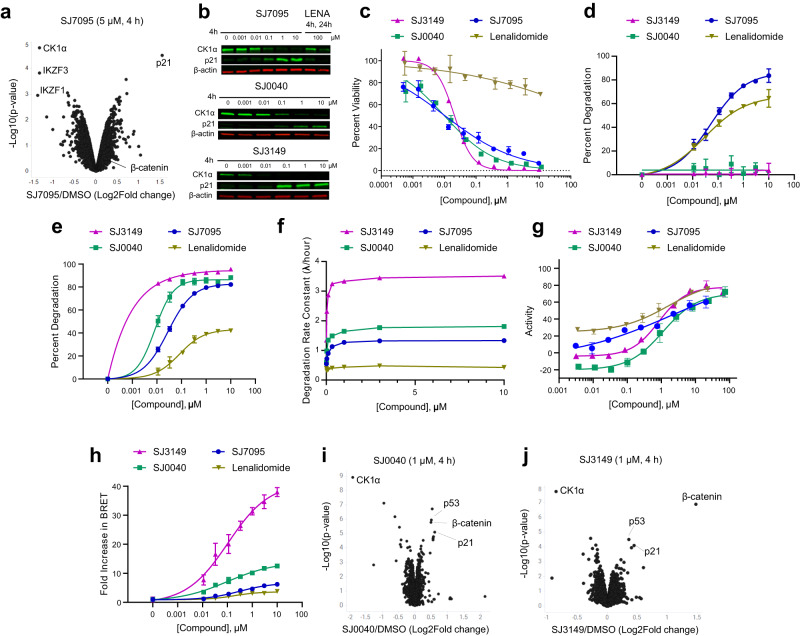
“To better understand CK1 α degradation properties, selectivity, and mechanism of action, SJ0040 and SJ3149 were selected for eva-luationagainstlenalidomideandthescreeninghit,SJ7095,inapanelof biochemical, biophysical, and cellular assays 38 .”
MethodThe many faces of IKZF1 in B-cell precursor acute lymphoblastic leukemia
Marke, R., van Leeuwen, F. N., & Scheijen, B. (2018) · Haematologica · doi:10.3324/haematol.2017.185603 · Cited by 158
Milde, T., Lodrini, M., Savelyeva, L., Korshunov, A., Kool, M., Brueckner, L. M., Antunes, A. S. L. M., Oehme, I., Pekrun, A., Pfister, S. M., et al. (2012) · Journal of Neuro-Oncology · doi:10.1007/s11060-012-0978-1 · Cited by 152
p63 is a cereblon substrate involved in thalidomide teratogenicity
Asatsuma-Okumura, T., Ando, H., De Simone, M., Yamamoto, J., Sato, T., Shimizu, N., Asakawa, K., Yamaguchi, Y., Ito, T., Guerrini, L., et al. (2019) · Nature Chemical Biology · doi:10.1038/s41589-019-0366-7 · Cited by 134
Casein kinase 1α: biological mechanisms and theranostic potential
Jiang, S., Zhang, M., Sun, J., & Yang, X. (2018) · Cell Communication and Signaling · doi:10.1186/s12964-018-0236-z · Cited by 130 · cited 1×
“CK1 α is a ubiquitously expressed cytosolic serine/threonine kinase involved in the regulation of Wnt/ β -catenin and p53 signaling 12 .”
BackgroundBai, B., Tan, H., Pagala, V. R., High, A. A., Ichhaporia, V. P., Hendershot, L., & Peng, J. (2017) · Methods in Enzymology · doi:10.1016/bs.mie.2016.10.007 · Cited by 119
Self-citationRegulation of p53 Nuclear Export through Sequential Changes in Conformation and Ubiquitination
Nie, L., Sasaki, M., & Maki, C. G. (2007) · Journal of Biological Chemistry · doi:10.1074/jbc.m610515200 · Cited by 113
CK1α Plays a Central Role in Mediating MDM2 Control of p53 and E2F-1 Protein Stability
Huart, A.-S., MacLaine, N. J., Meek, D. W., & Hupp, T. R. (2009) · Journal of Biological Chemistry · doi:10.1074/jbc.m109.052647 · Cited by 110 · cited 3×
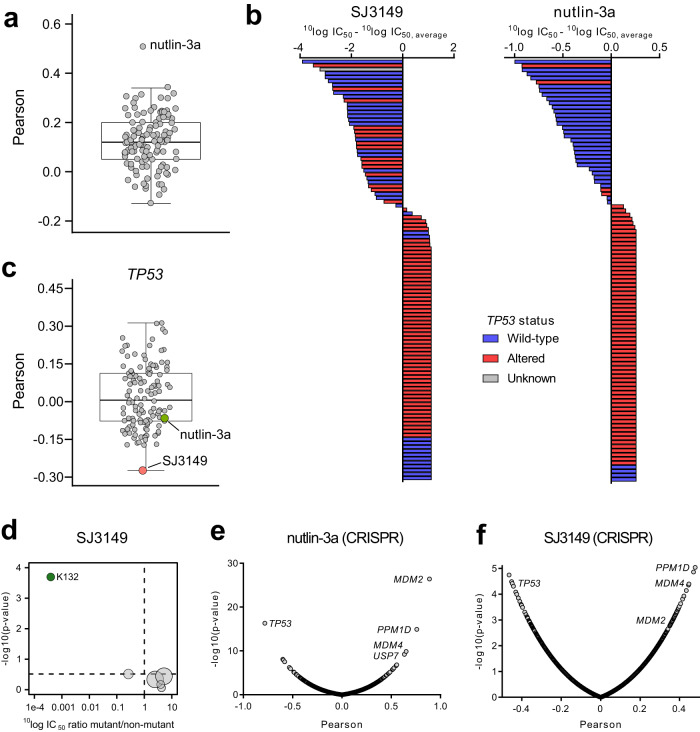
“This pharmacological similarity is not surprising, considering the role of CK1 α in MDM2 activation and p53 pathway inhibition 31 .”
BackgroundInfluentialLonial, S., Popat, R., Hulin, C., Jagannath, S., Oriol, A., Richardson, P. G., Facon, T., Weisel, K., Larsen, J. T., Minnema, M. C., et al. (2022) · The Lancet Haematology · doi:10.1016/s2352-3026(22)00290-3 · Cited by 101
Nishiguchi, G., Keramatnia, F., Min, J., Chang, Y., Jonchere, B., Das, S., Actis, M., Price, J., Chepyala, D., Young, B., et al. (2021) · Journal of Medicinal Chemistry · doi:10.1021/acs.jmedchem.0c01313 · Cited by 99
Self-citationCsnk1a1 inhibition has p53-dependent therapeutic efficacy in acute myeloid leukemia
Järås, M., Miller, P. G., Chu, L. P., Puram, R. V., Fink, E. C., Schneider, R. K., Al-Shahrour, F., Peña, P., Breyfogle, L. J., Hartwell, K. A., et al. (2014) · Journal of Experimental Medicine · doi:10.1084/jem.20131033 · Cited by 92 · cited 1×
“Nevertheless, CK1 α is essential for AML cell survival in vitro and in vivo 17 .”
BackgroundYamanaka, S., Murai, H., Saito, D., Abe, G., Tokunaga, E., Iwasaki, T., Takahashi, H., Takeda, H., Suzuki, T., Shibata, N., et al. (2021) · The EMBO Journal · doi:10.15252/embj.2020105375 · Cited by 89
Abdulrahman, W., Uhring, M., Kolb‐Cheynel, I., Garnier, J., Moras, D., Rochel, N., Busso, D., & Poterszman, A. (2008) · Analytical Biochemistry · doi:10.1016/j.ab.2008.10.044 · Cited by 86
Löwenberg, B., Pabst, T., Maertens, J. A., Gradowska, P. L., Biemond, B. J., Spertini, O., Vellenga, E., Griškevičius, L., Tick, L. W., Jongen‐Lavrencic, M., et al. (2021) · Blood Advances · doi:10.1182/bloodadvances.2020003855 · Cited by 81
Sekeres, M. A., Gundacker, H., Lancet, J., Advani, A., Petersdorf, S., Liesveld, J., Mulford, D., Norwood, T., Willman, C. L., Appelbaum, F. R., et al. (2011) · Blood · doi:10.1182/blood-2011-02-337303 · Cited by 80 · cited 17×
“In addition to MDS and AML 20 , CK1 α was also found to promote survival of lymphoma cells 21 , as well as a variety of solid tumors such as in lung 22 , renal 23 , and colorectal 24 cancers, suggesting a potential broader clinical application of compounds that in fl uence CK1 α levels or activity.”
BackgroundInfluentialOlsson, L., & Johansson, B. (2015) · British Journal of Haematology · doi:10.1111/bjh.13342 · Cited by 76
Hansen, J. D., Condroski, K., Correa, M., Muller, G., Man, H.-W., Ruchelman, A., Zhang, W., Vocanson, F., Crea, T., Liu, W., et al. (2018) · Journal of Medicinal Chemistry · doi:10.1021/acs.jmedchem.6b01911 · Cited by 75
TTK Inhibitors as a Targeted Therapy for CTNNB1 ( β -catenin) Mutant Cancers
Zaman, G. J. R., de Roos, J. A. D. M., Libouban, M. A. A., Prinsen, M. B. W., de Man, J., Buijsman, R. C., & Uitdehaag, J. C. M. (2017) · Molecular Cancer Therapeutics · doi:10.1158/1535-7163.mct-17-0342 · Cited by 72
Self-citationMolecular Dissection of the 5q Deletion in Myelodysplastic Syndrome
Ebert, B. L. (2011) · Seminars in Oncology · doi:10.1053/j.seminoncol.2011.04.010 · Cited by 71
Targeting Casein Kinase 1 (CK1) in Hematological Cancers
Janovská, P., Normant, E., Miskin, H., & Bryja, V. (2020) · International Journal of Molecular Sciences · doi:10.3390/ijms21239026 · Cited by 66
Development of PDE6D and CK1α Degraders through Chemical Derivatization of FPFT-2216
Teng, M., Lu, W., Donovan, K. A., Sun, J., Krupnick, N. M., Nowak, R. P., Li, Y.-D., Sperling, A. S., Zhang, T., Ebert, B. L., et al. (2022) · Journal of Medicinal Chemistry · doi:10.1021/acs.jmedchem.1c01832 · Cited by 63 · cited 1×
“Recently, an elegant medicinal chemistry effort that produced selective CK1 α , and dual CK1 α /IKZF2 degraders was reported by the Gray and Woo labs, respectively 25,26 .”
ResultDual IKZF2 and CK1α degrader targets acute myeloid leukemia cells
Park, S.-M., Miyamoto, D. K., Han, G. Y. Q., Chan, M., Curnutt, N. M., Tran, N. L., Velleca, A., Kim, J. H., Schurer, A., Chang, K., et al. (2023) · Cancer Cell · doi:10.1016/j.ccell.2023.02.010 · Cited by 56 · cited 7×
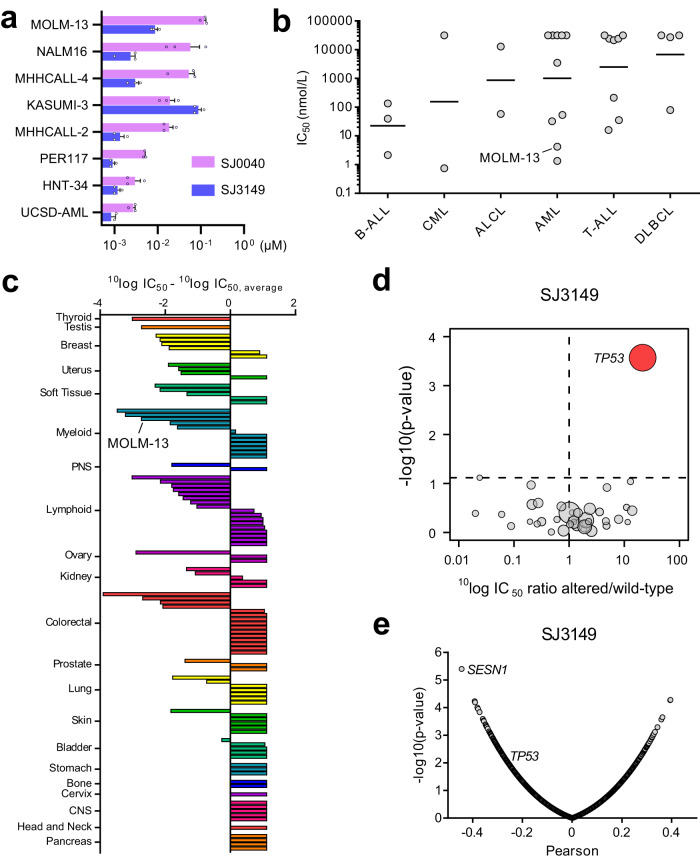
“2b, MOLM-13 cells were treated with SJ3149 for 4 h at increasing concentrations ranging from 1nM to 10 µ M and analyzed by immunoblotting to quantify IKZF2 and CK1 α proteins.”
BackgroundMethodResultInfluentialPhosphorylation of FADD by the kinase CK1α promotes KRAS G12D -induced lung cancer
Bowman, B. M., Sebolt, K. A., Hoff, B. A., Boes, J. L., Daniels, D. L., Heist, K. A., Galbán, C. J., Patel, R. M., Zhang, J., Beer, D. G., et al. (2015) · Science Signaling · doi:10.1126/scisignal.2005607 · Cited by 48 · cited 1×
“In addition to MDS and AML 20 , CK1 α was also found to promote survival of lymphoma cells 21 , as well as a variety of solid tumors such as in lung 22 , renal 23 , and colorectal 24 cancers, suggesting a potential broader clinical application of compounds that in fl uence CK1 α levels or activity.”
BackgroundSelf-citationPatil, A., Manzano, M., & Gottwein, E. (2018) · Blood · doi:10.1182/blood-2018-01-828418 · Cited by 43
Chang, Y., Keramatnia, F., Ghate, P. S., Nishiguchi, G., Gao, Q., Iacobucci, I., Yang, L., Chepyala, D., Mishra, A., High, A. A., et al. (2023) · Blood · doi:10.1182/blood.2022017813 · Cited by 39
Self-citationKrill-Burger, J. M., Dempster, J. M., Borah, A. A., Paolella, B. R., Root, D. E., Golub, T. R., Boehm, J. S., Hahn, W. C., McFarland, J. M., Vázquez, F., et al. (2023) · Genome biology · doi:10.1186/s13059-023-03020-w · Cited by 38
Xu, W., Huang, Z., Gan, Y., Chen, R., Huang, Y., Xue, B., Jiang, S., Yu, Z., Yu, K., & Zhang, S. (2020) · Oncology Reports · doi:10.3892/or.2020.7760 · Cited by 37
Self-citationManni, S., Carrino, M., Manzoni, M., Gianesin, K., Nunes, S. C., Costacurta, M., Tubi, L. Q., Macaccaro, P., Taiana, E., Cabrelle, A., et al. (2017) · Oncotarget · doi:10.18632/oncotarget.14654 · Cited by 36
Exploiting a water network to achieve enthalpy-driven, bromodomain-selective BET inhibitors
Shadrick, W. R., Slavish, P. J., Chai, S. C., Waddell, M. B., Connelly, M., Low, J. A., Tallant, C., Young, B. M., Bharatham, N., Knapp, S., et al. (2017) · Bioorganic & Medicinal Chemistry · doi:10.1016/j.bmc.2017.10.042 · Cited by 35
Self-citationTranscriptional and functional consequences of TP53 splice mutations in colorectal cancer
Smeby, J., Sveen, A., Eilertsen, I. A., Danielsen, S. A., Hoff, A., Eide, P. W., Johannessen, B., Hektoen, M., Skotheim, R. I., Guren, M. G., et al. (2019) · Oncogenesis · doi:10.1038/s41389-019-0141-3 · Cited by 33
CK1α overexpression correlates with poor survival in colorectal cancer
Richter, J., Kretz, A.-L., Lemke, J., Fauler, M., Werner, J.-U., Paschke, S., Leithäuser, F., Henne-Bruns, D., Hillenbrand, A., & Knippschild, U. (2018) · BMC Cancer · doi:10.1186/s12885-018-4019-0 · Cited by 28
Kooijman, J. J., van Riel, W. E., Dylus, J., Prinsen, M. B. W., Grobben, Y., de Bitter, T. J. J., van Doornmalen, A. M., Melis, J. J. T. M., Uitdehaag, J. C. M., Narumi, Y., et al. (2022) · Frontiers in Oncology · doi:10.3389/fonc.2022.953013 · Cited by 25
Self-citationMai, H., Xu, X., Mei, G., Hong, T., Huang, J., Wang, T., Yan, Z., Li, Y., Liang, Y., Li, L., et al. (2016) · Oncogenesis · doi:10.1038/oncsis.2016.44 · Cited by 21
Uitdehaag, J. C. M., de Roos, J. A. D. M., Prinsen, M. B. W., Willemsen‐Seegers, N., de Vetter, J. R. F., Dylus, J., van Doornmalen, A. M., Kooijman, J. J., Sawa, M., van Gerwen, S. J. C., et al. (2016) · Molecular Cancer Therapeutics · doi:10.1158/1535-7163.mct-16-0403 · Cited by 20
Self-citationHollenbach, P. W., Lu, L., Gandhi, A. K., Chopra, R., & MacBeth, K. J. (2014) · Blood · doi:10.1182/blood.v124.21.3606.3606 · Cited by 5
Dual IKZF2 and CK1α Degrader Targets Acute Myeloid Leukemia Cells
Park, S. M., Miyamoto, D. K., Han, G. Y. Q., Chan, M., Curnutt, N. M., Tran, N., Velleca, A., Kim, J. H., Schurer, A., Chang, K., et al. (2022) · Blood · doi:10.1182/blood-2022-167678 · Cited by 4
Krill-Burger, J. M., Dempster, J. M., Borah, A. A., Paolella, B. R., Root, D. E., Golub, T. R., Boehm, J. S., Hahn, W. C., McFarland, J. M., Vazquez, F., et al. (2022) · doi:10.1101/2022.03.02.482624
Research works printed but not linked: 1
- Petzold G Fischer ES Thomä NH Structural basis of lenalidomide-induced CK1α degradation by the CRL4(CRBN) ubiquitin ligase Nature 2016 532 127 130 10.1038/nature16979 26909574 · DOI · Paper page
Cited by
Targeted protein degradation: advances in drug discovery and clinical practice
Zhong, G., Chang, X., Xie, W., & Zhou, X. (2024) · Signal Transduction and Targeted Therapy · doi:10.1038/s41392-024-02004-x · Cited by 326
Proteins Plus : a publicly available resource for protein structure mining
Ehrt, C., Schulze, T., Graef, J., Diedrich, K., Pletzer-Zelgert, J., & Rarey, M. (2025) · Nucleic Acids Research · doi:10.1093/nar/gkaf377 · Cited by 69
Razumkov, H., Jiang, Z., Baek, K., You, I., Geng, Q., Donovan, K. A., Tang, M. T., Metivier, R. J., Mageed, N., Seo, P., et al. (2024) · Journal of the American Chemical Society · doi:10.1021/jacs.4c06127 · Cited by 53
Applications of protein ubiquitylation and deubiquitylation in drug discovery
Chen, Y., Xue, H., & Jin, J. (2024) · Journal of Biological Chemistry · doi:10.1016/j.jbc.2024.107264 · Cited by 43
SuFEx-based chemical diversification for the systematic discovery of CRBN molecular glues
Carter, T. R., Milosevich, N., Dada, L., Shaum, J. B., Sharpless, K. B., Kitamura, S., & Erb, M. A. (2024) · Bioorganic & Medicinal Chemistry · doi:10.1016/j.bmc.2024.117699 · Cited by 33
Metadata
- Authors
- Nishiguchi, G., Mascibroda, L. G., Young, S. M., Caine, E. A., Abdelhamed, S., Kooijman, J. J., Miller, D. J., Das, S., McGowan, K., Mayasundari, A., Shi, Z., Barajas, J. M., Hiltenbrand, R., Aggarwal, A., Chang, Y., Mishra, V., Narina, S., Thomas, M., Loughran, A. J., Kalathur, R., Yu, K., Zhou, S., Wang, X., High, A. A., Peng, J., Pruett-Miller, S. M., Daniels, D. L., Urh, M., Shelat, A. A., Mullighan, C. G., Riching, K. M., Zaman, G. J. R., Fischer, M., Klco, J. M., & Rankovic, Z.
- Affiliations
- St. Jude Children's Research Hospital (US)
- Promega (United States) (US)
- Corresponding author
- Fischer, Marcus
- Klco, Jeffery M.
- ORCID
- Nishiguchi, Gisele
- Mascibroda, Lauren G.
- Caine, Elizabeth A.
- Abdelhamed, Sherif
- Kooijman, Jeffrey J.
- Miller, Darcie J.
- Das, Sourav
- McGowan, Kevin
- Shi, Zhe
- Barajas, Juan M.
- Hiltenbrand, Ryan
- Aggarwal, Anup
- Chang, Yunchao
- Mishra, Vibhor
- Narina, Shilpa
- Loughran, Allister J.
- Kalathur, Ravi
- Yu, Kaiwen
- Wang, Xusheng
- High, Anthony A.
- Peng, Junmin
- Pruett-Miller, Shondra M.
- Daniels, Danette L.
- Urh, Marjeta
- Shelat, Anang A.
- Mullighan, Charles G.
- Riching, Kristin M.
- Zaman, Guido J. R.
- Fischer, Marcus
- Klco, Jeffery M.
- Rankovic, Zoran
- Venue
- Nature Communications
- Published
- 2024-01-16
- Volume
- 15
- Issue
- 1
- Pages
- 482-482
- ISSN
- 2041-1723 (ISSN-L)
- PMC
- PMC10791743
- OpenAlex
- W4390913191
- Cited by
- 57
- References
- 70
- Citations by year
- 2026: 27 · 2025: 21 · 2024: 9
- FWCI
- 7.76
- Type
- journal article
- Language
- en
- Open access
- gold
- doi.org
- Licence
- cc-by
- creativecommons.org/licenses/by/4.0 (tdm)
- creativecommons.org/licenses/by/4.0 (vor)
- Locations
- Nature Communications (publishedVersion, cc-by)
- Research Square (acceptedVersion, cc-by)
- PubMed Central (publishedVersion, cc-by)
- PubMed (publishedVersion)
- OSTI OAI (U.S. Department of Energy Office of Scientific and Technical Information) (submittedVersion, cc-by)
- RePEc: Research Papers in Economics (submittedVersion)
- DOAJ (DOAJ: Directory of Open Access Journals) (submittedVersion, cc-by-sa)
- Funders
- Alex’s Lemonade Stand Foundation for Childhood Cancer (Crazy 8)
- U.S. Department of Health & Human Services | NIH | National Cancer Institute (R35-197695)
- Topics
- Life Sciences › Biochemistry, Genetics and Molecular Biology › Molecular Biology › Protein Degradation and Inhibitors
- Life Sciences › Biochemistry, Genetics and Molecular Biology › Molecular Biology › Ubiquitin and proteasome pathways
- Physical Sciences › Chemistry › Organic Chemistry › Chemical Synthesis and Analysis
- Keywords
- molecular glues, cereblon ligands, IKZF1, IKZF3, E3 ubiquitin ligase, DDB1, structure-activity relationship, antiproliferative activity, cancer cell lines, Nutlin-3a, hematologic cancer, solid tumors
- MeSH terms
- Antineoplastic Agents, Cell Line, Humans, Neoplasms, Ubiquitin-Protein Ligases, Casein Kinase Ialpha, Proteolysis
About these checks
Registry, retraction, Cites and statistics results are computed, not judged, with one exception: a printed reference that no index lists is read once by a model before it counts as a citation error. Claims are extracted by a model and kept only when their quote appears verbatim in the text; each cited source is then checked, with a model’s help, for whether it says what the claim relies on. Those verdicts can be wrong — read the claim’s quote and the cited source before relying on one.
Statistics and arithmetic are recomputed, not judged.
Confidence bands are shown only for fields calibrated on our annotated test set. None is calibrated yet, so no band is shown.
What counts as a claim ›How we measure confidence ›How we check this ›
Are you an author, or do you see a problem with this page? Request a review
Data sources
Bibliographic data: Semantic Scholar, OpenAlex, Crossref.
Contains information from the Semantic Scholar Academic Graph Datasets, made available under the ODC Attribution License (ODC-BY 1.0).
Semantic Scholar’s data is described in: Kinney, R., et al. (2023). The Semantic Scholar Open Data Platform. arXiv:2301.10140.
