

Induced pluripotency in the context of stem cell expansion bioprocess development, optimization, and manufacturing: a roadmap to the clinic
Open accessThe DOI matches its Crossref record; 108 of the 109 references it cites were found in a registry or an index; none of the 63 sources its claims cite is checked for support yet.
Abstract
The translation of laboratory-scale bioprocess protocols and technologies to industrial scales and the application of human induced pluripotent stem cell (hiPSC) derivatives in clinical trials globally presents optimism for the future of stem-cell products to impact healthcare. However, while many promising therapeutic approaches are being tested in pre-clinical studies, hiPSC-derived products currently account for a small fraction of active clinical trials. The complexity and volatility of hiPSCs present several bioprocessing challenges, where the goal is to generate a sufficiently large, high-quality, homogeneous population for downstream differentiation—the derivatives of which must retain functional efficacy and meet regulatory safety criteria in application. It is argued herein that one of the major challenges currently faced in improving the robustness of routine stem-cell biomanufacturing is in utilizing continuous, meaningful assessments of molecular and cellular characteristics from process to application. This includes integrating process data with biological characteristic and functional assessment data to model the interplay between variables in the search for global optimization strategies. Coupling complete datasets with relevant computational methods will contribute significantly to model development and automation in achieving process robustness. This overarching approach is thus crucially important in realizing the potential of hiPSC biomanufacturing for transformation of regenerative medicine and the healthcare industry.
Overview
CoChat Summary
TL;DR
This roadmap argues that robust clinical translation of hiPSC-derived therapies requires integrating continuous molecular and cellular process monitoring with biological and functional assessment data to enable computational modeling, automation, and global process optimization. It highlights biological complexity, bioprocess heterogeneity, and sparse clinical trial disclosure as major barriers, noting that iPSC-derived products remain a small fraction of stem-cell clinical trials.
Key findings
- As of August 2021, only 1.2% of documented stem-cell-derived therapeutic clinical trials in the United States utilized iPSCs, and 0.8% utilized ESCs; the vast majority of pluripotent stem cell trials involved in vitro disease modeling. The paper also cites a need for 10^6–10^12 cells per patient.
- Clinical trial examples in Table 1 show mixed outcomes: allogeneic hESC-derived retinal pigment epithelium was Phase I complete with favorable results, whereas an autologous iPSC-derived RPE trial was halted after 2 patients due to safety concerns and copy-number variations; an iPSC-derived mesenchymal stem cell trial verified short-term safety but confounding factors obscured potential effectiveness.
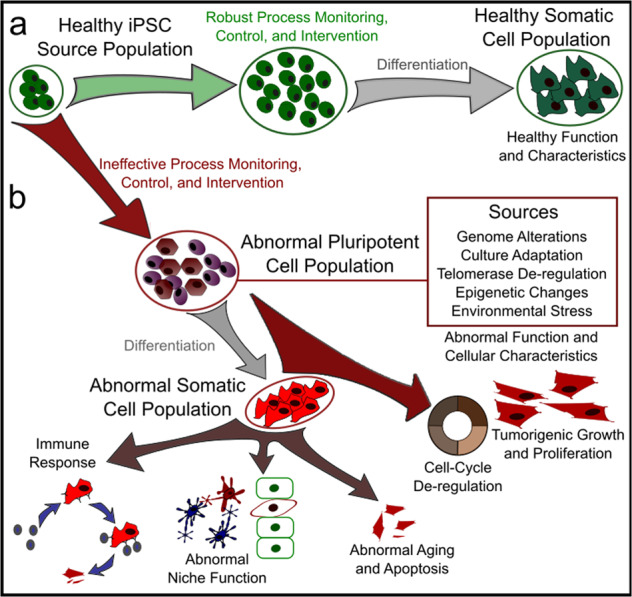
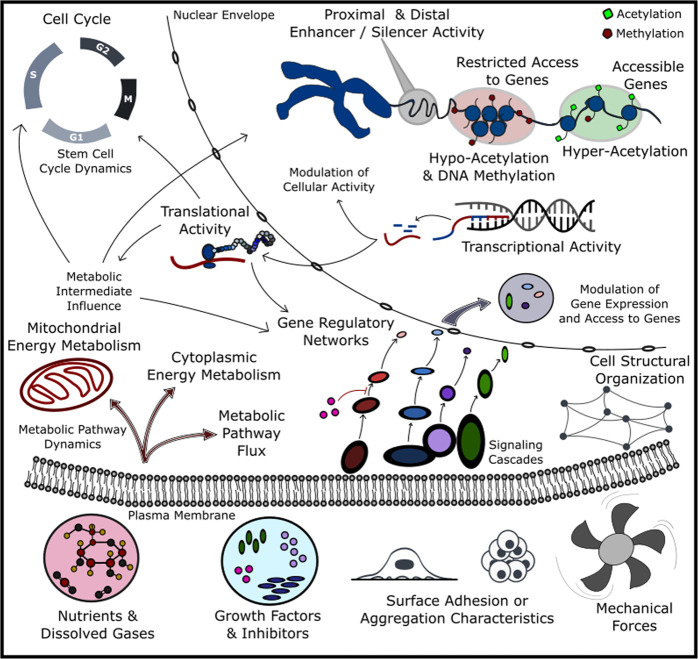
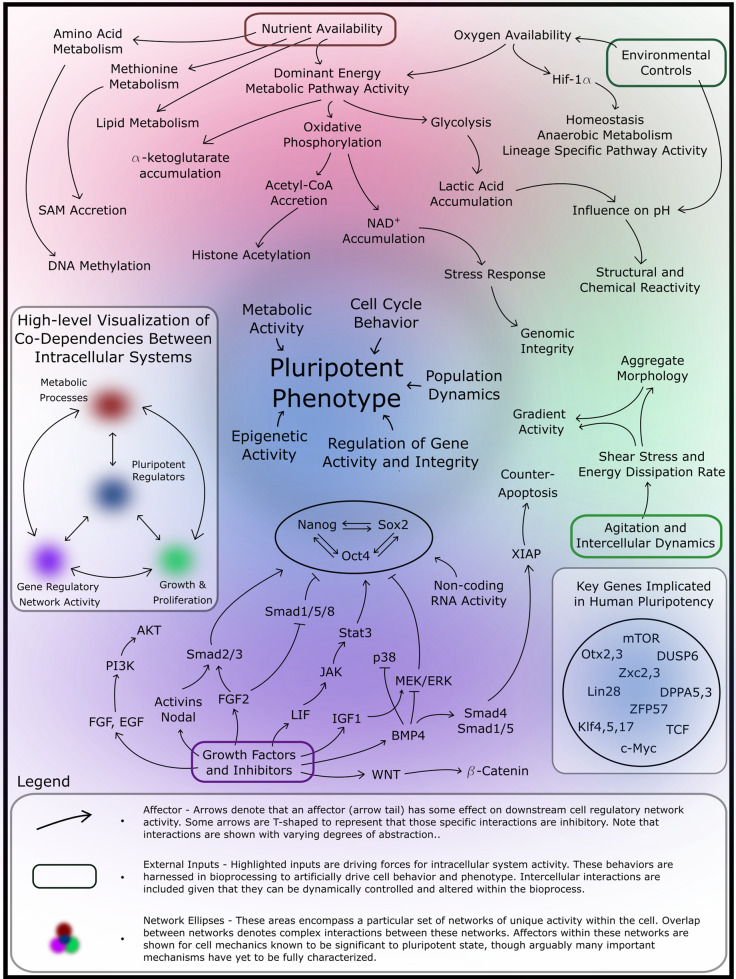
- The paper argues that process heterogeneity, genetic and epigenetic abnormalities, immunogenicity risk, somatic epigenetic memory, sex differences, and metabolic/gene-regulatory network interactions complicate iPSC manufacturing and downstream product quality.
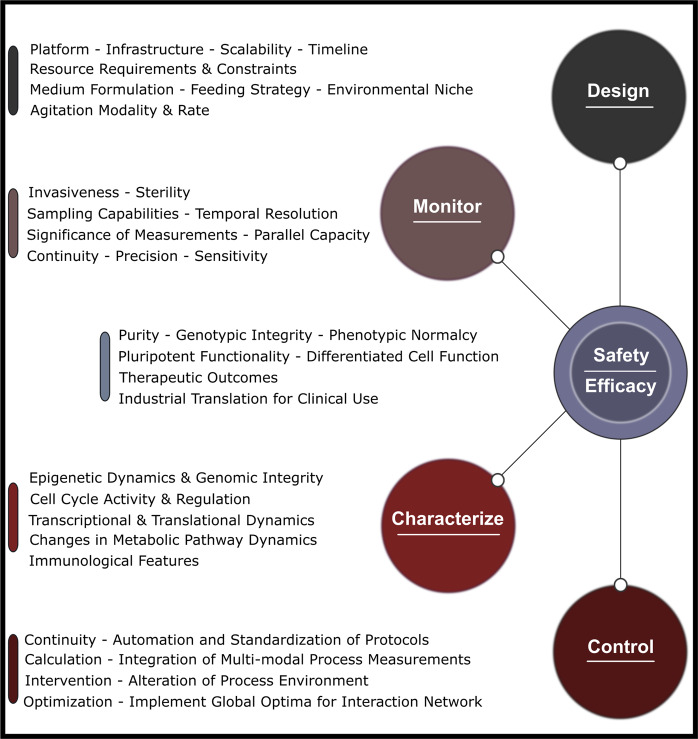
- It recommends coupling in-process data with multi-omics and functional characterization, and applying machine learning/computational modeling for predictive, closed-loop control of iPSC expansion and differentiation.
Methods
- Narrative review/roadmap, not a primary experimental study; it synthesizes literature and examples to explore challenges and strategies in hiPSC biomanufacturing.
- Uses a table of six clinical trials involving pluripotent stem-cell-derived therapeutics, listing cell type, bioprocess characteristics, manufacturing timeline, characterization strategies, and clinical outcomes/status.
- Discusses bioprocess design considerations such as 2D static scale-out versus 3D suspension scale-up, monitoring and characterization technologies, and integration of process data with computational methods.
Limitations
- The paper states that a lack of public disclosure in most clinical trials makes objective comparison of manufacturing design, monitoring, control, and characterization across trials “near impossible,” with details scarce even when disclosure is provided.
- It states that no standardized requirements exist for systems and protocols despite a CGMP framework, and that minimal quality criteria exist, leading to differing process effectiveness, robustness, and outcomes.
- The text makes evident that this is a conceptual narrative review without systematic search methods or primary data; many Table 1 entries are “not disclosed,” and the recommendations remain aspirational rather than empirically validated.
Model-written summary. Check it against the paper before relying on it.
Integrity signals
Registry
Cites
Statistics
Figures
Verification
Claims the paper makes
0 Valid · 2 Not valid · 38 Not checked · 17 Own results and interpretations
In the paper
“This is represented in the lack of interventional studies using ESCs or iPSCs as the derivational source relative to other cell types85.”
§ Induced pluripotency in the context of stem cell expansion bioprocess development, optimization, and manufacturing: a roadmap to the clinic > Clinical trials and the current state of iPSC-derived therapeutics
What the sources say
- Not checked yetcites [85] Kobold S A manually curated database on clinical studies involving cell products derived from human pluripotent stem cells Stem Cell Rep. 2020 15 546 555 10.1016/j.stemcr.2020.06.014 PMC7419703 32679065 source
plain- Asserted: passes — The authors put it forward as true.
- Checkable: passes — It can be checked against evidence.
- Load-bearing: passes — The paper’s conclusions depend on it.
- Based: passes — The paper gives a reason why it holds.
In the paper
“In cases where public disclosure is provided, details are scarce.”
§ Induced pluripotency in the context of stem cell expansion bioprocess development, optimization, and manufacturing: a roadmap to the clinic > Clinical trials and the current state of iPSC-derived therapeutics
What the sources say
- Not checked yetcites [85] Kobold S A manually curated database on clinical studies involving cell products derived from human pluripotent stem cells Stem Cell Rep. 2020 15 546 555 10.1016/j.stemcr.2020.06.014 PMC7419703 32679065 source
plain- Asserted: passes — The authors put it forward as true.
- Checkable: passes — It can be checked against evidence.
- Load-bearing: passes — The paper’s conclusions depend on it.
- Based: passes — The paper gives a reason why it holds.
A result the paper states — it cites no source for it, so there is none to check. The quote shows it is in the paper.
In the paper
“Available data from interventional clinical trials utilizing PSC-derived therapeutics present mixed results from safety and efficacy standpoints.”
§ Induced pluripotency in the context of stem cell expansion bioprocess development, optimization, and manufacturing: a roadmap to the clinic > Clinical trials and the current state of iPSC-derived therapeutics
plain- Asserted: passes — The authors put it forward as true.
- Checkable: passes — It can be checked against evidence.
- Load-bearing: passes — The paper’s conclusions depend on it.
- Based: passes — The paper gives a reason why it holds.
In the paper
“As of August 2021, only 1.2% of documented stem-cell-derived therapeutic clinical trials in the United States alone utilized iPSCs.”
§ Induced pluripotency in the context of stem cell expansion bioprocess development, optimization, and manufacturing: a roadmap to the clinic > Clinical trials and the current state of iPSC-derived therapeutics
What the sources say
- Not checked yetcites [85] Kobold S A manually curated database on clinical studies involving cell products derived from human pluripotent stem cells Stem Cell Rep. 2020 15 546 555 10.1016/j.stemcr.2020.06.014 PMC7419703 32679065 source
plain- Asserted: passes — The authors put it forward as true.
- Checkable: passes — It can be checked against evidence.
- Load-bearing: passes — The paper’s conclusions depend on it.
- Based: passes — The paper gives a reason why it holds.
In the paper
“Further, the vast majority of trials utilizing pluripotent stem cells involve in vitro disease modeling.”
§ Induced pluripotency in the context of stem cell expansion bioprocess development, optimization, and manufacturing: a roadmap to the clinic > Clinical trials and the current state of iPSC-derived therapeutics
What the sources say
- Not checked yetcites [85] Kobold S A manually curated database on clinical studies involving cell products derived from human pluripotent stem cells Stem Cell Rep. 2020 15 546 555 10.1016/j.stemcr.2020.06.014 PMC7419703 32679065 source
plain- Asserted: passes — The authors put it forward as true.
- Checkable: passes — It can be checked against evidence.
- Load-bearing: unclear — It is unclear whether the paper’s conclusions depend on it.
- Based: passes — The paper gives a reason why it holds.
19 more claims
Create a free account to see all 57 claims and to verify the 63 references still open.
- It may state two separate claims as one. 20
- Probably not a substantial claim. 15
Citations
Cites
Induction of Pluripotent Stem Cells from Adult Human Fibroblasts by Defined Factors
Takahashi, K., Tanabe, K., Ohnuki, M., Narita, M., Ichisaka, T., Tomoda, K., & Yamanaka, S. (2007) · Cell · doi:10.1016/j.cell.2007.11.019 · Cited by 20,221
Embryonic Stem Cell Lines Derived from Human Blastocysts
Thomson, J. A., Itskovitz-Eldor, J., Shapiro, S. S., Waknitz, M. A., Swiergiel, J. J., Marshall, V. S., & Jones, J. M. (1998) · Science · doi:10.1126/science.282.5391.1145 · Cited by 15,926
Epigenetic memory in induced pluripotent stem cells
Kim, K., Doi, A., Wen, B., Ng, K., Zhao, R., Cahan, P., Kim, J., Aryee, M. J., Ji, H., Ehrlich, L. I. R., et al. (2010) · Nature · doi:10.1038/nature09342 · Cited by 2,313
Machine Learning Identifies Stemness Features Associated with Oncogenic Dedifferentiation
Malta, T. M., Sokolov, A., Gentles, A. J., Burzykowski, T., Poisson, L., Weinstein, J. N., Kamińska, B., Huelsken, J., Omberg, L., Gevaert, O., et al. (2018) · Cell · doi:10.1016/j.cell.2018.03.034 · Cited by 2,180
Autologous Induced Stem-Cell–Derived Retinal Cells for Macular Degeneration
Mandai, M., Watanabe, A., Kurimoto, Y., Hirami, Y., Morinaga, C., Daimon, T., Fujihara, M., Akimaru, H., Sakai, N., Shibata, Y., et al. (2017) · New England Journal of Medicine · doi:10.1056/nejmoa1608368 · Cited by 1,509
Stem Cell Therapies in Clinical Trials: Progress and Challenges
Trounson, A., & McDonald, C. (2015) · Cell Stem Cell · doi:10.1016/j.stem.2015.06.007 · Cited by 1,468
Epigenetic plasticity and the hallmarks of cancer
Flavahan, W. A., Gaskell, E., & Bernstein, B. E. (2017) · Science · doi:10.1126/science.aal2380 · Cited by 1,340
Writing, erasing and reading histone lysine methylations
Hyun, K., Jeon, J., Park, K., & Kim, J. (2017) · Experimental & Molecular Medicine · doi:10.1038/emm.2017.11 · Cited by 1,250
Pluripotent Stem Cell-Based Cell Therapy—Promise and Challenges
Yamanaka, S. (2020) · Cell Stem Cell · doi:10.1016/j.stem.2020.09.014 · Cited by 1,213
Induction of Pluripotent Stem Cells From Adult Human Fibroblasts by Defined Factors
Takahashi, K., Tanabe, K., Ohnuki, M., Narita, M., Ichisaka, T., Tomoda, K., & Yamanaka, S. (2008) · Obstetrical & Gynecological Survey · doi:10.1097/01.ogx.0000305204.97355.0d · Cited by 1,174
The promise of induced pluripotent stem cells in research and therapy
Robinton, D. A., & Daley, G. Q. (2012) · Nature · doi:10.1038/nature10761 · Cited by 1,111
Effect of friction on oxidative graphite intercalation and high-quality graphene formation
Seiler, S., Halbig, C. E., Grote, F., Rietsch, P., Börrnert, F., Kaiser, U., Meyer, B., & Eigler, S. (2018) · Nature Communications · doi:10.1038/s41467-018-03211-1 · Cited by 969
Regenerative medicine: Current therapies and future directions
Mao, A. S., & Mooney, D. J. (2015) · Proceedings of the National Academy of Sciences · doi:10.1073/pnas.1508520112 · Cited by 941
Ethical and Safety Issues of Stem Cell-Based Therapy
Volarevic, V., Markovic, B. S., Gazdic, M., Volarevic, A., Jovicic, N., Arsenijevic, N., Armstrong, L., Djonov, V., Lako, M., & Stojkovic, M. (2018) · International Journal of Medical Sciences · doi:10.7150/ijms.21666 · Cited by 876
Engineering Stem Cell Organoids
Yin, X., Mead, B. E., Safaee, H., Langer, R., Karp, J. M., & Levy, O. (2016) · Cell Stem Cell · doi:10.1016/j.stem.2015.12.005 · Cited by 866
Induced Pluripotent Stem Cells: Past, Present, and Future
Yamanaka, S. (2012) · Cell Stem Cell · doi:10.1016/j.stem.2012.05.005 · Cited by 843
Keeping It All Going—Complement Meets Metabolism
Kolev, M., & Kemper, C. (2017) · Frontiers in Immunology · doi:10.3389/fimmu.2017.00001 · Cited by 812
Global Transcription in Pluripotent Embryonic Stem Cells
Efroni, S., Duttagupta, R., Cheng, J., Dehghani, H., Hoeppner, D. J., Dash, C., Bazett-Jones, D. P., Le Grice, S., McKay, R. D. G., Buetow, K. H., et al. (2008) · Cell Stem Cell · doi:10.1016/j.stem.2008.03.021 · Cited by 698
Zitnik, M., Nguyen, F., Wang, B., Leskovec, J., Goldenberg, A., & Hoffman, M. M. (2019) · Information Fusion · doi:10.1016/j.inffus.2018.09.012 · Cited by 675
Li, R., Hornberger, K., Dutton, J. R., & Hubel, A. (2020) · Frontiers in Bioengineering and Biotechnology · doi:10.3389/fbioe.2020.00001 · Cited by 599
Kamao, H., Mandai, M., Okamoto, S., Sakai, N., Suga, A., Sugita, S., Kiryu, J., & Takahashi, M. (2014) · Stem Cell Reports · doi:10.1016/j.stemcr.2013.12.007 · Cited by 592
How does DNA methylation repress transcription?
Kass, S. U., Pruss, D., & Wolffe, A. P. (1997) · Trends in Genetics · doi:10.1016/s0168-9525(97)01268-7 · Cited by 535
Kjærgaard, K., Dreyer, C. H., Ditzel, N., Andreasen, C. M., Chen, L., Sheikh, S. P., Overgaard, S., & Ding, M. (2016) · Stem Cells International · doi:10.1155/2016/3846971 · Cited by 524
Human pluripotent stem cells recurrently acquire and expand dominant negative P53 mutations
Merkle, F. T., Ghosh, S., Kamitaki, N., Mitchell, J., Avior, Y., Mello, C., Kashin, S., Mekhoubad, S., Ilic, D., Charlton, M., et al. (2017) · Nature · doi:10.1038/nature22312 · Cited by 506
Harnessing the potential of induced pluripotent stem cells for regenerative medicine
Wu, S. M., & Hochedlinger, K. (2011) · Nature Cell Biology · doi:10.1038/ncb0511-497 · Cited by 506
Menasché, P., Vanneaux, V., Hagège, A., Bel, A., Cholley, B., Parouchev, A., Cacciapuoti, I., Al-Daccak, R., Benhamouda, N., Blons, H., et al. (2018) · Journal of the American College of Cardiology · doi:10.1016/j.jacc.2017.11.047 · Cited by 456
Current Challenges of iPSC-Based Disease Modeling and Therapeutic Implications
Doss, M. X., & Sachinidis, A. (2019) · Cells · doi:10.3390/cells8050403 · Cited by 456
DNA methylation: An epigenetic mark of cellular memory
Kim, M., & Costello, J. (2017) · Experimental & Molecular Medicine · doi:10.1038/emm.2017.10 · Cited by 450
Bai, L., Lennon, D. P., Caplan, A. I., DeChant, A., Hecker, J., Kranso, J., Zaremba, A., & Miller, R. H. (2012) · Nature Neuroscience · doi:10.1038/nn.3109 · Cited by 421
ACE-inhibition induces a cardioprotective transcriptional response in the metabolic syndrome heart
Yakubova, A., Thorrez, L., Svetlichnyy, D., Zwarts, L., Vulsteke, V., Laenen, G., Oosterlinck, W., Moreau, Y., Dehaspe, L., Van Houdt, J., et al. (2018) · Scientific Reports · doi:10.1038/s41598-018-34547-9 · Cited by 397
Pluripotent stem cells progressing to the clinic
Trounson, A., & DeWitt, N. D. (2016) · Nature Reviews Molecular Cell Biology · doi:10.1038/nrm.2016.10 · Cited by 379
Cardiac Stem Cell Therapy and the Promise of Heart Regeneration
Garbern, J. C., & Lee, R. T. (2013) · Cell Stem Cell · doi:10.1016/j.stem.2013.05.008 · Cited by 369
Genetic and Epigenetic Variations in iPSCs: Potential Causes and Implications for Application
Liang, G., & Zhang, Y. (2013) · Cell Stem Cell · doi:10.1016/j.stem.2013.07.001 · Cited by 369
Sex differences in cancer mechanisms
Rubin, J. B., Lagas, J. S., Broestl, L., Sponagel, J., Rockwell, N., Rhee, G., Rosen, S. F., Chen, S., Klein, R. S., Imoukhuede, P., et al. (2020) · Biology of Sex Differences · doi:10.1186/s13293-020-00291-x · Cited by 366
Carey, B. W., Markoulaki, S., Hanna, J. H., Faddah, D. A., Buganim, Y., Kim, J., Ganz, K., Steine, E. J., Cassady, J. P., Creyghton, M. P., et al. (2011) · Cell Stem Cell · doi:10.1016/j.stem.2011.11.003 · Cited by 325
DNA Methylation Dynamics in Human Induced Pluripotent Stem Cells over Time
Nishino, K., Toyoda, M., Yamazaki-Inoue, M., Fukawatase, Y., Chikazawa, E., Sakaguchi, H., Akutsu, H., & Umezawa, A. (2011) · PLoS Genetics · doi:10.1371/journal.pgen.1002085 · Cited by 314
The Systematic Production of Cells for Cell Therapies
Kirouac, D. C., & Zandstra, P. W. (2008) · Cell Stem Cell · doi:10.1016/j.stem.2008.09.001 · Cited by 301
Bloor, A. J. C., Patel, A., Griffin, J. E., Gilleece, M. H., Radia, R., Yeung, D. T., Drier, D., Larson, L. S., Uenishi, G. I., Hei, D., et al. (2020) · Nature Medicine · doi:10.1038/s41591-020-1050-x · Cited by 284
Duncan, E. L., Danoy, P., Kemp, J. P., Leo, P. J., McCloskey, E., Nicholson, G. C., Eastell, R., Prince, R. L., Eisman, J. A., Jones, G., et al. (2011) · PLoS Genetics · doi:10.1371/journal.pgen.1001372 · Cited by 281
Mechanisms of epigenetic memory
D’Urso, A., & Brickner, J. H. (2014) · Trends in Genetics · doi:10.1016/j.tig.2014.04.004 · Cited by 279
The dark side of induced pluripotency
Pera, M. F. (2011) · Nature · doi:10.1038/471046a · Cited by 269
Kyttälä, A., Moraghebi, R., Valensisi, C., Kettunen, J., Andrus, C., Pasumarthy, K. K., Nakanishi, M., Nishimura, K., Ohtaka, M., Weltner, J., et al. (2016) · Stem Cell Reports · doi:10.1016/j.stemcr.2015.12.009 · Cited by 257
Genetic and epigenetic stability of human pluripotent stem cells
Lund, R. J., Närvä, E., & Lahesmaa, R. (2012) · Nature Reviews Genetics · doi:10.1038/nrg3271 · Cited by 250
Nishizawa, M., Chonabayashi, K., Nomura, M., Tanaka, A., Nakamura, M., Inagaki, A., Nishikawa, M., Takei, I., Oishi, A., Tanabe, K., et al. (2016) · Cell stem cell · doi:10.1016/j.stem.2016.06.019 · Cited by 234
Can We Design a Nogo Receptor-Dependent Cellular Therapy to Target MS?
Kim, M. J., Kang, J. H., Theotokis, P., Grigoriadis, N., & Petratos, S. (2018) · Cells · doi:10.3390/cells8010001 · Cited by 228
Molecular and functional variation in iPSC-derived sensory neurons
HIPSCI Consortium, Schwartzentruber, J., Foskolou, S., Kilpinen, H., Rodrigues, J., Alasoo, K., Knights, A. J., Patel, M., Goncalves, A., Ferreira, R., et al. (2018) · Nature Genetics · doi:10.1038/s41588-017-0005-8 · Cited by 223
Pluripotent Stem Cells: Current Understanding and Future Directions
Romito, A., & Cobellis, G. (2016) · Stem Cells International · doi:10.1155/2016/9451492 · Cited by 215
Reprogramming roadmap reveals route to human induced trophoblast stem cells
Liu, X., Ouyang, J. F., Rossello, F. J., Tan, J. P., Davidson, K. C., Valdes, D. S., Schröder, J., Sun, Y. B. Y., Chen, J., Knaupp, A. S., et al. (2020) · Nature · doi:10.1038/s41586-020-2734-6 · Cited by 202
Clone- and Gene-Specific Aberrations of Parental Imprinting in Human Induced Pluripotent Stem Cells
Pick, M., Stelzer, Y., Bar-Nur, O., Mayshar, Y., Eden, A., & Benvenisty, N. (2009) · Stem Cells · doi:10.1002/stem.205 · Cited by 182
Chromatin Regulatory Mechanisms in Pluripotency
Lessard, J. A., & Crabtree, G. R. (2010) · Annual Review of Cell and Developmental Biology · doi:10.1146/annurev-cellbio-051809-102012 · Cited by 181
Anguera, M. C., Sadreyev, R., Zhang, Z., Szanto, A., Payer, B., Sheridan, S. D., Kwok, S., Haggarty, S. J., Sur, M., Alvarez, J., et al. (2012) · Cell Stem Cell · doi:10.1016/j.stem.2012.03.008 · Cited by 168
Progress and challenges in large-scale expansion of human pluripotent stem cells
Kropp, C., Massai, D., & Zweigerdt, R. (2017) · Process Biochemistry · doi:10.1016/j.procbio.2016.09.032 · Cited by 167
The Immunogenicity and Immune Tolerance of Pluripotent Stem Cell Derivatives
Liu, X., Li, W., Fu, X., & Xu, Y. (2017) · Frontiers in Immunology · doi:10.3389/fimmu.2017.00645 · Cited by 164
Identification of Stromal Cells in Spleen Which Support Myelopoiesis
Lim, H. K., & O’Neill, H. C. (2019) · Frontiers in Cell and Developmental Biology · doi:10.3389/fcell.2019.00001 · Cited by 161
Deinsberger, J., Reisinger, D., & Weber, B. (2020) · npj Regenerative Medicine · doi:10.1038/s41536-020-00100-4 · Cited by 158
Metabolic remodeling during the loss and acquisition of pluripotency
Mathieu, J., & Ruohola-Baker, H. (2017) · Development · doi:10.1242/dev.128389 · Cited by 150
Detecting Genetic Mosaicism in Cultures of Human Pluripotent Stem Cells
Baker, D., Hirst, A. J., Gokhale, P. J., Juarez, M. A., Williams, S., Wheeler, M., Bean, K., Allison, T. F., Moore, H. D., Andrews, P. W., et al. (2016) · Stem Cell Reports · doi:10.1016/j.stemcr.2016.10.003 · Cited by 149
Parallel derivation of isogenic human primed and naive induced pluripotent stem cells
Kilens, S., Meistermann, D., Moreno, D., Chariau, C., Gaignerie, A., Reignier, A., Lelièvre, Y., Casanova, M., Vallot, C., Nedellec, S., et al. (2018) · Nature Communications · doi:10.1038/s41467-017-02107-w · Cited by 147
Wang, Y.-K., Zhu, W.-W., Wu, M.-H., Wu, Y.-H., Liu, Z.-X., Liang, L.-M., Sheng, C., Hao, J., Wang, L., Li, W., et al. (2018) · Stem Cell Reports · doi:10.1016/j.stemcr.2018.05.010 · Cited by 132
Assou, S., Girault, N., Plinet, M., Bouckenheimer, J., Sansac, C., Combe, M., Mianné, J., Bourguignon, C., Fieldes, M., Ahmed, E., et al. (2020) · Stem Cell Reports · doi:10.1016/j.stemcr.2019.12.004 · Cited by 129
Tohyama, S., Fujita, J., Fujita, C., Yamaguchi, M., Kanaami, S., Ohno, R., Sakamoto, K., Kodama, M., Kurokawa, J., Kanazawa, H., et al. (2017) · Stem Cell Reports · doi:10.1016/j.stemcr.2017.08.025 · Cited by 127
The abbreviated pluripotent cell cycle
Kapinas, K., Grandy, R. A., Ghule, P. N., Medina, R., Becker, K., Pardee, A. B., Zaidi, S. K., Lian, J. B., Stein, J. L., van Wijnen, A. J., et al. (2012) · Journal of Cellular Physiology · doi:10.1002/jcp.24104 · Cited by 124
Large-scale production of human pluripotent stem cell derived cardiomyocytes
Kempf, H., Andree, B., & Zweigerdt, R. (2016) · Advanced Drug Delivery Reviews · doi:10.1016/j.addr.2015.11.016 · Cited by 108
Reconsidering pluripotency tests: Do we still need teratoma assays?
Buta, C., David, R., Dressel, R., Emgård, M., Fuchs, C., Gross, U., Healy, L., Hescheler, J., Kolar, R., Martin, U., et al. (2013) · Stem Cell Research · doi:10.1016/j.scr.2013.03.001 · Cited by 101
Automation, Monitoring, and Standardization of Cell Product Manufacturing
Doulgkeroglou, M.-N., Di Nubila, A., Niessing, B., König, N., Schmitt, R. H., Damen, J., Szilvassy, S. J., Chang, W., Csontos, L., Louis, S., et al. (2020) · Frontiers in Bioengineering and Biotechnology · doi:10.3389/fbioe.2020.00811 · Cited by 98
Jenkins, M. J., & Farid, S. S. (2015) · Biotechnology Journal · doi:10.1002/biot.201400348 · Cited by 95
Metabolic regulation of stem cell function
Burgess, R., Agathocleous, M., & Morrison, S. J. (2014) · Journal of Internal Medicine · doi:10.1111/joim.12247 · Cited by 88
Baghbaderani, B. A., Syama, A., Sivapatham, R., Pei, Y., Mukherjee, O., Fellner, T., Zeng, X., & Rao, M. S. (2016) · Stem Cell Reviews and Reports · doi:10.1007/s12015-016-9662-8 · Cited by 86
Leveraging knowledge engineering and machine learning for microbial bio-manufacturing
Oyetunde, T., Bao, F. S., Chen, J.-W., Martin, H. G., & Tang, Y. J. (2018) · Biotechnology Advances · doi:10.1016/j.biotechadv.2018.04.008 · Cited by 83
Assou, S., Bouckenheimer, J., & De Vos, J. (2018) · Stem Cells · doi:10.1002/stem.2797 · Cited by 81
Need for high-resolution Genetic Analysis in iPSC: Results and Lessons from the ForIPS Consortium
Popp, B., Krumbiegel, M., Grosch, J., Sommer, A., Uebe, S., Kohl, Z., Plötz, S., Farrell, M., Trautmann, U., Kraus, C., et al. (2018) · Scientific Reports · doi:10.1038/s41598-018-35506-0 · Cited by 81
Saito, S., Lin, Y., Tsai, M., Lin, C., Murayama, Y., Sato, R., & Yokoyama, K. K. (2015) · The Kaohsiung Journal of Medical Sciences · doi:10.1016/j.kjms.2015.03.002 · Cited by 75
Inhibition of TGFβ Signaling Promotes Ground State Pluripotency
Hassani, S., Totonchi, M., Sharifi‐Zarchi, A., Mollamohammadi, S., Pakzad, M., Moradi, S., Samadian, A., Masoudi, N., Mirshahvaladi, S., Farrokhi, A., et al. (2013) · Stem Cell Reviews and Reports · doi:10.1007/s12015-013-9473-0 · Cited by 74
The Stem Cell Niche: Interactions between Stem Cells and Their Environment
Pennings, S., Liu, K. J., & Qian, H. (2018) · Stem Cells International · doi:10.1155/2018/4879379 · Cited by 74
Borys, B. S., So, T., Colter, J., Dang, T., Roberts, E. L., Revay, T., Larijani, L., Krawetz, R., Lewis, I., Argiropoulos, B., et al. (2020) · Stem Cells Translational Medicine · doi:10.1002/sctm.19-0406 · Cited by 69
Self-citationOncogenesis as a Selective Force: Adaptive Evolution in the Face of a Transmissible Cancer
Russell, T., Madsen, T., Thomas, F., Raven, N., Hamede, R., & Ujvari, B. (2018) · BioEssays · doi:10.1002/bies.201700146 · Cited by 67
Induced pluripotent stem cells, a giant leap for mankind therapeutic applications
Bragança, J., Lopes, J. A., Mendes-Silva, L., & Santos, J. M. A. (2019) · World Journal of Stem Cells · doi:10.4252/wjsc.v11.i7.421 · Cited by 67
Kobold, S., Guhr, A., Mah, N., Bultjer, N., Seltmann, S., Seiler Wulczyn, A. E. M., Stacey, G., Jie, H., Liu, W., Löser, P., et al. (2020) · Stem Cell Reports · doi:10.1016/j.stemcr.2020.06.014 · Cited by 66
Sung, Y., Lee, M. J., Choi, J., Jung, S. Y., Chong, S. Y., Sung, J. H., Shim, S. H., & Song, W. K. (2021) · British Journal of Ophthalmology · doi:10.1136/bjophthalmol-2020-316225 · Cited by 66
From Discovery to Approval of an Advanced Therapy Medicinal Product-Containing Stem Cells, in the EU
Pellegrini, G., Lambiase, A., Macaluso, C., Pocobelli, A., Deng, S., Cavallini, G. M., Esteki, R., & Rama, P. (2016) · Regenerative Medicine · doi:10.2217/rme-2015-0051 · Cited by 62
Harvey, A. J., Caretti, G., Moresi, V., Renzini, A., & Adamo, S. (2019) · Stem Cell Reports · doi:10.1016/j.stemcr.2019.09.003 · Cited by 62
Sex-Dependent Gene Expression in Human Pluripotent Stem Cells
Ronen, D., & Benvenisty, N. (2014) · Cell Reports · doi:10.1016/j.celrep.2014.07.013 · Cited by 60
Reprogrammed Pluripotent Stem Cells from Somatic Cells
Kim, J. S., Choi, H. W., Choi, S., & Tae, J. (2011) · International Journal of Stem Cells · doi:10.15283/ijsc.2011.4.1.1 · Cited by 56
Ozay, E. I., Vijayaraghavan, J., Gonzalez-Perez, G., Shanthalingam, S., Sherman, H. L., Garrigan, D. T., Chandiran, K., Torres, J. A., Osborne, B. A., Tew, G. N., et al. (2019) · Stem Cell Research · doi:10.1016/j.scr.2019.101401 · Cited by 55
Cells derived from iPSC can be immunogenic — Yes or No?
Cao, J., Li, X., Lu, X., Zhang, C., Yu, H., & Zhao, T. (2014) · Protein & Cell · doi:10.1007/s13238-013-0003-2 · Cited by 54
The Promise and Challenge of Induced Pluripotent Stem Cells for Cardiovascular Applications
Youssef, A. A., Ross, E. G., Bolli, R., Pepine, C. J., Leeper, N. J., & Yang, P. C. (2016) · JACC: Basic to Translational Science · doi:10.1016/j.jacbts.2016.06.010 · Cited by 50
Collier, A. J., & Rugg‐Gunn, P. J. (2018) · BioEssays · doi:10.1002/bies.201700239 · Cited by 49
How Does Reprogramming to Pluripotency Affect Genomic Imprinting?
Perrera, V., & Martello, G. (2019) · Frontiers in Cell and Developmental Biology · doi:10.3389/fcell.2019.00076 · Cited by 48
Efthymiou, A. G., Chen, G., Rao, M. S., Chen, G., & Boehm, M. (2014) · Expert Opinion on Biological Therapy · doi:10.1517/14712598.2014.922533 · Cited by 44
Artificial niche substrates for embryonic and induced pluripotent stem cell cultures
Joddar, B., & Ito, Y. (2013) · Journal of Biotechnology · doi:10.1016/j.jbiotec.2013.04.021 · Cited by 43
Panopoulos, A. D., Smith, E. N., Arias, A. D., Shepard, P. J., Hishida, Y., Modesto, V., Diffenderfer, K. E., Conner, C., Biggs, W., Sandoval, E., et al. (2017) · Cell stem cell · doi:10.1016/j.stem.2017.03.010 · Cited by 43
Pluripotent Stem Cell Platforms for Drug Discovery
Chen, K. G., Mallon, B. S., Park, K., Robey, P. G., McKay, R. D. G., Gottesman, M. M., & Zheng, W. (2018) · Trends in Molecular Medicine · doi:10.1016/j.molmed.2018.06.009 · Cited by 43
Bioprocess Technologies that Preserve the Quality of iPSCs
Polanco, A., Kuang, B., & Yoon, S. (2020) · Trends in biotechnology · doi:10.1016/j.tibtech.2020.03.006 · Cited by 42
Engineering stem cell niches in bioreactors
Liu, M. (2013) · World Journal of Stem Cells · doi:10.4252/wjsc.v5.i4.124 · Cited by 38
An overview of mammalian pluripotency
Wu, J., Yamauchi, T., & Belmonte, J. C. I. (2016) · Development · doi:10.1242/dev.132928 · Cited by 37
Williams, B., Löbel, W., Finklea, F., Halloin, C., Ritzenhoff, K., Manstein, F., Mohammadi, S., Hashemi, M., Zweigerdt, R., Lipke, E., et al. (2020) · Frontiers in Bioengineering and Biotechnology · doi:10.3389/fbioe.2020.00851 · Cited by 36
Human Embryonic Stem Cells: Derivation, Maintenance and Cryopreservation
Lee, J. E., & Lee, D. R. (2011) · International Journal of Stem Cells · doi:10.15283/ijsc.2011.4.1.9 · Cited by 34
Differentiation of pluripotent stem cells for regenerative medicine
Li, K., Kong, Y., Zhang, M., Xie, F., Liu, P., & Xu, S. (2016) · Biochemical and Biophysical Research Communications · doi:10.1016/j.bbrc.2016.01.182 · Cited by 34
Khoo, T. S., Jamal, R. A., Ghani, N. A. A., Alauddin, H., Hussin, N. H., & Murad, N. A. A. (2020) · Stem Cell Reviews and Reports · doi:10.1007/s12015-020-09956-x · Cited by 30
Sart, S., Bejoy, J., & Li, Y. (2016) · Process Biochemistry · doi:10.1016/j.procbio.2016.05.024 · Cited by 28
Expansion of human pluripotent stem cells
Adil, M. M., & Schaffer, D. V. (2017) · Current Opinion in Chemical Engineering · doi:10.1016/j.coche.2016.11.002 · Cited by 17
Addressing Manufacturing Challenges for Commercialization of iPSC-Based Therapies
Dashtban, M., Panchalingam, K. M., Shafa, M., & Ahmadian Baghbaderani, B. (2020) · Methods in Molecular Biology · doi:10.1007/7651_2020_288 · Cited by 17
Chhabra, A. (2017) · Frontiers in Immunology · doi:10.3389/fimmu.2017.00993 · Cited by 15
Kim, M., & Kino‐oka, M. (2020) · Biotechnology Journal · doi:10.1002/biot.201900314 · Cited by 15
Galvanauskas, V., Grincas, V., Simutis, R., Kagawa, Y., & Kino‐oka, M. (2017) · Biotechnology Progress · doi:10.1002/btpr.2431 · Cited by 14
Understanding the genetics behind complex human disease with large-scale iPSC collections
Yamasaki, A. E., Panopoulos, A. D., & Belmonte, J. C. I. (2017) · Genome biology · doi:10.1186/s13059-017-1276-1 · Cited by 12
International stem cell environments: a world of difference
Caulfield, T., Zarzeczny, A., McCormick, J., Bubela, T., Chritchley, C., Einsiedel, E., Galipeau, J., Harmon, S., Huynh, M., Hyun, I., et al. (2009) · Nature Reports Stem Cells · doi:10.1038/stemcells.2009.61 · Cited by 7
Machine learning-driven label-free cell sorting for CAR-T cell manufacturing
Sugimoto, K. (2019) · Cytotherapy · doi:10.1016/j.jcyt.2019.03.376 · Cited by 7
Research works printed but not linked: 1
- Lavon, N., Zimerman, M. & Itskovitz-Eldor, J. In Advances in Biochemical Engineering/Biotechnology Book Series, ABE 163, 22–37 (2017). Edited by Scheper, T., Zhong, J. Published by Springer-Verlag Berlin Heidelberg NewYork.
Cited by
Biomanufacturing human tissues via organ building blocks
Wolf, K. J., Weiss, J. D., Uzel, S. G. M., Skylar‐Scott, M. A., & Lewis, J. A. (2022) · Cell stem cell · doi:10.1016/j.stem.2022.04.012 · Cited by 102
Tumorigenicity risk of iPSCs in vivo: nip it in the bud
Zhong, C., Liu, M., Pan, X., & Zhu, H. (2022) · Precision Clinical Medicine · doi:10.1093/pcmedi/pbac004 · Cited by 83
Cohen, P. J. R., Luquet, E., Plétenka, J., Leonard, A., Warter, E., Gurchenkov, B., Carrere, J., Rieu, C., Hardoüin, J., Moncaubeig, F., et al. (2023) · Biomaterials · doi:10.1016/j.biomaterials.2023.122033 · Cited by 70
Wang, Y., Yung, P. S., Lü, G., Liu, Y., Ding, C., Mao, C., Li, Z. A., & Tuan, R. S. (2024) · Advanced Materials · doi:10.1002/adma.202401334 · Cited by 61
Translational models of stress and resilience: An applied neuroscience methodology review
Albayrak, Z. S., Vaz, A., Bordes, J., Ünlü, S., Sep, M. S. C., Vinkers, C. H., Pinto, L., & Eser, H. Y. (2024) · Neuroscience Applied · doi:10.1016/j.nsa.2024.104064 · Cited by 48
Metadata
- Authors
- Colter, J., Murari, K., Biernaskie, J., & Kallos, M. S.
- Affiliations
- University of Calgary (CA)
- Corresponding author
- Kallos, Michael Scott
- Venue
- npj Regenerative Medicine
- Published
- 2021-11-01
- Volume
- 6
- Issue
- 1
- Pages
- 72-72
- ISSN
- 2057-3995 (ISSN-L)
- PMC
- PMC8560749
- OpenAlex
- W3210153660
- Semantic Scholar
- 8bced7b48bdcc8c311342e31bda8dd18644fc378
- Cited by
- 33
- References
- 109
- Citations by year
- 2026: 8 · 2025: 5 · 2024: 7 · 2023: 7 · 2022: 5 · 2021: 1
- FWCI
- 0.51
- Type
- journal article
- Language
- en
- Open access
- gold
- doi.org
- Licence
- cc-by
- creativecommons.org/licenses/by/4.0 (tdm)
- creativecommons.org/licenses/by/4.0 (vor)
- Locations
- npj Regenerative Medicine (publishedVersion, cc-by)
- Europe PMC (PubMed Central) (publishedVersion, other-oa)
- PubMed (publishedVersion)
- PubMed Central (publishedVersion, cc-by)
- DOAJ (DOAJ: Directory of Open Access Journals) (submittedVersion, cc-by-sa)
- Funders
- Gouvernement du Canada | Canadian Institutes of Health Research
- Canadian Network for Research and Innovation in Machining Technology, Natural Sciences and Engineering Research Council of Canada
- Gouvernement du Canada | Natural Sciences and Engineering Research Council of Canada
- Topics
- Life Sciences › Biochemistry, Genetics and Molecular Biology › Molecular Biology › Pluripotent Stem Cells Research
- Life Sciences › Biochemistry, Genetics and Molecular Biology › Cell Biology › Mesenchymal stem cell research
- Health Sciences › Medicine › Surgery › Tissue Engineering and Regenerative Medicine
- Keywords
- human induced pluripotent stem cells, bioprocess scale-up, process optimization, process analytical technology, process modeling, process robustness, clinical translation, regenerative medicine, bioprocess automation
About these checks
Registry, retraction, Cites and statistics results are computed, not judged, with one exception: a printed reference that no index lists is read once by a model before it counts as a citation error. Claims are extracted by a model and kept only when their quote appears verbatim in the text; each cited source is then checked, with a model’s help, for whether it says what the claim relies on. Those verdicts can be wrong — read the claim’s quote and the cited source before relying on one.
A language model drew the claims from the paper on 2026-11-16, under version 3 of the claim definition (model deepseek-v4.1-flash, prompt extract-v3).
A second model labelled each claim on 2026-11-16 (model jev-1.13-20260917, definition revision gold-guideline-v0.2).
Statistics and arithmetic are recomputed, not judged.
Confidence bands are shown only for fields calibrated on our annotated test set. None is calibrated yet, so no band is shown.
What counts as a claim ›How we measure confidence ›How we check this ›
Are you an author, or do you see a problem with this page? Request a review
Data sources
Bibliographic data: Semantic Scholar, OpenAlex, Crossref.
Contains information from the Semantic Scholar Academic Graph Datasets, made available under the ODC Attribution License (ODC-BY 1.0).
Semantic Scholar’s data is described in: Kinney, R., et al. (2023). The Semantic Scholar Open Data Platform. arXiv:2301.10140.
