

A draft human pangenome reference.
Open accessPublished version of a preprint
The DOI matches its Crossref record; 139 of the 150 references it cites were found in a registry or an index; 59 of the 67 sources its claims cite were checked for support.
Abstract
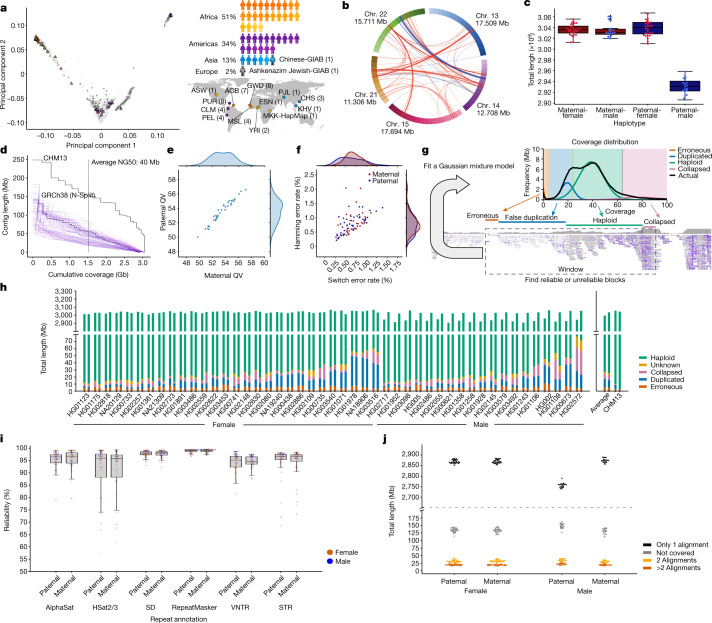
Here the Human Pangenome Reference Consortium presents a first draft of the human pangenome reference. The pangenome contains 47 phased, diploid assemblies from a cohort of genetically diverse individuals. These assemblies cover more than 99% of the expected sequence in each genome and are more than 99% accurate at the structural and base pair levels.
Overview
CoChat Summary
TL;DR
The paper presents a first draft human pangenome reference built from 47 phased, diploid assemblies from genetically diverse individuals, plus graph-based representations and annotations. The draft pangenome improves downstream analyses versus GRCh38, including reducing small-variant discovery errors by 34% and increasing detected structural variants per haplotype by 104%.
Key findings
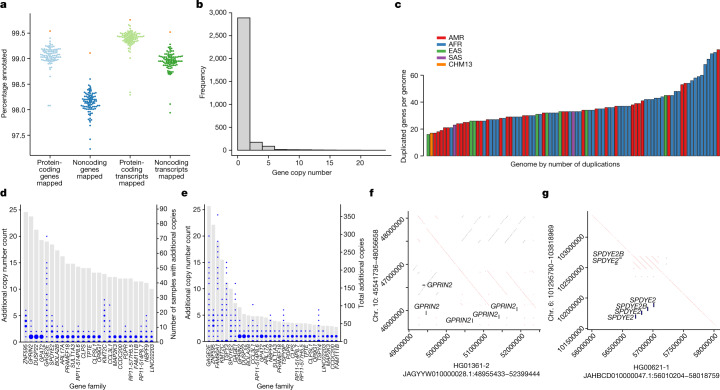
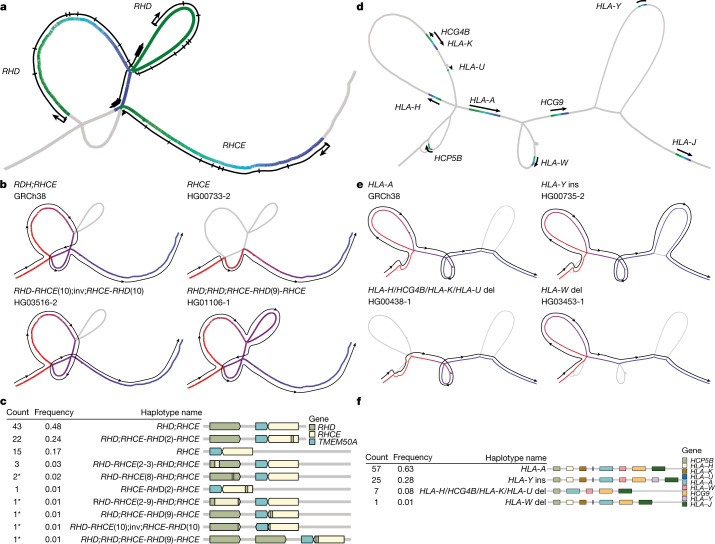
- The draft pangenome was built from 47 phased, diploid assemblies and adds 119 million base pairs of euchromatic polymorphic sequence plus 1,115 gene duplications relative to GRCh38; about 90 million of the added bases came from structural variation.
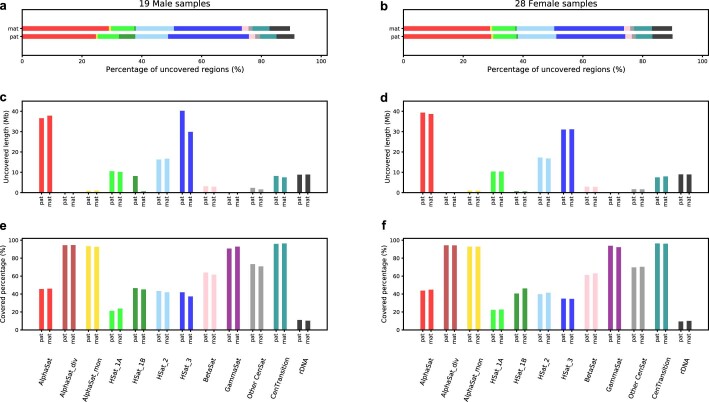
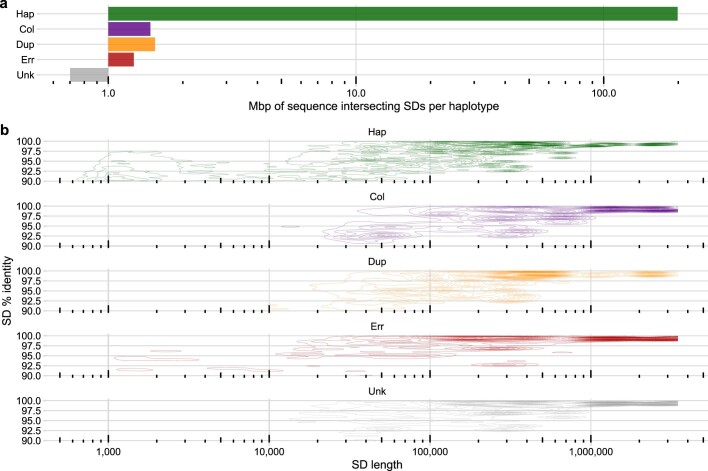
- Assemblies were reported as >99% complete and >99% accurate at structural and base-pair levels; the assembly reliability pipeline marked only 0.88% (26.4 Mb) of each assembly as unreliable.
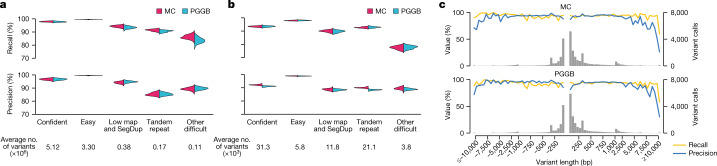
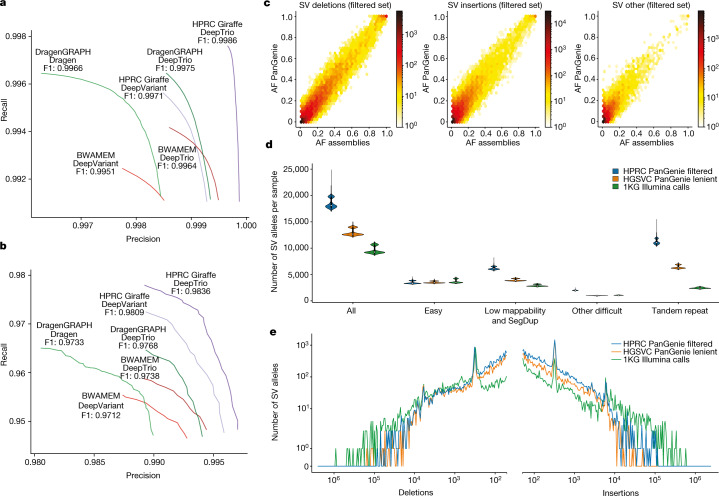
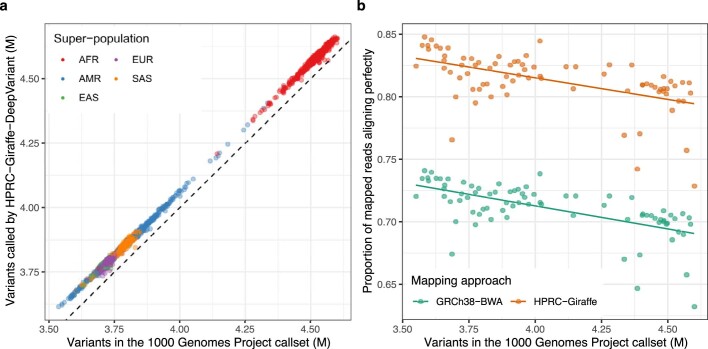
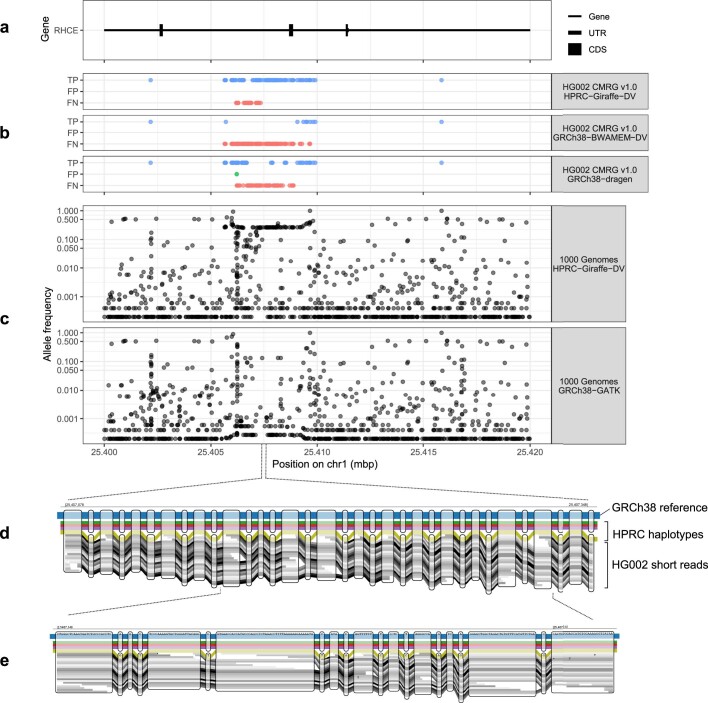
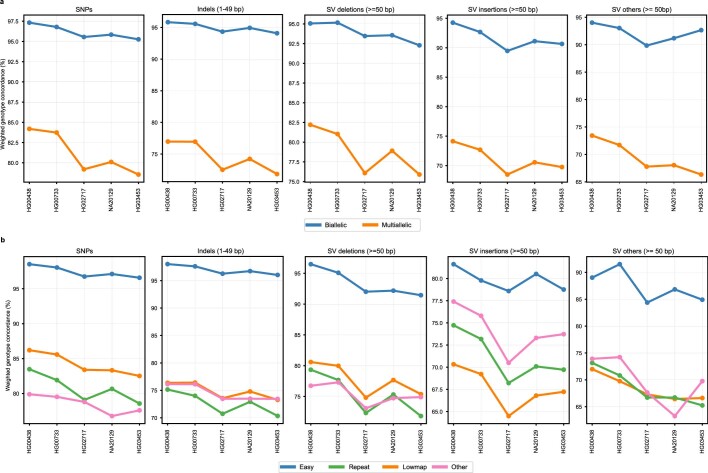
- In short-read analysis, the pangenome workflow reduced small-variant discovery errors by 34% and increased the number of structural variants detected per haplotype by 104% compared with GRCh38-based workflows.
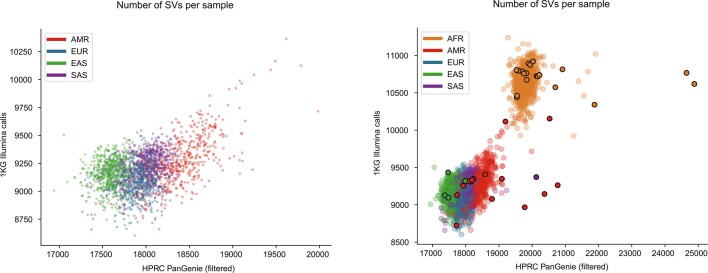
- For 1KG short-read genotyping, the pangenome-based call set gave on average 64,000 more small variants per sample than the 1KG catalogue; for SV genotyping it produced 18,483 SVs per sample versus 9,596 in the short-read 1KG call set.
Methods
- The study assembled 47 fully phased diploid genomes from globally diverse individuals, using PacBio HiFi, Oxford Nanopore, Hi-C, Bionano, and parental Illumina data; assemblies were phased with Trio-Hifiasm and manually/automatically curated.
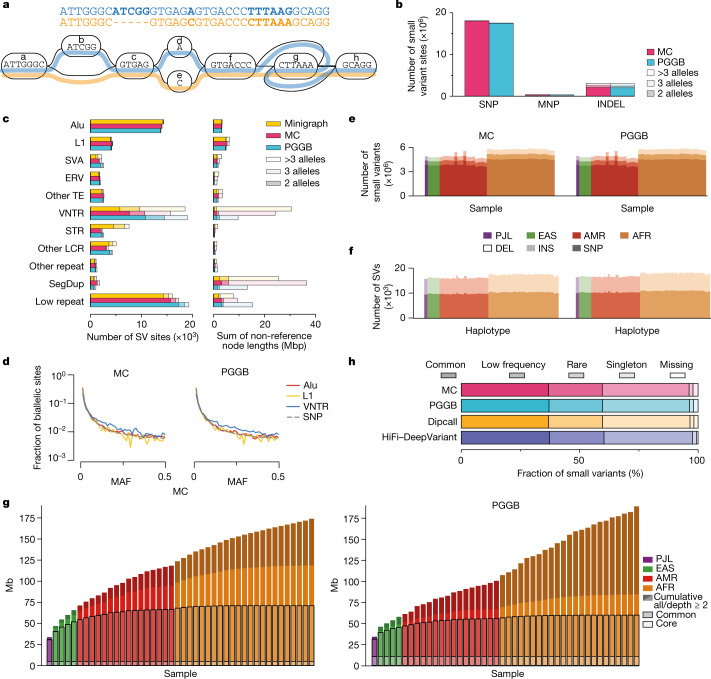
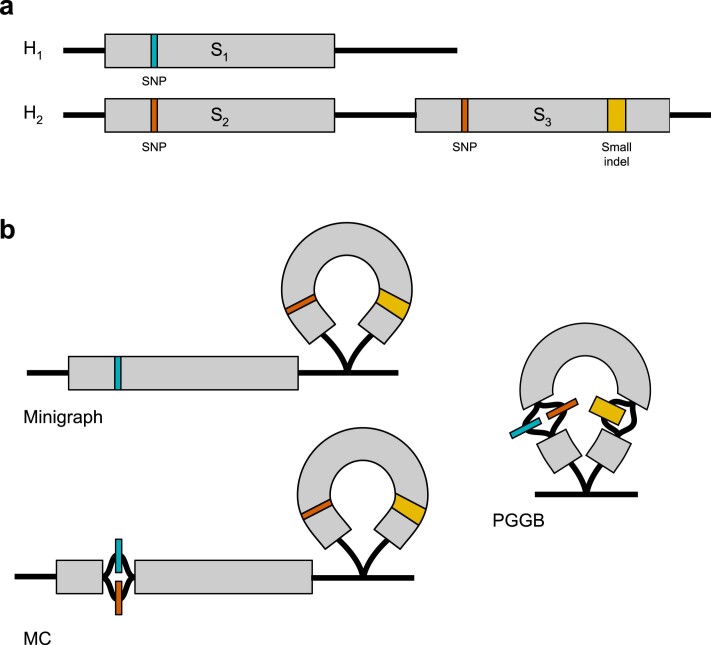
- The authors constructed pangenomes with three graph approaches: Minigraph, Minigraph-Cactus (MC), and PGGB, then evaluated variant representation, graph support, and downstream utility.
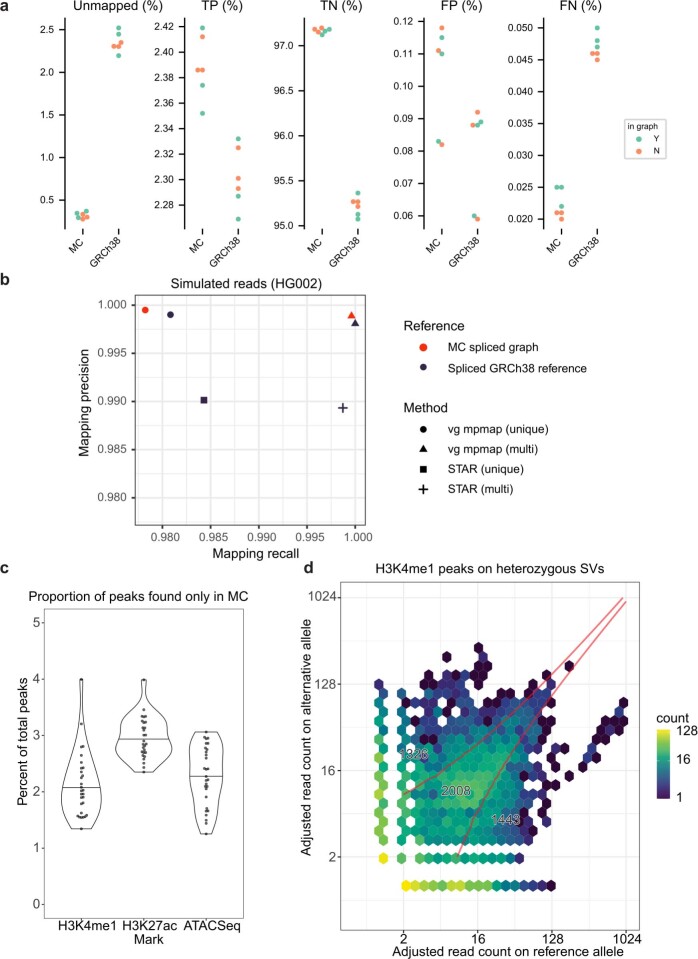
- They benchmarked pangenome-based analyses against GRCh38-based workflows using GIAB, 1KG short reads, and assembly-based comparisons for small variants, SVs, gene annotations, RNA-seq, ChIP-seq/ATAC-seq, VNTRs, and population analyses.
Limitations
- The paper states the cohort is relatively small and that the assembly reliability analysis found roughly an order of magnitude more erroneously assembled sequences in the HPRC assemblies than in T2T-CHM13.
- It explicitly notes remaining issues in highly repetitive regions and complex loci, where variant calling performance was lower and further work is needed; this is a stated limitation.
- The text also makes evident that some analyses are constrained by reference gaps, alignment ambiguity, and incomplete benchmarking truth sets; this is the paper’s implication, stated in the discussion around repetitive regions and underestimation of errors.
Model-written summary. Check it against the paper before relying on it.
Integrity signals
Registry
Cites
Statistics
Figures
Verification
Claims the paper makes
38 Valid · 5 Not valid · 2 Not checked · 206 Own results and interpretations
At least one cited source doesn’t support this claim or points to a different paper, and none confirmed it — see the verdicts below.
In the paper
“The pangenome contains 47 phased, diploid assemblies from a cohort of genetically diverse individuals1.”
§ A draft human pangenome reference > Abstract
What the sources say
- Disputedcites [1] 1000 Genomes Project Consortium. A global reference for human genetic variation Nature 2015 526 68 74 10.1038/nature15393 26432245 PMC4750478 sourceExperimental — accuracy not yet measured
The Abstract (page unavailable) describes a 1000 Genomes resource based on 2,504 individuals from 26 populations, with variants phased onto haplotypes. The Data set overview describes phasing variant sites, not a pangenome containing 47 phased, diploid assemblies. (LLM, conf=0.86)
Checked by a reasoning model — may be wrong.
plain- Asserted: passes — The authors put it forward as true.
- Checkable: passes — It can be checked against evidence.
- Load-bearing: passes — The paper’s conclusions depend on it.
- Based: passes — The paper gives a reason why it holds.
- Rests on an assumption not shown here.
- Disputed
The cited sources support only part of this claim — read each source’s verdict below.
In the paper
“Previous studies have identified tens of megabases of sequence contained within structural variants (SVs) that are polymorphic within the population5.”
§ A draft human pangenome reference > Main
What the sources say
- Partly supportedcites [5] Ebert P Haplotype-resolved diverse human genomes and integrated analysis of structural variation Science 2021 372 eabf7117 10.1126/science.abf7117 33632895 PMC8026704 sourceExperimental — accuracy not yet measured
The Results sections on structural variant distribution and complex structural variation document SVs and distinct structural haplotypes in human populations. But the reported ~279 Mbp is the genomic span of SV hotspots, not the amount of sequence contained within polymorphic SVs; the passages do not establish the claimed tens-of-megabases total. (LLM, conf=0.82)
plain- Asserted: passes — The authors put it forward as true.
- Checkable: passes — It can be checked against evidence.
- Load-bearing: passes — The paper’s conclusions depend on it.
- Based: passes — The paper gives a reason why it holds.
- Partly supported
Every source the paper cites for this claim was checked and supports it.
In the paper
“Recently, the Telomere-to-Telomere (T2T) consortium finished the first complete sequence of a haploid human genome, T2T-CHM13, which provides a contiguous representation of each autosome and of chromosome X, with the exception of some ribosomal DNA arrays that remain to be fully resolved3.”
§ A draft human pangenome reference > Main
What the sources say
- Supportedcites [3] Nurk S The complete sequence of a human genome Science 2022 376 44 53 10.1126/science.abj6987 35357919 PMC9186530 source
“A truly complete genome” states that T2T-CHM13 has gapless telomere-to-telomere assemblies for all 22 autosomes and chromosome X. “rDNA assembly” explains that the ordering of repeats in three rDNA arrays could not be fully resolved, so those arrays are represented by model sequences. (LLM, conf=0.93)
plainSingle case- Asserted: passes — The authors put it forward as true.
- Checkable: passes — It can be checked against evidence.
- Load-bearing: passes — The paper’s conclusions depend on it.
- Based: passes — The paper gives a reason why it holds.
- Supported
The cited sources support only part of this claim — read each source’s verdict below.
In the paper
“despite individual SVs being more likely to affect gene function than either individual SNPs or short insertions and deletions (indels)9,10.”
§ A draft human pangenome reference > Main
What the sources say
- Partly supportedcites [9] Chiang C The impact of structural variation on human gene expression Nat. Genet. 2017 49 692 699 10.1038/ng.3834 28369037 PMC5406250 sourceExperimental — accuracy not yet measured
The Results (Fine-mapping causal variants) state that, per variant, an SV is 28–54 times more likely to modulate gene expression than an SNV or indel. That supports the comparison for gene expression, but the cited analysis does not establish the broader claim about gene function generally. (LLM, conf=0.86)
- Partly supportedcites [10] Sudmant PH An integrated map of structural variation in 2,504 human genomes Nature 2015 526 75 81 10.1038/nature15394 26432246 PMC4617611 sourceExperimental — accuracy not yet measured
The Functional impact of SVs section reports that SV classes were enriched for expression-associated variants relative to the number tested, supporting a greater per-variant effect on gene expression. It uses eQTL associations as a surrogate for functional impact and groups SNPs with indels in the comparison; it does not establish the broader claim about gene function separately against each variant type. (LLM, conf=0.82)
hedgedstates an association- Asserted: passes — The authors put it forward as true.
- Checkable: passes — It can be checked against evidence.
- Load-bearing: passes — The paper’s conclusions depend on it.
- Based: passes — The paper gives a reason why it holds.
- Partly supported
Every source the paper cites for this claim was checked and supports it.
In the paper
“For the core assembler, we chose Trio-Hifiasm20 after detailed benchmarking of several alternatives21.”
§ A draft human pangenome reference > Assembling 47 diverse human genomes
What the sources say
- Supportedcites [20] Cheng H Concepcion GT Feng X Zhang H Li H Haplotype-resolved de novo assembly using phased assembly graphs with hifiasm Nat. Methods 2021 18 170 175 10.1038/s41592-020-01056-5 33526886 PMC7961889 source
Citation 20 identifies Trio-Hifiasm as the assembler the citing authors chose. The Results section (‘Overview of the hifiasm algorithm’) describes hifiasm’s graph-based trio binning, supporting that identification. The separate benchmarking claim is attached to citation 21, not this source. (LLM, conf=0.93)
- Supportedcites [21] Jarvis, E. D. et al. Semi-automated assembly of high-quality diploid human reference genomes. Nature611, 519–531 (2022). PMC9668749 36261518 source
The cited paper’s ‘Trios and higher phasing accuracy’ section compares several assembly algorithms and data types. Its ‘Graph phasing is more complete and accurate’ section reports that Trio hifiasm had the strongest combination of quality metrics among the diploid assemblies. The citing authors’ choice of core assembler is their own decision; this source supports the benchmarking offered as its rationale. Page numbers were not available in our copy. (LLM, conf=0.91)
plain- Asserted: passes — The authors put it forward as true.
- Checkable: passes — It can be checked against evidence.
- Load-bearing: unclear — It is unclear whether the paper’s conclusions depend on it.
- Based: passes — The paper gives a reason why it holds.
- Supported
135 more claims · 15 with their cited sources checked
Create a free account to see all 251 claims and to verify the 1 reference still open.
- It may state two separate claims as one. 80
- Probably not a substantial claim. 40
- The quote only partly states this claim. 1
Claims other papers make about this one
Each is checked against this paper’s own text: does it say what the citing paper says it does?
The cited source doesn’t support the claim as written.
In the citing paper
“In addition, the DRAGEN multigenome mapper is already incorporated for SV and CNV calling, something that is not currently possible with any other graph genome implementations because they focus primarily on genotyping variants14,73.”
From Comprehensive genome analysis and variant detection at scale using DRAGEN (2025) · cites this paper as [73]
Checked by a reasoning model — may be wrong.
Experimental — accuracy not yet measuredThe source backs part of the claim, not all of it — or backs it for a different population, condition or comparison.
In the citing paper
“Other biases, for example, in terms of sex, specific diseases, or human ancestral populations could also reduce the impact of AIVC models.115”
From How to build the virtual cell with artificial intelligence: Priorities and opportunities (2024) · cites this paper as [115]
Experimental — accuracy not yet measuredThe source backs part of the claim, not all of it — or backs it for a different population, condition or comparison.
In the citing paper
“For example, population-specific genes may provide insights into local adaptation, while structural variants may contribute to disease susceptibility or resistance in ways that were previously invisible to reference-based analyses [112,113].”
From Origin and Evolution of Genes in Eukaryotes: Mechanisms, Dynamics, and Functional Implications (2025) · cites this paper as [113]
Experimental — accuracy not yet measuredThe source backs part of the claim, not all of it — or backs it for a different population, condition or comparison.
In the citing paper
“These values were chosen after empirical experimentation specifically to filter out spurious mappings as determined by VCF-based comparison with Hi-Fi-based DeepVariant calls 25 .”
From Pangenome graph construction from genome alignments with Minigraph-Cactus (2024) · cites this paper as [25]
Experimental — accuracy not yet measuredThe cited source says what the claim attributes to it.
In the citing paper
“Notably, the first draft of a human pangenome reference has been released by the Human Pangenome Reference Consortium just last year as of the time of writing [19].”
From <tt>SAFARI</tt> : pangenome alignment of ancient DNA using purine/pyrimidine encodings (2025) · cites this paper as [19]
2 more claims about this paper
Create a free account to see every claim other papers make about this one.
Citations
Cites
The Sequence Alignment/Map format and SAMtools
Li, H., Handsaker, B., Wysoker, A., Fennell, T., Ruan, J., Homer, N., Marth, G., Abecasis, G., Durbin, R., & 1000 Genome Project Data Processing Subgroup (2009) · Bioinformatics · doi:10.1093/bioinformatics/btp352 · Cited by 62,041 · cited 1×
“3.1), (Li et al., 2009).”
InfluentialFast gapped-read alignment with Bowtie 2
Langmead, B., & Salzberg, S. L. (2012) · Nature Methods · doi:10.1038/nmeth.1923 · Cited by 56,400
STAR: ultrafast universal RNA-seq aligner
Dobin, A., Davis, C. A., Schlesinger, F., Drenkow, J., Zaleski, C., Jha, S., Batut, P., Chaisson, M., & Gingeras, T. R. (2013) · Bioinformatics · doi:10.1093/bioinformatics/bts635 · Cited by 51,709
BEDTools: a flexible suite of utilities for comparing genomic features
Quinlan, A. R., & Hall, I. M. (2010) · Bioinformatics · doi:10.1093/bioinformatics/btq033 · Cited by 27,437
Initial sequencing and analysis of the human genome
International Human Genome Sequencing Consortium, Whitehead Institute for Biomedical Research, C. F. G. R., Lander, E. S., Linton, L. M., Birren, B., Nusbaum, C., Zody, M. C., Baldwin, J., Devon, K., Dewar, K., et al. (2001) · Nature · doi:10.1038/35057062 · Cited by 24,216
Self-citationRSEM: accurate transcript quantification from RNA-Seq data with or without a reference genome
Li, B., & Dewey, C. N. (2011) · BMC Bioinformatics · doi:10.1186/1471-2105-12-323 · Cited by 22,179
A global reference for human genetic variation
The 1000 Genomes Project Consortium, authors, C., Auton, A., Abecasis, G. R., Steering committee, Altshuler, D. M., Durbin, R. M., Abecasis, G. R., Bentley, D. R., Chakravarti, A., et al. (2015) · Nature · doi:10.1038/nature15393 · Cited by 18,247
Self-citationAn integrated encyclopedia of DNA elements in the human genome
The ENCODE Project Consortium (2012) · Nature · doi:10.1038/nature11247 · Cited by 18,072
Twelve years of SAMtools and BCFtools
Danecek, P., Bonfield, J. K., Liddle, J., Marshall, J., Ohan, V., Pollard, M. O., Whitwham, A., Keane, T., McCarthy, S. A., Davies, R. M., et al. (2021) · GigaScience · doi:10.1093/gigascience/giab008 · Cited by 15,343 · cited 2×
“9 was used for filtering the variant sets (Danecek et al., 2021).”
MethodSelf-citationMinimap2: Pairwise alignment for nucleotide sequences
Li, H. (2018) · Bioinformatics · doi:10.1093/bioinformatics/bty191 · Cited by 14,807 · cited 8×
“The sequences of these anchors were them mapped against the target genome with minimap2 (Li, 2018b) using the following command:”
MethodInfluential
Cited by
Items 201–300 of 1,147
A Hitchhiker's Guide to long-read genomic analysis
Mahmoud, M., Agustinho, D. P., & Sedlazeck, F. J. (2025) · Genome Research · doi:10.1101/gr.279975.124 · Cited by 27
“It often overlooks structural variations and polymorphisms in complex regions such as the human leukocyte antigen (Lai et al. 2024; Zhou et al. 2024), LPA (Behera et al. 2024a), and major histocompatibility complex (Liao et al. 2023) in the human genome.”
Chia, M., Ng, A. H. Q., Ravikrishnan, A., Mohamed Naim, A. N., Wearne, S., Common, J., & Nagarajan, N. (2026) · Nature Biotechnology · doi:10.1038/s41587-025-02797-4 · Cited by 18
Origin and Evolution of Genes in Eukaryotes: Mechanisms, Dynamics, and Functional Implications
Saccone, S., Brancato, D., Bruno, F., Coniglio, E., Sturiale, V., & Federico, C. (2025) · Genes · doi:10.3390/genes16060702 · Cited by 17
Planning and Analyzing a Low-Biomass Microbiome Study: A Data Analysis Perspective
Austin, G. I., & Korem, T. (2024) · The Journal of Infectious Diseases · doi:10.1093/infdis/jiae378 · Cited by 30
Flórez-Vargas, O., Ho, M., Hogshead, M. H., Papenberg, B. W., Lee, C., Forsythe, K., Jones, K. M., Luo, W., Teshome, K., Blauwendraat, C., et al. (2025) · Nature Communications · doi:10.1038/s41467-025-56947-y · Cited by 22
“The controls included 1000 G DNA samples purchased from the Coriell Institute for Medical Research and selected to represent various repeat lengths determined based on HPRC assemblies (HG00741, HG01358, HG01891, HG02080, HG02622, HG02717, HG02723, HG03453, HG03492, and NA18906, Supplementary Data 2).”
InfluentialSelf-citationGenome-wide profiling of highly similar paralogous genes using HiFi sequencing
Chen, X., Baker, D., Dolzhenko, E., Devaney, J. M., Noya, J., Berlyoung, A. S., Brandon, R. C., Hruska, K. S., Lochovsky, L., Kruszka, P. S., et al. (2025) · Nature Communications · doi:10.1038/s41467-025-57505-2 · Cited by 27
“We compared Paraphase variant calls against high-quality diploid assemblies in 47 HPRC samples 23 .”
Plant graph-based pangenomics: techniques, applications, and challenges
Du, Z., He, J.-B., & Jiao, W. (2025) · aBIOTECH · doi:10.1007/s42994-025-00206-7 · Cited by 31
“Notably, PGGB, Minigraph, and Minigraph-Cactus have all been tested during building of a draft human pangenome graph by the Human Pangenome Reference Consortium (HPRC) that is based on 47 phased and diploid assemblies (Liao et al. 2023).”
Ribosome Biogenesis and Function in Cancer: From Mechanisms to Therapy
Gitareja, K., Chelliah, S. S., Sanij, E., Sandhu, S. K., Kang, J., & Khot, A. S. (2025) · Cancers · doi:10.3390/cancers17152534 · Cited by 21
“The rRNA gene repeats exhibit chromosome-specific patterns, differing systematically across chromosomes, and to a lesser extent, they include variability between repeats within each array [20,21].”
Minich, J. J., Allsing, N. A., Din, M. O., Tisza, M. J., Maleta, K. M., McDonald, D., Hartwick, N. T., Mamerto, A., Brennan, C., Hansen, L., et al. (2025) · Cell · doi:10.1016/j.cell.2025.08.020 · Cited by 28
Pliatsika, V., Cherlin, T., Loher, P., Vlantis, P., Nagarkar, P., Nersisyan, S. A., & Rigoutsos, I. (2023) · Nucleic Acids Research · doi:10.1093/nar/gkad833 · Cited by 18
Epigenetic variation in light of population genetic practice
Mueller, S. A., Meröndun, J., Lečić, S., & Wolf, J. B. W. (2025) · Nature Communications · doi:10.1038/s41467-025-55989-6 · Cited by 27
An evolving understanding of multiple causal variants underlying genetic association signals
Long, E., Williams, J., Zhang, H., & Choi, J. (2025) · The American Journal of Human Genetics · doi:10.1016/j.ajhg.2025.01.018 · Cited by 23
A rapid, accurate approach to inferring pedigrees in endogamous populationsPreprint
Williams, C. M., Scelza, B. A., Slack, S. D., et al. (2020) · bioRxiv (Cold Spring Harbor Laboratory) · doi:10.1101/2020.02.25.965376 · Cited by 17
The complete diploid reference genome of RPE-1 identifies human phased epigenetic landscapesPreprint
Volpe, E., Corda, L., Tommaso, E. D., Pelliccia, F., Ottalevi, R., Licastro, D., Guarracino, A., Capulli, M., Formenti, G., Tassone, E., et al. (2023) · bioRxiv (Cold Spring Harbor Laboratory) · doi:10.1101/2023.11.01.565049 · Cited by 21
Self-citationQuah, F. X., Almeida, M. V., Blumer, M., Yuan, C. U., Fischer, B., See, K., Jackson, B., Zatha, R., Rusuwa, B., Turner, G. F., et al. (2025) · Genome Research · doi:10.1101/gr.279674.124 · Cited by 26
Genomics of rare diseases in the Greater Middle East
Chekroun, I., Shenbagam, S., Almarri, M. A., Mokrab, Y., Uddin, M. J., Alkhnbashi, O. S., Zaki, M. S., Najmabadi, H., Kahrizi, K., Fakhro, K. A., et al. (2025) · Nature Genetics · doi:10.1038/s41588-025-02075-8 · Cited by 20
“Less than 1% of genomic data come from this region, highlighting the profound gap and missed opportunities for discovery and treatment as outlined above 34,107,108 .”
Benchmarking of small and large variants across tandem repeatsPreprint
English, A. C., Dolzhenko, E., Jam, H. Z., McKenzie, S. K., Olson, N. D., Coster, W. D., Park, J., Gu, B., Wagner, J., Eberle, M. A., et al. (2023) · bioRxiv (Cold Spring Harbor Laboratory) · doi:10.1101/2023.10.29.564632 · Cited by 16
Self-citationScience and Society: Pathways to Equitable Access and Delivery of Genomics Medicine in Africa
Munung, N. S. (2025) · Current Genetic Medicine Reports · doi:10.1007/s40142-024-00211-0 · Cited by 21
How repeats rearrange chromosomes: The molecular basis of chromosomal inversions in deer mice
Gozashti, L., Harringmeyer, O. S., & Hoekstra, H. E. (2025) · Cell Reports · doi:10.1016/j.celrep.2025.115644 · Cited by 29
Structural Variants: Mechanisms, Mapping, and Interpretation in Human Genetics
Pande, S., Dawood, M., & Grochowski, C. M. (2025) · Genes · doi:10.3390/genes16080905 · Cited by 27
“Moreover, the use of a pangenome reference [151] is intended to enhance downstream analysis by minimizing the mapping biases that arise from relying on a single linear reference genome, such as GRCh38 or CHM13.”
De novo annotation reveals transcriptomic complexity across the hexaploid wheat pan-genome
White, B., Lux, T. M., Rusholme‐Pilcher, R., Juhász, A., Kaithakottil, G., Duncan, S. H., Simmonds, J., Rees, H., Wright, J., Colmer, J., et al. (2025) · Nature Communications · doi:10.1038/s41467-025-64046-1 · Cited by 40
“…of pan-genome graphs remains a daunting task for complex genomes such as wheat, we found localised subgraphs, augmented by our de novo annotations, particularly helpful in resolving complex loci and uncovering structural variation, as also demonstrated in the current draft human pan-genome 41 .”
Reliable detection of Host-Microbe Signatures in cancer using PRISM
Ghaddar, B., Blaser, M. J., & De, S. (2026) · Cancer Cell · doi:10.1016/j.ccell.2026.01.007 · Cited by 20
Pig pangenome graph reveals functional features of non-reference sequences
Miao, J., Wei, X., Cao, C., Sun, J., Xu, Y., Zhang, Z., Wang, Q., Pan, Y., & Wang, Z. (2024) · Journal of Animal Science and Biotechnology/Journal of animal science and biotechnology · doi:10.1186/s40104-023-00984-4 · Cited by 20
Lessons and pitfalls of whole genome sequencing
Record, C. J., & Reilly, M. M. (2024) · Practical Neurology · doi:10.1136/pn-2023-004083 · Cited by 23
Howell, K. B., White, S. M., McTague, A., D’Gama, A. M., Costain, G., Poduri, A., Scheffer, I. E., Chau, V., Smith, L., Stephenson, S. E. M., et al. (2025) · npj Genomic Medicine · doi:10.1038/s41525-025-00474-8 · Cited by 18
The Length of Haplotype Blocks and Signals of Structural Variation in Reconstructed Genealogies
Ignatieva, A., Favero, M., Koskela, J., Sant, J., & Myers, S. (2025) · Molecular Biology and Evolution · doi:10.1093/molbev/msaf190 · Cited by 18
How structural variants shape avian phenotypes: Lessons from model systems
Recuerda, M., & Campagna, L. (2024) · Molecular Ecology · doi:10.1111/mec.17364 · Cited by 17
Zwartkruis, M. M., Elferink, M., Gommers, D., Signoria, I., Blasco-Pérez, L., Costa‐Roger, M., van der Sel, J., Renkens, I., Green, J. W., Kortooms, J. V., et al. (2025) · Genome Medicine · doi:10.1186/s13073-025-01448-2 · Cited by 19
“After long-read sequencing, 66% of SMN alleles remained unresolved and the composition of resolved alleles varied extensively in gene copy number and orientation [17, 19].”
InfluentialMulti-dimensional metagenomics
Peng, H., Ruiz-Moreno, A. J., & Fu, J. (2025) · Nature Reviews Bioengineering · doi:10.1038/s44222-025-00346-x · Cited by 21
“For the human genome, there is only one reference sequence, officially first completed in 2003 but continuously updated over the past 20 years 8 .”
Hodonsky, C. J., Turner, A. W., Khan, M. D., Barrientos, N. B., Methorst, R., Ma, L., Lopez, N. G., Mosquera, J. V., Auguste, G. E., Farber, E., et al. (2023) · Cell Genomics · doi:10.1016/j.xgen.2023.100465 · Cited by 27
Nucleolar organization and ribosomal DNA stability in response to DNA damage
Boukoura, S., & Larsen, D. H. (2024) · Current Opinion in Cell Biology · doi:10.1016/j.ceb.2024.102380 · Cited by 14
Unraveling the genomic diversity and virulence of human fungal pathogens through pangenomics
Perrier, M., & Barber, A. E. (2024) · PLoS Pathogens · doi:10.1371/journal.ppat.1012313 · Cited by 15
Deciphering the role of structural variation in human evolution: a functional perspective
Karageorgiou, C., Gökçümen, Ö., & Dennis, M. Y. (2024) · Current Opinion in Genetics & Development · doi:10.1016/j.gde.2024.102240 · Cited by 16
Gaczorek, T. S., Dudek, K., Fritz, U., Bahri‐Sfar, L., Baird, S. J. E., Bonhomme, F., Dufresnes, C., Gvoždík, V., Irwin, D. E., Kotlík, P., et al. (2024) · Molecular Biology and Evolution · doi:10.1093/molbev/msae201 · Cited by 22
Kim, J., Park, J., Yang, J. O., Kim, S., Joe, S., Park, G., Hwang, T., Cho, M.-J., Lee, S. J., Lee, J.-E., et al. (2025) · Nucleic Acids Research · doi:10.1093/nar/gkae1294 · Cited by 17
Inferring inter-chromosomal rearrangements and ancestral linkage groups from syntenyPreprint
Mackintosh, A., la Rosa, P. M. G. D., Martin, S. H., Lohse, K., & Laetsch, D. R. (2023) · bioRxiv (Cold Spring Harbor Laboratory) · doi:10.1101/2023.09.17.558111 · Cited by 16
“Given that multiple chromosome-level assemblies are now being routinely generated for single species or genera (Kim et al. 2022; Liao et al. 2023; Shi et al. 2023), it is worth considering how gene tree discordance might affect our ability to accurately infer rearrangement histories.”
Independent expansion, selection, and hypervariability of the TBC1D3 gene family in humans
Guitart, X., Porubsky, D., Yoo, D., Dougherty, M. L., Dishuck, P. C., Munson, K. M., Lewis, A. P., Hoekzema, K., Knuth, J., Chang, S., et al. (2024) · Genome Research · doi:10.1101/gr.279299.124 · Cited by 14
“To better understand the evolution of the clusters, we investigated the organization of TBC1D3 in 10 different NHP lineages (Supplemental Table S4).”
InfluentialSelf-citationLeveraging the T2T assembly to resolve rare and pathogenic inversions in reference genome gaps
Sæther, K. B., Eisfeldt, J., Bengtsson, J. D., Lun, M. Y., Grochowski, C. M., Mahmoud, M., Chao, H., Rosenfeld, J. A., Liu, P., Ek, M., et al. (2024) · Genome Research · doi:10.1101/gr.279346.124 · Cited by 21
The rate and spectrum of new mutations in mice inferred by long-read sequencing
López‐Cortegano, E., Chebib, J., Jonas, A., Vock, A., Künzel, S., Keightley, P. D., & Tautz, D. (2024) · Genome Research · doi:10.1101/gr.279982.124 · Cited by 14
Unraveling the hidden complexity of cancer through long-read sequencing
Li, Q., Keşküş, A. G., Wagner, J., Izydorczyk, M., Timp, W., Sedlazeck, F. J., Klein, A. P., Zook, J. M., Kolmogorov, M., & Schatz, M. C. (2025) · Genome Research · doi:10.1101/gr.280041.124 · Cited by 20
Self-citationIndependent expansion, selection and hypervariability of the TBC1D3 gene family in humans
Guitart, X., Porubsky, D., Yoo, D., Dougherty, M. L., Dishuck, P. C., Munson, K. M., Lewis, A. P., Hoekzema, K., Knuth, J., Chang, S., et al. (2024) · doi:10.1101/2024.03.12.584650 · Cited by 14
Self-citationThe 1% gift to humanity: The Human Genome Project II
Liu, W., Li, Y., Patrinos, G. P., Xu, S., Thong, M., Chen, Z., Crawley, F. P., Li, L., Ekmekçi, P. E., Drmanac, R., et al. (2024) · Cell Research · doi:10.1038/s41422-024-01026-y · Cited by 15
The MUC19 gene: An evolutionary history of recurrent introgression and natural selection
Villanea, F. A., Peede, D., Kaufman, E. J., Añorve-Garibay, V., Chevy, E. T., Villa-Islas, V., Witt, K. E., Zeloni, R., Marnetto, D., Moorjani, P., et al. (2025) · Science · doi:10.1126/science.adl0882 · Cited by 37
Genos: a human-centric genomic foundation model
Lin, A., Xie, B., Cheng, Y., Wang, C., Chen, D., Wang, E., Lü, F., Xue, G.-R., Zhang, H., Zhan, J., et al. (2025) · GigaScience · doi:10.1093/gigascience/giaf132 · Cited by 25
Self-citationKopalli, V., Arslan, K., Morales-Díaz, N., Zanini, S. F., & Golicz, A. A. (2025) · GigaScience · doi:10.1093/gigascience/giaf121 · Cited by 20
“Previous benchmarking efforts focused mainly on animal genomes [ 42 , 51 , 57 ], which, compared to plants, can have very different properties, including much higher levels of intra-and interspecies collinearity [ 58 ].”
InfluentialPangenomes: new tools for ecological and evolutionary genomics
Fang, B., & Edwards, S. V. (2025) · Trends in Ecology & Evolution · doi:10.1016/j.tree.2025.11.010 · Cited by 17
Human Pangenomics: Promises and Challenges of a Distributed Genomic Reference
Abondio, P., Cilli, E., & Luiselli, D. (2023) · Life · doi:10.3390/life13061360 · Cited by 19
Innovative computational tools provide new insights into the polyploid wheat genome
Chen, Y., Wang, W., Yang, Z., et al. (2024) · aBIOTECH · doi:10.1007/s42994-023-00131-7 · Cited by 13
“To achieve such a goal, the assembly accuracy in complex genome regions with numerous mutations and duplications still needs improvement (Liao et al. 2023).”
BackgroundWu, Z., Li, T., Jiang, Z., Zheng, J., Gu, Y., Liu, Y., Liu, Y., & Xie, Z. (2024) · Nucleic Acids Research · doi:10.1093/nar/gkae086 · Cited by 18
Misek, S. A., Fultineer, A., Kalfon, J., Noorbakhsh, J., Boyle, I., Roy, P., Dempster, J. M., Petronio, L., Huang, K. H., Saadat, A., et al. (2024) · Nature Communications · doi:10.1038/s41467-024-48957-z · Cited by 13
“The degree to which the consensus reference genome used for guide design fully captures human germline and ancestral diversity is improving 4 .”
Impact and characterization of serial structural variations across humans and great apes
Höps, W., Rausch, T., Jendrusch, M., Ashraf, H., Audano, P. A., Austine, O., Basile, A. O., Beck, C. R., Bonder, M. J., Byrska-Bishop, M., et al. (2024) · Nature Communications · doi:10.1038/s41467-024-52027-9 · Cited by 15
“Recently, the fi rst pangenome-graph reference released by the Human Pangenome Reference Consortium (HPRC) provided new insights into highly variable complex regions, such as the RHD , HLA-A , C4 , CYP2D6 and LPA -containing loci, many of which harbor interspersed SDs and are thus likely candidates for sSV activity 23 .”
Self-citationTransposable elements as genome regulators in normal and malignant haematopoiesis
Prokopov, D., Tunbak, H., Leddy, E., Drylie, B., Camera, F., & Deniz, Ö. (2025) · Blood Cancer Journal · doi:10.1038/s41408-025-01295-9 · Cited by 19
“Additionally, the development of pangenome references has captured diverse structural variants and complex loci, enabling more accurate TE mapping and analysis across various populations [108, 149].”
New insights of potential biomarkers in diabetic retinopathy: integrated multi-omic analyses
Wang, X., Liu, W., Zheng, X., & Yang, M. (2025) · Frontiers in Endocrinology · doi:10.3389/fendo.2025.1595207 · Cited by 17
Why do some Children Get Sick with Recurrent Respiratory Infections?
Cardinale, F., Torre, F. L., Tricarico, L. G., Verriello, G., & Mastrorilli, C. (2023) · Current Pediatric Reviews · doi:10.2174/1573396320666230912103056 · Cited by 25
The human genome as the common heritage of humanity
Kabata, F., & Thaldar, D. W. (2023) · Frontiers in Genetics · doi:10.3389/fgene.2023.1282515 · Cited by 13
“The fi rst draft of the human pangenome reference sequence was released in May 2023 and consists of 47 sequenced and assembled diverse individual human genomes which feature the diversity within the human species (Liao, 2023).”
BackgroundMethodInfluentialA deep population reference panel of tandem repeat variationPreprint
Jam, H. Z., Li, Y., DeVito, R., et al. (2023) · bioRxiv (Cold Spring Harbor Laboratory) · doi:10.1101/2023.03.09.531600 · Cited by 13
Haplotype-aware sequence alignment to pangenome graphs
Chandra, G., Gibney, D., & Jain, C. (2024) · Genome Research · doi:10.1101/gr.279143.124 · Cited by 24
“Let C ( i , h ) denote the optimal score of a chain ending at pair ( i , h ), where i ∈ A single anchor is a valid chain of size one; therefore, we initialize We update C ( i , h ) to its optimal value using the following recursion:”
Endogamy and high prevalence of deleterious mutations in India: evidence from strong founder events
Machha, P., Gopalan, A., Elangovan, Y., Veeravalli, S. C. M., Sowpati, D. T., & Thangaraj, K. (2025) · Journal of genetics and genomics/Journal of Genetics and Genomics · doi:10.1016/j.jgg.2025.02.001 · Cited by 15
Tao, Y., He, C., Lin, D., Gu, Z., & Pu, W. (2023) · Genes · doi:10.3390/genes14112092 · Cited by 16
“We propose that this methodology can be applied to the increasingly established pan-genomes in recent years [36,37].”
MethodLai, S.-K., Luo, A. C., Chiu, I.-H., et al. (2024) · Computational and Structural Biotechnology Journal · doi:10.1016/j.csbj.2024.03.030 · Cited by 12
“These specimens were assembled using PacBio HiFi long-read technology, producing superior quality triophased personal assembly files that are accessible for reference [61].”
MethodReassessing human MHC-I genetic diversity in T cell studies
Slieker, R. C., Warmerdam, D. O., Vermeer, M. H., van Doorn, R., Heemskerk, M. H. M., & Scheeren, F. A. (2024) · Scientific Reports · doi:10.1038/s41598-024-58777-2 · Cited by 17
Impact of genome build on RNA-seq interpretation and diagnostics
Ungar, R. A., Goddard, P. C., Jensen, T. D., Degalez, F., Smith, K. S., Jin, C. A., Undiagnosed Diseases Network, Bonner, D. E., Bernstein, J. A., Wheeler, M. T., et al. (2024) · The American Journal of Human Genetics · doi:10.1016/j.ajhg.2024.05.005 · Cited by 19
Rocha, J. L., Lou, R. N., & Sudmant, P. H. (2024) · Current Opinion in Genetics & Development · doi:10.1016/j.gde.2024.102233 · Cited by 14
The promise and challenges of genomics‐informed periodontal disease diagnoses
Nibali, L., Divaris, K., & Lu, E. M. (2024) · Periodontology 2000 · doi:10.1111/prd.12587 · Cited by 18
The large-scale whole-genome sequencing era expedited medical discovery and clinical translation
Yang, Q., Duan, S., Huang, Y., Liu, C.-L., Wang, M., & He, G. (2025) · EngMedicine · doi:10.1016/j.engmed.2025.100055 · Cited by 13
Evolution, genetic diversity, and health
Palma-Martínez, M. J., Posadas‐García, Y. S., Shaukat, A., López-Ángeles, B. E., & Sohail, M. (2025) · Nature Medicine · doi:10.1038/s41591-025-03558-1 · Cited by 15
“This framework allows a more inclusive representation of human genetics because it incorporates data from 47 individuals from diverse regions of the world, with 51% of them hailing from Africa—which has substantial genetic diversity 23 .”
InfluentialThe plant proteome delivers from discovery to innovation
Geddes‐McAlister, J., & Uhrig, R. G. (2025) · Trends in Plant Science · doi:10.1016/j.tplants.2025.03.003 · Cited by 14
Ferrer, A., Stephens, Z. D., & Kocher, J. (2023) · Current Hematologic Malignancy Reports · doi:10.1007/s11899-023-00717-4 · Cited by 18
“…that this limitation may be mitigated over time, either by further increases in the length of the reads, or as additional high quality subtelomere assemblies from different populations become publicly available, like the T2T-YAO [55] and T2T-Han [56] assembly or the pangenome references [57].”
BackgroundHaplotype-resolved assemblies and variant benchmark of a Chinese Quartet
Jia, P., Dong, L., Yang, X., Wang, B., Bush, S. J., Wang, T., Lin, J., Wang, S., Zhao, X., Xu, T., et al. (2023) · Genome biology · doi:10.1186/s13059-023-03116-3 · Cited by 16
“1.3) showed that our phased genomes resolved 95.7% of the complete genes from the mammalia_odb10 library, which was higher than three previous Chinese assemblies [52–54] and comparable to the recent reports of HJ [50] and HPRC [36, 56] (Table 1 and Additional file 1: Table S7).”
ResultInfluentialSelf-citationWhite, B., Lux, T. M., Rusholme-Pilcher, R. L., et al. (2024) · bioRxiv (Cold Spring Harbor Laboratory) · doi:10.1101/2024.01.09.574802 · Cited by 12
Highly accurate assembly polishing with DeepPolisher
Mastoras, M., Asri, M., Brambrink, L., Hebbar, P., Kolesnikov, A., Cook, D. E., Nattestad, M., Lucas, J., Won, S. T., Chang, P.-C., et al. (2025) · Genome Research · doi:10.1101/gr.280149.124 · Cited by 23
Self-citationMango pangenome reveals dramatic impacts of reference bias on population genomic analyses
Ahmad, S. B., Su, Y., Hao, Y., Razzaq, T., Arshad, R., Zhang, Y., Zhang, Y., Wang, X., Huang, G., Su, X., et al. (2025) · Horticulture Research · doi:10.1093/hr/uhaf166 · Cited by 20
Locityper enables targeted genotyping of complex polymorphic genes
Prodanov, T., Plender, E. G., Seebohm, G., Meuth, S. G., Eichler, E. E., & Marschall, T. (2025) · Nature Genetics · doi:10.1038/s41588-025-02362-4 · Cited by 29
“Even though the reference panels were constructed based on 90 haplotypes from whole-genome-phased assemblies 8 , on average around 80 unique haplotypes were reconstructed per locus, as some haplotypes are not unique while others are only partially assembled (Supplementary Table 1).”
InfluentialSelf-citationAlexandrov, N. N., Wang, T., Blair, L. C., Nadon, B. D., & Sayer, D. C. (2023) · HLA · doi:10.1111/tan.15180 · Cited by 13
Self-citationCalling Structural Variants with Confidence from Short-Read Data in Wild Bird Populations
David, G., Bertolotti, A., Layer, R. M., Scofield, D. G., Hayward, A., Baril, T., Burnett, H. A., Gudmunds, E., Jensen, H., & Husby, A. (2024) · Genome Biology and Evolution · doi:10.1093/gbe/evae049 · Cited by 13
GWAS advancements to investigate disease associations and biological mechanisms
Omidiran, O., Patel, A., Usman, S., Mhatre, I., Abdelhalim, H., DeGroat, W., Narayanan, R., Singh, K., Mendhe, D., & Ahmed, Z. (2024) · Clinical and Translational Discovery · doi:10.1002/ctd2.296 · Cited by 20
Zhou, B., Arthur, J. G., Guo, H., Kim, T., Huang, Y., Pattni, R., Wang, T., Kundu, S., Luo, J. X. J., Lee, H., et al. (2024) · Cell · doi:10.1016/j.cell.2024.09.014 · Cited by 14
Self-citationStroke Genetics, Genomics, and Precision Medicine
Debette, S., & Paré, G. (2024) · Stroke · doi:10.1161/strokeaha.123.044212 · Cited by 14
Towards an unbiased characterization of genetic polymorphism: a comparison of 27 A. thaliana genomesPreprint
Igolkina, A. A., Vorbrugg, S., Rabanal, F. A., Liu, H., Ashkenazy, H., Kornienko, A. E., Fitz, J., Collenberg, M., Kubica, C., Morales, A. M., et al. (2024) · bioRxiv (Cold Spring Harbor Laboratory) · doi:10.1101/2024.05.30.596703 · Cited by 11
“Second, we created a pan-genome graph using PGGB, which was develop for human data 14,24 .”
BackgroundMethodA comprehensive tandem repeat catalog of the human genomePreprint
Chiu, R., Babu, I. S. R., Friedman, J. M., et al. (2024) · medRxiv · doi:10.1101/2024.06.19.24309173 · Cited by 11
The impact of long-read sequencing on human population-scale genomics
Rausch, T., Marschall, T., & Korbel, J. O. (2025) · Genome Research · doi:10.1101/gr.280120.124 · Cited by 16
“…(Nurk et al. 2022; Rautiainen et al. 2023; Cheng et al. 2024) to the construction of pangenomes with advanced computational methods, allowing to represent the genetic variation of numerous assembled human genomes in a compact and extendable graph (Liao et al. 2023; Hickey et al. 2024).”
Self-citationDynamics of genome evolution in the era of pangenome analysis
Loegler, V., Friedrich, A., & Schacherer, J. (2025) · Cell Genomics · doi:10.1016/j.xgen.2025.101067 · Cited by 24
Troubleshooting common errors in assemblies of long-read metagenomes
Trigodet, F., Sachdeva, R., Banfield, J. F., & Eren, A. M. (2026) · Nature Biotechnology · doi:10.1038/s41587-025-02971-8 · Cited by 32
A genomic and epigenomic view of human centromeres
Jaggi, K. E., Hoyt, S. J., O'Neill, R. J. W., & Sullivan, B. A. (2026) · Nature Reviews Genetics · doi:10.1038/s41576-025-00923-1 · Cited by 12
The Case for Pre-Emptive Pharmacogenetic Screening in South Africa
Hurrell, T., Naidoo, J., Masimirembwa, C. M., & Scholefield, J. (2024) · Journal of Personalized Medicine · doi:10.3390/jpm14010114 · Cited by 11
“Furthermore, there has been a shift in the global research landscape to promote the inclu-sivity of diverse genomes to draft a more representative human pan-genome reference [15].”
BackgroundSomatic Gene Therapy: Ethics and Access
Bateman-House, A. (2024) · Annual Review of Genomics and Human Genetics · doi:10.1146/annurev-genom-021623-104458 · Cited by 18
Goolab, S., & Scholefield, J. (2024) · Frontiers in Genome Editing · doi:10.3389/fgeed.2024.1464531 · Cited by 10
“The gap in health disparities is being bridged by reference consortiums such as the human pangenome and others that aim to include ethnically diverse populations to identify unreported variants (Auton et al., 2015; Fan et al., 2023; Liao et al., 2023).”
BackgroundThe long and short of hyperdivergent regions
Moya, N. D., Yan, S. M., McCoy, R. C., & Andersen, E. C. (2024) · Trends in Genetics · doi:10.1016/j.tig.2024.11.005 · Cited by 17
Phenogenomic resources immortalized in a panel of wild-derived strains of five species of house mice
Piálek, J., Ďureje, Ľ., Hiadlovská, Z., Kreisinger, J., Aghová, T., Bryjová, A., Čížková, D., de Bellocq, J. G., Hejlová, H., Janotová, K., et al. (2025) · Scientific Reports · doi:10.1038/s41598-025-86505-x · Cited by 12
“Returning to humans, a new pangenome human reference map that aligns 47 genome assemblies from genetically diverse individuals promises to enhance our understanding of genomics and our ability to predict, diagnose and treat diseases 16 .”
Wang, M., Luo, L., Yeh, H., Wang, C., Yuan, H., Liu, C.-L., Tang, R., & He, G. (2025) · hLife · doi:10.1016/j.hlife.2025.05.014 · Cited by 11
Dishuck, P. C., Munson, K. M., Lewis, A. P., Dougherty, M. L., Underwood, J. G., Harvey, W. T., Hsieh, P., Pastinen, T., & Eichler, E. E. (2025) · Cell Genomics · doi:10.1016/j.xgen.2025.100977 · Cited by 17
Self-citationChen, Y., Kiesbauer, J., Copetti, D., Frei, D., Frey, J. E., Grieder, C., Kölliker, R., & Studer, B. (2025) · The Plant Genome · doi:10.1002/tpg2.70079 · Cited by 14
Jana, U., Rodriguez, O. L., Lees, W., Engelbrecht, E., Vanwinkle, Z., Peres, A., Gibson, W. S., Shields, K. M., Schultze, S., Dorgham, A., et al. (2025) · Cell Genomics · doi:10.1016/j.xgen.2025.101058 · Cited by 22
Self-citationCompressive pangenomics using mutation-annotated networks
Walia, S., Motwani, H., Tseng, Y.-H., Smith, K., Corbett-Detig, R. B., & Turakhia, Y. (2026) · Nature Genetics · doi:10.1038/s41588-025-02478-7 · Cited by 12
“These data formats have even been successfully applied to vertebrate-scale data, such as the human pangenome 25 .”
Compositional Structure of the Genome: A Review
Bernaola‐Galván, P., Carpena, P., Gómez‐Martín, C., & Oliver, J. L. T. (2023) · Biology · doi:10.3390/biology12060849 · Cited by 12
“The availability of complete T2T genomes [13] in an increasing number of species, together with pangenome projects [79], which capture known variants and haplotypes and reveal new alleles at structurally complex loci, will hopefully soon provide DNA sequences of sufficient length and quality to allow a further, robust…”
BackgroundDrug resistance prediction for Mycobacterium tuberculosis with reference graphs
Hall, M. B., Lima, L., Coin, L., & Iqbal, Z. (2023) · Microbial Genomics · doi:10.1099/mgen.0.001081 · Cited by 15
Yi, D., Nam, J., & Jeong, H. (2023) · Briefings in Bioinformatics · doi:10.1093/bib/bbad297 · Cited by 15
“As efforts to construct pangenomes representing diverse populations continue (e.g. HPRC [90]), personalized medicine could benefit from the use of population-specific pangenome SVs.”
BackgroundInfluentialApplications of advanced technologies for detecting genomic structural variation
Laufer, V. A., Glover, T. W., & Wilson, T. E. (2023) · Mutation Research/Reviews in Mutation Research · doi:10.1016/j.mrrev.2023.108475 · Cited by 12
Functional genomics and small molecules in mitochondrial neurodevelopmental disorders
Calame, D. G., & Emrick, L. (2024) · Neurotherapeutics · doi:10.1016/j.neurot.2024.e00316 · Cited by 11
Co-linear chaining on pangenome graphs
Rajput, J., Chandra, G., & Jain, C. (2024) · Algorithms for Molecular Biology · doi:10.1186/s13015-024-00250-w · Cited by 15
“We constructed four cyclic pangenome graphs by using subsets of publicly available 95 haplotype-resolved human genome assemblies [26, 37].”
BackgroundMethodInfluential
Metadata
- Authors
- Liao, W.-W., Asri, M., Ebler, J., Doerr, D., Haukness, M., Hickey, G., Lu, S., Lucas, J. K., Monlong, J., Abel, H. J., Buonaiuto, S., Chang, X. H., Cheng, H., Chu, J., Colonna, V., Eizenga, J. M., Feng, X., Fischer, C., Fulton, R. S., Garg, S., Groza, C., Guarracino, A., Harvey, W. T., Heumos, S., Howe, K., Jain, M., Lu, T.-Y., Markello, C., Martin, F. J., Mitchell, M. W., Munson, K. M., Mwaniki, M. N., Novak, A. M., Olsen, H. E., Pesout, T., Porubsky, D., Prins, P., Sibbesen, J. A., Sirén, J., Tomlinson, C., Villani, F., Vollger, M. R., Antonacci-Fulton, L. L., Baid, G., Baker, C. A., Belyaeva, A., Billis, K., Carroll, A., Chang, P.-C., Cody, S., Cook, D. E., Cook-Deegan, R. M., Cornejo, O. E., Diekhans, M., Ebert, P., Fairley, S., Fedrigo, O., Felsenfeld, A. L., Formenti, G., Frankish, A., Gao, Y., Garrison, N. A., Giron, C. G., Green, R. E., Haggerty, L., Hoekzema, K., Hourlier, T., Ji, H. P., Kenny, E. E., Koenig, B. A., Kolesnikov, A., Korbel, J. O., Kordosky, J., Koren, S., Lee, H., Lewis, A. P., Magalhães, H., Marco-Sola, S., Marijon, P., McCartney, A., McDaniel, J., Mountcastle, J., Nattestad, M., Nurk, S., Olson, N. D., Popejoy, A. B., Puiu, D., Rautiainen, M., Regier, A. A., Rhie, A., Sacco, S., Sanders, A. D., Schneider, V. A., Schultz, B. I., Shafin, K., Smith, M. W., Sofia, H. J., Abou Tayoun, A. N., Thibaud-Nissen, F., Tricomi, F. F., Wagner, J., Walenz, B., Wood, J. M. D., Zimin, A. V., Bourque, G., Chaisson, M. J. P., Flicek, P., Phillippy, A. M., Zook, J. M., Eichler, E. E., Haussler, D., Wang, T., Jarvis, E. D., Miga, K. H., Garrison, E., Marschall, T., Hall, I. M., Li, H., & Paten, B.
- Affiliations
- Washington University in St. Louis (US)
- University of California, Santa Cruz (US)
- Heinrich Heine University Düsseldorf (DE)
- Yale University (US)
- Institute of Genetics and Biophysics (IT)
- Harvard University (US)
- Dana-Farber Cancer Institute (US)
- University of Tennessee Health Science Center (US)
- Novo Nordisk Foundation (DK)
- McGill University (CA)
- University of Washington (US)
- Quantitative Biology Center (DE)
- Wellcome Sanger Institute (GB)
- Northeastern University (US)
- University of Southern California (US)
- European Bioinformatics Institute (GB)
- Coriell Institute For Medical Research (US)
- University of Pisa (IT)
- University of Copenhagen (DK)
- Google (United States) (US)
- Washington Center (US)
- Rockefeller University (US)
- National Institutes of Health (US)
- Children's Hospital of Philadelphia (US)
- University of California, Los Angeles (US)
- Stanford Medicine (US)
- Icahn School of Medicine at Mount Sinai (US)
- University of California, San Francisco (US)
- National Institute of Standards and Technology (US)
- University of California, Davis (US)
- Johns Hopkins University (US)
- Max Delbrück Center (DE)
- Kyoto University (JP)
- Howard Hughes Medical Institute (US)
- Corresponding author
- Garrison, Erik
- Marschall, Tobias
- Hall, Ira M.
- Li, Heng
- Paten, Benedict
- ORCID
- Liao, Wen-Wei
- Asri, Mobin
- Ebler, Jana
- Doerr, Daniel
- Haukness, Marina
- Hickey, Glenn
- Lu, Shuangjia
- Lucas, Julian K.
- Monlong, Jean
- Abel, Haley J.
- Buonaiuto, Silvia
- Chang, Xian H.
- Cheng, Haoyu
- Chu, Justin
- Colonna, Vincenza
- Eizenga, Jordan M.
- Feng, Xiaowen
- Fulton, Robert S.
- Garg, Shilpa
- Groza, Cristian
- Guarracino, Andrea
- Harvey, William T.
- Heumos, Simon
- Howe, Kerstin
- Jain, Miten
- Lu, Tsung-Yu
- Markello, Charles
- Martin, Fergal J.
- Mitchell, Matthew W.
- Munson, Katherine M.
- Mwaniki, Moses Njagi
- Novak, Adam M.
- Olsen, Hugh E.
- Pesout, Trevor
- Porubsky, David
- Prins, Pjotr
- Sibbesen, Jonas A.
- Sirén, Jouni
- Tomlinson, Chad
- Villani, Flavia
- Vollger, Mitchell R.
- Baid, Gunjan
- Belyaeva, Anastasiya
- Billis, Konstantinos
- Carroll, Andrew
- Chang, Pi-Chuan
- Cook, Daniel E.
- Cook-Deegan, Robert M.
- Cornejo, Omar E.
- Diekhans, Mark
- Ebert, Peter
- Fairley, Susan
- Fedrigo, Olivier
- Formenti, Giulio
- Frankish, Adam
- Gao, Yan
- Garrison, Nanibaa’ A.
- Green, Richard E.
- Haggerty, Leanne
- Hoekzema, Kendra
- Hourlier, Thibaut
- Ji, Hanlee P.
- Kenny, Eimear E.
- Koenig, Barbara A.
- Kolesnikov, Alexey
- Korbel, Jan O.
- Koren, Sergey
- Lee, HoJoon
- Lewis, Alexandra P.
- Magalhães, Hugo
- Marco-Sola, Santiago
- Marijon, Pierre
- McDaniel, Jennifer
- Mountcastle, Jacquelyn
- Nattestad, Maria
- Nurk, Sergey
- Olson, Nathan D.
- Popejoy, Alice B.
- Puiu, Daniela
- Rautiainen, Mikko
- Regier, Allison A.
- Rhie, Arang
- Sacco, Samuel
- Sanders, Ashley D.
- Shafin, Kishwar
- Smith, Michael W.
- Sofia, Heidi J.
- Thibaud-Nissen, Françoise
- Tricomi, Francesca Floriana
- Wagner, Justin
- Walenz, Brian
- Wood, Jonathan M. D.
- Zimin, Aleksey V.
- Bourque, Guillaume
- Chaisson, Mark J. P.
- Flicek, Paul
- Phillippy, Adam M.
- Zook, Justin M.
- Eichler, Evan E.
- Haussler, David
- Wang, Ting
- Jarvis, Erich D.
- Miga, Karen H.
- Garrison, Erik
- Marschall, Tobias
- Hall, Ira M.
- Li, Heng
- Paten, Benedict
- Venue
- Nature
- Published
- 2023-05-10
- Volume
- 617
- Issue
- 7960
- Pages
- 312-324
- ISSN
- 0028-0836 (ISSN-L)
- 1476-4687
- PMC
- PMC10172123
- OpenAlex
- W4376133202
- Semantic Scholar
- 30c5780eccdbc66a26c4f4b744e35df1a2817bea
- Cited by
- 1,129
- References
- 150
- Citations by year
- 2026: 300 · 2025: 374 · 2024: 315 · 2023: 132
- FWCI
- 101.10
- Type
- journal article
- Language
- en
- Open access
- hybrid
- doi.org
- Licence
- cc-by
- creativecommons.org/licenses/by/4.0 (tdm)
- creativecommons.org/licenses/by/4.0 (vor)
- Locations
- Nature (publishedVersion, cc-by)
- PubMed Central (publishedVersion, cc-by)
- PubMed (publishedVersion)
- Digital Commons@Becker (Washington University School of Medicine) (submittedVersion, cc-by)
- HAL (submittedVersion)
- Dipòsit Digital de Documents de la UAB (Universitat Autònoma de Barcelona) (submittedVersion, cc-by)
- eScholarship (California Digital Library) (submittedVersion, cc-by)
- UPCommons institutional repository (Universitat Politècnica de Catalunya) (submittedVersion, cc-by-nc-nd)
- Funders
- Wellcome Trust (WT104947/Z/14/Z, WT222155/Z/20/Z, WT108749/Z/15/Z)
- Nederlandse Organisatie voor Wetenschappelijk Onderzoek (2021.040)
- Novo Nordisk Fonden (NNF10CC1016517, NNF21OC0069089)
- National Institutes of Health (OT2OD033761)
- National Human Genome Research Institute (R01HG010485, U24HG009081, U01HG010973, U01HG010963, U01HG010971, U41HG007234, R01HG011274, U01HG010961, R01HG002385, U24HG011853, U24HG007234, R01HG010169, ZIAHG200398, U24HG007497, U24HG010262, U41HG010972, R01HG011649, R01HG006677)
- National Institute of General Medical Sciences (R01GM123489, R35GM130151)
- Topics
- Life Sciences › Biochemistry, Genetics and Molecular Biology › Molecular Biology › Genomics and Phylogenetic Studies
- Life Sciences › Biochemistry, Genetics and Molecular Biology › Genetics › Genomic variations and chromosomal abnormalities
- Life Sciences › Biochemistry, Genetics and Molecular Biology › Genetics › Genetic Associations and Epidemiology
- Keywords
- human pangenome, structural variants, gene duplication, haplotypes, GRCh38, genetic diversity
- MeSH terms
- Alleles, Diploidy, Haplotypes, Humans, Reference Standards, Genetic Variation, Cohort Studies, Genome, Human, Sequence Analysis, DNA, Genomics
About these checks
Registry, retraction, Cites and statistics results are computed, not judged, with one exception: a printed reference that no index lists is read once by a model before it counts as a citation error. Claims are extracted by a model and kept only when their quote appears verbatim in the text; each cited source is then checked, with a model’s help, for whether it says what the claim relies on. Those verdicts can be wrong — read the claim’s quote and the cited source before relying on one.
The claim verdicts this report counts are experimental: their accuracy is not yet measured.
A language model drew the claims from the paper on 2026-10-11, under version 3 of the claim definition (model deepseek-v4.1-flash, prompt extract-v3).
A second model labelled each claim on 2026-10-11 (model jev-1.13-20260917, definition revision gold-guideline-v0.2).
Cited sources are checked with a language model’s help (gpt-6-sol).
Statistics and arithmetic are recomputed, not judged.
Confidence bands are shown only for fields calibrated on our annotated test set. None is calibrated yet, so no band is shown.
What counts as a claim ›How we measure confidence ›How we check this ›
Are you an author, or do you see a problem with this page? Request a review
Data sources
Bibliographic data: Semantic Scholar, OpenAlex, Crossref.
Contains information from the Semantic Scholar Academic Graph Datasets, made available under the ODC Attribution License (ODC-BY 1.0).
Semantic Scholar’s data is described in: Kinney, R., et al. (2023). The Semantic Scholar Open Data Platform. arXiv:2301.10140.
