

A draft human pangenome reference.
Open accessPublished version of a preprint
The DOI matches its Crossref record; 139 of the 150 references it cites were found in a registry or an index; 59 of the 67 sources its claims cite were checked for support.
Abstract
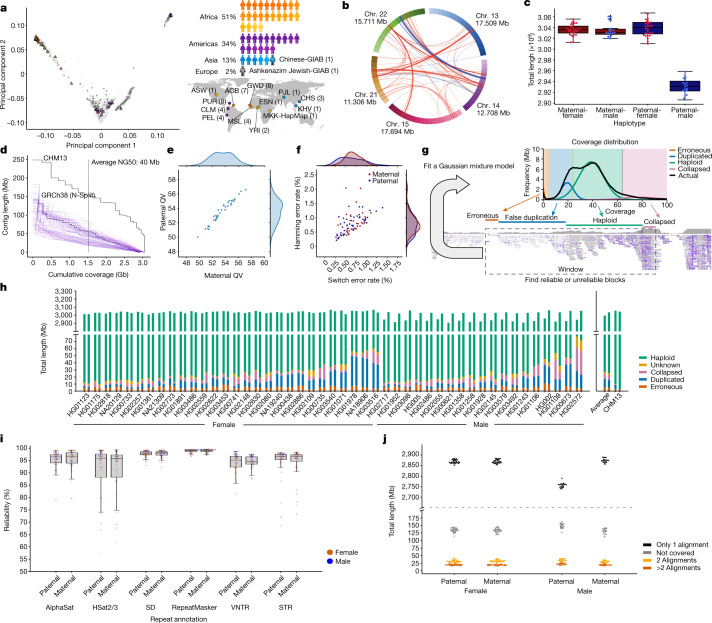
Here the Human Pangenome Reference Consortium presents a first draft of the human pangenome reference. The pangenome contains 47 phased, diploid assemblies from a cohort of genetically diverse individuals. These assemblies cover more than 99% of the expected sequence in each genome and are more than 99% accurate at the structural and base pair levels.
Overview
CoChat Summary
TL;DR
The paper presents a first draft human pangenome reference built from 47 phased, diploid assemblies from genetically diverse individuals, plus graph-based representations and annotations. The draft pangenome improves downstream analyses versus GRCh38, including reducing small-variant discovery errors by 34% and increasing detected structural variants per haplotype by 104%.
Key findings
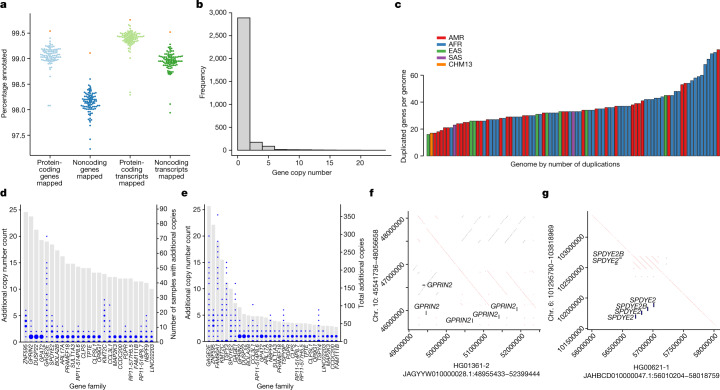
- The draft pangenome was built from 47 phased, diploid assemblies and adds 119 million base pairs of euchromatic polymorphic sequence plus 1,115 gene duplications relative to GRCh38; about 90 million of the added bases came from structural variation.
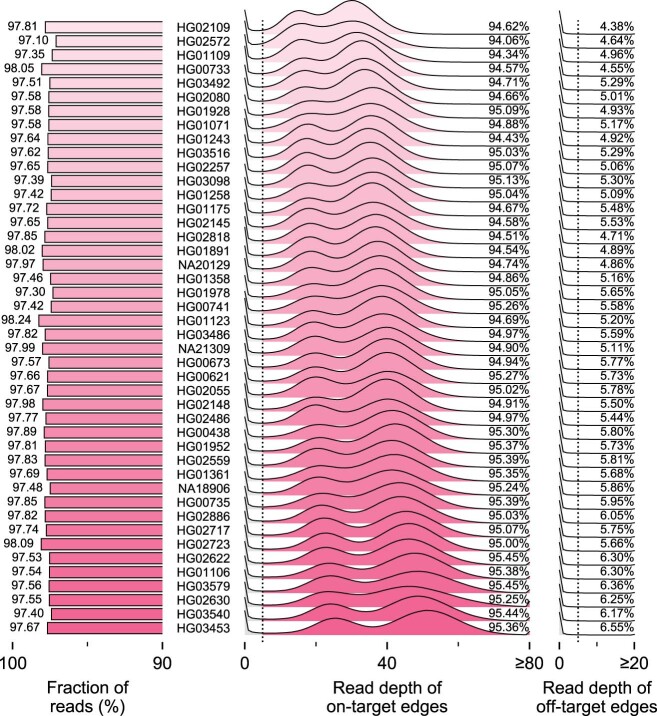
- Assemblies were reported as >99% complete and >99% accurate at structural and base-pair levels; the assembly reliability pipeline marked only 0.88% (26.4 Mb) of each assembly as unreliable.
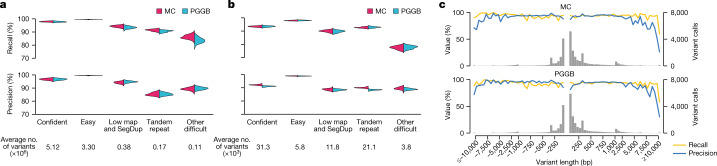
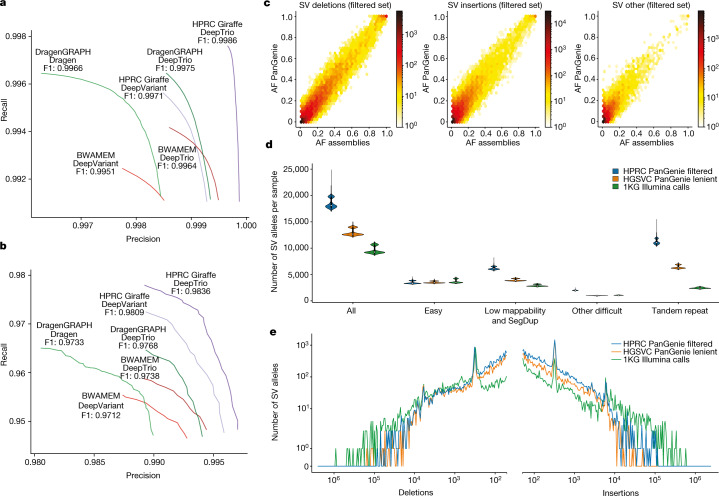
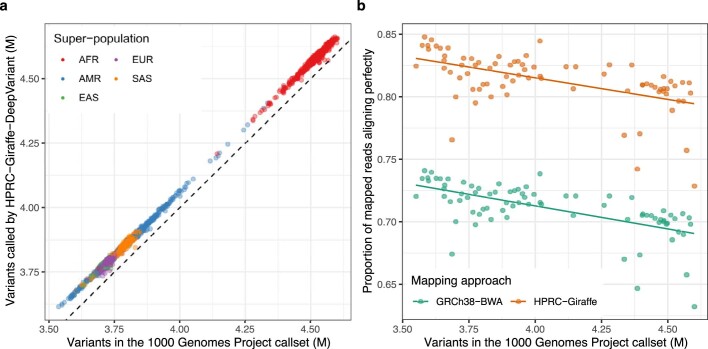
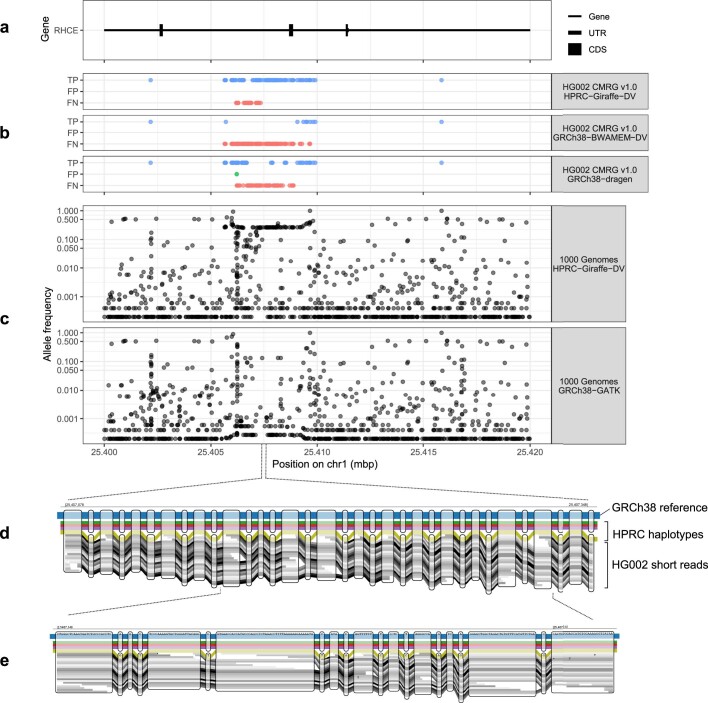
- In short-read analysis, the pangenome workflow reduced small-variant discovery errors by 34% and increased the number of structural variants detected per haplotype by 104% compared with GRCh38-based workflows.
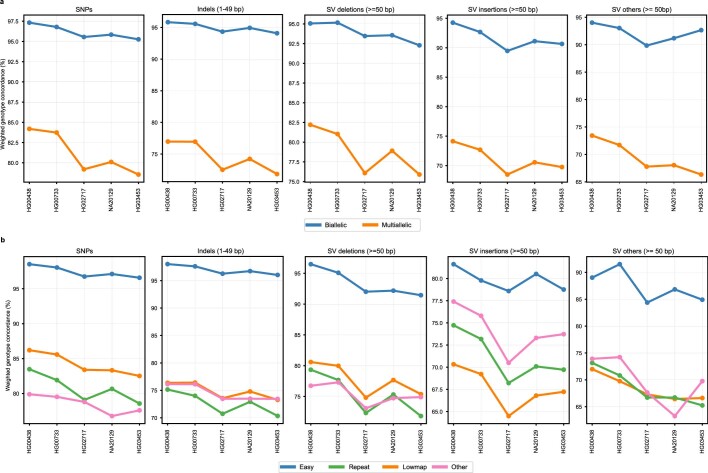
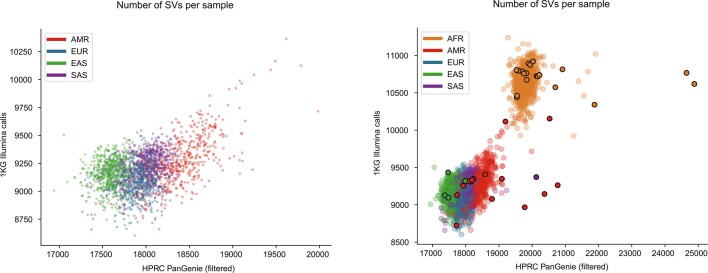
- For 1KG short-read genotyping, the pangenome-based call set gave on average 64,000 more small variants per sample than the 1KG catalogue; for SV genotyping it produced 18,483 SVs per sample versus 9,596 in the short-read 1KG call set.
Methods
- The study assembled 47 fully phased diploid genomes from globally diverse individuals, using PacBio HiFi, Oxford Nanopore, Hi-C, Bionano, and parental Illumina data; assemblies were phased with Trio-Hifiasm and manually/automatically curated.
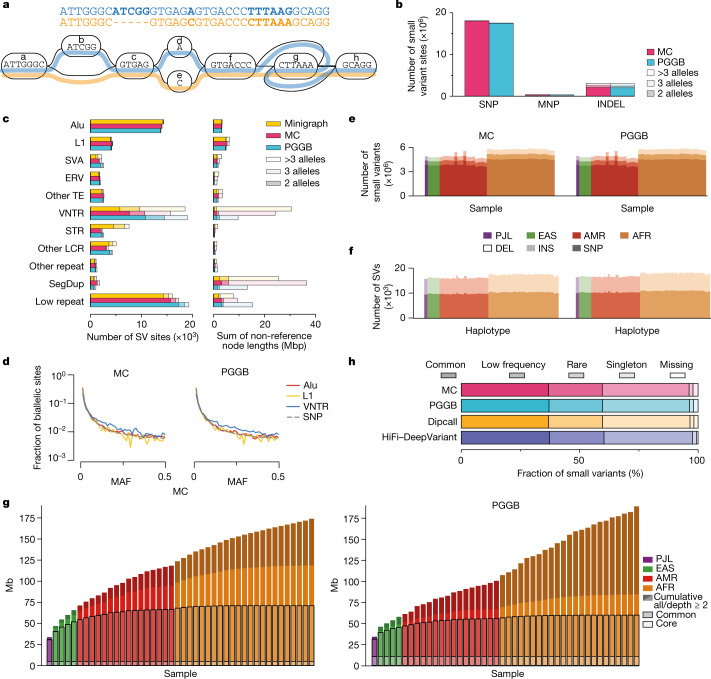
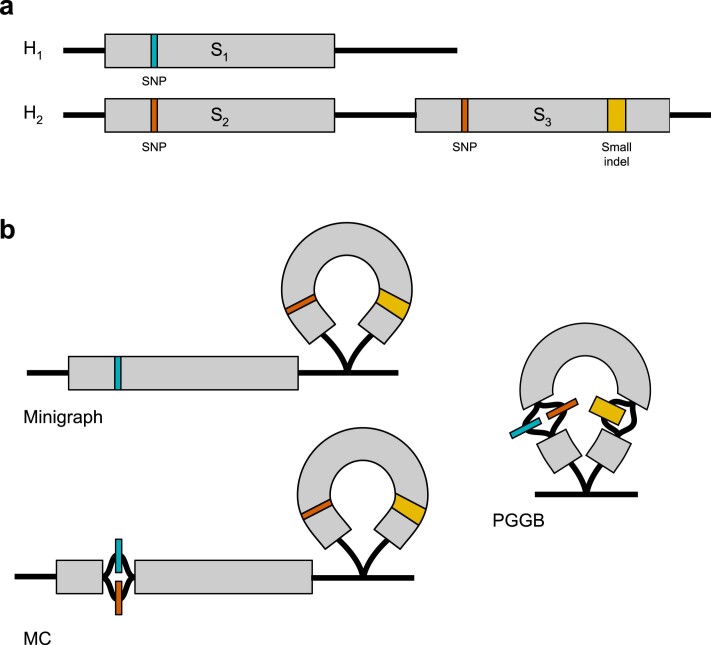
- The authors constructed pangenomes with three graph approaches: Minigraph, Minigraph-Cactus (MC), and PGGB, then evaluated variant representation, graph support, and downstream utility.
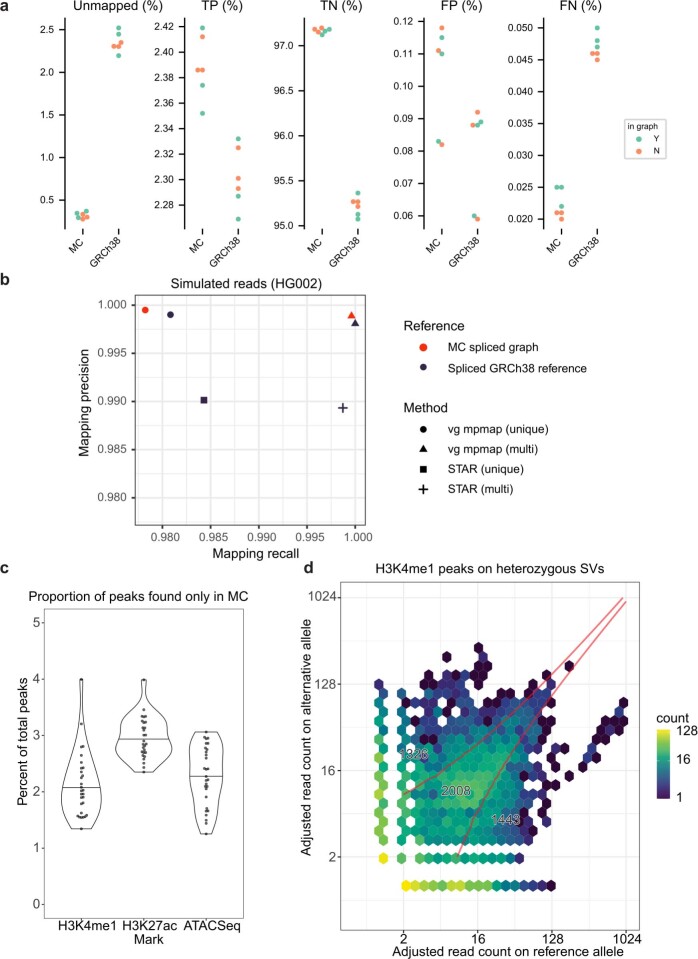
- They benchmarked pangenome-based analyses against GRCh38-based workflows using GIAB, 1KG short reads, and assembly-based comparisons for small variants, SVs, gene annotations, RNA-seq, ChIP-seq/ATAC-seq, VNTRs, and population analyses.
Limitations
- The paper states the cohort is relatively small and that the assembly reliability analysis found roughly an order of magnitude more erroneously assembled sequences in the HPRC assemblies than in T2T-CHM13.
- It explicitly notes remaining issues in highly repetitive regions and complex loci, where variant calling performance was lower and further work is needed; this is a stated limitation.
- The text also makes evident that some analyses are constrained by reference gaps, alignment ambiguity, and incomplete benchmarking truth sets; this is the paper’s implication, stated in the discussion around repetitive regions and underestimation of errors.
Model-written summary. Check it against the paper before relying on it.
Integrity signals
Registry
Cites
Statistics
Figures
Verification
Claims the paper makes
38 Valid · 5 Not valid · 2 Not checked · 206 Own results and interpretations
At least one cited source doesn’t support this claim or points to a different paper, and none confirmed it — see the verdicts below.
In the paper
“The pangenome contains 47 phased, diploid assemblies from a cohort of genetically diverse individuals1.”
§ A draft human pangenome reference > Abstract
What the sources say
- Disputedcites [1] 1000 Genomes Project Consortium. A global reference for human genetic variation Nature 2015 526 68 74 10.1038/nature15393 26432245 PMC4750478 sourceExperimental — accuracy not yet measured
The Abstract (page unavailable) describes a 1000 Genomes resource based on 2,504 individuals from 26 populations, with variants phased onto haplotypes. The Data set overview describes phasing variant sites, not a pangenome containing 47 phased, diploid assemblies. (LLM, conf=0.86)
Checked by a reasoning model — may be wrong.
plain- Asserted: passes — The authors put it forward as true.
- Checkable: passes — It can be checked against evidence.
- Load-bearing: passes — The paper’s conclusions depend on it.
- Based: passes — The paper gives a reason why it holds.
- Rests on an assumption not shown here.
- Disputed
The cited sources support only part of this claim — read each source’s verdict below.
In the paper
“Previous studies have identified tens of megabases of sequence contained within structural variants (SVs) that are polymorphic within the population5.”
§ A draft human pangenome reference > Main
What the sources say
- Partly supportedcites [5] Ebert P Haplotype-resolved diverse human genomes and integrated analysis of structural variation Science 2021 372 eabf7117 10.1126/science.abf7117 33632895 PMC8026704 sourceExperimental — accuracy not yet measured
The Results sections on structural variant distribution and complex structural variation document SVs and distinct structural haplotypes in human populations. But the reported ~279 Mbp is the genomic span of SV hotspots, not the amount of sequence contained within polymorphic SVs; the passages do not establish the claimed tens-of-megabases total. (LLM, conf=0.82)
plain- Asserted: passes — The authors put it forward as true.
- Checkable: passes — It can be checked against evidence.
- Load-bearing: passes — The paper’s conclusions depend on it.
- Based: passes — The paper gives a reason why it holds.
- Partly supported
Every source the paper cites for this claim was checked and supports it.
In the paper
“Recently, the Telomere-to-Telomere (T2T) consortium finished the first complete sequence of a haploid human genome, T2T-CHM13, which provides a contiguous representation of each autosome and of chromosome X, with the exception of some ribosomal DNA arrays that remain to be fully resolved3.”
§ A draft human pangenome reference > Main
What the sources say
- Supportedcites [3] Nurk S The complete sequence of a human genome Science 2022 376 44 53 10.1126/science.abj6987 35357919 PMC9186530 source
“A truly complete genome” states that T2T-CHM13 has gapless telomere-to-telomere assemblies for all 22 autosomes and chromosome X. “rDNA assembly” explains that the ordering of repeats in three rDNA arrays could not be fully resolved, so those arrays are represented by model sequences. (LLM, conf=0.93)
plainSingle case- Asserted: passes — The authors put it forward as true.
- Checkable: passes — It can be checked against evidence.
- Load-bearing: passes — The paper’s conclusions depend on it.
- Based: passes — The paper gives a reason why it holds.
- Supported
The cited sources support only part of this claim — read each source’s verdict below.
In the paper
“despite individual SVs being more likely to affect gene function than either individual SNPs or short insertions and deletions (indels)9,10.”
§ A draft human pangenome reference > Main
What the sources say
- Partly supportedcites [9] Chiang C The impact of structural variation on human gene expression Nat. Genet. 2017 49 692 699 10.1038/ng.3834 28369037 PMC5406250 sourceExperimental — accuracy not yet measured
The Results (Fine-mapping causal variants) state that, per variant, an SV is 28–54 times more likely to modulate gene expression than an SNV or indel. That supports the comparison for gene expression, but the cited analysis does not establish the broader claim about gene function generally. (LLM, conf=0.86)
- Partly supportedcites [10] Sudmant PH An integrated map of structural variation in 2,504 human genomes Nature 2015 526 75 81 10.1038/nature15394 26432246 PMC4617611 sourceExperimental — accuracy not yet measured
The Functional impact of SVs section reports that SV classes were enriched for expression-associated variants relative to the number tested, supporting a greater per-variant effect on gene expression. It uses eQTL associations as a surrogate for functional impact and groups SNPs with indels in the comparison; it does not establish the broader claim about gene function separately against each variant type. (LLM, conf=0.82)
hedgedstates an association- Asserted: passes — The authors put it forward as true.
- Checkable: passes — It can be checked against evidence.
- Load-bearing: passes — The paper’s conclusions depend on it.
- Based: passes — The paper gives a reason why it holds.
- Partly supported
Every source the paper cites for this claim was checked and supports it.
In the paper
“For the core assembler, we chose Trio-Hifiasm20 after detailed benchmarking of several alternatives21.”
§ A draft human pangenome reference > Assembling 47 diverse human genomes
What the sources say
- Supportedcites [20] Cheng H Concepcion GT Feng X Zhang H Li H Haplotype-resolved de novo assembly using phased assembly graphs with hifiasm Nat. Methods 2021 18 170 175 10.1038/s41592-020-01056-5 33526886 PMC7961889 source
Citation 20 identifies Trio-Hifiasm as the assembler the citing authors chose. The Results section (‘Overview of the hifiasm algorithm’) describes hifiasm’s graph-based trio binning, supporting that identification. The separate benchmarking claim is attached to citation 21, not this source. (LLM, conf=0.93)
- Supportedcites [21] Jarvis, E. D. et al. Semi-automated assembly of high-quality diploid human reference genomes. Nature611, 519–531 (2022). PMC9668749 36261518 source
The cited paper’s ‘Trios and higher phasing accuracy’ section compares several assembly algorithms and data types. Its ‘Graph phasing is more complete and accurate’ section reports that Trio hifiasm had the strongest combination of quality metrics among the diploid assemblies. The citing authors’ choice of core assembler is their own decision; this source supports the benchmarking offered as its rationale. Page numbers were not available in our copy. (LLM, conf=0.91)
plain- Asserted: passes — The authors put it forward as true.
- Checkable: passes — It can be checked against evidence.
- Load-bearing: unclear — It is unclear whether the paper’s conclusions depend on it.
- Based: passes — The paper gives a reason why it holds.
- Supported
135 more claims · 15 with their cited sources checked
Create a free account to see all 251 claims and to verify the 1 reference still open.
- It may state two separate claims as one. 80
- Probably not a substantial claim. 40
- The quote only partly states this claim. 1
Claims other papers make about this one
Each is checked against this paper’s own text: does it say what the citing paper says it does?
The cited source doesn’t support the claim as written.
In the citing paper
“In addition, the DRAGEN multigenome mapper is already incorporated for SV and CNV calling, something that is not currently possible with any other graph genome implementations because they focus primarily on genotyping variants14,73.”
From Comprehensive genome analysis and variant detection at scale using DRAGEN (2025) · cites this paper as [73]
Checked by a reasoning model — may be wrong.
Experimental — accuracy not yet measuredThe source backs part of the claim, not all of it — or backs it for a different population, condition or comparison.
In the citing paper
“Other biases, for example, in terms of sex, specific diseases, or human ancestral populations could also reduce the impact of AIVC models.115”
From How to build the virtual cell with artificial intelligence: Priorities and opportunities (2024) · cites this paper as [115]
Experimental — accuracy not yet measuredThe source backs part of the claim, not all of it — or backs it for a different population, condition or comparison.
In the citing paper
“For example, population-specific genes may provide insights into local adaptation, while structural variants may contribute to disease susceptibility or resistance in ways that were previously invisible to reference-based analyses [112,113].”
From Origin and Evolution of Genes in Eukaryotes: Mechanisms, Dynamics, and Functional Implications (2025) · cites this paper as [113]
Experimental — accuracy not yet measuredThe source backs part of the claim, not all of it — or backs it for a different population, condition or comparison.
In the citing paper
“These values were chosen after empirical experimentation specifically to filter out spurious mappings as determined by VCF-based comparison with Hi-Fi-based DeepVariant calls 25 .”
From Pangenome graph construction from genome alignments with Minigraph-Cactus (2024) · cites this paper as [25]
Experimental — accuracy not yet measuredThe cited source says what the claim attributes to it.
In the citing paper
“Notably, the first draft of a human pangenome reference has been released by the Human Pangenome Reference Consortium just last year as of the time of writing [19].”
From <tt>SAFARI</tt> : pangenome alignment of ancient DNA using purine/pyrimidine encodings (2025) · cites this paper as [19]
2 more claims about this paper
Create a free account to see every claim other papers make about this one.
Citations
Cites
The Sequence Alignment/Map format and SAMtools
Li, H., Handsaker, B., Wysoker, A., Fennell, T., Ruan, J., Homer, N., Marth, G., Abecasis, G., Durbin, R., & 1000 Genome Project Data Processing Subgroup (2009) · Bioinformatics · doi:10.1093/bioinformatics/btp352 · Cited by 62,041 · cited 1×
“3.1), (Li et al., 2009).”
InfluentialFast gapped-read alignment with Bowtie 2
Langmead, B., & Salzberg, S. L. (2012) · Nature Methods · doi:10.1038/nmeth.1923 · Cited by 56,400
STAR: ultrafast universal RNA-seq aligner
Dobin, A., Davis, C. A., Schlesinger, F., Drenkow, J., Zaleski, C., Jha, S., Batut, P., Chaisson, M., & Gingeras, T. R. (2013) · Bioinformatics · doi:10.1093/bioinformatics/bts635 · Cited by 51,709
BEDTools: a flexible suite of utilities for comparing genomic features
Quinlan, A. R., & Hall, I. M. (2010) · Bioinformatics · doi:10.1093/bioinformatics/btq033 · Cited by 27,437
Initial sequencing and analysis of the human genome
International Human Genome Sequencing Consortium, Whitehead Institute for Biomedical Research, C. F. G. R., Lander, E. S., Linton, L. M., Birren, B., Nusbaum, C., Zody, M. C., Baldwin, J., Devon, K., Dewar, K., et al. (2001) · Nature · doi:10.1038/35057062 · Cited by 24,216
Self-citationRSEM: accurate transcript quantification from RNA-Seq data with or without a reference genome
Li, B., & Dewey, C. N. (2011) · BMC Bioinformatics · doi:10.1186/1471-2105-12-323 · Cited by 22,179
A global reference for human genetic variation
The 1000 Genomes Project Consortium, authors, C., Auton, A., Abecasis, G. R., Steering committee, Altshuler, D. M., Durbin, R. M., Abecasis, G. R., Bentley, D. R., Chakravarti, A., et al. (2015) · Nature · doi:10.1038/nature15393 · Cited by 18,247
Self-citationAn integrated encyclopedia of DNA elements in the human genome
The ENCODE Project Consortium (2012) · Nature · doi:10.1038/nature11247 · Cited by 18,072
Twelve years of SAMtools and BCFtools
Danecek, P., Bonfield, J. K., Liddle, J., Marshall, J., Ohan, V., Pollard, M. O., Whitwham, A., Keane, T., McCarthy, S. A., Davies, R. M., et al. (2021) · GigaScience · doi:10.1093/gigascience/giab008 · Cited by 15,343 · cited 2×
“9 was used for filtering the variant sets (Danecek et al., 2021).”
MethodSelf-citationMinimap2: Pairwise alignment for nucleotide sequences
Li, H. (2018) · Bioinformatics · doi:10.1093/bioinformatics/bty191 · Cited by 14,807 · cited 8×
“The sequences of these anchors were them mapped against the target genome with minimap2 (Li, 2018b) using the following command:”
MethodInfluential
Cited by
Martin, F. J., Amode, M. R., Aneja, A., Austine-Orimoloye, O., Azov, A. G., Barnes, I., Becker, A., Bennett, R., Berry, A., Bhai, J., et al. (2023) · Nucleic Acids Research · doi:10.1093/nar/gkac958 · Cited by 1,023
“We have released initial annotation sets for each of these genomes through our Rapid Release site and built a dedicated HPRC project page (https://projects.ensembl. org/hprc).”
BackgroundMethodInfluentialSelf-citationDyer, S. C., Austine-Orimoloye, O., Azov, A. G., Barba, M., Barnes, I., Barrera-Enriquez, V. P., Becker, A., Bennett, R., Beracochea, M., Berry, A., et al. (2025) · Nucleic Acids Research · doi:10.1093/nar/gkae1071 · Cited by 663
Self-citationGENCODE: reference annotation for the human and mouse genomes in 2023
Frankish, A., Carbonell-Sala, S., Diekhans, M., Jungreis, I., Loveland, J. E., Mudge, J. M., Sisu, C., Wright, J. C., Arnan, C., Barnes, I., et al. (2023) · Nucleic Acids Research · doi:10.1093/nar/gkac1071 · Cited by 597
“We have provided one gene annotation set using CAT with GENCODE as the reference gene set and assisted in the creation of a second GENCODE-derived annotation set by Ensembl (11).”
BackgroundMethodSelf-citationThe complete sequence of a human Y chromosome
Rhie, A., Nurk, S., Cechova, M., Hoyt, S. J., Taylor, D. J., Altemose, N., Hook, P. W., Koren, S., Rautiainen, M., Alexandrov, I. A., et al. (2023) · Nature · doi:10.1038/s41586-023-06457-y · Cited by 471
“The chain files used were created from the GRCh38-based HAL file, downloaded from the cactus-minigraph alignment of Liao et al.(73) The resulting variant-call formats were annotated with predicted molecular consequence and transcript-specific variant deleteriousness scores from PolyPhen-2 and SIFT using Ensembl Varian…”
MethodSelf-citationSchubach, M., Maass, T., Nazaretyan, L., Röner, S., & Kircher, M. (2024) · Nucleic Acids Research · doi:10.1093/nar/gkad989 · Cited by 455
GENCODE 2025: reference gene annotation for human and mouse
Mudge, J. M., Carbonell-Sala, S., Diekhans, M., Martinez, J. G., Hunt, T., Jungreis, I., Loveland, J. E., Arnan, C., Barnes, I., Bennett, R., et al. (2025) · Nucleic Acids Research · doi:10.1093/nar/gkae1078 · Cited by 408
Self-citationHow to build the virtual cell with artificial intelligence: Priorities and opportunities
Bunne, C., Roohani, Y., Rosen, Y., Gupta, A., Zhang, X., Roed, M., Alexandrov, T., AlQuraishi, M., Brennan, P., Burkhardt, D. B., et al. (2024) · Cell · doi:10.1016/j.cell.2024.11.015 · Cited by 393
The UCSC Genome Browser database: 2024 update
Raney, B. J., Barber, G. P., Benet-Pagès, A., Casper, J., Clawson, H., Cline, M. S., Diekhans, M., Fischer, C., Navarro Gonzalez, J., Hickey, G., et al. (2024) · Nucleic Acids Research · doi:10.1093/nar/gkad987 · Cited by 340
Self-citationPangenome graph construction from genome alignments with Minigraph-Cactus
Hickey, G., Monlong, J., Ebler, J., Novak, A. M., Eizenga, J. M., Gao, Y., Human Pangenome Reference Consortium, Abel, H. J., Antonacci-Fulton, L. L., Asri, M., et al. (2024) · Nature Biotechnology · doi:10.1038/s41587-023-01793-w · Cited by 343
“When manually inspecting these cases, we found that they could lead to spurious variants in the graph when, as above, compared to variant calls directly from Hi-Fi-based DeepVariant calls (Liao et al. 25 ).”
InfluentialSelf-citationGarrison, E., Guarracino, A., Heumos, S., Villani, F., Bao, Z., Tattini, L., Hagmann, J., Vorbrugg, S., Marco-Sola, S., Kubica, C., et al. (2024) · Nature Methods · doi:10.1038/s41592-024-02430-3 · Cited by 277
“The smoothable blocks are discovered by iterating over all nodes following the previously calculated order.”
Self-citationMa, Z., Zuo, T., Frey, N., & Rangrez, A. Y. (2024) · Signal Transduction and Targeted Therapy · doi:10.1038/s41392-024-01946-6 · Cited by 259
Mouse Genome Informatics: an integrated knowledgebase system for the laboratory mouse
Baldarelli, R. M., Smith, C. L., Ringwald, M., Richardson, J. E., Bult, C. J., Mouse Genome Informatics Group, Anagnostopoulos, A., Begley, D. A., Bello, S. M., Christie, K., et al. (2024) · GENETICS · doi:10.1093/genetics/iyae031 · Cited by 227
Genome assembly in the telomere-to-telomere era
Li, H., & Durbin, R. (2024) · Nature Reviews Genetics · doi:10.1038/s41576-024-00718-w · Cited by 224
“At present, HiFi reads are the core data type for high-quality assembly 16,30–33, The most reliable solution to a near-T2T assembly involves additionally incorporating data from ONT ultra-long reads, which are ≥100 kb in length 25,27,36 .”
InfluentialSelf-citationScalable telomere-to-telomere assembly for diploid and polyploid genomes with double graph
Cheng, H., Asri, M., Lucas, J., Koren, S., & Li, H. (2024) · Nature Methods · doi:10.1038/s41592-024-02269-8 · Cited by 222
“To compare hifiasm (UL) with Verkko at a population scale, we evaluated both approaches using 22 human samples selected from the Human Pangenome Reference Consortium (HPRC) 13 .”
InfluentialSelf-citationThe variation and evolution of complete human centromeres
Logsdon, G. A., Rozanski, A. N., Ryabov, F., Potapova, T., Shepelev, V. A., Catacchio, C. R., Porubsky, D., Mao, Y., Yoo, D., Rautiainen, M., et al. (2024) · Nature · doi:10.1038/s41586-024-07278-3 · Cited by 203
“Extending this analysis to those from 56 diverse human genomes from the HPRC and HGSVC, we found that this drops to 53.2–55.3% (Supplementary Table 6), underscoring the considerable variation in these genomes and the emergence of new α-satellite HOR structures in some human haplotypes but not others.”
InfluentialSelf-citationThe status of the human gene catalogue
Amaral, P., Carbonell-Sala, S., De La Vega, F. M., Faial, T., Frankish, A., Gingeras, T., Guigo, R., Harrow, J. L., Hatzigeorgiou, A. G., Johnson, R., et al. (2023) · Nature · doi:10.1038/s41586-023-06490-x · Cited by 172
Self-citationGenetics of human brain development
Zhou, Y., Song, H., & Ming, G.-L. (2024) · Nature Reviews Genetics · doi:10.1038/s41576-023-00626-5 · Cited by 166
“…future genetic studies represent the broad genetic heterogeneity and ancestral diversity of human populations, especially those that are currently genetically under-represented 97,98 , by developing resources such as the recently published draft of the more-inclusive human pangenome reference 99 .”
Geographic and age variations in mutational processes in colorectal cancer
Díaz-Gay, M., dos Santos, W., Moody, S., Kazachkova, M., Abbasi, A., Steele, C. D., Vangara, R., Senkin, S., Wang, J., Fitzgerald, S., et al. (2025) · Nature · doi:10.1038/s41586-025-09025-8 · Cited by 170
“0, and the 47 pangenomes 76 .”
Complete sequencing of ape genomes
Yoo, D., Rhie, A., Hebbar, P., Antonacci, F., Logsdon, G. A., Solar, S. J., Antipov, D., Pickett, B. D., Safonova, Y., Montinaro, F., et al. (2025) · Nature · doi:10.1038/s41586-025-08816-3 · Cited by 225
“These results highlight the interactions between sequence evolution and DNA methylome evolution with consequences on gene expression in ape genomes 41,42 .”
Self-citationLian, Q., Hüettel, B., Walkemeier, B., Mayjonade, B., Lopez‐Roques, C., Gil, L., Roux, F., Schneeberger, K., & Mercier, R. (2024) · Nature Genetics · doi:10.1038/s41588-024-01715-9 · Cited by 178
Structural variation in the pangenome of wild and domesticated barley
Jayakodi, M., Lu, Q., Pidon, H., Rabanus‐Wallace, M. T., Bayer, M., Lux, T. M., Guo, Y., Jaegle, B., Badea, A., Bekele, W. A., et al. (2024) · Nature · doi:10.1038/s41586-024-08187-1 · Cited by 213
“The recently published human draft pangenome demonstrated how contiguous long-read sequences help to make sense of reams of sequence data 54 .”
Kolmogorov, M., Billingsley, K. J., Mastoras, M., Meredith, M., Monlong, J., Lorig-Roach, R., Asri, M., Jerez, P. Á., Malik, L., Dewan, R., et al. (2023) · Nature Methods · doi:10.1038/s41592-023-01993-x · Cited by 158
“Ideally, small variants could also be recovered from diploid contigs, as has been successfully done for HiFi-based assemblies 12,25 .”
BackgroundMethodInfluentialSelf-citationPlant pangenomes for crop improvement, biodiversity and evolution
Schreiber, M., Jayakodi, M., Stein, N., & Mascher, M. (2024) · Nature Reviews Genetics · doi:10.1038/s41576-024-00691-4 · Cited by 189
Recombination between heterologous human acrocentric chromosomes
Guarracino, A., Buonaiuto, S., de Lima, L. G., Potapova, T., Rhie, A., Koren, S., Rubinstein, B., Fischer, C., Human Pangenome Reference Consortium, Abel, H. J., et al. (2023) · Nature · doi:10.1038/s41586-023-05976-y · Cited by 134
“An alignment-based assembly quality evaluation of the HPRCy1 revealed a pattern of putative mis-joins in all assemblies wherein single HPRCy1 contigs would map preferentially to distinct T2T-CHM13 acrocentric chromosomes (4).”
BackgroundMethodInfluentialSelf-citationComprehensive genome analysis and variant detection at scale using DRAGEN
Behera, S., Catreux, S., Rossi, M., Truong, S., Huang, Z., Ruehle, M., Visvanath, A., Parnaby, G., Roddey, C., Onuchic, V., et al. (2025) · Nature Biotechnology · doi:10.1038/s41587-024-02382-1 · Cited by 137
“This shows the improvement of variant calling by DRAGEN that incorporates the corrected regions during variant calls (Fig.”
Complex genetic variation in nearly complete human genomes
Logsdon, G. A., Ebert, P., Audano, P. A., Loftus, M. G., Porubskỳ, D., Ebler, J., Yilmaz, F., Hallast, P., Prodanov, T., Yoo, D., et al. (2025) · Nature · doi:10.1038/s41586-025-09140-6 · Cited by 208
Self-citationRosen, Y., Brbić, M., Roohani, Y., Swanson, K., Li, Z., & Leskovec, J. (2024) · Nature Methods · doi:10.1038/s41592-024-02191-z · Cited by 127
“Reference proteomes and genomes can under-represent the genetic diversity of species, even for well-studied species such as humans 37 .”
BackgroundGrapevine pangenome facilitates trait genetics and genomic breeding
Liu, Z., Wang, N., Su, Y., Long, Q., Peng, Y., Shangguan, L., Zhang, F., Cao, S., Wang, X., Ge, M., et al. (2024) · Nature Genetics · doi:10.1038/s41588-024-01967-5 · Cited by 154
“Indeed, the most significant enhancement of the pangenome lies in the discovery of SVs 30,50 .”
Structural variation in 1,019 diverse humans based on long-read sequencing
Schloissnig, S., Pani, S., Ebler, J., Hain, C., Tsapalou, V., Söylev, A., Hüther, P., Ashraf, H., Prodanov, T., Asparuhova, M., et al. (2025) · Nature · doi:10.1038/s41586-025-09290-7 · Cited by 177
Self-citationSequencing and characterizing short tandem repeats in the human genome
Tanudisastro, H. A., Deveson, I. W., Dashnow, H., & MacArthur, D. G. (2024) · Nature Reviews Genetics · doi:10.1038/s41576-024-00692-3 · Cited by 145
“In fact, the graph-based approach of the Human Pangenome, which bears some similarity to the way Expansion-Hunter represents STR loci as sequence graphs, may be an increasingly productive strategy for future STR calling approaches.”
InfluentialHuman de novo mutation rates from a four-generation pedigree reference
Porubskỳ, D., Dashnow, H., Sasani, T. A., Logsdon, G. A., Hallast, P., Noyes, M. D., Kronenberg, Z. N., Mokveld, T., Koundinya, N., Nolan, C., et al. (2025) · Nature · doi:10.1038/s41586-025-08922-2 · Cited by 151
Self-citationTranscriptomics in the era of long-read sequencing
Monzó, C., Liu, T., & Conesa, A. (2025) · Nature Reviews Genetics · doi:10.1038/s41576-025-00828-z · Cited by 145
Increased mutation and gene conversion within human segmental duplications
Vollger, M. R., Dishuck, P. C., Harvey, W. T., DeWitt, W. S., Guitart, X., Goldberg, M. E., Rozanski, A. N., Lucas, J., Asri, M., Human Pangenome Reference Consortium, et al. (2023) · Nature · doi:10.1038/s41586-023-05895-y · Cited by 104
“As more of the genome is assessed in the context of a pangenome reference framework, we anticipate that the proportion of IGC will increase, especially as large-copy-number polymorphic SDs, centromeres and acrocentric DNA become fully sequence resolved 3 .”
BackgroundMethodResultInfluentialSelf-citationNanopore sequencing: flourishing in its teenage years
Zhang, T., Li, H., Jiang, M., Hou, H., Gao, Y., Li, Y., Wang, F., Wang, J., Peng, K., & Liu, Y. (2024) · Journal of genetics and genomics/Journal of Genetics and Genomics · doi:10.1016/j.jgg.2024.09.007 · Cited by 134
Self-citationA sheep pangenome reveals the spectrum of structural variations and their effects on tail phenotypes
Li, R., Gong, M., Zhang, X., Wang, F., Liu, Z., Zhang, L., Yang, Q., Xu, Y., Xu, M., Zhang, H., et al. (2023) · Genome Research · doi:10.1101/gr.277372.12 · Cited by 126
Self-citationHuman telomere length is chromosome end–specific and conserved across individuals
Karimian, K., Groot, A. C. G.-D., Huso, V. L., Kahidi, R., Tan, K., Sholes, S. L., Keener, R., McDyer, J. F., Alder, J. K., Li, H., et al. (2024) · Science · doi:10.1126/science.ado0431 · Cited by 121
Self-citationRapid genomic sequencing for genetic disease diagnosis and therapy in intensive care units: a review
Kingsmore, S. F., Nofsinger, R. R., & Ellsworth, K. (2024) · npj Genomic Medicine · doi:10.1038/s41525-024-00404-0 · Cited by 104
“Further gains in these AI applications are anticipated, both to improve performance, particularly for newer sequencing platforms, and to incorporate pangenome references and genome assemblies 133,156,157 .”
BackgroundOff-target effects in CRISPR-Cas genome editing for human therapeutics: Progress and challenges
Kalter, N., Fuster‐García, C., Silva, A., Ronco-Díaz, V., Roncelli, S., Turchiano, G., Gorodkin, J., Cathomen, T., Benabdellah, K., Lee, C. M., et al. (2025) · Molecular Therapy — Nucleic Acids · doi:10.1016/j.omtn.2025.102636 · Cited by 134
Gustafson, J. A., Gibson, S. B., Damaraju, N., Zalusky, M. P., Hoekzema, K., Twesigomwe, D., Yang, L., Snead, A. A., Richmond, P. A., Coster, W. D., et al. (2024) · Genome Research · doi:10.1101/gr.279273.124 · Cited by 155
Self-citationThe complete and fully-phased diploid genome of a male Han Chinese
Yang, C., Zhou, Y., Song, Y., Wu, D., Zeng, Y., Nie, L., Liu, P., Zhang, S., Chen, G., Xu, J., et al. (2023) · Cell Research · doi:10.1038/s41422-023-00849-5 · Cited by 101
“One large inversion, spanning almost 1.6 Mb at the arm of the palindrome P1, was found between HG002-Y and CN1-Y 56 (Fig.”
BackgroundMethodInfluentialSources of gene expression variation in a globally diverse human cohort
Taylor, D. J., Chhetri, S. B., Tassia, M. G., Biddanda, A., Yan, S. M., Wojcik, G. L., Battle, A., & McCoy, R. C. (2024) · Nature · doi:10.1038/s41586-024-07708-2 · Cited by 100
High resolution long-read telomere sequencing reveals dynamic mechanisms in aging and cancer
Schmidt, T. T., Tyer, C., Rughani, P., Haggblom, C., Jones, J. R., Dai, X., Frazer, K. A., Gage, F. H., Juul, S., Hickey, S. F., et al. (2024) · Nature Communications · doi:10.1038/s41467-024-48917-7 · Cited by 94
“Inthefuture,thenumberof T2Tgenomeswillincreaseandrepresenta morediversepopulationofhumanindividuals 51 .”
Recurrent evolution and selection shape structural diversity at the amylase locus
Bolognini, D., Halgren, A. S., Lou, R. N., Raveane, A., Rocha, J. L., Guarracino, A., Soranzo, N., Chin, C.-S., Garrison, E. P., & Sudmant, P. H. (2024) · Nature · doi:10.1038/s41586-024-07911-1 · Cited by 98
“Although the existing pangenome graphs from the HPRC provide a valuable resource, we discovered that they did not provide the best reference system for genotyping copy number variation.”
MethodInfluentialSelf-citationStructurally divergent and recurrently mutated regions of primate genomes
(2024) · doi:10.1016/j.cell.2024.01.052 · Cited by 73
Self-citationA deep population reference panel of tandem repeat variation
Jam, H. Z., Li, Y., DeVito, R., Mousavi, N., Ma, N., Lujumba, I., Adam, Y., Maksimov, M., Huang, B. B., Dolzhenko, E., et al. (2023) · Nature Communications · doi:10.1038/s41467-023-42278-3 · Cited by 82
Bridging genomics’ greatest challenge: The diversity gap
Corpas, M., Pius, M., Vincent, C. M., Guio, H., Dwek, M. V., Nagaraj, S. H., López-Correa, C., Popejoy, A. B., & Fatumo, S. (2024) · Cell Genomics · doi:10.1016/j.xgen.2024.100724 · Cited by 112
Self-citationAnalysis and benchmarking of small and large genomic variants across tandem repeats
English, A. C., Dolzhenko, E., Ziaei Jam, H., McKenzie, S. K., Olson, N. D., De Coster, W., Park, J., Gu, B., Wagner, J., Eberle, M. A., et al. (2025) · Nature Biotechnology · doi:10.1038/s41587-024-02225-z · Cited by 68
“Having defined a catalog of TR regions, we explored the variation within these regions across three independently derived HG002 assemblies, as well as 83 haplotype-resolved long-read assemblies of other individuals from multiple projects and populations 55–57 (Supplementary Table 4).”
Self-citationRobustness of cancer microbiome signals over a broad range of methodological variation
Sepich‐Poore, G. D., McDonald, D. T., Kopylova, E., Guccione, C., Zhu, Q., Austin, G. I., Carpenter, C. S., Fraraccio, S., Wandro, S., Kościółek, T., et al. (2024) · Oncogene · doi:10.1038/s41388-024-02974-w · Cited by 72
Domesticated cannabinoid synthases amid a wild mosaic cannabis pangenome
Lynch, R. C., Padgitt‐Cobb, L. K., Garfinkel, A. R., Knaus, B. J., Hartwick, N. T., Allsing, N. A., Aylward, A., Bentz, P. C., Carey, S. B., Mamerto, A., et al. (2025) · Nature · doi:10.1038/s41586-025-09065-0 · Cited by 88
Advancing Genetic Testing in Kidney Diseases: Report From a National Kidney Foundation Working Group
Franceschini, N., Feldman, D. L., Berg, J. S., Besse, W., Chang, A. R., Dahl, N. K., Gbadegesin, R., Pollak, M. R., Rasouly, H. M., Smith, R. J., et al. (2024) · American Journal of Kidney Diseases · doi:10.1053/j.ajkd.2024.05.010 · Cited by 85
Pangenome graphs and their applications in biodiversity genomics
Secomandi, S., Gallo, G. R., Rossi, R., Fernandes, C., Jarvis, E. D., Bonisoli‐Alquati, A., Gianfranceschi, L., & Formenti, G. (2025) · Nature Genetics · doi:10.1038/s41588-024-02029-6 · Cited by 100
Self-citationLeveraging a phased pangenome for haplotype design of hybrid potato
Cheng, L. Z., Wang, N., Bao, Z., Zhou, Q., Guarracino, A., Yang, Y., Wang, P., Zhang, Z., Tang, D., Zhang, P., et al. (2025) · Nature · doi:10.1038/s41586-024-08476-9 · Cited by 88
“Reliability of our assemblies was estimated by Flagger, a reads-mapping-based pipeline optimized for diploid assemblies 24 .”
InfluentialSelf-citationWallenius, J., Kafantari, E., Jhaveri, E., Gorcenco, S., Ameur, A., Karremo, C., Dobloug, S., Karrman, K., de Koning, T. J., Ilinca, A., et al. (2023) · The American Journal of Human Genetics · doi:10.1016/j.ajhg.2023.11.008 · Cited by 68
“PacBio long-read data from 27 individuals from the Human PanGenome Consortium 21 were used for comparison.”
MethodA survey of mapping algorithms in the long-reads era
Sahlin, K., Baudeau, T., Cazaux, B., & Marchet, C. (2023) · Genome biology · doi:10.1186/s13059-023-02972-3 · Cited by 75
DNA mismatch and damage patterns revealed by single-molecule sequencing
Liu, M. H., Costa, B. M., Bianchini, E. C., Choi, U., Bandler, R. C., Lassen, E., Grońska-Pęski, M., Schwing, A., Murphy, Z. R., Rosenkjær, D., et al. (2024) · Nature · doi:10.1038/s41586-024-07532-8 · Cited by 79
Self-citationA gentle introduction to pangenomics
Matthews, C., Watson‐Haigh, N. S., Burton, R. A., & Sheppard, A. E. (2024) · Briefings in Bioinformatics · doi:10.1093/bib/bbae588 · Cited by 78
T2T-YAO: A Telomere-to-Telomere Assembled Diploid Reference Genome for Han Chinese
He, Y., Chu, Y., Guo, S., Hu, J. Y., Li, R., Zheng, Y., Ma, X., Du, Z., Zhao, L., Yu, W., et al. (2023) · Genomics Proteomics & Bioinformatics · doi:10.1016/j.gpb.2023.08.001 · Cited by 75
“Among the SNVs in CDS regions, more than a hundred are detrimental nonsense or frameshift mutations, whose numbers are similar among the three haplotypes and within the range of such mutations identified in the recent pangenome study [13] (Table S8).”
BackgroundInfluentialGaps and complex structurally variant loci in phased genome assemblies
Porubsky, D., Vollger, M. R., Harvey, W. T., Rozanski, A. N., Ebert, P., Hickey, G., Hasenfeld, P., Sanders, A. D., Stober, C., Human Pangenome Reference Consortium, et al. (2023) · Genome Research · doi:10.1101/gr.277334.122 · Cited by 58
“A set of regions, termed “brnn” regions, were identified and “trimmed” during the construction of the minigraph-cactus graph (Liao et al. 2022).”
BackgroundMethodSelf-citationApplications of artificial intelligence in clinical laboratory genomics
Aradhya, S., Facio, F. M., Metz, H. C., Manders, T. R., Colavin, A., Kobayashi, Y., Nykamp, K., Johnson, B. A., & Nussbaum, R. L. (2023) · American Journal of Medical Genetics Part C Seminars in Medical Genetics · doi:10.1002/ajmg.c.32057 · Cited by 72
Guo, L., Wang, X., Ayhan, D. H., Rhaman, M. S., Yan, M., JianFu, J., Wang, D., Zheng, W., Mei, J., Ji, W., et al. (2025) · Nature Genetics · doi:10.1038/s41588-025-02111-7 · Cited by 77
“Pangenome reference integrating multiple individuals from diverse genetic backgrounds has been reported in human 16 , animals 17–19 and plants 20–23 .”
Unraveling the complex role of MAPT-containing H1 and H2 haplotypes in neurodegenerative diseases
Pedicone, C., Weitzman, S. A., Renton, A. E., & Goate, A. M. (2024) · Molecular Neurodegeneration · doi:10.1186/s13024-024-00731-x · Cited by 56
Chin, C.-S., Behera, S., Khalak, A., Sedlazeck, F. J., Sudmant, P. H., Wagner, J., & Zook, J. M. (2023) · Nature Methods · doi:10.1038/s41592-023-01914-y · Cited by 54
“Cactus graphs 25 , Progressive Cactus graphs 30 , PGGB 19 and cactus-mingraph 19,24 build pangenome graphs aiming for large-scale structural rearrangement comparisons.”
BackgroundSelf-citationComparing methods for constructing and representing human pangenome graphs
Andreace, F., Lechat, P., Dufresne, Y., & Chikhi, R. (2023) · Genome biology · doi:10.1186/s13059-023-03098-2 · Cited by 76
“…[7], RNA-seq mapping [8]; de novo variant calling [2]; to store, compress and retrieve high-quality genomes [9]; to condensate all the information from a high number of genomes to then visualize specific regions or perform ad-hoc analysis, particularly on complex loci, SVs, and tandem repeats [8].”
BackgroundMethodInfluentialGenome-wide repeat landscapes in cancer and cell-free DNA
Annapragada, A. V., Niknafs, N., White, J. R., Bruhm, D. C., Cherry, C., Medina, J. E., Adleff, V., Hruban, C., Mathios, D., Foda, Z. H., et al. (2024) · Science Translational Medicine · doi:10.1126/scitranslmed.adj9283 · Cited by 69
Efficient near-telomere-to-telomere assembly of nanopore simplex reads
Cheng, H., Qu, H., McKenzie, S. K., Lawrence, K. R., Windsor, R., Vella, M., Park, P. J., & Li, H. (2026) · Nature · doi:10.1038/s41586-026-10105-6 · Cited by 101
“To ensure a comprehensive comparison, we tested two diploid human genomes (HG002 and HG02818) from the Human Pangenome Reference Consortium (HPRC) 29 and three haploid non-human genomes: Arabidopsis thaliana 21 , Danio rerio (zebrafish) 30 and Solanum lycopersicum (tomato) 14 .”
InfluentialSelf-citationReconstruction of the human amylase locus reveals ancient duplications seeding modern-day variation
Yilmaz, F., Karageorgiou, C., Kim, K., Pajic, P., Scheer, K., Beck, C. R., Torregrossa, A., Lee, C., Gökçümen, Ö., Audano, P. A., et al. (2024) · Science · doi:10.1126/science.adn0609 · Cited by 61
Self-citationAdvancing long-read nanopore genome assembly and accurate variant calling for rare disease detection
Negi, S., Stenton, S. L., Berger, S., Canigiula, P., McNulty, B., Violich, I., Gardner, J. M. V., Hillaker, T. L., O’Rourke, S. M., O’Leary, M., et al. (2025) · The American Journal of Human Genetics · doi:10.1016/j.ajhg.2025.01.002 · Cited by 68
Self-citationEfficient and accurate KIR and HLA genotyping with massively parallel sequencing data
Song, L., Bai, G., Liu, X. S., Li, B., & Li, H. (2023) · Genome Research · doi:10.1101/gr.277585.122 · Cited by 61
Self-citationThe evolution of aging and lifespan
Li, S., Vázquez, J. M., & Sudmant, P. H. (2023) · Trends in Genetics · doi:10.1016/j.tig.2023.08.005 · Cited by 59
The promise and pitfalls of synteny in phylogenomics
Steenwyk, J. L., & King, N. (2024) · PLoS Biology · doi:10.1371/journal.pbio.3002632 · Cited by 59
Current status of community resources and priorities for weed genomics research
Montgomery, J. S., Morran, S., MacGregor, D. R., McElroy, J. S., Neve, P., Neto, C., Vila‐Aiub, M. M., Sandoval, M. V., Menéndez, A. I., Kreiner, J. M., et al. (2024) · Genome biology · doi:10.1186/s13059-024-03274-y · Cited by 55
Beyond the Human Genome Project: The Age of Complete Human Genome Sequences and Pangenome References
Taylor, D. J., Eizenga, J. M., Li, Q., Das, A., Jenike, K. M., Kenny, E. E., Miga, K. H., Monlong, J., McCoy, R. C., Paten, B., et al. (2024) · Annual Review of Genomics and Human Genetics · doi:10.1146/annurev-genom-021623-081639 · Cited by 81
Self-citationIntegrated analysis of the complete sequence of a macaque genome
Zhang, S., Xu, N., Fu, L., Yang, X., Ma, K., Li, Y., Yang, Z., Li, Z., Feng, Y., Jiang, X., et al. (2025) · Nature · doi:10.1038/s41586-025-08596-w · Cited by 48
Self-citationZhang, S., Xu, N., Fu, L., Yang, X., Li, Y., Yang, Z., Feng, Y., Ma, K., Jiang, X., Han, J., et al. (2024) · doi:10.1101/2024.04.07.588379 · Cited by 48
Self-citationImpact of whole-genome duplications on structural variant evolution in Cochlearia
Hämälä, T., Moore, C., Cowan, L., Carlile, M., Gopaulchan, D., Brandrud, M. K., Birkeland, S., Loose, M., Kolář, F., Koch, М. A., et al. (2024) · Nature Communications · doi:10.1038/s41467-024-49679-y · Cited by 52
Repeat polymorphisms underlie top genetic risk loci for glaucoma and colorectal cancer
Mukamel, R. E., Handsaker, R. E., Sherman, M. A., Barton, A. R., Hujoel, M. L. A., McCarroll, S. A., & Loh, P. (2023) · Cell · doi:10.1016/j.cell.2023.07.002 · Cited by 47
Rice, E. S., Alberdi, A., Alfieri, J. M., Athrey, G., Balacco, J., Bardou, P., Blackmon, H., Charles, M., Cheng, H. H., Fedrigo, O. D., et al. (2023) · BMC Biology · doi:10.1186/s12915-023-01758-0 · Cited by 66
“For the most part, we were able to use best practices established by the human pangenome reference consortium [27] for the creation and use of this pangenome.”
BackgroundMethodInfluentialSelf-citationThe landscape of genomic structural variation in Indigenous Australians
Reis, A. L. M., Rapadas, M., Hammond, J. W., Gamaarachchi, H., Stevanovski, I., Kumaheri, M. A., Chintalaphani, S. R., Dissanayake, D. S. B., Siggs, O. M., Hewitt, A. W., et al. (2023) · Nature · doi:10.1038/s41586-023-06842-7 · Cited by 54
A 25-year odyssey of genomic technology advances and structural variant discovery
Porubskỳ, D., & Eichler, E. E. (2024) · Cell · doi:10.1016/j.cell.2024.01.002 · Cited by 60
Self-citationThe motif composition of variable number tandem repeats impacts gene expression
Lu, T.-Y. T., Smaruj, P. N., Fudenberg, G., Mancuso, N., & Chaisson, M. (2023) · Genome Research · doi:10.1101/gr.276768.122 · Cited by 54
“HPRC freeze 1 (v2) haplotype-resolved assemblies (n=47) (Liao et al. 2022) were downloaded from https://zenodo.org/record/5826274#.ZAAaa9LMKEI.”
MethodInfluentialSelf-citationvamos: variable-number tandem repeats annotation using efficient motif sets
Ren, J., Gu, B., & Chaisson, M. (2023) · Genome biology · doi:10.1186/s13059-023-03010-y · Cited by 48
“We generated an efficient motif set for VNTR loci from 148 haplotype-resolved assemblies sequenced with LRS by the Human Genome Structural Variant Consortium (HGSVC) [22] and the Human Pangenome Reference Consortium (HPRC) [31] and under three levels of divergence, as well as the original motifs.”
MethodSelf-citationPangenome graphs improve the analysis of structural variants in rare genetic diseases
Groza, C., Schwendinger-Schreck, C., Cheung, W., Farrow, E., Thiffault, I., Lake, J. A., Rizzo, W. B., Evrony, G. D., Curran, T., Bourque, G., et al. (2024) · Nature Communications · doi:10.1038/s41467-024-44980-2 · Cited by 61
“To ensure all genotypes were derived from reliably assembled sequences, we validated the assemblies with Flagger 16 and excluded the genotypes supported by collapsed, duplicated or low coverage regions (Supplementary Fig.”
BackgroundMethodResultInfluentialSelf-citationThe phased pan-genome of tetraploid European potato
Sun, H., Tusso, S., Dent, C., Goel, M., Wijfjes, R. Y., Correa-Baus, L., Xiao, D., Campoy, J. A., Kurdadze, A., Walkemeier, B., et al. (2025) · Nature · doi:10.1038/s41586-025-08843-0 · Cited by 61
“Afterwards, the three assemblies revealed exceptionally high genetic diversity (about 1 difference in 50 base pairs (bp)), which is around 20 times higher than in humans and four times higher than in wild Arabidopsis thaliana plants 9,10 , highlighting the complexity of tetraploid potato genomes.”
Plant pangenomics, current practice and future direction
Hu, H., Wang, J., Nie, S., Zhao, J., Batley, J., & Edwards, D. (2024) · Agriculture Communications · doi:10.1016/j.agrcom.2024.100039 · Cited by 73
Toward clinical long-read genome sequencing for rare diseases
Eisfeldt, J., Ek, M., Nordenskjöld, M., & Lindstrand, A. (2025) · Nature Genetics · doi:10.1038/s41588-025-02160-y · Cited by 55
Hiatt, S. M., Lawlor, J. M. J., Handley, L. H., Latner, D. R., Bonnstetter, Z. T., Finnila, C. R., Thompson, M. L., Boston, L. B., Williams, M. E., Rodríguez-Nunez, I., et al. (2024) · Genome Research · doi:10.1101/gr.279227.124 · Cited by 61
Panacus: fast and exact pangenome growth and core size estimation
Parmigiani, L., Garrison, E. P., Stoye, J., Marschall, T., & Doerr, D. (2024) · Bioinformatics · doi:10.1093/bioinformatics/btae720 · Cited by 52
“0.pggb (HPRC-PGGB) recently released by the Human Pangenome Reference Consortium (Liao et al. 2023), and graph ecoli50 (ECOLI-PGGB) that was published in Garrison et al. (2023).”
InfluentialSelf-citationMultiomics tools for improved atherosclerotic cardiovascular disease management
Sopić, M., Vilne, B., Gerdts, E., Trindade, F., Uchida, S., Khatib, S., Wettinger, S. B., Devaux, Y., & Magni, P. (2023) · Trends in Molecular Medicine · doi:10.1016/j.molmed.2023.09.004 · Cited by 55
Sun, Y., Wang, M., Sun, Q., Liu, Y., Duan, S., Wang, Z., Zhou, Y., Jun, Z., Huang, Y., Huang, X., et al. (2023) · Journal of genetics and genomics/Journal of Genetics and Genomics · doi:10.1016/j.jgg.2023.10.002 · Cited by 44
Movi: A fast and cache-efficient full-text pangenome index
Zakeri, M., Brown, N. K., Ahmed, O. Y., Gagie, T., & Langmead, B. (2024) · iScience · doi:10.1016/j.isci.2024.111464 · Cited by 44
Comprehensive and accurate genome analysis at scale using DRAGEN accelerated algorithmsPreprint
Behera, S., Catreux, S., Rossi, M., Truong, S., Huang, Z., Ruehle, M., Visvanath, A., Parnaby, G., Roddey, C., Onuchic, V., et al. (2024) · bioRxiv (Cold Spring Harbor Laboratory) · doi:10.1101/2024.01.02.573821 · Cited by 39
Su, Y., Yang, X., Wang, Y., Li, J., Long, Q., Cao, S., Wang, X., Liu, Z., Huang, S., Chen, Z., et al. (2024) · PLANT PHYSIOLOGY · doi:10.1093/plphys/kiae258 · Cited by 52
Self-citationThe microbiome diversifies long- to short-chain fatty acid-derived N-acyl lipids
Mannochio-Russo, H., Charron‐Lamoureux, V., van Faassen, M. H. J. R., Lamichhane, S., Nunes, W. D. G., Deleray, V., Ayala, A. V., Tanaka, Y., Patan, A., Vittali, K., et al. (2025) · Cell · doi:10.1016/j.cell.2025.05.015 · Cited by 56
Harvey, W. T., Ebert, P., Ebler, J., Audano, P. A., Munson, K. M., Hoekzema, K., Porubskỳ, D., Beck, C. R., Marschall, T., Garimella, K. V., et al. (2023) · Genome Research · doi:10.1101/gr.278070.123 · Cited by 47
Self-citationThe additional diagnostic yield of long-read sequencing in undiagnosed rare diseases
Gobbo, G. F. D., & Boycott, K. M. (2025) · Genome Research · doi:10.1101/gr.279970.124 · Cited by 54
Personalized pangenome references
Sirén, J., Eskandar, P., Ungaro, M. T., Hickey, G., Eizenga, J. M., Novak, A. M., Chang, X. H., Chang, P.-C., Kolmogorov, M., Carroll, A. W., et al. (2024) · Nature Methods · doi:10.1038/s41592-024-02407-2 · Cited by 65
“Substantial improvements have been made with the advent of long-read sequencing [17, 15, 32, 20].”
BackgroundMethodInfluentialSelf-citationStructural polymorphism and diversity of human segmental duplications
Jeong, H., Dishuck, P. C., Yoo, D., Harvey, W. T., Munson, K. M., Lewis, A. P., Kordosky, J., Garcia, G. H., Yilmaz, F., Hallast, P., et al. (2025) · Nature Genetics · doi:10.1038/s41588-024-02051-8 · Cited by 61
“…SDs tend to occur in close proximity to previously known SDs (permutation test, empirical P 0.01), although we do note that certain chromosome arms and regions (for example, p-arms of chromosomes 8, 10, 16, 17 and 19 and q-arms of chromosomes 1, 15 and 22) show an excess of these rarer SDs (Fig.”
InfluentialSelf-citationComputational analysis of DNA methylation from long-read sequencing
Fu, Y., Timp, W., & Sedlazeck, F. J. (2025) · Nature Reviews Genetics · doi:10.1038/s41576-025-00822-5 · Cited by 61
“Notably, the Human Pangenome Reference Consortium recently used graph genomes made by phased assemblies to harmonize population haplotype phasing 171 .”
Exploring noncoding variants in genetic diseases: from detection to functional insights
Wu, K., Bu, F., Wu, Y., Zhang, G., Wang, X., He, S., Liu, M., Chen, R., & Yuan, H. (2024) · Journal of genetics and genomics/Journal of Genetics and Genomics · doi:10.1016/j.jgg.2024.01.001 · Cited by 41
Keşküş, A. G., Bryant, A., Ahmad, T., Yoo, B., Aganezov, S. S., Goretsky, A., Donmez, A., Lansdon, L. A., Rodriguez, I., Park, J., et al. (2025) · Nature Biotechnology · doi:10.1038/s41587-025-02618-8 · Cited by 81
Self-citation
Metadata
- Authors
- Liao, W.-W., Asri, M., Ebler, J., Doerr, D., Haukness, M., Hickey, G., Lu, S., Lucas, J. K., Monlong, J., Abel, H. J., Buonaiuto, S., Chang, X. H., Cheng, H., Chu, J., Colonna, V., Eizenga, J. M., Feng, X., Fischer, C., Fulton, R. S., Garg, S., Groza, C., Guarracino, A., Harvey, W. T., Heumos, S., Howe, K., Jain, M., Lu, T.-Y., Markello, C., Martin, F. J., Mitchell, M. W., Munson, K. M., Mwaniki, M. N., Novak, A. M., Olsen, H. E., Pesout, T., Porubsky, D., Prins, P., Sibbesen, J. A., Sirén, J., Tomlinson, C., Villani, F., Vollger, M. R., Antonacci-Fulton, L. L., Baid, G., Baker, C. A., Belyaeva, A., Billis, K., Carroll, A., Chang, P.-C., Cody, S., Cook, D. E., Cook-Deegan, R. M., Cornejo, O. E., Diekhans, M., Ebert, P., Fairley, S., Fedrigo, O., Felsenfeld, A. L., Formenti, G., Frankish, A., Gao, Y., Garrison, N. A., Giron, C. G., Green, R. E., Haggerty, L., Hoekzema, K., Hourlier, T., Ji, H. P., Kenny, E. E., Koenig, B. A., Kolesnikov, A., Korbel, J. O., Kordosky, J., Koren, S., Lee, H., Lewis, A. P., Magalhães, H., Marco-Sola, S., Marijon, P., McCartney, A., McDaniel, J., Mountcastle, J., Nattestad, M., Nurk, S., Olson, N. D., Popejoy, A. B., Puiu, D., Rautiainen, M., Regier, A. A., Rhie, A., Sacco, S., Sanders, A. D., Schneider, V. A., Schultz, B. I., Shafin, K., Smith, M. W., Sofia, H. J., Abou Tayoun, A. N., Thibaud-Nissen, F., Tricomi, F. F., Wagner, J., Walenz, B., Wood, J. M. D., Zimin, A. V., Bourque, G., Chaisson, M. J. P., Flicek, P., Phillippy, A. M., Zook, J. M., Eichler, E. E., Haussler, D., Wang, T., Jarvis, E. D., Miga, K. H., Garrison, E., Marschall, T., Hall, I. M., Li, H., & Paten, B.
- Affiliations
- Washington University in St. Louis (US)
- University of California, Santa Cruz (US)
- Heinrich Heine University Düsseldorf (DE)
- Yale University (US)
- Institute of Genetics and Biophysics (IT)
- Harvard University (US)
- Dana-Farber Cancer Institute (US)
- University of Tennessee Health Science Center (US)
- Novo Nordisk Foundation (DK)
- McGill University (CA)
- University of Washington (US)
- Quantitative Biology Center (DE)
- Wellcome Sanger Institute (GB)
- Northeastern University (US)
- University of Southern California (US)
- European Bioinformatics Institute (GB)
- Coriell Institute For Medical Research (US)
- University of Pisa (IT)
- University of Copenhagen (DK)
- Google (United States) (US)
- Washington Center (US)
- Rockefeller University (US)
- National Institutes of Health (US)
- Children's Hospital of Philadelphia (US)
- University of California, Los Angeles (US)
- Stanford Medicine (US)
- Icahn School of Medicine at Mount Sinai (US)
- University of California, San Francisco (US)
- National Institute of Standards and Technology (US)
- University of California, Davis (US)
- Johns Hopkins University (US)
- Max Delbrück Center (DE)
- Kyoto University (JP)
- Howard Hughes Medical Institute (US)
- Corresponding author
- Garrison, Erik
- Marschall, Tobias
- Hall, Ira M.
- Li, Heng
- Paten, Benedict
- ORCID
- Liao, Wen-Wei
- Asri, Mobin
- Ebler, Jana
- Doerr, Daniel
- Haukness, Marina
- Hickey, Glenn
- Lu, Shuangjia
- Lucas, Julian K.
- Monlong, Jean
- Abel, Haley J.
- Buonaiuto, Silvia
- Chang, Xian H.
- Cheng, Haoyu
- Chu, Justin
- Colonna, Vincenza
- Eizenga, Jordan M.
- Feng, Xiaowen
- Fulton, Robert S.
- Garg, Shilpa
- Groza, Cristian
- Guarracino, Andrea
- Harvey, William T.
- Heumos, Simon
- Howe, Kerstin
- Jain, Miten
- Lu, Tsung-Yu
- Markello, Charles
- Martin, Fergal J.
- Mitchell, Matthew W.
- Munson, Katherine M.
- Mwaniki, Moses Njagi
- Novak, Adam M.
- Olsen, Hugh E.
- Pesout, Trevor
- Porubsky, David
- Prins, Pjotr
- Sibbesen, Jonas A.
- Sirén, Jouni
- Tomlinson, Chad
- Villani, Flavia
- Vollger, Mitchell R.
- Baid, Gunjan
- Belyaeva, Anastasiya
- Billis, Konstantinos
- Carroll, Andrew
- Chang, Pi-Chuan
- Cook, Daniel E.
- Cook-Deegan, Robert M.
- Cornejo, Omar E.
- Diekhans, Mark
- Ebert, Peter
- Fairley, Susan
- Fedrigo, Olivier
- Formenti, Giulio
- Frankish, Adam
- Gao, Yan
- Garrison, Nanibaa’ A.
- Green, Richard E.
- Haggerty, Leanne
- Hoekzema, Kendra
- Hourlier, Thibaut
- Ji, Hanlee P.
- Kenny, Eimear E.
- Koenig, Barbara A.
- Kolesnikov, Alexey
- Korbel, Jan O.
- Koren, Sergey
- Lee, HoJoon
- Lewis, Alexandra P.
- Magalhães, Hugo
- Marco-Sola, Santiago
- Marijon, Pierre
- McDaniel, Jennifer
- Mountcastle, Jacquelyn
- Nattestad, Maria
- Nurk, Sergey
- Olson, Nathan D.
- Popejoy, Alice B.
- Puiu, Daniela
- Rautiainen, Mikko
- Regier, Allison A.
- Rhie, Arang
- Sacco, Samuel
- Sanders, Ashley D.
- Shafin, Kishwar
- Smith, Michael W.
- Sofia, Heidi J.
- Thibaud-Nissen, Françoise
- Tricomi, Francesca Floriana
- Wagner, Justin
- Walenz, Brian
- Wood, Jonathan M. D.
- Zimin, Aleksey V.
- Bourque, Guillaume
- Chaisson, Mark J. P.
- Flicek, Paul
- Phillippy, Adam M.
- Zook, Justin M.
- Eichler, Evan E.
- Haussler, David
- Wang, Ting
- Jarvis, Erich D.
- Miga, Karen H.
- Garrison, Erik
- Marschall, Tobias
- Hall, Ira M.
- Li, Heng
- Paten, Benedict
- Venue
- Nature
- Published
- 2023-05-10
- Volume
- 617
- Issue
- 7960
- Pages
- 312-324
- ISSN
- 0028-0836 (ISSN-L)
- 1476-4687
- PMC
- PMC10172123
- OpenAlex
- W4376133202
- Semantic Scholar
- 30c5780eccdbc66a26c4f4b744e35df1a2817bea
- Cited by
- 1,129
- References
- 150
- Citations by year
- 2026: 300 · 2025: 374 · 2024: 315 · 2023: 132
- FWCI
- 101.10
- Type
- journal article
- Language
- en
- Open access
- hybrid
- doi.org
- Licence
- cc-by
- creativecommons.org/licenses/by/4.0 (tdm)
- creativecommons.org/licenses/by/4.0 (vor)
- Locations
- Nature (publishedVersion, cc-by)
- PubMed Central (publishedVersion, cc-by)
- PubMed (publishedVersion)
- Digital Commons@Becker (Washington University School of Medicine) (submittedVersion, cc-by)
- HAL (submittedVersion)
- Dipòsit Digital de Documents de la UAB (Universitat Autònoma de Barcelona) (submittedVersion, cc-by)
- eScholarship (California Digital Library) (submittedVersion, cc-by)
- UPCommons institutional repository (Universitat Politècnica de Catalunya) (submittedVersion, cc-by-nc-nd)
- Funders
- Wellcome Trust (WT104947/Z/14/Z, WT222155/Z/20/Z, WT108749/Z/15/Z)
- Nederlandse Organisatie voor Wetenschappelijk Onderzoek (2021.040)
- Novo Nordisk Fonden (NNF10CC1016517, NNF21OC0069089)
- National Institutes of Health (OT2OD033761)
- National Human Genome Research Institute (R01HG010485, U24HG009081, U01HG010973, U01HG010963, U01HG010971, U41HG007234, R01HG011274, U01HG010961, R01HG002385, U24HG011853, U24HG007234, R01HG010169, ZIAHG200398, U24HG007497, U24HG010262, U41HG010972, R01HG011649, R01HG006677)
- National Institute of General Medical Sciences (R01GM123489, R35GM130151)
- Topics
- Life Sciences › Biochemistry, Genetics and Molecular Biology › Molecular Biology › Genomics and Phylogenetic Studies
- Life Sciences › Biochemistry, Genetics and Molecular Biology › Genetics › Genomic variations and chromosomal abnormalities
- Life Sciences › Biochemistry, Genetics and Molecular Biology › Genetics › Genetic Associations and Epidemiology
- Keywords
- human pangenome, structural variants, gene duplication, haplotypes, GRCh38, genetic diversity
- MeSH terms
- Alleles, Diploidy, Haplotypes, Humans, Reference Standards, Genetic Variation, Cohort Studies, Genome, Human, Sequence Analysis, DNA, Genomics
About these checks
Registry, retraction, Cites and statistics results are computed, not judged, with one exception: a printed reference that no index lists is read once by a model before it counts as a citation error. Claims are extracted by a model and kept only when their quote appears verbatim in the text; each cited source is then checked, with a model’s help, for whether it says what the claim relies on. Those verdicts can be wrong — read the claim’s quote and the cited source before relying on one.
The claim verdicts this report counts are experimental: their accuracy is not yet measured.
A language model drew the claims from the paper on 2026-10-11, under version 3 of the claim definition (model deepseek-v4.1-flash, prompt extract-v3).
A second model labelled each claim on 2026-10-11 (model jev-1.13-20260917, definition revision gold-guideline-v0.2).
Cited sources are checked with a language model’s help (gpt-6-sol).
Statistics and arithmetic are recomputed, not judged.
Confidence bands are shown only for fields calibrated on our annotated test set. None is calibrated yet, so no band is shown.
What counts as a claim ›How we measure confidence ›How we check this ›
Are you an author, or do you see a problem with this page? Request a review
Data sources
Bibliographic data: Semantic Scholar, OpenAlex, Crossref.
Contains information from the Semantic Scholar Academic Graph Datasets, made available under the ODC Attribution License (ODC-BY 1.0).
Semantic Scholar’s data is described in: Kinney, R., et al. (2023). The Semantic Scholar Open Data Platform. arXiv:2301.10140.
