

The effectiveness of virtual reality based interventions for symptoms of anxiety and depression: A meta-analysis
Open accessThe DOI matches its Crossref record; 56 of the 56 references it cites were found in a registry or an index; 12 of the 30 sources its claims cite were checked for support.
Abstract
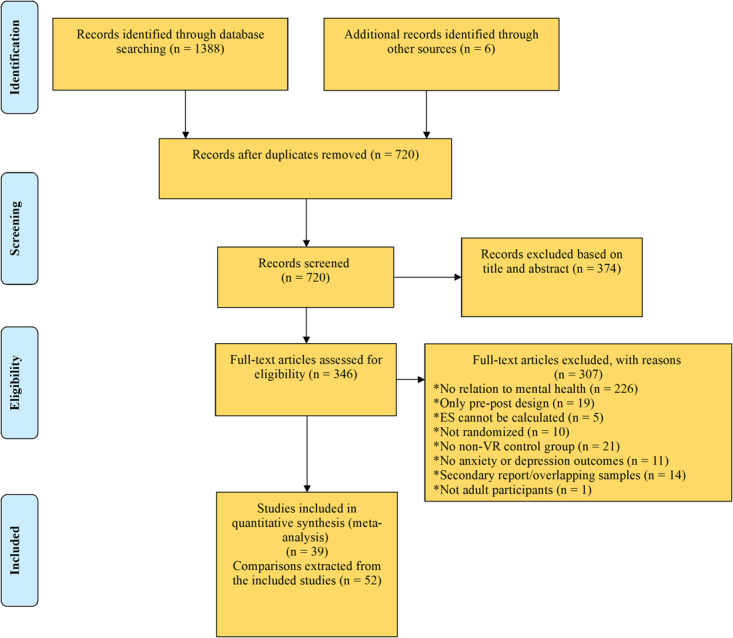
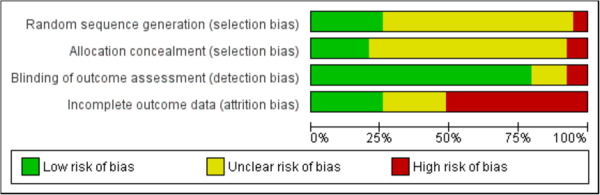
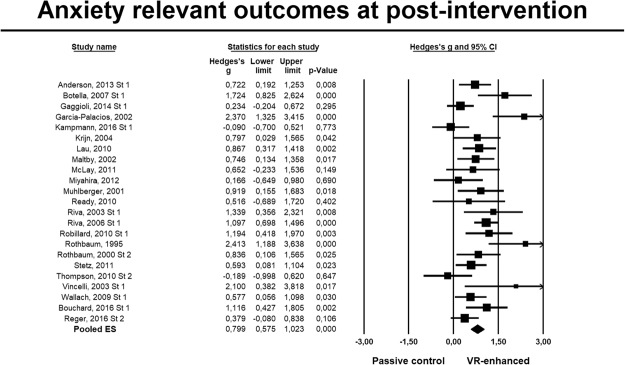
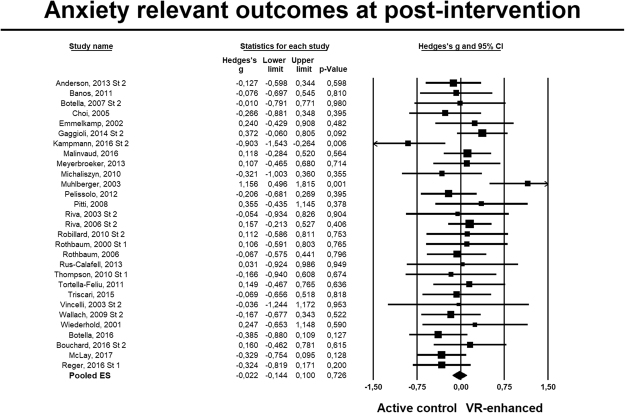
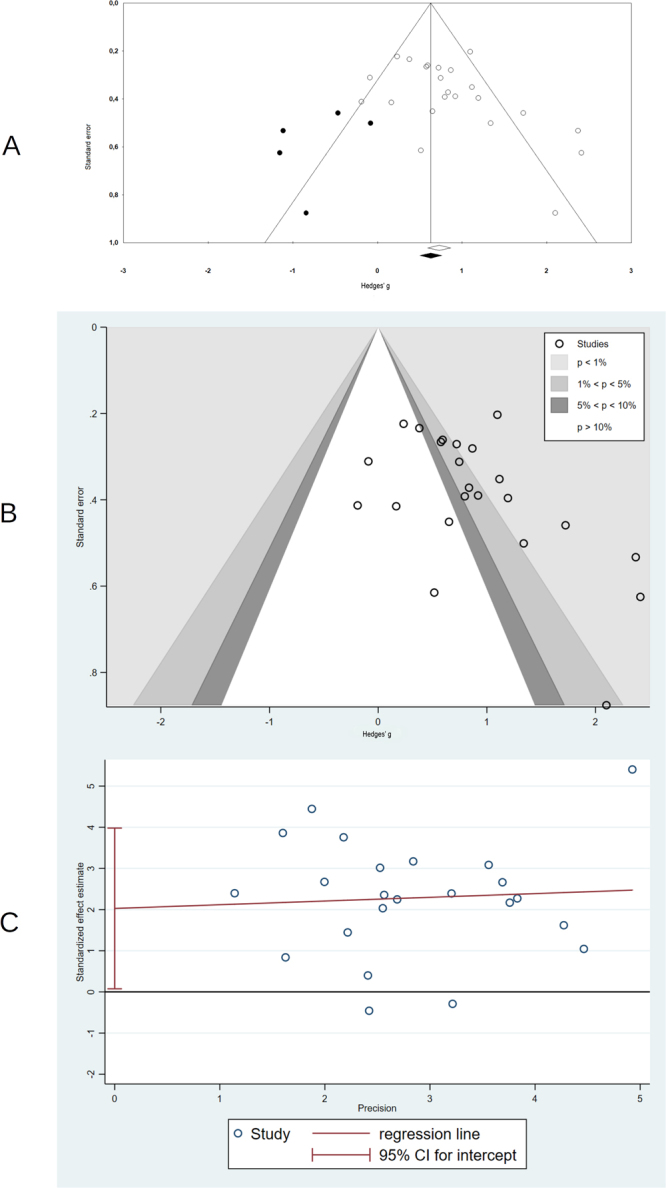
We report a meta-analysis of virtual reality (VR) interventions for anxiety and depression outcomes, as well as treatment attrition. We included randomized controlled trials comparing VR interventions, alone or in combination, to control conditions or other active psychological interventions. Effects sizes (Hedges’ g ) for anxiety and depression outcomes, as post-test and follow-up, were pooled with a random-effects model. Drop-outs were compared using odds ratio (OR) with a Mantel-Haenszel model. We included 39 trials (52 comparisons). Trial risk of bias was unclear for most domains, and high for incomplete outcome data. VR-based therapies were more effective than control at post-test for anxiety, g = 0.79, 95% CI 0.57 to 1.02, and depression, g = 0.73, 95% CI 0.25 to 1.21, but not for treatment attrition, OR = 1.34, 95% CI 0.95 to 1.89. Heterogeneity was high and there was consistent evidence of small study effects. There were no significant differences between VR-based and other active interventions. VR interventions outperformed control conditions for anxiety and depression but did not improve treatment drop-out. High heterogeneity, potential publication bias, predominant use of waitlist controls, and high or uncertain risk of bias of most trials question the reliability of these effects.
Overview
CoChat Summary
TL;DR
This meta-analysis of 39 RCTs found that virtual reality (VR)-based interventions outperformed control conditions for anxiety and depression symptoms, but did not differ from other active psychological interventions and did not improve treatment dropout. The control-condition effects were moderate to large but were undermined by high heterogeneity, small-study effects, and mostly high or uncertain risk of bias.
Key findings
- VR-based therapy was more effective than control at post-test for anxiety (23 RCTs, Hedges’ g = 0.79, 95% CI 0.57 to 1.02, NNT = 2.36, I² = 59%) and depression (10 RCTs, g = 0.73, 95% CI 0.25 to 1.21, NNT = 2.54, I² = 71%).
- There were no significant differences between VR-based and other active interventions: anxiety 29 RCTs, g = −0.02, 95% CI −0.14 to 0.10; depression 13 RCTs, g = 0.004, 95% CI −0.20 to 0.21. Follow-up anxiety (15 RCTs) was g = −0.07, 95% CI −0.28 to 0.13; follow-up depression (5 RCTs) was g = −0.19, 95% CI −0.62 to 0.23.
- Dropout did not differ significantly between VR and control (OR = 1.34, 95% CI 0.95 to 1.89, p = 0.08) or between VR and active interventions (OR = 1.05, 95% CI 0.77 to 1.43, p = 0.66).
- Small-study effects were evident for anxiety and depression versus control: Egger’s test intercept = 2.03 (95% CI 0.07 to 3.98, p = 0.04) for anxiety and 3.24 (95% CI 0.10 to 6.39, p = 0.04) for depression; trim-and-fill reduced anxiety g from 0.79 to 0.62 and rendered depression non-significant. Most trials had unclear or high risk of bias; only 4 RCTs had low risk of bias on all four domains.
Methods
- Systematic search of PubMed, PsycInfo, EMBASE, and Cochrane Central Register of Controlled Trials through May 2015, updated March 2016 and August 2017; included RCTs comparing VR-enhanced interventions with control or active psychological interventions in adults, measuring anxiety/depression outcomes, published in peer-reviewed journals. The meta-analysis included 39 trials and 52 comparisons, with 869 participants in VR-enhanced conditions and 1122 in control/active conditions.
- Continuous outcomes were pooled with a random-effects model using Hedges’ g; dropout was analyzed with Mantel-Haenszel and Peto odds ratios. Heterogeneity was assessed with I²; subgroup and meta-regression analyses examined moderators; publication bias/small-study effects were assessed with funnel plots, Egger’s test, trim-and-fill, and Harbord test; risk of bias used four Cochrane domains.
Limitations
- The paper states high heterogeneity, especially in comparisons with control conditions, with large confidence intervals around I²; residual heterogeneity persisted after sensitivity analyses and moderator exploration. Many subgroup analyses were underpowered, few moderators were identified, follow-up data were too sparse for meaningful effect estimation, and three trials could not be included because effect sizes could not be calculated.
- The paper states most trials were small, had high or uncertain risk of bias, and often used waitlist controls, which may inflate effects; there was consistent evidence of small-study effects/publication bias for anxiety, and most trials involved VR program developers among authors, limiting independent evidence.
- Evident from the text: all but one trial were powered to test superiority rather than equivalence or non-inferiority, so the non-significant comparisons with active interventions should not be construed as proof of equivalent effects; dropout analyses excluded trials with zero dropouts in both arms, which may bias those results.
Model-written summary. Check it against the paper before relying on it.
Integrity signals
Registry
Cites
Statistics
Figures
Verification
Claims the paper makes
6 Valid · 1 Not valid · 9 Not checked · 84 Own results and interpretations
The cited sources support only part of this claim — read each source’s verdict below.
In the paper
“Assessment of quality6,7 relied on mixed and potentially inadequate tools that included items not linked to any type of trial bias (e.g., treatment fidelity)9, thereby potentially confounding the relationship between study quality and treatment effects.”
§ The effectiveness of virtual reality based interventions for symptoms of anxiety and depression: A meta-analysis > Introduction
What the sources say
- Not checked yetcites [6] McCann RA Virtual reality exposure therapy for the treatment of anxiety disorders: an evaluation of research quality Journal of anxiety disorders 2014 28 625 631 10.1016/j.janxdis.2014.05.010 25093964 source
- Could not verifycites [7] Turner WA Casey LM Outcomes associated with virtual reality in psychological interventions: where are we now? Clinical psychology review 2014 34 634 644 10.1016/j.cpr.2014.10.003 25455627 sourceExperimental — accuracy not yet measured
Our copy of Turner & Casey (2014) contains no characterisation of prior meta-analyses' quality-assessment tools as mixed or inadequate, and no mention of treatment fidelity or of checklist items 'not linked to any type of trial bias' (searched: treatment fidelity/therapist adherence; prior meta-analyses quality rating; inadequate tools). The Introduction ('Virtual Reality in Psychological Intervention') says only that earlier VR reviews focused on VRET for anxiety and that 'there has been little assessment of the methodological rigour of research into VR interventions', while 'Methodological Rigour in VR Research and the CONSORT Statements' presents CONSORT/CONSORT-EHEALTH as a concise way to assess reliability and validity, noting merely that not all items apply to VR studies. Where the paper does discuss the quality–effect relationship ('Treatment Efficacy and Methodological Rigour'; 'Associations between Treatment Efficacy and Methodological Rigour'), it reports no correlation between rigour and effect size (r[36] = -.21, p = .213) and attributes possible confounding to researcher allegiance, not to the assessment tool — so the claim's point is not addressed by our copy either way. (LLM, conf=0.65)
- Partly supportedcites [9] Armijo-Olivo S Fuentes J Ospina M Saltaji H Hartling L Inconsistency in the items included in tools used in general health research and physical therapy to evaluate the methodological quality of randomized controlled trials: a descriptive analysis BMC medical research methodology 2013 13 116 10.1186/1471-2288-13-116 24044807 PMC3848693 sourceExperimental — accuracy not yet measured
The Discussion reports extensive variation among quality-assessment tools and says many items may not indicate bias or relate to estimates of treatment effects. The Results also classify 27 items in general-health tools as unrelated to threats to validity or precision. Our copy does not identify treatment fidelity as one of those items or establish which tools the prior meta-analyses used. (LLM, conf=0.82)
hedgedstates a possible cause- Asserted: passes — The authors put it forward as true.
- Checkable: passes — It can be checked against evidence.
- Load-bearing: passes — The paper’s conclusions depend on it.
- Based: passes — The paper gives a reason why it holds.
Every source the paper cites for this claim was checked and supports it.
In the paper
“These findings contradict previous speculation of possible comparative benefit1,5,8.”
§ The effectiveness of virtual reality based interventions for symptoms of anxiety and depression: A meta-analysis > Discussion
What the sources say
- Supportedcites [1] Freeman D Virtual reality in the assessment, understanding, and treatment of mental health disorders Psychological medicine 2017 47 2393 2400 10.1017/S003329171700040X 28325167 PMC5964457 source
The citing sentence uses Freeman et al. 2017 as an instance of prior speculation about a possible comparative benefit of VR-enhanced interventions, and our copy of the paper does exactly that speculation: the Abstract states 'treatment outcomes could be enhanced by the technology's ability to create new realities', and the Discussion adds that VR 'could potentially generate the kind of results that even a course of standard treatment could not produce' and 'may become the method of choice for psychological treatment' (Introduction > VR and mental health). The speculation is likewise hedged ('could', 'potentially', 'may'), matching 'possible comparative benefit'; the Results > Anxiety disorders section's 'VR treatments seem to perform comparably in efficacy to face-to-face equivalent interventions' sits within the same cautious framing. No page numbers are available in our indexed copy; sections as labelled. (LLM, conf=0.85)
- Supportedcites [5] Meyerbroker K Emmelkamp PM Virtual reality exposure therapy in anxiety disorders: a systematic review of process-and-outcome studies Depression and anxiety 2010 27 933 944 10.1002/da.20734 20734361 source
The Introduction/Abstract of Meyerbröker & Emmelkamp (2010) states the comparative-benefit speculation the citing sentence attributes to it: VRET 'has become an interesting alternative for exposure in vivo' and 'has been found to be at least as effective as the state-of-the-art treatment exposure in vivo.' The Meta-Analyses section reinforces this ('In both studies VRET was found to be equally effective or superior to a variety of control groups... a small effect size (d = 0.35) favoring VRET over exposure in vivo'), and the Concluding Remarks add an acceptability advantage ('treatment refusal and drop-out rates may be lower in a treatment protocol using VR'). All are hedged as possibilities/speculations, matching the citing sentence's wording 'possible comparative benefit'; the paper's own sobering caveats concern generalizability across disorders, not the existence of that speculation. (LLM, conf=0.83)
- Supportedcites [8] Botella C Serrano B Banos RM Garcia-Palacios A Virtual reality exposure-based therapy for the treatment of post-traumatic stress disorder: a review of its efficacy, the adequacy of the treatment protocol, and its acceptability Neuropsychiatric disease and treatment 2015 11 2533 2545 10.2147/NDT.S89542 26491332 PMC4599639 source
Our copy of Botella et al. (2015) does advance exactly the sort of comparative-benefit speculation the citing sentence attributes to it: the VR-EBT in the treatment of PTSD section states VR 'can create fictitious, safe, and controllable situations that may be more acceptable to participants than in vivo exposure' and is 'an adequate alternative for cases where patients have limited ability to imagine', the VR in the treatment of mental disorders section lists advantages (therapist control, inaccessible stimuli, confidentiality, an alternative for those who find in vivo exposure aversive) that 'can facilitate the acceptability of exposure therapy' (76% more willing to be involved in VR-EBT), and the Conclusion claims 'VR-EBT offers other advantages that could play an important role, for example, in reducing aversion to prolonged exposure, treatment dropout, and generalization of the results'. The same review also reports equivalence rather than superiority ('no significant differences' between VR-EBT and CBT/imaginal exposure on efficacy and satisfaction), so the speculation it embodies is of possible comparative benefit, not of demonstrated superiority — which is precisely what the citing sentence characterises. (LLM, conf=0.85)
plain- Asserted: passes — The authors put it forward as true.
- Checkable: passes — It can be checked against evidence.
- Load-bearing: unclear — It is unclear whether the paper’s conclusions depend on it.
- Based: passes — The paper gives a reason why it holds.
- Supported
The cited sources support only part of this claim — read each source’s verdict below.
In the paper
“The persistent evidence of small study effects, as well as the significant heterogeneity, y casts doubts over the reliability of the large effects observed for anxiety25,37,38.”
§ The effectiveness of virtual reality based interventions for symptoms of anxiety and depression: A meta-analysis > Discussion
What the sources say
- Not checked yetcites [25] Ioannidis JP Patsopoulos NA Evangelou E Uncertainty in heterogeneity estimates in meta-analyses BMJ (Clinical research ed.) 2007 335 914 916 10.1136/bmj.39343.408449.80 PMC2048840 17974687 source
- Not checked yetcites [37] Dechartres A Altman DG Trinquart L Boutron I Ravaud P Association between analytic strategy and estimates of treatment outcomes in meta-analyses Jama 2014 312 623 630 10.1001/jama.2014.8166 25117131 source
- Partly supportedcites [38] Nuesch E Small study effects in meta-analyses of osteoarthritis trials: meta-epidemiological study BMJ (Clinical research ed.) 2010 341 c3515 10.1136/bmj.c3515 PMC2905513 20639294 sourceExperimental — accuracy not yet measured
Our copy supports the general methodological inference: the Discussion (opening paragraph) states that small study effects 'were more prominent in five of the 13 meta-analyses. These showed a large extent of statistical heterogeneity, larger pooled estimates of treatment benefit than would typically be expected', and the Comparison with other studies section treats large unexplained heterogeneity as 'an indication of residual uncertainty', with the Conclusions noting that restricting analyses to large trials may give more valid estimates. However, the paper's scope is meta-analyses of knee or hip osteoarthritis trials with a pain-related outcome (Methods, Selection of meta-analyses; Table 2, Table 3), and no passage in our copy mentions anxiety or effects observed for anxiety — searched for 'anxiety' and outcome terms with no hit. The part of the claim attributing doubt about 'the large effects observed for anxiety' to this source is therefore not supported by it. (LLM, conf=0.78)
plainstates a possible cause- Asserted: passes — The authors put it forward as true.
- Checkable: passes — It can be checked against evidence.
- Load-bearing: passes — The paper’s conclusions depend on it.
- Based: passes — The paper gives a reason why it holds.
Every source the paper cites for this claim was checked and supports it.
In the paper
“exclusion of participants from RCT analyses was shown to distort outcomes42,43”
§ The effectiveness of virtual reality based interventions for symptoms of anxiety and depression: A meta-analysis > Discussion
What the sources say
- Supportedcites [42] Abraha I Deviation from intention to treat analysis in randomised trials and treatment effect estimates: meta-epidemiological study BMJ (Clinical research ed.) 2015 350 h2445 PMC4445790 26016488 source
The Discussion (Comparison with other studies; page unavailable) reports that excluding patients from trial analyses could bias treatment-effect estimates. The Conclusion likewise identifies deviations from intention-to-treat analysis as a potential source of biased estimates. These passages support the claim as a statement about distorted trial results, not changes to patients’ actual outcomes. (LLM, conf=0.88)
- Supportedcites [43] Nuesch E The effects of excluding patients from the analysis in randomised controlled trials: meta-epidemiological study BMJ (Clinical research ed.) 2009 339 b3244 10.1136/bmj.b3244 PMC2739282 19736281 source
The Conclusions state that excluding patients from analyses often results in biased estimates of treatment effects in randomised trials. This supports the claim that exclusions can distort reported outcomes. (LLM, conf=0.94)
plainstates a cause- Asserted: passes — The authors put it forward as true.
- Checkable: passes — It can be checked against evidence.
- Load-bearing: passes — The paper’s conclusions depend on it.
- Based: passes — The paper gives a reason why it holds.
- Supported
The sources with a verdict support this claim; the rest weren’t checked yet, have no full text we could read, or their verdicts aren’t rated yet.
In the paper
“Use of waitlist controls might inadvertently and artificially inflate effect sizes for both anxiety and depression outcomes39,40.”
§ The effectiveness of virtual reality based interventions for symptoms of anxiety and depression: A meta-analysis > Discussion
What the sources say
- Supportedcites [39] Cuijpers P Cristea IA Karyotaki E Reijnders M Huibers MJ How effective are cognitive behavior therapies for major depression and anxiety disorders? A meta-analytic update of the evidence World psychiatry: official journal of the World Psychiatric Association (WPA) 2016 15 245 258 10.1002/wps.20346 27717254 PMC5032489 source
The Discussion (p. of DISCUSSION, 'The third problem we aimed to examine...') states that waiting list is probably a 'nocebo' that considerably overestimates the effects of psychological treatments, and that this was confirmed in their meta-analysis: for each disorder (MDD, GAD, PAD, SAD) studies with a waiting list control group yielded significantly higher effect sizes than care-as-usual or pill placebo. The Introduction likewise lists 'the nocebo effect of waiting list control groups' as a reason effects of psychotherapy have been overestimated, and the Abstract/Conclusion contrast large effects versus waiting list with small-to-moderate effects versus care-as-usual or pill placebo. This covers both depression (MDD) and anxiety (GAD/PAD/SAD) outcomes, matching the hedged 'might ... artificially inflate' phrasing. (LLM, conf=0.90)
- Not checked yetcites [40] Furukawa TA Waiting list may be a nocebo condition in psychotherapy trials: a contribution from network meta-analysis Acta psychiatrica Scandinavica 2014 130 181 192 10.1111/acps.12275 24697518 source
hedgedstates a possible cause- Asserted: passes — The authors put it forward as true.
- Checkable: passes — It can be checked against evidence.
- Load-bearing: passes — The paper’s conclusions depend on it.
- Based: passes — The paper gives a reason why it holds.
- Supported
44 more claims
Create a free account to see all 100 claims and to verify the 18 references still open.
- Probably not a substantial claim. 12
- It may state two separate claims as one. 44
Claims other papers make about this one
Each is checked against this paper’s own text: does it say what the citing paper says it does?
The cited source doesn’t support the claim as written.
In the citing paper
“A total of 5 meta-analyses on the efficacy of VRE-CBT versus control conditions, consisting mostly of studies on specific phobias, have been published.”
From The effectiveness of virtual reality exposure-based cognitive behavioral therapy for severe anxiety disorders, obsessive-compulsive disorder, and posttraumatic stress disorder: meta-analysis (2022) · cites this paper as [10]
Checked by a reasoning model — may be wrong.
Experimental — accuracy not yet measuredThe source backs part of the claim, not all of it — or backs it for a different population, condition or comparison.
In the citing paper
“In the case of VR exposure therapy for anxiety disorders, more than a dozen efficacy trials conducted over 20 years have convincingly shown that this intervention is efficacious (Carl et al. 2019;Fodor et al. 2018;Wechsler et al. 2019)”
From Better, Virtually: the Past, Present, and Future of Virtual Reality Cognitive Behavior Therapy (2021) · cites this paper as Fodor et al. 2018
Experimental — accuracy not yet measuredThe source backs part of the claim, not all of it — or backs it for a different population, condition or comparison.
In the citing paper
“Virtual reality exposure therapy is an efficacious treatment of anxiety disorders”
From Experiences of gamified and automated virtual reality exposure therapy for spider phobia: qualitative study (2020) · cites this paper as [4]
Experimental — accuracy not yet measuredThe source backs part of the claim, not all of it — or backs it for a different population, condition or comparison.
In the citing paper
“Although some reviews have examined the use of IMTs in treating depression [23-25], they have not focused primarily on depression as the assessment goal; nor have they focused on IMT applications specifically aimed at treating depression or on the psychotherapeutic aspects of these interventions.”
From Immersive technologies for depression care: scoping review (2024) · cites this paper as [23]
Experimental — accuracy not yet measuredThe source backs part of the claim, not all of it — or backs it for a different population, condition or comparison.
In the citing paper
“The primary facilitator for the implementation of IMT interventions for depressive symptoms described in the literature is the availability of evidence supporting the efficacy of the treatment [23,24].”
From Immersive technologies for depression care: scoping review (2024) · cites this paper as [23]
Experimental — accuracy not yet measured
5 more claims about this paper
Create a free account to see every claim other papers make about this one.
Citations
Cites
Preferred Reporting Items for Systematic Reviews and Meta-Analyses: the PRISMA statement
Moher, D., Liberati, A., Tetzlaff, J., Altman, D. G., & for the PRISMA Group (2009) · BMJ · doi:10.1136/bmj.b2535 · Cited by 83,823
Preferred Reporting Items for Systematic Reviews and Meta-Analyses: The PRISMA Statement
Moher, D., Liberati, A., Tetzlaff, J., Altman, D. G., & The PRISMA Group (2009) · PLoS Medicine · doi:10.1371/journal.pmed.1000097 · Cited by 64,042
Measuring inconsistency in meta-analyses
Higgins, J. P. T., Thompson, S. G., Deeks, J. J., & Altman, D. G. (2003) · BMJ · doi:10.1136/bmj.327.7414.557 · Cited by 63,139 · cited 1×
“Heterogeneity was assessed with the I 2 statistic, with values of 25%, 50% and respectively 75% indicating low, moderate and high heterogeneity 24 .”
MethodBias in meta-analysis detected by a simple, graphical test
Egger, M., Smith, G. D., Schneider, M., & Minder, C. (1997) · BMJ · doi:10.1136/bmj.315.7109.629 · Cited by 56,722 · cited 1×
“In the case of continuous outcomes, we conducted Egger’s test 28 for the asymmetry of the funnel plot and corresponding Galbraith plots 29 if the test indicated significant asymmetry.”
MethodPreferred reporting items for systematic reviews and meta-analyses: the PRISMA Statement.
(2009) · PubMed Central · Cited by 44,859
Meta-analysis in clinical trials
DerSimonian, R., & Laird, N. (1986) · Controlled Clinical Trials · doi:10.1016/0197-2456(86)90046-2 · Cited by 39,552 · cited 2×
“Continuous outcomes (anxiety, depression) were pooled with a random effects model using the inverse-variance DerSimonian and Laird method 17 .”
BackgroundMethodThe Cochrane Collaboration's tool for assessing risk of bias in randomised trials
Higgins, J. P. T., Altman, D. G., Gotzsche, P. C., Juni, P., Moher, D., Oxman, A. D., Savovic, J., Schulz, K. F., Weeks, L., Sterne, J. A. C., et al. (2011) · BMJ · doi:10.1136/bmj.d5928 · Cited by 33,817 · cited 2×
“In contrast, we used the Cochrane Risk of Bias tool 11 , which evaluates domains likely to distort outcomes.”
Dermyshi, E., Wang, Y., Yan, C., Hong, W., Qiu, G., Gong, X., & Zhang, T. (2017) · Neonatology · doi:10.1159/000454668 · Cited by 24,451
Wang, G., Ma, R., Qiao, G., Wada, K., Aizawa, Y., & Satoh, T. (2015) · Integrative Medicine International · doi:10.1159/000368408 · Cited by 18,657
Statistical Aspects of the Analysis of Data From Retrospective Studies of Disease
(1959) · JNCI: Journal of the National Cancer Institute · doi:10.1093/jnci/22.4.719 · Cited by 14,689
Cited by
Wechsler, T. F., Kümpers, F., & Mühlberger, A. (2019) · Frontiers in Psychology · doi:10.3389/fpsyg.2019.01758 · Cited by 282
Virtual reality exposure therapy for posttraumatic stress disorder (PTSD): a meta-analysis
Kothgassner, O. D., Goreis, A., Kafka, J. X., Van Eickels, R. L., Plener, P. L., & Felnhofer, A. (2019) · European Journal of Psychotraumatology · doi:10.1080/20008198.2019.1654782 · Cited by 246
“…of VRET has considered anxiety disorders in general, and the analyses have only included small numbers of PTSD related studies (Carl et al., 2019; Fodor et al., 2018; Opriş et al., 2012; Parsons & Rizzo, 2008; Powers & Emmelkamp, 2008), rendering it difficult to draw specific conclusions for…”
BackgroundResultInfluentialBoeldt, D., McMahon, E., McFaul, M., & Greenleaf, W. (2019) · Frontiers in Psychiatry · doi:10.3389/fpsyt.2019.00773 · Cited by 242
Smith, V., Warty, R. R., Sursas, J. A., Payne, O., Nair, A., Krishnan, S., da Silva Costa, F., Wallace, E. M., & Vollenhoven, B. (2020) · Journal of Medical Internet Research · doi:10.2196/17980 · Cited by 235
“A recent systematic review [51] demonstrated significantly reduced anxiety scores in individuals undergoing virtual reality therapy for treatment of anxiety disorders in comparison to those of controls.”
BackgroundSouchet, A. D., Philippe, S., Lourdeaux, D., & Leroy, L. (2022) · International Journal of Human–Computer Interaction · doi:10.1080/10447318.2021.1976509 · Cited by 204
“But HMDs are considered not only for learning but also for daily uses in the medical sector, e.g., see: (Carl et al., 2019; Chan et al., 2018; Fodor et al., 2018; Gilboa et al., 2018; Lindner et al., 2019; Olmos-Raya et al., 2018).”
BackgroundDonker, T., Cornelisz, I., van Klaveren, C., van Straten, A., Carlbring, P., Cuijpers, P., & van Gelder, J.-L. (2019) · JAMA Psychiatry · doi:10.1001/jamapsychiatry.2019.0219 · Cited by 187
Self-citationKarami, B., Koushki, R., Arabgol, F., Rahmani, M., & Vahabie, A.-H. (2021) · Frontiers in Psychiatry · doi:10.3389/fpsyt.2021.665326 · Cited by 172
“In the past decade, VR has served as an effective new treatment tool in different areas such as rehabilitation in post-stroke patients (51, 52), pain management (53), phobias, posttraumatic stress disorders, obsessive–compulsive disorders, anxiety and stress disorders (54), depression (55), attentiondeficit/hyperactiv…”
Eshuis, L. V., van Gelderen, M. J., van Zuiden, M., Nijdam, M. J., Vermetten, E., Olff, M., & Bakker, A. (2021) · Journal of Psychiatric Research · doi:10.1016/j.jpsychires.2020.11.030 · Cited by 167
van Loenen, I., Scholten, W., Muntingh, A., Smit, J., & Batelaan, N. (2022) · Journal of Medical Internet Research · doi:10.2196/26736 · Cited by 153
Virtual, mixed, and augmented reality: a systematic review for immersive systems research
Liberatore, M. J., & Wagner, W. P. (2021) · Virtual Reality · doi:10.1007/s10055-020-00492-0 · Cited by 196
Advances in the use of virtual reality to treat mental health conditions
Bell, I. H., Pot-Kolder, R., Rizzo, A., Rus-Calafell, M., Cardi, V., Cella, M., Ward, T., Riches, S., Reinoso, M., Thompson, A., et al. (2024) · Nature Reviews Psychology · doi:10.1038/s44159-024-00334-9 · Cited by 140
“Drawing meaningful conclusions about depression-related outcomes is challenging due to the limited number of studies in this area 109 .”
Evidence on Virtual Reality-Based Therapies for Psychiatric Disorders: Meta-Review of Meta-Analyses
Dellazizzo, L., Potvin, S., Luigi, M., & Dumais, A. (2020) · Journal of Medical Internet Research · doi:10.2196/20889 · Cited by 135
“Second, when compared with inactive controls, Fodor et al [31] found a significant moderate effect for VR interventions (g=0.”
BackgroundMethodInfluentialBetter, Virtually: the Past, Present, and Future of Virtual Reality Cognitive Behavior Therapy
Lindner, P. (2021) · International Journal of Cognitive Therapy · doi:10.1007/s41811-020-00090-7 · Cited by 120
Lindner, P., Miloff, A., Zetterlund, E., Reuterskiöld, L., Andersson, G., & Carlbring, P. (2019) · Frontiers in Psychology · doi:10.3389/fpsyg.2019.00176 · Cited by 118
Howard, M. C., & Zandt, E. C. V. (2021) · Virtual Reality · doi:10.1007/s10055-021-00524-3 · Cited by 137
“While our I 2 values were typical for meta-analyses of VR and/or individual differences (Chesham et al. 2018; Fodor et al. 2018; Howard and Gutworth 2020; Merchant et al. 2014; Pletzer et al. 2019; Soutter et al. 2020; Zettler et al. 2020), some I 2 values indicated substantial heterogeneity in…”
ResultCorrigan, N., Poetar, C.-R., & Voinescu, A. (2023) · Virtual Reality · doi:10.1007/s10055-023-00768-1 · Cited by 135
“…that there were no differences between type of control groups in the effects they have on the outcomes when compared with immersive VR. Results are in contradiction to previous research that showed larger effects for VR when compared with passive controls versus active controls (Fodor et al. 2018).”
BackgroundResultThe use of virtual reality in psychiatry: A review
Kim, S., & Kim, E. (2020) · Journal of the Korean Academy of Child and Adolescent Psychiatry · doi:10.5765/jkacap.190037 · Cited by 99
Aderinto, N., Muili, A. O., Olatunji, G. D., & Adejumo, T. J. (2023) · Annals of Medicine and Surgery · doi:10.1097/ms9.0000000000001137 · Cited by 139
Ihmig, F. R., Gogeascoechea, A., Neurohr, F., Schäfer, S. K., Lass‐Hennemann, J., & Michael, T. (2020) · PLoS ONE · doi:10.1371/journal.pone.0231517 · Cited by 103
Rutkowski, S., Szczegielniak, J., & Szczepańska-Gieracha, J. (2021) · Journal of Clinical Medicine · doi:10.3390/jcm10020352 · Cited by 85
“The authors concluded that patients exposed to a VR-enhanced intervention showed better improvement than those treated traditionally and thus VR therapy could be an effective choice for both clinicians and patients [13].”
BackgroundLindner, P., Dagöö, J., Hamilton, W., Miloff, A., Andersson, G., Schill, A., & Carlbring, P. (2021) · Cognitive Behaviour Therapy · doi:10.1080/16506073.2020.1795240 · Cited by 78
“Further, most past VRET trials have had limited tailoring capabilities yet still report large effect sizes (Carl et al., 2019; Fodor et al., 2018; Opriş et al., 2012), suggesting that tailoring is not a requirement for effect, although this does not exclude the possibility of larger effects with…”
BackgroundSchröder, D., Wrona, K. J., Müller, F., Heinemann, S., Fischer, F., & Dockweiler, C. (2023) · Journal of Behavior Therapy and Experimental Psychiatry · doi:10.1016/j.jbtep.2023.101893 · Cited by 85
What Is the Current and Future Status of Digital Mental Health Interventions?
Baños, R. M., Herrero, R., & Vara, M. D. (2022) · The Spanish Journal of Psychology · doi:10.1017/sjp.2022.2 · Cited by 82
“Sixth, the lack of RCTs and the wide variety of methodologies used in economic evaluations of DMHIs limit the generalizability of conclusions about their costeffectiveness (Fodor et al., 2018; Kolovos et al., 2018).”
BackgroundKiper, P., Przysiężna, E., Cieślik, B., Broniec-Siekaniec, K., Kucińska, A., Szczygieł, J., Turek, K., Gajda, R., & Szczepańska-Gieracha, J. (2022) · Clinical Interventions in Aging · doi:10.2147/cia.s375754 · Cited by 80
“Numerous authors have emphasized the effectiveness of VRbased treatments in alleviating psychological and behavioural problems and psychiatric disorders.(35,40) In doing so, they have also highlighted the lack of VR-based technological solutions that, in addition to motor rehabilitation of stroke patients, would offer…”
BackgroundMethodSzczepańska-Gieracha, J., Cieślik, B., Serweta, A., & Klajs, K. (2021) · Journal of Clinical Medicine · doi:10.3390/jcm10091942 · Cited by 77
“successfully applied in studies using the VR environment [7].”
BackgroundMethodLindner, P., Rozental, A., Jurell, A., Reuterskiöld, L., Andersson, G., Hamilton, W., Miloff, A., & Carlbring, P. (2020) · JMIR Serious Games · doi:10.2196/17807 · Cited by 71
“(VRET) for the treatment of anxiety disorders [4-6], in which phobic stimuli are replaced with virtual equivalents to perform otherwise typical exposure therapy (ie, graded, systematic exposure under controlled conditions until the fear response habituates or inhibitory learning occurs) [7].”
BackgroundYang, X., Wu, J., Ma, Y., Yu, J., Cao, H., Zeng, A., Fu, R., Tang, Y., & Ren, Z. (2025) · Journal of Medical Internet Research · doi:10.2196/60845 · Cited by 123
“In gaming and entertainment, VR technology provides users with a highly immersive experience, allowing them to be fully immersed in a virtual world, which enhances interactivity and engagement [18,19].”
Evoking stress reactivity in virtual reality: A systematic review and meta-analysis
van Dammen, L., Finseth, T., McCurdy, B. H., Barnett, N. P., Conrady, R. A., Leach, A. G., Deick, A. F., Steenis, A. L. V., Gardner, R., Smith, B. L., et al. (2022) · Neuroscience & Biobehavioral Reviews · doi:10.1016/j.neubiorev.2022.104709 · Cited by 95
Lindner, P., Miloff, A., Bergman, C., Andersson, G., Hamilton, W., & Carlbring, P. (2020) · Frontiers in Psychiatry · doi:10.3389/fpsyt.2020.00116 · Cited by 66
“Since the fi rst clinical applications of VR technology in the early 2000's, meta-analyses have revealed that VRET is ef fi cacious (3), and even on par with traditional exposure therapy (4).”
BackgroundSzczepańska-Gieracha, J., Jóźwik, S., Cieślik, B., Mazurek, J., & Gajda, R. (2021) · Cyberpsychology, Behavior, and Social Networking · doi:10.1089/cyber.2020.0297 · Cited by 64
“The recent literature has shown that VR therapy could be a very effective treatment for mental anxiety and depression problems.(12) Although no VR-related studies in this review have referred to the mental state of patients with heart disease, there are some reports describing VR-augmented cardiopulmonary rehabilitati…”
BackgroundMethodInfluentialMenekli, T., Yaprak, B., & Doğan, R. (2022) · Pain Management Nursing · doi:10.1016/j.pmn.2022.03.004 · Cited by 73
Chen, Q., Chan, K. L., Guo, S., Chen, M., Lo, C. K.-M., & Ip, P. (2023) · Trauma, Violence, & Abuse · doi:10.1177/15248380221082090 · Cited by 60
“…environment, has been found to be especially engaging for children with its captivating imag-inative play, and is effectively applied by pediatricians and educators for emotional training and social skills development (Fodor et al., 2018; Howard & Gutworth, 2020; Ingram et al., 2019).”
BackgroundStamm, O., Dahms, R., Reithinger, N., Ruß, A., & Müller‐Werdan, U. (2022) · Virtual Reality · doi:10.1007/s10055-022-00629-3 · Cited by 66
Virtual Reality Applications in Medicine During the COVID-19 Pandemic: Systematic Review
Pallavicini, F., Pepe, A., Clerici, M., & Mantovani, F. (2022) · JMIR Serious Games · doi:10.2196/35000 · Cited by 76
Feasibility of a Virtual Reality-Based Psychoeducational Tool (VRight) for Depressive Patients
Migoya-Borja, M., Delgado-Gómez, D., Carmona-Camacho, R., Porras-Segovia, A., López-Moriñigo, J.-D., Sánchez-Alonso, M., Albarracín García, L., Guerra, N., Barrigón, M. L., Alegría, M., et al. (2020) · Cyberpsychology, Behavior, and Social Networking · doi:10.1089/cyber.2019.0497 · Cited by 50
“16 In addition, VR may improve symptoms awareness since it creates an immersive experience in a nonjudgmental environment.”
BackgroundThe Impact of Virtual Reality on Curiosity and Other Positive Characteristics
Schutte, N. S. (2019) · International Journal of Human-Computer Interaction · doi:10.1080/10447318.2019.1676520 · Cited by 58
“Meta-analyses suggest that virtual reality-based interventions tend to result in medium to large effect sizes (e.g., Cardo ş , David, & David, 2017; Fodor et al., 2018; Howard, 2017), thus this number of participants was expected to provide adequate power for the analyses.”
BackgroundVirtual reality environments for stress reduction and management: a scoping review
Ladakis, I., Filos, D., & Chouvarda, I. (2024) · Virtual Reality · doi:10.1007/s10055-024-00943-y · Cited by 62
“This includes identifying appropriate stress detection and assessment measures within VR environments and establishing standardized protocols for evaluating the efficacy of VR interventions (Felnhofer et al. 2015; Fodor et al. 2018).”
Wang, Z., Li, Y., An, J., Dong, W., Li, H., Ma, H., Wang, J., Wu, J., Jiang, T., & Wang, G. (2022) · International Journal of Environmental Research and Public Health · doi:10.3390/ijerph19137878 · Cited by 51
“However, there are fewer studies on the effects of VR presence and interventions, and whether enhancing VR extent and interactivity is beneficial in promoting presence to improve anxiety and depression still needs to be further explored [83].”
BackgroundCortés‐Pérez, I., Zagalaz‐Anula, N., Ibancos‐Losada, M. D. R., Nieto-Escámez, F. A., Obrero‐Gaitán, E., & Osuna‐Pérez, M. C. (2021) · Journal of Personalized Medicine · doi:10.3390/jpm11111167 · Cited by 64
“, waitlist, placebo, relaxation or NI) [94].”
Cerritelli, F., Chiera, M., Abbro, M., Megale, V., Esteves, J. E., Gallace, A., & Manzotti, A. (2021) · Frontiers in Neurology · doi:10.3389/fneur.2021.700211 · Cited by 68
Virtual Reality in Home Palliative Care: Brief Report on the Effect on Cancer-Related Symptomatology
Moscato, S., Sichi, V., Giannelli, A., Palumbo, P., Ostan, R., Varani, S., Pannuti, R., & Chiari, L. (2021) · Frontiers in Psychology · doi:10.3389/fpsyg.2021.709154 · Cited by 53
Cristea, I. A. (2019) · Epidemiology and Psychiatric Sciences · doi:10.1017/s2045796018000665 · Cited by 47
“Published trials comparing psychological interventions to WL systematically produce very large effects (Cuijpers and Cristea, 2016; Fodor et al., 2018).”
BackgroundSelf-citationFang, Z., Wu, T., Lv, M., Chen, M., Zeng, Z., Qian, J., Chen, W., Jiang, S., & Zhang, J. (2022) · American Journal of Physical Medicine & Rehabilitation · doi:10.1097/phm.0000000000001775 · Cited by 27
“Virtual reality also has some advantages in pain and anxiety, which can be used as a distraction tool to reduce anxiety and pain before and during medical procedures.(42,43) Generally speaking, the combination of VR and traditional rehabilitation increases the types of rehabilitation and”
MethodSchrempf, M. C., Petzold, J. Q., Petersen, M. A., Arndt, T. T., Schiele, S., Vachon, H., Vlasenko, D., Wolf, S., Anthuber, M., Müller, G., et al. (2022) · Scientific Reports · doi:10.1038/s41598-022-16270-8 · Cited by 49
Chard, I., & van Zalk, N. (2022) · Frontiers in Digital Health · doi:10.3389/fdgth.2022.842460 · Cited by 46
Horesh, D., Kohavi, S., Shilony-Nalaboff, L., Rudich, N., Greenman, D., Feuerstein, J. S., & Abbasi, M. R. (2022) · Healthcare · doi:10.3390/healthcare10112261 · Cited by 59
“These results are in line with other studies showing the effectiveness of VR interventions in improving both psychological and physical symptoms in various populations [30] including cancer patients [31].”
ResultA Decade in Review: A Systematic Review of Virtual Reality Interventions for Emotional Disorders
Rowland, D. P., Casey, L. M., Ganapathy, A., Cassimatis, M., & Clough, B. A. (2021) · Psychosocial Intervention · doi:10.5093/pi2021a8 · Cited by 44
“This review provides an updated synthesis of research on VRIs for psychological treatment and extends upon previous systematic reviews and meta-analytic studies, which have examined the efficacy of VRIs for unidimensional classifications of disorders (Botella et al., 2017; Carl et al., 2019; Fodor et al., 2018).”
BackgroundMethodResultInfluentialFagernäs, S., Hamilton, W., Espinoza, N., Miloff, A., Carlbring, P., & Lindner, P. (2021) · Internet Interventions · doi:10.1016/j.invent.2021.100370 · Cited by 48
“VR exposure therapy has been shown to be efficacious by numerous meta-analyses (Carl et al., 2018; Fodor et al., 2018; Wechsler et al., 2019) and new research has demonstrated efficacy also in an automated, gamified format (Donker et al., 2019, 2020; Freeman et al., 2018; Lindner et al., 2020b;…”
BackgroundWilson, K., & Scorsone, G. (2021) · Frontiers in Virtual Reality · doi:10.3389/frvir.2021.695449 · Cited by 46
Hinojo-Lucena, F.-J., Aznar-Díaz, I., Cáceres-Reche, M.-P., Trujillo-Torres, J.-M., & Romero-Rodríguez, J.-M. (2020) · Journal of Personalized Medicine · doi:10.3390/jpm10010014 · Cited by 37
“Meta-analysis results showed that VR interventions overcame control conditions for anxiety and depression, but did not improve desertion from treatment [35].”
BackgroundVirtual Reality and Sex Therapy: Future Directions for Clinical Research
Lafortune, D., Dion, L., & Renaud, P. (2019) · Journal of Sex & Marital Therapy · doi:10.1080/0092623x.2019.1623357 · Cited by 43
“Several meta-analyses (Carl et al., 2018; Fodor et al., 2018; Opriş et al., 2012; Powers & Emmerkamp, 2008; Turner & Casey, 2014) demonstrate that virtual reality exposure-based therapy (VRET) are effective for treating panic disorder with or without agoraphobia, social anxiety, posttraumatic…”
BackgroundFelnhofer, A., Pfannerstill, F., Gänsler, L., Kothgassner, O. D., Humer, E., Büttner, J., & Probst, T. (2025) · Frontiers in Psychiatry · doi:10.3389/fpsyt.2025.1549090 · Cited by 35
Time to Get Personal: Individualised Virtual Reality for Mental Health
Baghaei, N., Stemmet, L., Hlasnik, A., Emanov, K., Hach, S., Naslund, J. A., Billinghurst, M., Khaliq, I., & Liang, H.-N. (2020) · Extended Abstracts of the 2020 CHI Conference on Human Factors in Computing Systems · doi:10.1145/3334480.3382932 · Cited by 34
Pöhlmann, K. M. T., Maior, H. A., Föcker, J., O’Hare, L., Parke, A., Landowska, A., & Dickinson, P. (2023) · CHI Conference on Human Factors in Computing Systems · doi:10.1145/3544548.3581063 · Cited by 43
Effects of virtual reality-based intervention on depression in stroke patients: a meta-analysis
Liu, H., Cheng, Z., Wang, S., Jia, Y., & Li, C. (2023) · Scientific Reports · doi:10.1038/s41598-023-31477-z · Cited by 41
Designing Individualised Virtual Reality Applications for Supporting Depression: A Feasibility Study
Baghaei, N., Stemmet, L., Khaliq, I., Ahmadi, A., Halim, I., Liang, H., Xu, W., Billinghurst, M., & Porter, R. (2021) · ACM SIGCHI Symposium on Engineering Interactive Computing Systems (EICS) · doi:10.1145/3459926.3464761 · Cited by 42
Meta-analysis of small for gestational age births and disinfection byproduct exposures
Summerhayes, R. J., Rahman, B., Morgan, G. G., Beresin, G., Moreno, C., & Wright, J. M. (2020) · Environmental Research · doi:10.1016/j.envres.2020.110280 · Cited by 37
Castellano-Tejedor, C., & Cencerrado, A. (2024) · International Journal of Environmental Research and Public Health · doi:10.3390/ijerph21080990 · Cited by 31
“Recent studies, such as those by Cheng [18] and Fodor et al. [19], have increasingly focused on the application of game elements in health contexts, particularly for managing mental health conditions like anxiety and depression, among others.”
ResultRetractedSchrempf, M. C., Zanker, J., Arndt, T. T., Vlasenko, D., Anthuber, M., Müller, G., Sommer, F., & Wolf, S. (2023) · Games for Health Journal · doi:10.1089/g4h.2023.0004 · Cited by 32
oVRcome – Self-guided virtual reality for specific phobias: A randomised controlled trial
Lacey, C. J., Frampton, C. M., & Beaglehole, B. (2022) · Australian & New Zealand Journal of Psychiatry · doi:10.1177/00048674221110779 · Cited by 37
“Also this study is one of the largest VR studies targeting specific phobia symptoms and was powered to detect a between group effect size of 0.60 (Fodor et al., 2018; Wechsler et al., 2019).”
BackgroundInfluentialA meta-analysis on the effect of technology on the achievement of less advantaged students
Pietro, G. D., & Castaño‐Muñoz, J. (2024) · Computers & Education · doi:10.1016/j.compedu.2024.105197 · Cited by 66
Pöhlmann, K. M. T., Föcker, J., Dickinson, P., Parke, A., & O’Hare, L. (2021) · Displays · doi:10.1016/j.displa.2021.102111 · Cited by 38
Dehghan, B., Saeidimehr, S., Sayyah, M., & Rahim, F. (2022) · Frontiers in Psychiatry · doi:10.3389/fpsyt.2021.733584 · Cited by 34
“A meta-analysis of VR-based interventions for anxiety, depression outcomes, and treatment attrition showed that this technology outperformed control conditions for anxiety and depression but did not improve treatment dropout (62).”
BackgroundStudying abroad and earnings: A meta‐analysis
Pietro, G. D., European Commission, & IZA (2021) · Journal of Economic Surveys · doi:10.1111/joes.12472 · Cited by 36
Cortez-Vázquez, G., Adriaanse, M. C., Burchell, G. L., Ostelo, R., Panayiotou, G., & Vlemincx, E. (2024) · Applied Psychophysiology and Biofeedback · doi:10.1007/s10484-023-09611-4 · Cited by 39
“For evaluation outcomes, the funnel plot revealed an asymmetrical distribution for liking, however, such asymmetry did not indicate publication bias, according (Dellazizzo et al., 2020; Fodor et al., 2018; Kothgassner et al., 2022 ; Wu et al., 2021), and on HR and HRV (Kothgassner et al., 2022).”
BackgroundSingh, B., & Toohey, K. L. (2021) · Journal of science and medicine in sport · doi:10.1016/j.jsams.2021.08.008 · Cited by 32
Ilioudi, M., Wallström, S., Steingrímsson, S., Lindner, P., Thunström, A. O., & Ali, L. (2023) · BMJ Open · doi:10.1136/bmjopen-2023-076285 · Cited by 26
“8 VR technology solves logistic issues since it can be used anywhere 17 20 and is affordable in comparison to refur-bishing a room at a psychiatric inpatient care setting.”
BackgroundDonker, T., Fehribach, J. R., van Klaveren, C., Cornelisz, I., Toffolo, M. B. J., van Straten, A., & van Gelder, J. (2022) · Psychological Medicine · doi:10.1017/s0033291722003531 · Cited by 31
Miegel, F. S., Bücker, L., Kühn, S., Mostajeran, F., Moritz, S., Baumeister, A., Lohse, L., Blömer, J., Grzella, K., & Jelinek, L. (2022) · Psychiatric Quarterly · doi:10.1007/s11126-022-09992-5 · Cited by 32
“The range of the total score is 0 to 40 (subclinical [0–7], small [8–15], medium [16–23] severe [24-31], and extreme [32–40]) [42].”
BackgroundCuijpers, P. J., Harrer, M., & Furukawa, T. A. (2026) · World Psychiatry · doi:10.1002/wps.70002 · Cited by 37
“Most meta analyses show that, when VR based treatments of mental health conditions are compared with regular face to face interventions, there are no significant differences 102,103 .”
Self-citationIncrease value and reduce waste in research on psychological therapies
Cristea, I. A., & Naudet, F. (2019) · Behaviour Research and Therapy · doi:10.1016/j.brat.2019.103479 · Cited by 22
Self-citationChibanda, D. (2018) · International Review of Psychiatry · doi:10.1080/09540261.2018.1564648 · Cited by 24
“In a meta-analysis of self-guided internet-based cognitive behaviour therapy (ICBT) for depression, self-guided ICBT was found to be effective for the treatment of depression (Karyotaki et al., 2018), with similar results having been reported for anxiety disorders (Fodor et al., 2018).”
ResultMazzolenis, M. V., Mourra, G. N., Moreau, S., Mazzolenis, M. E., Cerda, I. H., Vega, J., Khan, J. S., & Thérond, A. (2024) · Current Pain and Headache Reports · doi:10.1007/s11916-024-01270-2 · Cited by 29
Donker, T., van Klaveren, C., Cornelisz, I., Kok, R. N., & van Gelder, J.-L. (2020) · Journal of Clinical Medicine · doi:10.3390/jcm9061614 · Cited by 21
Kuleli, D., Tyson, P., Davies, N. H., & Zeng, B. (2025) · Journal of Behavioral and Cognitive Therapy · doi:10.1016/j.jbct.2025.100524 · Cited by 25
Balanzá‐Martínez, V., & Cervera-Martínez, J. (2022) · International Journal of Environmental Research and Public Health · doi:10.3390/ijerph19095094 · Cited by 25
“Prior to the intervention, patients with MDD were asked to think about an unresolved negative autobiographical event to prime rumination, which is a common symptom of depression.”
BackgroundInfluentialArnfred, B. T., Bang, P., Hjorthøj, C. R., Winding, C., Moeller, K. S., Hvenegaard, M., Agerskov, L., Gausbøl, U. K., Soe, D., Wiborg, P., et al. (2022) · BMJ Open · doi:10.1136/bmjopen-2021-051147 · Cited by 24
VIDA-Nursing v1.0: immersive virtual reality in vacuum blood collection among adults
de Souza-Junior, V. D., Mendes, I. A. C., Tori, R., Marques, L. P., Mashuda, F. K. K., Hirano, L. A. F., & de Godoy, S. (2020) · Revista Latino-Americana de Enfermagem · doi:10.1590/1518-8345.3685.3263 · Cited by 32
“Fifteen meta-analyses report VR simulators intended to support the treatment of patients(24-38), while”
BackgroundDie Entwicklung virtueller Realität als Expositionsverfahren
Diemer, J., & Zwanzger, P. (2019) · Der Nervenarzt · doi:10.1007/s00115-019-0678-6 · Cited by 29
Podina, I. R., Vîslă, A., Fodor, L. A., & Flückiger, C. (2019) · Clinical Psychology Review · doi:10.1016/j.cpr.2019.101774 · Cited by 21
Self-citationImmersive technologies for depression care: scoping review
Reategui-Rivera, C. M., Villarreal-Zegarra, D., De La Cruz-Torralva, K., Díaz-Sánchez, P., & Finkelstein, J. (2024) · JMIR Mental Health · doi:10.2196/56056 · Cited by 19
“This aligns with the range of 1 to 16 sessions reported in similar VR studies [23].”
BackgroundResultInfluentialAssessment of OLED Head Mounted Display for Vision Research with Virtual Reality
Toscani, M., Gil, R., Guarnera, D., Guarnera, G. C., Kalouaz, A., & Gegenfurtner, K. R. (2019) · International Conference on Signal-Image Technology & Internet-Based Systems (SITIS) · doi:10.1109/sitis.2019.00120 · Cited by 26
“VR has become increasingly used in psychology (e.g., 9-11) and neuropsychology ( In this work, we measured the spectral properties of a HTC Vive Pro Eye HMD, controlled by Psychtoolbox 3 (17) via MATLAB, and by Unreal Engine 4 (18), with and without the post-processing routines.”
MethodTransdiagnostic-focused apps for depression and anxiety: a meta-analysis
Linardon, J., Anderson, C., Messer, M., Liu, C., & Torous, J. B. (2025) · npj Digital Medicine · doi:10.1038/s41746-025-01860-3 · Cited by 25
“Previous meta-analyses showthat variousmodes of digital interventions, including web-based programs 8,9 , smartphone apps 10,11 , virtual reality 12,13 , and chatbots 14 delivered either as stand-alone options or an adjunct to traditional care, outperform control conditions in reducing symptoms of…”
Baktash, H., Kim, D., & Shirazi, A. (2024) · Frontiers in Virtual Reality · doi:10.3389/frvir.2024.1412297 · Cited by 23
Medical Extended Reality Trials: Building Robust Comparators, Controls, and Sham
Persky, S., & Colloca, L. (2023) · Journal of Medical Internet Research · doi:10.2196/45821 · Cited by 17
Sultana, M., Campbell, K., Jennings, M., Montero‐Odasso, M., Orange, J. B., Knowlton, J., George, A. S., & Bryant, D. (2021) · Journal of Alzheimer s Disease · doi:10.3233/jad-210010 · Cited by 16
Virtual reality as a psychotherapeutic tool: current uses and limitations
Asiain, J., Braun, M., & Roussos, A. (2021) · British Journal of Guidance and Counselling · doi:10.1080/03069885.2021.1885008 · Cited by 24
“Fodor et al. (2018) meta-analysis focused on anxiety and depression symptoms; they found that interventions enhanced by a VR component had moderate to large effects compared to control conditions, but they highlight that these effects were likely inflated by several design and implementation…”
BackgroundMethodInfluentialTsamitros (2022) · doi:10.1007/s00115-022-01378-z · Cited by 16
A quantitative assessment of the hand kinematic features estimated by the oculus Quest 2
Borzelli, D., Boarini, V., & Casile, A. (2025) · Scientific Reports · doi:10.1038/s41598-025-91552-5 · Cited by 21
Lee, M.-W., Jang, S., Shin, H. K., Choi, S., Kim, H. T., Oh, J., Kwon, J. H., Choi, Y., Kang, S., Back, I.-S., et al. (2024) · Yonsei Medical Journal · doi:10.3349/ymj.2024.0002 · Cited by 22
Boyce, L., Jordan, C., Egan, T. C., & Sivaprakasam, R. (2023) · Pain · doi:10.1097/j.pain.0000000000003086 · Cited by 22
Casile, A., Fregna, G., Boarini, V., Paoluzzi, C., Manfredini, F., Lamberti, N., Baroni, A., & Straudi, S. (2023) · Sensors · doi:10.3390/s23187906 · Cited by 30
Rajpal, S. (2025) · Journal of Computer and Communications · doi:10.4236/jcc.2025.1310001 · Cited by 15
Scheveneels, S., Engelhard, I. M., & Meyerbröker, K. (2024) · Clinical Psychological Science · doi:10.1177/21677026241267945 · Cited by 23
“These results are in line with other meta-analyses that have confirmed the efficacy of VRET in anxiety disorders (Andersen et al., 2023; Fodor et al., 2018; Powers & Emmelkamp, 2008; for a recent review, see Emmelkamp & Meyerbröker, 2021; Fodor et al., 2018; Powers & Emmelkamp, 2008).”
Kavradım, S. T., Yangöz, Ş. T., & Özer, Z. (2023) · Journal of Nursing Scholarship · doi:10.1111/jnu.12885 · Cited by 20
Dilgul, M., Martinez, J., Laxhman, N., Priebe, S., & Bird, V. (2020) · Consortium Psychiatricum · doi:10.17650/2712-7672-2020-1-1-30-46 · Cited by 24
“However, regardless of the wide variety of CBT treatment techniques and applications, research into VR treatments still focuses primarily on treating anxiety-related disorders with exposure-based therapies [8, 132].”
BackgroundLognoul, M., Nasello, J., & Triffaux, J. (2020) · L Encéphale · doi:10.1016/j.encep.2020.01.005 · Cited by 22
Popa, C. O., Sava, F. A., Muresan, S., Schenk, A., Cojocaru, C. M., Muntean, L. M., & Olah, P. (2022) · Frontiers in Psychology · doi:10.3389/fpsyg.2022.1008981 · Cited by 14
“org with GAD (American Psychiatric Association, 2013), an integrative and multimodal CBT (IM-CBT) approach allows a tailored psychotherapeutic process for patients targeting multiple functioning areas by incorporating techniques from classical and updated cognitive and behavioral perspectives (David et al., 2010; Fodo…”
BackgroundMethodBlázquez‐González, P., González, R. M., Mesa, A. L., González, R. L., Mancebo‐Salas, N., Camacho‐Arroyo, M. T., Muriel, A., & García-Sastre, M. (2024) · Journal of Neurology · doi:10.1007/s00415-023-12043-z · Cited by 16
“There is no evidence to support the use of VR as a stand-alone treatment for mood disorder, anxiety and depression [11, 13, 14].”
BackgroundMethodInfluentialGómez-Busto, F. J., & Ortiz, M. I. (2020) · PubMed Central · doi:10.36131/cnfioritieditore20200606 · Cited by 12
“VR exposure and VR-enhanced CBT have been investigated, and their effectiveness has been demonstrated (Fodor et al., 2018).”
Background
Metadata
- Authors
- Fodor, L. A., Coteț, C. D., Cuijpers, P., Szamoskozi, Ș., David, D., & Cristea, I. A.
- Affiliations
- Babeș-Bolyai University (RO)
- Amsterdam Public Health (NL)
- Corresponding author
- Cristea, Ioana A.
- Venue
- Scientific Reports
- Published
- 2018-07-09
- Volume
- 8
- Issue
- 1
- Pages
- 10323-10323
- ISSN
- 2045-2322 (ISSN-L)
- PMC
- PMC6037699
- OpenAlex
- W2810614978
- Semantic Scholar
- c93280658630740bc62e3b88e689bb4a53a6a5c7
- Cited by
- 284
- References
- 56
- Citations by year
- 2026: 38 · 2025: 45 · 2024: 38 · 2023: 33 · 2022: 37 · 2021: 47 · 2020: 26 · 2019: 17 · 2018: 3
- FWCI
- 3.15
- Type
- journal article
- Language
- en
- Open access
- gold
- doi.org
- Licence
- cc-by
- creativecommons.org/licenses/by/4.0 (tdm)
- creativecommons.org/licenses/by/4.0 (vor)
- Locations
- Scientific Reports (publishedVersion, cc-by)
- Europe PMC (PubMed Central) (publishedVersion, other-oa)
- PubMed Central (publishedVersion, cc-by)
- PubMed (publishedVersion)
- VU Research Portal (publishedVersion, other-oa)
- Padua Research Archive (University of Padova) (submittedVersion, cc-by)
- DOAJ (DOAJ: Directory of Open Access Journals) (submittedVersion)
- Data Archiving and Networked Services (DANS) (submittedVersion, other-oa)
- Funders
- Unitatea Executiva pentru Finantarea Invatamantului Superior, a Cercetarii, Dezvoltarii si Inovarii (PN-II-RU-TE-2014-4-1316)
- Topics
- Social Sciences › Psychology › Applied Psychology › Digital Mental Health Interventions
- Physical Sciences › Computer Science › Human-Computer Interaction › Virtual Reality Applications and Impacts
- Social Sciences › Psychology › Experimental and Cognitive Psychology › Anxiety, Depression, Psychometrics, Treatment, Cognitive Processes
- Keywords
- virtual reality intervention, anxiety, depression, treatment discontinuation, psychotherapy, waitlist control, publication bias, risk of bias
- MeSH terms
- Virtual Reality, Anxiety Disorders, Depressive Disorder, Humans, Odds Ratio, Randomized Controlled Trials as Topic, Treatment Outcome
About these checks
Registry, retraction, Cites and statistics results are computed, not judged, with one exception: a printed reference that no index lists is read once by a model before it counts as a citation error. Claims are extracted by a model and kept only when their quote appears verbatim in the text; each cited source is then checked, with a model’s help, for whether it says what the claim relies on. Those verdicts can be wrong — read the claim’s quote and the cited source before relying on one.
The claim verdicts this report counts are experimental: their accuracy is not yet measured.
A language model drew the claims from the paper on 2026-10-04, under version 3 of the claim definition (model deepseek-v4.1-flash, prompt extract-v3).
A second model labelled each claim on 2026-10-04 (model jev-1.13-20260917, definition revision gold-guideline-v0.2).
Cited sources are checked with a language model’s help (qwen3.8-omni-flash and gpt-6-sol).
Statistics and arithmetic are recomputed, not judged.
Confidence bands are shown only for fields calibrated on our annotated test set. None is calibrated yet, so no band is shown.
What counts as a claim ›How we measure confidence ›How we check this ›
Are you an author, or do you see a problem with this page? Request a review
Data sources
Bibliographic data: Semantic Scholar, OpenAlex, Crossref.
Contains information from the Semantic Scholar Academic Graph Datasets, made available under the ODC Attribution License (ODC-BY 1.0).
Semantic Scholar’s data is described in: Kinney, R., et al. (2023). The Semantic Scholar Open Data Platform. arXiv:2301.10140.
