

A large language model for electronic health records
Open accessThe DOI matches its Crossref record; 77 of the 78 references it cites were found in a registry or an index.
Abstract
There is an increasing interest in developing artificial intelligence (AI) systems to process and interpret electronic health records (EHRs). Natural language processing (NLP) powered by pretrained language models is the key technology for medical AI systems utilizing clinical narratives. However, there are few clinical language models, the largest of which trained in the clinical domain is comparatively small at 110 million parameters (compared with billions of parameters in the general domain). It is not clear how large clinical language models with billions of parameters can help medical AI systems utilize unstructured EHRs. In this study, we develop from scratch a large clinical language model—GatorTron—using >90 billion words of text (including >82 billion words of de-identified clinical text) and systematically evaluate it on five clinical NLP tasks including clinical concept extraction, medical relation extraction, semantic textual similarity, natural language inference (NLI), and medical question answering (MQA). We examine how (1) scaling up the number of parameters and (2) scaling up the size of the training data could benefit these NLP tasks. GatorTron models scale up the clinical language model from 110 million to 8.9 billion parameters and improve five clinical NLP tasks (e.g., 9.6% and 9.5% improvement in accuracy for NLI and MQA), which can be applied to medical AI systems to improve healthcare delivery. The GatorTron models are publicly available at: https://catalog.ngc.nvidia.com/orgs/nvidia/teams/clara/models/gatortron_og .
Overview
The claims and statistics of this paper haven’t been checked yet.
Free: it reads the open-access text and checks the first 5 claims that cite a source we can check. Create a free account to check every claim.
Integrity signals
Registry
Cites
Statistics
Figures
Verification
Claims the paper makes
The claims and statistics of this paper haven’t been checked yet.
Free: it reads the open-access text and checks the first 5 claims that cite a source we can check. Create a free account to check every claim.
Claims other papers make about this one
Each is checked against this paper’s own text: does it say what the citing paper says it does?
The source backs part of the claim, not all of it — or backs it for a different population, condition or comparison.
In the citing paper
“As 1 example, Wu et al.25 developed and disseminated clinical LLMs such as GatorTron27 and GatorTronGPT28 to address limitations of traditional rule-based machine learning methods, which often lack scalability and transportability across data networks.”
From Advancing methodological development of artificial intelligence in patient-centered comparative clinical effectiveness research: Patient-Centered Outcomes Research Institute’s unique contribution to research done differently (2025) · cites this paper as [27]
Experimental — accuracy not yet measuredThe source backs part of the claim, not all of it — or backs it for a different population, condition or comparison.
In the citing paper
“Recent studies have demonstrated that large transformer models, such as ChatGPT, trained using massive text data, exhibit significant improvements over previous NLP models in terms of emergence and homogenization, which could contribute to enhancing critical thinking skills in students (Yang et al., 2022).”
From Investigating the Use of chatGPT as a Tool for Enhancing Critical Thinking and Argumentation Skills in International Relations Debates among Undergraduate Students (2024) · cites this paper as Yang et al., 2022
Experimental — accuracy not yet measuredThe cited source says what the claim attributes to it.
In the citing paper
“LLMs can be used for EHR analysis and as a clinical decision support tool [40].”
From Generative AI in healthcare: an implementation science informed translational path on application, integration and governance (2024) · cites this paper as [40]
The cited source says what the claim attributes to it.
In the citing paper
“The success of LLMs in the field of neural language processing, as well as their remarkable ability to solve complex tasks, has inspired researchers’ enthusiasm for adapting these models in the biomedical field [185].”
From Challenges in AI-driven Biomedical Multimodal Data Fusion and Analysis (2025) · cites this paper as [185]
The cited source says what the claim attributes to it.
In the citing paper
“AI using EHR data has become much more general and accurate in the last few years,35,36 allowing prediction of perioperative events37–41 and learning effective treatment strategies.42”
From Potential uses of AI for perioperative nursing handoffs: a qualitative study (2023) · cites this paper as [35]
3 more claims about this paper
Create a free account to see every claim other papers make about this one.
Self-check
Percentages, sums and reported differences re-computed from the paper’s own numbers.
The self-check needs the paper’s full text.
Citations
Cites
Vaswani, A., Shazeer, N., Parmar, N., Uszkoreit, J., Jones, L., Gomez, A. N., Kaiser, L., & Polosukhin, I. (2017) · arXiv · doi:10.48550/arxiv.1706.03762 · Cited by 120,404
LeCun, Y., Bengio, Y., & Hinton, G. (2015) · Nature · doi:10.1038/nature14539 · Cited by 84,126
Exploring the Limits of Transfer Learning with a Unified Text-to-Text Transformer
Raffel, C., Shazeer, N., Roberts, A., Lee, K., Narang, S., Matena, M., Zhou, Y., Li, W., & Liu, P. J. (2019) · arXiv · doi:10.48550/arxiv.1910.10683 · Cited by 31,859 · cited 3×
“On both datasets, pretrained transformer models achieved state-of-the-art performances 27,29 .”
BackgroundAdvances in neural information processing systems 7
Cios, K., & Shields, M. (1997) · Neurocomputing · doi:10.1016/s0925-2312(97)90018-7 · Cited by 22,059
Advances in neural information processing systems 7
(1996) · Computers & Mathematics with Applications · doi:10.1016/s0898-1221(96)90463-0 · Cited by 14,281
MIMIC-III, a freely accessible critical care database
Johnson, A. E. W., Pollard, T. J., Shen, L., Lehman, L.-W. H., Feng, M., Ghassemi, M., Moody, B., Szolovits, P., Anthony Celi, L., & Mark, R. G. (2016) · Scientific Data · doi:10.1038/sdata.2016.35 · Cited by 8,141 · cited 3×
“37 The ClinicalBERT model was developed by further training the BioBERT (base version; 110 million parameters with 12 layers, 768 hidden units, and 12 attention heads) using clinical text from the MIMIC-III 38 corpus.”
MethodInfluentialBioBERT: a pre-trained biomedical language representation model for biomedical text mining
Lee, J., Yoon, W., Kim, S., Kim, D., Kim, S., So, C. H., & Kang, J. (2020) · Bioinformatics · doi:10.1093/bioinformatics/btz682 · Cited by 7,218
XLNet: Generalized Autoregressive Pretraining for Language Understanding
Yang, Z., Dai, Z., Yang, Y., Carbonell, J., Salakhutdinov, R., & Le, Q. V. (2019) · arXiv · doi:10.48550/arxiv.1906.08237 · Cited by 6,687
SQuAD: 100,000+ Questions for Machine Comprehension of Text
Rajpurkar, P., Zhang, J., Lopyrev, K., & Liang, P. (2016) · Proceedings of the 2016 Conference on Empirical Methods in Natural Language Processing · doi:10.18653/v1/d16-1264 · Cited by 6,208
Natural Language Processing (almost) from Scratch
Collobert, R., Weston, J., Bottou, L., Karlen, M., Kavukcuoglu, K., & Kuksa, P. P. (2011) · arXiv (Cornell University) · doi:10.48550/arxiv.1103.0398 · Cited by 4,962 · cited 3×
“…concept extract are often rule-based, yet, most recent systems are based on machine learning models such as conditional random fields (CRFs) 50,51 , convolutional neural networks (CNN) 9,52 , and recurrent neural networks (RNN) implemented with long short-term memory strategy (LSTM) 10,53 .”
BackgroundMethod
Research works printed but not linked: 3
- Adoption of Electronic Health Record Systems among U.S. Non-Federal Acute Care Hospitals: 2008–2015. ONC Data Brief. https://www.healthit.gov/sites/default/files/briefs/2015_hospital_adoption_db_v17.pdf (2016). 40127322
- Yang X Identifying relations of medications with adverse drug events using recurrent convolutional neural networks and gradient boosting J. Am. Med. Inform. Assoc. 2020 27 65 72 10.1093/jamia/ocz144 31504605 PMC7489076 · DOI · Paper page
- Lv X Guan Y Yang J Wu J Clinical relation extraction with deep learning Int. J. Hybrid. Inf. Technol. 2016 9 237 248
Cited by
Items 401–500 of 1,005
Gu, Z., He, L., Naeem, A., Chan, P. M., Mohamed, A., Khalil, H., Guo, Y., Huang, J., Villanueva-Miranda, I., Ding, Y., et al. (2025) · Journal of the American Medical Informatics Association · doi:10.1093/jamia/ocaf124 · Cited by 14
“18,24,32,33 40–42 Unlike traditional NLP approaches, LLMs excel in text extraction tasks without the need for task-specific model (pre)training or detailed, entity-and relation-level annotations.”
Language models for drug–drug interactions: current applications, pitfalls, and future directions
Meslamani, A. Z. A., & Hajal, A. A. (2025) · Expert Opinion on Drug Metabolism & Toxicology · doi:10.1080/17425255.2025.2551724 · Cited by 16
“…generative biomedical NLP), GatorTron (up to 8.9 billion parameters trained on > 90 billion words of de-identified EHR notes), and Google’s Med-PaLM 2/Med-Gemini models, which achieve ≥ 86% accuracy on USMLE-style questions and receive clinician-preferred ratings on consumer health queries [19,20].”
InfluentialRelational Ethics and Structural Epistemic Injustice of AI in Medicine
Herzog, C., & Branford, J. (2025) · Philosophy & Technology · doi:10.1007/s13347-025-00987-1 · Cited by 15
“…have investigated the medical domain accuracy of even general-purpose AI models (Ayers et al., 2023; Claßen & Hoppen, 2023 ; Dave et al., 2023; Sedaghat, 2023 ; Thirunavukarasu et al., 2023), while specially trained large language models for medical purposes are being developed (Yang et al., 2022).”
Enhancing multimodal medical image classification through cross-graph modal contrastive learning
Ding, J.-E., Hsu, C.-C., Chu, C., Wang, S., & Liu, F. (2025) · Expert Systems with Applications · doi:10.1016/j.eswa.2025.130566 · Cited by 14
Foundation models in biomedical imaging: turning hype into reality
Muneer, A., Zhang, K., Hamdi, I., Qureshi, R., Waqas, M., Fouad, S., Ali, H., Anwar, S. M., & Wu, J. (2026) · Nature Biomedical Engineering · doi:10.1038/s41551-026-01762-z · Cited by 18
“More recently, biomedical adaptations of generalist VLMs such as Med-PaLM 44 , LLaVA-Med 50 , GatorTron-MoL 51 , MedGemma 52 , PathChat 53 and the recently published RadFM 54 have enabled open-ended, instruction-tuned VQA grounded in a clinical context.”
Zsidai, B., Kaarre, J., Hilkert, A., Narup, E., Senorski, E. H., Grassi, A., Ayeni, O. R., Musahl, V., Ley, C., Herbst, E., et al. (2023) · Journal of Experimental Orthopaedics · doi:10.1186/s40634-023-00662-4 · Cited by 14
“Annotation of important clinical concepts and their relations in EHRs, operative notes, radiology notes, and research studies based on semantic similarity may be used to train LLMs for performing clinically useful tasks with high efficiency and accuracy [16].”
Withdrawn: Large Language Models in Healthcare Decision Support: A ReviewPreprint
Vavekanand, R., Karttunen, P., Xu, Y., Milani, S., & Li, H. (2024) · Preprints.org · doi:10.20944/preprints202407.1842.v1 · Cited by 14
Li, L., Dinh, L., Hu, S., & Hemphill, L. (2024) · Research Square · doi:10.21203/rs.3.rs-4887385/v1 · Cited by 14
Big Data Research on Severe Asthma
Kim, S. H., & Kim, Y. (2024) · Tuberculosis & respiratory diseases · doi:10.4046/trd.2023.0186 · Cited by 13
Yang, S. C., Yang, X., Lyu, T., Huang, J. G., Chen, A., He, X., Braithwaite, D., Mehta, H. J., Wu, Y., Guo, Y. M., et al. (2024) · Journal of Healthcare Informatics Research · doi:10.1007/s41666-024-00166-5 · Cited by 14
Self-citationHe, X., Wei, R., Huang, Y., Chen, Z., Lyu, T., Bost, S. J., Tong, J., Li, L., Zhou, Y., Li, Z., et al. (2024) · Alzheimer s & Dementia Diagnosis Assessment & Disease Monitoring · doi:10.1002/dad2.12613 · Cited by 13
“For instance, leveraging large medical language models, 31,32 known for their proficiency in understanding and answering questions over free-text clinical notes, could transform the AD-related keyword-matching approach into a more accurate and robust question-answering approach.”
BackgroundSelf-citationBae, H., Park, S.-Y., & Kim, C.-E. (2024) · Integrative Medicine Research · doi:10.1016/j.imr.2024.101067 · Cited by 14
“Second, LLMs’ ability to learn from and process unstructured data directly, such as clinical text summarization 84 and learning from electronic health records, 85 allows for the utilization of clinical data without the need for extensive data preprocessing.”
BackgroundComparative Performance of GPT-4, RAG-Augmented GPT-4, and Students in MOOCs
Miladi, F., Psyché, V., & Lemire, D. (2024) · BBGI · doi:10.1007/978-3-031-65996-6_7 · Cited by 5
“These models have shown impressive performance in diverse fields such as finance, technology, and healthcare [5,6,7].”
BackgroundShen, X., Yan, S., Zeng, T., Xia, F., Jiang, D., Wan, G., Cao, D., & Wu, R. (2025) · Journal of Medicinal Chemistry · doi:10.1021/acs.jmedchem.4c02543 · Cited by 13
Transforming Physiology and Healthcare through Foundation Models
Godwin, R. C., Tung, A., Berkowitz, D. E., & Melvin, R. L. (2025) · Physiology · doi:10.1152/physiol.00048.2024 · Cited by 14
Conversational Text Extraction with Large Language Models Using Retrieval-Augmented Systems
Roy, S., Goswami, M., Nargund, N., Mohanty, S., & Pattnaik, P. K. (2024) · International Conference on Computational Intelligence and Networks (CINE) · doi:10.1109/cine63708.2024.10881808 · Cited by 13
Summarizing Clinical Notes using LLMs for ICU Bounceback and Length-of-Stay Prediction
Choudhuri, A., Polgreen, P. M., Segre, A. M., & Adhikari, B. (2024) · IEEE ... International Conference on Data Mining workshops · doi:10.1109/icdmw65004.2024.00118 · Cited by 13
Qadir, M. I., Baril, J. A., Yip-Schneider, M., Schonlau, D., Tran, T. T. T., Schmidt, C. M., & Kolbinger, F. R. (2025) · PLOS Digital Health · doi:10.1371/journal.pdig.0000920 · Cited by 13
Sanker, V., Nordin, E. O. R., Heesen, P., Elfadali, M. A., Anwar, M., Chintapalli, R., Cavagnaro, M. J., Zygourakis, C. C., Ratliff, J. K., & Desai, A. M. (2025) · Neurosurgical Review · doi:10.1007/s10143-025-03785-7 · Cited by 13
Uncertainty-aware abstention in medical diagnosis based on medical texts
Vazhentsev, A., Sviridov, I., Barseghyan, A., Kuzmin, G., Panchenko, A., Nesterov, A., Shelmanov, A., & Panov, M. (2026) · npj Artificial Intelligence · doi:10.1038/s44387-026-00097-z · Cited by 13
A vision–language pretrained transformer for versatile clinical respiratory disease applications
Ma, L., Liang, H., He, Y., Wang, W., Yan, Z., Li, W., Wang, R., Li, Y., Lizhu, Y., Liu, Y., et al. (2025) · Nature Biomedical Engineering · doi:10.1038/s41551-025-01544-z · Cited by 13
Liang, Z., Pan, Z., & Xiong, R. (2025) · Conference on Empirical Methods in Natural Language Processing (EMNLP) · doi:10.18653/v1/2025.emnlp-main.1465 · Cited by 13
Salehin, I., Sajib, M. T. A., Badhon, N. H., Rifat, M. S. H., Amin, N., & Moon, N. N. (2025) · Engineering Reports · doi:10.1002/eng2.70365 · Cited by 13
“Recent advancements in Artificial Intelligence (AI), particularly with the development of Large Language Models, offer promising new avenues for researchers to investigate and leverage in this domain [127].”
Wang, B., Lai, J., Cao, H., Jin, F., Li, Q., Tang, M., Yao, C., & Zhang, P. (2024) · European Heart Journal - Digital Health · doi:10.1093/ehjdh/ztae066 · Cited by 13
A data-centric perspective on exposomics data analysis
Chang, L., Ewald, J., Hui, F., Bayen, S., & Xia, J. (2024) · Exposome · doi:10.1093/exposome/osae005 · Cited by 13
A review of medical text analysis: Theory and practice
Chen, Y., Zhang, C., Bai, R., Sun, T., Ding, W., & Wang, R. (2025) · Information Fusion · doi:10.1016/j.inffus.2025.103024 · Cited by 13
AI for ADHD: Opportunities and Challenges
Rahman, M. M. (2023) · Journal of Attention Disorders · doi:10.1177/10870547231167608 · Cited by 13
“Additionally, deep learning based large language models using unstructured electronic health records have not been explored yet in the context of understanding ADHD whereas this approach has already been used in other clinical tasks (Yang et al., 2022).”
MethodNovák, A., Zeljković, I., Rode, F., Lisičić, A., Nola, I. A., Pavlović, N., & Manola, Š. (2023) · medRxiv · doi:10.1101/2023.08.08.23293689 · Cited by 13
“In a hospital environment, they have the potential to serve as a media for repetitive tasks, such as assistance with writing discharge letters by summarizing a patient’s hospital stay after reading their medical records or further recommendations (3,7).”
BackgroundUnderstanding the concerns and choices of public when using large language models for healthcarePreprint
Xiao, Y.-P., Zhou, K., Liang, Y., & Shu, K. (2024) · arXiv.org · doi:10.48550/arxiv.2401.09090 · Cited by 10
Lyu, M., Cheng, P., Li, X., Balian, P., Bian, J., & Wu, Y. (2024) · Europe PMC (PubMed Central) · doi:10.48550/arxiv.2403.13089 · Cited by 13
Self-citationImproved precision oncology question-answering using agentic LLMPreprint
Das, R., Maheswari, K., Siddiqui, B. S., Arora, N., Paul, A., Nanshi, J., Udbalkar, V., Sarvade, A., Chaturvedi, H., Shvartsman, T., et al. (2024) · medRxiv · doi:10.1101/2024.09.20.24314076 · Cited by 13
Large Language Models for Medical Forecasting -- Foresight 2Preprint
Kraljević, Ž., Yeung, J. A., Bean, D. M., Teo, J., & Dobson, R. (2024) · arXiv (Cornell University) · doi:10.48550/arxiv.2412.10848 · Cited by 13
“The tests they performed were largely the same as shown in the work from Yang et al. [2022].”
InfluentialRashidian, S., Li, N., Amar, J., Lee, J. H., Pugh, S., Yang, E., Masterson, G., Cha, M., Jia, Y., & Vaid, A. (2025) · arXiv (Cornell University) · doi:10.48550/arxiv.2506.04032 · Cited by 13
“The application of LLM-based agents to the delivery of clinical information represents a leap in functionality over traditional modeling approaches relying on Electronic Healthcare Record (EHR) derived data (Goldstein et al., 2017; Rasmy et al., 2021; Li et al., 2020; Yang et al., 2022).”
Adekkanattu, P., Furmanchuk, A., Wu, Y., Pathak, A., Patra, B. G., Bost, S., Morrow, D., Wang, G. H.-M., Yang, Y., Forrest, N. J., et al. (2024) · npj Digital Medicine · doi:10.1038/s41746-024-01266-7 · Cited by 12
“The Bio_Cli-nicalBERT was pretrained on MIMIC-III 51 and the GatorTron model was pretrainedonEHRnotesatUF 48 .”
Self-citationComputational modeling for medical data: From data collection to knowledge discovery
Yin, Y., Xu, S., Hong, Y., Cai, Y., Tang, W., Wang, J., Shen, B., Zong, H., & Yu, G. (2024) · The Innovation Life · doi:10.59717/j.xinn-life.2024.100079 · Cited by 13
AI-powered model for accurate prediction of MCI-to-AD progression
Abdelhameed, A. M., Feng, J., Hu, X., Li, F., Lundin, S. K., Schulz, P. E., & Tao, C. (2025) · Acta Pharmaceutica Sinica B · doi:10.1016/j.apsb.2025.01.027 · Cited by 12
“These models have demonstrated promising capabilities in processing EHR and claims data, particularly in tasks involving unstructured clinical text and complex medical knowledge representation 22-24 .”
Inductive reasoning with large language models: A simulated randomized controlled trial for epilepsy
Goldenholz, D. M., Goldenholz, S. R., Habib, S., & Westover, M. B. (2024) · Epilepsy Research · doi:10.1016/j.eplepsyres.2025.107532 · Cited by 12
Şanlı, D. E. T., Şanlı, A. N., Ozmen, G., Ozmen, A., Cihan, I., Kurt, A., & Esmerer, E. U. (2025) · Academic Radiology · doi:10.1016/j.acra.2025.08.026 · Cited by 12
Choudhary, A., Pamidimokkala, S., Krithiga, R., & M., B. R. (2026) · Frontiers in Artificial Intelligence · doi:10.3389/frai.2025.1706369 · Cited by 13
Clinical AI in Radiology: Foundations, Trends, Applications, and Emerging Directions
Hartsock, I., Koutsoubis, N., Ahmed, S., Parker, N. H., Schabath, M. B., Araujo, C. R., Qayyum, A., Lam, C. A., Gatenby, R. A., & Rasool, G. (2026) · Cancers · doi:10.3390/cancers18060942 · Cited by 12
Prompt Engineering for Generative Artificial Intelligence in Gastroenterology and Hepatology
Ge, J., Chen, I. Y., Pletcher, M. J., & Lai, J. C. (2024) · The American Journal of Gastroenterology · doi:10.14309/ajg.0000000000002689 · Cited by 12
Multi-Modal Fusion of Routine Care Electronic Health Records (EHR): A Scoping Review
Miled, Z. B., Shebesh, J. A., Su, J., Dexter, P. R., Grout, R. W., & Boustani, M. A. (2025) · Information · doi:10.3390/info16010054 · Cited by 13
“Large [47] and hierarchical [54] LMs also aim at accommodating extended context windows.”
SFMSS: Service Flow aware Medical Scenario Simulation for Conversational Data Generation
Bao, Z., Liu, Q., Huang, X., & Wei, Z. (2025) · Findings of the Association for Computational Linguistics: NAACL · doi:10.18653/v1/2025.findings-naacl.259 · Cited by 12
Redefining digital health interfaces with large language models
Imrie, F., Rauba, P., & van der Schaar, M. (2025) · Frontiers in Artificial Intelligence · doi:10.3389/frai.2025.1623339 · Cited by 12
The Limited Impact of Medical Adaptation of Large Language and Vision-Language ModelsPreprint
Jeong, D. P., Mani, P., Garg, S., Lipton, Z. C., & Oberst, M. (2024) · arXiv (Cornell University) · doi:10.48550/arxiv.2411.08870 · Cited by 12
Generative Artificial Intelligence-Based Medical Entity Data Extractor Using Large Language ModelsPreprint
Ghali, M.-K., Farrag, A., Sakai, H., baz, H. E., Jin, Y., & Lam, S. (2025) · SSRN Electronic Journal · doi:10.2139/ssrn.5063216 · Cited by 12
Estevez, M., Singh, N., Dyson, L., Adamson, B., Krismer, K., Magee, K., Yuan, Q., Hildner, M. W., Fidyk, E., Williams, T., et al. (2026) · JCO Clinical Cancer Informatics · doi:10.1200/cci-25-00215 · Cited by 11
Multi-Modality Regional Alignment Network for Covid X-Ray Survival Prediction and Report Generation
Zhong, Z., Li, J., Sollee, J., Collins, S., Bai, H. X., Zhang, P. J., Healey, T. T., Atalay, M. K., Gao, X., & Jiao, Z. (2024) · IEEE Journal of Biomedical and Health Informatics · doi:10.1109/jbhi.2024.3417849 · Cited by 11
“Withtherapidadvancementoflarge-scalelan-guagemodels(LLMs),recentresearchhasfocusedextensively onelectronichealthrecords(EHRs)analysisandgenerationof radiology reports, yielding promising results [12], [13].”
Li, J., Zhu, C., Zheng, S., Chen, P., Sun, Y., Li, H., & Yang, L. (2025) · IEEE Transactions on Medical Imaging · doi:10.1109/tmi.2025.3548872 · Cited by 11
“Trained on extensive medical language data, Language foundation model (LFM) [25], [25], [26], has raised concern in medical text processing [27] and conversational scenarios [28].”
Validation of an Algorithm to Identify End-Stage Kidney Disease in Electronic Health Records Data
Gao, C., Xu, Y., Mehta, S., Sang, Y., Flaherty, C. M., Surapaneni, A., Pandit, K., Chang, A. R., Green, J. A., Grams, M. E., et al. (2025) · American Journal of Kidney Diseases · doi:10.1053/j.ajkd.2025.03.021 · Cited by 11
Qin, M., Feng, L., Lü, J., Sun, Z., Yu, Z., & Han, L. (2025) · Computer Methods and Programs in Biomedicine · doi:10.1016/j.cmpb.2025.109070 · Cited by 11
Fine-tuning foundational models to code diagnoses from veterinary health records
Boguslav, M. R., Kiehl, A., Kott, D., Strecker, G. J., Webb, T. L., Saklou, N., Ward, T., & Kirby, M. J. L. (2026) · PLOS Digital Health · doi:10.1371/journal.pdig.0001147 · Cited by 11
“The rapidly increasing availability of pre-trained LMs [5, 7, 10, 14, 15, 18, 26, 42, 55, 56, 58, 59] in recent years has greatly increased the ability of researchers to solve complex NLP tasks, including successful clinical coding with limited amounts of labeled fine-tuning data.”
Human-AI co-design for clinical prediction models
Feng, J., Kothari, A., Vossler, P., Bishara, A. M., Zier, L. S., Addo, N., Kornblith, A. E., Tan, Y. S., & Singh, C. (2026) · npj Digital Medicine · doi:10.1038/s41746-026-02838-5 · Cited by 12
Liu, X., & Zhang, Z.-R. (2024) · World Journal of Psychiatry · doi:10.5498/wjp.v14.i3.334 · Cited by 13
Artificial intelligence performance in clinical neurology queries: the ChatGPT model
Altunışık, E., Fırat, Y. E., Cengiz, E. K., & Comruk, G. B. (2024) · Neurological Research · doi:10.1080/01616412.2024.2334118 · Cited by 11
“The model is also trainable through fine-tuning to optimize its performance for a specific task [7].”
MethodArtificial Intelligence–Assisted Cancer Status Detection in Radiology Reports
Arya, A., Niederhausern, A., Bahadur, N. S., Shah, N. J., Nichols, C., Chatterjee, A., & Philip, J. (2024) · Cancer Research Communications · doi:10.1158/2767-9764.crc-24-0064 · Cited by 11
“Pastfewyearshaveseendevelopmentofseveralbiomedi-calandclinicaldomainadaptedBERTmodels(9–14)andhaveshownveryhigh accuracy and F 1 score in discriminative tasks such as text classification (15–17).”
BackgroundGoal Hijacking Attack on Large Language Models via Pseudo-Conversation Injection
Chen, Z., & Yao, B. (2025) · IEEE International Conference on Trust, Security and Privacy in Computing and Communications (TrustCom) · doi:10.1109/trustcom66490.2025.00300 · Cited by 11
“For instance, in the medical sector, LLMs are utilized to support diagnostic processes, enhance clinical analysis [1], and facilitate medical education [2].”
Pillay, T. S. (2025) · PubMed Central · Cited by 11
Mind the Gap: Does Brain Age Improve Alzheimer’s Disease Prediction?
Tan, T. W. K., Nguyen, K., Zhang, C., Kong, R., Cheng, S. F., Ji, F., Chong, J. S. X., Chong, E. J. Y., Venketasubramanian, N., Orbán, C., et al. (2025) · Human Brain Mapping · doi:10.1002/hbm.70276 · Cited by 12
“Therefore, similar to the success of finetuning large language models for specific tasks (Tinn et al. 2023; Yang et al. 2022), a brain age model pretrained on tens of thousands of participants might yield better target prediction than direct models trained on hundreds of participants.”
Zhou, X., Dhingra, L. S., Aminorroaya, A., Adejumo, P., & Khera, R. (2024) · medRxiv · doi:10.1101/2024.03.21.24304616 · Cited by 11
Humanity’s Next Medical Exam: Preparing to Evaluate Superhuman Systems
Gallifant, J., & Bitterman, D. S. (2025) · NEJM AI · doi:10.1056/aie2501008 · Cited by 11
Language-Dependent Political Bias in AI: A Study of ChatGPT and GeminiPreprint
Yuksel, D., Catalbas, M., & Oc, B. (2025) · arXiv (Cornell University) · doi:10.48550/arxiv.2504.06436 · Cited by 12
Low responsiveness of machine learning models to critical or deteriorating health conditions
Pias, T. S., Afrose, S., Tuli, M. D., Trisha, I. H., Deng, X., Nemeroff, C. B., & Yao, D. D. (2025) · Communications Medicine · doi:10.1038/s43856-025-00775-0 · Cited by 10
Identifying and Mitigating Privacy Risks Stemming from Language Models: A Survey
Smith, V., Shamsabadi, A. S., Ashurst, C., & Weller, A. (2023) · arXiv · doi:10.48550/arxiv.2310.01424 · Cited by 10
“…healthcare, and are now an integral part of many production systems, including dynamic chatbots, home AI assistants, auto-complete, software writing, search engines, legal paraphrasing and drafting [1, 2], electronic health record analysis [3], and analysis of DNA, RNA and protein sequences [4, 5].”
BackgroundSnowflake Data Warehouse for Large-Scale and Diverse Biological Data Management and Analysis
Koreeda, T., Honda, H., & Onami, J.-I. (2024) · Genes · doi:10.3390/genes16010034 · Cited by 10
Choi, A., Kim, C. H., Ryoo, J., Jeon, J., Cho, S., Lee, D., Kim, J., Lee, C., & Bae, W. (2025) · Scientific Reports · doi:10.1038/s41598-025-87161-x · Cited by 10
“Applying cutting-edge natural language processing (NLP) techniques based on deep learning (DL) models to these clinician transcripts can help clinicians make real-time decisions, furnishing personalized, evidence-based recommendations that consider each patient’s history and symptoms 12 .”
Yang, X., Xiao, Y., Liu, D., Deng, H., Huang, J. J., Zhou, Y., Dai, C., Wu, J., Liu, D., Liang, M., et al. (2025) · Scientific Reports · doi:10.1038/s41598-025-97500-7 · Cited by 10
Self-citationUncertainty Quantification for Clinical Outcome Predictions with (Large) Language Models
Chen, Z., Li, P., Dong, X., & Hong, P. (2025) · Findings of the Association for Computational Linguistics: NAACL · doi:10.18653/v1/2025.findings-naacl.419 · Cited by 10
Foundation Model for Medical Imaging: A Comprehensive Review
Jiao, L., Yang, J., Li, R., Liu, F., Liu, X., Chen, P., Guo, Y., Li, L., Shang, R., & Ma, W. (2025) · IEEE Transactions on Artificial Intelligence · doi:10.1109/tai.2025.3618796 · Cited by 11
“Although efforts have been made in the early stages to develop medical foundation models (MFMs) [6], [7], [8], [9], the widespread integration of this shift into medical artificial intelligence (AI) has been hindered by the challenges of obtaining large-scale, diverse medical datasets, the diversity…”
Will large language models transform clinical prediction?
Yildiz, Y., Nenadić, G., Jani, M., & Jenkins, D. A. (2025) · Diagnostic and Prognostic Research · doi:10.1186/s41512-025-00211-w · Cited by 10
Advances, Evaluation, and Explainability of Large Language Models in Healthcare: A Systematic Review
Amin, S. U., Guizani, M., & Hossain, M. S. (2026) · ACM Transactions on Multimedia Computing Communications and Applications · doi:10.1145/3786334 · Cited by 10
“HumanEval measures functional code correctness from docstrings using pass@k: a model “passes” if any of k generated solutions pass all unit tests [117].”
Generative AI for healthcare: fundamentals, challenges, and perspectives
Chen, G., Liu, C., Anne, O. G., Tan, M., Xie, Z., Yin, J., Yip, J. W. L., Zhang, W., ZHU, J., & Ooi, B. C. (2026) · Science China Information Sciences · doi:10.1007/s11432-025-4927-2 · Cited by 10
“Recent efforts [21–24] have introduced medical foundation models pretrained on domain-specific corpora (e.g., PubMed 1) , MIMIC 2) , or multi-hospital imaging archives), as summarized in Figure 2.”
MetaTron: advancing biomedical annotation empowering relation annotation and collaboration
Irrera, O., Marchesin, S., & Silvello, G. (2024) · BMC Bioinformatics · doi:10.1186/s12859-024-05730-9 · Cited by 10
“In [13], a large language model for EHR is proposed, and in [6], authors analyze NLP methods to identify advance care planning documentation in patient clinical notes.”
MethodChen, Z., Zhang, M., Ahmed, M. M., Guo, Y. M., George, T. J., Bian, J., & Wu, Y. (2024) · PubMed Central · doi:10.48550/arxiv.2403.11425 · Cited by 10
“Recent studies 17–19 have shown that LLMs are all-purpose prediction engines that can be used for many prediction tasks.”
BackgroundSelf-citationIntegration of AI in surgical decision support: improving clinical judgment
Balch, J. A., Shickel, B., Bihorac, A., Upchurch, G. R., & Loftus, T. J. (2024) · Global Surgical Education - Journal of the Association for Surgical Education · doi:10.1007/s44186-024-00257-2 · Cited by 10
Shinohara, H., Kodera, S., Nagae, Y., Hiruma, T., Kobayashi, A., Satô, M., Sawano, S., Kamon, T., Narita, K., Hirose, K., et al. (2024) · PLoS ONE · doi:10.1371/journal.pone.0304423 · Cited by 10
Barlow, S. H., Chicklore, S., He, Y., Ourselin, S., Wagner, T., Barnes, A., & Cook, G. (2024) · BMC Medical Informatics and Decision Making · doi:10.1186/s12911-024-02814-7 · Cited by 10
Ishihara, S., & Takahashi, H. (2024) · International Conference on Natural Language Generation · doi:10.18653/v1/2024.inlg-main.14 · Cited by 11
The Risks of Artificial Intelligence in Mental Health Care
Dell, C. (2024) · Journal of Psychiatric and Mental Health Nursing · doi:10.1111/jpm.13119 · Cited by 10
MEDSQ: Towards personalized medical education via multi-form interaction guidance
Ouyang, Y., Gao, W., Wang, H., Chen, L., Wang, J., & Zeng, Y. (2024) · Expert Systems with Applications · doi:10.1016/j.eswa.2024.126138 · Cited by 9
Maslinski, J., Grasfield, R. H., Awasthi, R., Mishra, S. V., Mahapatra, D., & Mathur, P. (2025) · Cureus · doi:10.7759/cureus.82397 · Cited by 9
“GatorTronGPT is an example of such a model that was trained on 277 billion words of mixed clinical and English text, exhibiting state-of-the-art performance in biomedical datasets [24].”
Petsiou, D.-P., Spinos, D., Martinos, A., Muzaffar, J., Garas, G., & Georgalas, C. (2025) · Rhinology Journal · doi:10.4193/rhin25.044 · Cited by 9
“This can be achieved by extracting, interpreting, and organizing large-scale patient data to enable more personalized treatment and diagnosis (76) .”
LLM-based approaches for automated vocabulary mapping between SIGTAP and OMOP CDM concepts
Vanzin, V. J. D. B., Moreira, D. D. A., & Marcacini, R. M. (2025) · Artificial Intelligence in Medicine · doi:10.1016/j.artmed.2025.103204 · Cited by 9
Lu, J., Brown, S., Liu, S., Zhao, S., Dong, K., Bold, D., Fundora, M. P., Aljiffry, A., Fedorov, A., Grunwell, J. R., et al. (2025) · Annual International Conference of the IEEE Engineering in Medicine and Biology Society (EMBC) · doi:10.1109/embc58623.2025.11251673 · Cited by 9
“Specifically, we employ a dedicated tabular Trans-former [17], [18] to effectively handle high-dimensional static and aggregated longitudinal tabular features, while a pre-trained textual EHR Transformer [19] processes the textual representations [20] derived from the original EHR data.”
Zeng, T., & Zhang, Y. (2025) · Ocean Engineering · doi:10.1016/j.oceaneng.2025.123628 · Cited by 9
Self-citationThe Current State of Digital Scribes in Primary Care: A Scoping Review
Nair, R. P., Hashmi, M. M., Kassim, S. S., & Singer, A. G. (2026) · Journal of Medical Systems · doi:10.1007/s10916-025-02319-4 · Cited by 9
“…neural networks (CNNs), and LSTMs are commonly used to derive meaning from clinical text, including extracting key medical information, summarizing conversations, and structuring unstructured data into formats suitable for electronic health records (EHRs) or electronic medical records (EMRs) [ 11].”
Large Language Models in Cardiovascular Prevention: A Narrative Review and Governance Framework
Santos, J. F., & Dores, H. (2026) · Diagnostics · doi:10.3390/diagnostics16030390 · Cited by 9
“Within cardiovascular prevention, such “back-end” uses are central to addressing structural contributors to the implementation gap by enabling scalable phenotyping, continuous quality assurance, and integration of heterogeneous diagnostic and prognostic data [4,27,42].”
InfluentialZhang, Q. (2026) · Journal of Advanced Computing Systems · doi:10.69987/jacs.2026.60201 · Cited by 9
Large language models in healthcare and biomedical informatics: A comprehensive review
Hornback, A. M., Sathu, H., Kim, K., Wang, Y., Zhu, Y., Isgut, M., Avula, P., Khimani, A., & Wang, M. D. (2026) · Innovation and Emerging Technologies · doi:10.1142/s2737599426300011 · Cited by 9
Bi, Z., Chen, L., Luo, H., Song, J., Ge, E., Huang, J., Wang, T., Chen, K., Chia, X. X., Wei, Z., et al. (2026) · Journal of Biomedical Informatics · doi:10.1016/j.jbi.2026.105025 · Cited by 9
Improving access to essential medicines via decision-aware machine learning
Chung, A. T.-H., Abdulai, J., Bayoh, P., Sandi, L., Smart, F., Bastani, H., & Bastani, O. (2026) · Nature · doi:10.1038/s41586-026-10433-7 · Cited by 10
SMILE: Evaluation and Domain Adaptation for Social Media Language Understanding
Bashlovkina, V., Matthews, R., Kuang, Z., Baumgartner, S., & Bendersky, M. (2023) · ACM SIGKDD Conference on Knowledge Discovery and Data Mining (KDD) · doi:10.1145/3580305.3599907 · Cited by 9
“such as scientific literature [6], biomedical text [24, 37], and electronic health records [54], some of the most popular social media language models [4, 5, 14, 26, 38, 56] are explicitly pretrained on data from a single social media platform.”
BackgroundJust how transformative will AI/ML be for immuno-oncology?
Bottomly, D., & McWeeney, S. K. (2024) · Journal for ImmunoTherapy of Cancer · doi:10.1136/jitc-2023-007841 · Cited by 9
“82 One of the current challenges with application of ChatGPT to EHR mining tasks concerns patient privacy.”
BackgroundXu, J., Talankar, S., Pan, J., Harmon, I., Wu, Y., Fedele, D. A., Brailsford, J., & Fishe, J. N. (2024) · JMIR Research Protocols · doi:10.2196/57981 · Cited by 9
“We will apply our large language model GatorTron [28] to handle both negation and abbreviations in a unified model.”
MethodSelf-citationLoor-Torres, R., Wu, Y., Cabezas, E., Borras-Osorio, M., Toro-Tobón, D., Duran, M., Zahidy, M. A., Chavez, M. M., Jacome, C. S., Fan, J. W., et al. (2024) · Endocrine Practice · doi:10.1016/j.eprac.2024.08.008 · Cited by 9
Self-citationLarge Language Models for Healthcare: Applications, Models, Datasets, and Challenges
Rezgui, K. (2024) · International Conference on Control, Decision and Information Technologies (CoDIT) · doi:10.1109/codit62066.2024.10708253 · Cited by 9
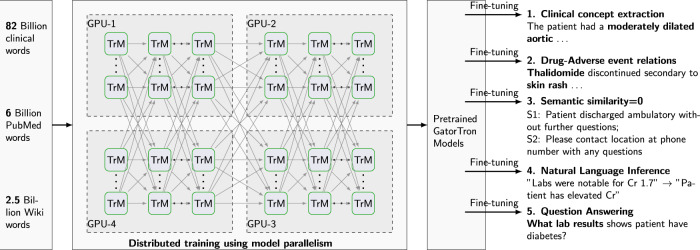
“…of implementing LLM models in healthcare (See Table II): GatorTron Developed by researchers at the University of Florida and NVIDIA, GatorTron [6] is a significant clinical language model trained on a dataset consisting of 82 billion clinical words, 6 billion words from PubMed, 2.5 billion…”
MethodInfluentialEnhancing Safety in Reinforcement Learning with Human Feedback via Rectified Policy Optimization
Peng, X., Guo, H., Zhang, J., Zou, D., Shao, Z., Wei, H., & Liu, X. (2025) · neural information processing systems · doi:10.52202/085713-2120 · Cited by 10
Ramwala, O. A., Lowry, K. P., Hippe, D. S., Unrath, M. P. N., Nyflot, M. J., Mooney, S. D., & Lee, C. I. (2024) · Pacific Symposium on Biocomputing (PSB) · doi:10.1142/9789819807024_0016 · Cited by 9
“…have demonstrated encouraging results in the field of biomedical signal 1,2 and image 3-11 processing, electronic health record (EHR) analysis 12 , and clinical text processing 13 to provide improved diagnostic outcomes, early intervention strategies, and well-tailored patient-specific…”
Pinard, C. J., Poon, A. C., Lagree, A., Wu, K., Li, J., & Tran, W. T. (2024) · Veterinary and Comparative Oncology · doi:10.1111/vco.13035 · Cited by 9
Optimizing Resource Allocation in Hospitals Using Predictive Analytics and Information Systems
Ingole, P. K. (2024) · Journal of Information Systems Engineering & Management · doi:10.52783/jisem.v10i1s.224 · Cited by 9
“By looking at numerous variables at once, multivariate examination can be utilized in healthcare to figure complicated results like a patient's health or the execution of a hospital [19].”
Metadata
- Authors
- Yang, X., Chen, A., PourNejatian, N., Shin, H. C., Smith, K. E., Parisien, C., Compas, C., Martin, C., Costa, A. B., Flores, M. G., Zhang, Y., Magoc, T., Harle, C. A., Lipori, G., Mitchell, D. A., Hogan, W. R., Shenkman, E. A., Bian, J., & Wu, Y.
- Affiliations
- University of Florida (US)
- Nvidia (United States) (US)
- University of Florida Health (US)
- Corresponding author
- Wu, Yonghui
- ORCID
- Venue
- npj Digital Medicine
- Published
- 2022-12-26
- Volume
- 5
- Issue
- 1
- Pages
- 194-194
- ISSN
- 2398-6352 (ISSN-L)
- PMC
- PMC9792464
- OpenAlex
- W4312220150
- Semantic Scholar
- 332dc8b2ca9d49fad607c7282f3360bb2a9aacf3
- Cited by
- 847
- References
- 73
- Citations by year
- 2026: 171 · 2025: 304 · 2024: 268 · 2023: 101 · 2022: 1
- FWCI
- 55.47
- Type
- journal article
- Language
- en
- Open access
- gold
- doi.org
- Licence
- cc-by
- creativecommons.org/licenses/by/4.0 (tdm)
- creativecommons.org/licenses/by/4.0 (vor)
- Locations
- npj Digital Medicine (publishedVersion, cc-by)
- PubMed Central (publishedVersion, cc-by)
- PubMed (publishedVersion)
- DOAJ (DOAJ: Directory of Open Access Journals) (submittedVersion)
- IUScholarWorks (Indiana University) (submittedVersion, cc-by)
- Funders
- Patient-Centered Outcomes Research Institute (ME-2018C3-14754)
- U.S. Department of Health & Human Services | NIH | National Cancer Institute (1R01CA246418)
- U.S. Department of Health & Human Services | NIH | National Institute on Aging (R56AG069880, R21AG062884)
- Topics
- Physical Sciences › Computer Science › Artificial Intelligence › Machine Learning in Healthcare
- Physical Sciences › Computer Science › Artificial Intelligence › Topic Modeling
- Health Sciences › Medicine › Health Informatics › Artificial Intelligence in Healthcare and Education
- Keywords
- electronic health records, clinical natural language processing, clinical concept extraction, semantic textual similarity, natural language inference, medical question answering, model scaling, training data size, clinical text
About these checks
Registry, retraction, Cites and statistics results are computed, not judged, with one exception: a printed reference that no index lists is read once by a model before it counts as a citation error. Claims are extracted by a model and kept only when their quote appears verbatim in the text; each cited source is then checked, with a model’s help, for whether it says what the claim relies on. Those verdicts can be wrong — read the claim’s quote and the cited source before relying on one.
Statistics and arithmetic are recomputed, not judged.
Confidence bands are shown only for fields calibrated on our annotated test set. None is calibrated yet, so no band is shown.
What counts as a claim ›How we measure confidence ›How we check this ›
Are you an author, or do you see a problem with this page? Request a review
Data sources
Bibliographic data: Semantic Scholar, OpenAlex, Crossref.
Contains information from the Semantic Scholar Academic Graph Datasets, made available under the ODC Attribution License (ODC-BY 1.0).
Semantic Scholar’s data is described in: Kinney, R., et al. (2023). The Semantic Scholar Open Data Platform. arXiv:2301.10140.
