

The DOI matches its Crossref record; 83 of the 83 references it cites were found in a registry or an index.
Lewy Body-like α-Synuclein Aggregates Resist Degradation and Impair Macroautophagy
Open accessAbstract
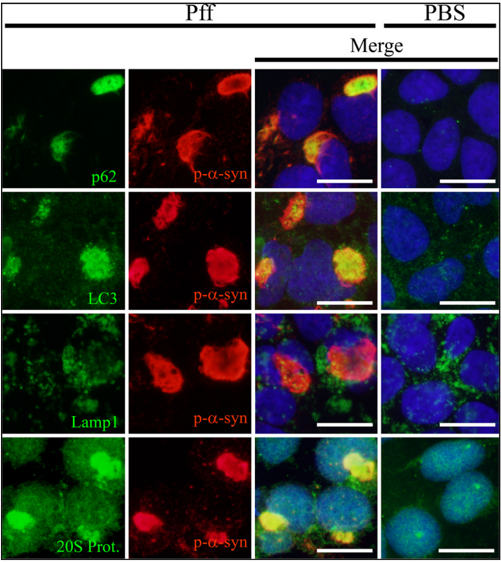
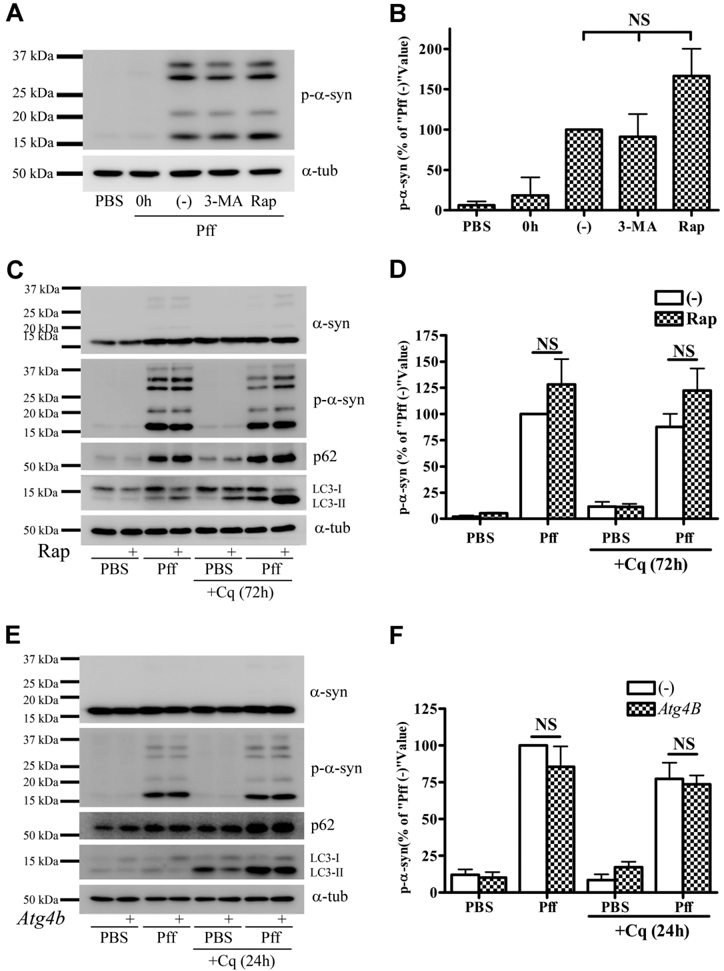
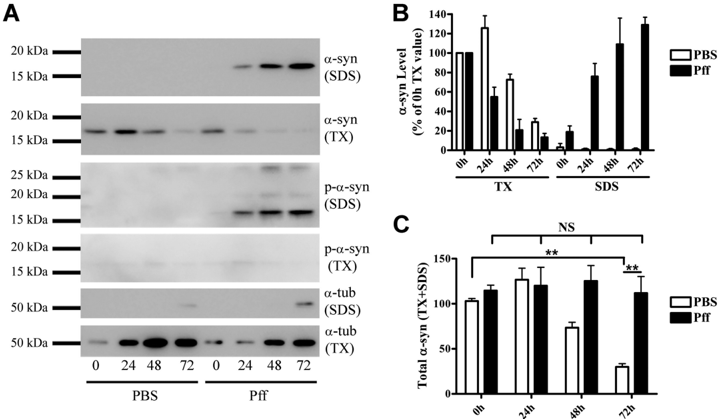
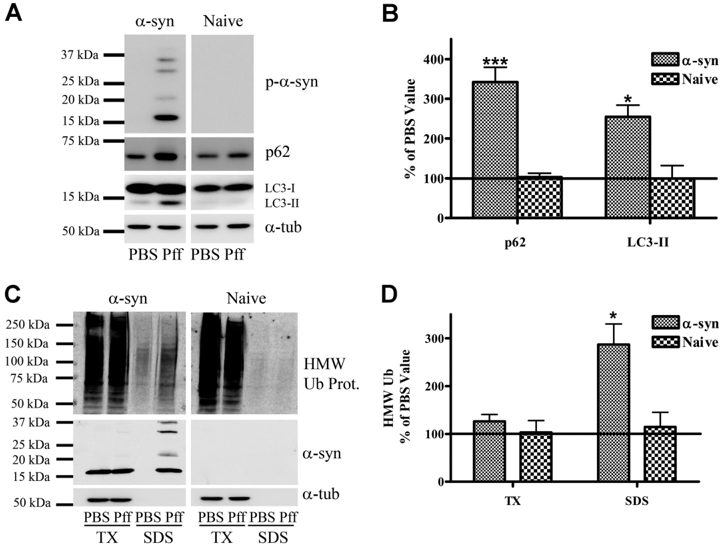
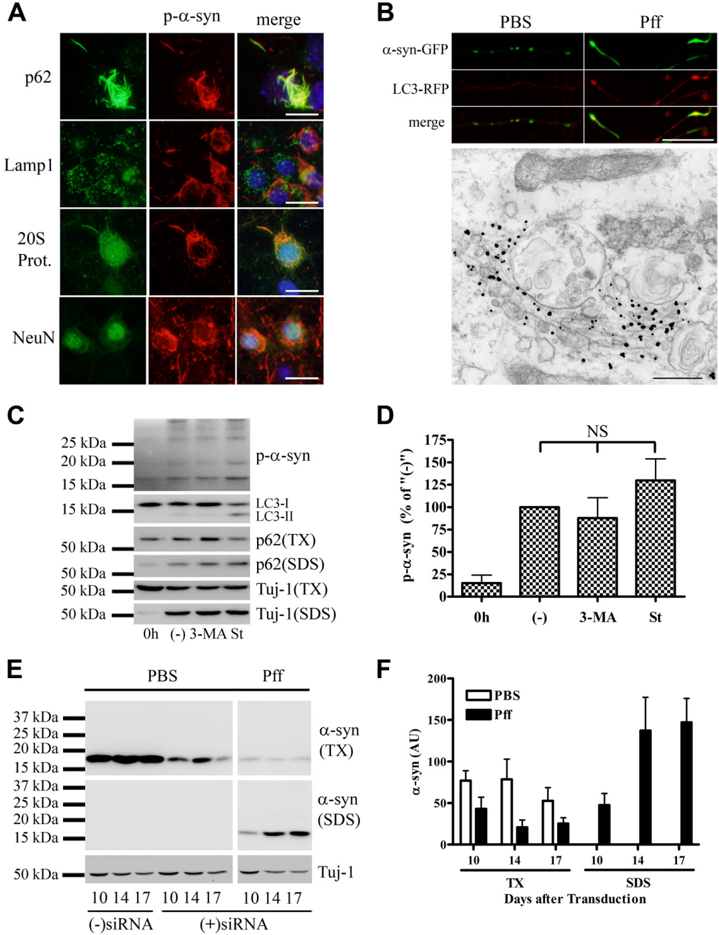
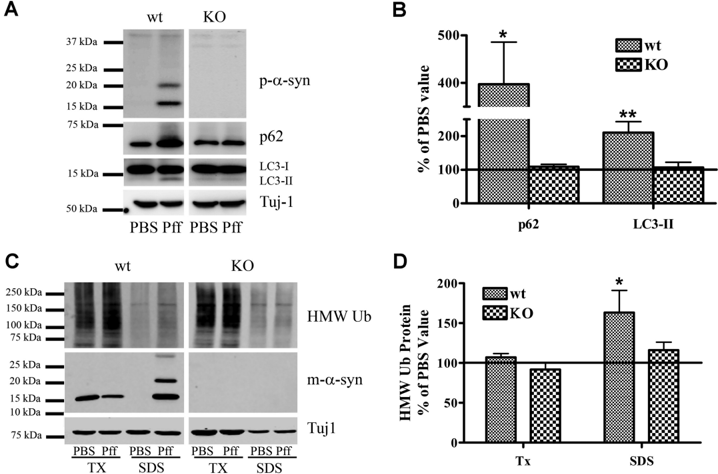
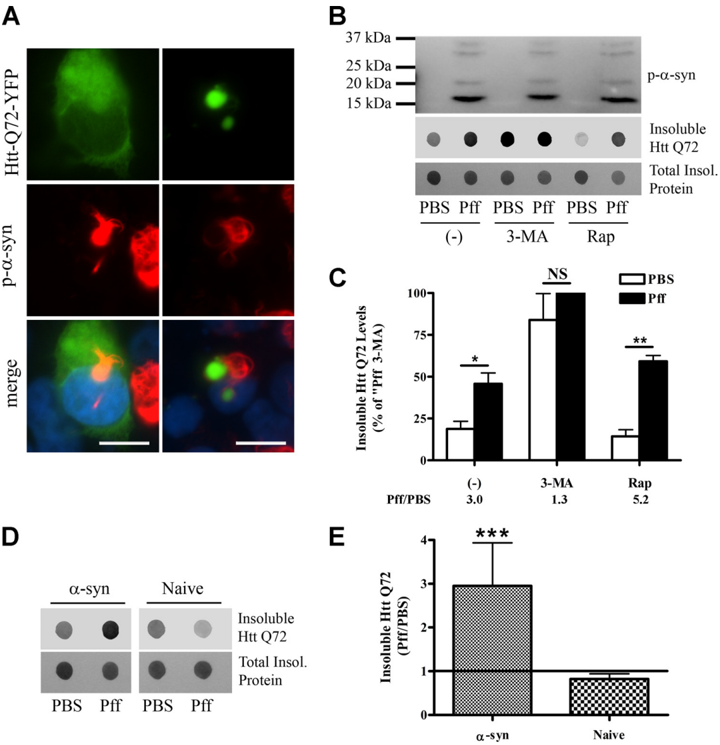
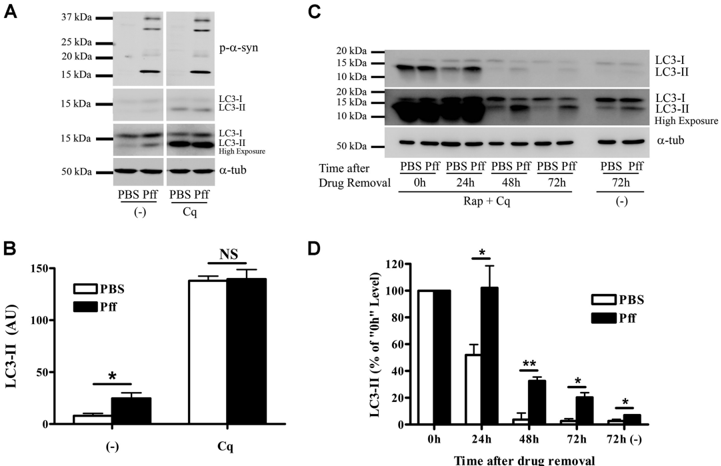
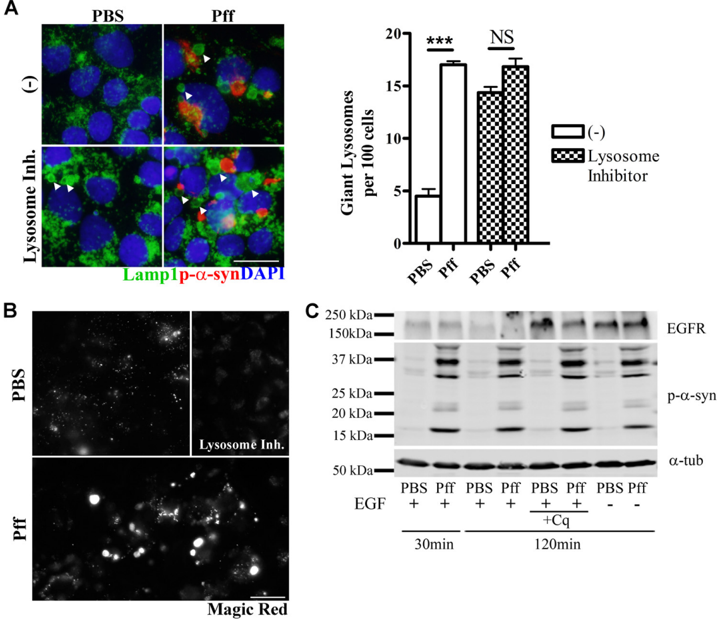
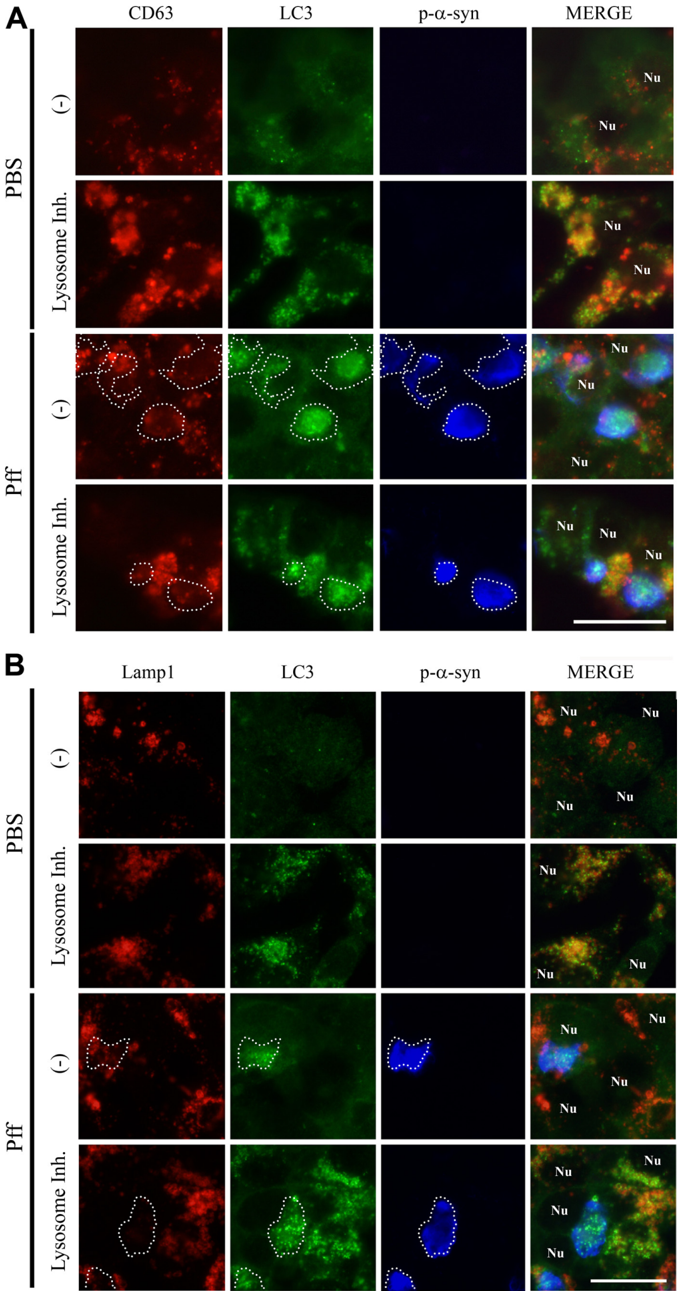
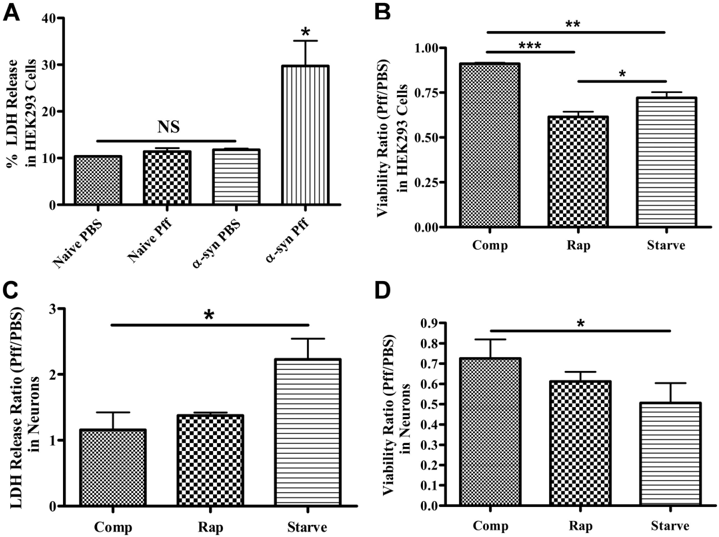
Cytoplasmic α-synuclein (α-syn) aggregates, referred to as Lewy bodies, are pathological hallmarks of a number of neurodegenerative diseases, most notably Parkinson disease. Activation of macroautophagy is suggested to facilitate degradation of certain proteinaceous inclusions, but it is unclear if this pathway is capable of degrading α-syn aggregates. Here, we examined this issue by utilizing cellular models in which intracellular Lewy body-like α-syn inclusions accumulate after internalization of pre-formed α-syn fibrils into α-syn-expressing HEK293 cells or cultured primary neurons. We demonstrate that α-syn inclusions cannot be effectively degraded, even though they co-localize with essential components of both the autophagic and proteasomal protein degradation pathways. The α-syn aggregates persist even after soluble α-syn levels have been substantially reduced, suggesting that once formed, the α-syn inclusions are refractory to clearance. Importantly, we also find that α-syn aggregates impair overall macroautophagy by reducing autophagosome clearance, which may contribute to the increased cell death that is observed in aggregate-bearing cells. Background: α-Synuclein aggregates and macroautophagy are associated with neurodegeneration. Results: Modulation of macroautophagic activity does not affect α-synuclein aggregate levels, although these aggregates cause accumulation of immature autophagosomes. Conclusion: α-Synuclein aggregates are resistant to degradation and impair autophagy by delaying autophagosome maturation. Significance: Understanding the impact of α-synuclein aggregates on autophagy may help elucidate therapies for α-synuclein-mediated neurodegeneration.
Overview
The claims and statistics of this paper haven’t been checked yet.
Run the check — free, no account needed. It reads the open-access text and checks the sources it cites.
Integrity signals
Registry
Cites
Statistics
Figures
Verification
Claims the paper makes
The claims and statistics of this paper haven’t been checked yet.
Run the check — free, no account needed. It reads the open-access text and checks the sources it cites.
Claims other papers make about this one
Each is checked against this paper’s own text: does it say what the citing paper says it does?
In the citing paper
“Furthermore, LB-like synuclein aggregates resist degradation and impair autophagy20.”
From Loss of autophagy in dopaminergic neurons causes Lewy pathology and motor dysfunction in aged mice (2018) · cites this paper as [20]
Self-check
Percentages, sums and reported differences re-computed from the paper’s own numbers.
The self-check needs the paper’s full text.
Citations
Cites
Mutation in the α-Synuclein Gene Identified in Families with Parkinson's Disease
Polymeropoulos, M. H., Lavedan, C., Leroy, E., Ide, S. E., Dehejia, A., Dutra, A., Pike, B., Root, H., Rubenstein, J., Boyer, R., et al. (1997) · Science · doi:10.1126/science.276.5321.2045 · Cited by 8,240
LC3, a mammalian homologue of yeast Apg8p, is localized in autophagosome membranes after processing.
Kabeya, Y., Mizushima, N., Ueno, T., Yamamoto, A., Kirisako, T., Noda, T., Kominami, E., Ohsumi, Y., & Yoshimori, T. (2000) · The EMBO Journal · doi:10.1093/emboj/19.21.5720 · Cited by 6,605
Pankiv, S., Clausen, T. H., Lamark, T., Brech, A., Bruun, J.-A., Outzen, H., Øvervatn, A., Bjørkøy, G., & Johansen, T. (2007) · Journal of Biological Chemistry · doi:10.1074/jbc.m702824200 · Cited by 4,578
Methods in Mammalian Autophagy Research
Mizushima, N., Yoshimori, T., & Levine, B. (2010) · Cell · doi:10.1016/j.cell.2010.01.028 · Cited by 4,497
α-Synuclein Locus Triplication Causes Parkinson's Disease
Singleton, A. B., Farrer, M., Johnson, J., Singleton, A., Hague, S., Kachergus, J., Hulihan, M., Peuralinna, T., Dutra, A., Nussbaum, R., et al. (2003) · Science · doi:10.1126/science.1090278 · Cited by 4,383
Suppression of basal autophagy in neural cells causes neurodegenerative disease in mice
Hara, T., Nakamura, K., Matsui, M., Yamamoto, A., Nakahara, Y., Suzuki-Migishima, R., Yokoyama, M., Mishima, K., Saito, I., Okano, H., et al. (2006) · Nature · doi:10.1038/nature04724 · Cited by 3,882
AlaSOPro mutation in the gene encoding α-synuclein in Parkinson's disease
Krüger, R., Kuhn, W., Müller, T., Woitalla, D., Graeber, M., Kösel, S., Przuntek, H., Epplen, J. T., Schols, L., & Riess, O. (1998) · Nature Genetics · doi:10.1038/ng0298-106 · Cited by 3,836
Loss of autophagy in the central nervous system causes neurodegeneration in mice
Komatsu, M., Waguri, S., Chiba, T., Murata, S., Iwata, J.-I., Tanida, I., Ueno, T., Koike, M., Uchiyama, Y., Kominami, E., et al. (2006) · Nature · doi:10.1038/nature04723 · Cited by 3,500
The new mutation, E46K, of α‐synuclein causes parkinson and Lewy body dementia
Zarranz, J. J., Alegre, J., Gómez‐Esteban, J. C., Lezcano, E., Ros, R., Ampuero, I., Vidal, L., Hoenicka, J., Rodriguez, O., Atarés, B., et al. (2004) · Annals of Neurology · doi:10.1002/ana.10795 · Cited by 2,737
Luk, K. C., Kehm, V., Carroll, J., Zhang, B., O’Brien, P., Trojanowski, J. Q., & Lee, V. M.-Y. (2012) · Science · doi:10.1126/science.1227157 · Cited by 2,563
Self-citation
Cited by
Sorted by citations
Poewe, W., Seppi, K., Tanner, C. M., Halliday, G. M., Brundin, P., Volkmann, J., Schrag, A.-E., & Lang, A. E. (2017) · Nature Reviews Disease Primers · doi:10.1038/nrdp.2017.13 · Cited by 5,415
mTOR at the nexus of nutrition, growth, ageing and disease
Liu, G. Y., & Sabatini, D. M. (2020) · Nature Reviews Molecular Cell Biology · doi:10.1038/s41580-019-0199-y · Cited by 2,737
Proteasomal and Autophagic Degradation Systems
Đikić, I. (2017) · Annual Review of Biochemistry · doi:10.1146/annurev-biochem-061516-044908 · Cited by 1,217
Autophagy and Neurodegeneration: Pathogenic Mechanisms and Therapeutic Opportunities
Menzies, F. M., Fleming, A., Caricasole, A., Bento, C. F., Andrews, S. P., Ashkenazi, A., Füllgrabe, J., Jackson, A., Jimenez Sanchez, M., Karabiyik, C., et al. (2017) · Neuron · doi:10.1016/j.neuron.2017.01.022 · Cited by 1,134
α-synuclein toxicity in neurodegeneration: mechanism and therapeutic strategies
Wong, Y. C., & Krainc, D. (2017) · Nature Medicine · doi:10.1038/nm.4269 · Cited by 897
Mahul-Mellier, A.-L., Burtscher, J., Maharjan, N., Weerens, L., Croisier, M., Kuttler, F., Leleu, M., Knott, G. W., & Lashuel, H. A. (2020) · Proceedings of the National Academy of Sciences · doi:10.1073/pnas.1913904117 · Cited by 710
Volpicelli-Daley, L. A., Luk, K. C., & Lee, V. M.-Y. (2014) · Nature Protocols · doi:10.1038/nprot.2014.143 · Cited by 731
Self-citationCell-to-cell transmission of pathogenic proteins in neurodegenerative diseases
Guo, J. L., & Lee, V. M. Y. (2014) · Nature Medicine · doi:10.1038/nm.3457 · Cited by 641
Self-citationDehay, B., Bourdenx, M., Gorry, P., Przedborski, S., Vila, M., Hunot, S., Singleton, A., Olanow, C. W., Merchant, K., Bézard, E., et al. (2015) · The Lancet Neurology · doi:10.1016/s1474-4422(15)00006-x · Cited by 556
The different autophagy degradation pathways and neurodegeneration
Fleming, A., Bourdenx, M., Fujimaki, M., Karabiyik, C., Krause, G. J., Lopez, A., Martín‐Segura, A., Puri, C., Scrivo, A., Skidmore, J., et al. (2022) · Neuron · doi:10.1016/j.neuron.2022.01.017 · Cited by 500
Tunneling nanotubes spread fibrillar α-synuclein by intercellular trafficking of lysosomes
Abounit, S., Bousset, L., Loria, F., Zhu, S., de Chaumont, F., Pieri, L., Olivo‐Marin, J., Melki, R., & Zurzolo, C. (2016) · The EMBO Journal · doi:10.15252/embj.201593411 · Cited by 414
Like prions: the propagation of aggregated tau and α-synuclein in neurodegeneration
Goedert, M., Masuda-Suzukake, M., & Falcon, B. (2017) · Brain · doi:10.1093/brain/aww230 · Cited by 323
Therapeutic potential of autophagy-enhancing agents in Parkinson’s disease
Moors, T. E., Hoozemans, J. J. M., Ingrassia, A. M. T., Beccari, T., Parnetti, L., Chartier‐Harlin, M., & van de Berg, W. D. J. (2017) · Molecular Neurodegeneration · doi:10.1186/s13024-017-0154-3 · Cited by 287
Autophagy and A lpha‐ S ynuclein: R elevance to P arkinson's D isease and R elated S ynucleopathies
Xilouri, M., Brekk, O. R., & Stefanis, L. (2016) · Movement Disorders · doi:10.1002/mds.26477 · Cited by 280
Endocytic vesicle rupture is a conserved mechanism of cellular invasion by amyloid proteins
Flavin, W. P., Bousset, L., Green, Z. C., Chu, Y., Skarpathiotis, S., Chaney, M. J., Kordower, J. H., Melki, R., & Campbell, E. M. (2017) · Acta Neuropathologica · doi:10.1007/s00401-017-1722-x · Cited by 260
Bassil, F., Brown, H. J., Pattabhiraman, S., Iwasyk, J. E., Maghames, C. M., Meymand, E. S., Cox, T. O., Riddle, D. M., Zhang, B., Trojanowski, J. Q., et al. (2019) · Neuron · doi:10.1016/j.neuron.2019.10.010 · Cited by 246
Self-citationLoss of Mitochondrial Function Impairs Lysosomes
Demers-Lamarche, J., Guillebaud, G., Tlili, M., Todkar, K. J., Bélanger, N., Grondin, M., Nguyen, A., Michel, J. J. C., & Germain, M. (2016) · Journal of Biological Chemistry · doi:10.1074/jbc.m115.695825 · Cited by 242
Autophagy Induction as a Therapeutic Strategy for Neurodegenerative Diseases
Djajadikerta, A., Keshri, S., Tanasa, M. P., Prestil, R., Ryan, L., & Rubinsztein, D. C. (2019) · Journal of Molecular Biology · doi:10.1016/j.jmb.2019.12.035 · Cited by 244
Volpicelli‐Daley, L. A., Gamble, K. L., Schultheiss, C. E., Riddle, D. M., West, A. B., & Lee, V. M. ‐. (2014) · Molecular Biology of the Cell · doi:10.1091/mbc.e14-02-0741 · Cited by 233
Self-citationGrassi, D., Howard, S., Zhou, M., Diaz-Perez, N., Urban, N. T., Guerrero-Given, D., Kamasawa, N., Volpicelli-Daley, L. A., LoGrasso, P., & Lasmézas, C. I. (2018) · Proceedings of the National Academy of Sciences · doi:10.1073/pnas.1713849115 · Cited by 228
Self-citationStructure, function and toxicity of alpha‐synuclein: the Bermuda triangle in synucleinopathies
Villar‐Piqué, A., da Fonseca, T. L., & Outeiro, T. F. (2015) · Journal of Neurochemistry · doi:10.1111/jnc.13249 · Cited by 243
Seeking a Mechanism for the Toxicity of Oligomeric α-Synuclein
Hall‐Roberts, H., & Brown, D. R. (2015) · Biomolecules · doi:10.3390/biom5020282 · Cited by 222
ER stress and impaired autophagy flux in neuronal degeneration and brain injury
Yin, Y., Sun, G., Li, E., Kiselyov, K. I., & Sun, D. (2016) · Ageing Research Reviews · doi:10.1016/j.arr.2016.08.008 · Cited by 218
Autophagy in Neurodegenerative Diseases: A Hunter for Aggregates
Park, H., Kang, J., & Lee, S. (2020) · International Journal of Molecular Sciences · doi:10.3390/ijms21093369 · Cited by 217
Autophagy and Its Normal and Pathogenic States in the Brain
Yamamoto, A., & Yue, Z. (2014) · Annual Review of Neuroscience · doi:10.1146/annurev-neuro-071013-014149 · Cited by 204
Bourdenx, M., Koulakiotis, N. S., Sanoudou, D., Bézard, E., Dehay, B., & Tsarbopoulos, A. (2015) · Progress in Neurobiology · doi:10.1016/j.pneurobio.2015.07.003 · Cited by 202
Accumulation of autophagosomes confers cytotoxicity
Button, R. W., Roberts, S. L., Willis, T. L., Hanemann, C. O., & Luo, S. (2017) · Journal of Biological Chemistry · doi:10.1074/jbc.m117.782276 · Cited by 186
Mitochondrial dynamics in Parkinson's disease: a role for α-synuclein?
Devoto, V. M. P., & Falzone, T. L. (2017) · Disease Models & Mechanisms · doi:10.1242/dmm.026294 · Cited by 184
The emerging role of α-synuclein truncation in aggregation and disease
Sorrentino, Z. A., & Giasson, B. I. (2020) · Journal of Biological Chemistry · doi:10.1074/jbc.rev120.011743 · Cited by 184
How is alpha‐synuclein cleared from the cell?
Stefanis, L., Emmanouilidou, E., Pantazopoulou, M., Kirik, D., Vekrellis, K., & Tofaris, G. K. (2019) · Journal of Neurochemistry · doi:10.1111/jnc.14704 · Cited by 183
Lysosomal Dysfunction and α‐Synuclein Aggregation in Parkinson's Disease: Diagnostic Links
Moors, T. E., Paciotti, S., Chiasserini, D., Calabresi, P., Parnetti, L., Beccari, T., & van de Berg, W. D. J. (2016) · Movement Disorders · doi:10.1002/mds.26562 · Cited by 181
Emerging degrader technologies engaging lysosomal pathways
Ding, Y., Xing, D., Fei, Y., & Lu, B. (2022) · Chemical Society Reviews · doi:10.1039/d2cs00624c · Cited by 165
Alpha-Synuclein: From Early Synaptic Dysfunction to Neurodegeneration
Ghiglieri, V., Calabrese, V., & Calabresi, P. (2018) · Frontiers in Neurology · doi:10.3389/fneur.2018.00295 · Cited by 166
Cellular proteostasis: degradation of misfolded proteins by lysosomes
Jackson, M. P., & Hewitt, E. W. (2016) · Essays in Biochemistry · doi:10.1042/ebc20160005 · Cited by 154
Tenreiro, S., Reimão-Pinto, M. M., Antas, P., Rino, J., Wawrzycka, D., Macedo, D., Rosado-Ramos, R., Amen, T., Waiss, M., Magalhães, F., et al. (2014) · PLoS Genetics · doi:10.1371/journal.pgen.1004302 · Cited by 154
Glucocerebrosidase Activity Modulates Neuronal Susceptibility to Pathological α-Synuclein Insult
Henderson, M. X., Sedor, S. F., McGeary, I., Cornblath, E. J., Peng, C., Riddle, D. M., Li, H. L., Zhang, B., Brown, H. J., Olufemi, M. F., et al. (2019) · Neuron · doi:10.1016/j.neuron.2019.12.004 · Cited by 150
Self-citationDisruption of cellular proteostasis by H1N1 influenza A virus causes α-synuclein aggregation
Marreiros, R., Müller‐Schiffmann, A., Trossbach, S. V., Prikulis, I., Hänsch, S., Weidtkamp‐Peters, S., Moreira, A. R., Sahu, S., Soloviev, I., Selvarajah, S., et al. (2020) · Proceedings of the National Academy of Sciences · doi:10.1073/pnas.1906466117 · Cited by 144
Pinnell, J. R., Cui, M., & Tieu, K. (2020) · Journal of Neurochemistry · doi:10.1111/jnc.15288 · Cited by 146
Autophagy impairment in Parkinson’s disease
Karabiyik, C., Lee, M. J., & Rubinsztein, D. C. (2017) · Essays in Biochemistry · doi:10.1042/ebc20170023 · Cited by 141
Loss of autophagy in dopaminergic neurons causes Lewy pathology and motor dysfunction in aged mice
Sato, S., Uchihara, T., Fukuda, T., Noda, S., Kondo, H., Saiki, S., Komatsu, M., Uchiyama, Y., Tanaka, K., & Hattori, N. (2018) · Scientific Reports · doi:10.1038/s41598-018-21325-w · Cited by 125
Prion-Like Mechanisms in Parkinson’s Disease
Ma, J., Gao, J., Wang, J., & Xie, A. (2019) · Frontiers in Neuroscience · doi:10.3389/fnins.2019.00552 · Cited by 134
Neuronal vulnerability in Parkinson disease: Should the focus be on axons and synaptic terminals?
Wong, Y. C., Luk, K. C., Purtell, K., Burke, S., Stoessl, A. J., Trudeau, L., Yue, Z., Krainc, D., Oertel, W. H., Obeso, J. A., et al. (2019) · Movement Disorders · doi:10.1002/mds.27823 · Cited by 126
Self-citationAutophagosome dynamics in neurodegeneration at a glance
Wong, Y. C., & Holzbaur, E. L. F. (2015) · Journal of Cell Science · doi:10.1242/jcs.161216 · Cited by 117
Ganesan, D., & Cai, Q. (2021) · Biochemical Journal · doi:10.1042/bcj20200917 · Cited by 123
Gao, J., Perera, G., Bhadbhade, M., Halliday, G. M., & Dzamko, N. L. (2019) · Journal of Biological Chemistry · doi:10.1074/jbc.ra119.008733 · Cited by 119
The Vicious Cycle Between α ‐Synuclein Aggregation and Autophagic‐Lysosomal Dysfunction
Bellomo, G., Paciotti, S., Gatticchi, L., & Parnetti, L. (2019) · Movement Disorders · doi:10.1002/mds.27895 · Cited by 116
Circadian clocks and neurodegenerative diseases: time to aggregate?
Hastings, M. H., & Goedert, M. (2013) · Current Opinion in Neurobiology · doi:10.1016/j.conb.2013.05.004 · Cited by 119
α-Synuclein modulates tau spreading in mouse brains
Bassil, F., Meymand, E. S., Brown, H. J., Xu, H. W., Cox, T. O., Pattabhiraman, S., Maghames, C. M., Wu, Q., Zhang, B., Trojanowski, J. Q., et al. (2020) · The Journal of Experimental Medicine · doi:10.1084/jem.20192193 · Cited by 109
Self-citationYuan, Y., Yan, W.-F., Sun, J., Huang, J., Mu, Z., & Chen, N. (2014) · Toxicology Letters · doi:10.1016/j.toxlet.2014.11.029 · Cited by 111
The Interplay between Alpha-Synuclein Clearance and Spreading
da Fonseca, T. L., Villar‐Piqué, A., & Outeiro, T. F. (2015) · Biomolecules · doi:10.3390/biom5020435 · Cited by 115
Kim, S., Jung, U. J., & Kim, S. R. (2025) · Journal of Clinical Medicine · doi:10.3390/jcm14020386 · Cited by 129
The Endolysosomal System and Proteostasis: From Development to Degeneration
Winckler, B., Faúndez, V., Maday, S., Cai, Q., Almeida, C. G., & Zhang, H. (2018) · Journal of Neuroscience · doi:10.1523/jneurosci.1665-18.2018 · Cited by 111
Dysregulation of autophagy and mitochondrial function in Parkinson’s disease
Wang, B., Abraham, N. A., Gao, G., & Yang, Q. (2016) · Translational Neurodegeneration · doi:10.1186/s40035-016-0065-1 · Cited by 112
Alpha-Synuclein Targeting Therapeutics for Parkinson's Disease and Related Synucleinopathies
Menon, S. A., Armstrong, S. E. M., Hamzeh, A. M., Visanji, N. P., Sardi, S. P., & Tandon, A. (2022) · Frontiers in Neurology · doi:10.3389/fneur.2022.852003 · Cited by 108
Transmission of α-synuclein seeds in neurodegenerative disease: recent developments
Karpowicz, R. J., Trojanowski, J. Q., & Lee, V. M. ‐. (2019) · Laboratory Investigation · doi:10.1038/s41374-019-0195-z · Cited by 105
Self-citationSorting out release, uptake and processing of alpha‐synuclein during prion‐like spread of pathology
Tyson, T., Steiner, J. A., & Brundin, P. (2015) · Journal of Neurochemistry · doi:10.1111/jnc.13449 · Cited by 110
Therapeutics in the Pipeline Targeting α-Synuclein for Parkinson's Disease
Jasutkar, H. G., Oh, S. E., & Mouradian, M. M. (2022) · Pharmacological Reviews · doi:10.1124/pharmrev.120.000133 · Cited by 104
Mitophagy in neurodegenerative diseases
Rodolfo, C., Campello, S., & Cecconi, F. (2017) · Neurochemistry International · doi:10.1016/j.neuint.2017.08.004 · Cited by 104
Obergasteiger, J., Frapporti, G., Pramstaller, P. P., Hicks, A. A., & Volta, M. (2018) · Molecular Neurodegeneration · doi:10.1186/s13024-018-0273-5 · Cited by 97
Key genes and convergent pathogenic mechanisms in Parkinson disease
Coukos, R., & Krainc, D. (2024) · Nature reviews. Neuroscience · doi:10.1038/s41583-024-00812-2 · Cited by 116
Import and Export of Misfolded α-Synuclein
Rodriguez, L., Marano, M. M., & Tandon, A. (2018) · Frontiers in Neuroscience · doi:10.3389/fnins.2018.00344 · Cited by 93
Neuroinflammation in Multiple System Atrophy: Response to and Cause of α-Synuclein Aggregation
Vieira, B. D. M., Radford, R. A., Chung, R. S., Guillemin, G. J., & Pountney, D. L. (2015) · Frontiers in Cellular Neuroscience · doi:10.3389/fncel.2015.00437 · Cited by 93
“…(CMA; Kiffin et al., 2004; MartinezVicente et al., 2008; Xilouri et al., 2009, 2013) and that α-syn phosphorylation alters macroautophagy (Tenreiro et al., 2014) which, unlike CMA, can eliminate larger protein species, such as oligomers and aggregates (Engelender, 2012; Tanik et al., 2013).”
BackgroundErbB2 regulates autophagic flux to modulate the proteostasis of APP-CTFs in Alzheimer’s disease
Wang, B.-J., Her, G. M., Hu, M., Chen, Y.-W., Tung, Y.-T., Wu, P., Hsu, W., Lee, H., Jin, L., Hwang, S. L., et al. (2017) · Proceedings of the National Academy of Sciences · doi:10.1073/pnas.1618804114 · Cited by 94
Redmann, M., Darley-Usmar, V. M., & Zhang, J. (2016) · Aging and Disease · doi:10.14336/ad.2015.0820 · Cited by 93
The endosomal pathway in Parkinson's disease
Perrett, R. M., Alexopoulou, Z., & Tofaris, G. K. (2015) · Molecular and Cellular Neuroscience · doi:10.1016/j.mcn.2015.02.009 · Cited by 89
α-Synuclein fibril-induced paradoxical structural and functional defects in hippocampal neurons
Froula, J. M., Henderson, B. W., Gonzalez, J., Vaden, J. H., Mclean, J. W., Wu, Y., Banumurthy, G., Overstreet‐Wadiche, L., Herskowitz, J. H., & Volpicelli‐Daley, L. A. (2018) · Acta Neuropathologica Communications · doi:10.1186/s40478-018-0537-x · Cited by 90
Self-citationLuan, Y., Ren, X., Zheng, W., Zeng, Z., Guo, Y., Hou, Z., Guo, W. M., Chen, X., Li, F. Y., & Chen, J. (2018) · Frontiers in Neuroscience · doi:10.3389/fnins.2018.00301 · Cited by 92
Pathogenesis of α-Synuclein in Parkinson’s Disease: From a Neuron-Glia Crosstalk Perspective
Yi, S., Wang, L., Wang, H., Ho, M. S.-C., & Zhang, S. (2022) · International Journal of Molecular Sciences · doi:10.3390/ijms232314753 · Cited by 96
RISC in PD: the impact of microRNAs in Parkinson's disease cellular and molecular pathogenesis
Heman-Ackah, S. M., Hallegger, M., Rao, M. S., & Wood, M. J. A. (2013) · Frontiers in Molecular Neuroscience · doi:10.3389/fnmol.2013.00040 · Cited by 83
α-Synuclein interacts with the switch region of Rab8a in a Ser129 phosphorylation-dependent manner
Yin, G., da Fonseca, T. L., Eisbach, S. E., Anduaga, A. M., Breda, C., Orcellet, M. L., Szegő, É. M., Guerreiro, P. S., Lázaro, D. F., Braus, G. H., et al. (2014) · Neurobiology of Disease · doi:10.1016/j.nbd.2014.06.018 · Cited by 85
Autophagy in Synucleinopathy: The Overwhelmed and Defective Machinery
Arotçarena, M.-L., Teil, M., & Dehay, B. (2019) · Cells · doi:10.3390/cells8060565 · Cited by 91
Yu, Y., Feng, L., Li, J., Lan, X., Lixiang, A., Lv, X., Zhang, M., & Chen, L. (2017) · Behavioural Brain Research · doi:10.1016/j.bbr.2017.07.003 · Cited by 83
Preserving Lysosomal Function in the Aging Brain: Insights from Neurodegeneration
Peng, W., Minakaki, G., Nguyen, M., & Krainc, D. (2019) · Neurotherapeutics · doi:10.1007/s13311-019-00742-3 · Cited by 79
The Dynamics and Turnover of Tau Aggregates in Cultured Cells
Guo, J., Buist, A., Soares, A. C., Callaerts, K., Calafate, S., Stevenaert, F., Daniels, J. P., Zoll, B. E., Crowe, A., Brunden, K. R., et al. (2016) · Journal of Biological Chemistry · doi:10.1074/jbc.m115.712083 · Cited by 83
Self-citationFollett, J., Bugarcic, A., Yang, Z., Ariotti, N., Norwood, S. J., Collins, B. M., Parton, R. G., & Teasdale, R. D. (2016) · Journal of Biological Chemistry · doi:10.1074/jbc.m115.703157 · Cited by 81
α-synuclein impairs autophagosome maturation through abnormal actin stabilization
Sarkar, S., Olsen, A. L., Sygnecka, K., Lohr, K. M., & Feany, M. Β. (2021) · PLoS Genetics · doi:10.1371/journal.pgen.1009359 · Cited by 82
Alpha-Synuclein as a Prominent Actor in the Inflammatory Synaptopathy of Parkinson’s Disease
Cardinale, A., Calabrese, V., de Iure, A., & Picconi, B. (2021) · International Journal of Molecular Sciences · doi:10.3390/ijms22126517 · Cited by 79
Yan, M., Xiong, M., Dai, L., Zhang, X., Zha, Y., Deng, X., Yu, Z., & Zhang, Z. (2022) · npj Parkinson s Disease · doi:10.1038/s41531-021-00272-w · Cited by 78
Ma, L., Yang, C., Zhang, X., Li, Y., Wang, S. L., Zheng, L., & Huang, K. (2018) · Biochimica et Biophysica Acta (BBA) - Molecular Basis of Disease · doi:10.1016/j.bbadis.2018.10.003 · Cited by 78
Lin, K.-L., Lin, K.-J., Wang, P., Chuang, J., Lin, H., Chen, S., Chuang, Y., Huang, S., Tiao, M., Chen, J., et al. (2018) · Free Radical Research · doi:10.1080/10715762.2018.1489128 · Cited by 78
(Poly)phenols protect from α-synuclein toxicity by reducing oxidative stress and promoting autophagy
Macedo, D., Tavares, L., McDougall, G. J., Miranda, H. V., Stewart, D., Ferreira, R. B., Tenreiro, S., Outeiro, T. F., & dos Santos, C. N. (2014) · Human Molecular Genetics · doi:10.1093/hmg/ddu585 · Cited by 78
Common Mechanisms Underlying α-Synuclein-Induced Mitochondrial Dysfunction in Parkinson’s Disease
Sohrabi, T., Mirzaei-Behbahani, B., Zadali, R., Pirhaghi, M., Morozova‐Roche, L. A., & Meratan, A. A. (2023) · Journal of Molecular Biology · doi:10.1016/j.jmb.2023.167992 · Cited by 79
Mechanisms of alpha-synuclein toxicity: An update and outlook
Brás, I. C., Xylaki, M., & Outeiro, T. F. (2019) · Progress in brain research · doi:10.1016/bs.pbr.2019.10.005 · Cited by 78
Pathogenic Ubqln2 gains toxic properties to induce neuron death
Wu, Q., Liu, M., Huang, C., Liu, X., Huang, B., Li, N., Zhou, H., & Xia, X. (2014) · Acta Neuropathologica · doi:10.1007/s00401-014-1367-y · Cited by 75
Autophagy in Astrocytes and its Implications in Neurodegeneration
Sung, K., & Jiménez-Sánchez, M. (2020) · Journal of Molecular Biology · doi:10.1016/j.jmb.2019.12.041 · Cited by 78
Wang, T., & Hay, J. (2015) · Frontiers in Neuroscience · doi:10.3389/fnins.2015.00433 · Cited by 74
Defective Autophagy in Parkinson’s Disease: Lessons from Genetics
Zhang, H., Duan, C., & Yang, H. (2014) · Molecular Neurobiology · doi:10.1007/s12035-014-8787-5 · Cited by 72
Regulation of neuronal autophagy and the implications in neurodegenerative diseases
Cai, Q., & Ganesan, D. (2021) · Neurobiology of Disease · doi:10.1016/j.nbd.2021.105582 · Cited by 70
Targeting the Autophagy/Lysosomal Degradation Pathway in Parkinsons Disease
Rivero-Ríos, P., Madero-Pérez, Fernández, B., & Hilfiker, S. (2016) · Current Neuropharmacology · doi:10.2174/1570159x13666151030103027 · Cited by 69
Teves, J. M., Bhargava, V., Kirwan, K. R., Corenblum, M. J., Justiniano, R., Wondrak, G. T., Anandhan, A., Flores, A. J., Schipper, D. A., Khalpey, Z. I., et al. (2018) · Frontiers in Neuroscience · doi:10.3389/fnins.2017.00737 · Cited by 69
Tsujimura, A., Taguchi, K., Watanabe, Y., Tatebe, H., Tokuda, T., Mizuno, T., & Tanaka, M. (2014) · Neurobiology of Disease · doi:10.1016/j.nbd.2014.10.011 · Cited by 67
Wang, X., Feng, S., Wang, Y., Yuan, Y., Li, Z., Chen, N., Wang, Z., & Zhang, Y. (2021) · Cellular and Molecular Neurobiology · doi:10.1007/s10571-021-01039-w · Cited by 66
The Emerging Roles of Autophagy in Human Diseases
Lei, Y., & Klionsky, D. J. (2021) · Biomedicines · doi:10.3390/biomedicines9111651 · Cited by 68
The Hidden Cell-to-Cell Trail of α-Synuclein Aggregates
Neupane, S., Cecco, E. D., & Aguzzi, A. (2022) · Journal of Molecular Biology · doi:10.1016/j.jmb.2022.167930 · Cited by 69
Found in Translation: The Utility of C. elegans Alpha-Synuclein Models of Parkinson’s Disease
Gaeta, A. L., Caldwell, K. A., & Caldwell, G. A. (2019) · Brain Sciences · doi:10.3390/brainsci9040073 · Cited by 75
Mallucci, G. R., Klenerman, D., & Rubinsztein, D. C. (2020) · Annual Review of Cell and Developmental Biology · doi:10.1146/annurev-cellbio-040320-120625 · Cited by 62
Achour, I., Arel-Dubeau, A.-M., Renaud, J., Legrand, M., Attard, E., Germain, M., & Martinoli, M. (2016) · International Journal of Molecular Sciences · doi:10.3390/ijms17081293 · Cited by 64
miR-124 downregulates BACE 1 and alters autophagy in APP/PS1 transgenic mice
Du, X., Huo, X., Yang, Y., Hu, Z., Botchway, B. O. A., Jiang, Y., & Fang, M. (2017) · Toxicology Letters · doi:10.1016/j.toxlet.2017.08.082 · Cited by 64
Lashuel, H. A., Mahul‐Mellier, A., Novello, S., Hegde, R. N., Jasiqi, Y., Altay, M. F., Donzelli, S., DeGuire, S. M., Burai, R., Magalhães, P., et al. (2022) · npj Parkinson s Disease · doi:10.1038/s41531-022-00388-7 · Cited by 60
Inhibition of HDAC6 activity protects dopaminergic neurons from alpha-synuclein toxicity
Francelle, L., Outeiro, T. F., & Rappold, G. (2020) · Scientific Reports · doi:10.1038/s41598-020-62678-5 · Cited by 60
Metadata
- Authors
- Tanik, S. A., Schultheiss, C. E., Volpicelli-Daley, L. A., Brunden, K. R., & Lee, V. M. Y.
- Affiliations
- University of Pennsylvania (US)
- Corresponding author
- Lee, Virginia M.Y.
- Venue
- Journal of Biological Chemistry
- Publisher
- Elsevier BV
- Published
- 2013-05
- Volume
- 288
- Issue
- 21
- Pages
- 15194-15210
- ISSN
- 0021-9258 (ISSN-L)
- PMC
- PMC3663539
- OpenAlex
- W2017642230
- Cited by
- 326
- References
- 83
- Citations by year
- 2026: 17 · 2025: 23 · 2024: 25 · 2023: 11 · 2022: 27 · 2021: 28 · 2020: 40 · 2019: 40 · 2018: 28 · 2017: 26 · 2016: 23 · 2015: 18 · 2014: 15 · 2013: 5
- FWCI
- 12.91
- Type
- journal article
- Language
- en
- Open access
- hybrid
- doi.org
- Licence
- Locations
- Journal of Biological Chemistry (publishedVersion, cc-by)
- Europe PMC (PubMed Central) (publishedVersion)
- PubMed Central (publishedVersion)
- PubMed (publishedVersion)
- Funders
- Cedars-Sinai Medical Center
- National Institutes of Health (NS053488)
- National Institute of Neurological Disorders and Stroke (NS053488, P50NS053488)
- Topics
- Health Sciences › Medicine › Clinical Neurology › Parkinson's Disease Mechanisms and Treatments
- Life Sciences › Biochemistry, Genetics and Molecular Biology › Cell Biology › Autophagy in Disease and Therapy
- Life Sciences › Neuroscience › Cellular and Molecular Neuroscience › Alzheimer's disease research and treatments
- Keywords
- alpha-synuclein, Lewy bodies, macroautophagy, autophagosome maturation, Parkinson's disease, neurodegeneration, proteasomal degradation, autophagy dysfunction, neuronal cell death
- MeSH terms
- Animals, Autophagy, HeLa Cells, Humans, Models, Biological, Neurons, Parkinson Disease, Lewy Bodies, Proteasome Endopeptidase Complex, Mice, alpha-Synuclein, HEK293 Cells, Proteolysis
About these checks
Registry, retraction, Cites and statistics results are computed, not judged, with one exception: a printed reference that no index lists is read once by a model before it counts as a citation error. Claims are extracted by a model and kept only when their quote appears verbatim in the text; each cited source is then checked, with a model’s help, for whether it says what the claim relies on. Those verdicts can be wrong — read the claim’s quote and the cited source before relying on one.
Statistics and arithmetic are recomputed, not judged.
Confidence bands are shown only for fields calibrated on our annotated test set. None is calibrated yet, so no band is shown.
What counts as a claim ›How we measure confidence ›How we check this ›
Are you an author, or do you see a problem with this page? Request a review
